Article

Power Generation Prediction for Photovoltaic System of Hose-Drawn Traveler Based on Machine Learning Models


1
College of Intelligent Manufacturing, Yangzhou Polytechnic Institute, Yangzhou 225127, China
2
College of Water Resources and Architectural Engineering, Northwest A&F University, Yangling 712100, China
3
Jiangsu Province Engineering Research Center of Intelligent Application for Advanced Plastic Forming, Yangzhou 225127, China
4
School of Mechanical Engineering, Yangzhou University, Yangzhou 225127, China
*
Author to whom correspondence should be addressed.
Processes 2024, 12(1), 39; https://doi.org/10.3390/pr12010039
Submission received: 25 November 2023 / Revised: 17 December 2023 / Accepted: 19 December 2023 / Published: 22 December 2023
(This article belongs to the Special Issue Solar Energy for Sustainable Agriculture)

Abstract

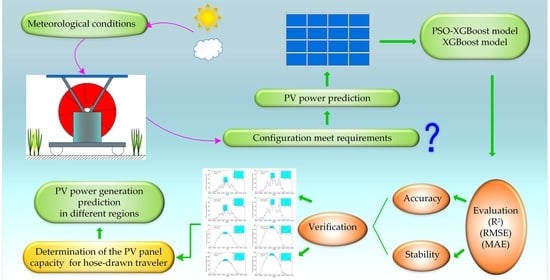
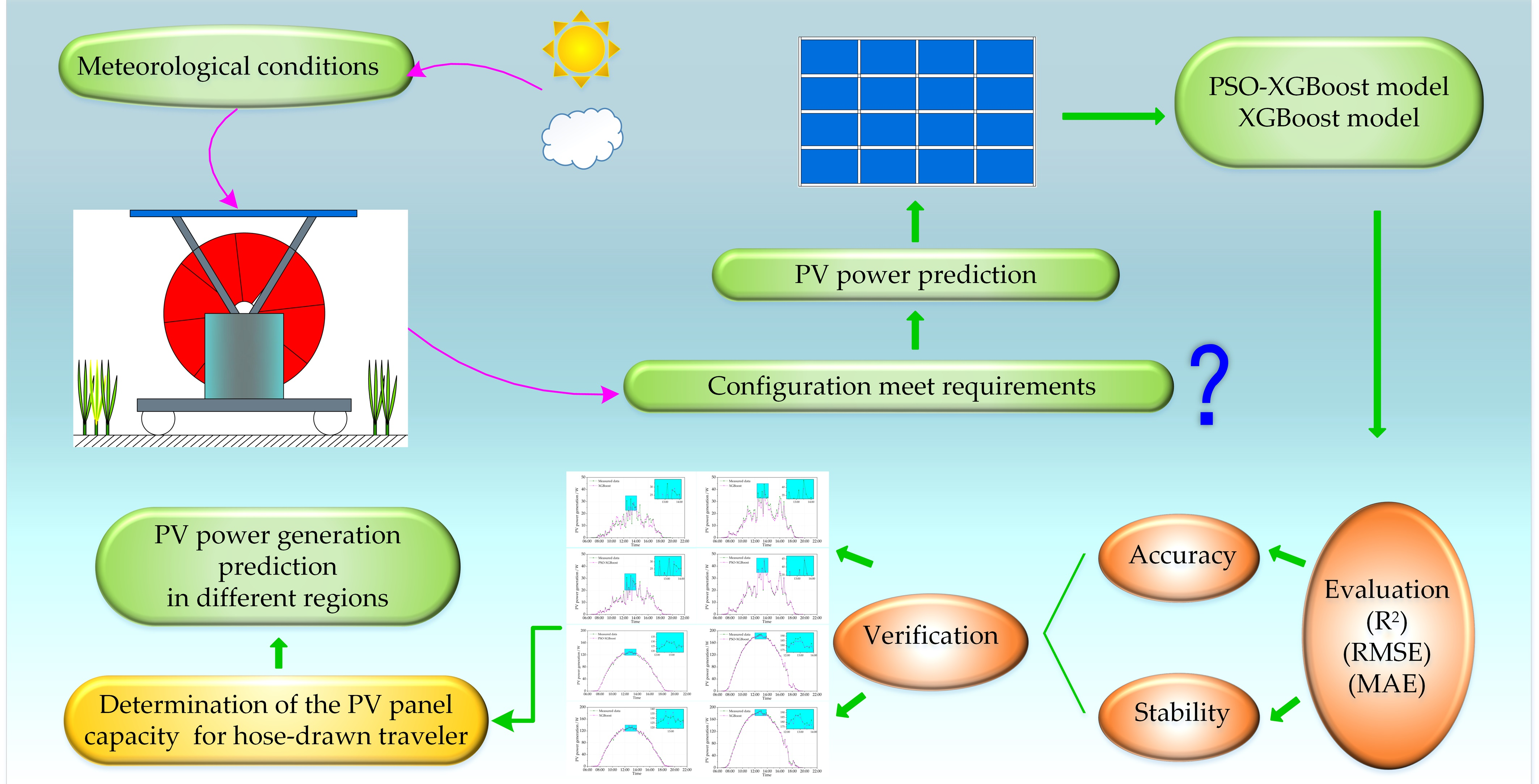
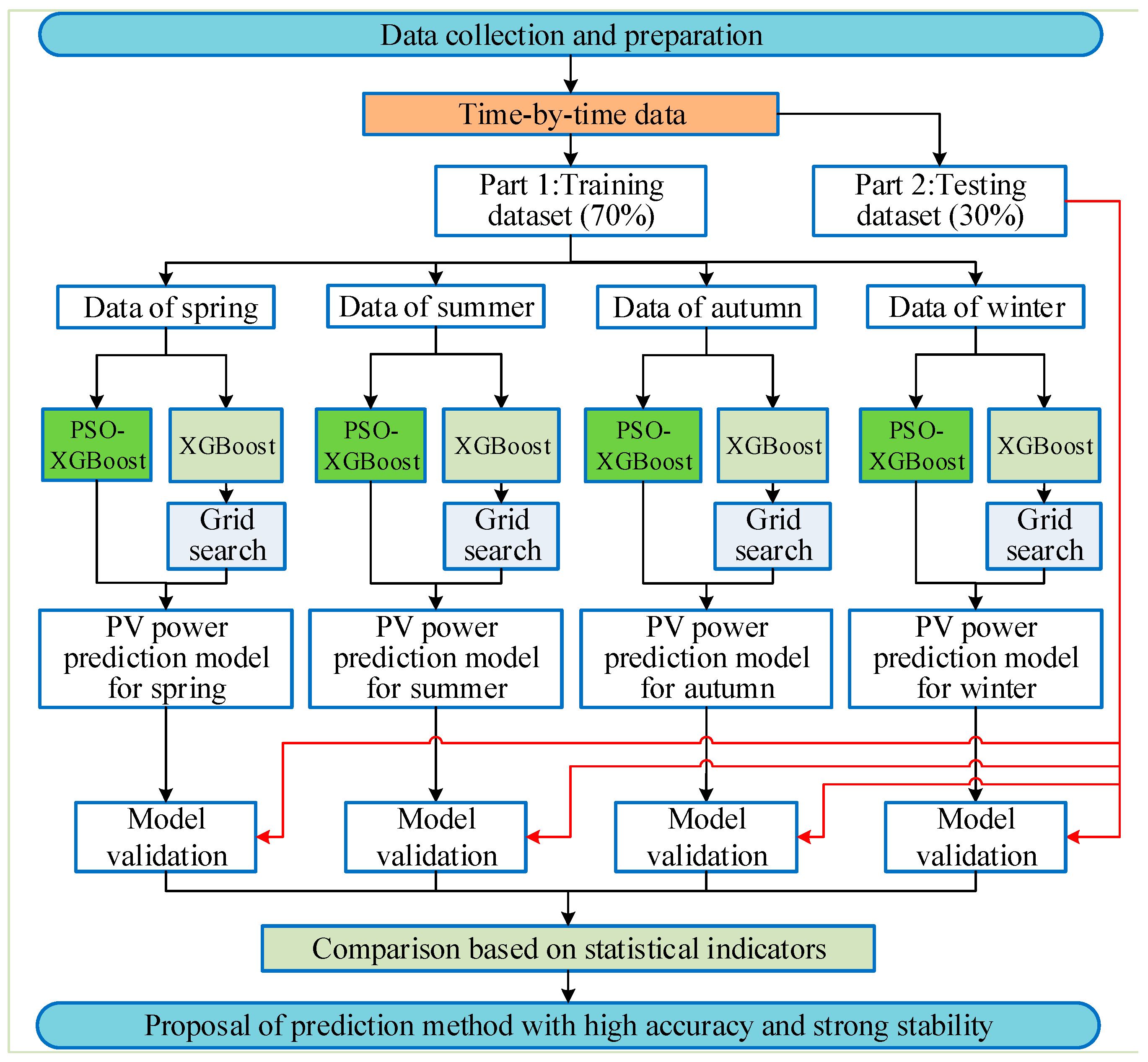
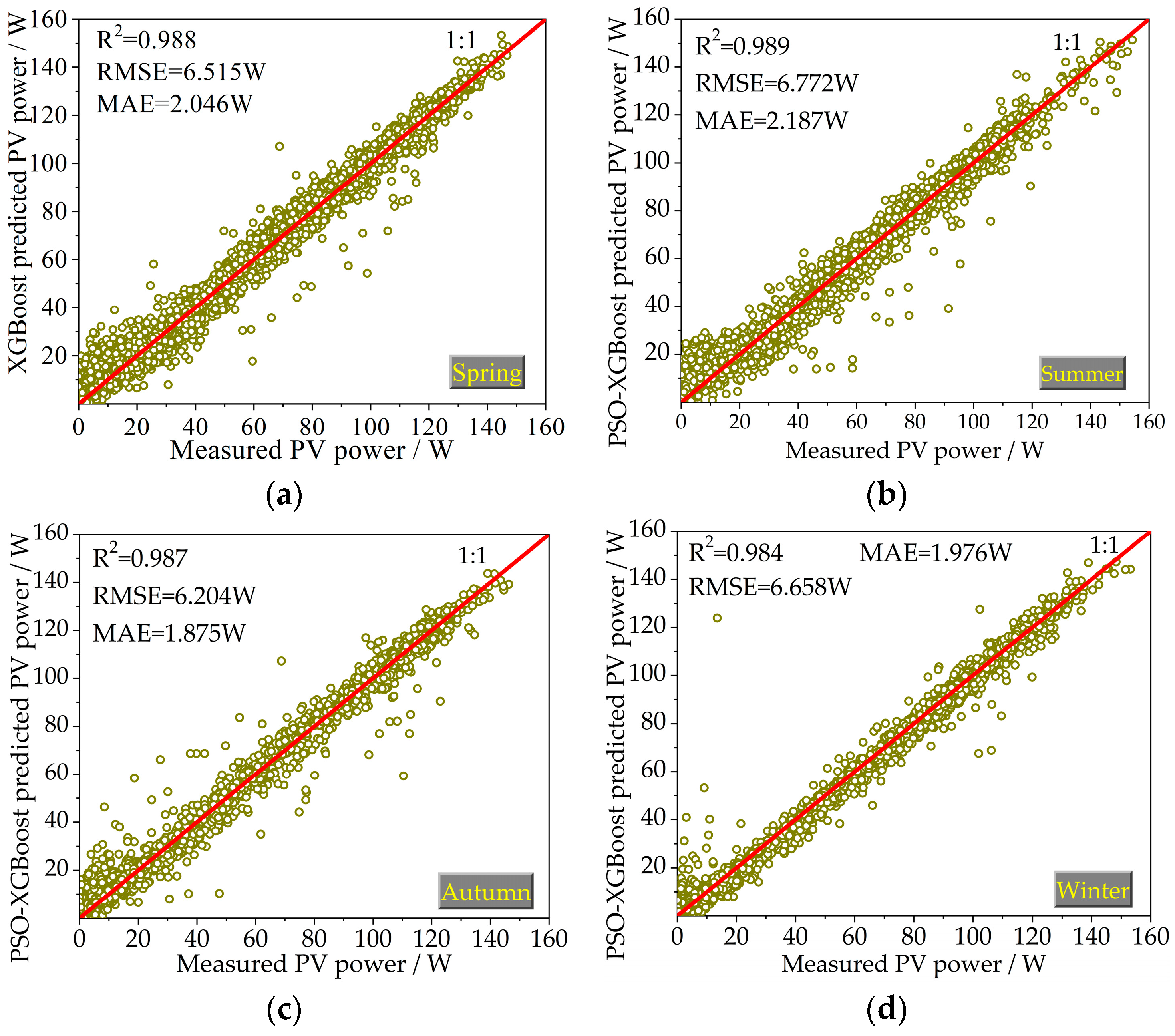
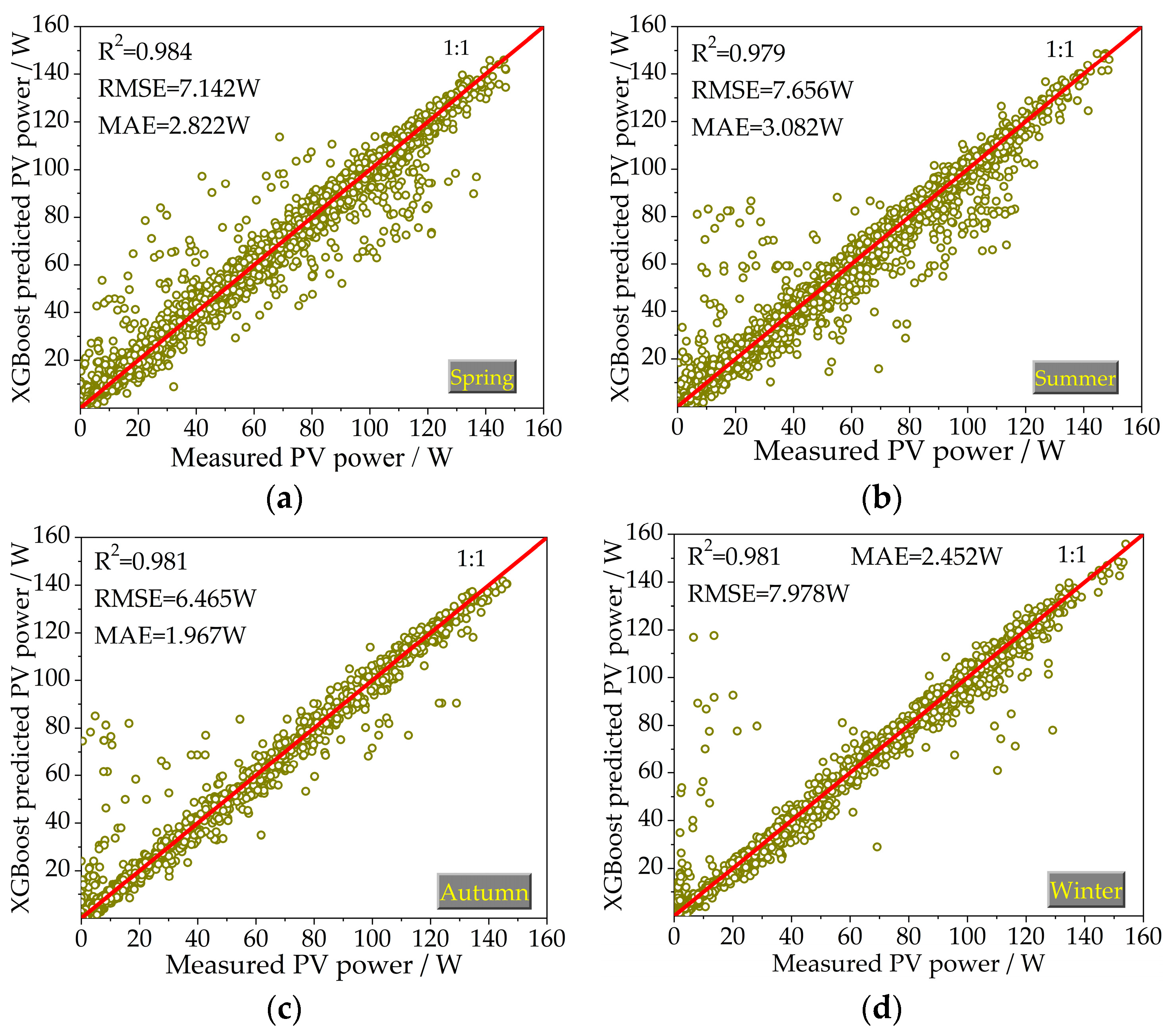
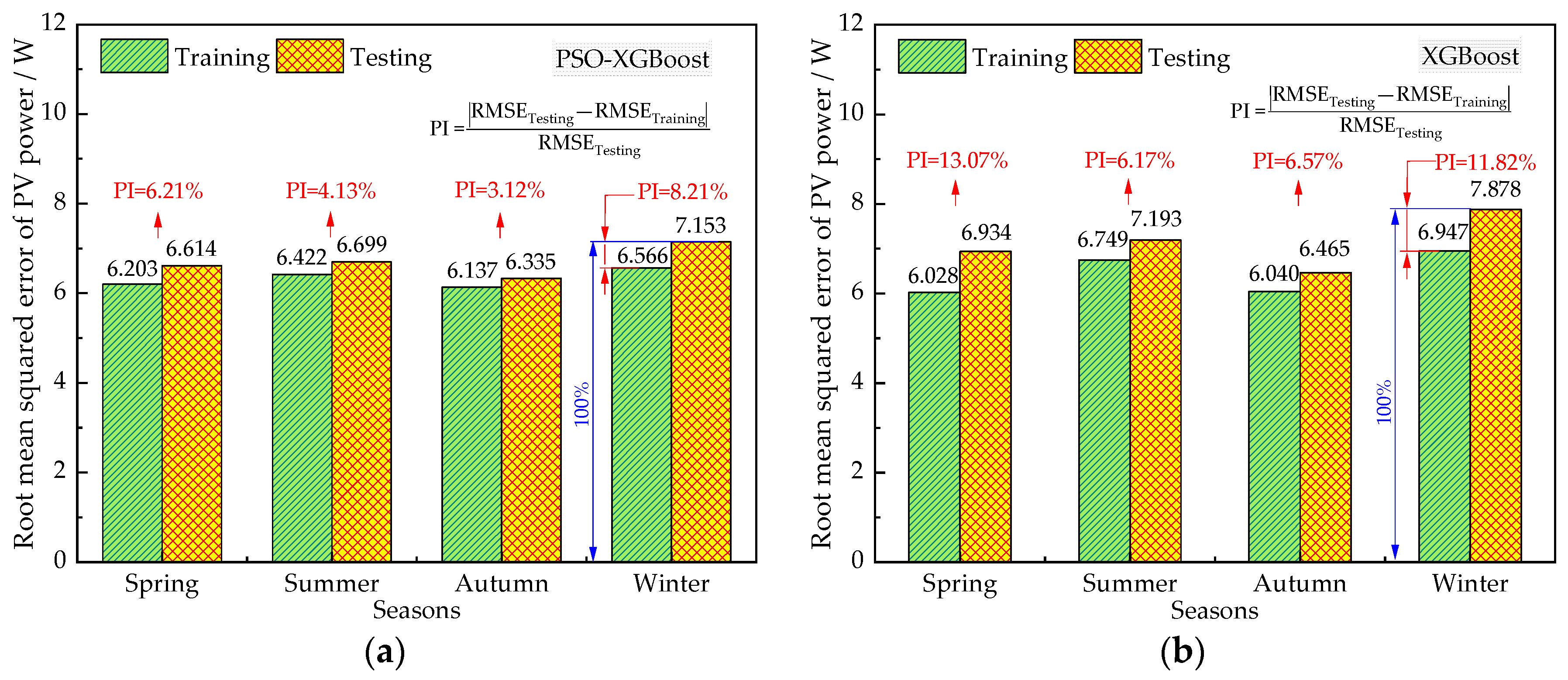
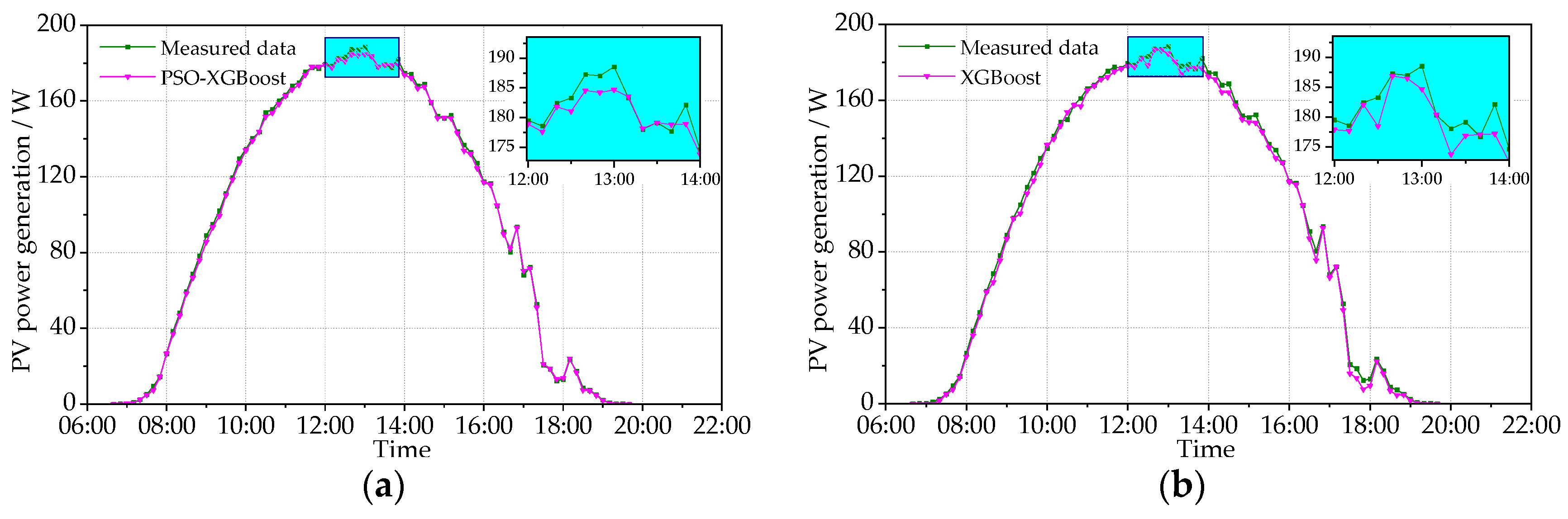
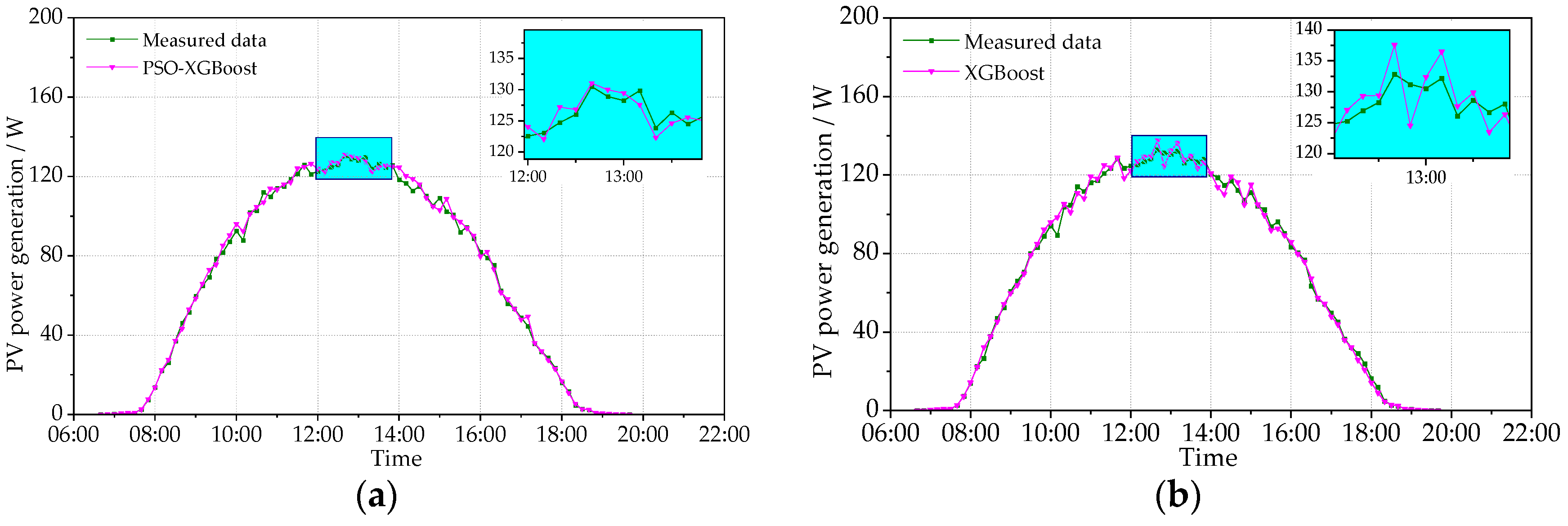
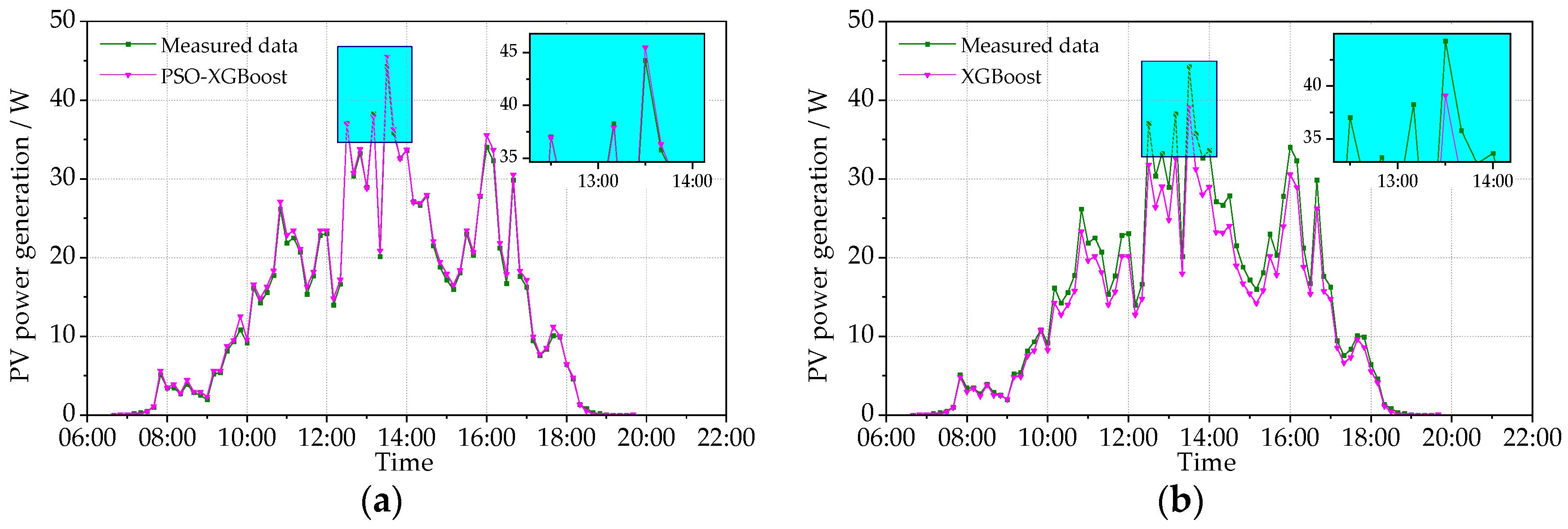
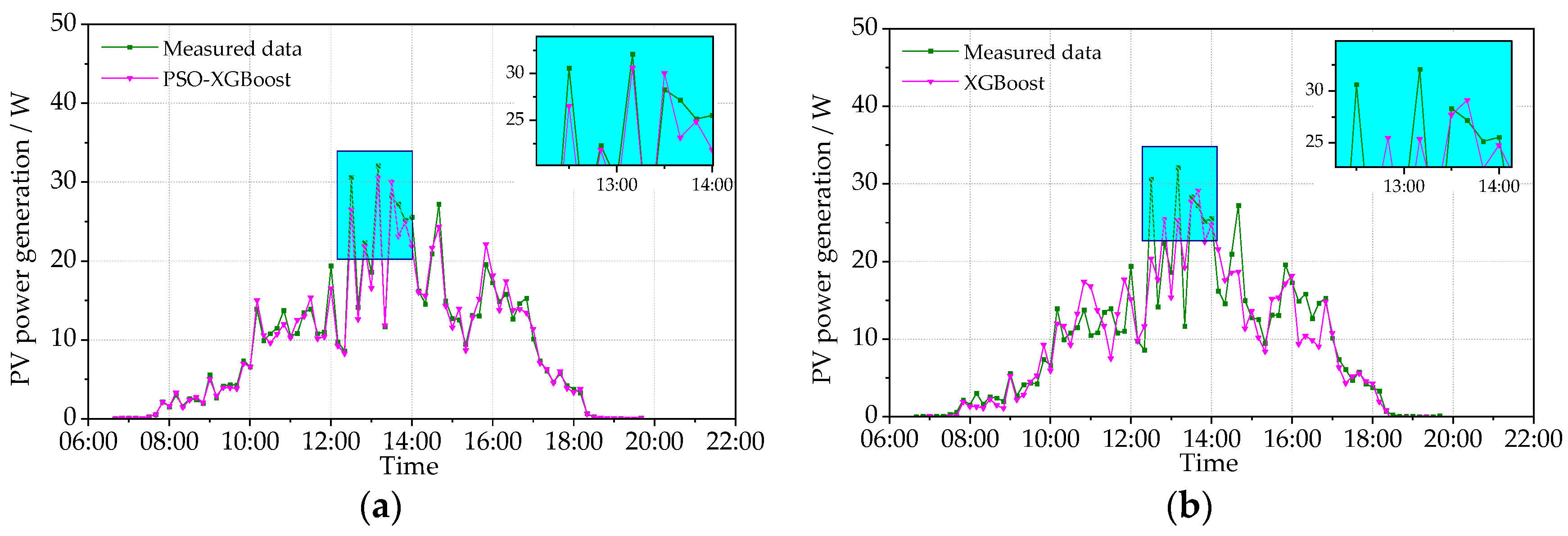
A photovoltaic (PV)-powered electric motor is used for hose-drawn traveler driving instead of a water turbine to achieve high transmission efficiency. PV power generation (PVPG) is affected by different meteorological conditions, resulting in different power generation of PV panels for a hose-drawn traveler. In the above situation, the hose-drawn traveler may experience deficit power generation. The reasonable determination of the PV panel capacity is crucial. Predicting the PVPG is a prerequisite for the reasonable determination of the PV panel capacity. Therefore, it is essential to develop a method for accurately predicting PVPG. Extreme gradient boosting (XGBoost) is currently an outstanding machine learning model for prediction performance, but its hyperparameters are difficult to set. Thus, the XGBoost model based on particle swarm optimization (PSO-XGBoost) is applied for PV power prediction in this study. The PSO algorithm is introduced to optimize hyperparameters in XGBoost model. The meteorological data are segmented into four seasons to develop tailored prediction models, ensuring accurate prediction of PVPG in four seasons for hose-drawn travelers. The input variables of the models include solar irradiance, time, and ambient temperature. The prediction accuracy and stability of the model is then assessed statistically. The predictive accuracy and stability of PV power prediction by the PSO-XGBoost model are higher compared to the XGBoost model. Finally, application of the PSO-XGBoost model is implemented based on meteorological data.
Keywords: hose-drawn traveler; PV power generation; prediction model; machine learning hose-drawn traveler; PV power generation; prediction model; machine learning
Graphical Abstract