Article

Comparison of Scenarios for the Mexican Electricity System for 2050 Energy Transition Law Objectives—Pre COVID-19 Analysis

by
Diocelina Toledo-Vázquez
1,
Gabriela Hernández-Luna
1,2,*,
Rosenberg J. Romero
1 and
Jesús Cerezo
1
1
Engineering and Applied Sciences Research Centre, Autonomous University of Morelos State, Av. Universidad 1001, Cuernavaca 62209, Morelos, Mexico
2
Laboratorians Technicians School, Autonomous University of Morelos State, Av. Universidad 1001, Cuernavaca 62209, Morelos, Mexico
*
Author to whom correspondence should be addressed.
Processes 2023, 11(2), 410; https://doi.org/10.3390/pr11020410
Submission received: 17 December 2022 / Revised: 20 January 2023 / Accepted: 22 January 2023 / Published: 30 January 2023
(This article belongs to the Special Issue Advances in Thermal Process Engineering and Simulation)

Abstract

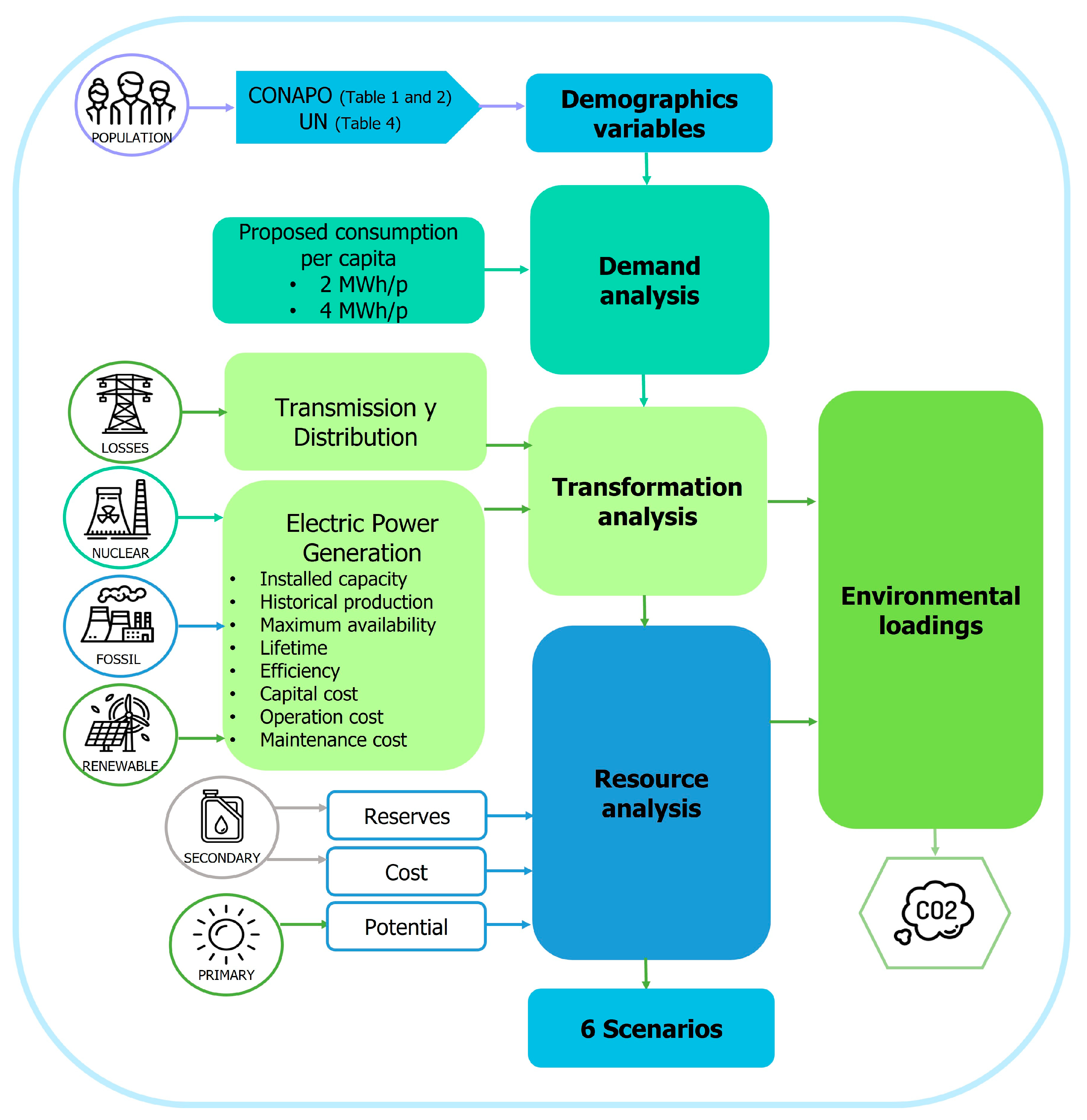
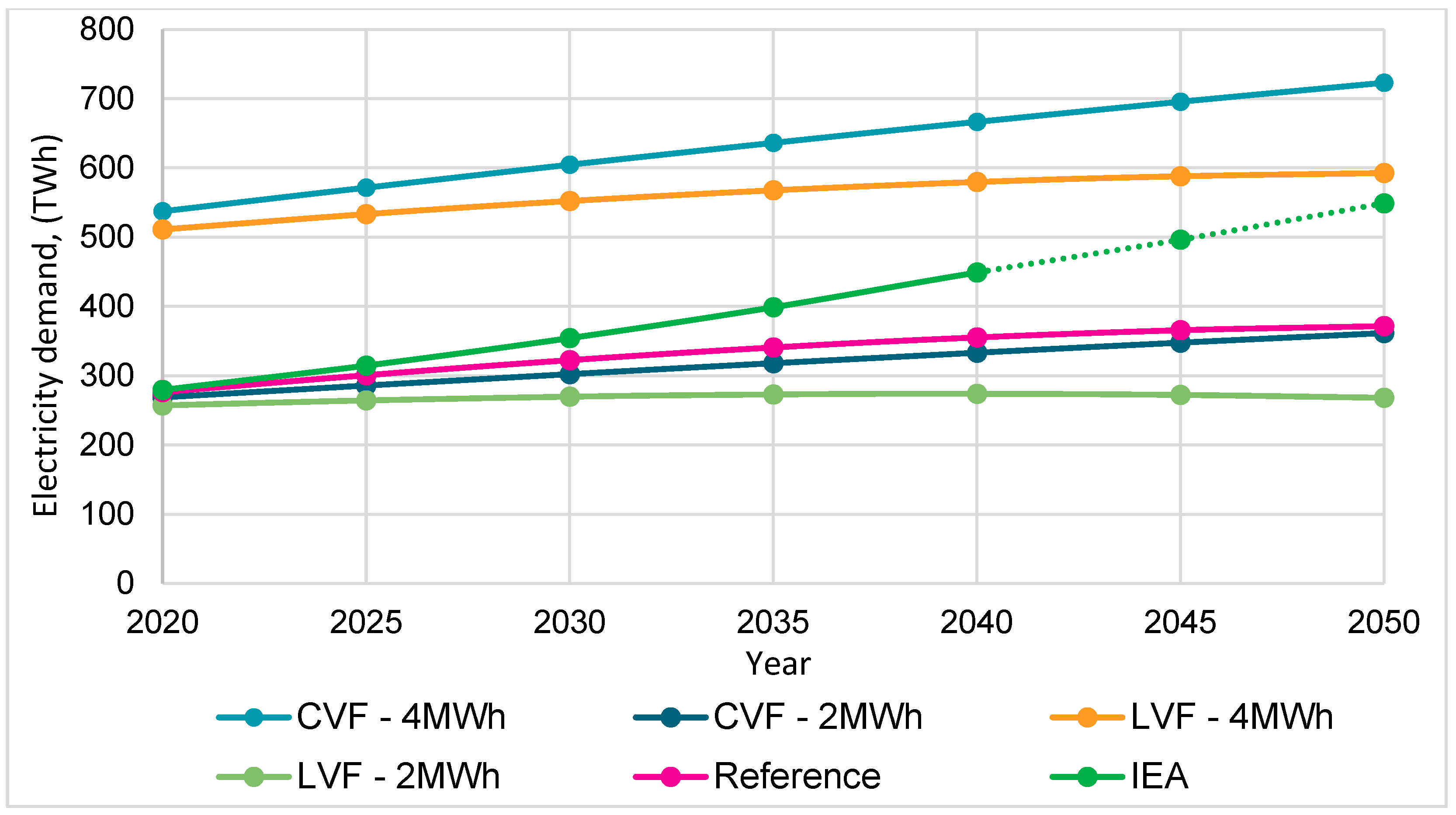
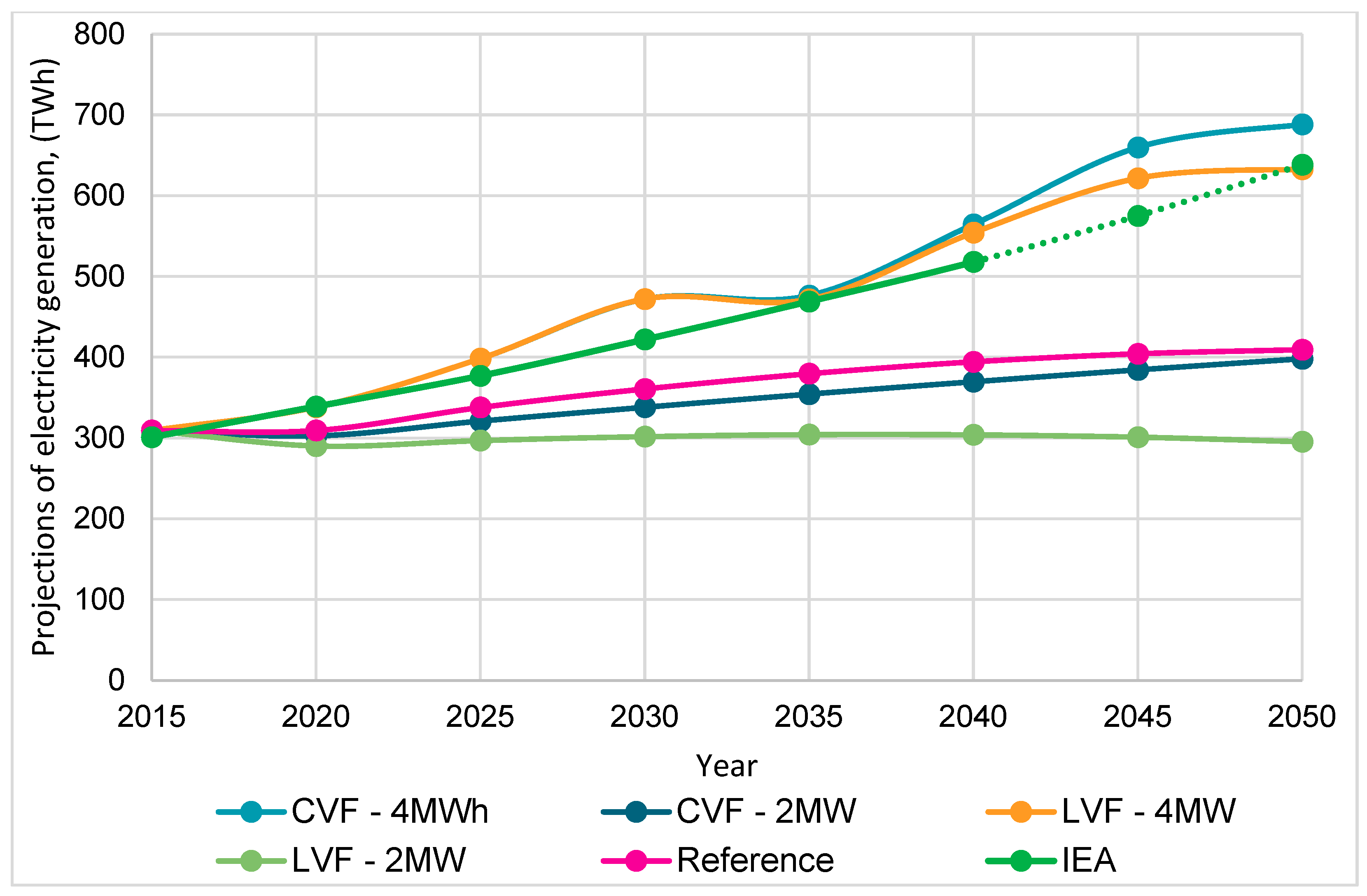
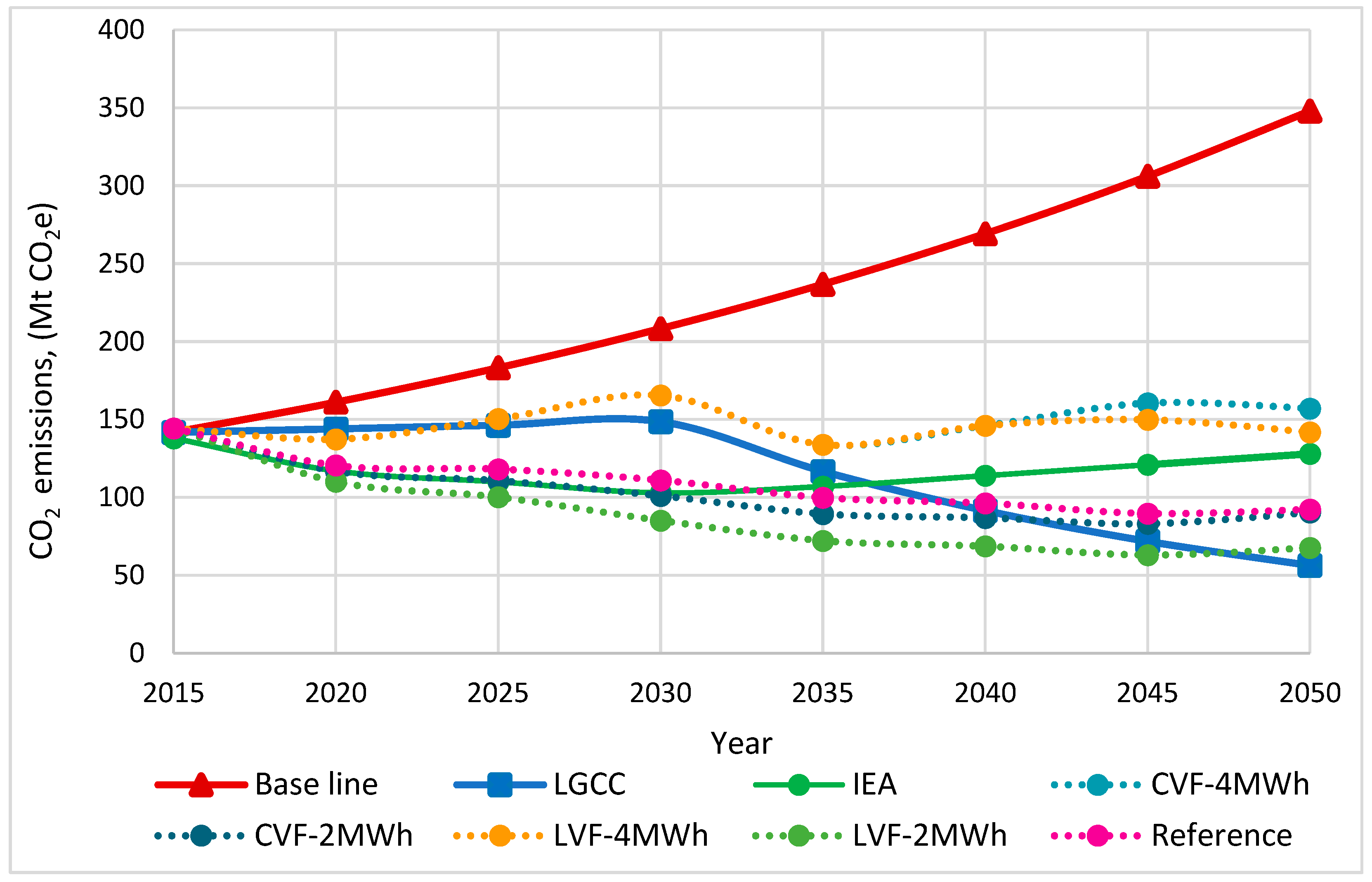
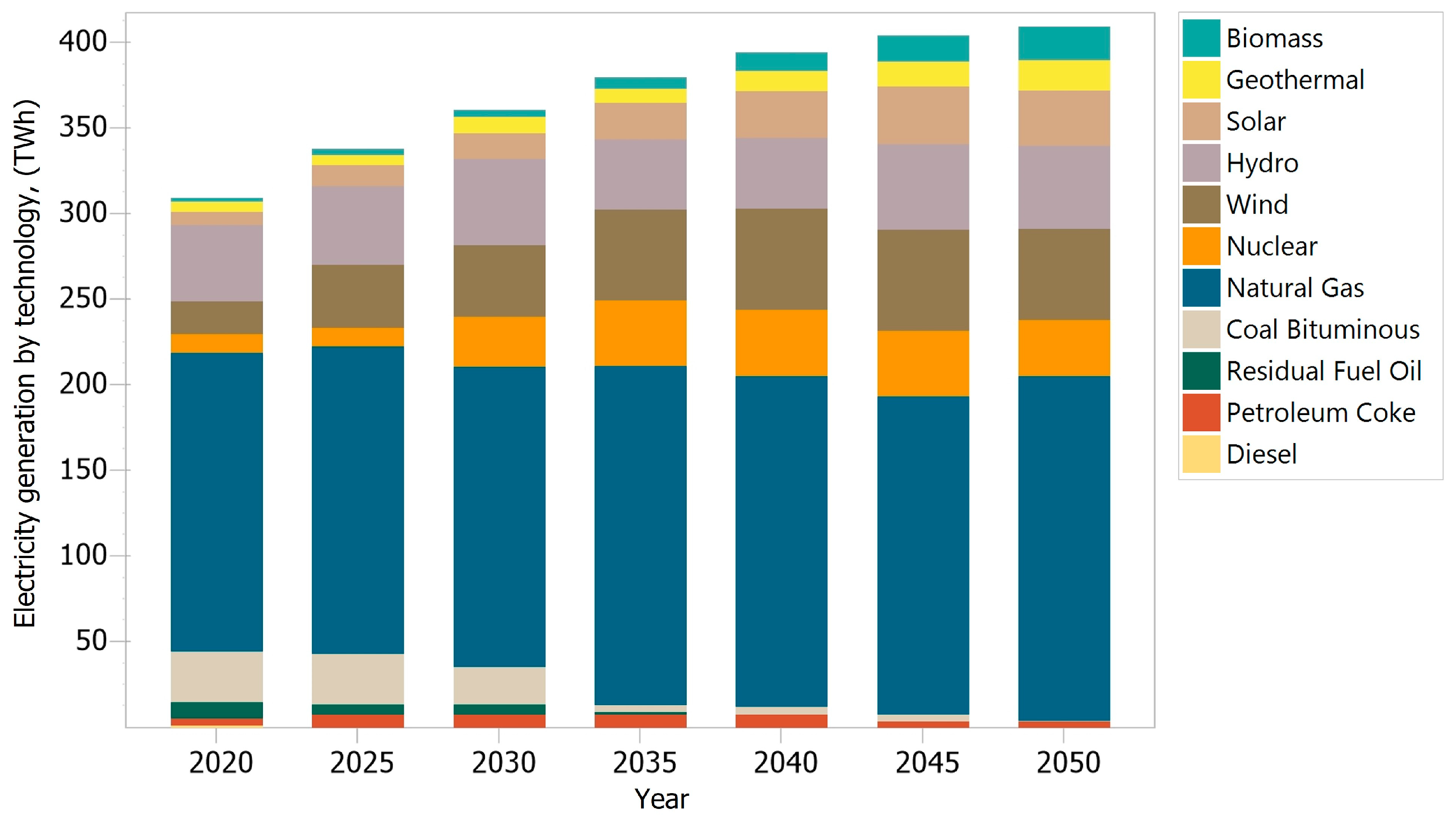
In recent years, the reports presented on climate change and its consequences highlight the need to create public policy agendas that address the problem of adaptation and mitigation of anthropogenic greenhouse gas (GHG) emissions. Globally, the energy sector is responsible for a significant percentage of GHG emissions, while it is one of the most important sector for economic growth. In particular, the electricity sector in Mexico relies heavily on fossil fuels for electricity generation. This problem has made it essential to design plans and policies that contribute to GHG mitigation. The General Law on Climate Change, whose objective is to determine the guidelines towards a low-carbon economy, has established a goal of reducing emissions by 50% by 2050 concerning the baseline from the year 2000 and proposes to produce 50% of electricity with clean energy by 2050 following the Mexican Energy Transition Law. For this reason, the challenge is to design and develop an environmentally sustainable energy model for the National Electric System (NES). Different scenarios are defined and evaluated considering six probable growing electricity demands, as well as mature technologies considering the potential of renewable resources in Mexico, fossil fuel reserves, efficiencies of each technology, investment costs, operation costs, and maintenance costs along with the price of the fuels. The results showed that it is possible to reduce about 50% of the emissions from the electricity sector by 2050 considering a scenario of low population growth and a yearly per capita consumption of 2.0 MWh, as well as a diversification of the electricity generation matrix.
Keywords: energy model; electricity sector; climate change; renewable energies; low emission analysis platform (LEAP) energy model; electricity sector; climate change; renewable energies; low emission analysis platform (LEAP)