Article

Data-Driven Intelligent Monitoring of Die-Casting Machine Injection System

School of Mechanical Engineering, Yanshan University, Qinhuangdao 066004, China
*
Author to whom correspondence should be addressed.
Processes 2023, 11(10), 2947; https://doi.org/10.3390/pr11102947
Submission received: 21 September 2023 / Revised: 7 October 2023 / Accepted: 9 October 2023 / Published: 11 October 2023
(This article belongs to the Section Process Control, Modeling and Optimization)

Abstract

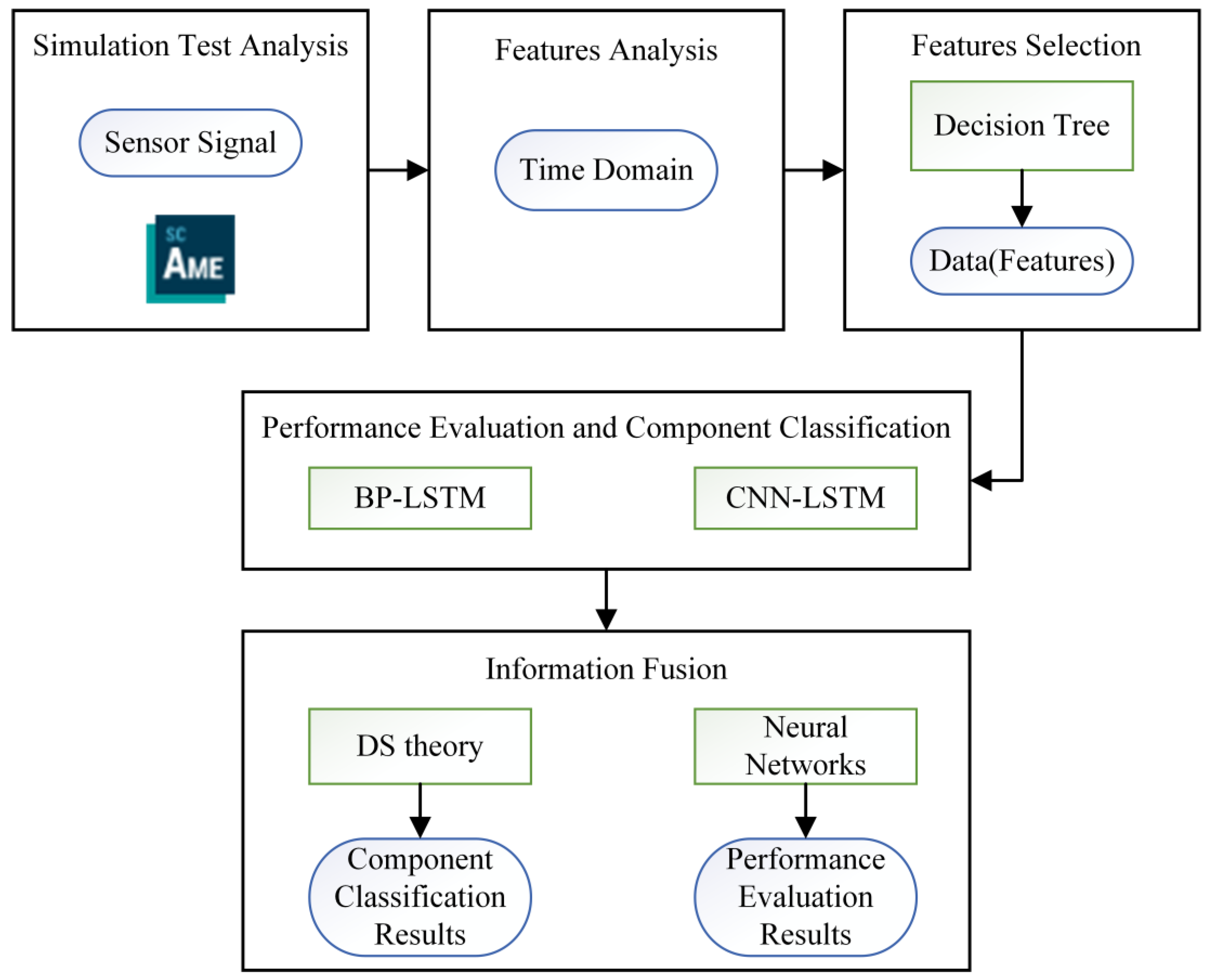
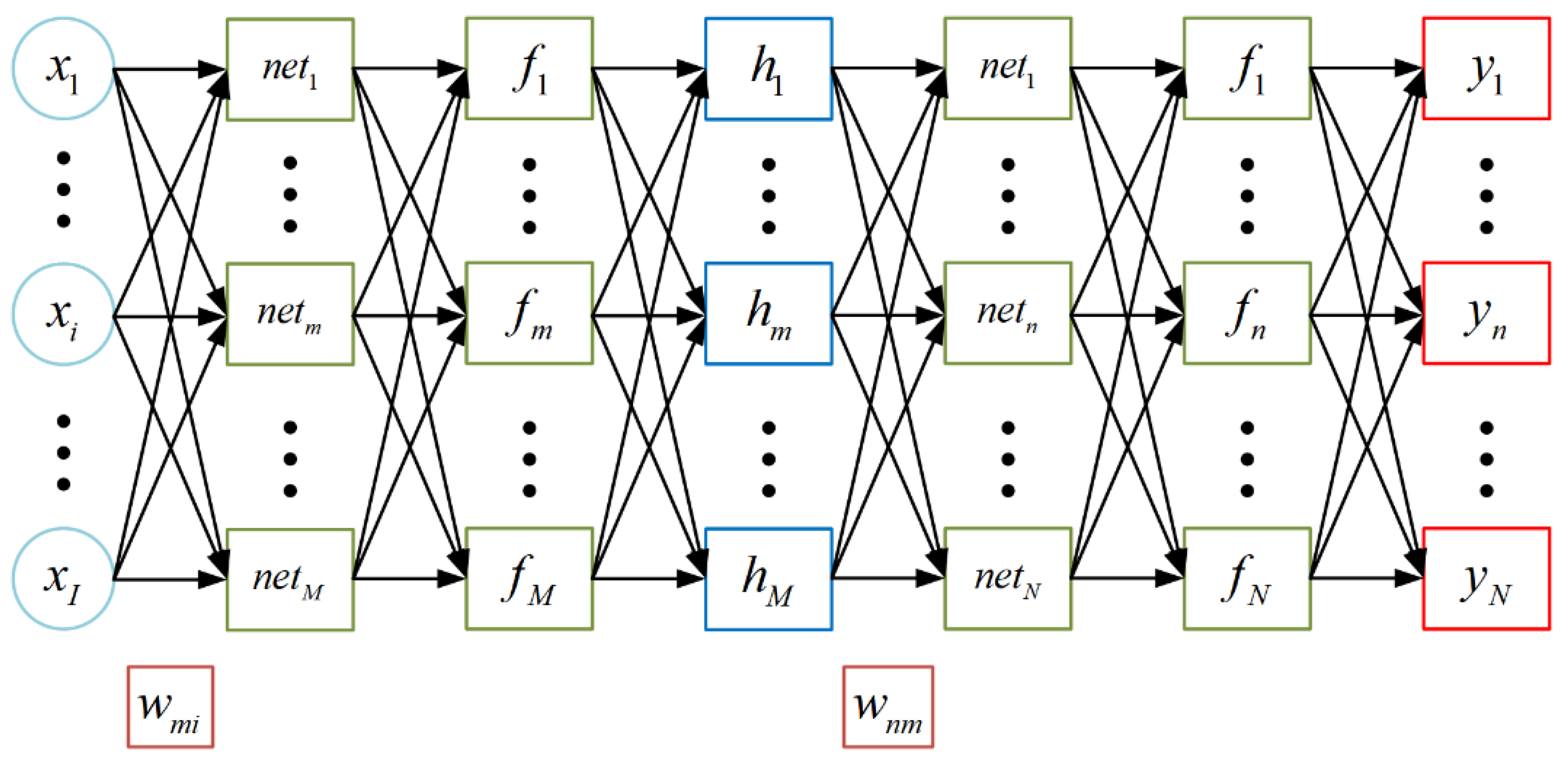
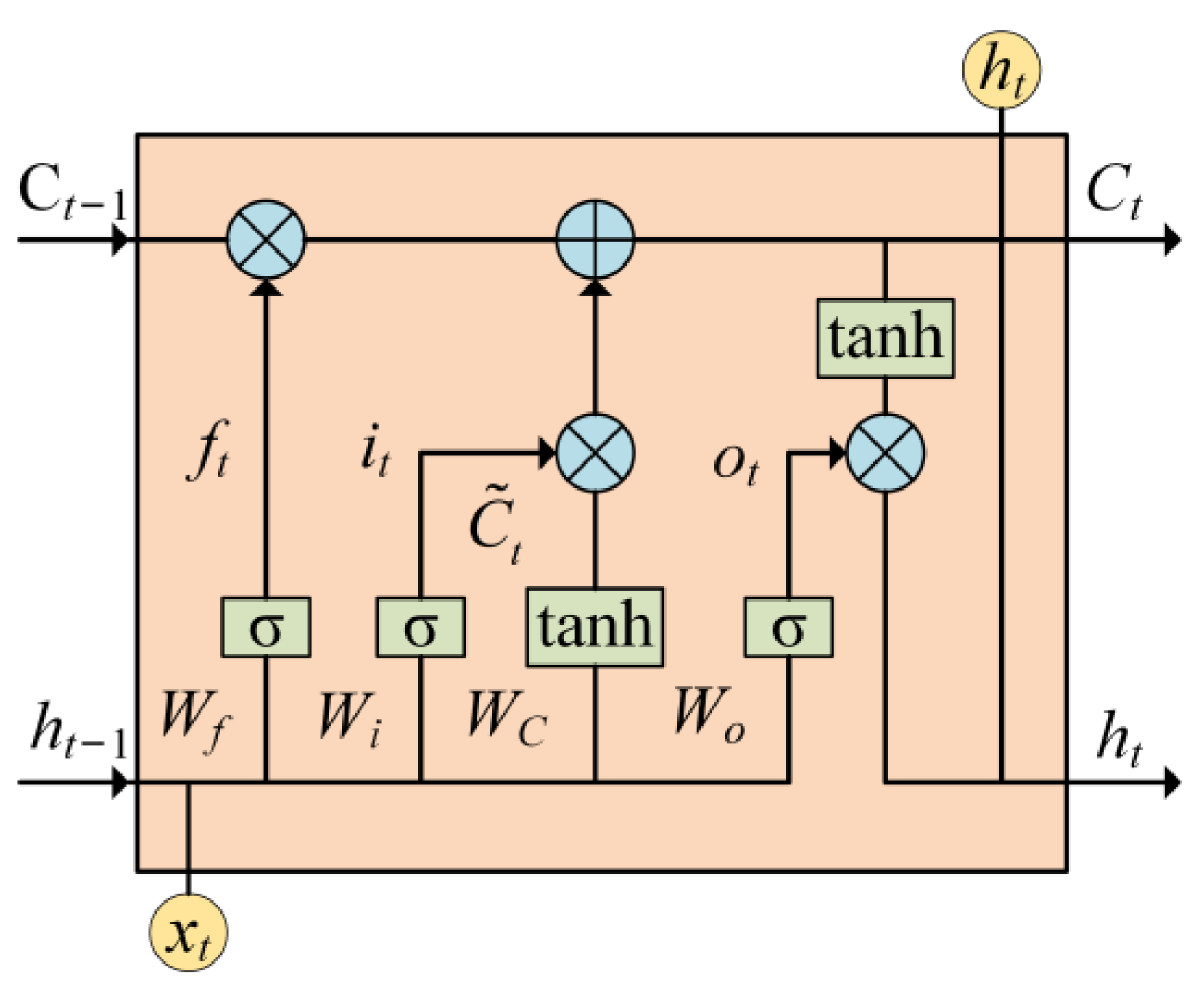
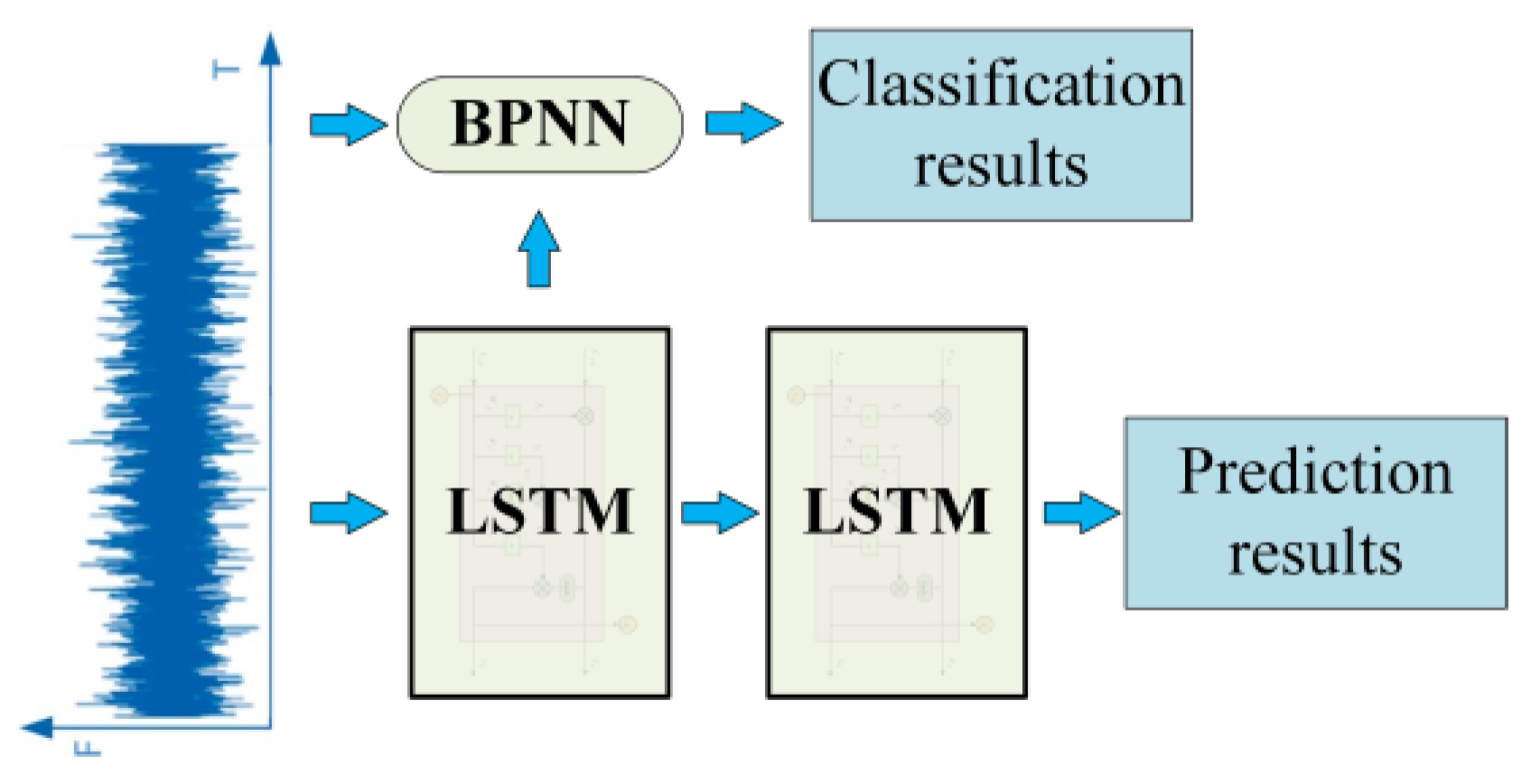
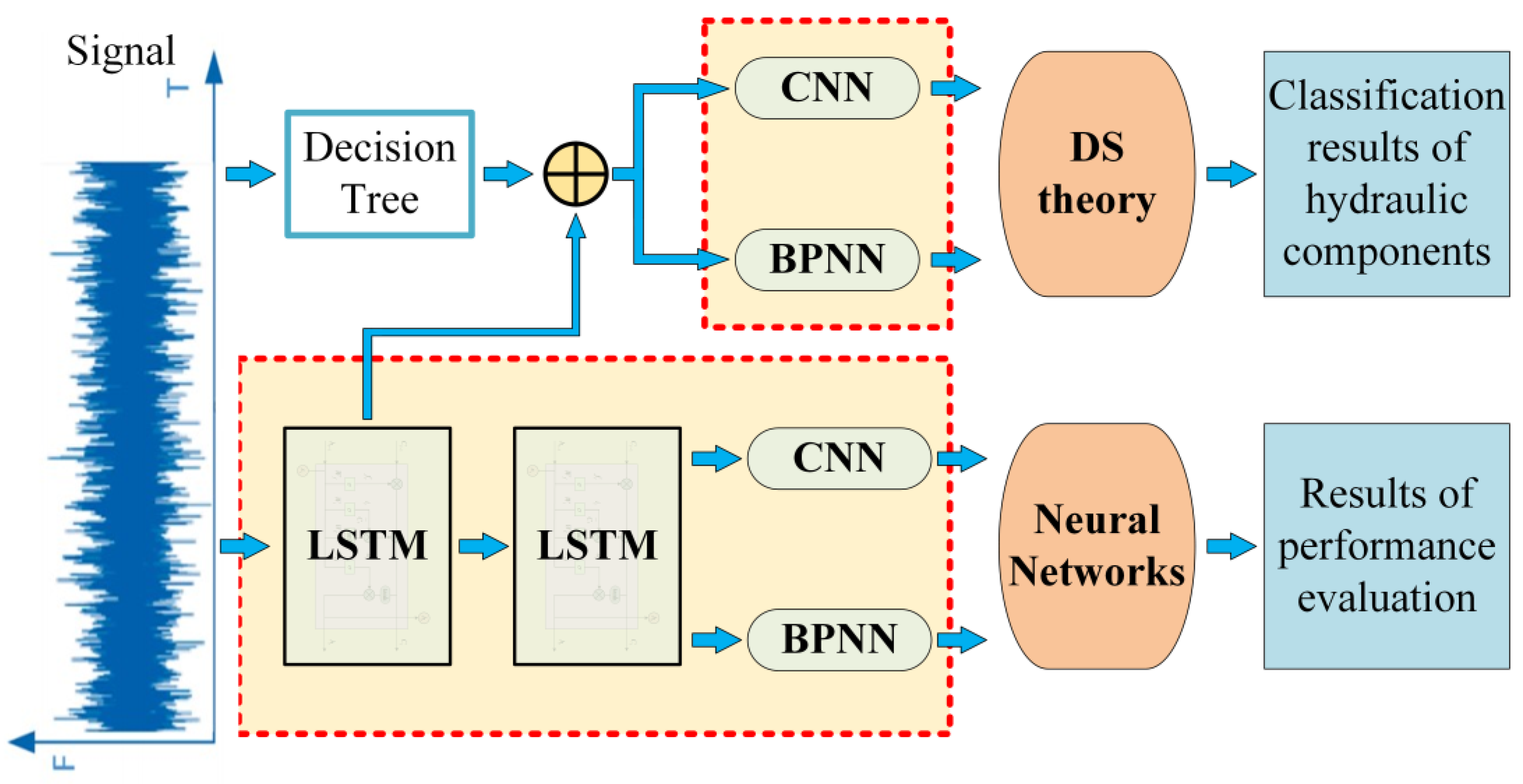
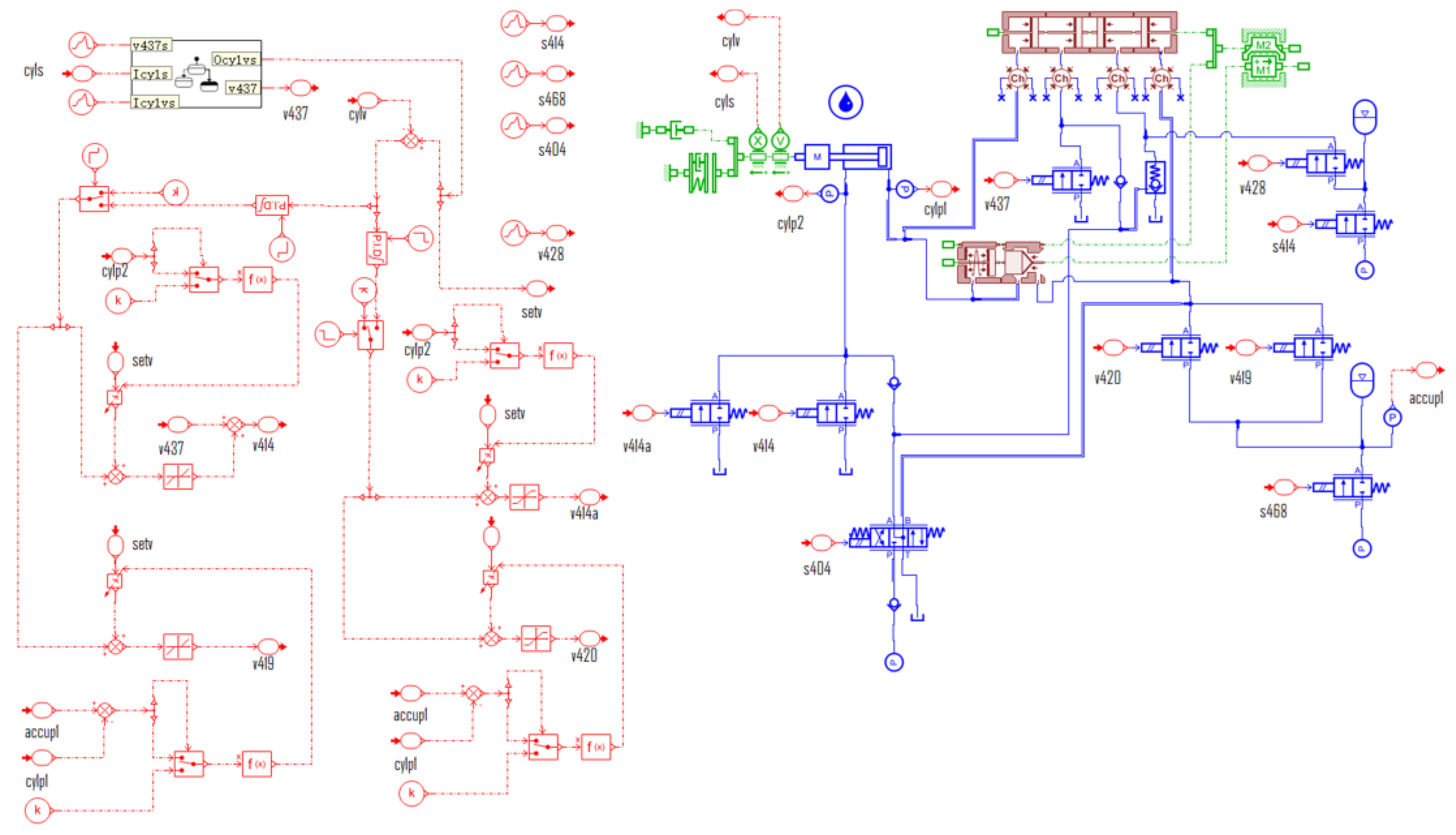
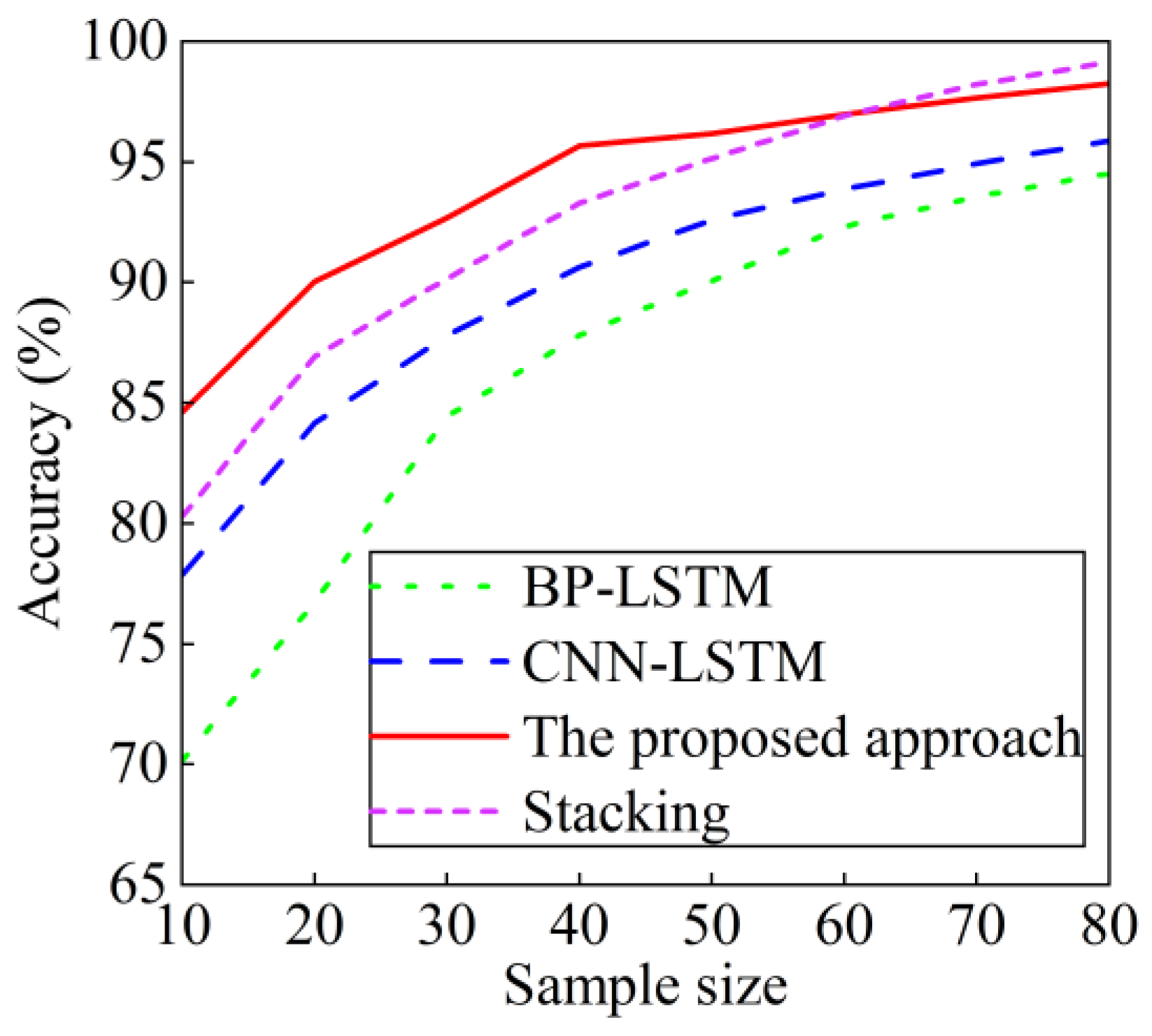
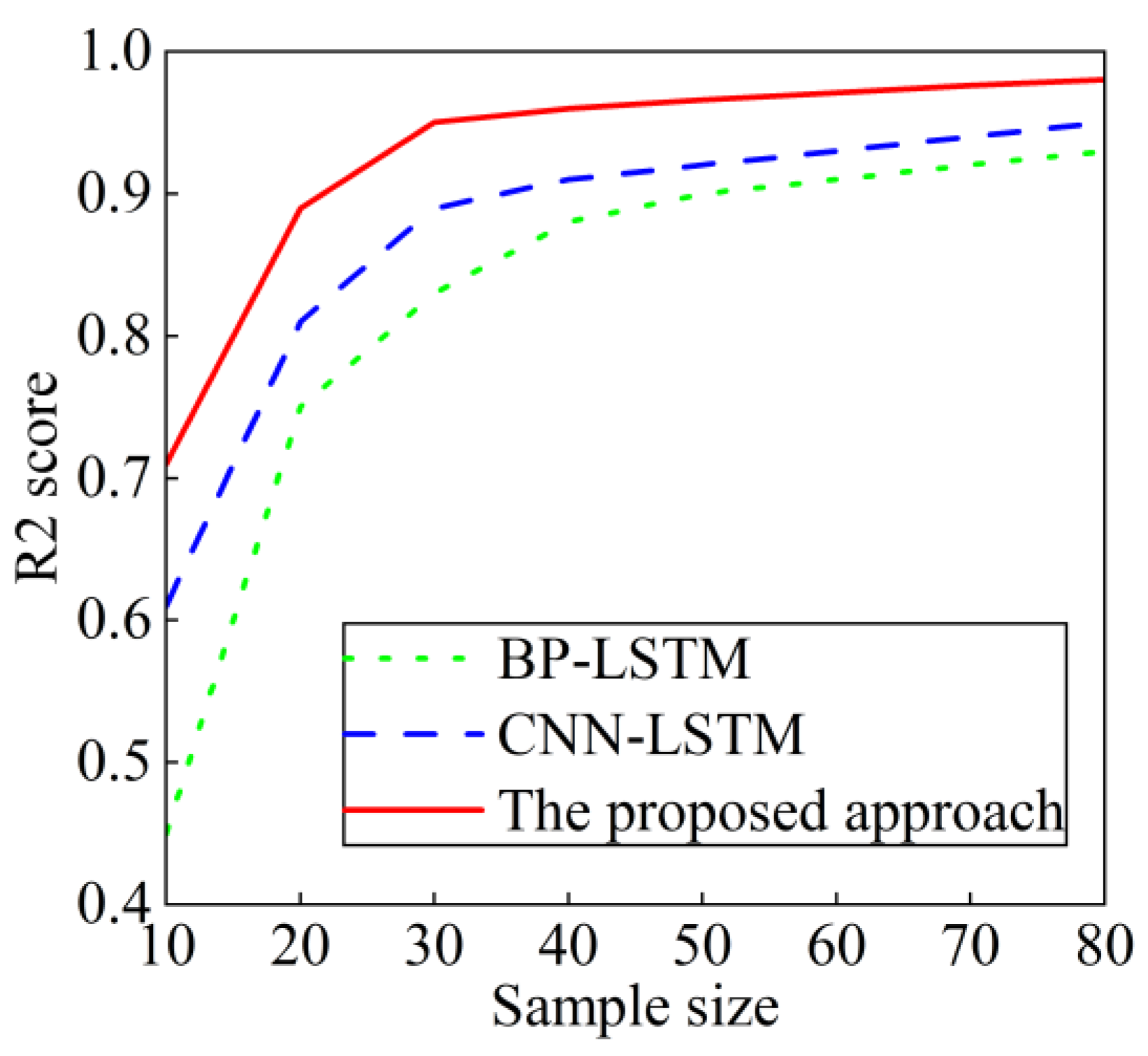
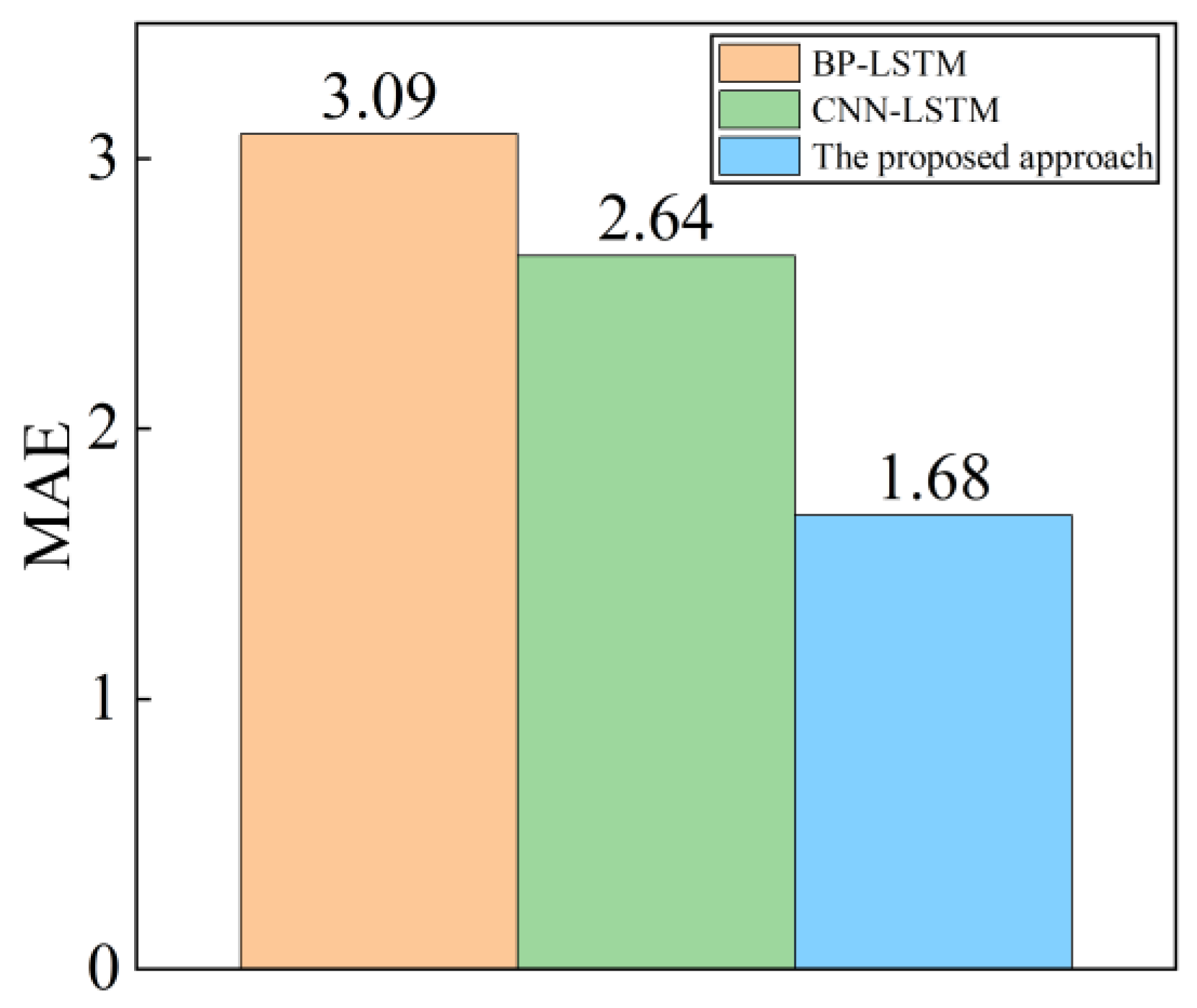
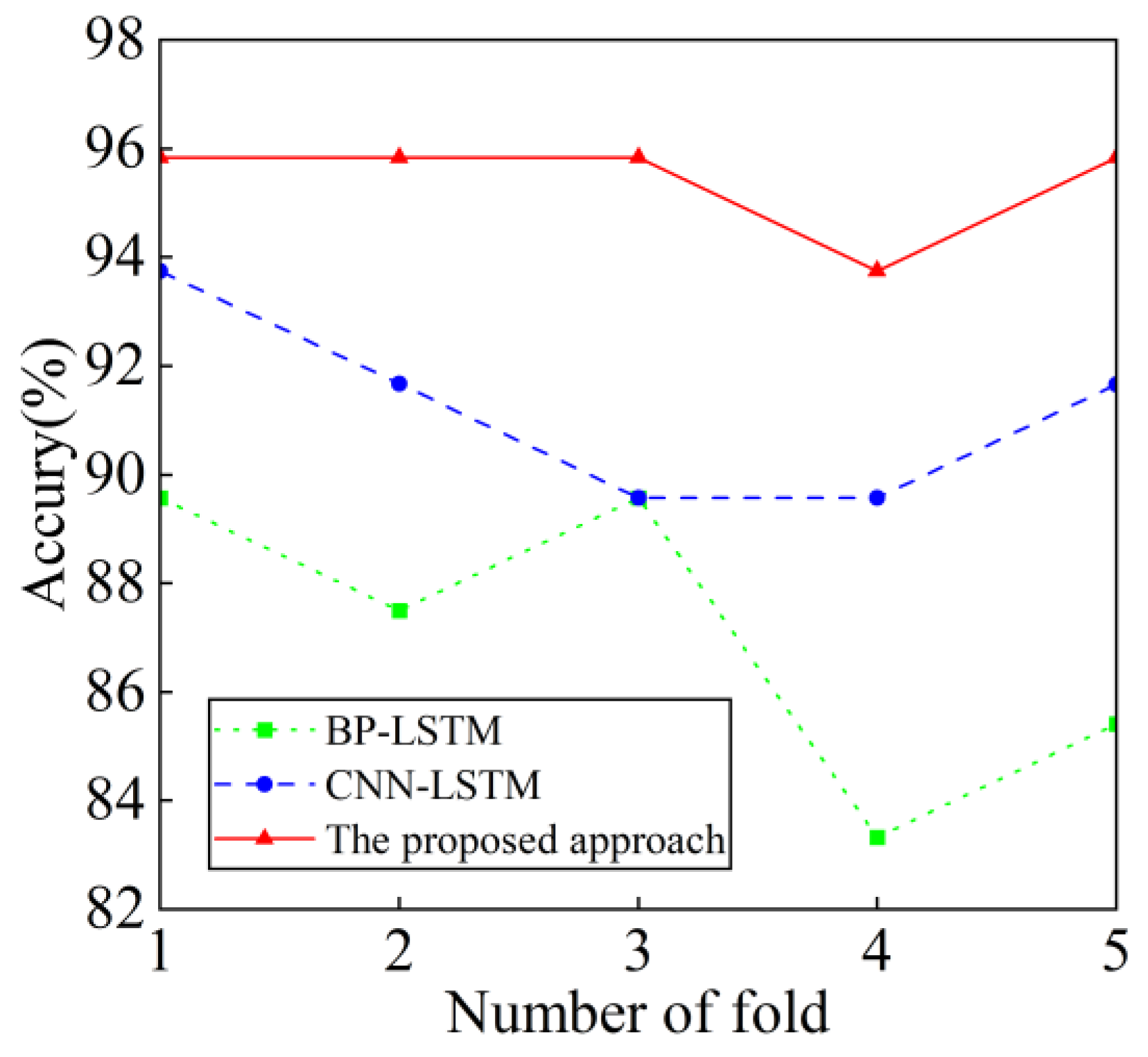
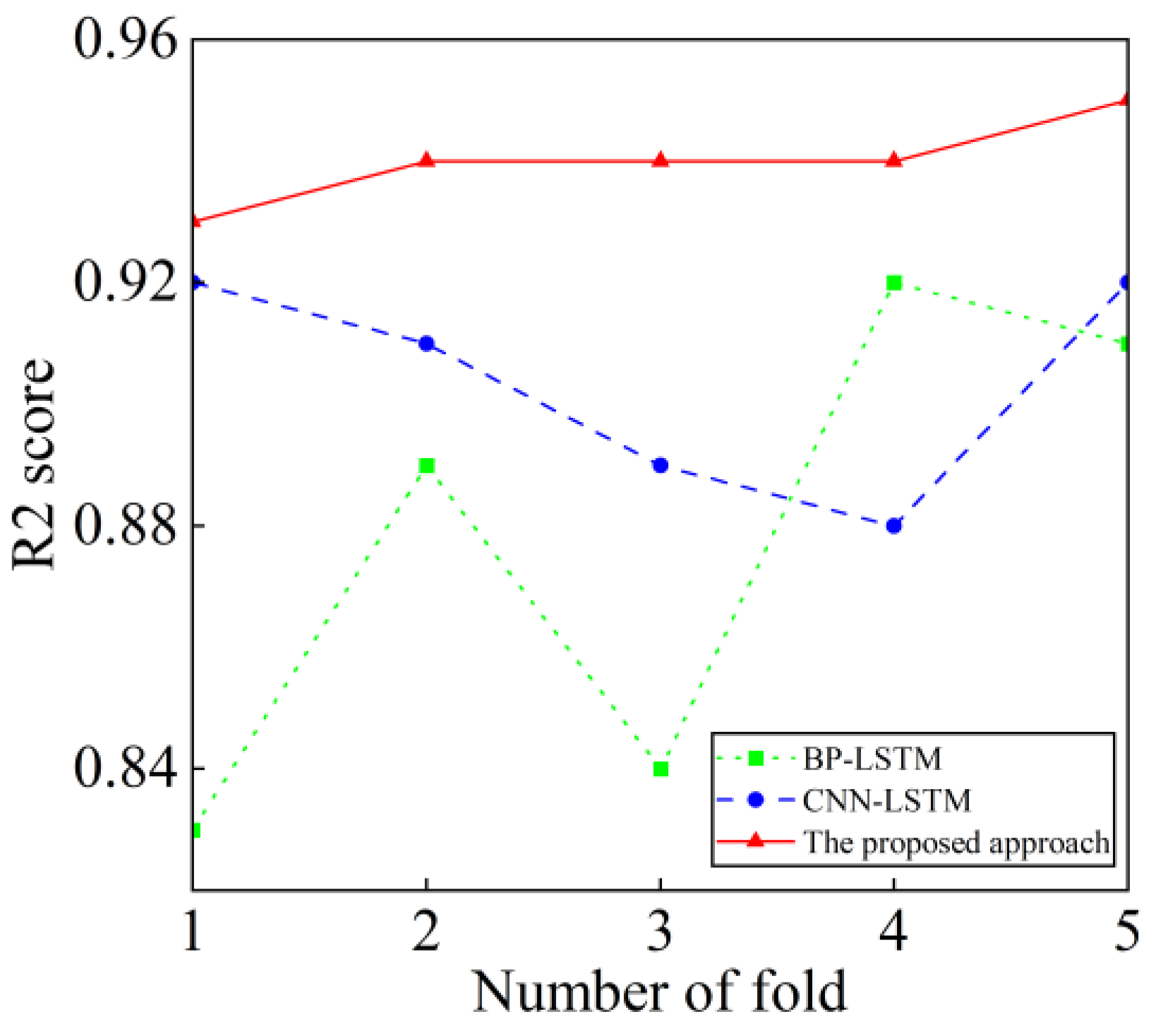
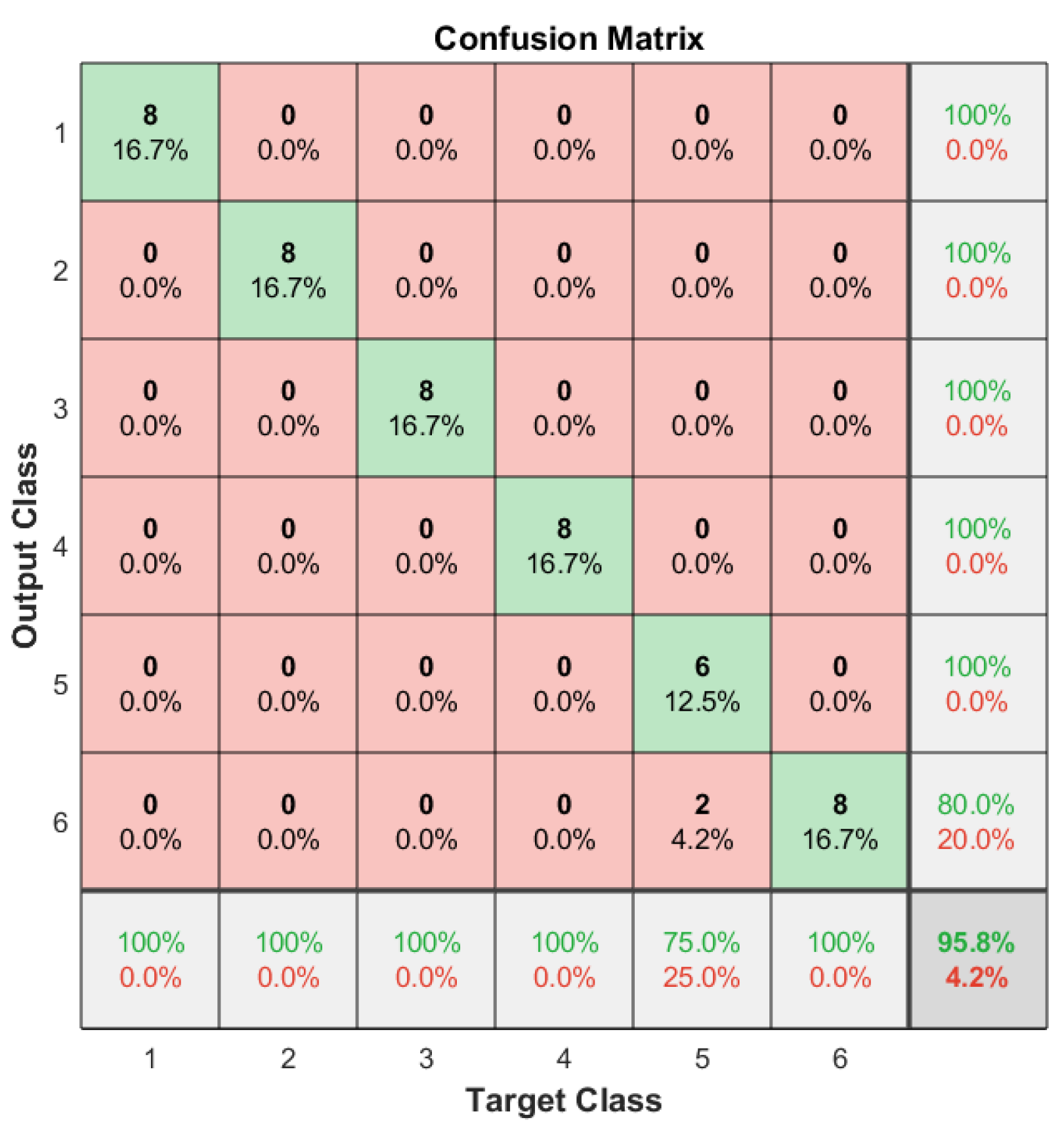
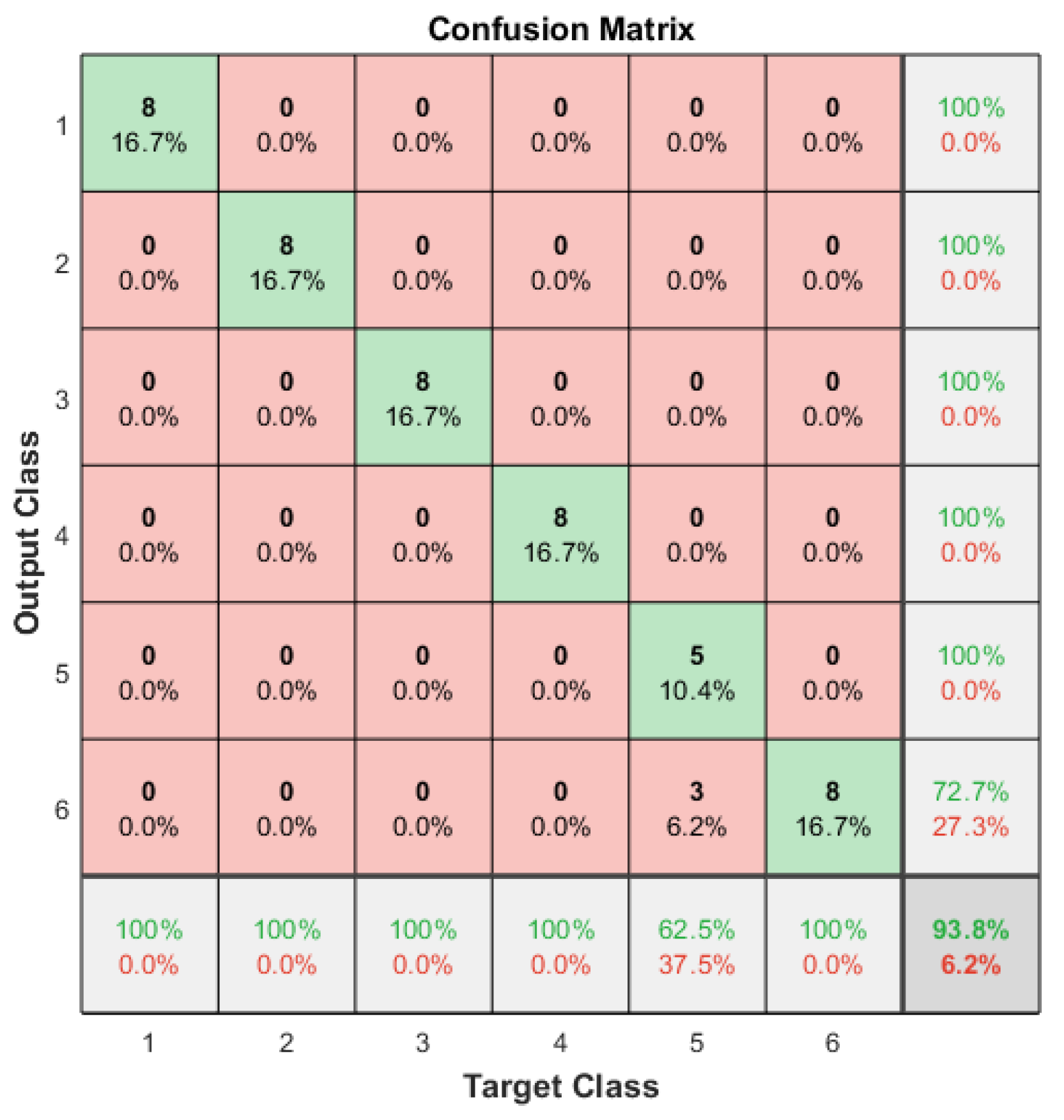
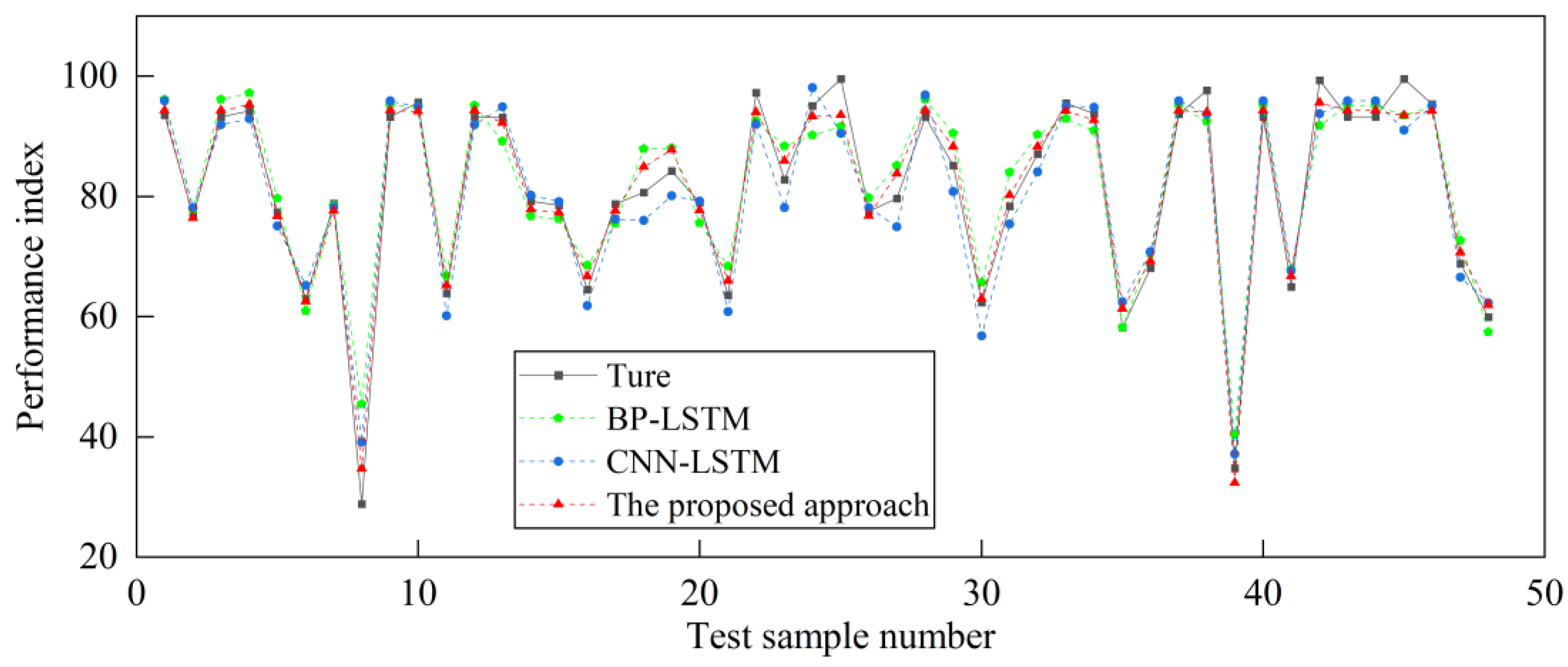
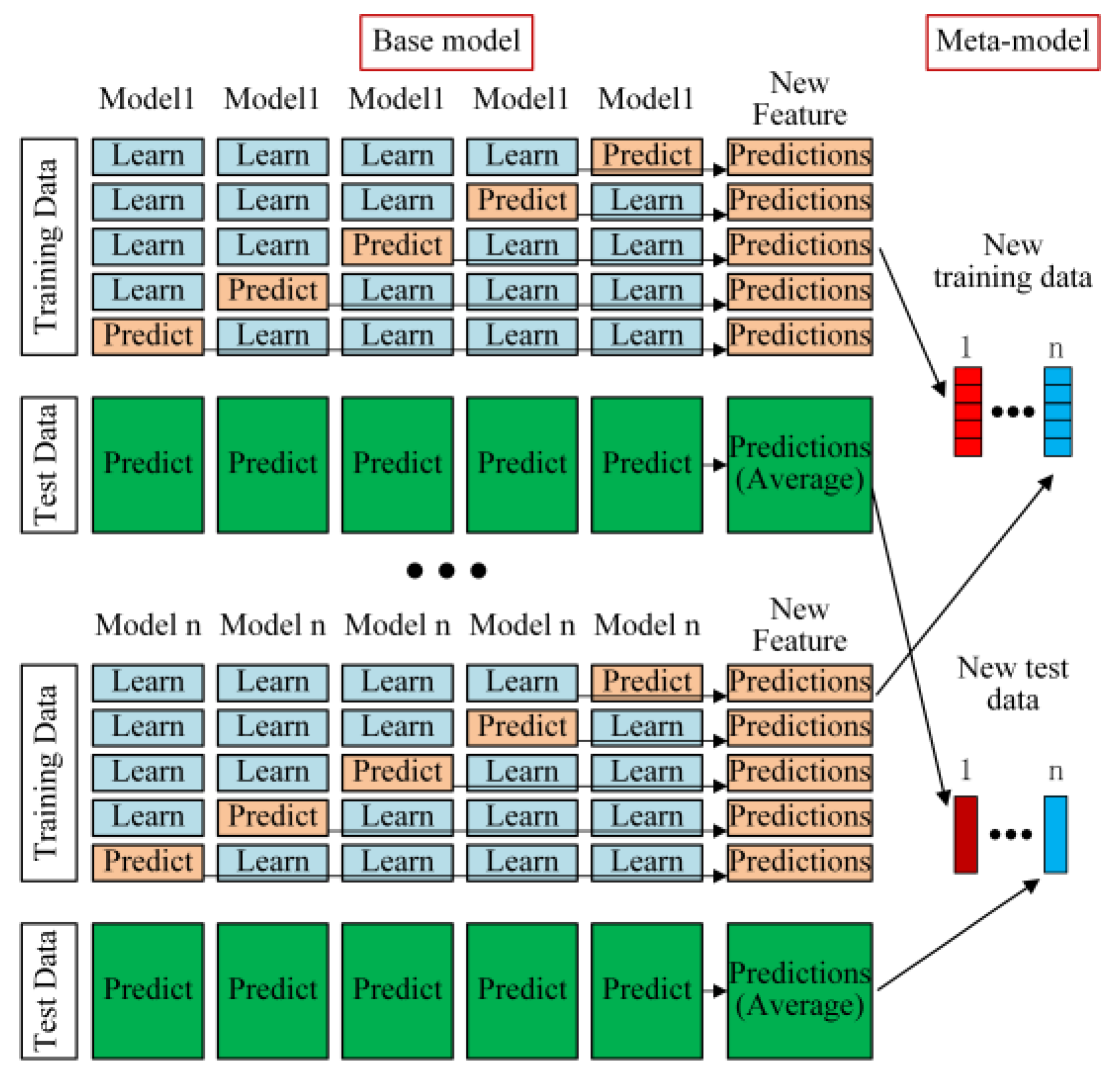
The quality and productivity of die castings are directly influenced by the injection system performance of the die-casting machine, making advanced performance monitoring of paramount importance. However, with the present technology, it is impossible to discriminate between the hydraulic components that influence the operation of a pressured injection system due to their sheer number and complexity. On the other hand, it is challenging to pinpoint the pressured injection system while it is in the poor performance stage due to the complexity and variety of the working conditions in actual production as well as the lack of data. In this paper, the hydraulic principle of the pressure injection system is examined, and a simulation model of the pressure injection system is built by adjusting the values of various components and running simulation experiments to produce a sample set. The sample set is fed into an intelligent evaluation approach that combines BP neural networks, convolutional neural networks (CNN), and long short-term memory networks (LSTM). The above intelligent algorithm is used to obtain both the performance index of the pressurized injection system and the components that lead to the low-performance index. The Dempster-Shafer (DS) theory is used to perform information fusion on the component classification results, and a new neural network is designed to perform information fusion on the performance metric evaluation results. The combined results are the final classification and regression results. Later, simulation tests are used to compare and validate the method. The findings demonstrate that the proposed intelligent algorithm outperforms previous algorithms in terms of accuracy and stability. In terms of component classification, the average accuracy for BP-LSTM is 87.83%, CNN-LSTM is 90.63%, after stacking it is 93.31%, and the proposed method is 95.67%. For performance evaluation, the average R2 of BP-LSTM is 0.88 and the average MAE is 3.09; the average R2 of CNN-LSTM is 0.908 and the average MAE is 2.64; and the average R2 of the proposed method is 0.947 and the average MAE is 1.86.
Keywords: die casting machine; machine learning; intelligent monitoring; neural network; information fusion die casting machine; machine learning; intelligent monitoring; neural network; information fusion