Article

Paclitaxel and Myrrh oil Combination Therapy for Enhancement of Cytotoxicity against Breast Cancer; QbD Approach


Department of Pharmaceutical Sciences, College of Clinical Pharmacy, King Faisal University, Alhofuf 36362, Saudi Arabia
*
Author to whom correspondence should be addressed.
Processes 2022, 10(5), 907; https://doi.org/10.3390/pr10050907
Submission received: 12 April 2022 / Revised: 30 April 2022 / Accepted: 2 May 2022 / Published: 5 May 2022
(This article belongs to the Special Issue Nanoemulsion Processes Design and Applications)

Abstract

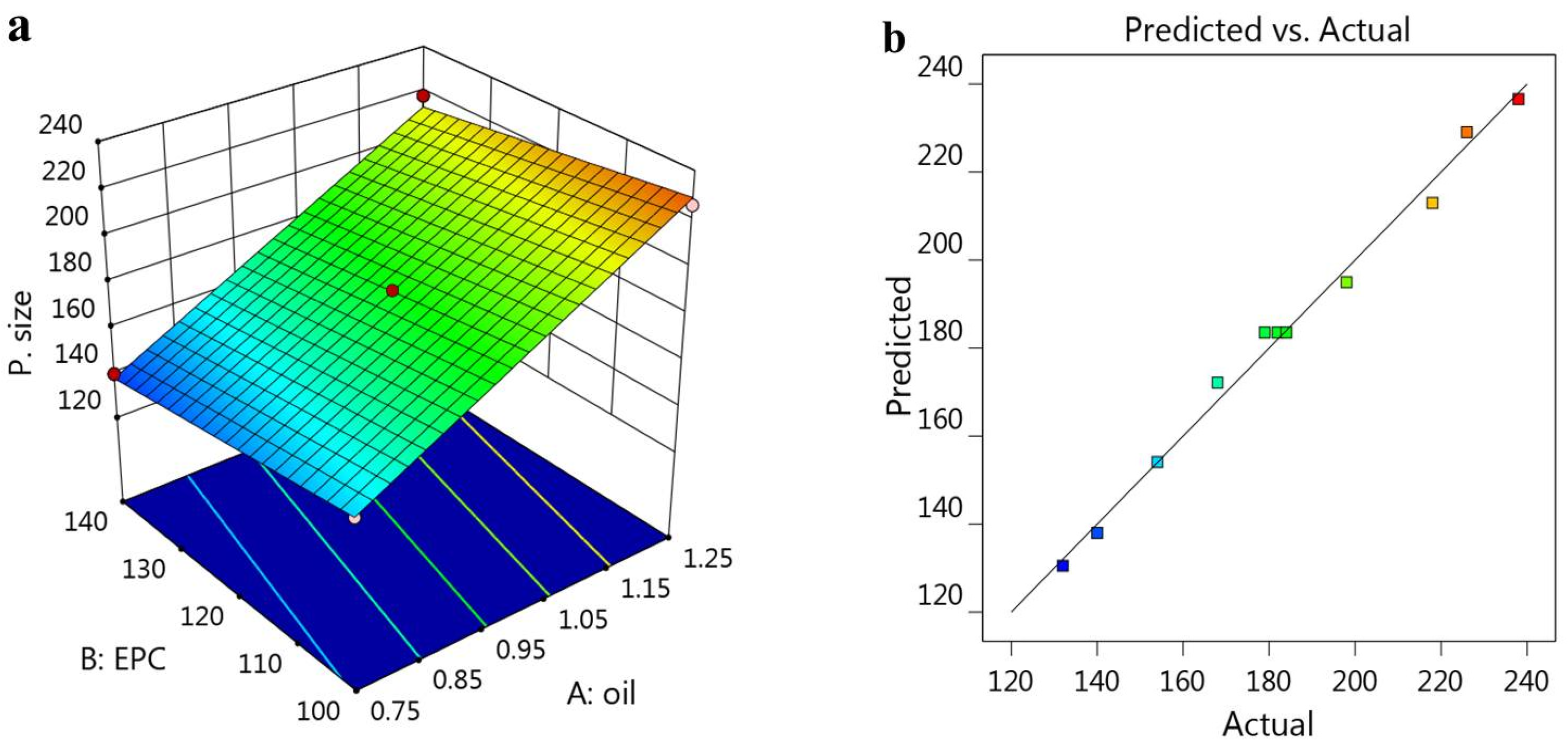
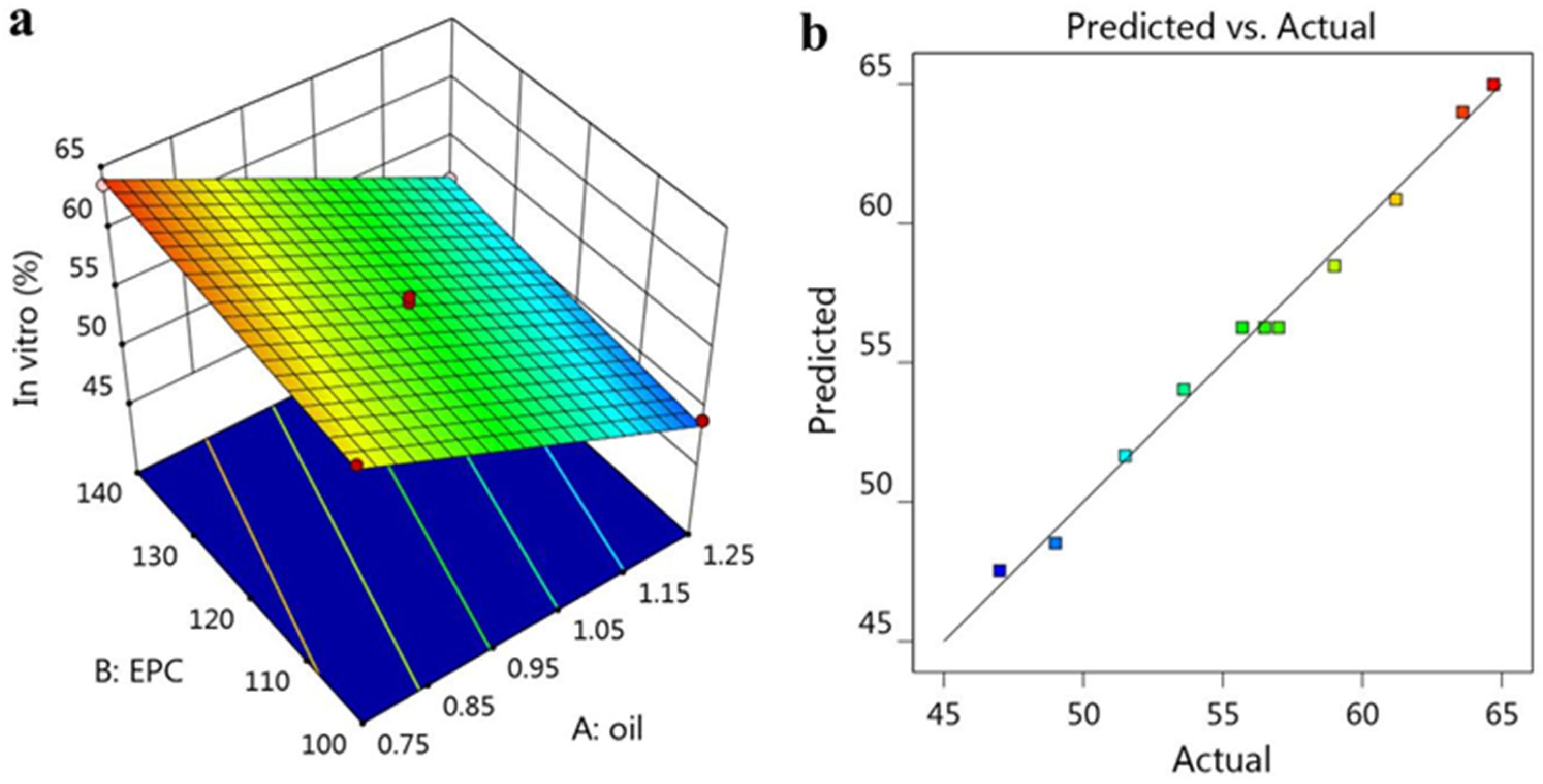
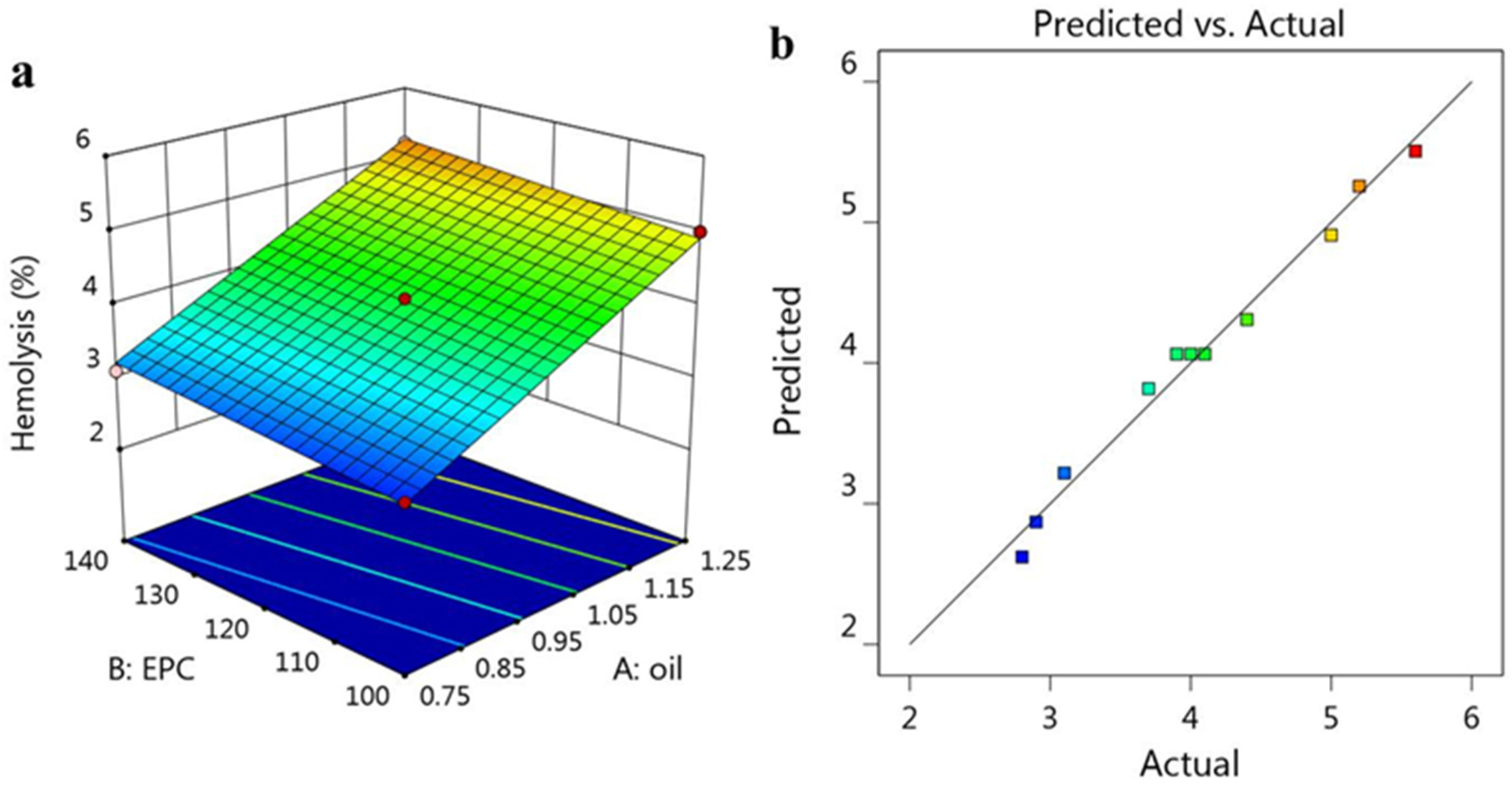
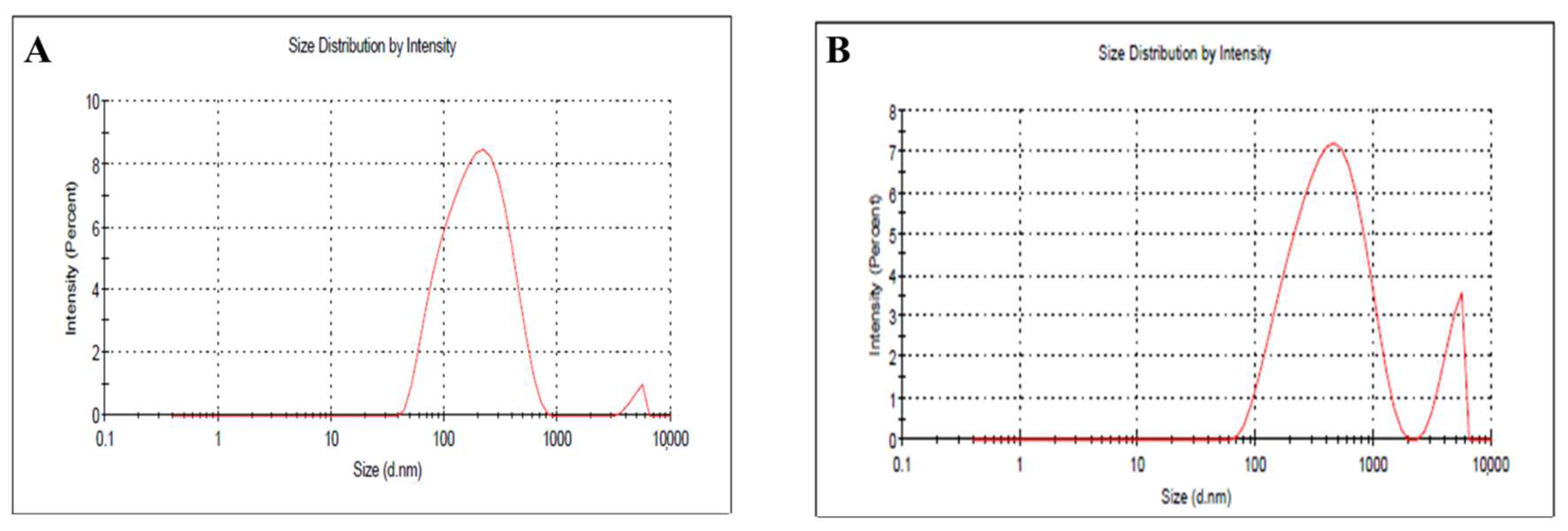
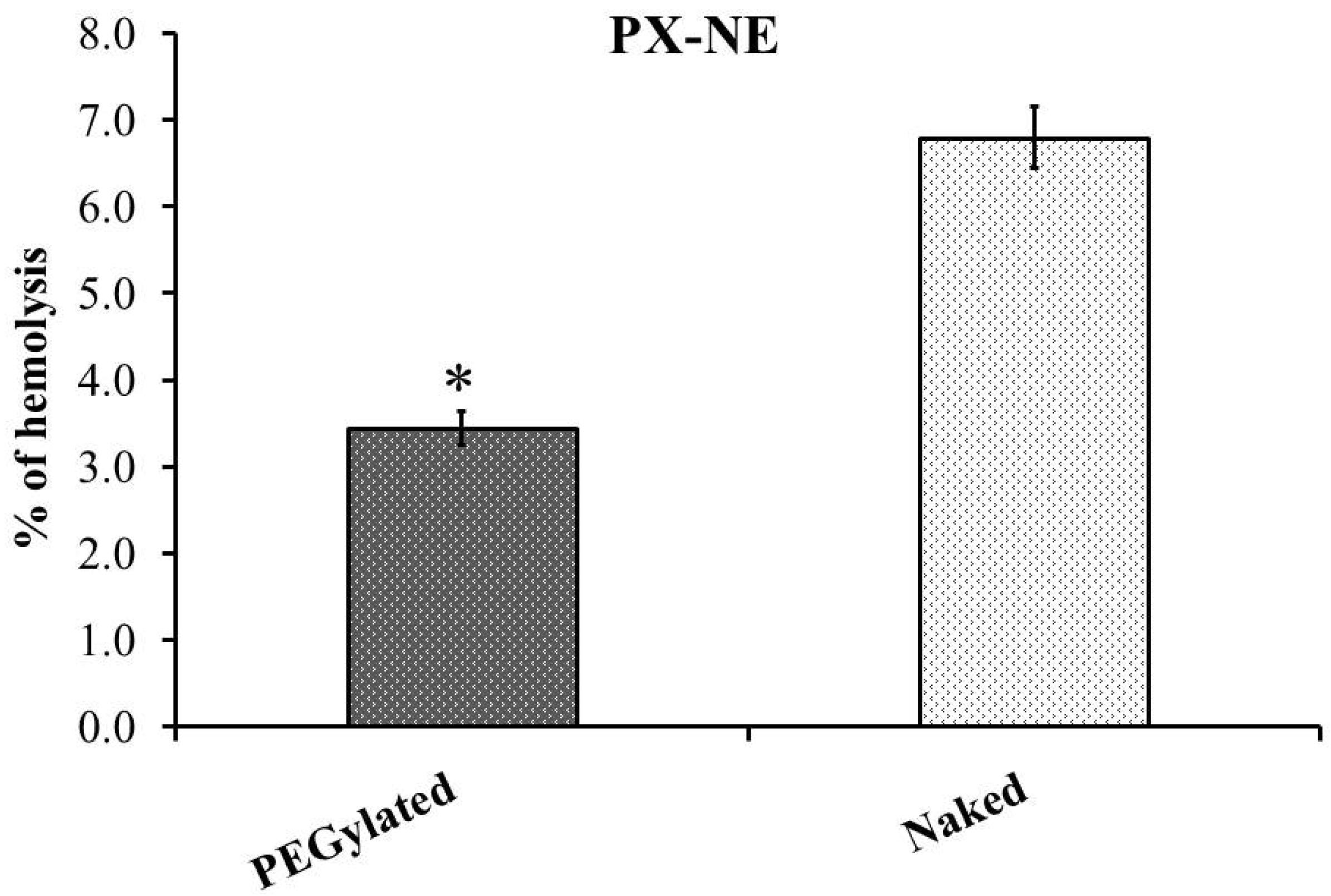
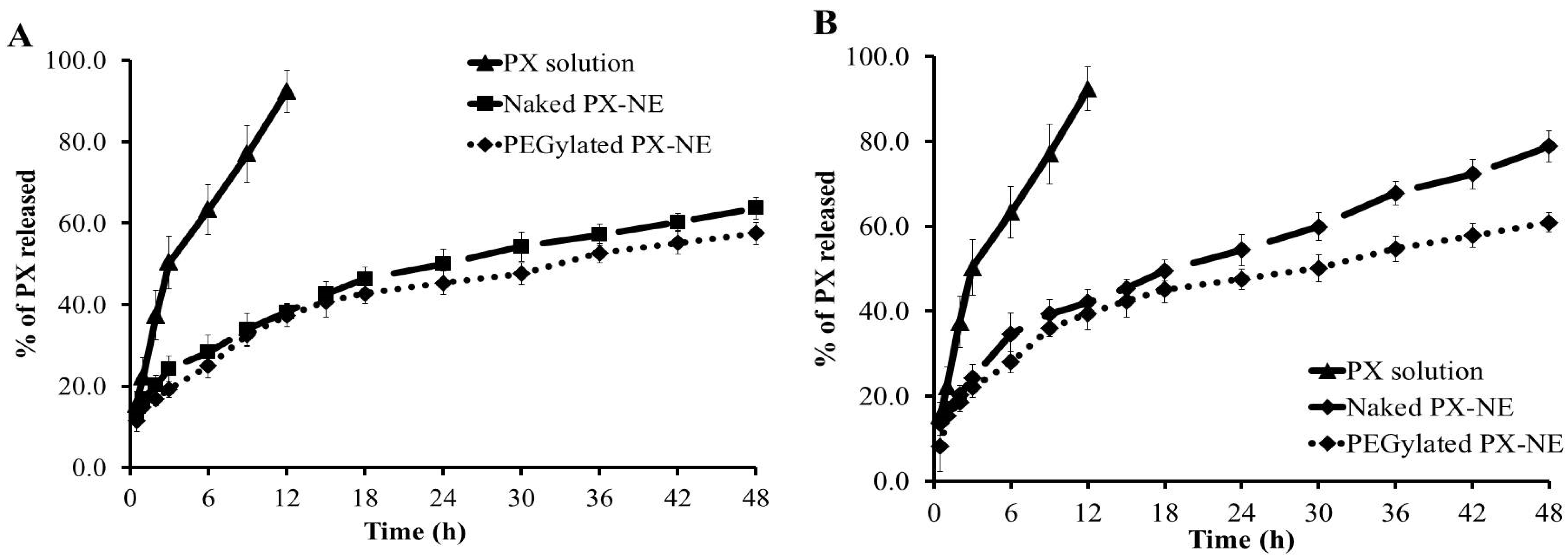
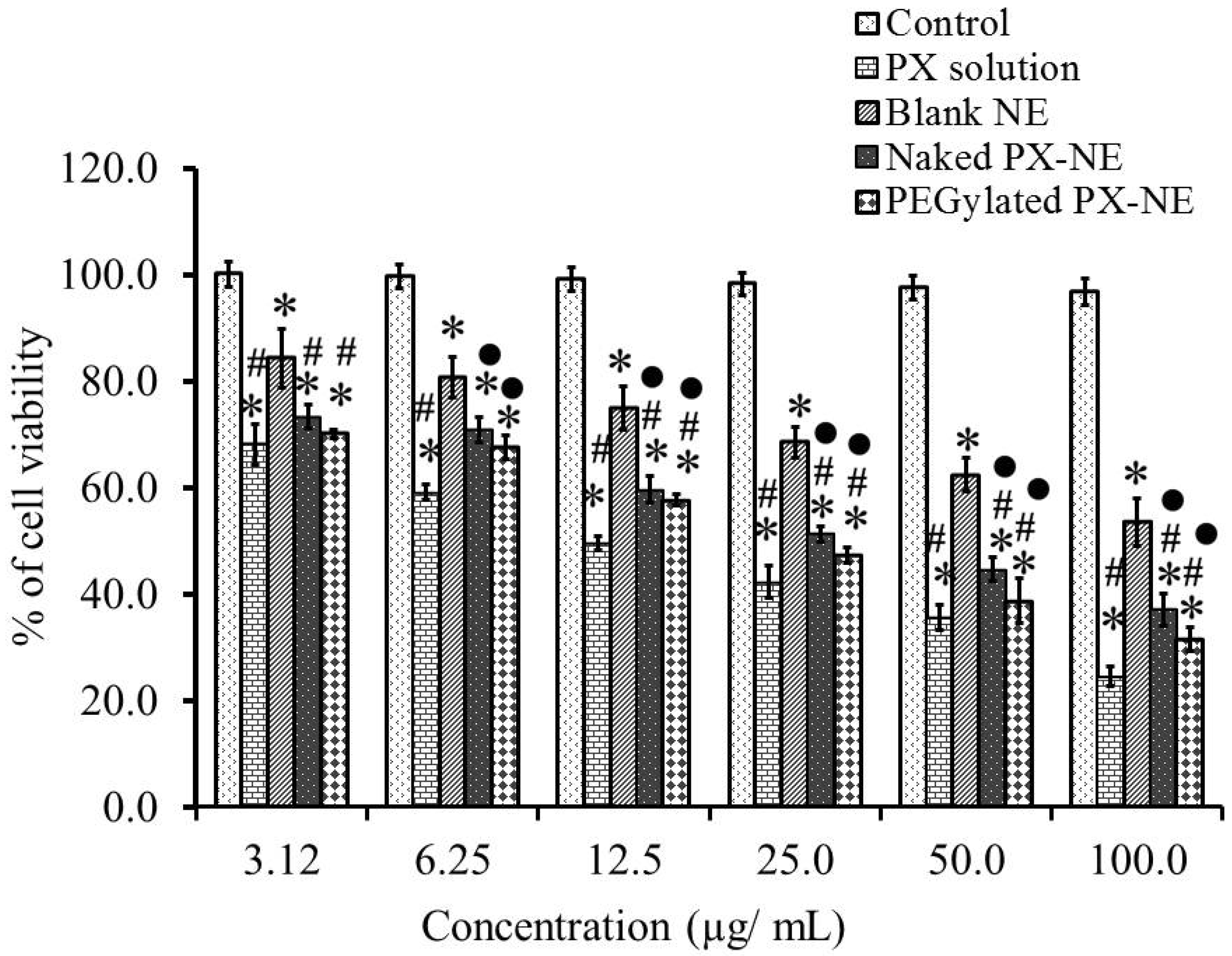
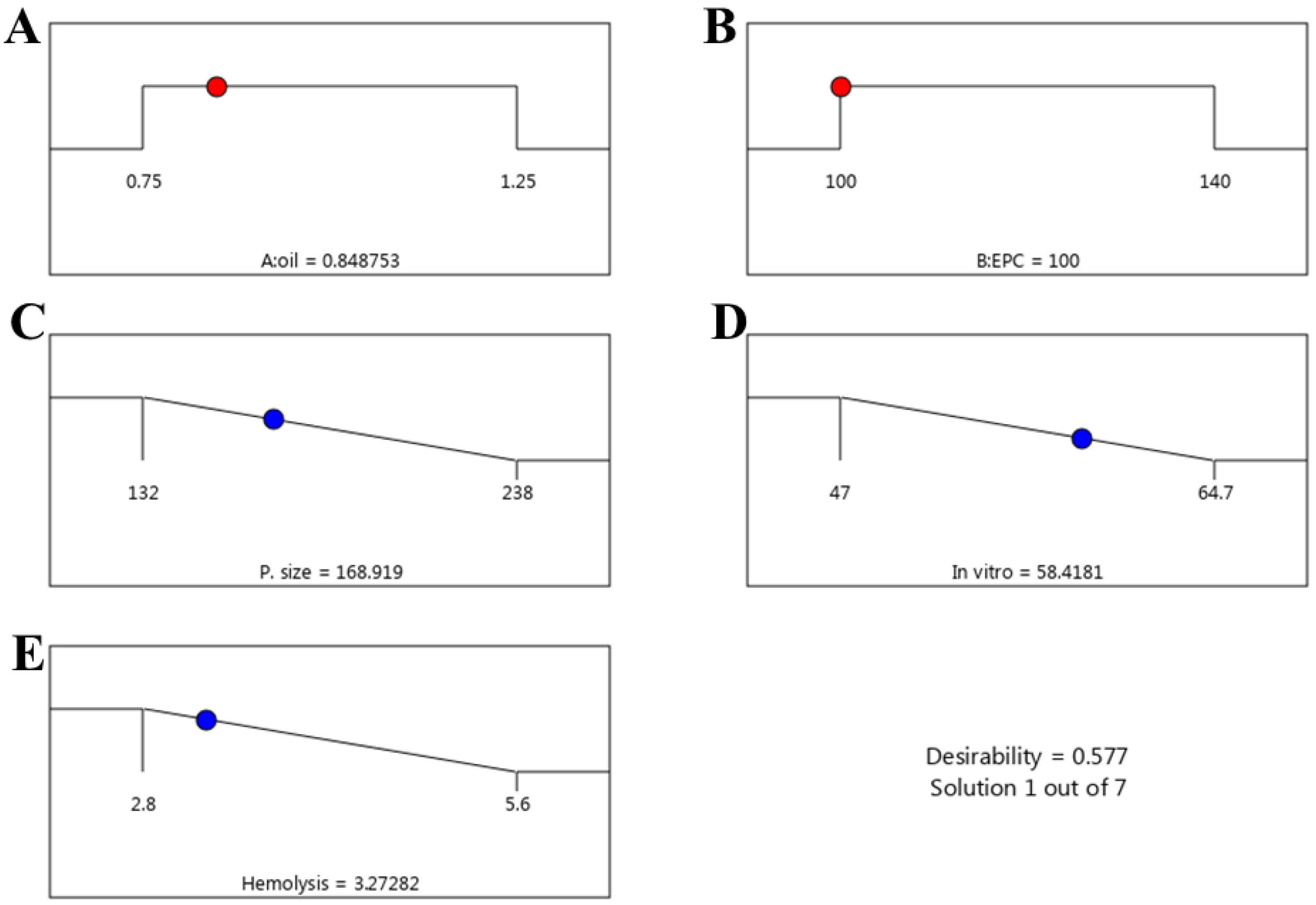
Paclitaxel (PX), plant alkaloid, is a chemotherapeutic agent intended for treating a wide variety of cancers. The objective of the present study was to formulate and evaluate the anticancer activity of PX loaded into a nanocarrier, mainly PEGylated nanoemulsion (NE) fabricated with myrrh essential oil. Myrrh essential oil has been estimated previously to show respectable anticancer activity. Surface modification of the formulation with PEG-DSPE would help in avoiding phagocytosis and prolong the residence time in blood circulation. Various NE formulations were developed after operating (22) factorial design, characterized for their particle size, in vitro release, and hemolytic activity. The optimized formula was selected and compared to its naked counterpart in respect to several characterizations. Quantitative amount of protein absorbed on the formulation surfaces and in vitro release with and without serum incubation were evaluated. Ultimately, MTT assay was conducted to distinguish the anti-proliferative activity. PEGylated PX-NE showed particle size 170 nm, viscosity 2.91 cP, in vitro release 57.5%, and hemolysis 3.44%, which were suitable for intravenous administration. A lower amount of serum protein adsorbed on PEGylated PX-NE surface (16.57 µg/µmol) compared to naked counterpart (45.73 µg/µmol). In vitro release from PEGylated NE following serum incubation was not greatly affected (63.3%), in contrast to the naked counterpart (78.8%). Eventually, anti-proliferative effect was obtained for PEGylated PX-NE achieving IC50 38.66 µg/mL. The results obtained recommend PEGylated NE of myrrh essential oil as a candidate nanocarrier for passive targeting of PX.
Keywords: paclitaxel; myrrh; PEGylation; nanoemulsion; optimization; drug delivery system; cytotoxicity paclitaxel; myrrh; PEGylation; nanoemulsion; optimization; drug delivery system; cytotoxicity