1. Introduction
1.1. Background and Research Motivation
Today’s fiscal, economic, and financial landscape is characterized by growing uncertainty, volatility in financial markets, and frequent external shocks in the world’s economies. Firms are facing increased financing risk and operational risk as a result of events such as trade disruptions, international financial crises, and disease outbreaks. In this context, the ability of a firm to maintain its liquidity and financing ability, called its financial flexibility, has emerged as a key issue in corporate finance research. Recent studies emphasize that financial flexibility enables companies to deal with adverse shocks, to lower the cost of external financing, and to maintain strategic investment capacity during periods of uncertainty (
Almeida et al. 2004;
Arslan-Ayaydin et al. 2014). Thus, financial flexibility is seen as more than just a product of the balance sheet, but as a strategic asset that can enhance the firm’s resilience, stability, and long-term value creation. Although this has increased, the evidence is still inconclusive whether financial flexibility is always positively related to firm performance.
1.2. Financial Flexibility and Firm Performance
Empirical evidence to support the performance implications of financial flexibility has been contradictory in the recent literature. On the one hand, the recent literature suggests that financially flexible firms have higher market values, are more profitable, and are better equipped to deal with adverse economic shocks (
Ma and Jin 2016;
Arslan-Ayaydin et al. 2014). Financial flexibility allows companies to facilitate investment and reduce refinancing risk, as well as to keep the business running during periods of limited external capital market availability. On the other hand, there are growing indications that, when liquidity is high and debt capacity is idled, capital discipline can be compromised, and resources can be misallocated. In the case of weak internal governance, financial slack can either help exacerbate agency problems, avoidance of risk, and growth opportunities, as shown by
Aktas et al. (
2015) and
Boubaker et al. (
2016). The performance effects of financial flexibility are not always positive, as these results show. This conditionality makes it clear that institutional and governance issues that shape how financial flexibilities are used should also be explored.
1.3. Financial Flexibility and Corporate Governance
The mechanisms of corporate governance are essential to limit the discretion of managerial decisions and harmonize the allocation of resources with the interests of shareholders. The latest governance studies point out ownership structure, leadership structure, and board structure to be the major determinants of financial decision-making and financial performance of firms (
Young et al. 2008;
Jiang and Kim 2020). Governance mechanisms are especially crucial when firms have high financial flexibility. Financial slack widens managerial decision-making latitude, so effective monitoring is necessary to ensure that internal resources are channeled into value-enhancing investments rather than hoarded inefficiently or used to evade market discipline. Recent experience of emerging markets has shown that the quality of governance plays an important role in the efficiency of the internal financial resources in turning them into performance benefits (
Masulis et al. 2012;
Jiang and Kim 2020). Nevertheless, empirical studies that specifically investigate the effect of governance contingency on the performance of financial flexibility are scarce.
1.4. Risk and Stability Perspectives
In addition to this direct performance effect, recent research highlights risk reduction and operational stability as a further channel through which financial flexibility creates value. More financially flexible firms are better positioned for smooth earnings and cash flows and minimized distress risk in a downturn (
Acharya et al. 2013;
DeAngelo and Roll 2015). Mechanisms of governance, at the same time, influence the effect of financial flexibility on firm risk-taking behavior. Well-functioning governance can harness financial flexibility to stabilize operations without compromising growth, whereas poor governance can result in excessive conservatism or unproductive cash hoarding. Although risk and stability provide useful background motivation for why financial flexibility may matter, the present study does not test these channels directly; the empirical analysis focuses on the governance-contingent effect of financial flexibility on firm performance.
1.5. Institutional Context and Research Gap
Emerging markets provide an informative setting for studying these questions. In China, the institutional environment of the listed firms is that of concentrated ownership, emerging governance reforms, and ineffective external capital markets. These attributes make companies more dependent on internal funds and, at the same time, heighten agency conflicts (
Jiang and Kim 2020). Although recent studies have explored financial flexibility and corporate governance independently, few have combined governance moderation and the risk-and-stability perspective in a single empirical model, particularly in the Chinese context. This gap limits our understanding of when and how financial flexibility enhances firm performance in emerging markets.
1.6. Research Objectives and Contributions
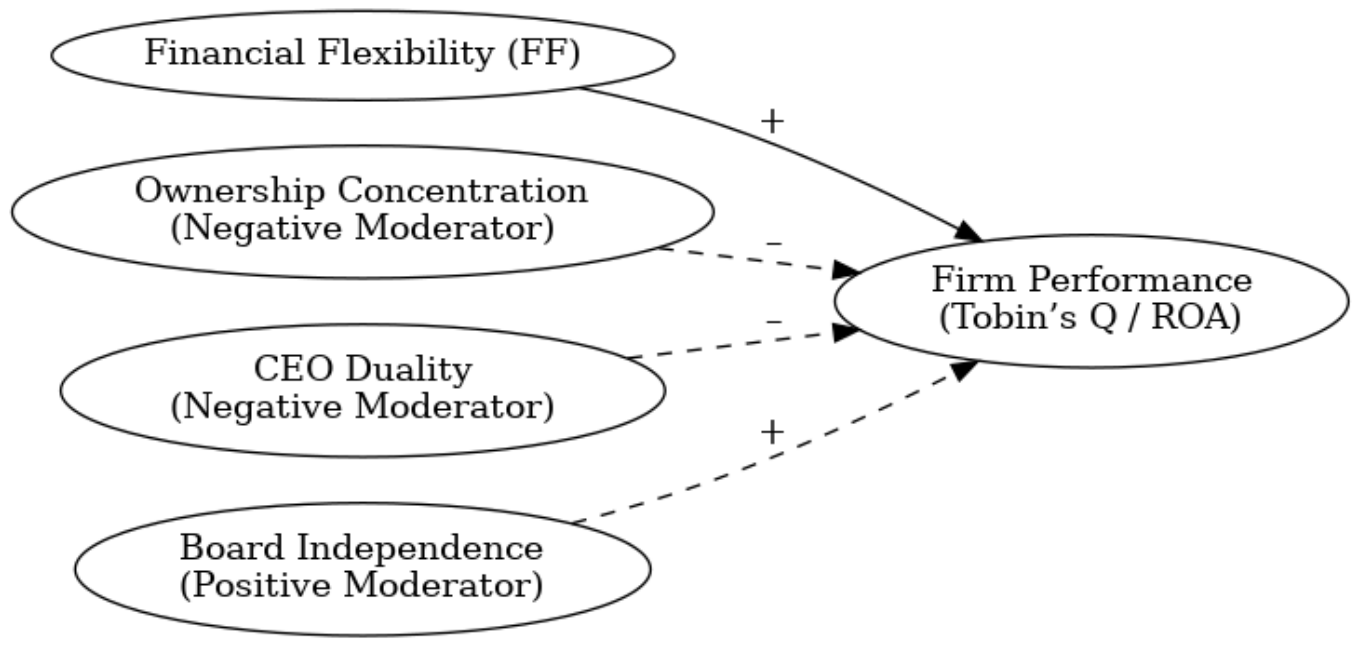
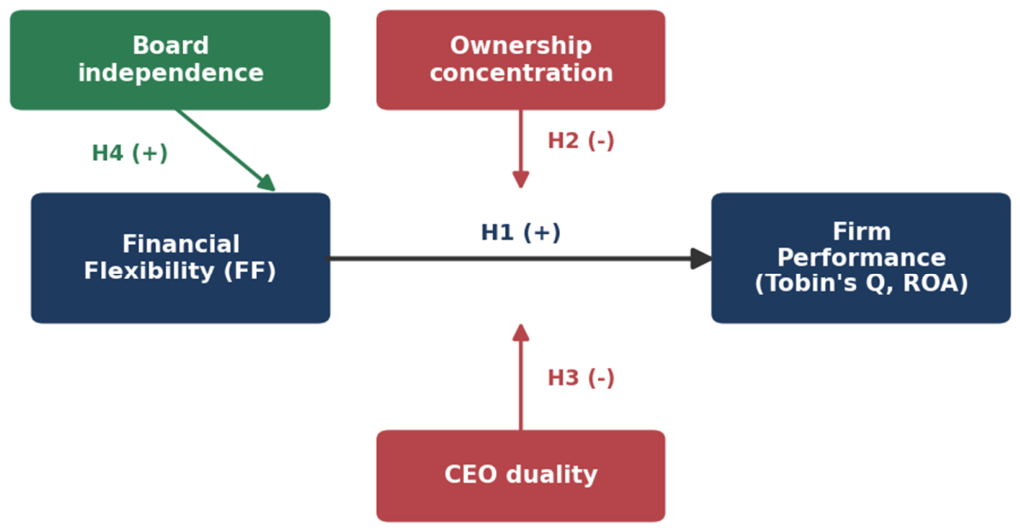
This paper examines the question of whether financial flexibility has a positive impact on the performance of a firm and whether the corporate governance mechanisms, such as ownership concentration, CEO duality, and board independence, moderate the relationship between financial flexibility and the performance of a firm. It also relies on a risk and a stability lens to inspire the discussion of the necessity of financial flexibility to translate into performance, and the empirical analysis explores the moderating effects of ownership concentration, CEO duality, and board independence on the financial flexibility–performance nexus. This study adds to the literature in four ways. First, it serves to explain some of the mixed results on the performance impact of financial flexibility, as it has a different impact in different governance systems. Second, it offers empirical evidence at the firm level of how the relationship between financial flexibility and firm performance is mediated by governance characteristics, including ownership concentration, duality of the CEO, and independence of the board. Third, it also expands the corporate-finance literature to the Chinese institutional context and makes implications for emerging markets. Fourth, the authors’ approach of linking firm fixed-effects and dynamic system-GMM estimation reveals that the measured financial flexibility value is sensitive to the treatment of endogeneity; under the static approach, the positive association between financial flexibility and governance is weakened and may even turn negative in the dynamic approach, which is why governance is the determining boundary condition. The account is conditional and endogeneity-aware, and sets it apart from previous research on financial flexibility in China based on only one equation.
3. Data, Variables, and Methodology
3.1. Data Sources and Sample Selection
The data are firm-level observations obtained from the CSMAR (China Stock Market and Accounting Research) database, which contains financial, governance, and market data on Chinese listed companies. The sample includes A-share companies listed on the Shanghai and Shenzhen Stock Exchanges between 2017 and 2024. The period of study represents a time of heightened economic uncertainty, reform of regulation, and changing practices of corporate governance in China. It is especially well-suited to investigating the performance effects of financial flexibility under different forms of governance. To ensure sample consistency and comparability, the sample is screened using the following criteria. First, the financial sector is omitted because of the unique balance-sheet arrangement and regulatory conditions in the financial sector. Second, firms designated ST or *ST are excluded, since their abnormal financial status can distort performance indicators. Third, those firms that issued an initial public offering (IPO) in 2024 are eliminated in order to prevent incomplete post-listing observations. Fourth, the observations that lack data are dropped to ensure complete data series for all variables. Lastly, continuous variables are winsorized at the 1st and 99th percentiles to limit the influence of outliers.
After applying these screening procedures, the final sample consists of 26,088 firm-year observations on 4694 unique firms; because all explanatory variables are lagged one year, 20,896 firm-year observations enter the regressions.
Table 2 summarizes the sample-selection procedure (with further detail in
Appendix B), and
Table 3 defines all variables.
3.2. Definitions and Measurement of Variables
3.2.1. Dependent Variables: Firm Performance
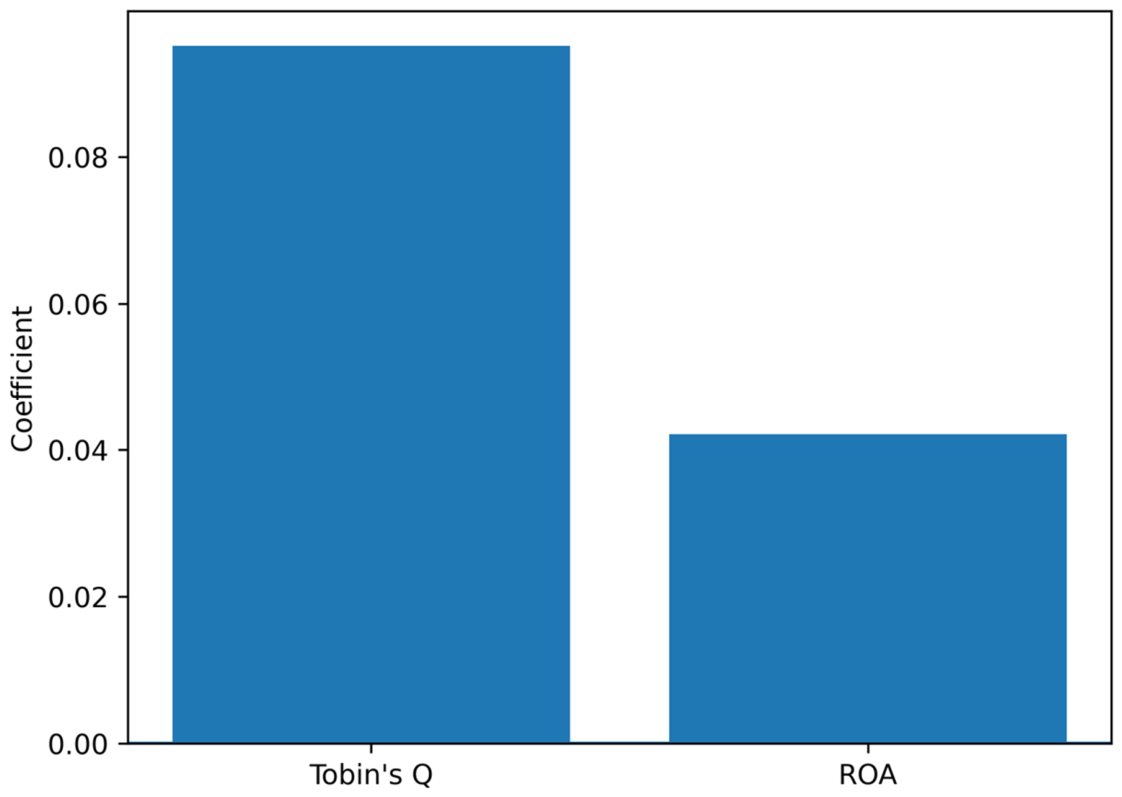
The robustness is achieved by using both market and accounting measures of firm performance. Tobin’s Q is defined as the market value of equity plus total liabilities divided by total assets, and shows what investors think might be available for future growth. Return on Assets (ROA) = Net Income/Total Assets; Operating efficiency. Tobin’s Q is the primary dependent variable, and ROA is used for a robustness check.
3.2.2. Independent Variable: Financial Flexibility
Financial Flexibility (FF) is the key explanatory variable. It describes a firm’s ability to sustain liquidity and unused debt capacity so that it can respond efficiently to uncertainty and investment opportunities. Following the construction used in the dataset, FF is a standardized composite index built from two components: a cash/liquidity component (CF), measured as cash and cash equivalents scaled by total assets, and a debt-capacity component (DF), measured as unused borrowing capacity (one minus the leverage ratio). Each component is standardized by year (a z-score that removes scale and common time effects), and the two standardized components are summed, so that FF = z(CF) + z(DF); the full construction is documented in
Appendix A. Higher values denote greater financial flexibility. To confirm that the composite does not mask divergent component effects, we also report regressions using CF and DF separately (
Section 4.6); these checks are summarized in
Appendix D.
3.2.3. Moderating Variables: Corporate Governance
Three corporate-governance variables are used as moderators. Ownership Concentration (Own) is the shareholding ratio of the largest shareholder. CEO Duality (CEO) is a dummy variable equal to one when the CEO also chairs the board and zero otherwise. Independent Director Proportion (IDP) is the share of independent directors on the board. These variables encompass major aspects of control, monitoring, and independence of the board that drives the deployment of financial flexibility.
3.2.4. Control Variables
Following prior literature, the analysis includes several control variables that may affect firm performance:
Firm Size (Size): the natural logarithm of total assets.
Growth (Grow): sales growth rate.
Debt Ratio (DR): total liabilities divided by total assets.
Total Asset Turnover (TAT): operating efficiency.
Firm Age (Age): years since listing.
Cash Flow (Cashflow): operating cash flow scaled by assets
Table 3.
Variable Definitions.
Table 3.
Variable Definitions.
| Variable | Definition | Measurement |
|---|
| Tobin’s Q | Market performance | (Market value + liabilities)/assets |
| ROA | Operating performance | Net income/assets |
| FF | Financial flexibility | Standardized composite index |
| Own | Ownership concentration | Largest shareholder ratio |
| CEO | CEO duality | Dummy variable |
| IDP | Board independence | Independent directors/board size |
| Size | Firm size | ln(Total assets) |
| Grow | Growth | Sales growth |
| DR | Debt ratio | Liabilities/assets |
| TAT | Asset turnover | Revenue/assets |
| Age | Firm age | Years since listing |
| Cashflow | Cash flow | Operating CF/assets |
3.3. Descriptive Statistics
Table 4 gives the descriptive statistics of all variables. The statistics reveal substantial variation in firm performance, financial flexibility, and governance structure across the sample, indicating sufficient variation for regression analysis.
3.4. Correlation Analysis
Table 5 reports Pearson correlation coefficients among all variables used in the analysis. Financial flexibility is positively correlated with both Tobin’s Q and ROA, providing preliminary support for a positive relationship between flexibility and performance. Correlations among independent variables remain within acceptable ranges, indicating that multicollinearity is unlikely to bias regression estimates.
3.5. Empirical Model Specification
To examine the impact of financial flexibility on firm performance and the moderating role of corporate governance, the study employs panel regression models with fixed effects.
3.5.1. Baseline Model
where
indicates firms and
indicates years.
and
denote firm fixed effects and year fixed effects, respectively (the earlier industry-and-year specification is reported as a robustness check in
Section 4.6), and
is the error term.
3.5.2. Moderation Models
To test moderation effects, interaction terms are introduced:
where
represents the corporate governance variable (ownership concentration, CEO duality, or board independence).
The interaction term captures the moderating effect of governance on the relationship between financial flexibility and firm performance.
3.6. Estimation Method
The main models are estimated with firm (entity) and year fixed effects, which absorb time-invariant firm heterogeneity and common time shocks; the earlier industry-and-year specification is retained as a robustness comparison, and all explanatory variables are lagged one year to mitigate simultaneity. Standard errors are also clustered at a firm level to take into consideration the heteroskedasticity and within-firm serial correlation. To determine the presence of multicollinearity, the values of the variance inflation factor (VIF) are analyzed, and all values obtained are less than traditional levels. To address dynamic endogeneity and reverse causality, we additionally estimate a system-GMM dynamic panel with a lagged dependent variable, reporting Arellano–Bond AR(1) and AR(2) tests and the Hansen over-identification test (
Section 4.6).
3.7. Robustness Checks
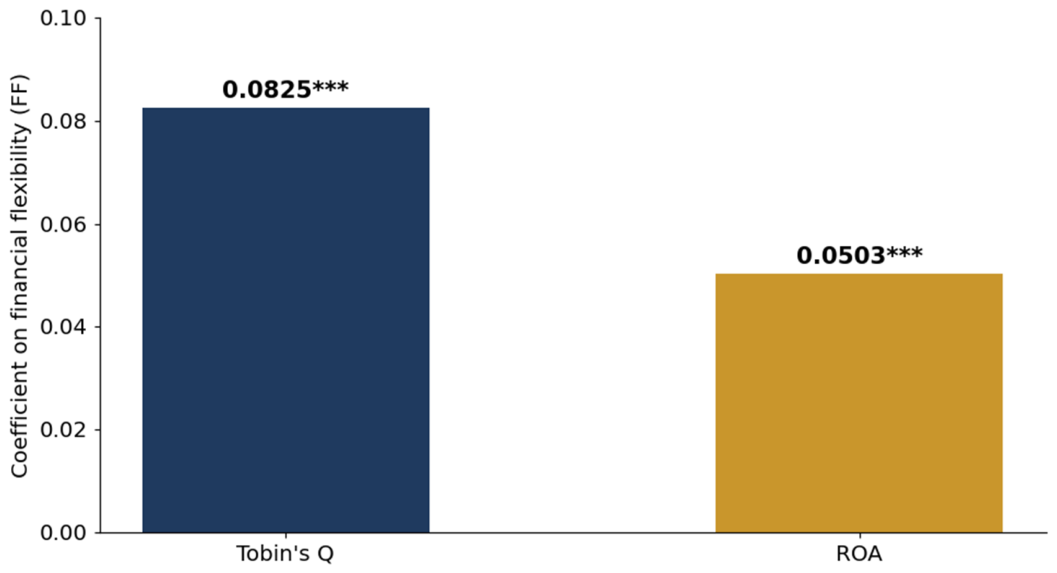
The study re-estimates the baseline model with ROA as an alternative dependent variable to make the study robust; the findings are consistent in sign and significance. We further (i) decompose financial flexibility into its cash (CF) and debt-capacity (DF) components entered separately, (ii) estimate a system-GMM dynamic panel to address endogeneity, and (iii) split the sample into pre-, during-, and post-COVID sub-periods. These analyses, reported in
Section 4.6, probe the sensitivity of the main models: the decomposition and sub-period results are consistent with the governance-contingent pattern, while the dynamic system-GMM specification qualifies the baseline association by showing that the unconditional flexibility coefficient turns negative once persistence and reverse causality are modeled.
3.8. Methodological Design
In this chapter, the author describes the data source, sample construction, definitions of variables, and empirical models that were used to test hypotheses generated in
Section 2. The empirical findings presented in
Section 4 are entirely consistent with the methodology and make the study findings reliable and have internal consistency.
5. Discussion and Analysis
5.1. Overview of Key Empirical Insights
The present study examines the relation between financial flexibility and firm performance as well as how this relation is moderated by internal corporate-governance mechanisms of Chinese A-share listed firms. The empirical results show an average value-added effect of financial flexibility. Most importantly, though, there is a need to understand that the power and effectiveness of this relationship will be closely linked to governance structures within firms. The findings suggest that financial flexibility is a strategic asset that is not always advantageous, but rather has positive outcomes contingent on the allocation of decision rights and monitoring within the firm. This perspective is useful for understanding the tension between the available evidence and past research, and creates a financial policy other than via governance.
5.2. Financial Flexibility as a Performance-Enhancing Resource
The positive relationship between financial flexibility and firm performance is in line with the modern-day corporate finance theory, where financial flexibility is a way of dealing with uncertainty, mitigating financing frictions, and maintaining investment capacity (
Almeida et al. 2004;
Arslan-Ayaydin et al. 2014). In the Chinese context, where external financing is subject to policy adjustments and institutional tensions, the concept of internal liquidity and the untapped debt capacity seems particularly useful. The results indicate that firms with higher financial flexibility can better smooth their investment and are less reliant on external funding, responding faster to market opportunities. This is similar to other accounts of financial flexibility based on the concept of resilience that focus on the capacity to withstand adverse events as well as on the capacity to grow. Importantly, the strength and importance of the relationship between financial flexibility, financial perceptions, and operating performance make this relationship not just a reflection of investor perception but also a reflection of operating performance.
5.3. Ownership Concentration and the Attenuation of Flexibility Benefits
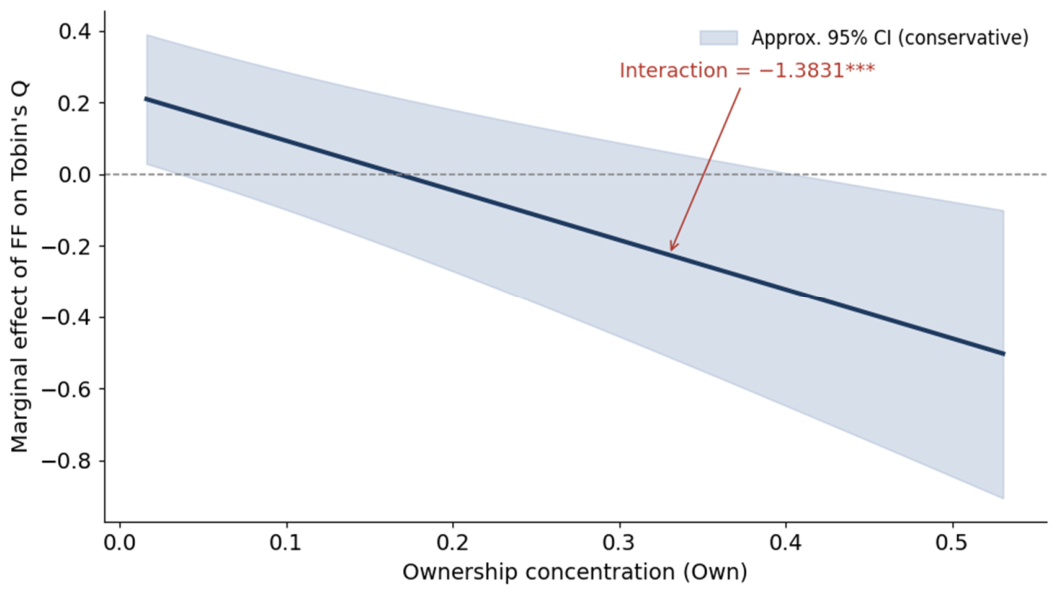
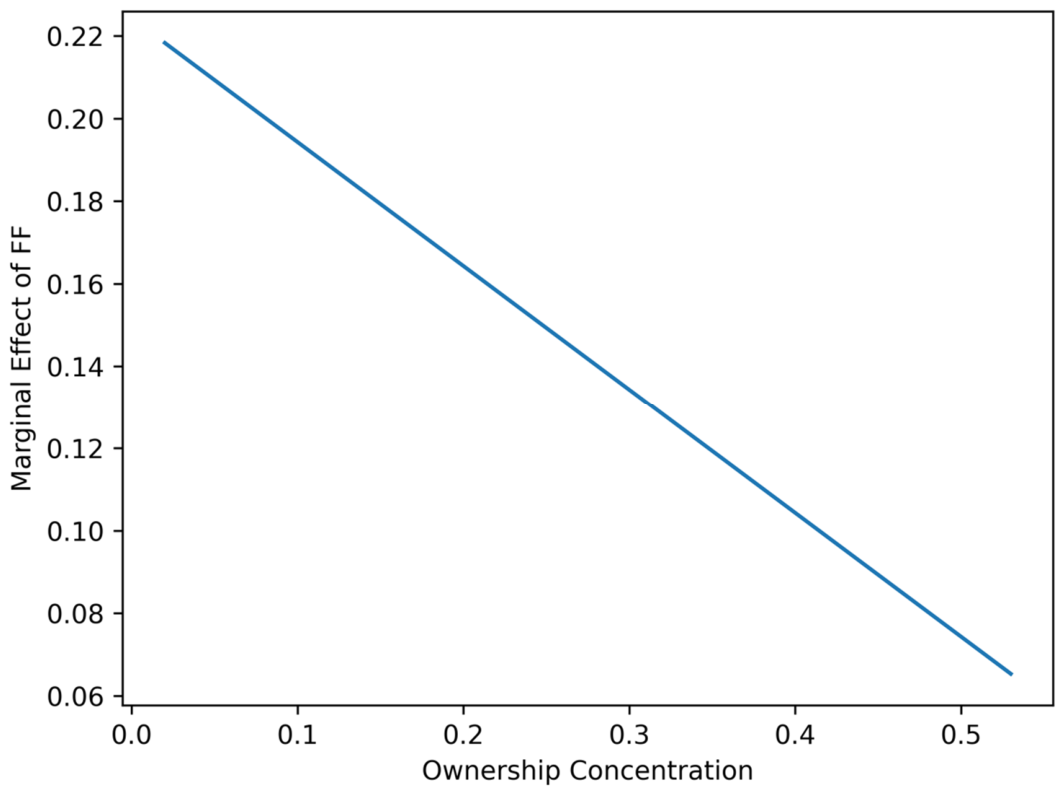
The negative moderating effect of ownership concentration suggests that the benefits of financial flexibility are lessened through ownership concentration. This aligns with principal-principal agency issues, particularly strong in emerging markets. When ownership is highly concentrated, controlling shareholders can have an incentive to preserve wealth, maintain control, or extract private benefit in lieu of value-enhancing investment. Increasing the internal resource base may paradoxically help reinforce this tendency, as it lessens the need for external monitoring and market discipline. This will lead to more conservative or inefficient utilization of internal funds, and hence less flexibility vs. performance. This is understandable when considering the descriptive and correlation results, in that ownership concentration can both increase profitability and decrease its market value. The results indicate that agency problems do not disappear when ownership is concentrated, but are simply refashioned, and their relationship with the financial capacity of the firms is changed.
5.4. CEO Duality and Managerial Discretion
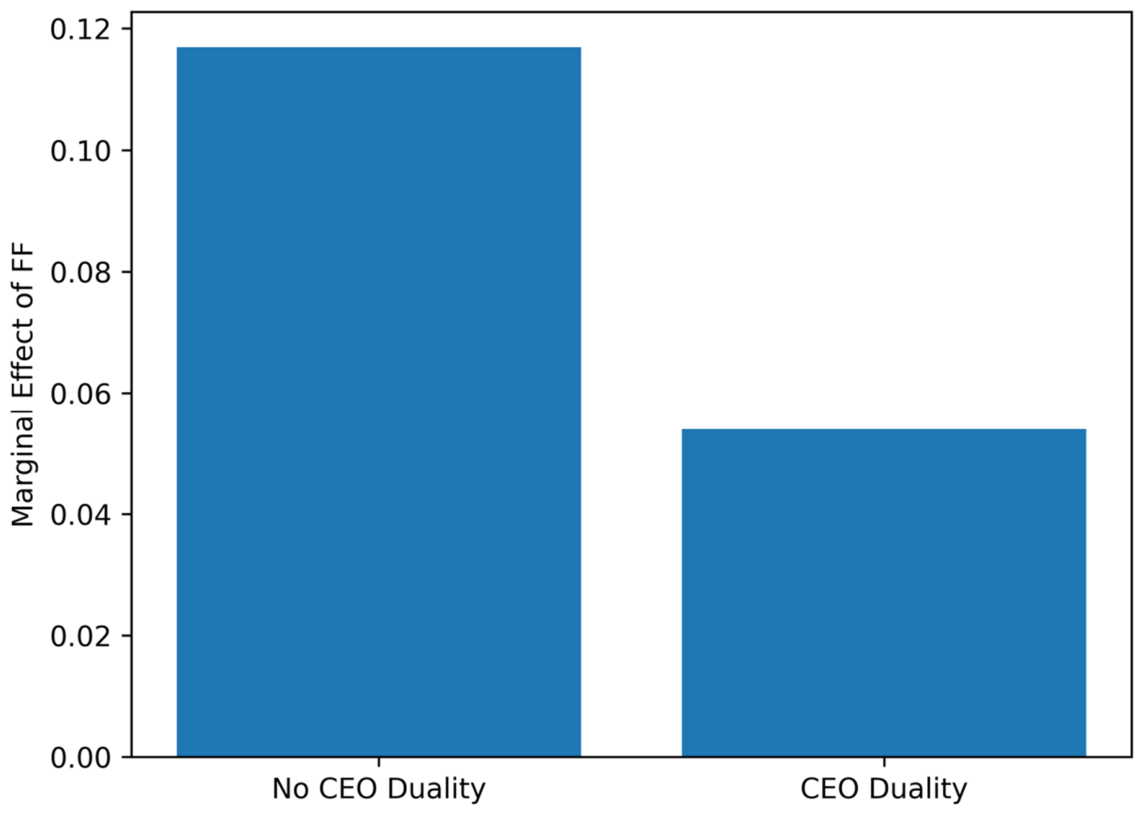
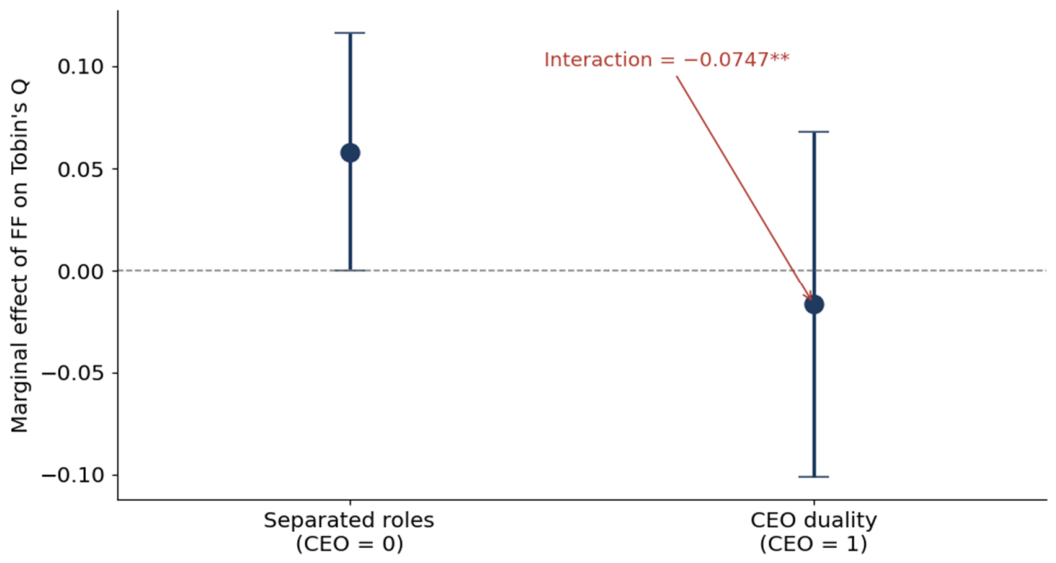
Another example of governance structure affecting the value creation potential of financial flexibility arises from the negative relationship between financial flexibility and the dual role of the CEO. CEO duality focuses power into one person and reduces the board’s oversight, leading to more discretionary decision-making. This freedom can manifest itself in one of two ways: an excess of liquidity or a delay in investment, or risk aversion, in financially flexible firms. While this may reduce short-run volatility, it can also limit the ability of a firm to grow and lower the value of the firm. The results suggest that the importance of financial flexibility decreases as CEOs have fewer restrictions. This fits in with agency theories that view the structures of leadership as distinct between managerial and monitoring roles, as well as arguments that the separation of managerial and monitoring roles is especially relevant in the presence of abundant internal resources.
5.5. Board Independence as a Governance Complement to Flexibility
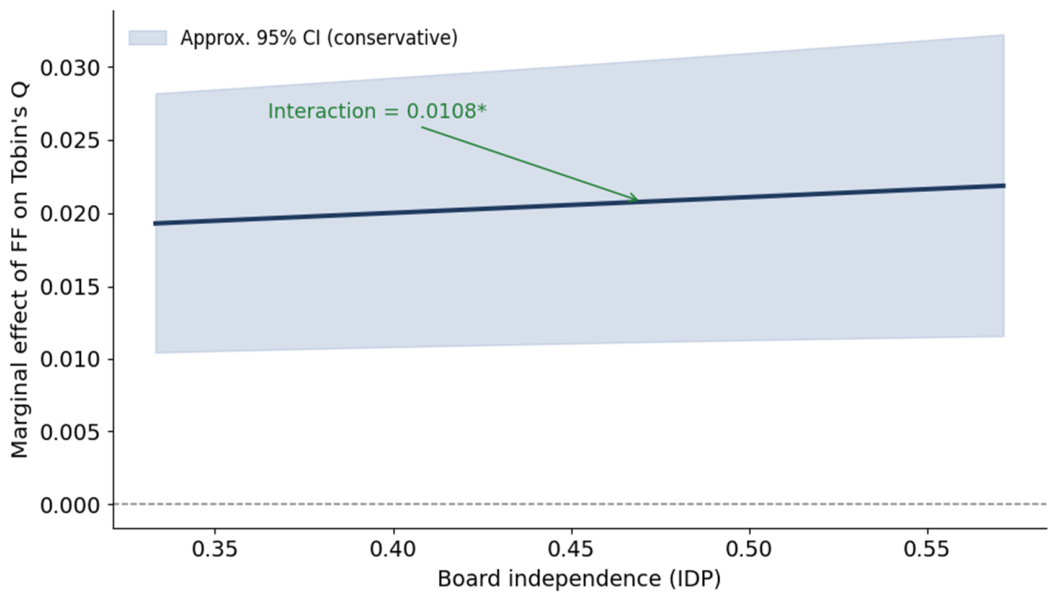
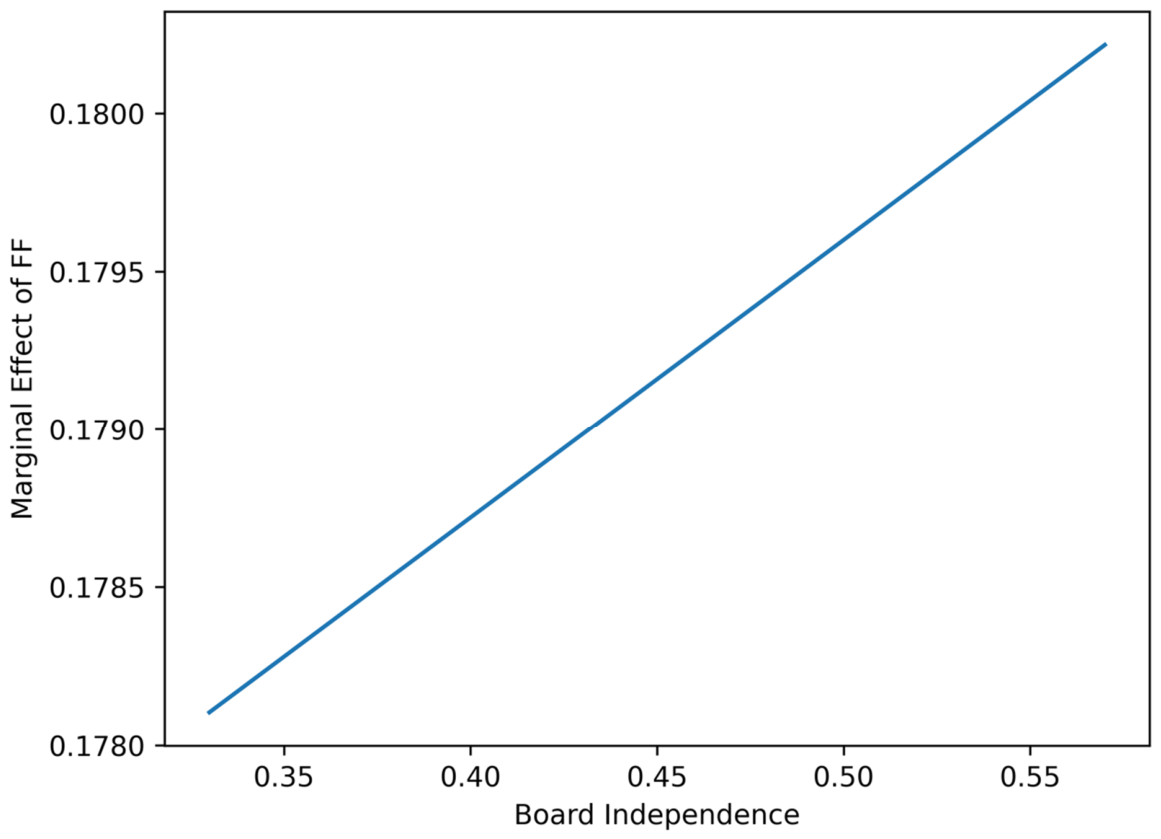
In contrast, board independence positively moderates the financial flexibility–performance relationship, while ownership concentration and CEO duality have no such effect. This outcome is indicative of the co-creative potential of financial capacity and effective monitoring. Independent directors can help the board to discipline managerial behavior, review investments, and make sure the internal funds are used for value-enhancing projects. This monitoring seems to be a necessary ingredient for avoiding waste and resource misallocation from agencies in financially flexible firms. The discovery helps the governance theory by validating that board independence can not only limit managerial discretion but also increase the strategic worth of monetary adaptability. It suggests that flexibility and governance are not separate issues, but are both analyzed together.
5.6. Integrating the Findings: A Governance-Contingent View of Financial Flexibility
Combined, the findings suggest a governance contingent model where an increase in financial flexibility is linked to firm performance contingent on the ability of internal governance structures to direct managerial discretion. There is a potential for value in financial flexibility, and the governance mechanisms will decide whether this value is realized. Negative moderators (ownership concentration and CEO duality) decrease the efficiency of the utilization of internal resources, while the positive moderator (board independence) increases the efficiency of internal resource utilization. This approach reconciles the conflicting perspectives found in the literature that view financial flexibility as value-creating or value-destroying. The results highlight that financial flexibility can be positive or negative and that this is dependent on who is making the financial decisions and how the decisions are monitored.
5.7. Implications for Corporate-Governance Theory
In this paper, I contribute to the theory of corporate governance in three ways. First, it demonstrates that the returns to financial policy are not just a function of what directly influences the performance of the firm, but also governance mechanisms. Second, it serves as a platform to further the debate on governance studies by bringing the dimensions of internal financial resources into the picture of the returns that stem from them. Second, it combines the resource-based view with agency theory since it demonstrates that management incentives will need to be aligned with the interests of shareholders so that the resources within the firm generate value. Third, it illuminates how the governance-finance nexus functions in the institutional context of concentrated ownership and trending regulation, namely in China.
5.8. Managerial and Policy Relevance of the Findings
The findings suggest a linkage between building financial flexibility and good governance for managers. Firms that have a weak monitoring system will not know the benefits of leverage with their internal financing resources, while firms with strong monitoring boards can take advantage of the flexibility better. Excessive control appears to have a negative impact on firm value for controlling shareholders, as the results indicate that it hinders their use of financial resources to make strategic decisions. For regulators and policymakers, the results provide evidence that reforms of boards and internal governance, such as increased board independence, in the more financially flexible firm would be beneficial.
5.9. Limitations and Future Research
Although this study has several strengths, a number of limitations should be noted. The sample firms are drawn from a single institutional context, which may limit generalizability. In addition, governance mechanisms are measured using observable structural proxies, which may not fully capture governance effectiveness. Further development of the research might focus on other aspects of governance, including executive remuneration, state-ownership, or external control, and seek to understand whether the same governance-contingent impact can be found in other institutional settings.
5.10. Concluding Analysis
This chapter shows that financial flexibility is positively associated with firm performance, although this association materializes only when the governance structures enable firms to use internal resources effectively. This relationship is weakened by ownership concentration and CEO duality, and strengthened by board independence. These results support the significance of financial policy distribution in line with the quality of governance, and a subtle insight into the relationship between internal resources and firm value is made.
6. Conclusions
6.1. Study Overview
This paper examines whether financial flexibility is associated with better firm performance and analyzes how internal corporate-governance mechanisms moderate that relationship. Using a large sample of Chinese A-share listed firms over 2017–2024, it studies three core governance mechanisms—ownership concentration, CEO duality, and board independence—to develop a governance-contingent view of the value of financial flexibility. By combining financial policy and corporate governance perspectives, the study moves beyond the assumption that financial flexibility is always beneficial and shows that its value depends heavily on how a firm is governed.
6.2. Summary of Key Findings
The empirical analysis yields several coherent findings. First, financial flexibility is positively associated with firm performance on both market-based (Tobin’s Q) and accounting-based (ROA) measures, consistent with firms that hold greater internal liquidity and debt capacity being better placed to create value and sustain operating performance. Second, the ownership concentration negatively moderates the relationship between flexibility and performance; the incremental value of financial flexibility is significantly reduced when ownership is concentrated, implying that the ability to use internal resources is constrained with concentrated control. Third, CEO duality weakens the positive association between financial flexibility and performance, consistent with concentrated managerial power aggravating agency problems when firms hold abundant internal resources. Finally, board independence is associated with a marginally significant strengthening of the flexibility–performance relationship (10% level), consistent with independent directors improving monitoring and helping direct internal funds toward value-enhancing activities; given its weaker statistical significance, this result warrants cautious interpretation. Together, these findings show that financial flexibility is a contingent strategic resource and that the value of financial flexibility is linked to the quality of internal governance. Because the static models identify associations rather than strict causal effects, and because the dynamic system-GMM estimate indicates that the unconditional effect of excess flexibility may even turn negative once endogeneity is addressed, these conclusions are framed in associational terms, with the governance-contingent interpretation being the paper’s central and most robustly supported claim.
6.3. Theoretical Contributions
This study has several contributions to the literature. First, it contributes to the financial flexibility literature by offering robust empirical evidence of the performance consequences of financial flexibility as being governance-conditioned, while previous literature has focused more on direct impacts. Second, it extends the literature on the mechanisms leading to these performance consequences by introducing the concept of internal governance mechanisms, which it finds to be a fundamental determinant of the returns to financial flexibility. Second, it combines agency theory and the resource-based view, arguing that value creation from internal financial resources depends on the alignment of agents’ incentives with shareholders’ interests, which is the opportunity provided by the flexibility, and the mechanism by which these interests are aligned or not, which is the governance structure. Third, it helps advance the growing body of literature on corporate governance in emerging markets by shedding light on the interaction between ownership concentration and the formation of the leadership with respect to financial policy in regulatory environments that are subject to change and where external enforcement is incomplete.
6.4. Managerial and Policy Implications
There are some practical implications to the results. Financial flexibility should be established at an appropriate level to facilitate firm performance, but with proper governance, the funds may be misused or misallocated; hence, it is recommended that firms make proper alignment between financial policy and governance reform, especially in leadership and board composition. The evidence highlights the role of independent directors in maximizing the value of financial flexibility in the context of boards, and that increasing the independence of the board can lead to better outcomes of the use of internal resources for the value of the firm. Findings suggest that excessive control may negatively impact firm value by curtailing strategic flexibility, while a “just-right” level of control and professional governance may have more positive long-term implications for controlling shareholders. The findings for policymakers suggest the need for measures that enhance board independence and curb undue concentration of decision-making power to help boost transparency, accountability, and effectiveness of the financial capacity of companies’ boards.
6.5. Limitations
Despite its contributions, this study has several limitations. First, the research concentrates solely on listed companies in China, which may limit the generalizability of the results to other institutional environments. Second, the observable structural indicators measure governance mechanisms, and this may not be a complete measure of governance effectiveness on the ground. Third, although the models lag financial flexibility by one year, include firm and year fixed effects, and are complemented by a system-GMM dynamic-panel estimator to mitigate simultaneity and reverse causality, endogeneity cannot be fully eliminated with observational data in the absence of an external instrument or natural experiment. Future work could exploit exogenous shocks or instrumental-variable designs to sharpen identification further. These are the limitations that should be considered during the interpretation of the results.
6.6. Directions for Future Research
This study can be further expanded in a number of ways in future research. First, comparative research in the various institutional settings could examine whether the governance-contingent effects of financial flexibility differ between emerging and developed markets. Second, future research could examine alternative aspects of governance including executive pay, government ownership, or external oversight. Third, the study of the interaction of financial flexibility and governance during extreme crises or shocks can also provide additional information on corporate resilience.
6.7. Final Concluding Remarks
This paper shows that financial flexibility is associated with stronger firm performance, but its value is neither automatic nor universal. The internal systems of governance are decisive in determining whether financial flexibility is converted into firm value or diluted by agency problems. By highlighting the governance-contingent character of financial flexibility, the study offers a more refined perspective on the joint influence of financial policy and governance structures in determining firm performance.