


Abstract
This study investigates the impact of environmental, social, and governance (ESG) performance on the link between financial reporting quality (FRQ) and corporate risk-taking (CRT). Building upon agency and stakeholder theories, we contend that ESG practices represent a transparency mechanism that is distinct from the mainstream and addresses information asymmetry in environments susceptible to earnings management. Operationalizing the framework with panel data, we estimated panel regression models and generalized structural equation modeling (GSEM) to examine the hypothesized framework. The findings show that ESG performance mediates the relationship between FRQ and CRT. In particular, we found that in weaker institutional environments, higher FRQ is associated with greater ESG engagement, which leads to relatively prudent risk-taking behavior. These results demonstrate the significance of ESG as a governance mechanism and underscore the significant role of ESG in encouraging responsible corporate conduct and curbing excessive risk. This research contributes to the existing literature on integrated reporting and sustainable finance by demonstrating how effective ESG governance can bolster corporate resilience and support long-term value creation, especially within emerging markets.
1. Introduction
Sustainability reporting is now a requirement in Indonesia and is progressively influenced by global benchmarks, including IFRS S2 (ISSB, 2023) and ISO 26000 (2024), and the Global Reporting Initiative (GRI) standard (Arif et al. 2022). Since 2009, Government Regulation No. 32/2009 and No. 47/2012 have required firms in the natural resources sector to donate part of their profits to socio-environmental projects. This legislation therefore reinforces a shift southward in corporate strategies as opposed to one northward or to the east. It also leads to stronger integration of environmental protection measures with good social relations sought through responsible operations and governance practices in firms originally known only for producing natural resources. Firms with superior ESG behavior are less likely than others to carry out actions that are ethically incorrect. This means that they do not take risks concerning environmental problems, will not cause social upheaval, and cannot fail altogether (Eccles et al. 2014; Wu et al. 2024; Yang et al. 2024). Companies without good ESG behavior often focus purely on short-term profits at the expense of long-term sustainable growth; this pattern exposes these companies to operational and reputational risks. Research has shown that inadequate ESG frameworks within organizations greatly increase the adverse effects of financial transparency on companies’ propensity for risk-taking (Cheng et al. 2014). While much research has been devoted to studying the coupled variables of financial reporting quality and risk-taking, the mediating effects of ESG remain underexplored (Menla Ali et al. 2024).
Both are possible in Indonesia; key institutions such as the Financial Services Authority (OJK) include this initiative, which aims to unify the concepts and metrics for disclosure in accordance with global standards and to build upon the foundational standards set by PP No. 47 (2012), as well as OJK’s own efforts in sustainable finance. This transition is expanding the scope of required disclosure by listed companies and institutions and raising the bar for governance, data systems, and assurance. At the same time, it is also raising expectations in a variety of domains: different regulatory timelines, limited reporting and audit capacity for preparers, the high degree of correlation between certain industries but not others (for example, natural resource sectors), and finally, greater risks of greenwashing. Thus, heading in the right direction, alignment with IFRS S2 also changes how sustainability reporting impacts the relationship between financial reporting quality and corporate risk-taking in Indonesia. This provides a large empirical research context. ESG reporting proportions can no longer reflect simply which companies engage in this kind of activity; instead, they expose company operations and performance along this dimension, thus influencing investor decision-making and appetite for risk (Atif and Ali 2021; Christensen et al. 2021; Kothari et al. 2016). Both are possible in Indonesia; key institutions such as the Financial Services Authority (OJK) include this initiative, which aims to unify the concepts and metrics for disclosure in accordance with global standards and to build upon the foundational standards set by PP No. 47 (2012), as well as OJK’s own efforts in sustainable finance. This transition is expanding the scope of required disclosure by listed companies and institutions and raising the bar for governance, data systems, and assurance. At the same time, it is also raising expectations in a variety of domains: different regulatory timelines, limited reporting and audit capacity for preparers, the high degree of correlation between certain industries but not others (for example, natural resource sectors), and finally, greater risks of greenwashing. Thus, heading in the right direction, alignment with IFRS S2 also changes how sustainability reporting impacts the relationship between financial reporting quality and corporate risk-taking in Indonesia. This provides a large empirical research context. ESG reporting proportions can no longer reflect simply which companies engage in this kind of activity; instead, they expose company operations and performance along this dimension, thus influencing investor decision-making and appetite for risk (Atif and Ali 2021; Christensen et al. 2021; Kothari et al. 2016).
In addition, the fact that companies with high ESG scores are more credible in terms of their accounting helps to reduce earnings management. Firms with high ESG scores produce more credible financial statements that reduce information asymmetry accordingly (Özer et al. 2024). However, the effects of ESG dimensions upon EM are not entirely uniform, nor are they identical between sectors and forms of ownership (Wu and Abeysekera 2023). Despite progress in regulation, Indonesia continues to face several serious problems. Earnings manipulation is frequently associated with concentrated ownership, weak regulatory enforcement, and political influences. All these factors help make financial reporting unequal to the stakes that corporations undertake. This heightens risks faced by corporate decision-making (Hutagaol-Martowidjojo et al. 2019).
Despite advancements in regulations, industries continue to face challenges related to resource depletion and environmentally harmful production practices. Many enterprises are overly concentrated on earning short-term profits rather than adequately handling risk management, a reminder of the need for appropriate government supervision. Effective frameworks reduce susceptibility to fraud and corruption by creating trust in the reliability of operations while ensuring that risks are appropriately managed. Internal control systems also benefit the public by protecting governments from fraud, poor administration, corruption, and waste, as well as improving government efficiency through better program delivery (OECD). If companies succeed in ESG practices, they will not only be able to reinforce transparency and control over risks but also win stakeholder confidence that forms a foundation for creating sustainable value. Moreover, companies that incorporate ESG sustainability principles into their strategies will be better placed to attract capital at a cheaper cost and to meet the growing demands of ethical business practices in the marketplace. In this sense, ESG is more than mere compliance; it serves as a catalyst for innovation and business efficiency, adding resilience as companies adapt to an ever-changing market environment. Nonetheless, the passage from one phase to another raises numerous problems when preparations must be jump-started at once.
These stem from differing legislative schedules, inadequate resource deployment, and shortages of people conversant with standards among both preparers and auditors; differences among sectors, particularly those related directly to natural resources; and the increased risk that anyone seeking obsequiousness may simply pretend to harness the wind. In contrast, there was evidence from management interviews and direct observation that companies with strong ESG performance find it easier to manage crisis events, while those with poor practices in this area might have suffered more severely, both operationally and in terms of reputation (Rana et al. 2025; Khaw et al. 2025). Although previous studies have examined the connections among low-quality financial reporting (FRQ), ESG factors, and corporate risk (CRT), the potential mediating role of ESG within the FRQ → CRT path, as seen primarily in emerging markets with distinct institutional frameworks, still represents a gap that needs further elucidation (Menla Ali et al. 2024).
Transparency can promote value-increasing or risk-altering behaviors (Biddle and Hilary 2006) and controlled risk-taking (Alharbi et al. 2021). On the other hand, conservatism may also result in lower investment and higher risk aversion. This means that success is downplayed too much by conservative financial reporting (Roychowdhury 2006). It is suggested that excessive risk-taking can hold back long-term growth. If these ESG factors are understood and methodically appraised, then risks can be identified and managed, while long-term benefits and informed choices can continue to be obtained. Business sustainability is also promoted in this way (Ahmad et al. 2024; Peliu 2024). In developing nations such as Indonesia, where governance systems are still evolving, financial transparency has become even more important for sustainable business growth. High-quality financial reporting (FRQ) is a key tool for mitigating earnings management while, at the same time, ensuring that corporate financial statements reflect the true operating results of an entity (Dechow et al. 1996; Kothari et al. 2016). Effective disclosures help stakeholders understand the risks posed by enterprises and how they are to be dealt with. Yet, such transparency can lead to misunderstanding if earnings management is operating behind the scenes, as noted by (Alsmady 2022b), who observes, information that is reported may eventually be harmful both for investors and regulators. As environmental and social risks continue to increase, it is essential to reflect ESG governance as an important part of performance management. Government should play a more active role in the regulation and development of corporate internal control systems (Habib 2023). The incorporation of ESG principles reduces earnings management and increases the transparency of corporate reports (Bilyay-Erdogan 2022). However, ESG disclosures can sometimes amount to ‘green-washing.’ This occurs when companies boast about their ESG performance without actually performing well (Christensen et al. 2021). Through the effective incorporation of ESG factors, not only can the competitive edge of a corporate entity be improved, but its transparency increases as well. By diminishing information gaps through more accurate financial reporting on what is happening within a business, there will be fewer off-peak signals for speculators, resulting in a more stable market (Jha and Chen 2015).
Investor interest has grown in companies strong on ESG commitments largely because the resulting decrease in information asymmetry makes it easier to participate. This phenomenon is evident in European firms more than U.S. companies and is closely tied to the relationship between corporate innovation and national public policies (Csapi et al. 2024). However, ESG’s potential mediating role has not yet been examined, especially in emerging markets featuring clearly distinct institutional settings. ESG can function as a mechanism that either strengthens or weakens the effect of FRQ on company risk-taking; however, evidence in this regard is still insufficient (Gaynor 2019). Previous studies have broadly examined the relationship between financial reporting quality (FRQ) and corporate risk-taking (CRT). The results show that better reporting reduces information asymmetry and minimizes excessive risk-taking, while worse reporting frequently encourages opportunistic practices (Rana et al. 2025).
When companies are examined as a whole, instances of opaque financial reporting reduce the measure of risk that capital investors are willing to supply (Dichev et al. 2013). With the advancement of financial innovation, concerns have emerged regarding whether declining transparency may result in more dysfunctional financial markets. Even in highly developed economies such as the United Kingdom, where institutional investors are prominent, the risk of large corporations slipping through the weaknesses in corporate governance mechanisms remains significant (Hornuf and Yüksel 2024). As a result of these factors, including the rapid development of both industrial management and the financial environment, Japan must now urgently engage in a more comprehensive discussion on reforming its financial standards (Oh et al. 2018). Improving financial transparency could induce more aggressive participation in ESG initiatives, largely influencing the extent to which companies engage in risk-taking activities. Understanding this interplay is especially important against the backdrop of the evolving corporate governance environment in Indonesia. While the relationship between the quality of financial reporting and a company’s risk-taking activities has been extensively investigated, it is still worth further study (Menla Ali et al. 2024; Gaio et al. 2023). Environmental, social, and governance (ESG) aspects of corporate effectiveness may thus exert a vital mediating influence. Even in general, companies adopting ESG practices are considered more transparent, incurring lower agency costs and tending toward greater prudence in bearing risk (Cheng et al. 2014; Jha and Chen 2015; Hao et al. 2025). However, evidence is generally lacking on the extent to which ESG practices are affected by the influence of poor-quality financial reporting within Indonesia and how this, in turn, affects corporate risk-taking (Anifowose 2025). Most of the current research focuses on developed markets, failing to consider unique institutional elements such as lower regulatory enforcement and increased earnings management. Earnings management is a long-standing problem in Indonesia’s listed companies, resulting from highly concentrated ownership, weak regulation, and political inaction (Hutagaol-Martowidjojo et al. 2019). Such actions not only damage the credibility of financial reports, but they also exacerbate information asymmetry and, subsequently, corporate risk-taking.
Worries about executive compensation frequently incorporate options, which may prove to be very close to worthless or a contradiction in terms. Stock options can significantly affect corporate risk-taking in two ways. This emphasis may result in prioritizing immediate profits over long-term value (Coles et al. 2006; Guay 1999). While risk is necessary in order to create value, taking excessive risks can lead to high failure rates and lost opportunities (Hirshleifer et al. 2012). The converse is that moderate levels of risk-taking can help efficiency in capital allocation and promote innovation as well as corporate value (Yang et al. 2024; Gangi et al. 2020). Previous research indicates that income management distorts financial reporting and increases information risk (Vo et al. 2022; Elkemali 2025). Various research results suggest a negative correlation between ESG performance and corporate risk-taking (Wu and Abeysekera 2023; He et al. 2023; Ooi et al. 2024; Suttipun 2023).
Recognizing the role of ESG in financial reporting as an intermediary can help policymakers improve reporting standards, internal controls, and assurance processes, combating earnings manipulation. This, in turn, will enhance the credibility of ESG initiatives. By understanding this more subtle mediating effect, corporate leaders and their investors can drive governance reform, impel the distribution of capital, and refine ways of managing risks to meet profitable enterprise sustainability within regulatory requirements. Although an increasing number of studies have examined the linkage between financial reporting quality (FRQ) and corporate risk-taking (CRT) within the context of ESG considerations, limited empirical research has focused on the relationship between CRT and FRQ itself, particularly on the mediating effect of ESG on this relationship. Furthermore, most previous studies focused on developed markets, overlooking core differences in Indonesian enterprises concerning governance (Hutagaol-Martowidjojo et al. 2019). The concentration of ownership, political influences, and the arrival of a mixed regime constitute a unique context for exploring these relationships.
In recent years, there has been a considerable change in the role of environmental, social matters, and governance (ESG) factors in corporate survival. Once thought to be an optional issue, it is now a crucial strategic priority (Rana et al. 2025). This change is driven by increasing regulations, mounting expectations of stakeholders, and growing evidence demonstrating how these aspects must be integrated into business operations. Focusing on ESG aspects will help create long-term value and also make a company more competitive (Chytis et al. 2024). Companies are encouraged to improve their fiscal performance and corporate responsibility, especially in countries such as Indonesia, where sustainability reporting requirements are becoming more stringent (Arif et al. 2022).
Regulations from Government Regulation No. 32/2009 and No. 47/2012 require that companies, especially in resource extraction industries such as mining, donate a part of their profits to social and environmental projects. Together, these programs are designed to bring local operations up to par with global benchmarks such as ISO 26000 and the Global Reporting Initiative (GRI). This viewpoint can illuminate the integration of ESG practices into risk management and financial reporting systems (Liu and Lee 2024). The findings from this study will not only add to academic discussion but also provide useful guidance for businesses wrestling with the complexities of global markets. Superior ESG performance helps companies to become more resilient in managing risks: it saves them from being fined for environmental offenses or triggering public criticism, while also promoting investor goodwill. Otherwise, if enterprises overlook ESG considerations, they may chase short-term profits, thus increasingly exposing themselves to lawsuits and damage to their corporate reputations (Cheng et al. 2014).
This research explores the effect of ESG performance as an intermediary acting as a middle link between financial report failures and company risk-taking for publicly listed companies in Indonesia. It places Indonesia’s move towards International Financial Reporting Standards (IFRS) in a broader frame, with particular emphasis on how regulatory change influences the relationship between transparency and risk-taking in developing economies. The findings are intended to provide decision support to regulators, managers, and stockholders on the balance between financial transparency (or lack thereof), responsible risk management, and long-term value creation (Chen et al. 2025). By situating the analysis within the framework of Indonesia’s adoption of IFRS S2, this study relocates our thinking about Indonesia’s adoption of IFRS S2 and stresses how adjustments in disclosure requirements and local factors ultimately affect the relationship between transparency and risk behavior. Previous research has shown that ESG-strong companies have better resilience against risks such as litigation, and their higher level of investor trust makes it easier to obtain funds (Cheng et al. 2014; Jha and Chen 2015). On the other hand, weak ESG performance can be associated with earnings management difficulties, which, in turn, aggravate both operating and reputational risks, among other eventualities (Wu and Abeysekera 2023; Li et al. 2024). The purpose of this research is to elucidate the linkage between integrated reporting and corporate risk-taking (Du et al. 2024). On the basis of what are anticipated to be substantial results, we hope that this research will make a meaningful contribution to current debates concerning sustainability governance, providing valuable insights for decision-makers and policymakers about how to find the best balance between financial transparency and responsible management, along with effective risk management strategies (Liu et al. 2025).
2. Literature Review and Hypothesis Development
2.1. Theoretical Foundation
2.1.1. Agency Theory
According to the agency theory of adoption, the negotiations between managers (as agents) and shareholders (as principals) generate a certain strategic political climate. In the context of this study, the practices of ESG and the presentation of financial information can be viewed as managerial initiatives aimed at mitigating conflicts of interest between shareholders and managers. At the same time, these practices increase investors’ confidence in management while also providing additional information on managerial performance without compromising any commercial interests. Furthermore, since ESG implementation involves intermediation, companies adopt ESG practices to reduce information asymmetry and thereby limit opportunities for exploitation. Consequently, such companies are better positioned to manage risks and make decisions more effectively. In this regard, the study suggests that ESG initiatives and financial reporting practices constitute integral components of a risk-control framework grounded in agency theory, designed to foster closer cooperation between managers and owners. However, democracy and effective governance also play particularly significant roles in this process. As Stiglitz (1993) notes, by enabling the public to access information, transparency empowers citizens to participate in evaluating and influencing government programs (Stiglitz 1993).
According to this theory, companies that achieve high ESG scores tend to have better financial management and greater transparency in their financial reports, including earnings disclosures. This enhanced visibility serves to dampen the prospects of earnings manipulation and improve the informational value of statements for investors. Furthermore, ESG disclosure requirements are strict regulations calling for corporate transparency and accountability. How ESG performance might influence corporate outcomes has received considerable attention in emerging markets; unfortunately, however, the relevant evidence is often diverse and inconsistent. Some studies show that ESG initiatives will affect a company’s risk-related decisions, while other studies show no effect at all. The remainder shows diversity in terms of the effects achieved by individual companies (Alsaadi 2025).
2.1.2. Stakeholder Theory
In addition, the impact of ESG dimensions often differs by sector, with the environmental element sometimes being more crucial than the other two. Despite these insights, however, little is known about just how far open, transparent financial reporting might encourage firms to engage with ESG and then change their risk behavior. This issue becomes particularly significant in countries with emerging economies where regulation is changing and stakeholder voices are stronger. It is crucial to understand this relationship if ESG is to be developed not merely as a compliance mechanism but also as a strategic medium that conveys the state of financial reporting in a way that directly relates to corporate risk-taking (Almubarak et al. 2023; Le et al. 2025). For investors, these are all signposts that help them to decide what they should be doing and reduce the unknown, leaving companies clearer about how to invest. The knowledge divergence between management and stockholders leads to aggressive risk-bearing (Ahmad et al. 2024). Moreover, fuller ESG disclosures may create common ground to curb excessive corporate risk-bearing in favor of sustainability and to build trust between management, stockholders, and other stakeholders (Menla Ali et al. 2024). However, the misuse of ESG disclosure can lead to asymmetric information. Opportunistic managers, often aided and abetted by powerful shareholders, indulge in “greenwashing,” bringing confusion to the markets and harming stakeholders (Hermalin and Weisbach 2012; Menla Ali et al. 2024). In this context, Hummel et al. (2019) and Rezaee and Tuo (2019) emphasize the role of ESG and assurance reports as indicators of organizational perspectives on the quality of financial reporting.
In such cases, shareholders who pursue short-term returns through ESG-based engagement may pressure companies into undertaking risky projects designed to politically offset the costs of implementing ESG practices (Bhandari and Javakhadze 2017; Menla Ali et al. 2024; Le et al. 2025). This makes it difficult for firms to address internal challenges and lowers overall productivity, which in turn affects stakeholders’ welfare and ultimately undermines stock performance (Becchetti et al. 2015). Poor performance on ESG factors will increase the opportunities for earnings manipulation, while good performance can reduce incentives for financial statement fraud. This assumption will not apply to recent developments, and therefore, it must not be interpreted as a guide to future results. ESG can positively affect a company’s governance, which may in turn lower the incentives for earnings management (Almubarak et al. 2023; Rana et al. 2025).
Earnings management is defined as management’s use of legal accounting techniques to make a firm’s financial statements different from what they truly are in order to meet specific targets (Healy and Wahlen 1999). There are various forms of earnings management techniques, such as discretionary accruals, that allow managers to manipulate reported net income at their own discretion (Healy and Wahlen 1999). There are various forms of earnings management techniques, such as discretionary accruals, that allow managers to manipulate reported net income at their own discretion (Healy and Wahlen 1999). If so, then in fact, firms can achieve their lasting success only when they not only produce positive financial results but also take into account the varied needs of different stakeholders such as customers, employees, government representatives, and members in surrounding areas (Li and Lemke 2025). This is why companies today are increasingly urged to upgrade their ESG performance; it is both a matter of responding to stakeholder expectations and a sign that they accept broader responsibilities. ESG can therefore act both as a mark of reputation for a company and, at the same time, serve as evidence that the company stands generally committed to fulfilling stakeholder requirements and addressing social issues (Nguyen et al. 2021). In summary, the relationship between ESG and risk-taking is now more intricate, reflected in the fact that there are multiple and sometimes divergent objectives from which to draw (Ioannou and Serafeim 2015; Menla Ali et al. 2024).
2.2. Financial Reporting Quality and ESG Performance (H1)
Dechow et al. (2011) offer a thorough and detailed examination of the concepts surrounding earnings quality and earnings management, emphasizing the influence of accounting estimates and managerial decisions on earnings management. This paperinvestigates the factors that affect earnings quality, including managerial conduct (earnings management) and how it impacts the clarity of financial statements. A working definition of earnings management can be described as managers’ exercise of professional judgment in financial reporting that intentionally influences or alters the presentation of financial statements. Earnings management is not inherently deceitful or damaging to value; rather, it can be considered a legitimate accounting habit concerning income and expenditure (Schipper 1989). A method for detecting accounting manipulation that uses financial ratios drawn from financial statements makes it possible to detect excessive or inappropriate earnings (Beneish 2001).
Higher levels of earnings management are usually tied to higher ESG scores. Corporate transparency and the accountability of executives, both of which are brought about by ESG initiatives, weaken this negative correlation between ESG factors and earnings manipulation (Wu and Liu 2025). ESG initiatives increase the clarity of information and decrease the likelihood that earnings will be manipulated (Almubarak et al. 2023). Meanwhile, the demand for ESG reports reduces profit manipulation practices at companies (Primacintya and Kusuma 2025). ESG reporting serves as an effective control mechanism over certain managerial practices, particularly in environments where earnings management is widespread (Alsmady 2022a). Voluntary disclosure of ESG factors modestly but significantly affects corporate earnings management policies. On the other hand, mandatory disclosure by these very means reduces information asymmetry and promotes transparency in accounting. Particularly noteworthy is the effect upon firms in which there are strong incentives to manipulate earnings (Cui et al. 2025). Additionally, research finds a negative association between ESG and profit rigging (Adeneye and Kammoun 2022; Adeneye et al. 2024; Primacintya and Kusuma 2025). The difference in ESG ratings tends to weaken the whole connection between emerging markets and ESG performance and reflects the inconsistency between measurements of these two sets of numbers. However, consistently transparent earnings are linked with stronger ESG and higher corporate value. Consequently, the credibility of financial reporting might not merely be correlated with better eco-sustainability action; it could actually drive corporate performance (Mao et al. 2024). REM has a negative attitude towards ESG reporting (Liu et al. 2023). Some research indicates that there is a positive correlation between ESG and earnings management (Adeneye and Kammoun 2022; Adeneye et al. 2024; Primacintya and Kusuma 2025). Since other studies have shown that ESG indicators can reduce real profits and increase net accruals, much of the existing literature tends to emphasize the negative relationship between ESG and earnings management (Adeneye and Kammoun 2022; Adeneye et al. 2024; Mao et al. 2024; Liu et al. 2023; Primacintya and Kusuma 2025). Next, we will look at the following hypotheses:
H1.
FRQ had a significant negative direct effect on ESG.
2.3. Financial Reporting Quality and Corporate Risk-Taking (H2)
Financial reporting quality means that a business’s financial statements truly represent the state of its operations and any enterprise. This makes communication between management and outsiders more symmetrical, preventing misunderstandings (Barth et al. 2008). In the meantime, quality reporting can provide investors with greater transparency regarding how risky their investment projects truly are (Francis et al. 2005). Not surprisingly, research also shows that companies making informed decisions about risk require transparent financial reporting. This is even truer for banks and financial institutions (Biddle and Hilary 2006). However, ultra-conservative approaches to risk can discourage beneficial risk-taking and lead to underinvestment problems (Roychowdhury and Sletten 2012). More specifically, a variety of Indonesian societal issues can result in a greater reliance on quality financial reports as the means by which one controls risk (Hutagaol-Martowidjojo et al. 2019). Quality financial reports are critically important if final decision-makers (people such as management and boards of directors) are to make decisions on factual grounds about any given enterprise (Barth et al. 2008). The three most important features of useful financial reporting are relevance to decision-making, reliability without bias or error, and comparability across time frames or companies (Barth et al. 2008). Organizations that adhere to strong financial reporting systems are better able to meet future risks, regardless of where they arise (Dimitropoulos 2022). A transparent and trustworthy corporate environment helps shareholders gain a clearer understanding of the company’s economic health, thereby enabling them to make more informed judgments (Balsam et al. 2024). Concerns about financial reporting integrity revolve around earnings management tactics such as managers changing accounting numbers to meet a particular financial target (Dechow et al. 1996; Kothari et al. 2016).
High-quality financial reporting promotes a transparent and trustworthy financial environment, even though it is still far behind in terms of public recognition compared to the ESG index (Özer et al. 2024). Well-prepared financial statements can help managers and investors judge risk intelligently in one stroke (Rana et al. 2025). Strong financial reporting quality reinforces corporate governance and serves as a mechanism to prevent potential problems. However, excessive timidness leads, paradoxically, to a self-reinforcing cycle of over-caution and no risk-taking at all (Roychowdhury and Sletten 2012). Yet, while risk-seeking behavior can lead to uncertain prospects being presented as opportunities, there will also be potential losses (Hirshleifer et al. 2012). Earnings manipulation introduces new risks; yet, moderate risk-taking will increase capital allocation efficiency and promote innovation while contributing positively to company performance generally (Muñoz Mendoza et al. 2023). The relationship between risk-taking and earnings management is particularly extreme in a business possessing a great deal of growth potential. However, this can also result in bankruptcy (Muñoz Mendoza et al. 2023). Here, therefore, we present our final hypothesis:
H2.
FRQ has a significant positive effect on CRT.
2.4. ESG Performance and Corporate Risk-Taking (H3)
In Indonesia, businesses that adhere to ESG principles are expected to have lower information asymmetry as it pertains to earnings management and to take more informed, prudent risks (Bani-Khaled et al. 2025). The commitment a company has to ethical and sustainable practices is evident in its ESG efforts. By and large, organizations that have strong ESG performance tend to bear lower risks related to operations, reputation, and regulatory compliance (Cheng et al. 2014; Hunjra and Goodell 2024). In this way, ESG factors are theoretically associated with improved corporate performance. The role of ESG as an intermediary impacting financial reporting quality (FRQ) in places with significant earnings management risk (EMR) has yet to be substantively determined by empirical research (Rasool et al. 2025). Indeed, ESG considerations are increasingly important for firms in long-term risk management (Rana et al. 2025). The various component ratings of ESG scoring effectively reduce legal, regulatory, and reputational risks while increasing investor confidence (Cheng et al. 2014; Jha and Chen 2015). These factors, combined with overall environmental, social, and governance outcomes, play an important role in evaluating how effective a company is as a whole (Li and Cheng 2024; Lian et al. 2025).
The more robust an organization’s ESG practices are, the more effectively they serve as tools for influencing strategy and innovation-related risks within the framework of risk management while preserving the trust of the organization’s stakeholders (Hunjra and Goodell 2024; Bagh et al. 2024). Firms that have an ESG score below the first percentile are likely to encounter various social and regulatory challenges associated with heightened cycle volatility and a greater tendency toward risk aversion (Christensen et al. 2021). There have been countless studies of ESG factors, firm performance, and risk management. Few, however, have explicitly explored the relationship between ESG and FRQ as an independent factor connecting corporate risk-taking (Rana et al. 2025). Consequently, the following hypothesis is proposed:
H3.
ESG has a significant positive effect on CRT.
2.5. ESG Mediation of Financial Reporting Quality and Corporate Risk-Taking
In the past, financial reports of Indonesian companies lost their credibility due to profit manipulation. The adoption of ESG practices can make corporate reports more transparent, providing one means of addressing uncertainty about the future. Proper risk control is necessary to alleviate the uncertainties of business operations and the uncertainties associated with the activities of any business, as well as the performance results that stakeholders believe add value to a company (Habib and Hasan 2017; Ooi et al 2024; Sorescu and Spanjol 2008). Listed companies publishing high-quality financial reports generally are the strongest proponents of ESG practices. When ESG is directly integrated with corporate governance issues, as Hutagaol-Martowidjojo et al. (2019) indicated, financial incentives from ESG reporting also decrease risky behavior. Given that these fundamentals are common to both ESG practices and ESG investment, they also help bring the objectives of managerial action more in line with those of stakeholders. This integrated relationship is being superficially explored in environments where manipulation is widespread.
As investors become more concerned about ESG factors, many businesses have released corporate social responsibility (CSR) or ESG reports to inform responsible investment choices. ESG practices make it easier to manage systemic risks and uncertainties in the future (Kim et al 2021; Godfrey 2005). In contrast, the nature and accuracy of such disclosures may vary considerably. When the credibility of these disclosures is questionable, managers may attempt to manipulate information to mislead stakeholders (Ellili 2022; Christensen et al. 2021). Companies with strong practices in ESG tend to manage various risks, socially and environmentally. Usually, such organizations that dare to take calculated risks benefit when investor confidence is high (Ahmad et al. 2024). After integration into the financial statement framework, ESG data serves the role of a bridge, supplying feedback on the relationship between risk-taking behavior and long-term performance while helping to address liability arising out of poor reputation and/or legal problems. The literature demonstrates that strong ESG disclosure likely reduces the risk-taking of firms as measured by both accounting returns and market returns (Menla Ali et al. 2024). Enhanced ESG reporting, especially when mandated by regulatory requirements, introduces flexibility linking ESG initiatives to corporate income volatility (Arif et al. 2022). Now, companies that maintain strong financial reports along with high ESG ratings tend to adopt a balanced approach to risk, making careful decisions about it.
In Indonesia, income smoothing, opportunistic accruals, and real earnings management aimed at compromising the reliability of financial reports have tempted enterprises to stray from the straight and narrow to such an extent that they might one day land themselves in hot water. This inferior financial reporting only widens information asymmetry, making it more difficult for investors to assess risk. Corporate risk-taking is a decision that accepts higher uncertainty or threatens to lose money in pursuit of strategic advantages over other companies. The correlation between risk and return for enterprise scholars is no simple matter; rather, the complex interplay of elements such as corporate governance and market conditions, as well as stakeholder expectations determines which path an organization pursues. Well-managed risk-taking can breed innovation and cut costs (Ahmad et al. 2024; Ebekozien et al. 2024). Opportunities proceed alongside risks from greater exposure to uncertainties in such areas as market conditions, operating risks, sources of capital, and inputs made (Busru et al. 2022). Shrewd and informed management, however, can prevent most, if not all, of these challenges, resulting in a more cautious policy of risk-taking (Busru et al. 2022). In financial contexts, risk is defined as the deviation between expected returns and actual investment outcomes, which may occur in either an upward or downward direction (Thi Pham and Thi Dao 2022).
After all, companies with high financial reporting quality (FRQ) either tend to take undue risks to mask financial inconsistencies or make overly cautious moves, curbing growth in any direction at all (Roychowdhury and Sletten 2012). Conversely, good financial reporting quality brings transparency, increases investor confidence, and provides managers with the opportunity to take strategic risks that are fully informed by accurate data (Francis et al. 2005). However, although earlier research has already recognized the negative effect that earnings management has on the quality of financial reporting, there is a dearth of empirical evidence that explores how financial reporting quality practices connect with sustainability measures such as ESG in developing markets (Ningsih et al. 2023). While research in the past has found a direct relationship between FRQ and corporate risk-taking behavior (CRT), the mediating factors within this relationship have not been adequately studied. This is especially relevant in emerging market situations where institutional contexts differ from those of developed economies. By emphasizing ecological responsibility, companies can evade conflicts with stockholders and unethical practices such as manipulating earnings (Kim et al. 2012; Özer et al. 2024; del Río et al. 2025), allowing them to consider more sustainable and accountable risk-taking strategies (Ahmad et al. 2024; Bernardi and Stark 2018). According to the research, mandatory ESG reporting reveals greater transparency and long-term financial stability from empirical evidence (Eccles et al. 2014; Ferrer et al. 2020; Ferrer et al. 2022). Nevertheless, there was still a significant gap in empirical studies with respect to combining FRQ and ESG initiatives alongside CRT under similar frameworks, specifically in emerging economies whose institutions are those of established capital markets. In pushing for better ESG performance, companies can increase their stakeholder engagement while simultaneously avoiding any potential future risks. At this point, we suggest that ESG accomplishments act as a mediating variable to transform the benefits of FRQ into more sustainable corporate conduct. Here, therefore, we present our final hypothesis:
H4.
The relationship between FRQ on CRT was mediated by ESG.
3. Materials and Methods
3.1. Sample Selection and Data Sources
The sample consisted of companies listed on the Indonesia Stock Exchange (IDX) that had complete ESG index and financial information accessible throughout the study period. A non-random sampling method was employed, focusing on the availability of ESG performance data and utilizing audited financial statements (Rana et al. 2025). Companies within the financial sector were excluded due to their unique regulatory requirements (Menla Ali et al. 2024; Bao et al. 2024). Secondary sources of data were ESG indexes from the ESGI dataset, financial statement data from OSIRIS, and annual reports from 2019 to 2023. Purposive sampling was employed to select industries that are most relevant to the research focus. Table 1 and Figure 1 present the distribution sample of firm-year observations across IDX sectors.
Table 1.
Selection.
Figure 1.
Sample Distribution. Note: The IDX sector classification is represented by alphabetical codes: A = Energy, B = Basic Materials, C = Industrials, D = Consumer Non-Cyclicals, E = Consumer Cyclicals, F = Healthcare, G = Financials, H = Properties and Real Estate, I = Technology, J = Infrastructure, and K = Transportation and Logistics.
The largest share of the sample is derived from the Consumer Non-Cyclicals sector (446), followed by Basic Materials (388) and Energy (344) (Figure 1). The Properties and Real Estate sector also provides a considerable number of observations (324), while Infrastructure contributes 239, and Industrials/I.T. adds 231. Smaller subsectors include Transportation and Logistics (131), Consumer Cyclicals (110), Technology (87), and Healthcare (30). The resulting unbalanced panel dataset includes 2330 firm-year observations. This distribution indicates that traditional industries dominate the dataset, whereas technology-related and healthcare firms remain relatively underrepresented.
3.2. Measurement of Variables
The main difference between the earnings management Jones model and the modified Jones model lies in how they estimate normal accruals (Table 2). The original FRQ1 (earnings management modified Jones model) estimates total accruals based on sales and other operational activities without considering receivables, which may lead to an overestimation of discretionary accruals (Jones 1991). In contrast, the Jones model (FRQ2) adjusts for changes in receivables, isolating the portion of accruals that are more likely to be manipulated or discretionary (Dechow et al. 1996; Kothari et al. 2016). This adjustment makes the FRQ2 (earnings management Jones model) more accurate in detecting earnings management for the impact of receivables on accruals.
Table 2.
Definition and measurement.
3.3. Model Specification
We used the following panel regression models to test the hypotheses:
The GSEM validated the presence of indirect influence. Generalized structural equation modeling (GSEM) was employed to tackle endogeneity among the variables and to compute robust standard errors at the corporate level (Obermann 2018).
3.4. Methods
This research utilized a quantitative methodology, focusing on firms listed on the Indonesia Stock Exchange as its subject group. Unobserved heterogeneity, as well as dynamic effects across firms and over time, was controlled for using panel regression models. Mediation analysis was also performed in a causal step manner using generalized structural equation model estimation (Yildirim and Karasoy 2020). To control for unobservable firm-specific effects and time dynamics, we employed a panel data approach. Panel data is more efficient, and the estimates are more consistent than cross-sectional models (Gujarati 2004). The GSEM was employed instead of ordinary least squares (OLS) because it enables the estimation of multiple equations simultaneously and can correct for both heteroscedasticity and autocorrelation. Mediation testing was conducted using the method proposed by GSEM and confirmed bootstrapping as provided by (Hayes 2022). GSEM provides a versatile framework for mediation analysis when mediators and/or outcomes are non-continuous or non-normal.
This flexibility allows researchers to select appropriate families and link functions in order to estimate unbiased direct and indirect effects (Muthén 2002). In addition, GSEM is capable of accounting for latent mediating and confounding variables more rigorously than other methods by allowing for robust estimation using maximum likelihood estimators and bootstrapping to test mediation (Preacher and Hayes 2008). In applied settings, GSEM is readily applicable for causal mediation analyses with binary or count outcomes and clustered (i.e., multi-level) data. This can lead to biased results in standard linear SEM or OLS regression (VanderWeele and Vansteelandt 2014); thus, GSEM is highly recommended for empirical applications in which the distributional properties of observations, level measurement, or data clustering structure are not consistent with classical SEM (Muthén 2002; Preacher and Hayes 2008). This study analyses 2330 firm-year observations of Indonesian listed companies from 2018 to 2022 across manufacturing, infrastructure, and service sectors. Unlike Ridwan and Alghifari (2025) who focused on infrastructure firms, this study employs a broader cross-industry sample to capture national ESG variability. Consistent with Ningsih et al. (2023) and Rusdiyanto (2020) the results reflect Indonesia’s diverse firm scale and ESG adoption levels, providing a comprehensive perspective on sustainability and financial risk interactions.
4. Results and Discussion
4.1. Descriptive Statistics
Descriptive statistics are utilized to illustrate the distribution of and variability in key variables. The mean ESG disclosure stands at 0.20, accompanied by a standard deviation of 0.27, indicating diversity in ESG practices among different firms. The mean FRQ1 is 135.53, and CRT has a mean of 0.111, indicating moderate levels of corporate risk-taking in the sample (Table 3). The summary statistics for the relevant variables are presented in Table 3. The average score for FRQ1 stands at 135.54, accompanied by a standard deviation of 210.92, which suggests significant variability in the quality of financial reports across different companies. The average ESG index is our mean score (0.0, SD = 0.27), again suggesting that in general, Indonesian firms index low but with high dispersion regarding ESG issues (Vatis et al. 2025). It is lower but more dispersed than Ridwan and Alghifari (2025), who reported mean ESG = 0.30 (SD = 0.18). This discrepancy reflects broader firm coverage and varying ESG maturity among Indonesian listed firms.
Table 3.
Descriptive Statistics.
As noted by Ningsih et al. (2023), ESG adoption in Indonesia remains heterogeneous and below global averages. Therefore, while the absolute values differ in scale, they remain theoretically consistent with the financial and sustainability characteristics of Indonesian manufacturing firms. The mean CRT score of the sample is 0.111, which indicates medium levels of risk-taking among respondent groups.
4.2. Pairwise Correlation
The evaluation of pairwise correlations reveals that the relationships among the variables are mostly weak and linear, as the majority of correlation coefficients are near zero, with none surpassing an absolute value of 0.2 (Table 4). This suggests that bivariate associations are limited, resulting in a minimal risk of multicollinearity in multivariate models. A small number of correlations show marginal significance at the 10% level (including CRT with ROA and DPR; FRQ1 (earnings management modified Jones model); FRQ2 (earnings management Jones model); ROE; sustainable growth with ROE), yet their low values imply that they carry little practical significance. Furthermore, ESG and Gross Sales demonstrate nearly zero correlations with other variables, indicating that any potential effects of ESG on outcomes might function through more complex multivariate interactions, non-linear dynamics, or mediated processes instead of straightforward bivariate connections. In light of these observations, it is advisable to advance to panel regressions or generalized structural equation modeling (GSEM) for the estimation of conditional relationships and mediation effects while also evaluating robustness through various methods such as variance inflation factors (VIFs), fixed/random effects, and bootstrapped indirect effects. This approach is necessary, since pairwise correlations do not adequately represent intricate causal frameworks or account for confounding variables.
Table 4.
Pairwise correlations.
4.3. Variance Inflation Factor (VIFs)
The examination of variance inflation factors (VIFs) shows that every variable has VIF values below the widely recognized limit of five, suggesting that multicollinearity does not pose a significant concern in the dataset (Table 5). The variables FRQ1 (earnings management modified Jones model) and FRQ2 (earnings management Jones model) recorded the highest VIF value of 2.83, which remains comfortably within acceptable limits. This finding suggests that none of the variables demonstrate significant multicollinearity that could compromise the accuracy of regression estimates. In addition, the average VIF is 1.24. This supports the conclusion that there is little collinearity among independent variables. Thus, this allows us to make reliable interpretations with multivariate methods such as regression or generalized structural equation modeling (GSEM). Therefore, we can confidently explore causal relationships and the use of mediational pathways without concern for inflated standard errors or inaccurate parameter estimates that can result from multicollinearity.
Table 5.
Variance Inflation Factor (VIF).
4.4. Mediation Result
4.4.1. Direct Impact of Financial Reporting Quality on ESG (Path a)
The ESG coefficient is positive and significant (β = 0.0025, p < 0.01). This indicates that firms with higher-quality financial reporting tend to perform better in ESG-related activities than those in the comparison sample. This finding confirms the first stage of our mediation model (see Table 6). Overall, there is a strong relationship between sound ESG practices, financial reporting quality, and long-term sustainable profitability. The findings from the present investigation both validate and support those of earlier researchers such as (Adeneye et al. 2024; Adeneye and Kammoun 2022; Primacintya and Kusuma 2025). ESG disclosure provides organizations credibility in AEM-endemic areas (Alsmady 2022b).
Table 6.
Generalized Structural Equation Modeling (GSEM).
4.4.2. Direct Impact of Financial Reporting Quality on CRT (Path b)
The positive and significant direct path from financial reporting quality (FRQ) to corporate risk-taking (CRT) (β = 0.000, p = 0.024) implies that firms with more credible accounting information are able to engage in riskier yet more efficient investment and financing decisions. The significant positive coefficient between financial reporting quality (FRQ1) and corporate risk-taking (CRT) supports the hypothesis that higher-quality reporting encourages more informed and efficient risk-taking. This finding is consistent with Barth et al. (2008) and Biddle and Hilary (2006), who argue that transparent financial statements reduce information asymmetry and enable managers and investors to evaluate risks accurately. It also aligns with Hutagaol-Martowidjojo et al. (2019), who found that Indonesian firms rely heavily on credible financial reports as a mechanism to manage uncertainty and support strategic decisions. Similarly, Dimitropoulos (2022) and Rana et al. (2025) highlight that reliable reporting strengthens corporate governance and allows firms to undertake responsible risk-taking rather than excessive conservatism. Hence, the positive effect observed in this study confirms that enhanced transparency through high FRQ does not suppress risk-taking but facilitates well-informed, value-enhancing corporate decisions a result consistent with agency theory and the transparency–risk nexus
4.4.3. Direct Impact of ESG Performance on Corporate Risk-Taking (Path c)
The direct impact of ESG performance on corporate risk-taking suggests that organizations with stronger ESG performance also exhibit higher levels of risk-taking (p < 0.001). Additionally, firms with greater ESG disclosure tend to engage in more risk-taking activities (β = 0.0798, p < 0.10). No matter how this association is parameterized, however, results consistently yield positive findings: ESG appears to have a modest and significantly positive impact on company risk level (Table 6). However, firms that have a higher industry ESG reputation will have lower earnings management costs because there is nothing wrong with their reputation, and they are also better able to think about the future (Kim et al. 2012). The positive aspect is that high-ESG firms have less incentive to divert income to accommodate their accounting needs because they can rely on their own resources for long-term operations regardless of any accounting structure they adopt (Peliu 2024; Ahmad et al. 2024; Rana et al. 2025; Menla Ali et al. 2024). The beneficial effect of ESG is reflected in a regression coefficient of 22%. Although this result is highly statistically significant, there is ongoing debate in the academic community regarding the direction and even the existence of this association. This should be pursued through further research before firm policies regarding environmental sustainability are decided upon (Ahmad et al. 2024).
The enhanced ESG performance is symbolized by a higher estimation of potential business risk. All these practices of conservative accounting not only weaken earnings management, but they also provide more information on how to grow numbers and trends without departing from the truth (Peliu 2024; Ahmad et al. 2024; Rana et al. 2025; Menla Ali et al. 2024). Prior studies suggest that firms with stronger ESG performance are more likely to engage in bold yet calculated risk-taking strategies, particularly when investor confidence is high (Ahmad et al. 2024). Moreover, ESG disclosure has been shown to reduce corporate risk-taking levels in both accounting-based and market-based measures of returns (Menla Ali et al. 2024). In sum, ESG will not only bring down the cost of corporate risk-taking, but it will also have an impact on how risky these activities are before they even happen. There are several things to consider in all of this: First, social and environmental responsibility can reduce long-term fuel costs because higher-quality products do not produce as many of the negative effects seen during their construction process. In particular, many fields have been unreceptive to this reality for so long that only now are we beginning to understand the alternative technologies that hold great promise for the future (Arif et al. 2022). Additionally, institutional investors play a moderating role by reinforcing the inverse relationship between excessive corporate risk-taking and strong ESG performance (Singh et al. 2024; S. et al. 2025; Chen and Xie 2022). Taken together, these findings indicate that ESG is not only a tool for risk mitigation but also an important determinant in shaping the level and quality of corporate risk-taking.
4.4.4. Mediation Analysis: Indirect Effect (H3)
The GSEM results in the finding that the indirect effect of FRQ1 on CRT via ESG is significant (z = 2.16, p < 0.05). Thus, H3 holds. ESG performance partially serves as a mediator between reductions in financial reporting quality and corporate risks (Table 6). The effect of FRQ1 on corporate risk-taking is partially mediated by ESG (p = 0.049), and the indirect route FRQ1 → ESG → CRT reaches marginal significance. The findings suggest that greater risk-taking can function as a risk management mechanism that generates beneficial outcomes—such as fewer instances of earnings manipulation—contrary to earlier studies that have characterized risk-taking primarily as an antidote to underinvestment (Abu Afifa et al. 2025; Al-Issa et al. 2022). The results of this study provide market participants with various tools to scrutinize financial reporting practices and offer insights relevant to regulation, investment, and finance. Reliable disclosure helps reduce information asymmetry and serves as a signal of business quality (Spence 1973). An effective financial report boosts credibility through transparency and ESG indicators, factors that are increasingly prized by investors. Transparency and reliability of financial reporting can assist managers and shareholders in making decisions under risk (Hunjra and Goodell 2024; Özer et al. 2024; Rana et al. 2025).
“Sound financial reporting serves as a conduit for good governance and effective risk management, thereby reducing the likelihood of errors (Biddle and Hilary 2006). In addition, risk-averse or understated reporting that underrepresents risk may reduce the willingness to engage in risk-taking activities (Roychowdhury and Sletten 2012). Risk-taking sometimes leads to benefits, while other times, it results in failure (Roychowdhury and Sletten 2012). A higher ESG index induces risk-taking (Peliu 2024). The role of ESG performance as a mediator not only strengthens the relationship between low-quality financial reports and corporate risk, but it also raises quantitative research questions and further research possibilities (Ahmad et al. 2024; Alharbi et al. 2021; Ooi et al. 2024; Rana et al. 2025). This study examines the overall ability of the stock market to infer the quality of financial reporting from increased risk, and the results provide broad support for this hypothesis. This finding is consistent with the results of previous studies (Armstrong et al. 2013; Chava and Purnanandam 2010; Christensen et al. 2021; O’Connor et al. 2006; Postiglione et al. 2025; Wruck and Wu 2021). The beneficial effect of the ESG index on risk-taking choices is confirmed by (Lehtimäki et al 2023; Peliu 2024), who argue that companies able to convince their shareholders of the behavioral value of ESG tend to act more creatively and proactively in pursuing opportunities, sometimes beyond what may be immediately practical for themselves.
5. Discussion
Financial reporting quality (FRQ) has a direct effect on ESG and an indirect effect on corporate risk-taking (CRT) through ESG. ESG serves as a key intermediary in this relationship, reinforcing the notion that sustainability considerations are fundamental to the linkage between financial reporting quality and risk-taking. There are many ratios in finance that affect CRT (ROA, FCF, DPR, etc.). The empirical results confirm that a better degree of financial reporting quality increases risk-taking behavior by the firm (Nguyen et al. 2021). By incorporating clear information in their reports, directors can reduce asymmetry of information and also make it possible for investors and managers to grasp the company’s risk-bearing ability, as well as its tactical prospects, more fully (Francis et al. 2005). Furthermore, the statistical analysis demonstrates that financial reporting quality is positively related to ESG performance. Firms with strong reporting practices can incorporate ESG elements more effectively into their strategy, indicating that they are firmly committed to sustainability and governance (Özer et al. 2024). In point of fact, it is these strong reporting practices themselves that can tangibly promote ESG performance. Firms with good ESG performance can handle operational or reputational risks better; this also enables them to be more confident about investing in innovation and profitable projects that grow stockholder wealth and reduce environmental costs (Hunjra and Goodell 2024).
The mediation analysis clarifies ESG’s dual role as both an outcome and a catalyst in company strategy. As an intermediary, ESG connects financial reporting with corporate risk appetite, underlining its major role in corporate strategy. As such, this concise process reflects how traditional financial frameworks can begin to be reformed with sustainability in mind. In essence, an adversarial relationship between finance and sustainability is being transformed into a cooperative one—a true turning point. This represents the kind of win–win outcome we aim to achieve through direct cash-return projects. However, whether such initiatives are implemented through equity financing or investments by state-owned enterprises, combining these mechanisms may, in some cases, inadvertently cause more ecological harm than good. Nevertheless, an entire generation of business leaders is now moving beyond the traditional ecological approach to business operations, embracing a more integrated and sustainable perspective. The findings stress ESG’s crucial role in aligning corporate conduct with overarching sustainability objectives, traits that make it a passable investment.
5.1. Bootstrap Test of Indirect Effect
Further investigating the mediating role of ESG in the relationship between FRQ and CRT, we conducted bootstrap estimation with 5000 samples and applied this to derive a bootstrapped estimate for each mediational effect (Table 7). We carried out path analysis oo see how ESG mediates the relationship between FRQ2 and CRT, we used IBM SPSS Amos version 31.0 (Armonk 2025) with 5000 resamples at a 95% confidence level. The results further indicated a marginal indirect impact of FRQ2 on CRT through ESG (bootstrap indirect coefficient = 0.0068, SE = 0.0047, 95% CI [0.0001, 0.0182], p = 0.049). With the 95% confidence interval excluding zero, the indirect effect is statistically significant at the 10% level, showing partial and marginal mediation (Hayes 2022). That is, ESG partially and marginally mediates the relationship between FRQ2 and CRT; this mediation effect is less satisfactory, needing further theoretical and empirical confirmation. The direct effect of FRQ2 on ESG was significant (p < 0.05), and ESG had a significant effect on CRT (p < 0.001), supporting the mediation mechanism, as expected. Bootstrapping with 5000 resamples was carried out to explore ESG’s mediating function on the linkage between FRQ2 (earnings management modified Jones model) and CRT (Table 7). The findings again showed a marginal indirect effect from FRQ2 to CRT through ESG (β = 0.0068; 95% CI for bootstrapped indirect effect, 0.0001–0.0182; p = 0.049). The 95% confidence interval does not include zero, indicating that the mediation effect is significant at the 90% confidence level (α = 10%).
Table 7.
Bootstrapping result FRQ2 (Jones Model).
These results confirm the partial mediating role of ESG, although the effect is very weak (Xu et al. 2025). In a world where sustainability drivers are becoming increasingly integrated with financial performance, this research demonstrates the strategic importance of combining quality financial reporting and conventional ESG practices. Companies that master these dual demands are best placed to manage risks, exploit growth opportunities, and engender lasting trust in their stakeholders. ESG’s intermediary role in the relation between FRQ and CRT was tested (Table 7) through path analysis, with bootstrapping using 5000 resamples and a 95% confidence level specified. In order to solve the endogeneity problem of the ESG–FRQ2 relation, this study employs a dynamic panel system GMM estimator (Arellano–Bover/Blundell–Bond). By using lags and differences in independent variables as instruments in the model to address simultaneity and unobserved heterogeneity, the Hansen test shows that these IVs are valid (Pratomo et al. 2025). These results hold when this specification is used, providing further support for the reliability and causal interpretation of the ESG–FRQ1 relations.
5.2. Endogeneity Test with Dynamic Panel Estimation (System GMM)
Several electricity tests were undertaken in Table 8 in sequence to validate and confirm the robustness of the model. Several of these analyses were conducted as robustness tests to assess whether the conclusions drawn from the previous regressions held when alternative methodologies were applied. Nowadays, the dependent variable has changed to earnings management, which is measured by the FRQ2 (Jones Model). The Arellano–Bond AR (1) test found that there was significant first-order autocorrelation (Z = −8.45, p < 0.01), which is expected in dynamic panel data models (Table 8). Yet, there was no significant second-order autocorrelation detected either by the AR (2) test (Z = −0.78, p = 0.435), suggesting that these concerns about autocorrelation are confined to the first order. The Hansen test (chi-square = 1.43, p = 0.488) and the Sargan test (chi-square = 1.36, p = 0.507) also fail to reach significant levels—the instrumental variables are valid, not overidentified (Masrizal et al. 2025). These test results provide support for the reliability and validity of the methodological approach used in this study.
Table 8.
Arellano–Bond test, Sargan test, and Hansen test.
6. Conclusions and Implications
6.1. Conclusions
The research problem addresses whether and to what degree environmental, social, and governance (ESG) performance affects financial reporting quality (FRQ) and corporate risk-taking behavior (CRT) among listed companies in Indonesia. Our results indicate that better-quality financial reporting is beneficial for enterprises in their risk-taking (CRT) only via ESG performance as a means. In other words, businesses that maintain reliable and transparent financial reporting are inclined to deploy more ESG resources, and this is conducive to concentrating their risk-taking energies strategically. Our analysis indicates that there is a stark negative relationship between financial reporting quality (FRQ) and ESG performance, revealing that higher quality of financial reporting may be linked to a lower ESG index (Alsmady 2022b). This finding possibly indicates that organizations prioritize internal efficiency over progress in social or environmental areas. Furthermore, the positive association between ESG performance and corporate risk-taking (CRT) confirms that enterprises with outstanding ESG achievements will more easily take on more risks. This could perhaps be due to increased access to money or new legitimacy obtained through better performance in their own fields of operation (Saba 2025). As a result, these findings suggest that transparency in the financial arena can foster trust among investors, as well as sustainability within corporate ideas. Such a comprehensive approach integrates risk-taking with strong governance and social responsibility, and overall, it is conducive to yielding early positive outcomes (Peliu 2024).
6.2. Theoretical Contributions
This study offers multiple significant theoretical advancements (Rana et al 2025). It contributes to the FRQ1 literature by demonstrating its indirect impact on corporate risk-taking through ESG disclosure, which has been largely unexplored in previous studies. It extends signaling theory by demonstrating that the ESG index is an additional signal of financial transparency, reducing information imbalance (agency theory) and promoting strategic risk. Additionally, it contributes to stakeholder theory by illustrating how ESG activities and high-quality reporting connect corporate strategy to societal stakeholders’ focal points (stakeholder theory).
6.3. Practical Implications
This study holds significance for corporate leaders, investors, and regulatory bodies regarding policy matters (Almubarak et al. 2023). Corporate managers ought to recognize that strong financial reporting and ESG implementation work together to promote the sustainability of the risks that managers take and hence improve the business’s competitive advantage. Combining ESG ratings with financial data allows investors to incorporate ESG performance into their assessments of companies’ strategic risk profiles and governance. Policymakers and regulators should promote reporting standards for integrated reporting (encouraging corporations to report ESG and financial performance in parallel) that improve overall transparency in capital markets.
7. Limitations and Future Work
However, the authors do not necessarily view the limitations of this study as obstacles. Instead, they propose that these limitations offer justification for further investigation. The five-year timeframe may restrict researchers’ capacity to identify both long-term shifts and emerging trends, potentially diminishing confidence in their assessments. In evaluating these scores, the three contributing factors of surplus value, environmental quality, social impact, and management capability are combined and cannot be distinguished from one another. This leads to a picture that lacks sufficient detail. Additionally, researchers must remain vigilant about survivorship bias, as companies that went out of business or were acquired during the observation period were not included in the analysis. Consequently, there is a risk of adopting an overly optimistic perspective on ESG performance and its implications, a point that we should stress to our audience. If this analysis is applied to the English context and compared with global standards over time, then individuals from different countries or regions are likely to recognize insights that reflect aspects of their own nations in which they take pride. This warrants further validation through additional data collection and the disaggregation of the three components of ESG investing; extending the observation period threefold due to shorter sub-periods subject to sudden changes, as well as the need for longer-term assessments regarding performance variation; and finally, examining different regional contexts for representation
Author Contributions
Conceptualization, Y.B., M., and N.M.H.; Methodology, Y.B.; Software, M.; Validation, M.; Formal Analysis, M.; Data Resources, M.; Data Curation, N.M.H.; Writing—Original Draft Preparation, M.; Writing—Review and Editing, M.; Visualization, Y.B.; Funding Acquisition, N.M.H. All authors have read and agreed to the published version of the manuscript.
Funding
This research was funded by the Institut Bisnis dan Teknologi Kalimantan (IBITEK), Banjarmasin, South Borneo, Indonesia, and the LPKNI Foundation, 2025.
Data Availability Statement
The data presented in this study are available on request from the corresponding author. The data are not publicly available due to privacy restrictions.
Conflicts of Interest
The authors have no competing interests.
Notes
| 1 | FRQ (earnings management model) |
| 2 | CRT (corporate risk-taking) |
| 3 | CRT: corporate risk-taking |
| 4 | FRQ1: earnings management modified Jones model |
| 5 | FRQ2: earnings management Jones model |
| 6 | ESG: environment, social, and governance index |
| 7 | ROA: return to assets |
| 8 | CR: current ratio |
| 9 | ROE: return on equity |
| 10 | FCF: future cash flow |
| 11 | DPR: dividend payout ratio |
| 12 | Gross sales: gross operating earnings |
| 13 | SR growth: sustainable growth |
References
- Abu Afifa, Malik, Isam Saleh, and Rahaf Abu Al-Nadi. 2025. A Study of Mediating and Moderating Effects on the Relationship between Audit Quality and Integrated Reporting Quality among Jordanian Firms. Asian Review of Accounting 33: 223–49. [Google Scholar] [CrossRef] [Scilit]
- Adeneye, Yusuf, and Ines Kammoun. 2022. Real Earnings Management and Capital Structure: Does Environmental, Social and Governance (ESG) Performance Matter? Cogent Business and Management 9: 2130134. [Google Scholar] [CrossRef] [Scilit]
- Adeneye, Yusuf Babatunde, Setareh Fasihi, Ines Kammoun, and Khaldoon Albitar. 2024. Does Earnings Management Constrain ESG Performance? The Role of Corporate Governance. International Journal of Disclosure and Governance 21: 69–92. [Google Scholar] [CrossRef] [Scilit]
- Ahmad, Hanis Hazwani Binti, Mai Syaheera Binti Miau Shaari, and Muhammad Arif Fadilah Bin Ishak. 2024. Corporate Governance Structure and Corporate Risk-Taking: Evidence of Malaysian Agriculture Sector. Global Business and Finance Review 29: 1–17. [Google Scholar] [CrossRef] [Scilit]
- Alharbi, Samar, Md Al Mamun, and Nader Atawnah. 2021. Uncovering Real Earnings Management: Pay Attention to Risk-Taking Behavior. International Journal of Financial Studies 9: 53. [Google Scholar] [CrossRef] [Scilit]
- Al-Issa, Nermain, Audil Rashid Khaki, Ammar Jreisat, Somar Al-Mohamad, Dina Fahl, and Emira Limani. 2022. Impact of Environmental, Social, Governance, and Corporate Social Responsibility Factors on Firm’s Marketing Expenses and Firm Value: A Panel Study of US Companies. Cogent Business & Management 9: 2135214. [Google Scholar] [CrossRef] [Scilit]
- Almubarak, Wadhaah Ibrahim, Kaouther Chebbi, and Mohammed Abdullah Ammer. 2023. Unveiling the Connection among ESG, Earnings Management, and Financial Distress: Insights from an Emerging Market. Sustainability 15: 12348. [Google Scholar] [CrossRef] [Scilit]
- Alsaadi, Abdullah. 2025. Corporate Social Responsibility, Financial Leverage, and Earnings Management: Evidence from an Emerging Market. Borsa Istanbul Review 25: 1038–51. [Google Scholar] [CrossRef] [Scilit]
- Alsmady, Ahnaf Ali. 2022a. Accounting Information Quality and Tax Avoidance Effect on Investment Opportunities Evidence from Gulf Cooperation Council GCC. Cogent Business and Management 9: 2143020. [Google Scholar] [CrossRef] [Scilit]
- Alsmady, Ahnaf Ali. 2022b. Quality of Financial Reporting, External Audit, Earnings Power and Companies Performance: The Case of Gulf Corporate Council Countries. Research in Globalization 5: 100093. [Google Scholar] [CrossRef] [Scilit]
- Anifowose, Mutalib. 2025. Evidence of the Impact of Corporate Governance on ESG Disclosure in Sub-Saharan Africa: The Moderating Role of Ownership Structure. International Journal of Disclosure and Governance. [Google Scholar] [CrossRef] [Scilit]
- Arif, Muhammad, Christohper Gan, and Muhammad Nadeem. 2022. Regulating Non-Financial Reporting: Evidence from European Firms’ Environmental, Social and Governance Disclosures and Earnings Risk. Meditari Accountancy Research 30: 495–523. [Google Scholar] [CrossRef] [Scilit]
- Armstrong, Christopher S., David F. Larcker, Gaizka Ormazabal, and Daniel J. Taylor. 2013. The Relation between Equity Incentives and Misreporting: The Role of Risk-Taking Incentives. Journal of Financial Economics 109: 327–50. [Google Scholar] [CrossRef] [Scilit]
- Atif, Muhammad, and Searat Ali. 2021. Environmental, Social and Governance Disclosure and Default Risk. Business Strategy and the Environment 30: 3937–59. [Google Scholar] [CrossRef] [Scilit]
- Bagh, Tanveer, Bingjun Zhou, Suha Mahmoud Alawi, and Rauf I. Azam. 2024. ESG Resilience: Exploring the Non-Linear Effects of ESG Performance on Firms Sustainable Growth. Research in International Business and Finance 70: 102305. [Google Scholar] [CrossRef] [Scilit]
- Balsam, Steven, Michael A. Mayberry, and Hyun Jong Park. 2024. Auditing Standards and Boards’ Decisions about CEO Risk-Taking Incentives: Evidence from the PCAOB’s Proposed Amendment to Auditing Standard No. 12. AUDITING: A Journal of Practice & Theory 44: 1–26. [Google Scholar] [CrossRef] [Scilit]
- Bani-Khaled, Sakhr, Graça Azevedo, and Jonas Oliveira. 2025. Environmental, Social, and Governance (ESG) Factors and Firm Value: A Systematic Literature Review of Theories and Empirical Evidence. AMS Review 15: 228–60. [Google Scholar] [CrossRef] [Scilit]
- Bao, Xiaomin, Muhammad Sadiq, Weiling Tye, and Jing Zhang. 2024. The Impact of Environmental, Social, and Governance (ESG) Rating Disparities on Corporate Risk: The Mediating Role of Financing Constraints. Journal of Environmental Management 371: 123113. [Google Scholar] [CrossRef] [Scilit]
- Barth, Mary E., Wayne R. Landsman, and Mark H. Lang. 2008. International Accounting Standards and Accounting Quality. Journal of Accounting Research 46: 467–98. [Google Scholar] [CrossRef] [Scilit]
- Becchetti, Leonardo, Rocco Ciciretti, and Iftekhar Hasan. 2015. Corporate Social Responsibility, Stakeholder Risk, and Idiosyncratic Volatility. Journal of Corporate Finance 35: 297–309. [Google Scholar] [CrossRef] [Scilit]
- Beneish, Messod D. 2001. Earnings Management: A Perspective. Managerial Finance 27: 3–17. [Google Scholar] [CrossRef] [Scilit]
- Bernardi, Cristiana, and Andrew W. Stark. 2018. Environmental, Social and Governance Disclosure, Integrated Reporting, and the Accuracy of Analyst Forecasts. The British Accounting Review 50: 16–31. [Google Scholar] [CrossRef] [Scilit]
- Bhandari, Avishek, and David Javakhadze. 2017. Corporate Social Responsibility and Capital Allocation Efficiency. Journal of Corporate Finance 43: 354–77. [Google Scholar] [CrossRef] [Scilit]
- Biddle, Gary C., and Gilles Hilary. 2006. Accounting Quality and Firm-Level Capital Investment. The Accounting Review 81: 963–82. [Google Scholar] [CrossRef] [Scilit]
- Bilyay-Erdogan, Seda. 2022. Corporate ESG Engagement and Information Asymmetry: The Moderating Role of Country-Level Institutional Differences. Journal of Sustainable Finance & Investment, 1–37. [Google Scholar] [CrossRef] [Scilit]
- Busru, Showkat Ahmad, Shanmugasundaram G., and Saumya Singh. 2022. Evaluation of Risk as Conducive Environment for Earning Manipulation and Moderation Effect of Corporate Governance: Empirical Study of Listed Indian Firms. Asia-Pacific Journal of Management Research and Innovation 18: 36–47. [Google Scholar] [CrossRef] [Scilit]
- Chava, Sudheer, and Amiyatosh Purnanandam. 2010. CEOs versus CFOs: Incentives and Corporate Policies. Journal of Financial Economics 97: 263–78. [Google Scholar] [CrossRef] [Scilit]
- Chen, Sheng-Hung, Hao-Cheng Hsu, and Shih-Ting Lin. 2025. The Joint Effects of Firm’s Globalization and ESG Rating on Financial Performance: Evidence from Food Industry in Taiwan. Sustainability 17: 2580. [Google Scholar] [CrossRef] [Scilit]
- Chen, Zhongfei, and Guanxia Xie. 2022. ESG Disclosure and Financial Performance: Moderating Role of ESG Investors. International Review of Financial Analysis 83: 102291. [Google Scholar] [CrossRef] [Scilit]
- Cheng, Beiting, Ioannis Ioannou, and George Serafeim. 2014. Corporate Social Responsibility and Access to Finance. Strategic Management Journal 35: 1–23. [Google Scholar] [CrossRef] [Scilit]
- Christensen, Hans B., Luzi Hail, and Christian Leuz. 2021. Mandatory CSR and Sustainability Reporting: Economic Analysis and Literature Review. Review of Accounting Studies 26: 1176–248. [Google Scholar] [CrossRef] [Scilit]
- Chytis, Evangelos, Nikolaos Eriotis, and Maria Mitroulia. 2024. ESG in Business Research: A Bibliometric Analysis. Journal of Risk and Financial Management 17: 460. [Google Scholar] [CrossRef] [Scilit]
- Coles, Jeffrey L., Naveen D. Daniel, and Lalitha Naveen. 2006. Managerial Incentives and Risk-Taking. Journal of Financial Economics 79: 431–68. [Google Scholar] [CrossRef] [Scilit]
- Csapi, Vivien, József Ulbert, and Ákos Tóth-Pajor. 2024. Golden Ratio-Based Leverage Targeting and the ESG Performance of US and European Listed Firms. Research in International Business and Finance 71: 102469. [Google Scholar] [CrossRef] [Scilit]
- Cui, Xue, Ruochen Li, Shuyu Xue, and Xiaomei Zhang. 2025. Mandatory versus Voluntary: The Real Effect of ESG Disclosures on Corporate Earnings Management. Journal of International Money and Finance 154: 103323. [Google Scholar] [CrossRef] [Scilit]
- Dechow, Patricia, Richard Sloan, and Amy Weeney. 1996. Causes and consequences of earnings manipulation: An analysis of firms subject to enforcement actions by the SEC. Contemporarty Accounting Reaserch 13: 1–36. [Google Scholar] [CrossRef] [Scilit]
- Dechow, Patricia M., Weili Ge, Chad R. Larson, and Richard G. Sloan. 2011. Predicting Material Accounting Misstatements. Contemporary Accounting Research 28: 17–82. [Google Scholar] [CrossRef] [Scilit]
- del Río, Cristina, Francisco José López-Arceiz, and Luis Muga. 2025. Resilience and Recovery Dynamics: Assessing the Impact of Exogenous Shocks on Sustainable Companies. International Review of Financial Analysis 109: 104655. [Google Scholar] [CrossRef] [Scilit]
- Dichev, Ilia D., John R. Graham, Campbell R. Harvey, and Shiva Rajgopal. 2013. Earnings Quality: Evidence from the Field. Journal of Accounting and Economics 56: 1–33. [Google Scholar] [CrossRef] [Scilit]
- Dimitropoulos, Panagiotis E. 2022. Corporate Social Responsibility and Earnings Management in the EU: A Panel Data Analysis Approach. Social Responsibility Journal 18: 68–84. [Google Scholar] [CrossRef] [Scilit]
- Du, Qunyang, Zhennan Sun, John W. Goodell, Anna Min Du, and Tianle Yang. 2024. Ecological Risk and Corporate Sustainability: Examining ESG Performance, Risk Management, and Productivity. International Review of Financial Analysis 96: 103551. [Google Scholar] [CrossRef] [Scilit]
- Ebekozien, Andrew, Clinton Aigbavboa, Mohamad Shaharudin Samsurijan, Mohamed Ahmed Hafez Ahmed, Opeoluwa Akinradewo, and Igbebo Omoh-Paul. 2024. Managing Construction Project Risks in Turbulent Times: A Stakeholders Perspective. International Journal of Building Pathology and Adaptation 42: 35–54. [Google Scholar] [CrossRef] [Scilit]
- Eccles, Robert G., Ioannis Ioannou, and George Serafeim. 2014. The Impact of Corporate Sustainability on Organizational Processes and Performance. Management Science 60: 2835–57. Available online: http://www.jstor.org/stable/24550546 (accessed on 1 January 2025). [CrossRef] [Scilit]
- Elkemali, Taoufik. 2025. Does IFRS Adoption Improve Analysts’ Earnings Forecasts? Evidence from Saudi Arabia. Risks 13: 152. [Google Scholar] [CrossRef] [Scilit]
- Ellili, Nejla Ould Daoud. 2022. Impact of ESG Disclosure and Financial Reporting Quality on Investment Efficiency. Corporate Governance 22: 1094–111. [Google Scholar] [CrossRef] [Scilit]
- Ferrer, Elena, Francisco J. López-Arceiz, and Cristina del Rio. 2020. Sustainability Disclosure and Financial Analysts’ Accuracy: The European Case. Business Strategy and the Environment 29: 2939–52. [Google Scholar] [CrossRef] [Scilit]
- Ferrer, Juan R., María Carmen García-Cortijo, Vicente Pinilla, and Juan Sebastián Castillo-Valero. 2022. The Business Model and Sustainability in the Spanish Wine Sector. Journal of Cleaner Production 330: 129810. [Google Scholar] [CrossRef] [Scilit]
- Francis, Jennifer, Ryan LaFond, Per Olsson, and Katherine Schipper. 2005. The Market Pricing of Accruals Quality. Journal of Accounting and Economics 39: 295–327. [Google Scholar] [CrossRef] [Scilit]
- Gaio, Cristina, Tiago Gonçalves, and João Cardoso. 2023. Investment Efficiency and Earnings Quality: European Evidence. Journal of Risk and Financial Management 16: 224. [Google Scholar] [CrossRef] [Scilit]
- Gangi, Francesco, Antonio Meles, Stefano Monferrà, and Mario Mustilli. 2020. Does Corporate Social Responsibility Help the Survivorship of SMEs and Large Firms? Global Finance Journal 43: 100402. [Google Scholar] [CrossRef] [Scilit]
- Gaynor, Lisa Milici. 2019. Annual Editor Report Current Issues in Auditing. Current Issues in Auditing 13: 1–3. [Google Scholar] [CrossRef] [Scilit]
- Godfrey, Paul C. 2005. The Relationship between Corporate Philanthropy and Shareholder Wealth: A Risk Management Perspective. The Academy of Management Review 30: 777–98. Available online: http://www.jstor.org/stable/20159168 (accessed on 25 January 2025). [CrossRef] [Scilit]
- Guay, Wayne R. 1999. The Sensitivity of CEO Wealth to Equity Risk: An Analysis of the Magnitude and Determinants. Journal of Financial Economics 53: 43–71. [Google Scholar] [CrossRef] [Scilit]
- Gujarati, Damodar N. 2004. Basic Econometrics, 4th ed. New York: McGraw-Hill. [Google Scholar]
- Habib, Ahmed Mohamed. 2023. Does Real Earnings Management Affect a Firm’s Environmental, Social, and Governance (ESG), Financial Performance, and Total Value? A Moderated Mediation Analysis. Environment, Development and Sustainability 26: 28239–68. [Google Scholar] [CrossRef] [Scilit]
- Habib, Ahsan, and Mostafa Monzur Hasan. 2017. Firm Life Cycle, Corporate Risk-Taking and Investor Sentiment. Accounting & Finance 57: 465–97. [Google Scholar] [CrossRef] [Scilit]
- Hao, Pu, Samar S. Alharbi, Ahmed Imran Hunjra, and Shikuan Zhao. 2025. How Do ESG Ratings Promote Digital Technology Innovation? International Review of Financial Analysis 97: 103886. [Google Scholar] [CrossRef] [Scilit]
- Hayes, Andrew F. 2022. Introduction to Mediation, Moderation and Conditional Process Analysis. A Regression-Based Approach. New York: London: Guiildford Press. [Google Scholar]
- He, Feng, Cong Ding, Wei Yue, and Guanchun Liu. 2023. ESG Performance and Corporate Risk-Taking: Evidence from China. International Review of Financial Analysis 87: 102550. [Google Scholar] [CrossRef] [Scilit]
- Healy, Paul M., and James M. Wahlen. 1999. A Review of the Earnings Management Literature and Its Implications for Standard Setting. Accounting Horizons 13: 365–83. [Google Scholar] [CrossRef] [Scilit]
- Hermalin, Benjamin E., and Michael S. Weisbach. 2012. Information Disclosure and Corporate Governance. The Journal of Finance 67: 195–233. [Google Scholar] [CrossRef] [Scilit]
- Hirshleifer, David, Angie Low, and Siew Hong Teoh. 2012. Are Overconfident CEOs Better Innovators? The Journal of Finance 67: 1457–98. [Google Scholar] [CrossRef] [Scilit]
- Hornuf, Lars, and Gül Yüksel. 2024. The Performance of Socially Responsible Investments: A Meta-Analysis. European Financial Management 30: 1012–61. [Google Scholar] [CrossRef] [Scilit]
- Hummel, Katrin, Christian Schlick, and Matthias Fifka. 2019. The Role of Sustainability Performance and Accounting Assurors in Sustainability Assurance Engagements. Journal of Business Ethics 154: 733–57. [Google Scholar] [CrossRef] [Scilit]
- Hunjra, Ahmed Imran, and John W. Goodell. 2024. The Palgrave Handbook of Green Finance for Suitable Development. London: Palgrave Macmillan UK. [Google Scholar]
- Hutagaol-Martowidjojo, Yanthi, Aljosa Valentincic, and Dezie L. Warganegara. 2019. Earnings Quality and Market Values of Indonesian Listed Firms. Australian Accounting Review 29: 95–111. [Google Scholar] [CrossRef] [Scilit]
- Ioannou, Ioannis, and George Serafeim. 2015. The Impact of Corporate Social Responsibility on Investment Recommendations: Analysts’ Perceptions and Shifting Institutional Logics. Strategic Management Journal 36: 1053–81. [Google Scholar] [CrossRef] [Scilit]
- Jha, Anand, and Yu Chen. 2015. Audit Fees and Social Capital. The Accounting Review 90: 611–39. Available online: http://www.jstor.org/stable/24467217 (accessed on 21 December 2024). [CrossRef] [Scilit]
- John, Kose, Litov Lubomir, and Yeung Bernanrd. 2008. Corporate Governance and Risk-Taking. The Journal of Finance 63: 1729–75. [Google Scholar] [CrossRef] [Scilit]
- Jones, Jennifer J. 1991. Earnings Management during Import Relief Investigations. Journal of Accounting Research 29: 193–228. [Google Scholar] [CrossRef] [Scilit]
- Khaw, Karren Lee-Hwei, Yi Wei, and Shiyue Ma. 2025. Family Firms and Risk Taking: Does the Integration of ESG Practices Matter? Emerging Markets Review 69: 101359. [Google Scholar] [CrossRef] [Scilit]
- Kim, Sol, Geul Lee, and Hyoung-Goo Kang. 2021. Risk Management and Corporate Social Responsibility. Strategic Management Journal 42: 202–30. [Google Scholar] [CrossRef] [Scilit]
- Kim, Yongtae, Myung Seok Park, and Benson Wier. 2012. Is Earnings Quality Associated with Corporate Social Responsibility? The Accounting Review 87: 761–96. [Google Scholar] [CrossRef] [Scilit]
- Kothari, Stephen P., Natalie Mizik, and Sugata Roychowdhury. 2016. Managing for the Moment: The Role of Earnings Management via Real Activities versus Accruals in SEO Valuation. Accounting Review 91: 559–86. [Google Scholar] [CrossRef] [Scilit]
- Le, Thuong Thi, Tanvir Bhuiyan, Thi Le, and Ariful Hoque. 2025. Exploring Governance Failures in Australia: ESG Pillar-Level Analysis of Default Risk Mediated by Trade Credit Financing. Journal of Risk and Financial Management 18: 464. [Google Scholar] [CrossRef] [Scilit]
- Lehtimäki, Hanna, Leena Aarikka-Stenroos, Ari Jokinen, and Pekka Jokinen. 2023. The Routledge Handbook of Catalysts for a Sustainable Circular Economy. New York: Taylor & Francis. [Google Scholar] [CrossRef] [Scilit]
- Li, Ge, and Yuxiang Cheng. 2024. Impact of Environmental, Social, and Governance Rating Disagreement on Real Earnings Management in Chinese Listed Companies. Global Finance Journal 62: 101015. [Google Scholar] [CrossRef] [Scilit]
- Li, Lan, and Fred Lemke. 2025. Shaping the Future of Business Sustainability: LDA Topic Modeling Insights, Definitions, and Research Agenda. Journal of Business Ethics 201: 391–456. [Google Scholar] [CrossRef] [Scilit]
- Li, Wei, Jian Zhu, and Changqing Liu. 2024. Environmental, Social, and Governance Performance, Financing Constraints, and Corporate Investment Efficiency: Empirical Evidence from China. Heliyon 10: e40401. [Google Scholar] [CrossRef] [Scilit] [PubMed]
- Lian, Yonghui, Zixin Yang, and Hong Cao. 2025. Does ESG Performance Affect Trade Credit Financing? Evidence from China. Research in International Business and Finance 74: 102715. [Google Scholar] [CrossRef] [Scilit]
- Liu, Haijing, and Hyunah Lee. 2024. The Role of Ownership Structure in the Relationship Between Environmental, Social, and Governance Practices and Financial Reporting Quality: Evidence from China. Sustainability 16: 10687. [Google Scholar] [CrossRef] [Scilit]
- Liu, Tingli, Aya Abdelbaky, Ahmed A. Elamer, and Mohamed Elmahgoub. 2023. Real Earnings Management and ESG Disclosure in Emerging Markets: The Moderating Effect of Managerial Ownership from a Social Norm Perspective. Heliyon 9: e22832. [Google Scholar] [CrossRef] [Scilit]
- Liu, Yang, Mengjie Xi, Yi Zhou, Taiwen Feng, Wei Fang, and Wenxuan Wang. 2025. Invisible Threats: The Impact of Perceived Political Risk Misalignment on Firm’s Operational Resilience. Transportation Research Part E: Logistics and Transportation Review 200: 104186. [Google Scholar] [CrossRef] [Scilit]
- Mao, Zhihong, Siyang Wang, and Yu-En Lin. 2024. ESG, ESG Rating Divergence and Earnings Management: Evidence from China. Corporate Social Responsibility and Environmental Management 31: 3328–47. [Google Scholar] [CrossRef] [Scilit]
- Masrizal, Raditya Sukmana, Bayu Arie Fianto, and M. Shabri Abd. Majid. 2025. Economic Freedom and Its Subcomponents: Effects on Islamic Bank Performance. Journal of Economic Studies 52: 951–67. [Google Scholar] [CrossRef] [Scilit]
- Menla Ali, Faek, Yuanyuan Wu, and Xiaoxiang Zhang. 2024. ESG Disclosure, CEO Power and Incentives and Corporate Risk-Taking. European Financial Management 30: 961–1011. [Google Scholar] [CrossRef] [Scilit]
- Muñoz Mendoza, Jorge Andrés, Carmen Lissette Veloso Ramos, Sandra María Sepúlveda Yelpo, Carlos Leandro Delgado Fuentealba, and Edinson Edgardo Cornejo-Saavedra. 2023. Relationship between Earnings Management and Corporate Risk in Latin-American Firms. Academia Revista Latinoamericana de Administracion 36: 1–22. [Google Scholar] [CrossRef] [Scilit]
- Muthén, Bengt O. 2002. Beyond SEM: General Latent Variable Modeling. Behaviormetrika 29: 81–117. [Google Scholar] [CrossRef] [Scilit]
- Ng, Anthony C., and Zabihollah Rezaee. 2020. Business Sustainability Factors and Stock Price Informativeness. Journal of Corporate Finance 64: 101688. [Google Scholar] [CrossRef] [Scilit]
- Nguyen, Linh T. M., Duyen Le, Trang Tran, and Tung Dang. 2021. Financial Reporting Quality, Corporate Governance, and Idiosyncratic Risk: Evidence from a Frontier Market. Australasian Accounting, Business and Finance Journal 15: 28–46. [Google Scholar] [CrossRef] [Scilit]
- Ningsih, Sri, Khusnul Prasetyo, Novi Puspitasari, Suham Cahyono, and Khairul Anuar Kamarudin. 2023. Earnings Management and Sustainability Reporting Disclosure: Some Insights from Indonesia. Risks 11: 137. [Google Scholar] [CrossRef] [Scilit]
- Obermann, Jörn. 2018. Can Management-Sponsored Non-Binding Remuneration Votes Shape the Executive Compensation Structure? Evidence from Say-on-Pay Votes in Germany. The European Journal of Finance 24: 1609–30. [Google Scholar] [CrossRef] [Scilit]
- O’Connor, Joseph P., Richard L. Priem, Joseph E. Coombs, and K. Matthew Gilley. 2006. Do CEO Stock Options Prevent or Promote Fraudulent Financial Reporting? Academy of Management Journal 49: 483–500. [Google Scholar] [CrossRef] [Scilit]
- Oh, Won-Yong, Young Kyun Chang, and Tae-Yeol Kim. 2018. Complementary or Substitutive Effects? Corporate Governance Mechanisms and Corporate Social Responsibility. Journal of Management 44: 2716–39. [Google Scholar] [CrossRef] [Scilit]
- Ooi, Chai-Aun, Ming Pey Lu, and Abdul Hadi Zulkafli. 2024. Corporate Risk-Taking, Economic Policy Uncertainty and ESG Performance: International Evidence. Business Strategy & Development 7: e70028. [Google Scholar] [CrossRef] [Scilit]
- Özer, Gökhan, Nagihan Aktaş, and İlhan Çam. 2024. Corporate Environmental, Social, and Governance Activities and Financial Reporting Quality: An International Investigation. Borsa Istanbul Review 24: 549–60. [Google Scholar] [CrossRef] [Scilit]
- Peliu, Silvia-Andreea. 2024. Exploring the Impact of ESG Factors on Corporate Risk: Empirical Evidence for New York Stock Exchange Listed Companies. Future Business Journal 10: 92. [Google Scholar] [CrossRef] [Scilit]
- Postiglione, Massimo, Cristian Carini, and Alberto Falini. 2025. Assessing Firm ESG Performance Through Corporate Survival: The Moderating Role of Firm Size. International Review of Financial Analysis 100: 103973. [Google Scholar] [CrossRef] [Scilit]
- Pratomo, Wahyu Ario, Ari Warokka, Rizky Yudaruddin, and Aina Zatil Aqmar. 2025. Economic Freedom and Banking Performance: Capital Buffers as the Key to Profitability and Stability in Liberalized Markets. Journal of Risk and Financial Management 18: 544. [Google Scholar] [CrossRef] [Scilit]
- Preacher, Kristopher J., and Andrew F. Hayes. 2008. Asymptotic and Resampling Strategies for Assessing and Comparing Indirect Effects in Multiple Mediator Models. Behavior Research Methods 40: 879–91. [Google Scholar] [CrossRef] [Scilit]
- Primacintya, Vincentia Anindha, and Indra Wijaya Kusuma. 2025. Environmental, Social and Governance (ESG) Performance and Earnings Management: The Role of Gender Diversity. Asian Journal of Accounting Research 10: 294–314. [Google Scholar] [CrossRef] [Scilit]
- Rana, Tarek, Md Jahidur Rahman, and Peter Öhman, eds. 2025. Environmental, Social and Governance Accounting and Auditing: Perspectives from China, 1st ed. Abingdon: Routledge. [Google Scholar] [CrossRef] [Scilit]
- Rasool, Nosheen, Murugesh Arunachalam, Nirosha Hewa Wellalage, and Vijay Kumar. 2025. Unveiling the Relationship Between ESG and Growth of Unlisted Firms: Empirical Insights From Eastern Europe and Central Asia. Business Strategy and the Environment 34: 5669–86. [Google Scholar] [CrossRef] [Scilit]
- Rezaee, Zabihollah, and Ling Tuo. 2019. Are the Quantity and Quality of Sustainability Disclosures Associated with the Innate and Discretionary Earnings Quality? Journal of Business Ethics 155: 763–86. [Google Scholar] [CrossRef] [Scilit]
- Ridwan, Mochammad, and Erik Syawal Alghifari. 2025. Evaluating the Impact of ESG on Financial Risk: The Moderating Effects of Operational Ability and Profitability in Indonesian Infrastructure Firms. Journal of Accounting and Organizational Change 21: 992–1015. [Google Scholar] [CrossRef] [Scilit]
- Roychowdhury, Sugata. 2006. Earnings Management through Real Activities Manipulation. Journal of Accounting and Economics 42: 335–70. [Google Scholar] [CrossRef] [Scilit]
- Roychowdhury, Sugata, and Ewa Sletten. 2012. Voluntary Disclosure Incentives and Earnings Informativeness. The Accounting Review 87: 1679–708. [Google Scholar] [CrossRef] [Scilit]
- Rusdiyanto, and I. Made Narsa. 2020. The Effect of Company Size, Leverage and Return on Asset on Earnings Management: Case Study Indonesian. Espacios 41: 25. [Google Scholar]
- S., Poornima, Gopalakrishna B. V., and Mithun Samanta. 2025. Does ESG Disclosure Reduce Corporate Risk Taking? Evidence from Indian Firms. Managerial Finance, 1–20, ahead-of-print. [Google Scholar] [CrossRef] [Scilit]
- Saba, Zannatus. 2025. ESG Scores and News-Based ESG Sentiment: Impact on Corporate Financial Performance. Journal of Sustainable Finance and Accounting 7: 100019. [Google Scholar] [CrossRef] [Scilit]
- Schipper, Katherine. 1989. Commentary on Earning Management. In Commentary on Earnings Management. Accounting Horizons 3: 91–102. [Google Scholar]
- Singh, Harjit, Neha Puri, and Nandita Mishra. 2024. Sustainability Reporting and Blockchain Technology. Abingdon: Taylor & Francis. [Google Scholar] [CrossRef] [Scilit]
- Sorescu, Alina B., and Jelena Spanjol. 2008. Innovation’s Effect on Firm Value and Risk: Insights from Consumer Packaged Goods. Journal of Marketing 72: 114–32. [Google Scholar] [CrossRef] [Scilit]
- Spence, Michael. 1973. Job Market Signaling. The Quarterly Journal of Economics 87: 355–74. [Google Scholar] [CrossRef] [Scilit]
- Stiglitz, Joseph E. 1993. On Liberty, the Right to Know, and Public Discourse: The Role. Oxford Amnesty Lecture Series; Manchester: Manchester University Press, p. 155. [Google Scholar]
- Suttipun, Muttanachai. 2023. ESG Performance and Corporate Financial Risk of the Alternative Capital Market in Thailand. Cogent Business & Management 10: 2168290. [Google Scholar] [CrossRef] [Scilit]
- Thi Pham, Phuong My, and Binh Thanh Thi Dao. 2022. A Meta-Analysis of Risk Taking and Corporate Performance. Cogent Business and Management 9: 2064263. [Google Scholar] [CrossRef] [Scilit]
- VanderWeele, Tyler, and Stijn Vansteelandt. 2014. Mediation Analysis with Multiple Mediators? Epidemiologic Methods 2: 95–115. [Google Scholar] [CrossRef] [Scilit]
- Vatis, Stylianos Efstratios, George Drogalas, Antonios Persakis, and Evangelos Chytis. 2025. The Impact of ESG on Earnings Quality and Real Earnings Management: The Role of Firm Size. Sustainability 17: 5027. [Google Scholar] [CrossRef] [Scilit]
- Velte, Patrick. 2019. The Bidirectional Relationship between ESG Performance and Earnings Management—Empirical Evidence from Germany. Journal of Global Responsibility 10: 322–38. [Google Scholar] [CrossRef] [Scilit]
- Vo, Nguyen Ngoc Thao, Thai Vu Hong Nguyen, and Duc Hong Thi Phan. 2022. Earnings Management and Bank Risk-Taking Behavior in Asia-Pacific Region. Research in International Business and Finance 63: 101785. [Google Scholar] [CrossRef] [Scilit]
- Wruck, Karen H., and Yilin Wu. 2021. The Relation between CEO Equity Incentives and the Quality of Accounting Disclosures: New Evidence. Journal of Corporate Finance 67: 101895. [Google Scholar] [CrossRef] [Scilit]
- Wu, Keping, Dongmin Kong, and Wei Yang. 2024. Does Environmental, Social, and Governance Rating Affect Firms’ Real Earnings Management. Finance Research Letters 67: 105764. [Google Scholar] [CrossRef] [Scilit]
- Wu, Mengqian, and Indra Abeysekera. 2023. Financial Reporting Quality of ESG Firms Listed in China. PLoS ONE 18: e0284684. [Google Scholar] [CrossRef] [Scilit] [PubMed]
- Wu, Shizong, and Zhiqiang Liu. 2025. Environment, Social, Governance and Earning Quality: The Moderating Effect of Digital Transformation. Finance Research Open 1: 100027. [Google Scholar] [CrossRef] [Scilit]
- Xu, Yuefeng, Shuangao Wang, Tiezheng Wang, Qingtao Fan, and Michael Chak Sham Wong. 2025. ESG Ratings, Agency Cost and Corporate Performance: The Case of Chinese Firms in 2009–2023. Sustainable Futures 10: 101148. [Google Scholar] [CrossRef] [Scilit]
- Yang, Xin, Ahmad Fahmi Sheikh Hassan, and Yusuf Karbhari. 2024. Can Good ESG Performance Help Companies Resist External Shocks? Investment Analysts Journal 54: 586–610. [Google Scholar] [CrossRef] [Scilit]
- Yasser, Qaiser Rafique, Abdullah Al Mamun, and Irfan Ahmed. 2016. Quality of Financial Reporting in the Asia-Pacific Region: The Influence of Ownership Composition. Review of International Business and Strategy 26: 543–60. [Google Scholar] [CrossRef] [Scilit]
- Yildirim, Elif, and Duru Karasoy. 2020. gem: A Stata command for parametric joint modelling of longitudinal and accelerated failure time models. Computer Methods and Programs in Biomedicine 196: 105612. [Google Scholar] [CrossRef] [Scilit] [PubMed]
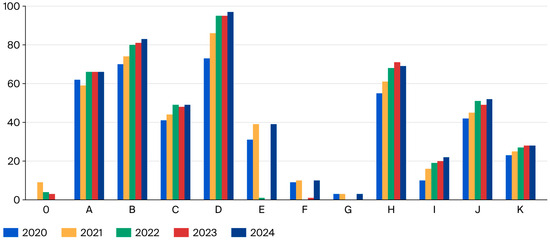
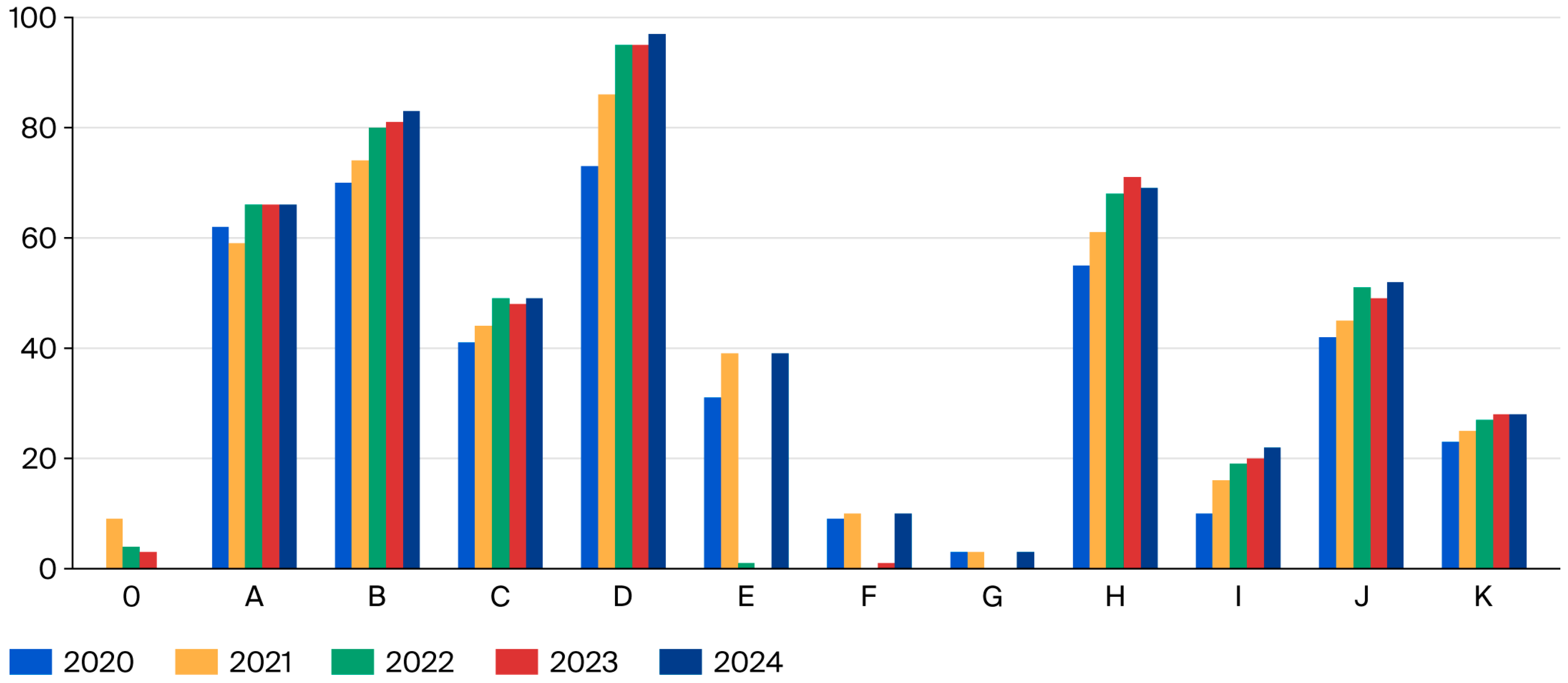

Disclaimer/Publisher’s Note: The statements, opinions and data contained in all publications are solely those of the individual author(s) and contributor(s) and not of MDPI and/or the editor(s). MDPI and/or the editor(s) disclaim responsibility for any injury to people or property resulting from any ideas, methods, instructions or products referred to in the content. |
© 2025 by the authors. Licensee MDPI, Basel, Switzerland. This article is an open access article distributed under the terms and conditions of the Creative Commons Attribution (CC BY) license (https://creativecommons.org/licenses/by/4.0/).