Article

Parents’ Perspectives on Adaptive Sports in Children with Profound Intellectual and Multiple Disabilities
by
Marion C. Neyroud
1 and
Christopher J. Newman
2,*
1
Faculty of Biology and Medicine, University of Lausanne, 1011 Lausanne, Switzerland
2
Paediatric Neurology and Neurorehabilitation Unit, Lausanne University Hospital and University of Lausanne, 1011 Lausanne, Switzerland
*
Author to whom correspondence should be addressed.
Children 2021, 8(9), 815; https://doi.org/10.3390/children8090815

Submission received: 9 August 2021 / Revised: 6 September 2021 / Accepted: 15 September 2021 / Published: 16 September 2021
(This article belongs to the Special Issue Physical Activity and Exercise Science for Children)

Abstract

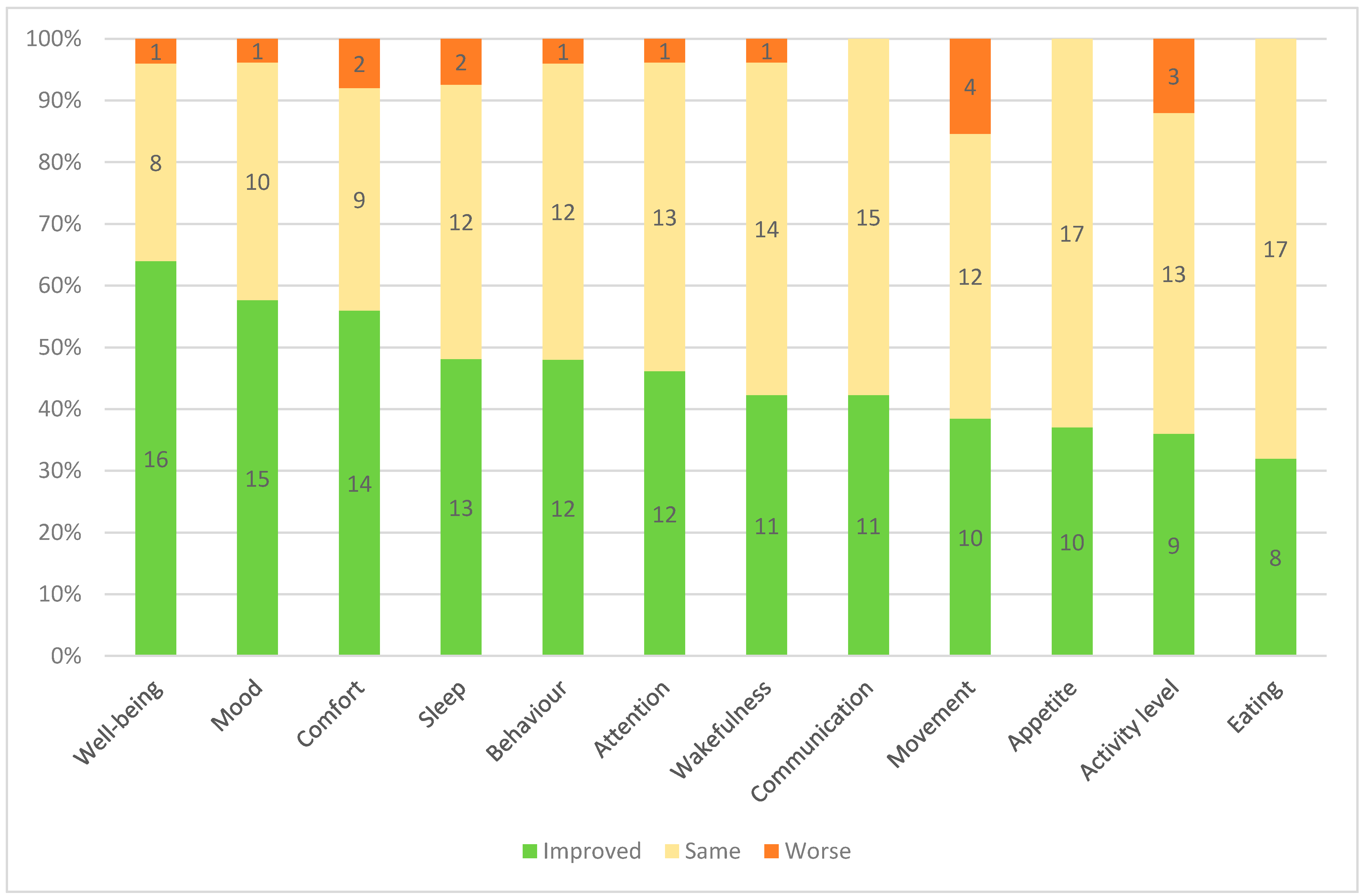
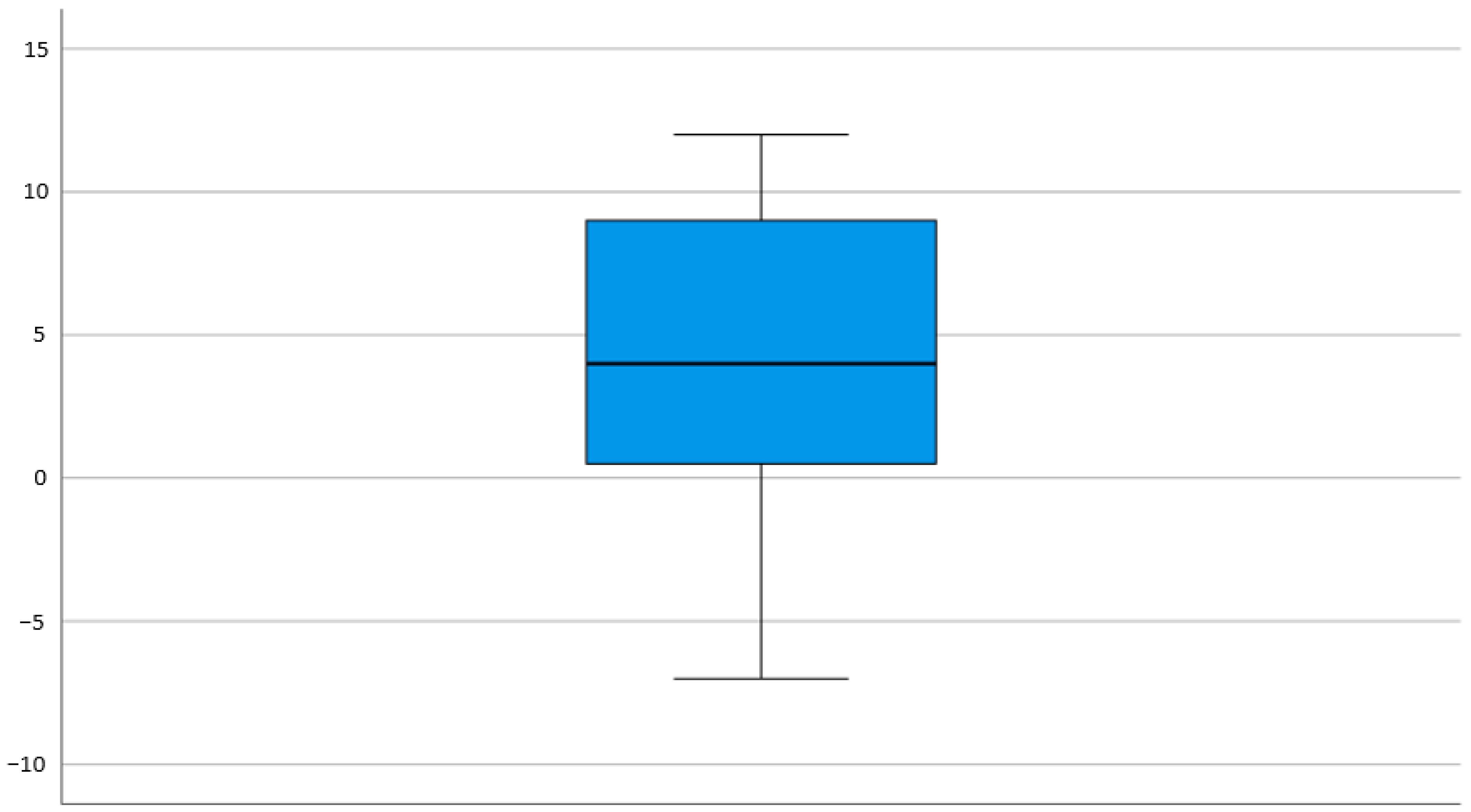
Children with profound intellectual and multiple disabilities (PIMD) need adaptations to participate in sports and it is more difficult for them to access these activities. We investigated the effects of adaptive sports in children with PIMD as perceived by their parents. The parents answered a postal questionnaire exploring the effects of adaptive sports during the 3 days following an activity. The questionnaire explored twelve domains of children’s daily lives, such as sleep and appetite. We calculated a composite score, including all of these domains, to assess whether the children globally benefited from adaptive sports. Of the families, 27/63 responded (participation 42.9%). Four domains improved after the sports activity in an important proportion of children (improvement in 64.0% of children for wellbeing, 57.6% for mood, 56.0% for comfort and 48.1% for sleep). Among the majority of children, the other eight domains remained mostly stable. Three quarters of parents reported a globally positive effect of adapted physical activities on their child. These findings support the further development and provision of adaptive sports for children with severe neurological impairments.
Keywords: PIMD; physical activities; adaptive sports; children; disability PIMD; physical activities; adaptive sports; children; disability