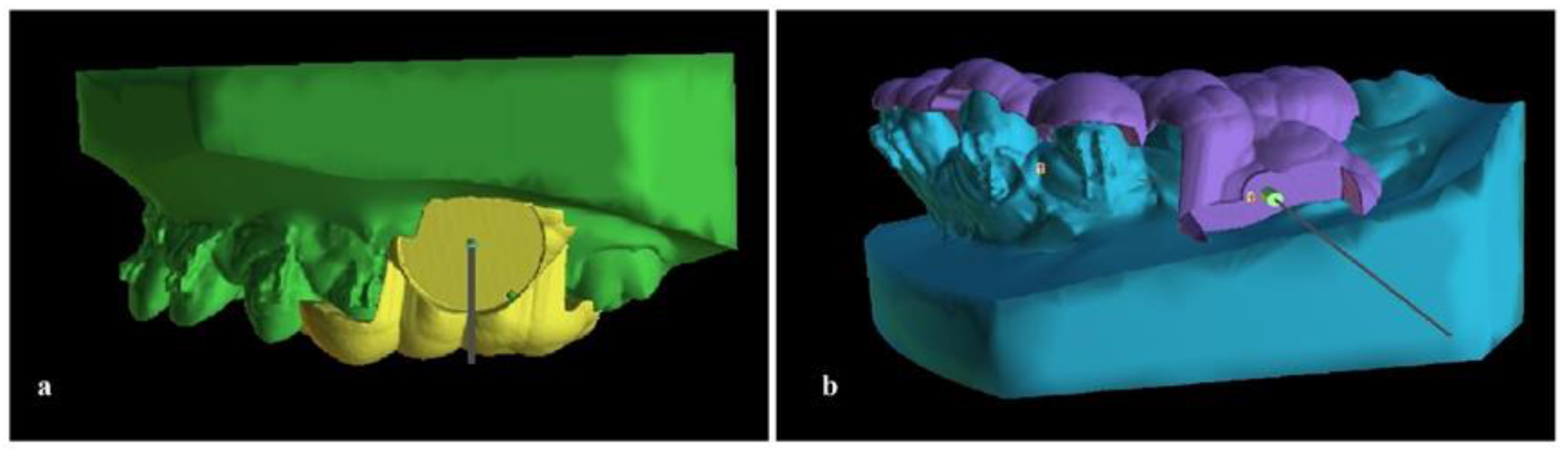
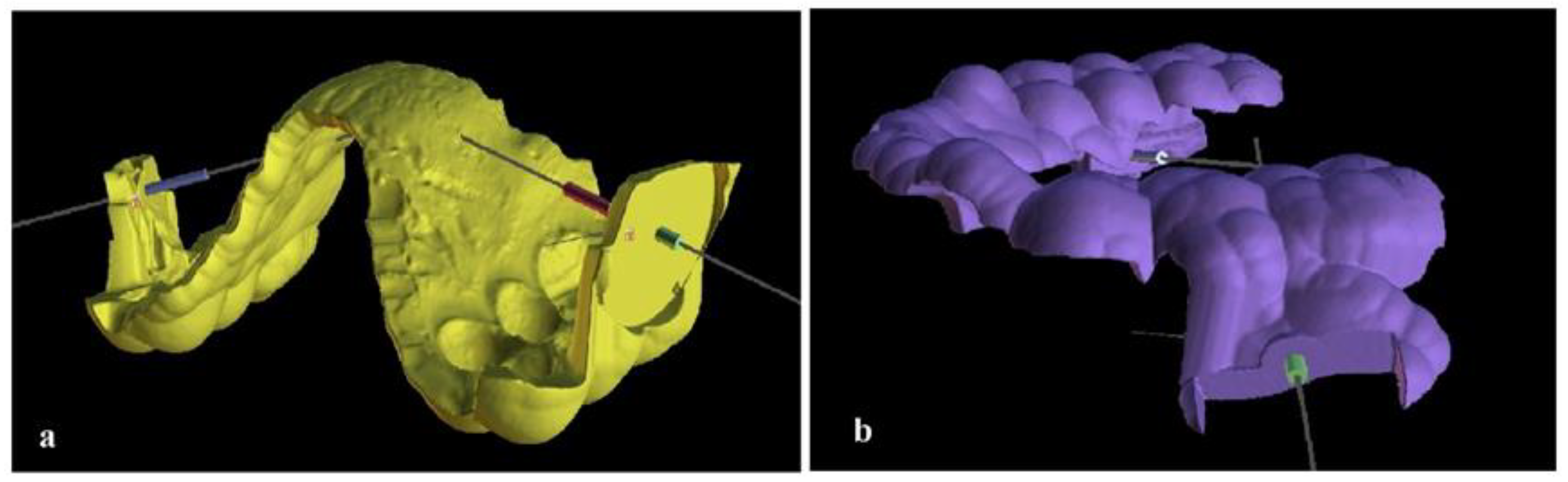
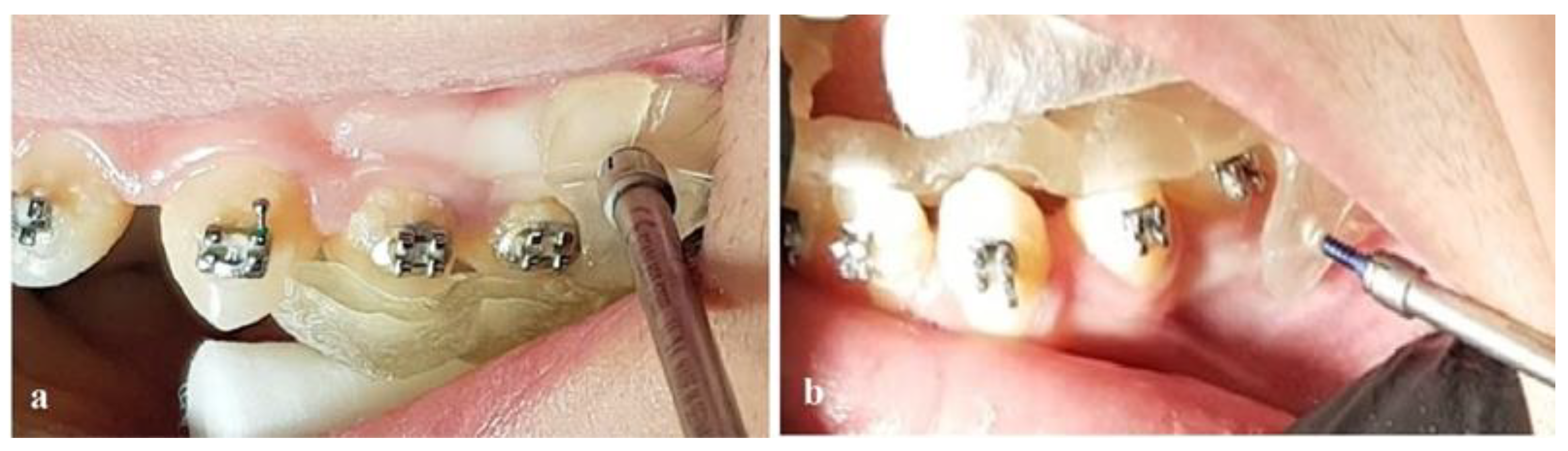
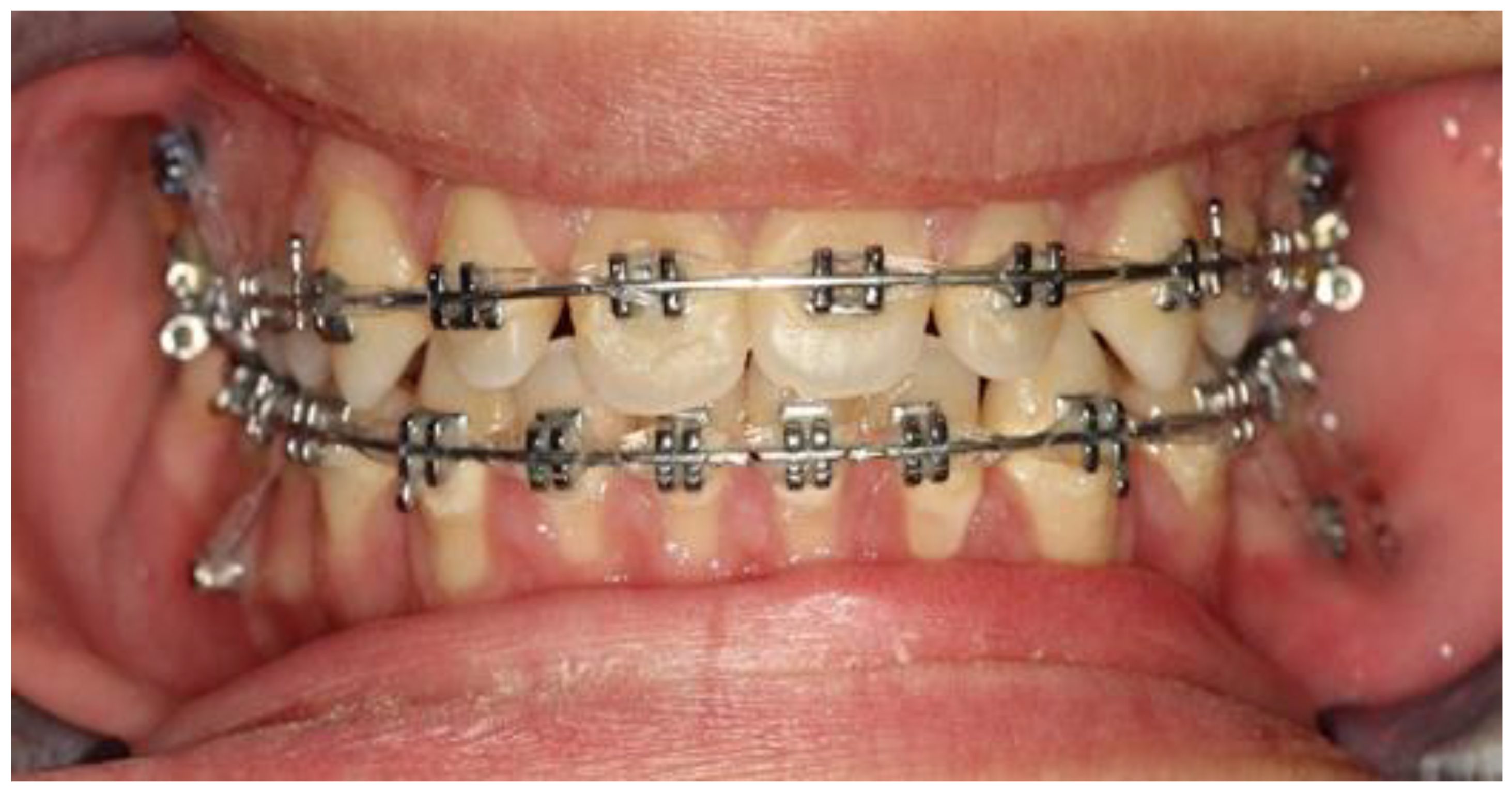
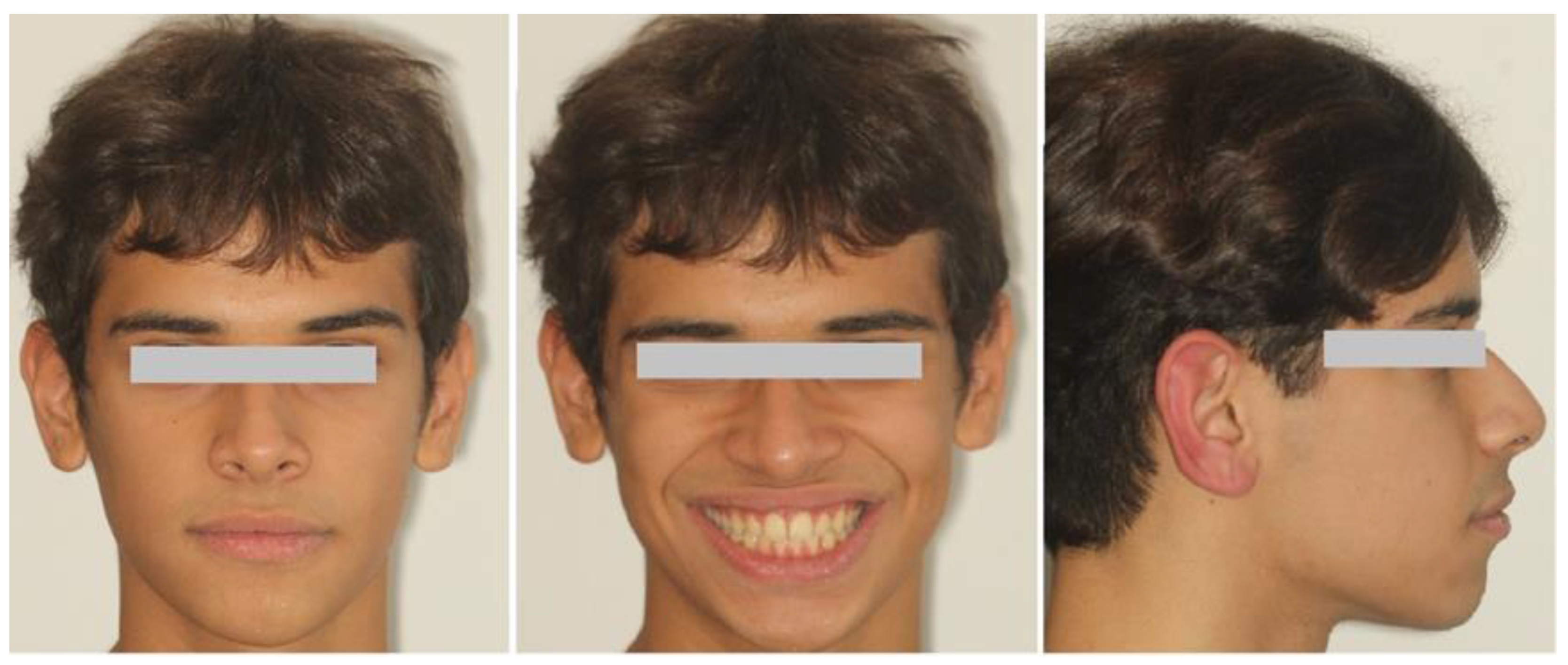
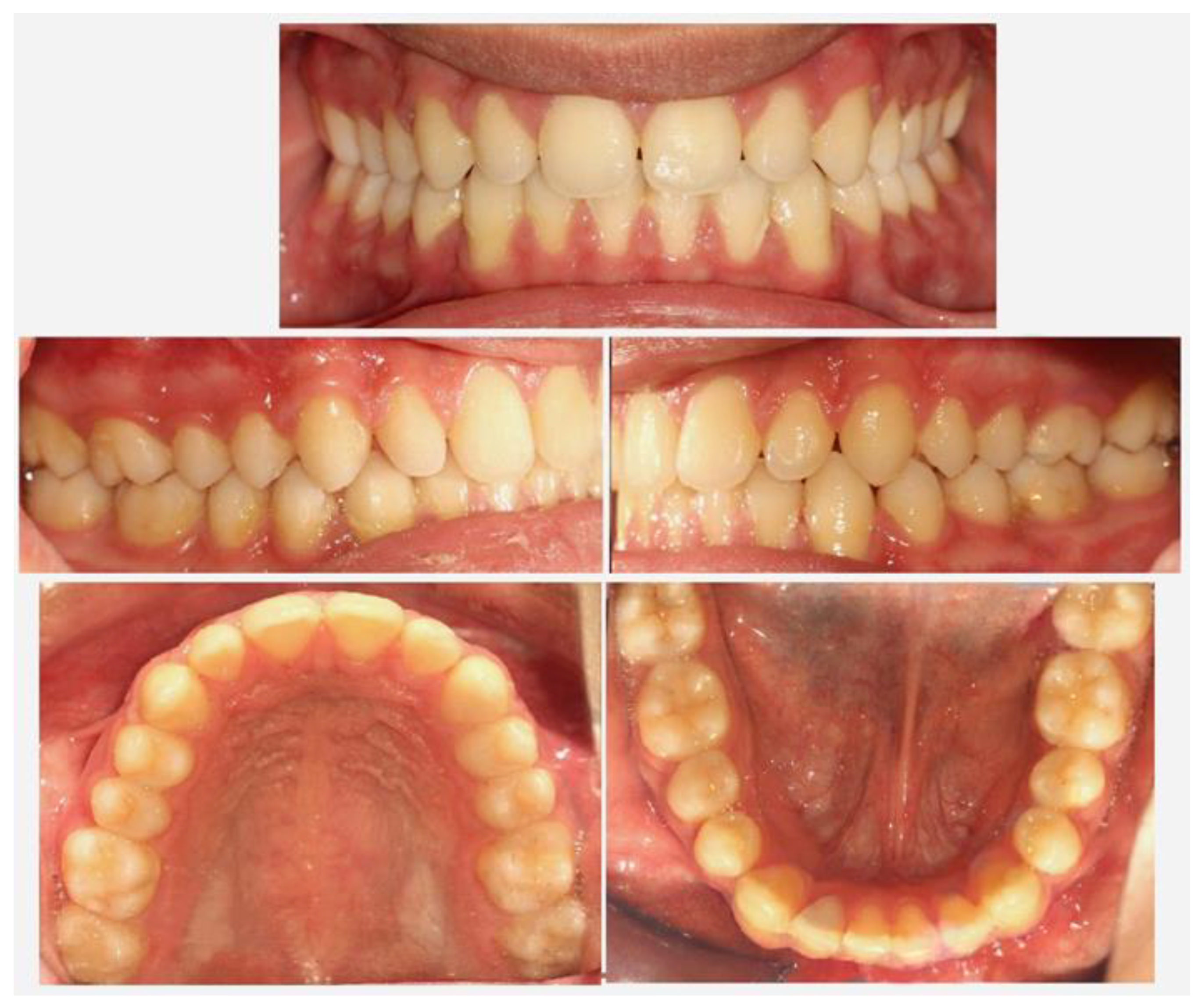
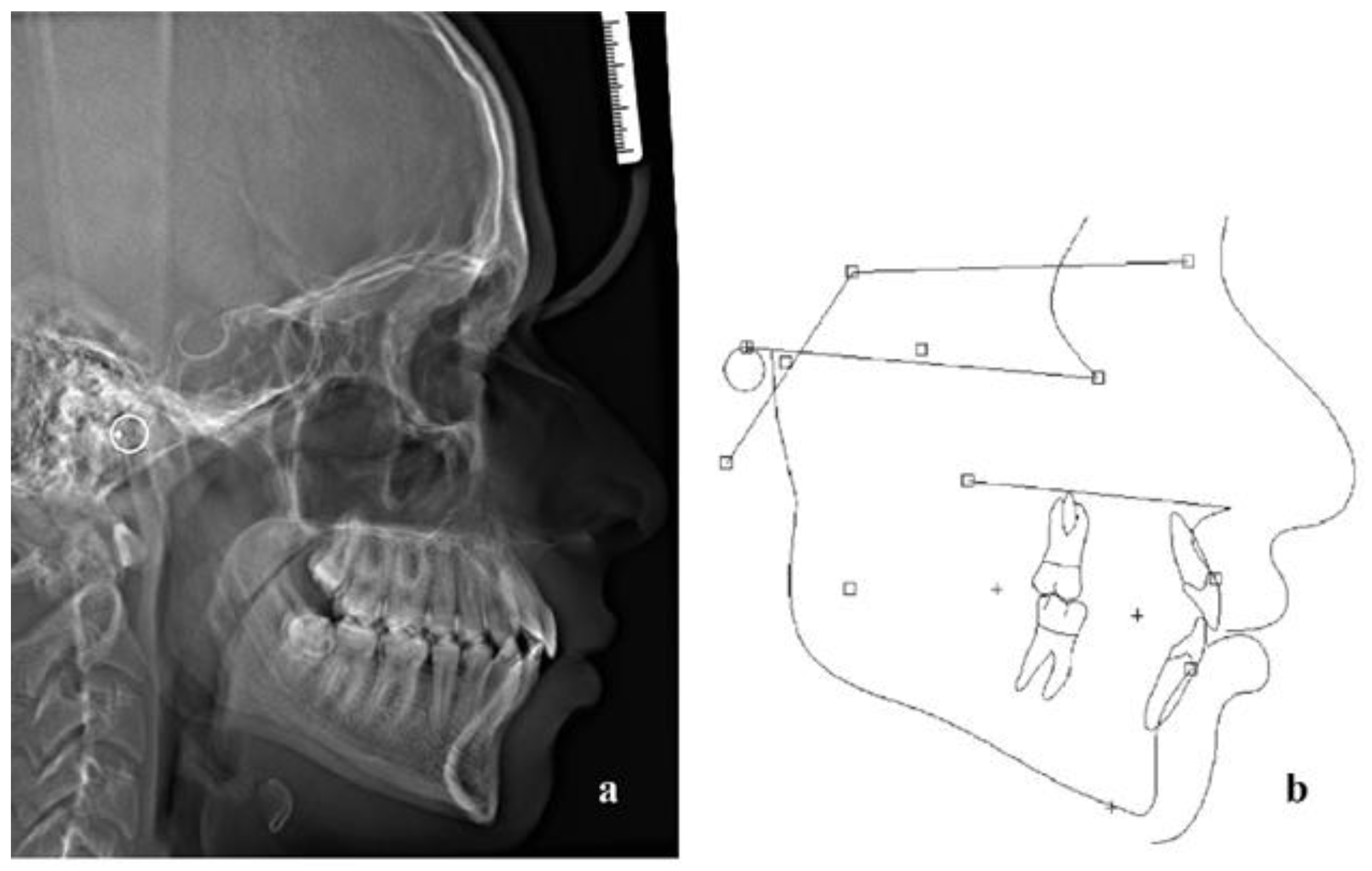
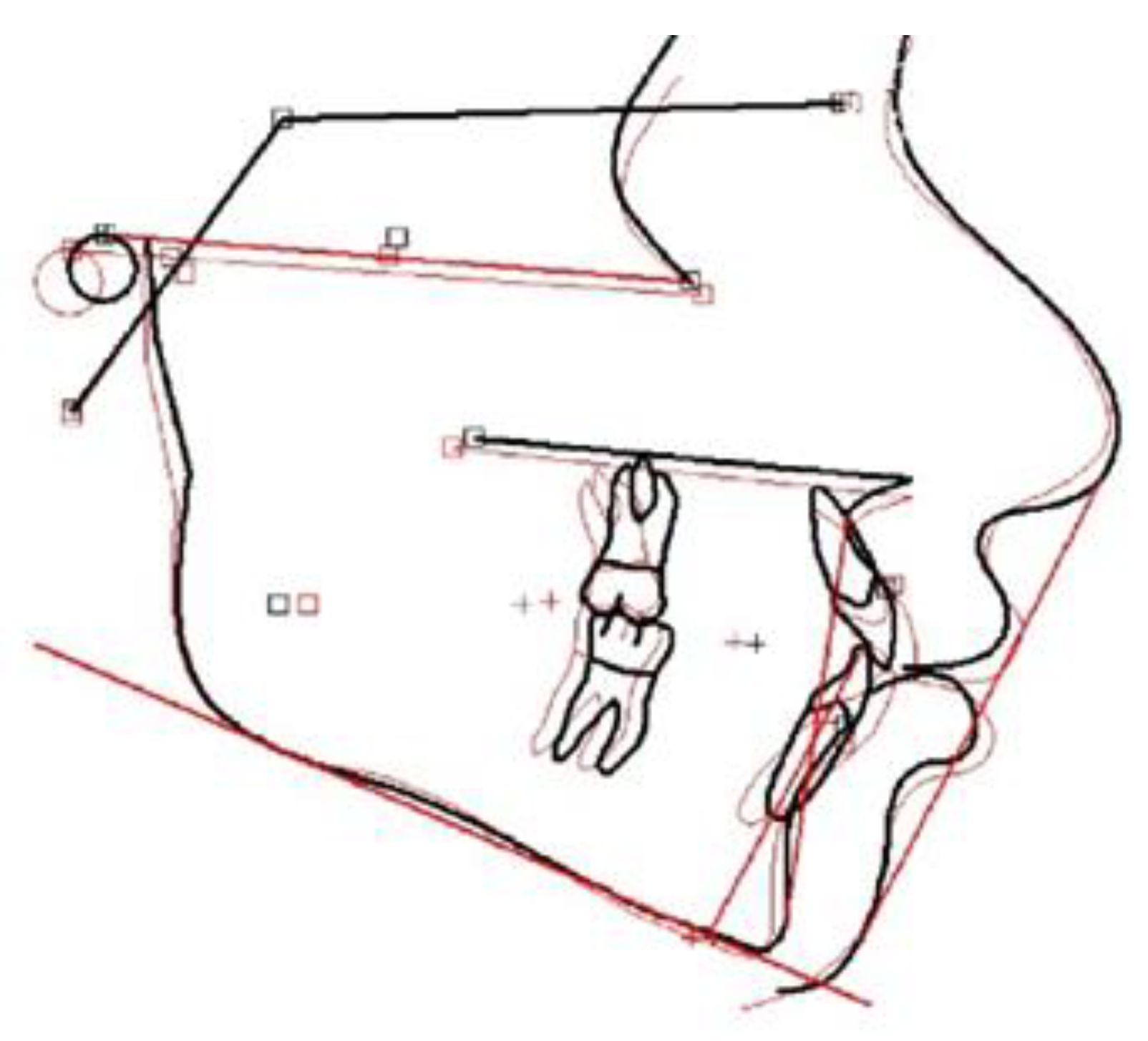
Bimaxillary Dentoalveolar Protrusion Case Treated with Anchorage by Buccally Implemented Mini-Implants Using a 3D-Printed Surgical Guide

Abstract
Share and Cite
Vasoglou, G.; Patatou, A.; Vasoglou, M. Bimaxillary Dentoalveolar Protrusion Case Treated with Anchorage by Buccally Implemented Mini-Implants Using a 3D-Printed Surgical Guide. Children 2023, 10, 879. https://doi.org/10.3390/children10050879
Vasoglou G, Patatou A, Vasoglou M. Bimaxillary Dentoalveolar Protrusion Case Treated with Anchorage by Buccally Implemented Mini-Implants Using a 3D-Printed Surgical Guide. Children. 2023; 10(5):879. https://doi.org/10.3390/children10050879
Chicago/Turabian StyleVasoglou, Georgios, Athanasia Patatou, and Michail Vasoglou. 2023. "Bimaxillary Dentoalveolar Protrusion Case Treated with Anchorage by Buccally Implemented Mini-Implants Using a 3D-Printed Surgical Guide" Children 10, no. 5: 879. https://doi.org/10.3390/children10050879
APA StyleVasoglou, G., Patatou, A., & Vasoglou, M. (2023). Bimaxillary Dentoalveolar Protrusion Case Treated with Anchorage by Buccally Implemented Mini-Implants Using a 3D-Printed Surgical Guide. Children, 10(5), 879. https://doi.org/10.3390/children10050879