Article

Role of Circulating Lipids in Mediating the Diabetogenic Effect of Obesity

1
Health Innovation and Transformation Centre, Federation University Australia, Ballarat, VIC 3350, Australia
2
Centre for Cardiovascular Biology and Disease Research, La Trobe Institute for Molecular Science, La Trobe University, Bundoora, VIC 3086, Australia
3
Department of Microbiology, Anatomy, Physiology & Pharmacology, School of Agriculture, Biomedicine & Environment, La Trobe University, Bundoora, VIC 3086, Australia
*
Author to whom correspondence should be addressed.
Biomedicines 2026, 14(1), 11; https://doi.org/10.3390/biomedicines14010011

Submission received: 24 November 2025 / Revised: 13 December 2025 / Accepted: 18 December 2025 / Published: 20 December 2025

Abstract

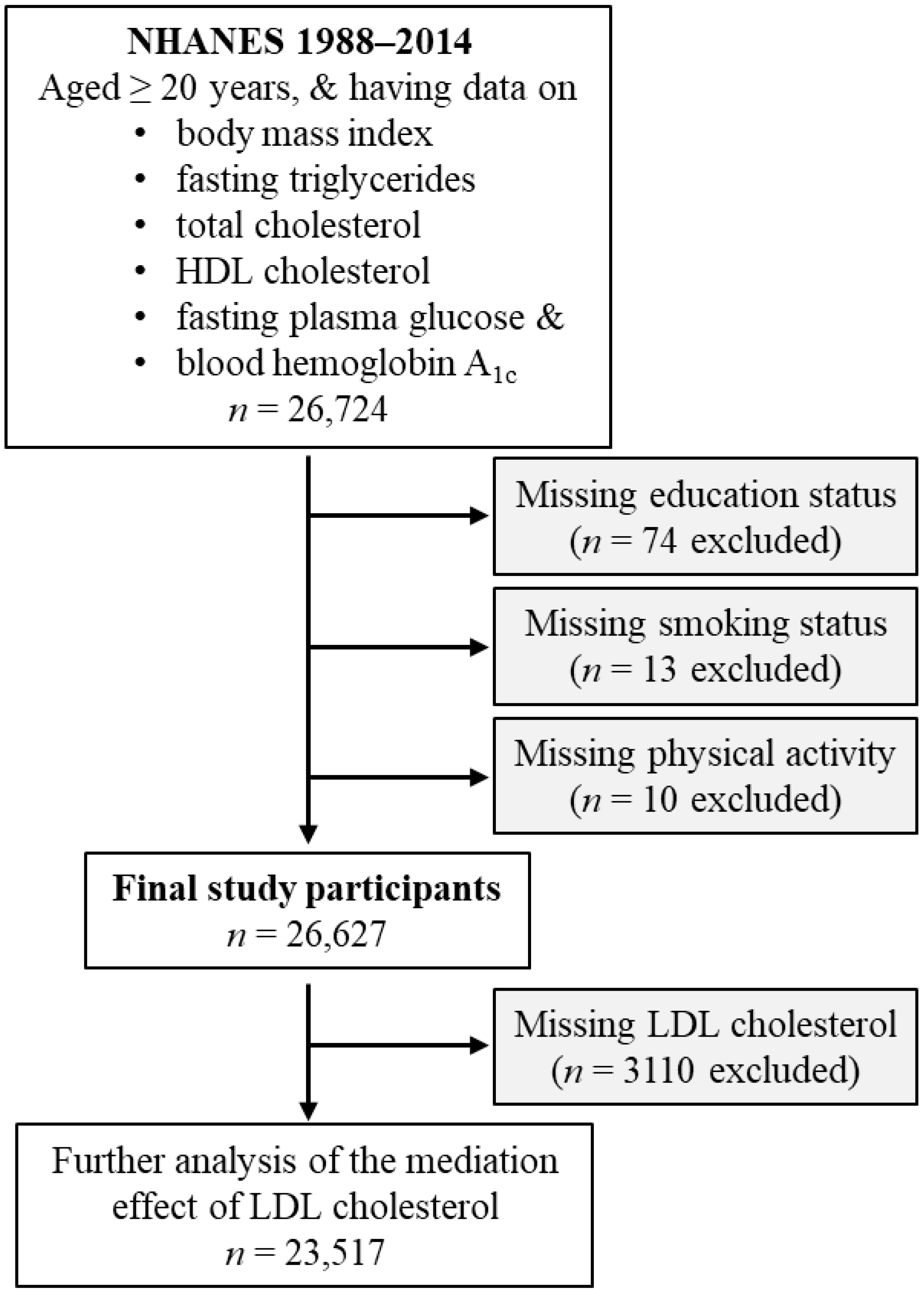
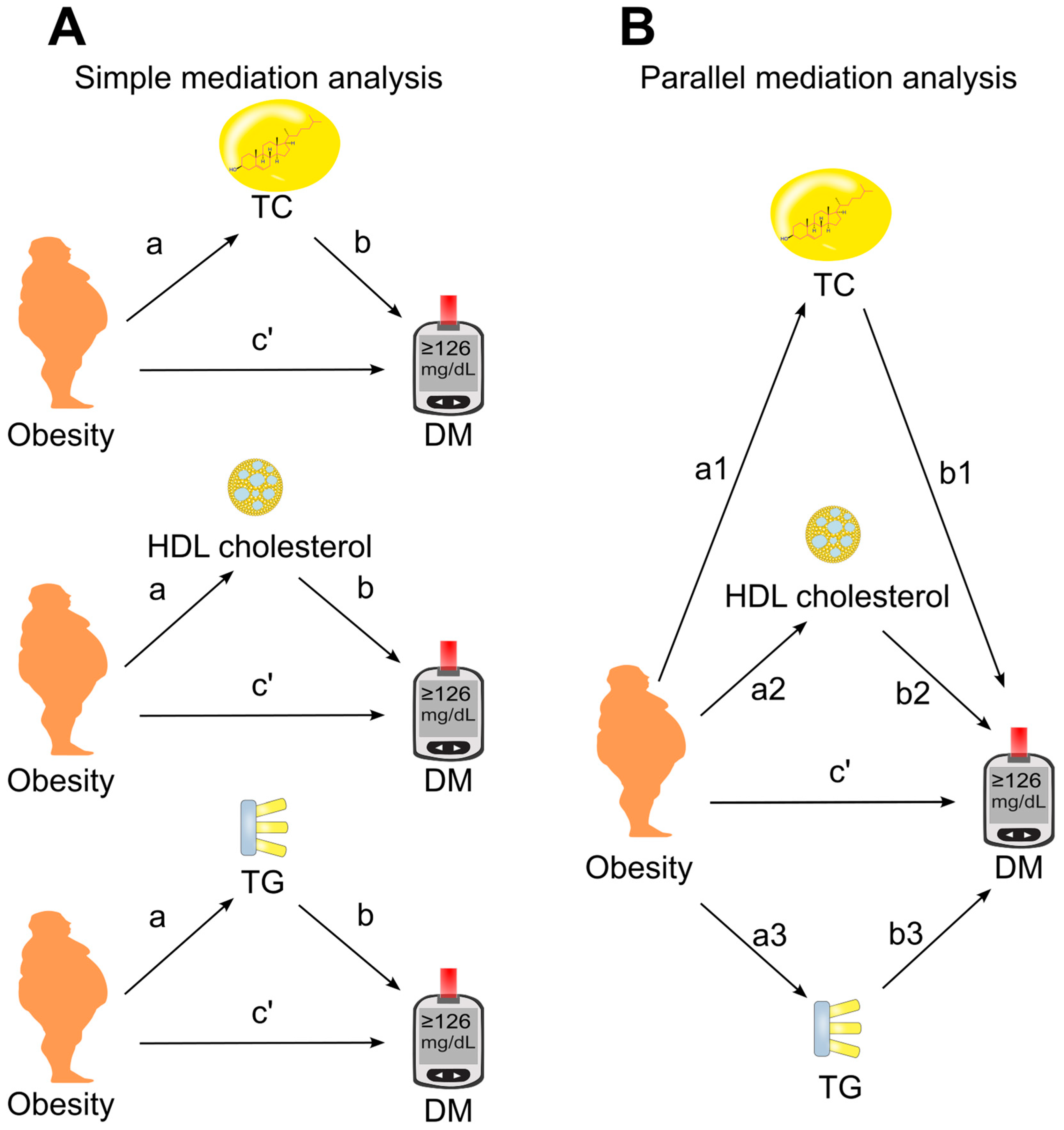
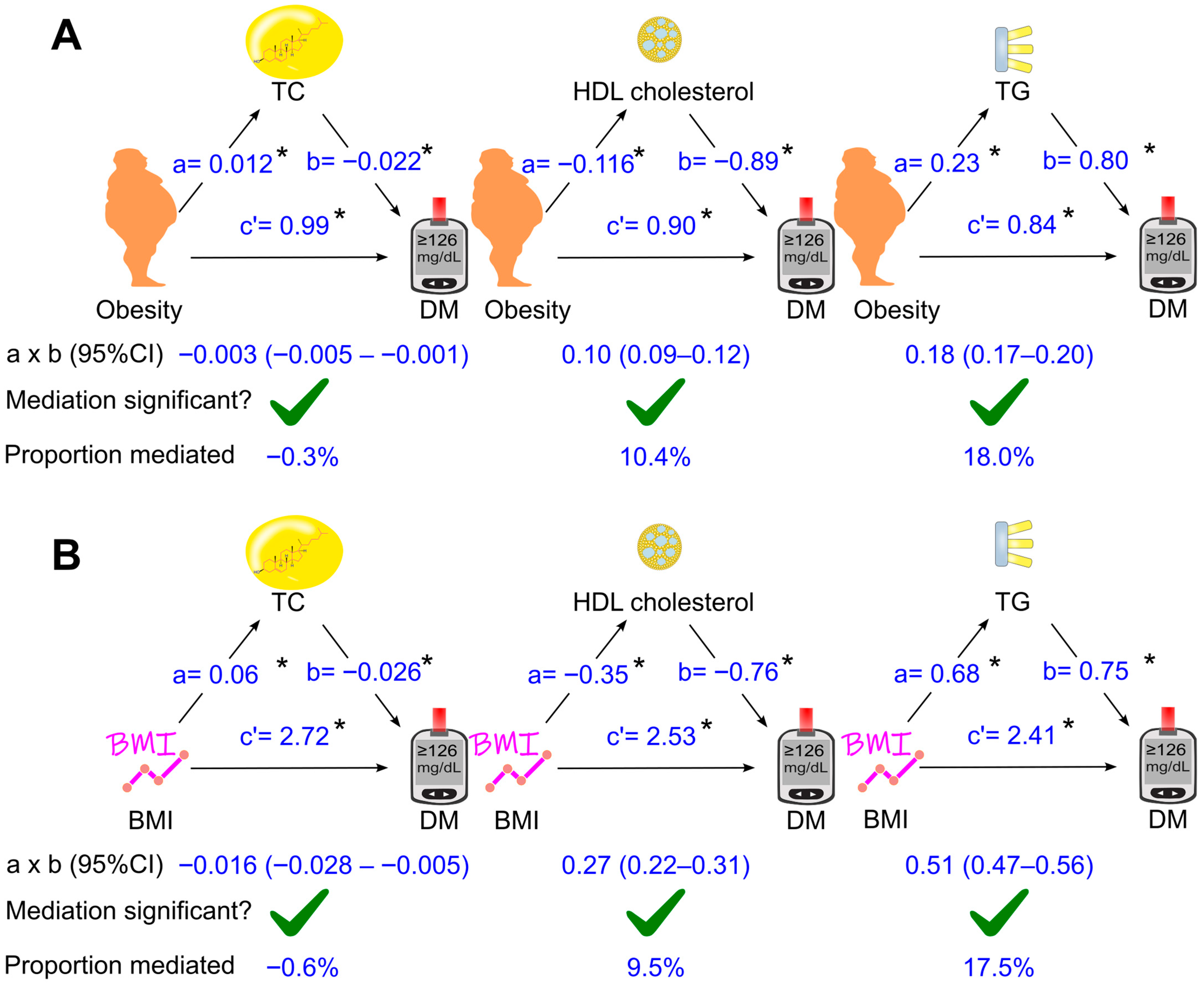
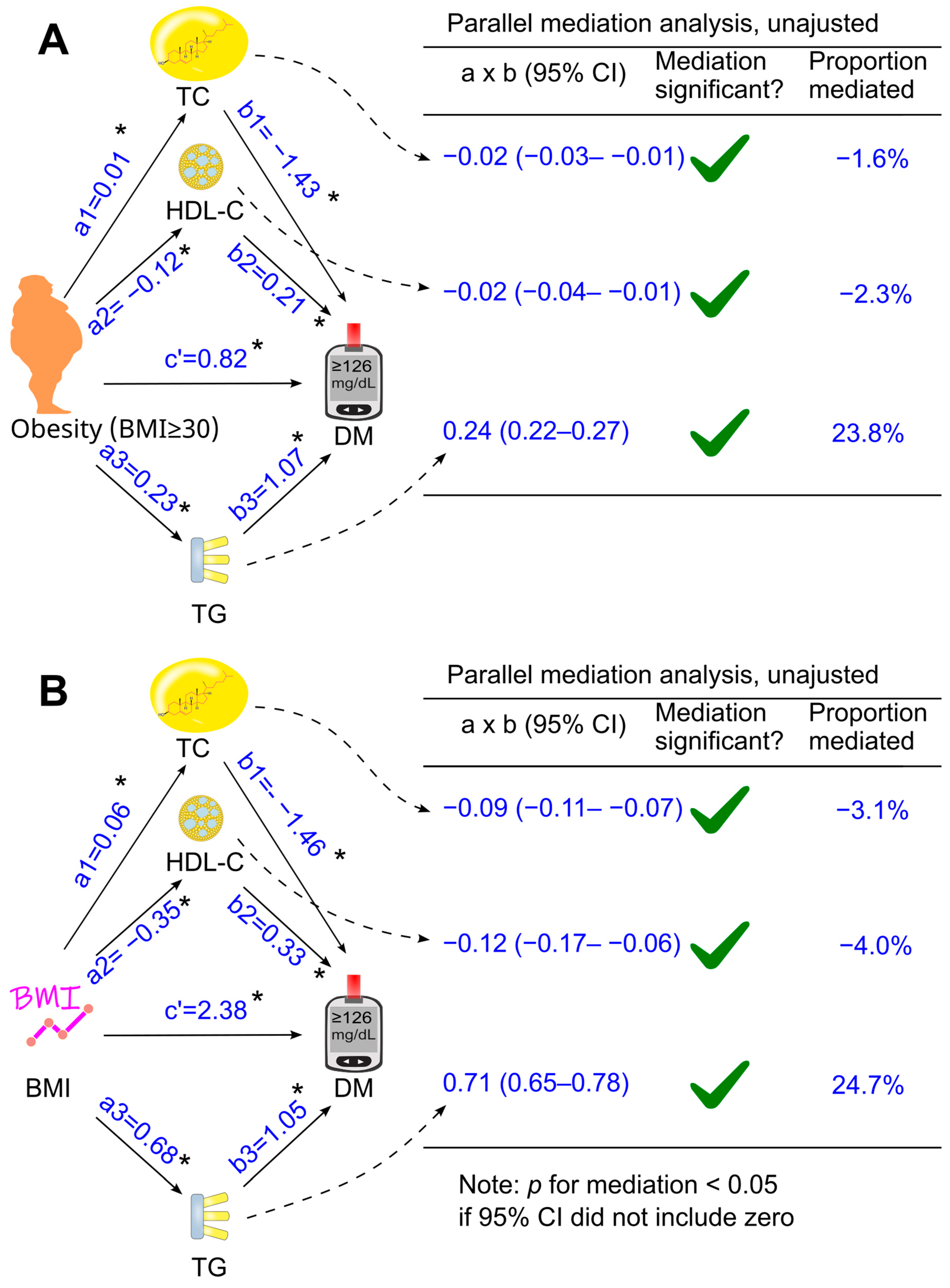
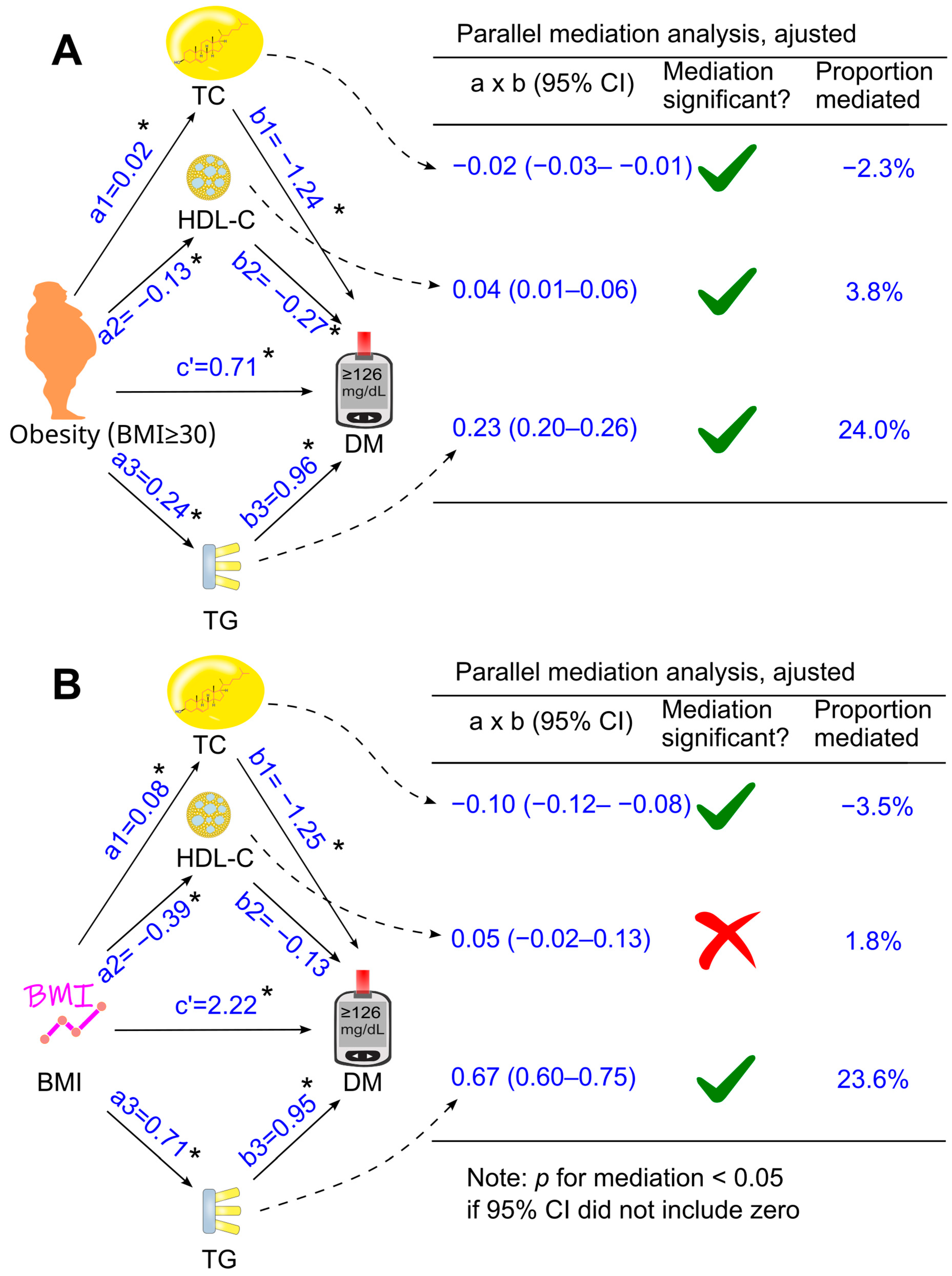
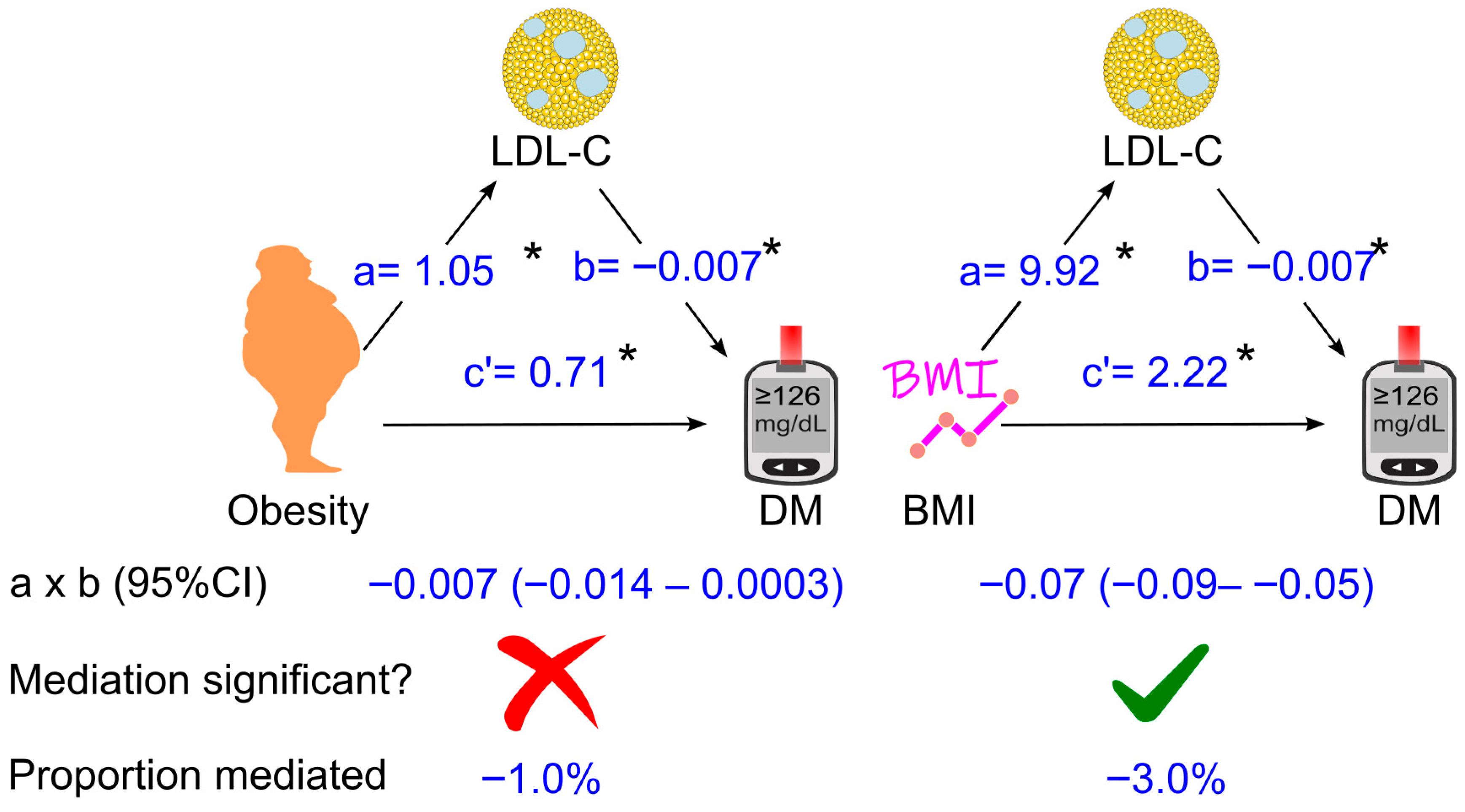
Background/Objectives: Obesity is a major risk factor for diabetes, but the underlying mechanisms remain incompletely understood. Obesity is associated with alterations in circulating lipids. This study aimed to determine whether, and to what extent, circulating lipids mediate the diabetogenic effect of obesity. Methods: This mediation analysis included 26,627 adult participants. Parallel mediation analysis included total cholesterol, high-density lipoprotein (HDL) cholesterol, and triglycerides as simultaneous mediators. Low-density lipoprotein (LDL) cholesterol was excluded from the parallel model due to collinearity with total cholesterol and was assessed separately using simple mediation analysis adjusted for confounders. Results: After adjustment for tested confounders, parallel mediation analysis showed that increases in triglycerides and reductions in HDL cholesterol mediated 24.0% (indirect effect coefficient = 0.23; 95% CI: 0.20–0.26; p < 0.05) and 3.8% (indirect effect coefficient = 0.04; 95% CI: 0.01–0.06; p < 0.05) of the diabetogenic effect of obesity, respectively. An increase in total cholesterol modestly attenuated the diabetogenic effect of obesity by 2.3% (indirect effect coefficient = −0.02; 95% CI: −0.03 to −0.01; p < 0.05), a magnitude that is unlikely to be clinically meaningful. Simple mediation analysis indicated that LDL cholesterol was not a significant mediator. Conclusions: Triglycerides are the most influential circulating lipid in mediating the diabetogenic effect of obesity, accounting for 24% of the total effect. Targeting triglyceride levels might represent an underrecognized therapeutic strategy to reduce obesity-related diabetes risk.
Keywords: lipids; type 2 diabetes; triglyceride; metabolic disease lipids; type 2 diabetes; triglyceride; metabolic disease