Opinion

Perry Disease: Bench to Bedside Circulation and a Team Approach

Department of Neurology, Fukuoka University, Fukuoka 814-0180, Japan
*
Author to whom correspondence should be addressed.
Biomedicines 2024, 12(1), 113; https://doi.org/10.3390/biomedicines12010113

Submission received: 13 November 2023 / Revised: 28 December 2023 / Accepted: 2 January 2024 / Published: 5 January 2024
(This article belongs to the Section Neurobiology and Clinical Neuroscience)

Abstract

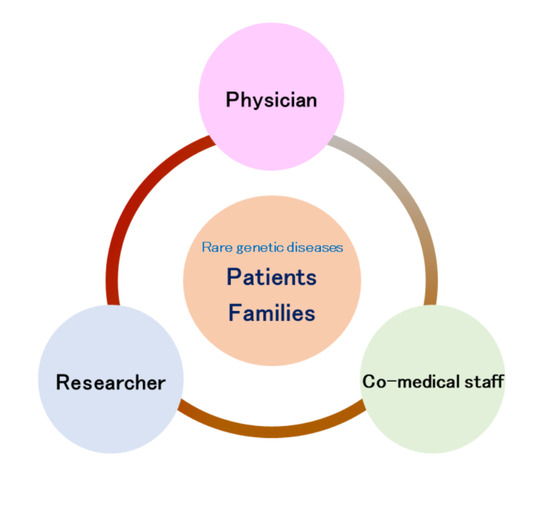
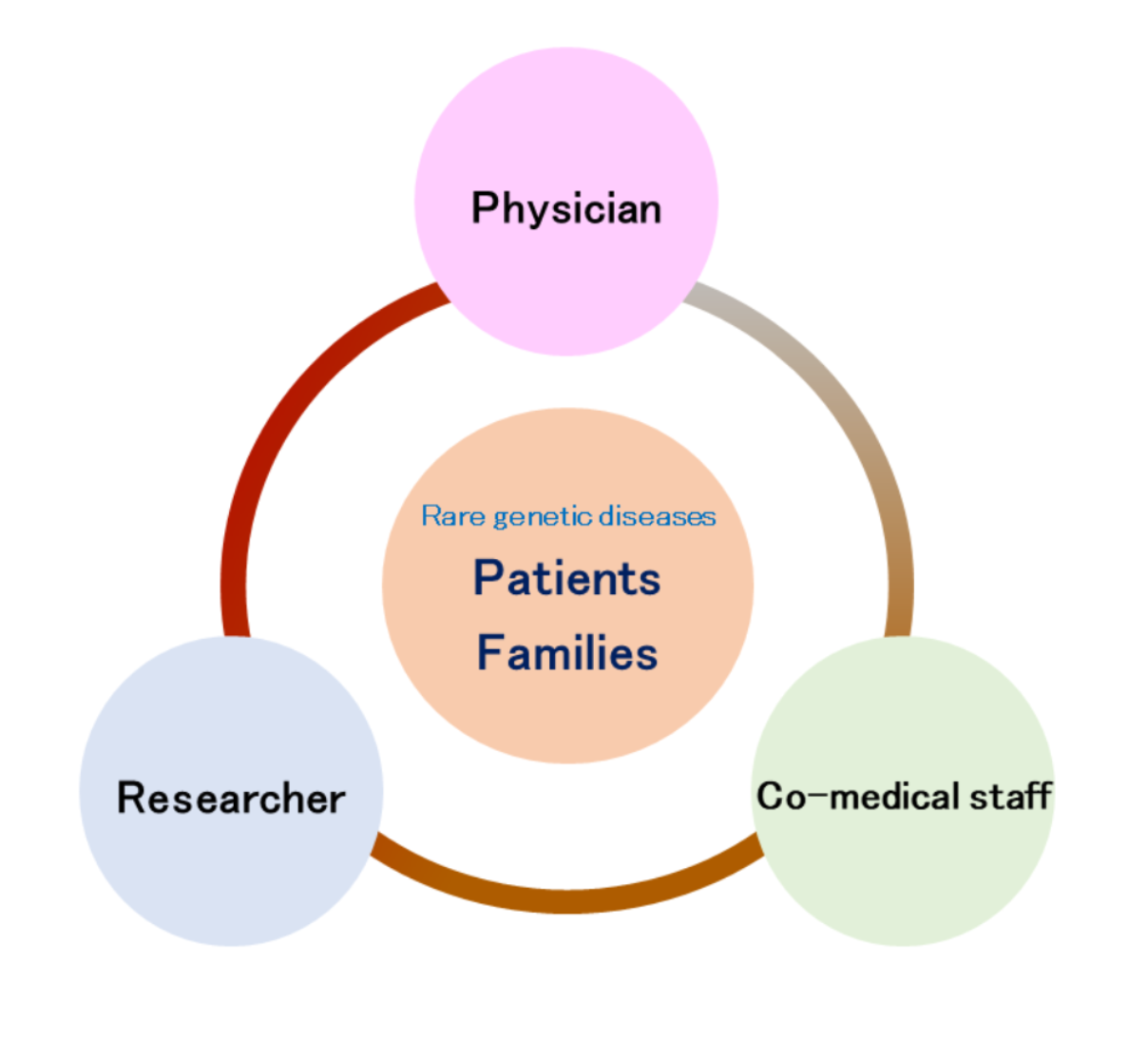
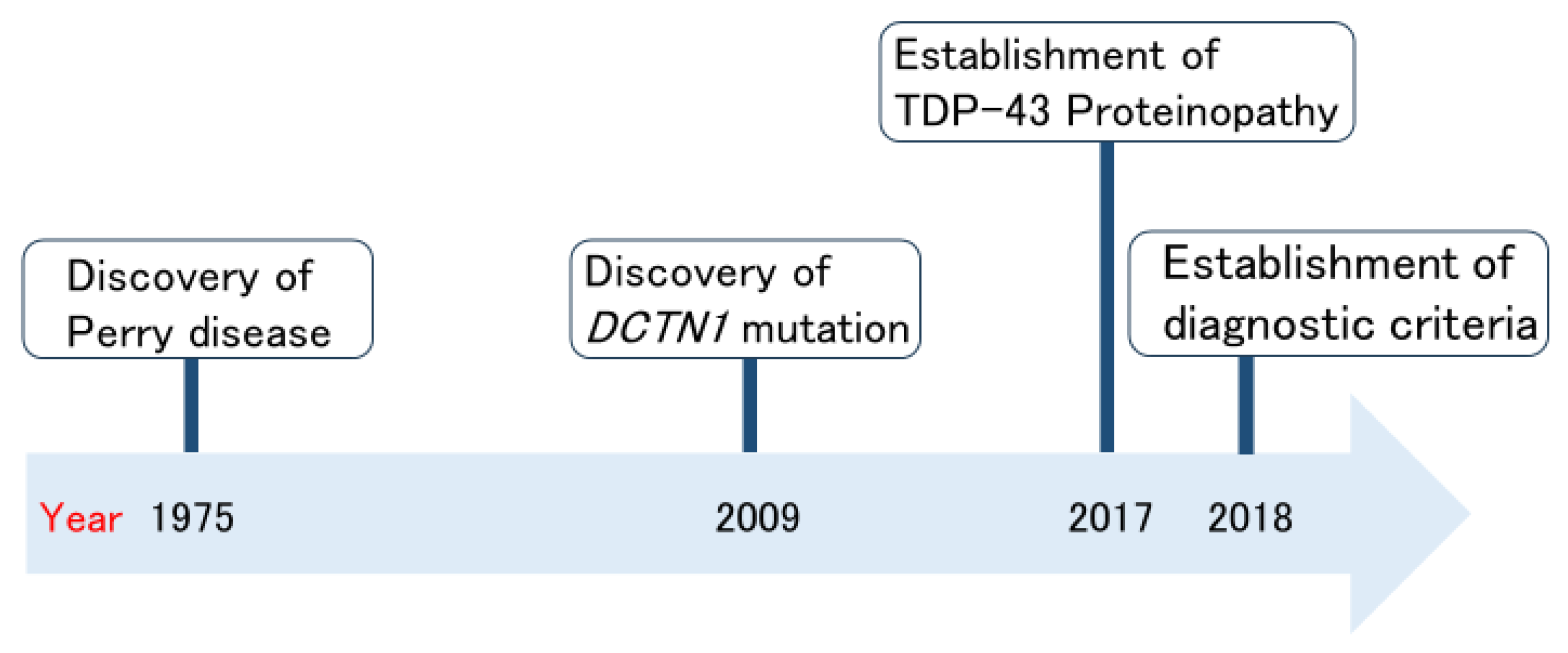
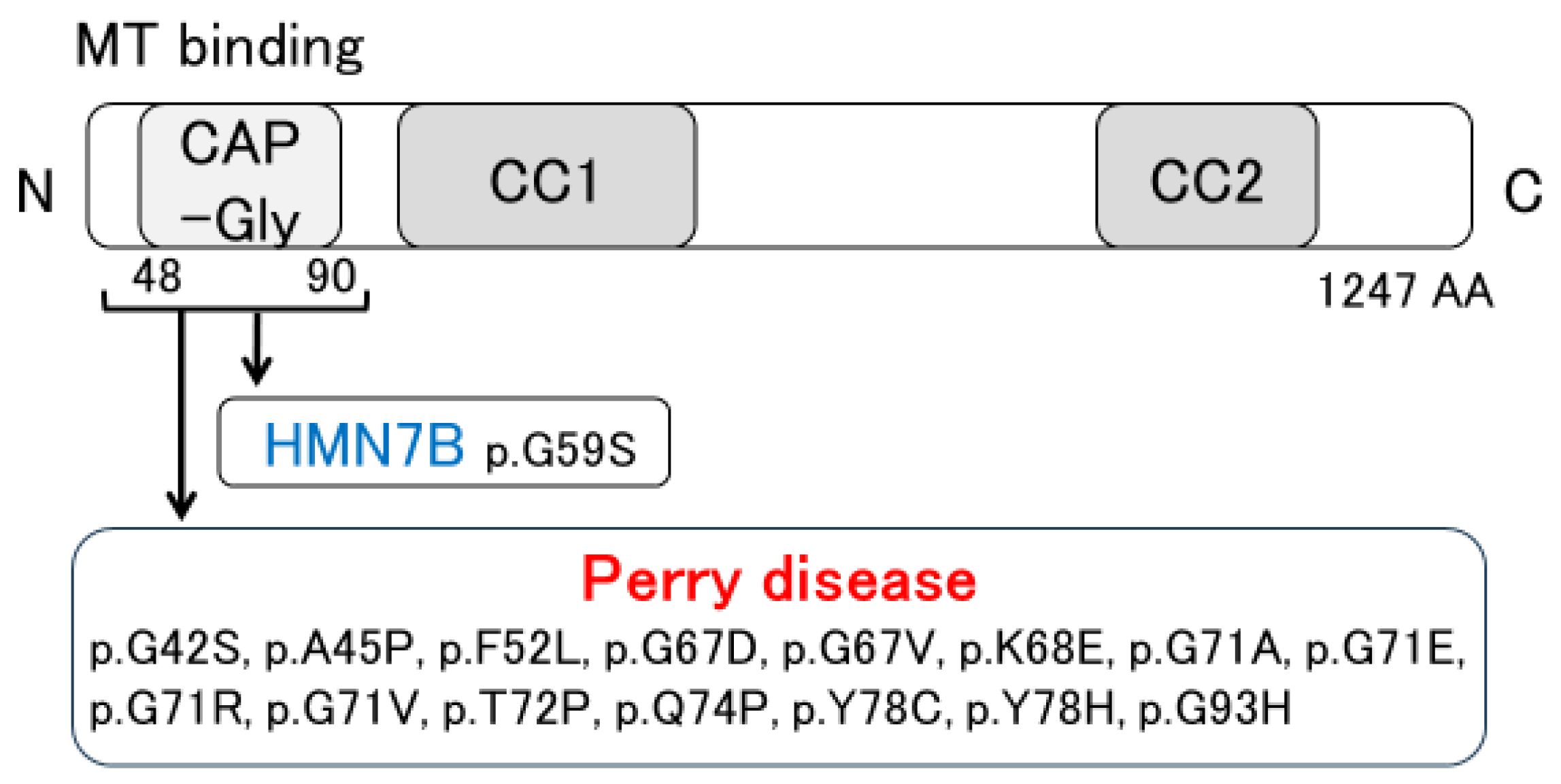
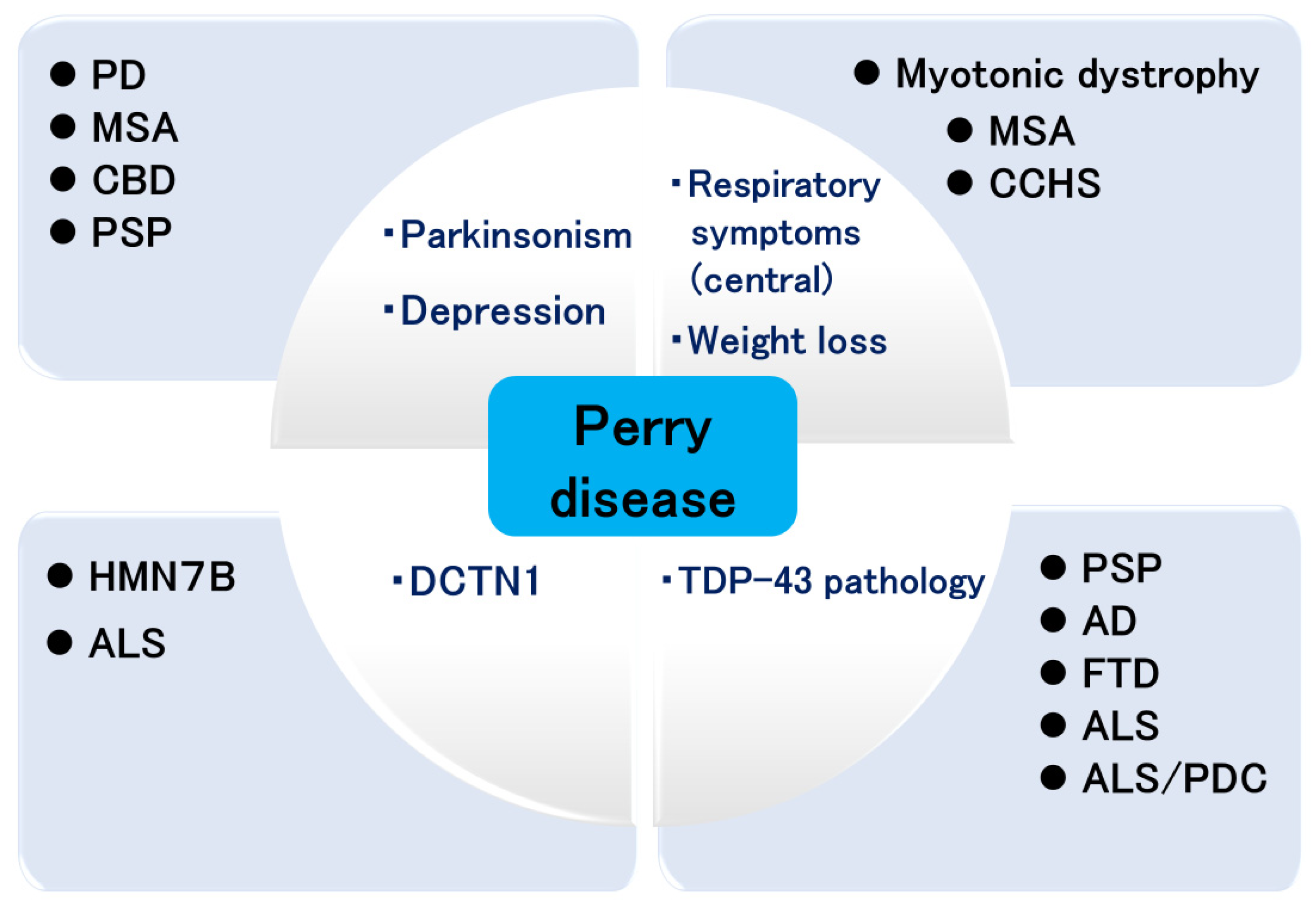
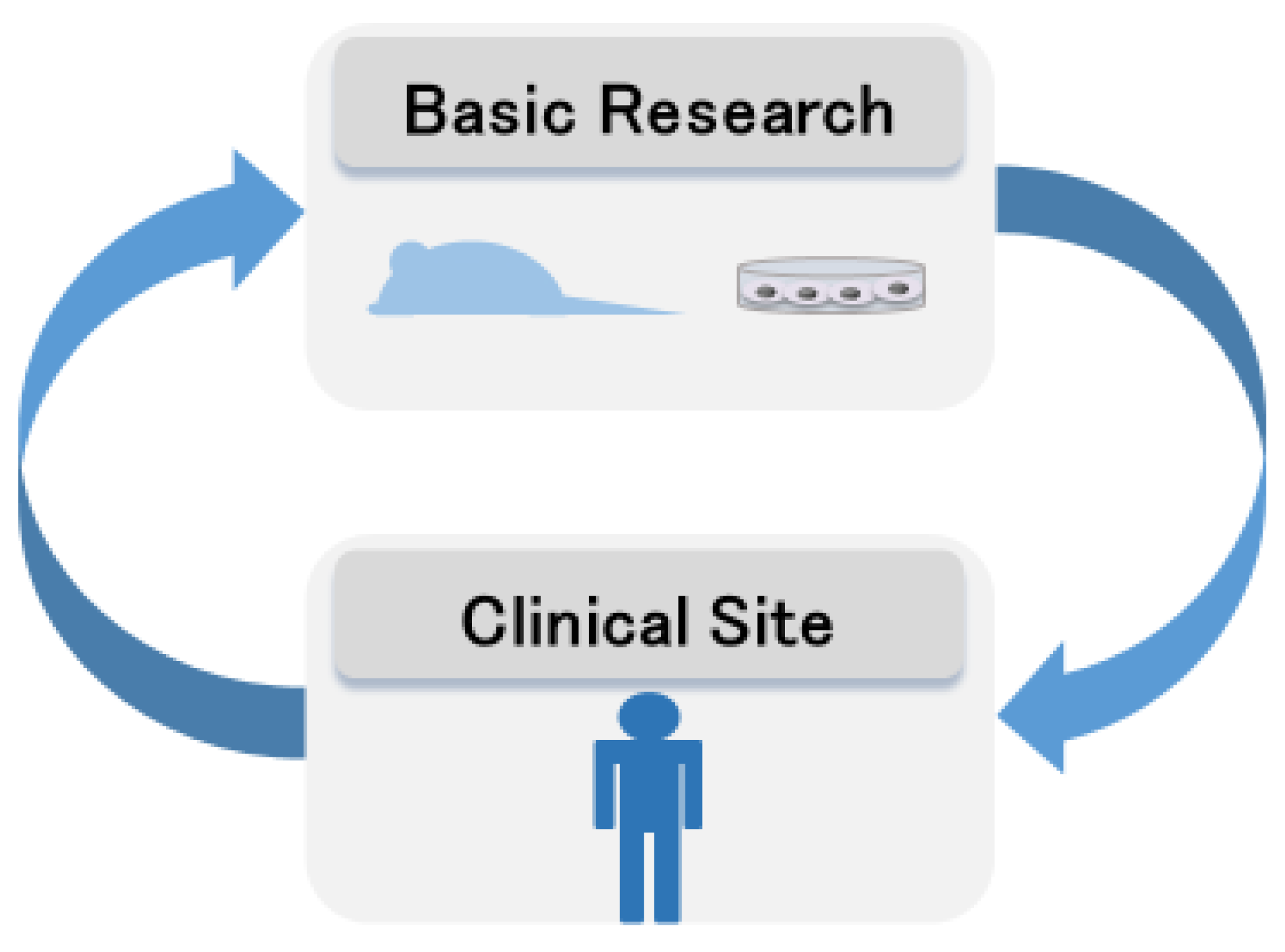
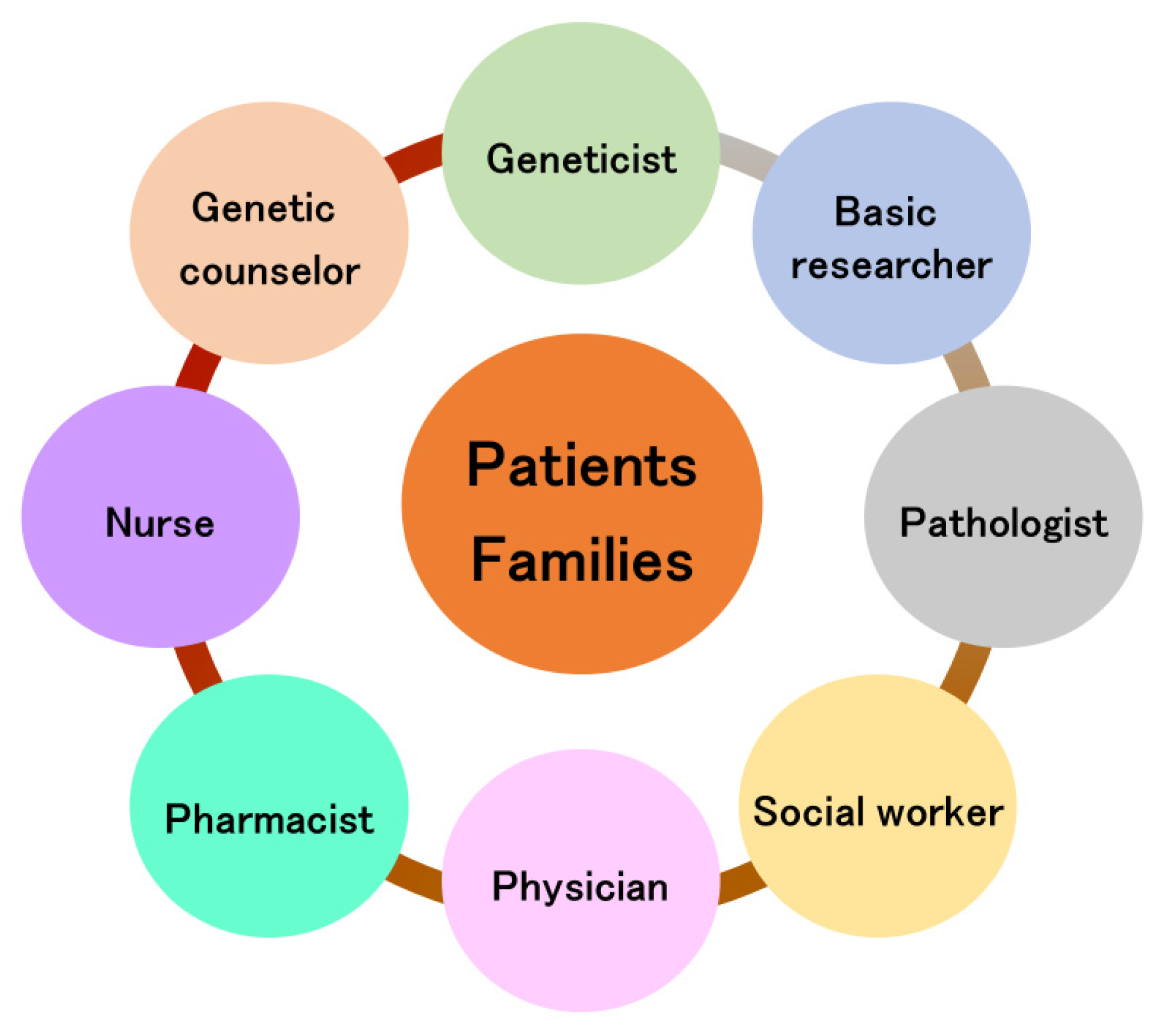
With technological applications, especially in genetic testing, new diseases have been discovered and new disease concepts have been proposed in recent years; however, the pathogenesis and treatment of these rare diseases are not as well established as those of common diseases. To demonstrate the importance of rare disease research, in this paper we focus on our research topic, Perry disease (Perry syndrome). Perry disease is a rare autosomal dominant neurodegenerative disorder clinically characterized by parkinsonism, depression/apathy, weight loss, and respiratory symptoms including central hypoventilation and central sleep apnea. The pathological classification of Perry disease falls under TAR DNA-binding protein 43 (TDP-43) proteinopathies. Patients with Perry disease exhibit DCTN1 mutations, which is the causative gene for the disease; they also show relatively uniform pathological and clinical features. This review summarizes recent findings regarding Perry disease from both basic and clinical perspectives. In addition, we describe technological innovations and outline future challenges and treatment prospects. We discuss the expansion of research from rare diseases to common diseases and the importance of collaboration between clinicians and researchers. Here, we highlight the importance of researching rare diseases as it contributes to a deeper understanding of more common diseases, thereby opening up new avenues for scientific exploration.
Keywords: Perry syndrome; rare disease; genetic testing; pathogenesis; common disease; research; treatment; bedside; technological applications; team Perry syndrome; rare disease; genetic testing; pathogenesis; common disease; research; treatment; bedside; technological applications; team
Graphical Abstract