Article

A Deep Learning Approach for Prognostic Evaluation of Lung Adenocarcinoma Based on Cuproptosis-Related Genes


1
Shanghai Key Laboratory of Gastric Neoplasms, Department of Surgery, Shanghai Institute of Digestive Surgery, Ruijin Hospital, Shanghai Jiao Tong University School of Medicine, Shanghai 200020, China
2
School of Microelectronics, Shanghai University, Shanghai 201800, China
3
School of Software Engineering, Sun Yat-sen University, Zhuhai 528478, China
4
School of Health Science and Engineering, University of Shanghai for Science and Technology, Shanghai 200093, China
*
Authors to whom correspondence should be addressed.
These authors contributed equally to this work.
Biomedicines 2023, 11(5), 1479; https://doi.org/10.3390/biomedicines11051479

Submission received: 25 April 2023 / Revised: 13 May 2023 / Accepted: 16 May 2023 / Published: 19 May 2023

Abstract

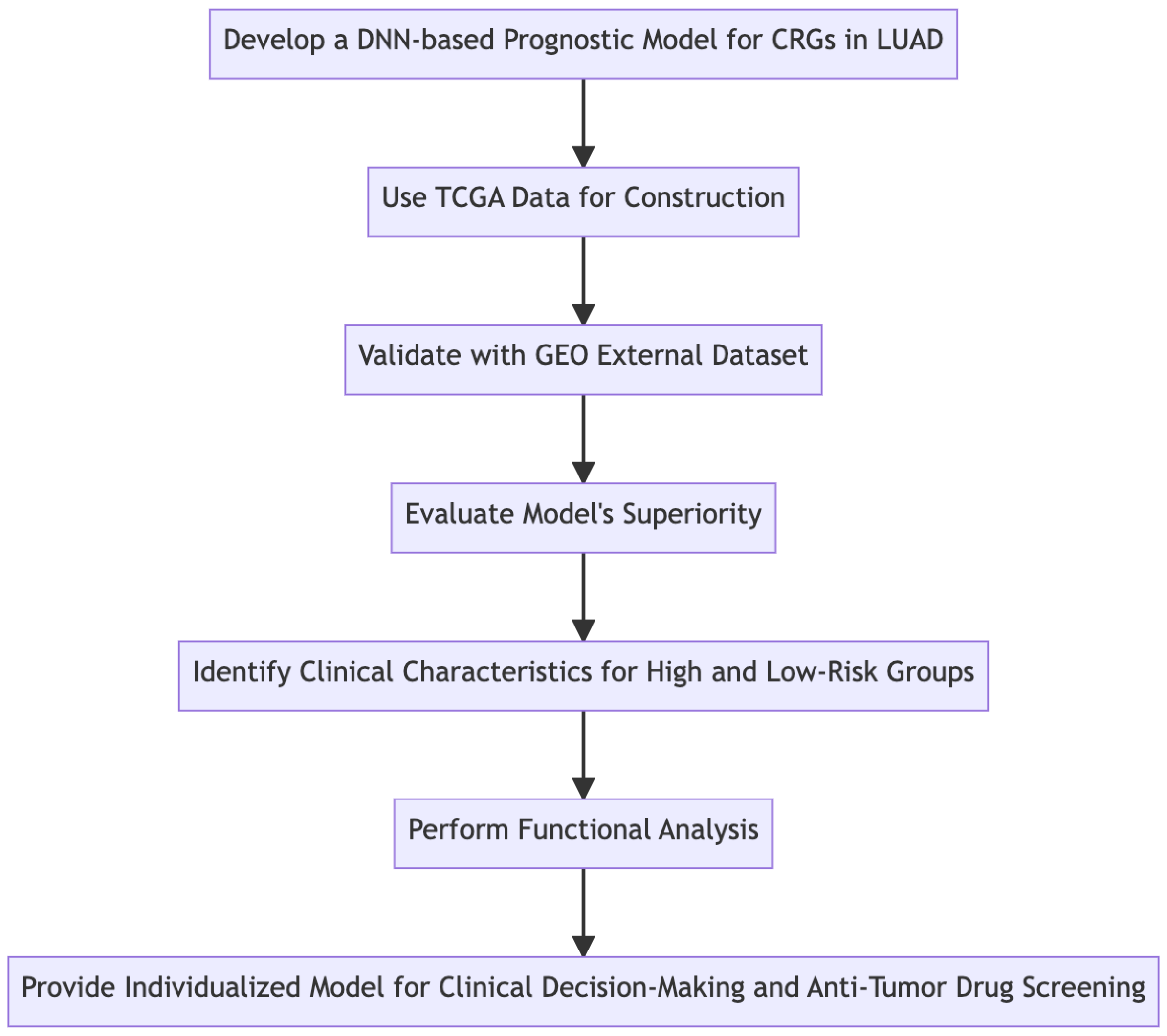
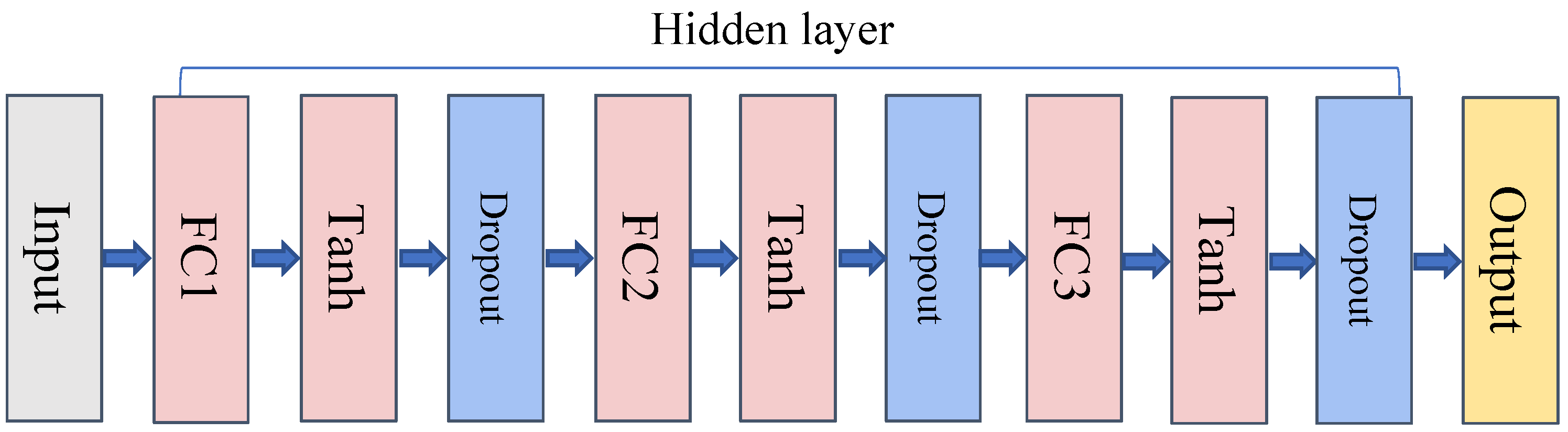
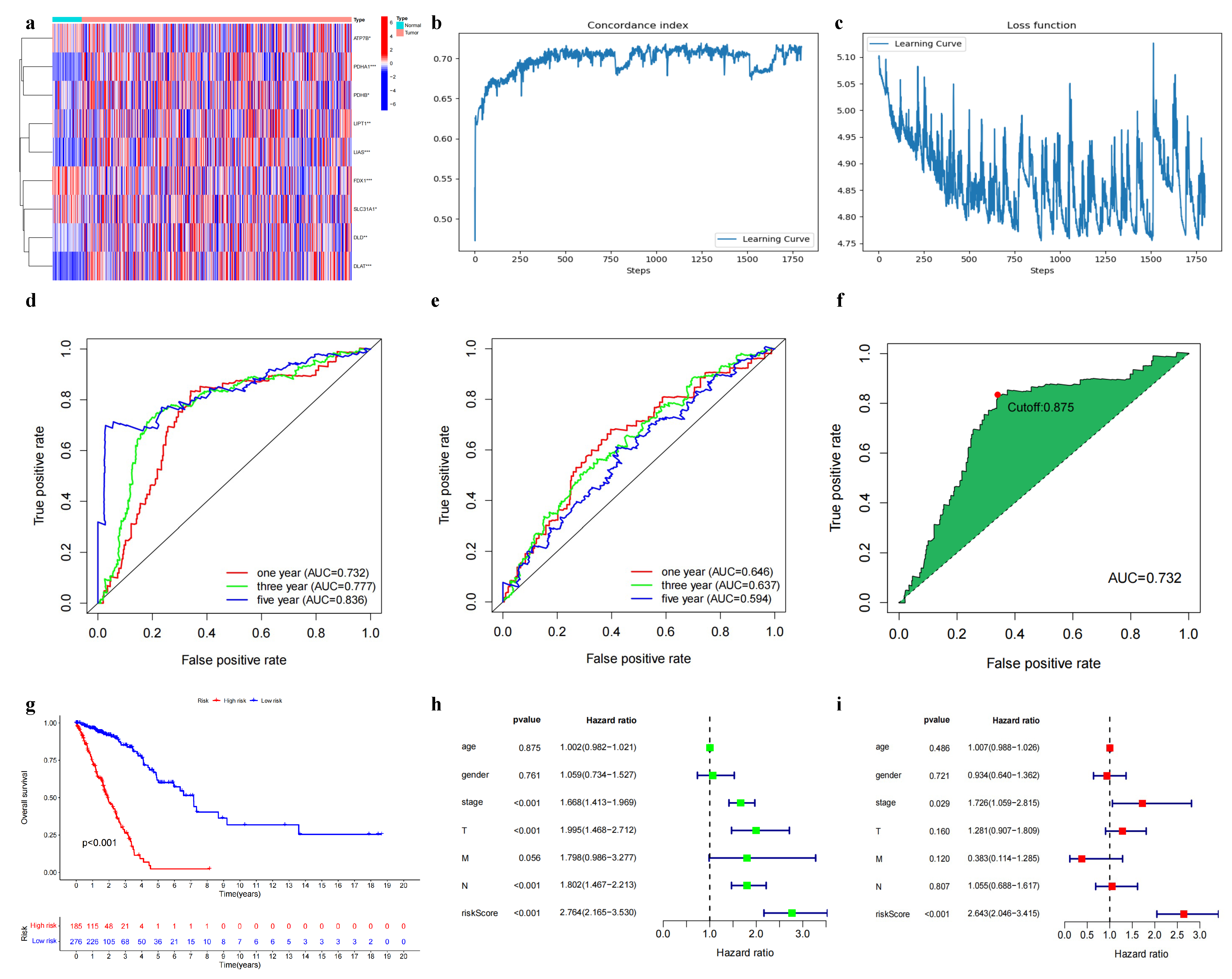
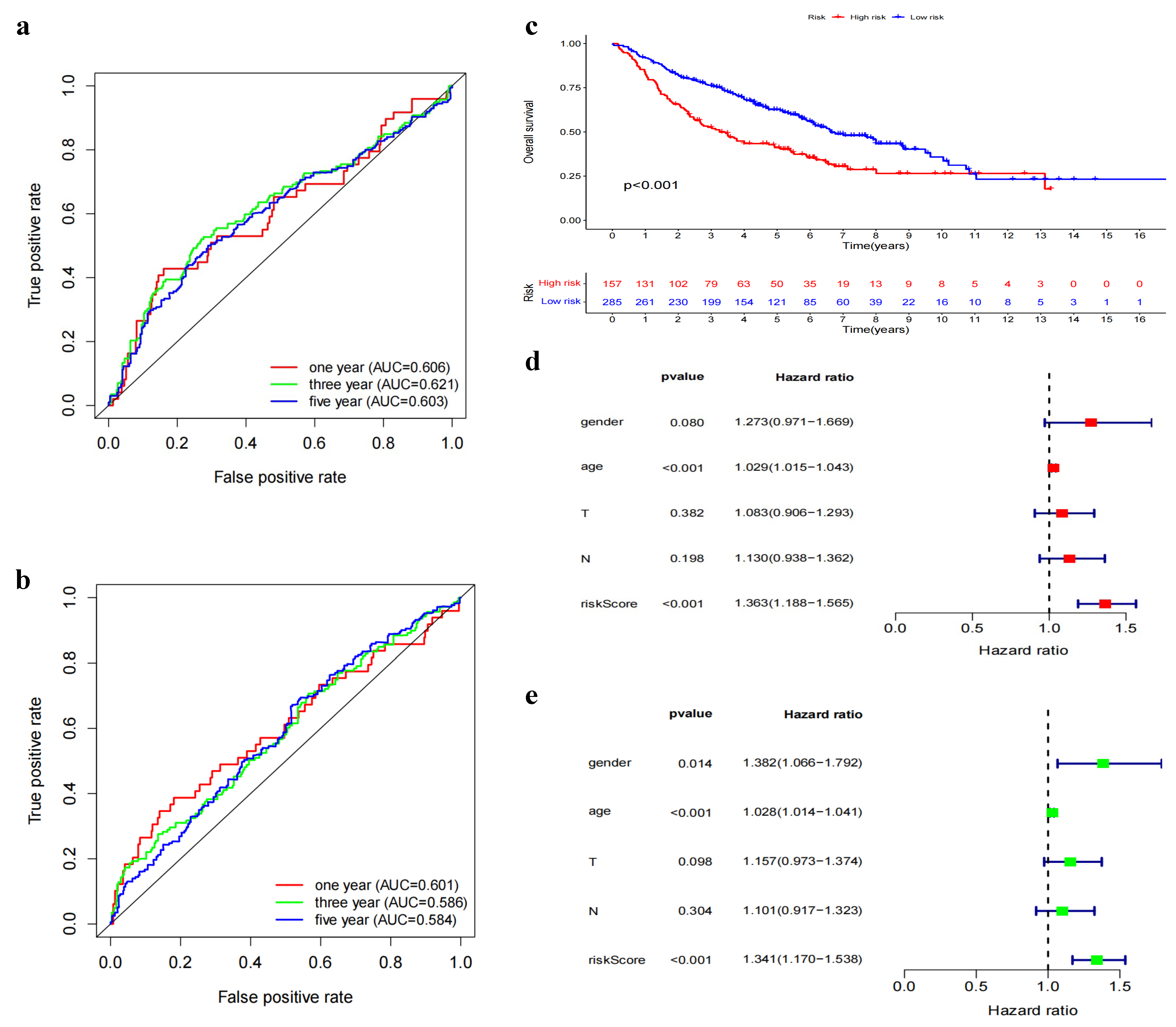
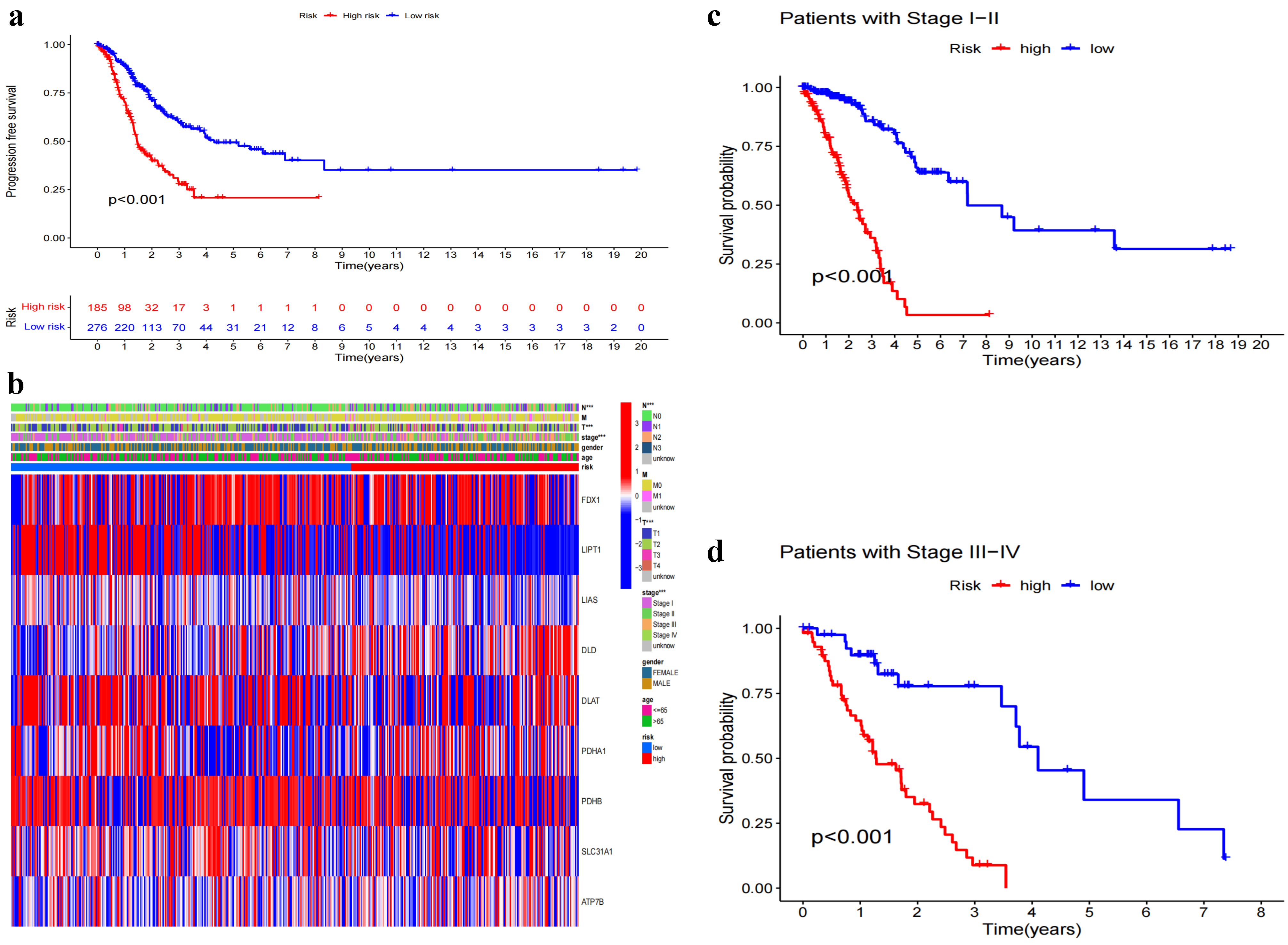
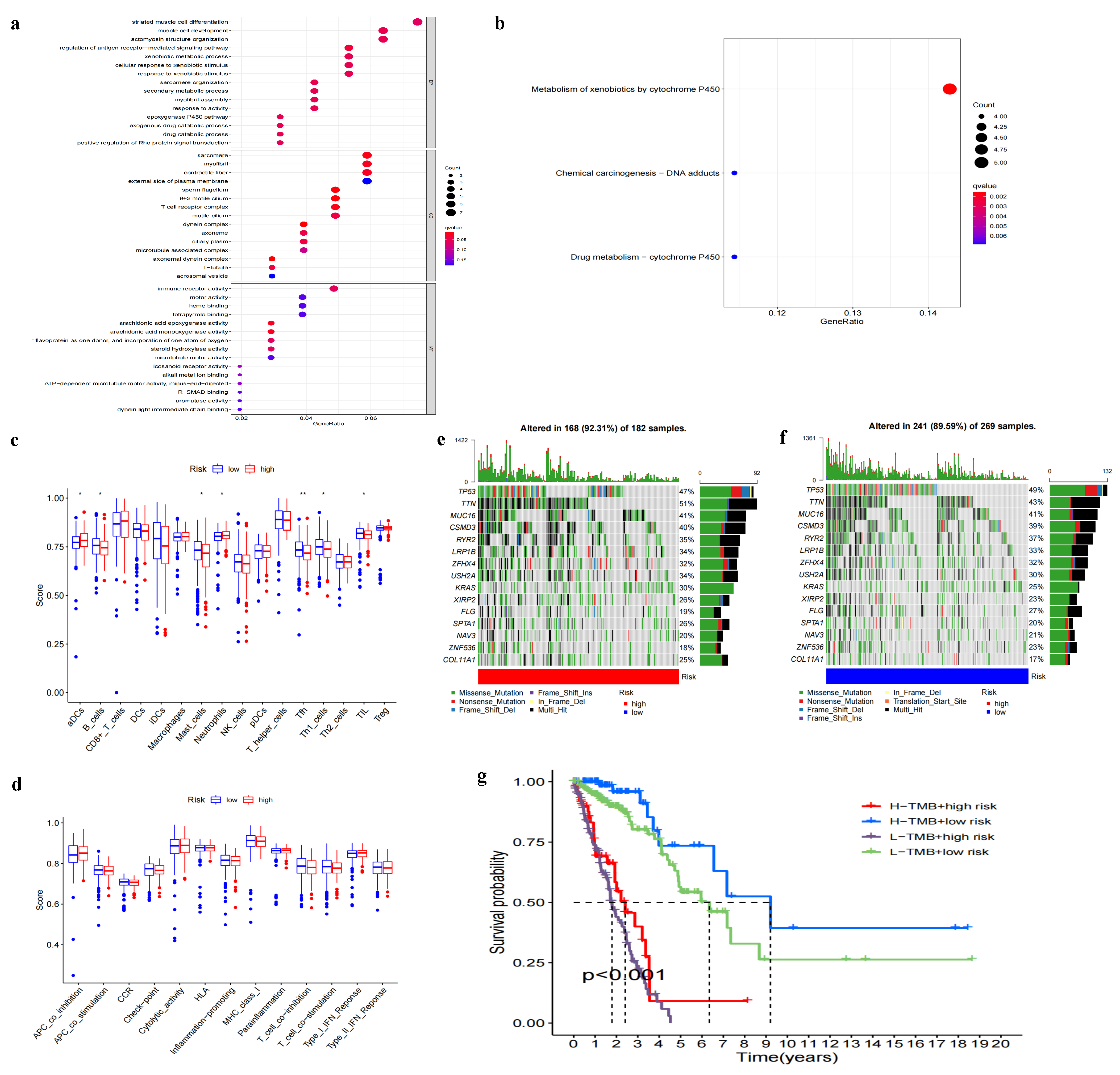
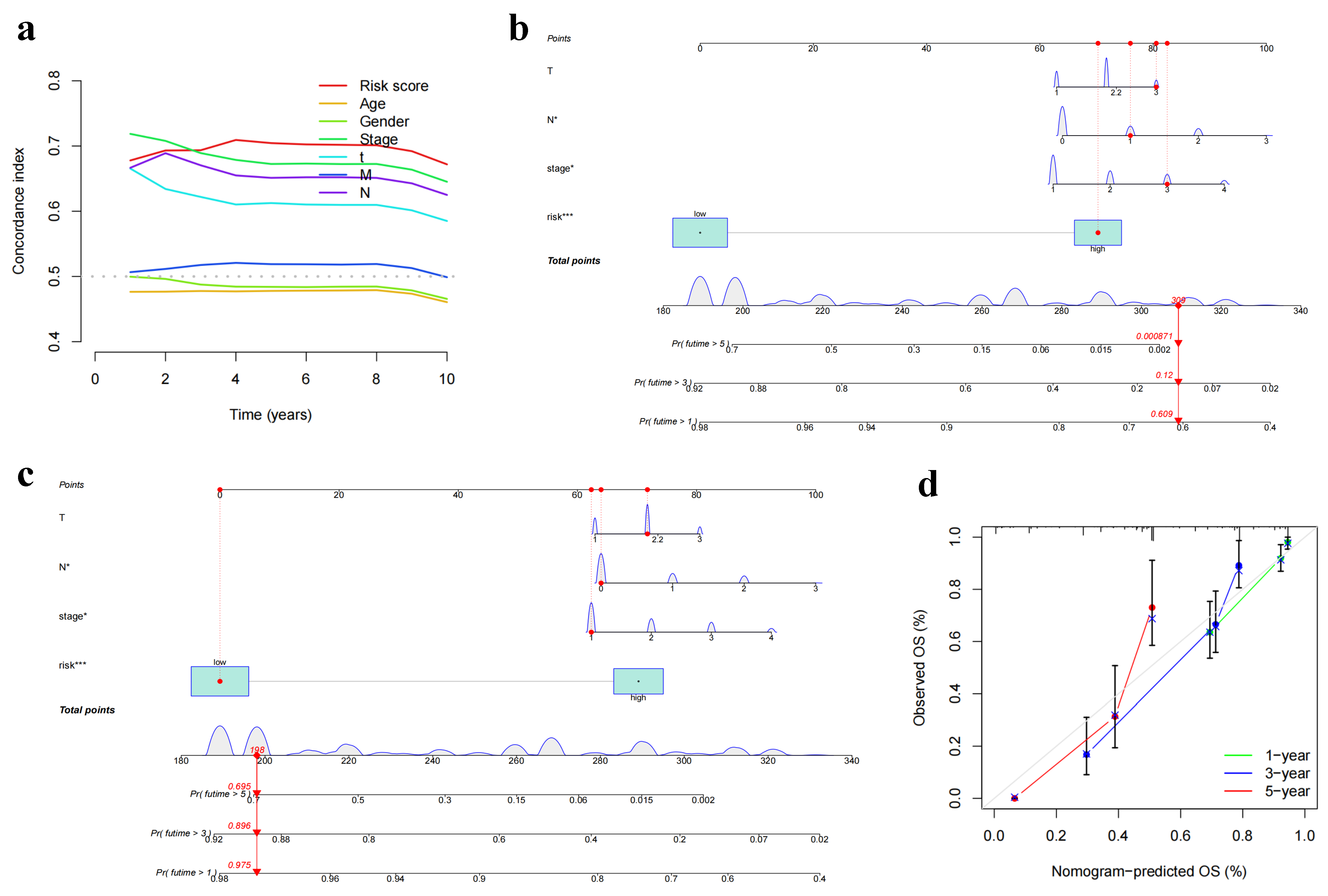
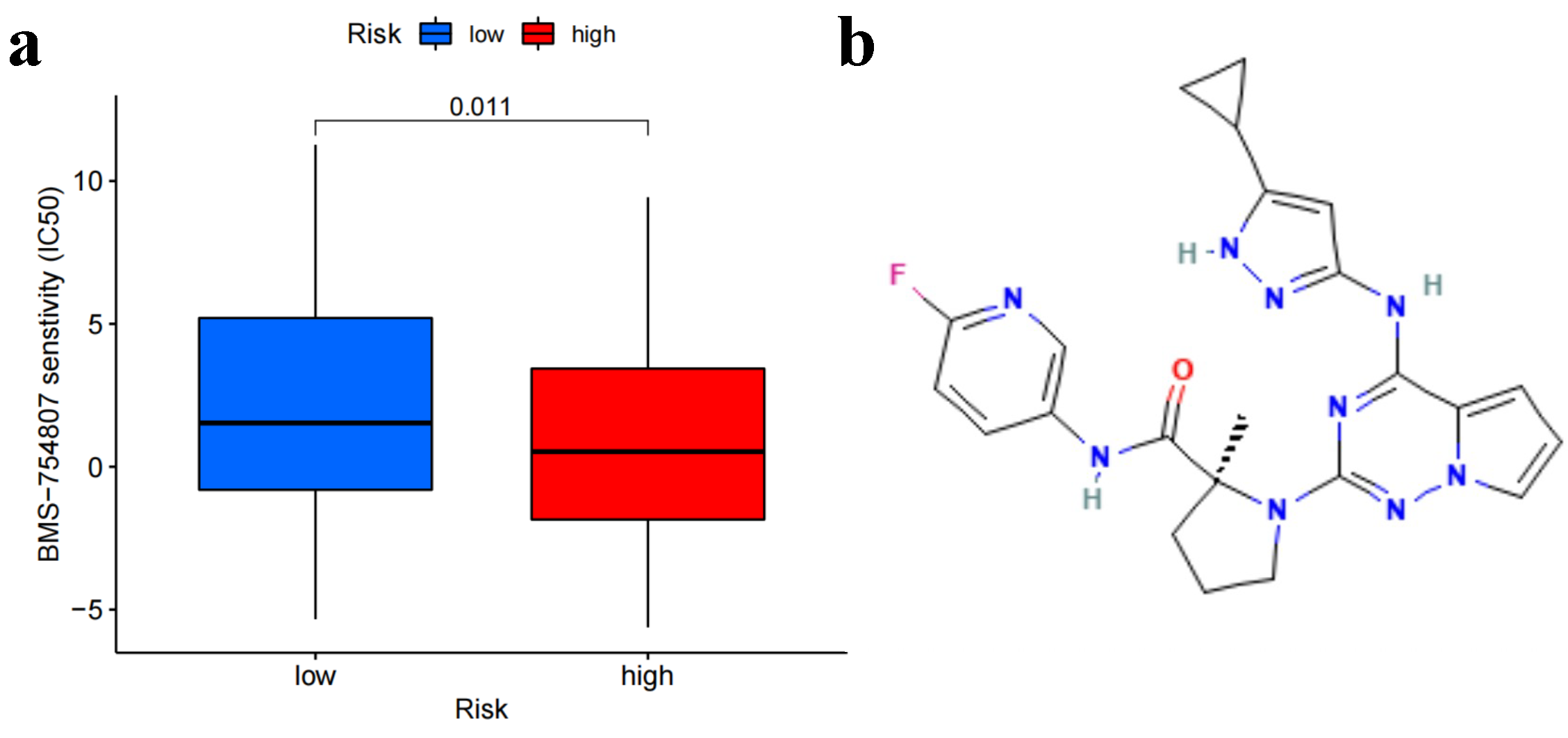
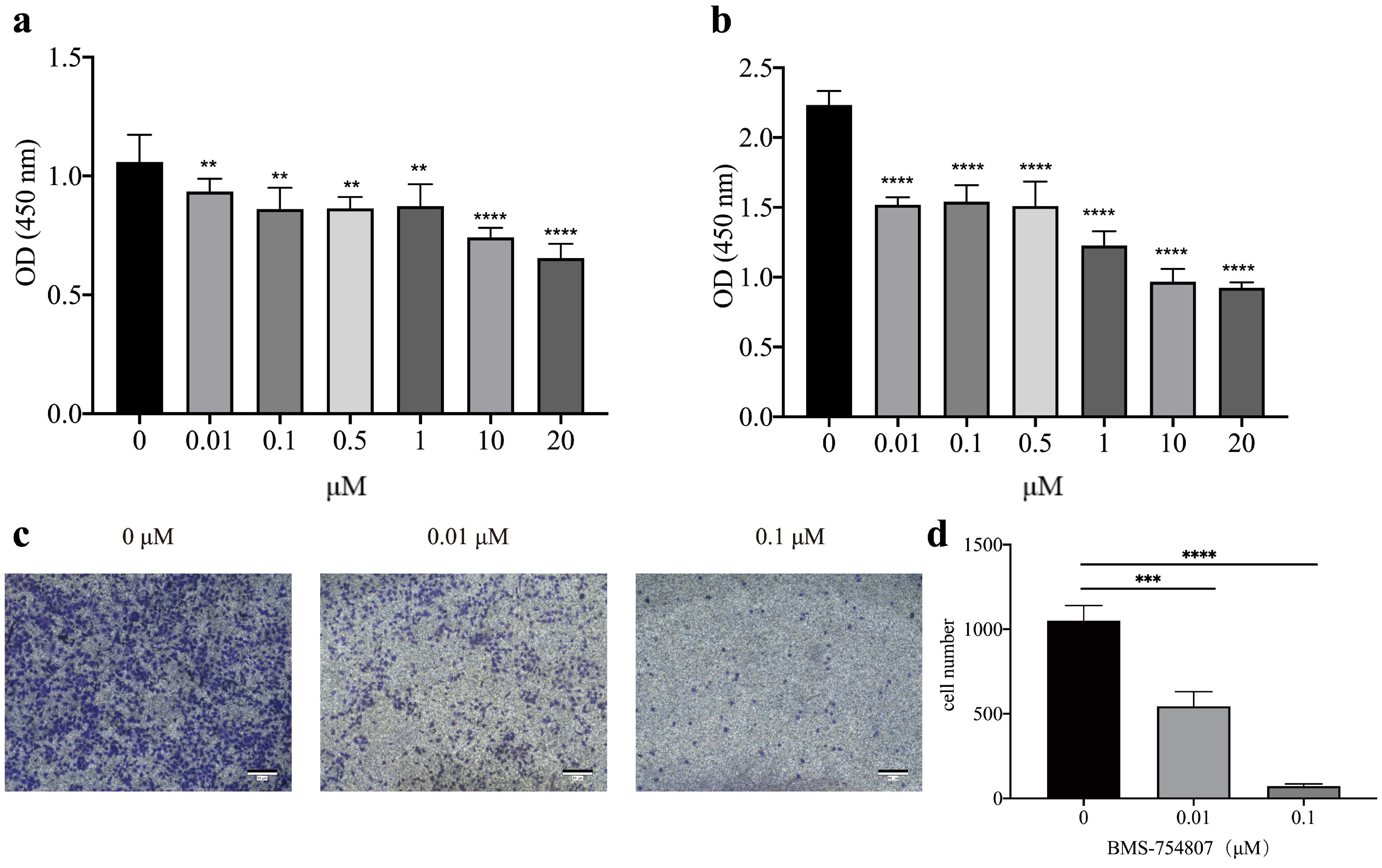
Lung adenocarcinoma represents a significant global health challenge. Despite advances in diagnosis and treatment, the prognosis remains poor for many patients. In this study, we aimed to identify cuproptosis-related genes and to develop a deep neural network model to predict the prognosis of lung adenocarcinoma. We screened differentially expressed genes from The Cancer Genome Atlas data through differential analysis of cuproptosis-related genes. We then used this information to establish a prognostic model using a deep neural network, which we validated using data from the Gene Expression Omnibus. Our deep neural network model incorporated nine cuproptosis-related genes and achieved an area under the curve of 0.732 in the training set and 0.646 in the validation set. The model effectively distinguished between distinct risk groups, as evidenced by significant differences in survival curves (p < 0.001), and demonstrated significant independence as a standalone prognostic predictor (p < 0.001). Functional analysis revealed differences in cellular pathways, the immune microenvironment, and tumor mutation burden between the risk groups. Furthermore, our model provided personalized survival probability predictions with a concordance index of 0.795 and identified the drug candidate BMS-754807 as a potentially sensitive treatment option for lung adenocarcinoma. In summary, we presented a deep neural network prognostic model for lung adenocarcinoma, based on nine cuproptosis-related genes, which offers independent prognostic capabilities. This model can be used for personalized predictions of patient survival and the identification of potential therapeutic agents for lung adenocarcinoma, which may ultimately improve patient outcomes.
Keywords: lung adenocarcinoma; cuproptosis-associated genes; deep neural network; individualized prognostic models lung adenocarcinoma; cuproptosis-associated genes; deep neural network; individualized prognostic models