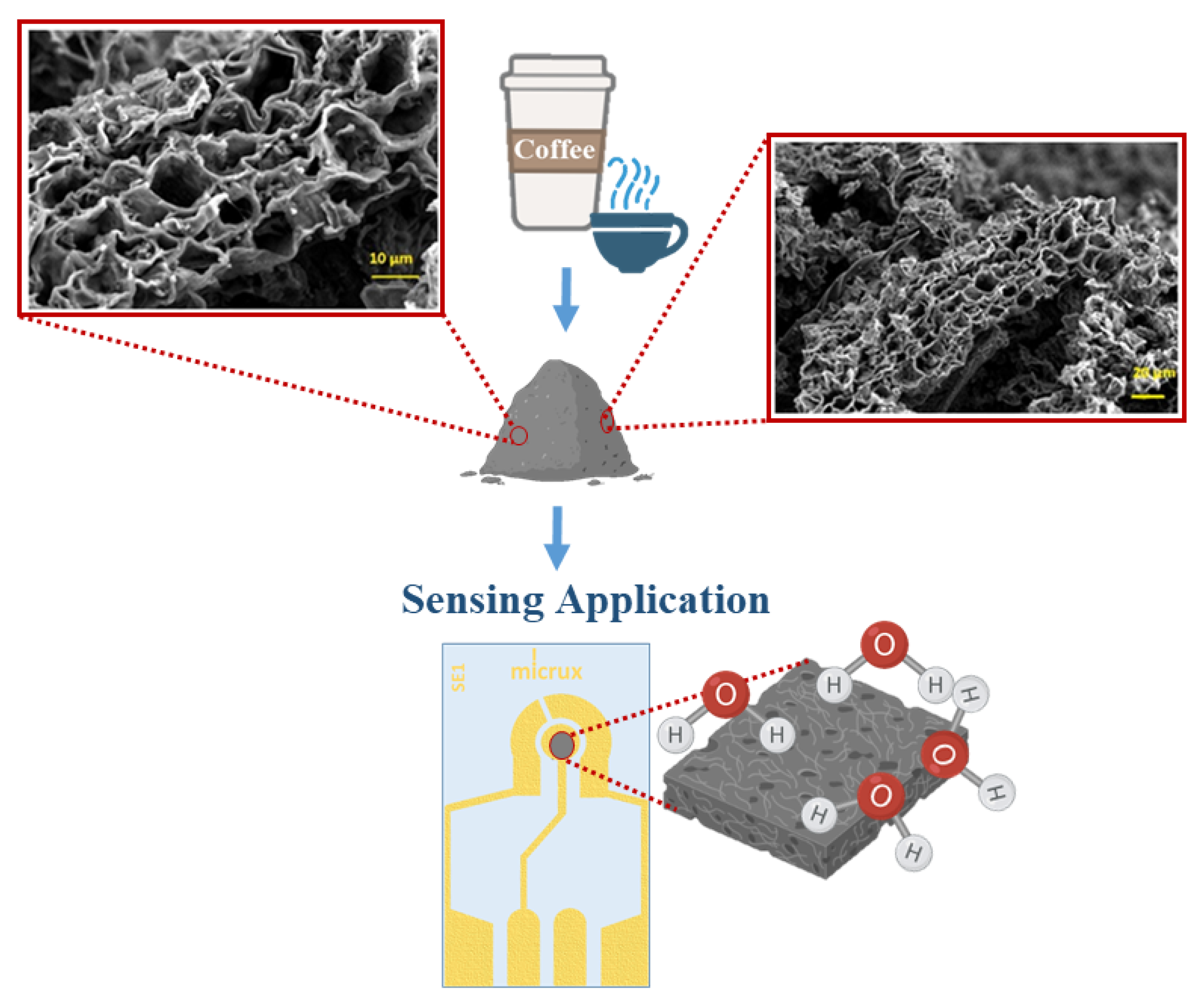

Biochar: A Sustainable Alternative in the Development of Electrochemical Printed Platforms



Abstract
Share and Cite
Cancelliere, R.; Cianciaruso, M.; Carbone, K.; Micheli, L. Biochar: A Sustainable Alternative in the Development of Electrochemical Printed Platforms. Chemosensors 2022, 10, 344. https://doi.org/10.3390/chemosensors10080344
Cancelliere R, Cianciaruso M, Carbone K, Micheli L. Biochar: A Sustainable Alternative in the Development of Electrochemical Printed Platforms. Chemosensors. 2022; 10(8):344. https://doi.org/10.3390/chemosensors10080344
Chicago/Turabian StyleCancelliere, Rocco, Miriam Cianciaruso, Katya Carbone, and Laura Micheli. 2022. "Biochar: A Sustainable Alternative in the Development of Electrochemical Printed Platforms" Chemosensors 10, no. 8: 344. https://doi.org/10.3390/chemosensors10080344
APA StyleCancelliere, R., Cianciaruso, M., Carbone, K., & Micheli, L. (2022). Biochar: A Sustainable Alternative in the Development of Electrochemical Printed Platforms. Chemosensors, 10(8), 344. https://doi.org/10.3390/chemosensors10080344