Article

From the Operating Theater to the Pathology Laboratory: Failure Mode, Effects, and Criticality Analysis of the Biological Samples Transfer


by
Francesco De Micco
1,2,
Anna De Benedictis
2,3,
Roberto Scendoni
4,5,*,
Vittoradolfo Tambone
1,
Gianmarco Di Palma
2 and
Rossana Alloni
1,2
1
Research Unit of Bioethics and Humanities, Department of Medicine and Surgery, Università Campus Bio-Medico di Roma, 00128 Roma, Italy
2
Department of Clinical Affair, Fondazione Policlinico Universitario Campus Bio-Medico, 00128 Roma, Italy
3
Research Unit of Nursing Science, Department of Medicine and Surgery, Università Campus Bio-Medico di Roma, 00128 Roma, Italy
4
Department of Law, Institute of Legal Medicine, University of Macerata, 62100 Macerata, Italy
5
Italian Network for Safety in Healthcare (INSH), Coordination of Marche Region, 62100 Macerata, Italy
*
Author to whom correspondence should be addressed.
Healthcare 2024, 12(22), 2279; https://doi.org/10.3390/healthcare12222279

Submission received: 17 August 2024 / Revised: 11 November 2024 / Accepted: 12 November 2024 / Published: 14 November 2024
(This article belongs to the Section Healthcare Quality, Patient Safety, and Self-care Management)

Abstract

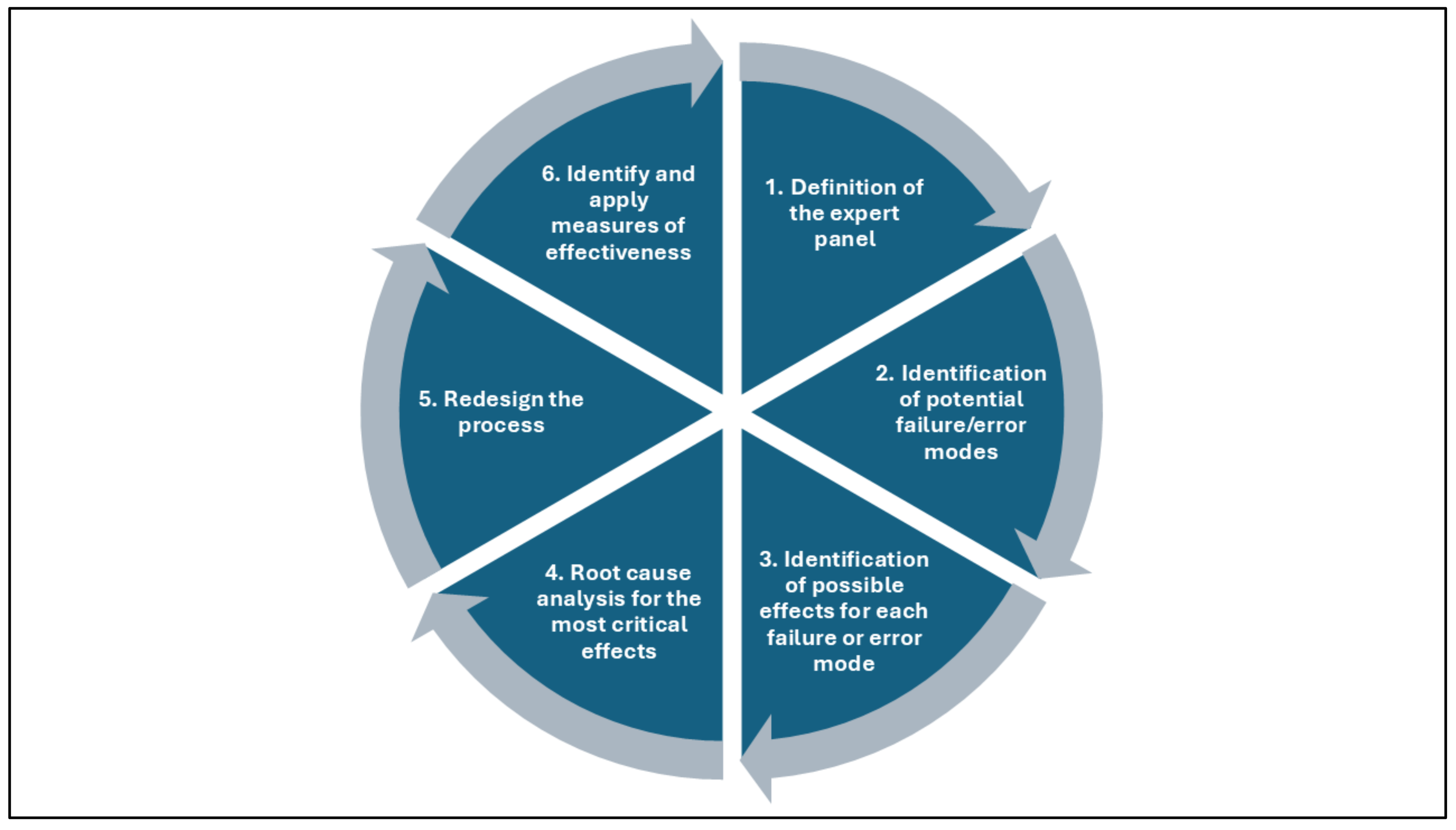
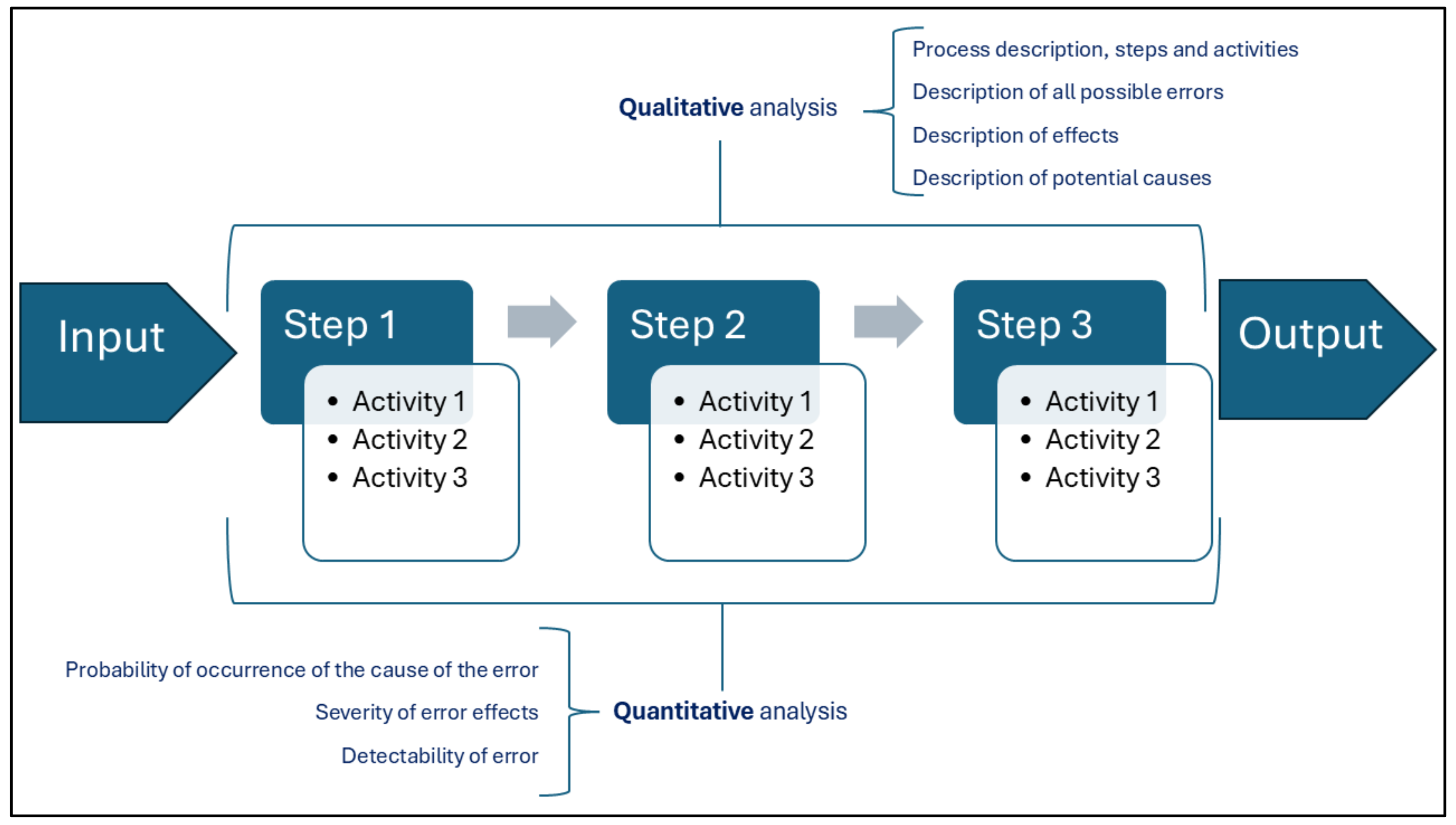
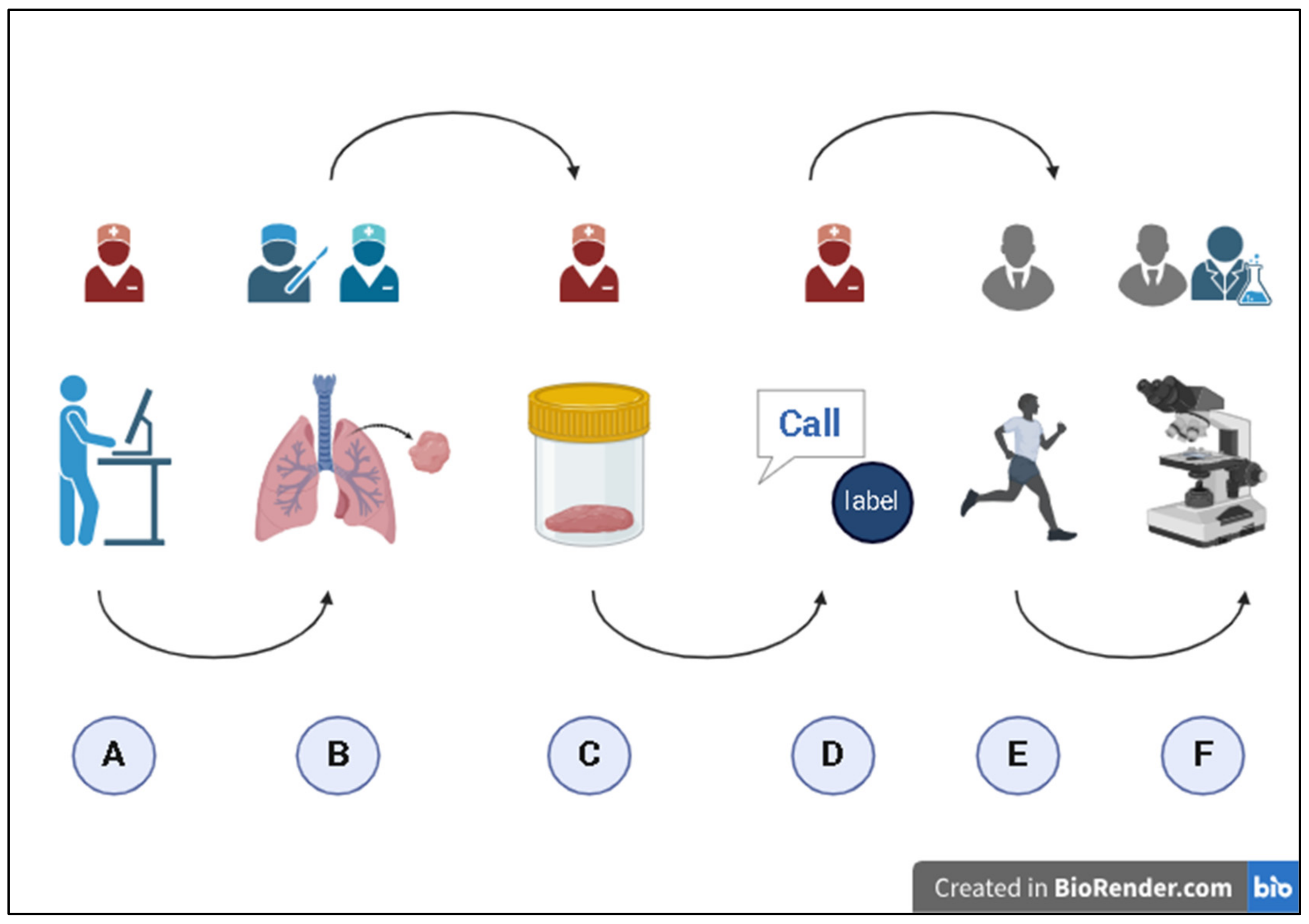
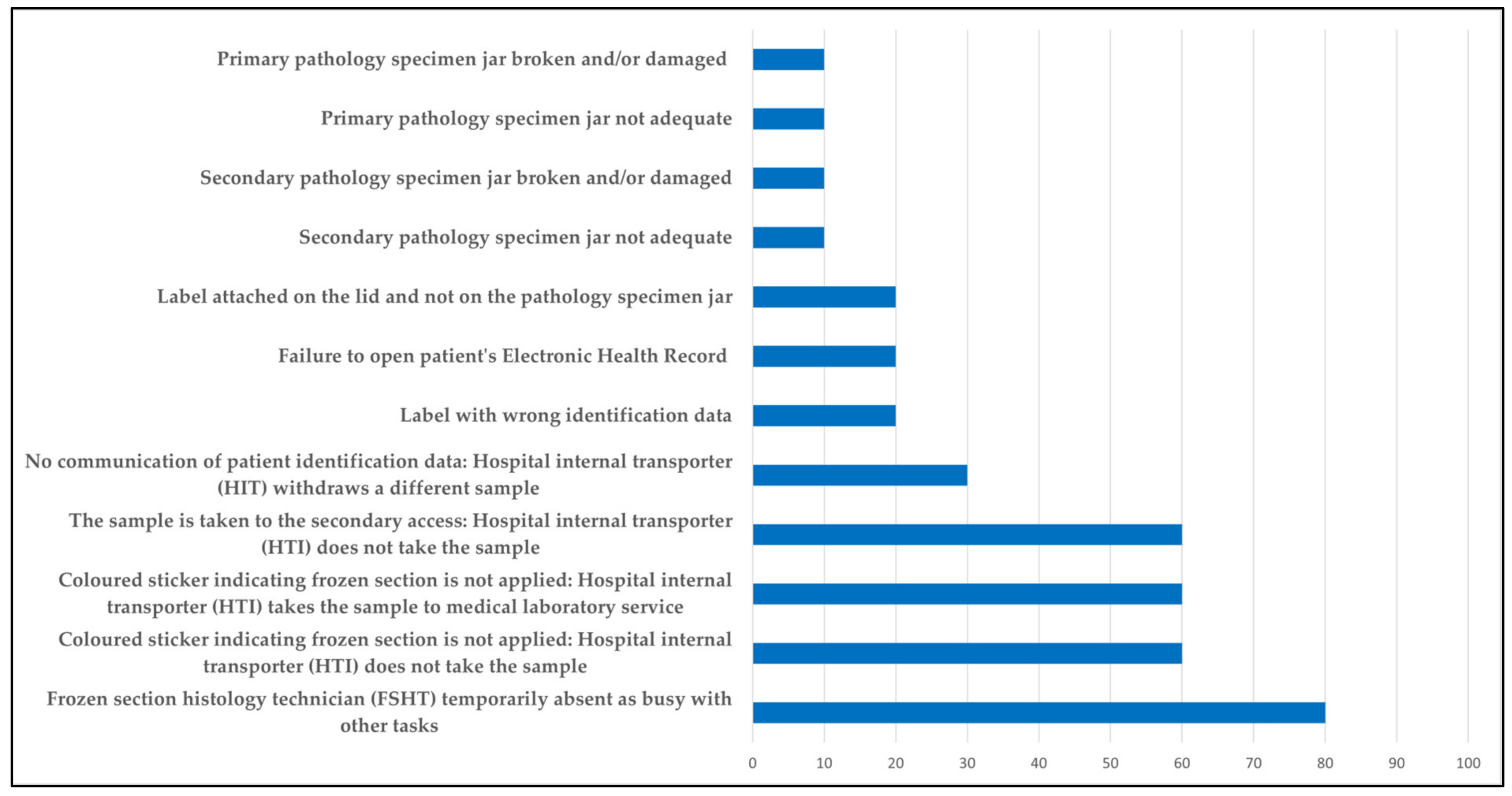
Introduction: The frozen section intra-operative consultation is a pathology procedure that provides real-time evaluations of tissue samples during surgery, enabling quick and informed decisions. In the pre-analytical phase, errors related to sample collection, transport, and identification are common, and tools like failure mode, effects, and criticality analysis help identify and prevent risks. This study aims to enhance patient safety and diagnostic quality by analyzing risks and optimizing sample management. Materials and Methods: The failure mode, effects, and criticality analysis was conducted by a multidisciplinary team to analyze the workflow of frozen section sample handling from collection in the operating theater to acceptance at the pathology lab. Six steps were identified, each assigned tasks and responsibilities, with risks assessed through the risk priority number, calculated from severity, occurrence, and detectability. Severity was classified based on the WHO framework, ranging from “No Harm” to “Death”, to prioritize risks effectively. Results: The study identified 12 failure modes across 11 sub-processes, prioritized by risk. Key failures included missing patient identification, incorrect sample retrieval, missing labels, misdirected samples, and samples sent to the wrong lab. Discussion: Pre-analytical errors in pathology pose risks to diagnosis and patient care, with most errors occurring in this phase. A multidisciplinary team identified key issues, such as sample mislabeling and delays due to staff unavailability, and implemented corrective actions, including improved signage, staff re-training, and sample tracking systems. Monitoring and regular checks ensured ongoing adherence to protocols and reduced the risks of misidentification, transport delays, and procedural errors. Conclusions: The frozen section intra-operative consultation is vital in surgical pathology, with the pre-analytical phase posing significant risks due to potential errors in sample handling and labeling. Failure mode, effects, and criticality analysis has proven effective in identifying and prioritizing these failures, despite resource demands, by allowing corrective actions that enhance patient safety and healthcare quality.
Keywords: surgical specimens; failure mode; effects and criticality analysis; patient safety; healthcare risk management surgical specimens; failure mode; effects and criticality analysis; patient safety; healthcare risk management