Systematic Review

Healing the Whole: An International Review of the Collaborative Care Model between Primary Care and Psychiatry

1
John Sealy School of Medicine, University of Texas Medical Branch, Galveston, TX 77555, USA
2
Department of Family Medicine, University of Texas Medical Branch, Galveston, TX 77555, USA
*
Author to whom correspondence should be addressed.
Healthcare 2024, 12(16), 1679; https://doi.org/10.3390/healthcare12161679

Submission received: 12 June 2024 / Revised: 30 July 2024 / Accepted: 20 August 2024 / Published: 22 August 2024
(This article belongs to the Special Issue Research on Health Disparities in the Global Population)

Abstract

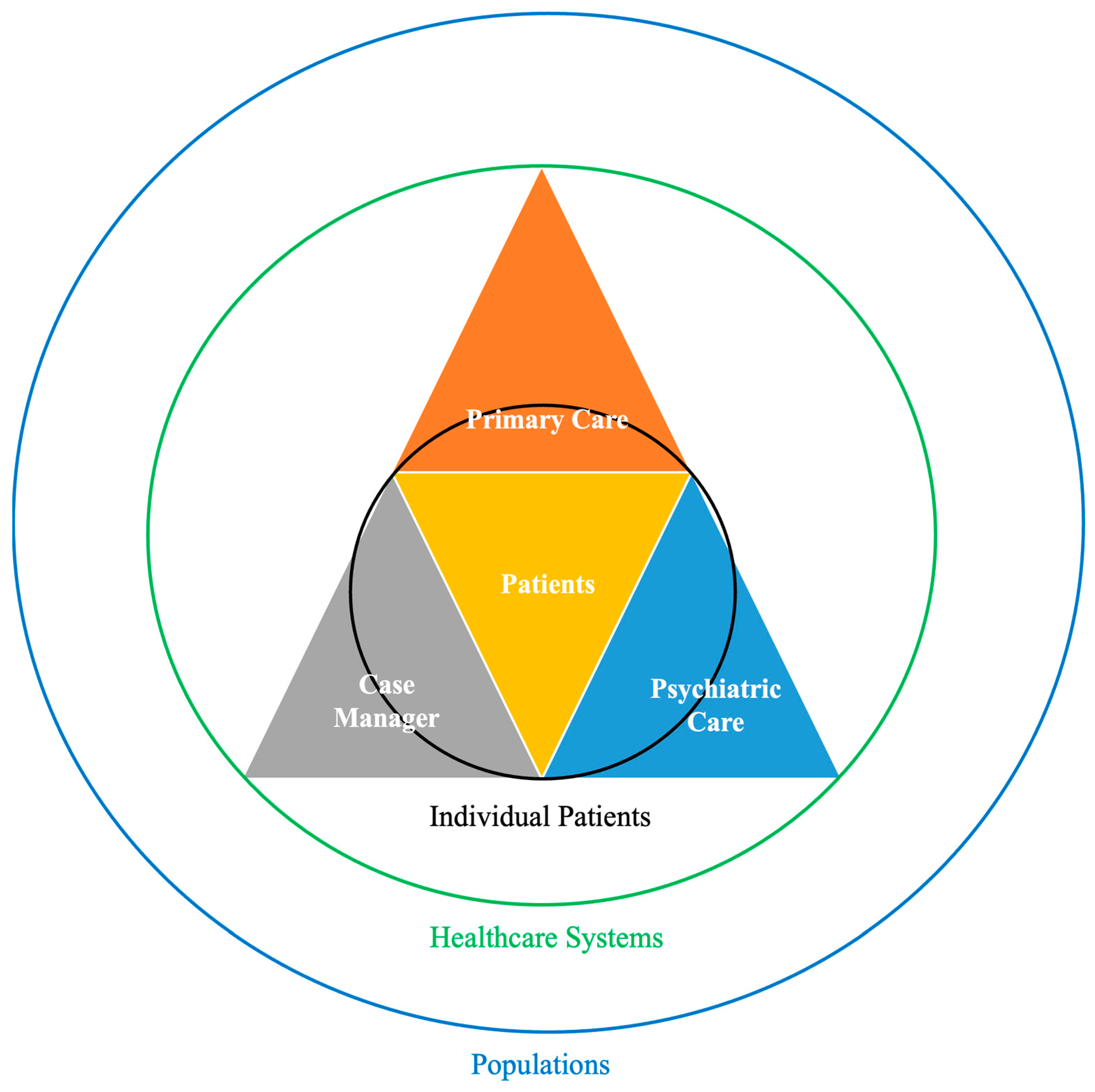
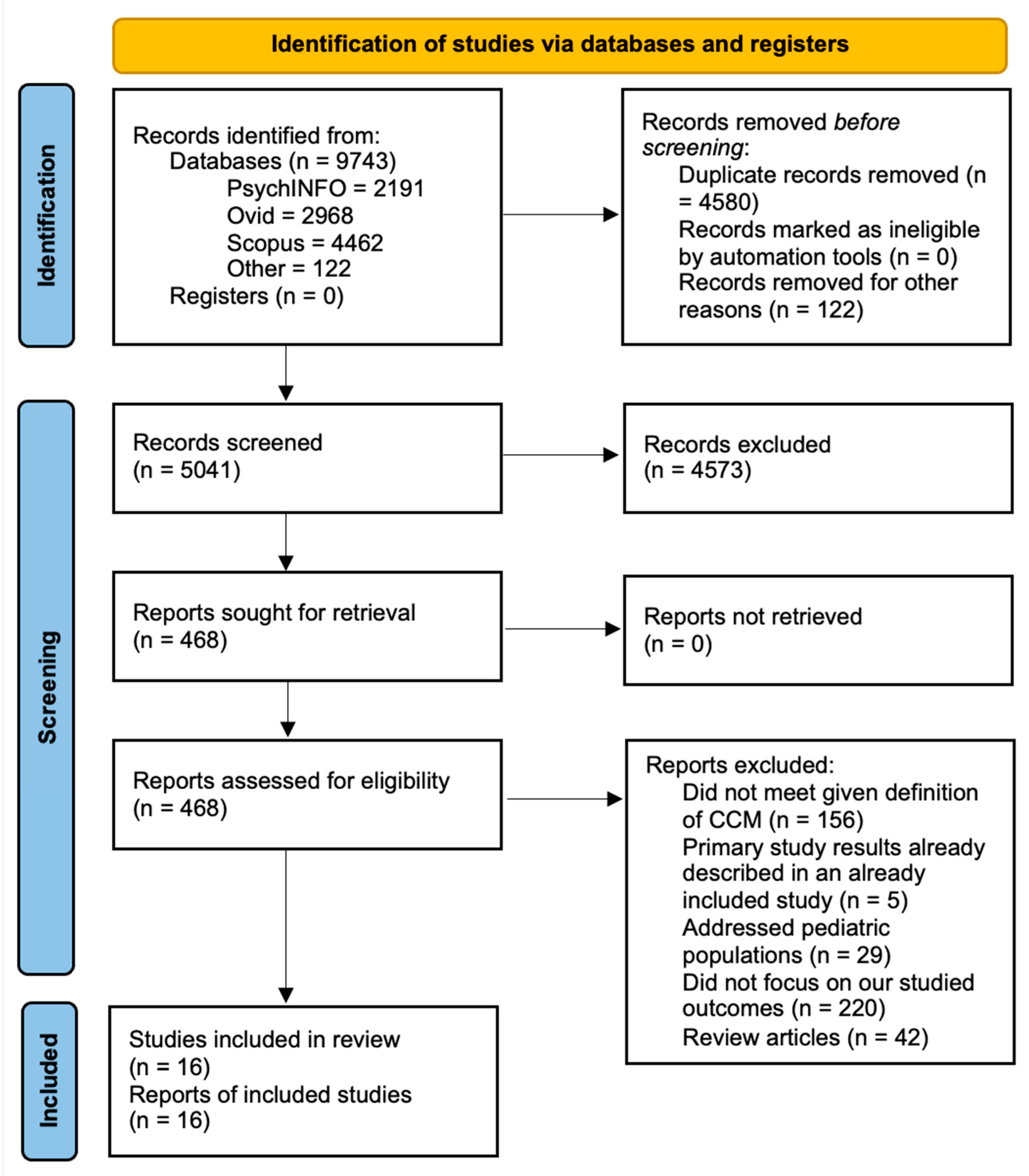
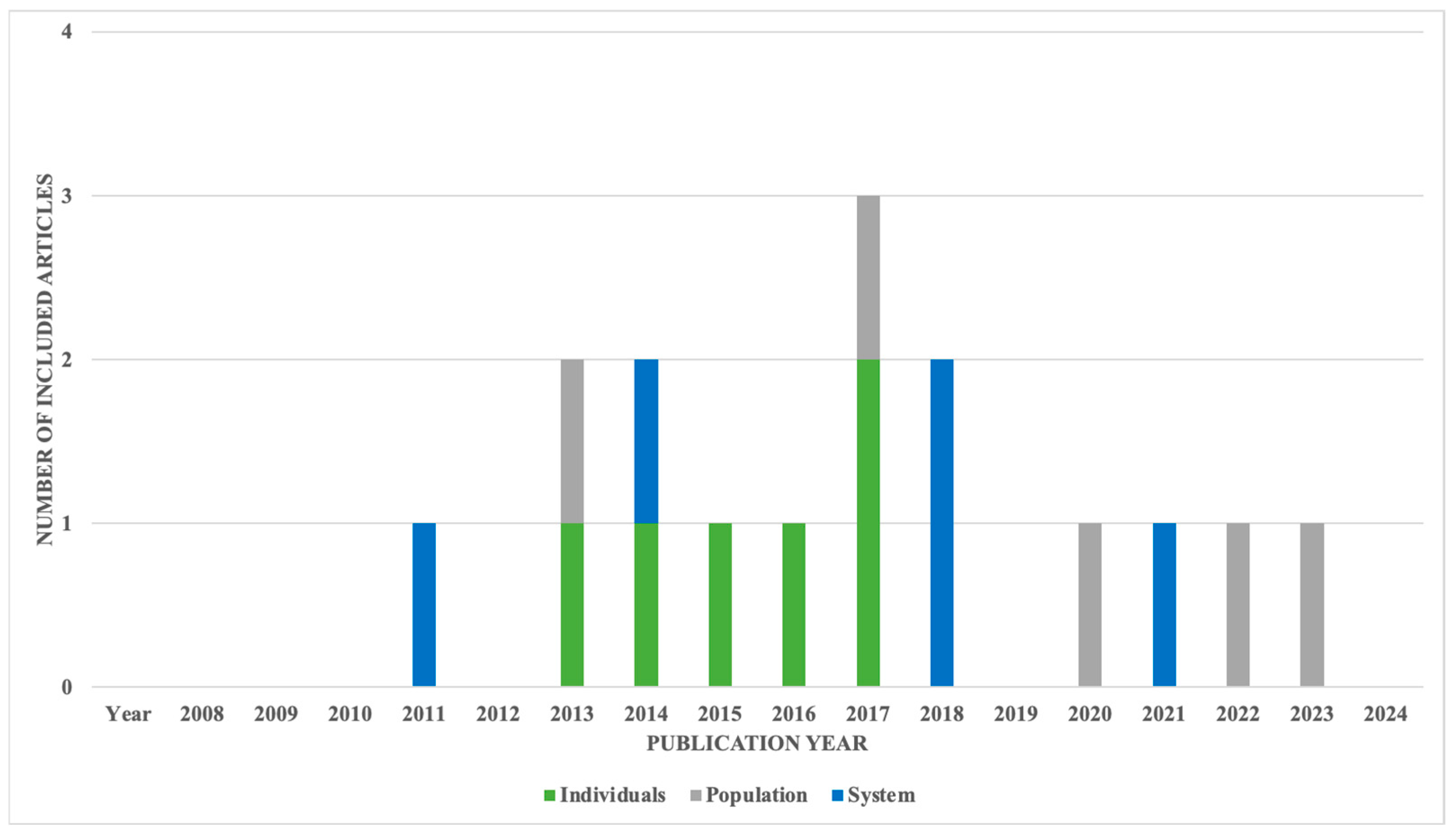
The collaborative care model (CCM) was created to improve the delivery of mental health care and is reported to improve access, enhance treatment outcomes, and reduce healthcare costs. To understand the impacts of the CCM on symptom management, diverse populations, and sustainability in healthcare systems, a systematic review was conducted. Several databases were searched for articles assessing the CCM. The inclusion criteria limited the studies to those (1) published between January 2008 and January 2024; (2) written in the English language; (3) analyzing adult patients; (4) analyzing symptom improvement in major depressive disorder, generalized anxiety disorder, or post-traumatic stress disorder; and (5) fitting the given definition of a CCM. We identified 9743 articles. Due to missing information or duplication, 4702 were excluded. The remaining articles were screened, yielding 468 articles for full-text analysis, of which 16 articles met the inclusion criteria. Of these articles, five primarily focused on individual patient outcomes, five focused on specific populations, and six reviewed system impacts; eleven articles studied US populations and five studied international populations. An analysis revealed that in 12 of the final articles, the CCM led to a statistically significant improvement in anxiety and depression symptoms with viable implementation and sustainability strategies. The CCM is an effective method for improving patient symptoms and can be potentially affordable in healthcare systems.
Keywords: collaborative care model; anxiety; depression; PTSD; cost-effective; sustainable collaborative care model; anxiety; depression; PTSD; cost-effective; sustainable