Article

Automated Uterine Fibroids Detection in Ultrasound Images Using Deep Convolutional Neural Networks


1
Rural Health Centre, Farooka, Sahiwal, Sargodha 40100, Pakistan
2
Department of Computer Science, Al Ain University, Abu Dhabi P.O. Box 112612, United Arab Emirates
3
Department of Electrical Engineering, College of Engineering and Technology, University of Sargodha, Sargodha 40100, Pakistan
4
Department of Mechanical Engineering, HITEC University, Taxila 47080, Pakistan
5
Department of Biomedical Engineering, Riphah International University, Islamabad 44000, Pakistan
6
Department of Electrical Engineering, Riphah International University, Islamabad 44000, Pakistan
7
Department of ICT and Natural Sciences, Faculty of Information Technology and Electrical Engineering, Norwegian University of Science and Technology, 6009 Alesund, Norway
*
Author to whom correspondence should be addressed.
Healthcare 2023, 11(10), 1493; https://doi.org/10.3390/healthcare11101493

Submission received: 3 April 2023 / Revised: 28 April 2023 / Accepted: 12 May 2023 / Published: 20 May 2023
(This article belongs to the Special Issue Digital Transformation in Healthcare: Second Edition)

Abstract

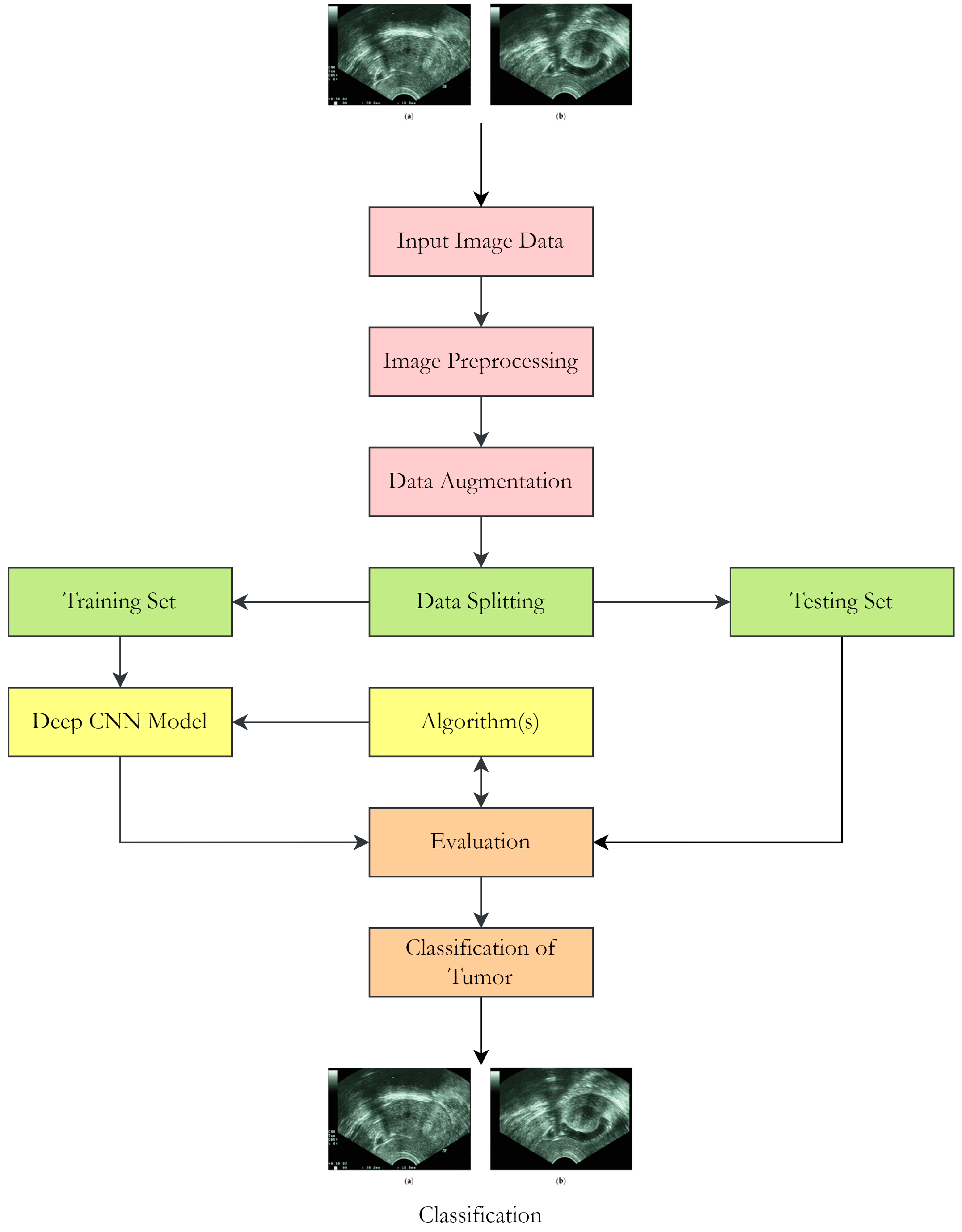
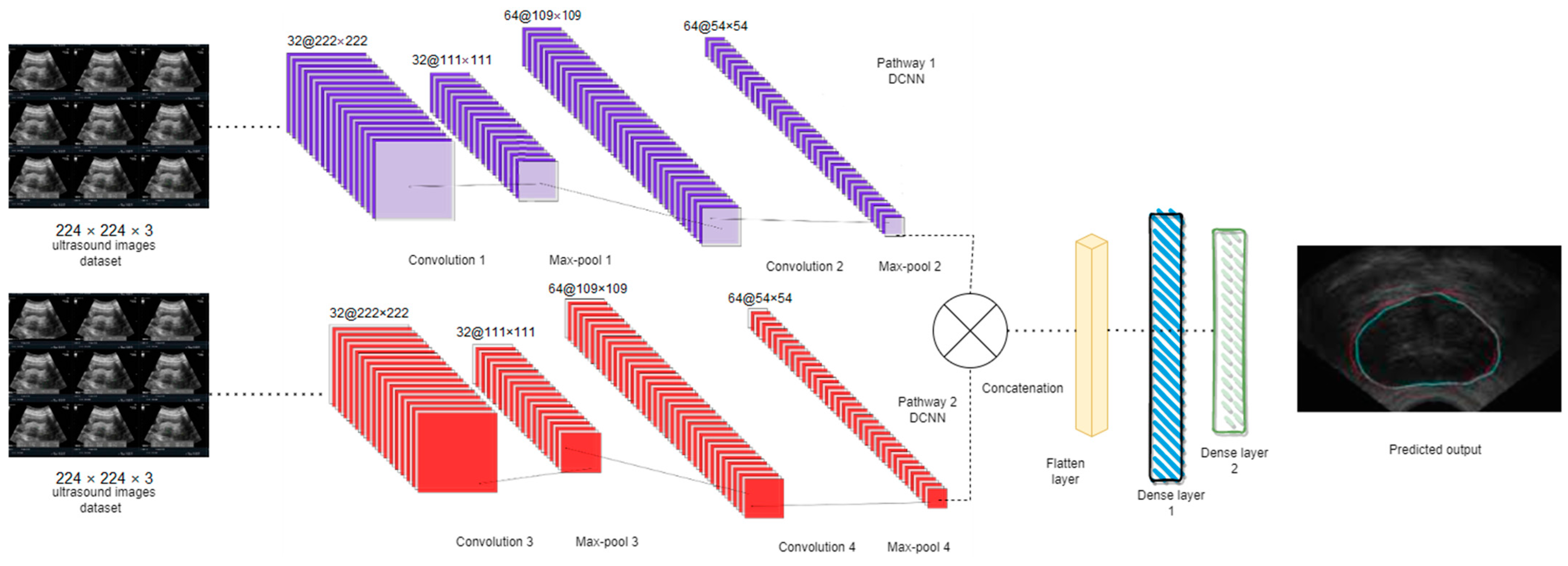
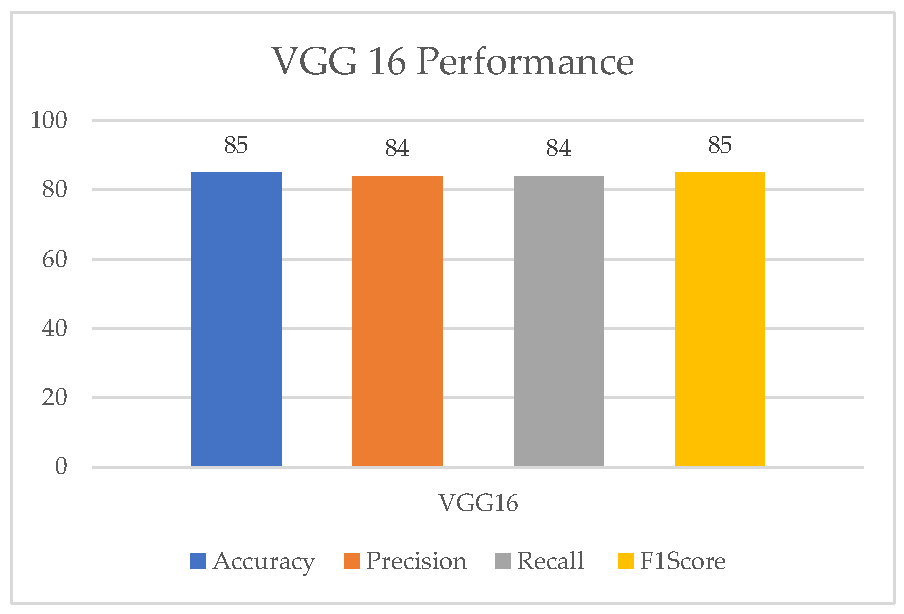
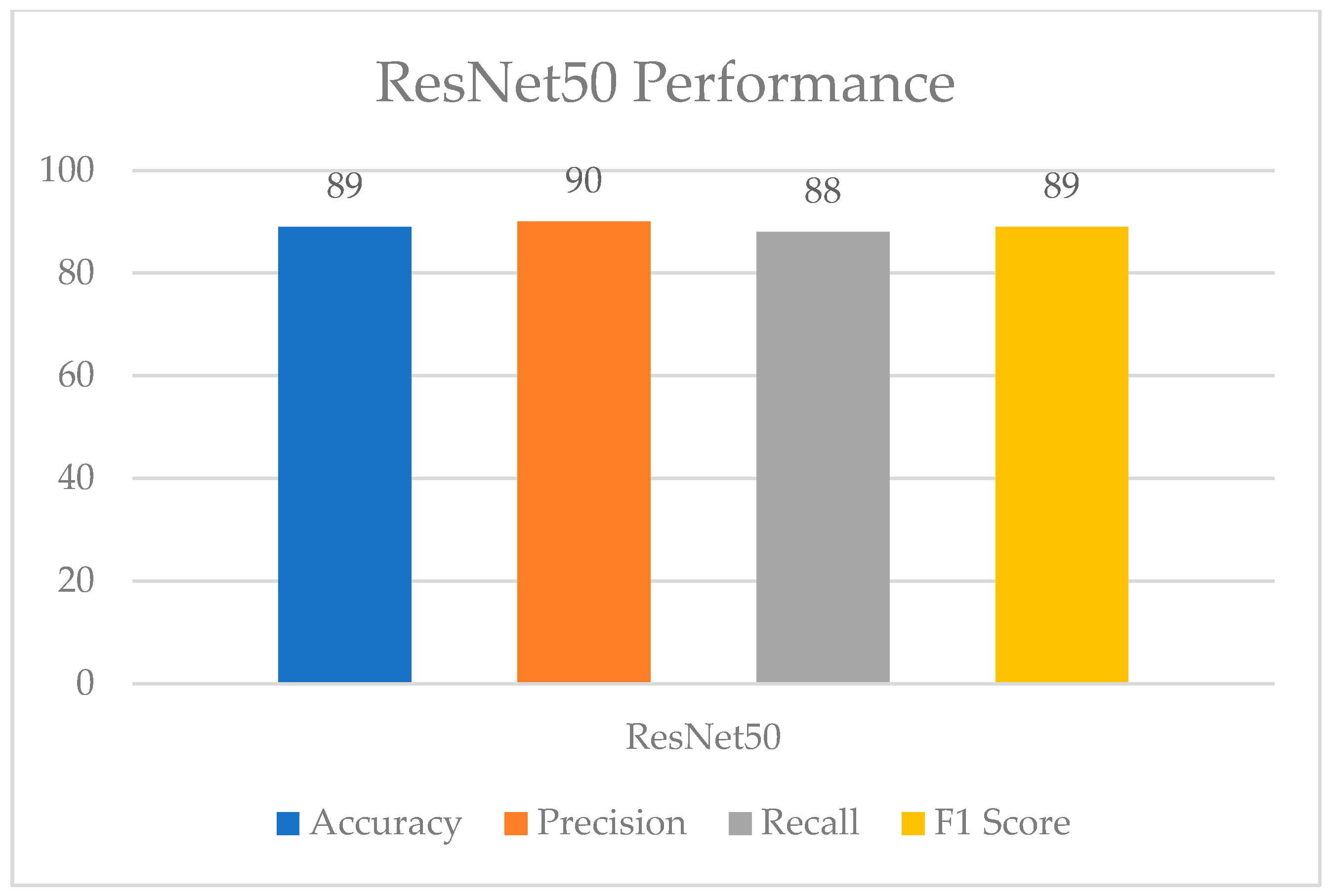
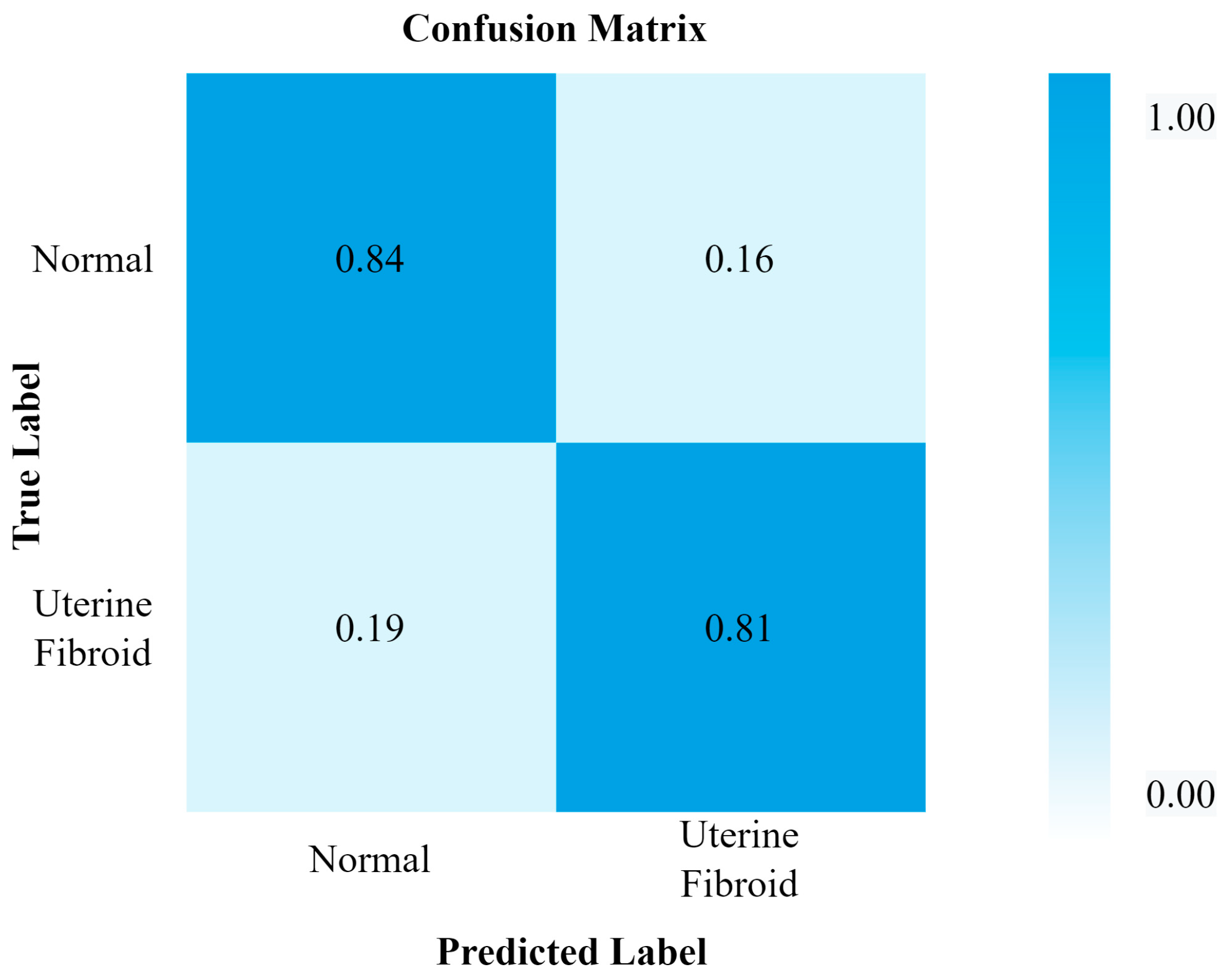
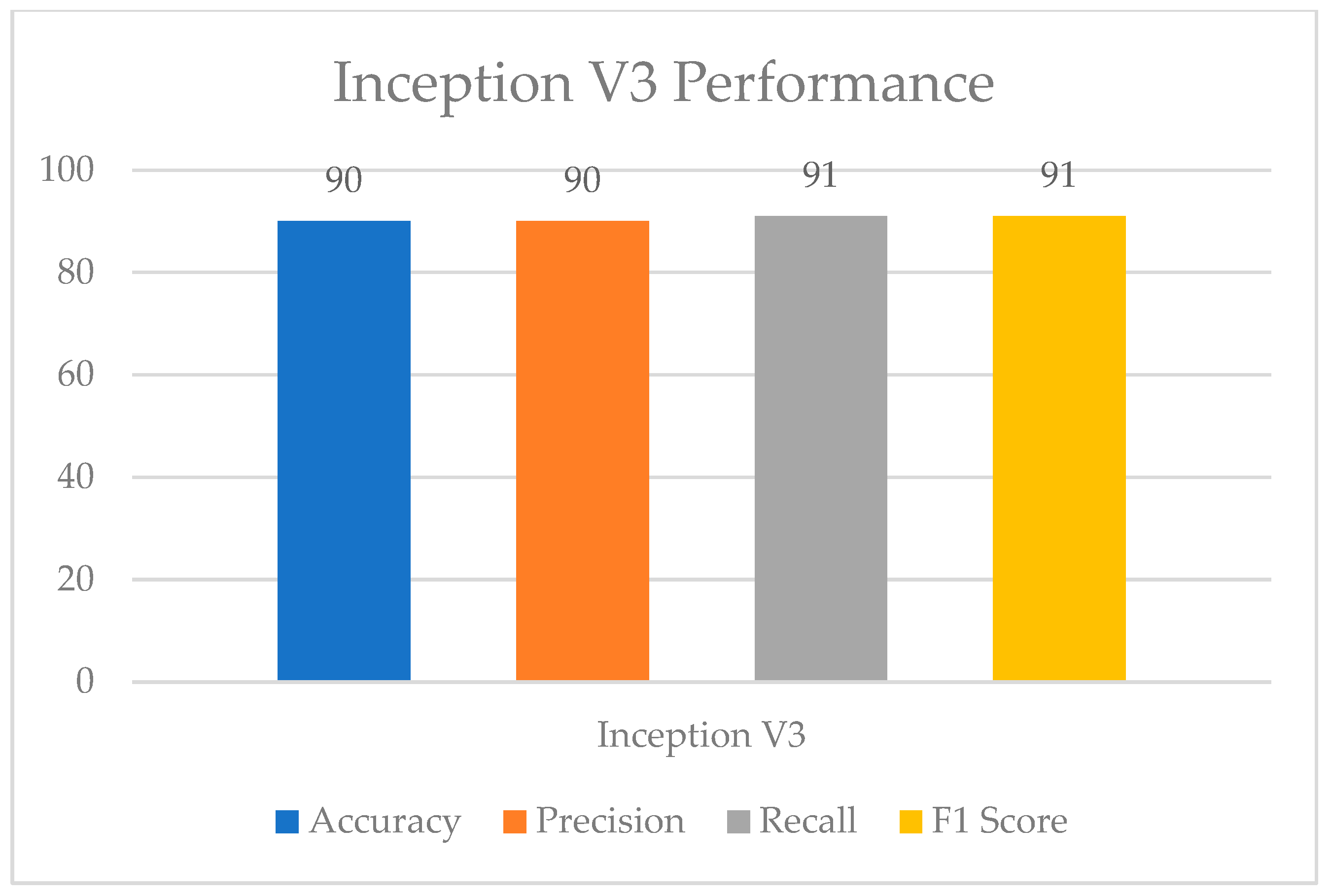
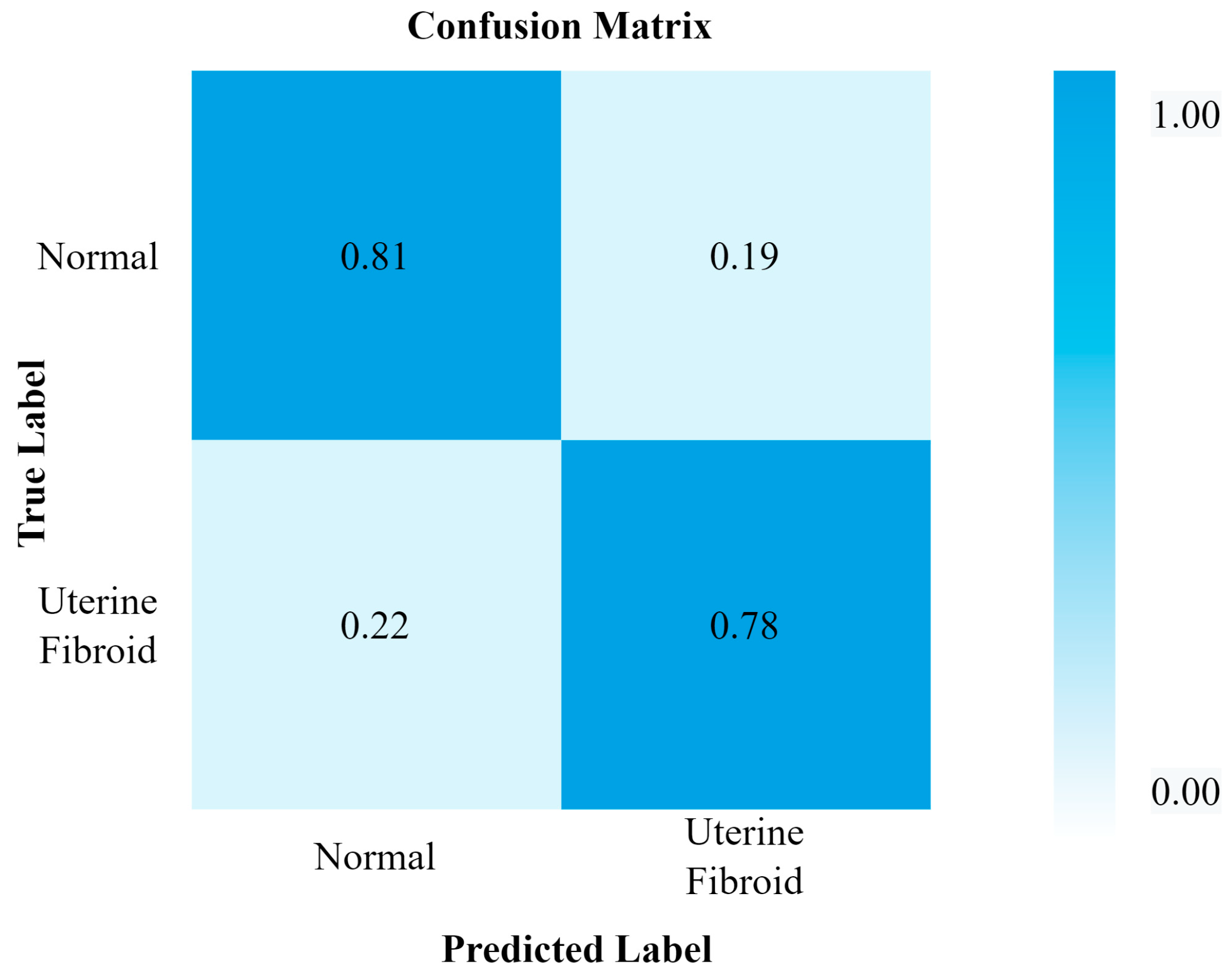
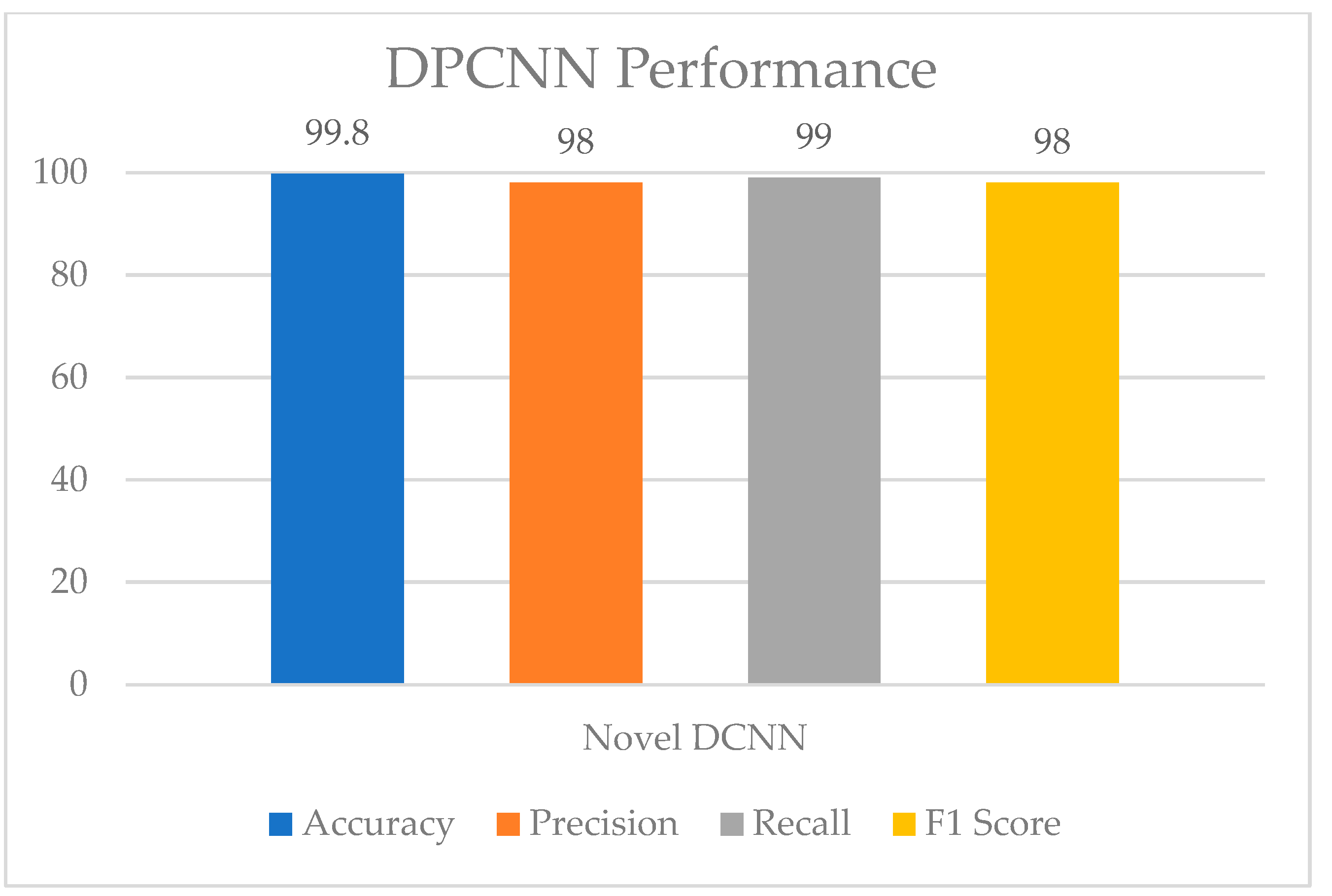
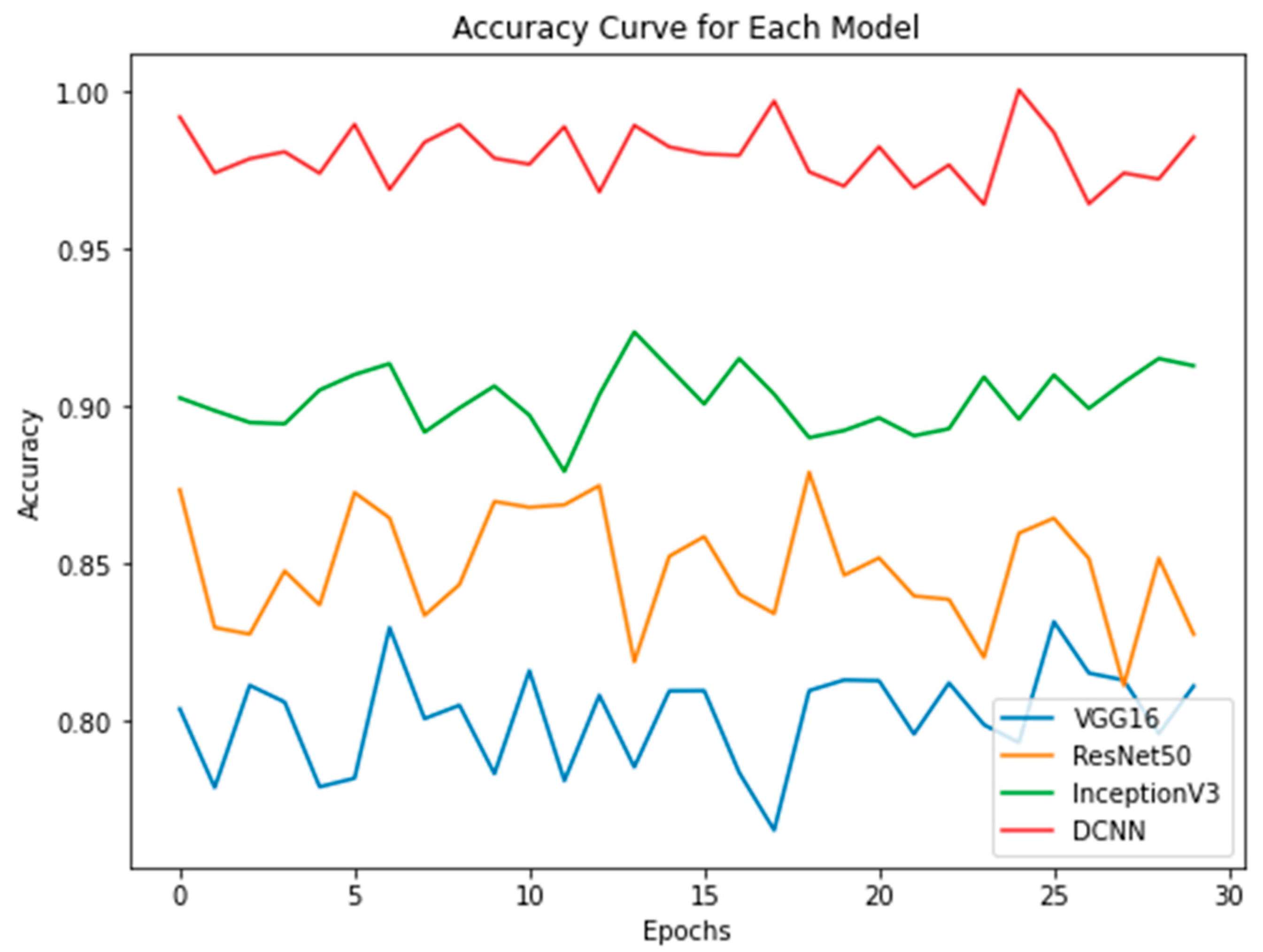
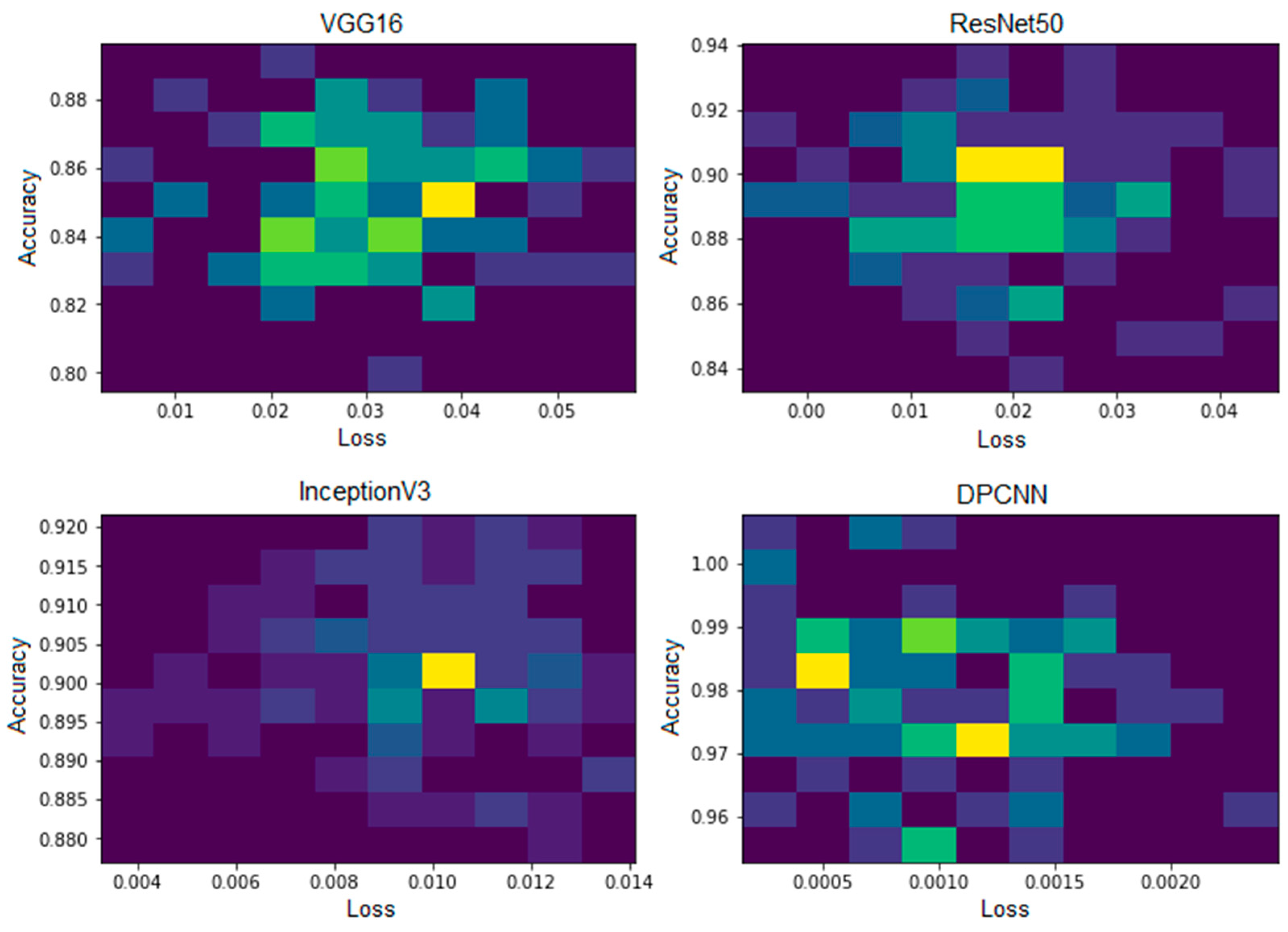
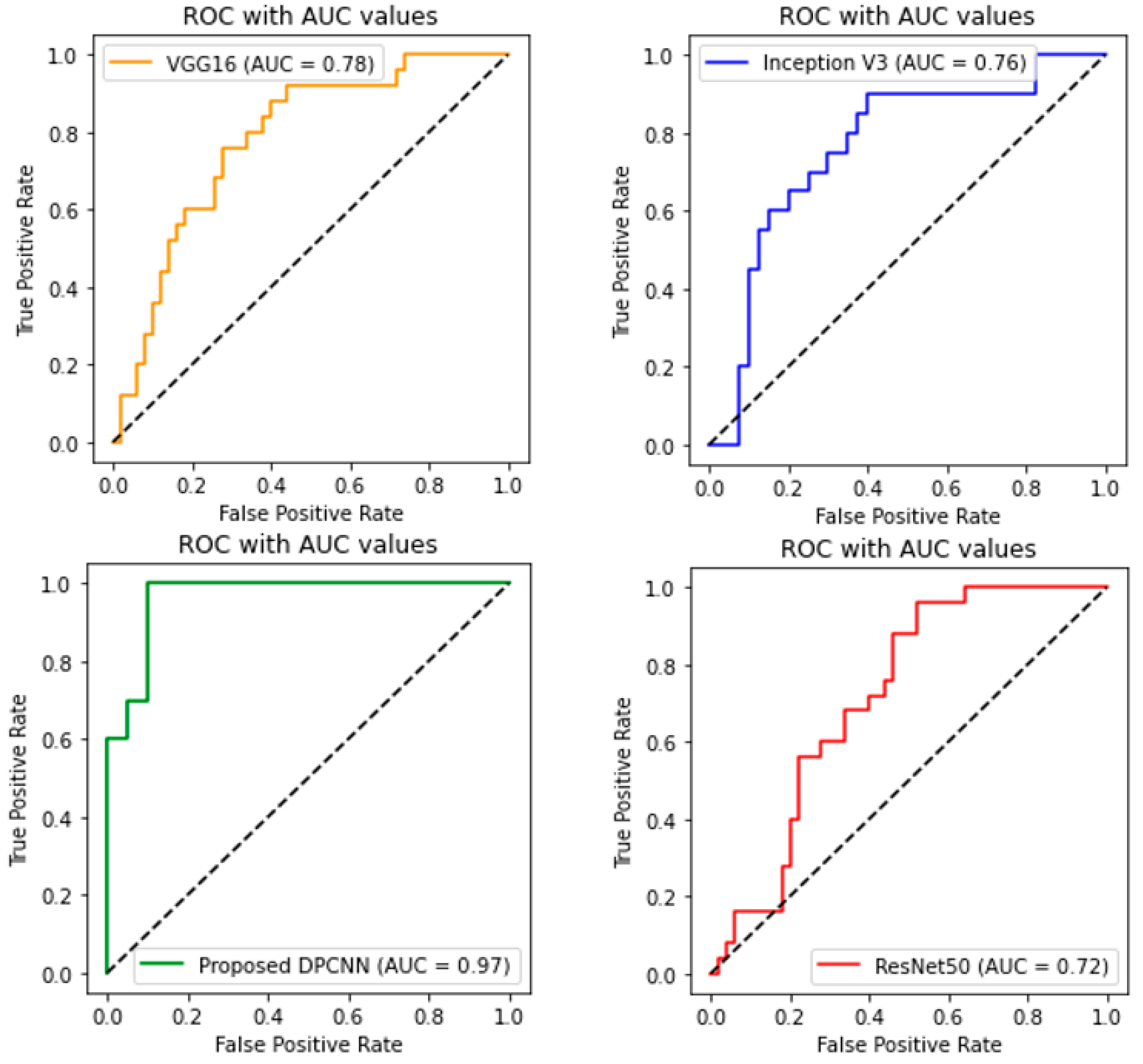
Fibroids of the uterus are a common benign tumor affecting women of childbearing age. Uterine fibroids (UF) can be effectively treated with earlier identification and diagnosis. Its automated diagnosis from medical images is an area where deep learning (DL)-based algorithms have demonstrated promising results. In this research, we evaluated state-of-the-art DL architectures VGG16, ResNet50, InceptionV3, and our proposed innovative dual-path deep convolutional neural network (DPCNN) architecture for UF detection tasks. Using preprocessing methods including scaling, normalization, and data augmentation, an ultrasound image dataset from Kaggle is prepared for use. After the images are used to train and validate the DL models, the model performance is evaluated using different measures. When compared to existing DL models, our suggested DPCNN architecture achieved the highest accuracy of 99.8 percent. Findings show that pre-trained deep-learning model performance for UF diagnosis from medical images may significantly improve with the application of fine-tuning strategies. In particular, the InceptionV3 model achieved 90% accuracy, with the ResNet50 model achieving 89% accuracy. It should be noted that the VGG16 model was found to have a lower accuracy level of 85%. Our findings show that DL-based methods can be effectively utilized to facilitate automated UF detection from medical images. Further research in this area holds great potential and could lead to the creation of cutting-edge computer-aided diagnosis systems. To further advance the state-of-the-art in medical imaging analysis, the DL community is invited to investigate these lines of research. Although our proposed innovative DPCNN architecture performed best, fine-tuned versions of pre-trained models like InceptionV3 and ResNet50 also delivered strong results. This work lays the foundation for future studies and has the potential to enhance the precision and suitability with which UF is detected.
Keywords: deep convolutional neural networks; ResNet; VGG; Inception; tumor detection; medical imaging; computer-aided diagnosis; smart healthcare deep convolutional neural networks; ResNet; VGG; Inception; tumor detection; medical imaging; computer-aided diagnosis; smart healthcare