1. Introduction
In the modern electrical power industry, managing efficient power transmission has been an integral approach to maintaining the optimal energy requirement in grid operations. The primary interest lies in maintaining an uninterrupted power supply while preserving operational limits. The operational limits can be categorized into thermal, voltage and stability limits of the electrical power system framework. The urge to maximize profit in power transactions has led electrical utilities to create a competitive energy market. This competitive environment of profit maximization has led to the excessive overloading of the transmission corridors beyond their design capacity. This scenario of overburdening the transmission corridors can affect the operational limits and may create congestion in the transmission system [
1]. In such conditions of congestion, the System Operator (SO) analyzes the effect of the congestion and implements market-based electricity regulations to mitigate the overloading scenario and maintain the operational limits. The extensive rising demand for electricity and the limitation of the extension of the transmission infrastructure have intensified the issue of power flow congestion in the power system framework [
2].
In power system operations, CM has been observed as a growing concern due to the structural and policy transformation related to electricity generation, market operations and demand in power consumption. The integration of renewable energy sources into distant geographic locations has led to transmission bottlenecks as the power generation sites of the renewable sources are far from the major load centers. In addition to this, the influence on EVs, data centers, and modern electrification can significantly alter the demand patterns while increasing stress on the grid infrastructure that has been designed for the predicted power flows. The existence of the competitive electricity market and the economical optimal dispatch can exacerbate the transmission line constraints, leading to locational price differences and congestion costs. The growing penetration of distributed energy sources has led to bidirectional power flows and variability, which have increased the transmission- and distribution-level congestion risks. Consequently, the issue of congestion has emerged as a systematic challenge that affects the economic efficiency, reliability, and feasibility of power system performance.
The congestion in transmission channels may rise due to factors like transmission line faults, generator outages, demand and generation mismatches, and unforeseen power transfers. The existence of congestion in the electrical grid may influence the sharp rise in market prices, degradation in system reliability, and power supply disruption to the consumers. Therefore, the alleviation of the overburdening of the lines and managing the congestion becomes the primary concern for the SO. Thus, to maintain stable grid operation for the grid, it is important to implement efficient CM strategies. Commonly used CM approaches include generator rescheduling, reactive power compensation, demand management, demand response programs, and network reinforcement [
3].
The remaining part of the manuscript has been organized as follows:
Section 2 highlights the literature survey;
Section 3 provides the mathematical formulation of the CM problem;
Section 4 highlights the formulation of the ZOA-SCA, its performance, and statistical analysis with benchmark functions; and
Section 5 portrays the Results and Discussion with the application of the ZOA-SCA for CM.
2. Literature Survey
In power system research, there has been a significant contribution by researchers in the field of CM. Christy and P. R. Jeyaraj proposed an adaptive Lyapunov-based approach integrated with a Graphical Deep Convolutional Neural Network (GDCNN) to enhance congestion control and energy management in smart grids, offering improved reliability and faster dynamic responses [
4]. Zaidan and Toos developed a CM strategy utilizing FACTS devices with their optimal positioning in the grid to alleviate congestion during severe power demand. Their work does not consider the integration of AC optimal power-based placement considering voltage and reactive power constraints [
5]. In another study, Wang et al. investigated CM through system frequency regulation and the inclusion of distributed energy resources (DERs) as ancillary service providers. The work does not consider the explicit battery degradation and lifetime cost modeling within the optimization layer [
6]. Khrazian et al. introduced a second-order normal form approach for power system congestion models that represents nonlinear rotor angle and voltage dynamics, particularly under heavy loading conditions, that provides a foundation for extending the method to larger grids [
7]. Attar et al. proposed a flexibility platform that facilitates market-based coordination between Transmission System Operators (TSOs) and Distribution System Operators (DSOs), enabling improved decision-making through a metadata-based information registry. In addition to this, the research conducted could be enhanced based on the market power and strategic bidding analysis under integrated intraday and balancing market participation [
8]. Zakaryaseraji and Ghasemi-Marzbali analyzed CM from the consumer’s perspective by combining distributed generation impacts with demand response effects. The authors could have considered the stochastic or scenario-based optimization to rigorously model wind generation uncertainty beyond probabilistic estimation [
9]. Roustaei et al. suggested a voltage-stability-oriented CM framework designed to enhance power flow management while maintaining voltage security across the transmission grid. The authors could have addressed the lack of multi-period (time-coupled) optimization that could be used for limiting excessive switching within operational horizons [
10]. Larijani and Dehghani proposed a secure framework that ensures dynamic pricing for efficient supply–demand coordination in the congestion scenario. The proposed methodology reduces computational and communication overhead and demonstrates strong resistance to common cyberattacks compared to earlier approaches in the grid network [
11]. In another approach, Dehnavi et al. proposed a decentralized CM model that partitions the power network and applies distributed control mechanisms for effective congestion alleviation. The authors could have considered probabilistic or stochastic optimization to rigorously model uncertainty occurrence instead of heuristic prioritization between day-ahead and real-time stages [
12].
In CM, Generator Rescheduling (GR) plays a pivotal role in optimizing power generation dispatch to alleviate transmission congestion. This approach maximizes the utilization of existing transmission assets, reducing the need for costly and rapid grid expansions. GR focuses on effectively managing generator power outputs while adhering to system constraints. Researchers have extensively explored GR-based techniques to enhance power system operations. Subramaniyan and Gomathi formulated a fuzzy-based framework with the integration of GA to alleviate congestion in the grid network [
13]. Similarly, Chakravarthi et al. introduced an efficient real-time controller that incorporates dynamic parameters from both GR and electricity markets to address congestion issues. The work misses the BESS degradation, state-of-charge dynamics over multi-period horizons, and lifecycle cost impacts [
14]. Further, Srivastava and Yadav proposed a hybrid metaheuristic algorithm for optimizing generation patterns under GR to minimize congestion [
15]. Sheida et al., in their study, proposed an advanced secondary control strategy for islanded microgrids using reinforcement learning to regulate voltage and frequency more effectively. The adaptive controller dynamically tunes its parameters and outperforms conventional PI control by achieving faster frequency recovery and improved voltage regulation in a two-DG microgrid system [
16]. Ogunwole and Krishnamurthy developed a CM approach with the optimal scheduling of the generators’ active and reactive power for mitigating the congestion. The work does not consider the FACTS devices, demand response, or energy storage coordination alongside generator rescheduling [
17]. Sial et al. mitigated congestion with the optimal placement of an Interline Power Flow Controller (IPFC) in restructured power systems using an enhanced Sperm Whales Swarm Optimization algorithm, aiming to minimize generation cost, congestion cost, and power losses while improving the voltage profile. The CM approach’s effectiveness has been evaluated on an IEEE 14-bus system and performed effectively, demonstrating superior economic and technical performance and indicating its potential for practical large-scale applications [
18]. Prajapati et al. explored the impact of renewable energy uncertainties on generation scheduling and their influence on transmission congestion reduction [
19]. Yeznabad and Dehghani proposed an effective approach for load balancing in the distribution grid with the formulation of GWO. The research highlighted that GWO performance has been efficient as compared to the other peer optimization algorithms [
20]. In another study, Thiruvel et al. integrated GR with optimal distributed generation (DG) capacity planning to tackle congestion issues [
21]. Balaraman and Kamaraj applied Particle Swarm Optimization (PSO) to implement GR in deregulated power markets, effectively resolving transmission bottlenecks [
22]. Saravanan and Anbalagan developed a hybrid GA–PSO model for achieving optimal GR for CM. The work does not highlight the convergence robustness and computational complexity of the hybrid DA-MRFO method for large-scale systems [
23]. Haq et al. incorporated Plug-in Hybrid Electric Vehicles (PHEVs) within a game-theoretic GR framework to reduce grid congestion. The authors could have considered the comparative benchmarking with centralized optimization or MPC-based approaches to quantify performance gains [
24]. Verma and Mukherjee utilized the Ant Lion Optimizer for optimal generator power adjustments [
25].
The increasing emphasis on maximizing profits while minimizing operational costs in modern power markets has created a strong demand for advanced optimization algorithms capable of efficiently minimizing transaction-related expenses. While traditional optimization techniques have shown effectiveness in certain cases, their inherent limitations often make metaheuristic approaches more suitable alternatives. Metaheuristic algorithms maintain an effective balance between diversification (broad exploration of the search space) and intensification (focused exploitation of promising regions). This dual capability enables them to avoid premature convergence and escape local optima, thereby enhancing their potential to identify global or near-optimal solutions.
In this work, a hybrid strategy is employed to design a robust optimization technique by integrating the ZOA with the SCA, referred to as ZOA-SCA. The objective of this integration is to exploit the strong local search capability of the ZOA while benefiting from the effective global exploration mechanism of the SCA, thereby harnessing the advantages of both methods. Since the conventional ZOA suffers from issues such as restricted long-range movement and prolonged convergence time, the inclusion of the SCA’s enhanced exploration characteristics significantly improves the algorithm’s search diversity and convergence behavior. By embedding the SCA within the exploitation stages, the proposed approach achieves a more accurate search and defense mechanism. As a result, the balance between exploration and exploitation in the ZOA is substantially improved.
The integral philosophy in this research is reflected in its focus on minimizing congestion costs and rescheduling expenses, enabling the application of advanced and efficient optimization strategies that demonstrate superior performance compared to existing methods. A key contribution of this research is the development of a mathematical formulation for congestion cost minimization that incorporates the newly proposed ZOA-SCA algorithm.
Moreover, the selection and fine-tuning of algorithmic control parameters play a crucial role in determining the quality and stability of the solutions obtained. Consequently, researchers have developed effective congestion management (CM) frameworks that integrate evolutionary and swarm-based algorithms to achieve optimal outcomes in power system optimization problems.
It must also be noted that according to the “No Free Lunch (NFL) Theorem”, “No single optimization algorithm works best for all possible problems” [
26]. This signifies that the development of every optimization algorithm is a general formulation for all optimization problems, but its application and efficiency depend upon the framework of the engineering optimization problem to which the optimization technique will be applied.
However, the primary contribution of this work lies in its domain-specific adaptation and application to the Economic Operation of Power Systems. In particular, the proposed method (the formulation of the ZOA-SCA and the congestion management optimization problem) has been carefully tailored/formulated to address key characteristics of power system operation, including generator constraints, cost functions, and system-specific operational limitations that significantly address the economic operation of the power system.
Moreover, the hybrid Zebra Optimization Sine Cosine Algorithm (ZOA-SCA) has been formulated with the ZOA and the SCA. From the literature survey included in the revised manuscript, it can be observed that the ZOA and the SCA both individually have performed efficiently for similar power system economic operation. Considering this efficient performance, the hybrid ZOA-SCA has been formulated for the power system congestion management optimization problem. For the Economic Operation of Power Systems, the ZOA-SCA has been implemented on the congestion cost function designed for the minimization of congestion cost. Its effective performance has been measured on test systems like the IEEE 30-bus and the larger system of the IEEE 118-bus. The ZOA-SCA has been used for optimal scheduling for the real power of the generators, thus making it potent for optimal generator output for cost minimization and adhering to the Economic Operation of Power Systems.
The above discussion emphasizes that while the optimization framework is general in nature, its novelty in this work has been based on its formulation and structured integration with validated performance within the context of economic power system operation.
Contribution
A CM scheme is formulated to optimally regulate the rescheduled real power outputs of generating units in the power system.
An improved hybrid ZOA-SCA has been introduced as an effective optimization method to reduce congestion costs through the optimal modification of generator real power outputs.
Standard benchmark test functions are used to assess the performance of the proposed ZOA-SCA, and its applicability is validated on the IEEE 30-bus and IEEE 118-bus test systems, where effective congestion relief is achieved with minimal rescheduling expenses.
Comparative analyses are carried out to demonstrate the superiority of ZOA-SCA over other contemporary optimization techniques in terms of congestion cost, voltage profile enhancement, and system power losses.
4. Hybrid Zebra Optimization Algorithm–Sine Cosine Algorithm (ZOA-SCA)
4.1. Zebra Optimization Algorithm (ZOA)
This section highlights the basic concepts behind the mathematical modeling of the ZOA. The ZOA framework has been formulated with the natural behavior of zebras in search of food. ZOA execution depends on the two key behavioral characteristics of zebras in the wild, which can be designated as foraging habits and coordinated defense mechanisms against predators.
The foraging stage highlights the efficient behavior of a zebra that guides the group of zebras toward food sources. The movement of the group is determined systematically across open plains under its direction. The defensive mechanism adapted by the zebras against predators indicates rapid, intricate zigzag movements to evade attacks. They also unite and display bold, coordinated actions to startle or deter the predators.
The zebra in the group signifies a potential candidate solution for the objective function related to the optimization problem. The position of the zebras in the search space corresponds to specific decision variable values. Each zebra is expressed as a vector, while the entire population is represented as a matrix. This population matrix, defining ZOA, can be formulated as follows:
where
represents the total zebra population,
denotes the
zebra within the search domain,
corresponds to the value of the
decision variable suggested by
the zebra,
indicates the total number of zebras, and
refers to the number of decision variables.
Each zebra corresponds to a potential solution for the optimization task. Consequently, the objective function is computed using the variable values suggested by every zebra. The resulting objective function evaluations are then represented collectively in a vector, as expressed in Equation (11).
The value of the objective function corresponding to the ith zebra indicates the quality of its associated solution. By comparing these values, the algorithm can determine which candidate solution performs best. For minimization tasks, the zebra yielding the smallest objective value represents the optimal solution, whereas for maximization tasks, the zebra with the largest objective value is considered the best.
The ZOA update mechanism is inspired by two key natural behaviors observed in zebra herds:
- (i)
Their foraging activities.
- (ii)
Their defensive responses to predators.
4.1.1. Foraging Behavior
In the first phase, the positions of the population members are adjusted by emulating the way zebras search for food. Zebras primarily feed on grass and sedges, though in periods of limited availability, they may also consume buds, fruits, bark, roots, and leaves. Depending on the condition and abundance of vegetation, they typically spend around 60–80% of their time grazing [
27]. Within zebra groups, the plains zebra acts as a pioneer grazer by eating the taller, less nutritious upper grass layers, enabling access to the shorter, more nutritious grasses for other species. In the ZOA framework, the best candidate solution is treated as this pioneer zebra, guiding the remaining population toward its location within the search space. Accordingly, the position updates during the foraging phase are mathematically formulated using Equations (13) and (14).
Here, represents the updated position of the zebra during the first phase, and denotes its value in the dimension. The corresponding objective value is given by . The pioneer zebra refers to the best-performing individual, with indicating its coordinate in the dimension. The term is a random variable uniformly distributed in , while , with rand also sampled from . Consequently, can take values 1 or 2, and when , the population experiences a greater degree of movement or variation.
4.1.2. Defense Strategies Against Predators
In the second phase, the positions of ZOA population members are revised by imitating how zebras defend themselves from predators. Although lions are their primary hunters, zebras may also be targeted by cheetahs, leopards, wild dogs, brown and spotted hyenas, and occasionally crocodiles when near water sources. Their defensive behavior changes depending on the predator involved. When lions attack, zebras typically flee using zigzag movements and unpredictable sideways turns. In contrast to this, when the group of zebras is subjected to small predators like hyenas or wild dogs, the behavior of the zebras changes, and they respond aggressively by grouping together to intimidate and confuse the attacker.
Within the ZOA framework, it is assumed that two scenarios occur with equal likelihood:
- (i)
A lion attack, prompting the zebra to adopt an escape-oriented strategy;
- (ii)
An attack from other predators, causing the zebra to employ an offensive, group-based defense.
The escape behavior during lion attacks is represented mathematically by mode S1 in Equation (15). Conversely, the coordinated defensive response toward smaller predators is captured using mode S2 in Equation (16). After applying either strategy to update the zebra’s location, the new position is retained only if it yields a better objective function value, as defined by the update rule in Equation (16).
The term represents the updated position of the zebra during the second phase, while denotes its value in the dimension. The corresponding objective function value is given by . In this context, refers to the current iteration, and indicates the total number of iterations allowed. Parameter is set to 0.01, and is the probability that portrays the phenomenon of selecting between the two strategies, generated randomly within the range [0, 1]. The vector denotes the position of the zebra under attack, with representing its value in the dimension.
4.2. Sine Cosine Algorithm
The core mechanism of Sine Cosine Algorithm (SCA) relies on sine and cosine mathematical functions to guide both exploration and exploitation throughout the optimization process, and this mechanism can be expressed in Equations (17) and (18) with the components of sine and cosine individually as follows [
28]:
The term
denotes the position of the current solution at iteration
in the
dimension. The variables
and
represent randomly generated numbers, while
refers to the position of the target optimal solution. The coefficient
serves as a regulating factor that gradually decreases from an initial constant value
to zero over successive iterations, helping the algorithm maintain an appropriate balance between exploration and exploitation. For mathematical representation, Equations (17) and (18) can be combined into a single equation to represent the SCA framework, which can be formulated as:
4.3. Formulation of Hybrid Zebra Optimization Algorithm–Sine Cosine Algorithm
The Zebra Optimization Algorithm (ZOA) exhibits decent search capabilities, but it often fails to reliably converge to the global optimum across different optimization problems. To overcome these limitations and enhance its overall performance, the ZOA has been hybridized with the Sine Cosine Algorithm (SCA), resulting in the ZOA–SCA approach.
4.3.1. Explorations Phase
As indicated in Equation (13), during the exploration phase, the zebras randomly select locations within the search space to simulate the guided path for the food. However, the large spatial separation and prolonged waiting behavior may reduce search efficiency. By embedding SCA-based position update mechanisms into Equation (13), the proposed hybrid strategy significantly enhances exploration effectiveness and accelerates convergence. The mathematical formulation of the ZOA-SCA can be expressed as follows:
Equation (20) represents the modified exploration phase of the ZOA with the inclusion of the features of the SCA in the framework of the original ZOA.
4.3.2. Exploitation Phase
The integration of the Sine Cosine Algorithm (SCA) into the exploitation stage—particularly within Equations (19)–(22) and (27)–(28)—substantially enhances the defense ability of the zebras and their ability to locate food. This improvement enables more focused behavior of the zebras to defend themselves from predators. The revised exploitation mechanism is formulated as follows:
In Equation (21), the exploitation strategy of the ZOA has been modified with the inclusion of the sine component of the SCA features in the original ZOA exploitation equations, thus making exploitation efficient in the formulation of the ZOA-SCA.
In a similar manner, Equation (22) represents the modified exploitation strategy of the original ZOA with the inclusion of the cosine feature from the SCA in the original ZOA framework. This sine feature in Equation (21) and the cosine feature in Equation (22) enhance the exploitation capability of the ZOA for the CM problem. Equations (21) and (22) can be combined and represented as Equation (23):
The novelty of the proposed work lies not merely in combining two algorithms (ZOA and SCA) but in the specific integration strategy, adaptive information-sharing mechanism, and problem-specific modification of having been designed for congestion management.
Unlike the conventional hybrid optimization algorithm framework that sequentially or loosely couples algorithms, the proposed ZOA-SCA has introduced a structured cooperation mechanism that enhances exploration–exploitation balance, convergence stability, and solution robustness. Furthermore, comparative performance analysis and statistical validation have been included to demonstrate the practical advantage of the proposed hybridization.
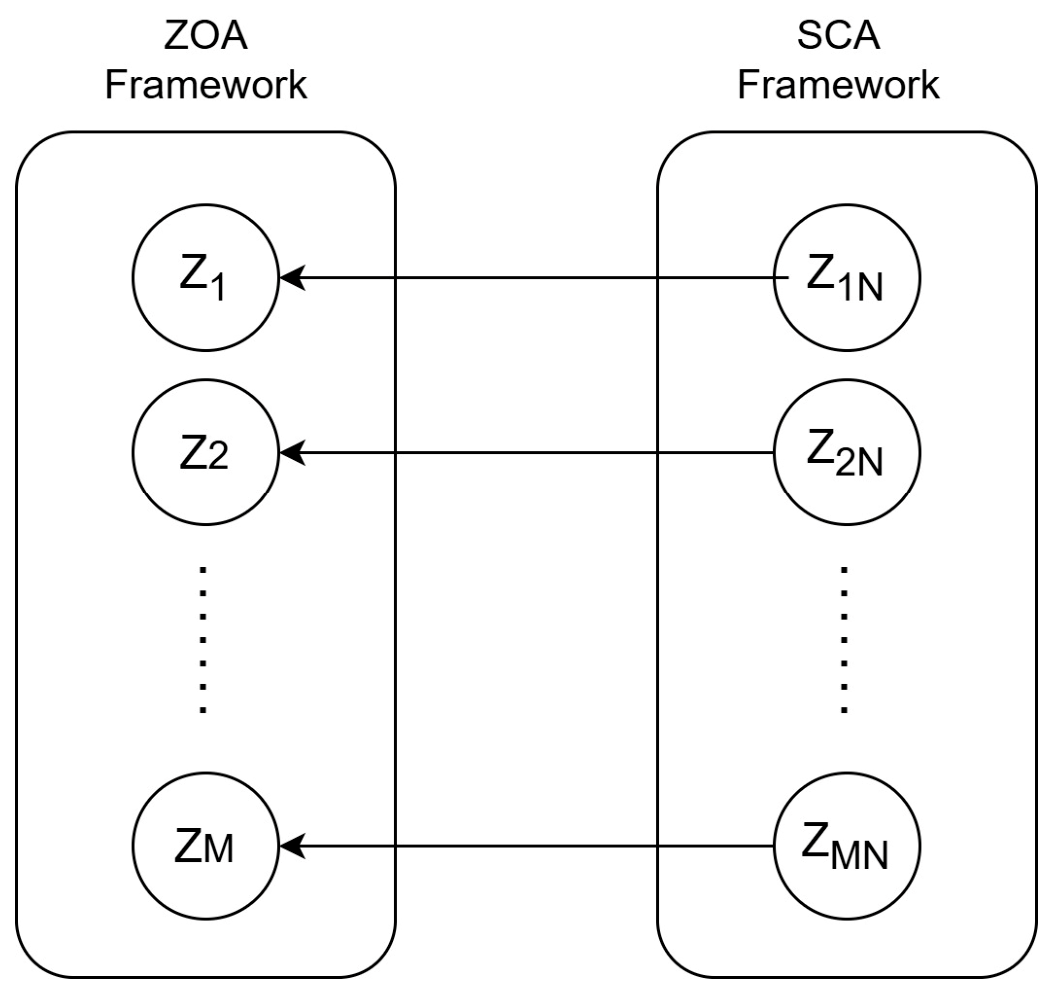
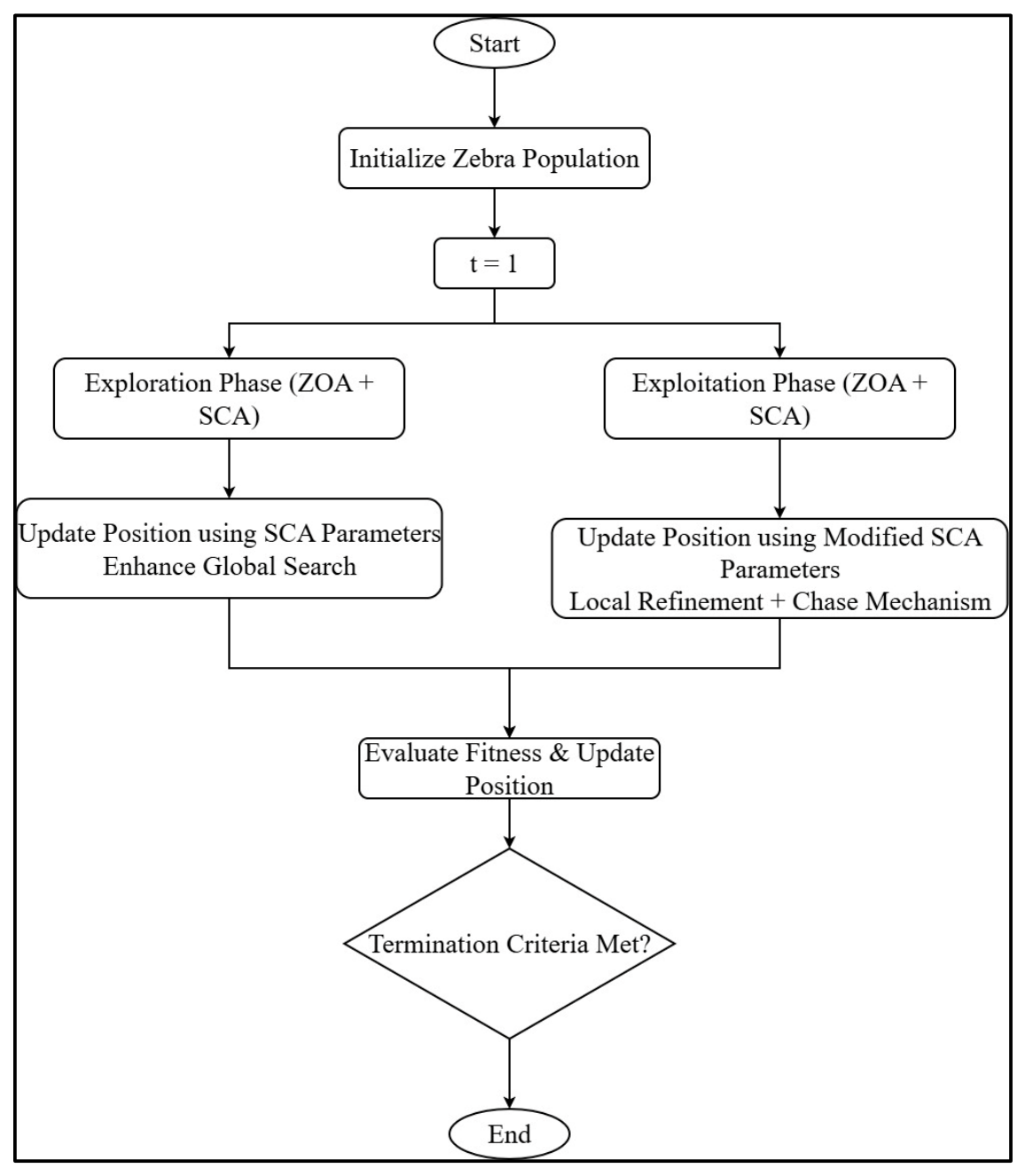
The ZOA-SCA performs based on a dual-tier architecture in which the SCA tier serves to enhance the candidate solutions produced by the ZOA tier. The structure consists of M search agents in the ZOA tier, each corresponding directly to one of M distinct clusters in the SCA tier. Every cluster is made up of N individual SCA members. The optimization cycle initiates with SCA operations calculating fresh potential locations. Subsequently, the top-performing solution discovered within each SCA cluster is recorded by its matching ZOA agent. These superior solutions are then used to update the coordinates of the ZOA agents. Ultimately, this hierarchical dynamic leads to the development of novel mathematical equations that govern both the exploration and exploitation stages of the algorithm. The overall architecture of this framework is depicted in
Figure 1.
To clarify the hybridization strategy, the structured cooperation mechanism of the ZOA-SCA fundamentally differs from simple sequential execution. Instead of running the ZOA and SCA independently, the mathematical operators of the Sine Cosine Algorithm are deeply embedded into the positional update phases of the Zebra Optimization Algorithm. Specifically, during the predator evasion phase of the ZOA, the standard random step size is replaced by the sine and cosine dynamic transition parameters defined in Equation (20). This structured integration ensures that the position of the search agents is mathematically constrained to oscillate outwards (exploration) during early iterations and strictly inwards (exploitation) during later iterations. By explicitly tying the ZOA search agents’ positional updates to the SCA’s monotonically decreasing amplitude control parameter, the algorithm achieves a highly synchronized and structured balance, preventing the loose coupling issues that typically cause hybrid algorithms to stagnate.
4.4. Performance Analysis of ZOA-SCA on Conventional Benchmark Functions
In this section, the effectiveness of the proposed algorithm applied to the optimization problem has been assessed. The algorithm’s capability has been examined by applying it to a collection of 23 established benchmark problems. These benchmarks cover unimodal, high-dimensional multimodal, and fixed-dimensional multimodal functions. The representation of the mathematical functions is given in
Table 1. The results of the proposed method have been compared against four well-known metaheuristic algorithms: WOA, GBO, GA, SCA, and ZOA. The control parameter settings for these algorithms are presented in
Table 2. Each algorithm, including the proposed one, is executed twenty times independently, with each run consisting of 500 iterations. The optimization outcomes for the benchmark functions are summarized using two metrics: the mean value of the best solutions obtained (avg) and the corresponding standard deviation (std). In
Table 2, the outcome represents the benchmark function values (e.g., mean and standard deviation) evaluated over multiple independent runs. As the minimization objective has been considered for the evaluation of the benchmark functions for the optimization problem, a smaller value indicates superior performance, signifying that the algorithm has found a solution closer to the true global minimum (which is theoretically zero for many of these standard functions).
Unimodal functions F1 to F7 serve as an effective benchmark for assessing the exploitation capability of optimization algorithms WOA, GBO, GA, SCA, ZOA, and ZOA-SCA. The outcome of these unimodal functions has been listed in
Table 2. The findings indicate that the ZOA-SCA demonstrated strong exploitation ability by successfully achieving the global optimum for F6. Additionally, the ZOA-SCA ranks as the top-performing algorithm for F1, F2, F3, F4, F5, and F7. Overall, the simulation outcomes reveal that the ZOA-SCA consistently outperforms all the other competing algorithms when applied to unimodal benchmark functions F1 through F7.
The high-dimensional multimodal functions (F8 to F13) have been implemented for assessing the exploration capabilities of the optimization algorithm.
Table 2 summarizes the performance of the proposed ZOA-SCA and its comparison with other algorithms on these functions. Owing to its strong exploratory ability, ZOA-SCA successfully reaches the global optimum for functions F9 and F11 after locating their optimal regions. It also ranks as the top-performing algorithm for F10 and F12. For F8, ZOA-SCA places fourth, following the WOA, GBO, and SCA, while for F13, it secures the second-best position after GBO. Overall, the results indicate that ZOA-SCA demonstrates robust exploration skills and effectively navigates the search space and overcomes the local optima.
The fixed-dimensional multimodal functions F14 to F23 are designed to test the ability of the optimization algorithms to explore and locate optimal regions within low-dimensional search spaces. ZOA-SCA’s performance is low on functions F15 and F20. However, for functions F14, F16, F17, F18, F19, F21, F22, and F23, the simulation results indicate that although ZOA-SCA achieves average values comparable to several competing methods, it exhibits superior standard deviation values, reflecting more consistent performance. This suggests that ZOA-SCA is a more reliable optimizer for these functions. Overall, the results demonstrate that ZOA-SCA outperforms the nine competitor algorithms on fixed-dimensional multimodal benchmarks.
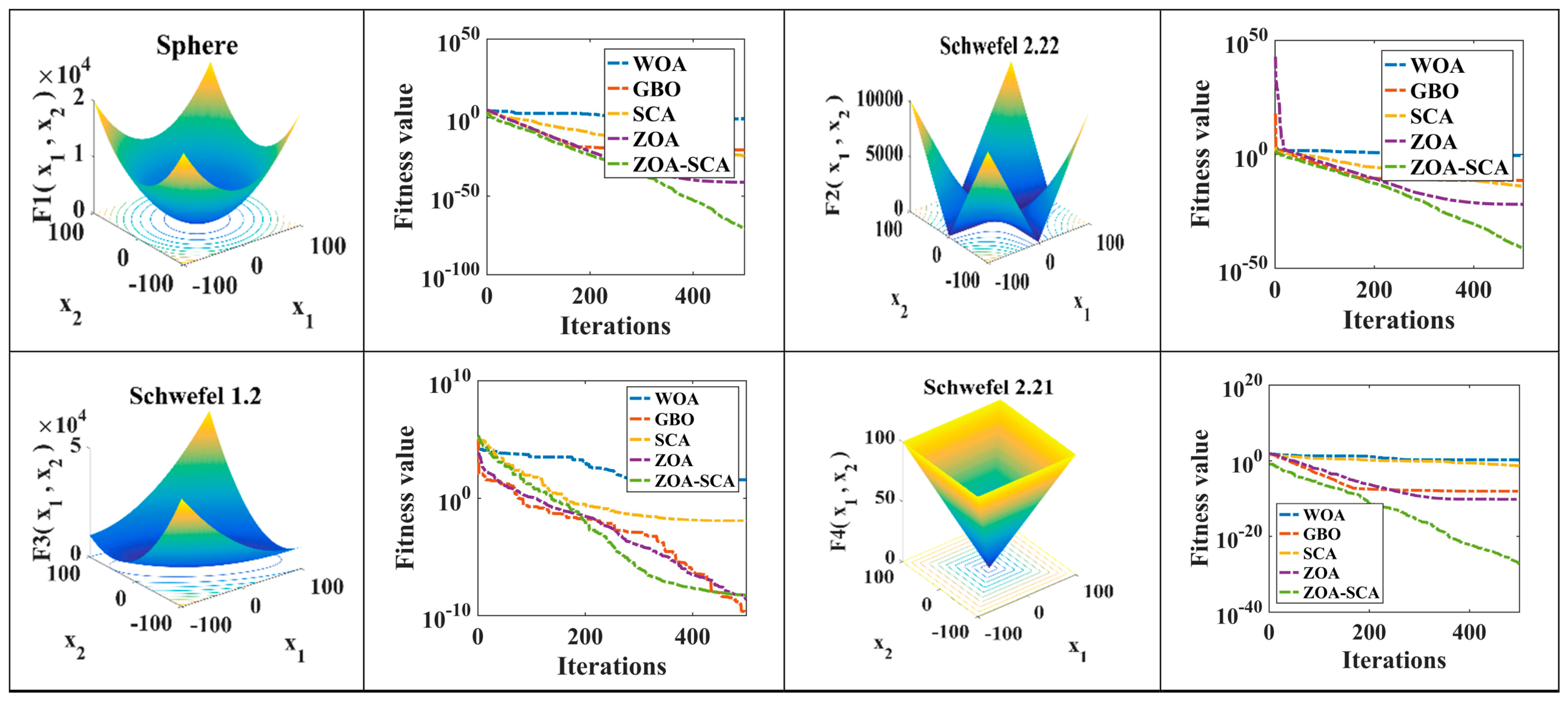
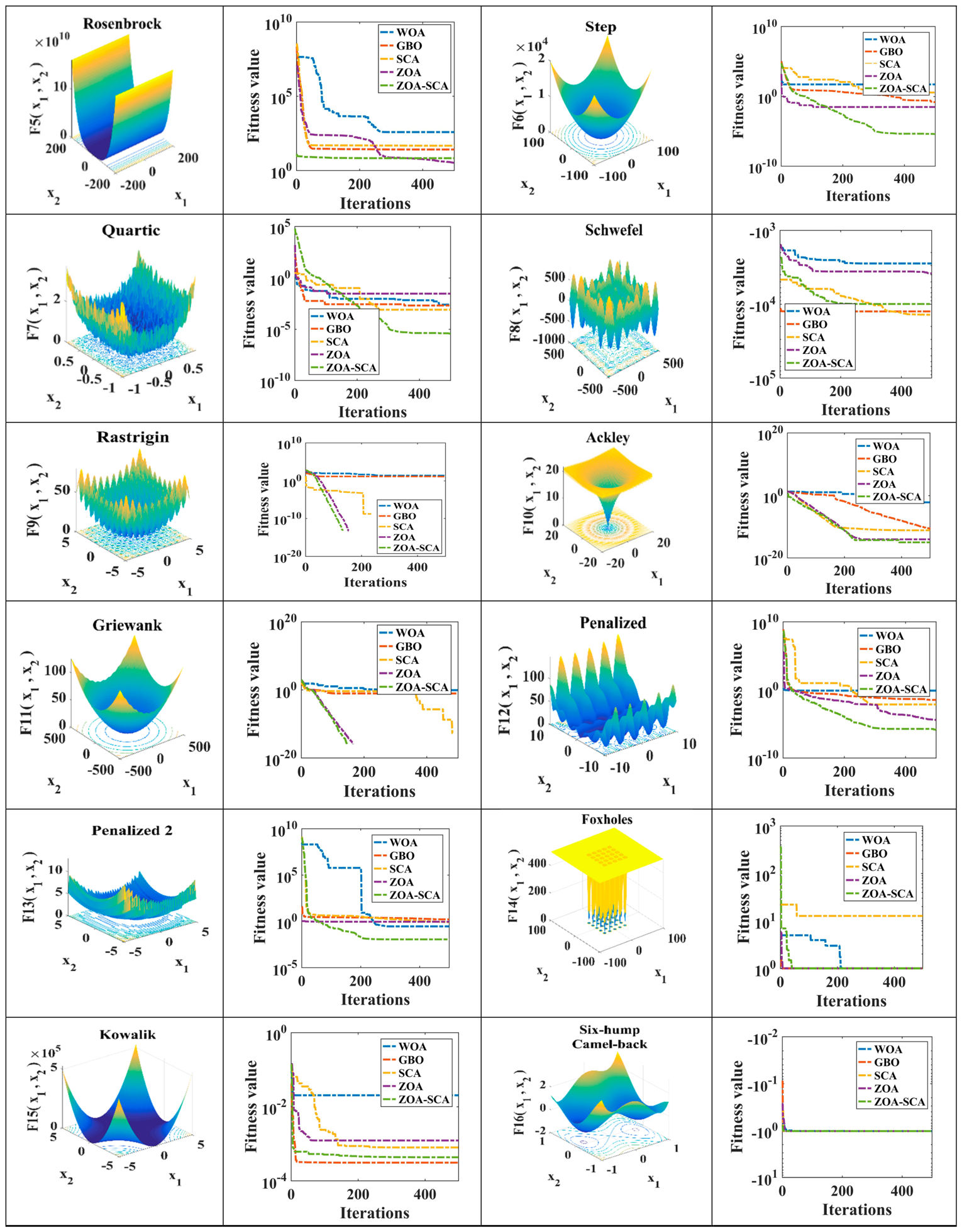
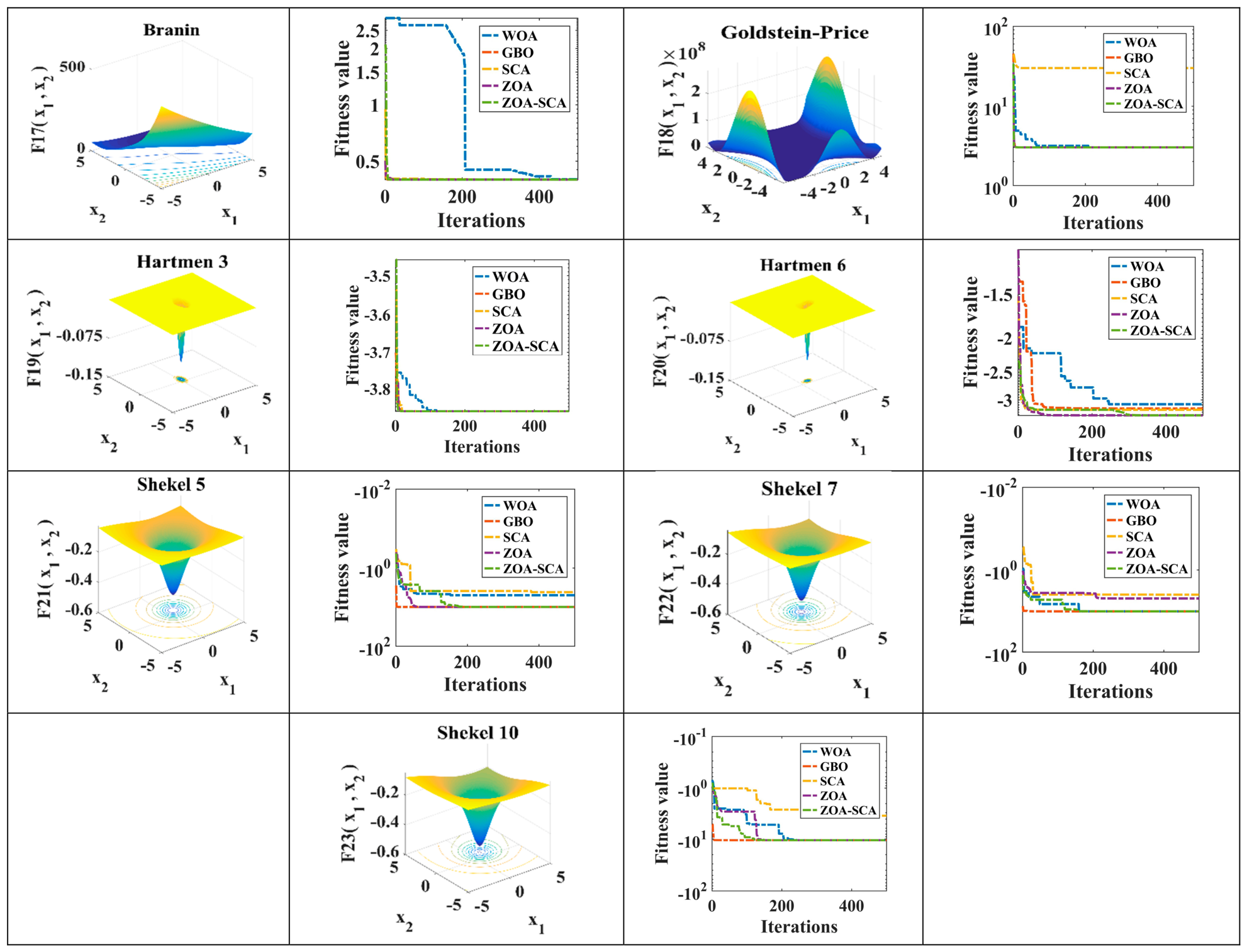
Figure 2 presents the comparative convergence profile of the benchmark functions for ZOA-SCA, SCA, ZOA, WOA, and GBO. The flow chart for ZOA-SCA integration is given in
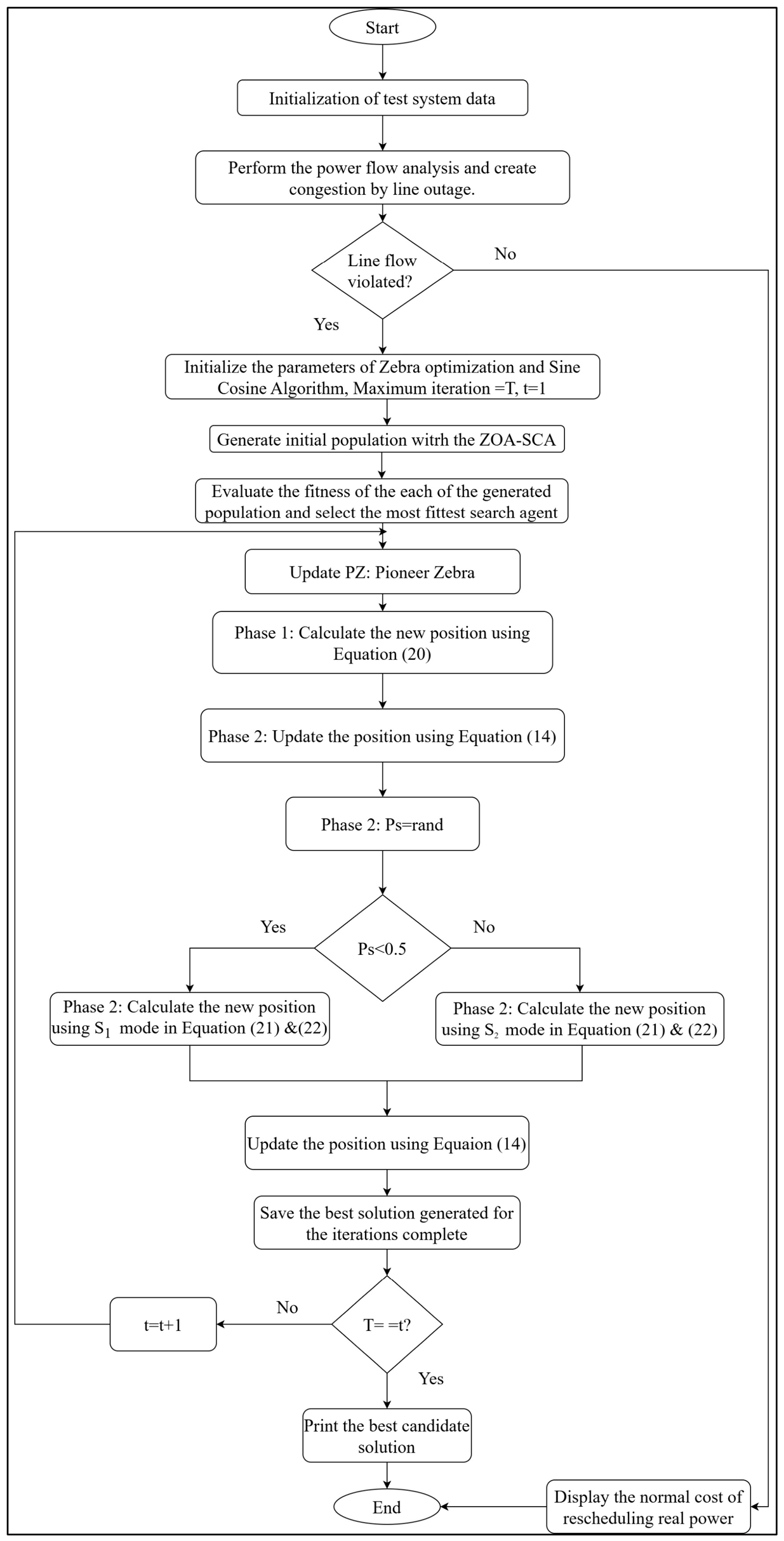
Figure 3. The flow chart for CM with the ZOA-SCA is presented in
Figure 4. The ZOA-SCA’s pseudocode is given in Algorithm 1.
| Algorithm 1. Pseudocode for CM with ZOA-SCA |
| Begin ZOA-SCA procedure. |
| 1. Provide the details of the ZOA-SCA CM optimization problem. |
| 2. Set the maximum iteration count (T) and the zebra population size (N). |
| 3. Randomly generate initial positions of zebras and compute the CM objective function values. |
| 4. For each iteration with ZOA-SCA t = 1 to T: |
| 5. Determine the current leading zebra (PZ). |
| 6. For each zebra i = 1 to N: |
| 7. Stage 1: Foraging phase |
| 8. Compute the updated position of the ith zebra using Equation (14). |
| 9. Modify its position according to Equation (20). |
| 10. Stage 2: Predator avoidance phase |
| 11. Generate a random probability Ps. |
| 12. If Ps < 0.5: |
| 13. Apply Strategy 1 (lion attack: exploitation mode) using S1 in Equations (21) and (22). |
| 14. Else: |
| 15. Apply Strategy 2 (other predator: exploration mode) using S2 in Equations (21) and (22). |
| 16. End If |
| 17. Update the zebra’s position according to Equation (14). |
| 18. End For |
| 19. Record the best solution identified up to the current iteration. |
| 20. End For |
| 21. Return the optimal solution obtained by ZOA-SCA. |
| Terminate ZOA procedure. |
4.5. Performance and Statistical Analysis on CEC2022 Functions
The CEC 2022 test functions have been considered for the performance evaluation of the ZOA-SCA. In the CEC2022 benchmark performance analysis, each algorithm is executed independently 30 times with a population size of 20. The maximum number of iterations is set at 500. The details of the CEC 2022 function can be found in [
29]. The implemented optimization techniques’ performance has been evaluated by establishing a comparative solution with the known global optima of the test functions. The outcome highlighted in
Table 3 includes the mean (Avg) and standard deviation (Std) values delivered by the optimization approaches when tested on the benchmark functions. The mean reflects the optimization accuracy, and the standard deviation indicates the robustness and stability of the search process.
In the CEC2022 functions, F1 represents a unimodal function; F2–F5 are categorized as basic functions; F6–F8 are hybrid functions; and F9–F12 are composition functions. These categories enable comprehensive evaluation from multiple perspectives that include convergence behavior, exploration capability, and robustness. From
Table 3, it can be observed that ZOA-SCA demonstrated consistent competitive performance across nearly all functions in 20-dimensional cases. Its superiority over the original ZOA can be attributed to the hybridization of ZOA with the inclusion of the SCA framework. The hybridization provided strong global search capability and convergence speed and provided underperforming individuals with opportunities to improve. This has increased the likelihood of discovering superior solutions. It can be observed that ZOA-SCA has ranked within the top three for most functions, specifically F1–F4, F7–F10, and F12, highlighting its stronger capability in handling high-dimensional optimization problems compared to the standard optimization algorithm considered in the comparative analysis.
4.6. Friedman Test Results for Applied Algorithms
The Friedman statistical test has been performed to provide a more enhanced comparative analysis to evaluate the performance of the ZOA-SCA among the other comparative algorithms. From
Table 4, it can be observed that ZOA-SCA achieves an overall mean rank of 2.25 in the 10-dimensional case, thus outperforming the other implemented algorithms for the CM. This outcome of the statistical test has demonstrated that the hybridization of the ZOA with the SCA has effectively addressed the limitations of the conventional ZOA and delivers superior optimization performance.
4.7. Wilcoxon Rank-Sum Test for Applied Algorithms
The Wilcoxon rank-sum test was performed to assess the effectiveness of enhanced optimization algorithms. This has been utilized to determine whether the observed differences are statistically significant. Accordingly, the Wilcoxon rank-sum test is conducted on the CEC2022 benchmark problems in 20-dimensional settings, using a significance level of α < 0.05 to further substantiate the effectiveness of the ZOA-SCA. The outcomes of the Wilcoxon rank-sum test comparing the ZOA-SCA with each competing algorithm are summarized in
Table 5. In the table, the symbols “+”, “=”, and “−” denote that ZOA-SCA performs better than, equivalent to, or worse than the corresponding algorithm, respectively. A
p-value below 0.05 indicates that the performance difference between the compared algorithms is statistically significant.
The rank-based statistical tests confirm the mathematical superiority of the proposed ZOA-SCA algorithm. In association with this, it is crucial to evaluate the practical significance of these improvements. The ZOA-SCA has been tested on the 20-dimensional CEC2022 benchmark problems, and the proposed ZOA-SCA not only consistently achieved the best average rank but also demonstrated substantially better convergence accuracy compared to the baseline algorithms (WOA, GBO, SCA, and standard ZOA). In the scenario of practical engineering applications, this enhanced ability to successfully bypass local optima and reliably converge toward the global optimum translates into more robust, precise, and cost-effective solutions for complex, high-dimensional design problems. The observed fitness improvements indicate that the ZOA-SCA offers a tangible, real-world performance advantage rather than merely a marginal mathematical edge.
To measure the overall level of agreement in the algorithmic rankings, Kendall’s coefficient of concordance (
W) has been calculated for the Friedman test in
Table 3. The resulting value of
W = 0.433 confirms a strong and significant level of agreement in the superior ranking of the ZOA-SCA across the 12 evaluated functions. To further quantify the true magnitude of this performance advantage, effect sizes have been evaluated for both the Wilcoxon rank-sum and Friedman tests. For the pairwise comparisons assessed via the Wilcoxon rank-sum test in
Table 4, the effect size
r (
) has been computed. The results establish that where the ZOA-SCA achieves statistical significance (
p < 0.05), it does so with substantial effect sizes. Specifically, based on standard effect size thresholds, ZOA-SCA demonstrates a large practical effect against WOA (average
r = 0.74) and SCA (average
r = 0.64) and a moderate practical effect against GBO (average
r = 0.41) and the standard ZOA (average
r = 0.32
$). The comparison based on effect size is given in
Table 6. Collectively, these metrics confirm that the improvements yielded by the proposed algorithm are both statistically significant and practically meaningful.
4.8. Theoretical Properties and Convergence Analysis
The theoretical foundation of ZOA-SCA relies on the seamless transition between exploration and exploitation. The framework of the standard ZOA possesses strong global search capabilities but can suffer from slow convergence rates in complex, high-dimensional spaces. The conventional framework of the ZOA has been enhanced by integrating the Sine Cosine Algorithm (SCA), and the hybrid model theoretically bounds the search agents using trigonometric functions. The sine and cosine mathematical models force the search agents to fluctuate outwards (exploration) and inwards (exploitation) relative to the best-known solution. As the iteration counter increases, the amplitude of these trigonometric functions theoretically decreases, ensuring the algorithm mathematically transitions from a diversified global search to an intensified local search, thereby guaranteeing convergence and preventing stagnation in local optima. In addition to this, it is essential to analyze the theoretical computational complexity of the ZOA-SCA to ensure its practical applicability. Let N be the population size, D be the problem dimension, and Tmax be the maximum number of iterations. The time complexity of initializing the population is O(N × D). The complexity of evaluating the fitness function is O(N). In the main loop, updating the positions using the hybridized ZOA and SCA mechanisms takes O(Tmax × N × D). Therefore, the overall theoretical time complexity of ZOA-SCA is O(N × D + Tmax × N × D), which can be simplified to O(Tmax × N × D). This demonstrates that integrating the SCA to form the ZOA-SCA enhances computational efficiency while significantly improving convergence accuracy. Furthermore, these theoretical claims are empirically supported by the convergence curves provided in our results section, which visually confirm the accelerated convergence rate predicted in the theoretical analysis.
5. Results and Discussion
The performance of the ZOA-SCA for CM in the electrical transmission grid has been successfully applied on two electrical standard benchmark systems: the modified IEEE 30-bus and the IEEE 118-bus test networks. To evaluate its effectiveness in addressing the CM problem, the algorithm’s performance has been compared against several established and modern optimization methods, including PSO, RSM, SA, FPA, ALO, TLBO, as well as the standalone SCA and ZOA algorithms. The simulations were carried out in MATLAB 2023a on a computing system equipped with an Intel Core i7 processor (2.4 GHz) and 8 GB of RAM. The specific details related to the congestion scenarios for the two test systems are summarized in
Table 7. During testing, line overload conditions were introduced through two approaches: line outages and increases in power demand. Multiple experimental runs were performed to fine-tune the algorithms’ parameters, with a population size of 40 and 500 iterations set for the optimization process. The selected population size and iteration count were determined based on several trial runs and a combination of preliminary sensitivity analysis. The algorithm-specific internal parameters for the baseline methods (WOA, GBO, SCA, ZOA) were adopted directly from their original respective publications. For the proposed hybrid ZOA-SCA, the control parameters governing the transition between the Zebra Optimization and Sine Cosine mechanisms have been determined through preliminary empirical testing and sensitivity analysis on a subset of the benchmark functions to achieve the optimal balance between exploration and exploitation. The parameters of the algorithms are highlighted in
Table 8.
5.1. IEEE 30-Bus System
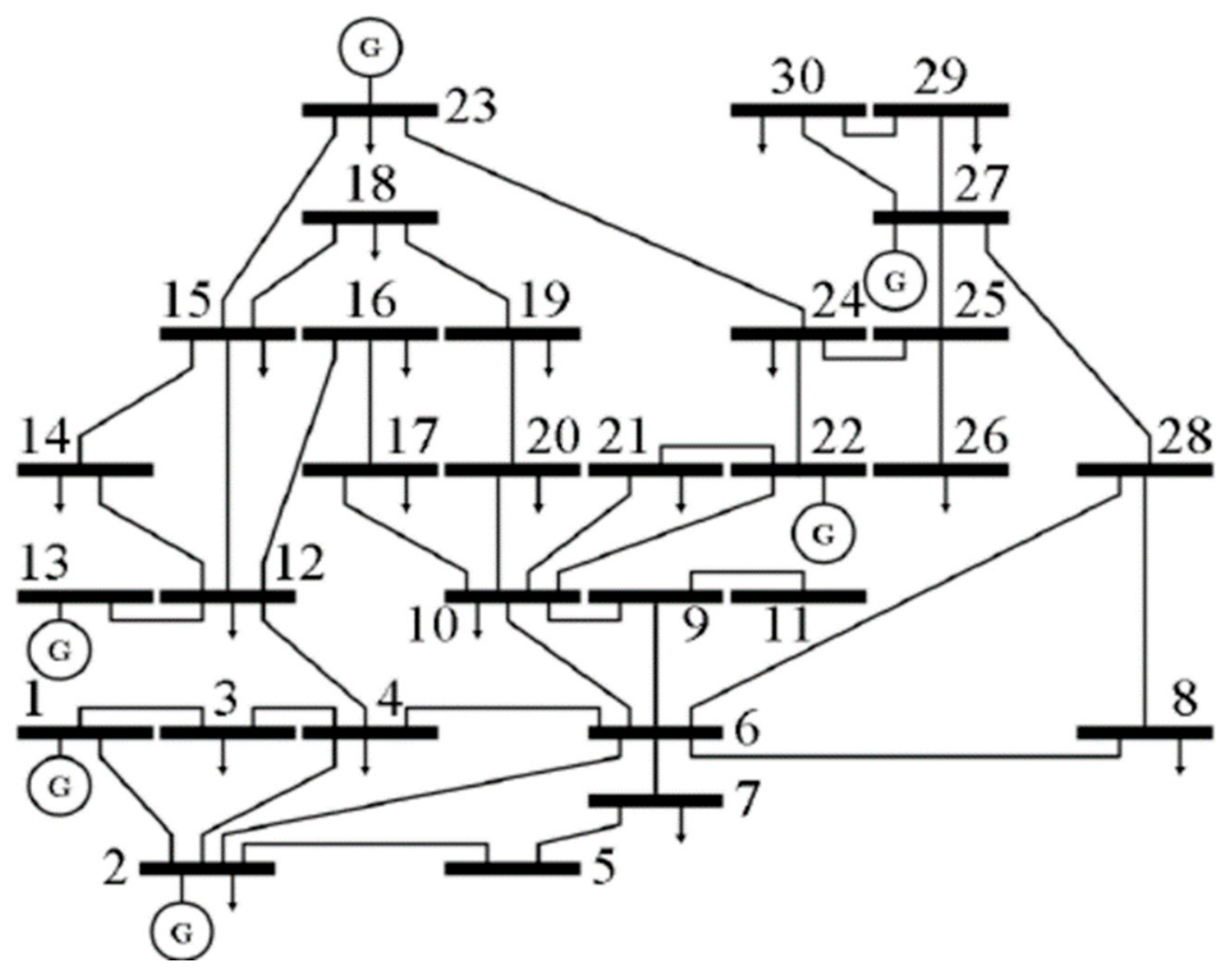
The ZOA-SCA’s application to the CM problem to alleviate overloading with minimum cost has been examined on the IEEE 30-bus electrical benchmark system. The electrical system consists of a network structure including 41 transmission lines, six generator buses, and twenty-four load buses, providing an efficient framework for evaluating system performance. The schematic layout of the IEEE 30-bus network is illustrated in
Figure 5, with the details of the overloading/congested scenarios summarized in
Table 7, and the corresponding power flow conditions are presented in
Table 9.
In this scenario, the congestion has been initiated in the system with the tripping of the line connected between Buses 1 and 2. In this scenario, the line between Buses 1 and 3 and between Buses 6 and 8 has been overloaded. The details of the overloading scenarios are presented in
Table 9. To ensure system stability, appropriate corrective actions are required to relieve the overloaded line congestion. The developed ZOA–SCA framework is utilized to reduce congestion-related expenses by optimally adjusting generator power outputs.
The results can be formulated as theorems with proof, as follows:
Theorem 1. Optimal real power rescheduled for the generators to manage congestion/relieve overloading of the transmission channels.
Proof. Table 10 demonstrates the line flows within its limits after CM, and the congestion is relieved with the generator rescheduling. The power flow with congestion was 147.46 MW and 136.29 (above maximum limits), and after congestion alleviation, the power flow is reduced to 129.65 MW and 119.07 (below its maximum limits). □
Theorem 2. Application of the formulated hybrid ZOA-SCA to reduce congestion costs through optimal modification of generator real power outputs.
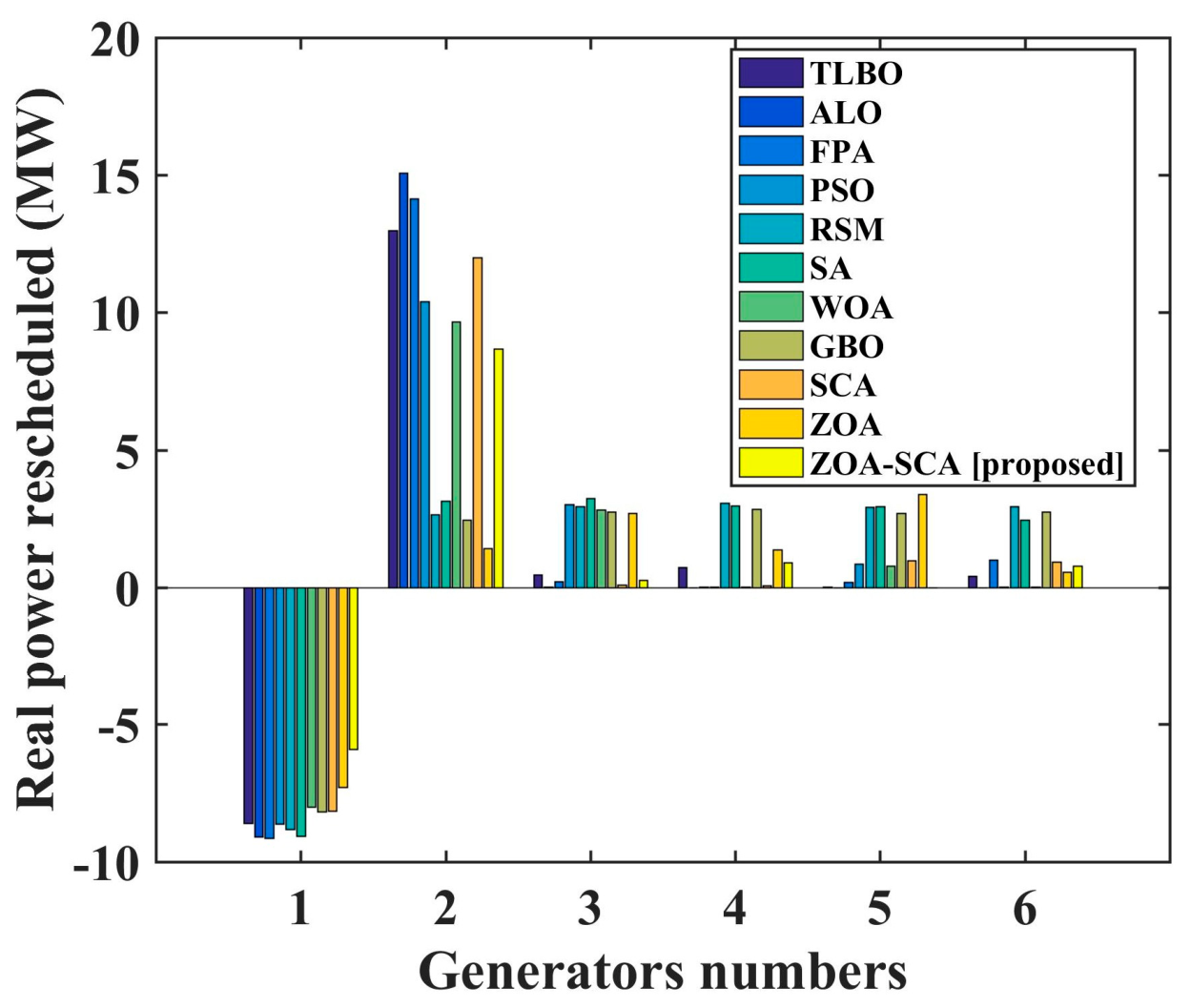
Proof. Table 10 demonstrates the values of the optimal real power outputs of the generators achieved with the ZOA-SCA to manage the congestion (
Figure 6). □
Theorem 3. Performance validation of ZOA-SCA with standard benchmark test functions and its applicability is validated on the IEEE 30-bus test systems, where effective congestion relief is achieved with minimal rescheduling expenses.
Proof. The outcomes demonstrating the appreciable performance of the ZOA-SCA on benchmark functions are given in
Table 2,
Table 3,
Table 4 and
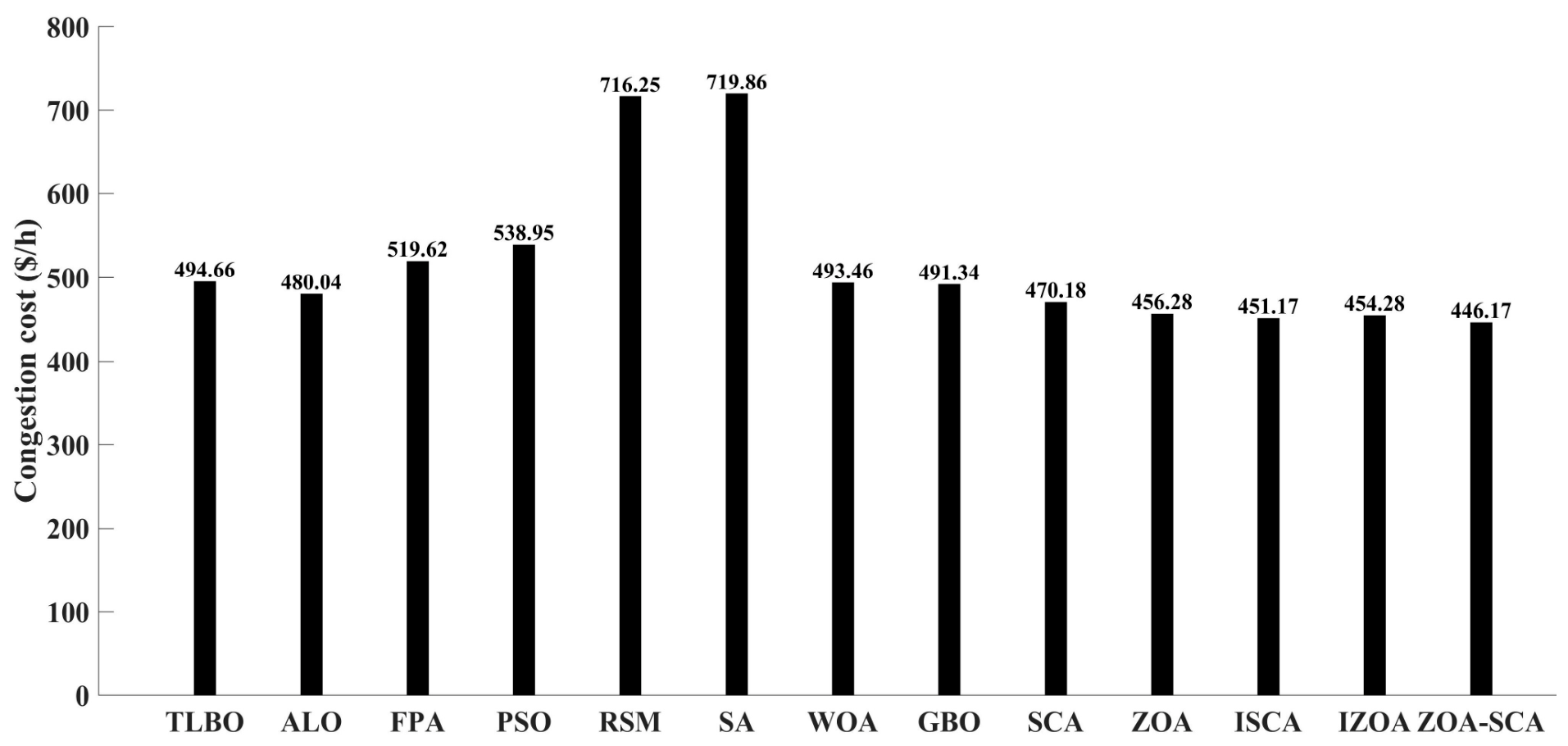
Table 5. The minimum scheduling cost/congestion cost with ZOA-SCA is 446.17
$/h and is the smallest among the compared optimization techniques (congestion cost given in
Figure 6 with real power rescheduled in
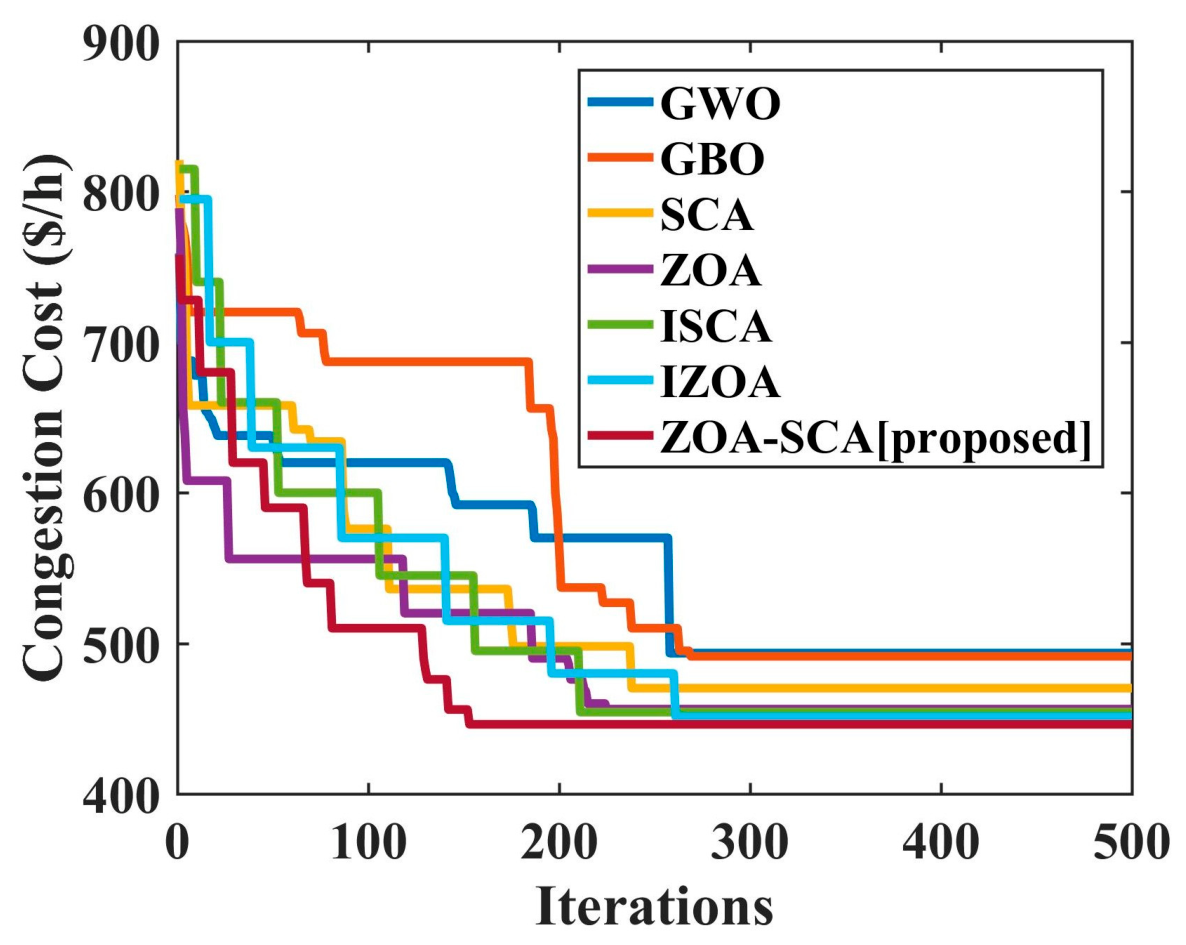
Figure 7 and convergence proof given in
Figure 8). The outcomes are given in
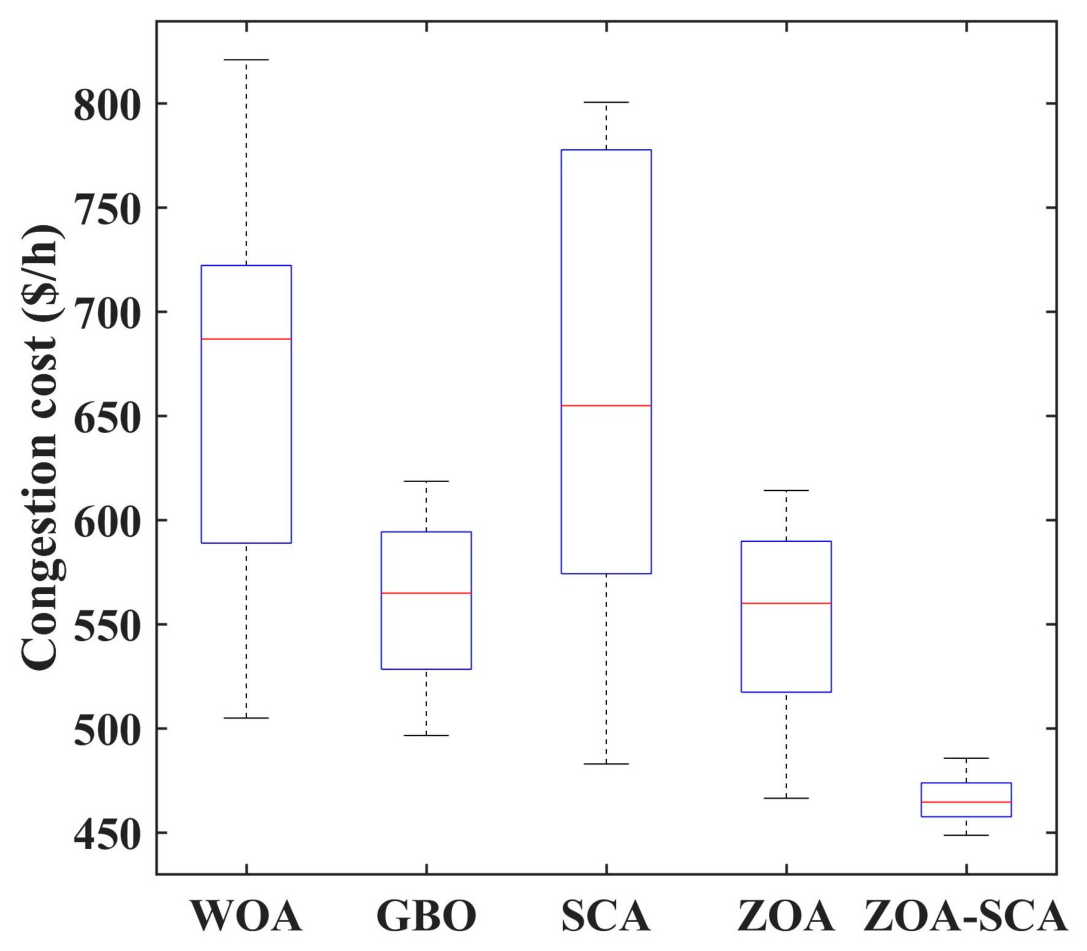
Table 10. A box plot for efficient congestion cost results with the ZOA-SCA is given in
Figure 9. □
Theorem 4. Comparative analyses to demonstrate the superiority of the ZOA-SCA over other contemporary optimization techniques in terms of congestion cost, voltage profile enhancement, and system power losses.
Proof. Table 10 shows the comparison of the ZOA-SCA with other algorithms, and it is observed that the ZOA-SCA outperforms other algorithms with minimum cost (
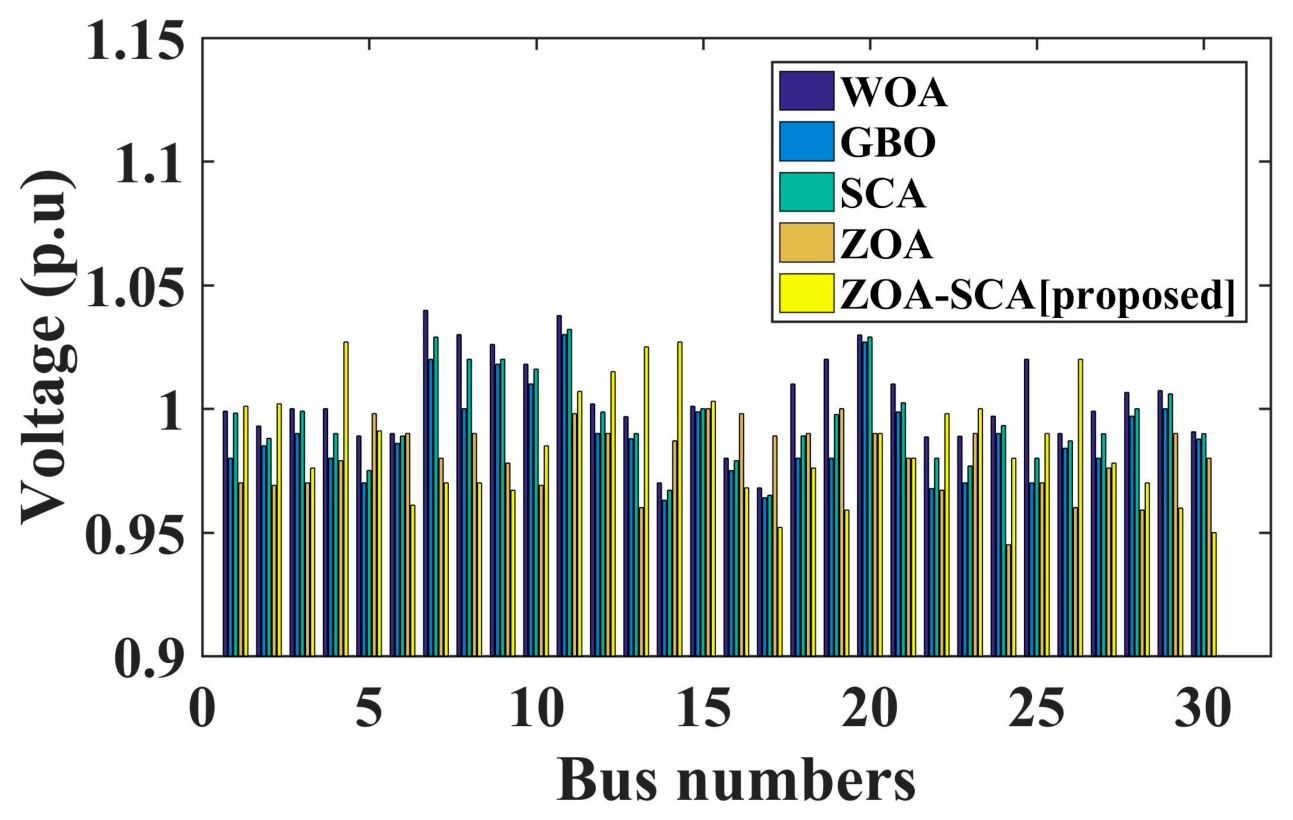
Figure 6) and voltage profile (
Figure 10). The total system losses were reduced from 16.023 MW to 12.86 MW. □
Table 10 demonstrates that all transmission line power flows remain within their allowable operating thresholds. This has effectively mitigated congestion using the ZOA-SCA approach. The corresponding congestion costs obtained with the implementation of the ZOA-SCA are also reported in
Table 10. These results are compared with those achieved by PSO [
22], RSM [
22], SA [
30], FPA [
25], ALO [
25], TLBO [
30], and recent techniques such as WOA, GBO, SCA and ZOA. The ZOA-SCA method has produced the lowest total congestion cost of 446.17
$/h, thereby outperforming all other algorithms.
Figure 6 illustrates the comparison of congestion costs, from which it can be observed that ZOA-SCA delivered the minimum congestion costs.
Figure 7 depicts the adjusted real power output of the system’s generators under different optimization algorithms. The convergence behavior of WOA, GBO, SCA, ZOA, and ZOA-SCA is presented in
Figure 8. The convergence profiles demonstrate that the ZOA-SCA algorithm achieves optimal results as the iterations progress. The box plot with the outcomes for 30 independent runs and 500 iterations for ZOA-SCA and other algorithms is shown in
Figure 9. The box plot highlighted that the ZOA-SCA’s performance is consistently superior when compared to the other optimization techniques.
The application of the ZOA-SCA for CM reduced the total system losses from 16.023 MW to 12.86 MW.
Figure 10 depicts the bus voltage profiles after implementing CM with ZOA-SCA, showing that all bus voltages remain well within the permissible limits.
5.2. IEEE 118-Bus System
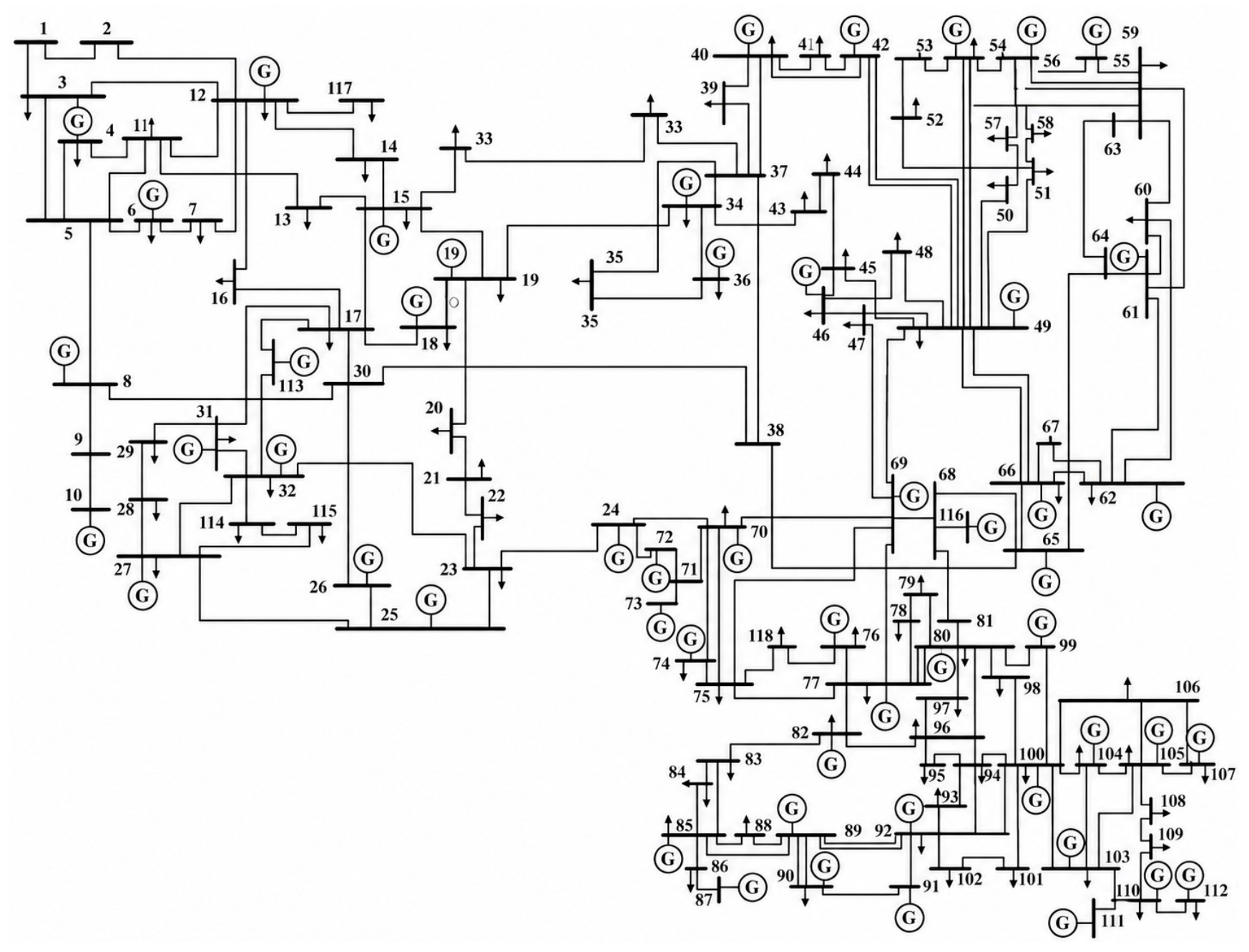
This testing setup consists of 54 generator buses and 64 load buses, and the network layout is presented in
Figure 10. The overload condition was produced by tripping the 8–5 line and increasing the load demand by 1.57 times, which results in excessive loading on lines L8–L30, L13–L17, and L16–L17. Information regarding these congested lines is summarized in
Table 7 and the power flow scenarios for 118 bus is given in
Table 11.
The ZOA-SCA method has been applied to solve the CM issue and generate an optimal solution for effective mitigation of congestion.
The results can be formulated as theorems with proof as follows:
Theorem 5. Optimal real power rescheduled for the generators to manage congestion/relieve overloading of the transmission channels.
Proof. Table 10 demonstrates the line flows that are within its limits after CM, and the congestion is relieved with the generator rescheduling. The power flow with congestion was 209.14, 568.73, and 380.59 MW (above maximum limits), and after congestion alleviation, the power flow was reduced to 173.18, 495.42, and 174.02 MW (below maximum limits). □
Theorem 6. Application of the formulated hybrid ZOA-SCA to reduce congestion costs through optimal modification of generator real power outputs.
Proof. Table 10 demonstrates the values of the optimal real power outputs of the generators achieved with ZOA-SCA to manage congestion. □
Theorem 7. Performance validation of ZOA-SCA with standard benchmark test functions and its applicability is validated on the IEEE 118-bus test systems, where effective congestion relief is achieved with minimal rescheduling expenses.
Proof. The outcomes demonstrating the appreciable performance of the ZOA-SCA on benchmark functions are given in
Table 1,
Table 2,
Table 3 and
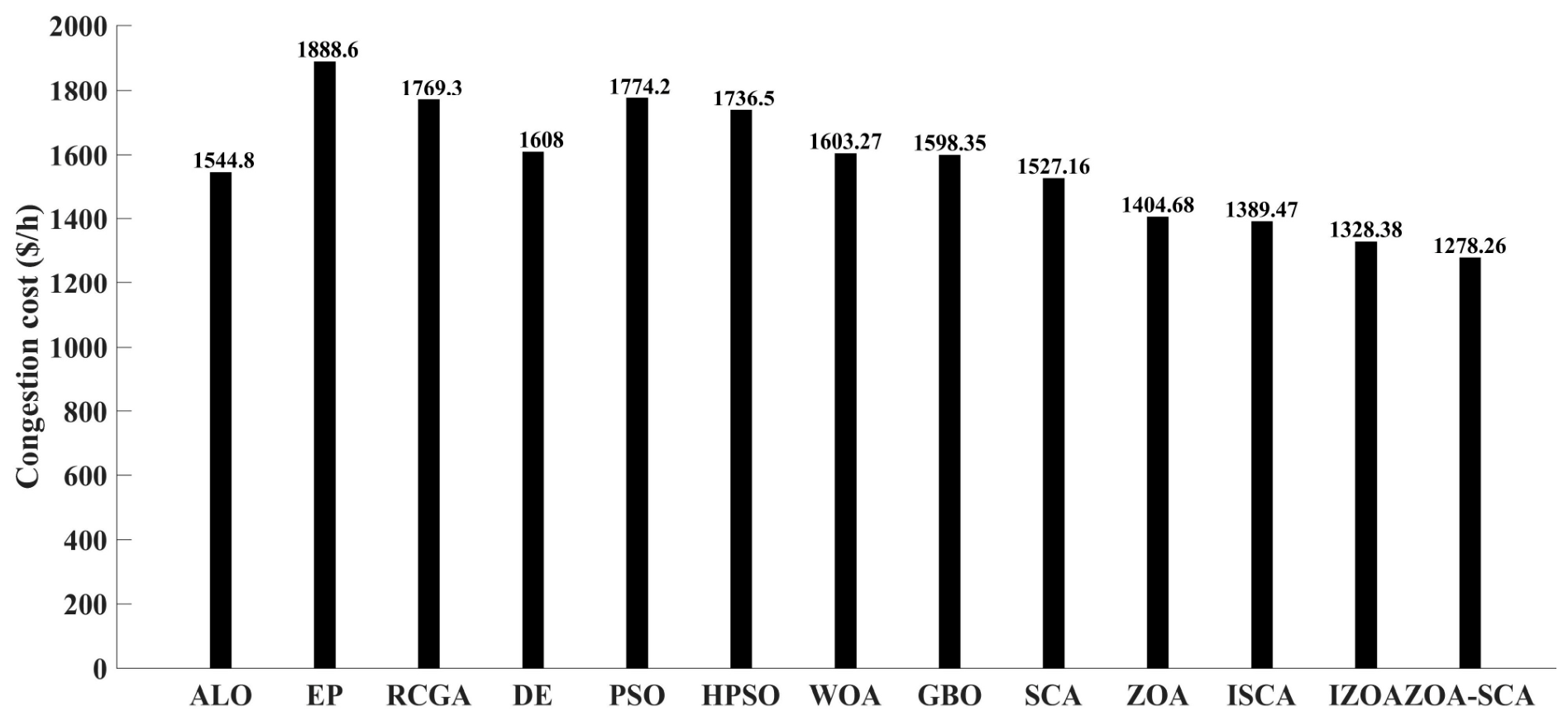
Table 4. The minimum scheduling cost/congestion cost with ZOA-SCA is 1278.26
$/h, which is the smallest among the compared optimization techniques (congestion cost given in
Table 10 and
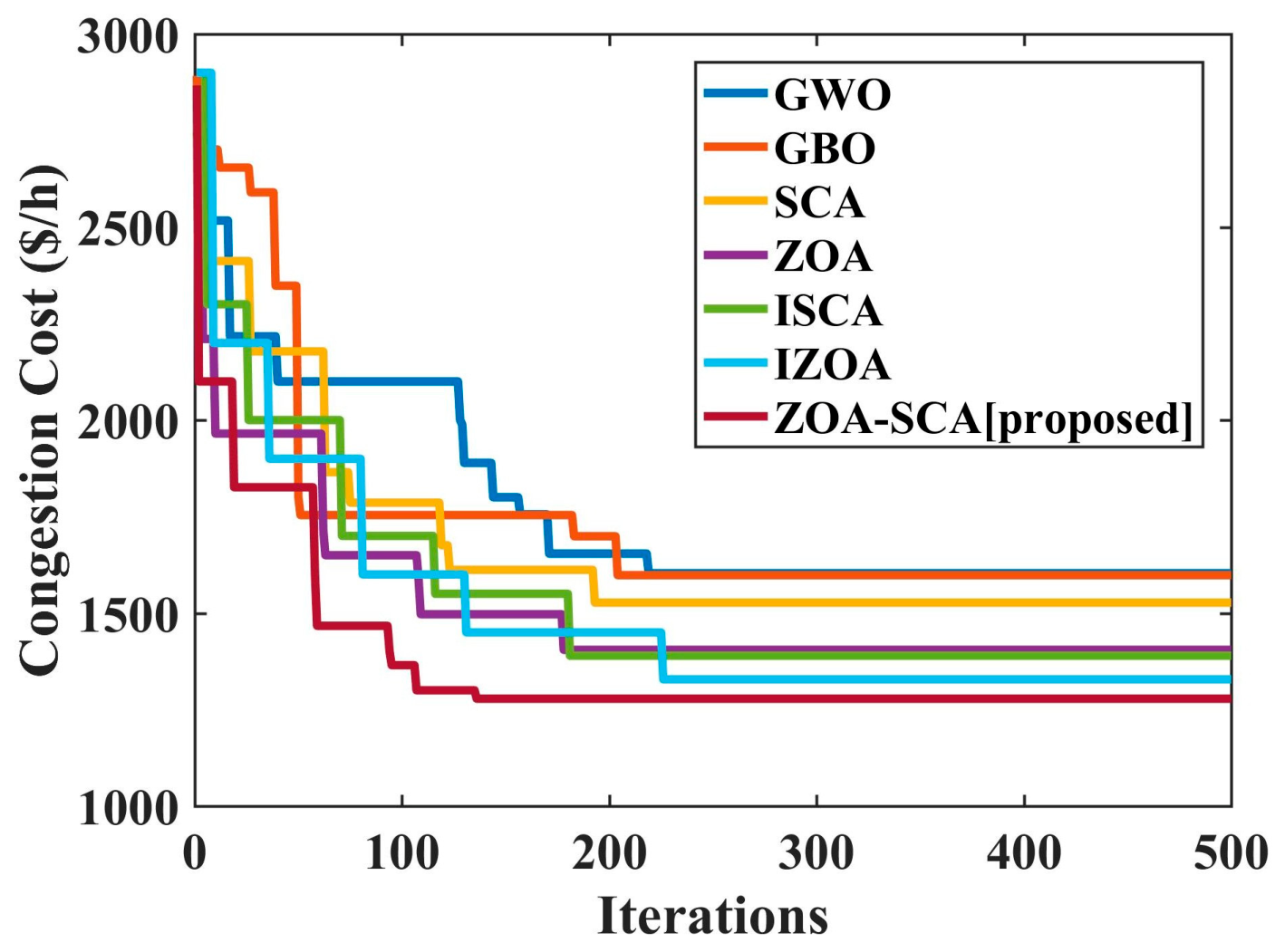
Figure 11, and convergence proof given in
Figure 12). The outcome is given in
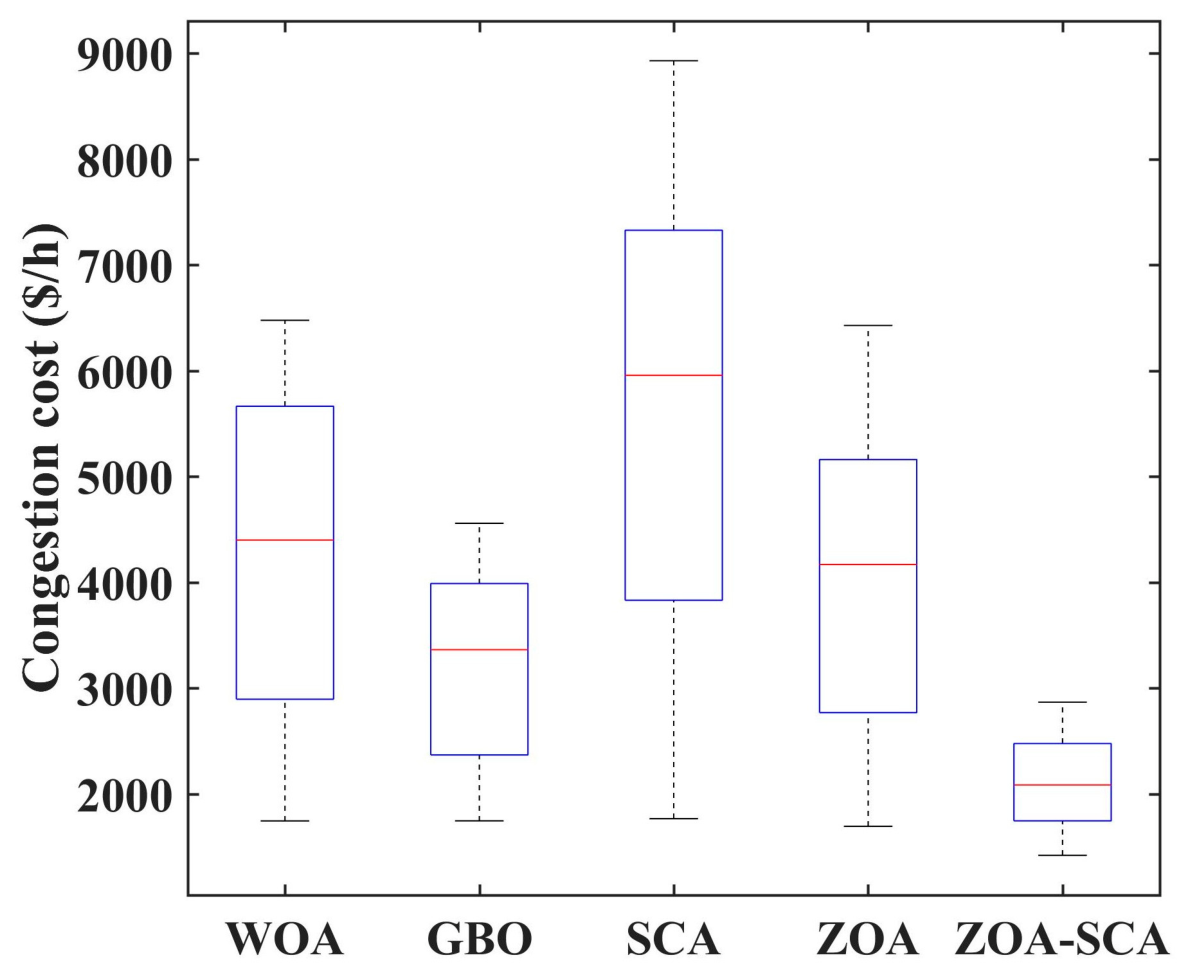
Table 10. The box plot for efficient congestion cost results with the ZOA-SCA is given in
Figure 13. □
Theorem 8. Comparative analyses to demonstrate the superiority of ZOA-SCA over other contemporary optimization techniques in terms of congestion cost, voltage profile enhancement and reduction in system losses.
Proof. Table 10 shows the comparison of the ZOA-SCA with other algorithms, and it is observed that the ZOA-SCA outperforms other algorithms with minimum cost (
Figure 11 and
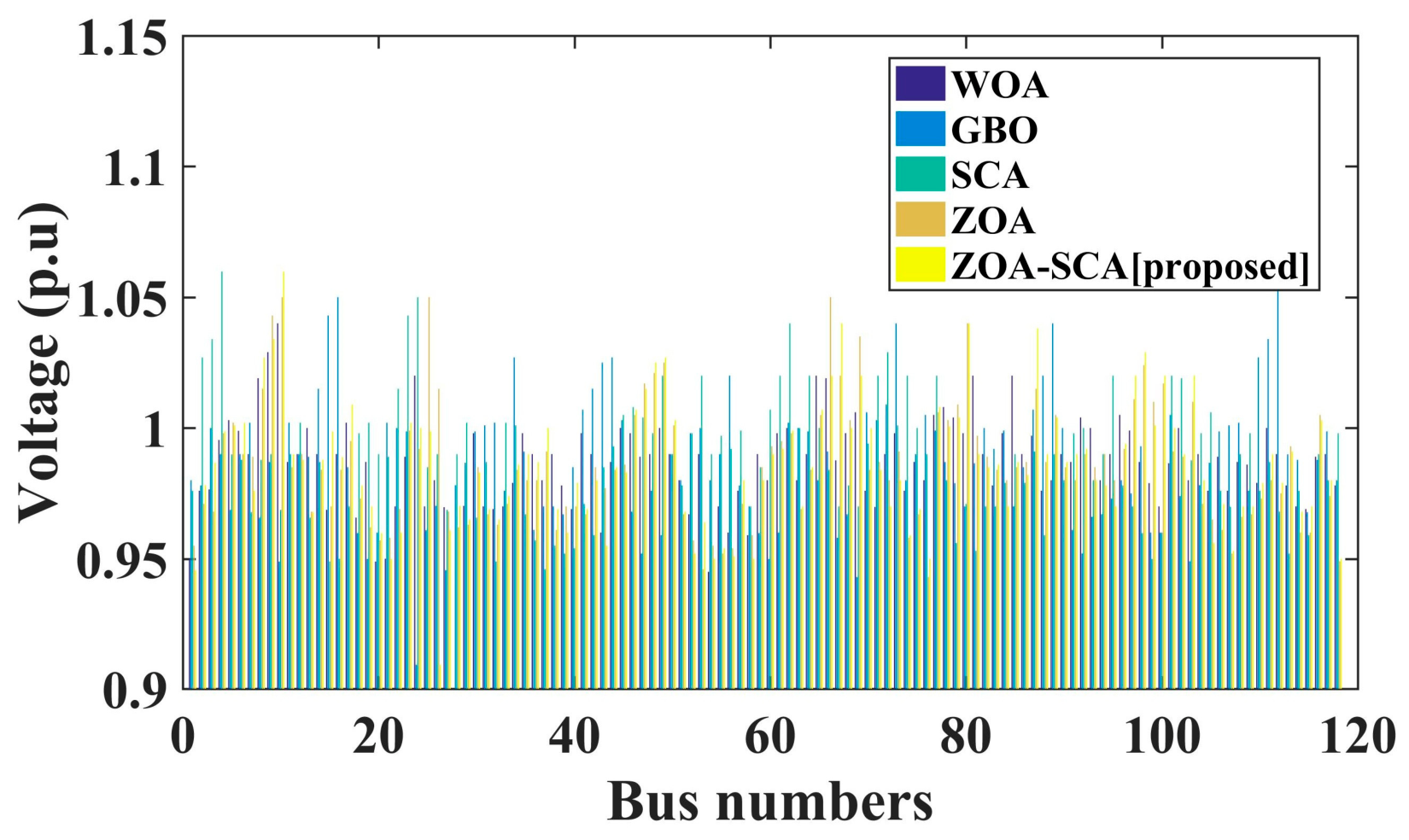
Figure 14) and voltage profile (
Figure 15). During the congested state, system losses amounted to 247.968 MW, which decreased to 171.92 MW after applying CM through ZOA-SCA. □
The outcomes produced by the ZOA-SCA with its application for congestion alleviation are presented in
Table 12. The findings show that excess power flow in the overburdened channels was successfully relieved from its overloading conditions with the ZOA-SCA, as well as the other optimization techniques. The minimized congestion costs with the rescheduled power from the generators with ZOA-SCA and comparative algorithms are listed in
Table 12. The results demonstrate that for the proposed GR framework, ZOA-SCA effectively alleviated the system congestion while achieving a minimum optimal cost of 1278.18
$/h among the other applied algorithms.
Figure 12 presents the comparative congestion cost with the ZOA-SCA and other optimization techniques. The congestion cost with the ZOA-SCA is the smallest among all the other applied techniques.
Figure 13 shows the convergence pattern of the ZOA-SCA and the other applied methods for the congestion cost minimization. During the congested state, system losses amounted to 247.968 MW, which decreased to 171.92 MW after applying CM with the ZOA-SCA. Furthermore, implementing the ZOA-SCA on the 118-bus system demonstrates that the method reliably delivers strong results even for large-scale networks.
Figure 14 provides a box plot of the output obtained from 30 runs over 300 iterations, highlighting that the ZOA-SCA performs noticeably better than the other optimization techniques. The post-CM voltage profile is illustrated in
Figure 15, confirming that all bus voltages remain within the prescribed limits.
Considering practical implications, the results achieved from the CM research of optimization studies project an effective outcome on the lower operational costs, improved voltage stability, and reduced risk of cascading failures, enabling system operators to manage real-time bottlenecks without immediate infrastructure expansion.
Moreover, from the power system’s regulatory perspective, the outcome of the proposed research signifies that effective power rescheduling ensures fair dispatch by establishing transparent electricity market operations, minimizing congestion charges, and reducing uplift payments. This procedure of CM also promotes effective transmission planning and tariff design. System operators can use congestion patterns and rescheduling costs to rationalize the need for network reinforcements, restructure the electricity market rules, and promote efficient integration of renewable energy sources into the grid.
6. Conclusions
This study introduces a CM strategy for electricity markets based on the GR approach. The GR framework has been enhanced with the application of the proposed hybrid ZOA-SCA optimization technique designed to minimize congestion costs. The proposed ZOA-SCA has been integrated with the features of the SCA in the exploration and exploitation phases of the ZOA and demonstrates strong capability in alleviating transmission congestion while minimizing overall congestion costs. The effectiveness and reliability of the method were validated using the 30-bus system and the IEEE 118-bus test system.
A comparative performance assessment was conducted between ZOA-SCA and several existing techniques, including TLBO, DE, FPA, ALO, EP, PSO, HPSO, GBO, WOA, SCA, and ZOA, to emphasize the superiority of the proposed approach for CM applications. For the 30-bus New England system, ZOA-SCA achieves congestion cost reductions of 9.06%, 8.58.%, 8.17%, and 6.36% relative to WOA, GBO, SCA, and ZOA, respectively. Similarly, in the IEEE 118-bus system, congestion costs are reduced by 12.37%, 8.87%, 8.25%, and 7.16% when compared with WOA, GBO, SCA, and ZOA. In addition to congestion alleviation, ZOA-SCA also leads to noticeable improvements in bus voltage profiles and reductions in system power losses. Furthermore, the proposed method exhibits faster convergence and lower computational time than the other optimization algorithms applied to the CM problem.
Future research directions include extending the CM framework to account for the impact of distributed generation and renewable energy integration. Coordinated rescheduling of thermal generation along with optimal utilization of renewable energy sources can further enhance congestion mitigation and improve the overall efficiency of power system operation.



 ,
,