Article

Bayesian Deep Learning and Bayesian Statistics to Analyze the European Countries’ SARS-CoV-2 Policies

Faculty of Computer Science, University of Koblenz, D-56070 Koblenz, Germany
*
Author to whom correspondence should be addressed.
Mathematics 2024, 12(16), 2574; https://doi.org/10.3390/math12162574
Submission received: 23 June 2024 / Revised: 5 August 2024 / Accepted: 17 August 2024 / Published: 20 August 2024
(This article belongs to the Special Issue Current Research in Biostatistics)

Abstract

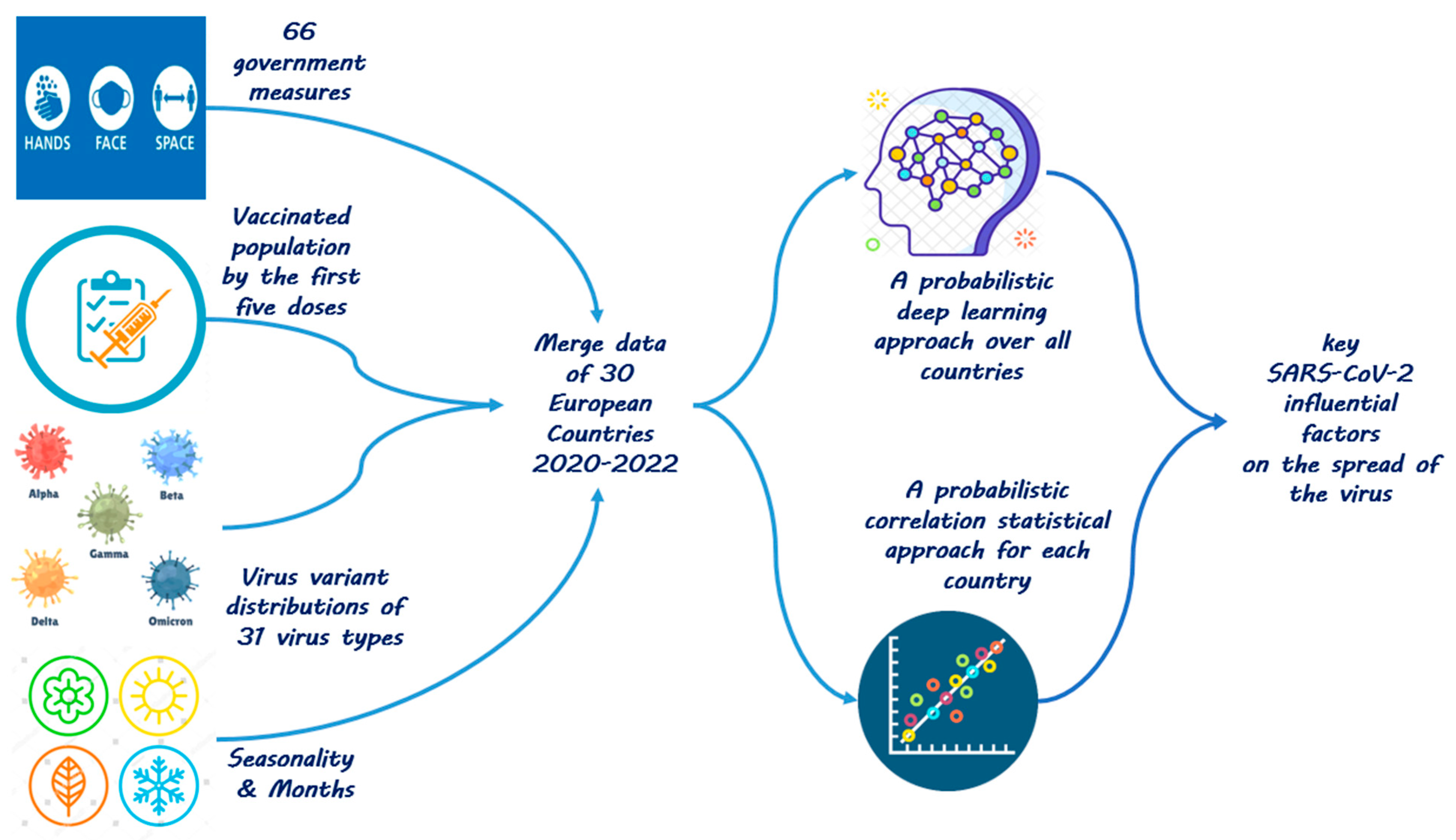
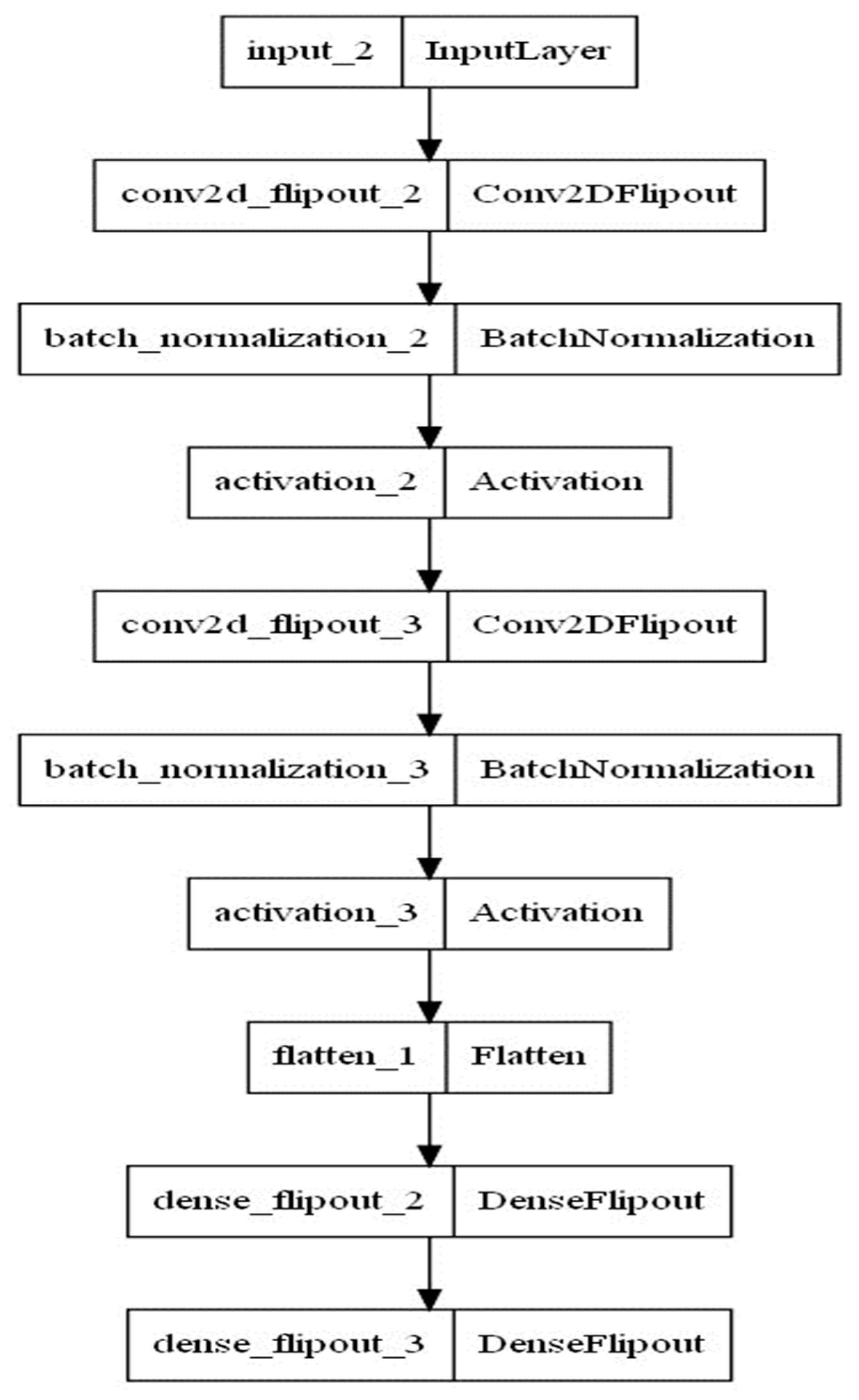
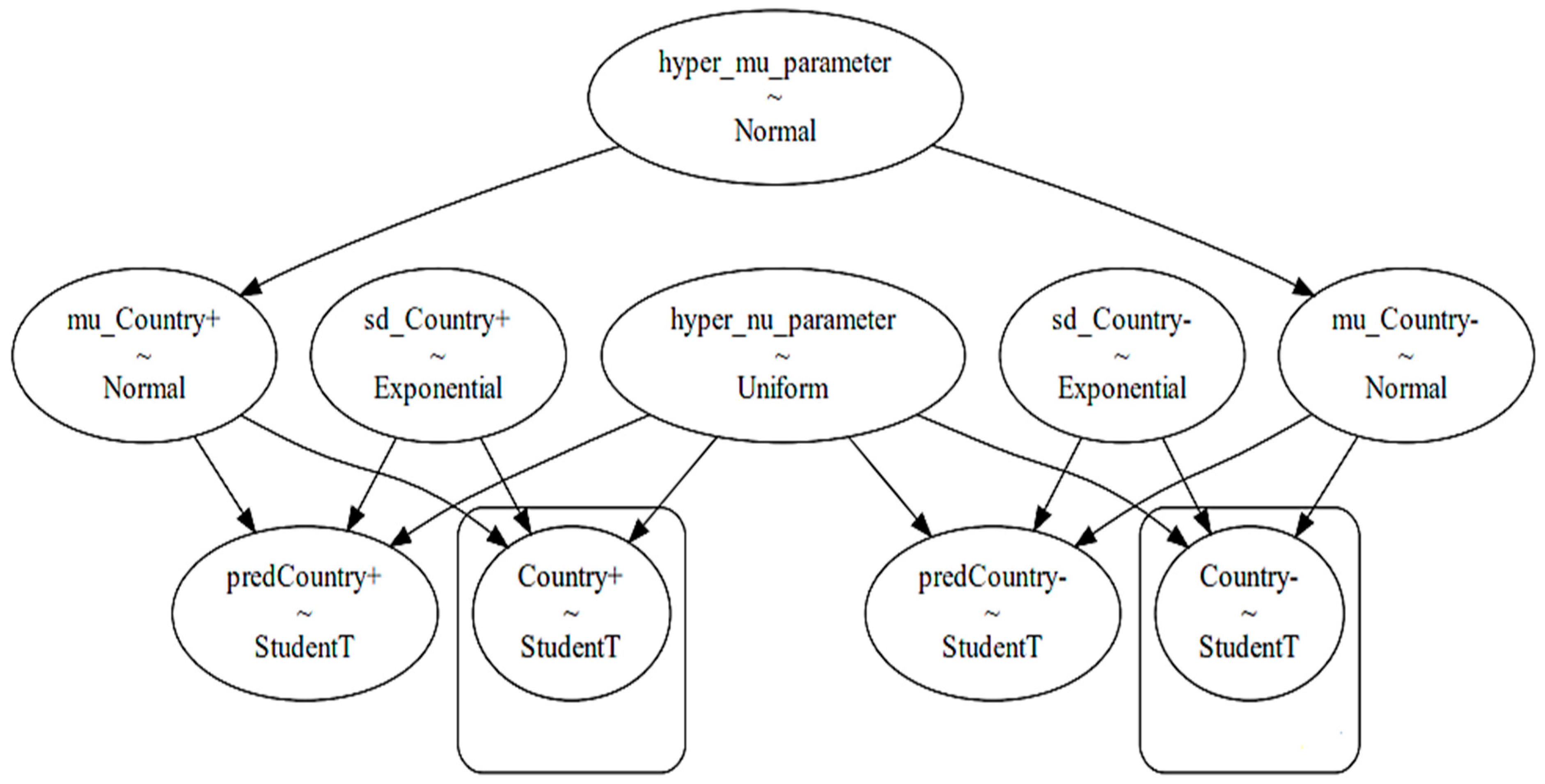
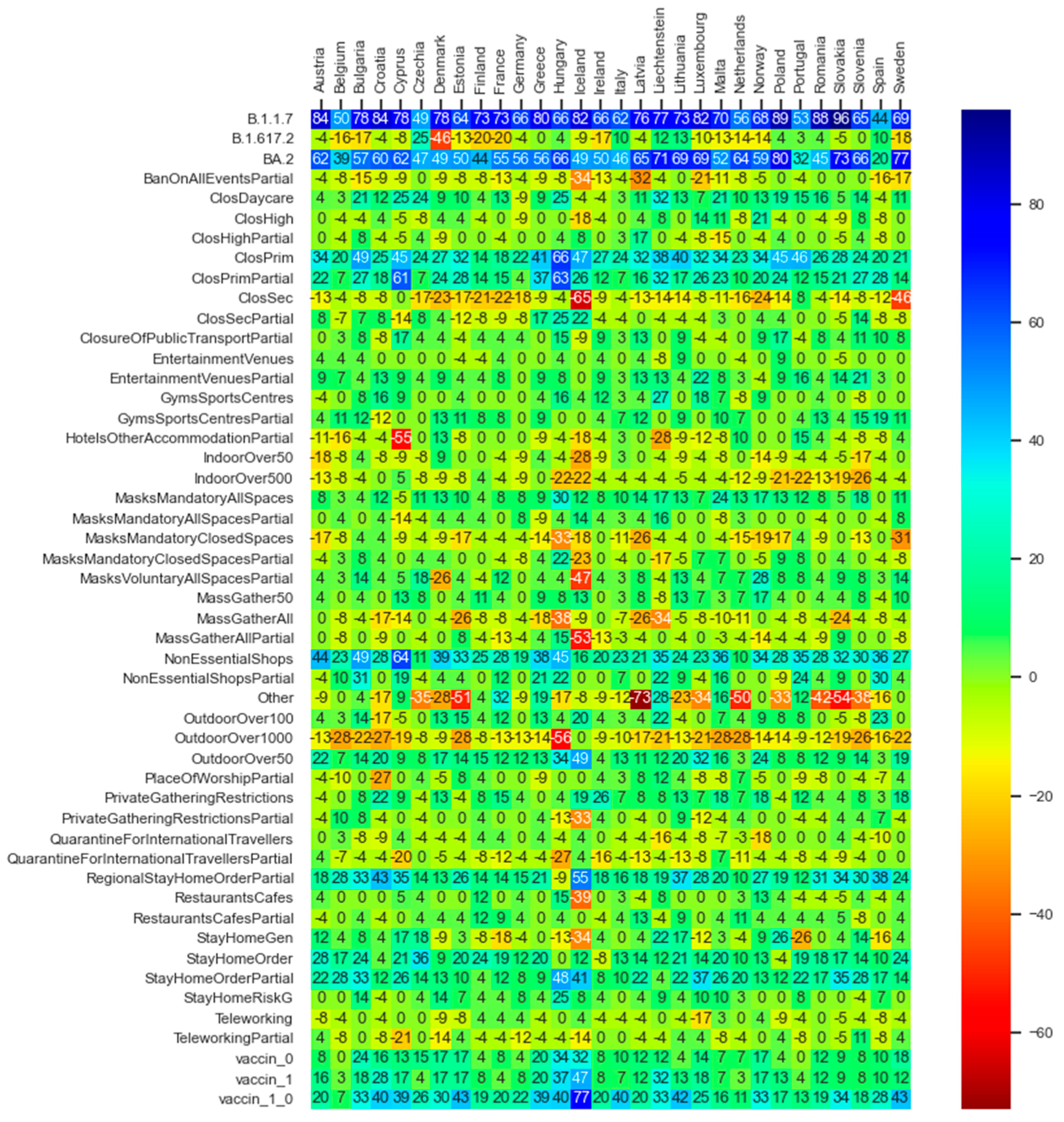
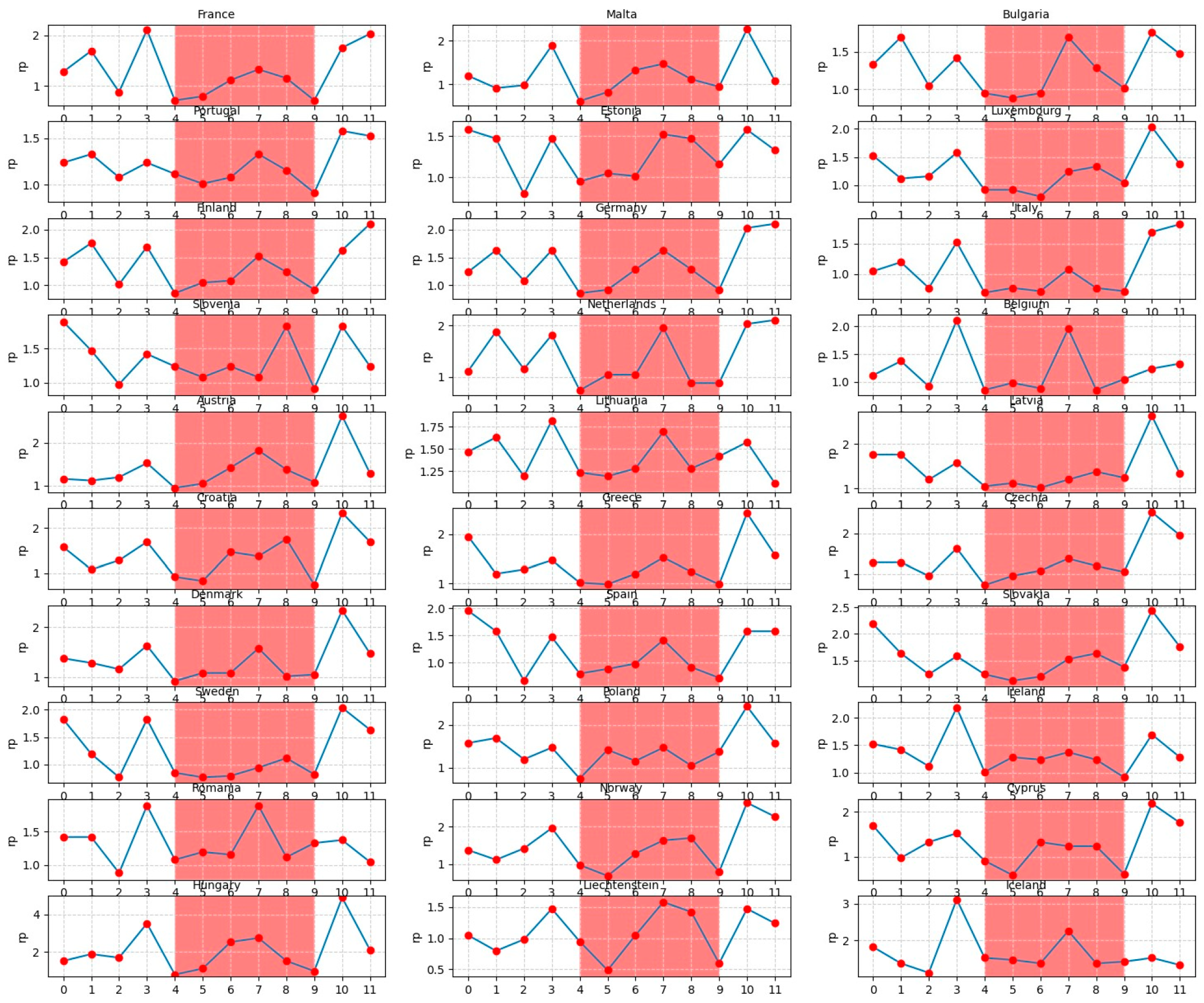
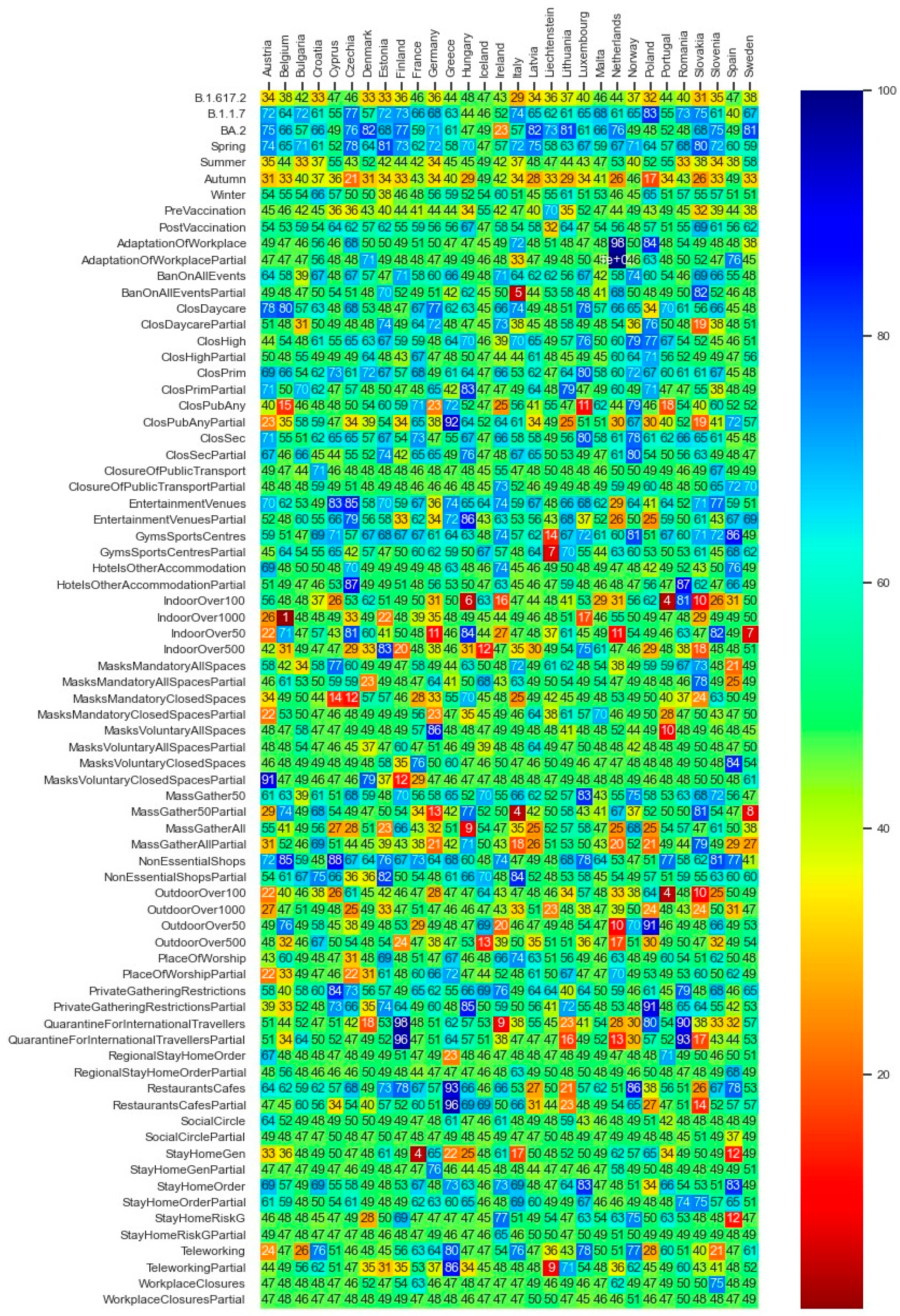
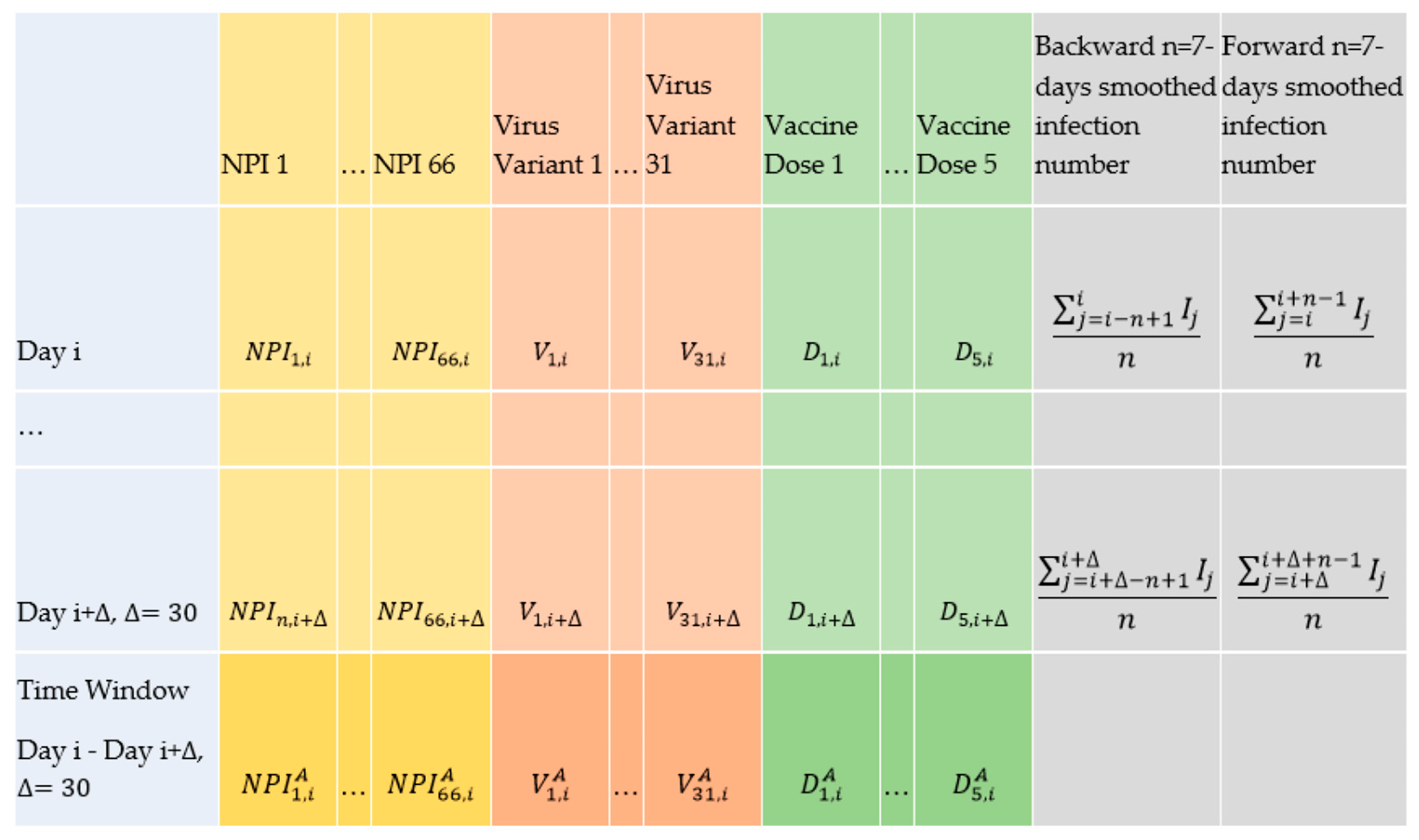
Even if the SARS-CoV-2 pandemic recedes, research regarding the effectiveness of government policies to contain the spread of the pandemic remains important. In this study, we analyze the impact of a set of epidemiological factors on the spread of SARS-CoV-2 in 30 European countries, which were applied from early 2020 up to mid-2022. We combine four data sets encompassing each country’s non-pharmaceutical interventions (NPIs, including 66 government intervention types), distributions of 31 virus types, and accumulated percentage of vaccinated population (by the first five doses) as well as the reported infections, each on a daily basis. First, a Bayesian deep learning model is trained to predict the reproduction rate of the virus one month ahead of each day. Based on the trained deep learning model, the importance of relevant influencing factors and the magnitude of their effects on the outcome of the neural network model are computed by applying explainable machine learning algorithms. Second, in order to re-examine the results of the deep learning model, a Bayesian statistical analysis is implemented. In the statistical analysis, for each influencing input factor in each country, the distributions of pandemic growth rates are compared for days where the factor was active with days where the same factor was not active. The results of the deep learning model and the results of the statistical inference model coincide to a significant extent. We conclude with reflections with regard to the most influential factors on SARS-CoV-2 spread within European countries.
Keywords: SARS-CoV-2; explainable artificial intelligence; deep learning; Bayesian convolutional deep neural networks; Bayesian statistics; hierarchical Bayesian inference; government pharmaceutical interventions; government non-pharmaceutical interventions; viruses; vaccination SARS-CoV-2; explainable artificial intelligence; deep learning; Bayesian convolutional deep neural networks; Bayesian statistics; hierarchical Bayesian inference; government pharmaceutical interventions; government non-pharmaceutical interventions; viruses; vaccination