Article

A Graph Pointer Network-Based Multi-Objective Deep Reinforcement Learning Algorithm for Solving the Traveling Salesman Problem


1
Department of Computer Science, California State University, Fresno, Fresno, CA 93740, USA
2
Faculty of Computing, Sri Lanka Institute of Information Technology, Malabe 10115, Sri Lanka
3
Faculty of Electrical Engineering and Computer Science, University of Maribor, Koroška cesta 46, 2000 Maribor, Slovenia
*
Author to whom correspondence should be addressed.
Mathematics 2023, 11(2), 437; https://doi.org/10.3390/math11020437
Submission received: 16 December 2022 / Revised: 7 January 2023 / Accepted: 11 January 2023 / Published: 13 January 2023
(This article belongs to the Special Issue Mathematics: 10th Anniversary)

Abstract

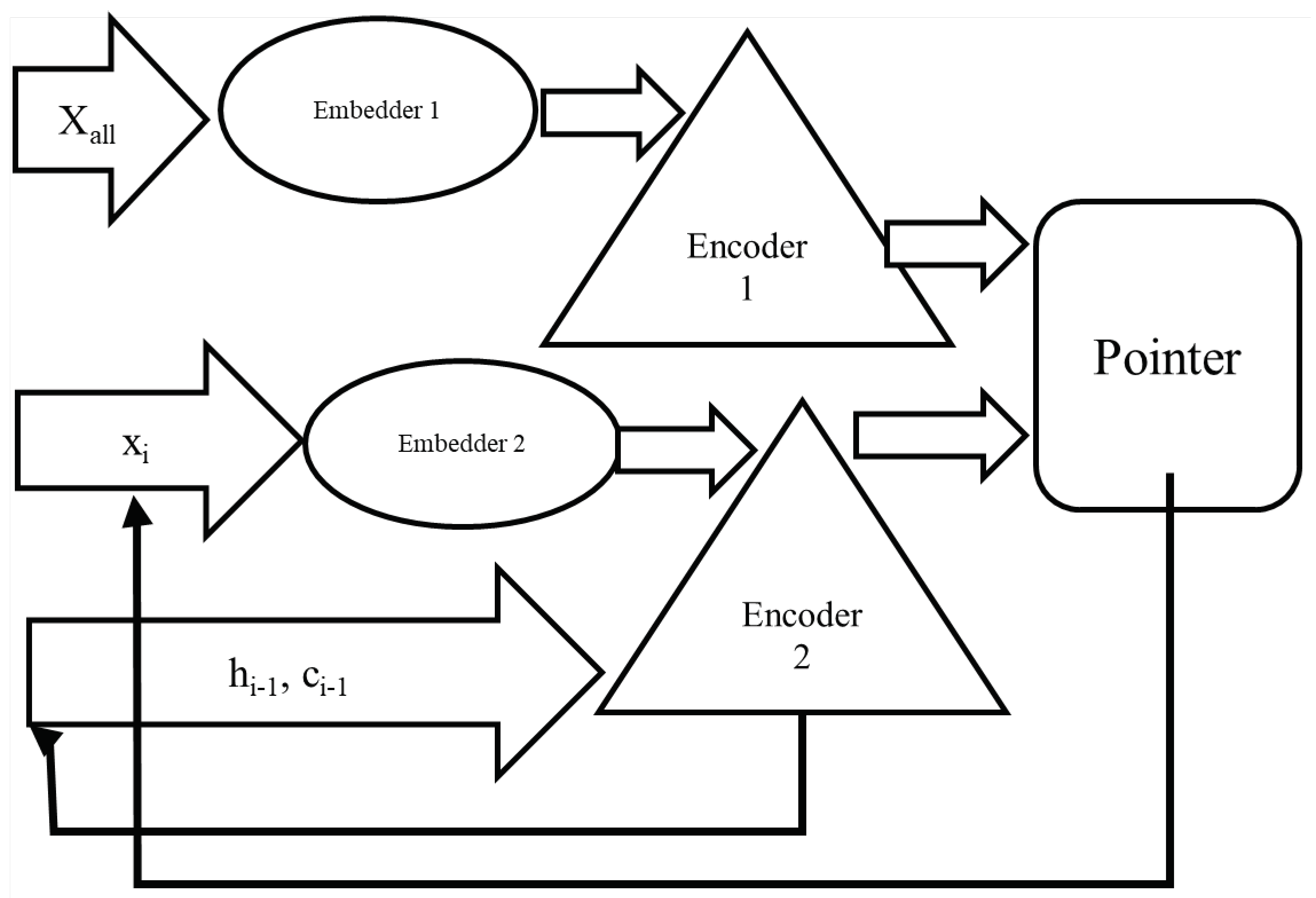
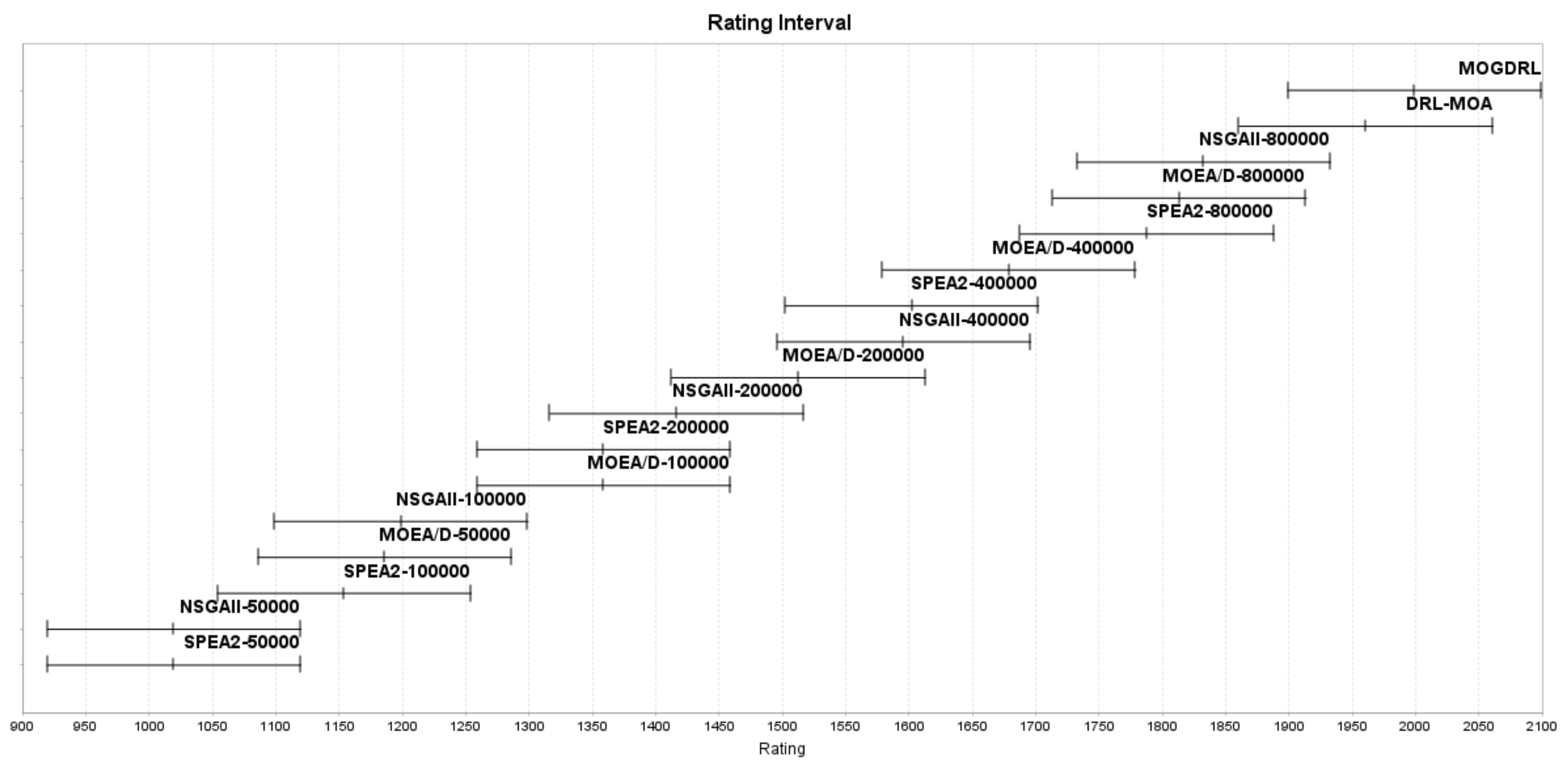
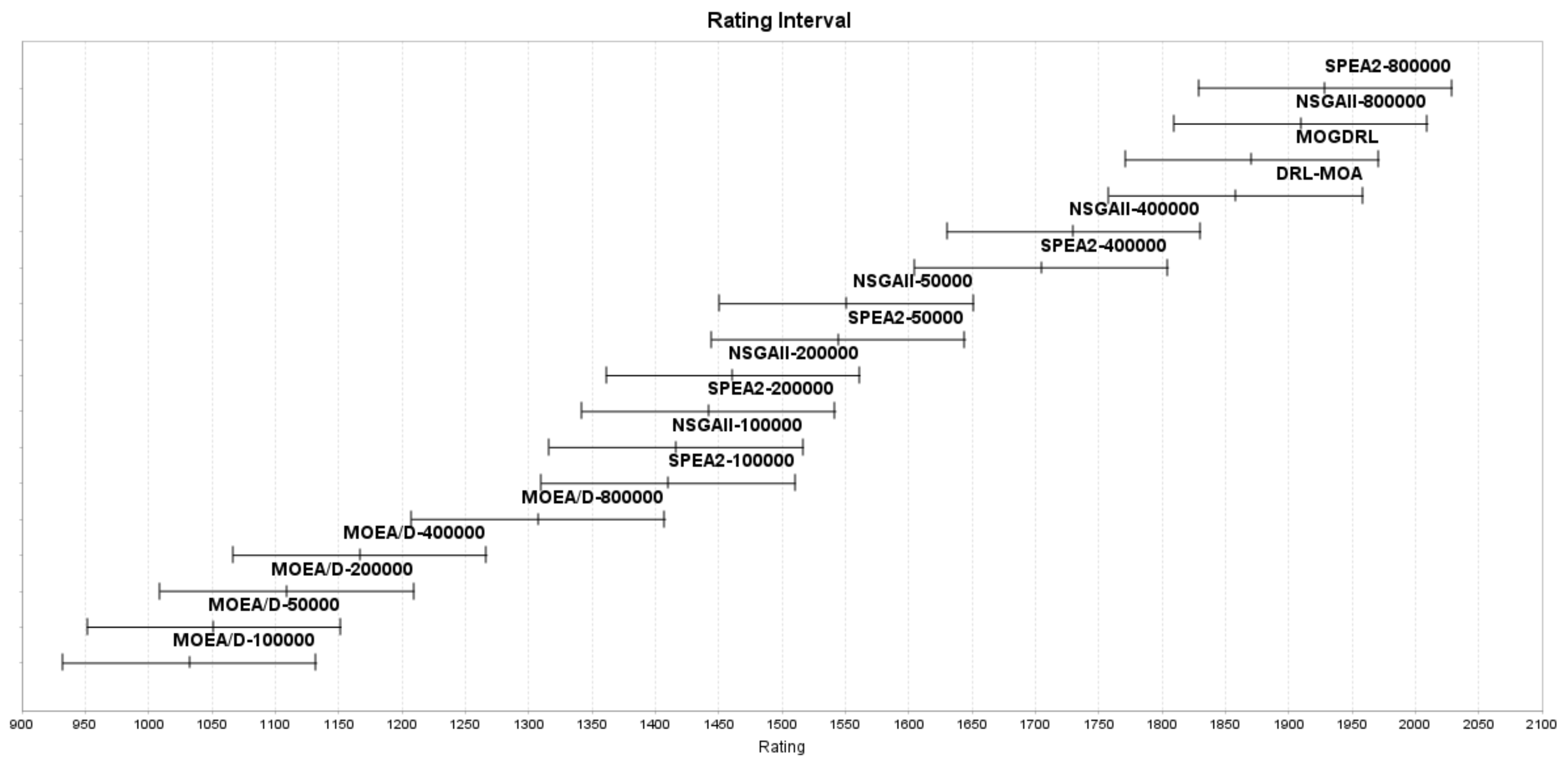
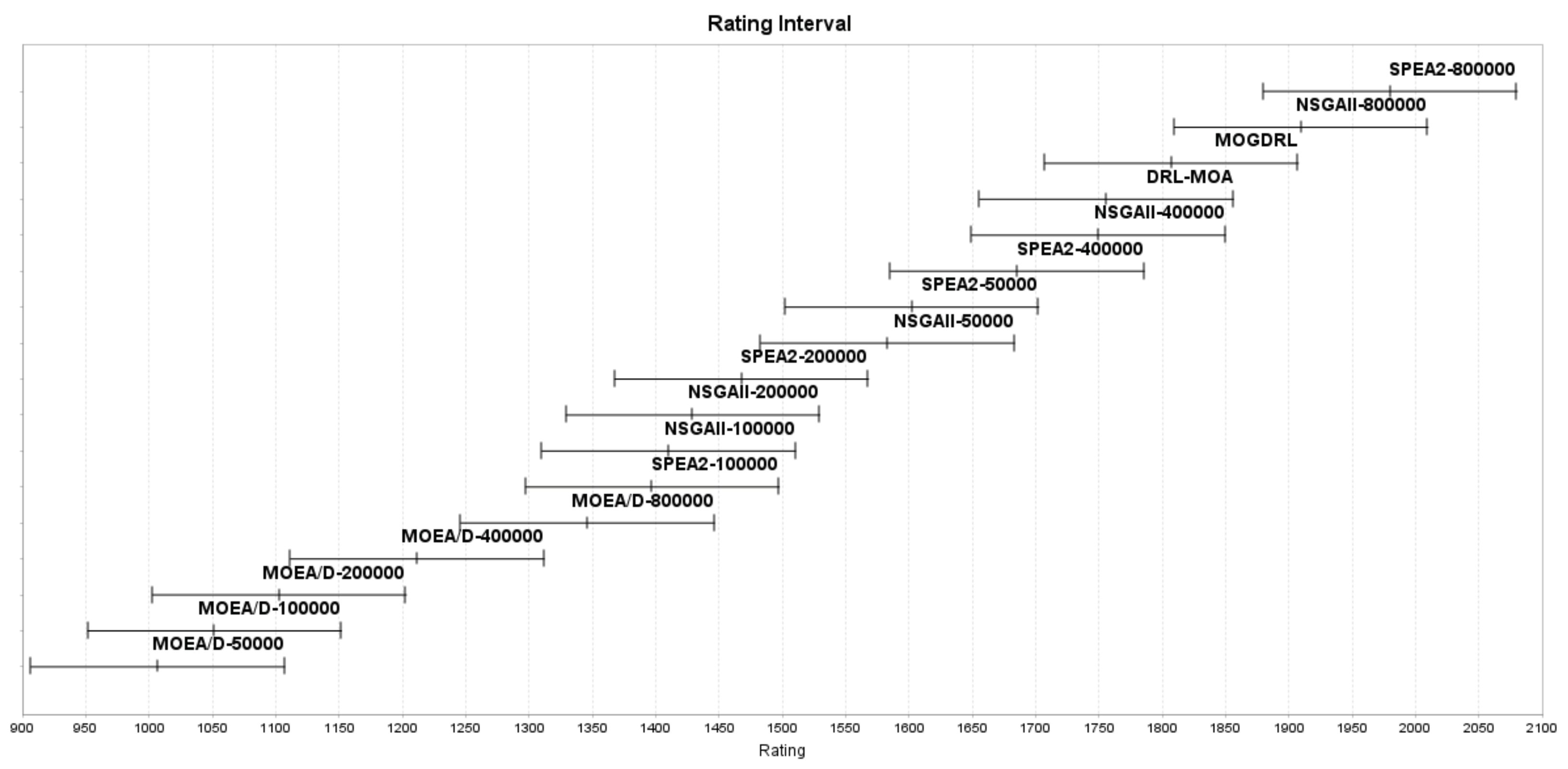
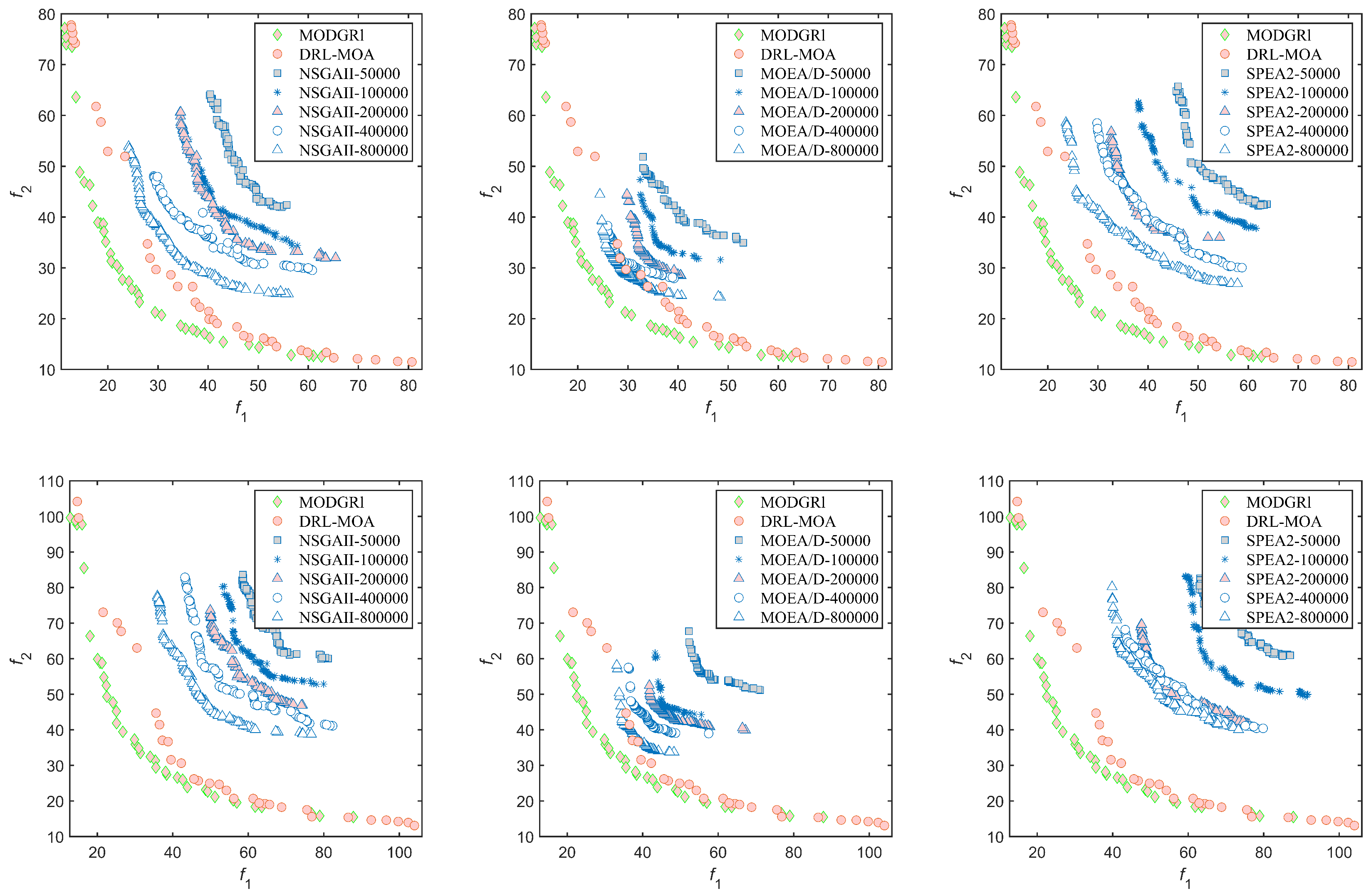
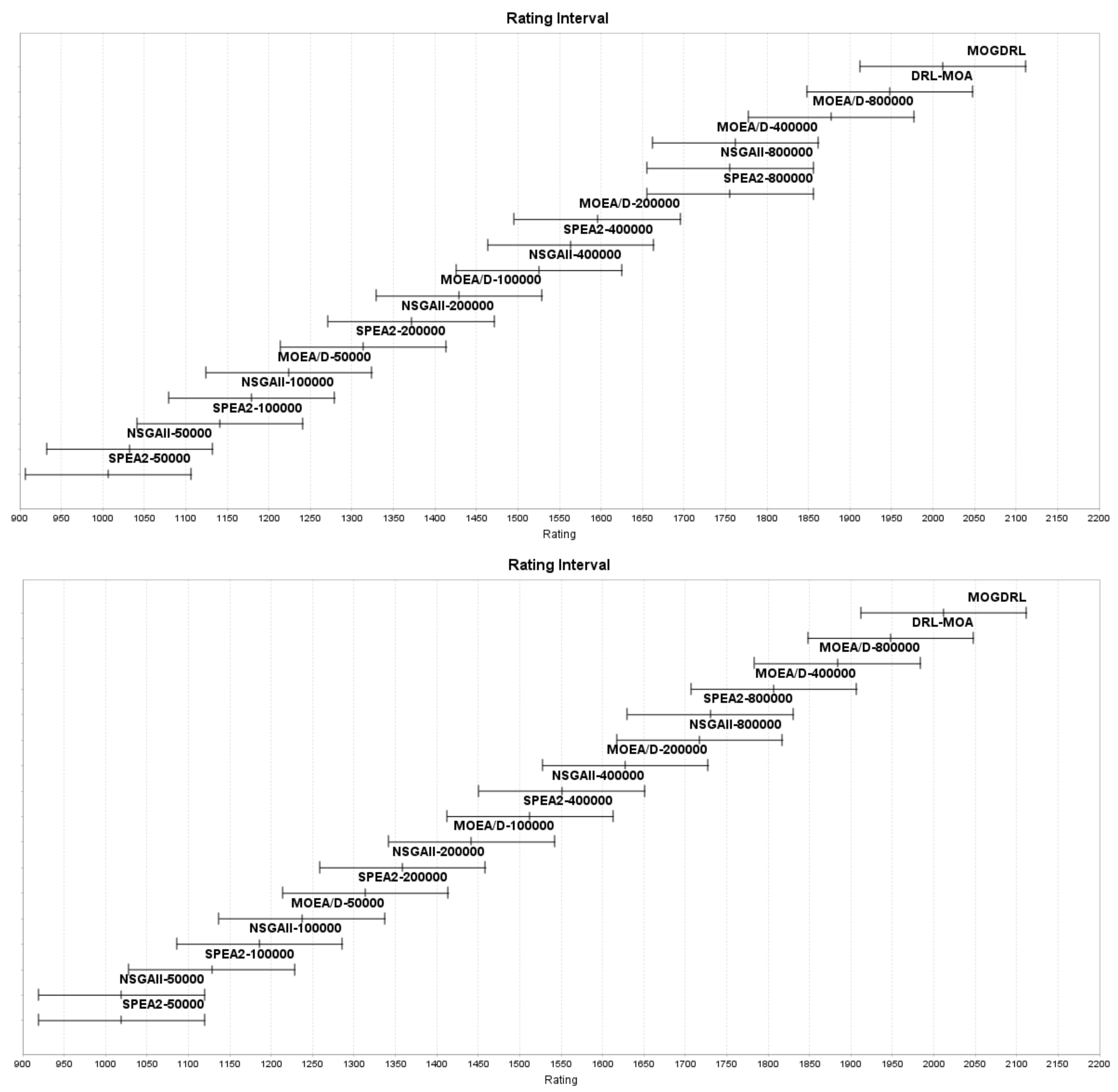
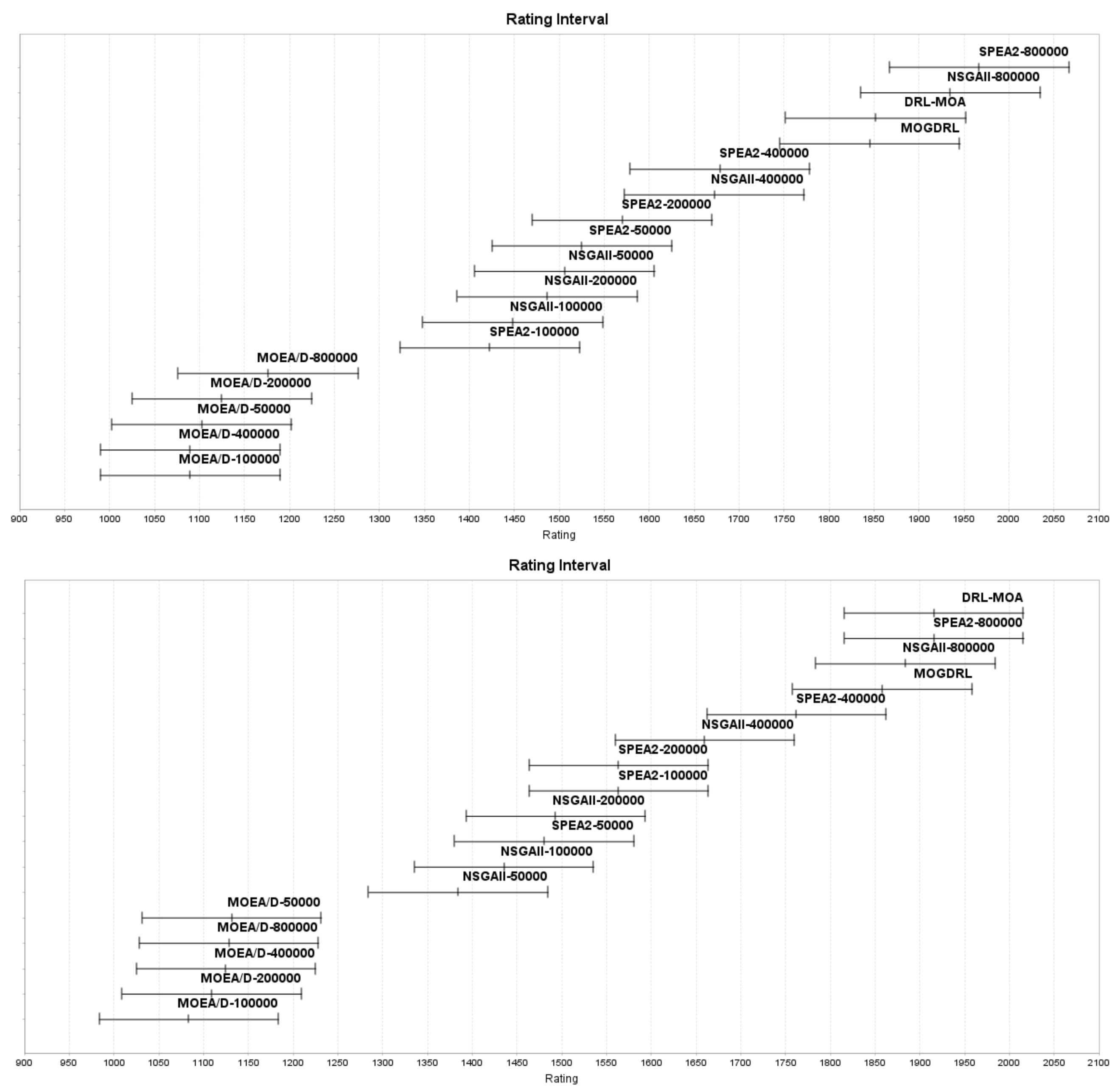
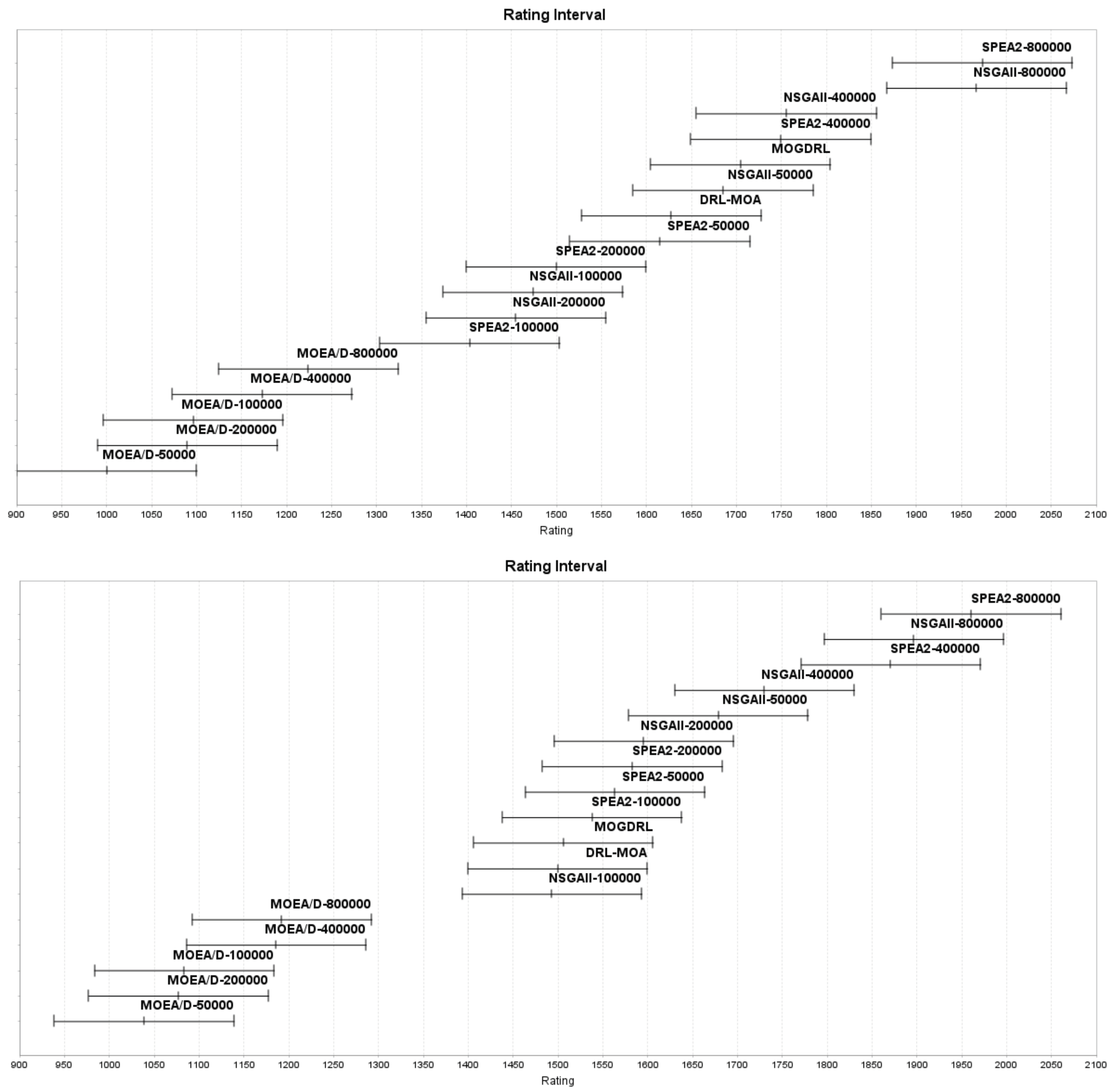
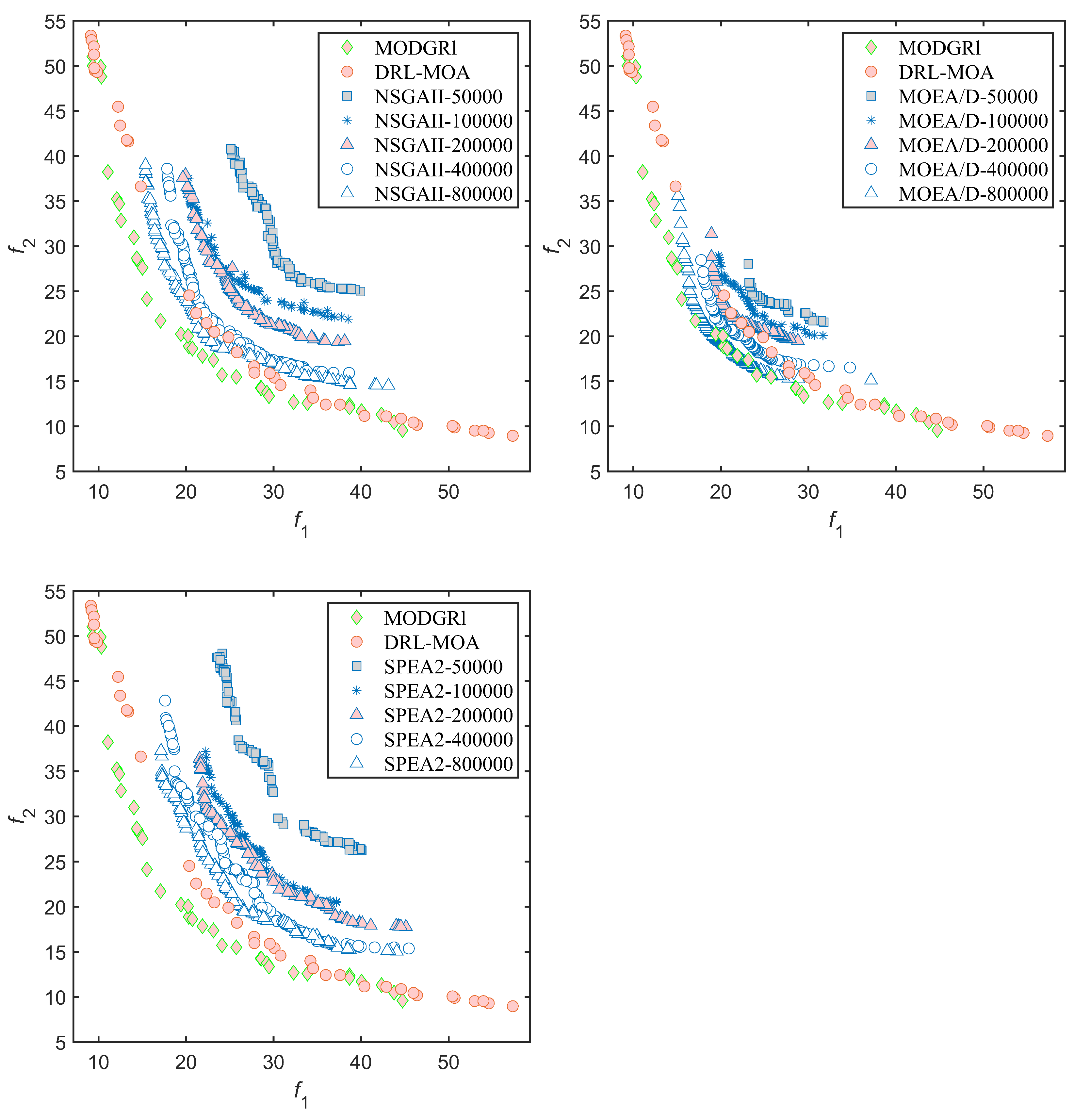
Traveling Salesman Problems (TSPs) have been a long-lasting interesting challenge to researchers in different areas. The difficulty of such problems scales up further when multiple objectives are considered concurrently. Plenty of work in evolutionary algorithms has been introduced to solve multi-objective TSPs with promising results, and the work in deep learning and reinforcement learning has been surging. This paper introduces a multi-objective deep graph pointer network-based reinforcement learning (MODGRL) algorithm for multi-objective TSPs. The MODGRL improves an earlier multi-objective deep reinforcement learning algorithm, called DRL-MOA, by utilizing a graph pointer network to learn the graphical structures of TSPs. Such improvements allow MODGRL to be trained on a small-scale TSP, but can find optimal solutions for large scale TSPs. NSGA-II, MOEA/D and SPEA2 are selected to compare with MODGRL and DRL-MOA. Hypervolume, spread and coverage over Pareto front (CPF) quality indicators were selected to assess the algorithms’ performance. In terms of the hypervolume indicator that represents the convergence and diversity of Pareto-frontiers, MODGRL outperformed all the competitors on the three well-known benchmark problems. Such findings proved that MODGRL, with the improved graph pointer network, indeed performed better, measured by the hypervolume indicator, than DRL-MOA and the three other evolutionary algorithms. MODGRL and DRL-MOA were comparable in the leading group, measured by the spread indicator. Although MODGRL performed better than DRL-MOA, both of them were just average regarding the evenness and diversity measured by the CPF indicator. Such findings remind that different performance indicators measure Pareto-frontiers from different perspectives. Choosing a well-accepted and suitable performance indicator to one’s experimental design is very critical, and may affect the conclusions. Three evolutionary algorithms were also experimented on with extra iterations, to validate whether extra iterations affected the performance. The results show that NSGA-II and SPEA2 were greatly improved measured by the Spread and CPF indicators. Such findings raise fairness concerns on algorithm comparisons using different fixed stopping criteria for different algorithms, which appeared in the DRL-MOA work and many others. Through these lessons, we concluded that MODGRL indeed performed better than DRL-MOA in terms of hypervolumne, and we also urge researchers on fair experimental designs and comparisons, in order to derive scientifically sound conclusions.
Keywords: multi-objective optimization; traveling salesman problems; deep reinforcement learning multi-objective optimization; traveling salesman problems; deep reinforcement learning