Article

Advances in Parameter Estimation and Learning from Data for Mathematical Models of Hepatitis C Viral Kinetics

1
Department of Computer Science, Université du Québec à Montréal, Montréal, QC H3C 3P8, Canada
2
Department of Software Engineering, Sami Shamoon College of Engineering, Beer-Sheva 8410802, Israel
3
Program for Experimental and Theoretical Modeling, Division of Hepatology, Department of Medicine, Stritch School of Medicine, Loyola University Chicago, Maywood, IL 60153, USA
4
Department of Computer Science, Ben-Gurion Universty, Beer-Sheva 8410501, Israel
*
Authors to whom correspondence should be addressed.
Mathematics 2022, 10(12), 2136; https://doi.org/10.3390/math10122136
Submission received: 12 April 2022 / Revised: 27 May 2022 / Accepted: 16 June 2022 / Published: 19 June 2022

Abstract

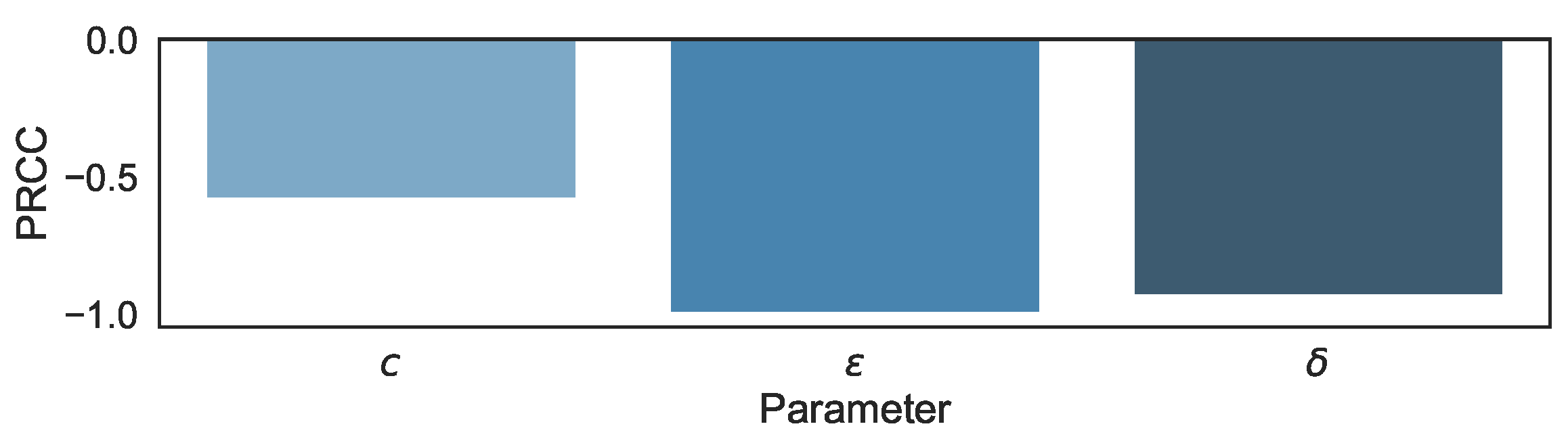
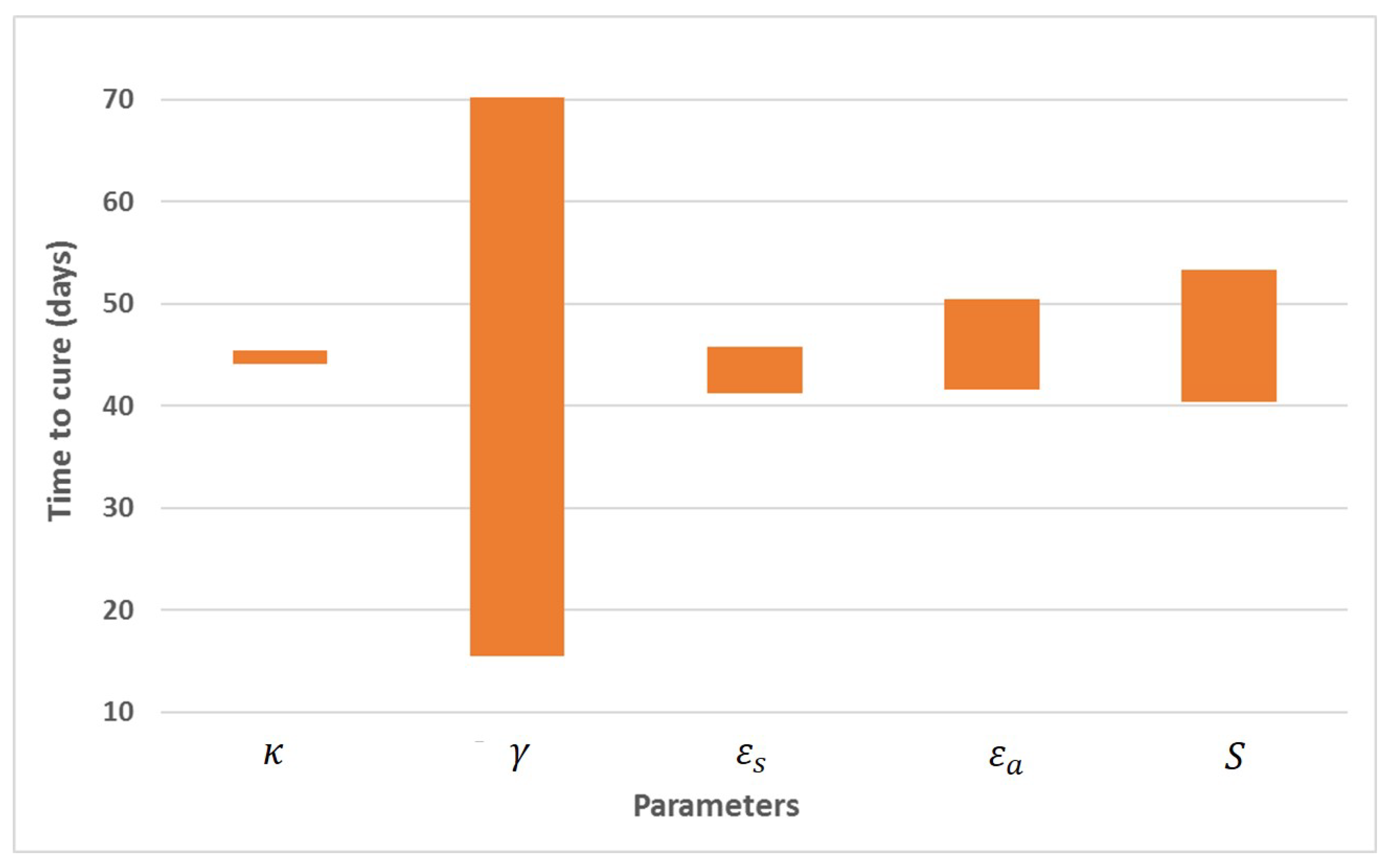
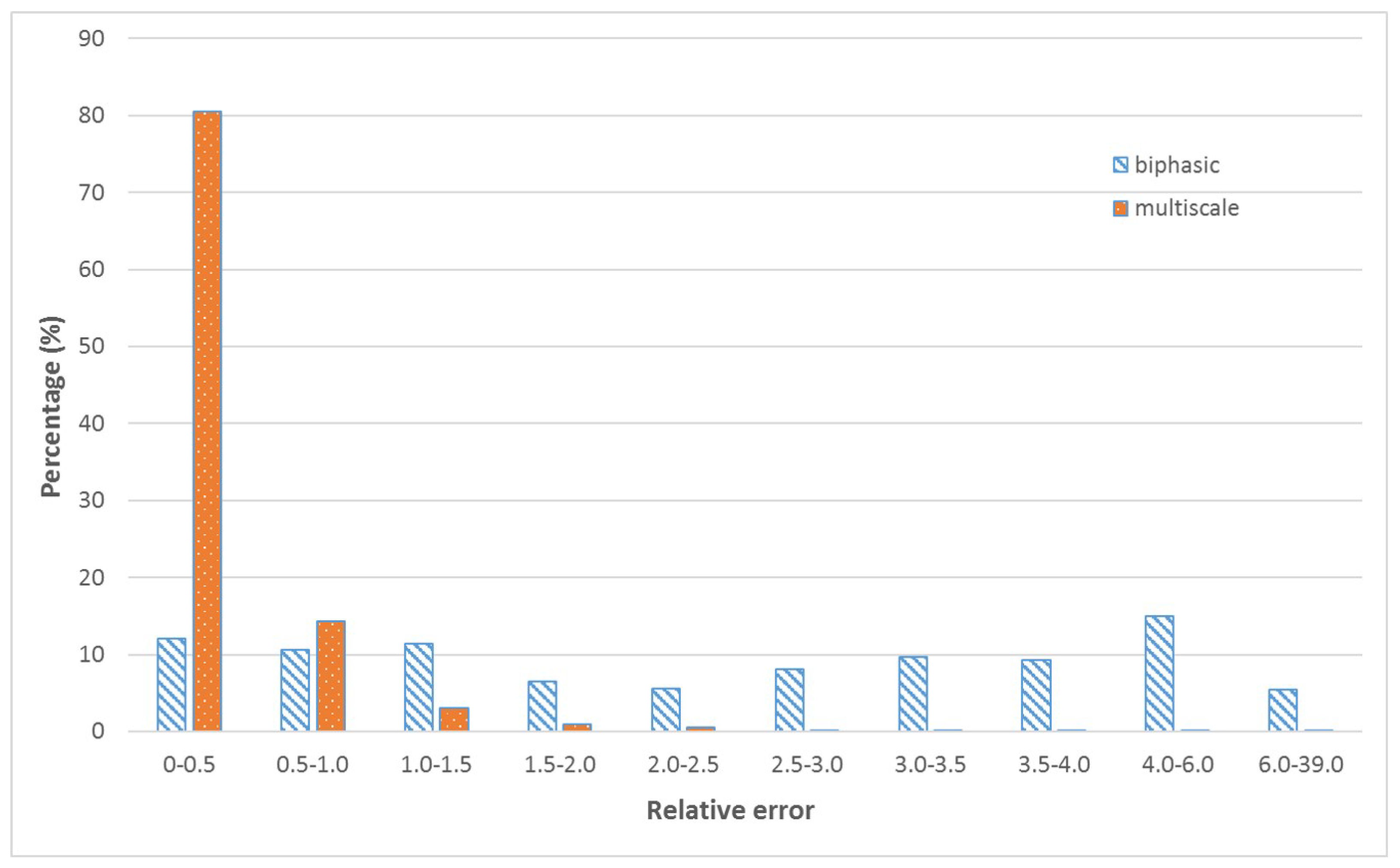
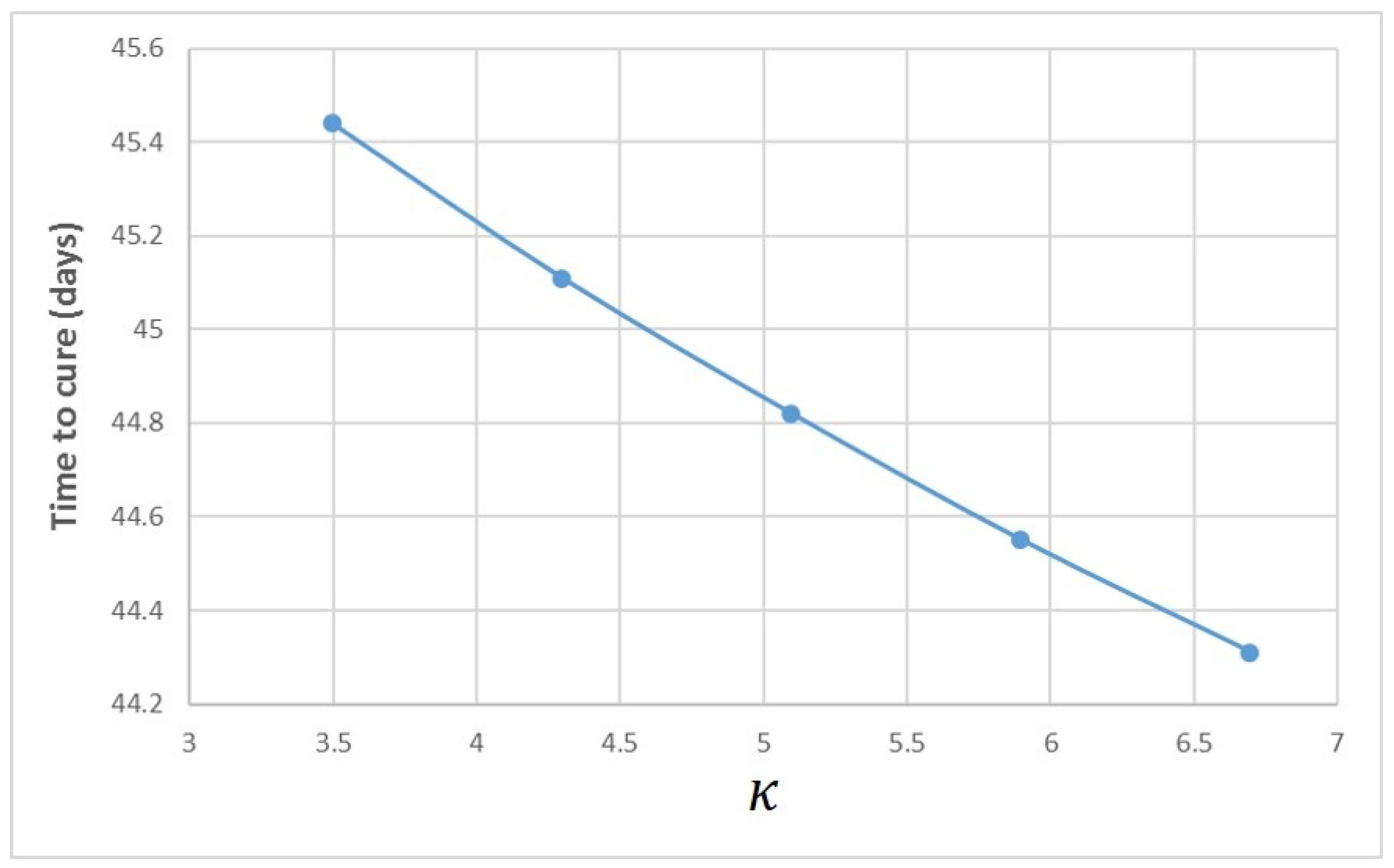
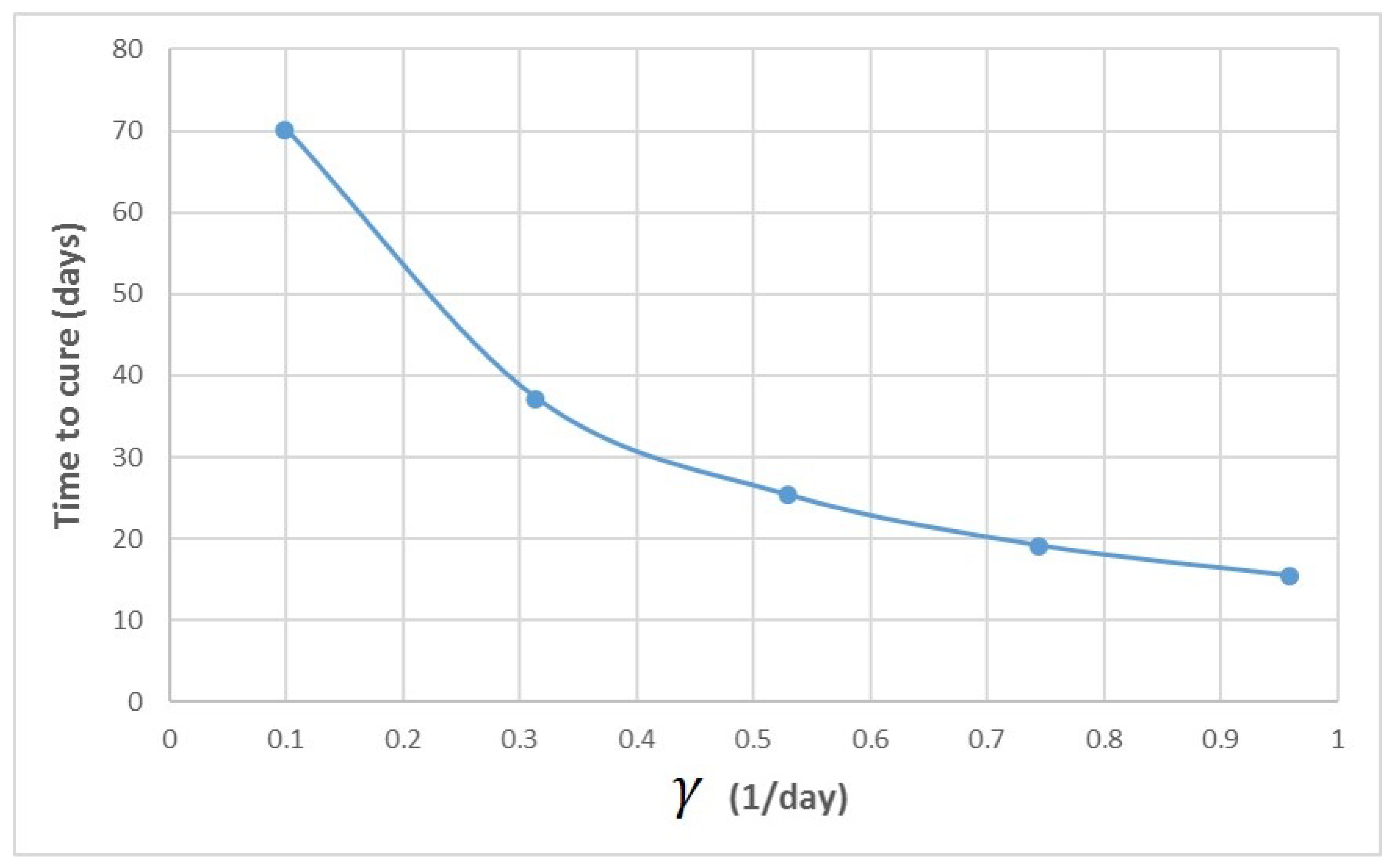
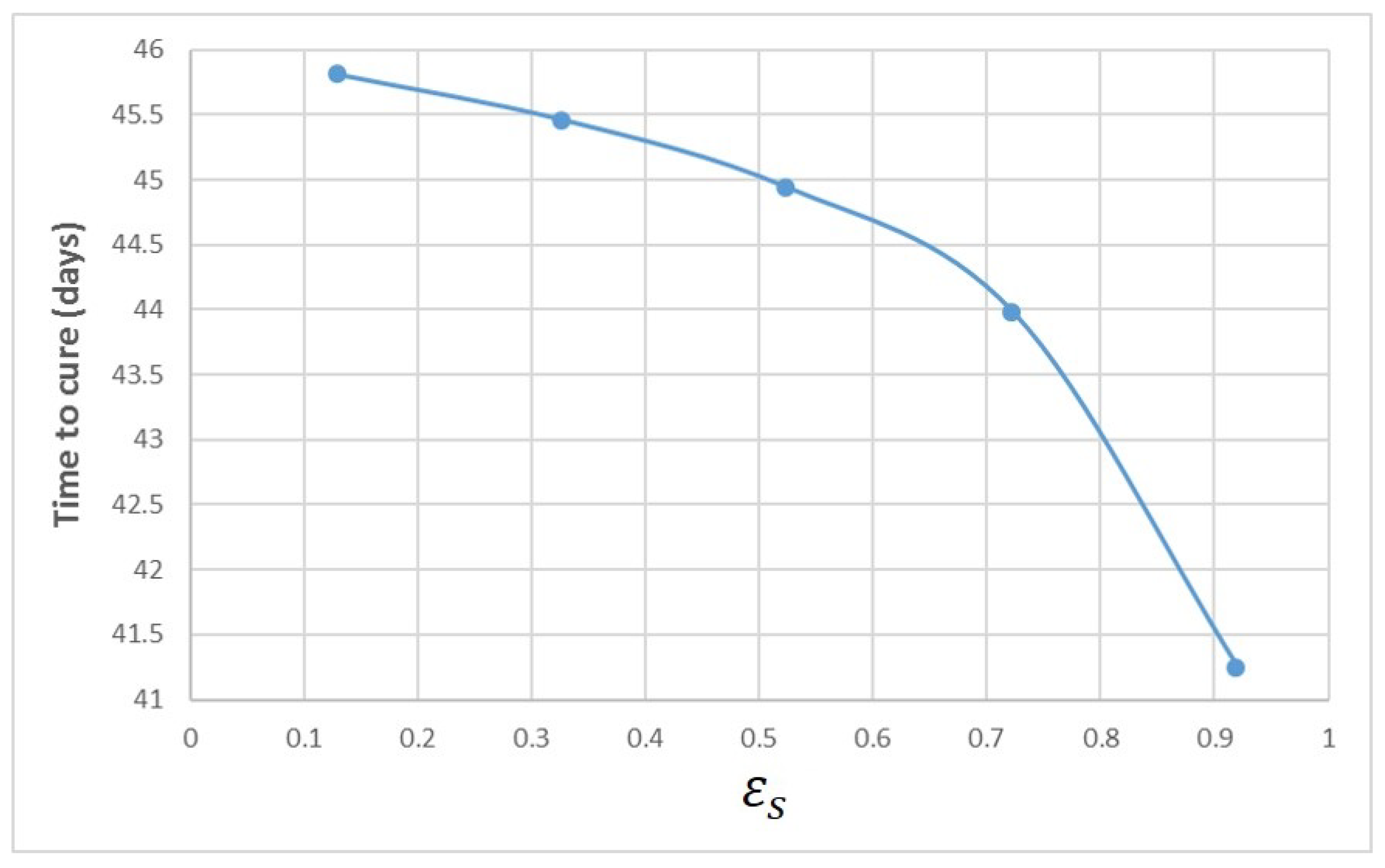
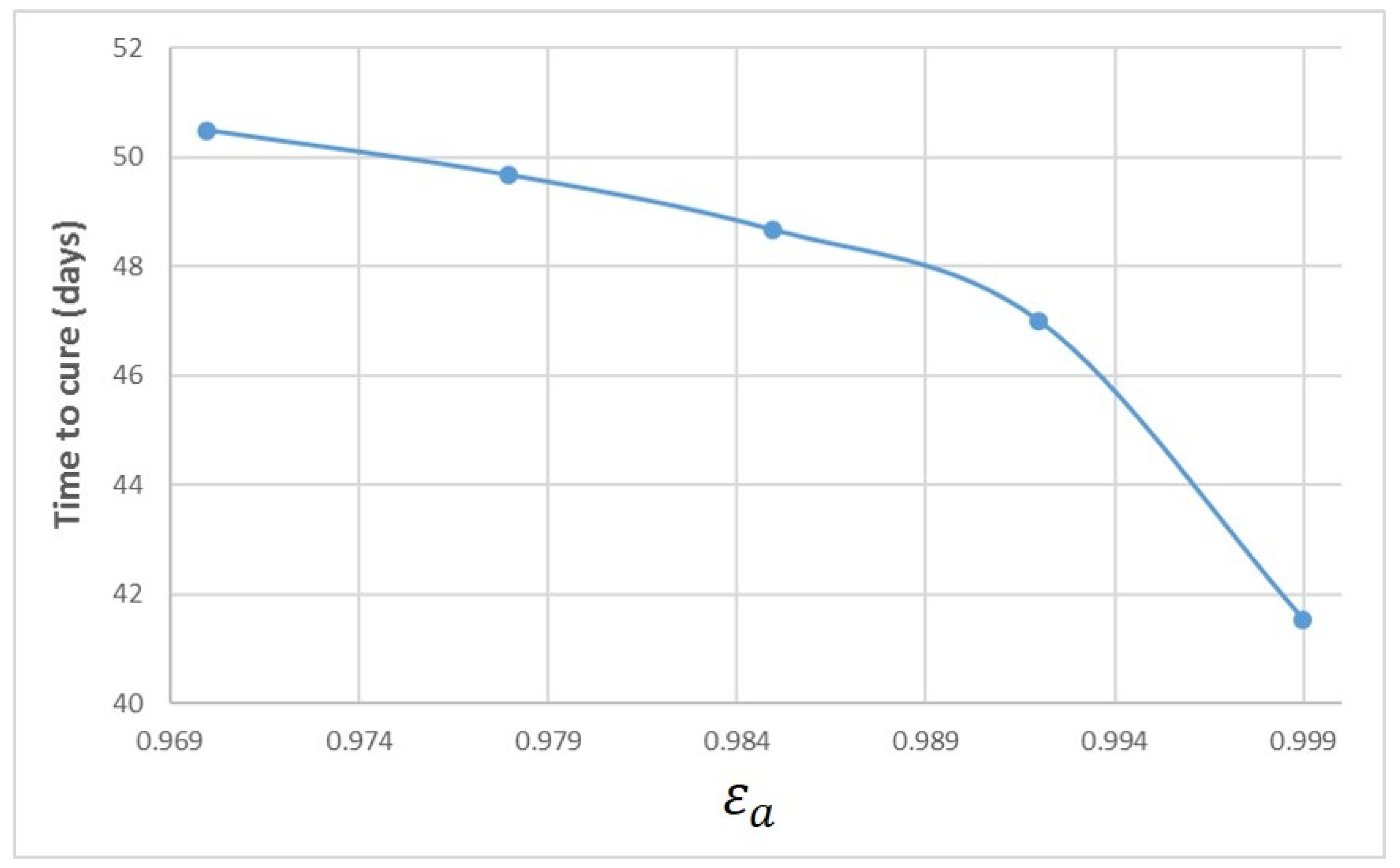
Mathematical models, some of which incorporate both intracellular and extracellular hepatitis C viral kinetics, have been advanced in recent years for studying HCV–host dynamics, antivirals mode of action, and their efficacy. The standard ordinary differential equation (ODE) hepatitis C virus (HCV) kinetic model keeps track of uninfected cells, infected cells, and free virus. In multiscale models, a fourth partial differential equation (PDE) accounts for the intracellular viral RNA (vRNA) kinetics in an infected cell. The PDE multiscale model is substantially more difficult to solve compared to the standard ODE model, with governing differential equations that are stiff. In previous contributions, we developed and implemented stable and efficient numerical methods for the multiscale model for both the solution of the model equations and parameter estimation. In this contribution, we perform sensitivity analysis on model parameters to gain insight into important properties and to ensure our numerical methods can be safely used for HCV viral dynamic simulations. Furthermore, we generate in-silico patients using the multiscale models to perform machine learning from the data, which enables us to remove HCV measurements on certain days and still be able to estimate meaningful observations with a sufficiently small error.
Keywords: hepatitis C virus; viral kinetics; sensitivity analysis; machine learning; mathematical models; time-to-cure hepatitis C virus; viral kinetics; sensitivity analysis; machine learning; mathematical models; time-to-cure