


Abstract
First-year university students experience substantial academic, psychological, and social changes that can influence both well-being and academic engagement. This longitudinal qualitative study explores how first-year students articulate their expectations and adjust to higher education. Data were collected through six weeks of semi-structured interviews with 19 first-year undergraduates enrolled in diverse academic fields across Greek universities. An initial interview conducted in Week 0 examined students’ expectations prior to entry, followed by five weekly interviews focusing on early academic, social, and emotional experiences. Reflexive thematic analysis identified five interrelated domains: Personal Adjustment, Academic Adjustment, Social Integration, Support Systems, and Academic Success. Findings indicate that students entered university with strong academic aspirations, alongside anticipatory concerns related to autonomy, social belonging, and unfamiliar academic environments. Over time, increased autonomy emerged, alongside the importance of peer and institutional support in shaping students’ experiences. Overall, the findings highlight the dynamic nature of first-year adjustment and underscore the importance of integrated academic, social, and institutional support during the early transition to university.
1. Introduction
Admission to higher education is a crucial developmental milestone that initiates a multifaceted and frequently challenging transition process. This transition involves not only academic realignment but also profound psychological, social, and identity transformations, as students shift from familiar, structured educational settings to more autonomous and diverse institutional environments (van Rooij et al., 2018/2018). For first-year undergraduates, the initial period of university life is characterized by the necessity to renegotiate established learning practices, social roles, and expectations, while simultaneously adapting to heightened academic demands and altered support structures. Upon entering university, students are confronted with unfamiliar pedagogical approaches, increased academic autonomy, and more abstract and cumulative forms of assessment. Simultaneously, they are required to navigate novel social landscapes, cultivate peer networks, and establish relationships with academic staff, often with reduced direct guidance and mentorship compared to secondary education (Ainscough et al., 2018). The concurrent demands render the first year of university a period of heightened vulnerability, during which students’ psychological well-being, academic engagement, and sense of belonging may be significantly challenged.
This transitory phase is frequently experienced as a paradoxical period marked by both aspiration and strain. Students generally commence higher education with strong motivation, optimism, and high expectations regarding intellectual growth, personal development, and prospective professional opportunities. Conversely, these expectations frequently clash with the realities of an academically demanding and socially complex learning environment, resulting in stress, uncertainty, and emotional disequilibrium (Pather & Dorasamy, 2018). The disparity between expected and real university experiences may thus act as a critical determinant of students’ adjustment trajectories during the early stages of higher education. Contemporary research increasingly acknowledges that the inaugural year of university constitutes a formative period with long-term implications for students’ academic trajectories, persistence, and overall success. Early experiences during this transition significantly affect students’ engagement, achievement, and retention, as well as their psychological well-being and institutional identity (Malau-Aduli et al., 2021). Thus, understanding how students perceive, interpret, and react to the challenges of entering higher education has emerged as a primary focus within higher education research.
Although institutional strategies for student success have traditionally focused on quantifiable results like academic achievement and retention rates, contemporary research highlights the necessity of adopting a more comprehensive perspective that considers students’ lived experiences, emotional adjustment, and developing sense of belonging (van der Zanden et al., 2018). Within this wider conceptualization, success is no longer perceived solely as an endpoint defined by achievement, but rather as a dynamic and continuous process shaped by students’ ability to adapt, connect, and excel in challenging educational settings (Scoulas et al., 2025).
Importantly, students do not enter higher education as blank slates. Their expectations, motivations, and initial perceptions are influenced by a complex interplay of individual, institutional, and sociocultural factors, including prior educational experiences, familial influences, peer narratives, and broader societal discourses surrounding higher education (Lee et al., 2019). These pre-entry expectations significantly influence students’ interpretations of their early university experiences and their ability to adapt to the new academic and social environment. When expectations align with institutional realities, students are more likely to experience satisfaction, engagement, and a sense of belonging; conversely, discrepancies between expectations and experiences may hinder adjustment and well-being (Xu & Chai, 2025).
1.1. From Secondary to Higher Education
The transition from secondary school to higher education has been widely conceptualized as a developmental and psychological process that requires students to adapt to a broad range of academic, personal, and social demands (van Rooij et al., 2018/2018). In contrast to earlier educational transitions, entry into higher education is often accompanied by a marked shift in institutional culture, teaching practices, and expectations regarding student autonomy. Students are therefore required not only to develop new academic skills but also to assume greater responsibility for their learning, time management, and decision-making.
Whereas secondary education is typically characterized by highly structured schedules, close teacher supervision, and regular formative feedback, higher education emphasizes independent learning, self-directed study, and critical engagement with disciplinary knowledge (Bhardwaj et al., 2025). This shift can pose significant challenges for first-year students, who may struggle to adjust to increased academic demands, reduced explicit guidance, and more abstract assessment practices. Consequently, the transition to university necessitates substantial cognitive, behavioral, and emotional adaptation. This complex and multidimensional process has been the focus of extensive theoretical inquiry, leading to the development of influential theoretical models of student adjustment (Gilani & Thomas, 2025).
One of the most extensively cited frameworks for understanding students’ transition to higher education is Baker and Siryk’s (1984) model of student adaptation, which conceptualizes adjustment as comprising four interrelated dimensions: academic adjustment, social adjustment, personal/emotional adjustment, and goal commitment and institutional attachment. Within this framework, a successful transition to university is contingent upon students’ ability to cope with academic demands, establish meaningful social relationships, maintain emotional well-being, and develop a sense of commitment to their educational goals and their institution. Complementing this perspective, Tinto’s (1993) theory of student attrition highlights the role of academic, social, and institutional integration in shaping students’ persistence in higher education. Tinto conceptualizes transition as a process involving stages of separation from prior communities, transition into the new institutional environment, and eventual incorporation into the academic and social fabric of the university. Similarly, Astin’s (1999) theory of student involvement foregrounds the extent to which students invest physical and psychological energy in their academic experiences, positing that higher involvement is associated with improved learning outcomes and persistence. Collectively, these theoretical frameworks converge on the assumption that successful adjustment to higher education does not depend on a single determinant but emerges from the dynamic interplay between individual characteristics and contextual conditions (Samoila & Vrabie, 2023).
Building on theoretical models that conceptualize student adjustment as a multidimensional process, empirical evidence indicates that students’ adjustment is influenced by a wide range of personal and situational variables. Demographic characteristics, such as age, gender, and socioeconomic background, have been shown to shape students’ adjustment experiences and vulnerability to transition-related challenges (Clinciu, 2013). Beyond demographic factors, psychological variables play a central role in students’ adaptation to university life. For example, locus of control and self-esteem have been linked to students’ ability to manage academic demands and navigate social relationships (Aspelmeier et al., 2012), whereas elevated stress and anxiety levels have been associated with poorer adjustment and diminished academic functioning (Dyson & Renk, 2006). Self-efficacy beliefs, reflecting students’ confidence in their ability to succeed in academic tasks, have emerged as particularly robust predictors of adjustment and academic performance (Bergin & Jimmieson, 2017). In addition, self-regulation skills, including goal setting, time management, and strategic learning behaviors, are essential for navigating the increased autonomy of higher education and have been positively associated with students’ academic adjustment (Raza et al., 2021). Personality characteristics, such as conscientiousness and emotional stability, further contribute to students’ capacity to adapt to the demands of university life (Erzen & Ozabaci, 2023), while coping strategies influence how students respond to stressors and setbacks during the transition period (Sasaki & Yamasaki, 2007). These findings highlight the complex interplay of individual characteristics that influence students’ adjustment trajectories during the transition to university.
1.2. Academic Success
Academic success in higher education has traditionally been defined through objective and quantifiable indicators, most notably grade point average (GPA), course completion, and student retention rates (Whipple & Dimitrova-Grajzl, 2021). Within this conventional framework, success is primarily equated with academic performance and progression, reflecting both institutional priorities and external accountability demands. At an institutional level, students’ measurable academic outcomes are commonly used as indicators of educational quality and effectiveness, and they often play a decisive role in funding allocation and policy evaluation (Rutherford & Rabovsky, 2014). At the individual level, academic achievement remains a central criterion, as students’ continuation and progression are typically contingent upon meeting predefined academic standards, such as minimum GPA thresholds or credit accumulation requirements (Bai et al., 2014).
Extending this performance-oriented perspective, York et al. (2015) propose a more comprehensive conceptualization of academic success that encompasses eight interrelated dimensions, including academic achievement, engagement in educationally purposeful activities, satisfaction, acquisition of desired knowledge, skills and competencies, persistence, attainment of educational objectives, and post-college performance. This framework represents an effort to move beyond narrow performance metrics by acknowledging the broader educational outcomes associated with participation in higher education. Nevertheless, even within such expanded models, academic achievement continues to occupy a central position, particularly during the early stages of university study, where first-year performance has been shown to predict academic outcomes in subsequent years (van Rooij et al., 2018/2018).
From a predictive standpoint, cognitive variables have long been regarded as the most reliable indicators of academic success. Prior academic achievement and standardized cognitive assessments consistently demonstrate moderate to strong associations with university GPA, particularly during the first year of study (Westrick et al., 2015). These findings have reinforced the prominence of cognitive-based admission criteria and performance evaluations within higher education systems. However, an expanding body of empirical research suggests that academic achievement cannot be adequately explained through a single-factor or exclusively cognitive approach. Recent studies increasingly emphasize the contribution of non-cognitive and contextual factors to academic success. Variables such as personality traits, motivational beliefs, self-efficacy, study skills, learning strategies, and both social and academic support exert a significant influence on students’ academic outcomes (Asikainen et al., 2020; San & Guo, 2023). In particular, self-efficacy emerges as a robust predictor of academic engagement and performance, as students who perceive themselves as capable of meeting academic demands are more likely to persist in the face of challenges and to employ effective learning strategies. Similarly, motivational orientations and goal-setting processes shape students’ willingness to invest sustained effort in their studies, thereby influencing achievement trajectories.
In response to these developments, contemporary scholarships increasingly advocate for a more holistic and multidimensional understanding of academic success. Rather than conceptualizing success as a static outcome defined solely by grades or completion rates, researchers describe it as a dynamic and evolving construct that unfolds over time and across different phases of the student experience (Wood & Breyer, 2017). From this perspective, academic success encompasses not only performance outcomes but also students’ capacity to adapt to academic demands, regulate their learning, and maintain psychological well-being throughout their studies (Picton et al., 2018). This broader conceptualization is particularly salient in the context of the first year of university, which is widely recognized as a critical period for the formation of academic habits, self-beliefs, and engagement patterns. First-year students’ ability to cope with academic challenges and adjust effectively to the new learning environment constitutes a key determinant of both short-term performance and long-term success (Credé & Niehorster, 2012). Empirical evidence further indicates that students who achieve a balance between academic and social demands tend to report higher levels of engagement and achievement, whereas those who experience emotional maladjustment, stress, loneliness, or feelings of incompetence are more likely to disengage from learning activities and to report poorer academic performance (Postareff et al., 2017).
In line with this broader perspective, academic success and psychological well-being are increasingly viewed as closely interconnected rather than independent constructs. Higher levels of well-being are associated with stronger academic engagement, persistence, and achievement, operating through mechanisms such as academic grit, self-efficacy, and adaptive learning behaviors (Williams et al., 2025). Meta-analytic evidence further points to a small but consistent positive relationship between well-being and academic achievement across educational levels and cultural contexts, underscoring the relevance of emotional and psychological factors for academic performance (Kaya & Erdem, 2021). Emotional intelligence also emerges as an important contributor to academic success, exerting both direct and indirect effects. Students with higher levels of emotional intelligence appear better equipped to manage academic stressors, regulate their emotions, and engage constructively with peers and instructors, thereby enhancing their academic performance (Vasiou et al., 2025). These associations are frequently mediated by psychological well-being, which functions as a key mechanism linking emotional competencies to achievement outcomes (Ruiz-Ortega et al., 2024). In addition, positive psychological characteristics such as resilience, intrinsic motivation, and self-regulatory capacity mediate the relationship between emotional intelligence, well-being, and academic achievement, further reinforcing the multifactorial nature of success in higher education (Shengyao et al., 2024).
Furthermore, students’ sense of academic success is strongly influenced by intrinsic motivation, self-efficacy beliefs, engagement in learning behaviors, and the satisfaction of basic psychological needs for competence, autonomy, and relatedness (Macakova & Wood, 2022). These findings indicate that, although academic achievement remains a central dimension of success, it represents only one component of a broader and more complex construct. Alongside performance outcomes, intellectual development, emotional and psychological adjustment, behavioral engagement, satisfaction, and perceived fit with the academic environment are increasingly recognized as equally important contributors to students’ overall success and well-being in higher education (Whipple & Dimitrova-Grajzl, 2021).
1.3. Facing Adjustment
Adjustment during the initial year of university constitutes a multidimensional and highly individualized experience that encompasses academic, social, and emotional domains. First-year students are frequently confronted with significant disruptions to established routines, expectations, and support systems, which necessitate the development of new adaptive strategies to navigate unfamiliar academic and social environments (Chan & Rose, 2023). Empirical evidence consistently indicates that students’ ability to adjust effectively is a central determinant of both their immediate academic performance and their longer-term persistence in higher education (Malau-Aduli et al., 2021). Adjustment to university therefore extends beyond academic adaptation alone and involves a complex interplay of cognitive, behavioral, and emotional processes that collectively shape students’ capacity to integrate into the new environment. From a psychological perspective, students may experience a broad range of emotional responses, including enthusiasm, pride, and hope alongside stress, anxiety, and feelings of inadequacy (Hako et al., 2023). These emotional experiences are closely linked to academic outcomes, social engagement, and overall well-being. Notably, students who struggle to manage stressors and cope with challenges frequently report lower academic performance, reduced satisfaction, and an increased risk of attrition, particularly during periods of systemic disruption or societal crises, such as the COVID-19 pandemic (Bain et al., 2023).
A central factor influencing first-year adjustment is the alignment between students’ expectations and their actual experiences. Research indicates that a substantial proportion of students enter university with unrealistic or overly optimistic assumptions regarding course workload, staff accessibility, feedback availability, and the broader learning environment (Borghi et al., 2016). When discrepancies arise between pre-entry expectations and lived experiences, students may experience dissatisfaction, which can undermine engagement, motivation, and persistence (Byrne et al., 2012). Consequently, managing expectations and supporting students in reconciling anticipatory beliefs with institutional realities represent critical components of facilitating successful adjustment.
Social and academic support mechanisms constitute key protective factors that can buffer the adverse effects of adjustment difficulties during the transition to university. Social support, encompassing emotional, informational, and instrumental assistance from family members, peers, and other significant individuals, is consistently associated with enhanced emotional, social, and academic adjustment (Malau-Aduli et al., 2021). Peer support, in particular, contributes to the development of learning communities, fosters a sense of belonging, and facilitates the formation of academic and professional identities (Gibson et al., 2010). High levels of perceived social support are correlated with increased well-being, reduced stress, and greater resilience during the transition to higher education (Lau et al., 2018). Moreover, social support functions as a buffer against anxiety and depression, strengthening students’ capacity to respond adaptively to challenges (Shao et al., 2020).
Academic support, defined as the availability of guidance, mentorship, and access to knowledgeable staff, also plays a pivotal role in first-year adjustment. Perceived academic support is positively related to motivation, resilience, and academic performance, specifically among students at risk of underachievement or disengagement (Walters-Archie, 2018). Structured mentoring programs, including peer and near-peer initiatives, have been demonstrated to facilitate the development of effective study habits, promote academic integration, and enhance overall engagement (Wilton et al., 2021). Additionally, informal academic networks characterized by collaborative learning and peer-to-peer knowledge exchange are instrumental in establishing learning communities in which collective problem-solving and mutual support reinforce both adaptation and academic performance (Tomás-Miquel et al., 2016).
The interplay between social and academic support further highlights the importance of comprehensive transition strategies. Social networks often serve an affective function by providing emotional reassurance and companionship, whereas academic networks offer cognitive and instrumental support that directly enhances learning outcomes. Evidence indicates that the combined presence of these support types optimizes first-year adjustment and contributes to well-being and academic success (Gehreke et al., 2024). Importantly, self-esteem plays a mediating role in this relationship, as students who perceive themselves as competent are more likely to engage effectively with available resources and to develop a sense of belonging within the university community (Lau et al., 2018).
Adjustment also involves the development of self-regulatory and coping strategies that enable students to manage academic and social demands with increasing independence. Effective coping mechanisms, including problem-focused strategies, time management, and goal setting, are positively associated with academic outcomes and psychological well-being (Raza et al., 2021). Conversely, maladaptive coping, avoidance, or withdrawal behaviors are linked to lower engagement, elevated stress, and poorer academic performance (Dyson & Renk, 2006). Supporting students in developing the skills required to monitor and regulate their learning, emotions, and social interactions is therefore essential for facilitating a successful transition to university.
Longitudinal and qualitative research has underscored that adjustment is a dynamic process rather than a static outcome. Students’ perceptions, behaviors, and emotional states evolve as they engage with academic and social environments, reflecting an ongoing negotiation between expectations and experiences. Early social integration, for example, often plays a more prominent role than academic mastery in shaping students’ initial sense of belonging. Over time, increased familiarity with academic conventions, feedback mechanisms, and institutional resources contributes to the gradual development of competence and confidence (Doan & Russell, 2022; Moosa & Langsford, 2021). Recognizing this temporal dimension is crucial for designing interventions and support mechanisms that are responsive to the evolving needs of first-year students.
1.4. Research on First-Year Transition Experiences
Research on first-year university students’ transition experiences is extensive, encompassing both quantitative and qualitative approaches across diverse national and disciplinary contexts. Empirical studies consistently indicate that students face a multifaceted set of challenges when reconciling pre-entry expectations with the realities of higher education, and that these experiences are mediated by cultural, institutional, and individual factors (Byrne et al., 2012; Maloshonok & Terentev, 2017). Understanding these dynamics is essential for designing effective interventions and support mechanisms that promote academic success, social integration, and psychological well-being.
International comparative studies have highlighted cross-national variations in students’ motives, preparedness, and perceptions of higher education. For example, Byrne et al. (2012) with a large-scale quantitative study involving 558 first-year students indicated vocational motives and aspirations for intellectual growth were central drivers of higher education across all contexts, while notable national differences were also evident. Jones (2018) examined the experiences of students from diverse educational and socio-economic backgrounds through semi-structured interviews and reported that students from low-income backgrounds faced significant pedagogical adaptation challenges arising from misalignments between their expectations and the higher education culture and curriculum. Participation in structured pre-arrival programs offered modest benefits, particularly by enhancing social and academic confidence. In contrast, students from independent schools primarily encountered challenges related to assessment practices, as they anticipated more individualized academic support.
Similarly, Mearman and Payne (2023) investigated expectation formation among students using thematic analysis and distinguished between expectations, i.e., concrete and externally validated visions of university, and anticipations, understood as more abstract and socially constructed images of higher education. Their findings emphasize the multifaceted and evolving nature of expectation formation and its implications for adjustment. In addition, Brinkworth et al. (2009), in a study of 233 first-year students, reported that students frequently underestimated the differences between secondary and tertiary education and held overly optimistic expectations regarding feedback and guidance. Misalignments between students’ expectations and teaching practices, alongside perceptions of the impact of external commitments, highlighted the need for rapid academic and social adaptation for successful transitions.
Longitudinal research has also documented the emergence of the so-called “freshman myth,” whereby students tend to overestimate their study time, academic performance, and levels of engagement while underestimating potential challenges (Maloshonok & Terentev, 2017). Data collected at the beginning and end of the first academic year revealed that discrepancies between expected and actual grades, engagement, and participation in extracurricular activities predict overall academic outcomes, independent of demographics or psychological variables, such as motivation. These findings emphasize the significance of managing expectations in fostering successful adaptation and achievement.
Phenomenological research has further elucidated the nuanced ways in which students experience adjustment and social integration. Doan and Russell (2022) investigated students’ expectations and experiences of social connection in universities, revealing that implicit mindsets substantially influenced adjustment processes. Students with a growth mindset approached cross-cultural engagement as a developmental opportunity, whereas those with a fixed mindset tended to perceive cultural differences as barriers. Similarly, Moosa and Langsford (2021) examined first-year students’ experiences during their initial weeks of university, reporting that social integration initially constituted a greater source of anxiety than academic mastery. After six weeks, students increasingly emphasized the importance of academic conventions and came to view academic success as central to inclusion.
Previous research emphasizes the centrality of expectations in shaping students’ adjustment experiences, while also drawing attention to the range of personal, social, institutional, and cultural factors that influence first-year transition trajectories. Evidence indicates that mismatches between anticipated and actual experiences can generate stress, lower engagement, and reduce satisfaction, whereas closer alignment fosters confidence, perceived competence, and academic and social integration (Borghi et al., 2016). The literature further suggests that both social and academic support mechanisms can moderate the impact of expectation-experience discrepancies, thereby facilitate successful adjustment and enhance both well-being and academic outcomes (Lau et al., 2018).
1.5. Present Study and Research Questions
Prior research provides compelling evidence that adjustment to university during the first year is a dynamic and contextually situated process, shaped by students’ expectations, coping strategies, and support networks. Quantitative, longitudinal, and qualitative studies collectively demonstrate that successful transitions depend on the alignment between students’ initial expectations and institutional realities, the development of supportive academic and social relationships, and the cultivation of adaptive cognitive and emotional strategies (Cameron & Rideout, 2022; De Clercq et al., 2018; Wang et al., 2025). This body of work has informed the design of targeted institutional interventions, such as mentoring schemes, structured pre-arrival orientations, and student support services, which aim to promote academic performance, social integration, and psychological well-being during the critical first year of higher education.
A similar gap is evident in the literature on academic success. Emerging evidence suggests that students tend to adopt broader and more holistic conceptualizations of success that extend beyond grades and formal credentials to include effective management of academic, personal, and social demands (Hannon et al., 2017). Students frequently emphasize self-regulation, motivation, goal attainment, and access to institutional and social support as central components of their perceived success (Lynam et al., 2024; Martin et al., 2014). These findings underscore the importance of examining success and adjustment as subjective and evolving constructs grounded in students’ everyday experiences.
Despite the breadth of this literature, relatively few studies have foregrounded students’ own perspectives through longitudinal qualitative designs capable of capturing the evolving nature of adjustment over time. Much of the existing research has relied on cross-sectional methods or predefined outcome measures, which may obscure the fluid and process-oriented character of students’ lived experiences during the early stages of transition. As a result, there remains limited understanding of how students themselves interpret, negotiate, and re-evaluate their expectations and experiences as they adapt to university life. Moreover, although academic success has traditionally been conceptualized from institutional or performance-based perspectives, relatively few studies have incorporated students’ own definitions of what it means to be successful at university.
To address these gaps, the present study adopts a longitudinal qualitative approach to examine first-year university students’ expectations and experiences during the early weeks of their transition. Through the collection of weekly qualitative data, the study aims to capture the dynamic processes through which students make sense of their academic, social, and emotional experiences as they unfold. This design allows for an exploration of how initial expectations are confirmed, challenged, or reconfigured over time, as well as how students’ conceptions of adjustment and academic success develop during the initial stages of university life. By employing longitudinal qualitative data, the study makes a distinct methodological contribution to research on student adjustment. Rather than examining academic, emotional, and social experiences in isolation, the transition to university is conceptualized as an interconnected and evolving system of experiences. This integrative perspective enables a more nuanced understanding of the processes that facilitate or hinder successful adaptation and offers meaningful implications for the development of more targeted, responsive, and student-centered support interventions for first-year undergraduates.
Based on these aims, the study is guided by the following research questions:
RQ1:
What expectations do students have during their first week at university?
RQ2:
What experiences do students report during the first weeks of the transition to university?
RQ3:
How do the interconnections between students’ reported experiences evolve during the initial weeks of their transition?
2. Method and Procedure
2.1. Participants
Nineteen first-year university students took part in the study. Recruitment followed a purposive convenience sampling strategy, based on accessibility and relevance to the study’s focus on expectations and experiences during the transition to university. Participation was entirely voluntary, and no incentives were provided. Ethical approval was obtained from the Ethics and Deontology Committee of the corresponding university, and informed consent was obtained from all individuals in accordance with the principles of the Declaration of Helsinki. All were enrolled in their first semester of higher education. The sample was predominantly female (n = 14), while participants represented a range of academic disciplines, including Social Sciences and Humanities (n = 13), Business and Economics (n = 4), and Technical Sciences (n = 2). Regarding participant demographics, data collection was exclusively limited to gender and academic discipline. While other socioeconomic indicators (i.e., parental educational background or financial status) were not formally recorded, the qualitative nature of the semi-structured interviews allowed participants to reflect on their personal support networks and transition experiences spontaneously.
2.2. Research Design and Analysis
The study adopted a qualitative research design, with inductive thematic analysis serving as the primary analytic approach. Data were collected through semi-structured interviews (Table 1). Each participant completed six brief reflective interviews across six consecutive weeks, allowing for a longitudinal examination of their transition during the first semester. The initial interview focused on students’ expectations prior to commencing their studies, while the subsequent five interviews explored their experiences during the first five weeks of university life. Interviews were conducted by the first and third authors using a semi-structured interview guide that addressed key aspects of students’ recent experiences, including academic engagement, social adjustment, and emotional well-being. This allowed for a shared understanding of the data during the subsequent analytic phases. Depending on participants’ preferences, interviews were conducted either in person or online and typically ranged from 10 to 20 min in duration. This timeframe was considered optimal for capturing immediate, weekly reflections while minimizing participant burden in a high-frequency longitudinal design. All interviews were audio-recorded with participants’ informed consent and transcribed verbatim. The resulting transcripts constituted the primary qualitative dataset for analysis.
Table 1.
Semi-Structured Interview Guide.
Data analysis was conducted using reflexive thematic analysis (Braun & Clarke, 2022). During the initial analytic phase, two researchers independently performed line-by-line coding of data from the first two weeks to generate a preliminary set of codes. They then engaged in systematic comparison and discussion to resolve discrepancies and refine the coding framework. This agreed framework was subsequently applied to the remaining dataset. To further enhance analytic rigor, a third researcher independently coded the data and participated in iterative discussions aimed at reaching consensus on the final coding scheme. This triangulated analytic process promoted interpretive dialog, ensured coherence across coders, and strengthened the trustworthiness of the analysis.
The analysis followed a fully inductive approach, with themes emerging directly from participants’ accounts rather than being guided by pre-existing theoretical constructs. Reflexive memos and analytic notes were maintained throughout the analysis to document interpretive decisions and enhance transparency. This iterative procedure led to the identification of five recurring themes representing students’ lived experiences of the first-year transition: Personal Adjustment, Academic Adjustment, Social Integration, Support Systems, and Academic Success. Although analytically distinct, these themes were conceptually interconnected and collectively captured key dimensions of first-year adjustment. Following theme development, each weekly reflection was coded for the presence and frequency of the five themes. Weekly frequency counts for each participant were subsequently used as numerical indicators of adjustment experiences over time.
3. Findings
The findings of the thematic analysis of students’ weekly reflections are presented below and offer contextualized insight into the lived experiences associated with the adjustment domains examined in this study. These qualitative patterns capture students’ personal, academic, and social experiences as they unfolded and provide a descriptive foundation for understanding the transition process. Table 2 summarizes the frequency with which each thematic category appeared in students’ weekly interview responses across the six-week data collection period. Although reflexive thematic analysis does not treat frequency as a direct indicator of thematic importance, examining the distribution of coded excerpts over time offers valuable insight into which aspects of the transition were most salient at different stages of early university adjustment.
Table 2.
Themes and frequency distribution in students’ experiences for 6 weeks.
Over the six weeks, a total of 708 coded excerpts were identified. Weekly frequencies ranged from 89 excerpts in Week 5 to 153 excerpts in Week 0, with a mean of approximately 118 excerpts per week. On average, each participant contributed approximately 37 coded excerpts across the six interviews. The coded material was distributed across all five thematic domains, with Personal Adjustment (n = 208) and Academic Success (n = 159) emerging as the most frequently represented themes, followed by Support Systems (n = 142), Social Integration (n = 111), and Academic Adjustment (n = 88).
Figure 1 illustrates the weekly distribution of thematic categories across the first six weeks of first-year university students’ expectations and transition experiences. The figure presents the proportion of weekly reflections coded under Personal Adjustment, Academic Adjustment, Social Integration, Support Systems, and Academic Success. Reflections related to Personal Adjustment were particularly prominent during the early weeks of the semester, suggesting that students were initially focused on managing emotional, psychological, and practical demands of the transition. Academic Success also featured prominently, especially in Week 0, reflecting students’ strong anticipatory orientation on achievement, performance, and goal attainment prior to and at the outset of university life.
Figure 1.
Weekly distribution of thematic categories across the first six weeks of first-year university students’ expectations and transition experiences.
As the semester progressed, reflections related to Support Systems and Social Integration became increasingly prominent, indicating a gradual shift toward relational and contextual aspects of adjustment. By contrast, Academic Adjustment, which captured students’ engagement with academic demands, workload management, and study strategies, was less frequently represented overall and declined steadily over time. This pattern suggests that although academic demands were salient in the early stages of transition, students’ reflections increasingly emphasized broader concerns related to well-being, belonging, and perceived success as they became more embedded in the university environment. Overall, the distribution of themes indicates that the initial phase of the transition was primarily characterized by concerns related to personal adaptation and academic success, while experiences of social integration and support gained greater prominence as students progressed through the first weeks of university life. These findings highlight the dynamic and evolving nature of first-year adjustment and provide an empirical foundation for the relational analyses presented in the following sections.
3.1. Personal Adjustment
Students’ accounts of personal adjustment point to a gradual movement from meaning-oriented expectations toward the development of stable everyday practices during the first weeks of university life. At the outset of the transition, students commonly framed university as a source of anticipated psychological fulfillment and personal growth, construing entry into higher education as a symbolic milestone linked to self-realization and moral development. These early reflections suggest that personal adjustment initially operated at an aspirational level, grounded in imagined future identities rather than concrete daily experiences.
I have the sense that university and obtaining a degree will provide me with a sense of moral fulfillment.[Student 6; Week 0]
As students began to engage more directly with the university environment, attention shifted toward intentional action and agency. Personal adjustment became increasingly associated with actively seeking new experiences, forming social connections, and structuring time in purposeful ways. This phase reflects an early effort to translate abstract expectations into lived practices, marking a transition from anticipation to engagement.
My goal for this week is to have new experiences, meet new people, and fill my time in a creative way.[Student 13; Week 1]
Over time, personal adjustment increasingly encompassed the management of everyday responsibilities and the development of autonomy. Students described adopting practical strategies for handling household tasks and personal schedules, indicating a growing sense of self-regulation and independence.
I have more or less figured out household chores. It’s important to do a little every day so they don’t all pile up over the weekend.[Student 3; Week 2]
I like that I can organize my schedule however I want.[Student 2; Week 3]
As routines became more established, participants reported a growing sense of stability and continuity in their daily lives, suggesting that personal adjustment involved the gradual normalization of university life within broader patterns of everyday functioning.
I may have only been here for a month, but I have developed a daily routine.[Student 19; Week 4]
At the same time, this consolidation was not uniformly positive. For some students, the establishment of routine was accompanied by feelings of emotional disengagement, with daily activities described as increasingly automatic.
Lately, my life has fallen into a routine, and some things are done almost automatically.[Student 16; Week 5]
This tension highlights an important dimension of personal adjustment, namely the balance between stability and meaningful engagement. While routine supported functional adaptation and autonomy, it could also diminish the sense of novelty and personal significance that initially motivated students’ transition to university.
3.2. Academic Adjustment
Students’ accounts of academic adjustment indicate a gradual progression from broad, affective expectations about learning toward more structured and sustained engagement with academic practices. During the expectations phase, students commonly described academic life, in general, and aspirational terms, emphasizing enjoyment, interest, and openness toward learning rather than specific academic demands or requirements.
My way of thinking is to enjoy my degree and all my studies.[Student 9; Week 0]
As students encountered the institutional context, academic adjustment became associated with recognizing differences between secondary and higher education, particularly with regard to increased flexibility and autonomy. These early observations indicate an emerging awareness of altered academic expectations and reduced external regulation.
At university, they are not as strict with schedules and attendance as they were at school.[Student 17; Week 1]
Subsequent reflections highlighted the importance of early academic milestones in fostering a sense of competence. Completing initial coursework or assessments appeared to serve as concrete markers of academic belonging and capability.
I felt proud that I completed the first compulsory test in mathematics.[Student 8; Week 2]
Alongside these moments of success, students described uncertainty and ongoing efforts to adapt to new study demands and expectations. Academic adjustment during this phase involved negotiating unfamiliar learning expectations and reassessing previously effective study habits.
I am still trying to find my footing with studying because it is very different from school.[Student 10; Week 3]
As the semester progressed, academic adjustment became increasingly associated with organization, planning, and self-regulation. Students reported developing personalized study routines and schedules, suggesting a shift toward more proactive management of academic responsibilities.
I have become quite organized with my courses compared to the beginning. I have made a schedule.[Student 15; Week 4]
By the later weeks of the transition period, academic engagement was described as more consistent and routine. Attendance and participation in academic activities appeared to be increasingly normalized, indicating that academic practices had been integrated into students’ everyday lives.
I continue to attend classes every day, which is something I did not expect I would end up doing.[Student 12; Week 5]
To sum up, these accounts suggest that academic adjustment unfolds through a process of gradual normalization, moving from initial affective orientations and uncertainty toward competence, organization, and sustained engagement. Unlike personal adjustment, which centered on autonomy and everyday functioning, academic adjustment was shaped by students’ growing familiarity with institutional expectations and their ability to translate autonomy into effective academic practices.
3.3. Social Integration
Students’ reflections within the domain of Social Integration depict a dynamic and non-linear process through which social connection was negotiated during the early transition to university. At the expectations stage, social integration was primarily articulated in aspirational terms, with students expressing hopes of forming new relationships and developing a sense of belonging within peer groups.
I hope to meet new people and fit in with new groups.[Student 4; Week 0]
For some students, early experiences involved rapid social bonding and the swift formation of close peer networks. These early connections appeared to provide immediate social anchoring and reassurance during the transition period.
My friends and I are a group of four or five people, and we bonded from the very first day.[Student 5; Week 1]
Academic contexts also emerged as important sites for social interaction, particularly through collaborative learning activities. Group-based academic tasks offered structured opportunities for interaction, allowing social ties to develop alongside academic engagement.
Through group assignments, I feel that I am socializing.[Student 10; Week 2]
However, students’ accounts also revealed moments of hesitation and vulnerability. Some described personal barriers to initiating social contact, indicating that social integration was not a uniformly accessible or effortless process, even later in the semester.
I feel a bit shy about approaching new people.[Student 15; Week 3]
For certain students, feelings of loneliness and social absence became more pronounced as the semester progressed, particularly in relation to changes in living arrangements and reduced everyday social contact.
I miss my daily life where I was surrounded by many people at home, because now, honestly, I live alone.[Student 18; Week 4]
By the later stages of the transition, reflections increasingly conveyed a more positive and active social experience. Students described frequent interaction, ease of communication, and a growing sense of sociability within the university environment, suggesting that earlier uncertainties were gradually replaced by social confidence and inclusion.
I am having a great time at university; everyone is very sociable, I meet new people every day, and we talk a lot.[Student 14; Week 5]
Overall, these accounts indicate that social integration unfolded through alternating phases of anticipation, connection, hesitation, and consolidation. Unlike academic adjustment, which progressed toward routine and competence, social integration remained emotionally contingent and sensitive to contextual factors such as personality, living arrangements, and opportunities for interaction. The findings suggest that social belonging was not achieved uniformly or simultaneously for all students but emerged gradually through a combination of structured academic interactions and informal social encounters.
3.4. Support Systems
Narratives related to support systems emphasize the evolving role of institutional structures, interpersonal relationships, and academic resources in students’ adjustment processes in students’ adjustment processes. During the expectations phase, support was described in broad and collective terms, with students construing the university as an integrated environment encompassing faculty members, peers, and institutional culture.
The university itself, the professors, and fellow students play an important role in students’ adjustment, helping me achieve my goals through good cooperation and respect.[Student 11; Week 0]
Initial encounters with formal welcoming practices were described in positive emotional terms and appeared to reinforce an early sense of inclusion and belonging within the academic community.
I really liked the welcome at my department. I was very excited.[Student 19; Week 1]
As students became more settled in university life, support increasingly assumed a more personalized and relational form, particularly through peer connections that combined social interaction with academic collaboration. Studying together emerged as an important practice through which support was both enacted and sustained.
I have found a fellow student whom I get along with and like, and we go to the library together and study.[Student 3; Week 2]
Emotional support emerged as particularly salient during periods of uncertainty and cognitive overload, with students describing reliance on others to manage stress, confusion, and emotional strain associated with the transition.
Fortunately, despite the chaos in my head, the people around me help me by trying to distract me.[Student 12; Week 2]
Institutional academic support also featured prominently in students’ accounts, particularly with regard to course organization and access to learning materials. These forms of support appeared to facilitate clarity and predictability within the academic environment.
I am pleased with the organization and with the fact that professors upload notes on the e-class platform, which is very important.[Student 9; Week 4]
Toward the end of the observation period, students increasingly emphasized more targeted and experience-based forms of guidance, particularly from senior peers. Such support appeared to alleviate anxiety and enhance students’ sense of preparedness for upcoming academic demands.
A student from a higher year helps me somewhat with my courses, and I hope she will also guide me during the exam period so that I do not struggle as much. My anxiety about many aspects of university has decreased.[Student 17; Week 5]
Overall, these accounts suggest that support systems evolved from diffuse and institution-wide perceptions into more specific, relational, and functionally differentiated resources. Unlike social integration, which was centered on belonging and emotional connection, support systems were described in terms of their instrumental and regulatory value, helping students manage uncertainty, structure their academic engagement, and sustain confidence during the transition. Support thus operated as a stabilizing layer that interacted dynamically with personal, academic, and social adjustment processes across time.
3.5. Academic Success
Within the domain of Academic Success, students’ reflections point to progression from abstract, learning-oriented expectations toward more experience-based evaluations of academic competence. At the expectations stage, success was primarily articulated in aspirational and intrinsic terms, with students emphasizing deep understanding and mastery of subject matter as central indicators.
I believe that I need to manage to understand the subject of my studies in depth.[Student 7; Week 0]
Initial engagement with coursework was often accompanied by interest and positive affect, with students describing their courses as stimulating and intellectually appealing. These early impressions suggest that academic success was initially linked to curiosity and enjoyment rather than performance outcomes.
My courses seemed impressive and quite interesting.[Student 11; Week 1]
As students gained early exposure to academic demands, some reported increased confidence alongside reduced stress, indicating that initial encounters with coursework functioned as reassurance regarding their academic capability.
My courses seem easy, and they do not particularly stress me.[Student 4; Week 2]
However, concerns related to formal assessment emerged as a salient dimension of academic success. Unfamiliar examination formats prompted anxiety and uncertainty, highlighting the role of evaluation practices in shaping students’ perceptions of competence.
I have become a little anxious because I have never taken a university exam before; it is my first time, and I want to see how it works.[Student 13; Week 3]
As the semester progressed, students became increasingly attuned to the pace and scope of university-level coursework, thus academic success was reframed in relation to workload management and the ability to keep up with cumulative academic demands.
At university, courses move at a fast pace, which makes me realize how extensive the material is compared to school.[Student 6; Week 4]
By the later stages of the observation period, reflections conveyed increased confidence and perceived competence. Students described successful comprehension of course material and reduced anxiety regarding upcoming assessments, suggesting a consolidation of academic self-beliefs.
I had classes all day and managed to understand everything. The upcoming exam period does not scare me.[Student 1; Week 5]
Overall, these accounts indicate that academic success evolved from an abstract ideal grounded in intrinsic learning values into a more situated and evaluative construct shaped by experience, feedback, and perceived competence. Unlike academic adjustment, which focused on the development of routines and study practices, academic success reflected students’ ongoing appraisal of whether their efforts translated into understanding, confidence, and readiness for assessment. In this sense, perceptions of success emerged as an outcome of earlier adjustment processes, integrating academic demands with emotional regulation and self-efficacy over time.
3.6. Cross-Theme Synthesis
Across the five thematic domains, first-year adjustment emerged as a dynamic and interconnected process that unfolded over time rather than as a set of isolated experiences. Personal Adjustment reflected students’ efforts to develop autonomy and establish everyday stability, Academic Adjustment captured the gradual normalization of academic practices, and Social Integration underscored the emotionally contingent nature of belonging and peer connection. Support Systems provided a stabilizing framework that helped reduce uncertainty and supported engagement across domains, while Academic Success reflected students’ evolving evaluations of competence, confidence, and readiness for assessment. Together, these themes demonstrate that adjustment was shaped by the ongoing interaction between students’ expectations, lived experiences, and contextual resources. Rather than following a linear trajectory, students’ transitions involved phases of anticipation, negotiation, consolidation, and re-evaluation, highlighting the temporal and process-oriented nature of first-year university adjustment.
4. Discussion
The present study contributes to existing research by providing a nuanced, longitudinal, student-centered account on early transition experiences, capturing the evolving interplay between students’ expectations, their engagement with academic demands, the development of social networks and support systems. By foregrounding students’ own perspectives, the study illustrates how personal, academic, and social processes intersect in practice. Overall, the results indicate that adjustment is a dynamic, process-oriented phenomenon, in which early concerns related to personal and academic competence gradually shift toward greater attention to relational and contextual aspects of university life, including peer integration and engagement with institutional resources (Tinto, 1993; van Rooij et al., 2018/2018). This progression reflects the complexity of the first-year experience, highlighting that students’ adaptation unfolds across cognitive, emotional, and social domains and is shaped by the degree of alignment between anticipated and actual university experiences, consistent with prior longitudinal work on first-year transition dynamics (Credé & Niehorster, 2012). By situating students’ reflections within a temporal framework, the study demonstrates how early expectations, emerging self-regulatory strategies, and perceived support interact to influence not only immediate well-being and engagement but also developing trajectories of academic success and persistence. The discussion that follows situates these findings within established theoretical models of student adjustment and involvement (Baker & Siryk, 1984; Tinto, 1993), as well as more recent empirical evidence (Maymon & Hall, 2021), and considers their implications for strengthening first-year transition support and promoting holistic student success.
4.1. Exploring First-Year Students’ Expectations
The initial weeks preceding entry into university are characterized by the prominence of academic success in students’ anticipatory frameworks (Nemes, 2025). As students transition into higher education, this change is often accompanied by a sense of cultural dissonance, stemming from a mismatch between prior educational experiences and the demands of the new academic environment (Timmis et al., 2024). During the early stages of transition, students’ academic engagement is strongly informed by mastery-oriented goals centered on understanding, competence development, and academic standards. This orientation prioritizes learning, effort, and personal improvement over performance comparison. As students move from anticipatory expectations to sustained academic engagement, mastery goals are refined through direct interaction with instructional contexts, feedback, and perceived challenge, shaping adaptive regulation, confidence, and persistence (Ames & Ames, 1984; Urdan & Kaplan, 2020). At the same time, this goal-oriented perspective reflects the centrality of academic attainment in students’ conceptualizations of success, suggesting that their early engagement is guided predominantly by expectations of measurable achievement (Zaťková et al., 2025), alongside aspirations for intellectual growth and the development of competencies extending beyond immediate academic tasks, highlighting the motivational significance of competence and personal development in shaping their initial outlook.
In addition to these academic concerns, students’ reflections also revealed emerging attention to personal adjustment. Anticipatory expectations included managing time effectively, establishing independent routines, and coping with the emotional demands of a novel environment (Avcı, 2024). Although secondary to the dominant focus on academic achievement, these considerations indicate an awareness of the broader demands of university life and the need to cultivate autonomy and self-regulation. This dual emphasis suggests that students’ pre-entry expectations are both aspirational and pragmatic, combining the pursuit of excellence with recognition of the practical and psychological requirements of academic engagement.
Expectations regarding social integration and support systems were less pronounced but nonetheless present. Students acknowledged the potential importance of forming relationships, building peer networks, and accessing guidance from faculty members and institutional structures. Although expressed less frequently, these reflections indicate nascent awareness of the relational and contextual resources that may facilitate successful adjustment, even prior to direct engagement with the university environment (Zarbat, 2023). Overall, these findings indicate that students enter university with a multidimensional, yet achievement- oriented, set of expectations. While aspirations for academic success predominate, anticipatory considerations of personal adjustment and emerging recognition of social and support networks reflect a complex interplay of motivational and pragmatic concerns. Understanding this initial configuration of expectations provides an essential foundation for examining how students’ perceptions and engagement evolve during the early stages of university life (Osafo et al., 2025).
4.2. Mechanisms to Adjustment
Adjustment during the initial weeks of university reflects a dynamic interplay between personal, social, and academic mechanisms through which students gradually orient themselves to the demands of higher education (Maluenda-Albornoz et al., 2022). Early reflections indicate that students rely primarily on personal strategies for managing the transition, particularly those related to time management, autonomy, and emotional regulation (Naidoo & Oosthuizen, 2024). The prominence of personal adjustment in early stages highlights the foundational importance of self-regulation. Students actively engage in structuring daily routines, balancing independence with unfamiliar demands, and establishing habits that promote stability and continuity, mirroring the early emphasis on personal adjustment identified in the findings.
Alongside these personal strategies, social and relational mechanisms also act as critical facilitators of adjustment. Support systems, encompassing both peers and faculty, provide instrumental guidance and emotional reassurance, enabling students to navigate uncertainty and cope with stress during the transition period (Chen et al., 2023). Students’ accounts illustrate how peers serve as sources of academic assistance as well as emotional support, highlighting the dual practical and affective value of social interactions (Stokoe et al., 2024). Over time, sustained engagement with these networks appears to support the internalization of coping strategies and the development of confidence in their ability to manage academic and personal demands, reflecting a gradual movement from external dependence to autonomous regulation (Sayin Kiliç et al., 2024).
Academic mechanisms operate in parallel with personal and social processes. Although initially less salient in students’ reflections, the development of study routines, engagement with coursework, and adaptation to institutional expectations become increasingly evident as the transition progresses. Students report greater structure in their academic behaviors, indicating the integration of experiential learning with self-directed engagement. Collaborative learning contexts, such as group activities and peer-supported study, further facilitate this process by linking academic competence with social integration. Rather than functioning independently, these mechanisms function synergistically: personal adjustment provides the foundational skills for managing daily demands, social support offers scaffolding and reassurance, and academic engagement reinforces competence and confidence (Vardal-Ocakli & Ok, 2024). This multilayered process highlights that first-year adjustment is not solely a matter of coping with academic workload but involves ongoing negotiation between emotional well-being, social connectedness, and self-regulatory capacities. Attending to the interdependence of these mechanisms offers insight into how students gradually achieve equilibrium the complex and demanding context of early university life.
4.3. Defining Academic Success from First-Year Students’ Narratives
First-year students conceptualize academic success in ways that extend beyond formal performance indicators, reflecting a nuanced understanding of learning, competence, and personal accomplishment (Kahu & Nelson, 2018). During the expectations phase (Week 0), students primarily defined success in terms of mastering course content and achieving comprehension of subject matter. This initial emphasis aligns with a mastery-approach goal orientation (Ames & Ames, 1984; Urdan & Kaplan, 2020), in which deep understanding, intellectual growth, and the development of discipline-specific knowledge function as central markers of achievement. Students articulated aspirational expectations, frequently framing mastery as both intrinsically rewarding and closely linked to future academic and professional trajectories.
As the semester progresses, students’ definitions of success evolve in response to their lived academic experiences, shifting from abstract aspirations toward more concrete and experience-based evaluations (Mynott, 2025). Engagement with coursework, early assessments, and the demands of independent learning led students to incorporate practical considerations, such as time management, workload distribution, and effective study strategies, into their understanding of success (Valenti & Faraci, 2021). During Week 1 to Week 3, academic success becomes increasingly intertwined with students’ ability to navigate institutional expectations, demonstrating not only knowledge acquisition but also self-regulation and adaptation to the pace and structure of university study. Feeling capable of completing tasks, meeting deadlines, and understanding academic procedures emerges as such a meaningful component of perceived success as content mastery itself.
Social and contextual dimensions further shape students’ perceptions of achievement (Reymond et al., 2022). Peer collaboration, participation in group activities, and access to academic support systems are described as integral components of success, underscoring that academic accomplishment is embedded within relational and institutional contexts rather than pursued in isolation (McCarten et al., 2025). By Weeks 4 and 5, students articulate a more holistic view of success that includes confidence in their learning, reduced anxiety about examinations, and the ability to manage competing academic and personal demands. This evolution highlights academic success as a dynamic construct that develops through ongoing interaction with both curricular requirements and the broader university environment (Hassan et al., 2023).
Overall, students’ narratives indicate that academic success during the first year is multidimensional, encompassing cognitive, behavioral, and affective elements. Success is experienced through the integration of mastering content, developing effective learning practices, and sustained engagement within supportive social and institutional networks. Recognizing these diverse dimensions carries important implications for educational practice, emphasizing the importance of scaffolding strategies, formative feedback, and structured support mechanisms that validate students’ perceptions of achievement while promoting skill development, confidence, and autonomy. Academic success thus emerges as both a personal and relational construct, reflecting students’ capacity to integrate learning, adaptation, and self-efficacy within the evolving context of their early university experience (Cao et al., 2024).
4.4. Implications for Educational Practice and Policy
The findings of this study point to several important implications for both educational practice and institutional policy in supporting first-year students. The prominence of academic success and personal adjustment in students’ early reflections suggests that orientation initiatives should extend beyond procedural information to incorporate both cognitive and affective dimensions of the transition (Maymon et al., 2019). In particular, universities would benefit from providing structured guidance on time management, workload organization, and effective study strategies, alongside support for emotional regulation and self-directed learning. Such an approach directly addresses the dual challenges of academic engagement and personal adaptation that students encounter during the initial weeks of university life (Bereded et al., 2025).
The increasing salience of social integration and support system-related reflections over the first month further highlights the value of fostering relational and collaborative opportunities early in the transition. Peer mentoring schemes, facilitated study groups, and structured social activities can support early relationship-building while simultaneously offering both academic guidance and emotional reassurance (Gehreke et al., 2024). In addition, policies that encourage proactive engagement with academic advisors and faculty may strengthen students’ ability to navigate institutional expectations and support the development of a sense of belonging within the university community.
Students’ evolving conceptualizations of academic success also carry important implications for assessment and feedback practices. As success representations shift from mastery-focused aspirations to experience-based evaluations that include competence, confidence, and workload management, feedback mechanisms that recognize incremental achievement and promote self-efficacy become particularly important (Han et al., 2025). Formative assessments practices, timely feedback, and structured opportunities for reflection can help students internalize adaptive learning strategies and mitigate anxiety associated with to exams or unfamiliar academic conventions.
From a policy perspective, these findings advocate holistic support models that integrate academic, social, and emotional dimensions rather than addressing them in isolation. Institutional interventions should be responsive to the dynamics of early adjustment, with particular attention to the critical first weeks of university, while ensuring continuity of support across the semester (Nannings et al., 2025). By acknowledging the multidimensional nature of first-year adjustment and academic success, educational practices and policies can more effectively promote student engagement, resilience, and sustained achievement, with positive implications for retention and overall well-being.
4.5. Limitations and Future Research
While the present study offers valuable insights into first-year students’ adjustment processes and evolving conceptualizations of academic success, several limitations warrant consideration. One limitation concerns the composition of the sample, which was relatively small and predominantly female, with a disproportionate representation of students from Social Sciences and Humanities. This sample composition may have influenced the prominence of themes related to emotional coping and reliance on support systems, thereby potentially limiting the transferability of findings to more gender-balanced or discipline-diverse student populations (Conley et al., 2014). Further consideration relates to the reliance on self-reported weekly reflections, while yielding rich qualitative and temporally sensitive data, may be subject to reporting biases, including selective reporting or social desirability, which could affect the completeness of students’ accounts regarding challenges or less favorable aspects of their transition experiences (Podsakoff et al., 2003). Another limitation regards the lack of detailed socioeconomic data, such as first-generation student status or household income. Such factors are known to influence student transition and support-seeking behavior; therefore, future research could benefit from a more intersectional approach that correlates demographic backgrounds with academic adjustment in the Greek context. Finally, the six-week observation period captures only the initial phase of the first semester. Consequently, it remains unclear how the patterns of adjustment and perceptions of academic success develop over longer timeframes, particularly during periods of increased academic pressure, such as high-stakes assessment or progression into subsequent years of study.
Extending longitudinal data collection would allow for a more comprehensive understanding of the stability, transformation, and potential cumulative effects of adjustment processes across the student lifecycle (Liang & Wu, 2025). Future research could also address the limitations of this study by employing larger and more diverse samples, combining qualitative reflections with quantitative indicators of engagement, stress, and performance, and extending longitudinal designs to capture critical academic milestones. In addition, the use of mixed-methods approaches may offer deeper insight into how personal, social, and institutional factors interact to shape successful adaptation during the university transition. Furthermore, systematic evaluation of targeted interventions, such as peer mentoring, structured orientation initiatives, or resilience-building programs may also clarify how targeted support can shape both short-term adjustment and longer-term academic outcomes (Mwale et al., 2024). Addressing these areas would contribute to a deeper understanding of the dynamic and multidimensional nature of first-year adjustment and provide evidence-informed guidance for educational practices and policies that foster student well-being, engagement, and sustained academic success (Li et al., 2023).
5. Conclusions
This study provides an in-depth exploration of first-year university students’ expectations, adjustment experiences, and evolving conceptualizations of academic success during the critical early weeks of transition. The findings indicate that students enter higher education with strong mastery-oriented aspirations, alongside anticipatory concerns related to personal adjustment, social integration, and navigating unfamiliar academic structures. In the initial stages of transition, students rely heavily on peers, faculty, and institutional support, which function as scaffolding for the development of self-regulatory strategies, confidence, and coping skills. As the transition progresses, these external supports are increasingly internalized, contributing to greater autonomy, emotional stability, and normalization of academic practices.
Students’ conceptions of academic success emerged as multifaceted, extending beyond mastery of subject matter and performance outcomes to include effective workload management, sustained engagement, and the ability to balance academic, personal, and social demands. These findings underscore the dynamic and evolving nature of adjustment, highlighting the interaction between individual resources, social networks, and institutional support throughout the transition process. The study points to the importance of structured orientation initiatives, early mentoring, and targeted support strategies to foster both academic achievement and holistic well-being. By capturing students’ lived experiences through a longitudinal qualitative design, this research provides rich insights into the processes that underpin successful transitions to university and informs evidence-based educational practices that support first-year students in a comprehensive and responsive manner.
Author Contributions
Conceptualization, A.V., A.G. and E.V.; methodology, A.V., A.G. and J.V.; validation, A.V., A.G., E.V., M.V. and J.V.; formal analysis, A.V., A.G., E.V., M.V. and J.V.; investigation, A.V., E.V. and M.V.; writing—original draft preparation, A.V., A.G., E.V., M.V. and J.V.; writing—review and editing, A.V., A.G., E.V., M.V. and J.V. All authors have read and agreed to the published version of the manuscript.
Funding
This research received no external funding.
Institutional Review Board Statement
The study was conducted according to the guidelines of the Declaration of Helsinki. It has been approved to follow the protocol of the Ethics and Deontology Committee of University of Crete (No. 15/25-1-2024).
Informed Consent Statement
Written informed consent for participating in the research was obtained from all participants before the beginning of the study. This consent covered issues of maintaining anonymity, confidentiality, and safeguarding the privacy of personal data. It also guaranteed protection for the participants from possible exposure to suffering, psychological or physical danger, or other negative effects. Participation in the study was voluntary, with participants having the option to withdraw at any stage.
Data Availability Statement
In accordance with the ethical approval and institutional guidelines, the data cannot be shared publicly due to confidentiality agreements and restrictions imposed by the informed consent procedure. The data presented in this study are available on request from the corresponding author.
Conflicts of Interest
The authors declare that there are no conflicts of interest.
References
- Ainscough, L., Stewart, E., Colthorpe, K., & Zimbardi, K. (2018). Learning hindrances and self-regulated learning strategies reported by undergraduate students: Identifying characteristics of resilient students. Studies in Higher Education, 43(12), 2194–2209. [Google Scholar] [CrossRef] [Scilit]
- Ames, C., & Ames, R. (1984). Goal structures and motivation. The Elementary School Journal, 85(1), 39–52. [Google Scholar] [CrossRef] [Scilit]
- Asikainen, H., Salmela-Aro, K., Parpala, A., & Katajavuori, N. (2020). Learning profiles and their relation to study-related burnout and academic achievement among university students. Learning and Individual Differences, 78, 101781. [Google Scholar] [CrossRef] [Scilit]
- Aspelmeier, J. E., Love, M. M., McGill, L. A., Elliott, A. N., & Pierce, T. W. (2012). Self-esteem, locus of control, college adjustment, and gpa among first- and continuing-generation students: A moderator model of generational status. Research in Higher Education, 53(7), 755–781. [Google Scholar] [CrossRef] [Scilit]
- Astin, A. W. (1999). Student involvement: A developmental theory for higher education. Journal of College Student Development, 40(5), 518–529. [Google Scholar]
- Avcı, D. (2024). First year and adjustment in university life: A qualitative study to determine the needs of first year university students. Educational Research & Implementation, 1(1), 51–68. [Google Scholar] [CrossRef] [Scilit]
- Bai, C., Chi, W., & Qian, X. (2014). Do college entrance examination scores predict undergraduate GPAs? A tale of two universities. China Economic Review, 30, 632–647. [Google Scholar] [CrossRef] [Scilit]
- Bain, K., Hassem, T., Bemath, N., de Andrade, V., & Laher, S. (2023). In the wake of COVID-19: The developmental and mental health fallout amongst South African University students. Emerging Adulthood, 11(4), 1055–1067. [Google Scholar] [CrossRef] [Scilit]
- Baker, R. W., & Siryk, B. (1984). Measuring adjustment to college. Journal of Counseling Psychology, 31(2), 179–189. [Google Scholar] [CrossRef]
- Bereded, D. G., Abebe, A. S., & Negasi, R. D. (2025). Emotional intelligence and academic achievement among first-year undergraduate university students: The mediating role of academic engagement. Frontiers in Education, 10, 1567418. [Google Scholar] [CrossRef] [Scilit]
- Bergin, A. J., & Jimmieson, N. L. (2017). The implications of university outcome expectations for student adjustment. Journal of College Student Development, 58(5), 752–770. [Google Scholar] [CrossRef] [Scilit]
- Bhardwaj, V., Zhang, S., Tan, Y. Q., & Pandey, V. (2025). Redefining learning: Student-centered strategies for academic and personal growth. Frontiers in Education, 10, 1518602. [Google Scholar] [CrossRef] [Scilit]
- Borghi, S., Mainardes, E., & Silva, É. (2016). Expectations of higher education students: A comparison between the perception of student and teachers. Tertiary Education and Management, 22(2), 171–188. [Google Scholar] [CrossRef] [Scilit]
- Braun, V., & Clarke, V. (2022). Conceptual and design thinking for thematic analysis. Qualitative Psychology, 9(1), 3–26. [Google Scholar] [CrossRef] [Scilit]
- Brinkworth, R., McCann, B., Matthews, C., & Nordström, K. (2009). First year expectations and experiences: Student and teacher perspectives. Higher Education, 58(2), 157–173. [Google Scholar] [CrossRef] [Scilit]
- Byrne, M., Flood, B., Hassall, T., Joyce, J., Arquero Montaño, J. L., González González, J. M., & Tourna-Germanou, E. (2012). Motivations, expectations and preparedness for higher education: A study of accounting students in Ireland, the UK, Spain and Greece. Accounting Forum, 36(2), 134–144. [Google Scholar] [CrossRef] [Scilit]
- Cameron, R. B., & Rideout, C. A. (2022). ‘It’s been a challenge finding new ways to learn’: First-year students’ perceptions of adapting to learning in a university environment. Studies in Higher Education, 47(3), 668–682. [Google Scholar] [CrossRef] [Scilit]
- Cao, W., Gnana Sanga Mithra, S., & B R, A. (2024). Unraveling the factors shaping academic success: A structural equation modeling approach for college students. Heliyon, 10(4), e25775. [Google Scholar] [CrossRef] [Scilit]
- Chan, K., & Rose, J. (2023). Conceptualizing success: A holistic view of a successful first-year undergraduate experience. In D. Wilson, & E. Henderson (Eds.), Perspectives on enhancing student transition into higher education and beyond (pp. 47–68). IGI Global. [Google Scholar] [CrossRef] [Scilit]
- Chen, C., Bian, F., & Zhu, Y. (2023). The relationship between social support and academic engagement among university students: The chain mediating effects of life satisfaction and academic motivation. BMC Public Health, 23(1), 2368. [Google Scholar] [CrossRef] [Scilit]
- Clinciu, A. I. (2013). Adaptation and stress for the first year university students. Procedia—Social and Behavioral Sciences, 78, 718–722. [Google Scholar] [CrossRef] [Scilit]
- Conley, C. S., Kirsch, A. C., Dickson, D. A., & Bryant, F. B. (2014). Negotiating the transition to college. Emerging Adulthood, 2(3), 195–210. [Google Scholar] [CrossRef] [Scilit]
- Credé, M., & Niehorster, S. (2012). Adjustment to college as measured by the student adaptation to college questionnaire: A quantitative review of its structure and relationships with correlates and consequences. Educational Psychology Review, 24(1), 133–165. [Google Scholar] [CrossRef] [Scilit]
- De Clercq, M., Roland, N., Brunelle, M., Galand, B., & Frenay, M. (2018). The delicate balance to adjustment: A qualitative approach of student’s transition to the first year at university. Psychologica Belgica, 58(1), 67. [Google Scholar] [CrossRef] [Scilit] [PubMed]
- Doan, V., & Russell, L. D. (2022). Implicit theories of relating: A phenomenological investigation of first-year international students’ expectations for and experiences of connection. International Journal of Intercultural Relations, 90, 155–164. [Google Scholar] [CrossRef] [Scilit]
- Dyson, R., & Renk, K. (2006). Freshmen adaptation to university life: Depressive symptoms, stress, and coping. Journal of Clinical Psychology, 62(10), 1231–1244. [Google Scholar] [CrossRef] [Scilit] [PubMed]
- Erzen, E., & Ozabaci, N. (2023). Effects of personality traits, social support and self-efficacy on predicting university adjustment. Journal of Education, 203(2), 353–366. [Google Scholar] [CrossRef] [Scilit]
- Gehreke, L., Schilling, H., & Kauffeld, S. (2024). Effectiveness of peer mentoring in the study entry phase: A systematic review. Review of Education, 12(1), e3462. [Google Scholar] [CrossRef] [Scilit]
- Gibson, D. M., Dollarhide, C. T., & Moss, J. M. (2010). Professional identity development: A grounded theory of transformational tasks of new counselors. Counselor Education and Supervision, 50(1), 21–38. [Google Scholar] [CrossRef] [Scilit]
- Gilani, D., & Thomas, L. (2025). Understanding the factors and consequences of student belonging in higher education: A critical literature review. Journal of Learning Development in Higher Education, 34. [Google Scholar] [CrossRef] [Scilit]
- Hako, A. N., Shikongo, P. T., & Mbongo, E. N. (2023). Psychological adjustment challenges of first-year students. In P. Aloka, & K. Mukuna (Eds.), Handbook of research on coping mechanisms for first-year students transitioning to higher education (pp. 191–210). IGI Global Scientific Publishing. [Google Scholar] [CrossRef] [Scilit]
- Han, T., Xu, G., & Lu, W. (2025). Examining the effects of different types of achievement goal orientation on undergraduate students’ engagement in distance learning: The mediating effect of self-efficacy. Behavioral Sciences, 15(1), 39. [Google Scholar] [CrossRef] [Scilit]
- Hannon, O., Smith, L. R., & Lã, G. (2017). Success at university: The student perspective. In L. Wood, & Y. Breyer (Eds.), Success in higher education (pp. 257–268). Springer. [Google Scholar] [CrossRef] [Scilit]
- Hassan, M., Fang, S., Malik, A. A., Lak, T. A., & Rizwan, M. (2023). Impact of perceived social support and psychological capital on university students’ academic success: Testing the role of academic adjustment as a moderator. BMC Psychology, 11(1), 340. [Google Scholar] [CrossRef] [Scilit]
- Jones, S. (2018). Expectation vs experience: Might transition gaps predict undergraduate students’ outcome gaps? Journal of Further and Higher Education, 42(7), 908–921. [Google Scholar] [CrossRef] [Scilit]
- Kahu, E. R., & Nelson, K. (2018). Student engagement in the educational interface: Understanding the mechanisms of student success. Higher Education Research & Development, 37(1), 58–71. [Google Scholar] [CrossRef] [Scilit]
- Kaya, M., & Erdem, C. (2021). Students’ well-being and academic achievement: A meta-analysis study. Child Indicators Research, 14(5), 1743–1767. [Google Scholar] [CrossRef] [Scilit]
- Lau, E. Y. H., Chan, K. K. S., & Lam, C. B. (2018). Social support and adjustment outcomes of first-year university students in Hong Kong: Self-esteem as a mediator. Journal of College Student Development, 59(1), 129–134. [Google Scholar] [CrossRef] [Scilit]
- Lee, K.-F., Ang, C.-S., & Dipolog-Ubanan, G. (2019). “My first year in the university”: Students’ expectations, perceptions and experiences. Journal of Social Science Research, 14, 3134–3145. [Google Scholar] [CrossRef] [Scilit]
- Li, X., Liu, W., & Hu, K. (2023). Learning motivation and environmental support: How first-generation college students achieve success? Frontiers in Psychology, 14, 1280783. [Google Scholar] [CrossRef] [Scilit]
- Liang, H., & Wu, S. (2025). Dynamic pathways to academic engagement in university students: A mixed-methods study on growth mindset, grit, and academic self-efficacy with ecological momentary assessment. Frontiers in Psychology, 16, 1653578. [Google Scholar] [CrossRef] [Scilit]
- Lynam, S., Cachia, M., & Stock, R. (2024). An evaluation of the factors that influence academic success as defined by engaged students. Educational Review, 76(3), 586–604. [Google Scholar] [CrossRef] [Scilit]
- Macakova, V., & Wood, C. (2022). The relationship between academic achievement, self-efficacy, implicit theories and basic psychological needs satisfaction among university students. Studies in Higher Education, 47(2), 259–269. [Google Scholar] [CrossRef] [Scilit]
- Malau-Aduli, B. S., Adu, M. D., Alele, F., Jones, K., Drovandi, A., Mylrea, M., Sfera, K., Ross, S., & Jennings, E. (2021). Adjusting to university: Perceptions of first-year health professions students. PLoS ONE, 16(5), e0251634. [Google Scholar] [CrossRef] [Scilit] [PubMed]
- Maloshonok, N., & Terentev, E. (2017). The mismatch between student educational expectations and realities: Prevalence, causes, and consequences. European Journal of Higher Education, 7(4), 356–372. [Google Scholar] [CrossRef] [Scilit]
- Maluenda-Albornoz, J., Berríos-Riquelme, J., Infante-Villagrán, V., & Lobos-Peña, K. (2022). Perceived social support and engagement in first-year students: The mediating role of belonging during COVID-19. Sustainability, 15(1), 597. [Google Scholar] [CrossRef] [Scilit]
- Martin, K., Galentino, R., & Townsend, L. (2014). Community college student success: The role of motivation and self-empowerment. Community College Review, 42(3), 221–241. [Google Scholar] [CrossRef] [Scilit]
- Maymon, R., & Hall, N. C. (2021). A review of first-year student stress and social support. Social Sciences, 10(12), 472. [Google Scholar] [CrossRef] [Scilit]
- Maymon, R., Hall, N. C., & Harley, J. M. (2019). Supporting first-year students during the transition to higher education: The importance of quality and source of received support for student well-being. Student Success, 10(3), 64–75. [Google Scholar] [CrossRef] [Scilit]
- McCarten, B., Richardson, A., Raschella, L., Goodwin, A., & Pearson, E. (2025). Evaluation of an embedded transition support module: Bringing academic skills and peers into first-year classrooms. Student Success, 16(2), 37–49. [Google Scholar] [CrossRef] [Scilit]
- Mearman, A., & Payne, R. (2023). Reflections on welcome and induction: Exploring the sources of students’ expectations and anticipations about university. Journal of Further and Higher Education, 47(7), 980–993. [Google Scholar] [CrossRef] [Scilit]
- Moosa, M., & Langsford, D. (2021). I haven’t had the fun that is portrayed: First-year student expectations and experiences of starting at university. Journal of Education, (83), 127–145. [Google Scholar] [CrossRef] [Scilit]
- Mwale, G., Mwanza, N., & Mweene, D. L. (2024). Students’ adjustment to university life: Evidence from lived experiences. International Journal of Research and Innovation in Social Science, 8(10), 1394–1406. [Google Scholar] [CrossRef] [Scilit]
- Mynott, G. (2025). ‘I would say the mark itself, it doesn’t tell the whole story’: The student view of what success means. Journal of Learning Development in Higher Education, (35). [Google Scholar] [CrossRef] [Scilit]
- Naidoo, P., & Oosthuizen, M. (2024). Self-compassion as a mechanism to facilitate the adjustment of first-year students to university environments. International Journal of Applied Positive Psychology, 9(1), 347–366. [Google Scholar] [CrossRef] [Scilit]
- Nannings, M., van Weerdenburg, M., van der Zanden, P. J. A. C., & Hoogeveen, L. (2025). Social–emotional and educational needs of higher education students with high abilities: A systematic review. Behavioral Sciences, 15(6), 819. [Google Scholar] [CrossRef] [Scilit] [PubMed]
- Nemes, J. E. (2025). Supporting first-year students on their transition journey through the university. Journal of Ethics in Higher Education, (6.2), 301–321. [Google Scholar] [CrossRef] [Scilit]
- Osafo, A. B., Ohene-Darko, S., Agormedah, E. K., & Omane-Adjekum, C. (2025). Navigating the transition to higher education: Understanding the experience among first-year university students. Journal of Tertiary Education and Learning, 3(1), 51–64. [Google Scholar] [CrossRef] [Scilit]
- Pather, S., & Dorasamy, N. (2018). The mismatch between first-year students’ expectations and experience alongside university access and success: A South African university case study. Journal of Student Affairs in Africa, 6(1), 49–64. [Google Scholar] [CrossRef]
- Picton, C., Kahu, E. R., & Nelson, K. (2018). ‘Hardworking, determined and happy’: First-year students’ understanding and experience of success. Higher Education Research & Development, 37(6), 1260–1273. [Google Scholar] [CrossRef] [Scilit]
- Podsakoff, P. M., MacKenzie, S. B., Lee, J.-Y., & Podsakoff, N. P. (2003). Common method biases in behavioral research: A critical review of the literature and recommended remedies. Journal of Applied Psychology, 88(5), 879–903. [Google Scholar] [CrossRef] [Scilit]
- Postareff, L., Mattsson, M., Lindblom-Ylänne, S., & Hailikari, T. (2017). The complex relationship between emotions, approaches to learning, study success and study progress during the transition to university. Higher Education, 73(3), 441–457. [Google Scholar] [CrossRef] [Scilit]
- Raza, S. A., Qazi, W., & Yousufi, S. Q. (2021). The influence of psychological, motivational, and behavioral factors on university students’ achievements: The mediating effect of academic adjustment. Journal of Applied Research in Higher Education, 13(3), 849–870. [Google Scholar] [CrossRef] [Scilit]
- Reymond, N. C., Nahrgang, R. G., Großmann, N., Wilde, M., & Fries, S. (2022). Why students feel competent in the classroom: A qualitative content analysis of students’ views. Frontiers in Psychology, 13, 928801. [Google Scholar] [CrossRef] [Scilit] [PubMed]
- Ruiz-Ortega, A. M., Sánchez-Álvarez, N., & Berrios-Martos, M. P. (2024). Psychological well-being and emotional intelligence in undergraduate nursing students as predictors of academic success. Nurse Education Today, 143, 106406. [Google Scholar] [CrossRef] [Scilit] [PubMed]
- Rutherford, A., & Rabovsky, T. (2014). Evaluating impacts of performance funding policies on student outcomes in higher education. The Annals of the American Academy of Political and Social Science, 655(1), 185–208. [Google Scholar] [CrossRef] [Scilit]
- Samoila, M. E., & Vrabie, T. (2023). First-year seminars through the lens of Vincent Tinto’s theories of student departure. A systematic review. Frontiers in Education, 8, 1205667. [Google Scholar] [CrossRef] [Scilit]
- San, C. K., & Guo, H. (2023). Institutional support, social support, and academic performance: Mediating role of academic adaptation. European Journal of Psychology of Education, 38(4), 1659–1675. [Google Scholar] [CrossRef] [Scilit]
- Sasaki, M., & Yamasaki, K. (2007). Stress coping and the adjustment process among university freshmen. Counselling Psychology Quarterly, 20(1), 51–67. [Google Scholar] [CrossRef] [Scilit]
- Sayin Kiliç, M., Erduran Tekin, Ö., & Keçeci, B. (2024). Self-regulation and psychological resilience as predictors of the academic self-efficacy of university students. Journal of Computer and Education Research, 12(24), 403–421. [Google Scholar] [CrossRef] [Scilit]
- Scoulas, J. M., Shotick, K., De Groote, S. L., & Osorio, N. L. (2025). From grades to growth: Understanding undergraduate perceptions of academic success. The Journal of Academic Librarianship, 51(1), 102982. [Google Scholar] [CrossRef] [Scilit]
- Shao, R., He, P., Ling, B., Tan, L., Xu, L., Hou, Y., Kong, L., & Yang, Y. (2020). Prevalence of depression and anxiety and correlations between depression, anxiety, family functioning, social support and coping styles among Chinese medical students. BMC Psychology, 8(1), 38. [Google Scholar] [CrossRef] [Scilit]
- Shengyao, Y., Xuefen, L., Jenatabadi, H. S., Samsudin, N., Chunchun, K., & Ishak, Z. (2024). Emotional intelligence impact on academic achievement and psychological well-being among university students: The mediating role of positive psychological characteristics. BMC Psychology, 12(1), 389. [Google Scholar] [CrossRef] [Scilit]
- Stokoe, M., Nordstokke, D., & Wilcox, G. (2024). First year students’ perceptions of the transition to university: The role of informational, instrumental, and emotional support. International Journal of Research in Education and Science, 10(2), 377–393. [Google Scholar] [CrossRef] [Scilit]
- Timmis, M. A., Hibbs, A., Polman, R., Hayman, R., & Stephens, D. (2024). Previous education experience impacts student expectation and initial experience of transitioning into higher education. Frontiers in Education, 9, 1479546. [Google Scholar] [CrossRef] [Scilit]
- Tinto, V. (1993). Leaving college: Rethinking the causes and cures of student attrition (2nd ed.). University of Chicago Press. [Google Scholar]
- Tomás-Miquel, J.-V., Expósito-Langa, M., & Nicolau-Juliá, D. (2016). The influence of relationship networks on academic performance in higher education: A comparative study between students of a creative and a non-creative discipline. Higher Education, 71(3), 307–322. [Google Scholar] [CrossRef] [Scilit]
- Urdan, T., & Kaplan, A. (2020). The origins, evolution, and future directions of achievement goal theory. Contemporary Educational Psychology, 61, 101862. [Google Scholar] [CrossRef] [Scilit]
- Valenti, G. D., & Faraci, P. (2021). Predicting University adjustment from coping-styles, self-esteem, self-efficacy, and personality: Findings from a survey in a sample of italian students. European Journal of Investigation in Health, Psychology and Education, 11(3), 894–907. [Google Scholar] [CrossRef] [Scilit]
- van der Zanden, P. J. A. C., Denessen, E., Cillessen, A. H. N., & Meijer, P. C. (2018). Domains and predictors of first-year student success: A systematic review. Educational Research Review, 23, 57–77. [Google Scholar] [CrossRef] [Scilit]
- van Rooij, E. C. M., Jansen, E. P. W. A., & van de Grift, W. J. C. M. (2018). First-year university students’ academic success: The importance of academic adjustment. European Journal of Psychology of Education, 33(4), 749–767, (Erratum in 2018, European Journal of Psychology of Education, 33(4), 769). [Google Scholar] [CrossRef] [Scilit]
- Vardal-Ocakli, S., & Ok, A. (2024). Personal and social facilitators of student engagement: Transition into higher education. Frontiers in Education, 9, 1286867. [Google Scholar] [CrossRef] [Scilit]
- Vasiou, A., Vasilaki, E., Mastrothanasis, K., & Gkontelos, A. (2025). Behind university students’ academic success: Exploring the role of emotional intelligence and cognitive test anxiety. Trends in Higher Education, 4(3), 56. [Google Scholar] [CrossRef] [Scilit]
- Walters-Archie, A. (2018). Academic support for online students in the English-speaking Caribbean at the university of the west indies open campus. Journal of Further and Higher Education, 42(6), 868–878. [Google Scholar] [CrossRef] [Scilit]
- Wang, F., Huang, P., Xi, Y., & King, R. B. (2025). Fostering resilience among university students: The role of teaching and learning environments. Higher Education, 1–25. [Google Scholar] [CrossRef] [Scilit]
- Westrick, P. A., Le, H., Robbins, S. B., Radunzel, J. M. R., & Schmidt, F. L. (2015). College performance and retention: A meta-analysis of the predictive validities of ACT scores, high school grades, and SES. Educational Assessment, 20(1), 23–45. [Google Scholar] [CrossRef] [Scilit]
- Whipple, S. S., & Dimitrova-Grajzl, V. (2021). Grit, fit, gender, and academic achievement among first-year college students. Psychology in the Schools, 58(2), 332–350. [Google Scholar] [CrossRef] [Scilit]
- Williams, C. D., Moreno, O., Hood, K. B., Santana, A., Johnson, K. F., I-Chun Kuo, S., Garcia-Rodriguez, I., Mushunje, R., Elias, M. J., The Spit for Science Working Group, Vassileva, J., Dick, D. M., Amstadter, A. B., & Bravo, D. Y. (2025). Longitudinal associations between well-being and academic achievement throughout the COVID-19 pandemic: Testing the moderating role of academic stress among first-generation and continuing college students. Journal of Diversity in Higher Education, 18(Suppl. 1), S100–S110. [Google Scholar] [CrossRef] [Scilit] [PubMed]
- Wilton, M., Katz, D., Clairmont, A., Gonzalez-Nino, E., Foltz, K. R., & Christoffersen, R. E. (2021). Improving academic performance and retention of first-year biology students through a scalable peer mentorship program. CBE—Life Sciences Education, 20(4), ar63. [Google Scholar] [CrossRef] [Scilit]
- Wood, L., & Breyer, Y. (2017). Success in higher education. Springer. [Google Scholar] [CrossRef] [Scilit]
- Xu, J., & Chai, W. (2025). Navigating academic expectations and social integration: A moderated mediation analysis of cultural adaptation, peer support, and well-being among Chinese international students. Frontiers in Psychology, 16, 1633773. [Google Scholar] [CrossRef] [Scilit]
- York, T. T., Gibson, C., & Rankin, S. (2015). Defining and measuring academic success. Practical Assessment, Research, and Evaluation, 20(5), 1–20. [Google Scholar]
- Zarbat, A. (2023). Social-psychological adaptation of first-year students to the university learning process. Eurasian Science Review, 1(4). [Google Scholar] [CrossRef] [Scilit]
- Zaťková, T. Š., Seberini, A., & Tokovska, M. (2025). First year university life: Expectations versus reality. International Journal of Instruction, 18(3), 335–352. [Google Scholar] [CrossRef] [Scilit]
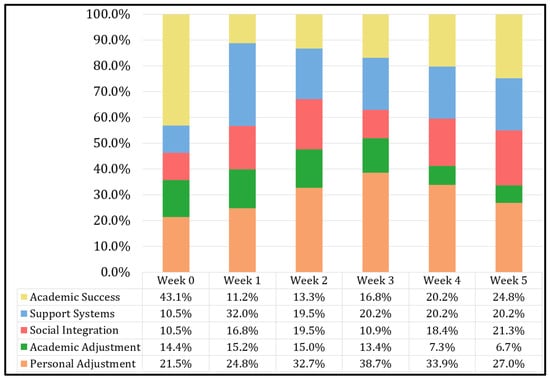

Disclaimer/Publisher’s Note: The statements, opinions and data contained in all publications are solely those of the individual author(s) and contributor(s) and not of MDPI and/or the editor(s). MDPI and/or the editor(s) disclaim responsibility for any injury to people or property resulting from any ideas, methods, instructions or products referred to in the content. |
© 2026 by the authors. Licensee MDPI, Basel, Switzerland. This article is an open access article distributed under the terms and conditions of the Creative Commons Attribution (CC BY) license.