1. Introduction
The real estate market has played a decisive role as a leading indicator of national economic dynamics throughout the first 25 years of the 21st century. Successive economic and financial crises—notably the global recession of 2007–2009 and the COVID-19 pandemic—have reinforced the importance of this sector not only for economic growth but also for financial and social stability. In Portugal’s specific context, developments in housing transactions, prices, and supply pressures have been central to understanding structural imbalances in the economy and the challenges faced by public policy (
ECB, 2003;
Eichholtz et al., 2012;
Gelain et al., 2012;
Horta et al., 2010;
Rubio & Carrasco-Gallego, 2013).
The Portuguese real estate market has emerged as a key leading indicator of the national economy over the first twenty-five years of the 21st century. Phenomena such as the rapid housing price growth, strong demand from international investors, and affordability pressures underscore the sector’s relevance for macroeconomic stability, financial resilience, and contemporary monetary and regulatory policies (
Banco de Portugal, 2024;
IMF, 2024). Our objective is to highlight the main economic, political and demographic factors that have shaped its evolution, considering that comprehensive studies focused specifically on this trajectory remain scarce (
F. O. Tavares et al., 2014;
Rodrigues et al., 2022;
Banco de Portugal, 2024;
IMF, 2024).
The research object of this study is the dynamics of the Portuguese residential real estate market, measured through the value of housing transactions financed by mortgage credit, and its short-run macroeconomic, financial, and demographic determinants over the period 2000–2025. Rather than imposing stable long-run equilibrium relationships, the analysis explicitly accounts for the non-stationary nature of the data and the possibility that housing market dynamics are primarily driven by short-term macroeconomic, financial, and demographic shocks. Particular attention is given to the roles of economic activity, credit conditions, household financial stress, and immigration-related demand pressures.
The empirical strategy adopts a time-series framework that emphasizes short-run adjustment mechanisms, allowing for delayed responses to changes in macroeconomic and financial conditions. This approach is well suited to a period marked by multiple business cycles, financial crises, and policy regime shifts, under which long-run relationships may be unstable or difficult to identify.
The remainder of the paper is organized as follows.
Section 2 provides a detailed analysis of the economic variables that influence the housing market in Portugal.
Section 3 describes the data, variables, and the methodological framework.
Section 4 presents the estimation results and discusses their implications in light of recent market developments.
Section 5 concludes by summarizing the main findings and highlighting the implications for housing policy and market regulation.
2. Dynamics of the Economic Variables Shaping the Housing Market
2.1. Transaction Value of Residential Property
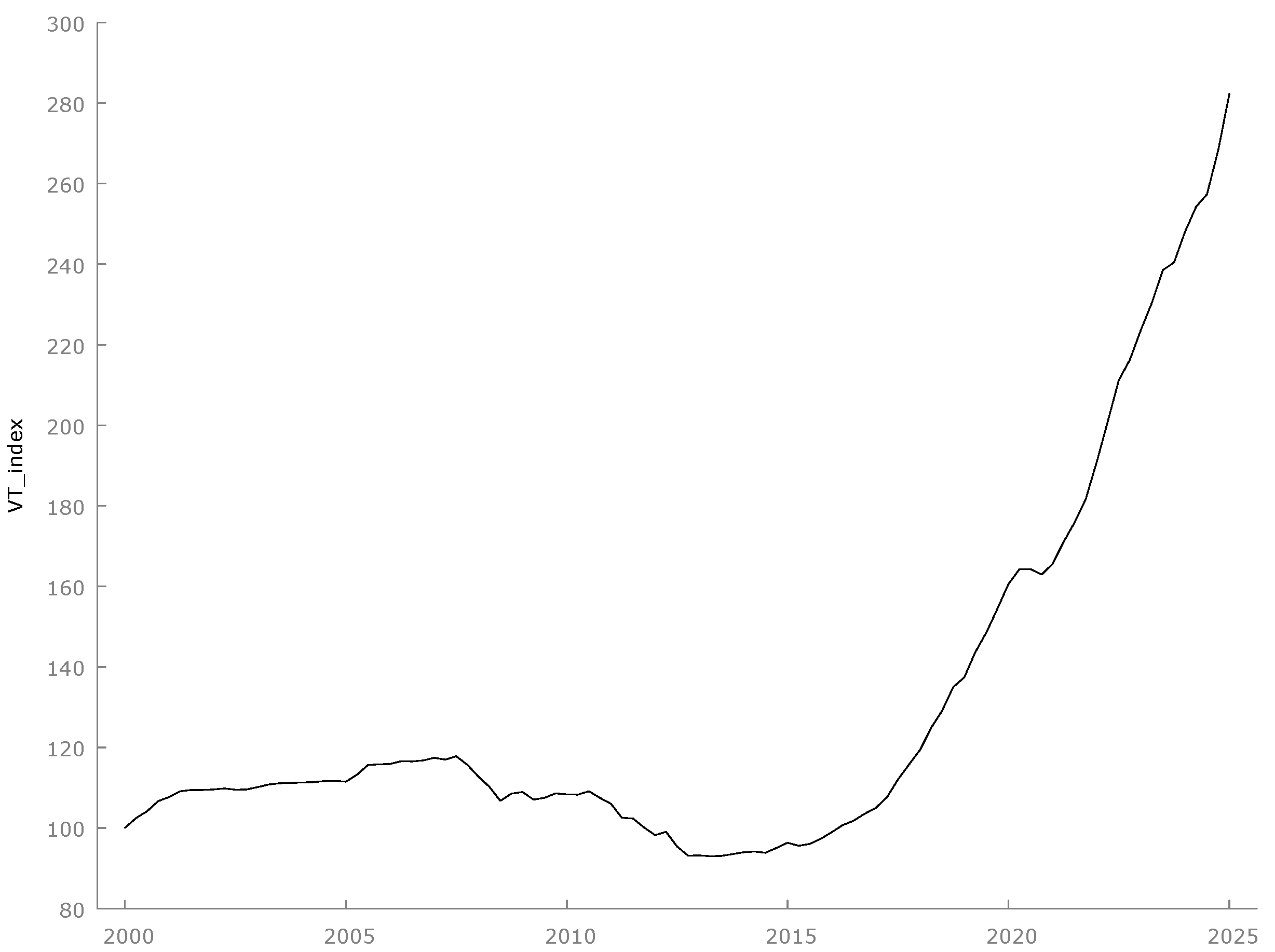
The analysis of the real estate transaction value index in Portugal over the period 2000–2025 (
Figure 1) reveals a trajectory strongly correlated with national and international economic cycles, financing conditions, and structural transformations in the housing market.
During the first decade of the 2000s, the index shows gradual but slow growth, driven by Portugal’s integration into the Eurozone, the reduction in interest rates, and the expansion of housing credit (
Banco de Portugal, 2023a). This upward trend was interrupted by the global financial crisis of 2008, which resulted in an abrupt decline in transaction volumes and a significant contraction of real estate investment, bringing the index below levels observed at the end of the previous century.
Between 2014 and 2019, a pronounced recovery is observed, supported by increased domestic and foreign demand, economic rebound, and Portugal’s consolidation as a destination for international real estate investment (
OECD, 2024). Policies aimed at attracting foreign capital, notably the “golden visa” program and the non-habitual resident regime, had a positive impact on the market, particularly in urban and luxury housing segments (
Pereira dos Santos & Strohmaier, 2024).
The COVID-19 pandemic (2020–2021) caused a brief slowdown, but the market evidenced high resilience, benefiting from historically low interest rates and sustained demand for real estate as a financial safe haven (
INE, 2024a). Between 2022 and 2025, the index resumed strong growth, driven by demand pressure on limited supply, accelerating prices, and the market’s adjustment in response to rising Euribor rates.
Structurally, the index’s behavior confirms that the Portuguese real estate market has become increasingly sensitive to global macroeconomic factors, while maintaining a trend of appreciation supported by structural housing scarcity and strong international attractiveness.
2.2. Harmonized Index of Consumer Prices (HICP)—Effective Housing Rents
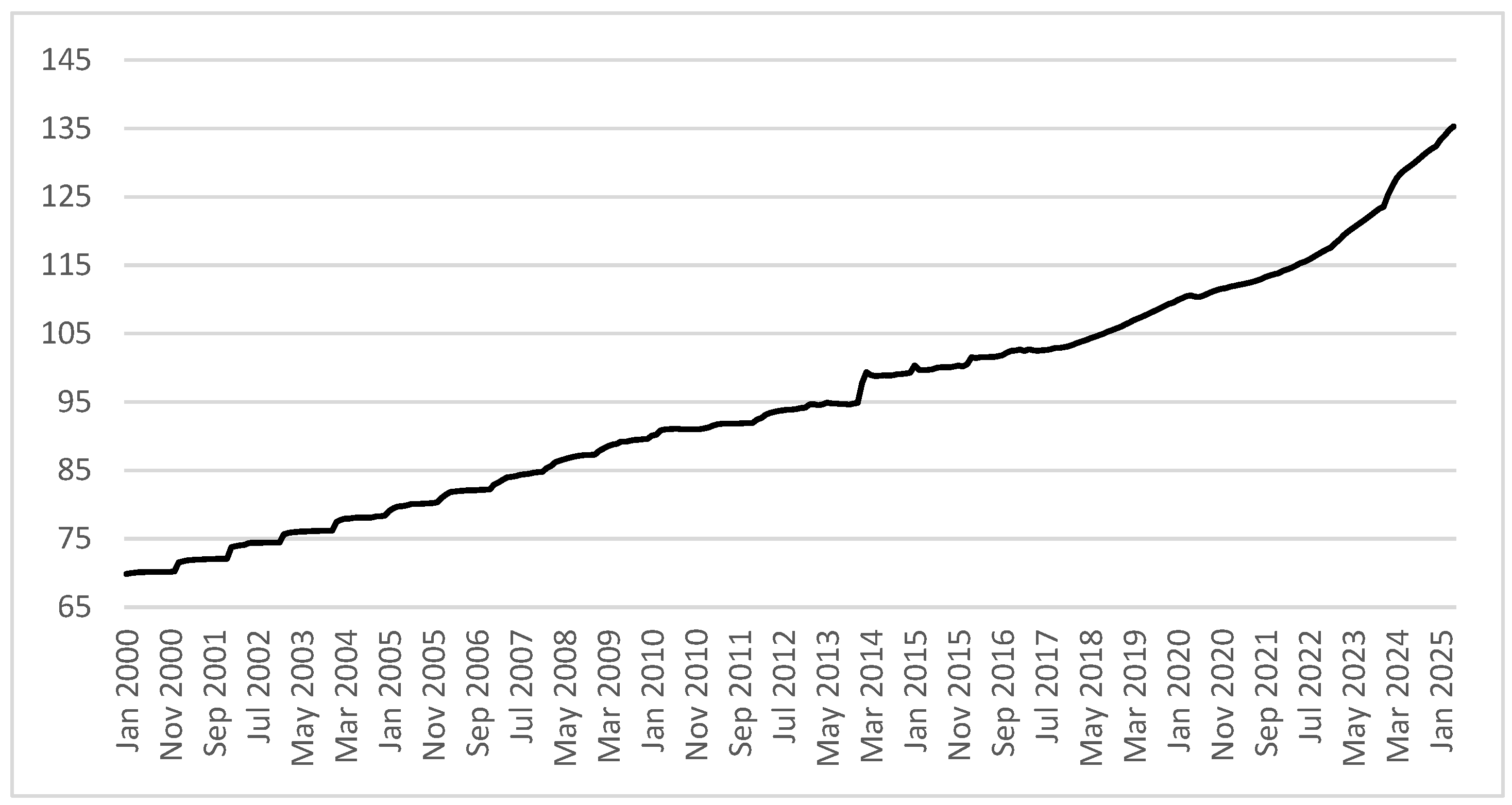
The evolution of the Harmonized Index of Consumer Prices (HICP) (
Figure 2) for effective housing rents in Portugal between 2000 and 2025 reflects the profound transformations in the Portuguese rental market, closely linked to the macroeconomic background, public policies, and housing price developments.
Between 2000 and 2012, the HICP for rents shows a trajectory of moderate and stable growth, reflecting a rental market that was still heavily regulated and characterized by low mobility (
INE, 2024a). This period was marked by structural rigidity in rental contracts and limited supply, constraining price formation and contributing to sector stagnation (
OECD, 2024).
From 2012 onwards, following the implementation of Law No. 31/2012—which reformed the urban rental regime—a gradual acceleration of the index is observed, signaling partial market liberalization and a progressive increase in rents, particularly in metropolitan areas (
Banco de Portugal, 2023b). This trend intensified between 2016 and 2019, a period during which the rental market came under strong pressure from growing tourist demand and the repositioning of properties in the short-term rental market, notably through local accommodation (
Fuinhas et al., 2025).
During the COVID-19 pandemic (2020–2021), the index experienced a temporary slowdown, associated with the economic contraction and rent renegotiations, but without significant reversals. From 2022 onwards, a renewed upward trend is observed, driven by the generalized increase in the cost of living, housing supply scarcity, and growing domestic and foreign demand. By 2025, the HICP for effective housing rents shows a cumulative increase of over 30% compared to 2015, confirming a structural trend of continuous appreciation in a setting of persistent supply–demand imbalances (
Eurostat, 2024a).
In summary, the behavior of the HICP during the period analyzed demonstrates that the Portuguese rental market has shifted from a rigid, regulated regime to a system characterized by greater volatility and inflationary pressure, reflecting the combined impact of legislative liberalization, housing financialization, and structural supply scarcity.
2.3. New Housing Construction Cost Index
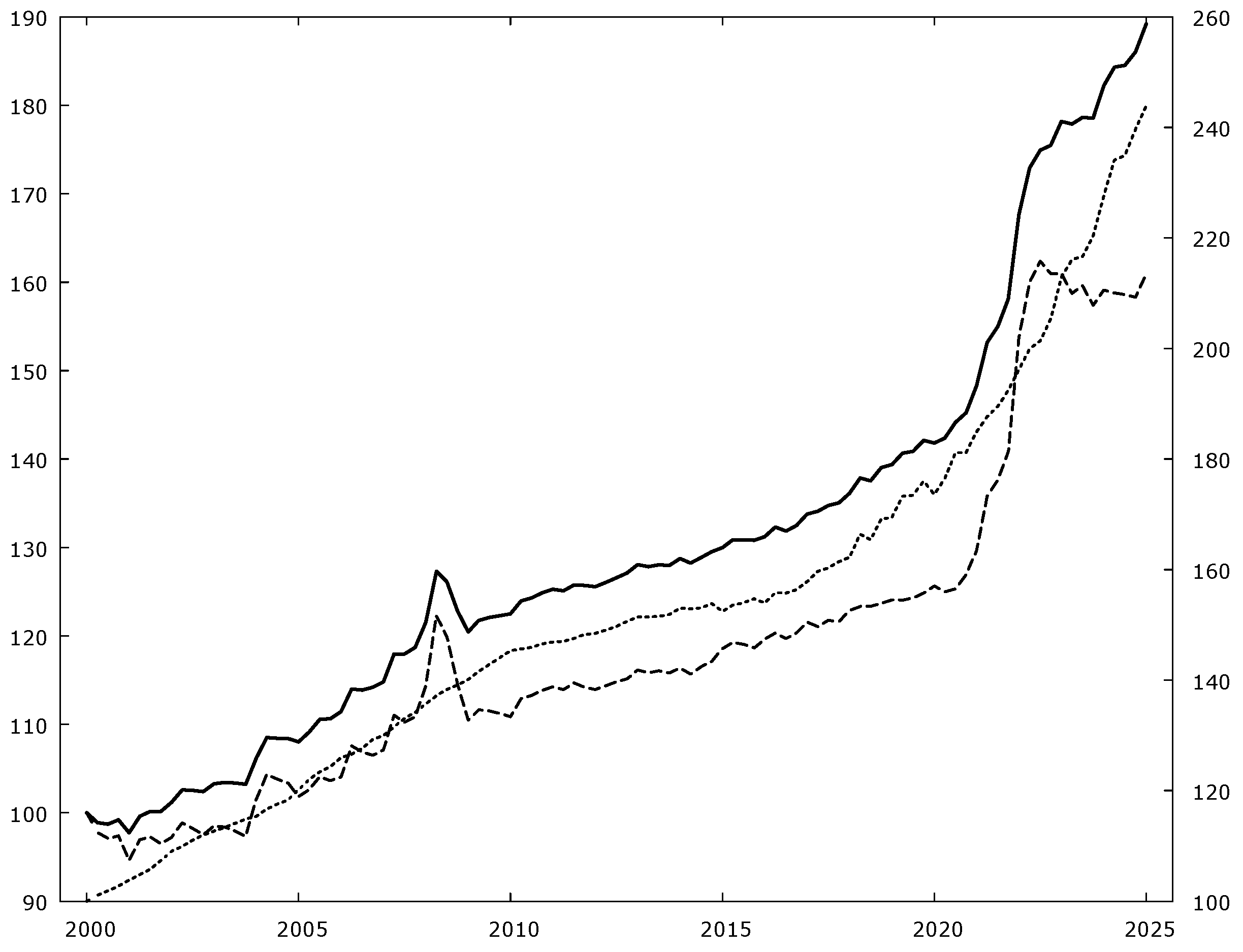
The behavior of the New Housing Construction Cost Index (NHCCI) (
Figure 3) in Portugal between 2000 and 2025 shows a structural growth trajectory, strongly influenced by macroeconomic, energy, and geopolitical factors. After a period of relative stability until 2007, the pace of growth eased slightly between 2008 and 2013, reflecting the impact of the international financial crisis and the contraction of the construction sector. From 2016 onwards, the indexes reversed its trend, following the economic recovery, increased housing demand, and rising raw material prices.
Between 2021 and 2023, particularly sharp increases were observed, especially in material costs, associated with disruptions in global supply chains and rising energy prices, exacerbated by the war in Ukraine. By 2025, the NHCCI reaches historically high levels, with cumulative increases exceeding 40% compared to 2015, reflecting intensified production costs and inflationary pressures. The observed trend indicates one of the main structural challenges of the contemporary Portuguese real estate market: the difficulty of reconciling construction costs with housing affordability and the sustainability of private and public investment (
INE, 2024a;
Eurostat, 2024b;
Xerez et al., 2025).
2.4. Median Price per m2 of Apartments
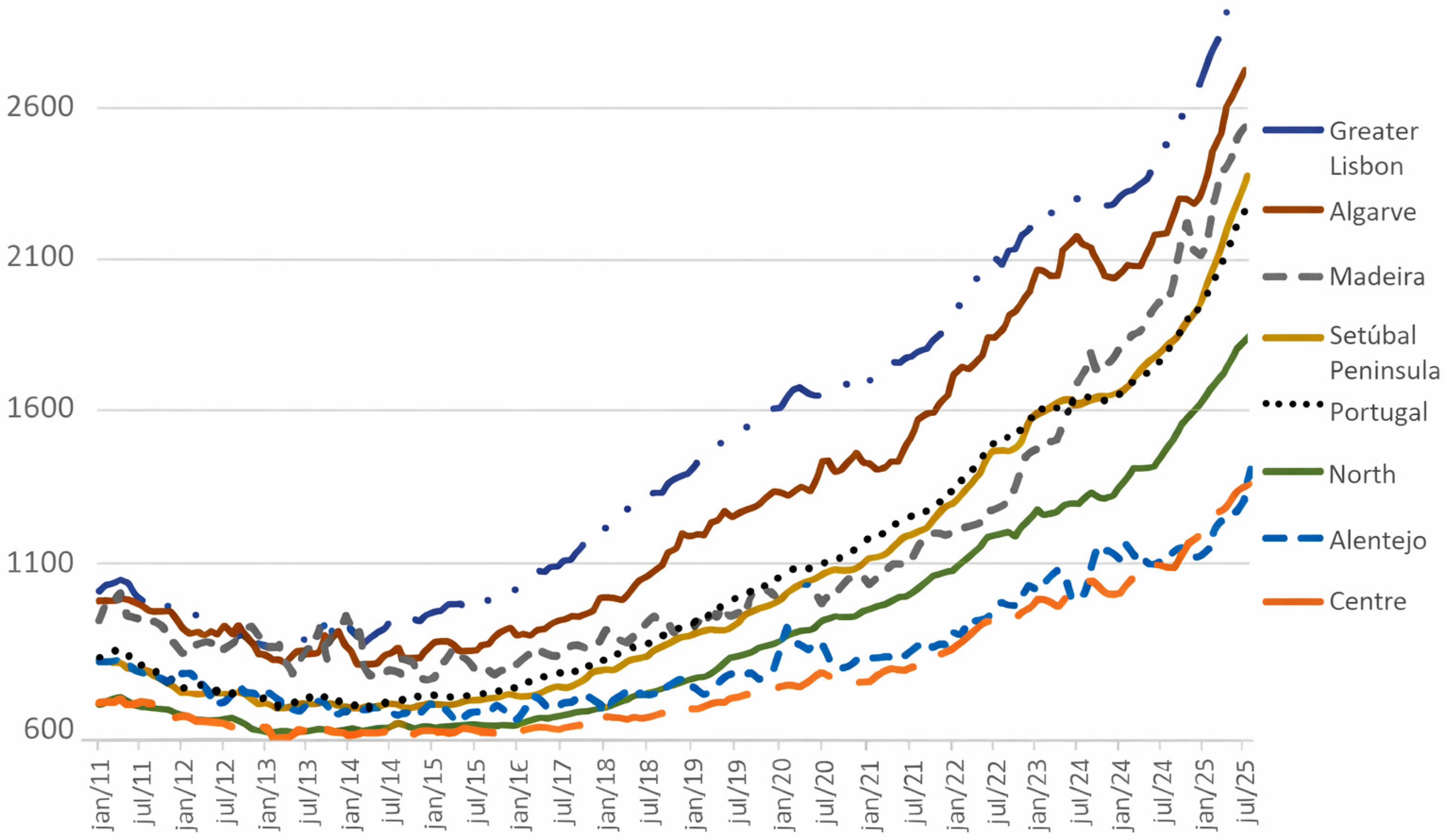
The analysis of the median price per square meter of apartments in Portugal between 2011 and 2025 (
Figure 4) reveals a structurally asymmetric behavior across regions, reflecting both national economic dynamics and territorial specificities of the real estate market. Data for previous years was not available. At the beginning of the considered period, between 2011 and 2014, a downward adjustment phase is observed, associated with the effects of the financial crisis and the macroeconomic adjustment process associated with the troika (ECB/IMF/EC) intervention, during which prices showed generalized declines, with median values around €900/m
2 nationwide (
INE, 2024b).
From 2015 onwards, a strong upward cycle in the real estate market begins, particularly in metropolitan and tourist regions. Greater Lisbon and the Algarve emerged as the main growth hubs, recording averages above €2400/m
2 by 2025, driven by rising international demand, foreign investment programs (such as the “golden visas”), and urban tourism growth (
Banco de Portugal, 2023a;
OECD, 2024). In contrast, regions such as the Centre and Alentejo show more moderate appreciation rates, maintaining values around €1000–1200/m
2, reflecting less dynamic domestic demand and lower urban development pressure.
Madeira and the Setúbal Peninsula display intermediate trajectories, benefiting from urban rehabilitation projects and improved accessibility, but still exhibiting a structural gap compared to Greater Lisbon. At the aggregate level, mainland Portugal shows consistent growth, rising from approximately €800/m
2 in 2014 to over €1800/m
2 in 2025—an increase exceeding 120%, highlighting a sharp price escalation in a context of limited supply and growing demand (
Eurostat, 2024c).
The findings suggest that real estate appreciation in Portugal is largely structural in nature, underpinned by factors such as the country’s attractiveness for foreign investment, favorable fiscal policies, scarcity of new housing, and low supply elasticity (
Cunha & Loureiro, 2024). However, regional heterogeneity indicates that market dynamics are not uniform, depending heavily on the geographic concentration of investment, demographic pressures, and the socioeconomic structure of each territory (
Rodrigues et al., 2022).
2.5. Interest Rates
Portugal’s accession to the Eurozone in 1999 effectively eliminated exchange rate risk vis-à-vis other member states, exerting a profound influence on private sector indebtedness, particularly among households. The integration process promoted price stability and contributed to a sustained reduction in interest rates—a dynamic further reinforced by the deepening of financial market competitiveness and the resulting decline in banking intermediation margins. Within this framework, the Portuguese experience can be considered a paradigmatic case for small open economies seeking convergence within the Euro area (
F. Tavares et al., 2021). The trajectory of the Euribor over the first twenty-five years of the 21st century reveals a strong correlation with European economic cycles and the monetary policy responses of the European Central Bank (ECB), directly influencing the credit market and, in particular, housing finance.
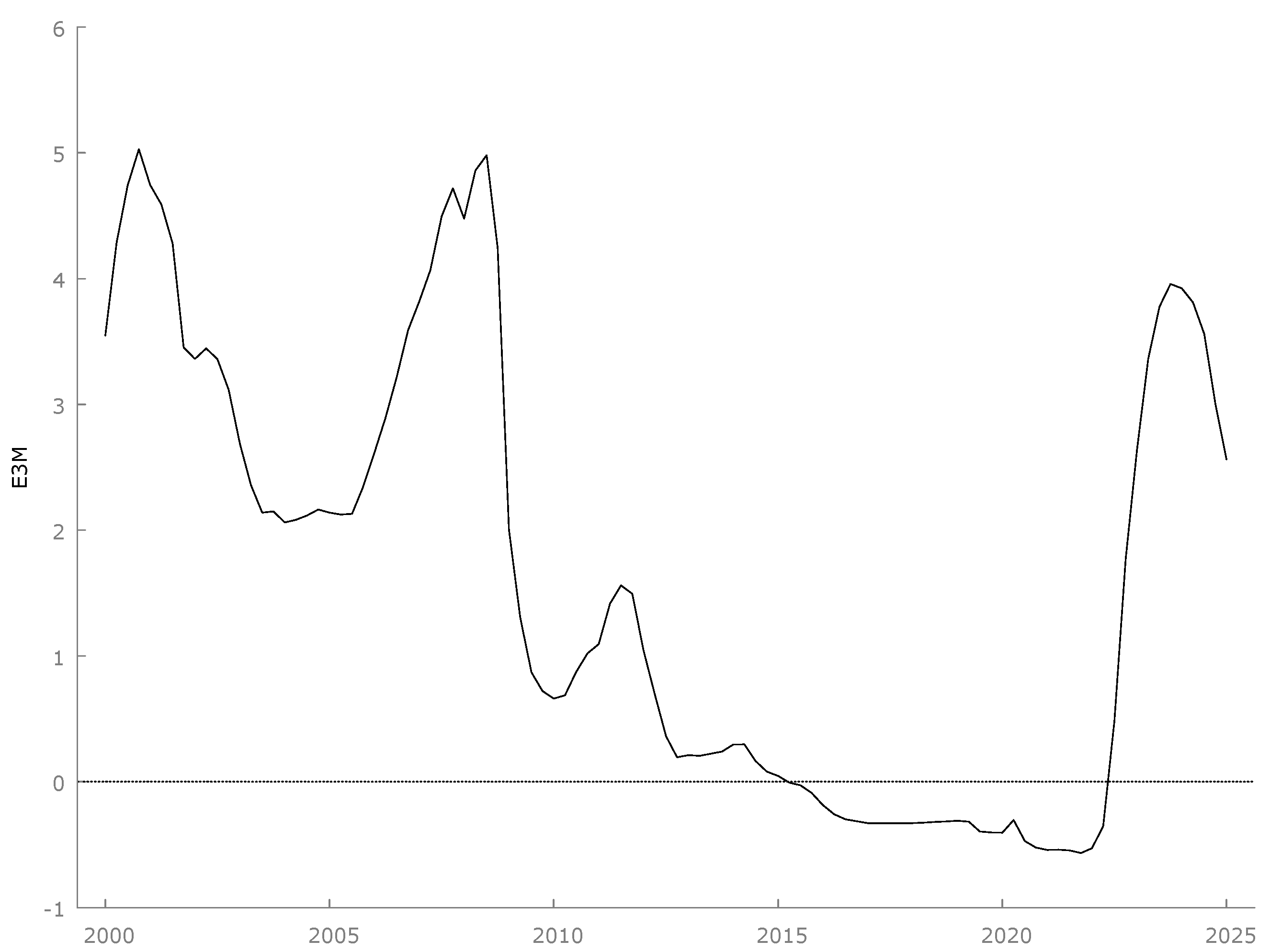
As shown in
Figure 5, between 2000 and 2002, the Euribor maintained moderate levels, fluctuating between 3.5% and 5%, reflecting the consolidation of the Economic and Monetary Union following the introduction of the euro. After declining between 2003 and 2005, it entered an upward trajectory of a quarter-point increase between December 2005 and July 2006, accelerating thereafter by a quarter-point every two months until mid-2007. By mid-2007, it had reached values close to 4.5%, peaking near 5% in 2008, immediately before the global financial crisis (
ECB, 2012;
Banco de Portugal, 2010).
The collapse of the global financial system led to an abrupt reversal of this trend. From the third quarter of 2008 onwards, the Euribor declined sharply, falling below 1.0% and remaining at that level until mid-2010. Despite a slight recovery between 2011 and 2012, the rate did not exceed 2% in a sustained manner (
Banco de Portugal, 2010).
Between 2015 and 2021, an unprecedented period of negative interest rates began, during which the Euribor fluctuated between −0.1% and −0.5%. The prolonged maintenance of this policy reflected the need for economic stimulus and the attempt to counter stagnation and low inflation in the euro area, with direct effects on the reduction in mortgage loan repayments. From mid-2022 onwards, an abrupt reversal of this cycle occurred. In a context of strong inflationary pressures and monetary policy normalization, the Euribor shifted from negative values to levels above 2% within a few months, reaching around 4% throughout 2023. This development represented the fastest increase since the creation of the single currency (
ECB, 2016;
Banco de Portugal, 2017).
By 2024, a stabilization phase had begun, with the Euribor stabilizing between 3.0% and 3.5%. The first signs of decline appeared at the beginning of 2025, as a result of lower inflation expectations and the reassessment of monetary policy conditions by the ECB (
ECB, 2024;
Banco de Portugal, 2024). This development highlights the sensitivity of the interest rate market to global economic shocks, policy interventions, and European convergence dynamics, being particularly relevant for understanding movements in the real estate market, household indebtedness levels, and the cost of mortgage credit in Portugal (
Pacheco et al., 2019).
2.6. Gross Domestic Product (GDP)
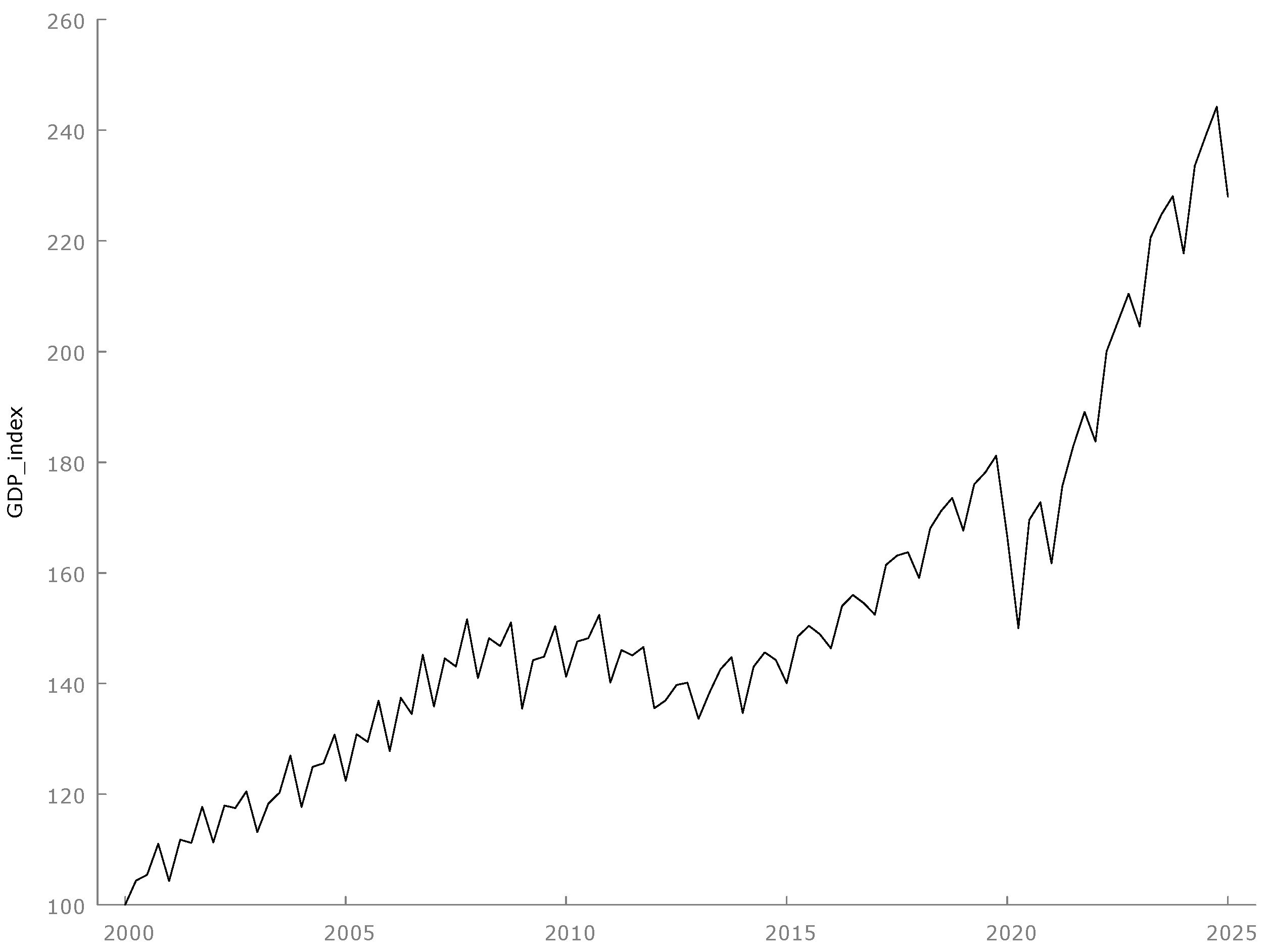
The evolution of the Gross Domestic Product (GDP) Index (
Figure 6) in Portugal over the period 2000–2025 reveals trends shaped by external shocks, internal economic cycles, and gradual recovery processes. Between 2000 and 2007, the trajectory remained relatively stable, reflecting moderate economic growth, albeit constrained by structural weaknesses in the Portuguese economy (
Banco de Portugal, 2023b). The 2008 global financial crisis triggered a significant contraction, evident in the sharp decline of the index between 2008 and 2009. Prolonged instability followed with the sovereign debt crisis and the economic adjustment program (2011–2013), characterized by austerity measures and shrinking domestic demand, which resulted in another recessionary phase (
Torres & Montero, 2020;
INE, 2024a). GDP underwent a renewed contraction, associated with the sovereign debt crisis and the economic adjustment program imposed by the troika, directly affecting domestic demand, investment, and employment. From 2014 onwards, a sustained recovery is observed, with positive growth rates driven by dynamic exports, increased foreign investment, and the growing importance of tourism, enabling a solid recovery up to 2019.
The pandemic shock of 2020 caused the largest annual GDP drop since the 1974 Revolution, with an abrupt impact on consumption, investment, and productive activity. The period 2021–2025, in turn, shows a rapid rebound, supported by stimulus policies, European funds, and the reactivation of tourism, culminating in the recovery and surpassing of pre-pandemic levels, albeit in a setting of global uncertainty and inflationary pressures (
INE, 2024a).
2.7. Construction Industry Confidence Index
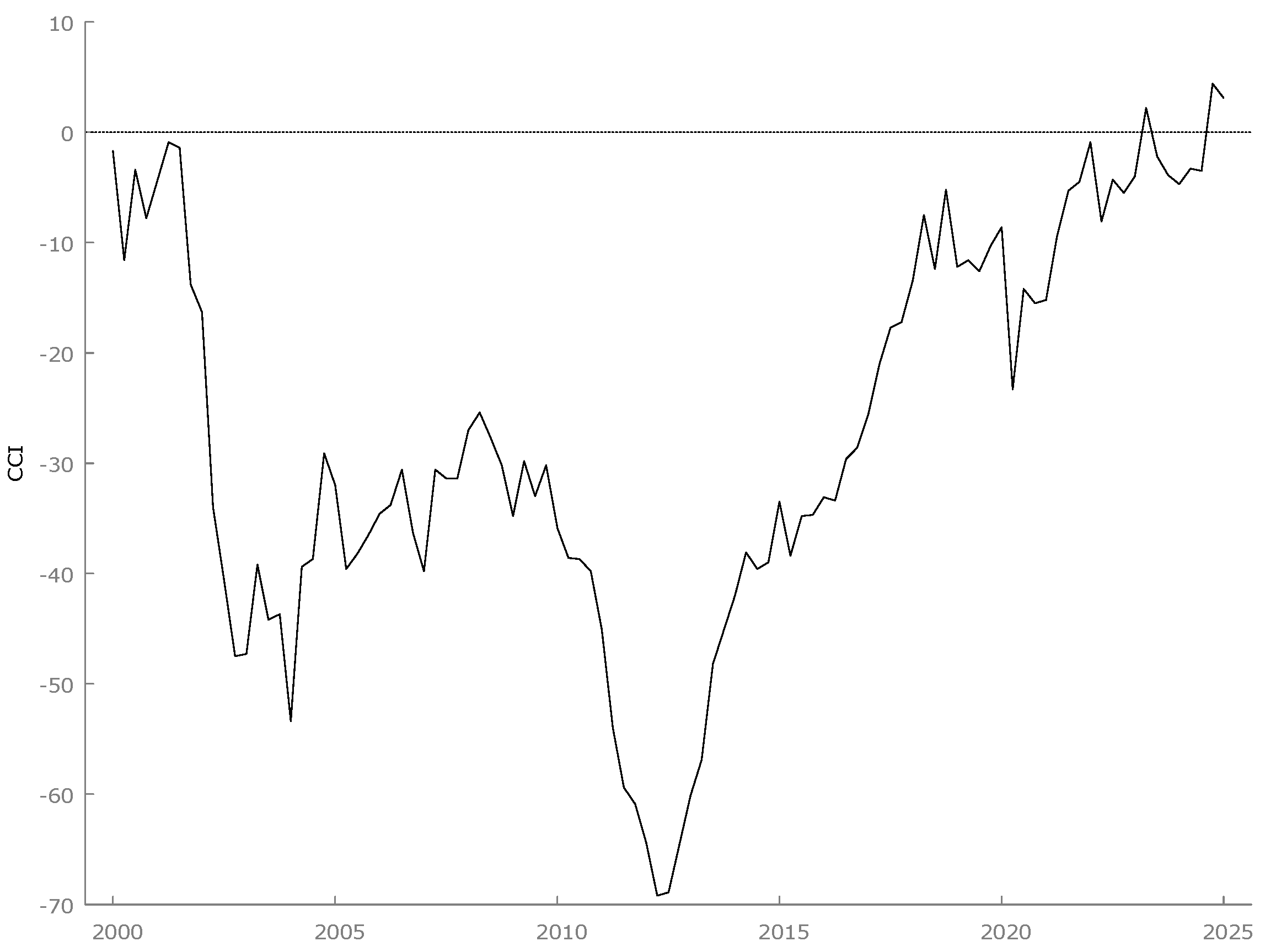
Between 2000 and 2007, the construction confidence index recorded high levels, reflecting widespread optimism and economic expansion. The construction sector, in particular, benefited from low interest rates and housing incentive policies, leading to increased investment in both public and private projects. The industrial and services sectors also showed positive perceptions, supported by the macroeconomic stability resulting from Eurozone integration (
Banco de Portugal, 2005;
ECB, 2006).
With the global financial crisis of 2008 and the subsequent sovereign debt crisis (2009–2013), the confidence index deteriorated sharply. Construction and industrial companies faced a significant contraction in demand and financing difficulties (
IMF, 2012;
Banco de Portugal, 2011).
Between 2014 and 2019, a gradual recovery in confidence was observed, accompanying the economic upturn and the European Central Bank’s expansionary monetary policy. The construction index showed consistent improvements, reflecting a greater willingness to consume and invest in housing (
ECB, 2016;
Banco de Portugal, 2018). During the COVID-19 pandemic (2020–2021), the confidence index recorded a temporary decline due to economic uncertainty and lockdown measures that reduced business activity and private consumption. In 2022–2023, a partial recovery occurred despite high inflation and rising interest rates, reflecting the gradual adaptation of economic agents to a new macroeconomic environment (
Banco de Portugal, 2023a;
ECB, 2023).
For 2024–2025, projections point to a stabilization of confidence indices, with consumers and firms adjusting their expectations in response to the slowdown in inflation, the consolidation of monetary policies, and the moderate pace of economic growth (
Banco de Portugal, 2024;
IMF, 2024). The evolution of the confidence index is particularly relevant for understanding demand and supply in the real estate market, credit propensity, and consumption and investment patterns in Portugal over the past twenty-five years.
2.8. Building Permits
The analysis of the index concerning the number of housing units licensed for new construction between 2000 and 2025 (
Figure 8) reveals three clearly distinct phases: a period of relative activity until the mid-2000s, a sharp decline between 2008 and 2014, and a gradual recovery beginning in 2015.
Between 2000 and 2002, the monthly number of licensed housing units remained consistently high, often exceeding 10,000 units. Starting in 2003, a downward trend is observed, although the figures still remained above 6000 monthly licenses. This progressive decline became more pronounced as the international financial crisis approached (
Banco de Portugal, 2024).
Between 2008 and 2013, the most significant contraction of the entire period occurred. The number of licensed housing units dropped abruptly, reaching historical lows, with figures at times falling below 1000 units per month. This reduction coincided with the collapse of the construction sector, the decrease in credit availability, and the effects of the troika’s intervention in the Portuguese economy (
Pacheco et al., 2019).
From 2015 onward, a phase of gradual recovery began. The number of licenses increased steadily, reaching levels between 2000 and 3500 housing units per month in recent years. Although still far from the figures recorded in the early 2000s, this rebound indicates a renewed expansion of the sector, associated with the revival of real estate investment, urban rehabilitation, and the return of housing credit. This structural insufficiency of supply, particularly in the context of increasing demand, contributed to additional pressure on construction costs, more recently amplified by rising material prices and labor shortages. Accordingly, the limited responsiveness of housing supply, together with the evolution of the construction cost index presented above (vd.
Figure 3 above), highlights persistent imbalances in the primary housing market.
Thus,
Figure 8 highlights a “prolonged U-shaped” trajectory: strong initial activity, a prolonged collapse, and moderate recovery. This movement signals the influence of economic cycles, public policies, financing availability, and demographic dynamics on the housing construction sector in Portugal over the past two decades.
2.9. Overdue Credit
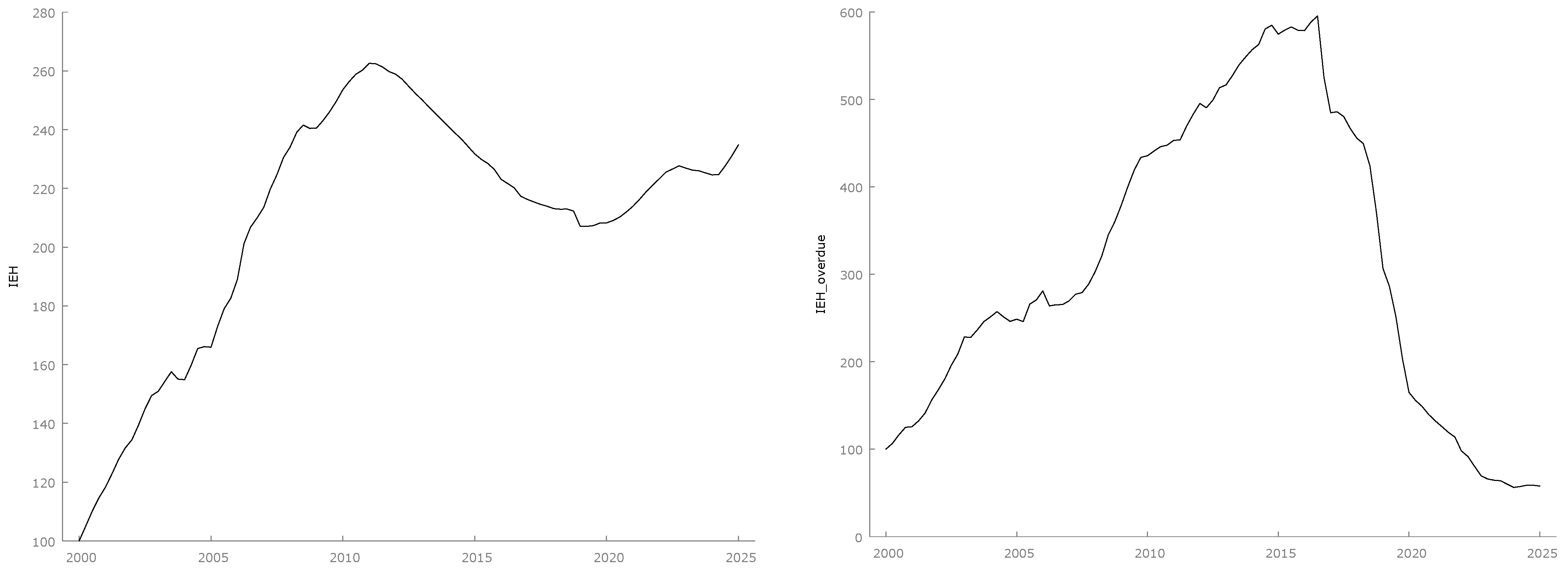
As shown in
Figure 9, over the first 25 years of the 21st century, credit developments clearly reflected economic cycles, changes in European monetary policy, and financial institutions’ risk perceptions (
ECB, 2023;
Banco de Portugal, 2024).
Between 2000 and 2007, mortgage lending experienced significant growth (left panel in
Figure 9), supported by the reduction in interest rates resulting from euro area integration and the greater availability of bank financing (
Banco de Portugal, 2005). This period was characterized by a strong reliance on household debt, with the Euribor rate ranging from 2% to 4%, which favored the expansion of the mortgage market (
ECB, 2006).
The 2008 global financial crisis saw a significant reversal of this trend. Between 2008 and 2013, mortgage lending declined substantially, driven by the economic slowdown, rising unemployment, and the tightening of lending conditions by financial institutions (
Banco de Portugal, 2011). The sovereign debt crisis and the financial assistance program between 2011 and 2014 exacerbated this trend, resulting in a strong increase in overdue loans (right panel in
Figure 9). From 2014 onward, there was a gradual recovery in lending. The negative interest rate policy, the appreciation of the real estate market, and the economic recovery favored the return of mortgage financing and the reduction in overdue loans (
ECB, 2016). Despite this, the Banco de Portugal introduced, starting in 2018, prudential limits on the effort ratio and maturity of credit agreements to mitigate future risks (
Banco de Portugal, 2018).
During the COVID-19 pandemic, between 2020 and 2021, mortgage lending remained somewhat stable due to low interest rates and the implementation of legal moratoriums (
Banco de Portugal, 2021). Beginning in 2022, the rapid rise in interest rates, driven by the European Central Bank’s response to rising inflation, led to a slowdown in new mortgage lending (
ECB, 2023). Euribor rose from negative values to levels close to 4%, increasing financing costs and putting pressure on households’ financial burden. In more recent years, between 2024 and early 2025, there has been a progressive slowdown in the rise in financing costs, with signs of stabilization and a gradual adjustment in monetary policy (
ECB, 2024). Mortgage lending remains the main component of household debt (
IMF, 2024). The “first-home support policy” introduced in the second half of 2024 helped young people up to 35 years old enter the housing market. By providing a public guarantee that allows banks to finance up to 100% of the property value, the State effectively removes the need for the usual down payment. The state guarantee, together with tax exemptions and registration fees, further reduced initial costs. Overall, this mechanism has had a positive effect on the housing credit market, increasing access to mortgage loans for younger households, stimulating real estate transactions, and promoting social mobility by facilitating the transition from renting to homeownership. Nevertheless, this demand push in a market with limited supply was another factor contributing to the rise in housing prices.
2.10. Immigration
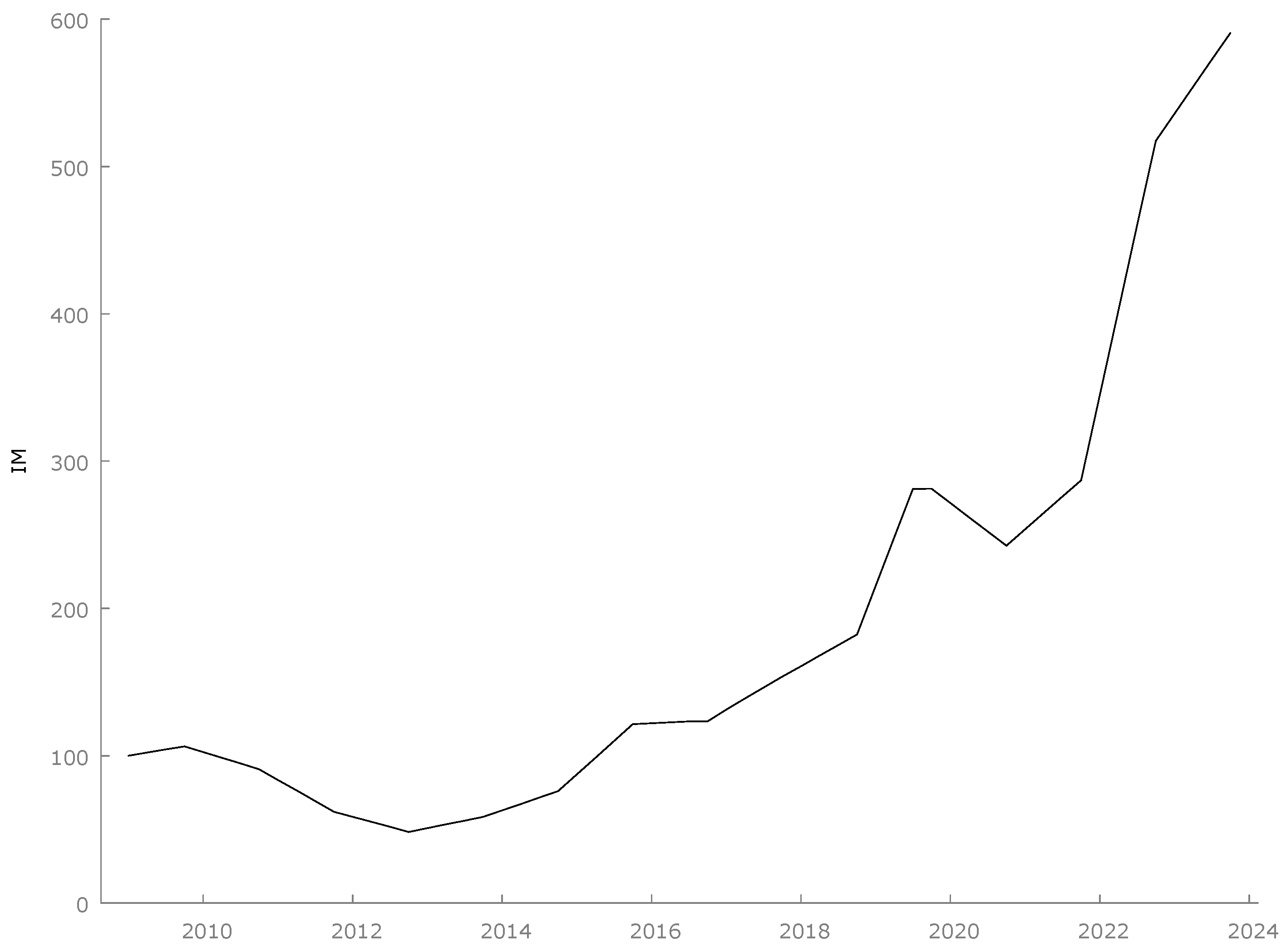
Historically, Portugal has been characterized by recurring cycles of emigration and immigration. Over the past decade, a pronounced increase in the inflow of migrants has been observed. This annual growth is clearly illustrated in
Figure 10, with recent years consistently recording figures well in excess of 100,000 immigrants. Data for before 2009 was not available. Beyond Portuguese-speaking countries, this migratory influx also originates from nations in Asia and Central Africa, resulting in the immigrant population currently representing approximately 15% of Portugal’s total resident population (
AIMA, 2025). It is important to note that the effects of immigration on housing markets may manifest at the regional rather than the national level. Moreover, these effects may operate primarily through rental markets rather than through property transactions.
Based on the existing literature and the specific characteristics of the Portuguese housing market, this study tests the hypothesis that short-run housing market dynamics are primarily driven by macroeconomic activity and credit conditions, rather than by short-term interest rates, confidence indicators or demographic factors.
3. Data, Variables and Methodology
3.1. Data and Variables
This study investigates the impact of a set of economic and structural determinants on house prices using quarterly data spanning from 2000 to 2025. The dependent variable is an index of the transaction value of residential property (presented above in
Figure 1). The independent variables include a set of macroeconomic indicators and housing market fundamentals, comprising interest rates, GDP, construction confidence, housing supply measures, demographic factors, and credit-related variables. In this context, a distinction should be made between credit quantity variables, which capture the volume of financing available to households (e.g., housing loans), and credit conditions variables, which reflect the terms and accessibility of credit (e.g., interest rates). This distinction allows the analysis to separately identify the effects of credit availability and borrowing conditions on residential market dynamics. All series are seasonally adjusted and expressed as indices (except interest rates) and at quarterly frequency. Immigration is included only for 2009:1–2023:4 due to data availability.
Table 1 presents the definition of the variables used in the present study (and already presented in
Section 2), together with their expected sign.
First, we will test the variables for the complete period (2000:1–2025:1), and secondly, restrict the model to the period 2009:1–2023:4. Besides these explanatory variables, other variables that could have a determinant impact on housing prices were tested, namely, the unemployment rate, mortgage interest rates, number of tourists and short-term rental accommodations (
Franco et al., 2021;
Rodrigues et al., 2022). However, these variables gave rise to significant multicollinearity within the regression framework, so they were discarded.
Table 2 presents the average and standard deviation values for all independent variables and their correlations.
In the dataset, certain variable pairs exhibit strong correlations. However, these variables will not be included simultaneously in the estimations to mitigate multicollinearity. Correspondingly, variance inflation factors (VIFs) range from 1.63 to 5.35, indicating moderate multicollinearity within the model (
Gujarati & Porter, 2009).
3.2. Methodology
Given the time-series nature of the data, the empirical strategy explicitly accounts for potential non-stationarity and dynamic adjustment. The presence of non-stationarity may lead to spurious regression results and invalid statistical inference if not properly addressed. Accordingly, unit root tests are conducted using both the Augmented Dickey–Fuller (ADF) test and the Kwiatkowski–Phillips–Schmidt–Shin (KPSS) test, which rely on complementary null hypotheses.
ADF tests are first applied to all variables in levels. For housing market indicators, macroeconomic aggregates, credit variables, and confidence measures, and demographic variables, the test specification includes a deterministic time trend, reflecting their long-run growth patterns. For the Euribor 3-month rate is tested without a trend, as interest rates are policy-driven. Lag length is fixed at four quarters according to the quarterly frequency of the data. Across all variables, the ADF tests failed to reject the null hypothesis of a unit root in levels at conventional significance levels.
ADF tests are then applied to first differences in the series. In this case, the unit root null is rejected for several variables, while for others it cannot be rejected. This mixed evidence is consistent with low power of ADF tests in finite samples and in the presence of structural changes.
To complement the ADF results, KPSS tests are also conducted, using stationarity as the null hypothesis. The KPSS results strongly reject stationarity in levels for all variables, while generally failing to reject stationarity in first differences. This pattern reinforces the evidence that the series are non-stationary in levels and become stationary after first differencing. Detailed unit root test results are available from the authors upon request.
Taken together, the ADF and KPSS evidence indicates that the variables are predominantly integrated of order one, I(1), and that none exhibits I(2) behaviour. In this setting, regressions in levels may lead to spurious inference unless supported by a stable long-run relationship.
Although the order of integration would in principle allow for the estimation of cointegrating relationships (e.g., through a Vector Error Correction Model or ARDL framework), such an approach is not pursued in this study for both econometric and economic reasons. First, the sample period (2000–2025) encompasses multiple structural breaks and regime shifts, including the global financial crisis, the sovereign debt adjustment programme, the prolonged period of negative interest rates, the COVID-19 shock, and the subsequent monetary tightening cycle. These episodes likely altered the underlying relationships between macroeconomic activity, credit conditions, and housing market dynamics. Standard cointegration techniques assume parameter stability in the long-run equilibrium relationship over the full sample, an assumption that may be restrictive in the presence of such structural changes. Moreover, adequately accounting for these breaks within a cointegration framework would require break-adjusted or regime-switching specifications, which go beyond the scope of the present analysis.
Second, the primary objective of this study is to identify short-run transmission mechanisms rather than to impose a stable long-run equilibrium structure. Given the evolving institutional framework of the Portuguese housing and credit markets, including macroprudential regulation and shifts in credit supply conditions, focusing on short-run dynamics provides a more flexible and economically meaningful characterization of adjustment processes. Accordingly, the empirical strategy adopted in this study explicitly accounts for non-stationarity by focusing on short-run dynamics using stationary transformations of the data.
Consistent with the time-series properties of the data, the empirical analysis focuses on short-run dynamics. Housing market dynamics are modelled using distributed-lag specifications in first differences, allowing for delayed adjustment to macroeconomic and financial conditions. All models are estimated using ordinary least squares with heteroskedasticity and autocorrelation consistent (HAC) standard errors computed using the Newey–West procedure with four lags.
An unrestricted short-run specification is first estimated, including contemporaneous changes and up to four lags of all explanatory variables, in order to identify relevant dynamic responses. Based on these results, a parsimonious reduced specification is constructed by retaining only variables and lags that exhibit economically meaningful and statistically robust effects. This specification mitigates multicollinearity concerns, preserves degrees of freedom, and highlights the key short-run transmission channels affecting housing market activity. Finally, the reduced model is re-estimated for the post-2009 period to incorporate immigration as an additional demand-side factor.
All econometric analyses presented in
Section 3 and
Section 4 were conducted using Stata 15. Unit root tests (ADF and KPSS), correlation analysis, distributed-lag regressions, and heteroskedasticity and autocorrelation consistent (HAC) standard errors based on the Newey–West procedure were implemented using built-in commands. All reported results are fully reproducible.
4. Results and Discussion
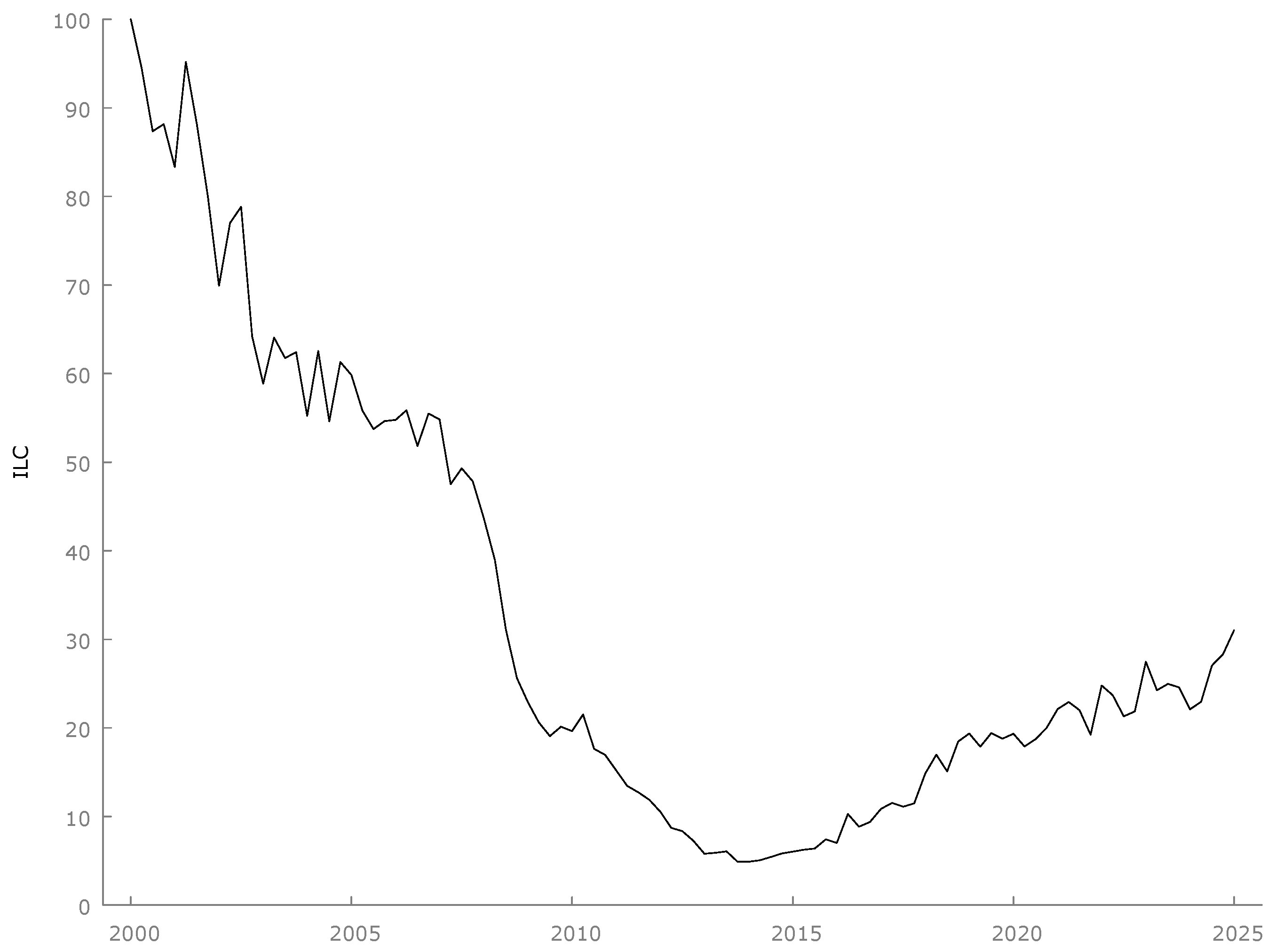
Table 3 reports the estimates of short-run housing transaction dynamics. Columns (I) and (III) present unrestricted specifications including four lags of all explanatory variables, while Columns (II) and (IV) report reduced specifications retaining only economically meaningful and statistically robust effects. The models differ in the measure of demand conditions employed. In Columns (I) and (II) we include consumer confidence (CCI), while Columns (III) and (IV) replace confidence with housing lending conditions (ILC).
Across all specifications, GDP growth emerges as the dominant short-run driver of housing transaction values. The effects are statistically significant and persist over several quarters, indicating gradual adjustment of housing activity to macroeconomic conditions. In contrast, short-term interest rates do not display robust explanatory power once GDP and credit variables are included.
It is observed that changes in overdue housing loans (HLO) exert a negative effect on housing transactions with short lags, underscoring the sensitivity of housing activity to household balance sheet constraints. Housing credit growth (HL) displays negative delayed effects, suggesting adjustment following periods of credit expansion.
As a robustness check, alternative measures of demand and financial conditions were considered. In particular, consumer confidence indicators were replaced with a housing lending condition indicator (ILC), which more directly captures credit availability and lending standards in the housing market. The results show that ILC exhibits statistically significant and economically meaningful effects, both contemporaneously and with short lags, whereas confidence indicators do not display robust explanatory power once macroeconomic and credit variables are included.
This finding suggests that short-run housing transaction dynamics are strongly influenced by credit supply conditions. Lending conditions affect housing demand directly through liquidity constraints and borrowing capacity, while confidence indicators appear to operate indirectly through income and credit channels already captured in the model. The use of ILC therefore provides a more precise and structurally relevant characterization of short-run housing market dynamics.
To further assess the role of demographic demand pressures,
Table 4 reports results from reduced short-run specifications estimated over the post-2009 period, incorporating contemporaneous and lagged immigration flows. Column (1) reports the baseline reduced short-run specification. Column (2) augments the baseline model with contemporaneous and lagged immigration flows and is estimated over the post-2009 subsample.
Across specifications, the estimated coefficients on immigration are small and statistically insignificant. Moreover, the inclusion of immigration does not materially affect the estimated responses of housing transactions to GDP growth, lending conditions, or household financial stress.
These results suggest that immigration does not exert an independent short-run effect on housing transaction values once macroeconomic and financial channels are accounted for. Any influence of immigration on housing market activity appears to operate indirectly through income dynamics, credit expansion, and investment demand already captured in the baseline specification.
5. Conclusions
This study shows that the evolution of the residential market in Portugal over the first twenty-five years of the 21st century has been shaped by the interaction of macroeconomic, financial, demographic, and institutional factors. Historical and empirical analysis confirms that the real estate sector not only reflects the dynamics of the national economy but also plays an active role as a leading indicator of expansion and recession cycles.
In structural terms, it was found that: (i) joining the euro area promoted a reduction in interest rates and facilitated the expansion of mortgage credit, encouraging the appreciation of residential assets; (ii) the financial crises of 2008 and 2011–2013 had severe impacts, resulting in sharp drops in transactions, building permits and construction confidence, confirming the market’s high sensitivity to external conditions and austerity policies; (iii) the recovery since 2014 was supported by foreign investment, tourism, immigration and favourable fiscal policies, but was accompanied by growing affordability imbalances, especially in metropolitan areas; (iv) the COVID-19 pandemic (2020–2021) revealed the market’s resilience, supported by historically low interest rates and the perception of housing as a safe asset; and (v) in the period 2022–2025, the rapid rise in interest rates, combined with escalating construction costs and persistent supply shortages, brought new challenges to the sustainability and access to the housing market.
The short-run econometric evidence reinforces the central role of macro-financial channels. GDP growth is the dominant driver of housing transaction values, with effects persisting across several quarters, consistent with gradual adjustment in housing demand. Credit-related variables also matter: housing lending conditions display positive and significant effects, while increases in overdue housing loans are associated with weaker transaction dynamics, underscoring the importance of household balance sheet constraints. By contrast, short-term interest rates and confidence indicators have limited explanatory power once macroeconomic activity and credit conditions are accounted for. Immigration, when included in the post-2009 subsample, does not exhibit an independent statistically significant short-run effect in this framework, suggesting that its influence may operate indirectly through income, credit, and broader demand conditions already captured by the model.
In short, the Portuguese residential market in the first twenty-five years of the 21st century proved to be dynamic, internationalized, and resilient, but structurally marked by affordability tensions and regional inequalities. The results point out the relevance of policies that combine supply-side measures with macroprudential regulation, ensuring that credit conditions support access to housing without amplifying cyclical vulnerabilities. Strengthening affordable housing strategies, improving planning and licensing capacity, and promoting sustainable construction remain central to balancing the sector’s role as a driver of growth with social cohesion objectives.
Based on the results of the study, it is possible to formulate qualitative expectations regarding the future evolution of the Portuguese residential market, but not formal quantitative forecasts. In the short to medium term, market dynamics are likely to remain strongly influenced by economic growth, credit conditions, and the limited responsiveness of housing supply. This suggests a potential slowdown in transaction volumes rather than pronounced price corrections. In the long term, the sustainability of the market will depend primarily on structural factors and on the effectiveness of public policies aimed at expanding housing supply and improving housing affordability.
This study has limitations inherent to the availability and granularity of statistical data, as well as the predominance of a quantitative approach, which does not fully capture qualitative factors in the residential market. Furthermore, the conclusions are specific to the Portuguese case and may be less generalizable to other contexts.
For future research, we suggest deepening the regional analysis, integrating qualitative variables, such as housing policies and the perceptions of economic agents, and using international comparative methodologies. These lines of research could strengthen our understanding of the structural challenges and solutions for housing affordability in Portugal.