Article

Enhancing Food Security in an Asian Regional Organization: The Case of the Economic Cooperation Organization


by
Alexandra Zamfirache
1 and
Ileana Tache
2,*
1
Department of Management and Economic Informatics, Transilvania University of Brasov, 500036 Brașov, Romania
2
Department of Marketing, Tourism-Services and International Business, Transilvania University of Brasov, 500036 Brașov, Romania
*
Author to whom correspondence should be addressed.
Economies 2025, 13(9), 274; https://doi.org/10.3390/economies13090274
Submission received: 28 July 2025 / Revised: 6 September 2025 / Accepted: 13 September 2025 / Published: 19 September 2025
(This article belongs to the Special Issue The Agri-Food Sector and the Development of Local Markets)

Abstract

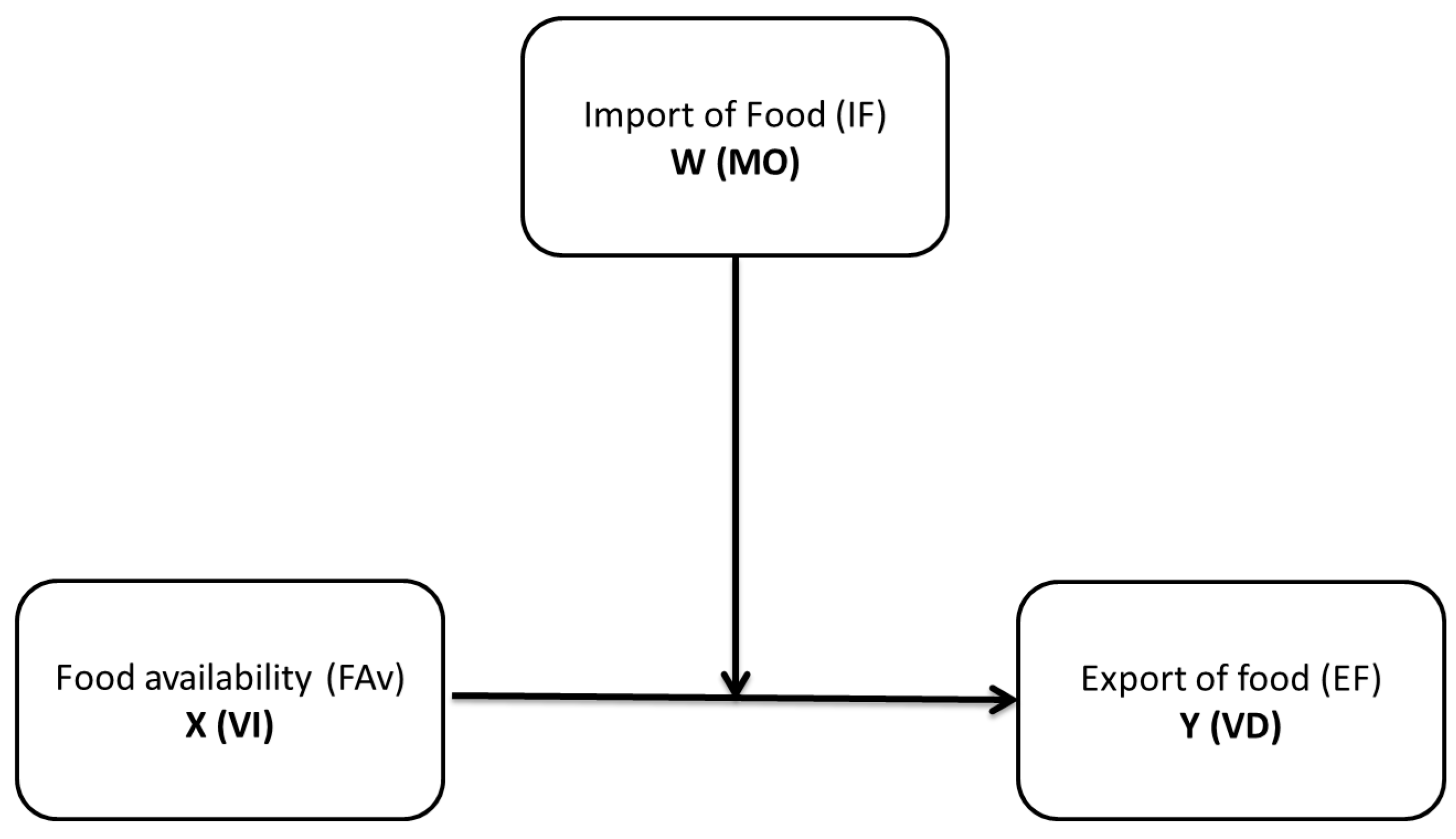
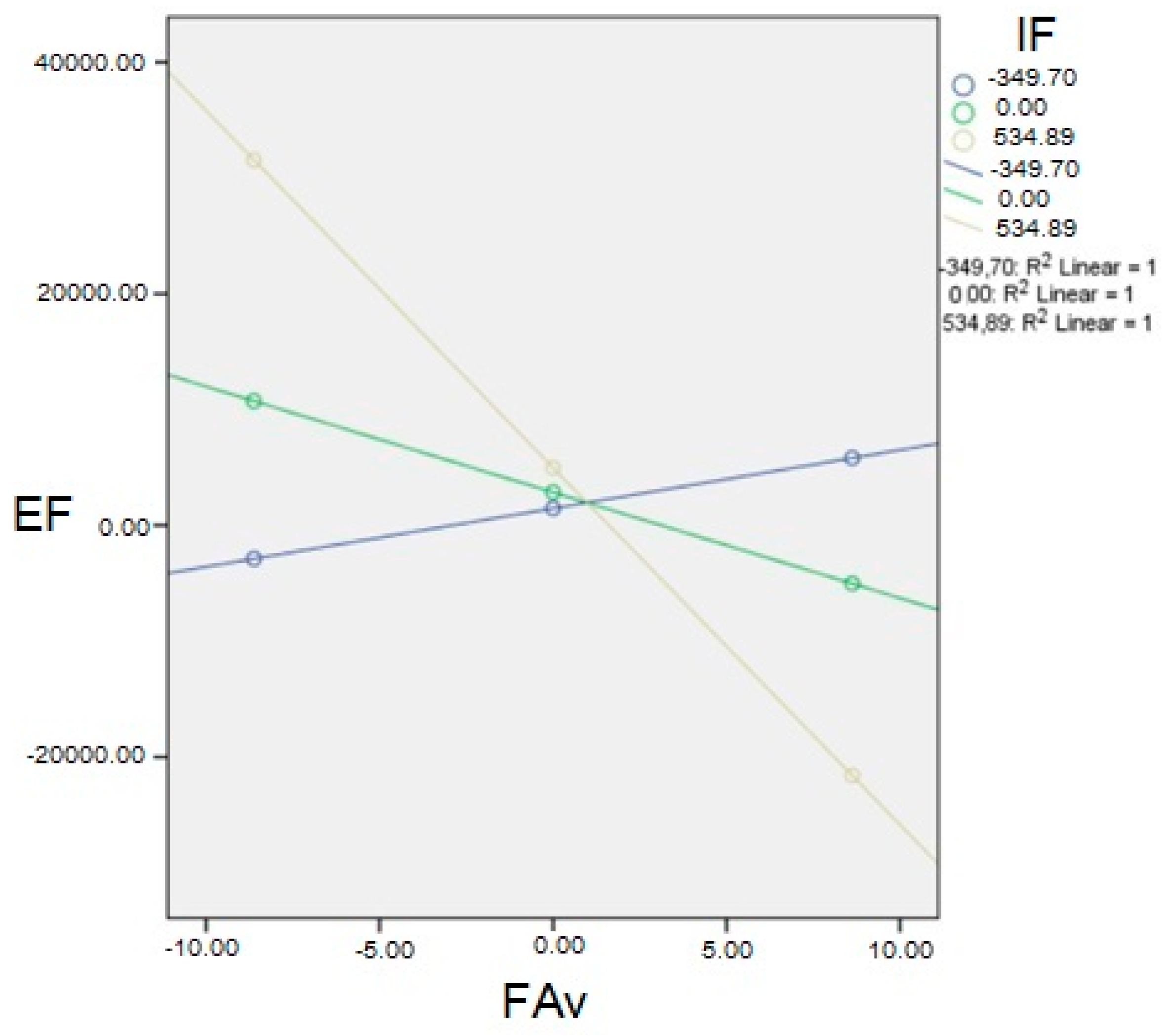
This study investigates the agri-food sector, food trade, and food availability (as a component of food security) within the Economic Cooperation Organization (ECO), emphasizing the critical importance of agriculture across its member states. This significance is particularly pronounced in less industrialized countries such as Tajikistan, Kyrgyzstan, and Afghanistan. The rationale behind this research stems from the observation that food trade and food security issues in the ECO region remain insufficiently addressed in the academic literature. Given the strategic geographical position of ECO countries—at the intersection of Europe, Asia, and the Middle East—these states possess considerable potential to function as vital trade hubs. The present study addresses this research gap by offering conceptual insights and empirical data relevant to the region’s policymakers, traders, and other stakeholders. Methodologically, the research integrates both qualitative and quantitative approaches. On the qualitative side, it includes historical and documentary analysis concerning ECO’s evolution and its agri-food sector’s development. Quantitatively, the study employs a regression model to examine the moderating effect of food imports on the relationship between food exports and food availability across member states. The results indicate a significant interaction effect: food imports moderate the negative association between exports and domestic food availability. Drawing on these findings, the paper formulates a set of policy recommendations to enhance agricultural trade strategies and strengthen food security in ECO countries.

Keywords: Economic Cooperation Organization; agri-food sector; food trade; food security Economic Cooperation Organization; agri-food sector; food trade; food security