1. Introduction
Financial stability in organizations depends not only on profitability but also on the effectiveness of treasury management. The ability to manage cash flows, anticipate financial obligations, and make decisions grounded in economic reality is essential for preventing liquidity crises. Nevertheless, many small and medium-sized enterprises (SMEs) rely primarily on visible bank balances when assessing their financial position, while overlooking deferred payments, collection–payment mismatches, and the temporal structure of cash flows. This divergence between perceived and effective liquidity frequently leads to illiquidity and financial distress.
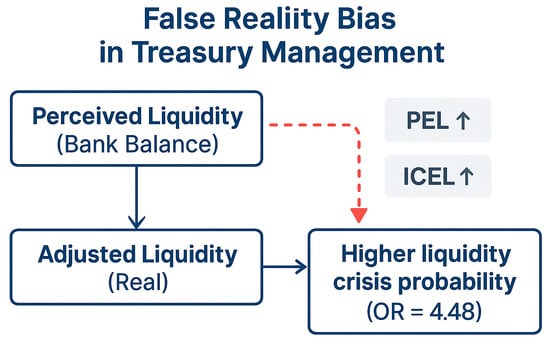
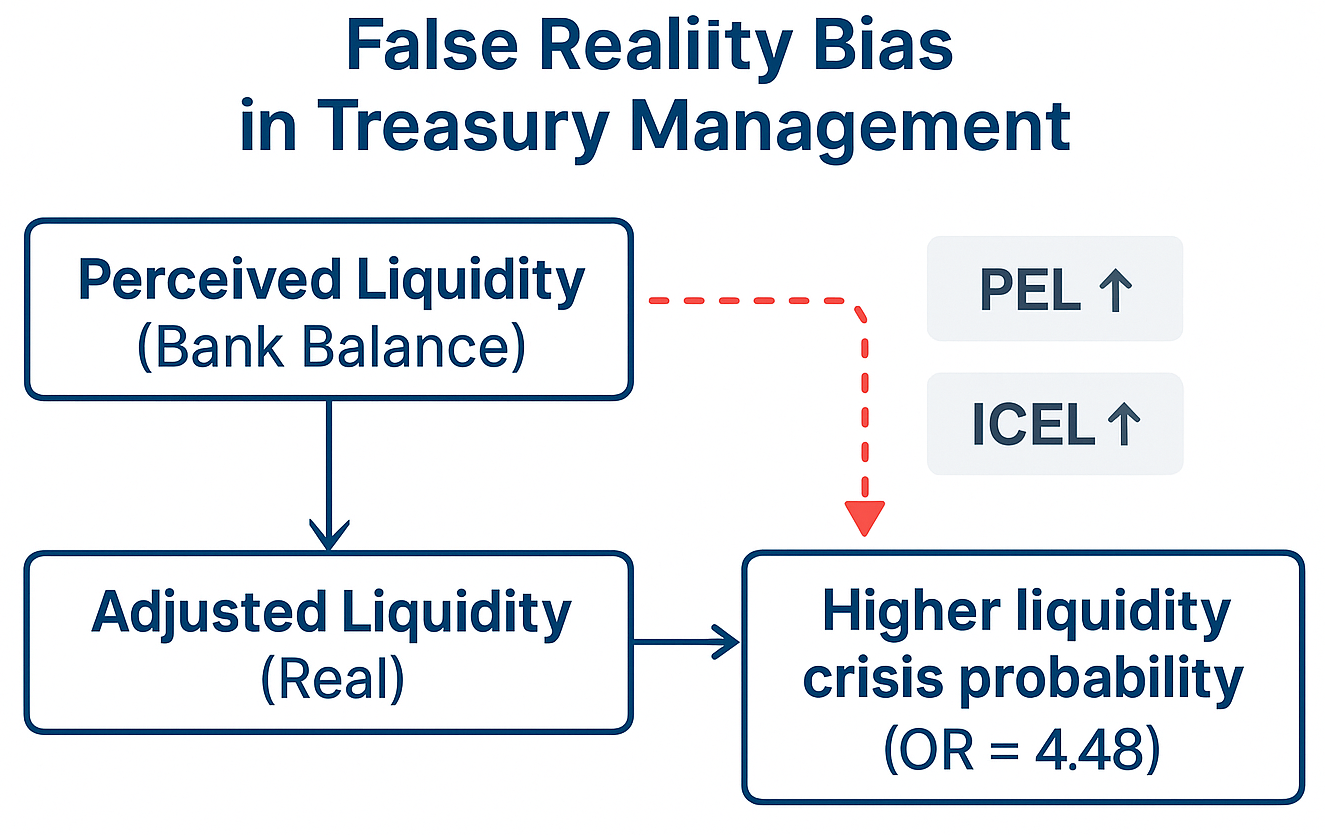
This study examines the False Reality Bias in treasury management, a cognitive distortion through which entrepreneurs interpret a positive bank balance as evidence of genuine financial stability. Drawing on Behavioral Economics (
Kahneman & Tversky, 1979) and Behavioral Game Theory (
Camerer, 2003), this bias emerges from the interaction of financial myopia, anchoring, illusion of control, and overconfidence, which systematically distort liquidity assessment and risk perception. Such distortions are especially prevalent among SMEs operating in sectors characterized by rapid cash turnover and deferred payments, including retail, hospitality, and food processing.
To operationalize this phenomenon, the study introduces two behavioral-finance indicators. The Liquidity Misperception Index (PEL) captures the divergence between salient liquidity cues and effective short-term obligations, while the Liquidity Misconfidence Index (ICEL) measures managerial confidence in liquidity assessments relative to objective financial conditions. Using firm-level financial data from 50 Spanish SMEs, the analysis examines how these cognitive distortions shape treasury decisions and evaluates whether targeted decision-support tools—such as cash-flow simulations and behavioral feedback—can reduce perception errors.
Based on this framework, the study tests four hypotheses. H1 posits that higher liquidity misperception (PEL) is positively associated with excessive managerial confidence (ICEL). H2 proposes that firms exhibiting liquidity misperception face a higher probability of liquidity distress. H3 states that payment–collection asymmetries significantly contribute to liquidity misperception. H4 hypothesizes that AI-assisted cash-flow simulations and behavioral interventions reduce liquidity misperception over time. Together, these hypotheses provide a structured empirical basis for examining how cognitive biases influence treasury management and financial resilience in SMEs.
2. Conceptual Framework
Corporate financial stability depends not only on profitability but also on the effectiveness of treasury management, which requires anticipating payments, planning liquidity, and aligning cash flows with operational realities. In practice, however, many entrepreneurs equate the presence of a positive bank balance with genuine solvency, overlooking deferred obligations, payment–collection mismatches, and the temporal structure of income and expenses. This systematic misjudgment—defined in this study as the False Reality Bias in treasury management—distorts liquidity perception and increases firms’ exposure to financial distress. Such distortions are particularly prevalent among small and medium-sized enterprises (SMEs) operating in sectors characterized by rapid cash turnover and deferred payments, including retail, hospitality, and food processing.
From a behavioral perspective, this bias reflects the influence of bounded rationality and heuristic-driven decision-making under uncertainty. Drawing on Behavioral Economics (
Kahneman & Tversky, 1979), the False Reality Bias can be understood as a compound cognitive distortion arising from financial myopia, anchoring to salient cash balances, illusion of control (
Langer, 1975), and overconfidence. These mechanisms systematically bias entrepreneurs’ interpretation of liquidity conditions, leading them to overestimate financial slack or, conversely, to adopt excessively conservative postures that are not supported by underlying cash-flow fundamentals. As a result, liquidity assessments become increasingly detached from effective short-term obligations and from the intertemporal structure of financial commitments.
Behavioral Game Theory (
Camerer, 2003) further complements this interpretation by framing treasury management as a strategic decision process under imperfect information. Entrepreneurs operate in environments where future cash inflows and outflows are uncertain and only partially observable, relying on salient but incomplete liquidity signals when forming expectations. Under such conditions, firms may converge toward biased decision equilibria in which distorted beliefs about liquidity are internally coherent yet externally misaligned with financial reality. These equilibria can become self-reinforcing, generating liquidity traps in which firms overcommit resources, delay corrective actions, or systematically misprice financial risk due to persistent perception–reality gaps.
To empirically capture these distortions, this study introduces two complementary behavioral-finance indicators. The Liquidity Misperception Index (PEL) captures the divergence between salient liquidity cues—primarily visible bank balances—and effective short-term financial obligations. Importantly, the PEL does not measure liquidity itself, but rather the error arising from the overreliance on immediately observable financial signals. In parallel, the Liquidity Misconfidence Index (ICEL) measures the extent to which managerial confidence in liquidity management deviates from objective financial conditions, identifying both excessive confidence and excessive caution. Together, these indicators provide a coherent analytical framework for linking subjective liquidity assessments to objectively measurable financial outcomes.
By integrating these behavioral constructs with firm-level financial data, the present study examines how liquidity misperception emerges from payment–collection asymmetries, particularly discrepancies between the Average Payment Period (APP) and the Average Collection Period (ACP). It further explores whether targeted decision-support tools—such as cash-flow simulations and behaviorally informed feedback mechanisms—can attenuate these distortions by realigning perceived and effective liquidity. In doing so, the framework bridges behavioral theory and applied corporate finance, offering a structured basis for understanding how cognitive biases shape treasury decisions and how more accurate, data-driven liquidity management practices can enhance short-term financial resilience in SMEs.
3. Literature Review
Behavioral economics has consistently shown that financial decision-making is systematically influenced by cognitive biases, particularly under conditions of uncertainty, time pressure, and liquidity stress (
Kahneman & Tversky, 1979;
Thaler, 1985). In the context of corporate treasury management, these biases lead decision-makers to simplify complex financial assessments, often relying on salient heuristics rather than on comprehensive cash-flow analysis (
Ross et al., 2019;
Brealey et al., 2020). Empirical evidence indicates that small and medium-sized enterprises (SMEs) frequently conflate the presence of a positive bank balance with genuine financial stability, disregarding deferred expenses, tax obligations, and the intertemporal structure of cash inflows and outflows (
Laibson, 1997;
Gennaioli & Shleifer, 2018). As a result, liquidity assessments become increasingly detached from firms’ effective short-term financial capacity (
Laibson, 1997;
Gennaioli & Shleifer, 2018;
Degryse et al., 2018).
This systematic distortion—conceptualized in this study as the False Reality Bias—reflects the interaction of several well-documented cognitive mechanisms, including financial myopia, anchoring to cash positions, illusion of control (
Langer, 1975), and overconfidence. Together, these biases generate an artificial sense of financial security that heightens exposure to liquidity crises and suboptimal treasury decisions. Rather than representing accounting errors, such distortions are increasingly understood as failures of judgment rooted in bounded rationality and biased perception. The behavioral-finance indicators introduced in this study—the Liquidity Misperception Index (PEL) and the Liquidity Misconfidence Index (ICEL)—build on this literature by operationalizing these cognitive deviations and enabling quantitative assessment of the gap between perceived and effective financial stability.
Financial myopia and short-termism play a central role in this process. Prior research shows that entrepreneurs tend to overweight immediate and visible financial signals while underweighting future obligations, leading to short-term strategies that elevate liquidity risk (
Frederick et al., 2002). Firms exhibiting high levels of liquidity misperception often overestimate their available financial slack, while those displaying elevated managerial confidence tend to underestimate potential constraints. Both patterns increase vulnerability to liquidity shocks. Conversely, excessively low confidence reflects loss aversion and defensive decision-making, which, although protective in the short term, may hinder investment and long-term growth (
Kahneman & Tversky, 1979). These findings support the view that liquidity misperception is not a neutral accounting phenomenon but a behavioral failure with measurable financial consequences.
Anchoring further reinforces these distortions by leading entrepreneurs to use the bank balance as the primary reference point for evaluating liquidity (
Tversky & Kahneman, 1974). This cognitive shortcut produces incomplete assessments of financial stability, particularly when outstanding commitments and delayed payments are overlooked. From a Behavioral Game Theory perspective (
Camerer, 2003), such reliance constitutes a decision strategy under imperfect information, in which agents optimize based on salient yet incomplete cues. Empirical studies suggest that firms characterized by strong anchoring and overconfidence exhibit more impulsive investment behavior and greater reliance on short-term credit, thereby amplifying financial fragility. Recent evidence indicates that replacing static cognitive anchors with dynamic, forward-looking liquidity metrics can mitigate these effects and improve treasury decision-making (
Camerer, 2003;
Farhi & Gabaix, 2020).
Additional cognitive biases further compound liquidity misperceptions. Overconfidence inflates entrepreneurs’ expectations regarding future revenue generation and control over financial outcomes (
Baker & Wurgler, 2006), while present bias prioritizes immediate cash visibility over long-term obligations (
Laibson, 1997). Representativeness bias encourages erroneous extrapolation from recent performance trends, and mental accounting fragments liquidity into arbitrary categories that obscure overall financial capacity (
Thaler, 1985). Collectively, these mechanisms reinforce the False Reality Bias and contribute to persistent misjudgments in treasury management. By linking the PEL and ICEL indices to objective financial outcomes, the present framework extends the literature by providing tools to quantify these distortions and evaluate corrective strategies grounded in behaviorally informed decision-support systems (
Sunstein & Thaler, 2008).
One of the most consequential drivers of liquidity misperception identified in the literature is the mismatch between the Average Payment Period (APP) and the Average Collection Period (ACP). When APP exceeds ACP, firms may experience temporary cash surpluses that create an illusion of financial stability despite underlying structural vulnerability. From a behavioral game-theoretic standpoint, this situation can be interpreted as a deferred cash-flow coordination problem in which decisions are guided by biased expectations rather than by actual solvency conditions. Empirical studies show that firms with high APP and low ACP tend to display inflated liquidity perceptions and a higher likelihood of financial distress, whereas firms with more balanced payment–collection structures exhibit more accurate liquidity assessments and lower risk exposure (
Noriega, 2023;
Degryse et al., 2018). Recent research further suggests that predictive tools and behaviorally informed feedback can identify these divergences and reduce perception errors by realigning subjective assessments with financial reality (
Brynjolfsson & McAfee, 2017).
Overall, the literature converges on the conclusion that liquidity perception in SMEs is systematically distorted by cognitive mechanisms that can be measured and, at least partially, corrected through data-driven and behaviorally informed approaches. Despite extensive research on individual biases, however, limited empirical work has examined their combined effects in corporate treasury management using an integrated behavioral and game-theoretic framework. This study addresses that gap by linking perception–reality discrepancies to measurable financial outcomes through the PEL and ICEL indices and by empirically evaluating the role of predictive decision-support tools in mitigating liquidity misperception. In doing so, it bridges behavioral economics and applied corporate finance and provides a structured foundation for improving liquidity management and decision accuracy in real-world SME settings (
Farhi & Gabaix, 2020).
4. Study Hypothesis
This study examines the impact of the False Reality Bias on treasury management by developing and empirically testing a set of hypotheses that articulate the relationship between liquidity misperception, managerial confidence, and firms’ exposure to financial distress. Grounded in behavioral economics and behavioral game theory, the objective is to clarify how cognitive biases shape liquidity-related decision-making in small and medium-sized enterprises (SMEs) and to identify the mechanisms through which these distortions increase vulnerability to liquidity crises.
H1. Overestimation of Liquidity and Managerial Overconfidence.
The first hypothesis posits that firms exhibiting higher levels of liquidity misperception—captured by elevated values of the Liquidity Misperception Index (PEL)—are more likely to display excessive confidence in their treasury management, reflected in higher values of the Liquidity Misconfidence Index (ICEL). When perceived liquidity is not supported by effective short-term financial capacity, entrepreneurs may develop an inflated sense of control over financial outcomes. Behavioral theory suggests that such overconfidence increases the likelihood of risk-prone decisions, including premature investments, excessive spending, or delayed corrective actions, thereby amplifying financial vulnerability.
H2. Underestimation of Liquidity and Managerial Risk Aversion.
The second hypothesis addresses the opposite behavioral pattern. Firms that underestimate their liquidity position, as indicated by low PEL values, are expected to exhibit low levels of managerial confidence, reflected in reduced ICEL values. This underconfidence is associated with excessive caution and defensive financial behavior, consistent with loss aversion and ambiguity avoidance. While such strategies may reduce short-term exposure to risk, they can also constrain investment, limit growth opportunities, and weaken long-term competitiveness, suggesting that both overconfidence and underconfidence represent suboptimal treasury equilibria.
H3. Payment–Collection Mismatch and Liquidity Misperception.
The third hypothesis proposes that structural asymmetries between the Average Payment Period (APP) and the Average Collection Period (ACP) play a central role in shaping liquidity misperception. When firms systematically collect revenues before meeting their payment obligations, temporary cash surpluses may create an illusion of financial stability. Entrepreneurs may interpret positive bank balances as evidence of solvency while overlooking the future cash outflows embedded in deferred payments. From a behavioral perspective, this mismatch reinforces salience and availability biases, leading to higher PEL values and distorted liquidity assessments.
H4. Mitigation of Liquidity Misperception through Behavioral and AI-Assisted Tools.
The fourth hypothesis examines whether liquidity misperceptions can be reduced through targeted behavioral interventions supported by decision-assistance tools. It posits that the use of AI-assisted cash-flow simulations, automated alerts, and behaviorally informed feedback mechanisms can improve entrepreneurs’ financial awareness and recalibrate liquidity assessments. By making future obligations more salient and translating complex cash-flow dynamics into intuitive signals, such tools are expected to reduce liquidity misperception by a substantial margin, thereby aligning perceived and effective liquidity over time.
Taken together, these hypotheses provide a coherent behavioral framework for analyzing how liquidity perception and managerial confidence interact to shape treasury decisions in SMEs. They also allow for the empirical evaluation of whether cognitive distortions in liquidity management are merely descriptive phenomena or whether they can be partially corrected through behaviorally informed and technologically supported decision-making processes, contributing to more rational and resilient corporate financial management.
5. Methodology
This study adopts a quantitative, empirical approach based on the analysis of firm-level financial data from fifty Spanish small and medium-sized enterprises (SMEs) operating in the meat-processing industry. Firms were selected according to two criteria: annual revenues below €600,000 and lean operating structures, characteristics that increase sensitivity to short-term liquidity imbalances and to behavioral distortions in treasury management. The dataset covers four consecutive financial quarters during 2024, allowing for the observation of intra-year cash-flow dynamics while minimizing the influence of long-term structural changes. The central objective of the research is to quantify the False Reality Bias, understood as the misalignment between perceived and effective liquidity, and to examine its relationship with managerial confidence and financial distress. In line with behavioral economics, the study does not attempt to directly observe subjective beliefs, but rather infers cognitive distortions from systematic divergences between salient financial signals and effective liquidity conditions. To this end, the study integrates behavioral indicators with econometric analysis and exploratory predictive techniques, explicitly framing the investigation as a micro-empirical study rather than as a large-scale predictive exercise.
Financial data were obtained directly from firms’ internal accounting systems and quarterly financial statements. The dataset includes end-of-quarter bank balances, accounts receivable, accounts payable, current operating expenses, outstanding short-term bank debt, and tax obligations. In addition, the Average Payment Period (APP) and the Average Collection Period (ACP) were calculated to capture asymmetries in firms’ cash-flow cycles. All variables were consolidated into a standardized database designed to identify divergences between salient liquidity signals and effective short-term financial obligations. These salient liquidity signals correspond to financial indicators that are immediately observable and cognitively available to decision-makers, and therefore more likely to be overweighted in judgment and decision-making under bounded rationality. Data consistency and reliability were ensured through cross-validation across accounting records, tax declarations, and payment–collection registers. The same firms provided complete financial information for all four quarters, ensuring longitudinal consistency and eliminating potential matching or endogeneity issues between data sources.
For analytical purposes, firms are classified according to behavioral thresholds of the Liquidity Misperception Index. Values of PEL above 1.2 indicate systematic overestimation of liquidity, while values below 0.8 reflect systematic underestimation. These thresholds are not intended as structural financial breakpoints, but as behavioral classification cutoffs designed to distinguish persistent cognitive bias from random variation. This threshold-based approach is consistent with prior behavioral research that operationalizes cognitive misalignment using distribution-based cutoffs rather than structural financial breakpoints, particularly in contexts of bounded rationality and perception-driven decision-making (
Gennaioli & Shleifer, 2018). To operationalize liquidity-related cognitive distortions, the analysis relies on three complementary indicators. The Liquidity Misperception Index (PEL) captures the divergence between immediately observable liquidity cues—primarily visible bank balances and short-term receivables—and effective short-term financial commitments. Importantly, the PEL does not measure liquidity itself, but rather the perceptual error arising from reliance on salient signals while neglecting deferred obligations. From a behavioral perspective, objective financial variables such as bank balances and short-term receivables function as cognitive anchors. Managers tend to rely disproportionately on these immediately observable indicators, systematically underweighting deferred obligations and intertemporal cash-flow commitments. Consequently, the PEL operationalizes subjective liquidity bias indirectly, by identifying structural conditions under which objective financial information is likely to be misinterpreted at the cognitive level. The Liquidity Misconfidence Index (ICEL) measures the extent to which managerial confidence in liquidity management deviates from objective financial conditions, identifying both excessive confidence and excessive caution. An Adjusted Liquidity Ratio (ALR) is also computed as an objective benchmark, allowing behavioral indicators to be contrasted with conventional financial measures. Empirically, these thresholds correspond approximately to one standard deviation above and below the unity benchmark (PEL ≈ 1), which represents perceptual alignment between salient liquidity cues and effective short-term obligations.
The empirical analysis combines econometric modeling with exploratory predictive techniques. Pearson correlation analyses are first employed to examine associations between liquidity misperception (PEL), managerial confidence (ICEL), and payment–collection asymmetries (APP–ACP). Logistic regression models are then estimated to evaluate the probability of liquidity distress as a function of behavioral indicators, with odds ratios used to quantify the magnitude of the effect. These econometric models constitute the primary inferential framework of the study. In parallel, exploratory predictive models are applied to assess the robustness of the behavioral patterns identified. Given the limited sample size, these models are not intended as confirmatory machine-learning validation, but rather as complementary tools for pattern detection and internal consistency checks. Simple neural network classifiers and alternative pattern-recognition techniques are used to evaluate whether liquidity misperception signals consistently distinguish between financially stable and distressed firms. All analyses are conducted using Python 3.11.13 (Anaconda distribution, 64-bit environment)-based statistical libraries, with statistical significance evaluated at the 5% level. In addition, survey-based measures used to construct the Liquidity Misconfidence Index (ICEL) were collected exclusively from owner-managers or senior executives directly responsible for treasury management, cash-flow planning, and short-term financial decision-making within each firm.
Internal validity is supported by the consistent operationalization of behavioral constructs and by the use of multiple analytical approaches to examine the same relationships. External validity is necessarily limited by the sectoral focus and sample size; however, the selected firms operate in a liquidity-sensitive environment in which behavioral distortions are particularly salient. Data confidentiality is ensured through full anonymization in compliance with the European Union General Data Protection Regulation (EU GDPR, Regulation 2016/679), and no personally identifiable or proprietary information is retained.
Overall, this methodological design allows for the identification of systematic links between liquidity misperception, managerial confidence, and financial vulnerability in SMEs. Firms that overestimate liquidity tend to engage in disproportionate risk-taking, while firms that underestimate liquidity adopt defensive strategies that constrain growth. These patterns underscore the relevance of integrating behaviorally informed feedback mechanisms and cash-flow visualization tools into treasury management practices. Rather than replacing managerial judgment, such tools can enhance decision accuracy by reducing cognitive distortions and by aligning perceived liquidity with effective financial conditions in small and medium-sized enterprises.
6. Results
The empirical analysis is based on firm-level financial data collected from fifty Spanish small and medium-sized enterprises operating in the meat-processing sector over a twelve-month period in 2024. Financial information was organized into four consecutive quarterly observations, using end-of-period bank balances as reference points, which allowed for the assessment of short-term liquidity dynamics and the evolution of liquidity perception over time. Data reliability was ensured through triangulation across quarterly financial statements, bank records, and payment–collection registers, providing consistent measurement of both objective financial conditions and cash-flow timing structures.
Liquidity misperception was quantified using the Liquidity Misperception Index (PEL), which captures the divergence between salient liquidity cues and effective short-term financial commitments. The distribution of PEL values revealed substantial heterogeneity across firms. While a segment of companies exhibited relatively balanced liquidity perception, a significant proportion systematically overestimated their financial stability. Firms with PEL values above 1.2 displayed a false sense of liquidity security, interpreting visible cash balances as indicators of solvency while underestimating deferred obligations. In contrast, firms with PEL values below 0.8 tended to underestimate their liquidity position, adopting excessively cautious financial postures despite adequate short-term capacity.
Statistical analysis confirmed that liquidity misperception is closely associated with financial vulnerability. Linear and logistic regression results indicate that higher PEL values significantly increase the likelihood of liquidity distress. Firms characterized by liquidity overestimation were substantially more likely to experience cash-flow disruptions, with effect-size estimates showing that elevated PEL values materially amplify financial risk. These relationships remained stable across quarterly subsamples, suggesting that liquidity misperception reflects a persistent behavioral pattern rather than transitory accounting noise.
The structure of payment and collection cycles emerged as a key determinant of liquidity misperception. Firms exhibiting longer Average Payment Periods combined with shorter Average Collection Periods systematically displayed higher PEL values, indicating that temporary cash surpluses contribute to inflated perceptions of financial stability. Correlation analysis confirms a strong and statistically significant relationship between payment–collection asymmetries and liquidity misperception, highlighting the role of cash-flow timing in shaping subjective liquidity assessments independently of underlying solvency conditions.
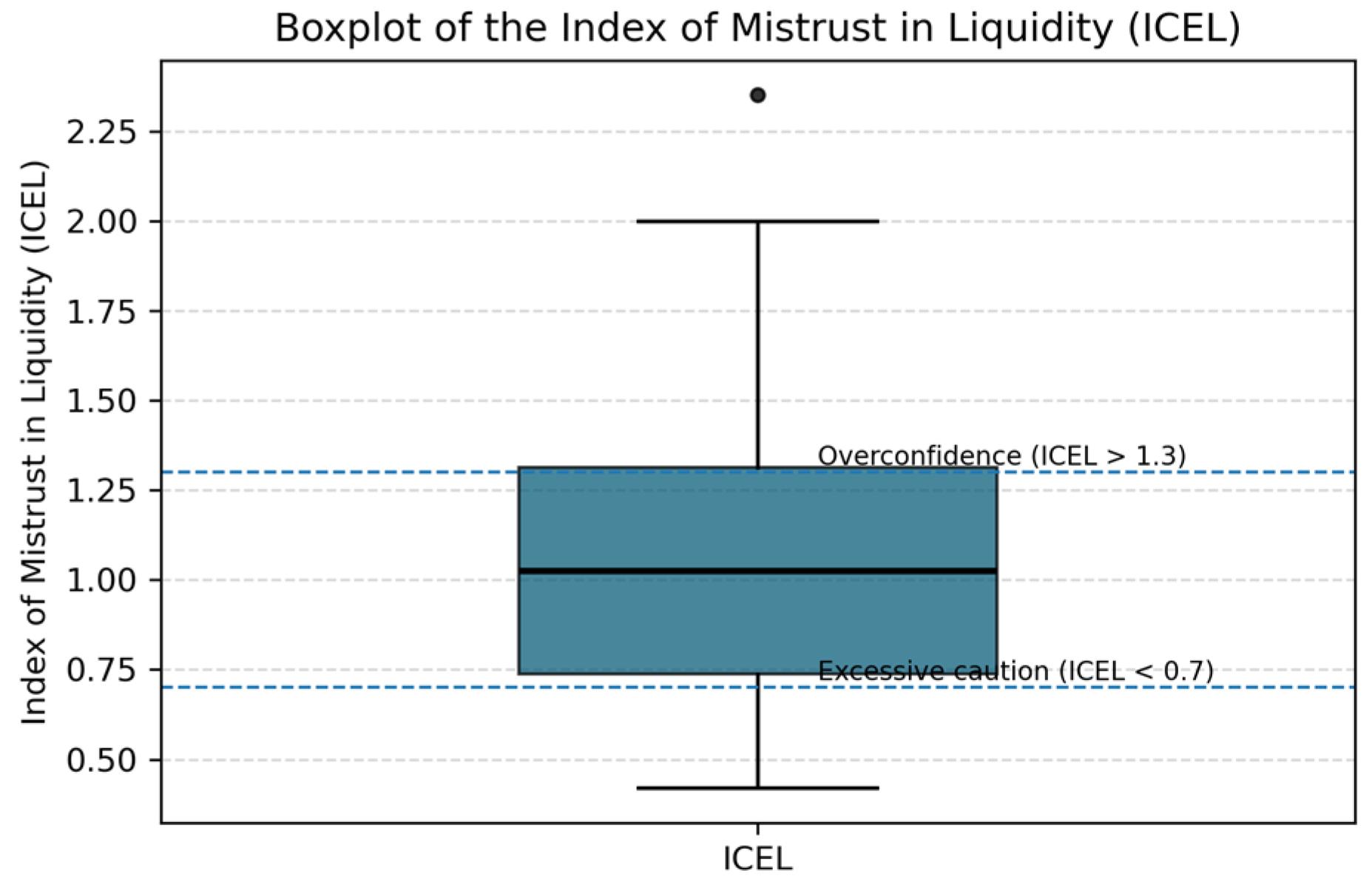
Managerial confidence in liquidity management was assessed using the Index of Mistrust in Liquidity (ICEL), which captures deviations between perceived liquidity control and effective financial planning. The distribution of ICEL values showed markedly greater dispersion than that of the PEL, indicating pronounced heterogeneity in managerial confidence across firms. A substantial proportion of companies exhibited excessive confidence, while another segment demonstrated extreme caution. Importantly, a clear positive association was identified between ICEL and PEL values: firms with elevated confidence levels also tended to overestimate their liquidity position, whereas firms with low confidence were more likely to underestimate their available financial capacity.
Descriptive statistics further indicate that, although the median values of both indices are close to unity, the presence of extreme observations is non-negligible. Liquidity misperception is relatively concentrated around moderate values, whereas managerial confidence displays wider variance, suggesting that confidence-related distortions are more volatile and less predictable than perception errors alone. This divergence underscores that liquidity misperception and managerial confidence, while related, capture distinct behavioral dimensions of treasury management.
Exploratory predictive analyses were employed to assess whether behavioral indicators consistently differentiate between firms experiencing liquidity stability and those facing financial distress. These models identified recurrent patterns linking elevated liquidity misperception and misaligned managerial confidence with increased financial vulnerability. Given the limited sample size, these results are interpreted as internal consistency checks rather than as confirmatory predictive validation.
Overall, the results provide robust empirical evidence that liquidity perception in SMEs frequently diverges from effective financial capacity and that such misperceptions are systematically associated with payment–collection structures, managerial confidence, and heightened exposure to liquidity crises. The findings demonstrate that liquidity-related cognitive distortions are measurable, persistent, and economically relevant within short-term treasury management.
7. Discussion, Conclusions, and Implications
This study analyzes liquidity misperception in a sample of fifty Spanish small and medium-sized enterprises operating in the meat-processing sector, selected under criteria that intentionally increase exposure to treasury-related cognitive distortions. Firms were characterized by annual turnover below €600,000, lean operating structures, and self-employed taxation under direct assessment, ensuring that liquidity management decisions were closely tied to short-term cash availability. All firms had been operating for at least two years and exhibited a specific payment–collection configuration—Average Payment Periods exceeding 30 days and Average Collection Periods below 15 days—suggesting structural reliance on bank balances as a primary liquidity signal.
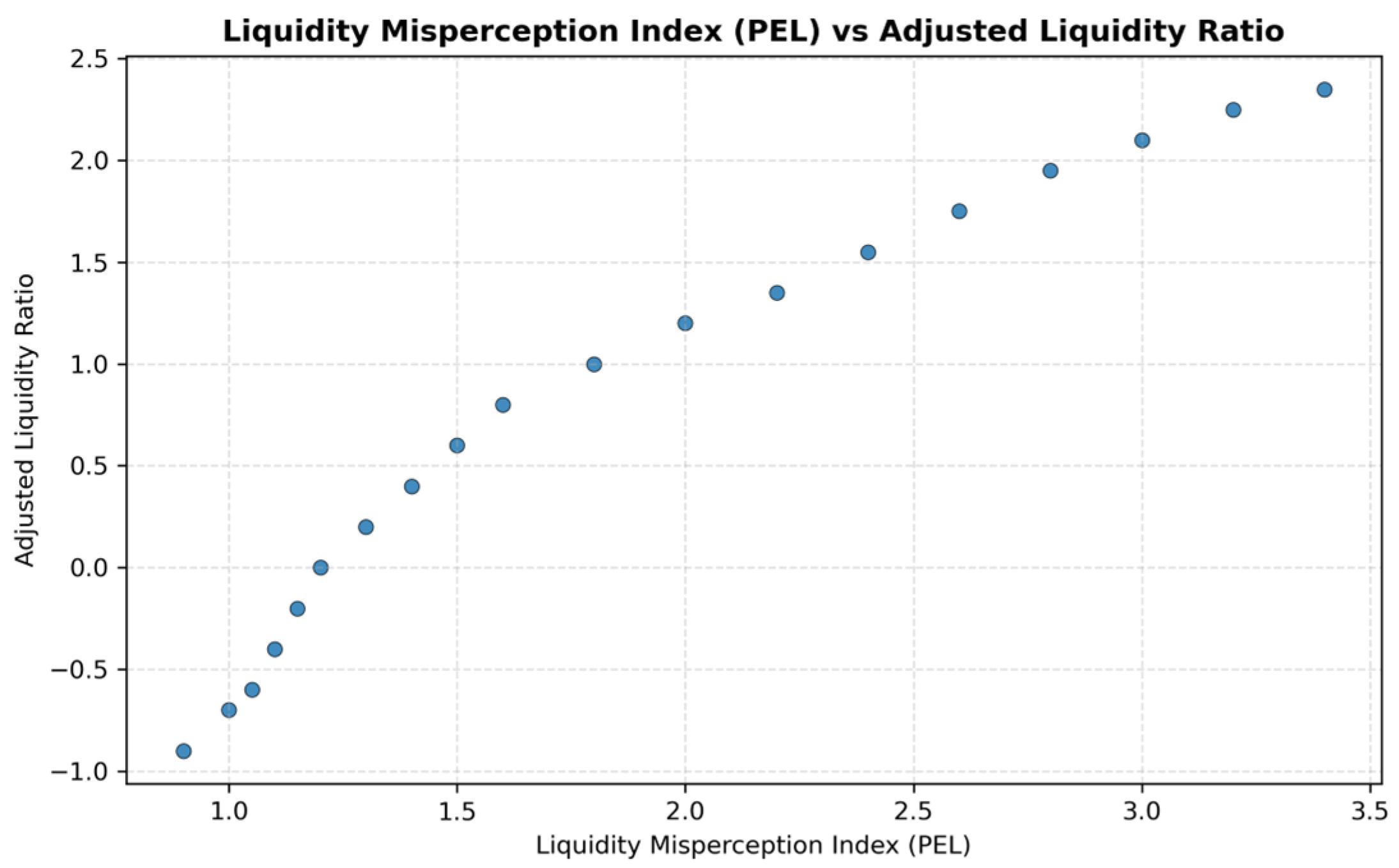
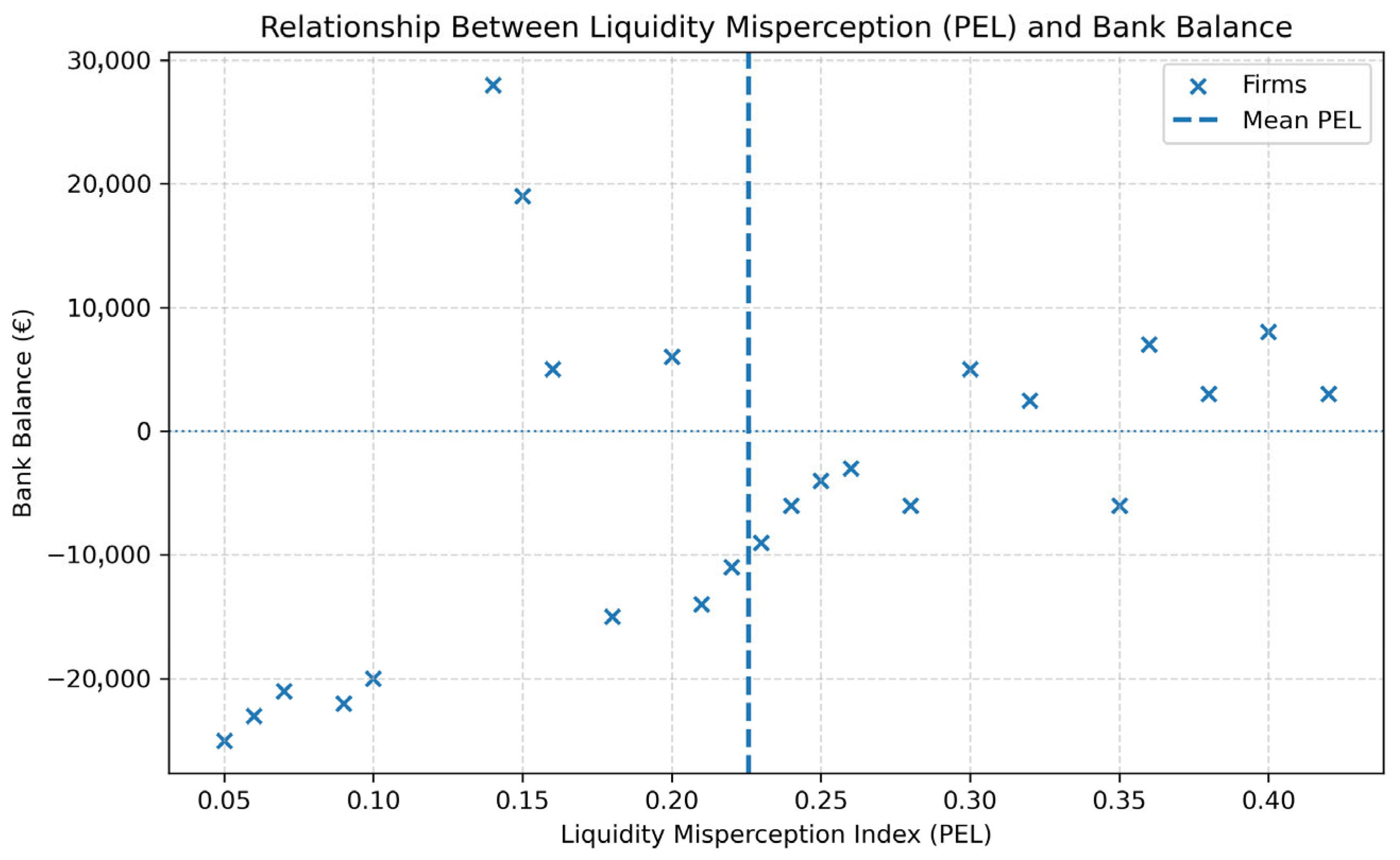
The distribution and representativeness of the selected firms are illustrated in
Figure 1, which shows the relationship between the Liquidity Misperception Index (PEL) and the Adjusted Liquidity Ratio. This visualization already reveals a key pattern: firms with higher perceived liquidity frequently coexist with fragile or negative adjusted liquidity positions, anticipating the presence of systematic perception–reality gaps in treasury management.
The financial variables underpinning this analysis are summarized in
Table 1, which details the core accounting and cash-flow indicators collected on a quarterly basis. These variables—bank balances, receivables, payables, operating expenses, bank debt, tax obligations, and payment–collection periods—constitute the empirical foundation for constructing the Liquidity Misperception Index and subsequent econometric analyses. Quarterly organization of the data allowed the observation of how liquidity perceptions evolved throughout the year and how they interacted with short-term financial decisions.
Liquidity misperception was operationalized through the Liquidity Misperception Index (PEL), defined as the ratio between salient liquidity cues and imminent financial commitments. Firms were classified according to standard behavioral thresholds, distinguishing between underestimation, realistic perception, and overestimation of liquidity. The intentional sample design and longitudinal structure ensured that observed misperceptions reflected persistent behavioral patterns rather than isolated accounting events.
The rationale for the sample size and its analytical sufficiency is supported by statistically significant differences between firms with high and low PEL values. Overestimation of liquidity was associated with a substantially higher probability of liquidity crises, while payment–collection structures amplified these distortions. Although exploratory predictive tools were employed, their role remained complementary, serving to identify recurring behavioral patterns rather than to claim generalizable machine-learning superiority.
The longitudinal nature of the dataset, based on four consecutive quarters in 2024, reinforced the stability of the observed effects. Data triangulation across financial statements, bank records, and payment–collection registers ensured consistency in the measurement of both perceived and effective liquidity.
The specific financial indicators used to construct the PEL and related models are detailed in
Table 2. These indicators capture not only static balance-sheet positions but also the temporal structure of cash flows, which emerged as a critical driver of liquidity misperception. Firms collecting revenues earlier than they settled obligations systematically displayed higher PEL values, reinforcing the illusion of financial stability.
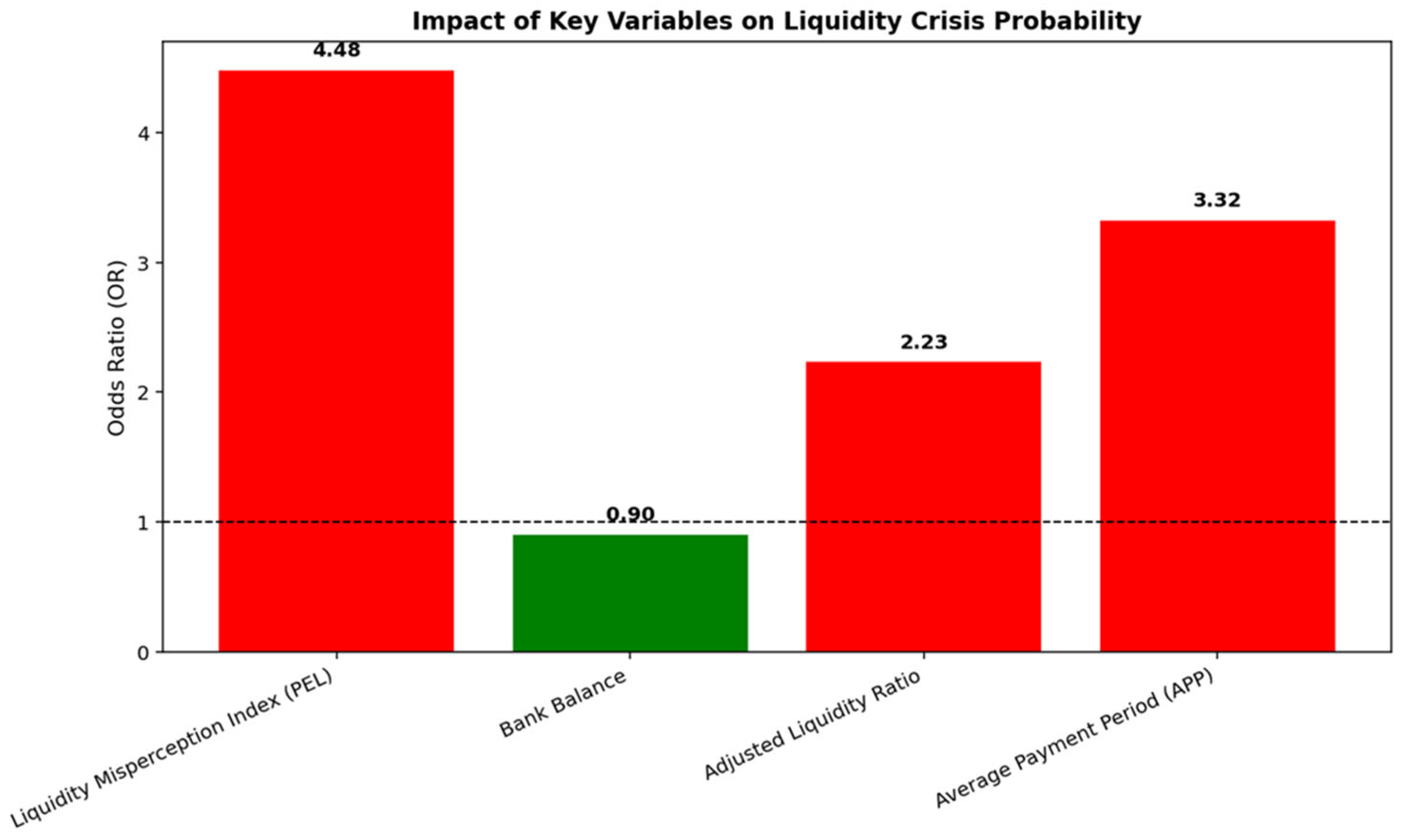
Econometric analysis confirmed that liquidity misperception has direct and economically meaningful consequences. Linear and logistic regression results showed that elevated PEL values significantly increase the likelihood of liquidity crises. The relative impact of perceived liquidity compared with nominal bank balances is summarized in
Figure 2, where the PEL clearly dominates as a predictor of financial vulnerability. This finding confirms that liquidity misperception, rather than liquidity level per se, constitutes the primary behavioral risk factor.
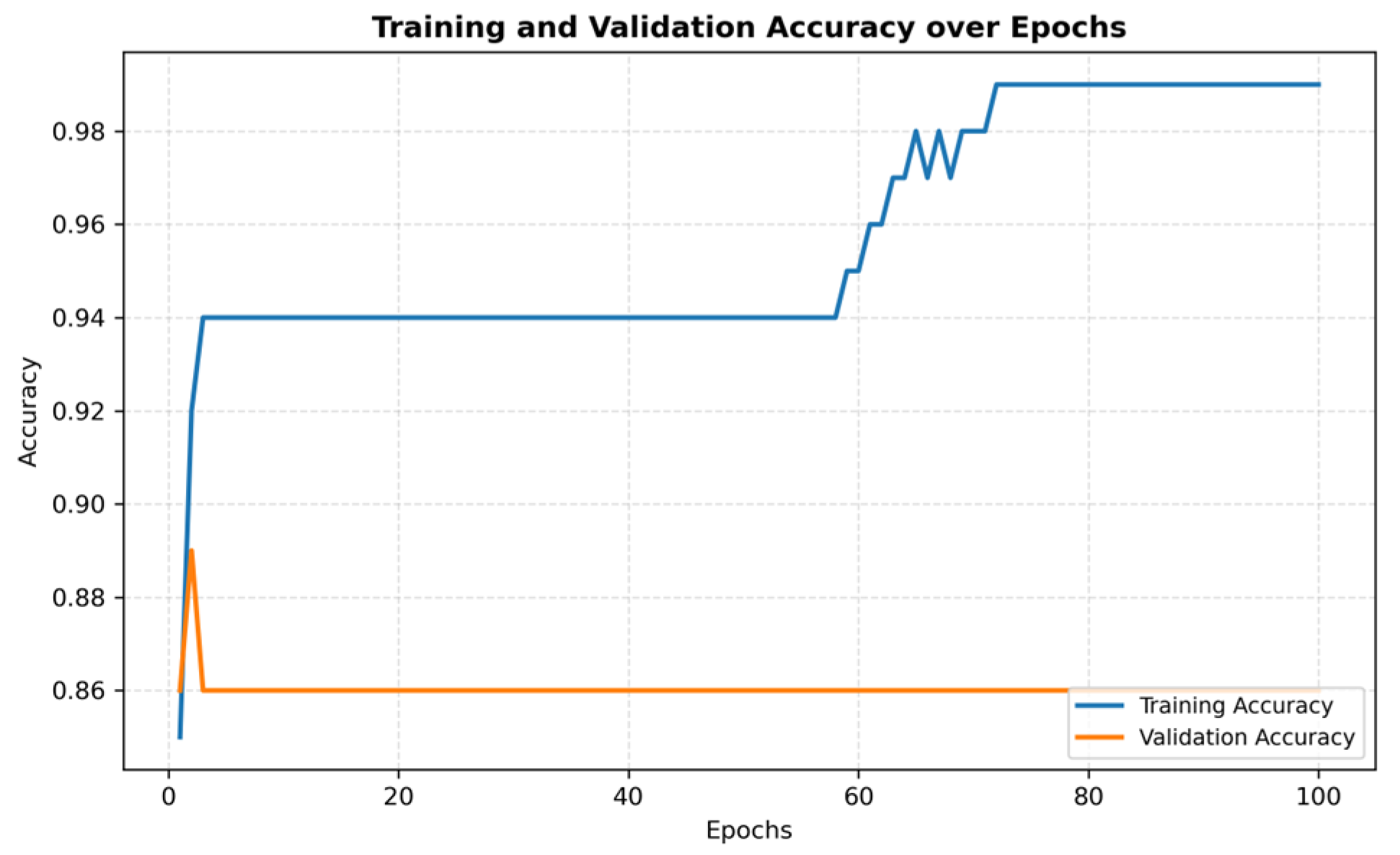
The internal consistency of these results is further supported by predictive accuracy diagnostics shown in
Figure 3. Although these models are exploratory due to sample size constraints, they consistently distinguish between firms experiencing liquidity distress and those maintaining stability, reinforcing the empirical relevance of the behavioral indicators.
“Given the small-sample context, ANN results are reported strictly for illustrative purposes and should not be interpreted as production-level predictive performance.”
Mean comparison tests provide additional confirmation of perception–reality divergence. As illustrated in
Figure 4, the difference between perceived liquidity and adjusted liquidity is highly significant and systematic, particularly among firms with PEL values above 1.2. This result validates liquidity misperception as a stable behavioral bias rather than random error.
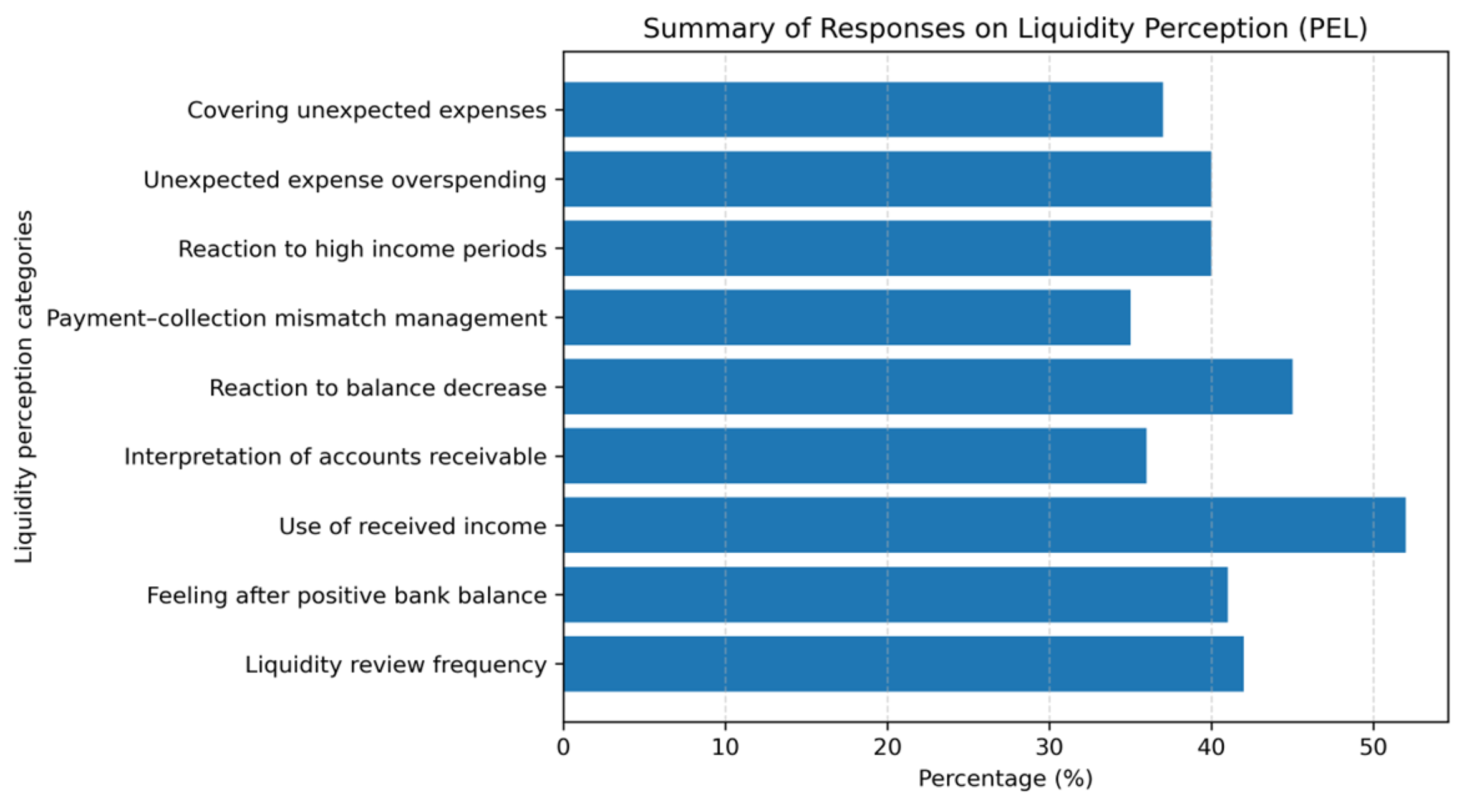
Beyond perception, managerial confidence was captured through the Index of Mistrust in Liquidity (ICEL), constructed from a structured questionnaire assessing perceived liquidity control and financial planning efficiency. Self-reported confidence levels related to perceived liquidity are summarized in
Figure 5.
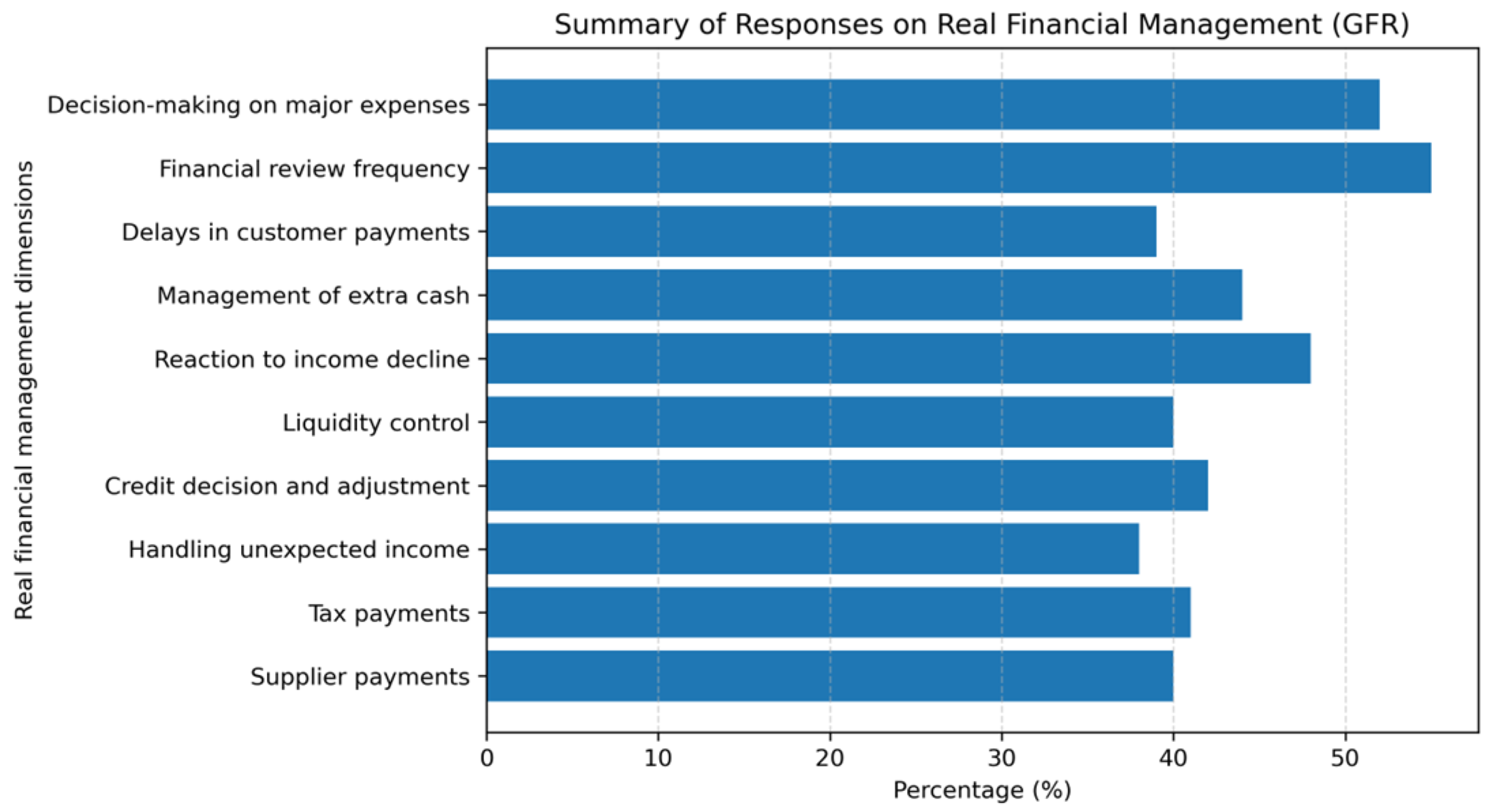
The Financial planning efficiency is illustrated in
Figure 6. These figures reveal substantial heterogeneity in managerial behavior, ranging from data-driven planning to intuitive or reactive decision-making.
The joint distribution of confidence and perception is presented in
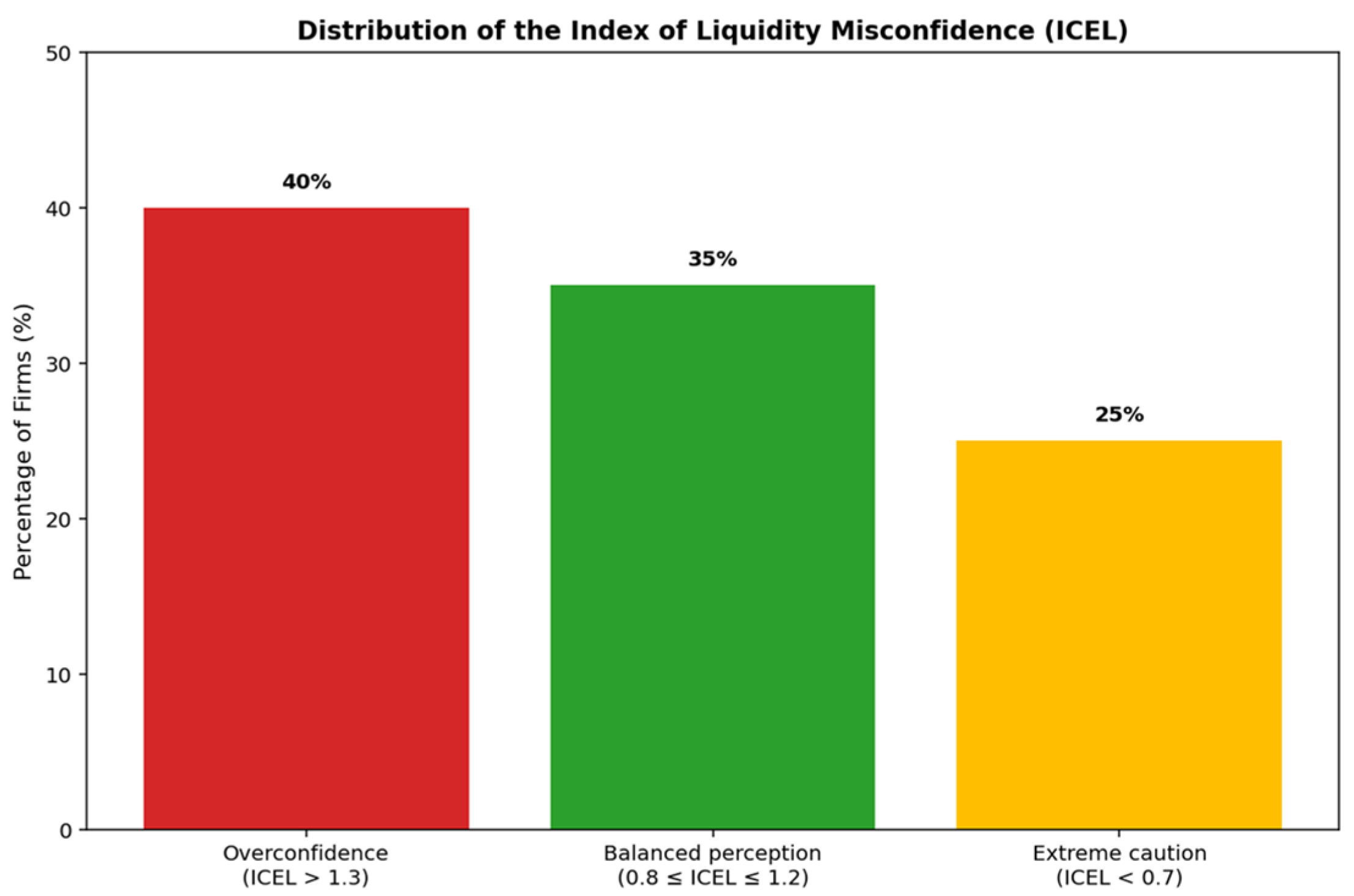
Figure 7, showing that firms with excessive confidence tend to overestimate liquidity, while excessively cautious firms often underestimate their financial capacity. Quantitatively, 40% of firms exhibited ICEL values above 1.3, indicating overconfidence, while 25% displayed extreme caution. Only 35% maintained balanced confidence levels, highlighting the prevalence of behavioral distortions in treasury management.
Descriptive statistics for both indices are summarized in
Table 3. While median values cluster around balanced levels, variability—particularly for the ICEL—is substantial.
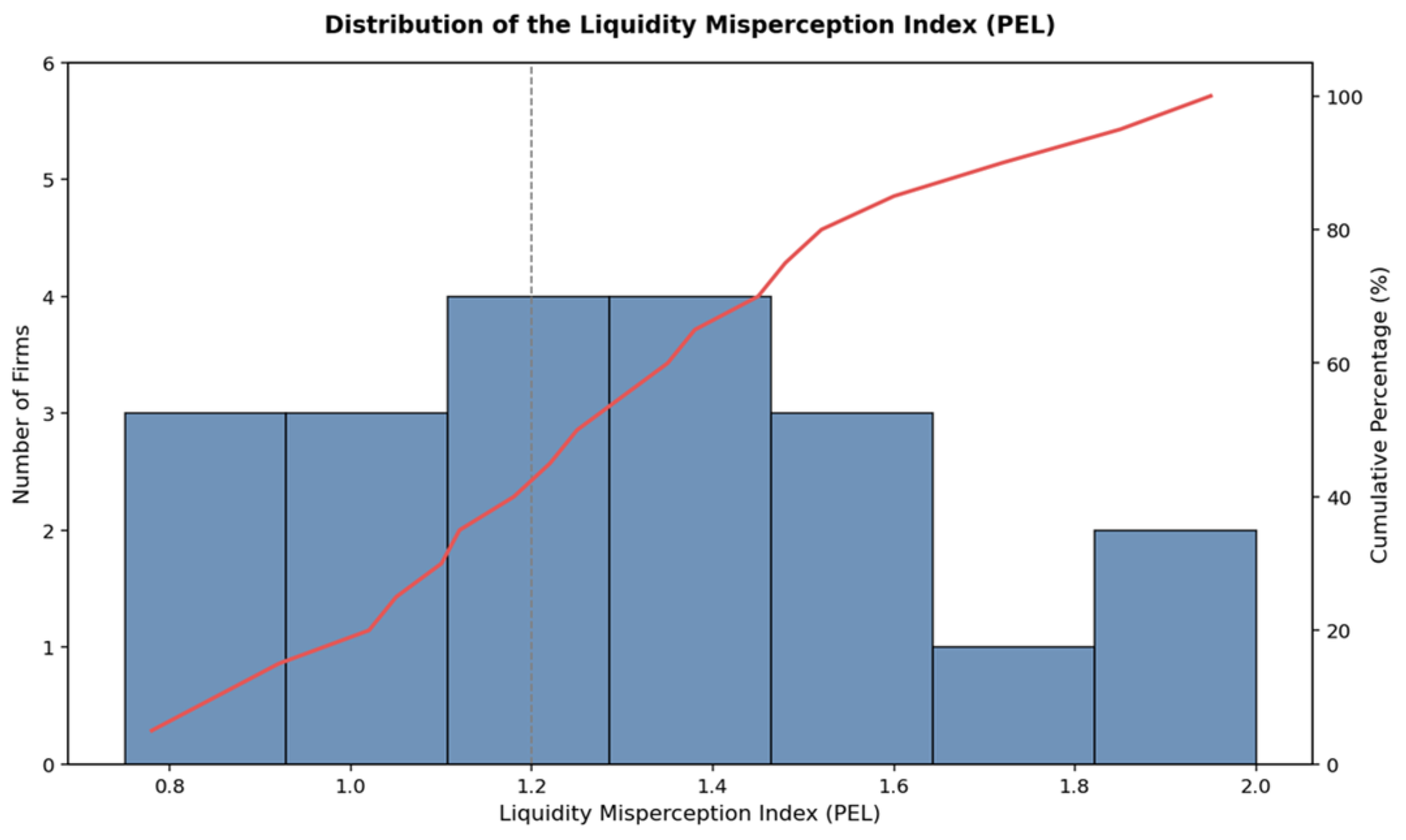
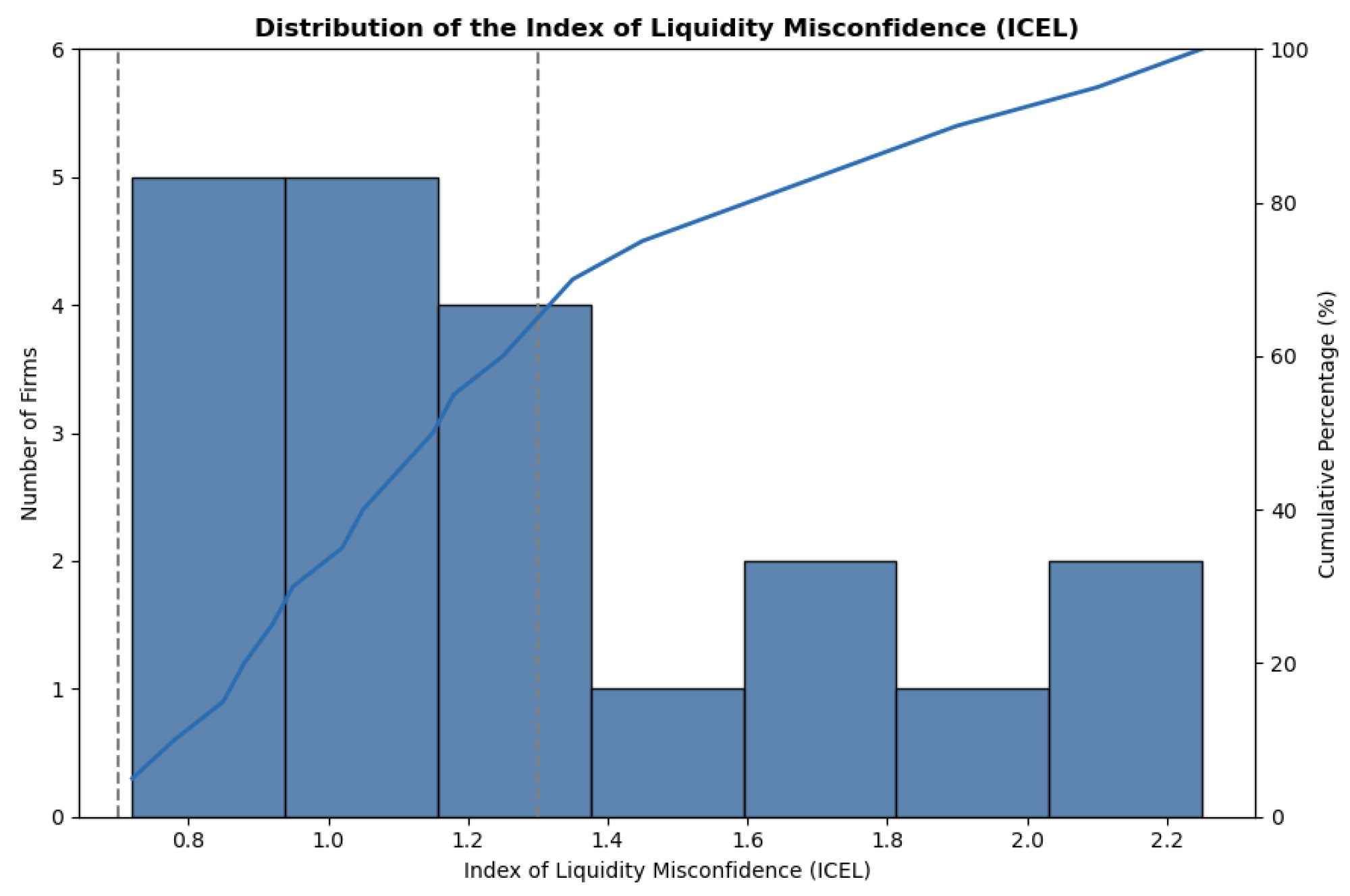
This divergence is further illustrated by the distributional analyses in
Figure 8 and
Figure 9. Liquidity misperception shows moderate dispersion around realistic values, whereas managerial confidence exhibits a wider and more polarized distribution.
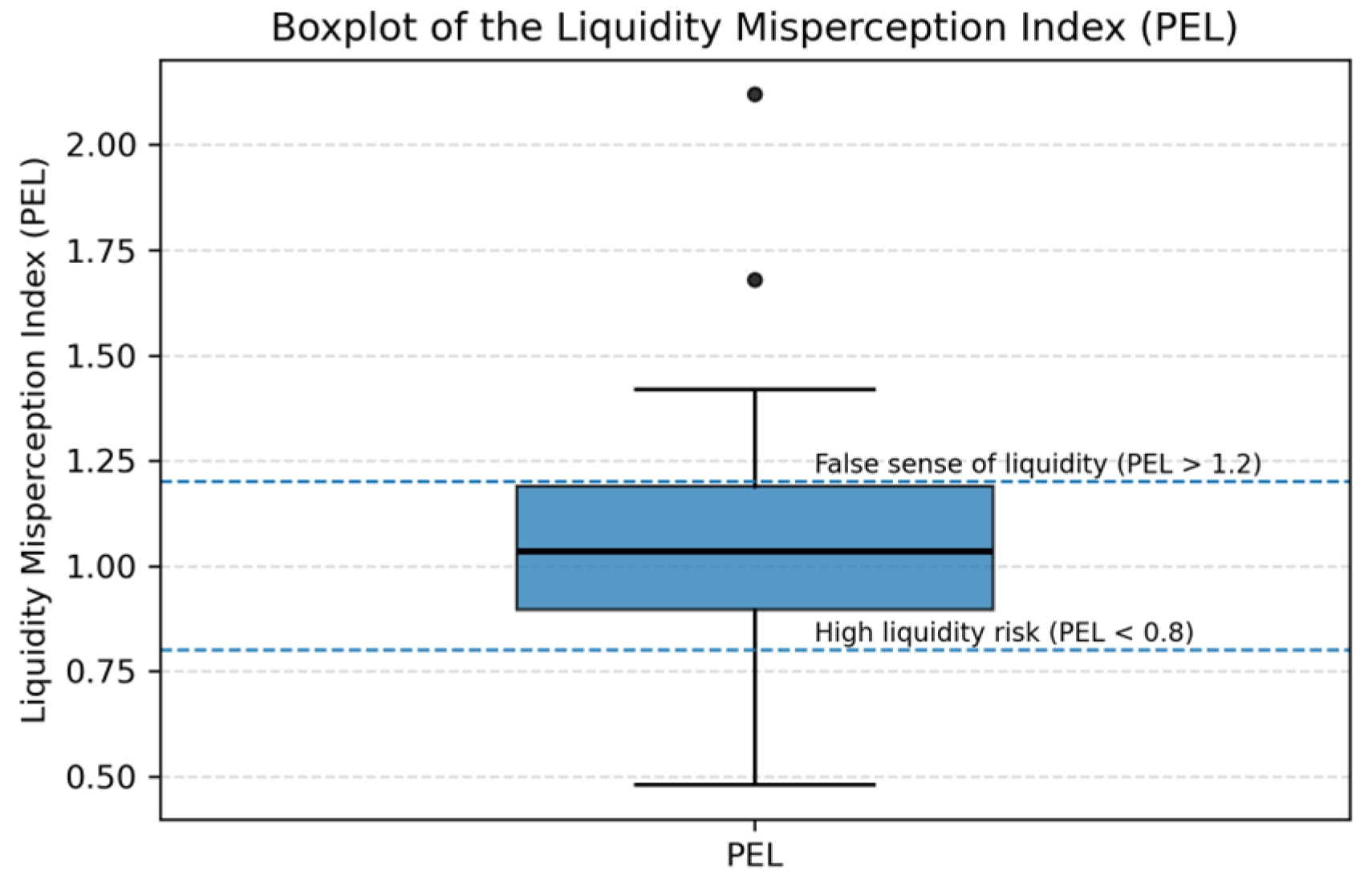
Box plot analyses reinforce this contrast. As shown in
Figure 10, PEL values display relatively limited dispersion with few extreme outliers, suggesting that perception errors are comparatively stable across firms.
In contrast,
Figure 11 shows that ICEL values exhibit pronounced variability, with extreme overconfidence and underconfidence more frequent. This asymmetry confirms that confidence-related distortions are more volatile and psychologically driven than liquidity perception itself.
The complementary nature of the two indices is summarized in
Table 4. While the PEL captures misperception rooted in financial structure and cash-flow timing, the ICEL reflects the psychological dimension of managerial confidence. Together, they form an integrated behavioral framework for understanding how cognitive biases distort treasury decisions and increase exposure to liquidity crises.
From a theoretical perspective, these findings validate the False Reality Bias as a compound behavioral distortion combining anchoring, myopia, and overconfidence within a behavioral game-theoretic context. Empirically, they demonstrate that liquidity misperception and confidence jointly shape financial equilibria, producing either excessive risk-taking or excessive conservatism. Practically, the results highlight the value of perception-aware treasury tools capable of signaling when subjective liquidity diverges from financial reality.
In conclusion, liquidity in SMEs is not merely a function of cash availability, but of how financial information is perceived, trusted, and acted upon. Firms that rely uncritically on bank balances are particularly vulnerable to systematic decision errors, while those integrating timing-sensitive and behaviorally informed approaches achieve greater financial resilience. Future research should extend this framework to larger, cross-sectoral samples and explore neurocognitive correlates of managerial confidence to further enhance predictive accuracy.
8. Limitations and Future Research
This study is subject to several limitations that should be considered when interpreting its findings, while also delineating clear directions for future research. First, the sample size is intentionally restricted to fifty firms operating within a single sector—the Spanish meat-processing industry. This design choice prioritizes internal validity and the identification of behavioral mechanisms over broad statistical generalization. While the results are robust within this context, the sector is characterized by high cash turnover, deferred payments, and relatively standardized cost structures. Consequently, the external validity of the Liquidity Misperception Index (PEL) and the Index of Mistrust in Liquidity (ICEL) may be limited to industries with similar cash-flow dynamics and institutional environments. Future research should extend the analysis to larger, cross-sectoral samples and different national contexts to assess the generalizability of the proposed behavioral framework.
Second, the empirical analysis relies on quarterly financial data covering a single fiscal year. Although this temporal design is sufficient to identify persistent liquidity misperceptions and confidence distortions across short-term cycles, it does not allow for the observation of long-term behavioral adaptation. Longer longitudinal horizons would be necessary to examine how liquidity perception, managerial confidence, and decision equilibria evolve across economic expansions, contractions, and systemic shocks. Future studies could incorporate multi-year panel data to assess learning effects, path dependence, and the stability of perception–confidence dynamics over time.
Third, managerial confidence, as captured by the ICEL, is partially derived from self-reported survey instruments. Despite the use of structured questionnaires and triangulation with objective financial indicators, self-report measures remain susceptible to response bias and post hoc rationalization. Future research could enhance measurement precision by integrating experimental methods, behavioral decision tasks, or psychometric scales, as well as neurocognitive or physiological proxies associated with confidence, risk perception, and stress. Such approaches would further strengthen the behavioral validity of the ICEL construct.
Fourth, the AI-assisted models and behavioral interventions employed in this study should be interpreted as exploratory diagnostic tools rather than fully scalable predictive systems. The observed reduction in liquidity misperception following AI-supported cash-flow simulations reflects a behavioral nudge mechanism that recalibrates managerial reference points under conditions of imperfect information. However, given the limited sample size, future research should test the scalability, robustness, and comparative performance of alternative algorithms (e.g., SVMs, ensemble models) using larger datasets and rigorous out-of-sample validation.
Overall, these limitations do not weaken the core contribution of the study. Instead, they clarify its scope and reinforce its positioning as a behavioral diagnostic framework grounded in Behavioral Game Theory rather than a universal forecasting model. By explicitly addressing the boundaries of generalization, this research opens promising avenues for extending perception-aware financial modeling and for refining data-driven behavioral interventions aimed at improving treasury decision-making and financial resilience in small and medium-sized enterprises.
The present study should be interpreted as a behavioral diagnostic framework rather than as a universal predictive model, with its primary contribution lying in mechanism identification rather than forecasting accuracy.