
Article

Study on the Characteristics of Boundary Layer Flow under the Influence of Surface Microstructure
1
Yantai Research Institute, Harbin Engineering University, Yantai 264043, China
2
College of Aerospace and Civil Engineering, Harbin Engineering University, Harbin 150001, China
3
The First Aircraft Institute, Xi’an 710089, China
4
China Aerospace Science and Industry Power Technology Academy, Hohhot 010010, China
*
Author to whom correspondence should be addressed.
Aerospace 2022, 9(6), 307; https://doi.org/10.3390/aerospace9060307

Submission received: 27 April 2022 / Revised: 28 May 2022 / Accepted: 30 May 2022 / Published: 3 June 2022

Abstract

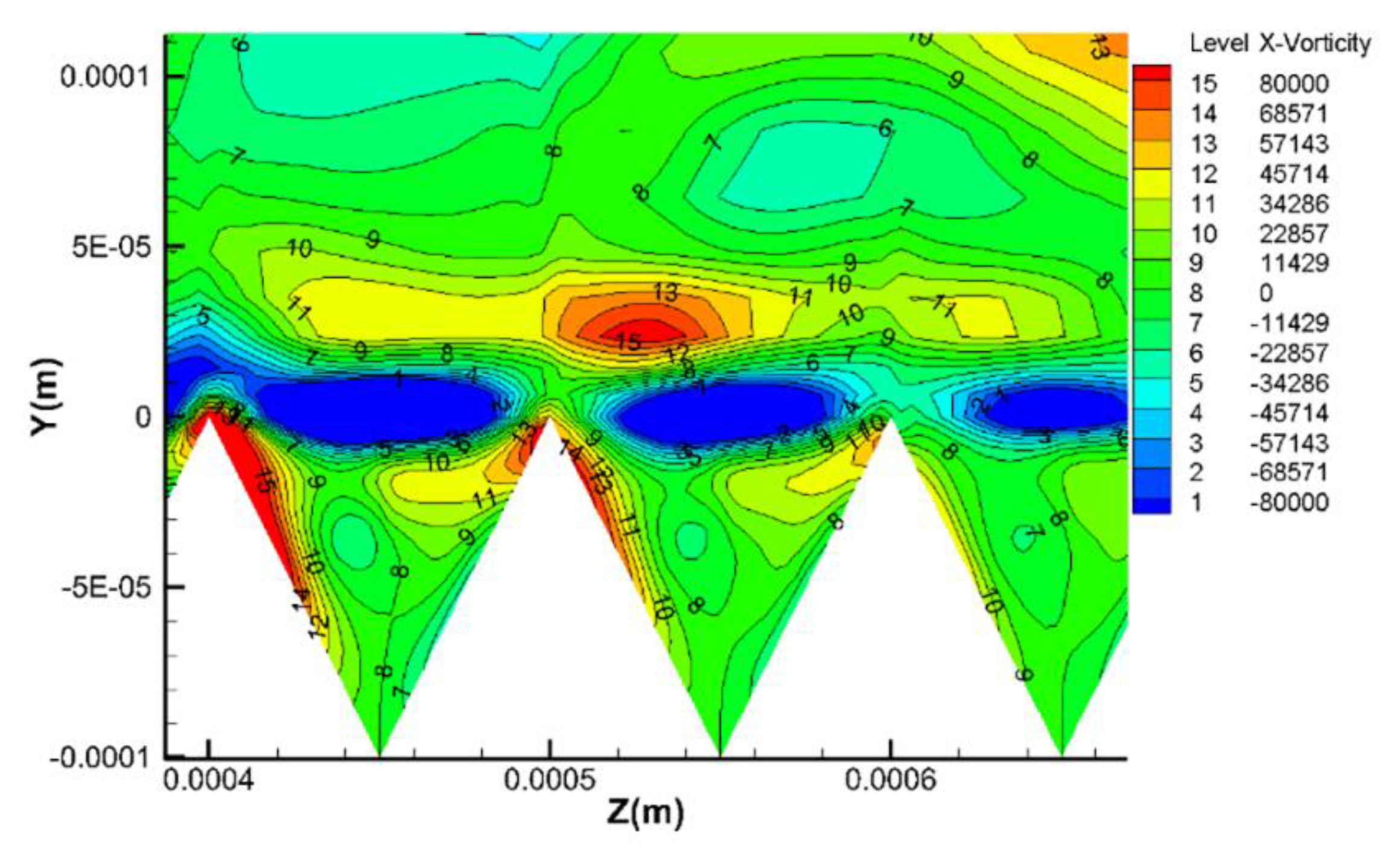
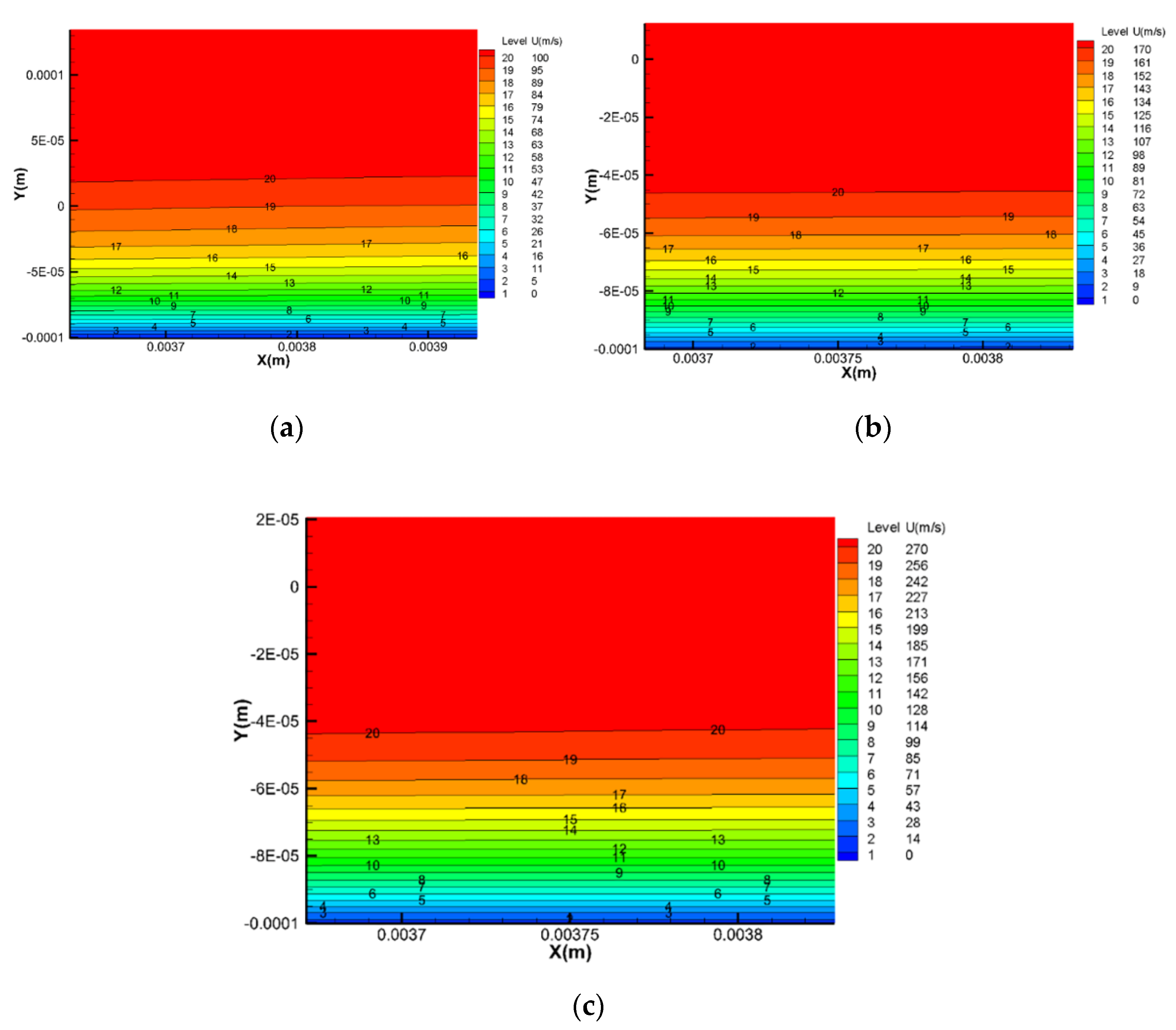
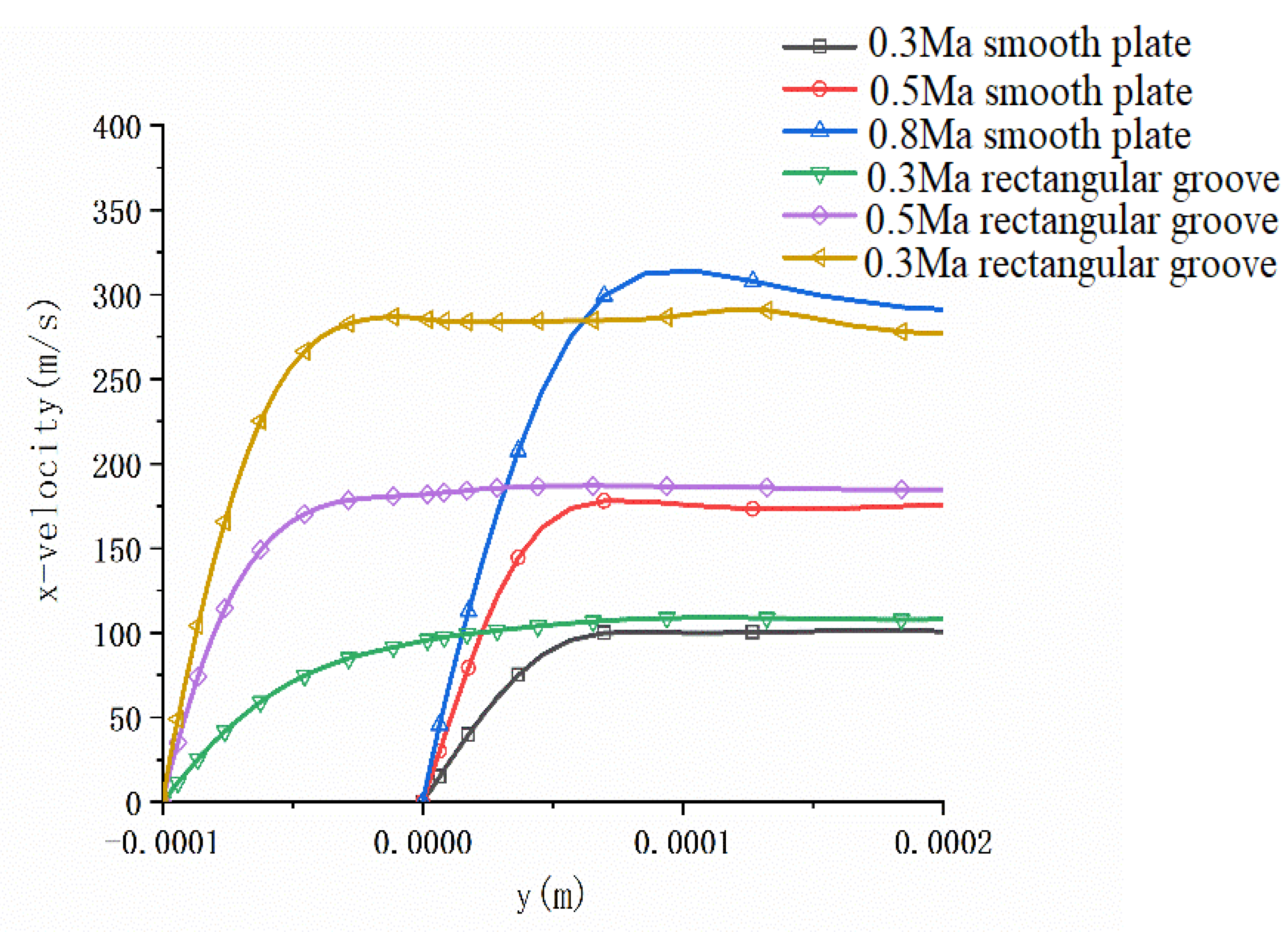
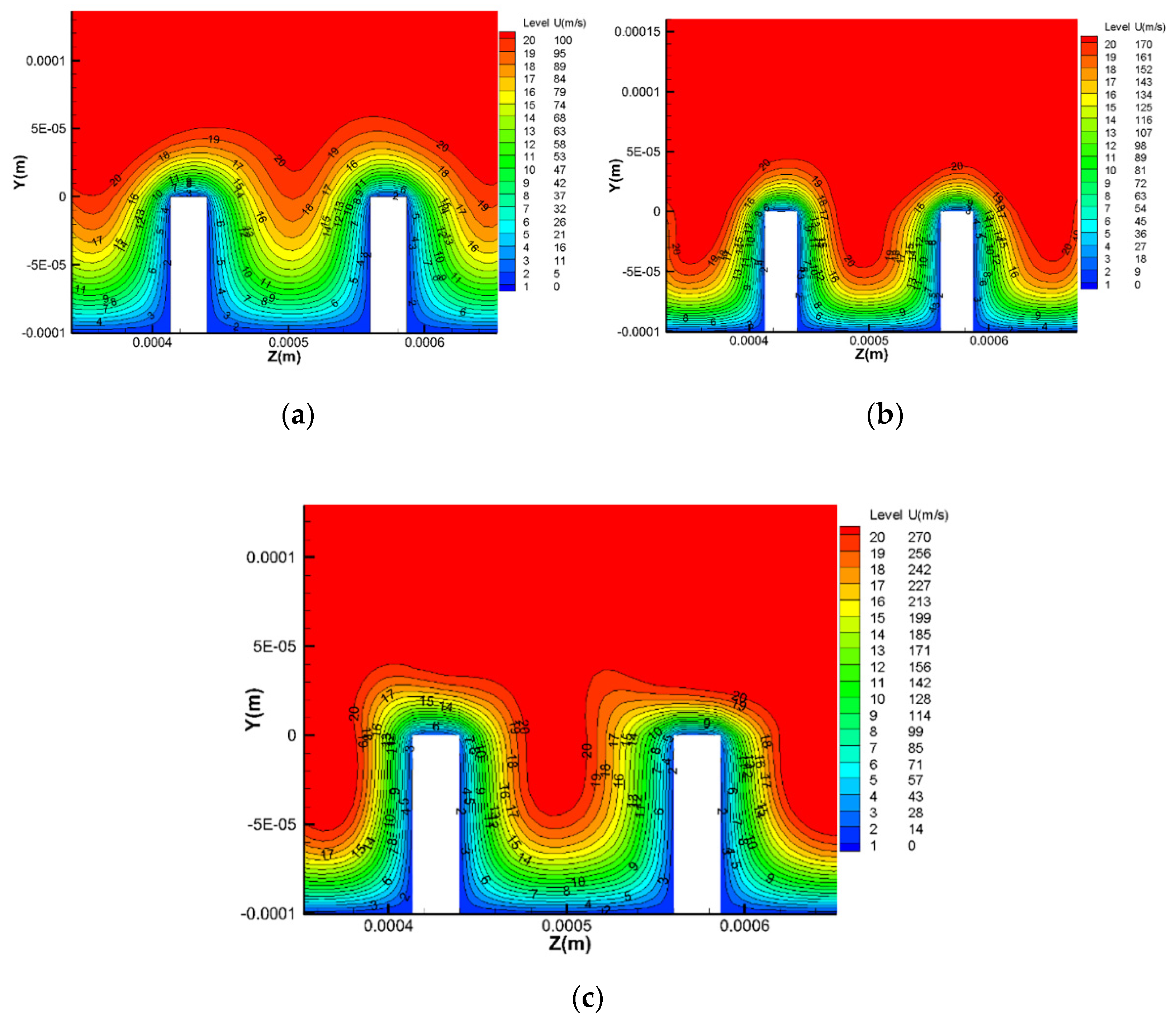
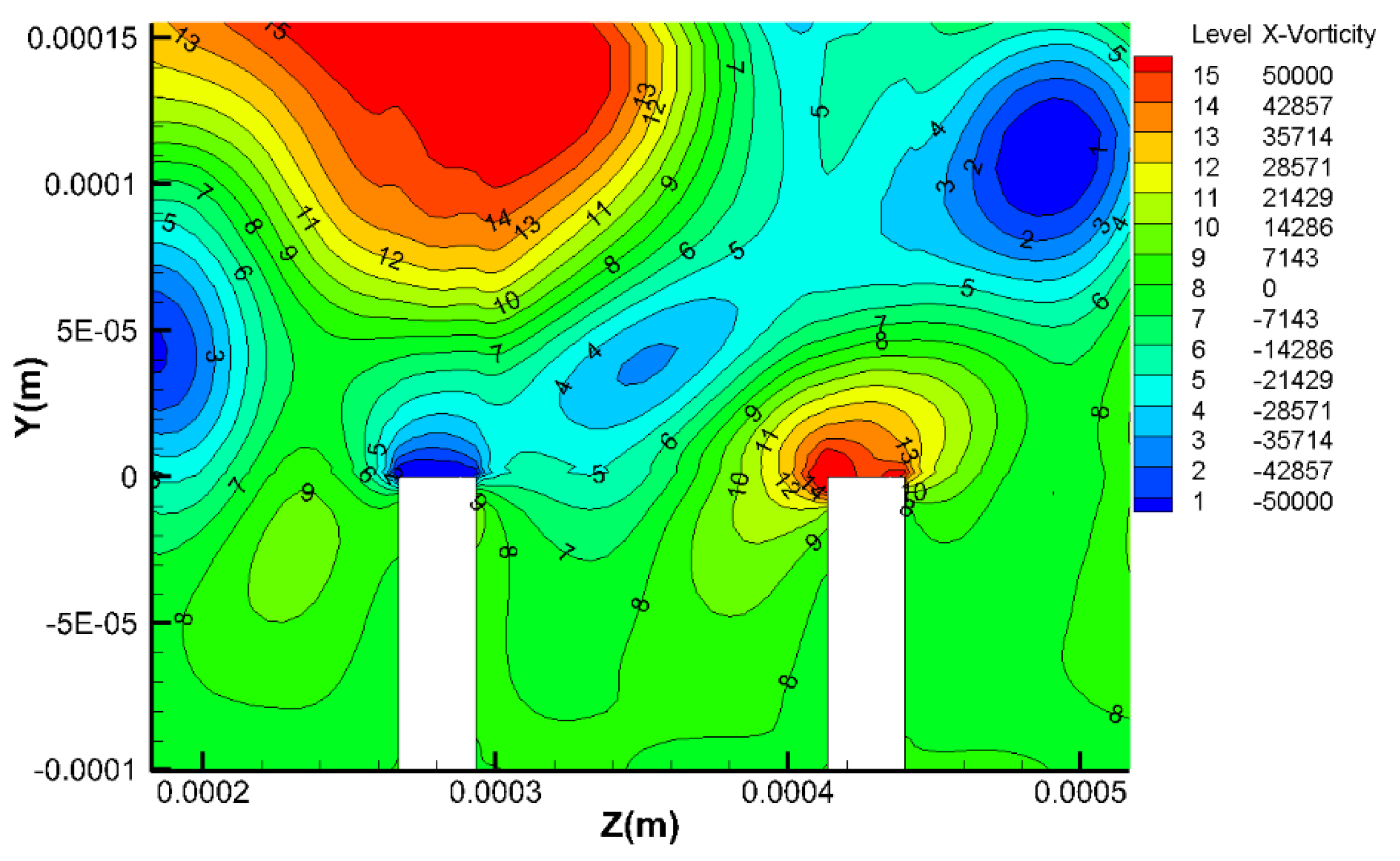
The energy consumption of a vehicle is closely related to the resistance it receives, and it is of great significance to study the drag reduction of a vehicle to promote energy conservation and emissions reductions. Boundary layer control drag reduction is mainly achieved by controlling the coherent structure in turbulence and reducing its burst intensity and frequency. It can be divided into an active control drag reduction and passive control drag reduction. In passive drag reduction, the advantages of the surface groove drag reduction are relatively obvious. In this paper, the large eddy simulation method is used to study the boundary layer flow with triangular groove and rectangular groove plates along the flow direction under subsonic flow, and to explore the influence of a surface micro-groove structure on the boundary layer flow. The simulation results show that the fluid inside the groove can be blocked by the triangular groove which can keep the low-velocity fluid at the bottom of the groove, and that it can increase the thickness of the viscous bottom layer as well as reduce the velocity gradient at the wall. The spanwise stress component of the Reynolds stress in the triangular groove boundary layer and the burst of turbulence on the wall are inhibited, and the spanwise flow in the boundary layer is blocked. In the subsonic range, about 10% shear force can be reduced because there are secondary vortices induced by the upper flow vortices at the top of the groove wall, and these secondary vortices can restrain the rising of the low-speed strip in the groove and reduce the burst of turbulence. The rectangular groove creates a weak blocking effect on the fluid inside the groove, which can only inhibit spanwise pulsation under subsonic speed. The wall shear stress cannot be reduced when the flow velocity is low, and it even increases.
Keywords: boundary layer flow; surface microstructure; drag reduction; large eddy simulation boundary layer flow; surface microstructure; drag reduction; large eddy simulation