Article

Investigation of Very Large Eddy Simulation Method for Applications of Supersonic Turbulent Combustion


School of Aerospace Engineering, Tsinghua University, Beijing 100084, China
*
Author to whom correspondence should be addressed.
Aerospace 2023, 10(4), 384; https://doi.org/10.3390/aerospace10040384

Submission received: 10 March 2023 / Revised: 9 April 2023 / Accepted: 17 April 2023 / Published: 21 April 2023
(This article belongs to the Section Astronautics & Space Science)

Abstract

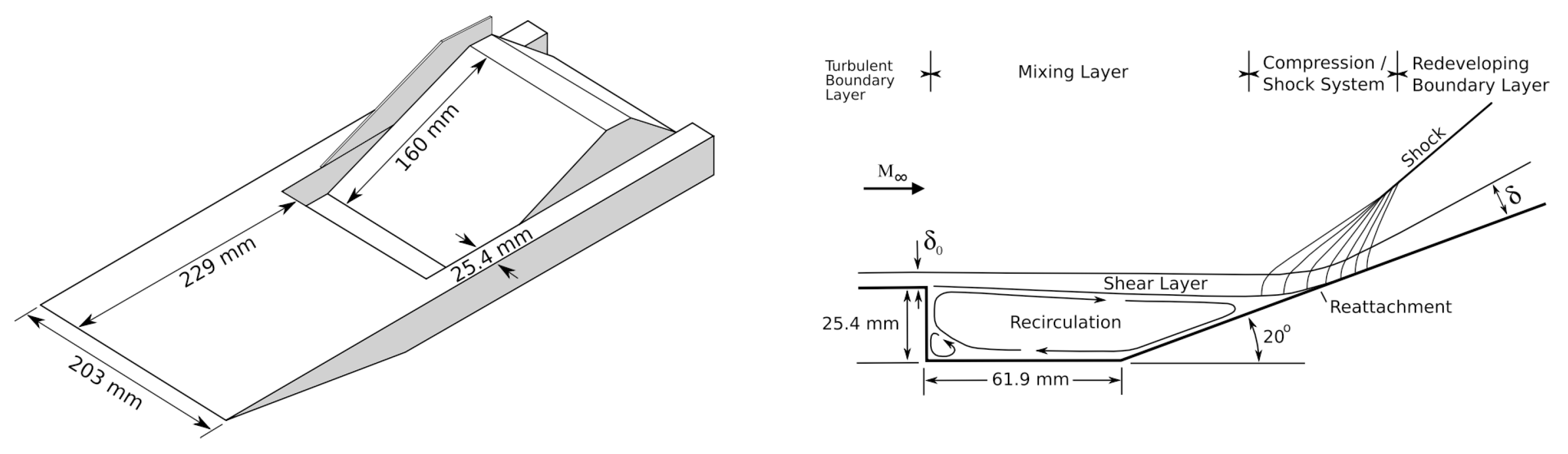
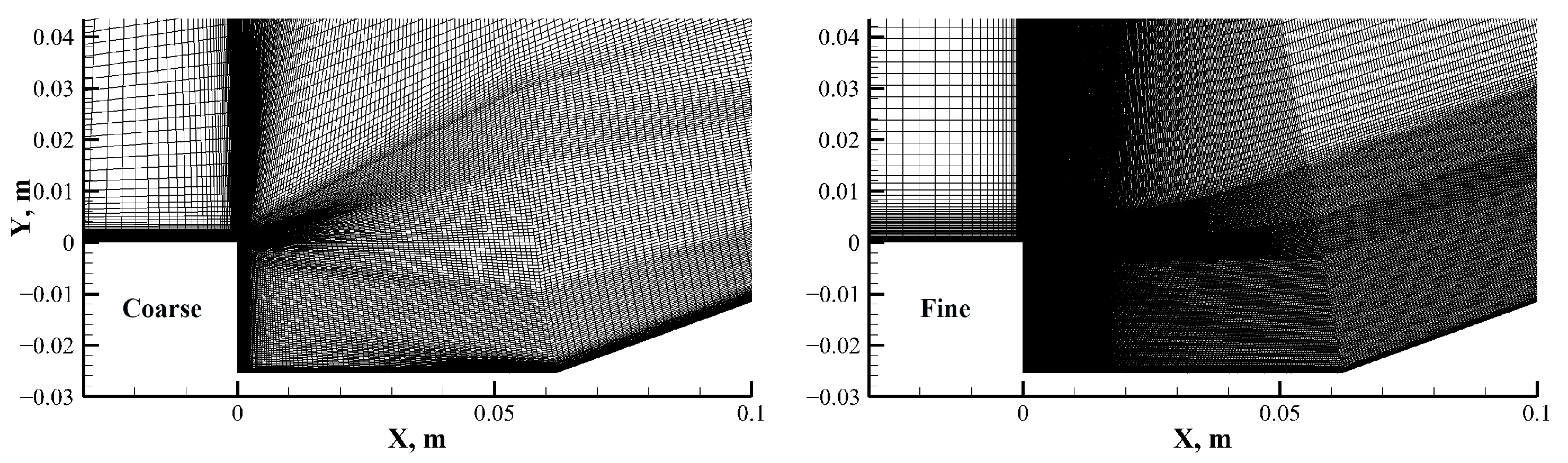
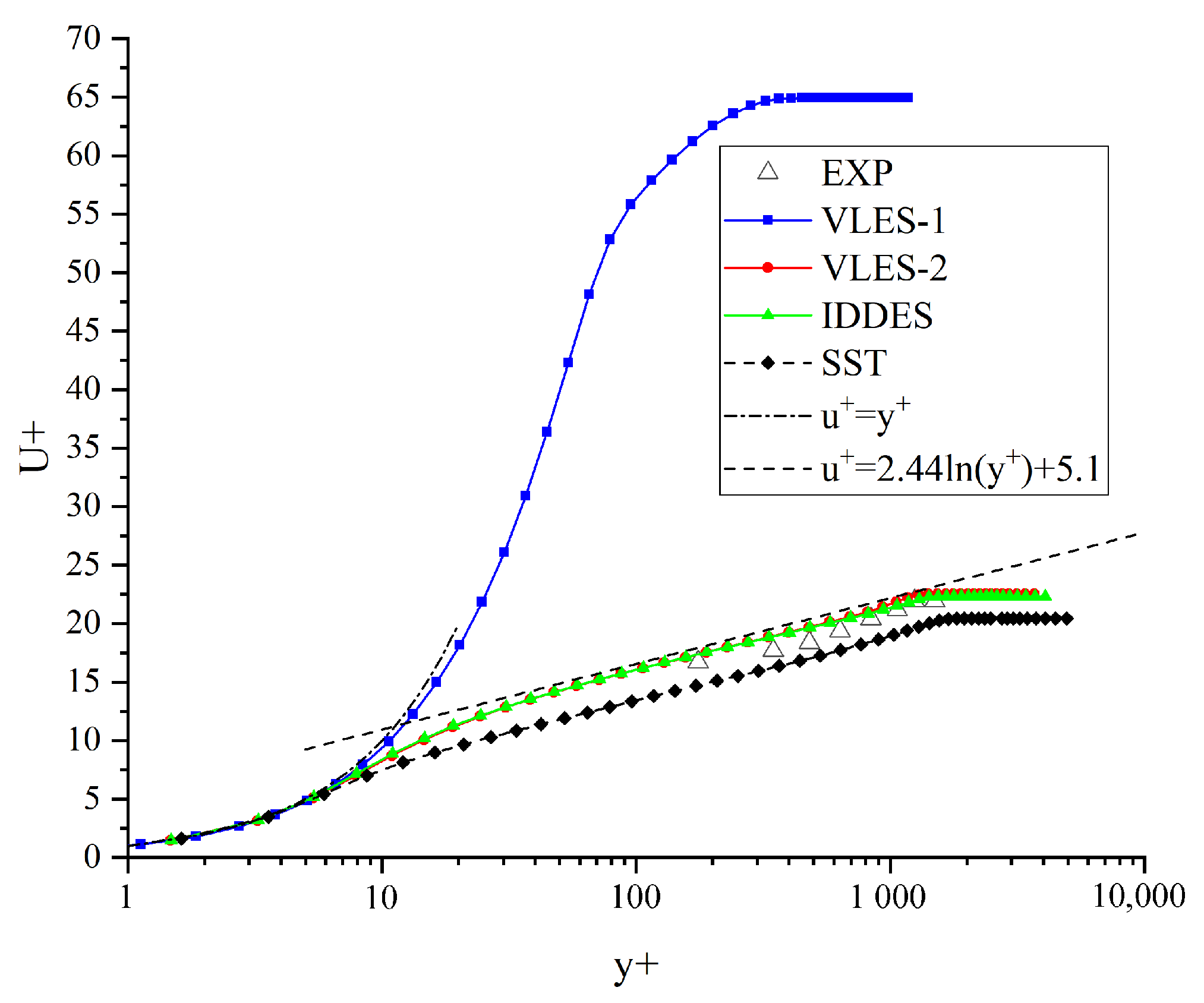
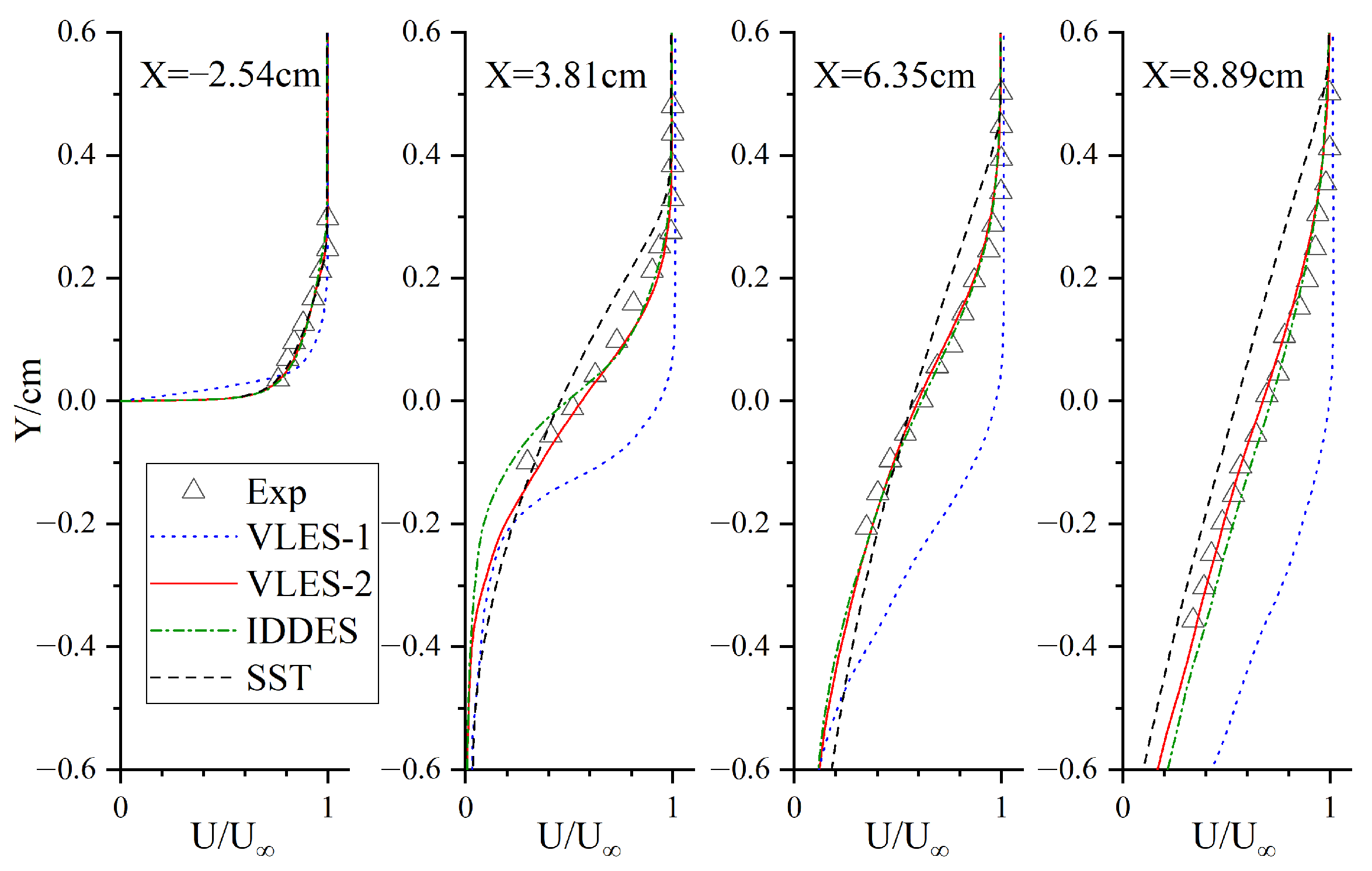
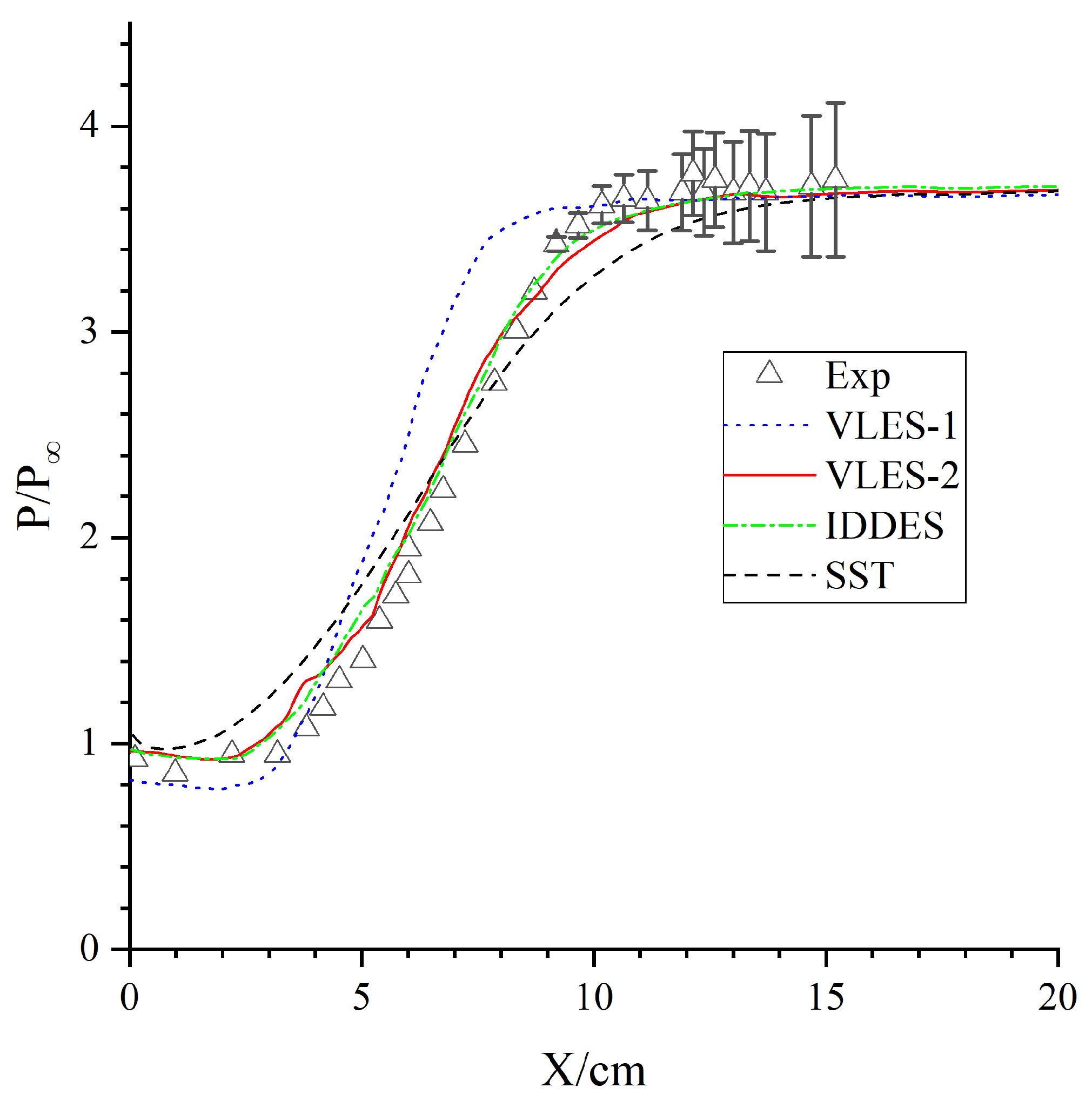
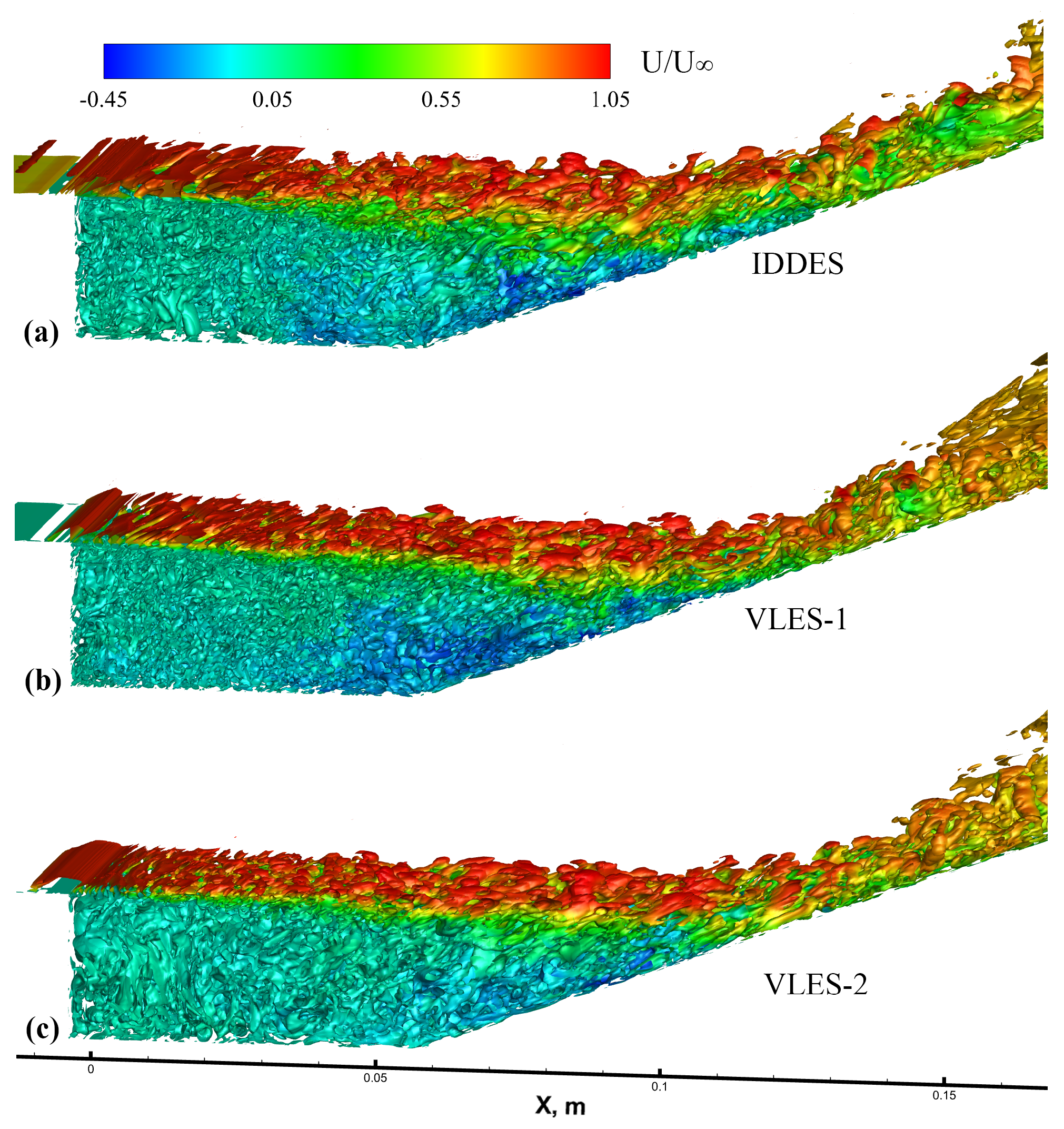
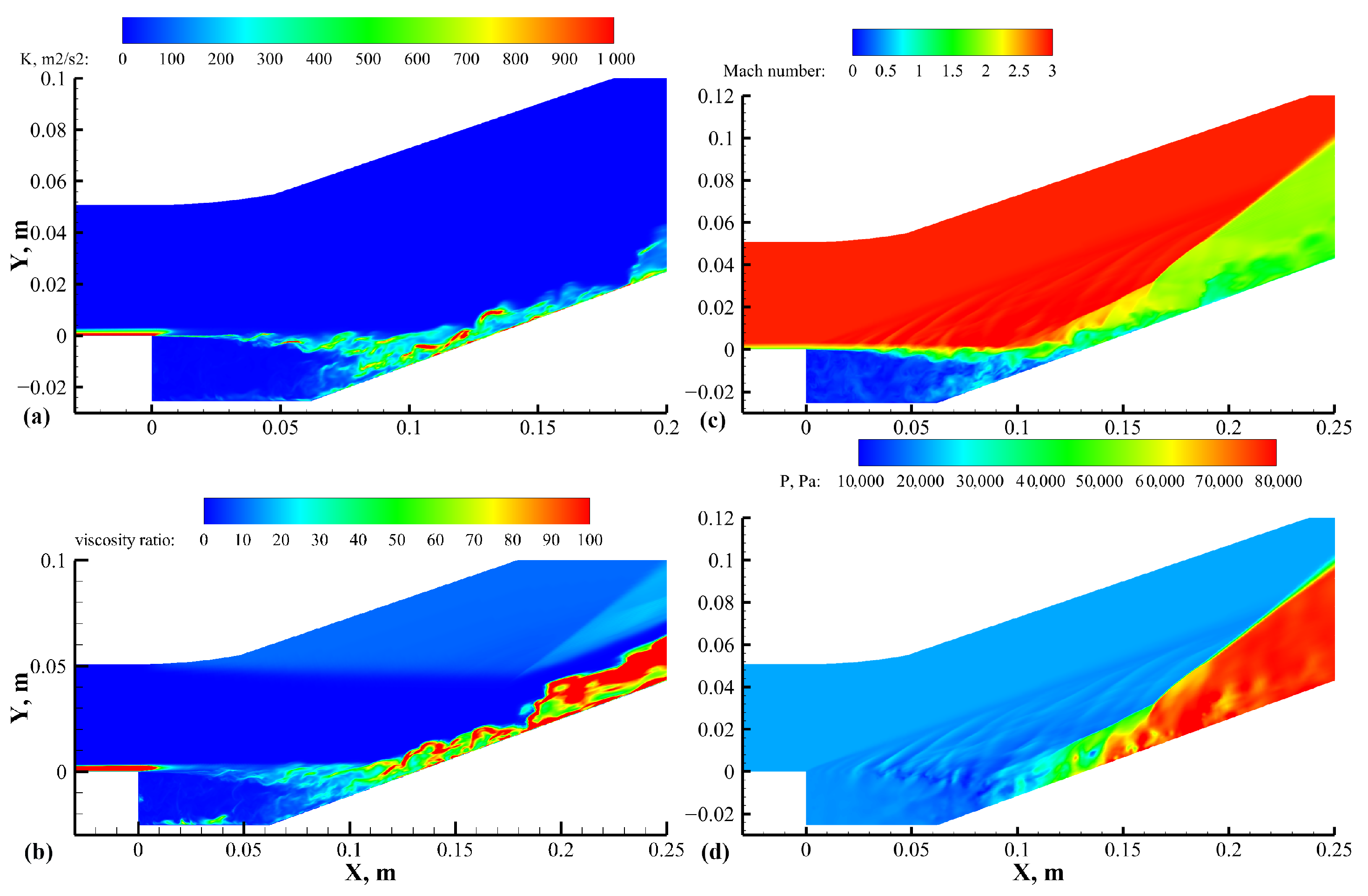
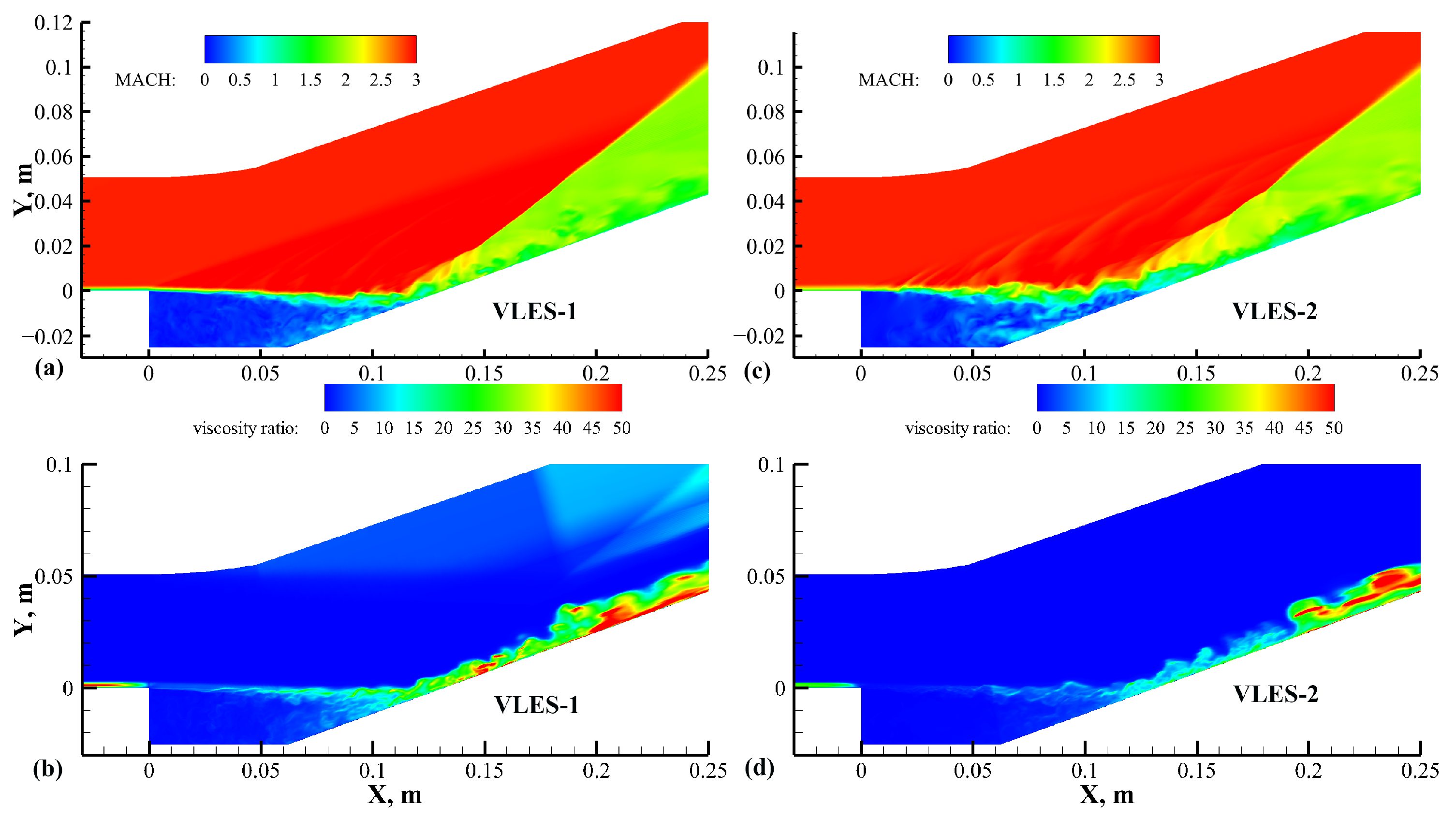
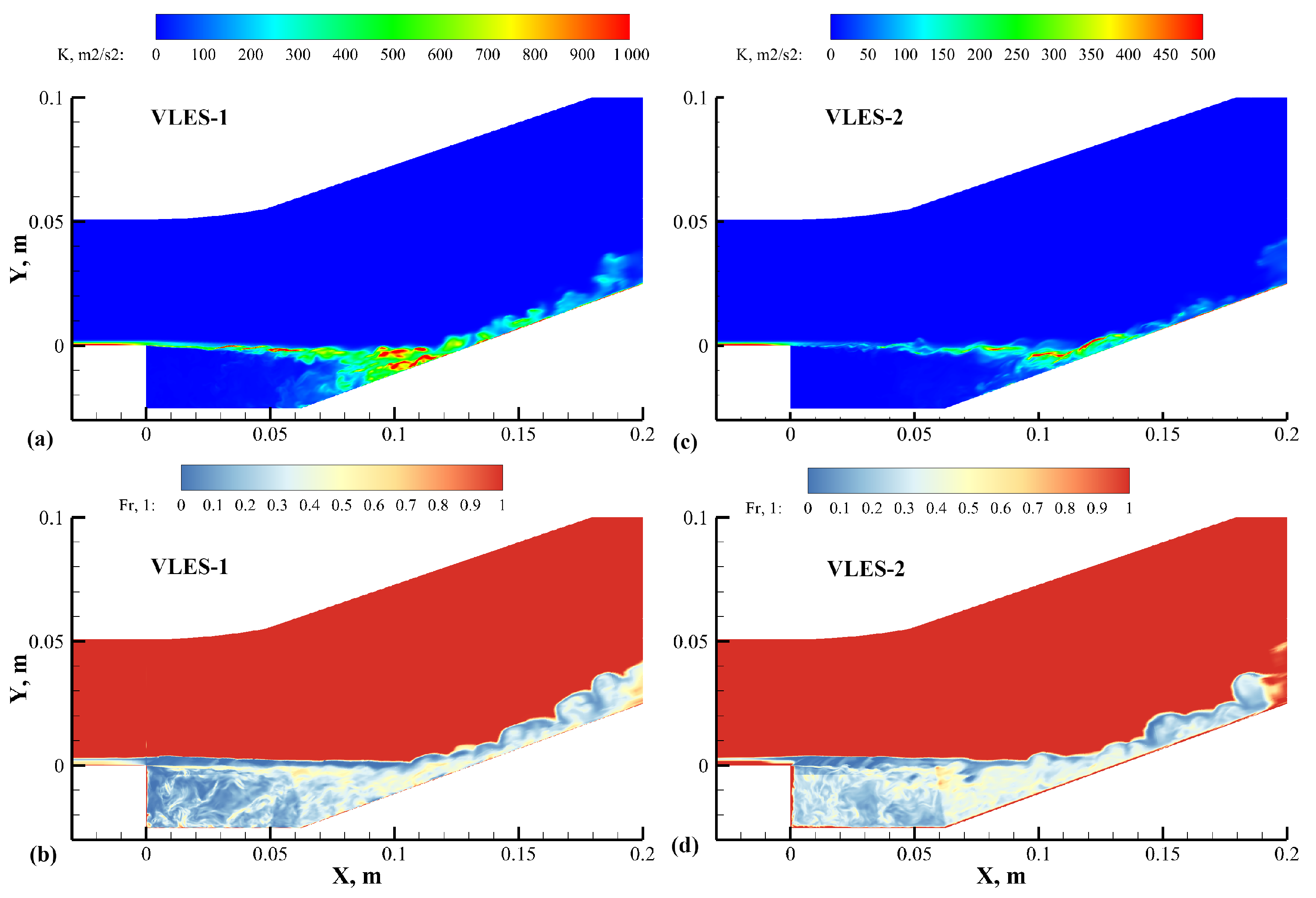
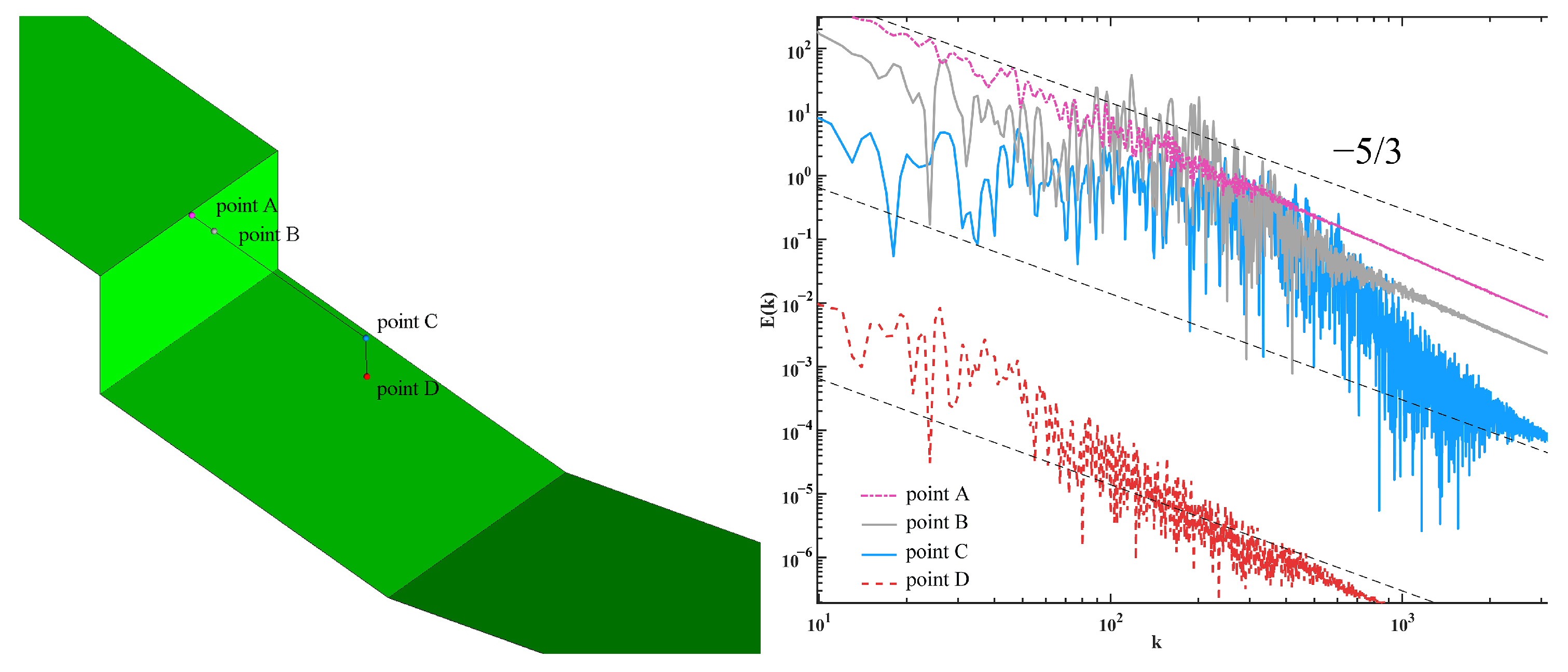
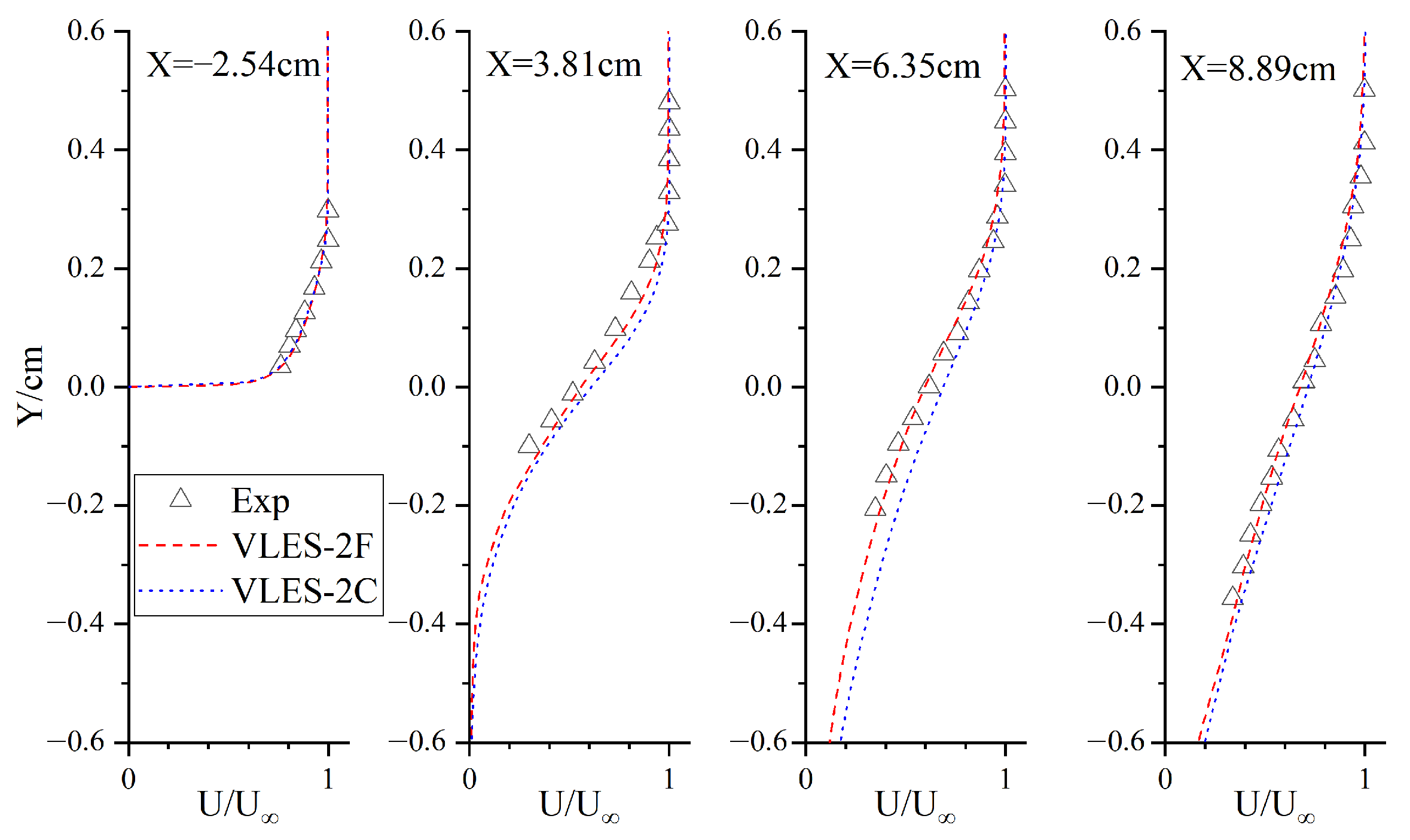
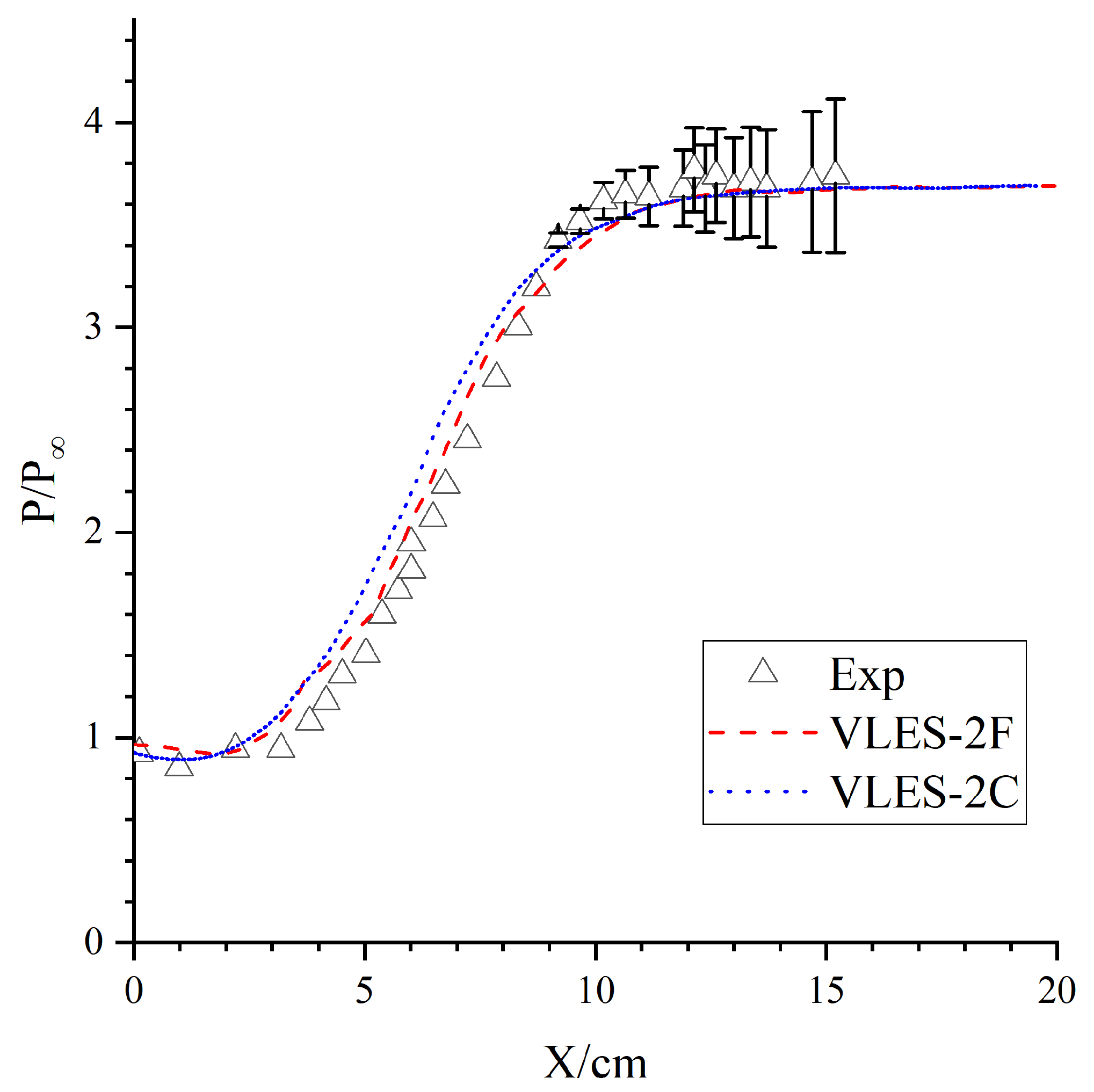
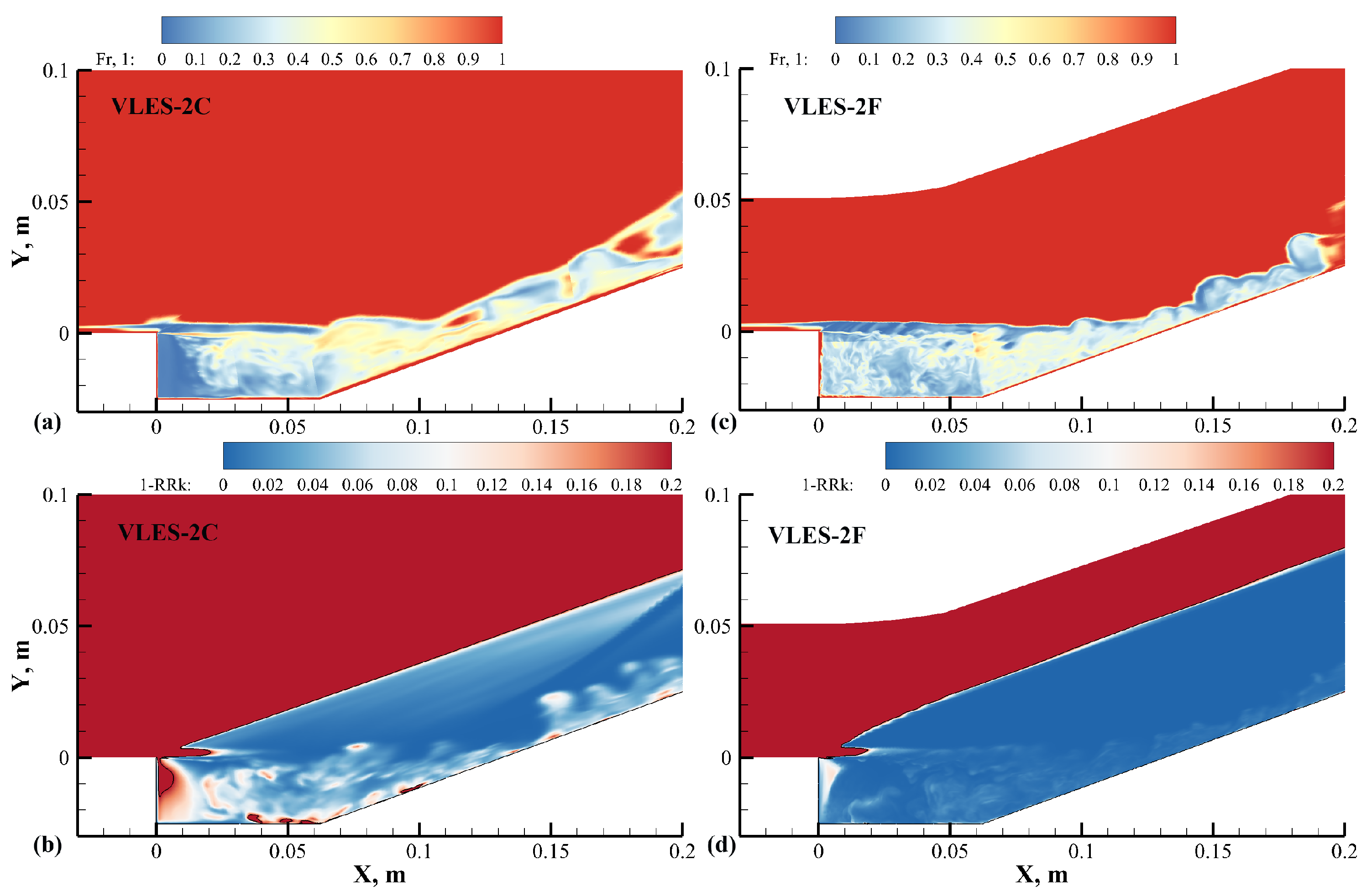
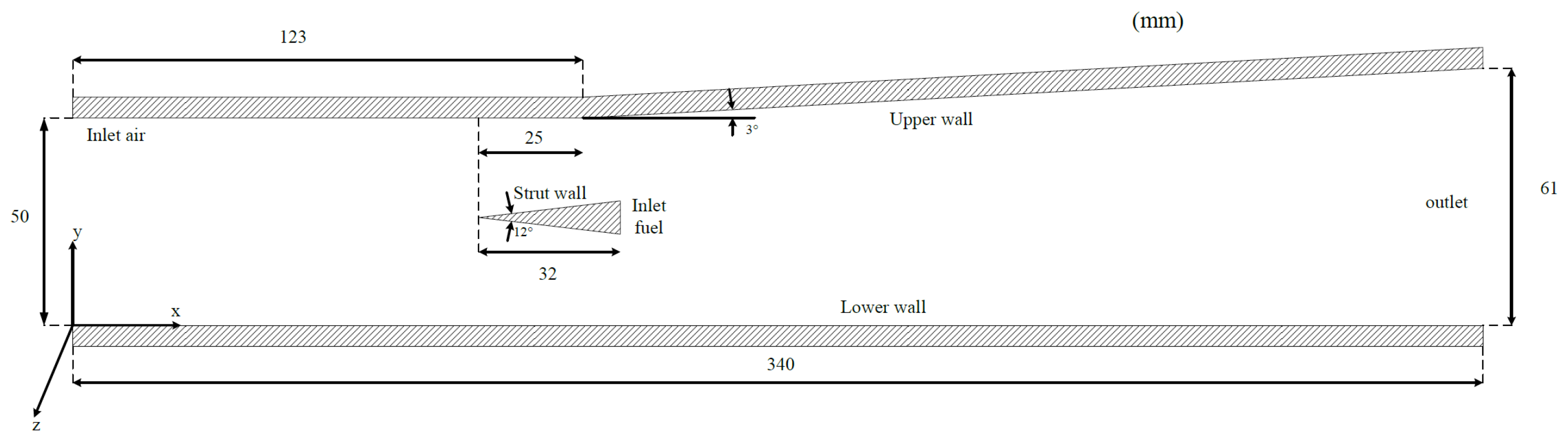
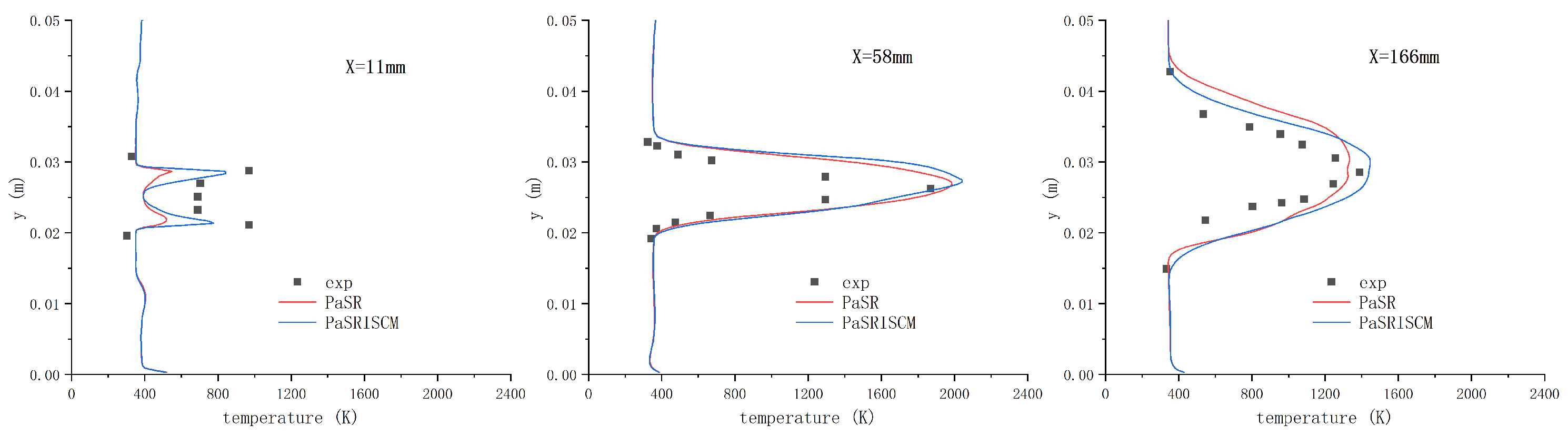
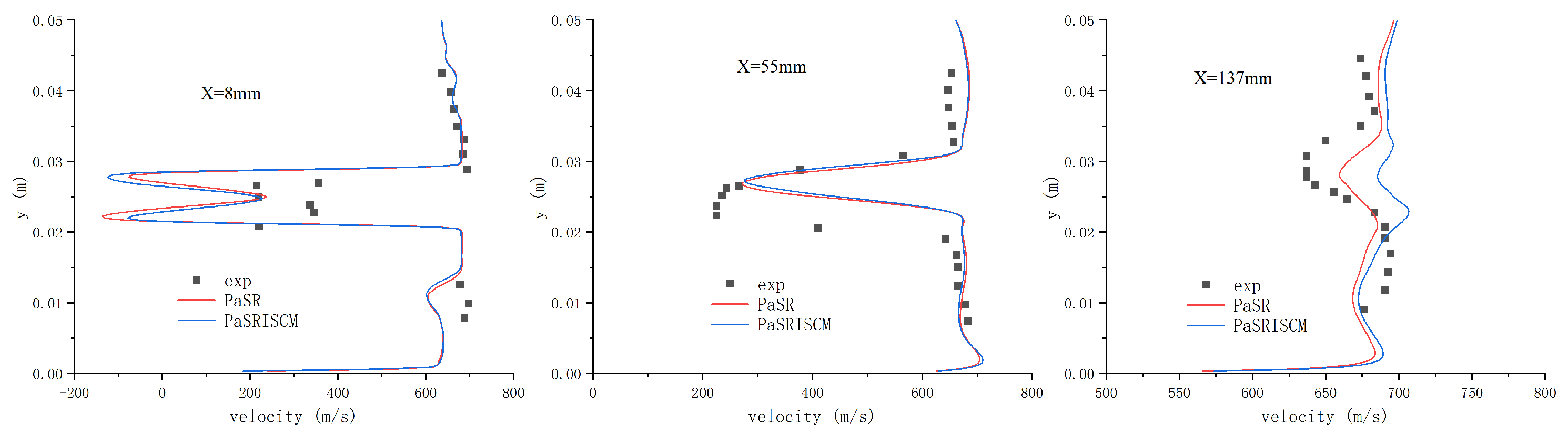
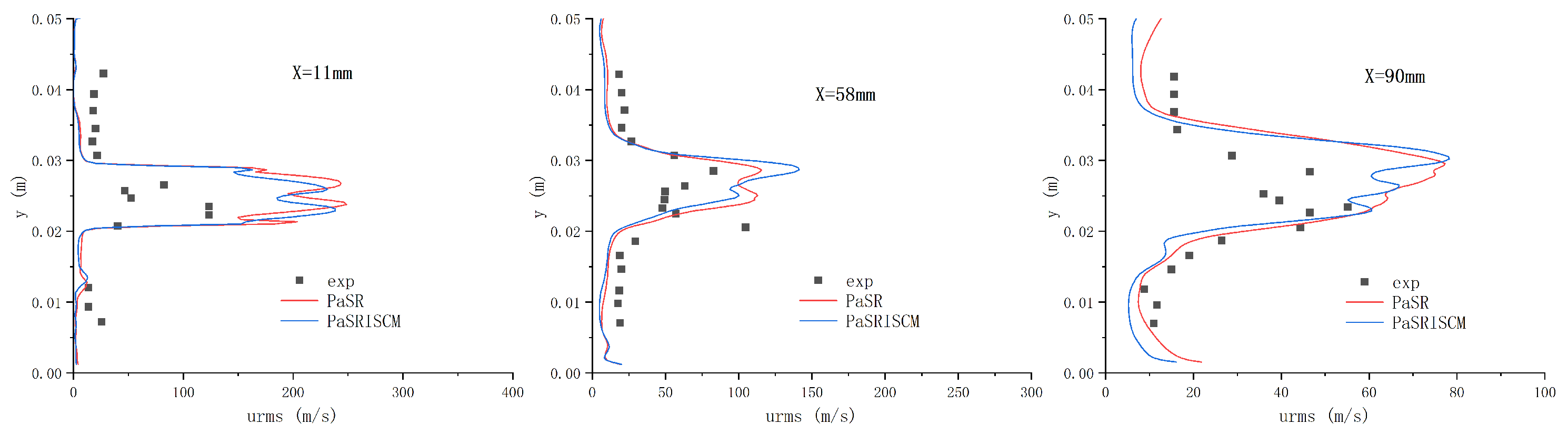
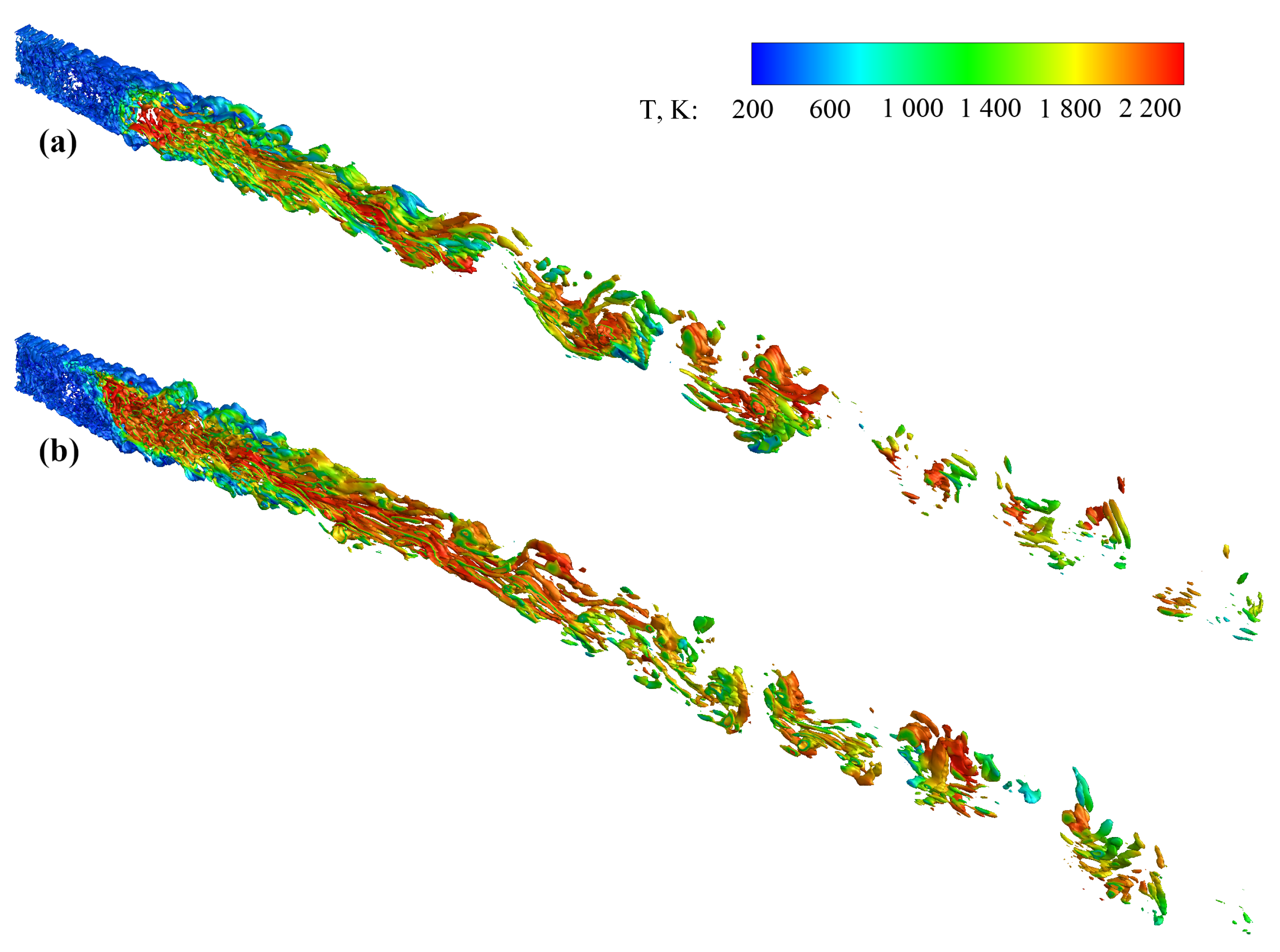
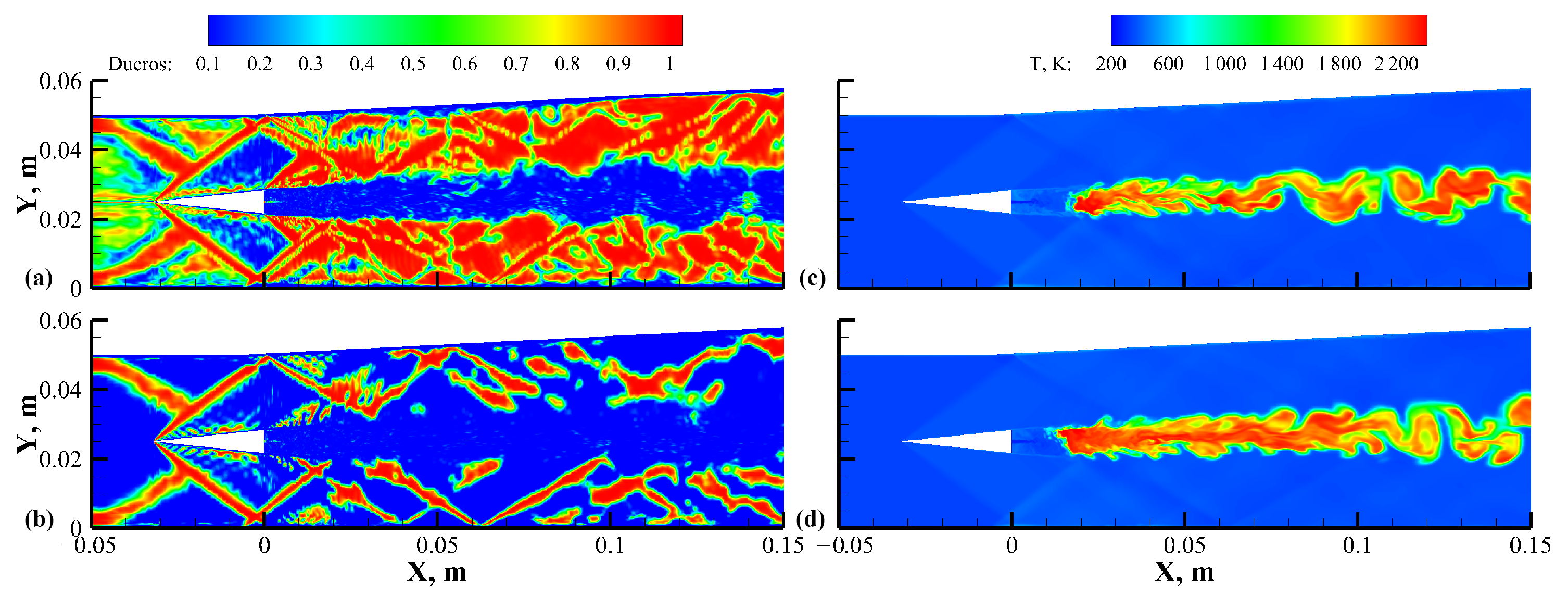
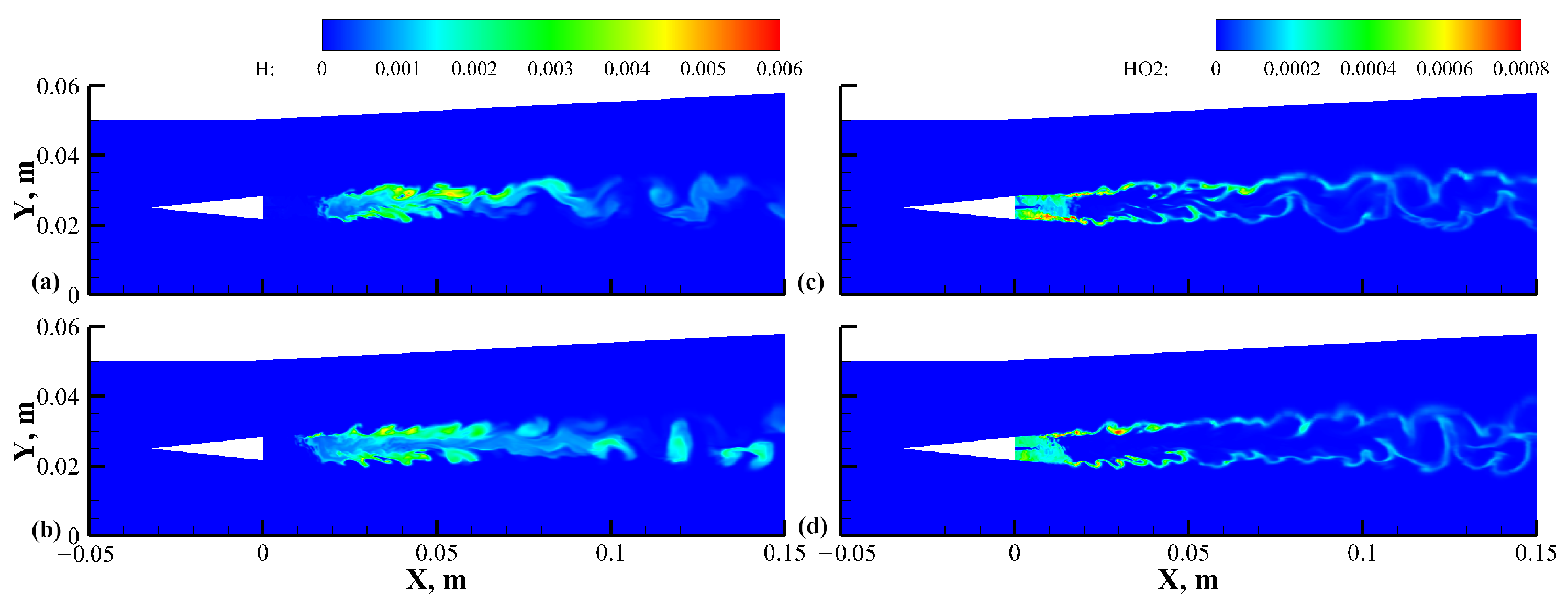
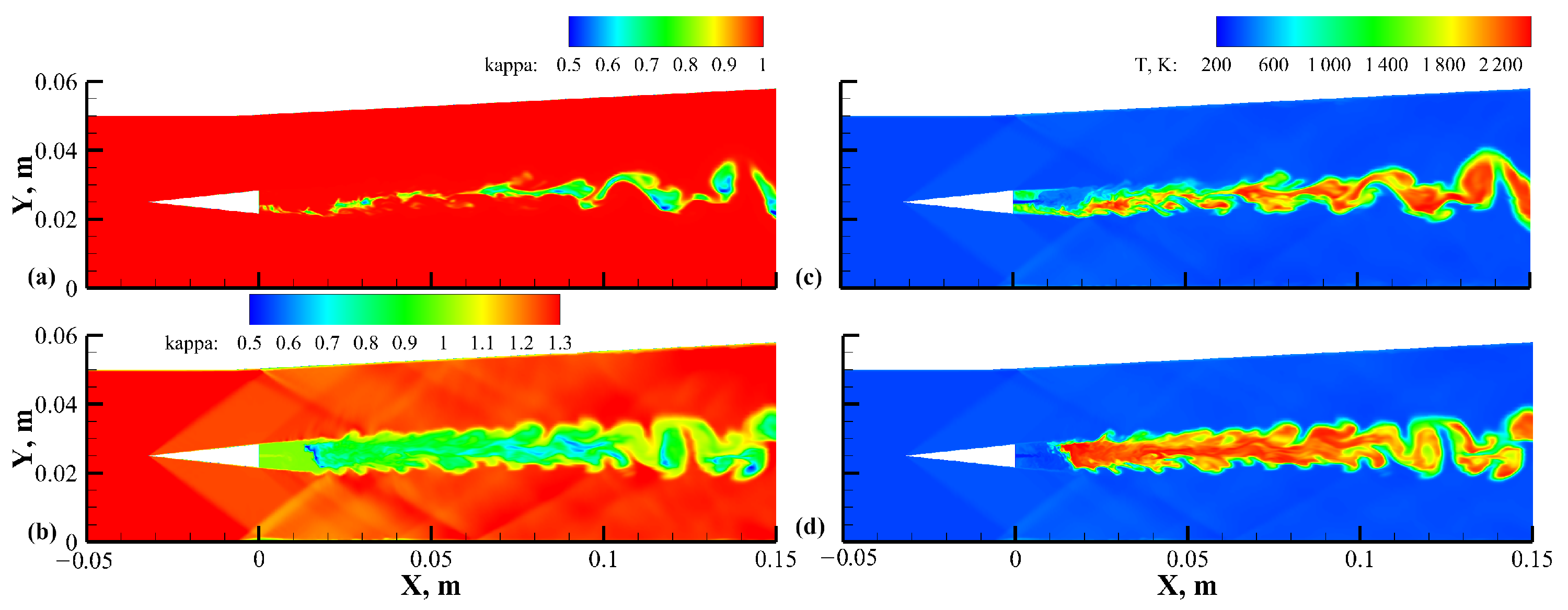
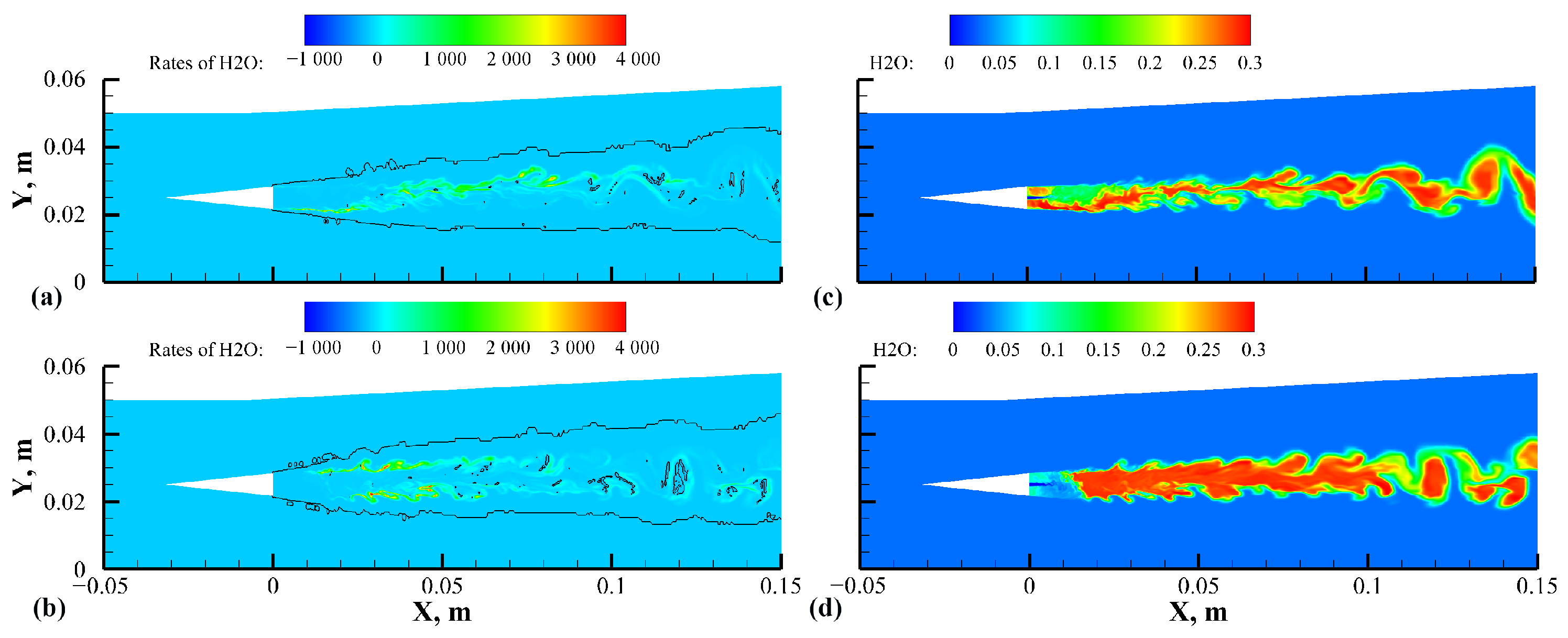
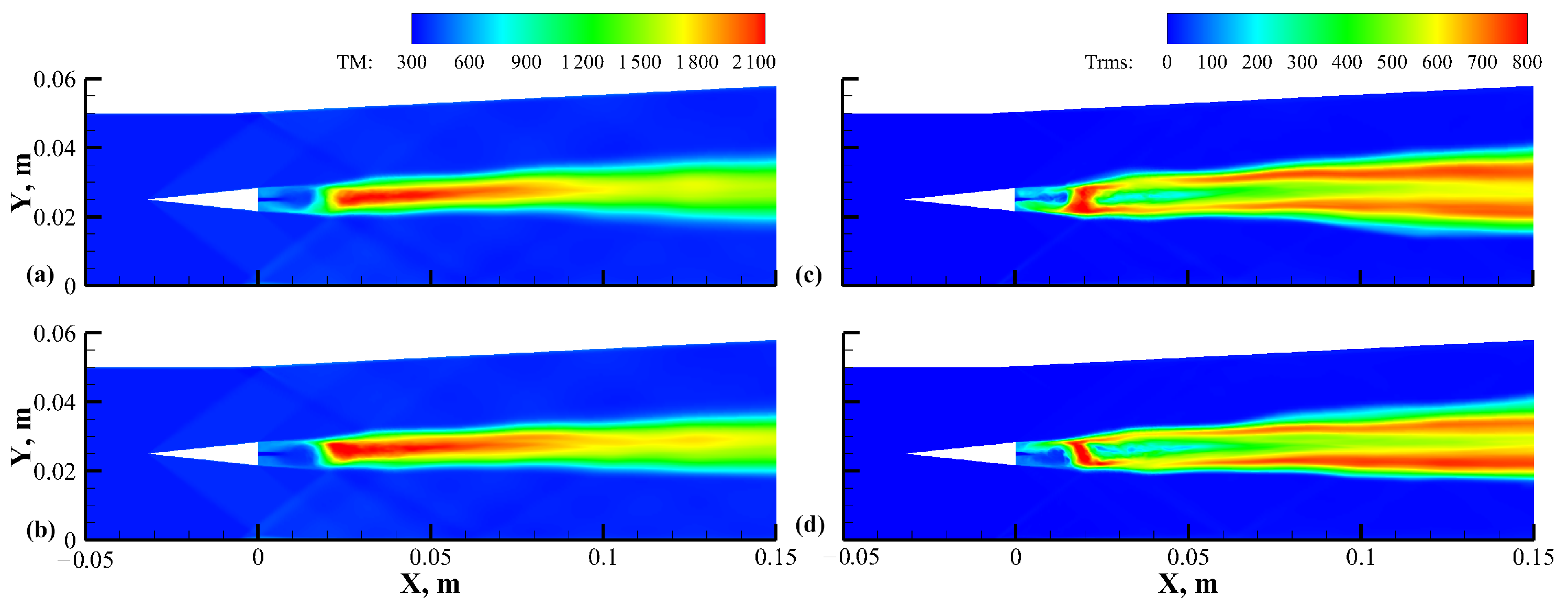
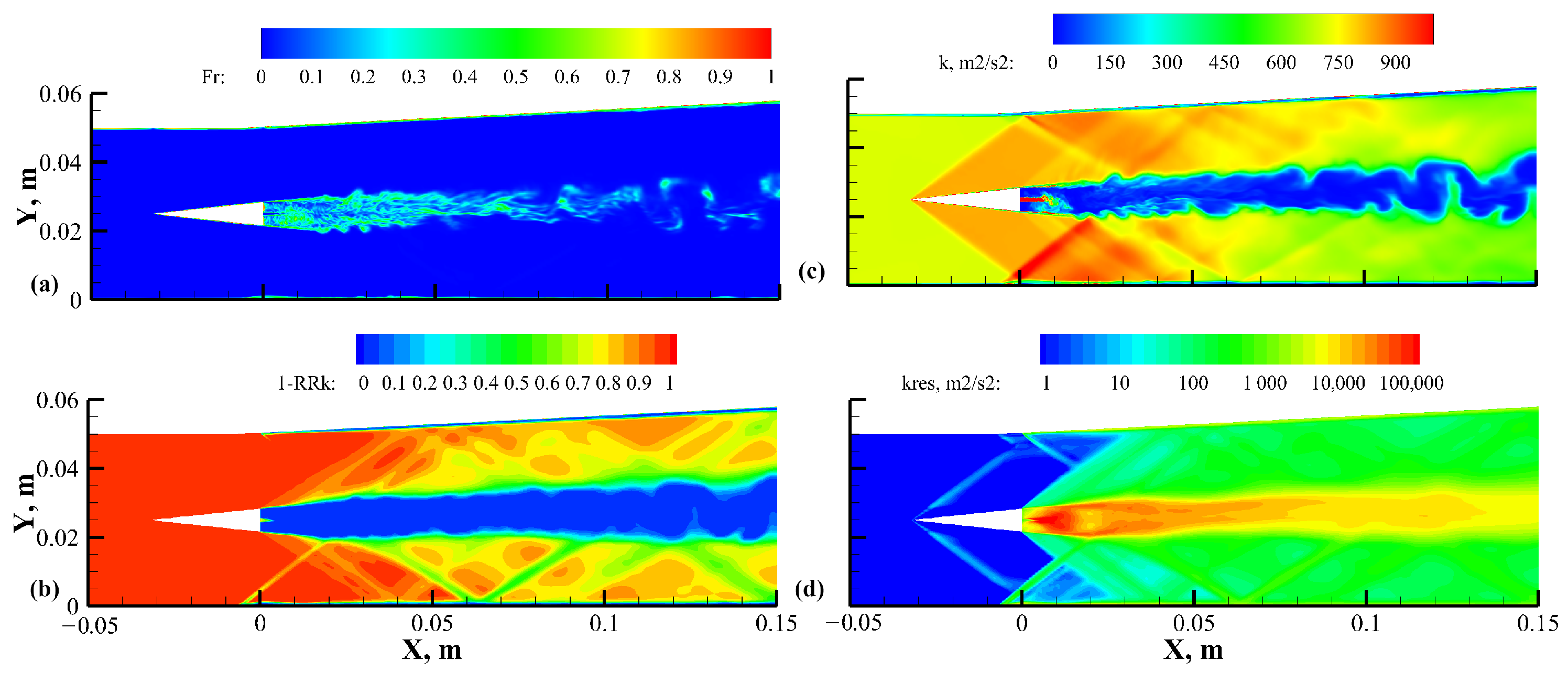
The very large eddy simulation (VLES) method was investigated for supersonic reacting flows in the present work. The advantages and characteristics of the VLES model and the widely used improved delayed detached eddy simulation (IDDES) method were revealed through a supersonic ramped-cavity cold flow. Compared to the IDDES model, the VLES model transformed from RANS mode to LES mode faster, resulting in a smaller gray region caused by the mode transition. However, the original volume-averaging truncation length scale could lead to poor predictions of the velocity profiles and wall pressure distribution. By introducing a hybrid truncation length scale combining the maximum grid length and the shear layer adaptive (SLA) length with different coefficients, the accuracy of the VLES method was significantly improved, and the issue of the low shear layer position was solved. Moreover, owing to the resolution control function, the VLES method could adaptively model more turbulent kinetic energy and maintain a good accuracy in a coarser mesh. Finally, the modified VLES method was applied in conjunction with a hybrid combustion model constructed by the partially stirred reactor (PaSR) model and the Ingenito supersonic combustion model (ISCM) in simulations of the supersonic flame in the DLR scramjet combustor. After introducing the correction of the molecular collision frequency by the ISCM, the results obtained by the hybrid combustion model were more consistent with the experimental results, especially for the time-averaging temperature profile in the ignition zone.
Keywords: supersonic combustion; very large eddy simulation; finite-rate combustion model; hybrid RANS/LES; high-fidelity simulation supersonic combustion; very large eddy simulation; finite-rate combustion model; hybrid RANS/LES; high-fidelity simulation