
Article

Climate-Related Vulnerability in Healthcare Facilities: Development and Field Application of a Facility-Level Assessment Tool in Selangor, Malaysia

by
Nurul Amalina Khairul Hasni
1,*,
Nadia Mohamad
1,
Raheel Nazakat
1,
Imanul Hassan Abdul Shukor
2,
Sharifah Mazrah Sayed Mohamed Zain
1,
Siti Aishah Rashid
1,
Noraishah Mohammad Sham
1,
Nik Muhammad Nizam Nik Hassan
1,
Mohamad Iqbal Mazeli
1,
Mohd Redzuan Zainudin
1,
Thahirahtul Asma’ Zakaria
3 and
Rohaida Ismail
1
1
Environmental Health Research Centre, Institute for Medical Research, National Institutes of Health, Ministry of Health Malaysia, Shah Alam 40170, Malaysia
2
Institute for Health Management, National Institutes of Health, Ministry of Health Malaysia, Shah Alam 40170, Malaysia
3
Environmental Health and Climate Change Sector, Disease Control Division, Ministry of Health Malaysia, Putrajaya 62590, Malaysia
*
Author to whom correspondence should be addressed.
Climate 2026, 14(8), 155; https://doi.org/10.3390/cli14080155
Submission received: 29 April 2026 / Revised: 11 June 2026 / Accepted: 30 June 2026 / Published: 28 July 2026

Abstract

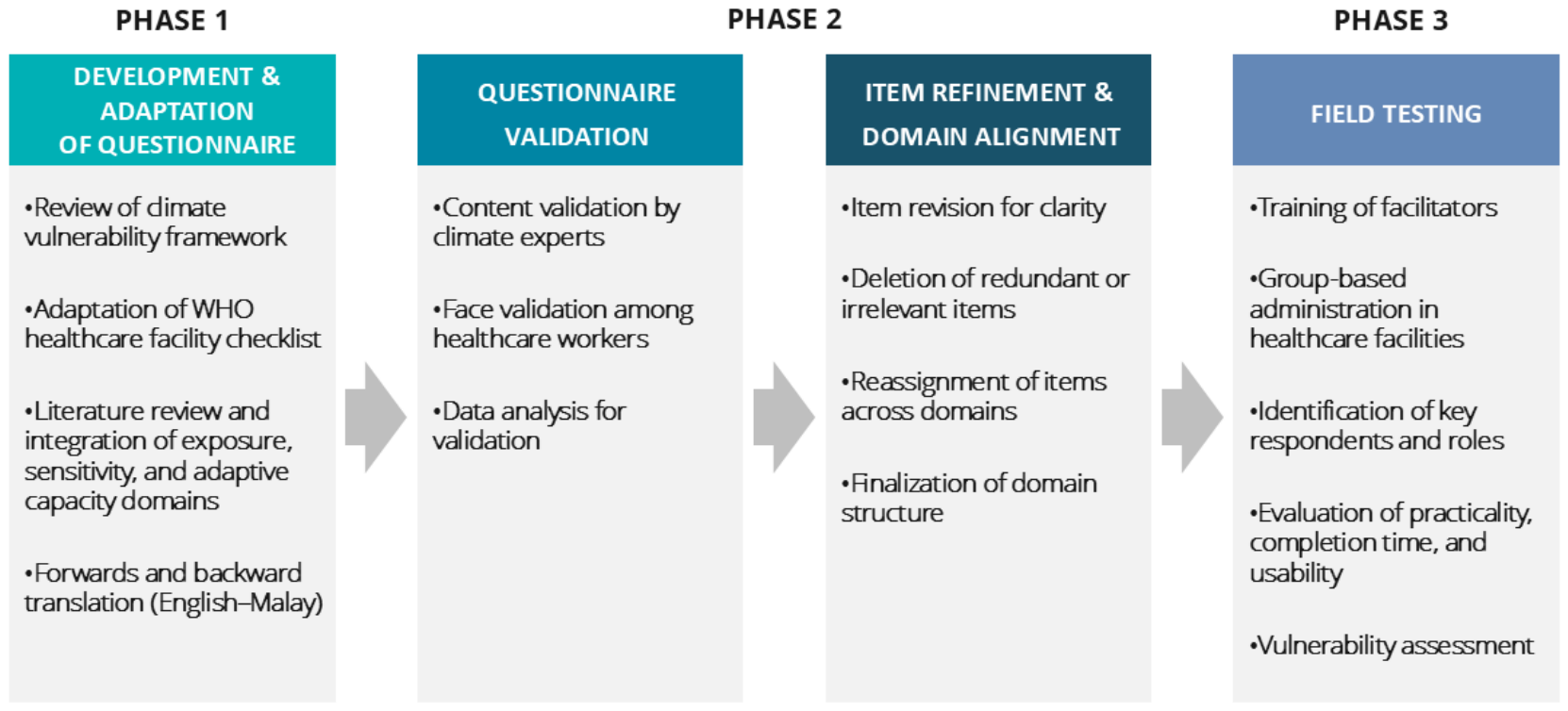
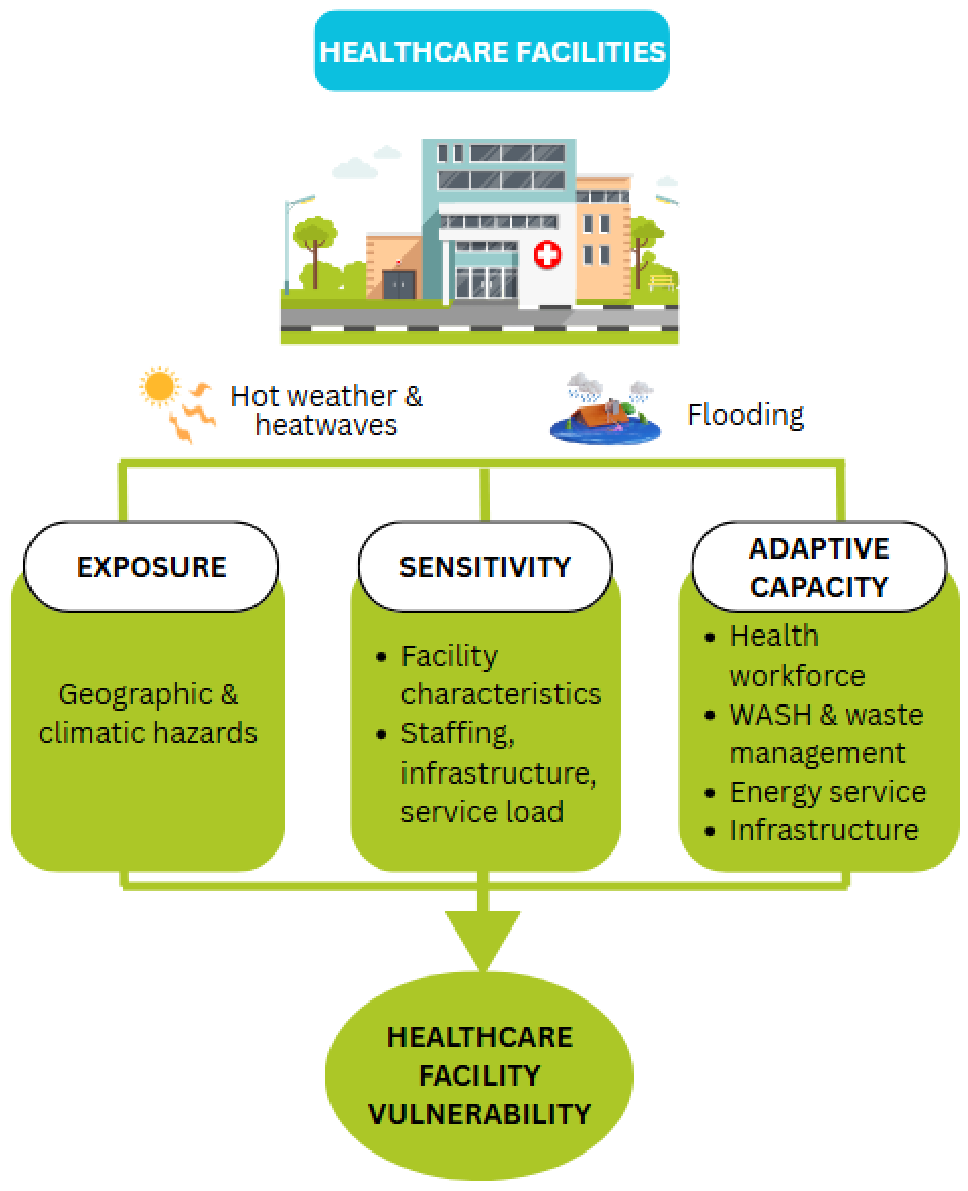
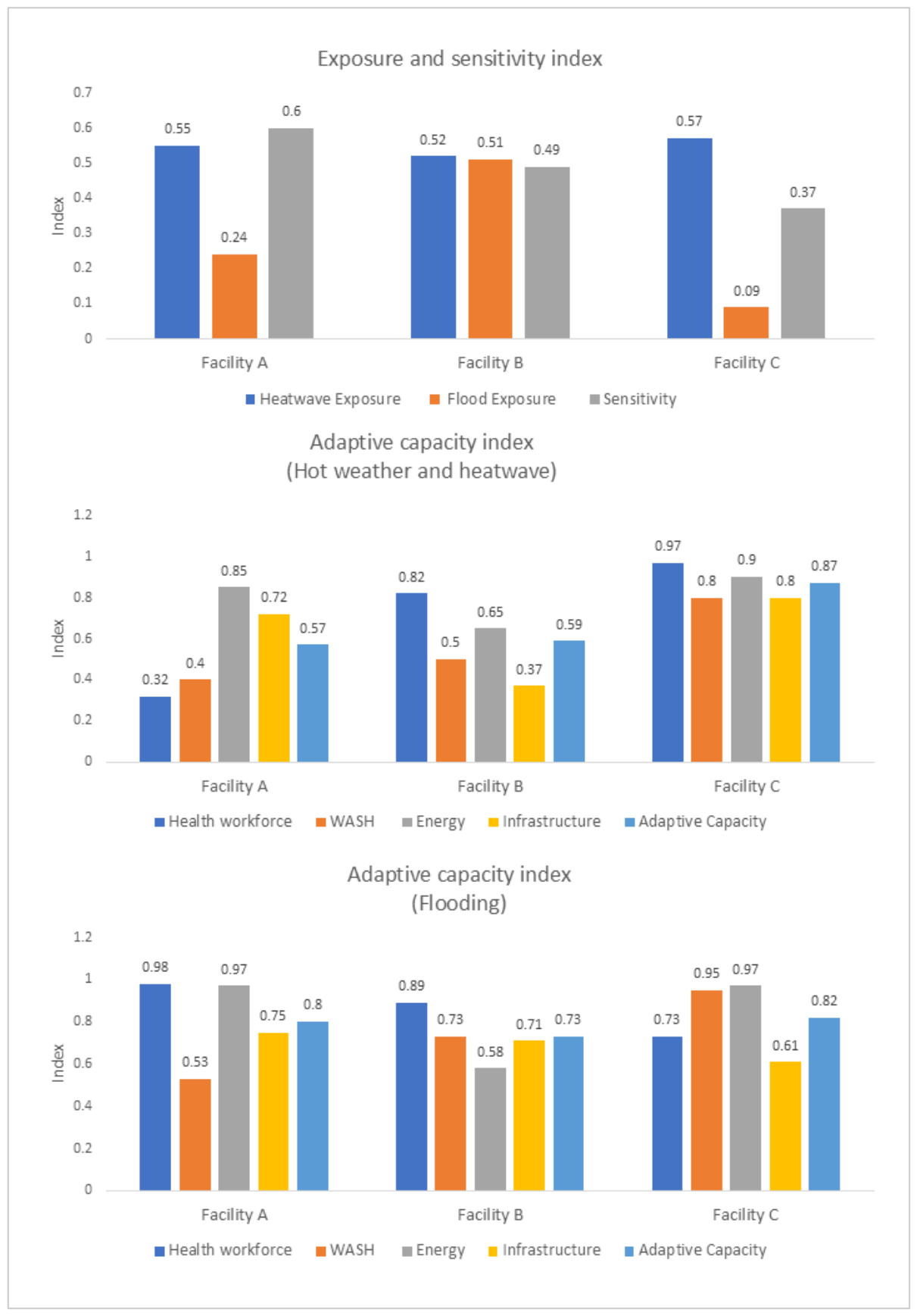
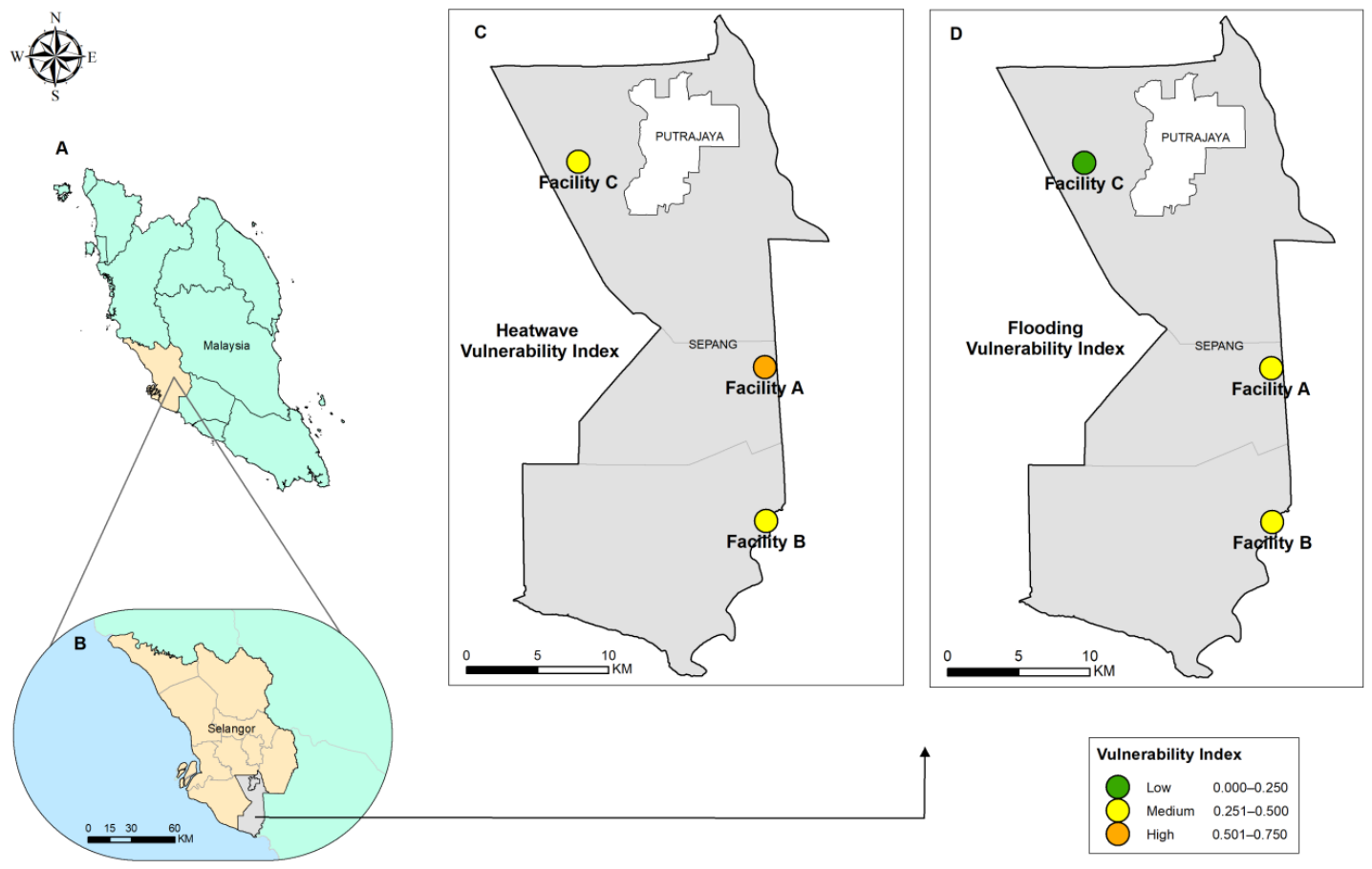
Climate-related hazards are occurring with increasing frequency, resulting in notable disruptions to healthcare systems. In Malaysia, healthcare facilities are particularly impacted by flooding and heatwaves, which can occur annually across some regions. Despite these recurrent challenges, there remains limited availability of a standardized tool to systematically assess healthcare facility (HCF) vulnerability to climate hazards. This study aimed to develop, validate and conduct a field testing of the Vulnerability Index Tool for Assessing Levels of Climate Resilience in Healthcare Facilities (VITAL-HCF) for facility-level assessment in Malaysia. The VITAL-HCF was developed through extensive literature review, experts consultations, and adaptation of the World Health Organization (WHO) healthcare facility vulnerability checklist. The tool underwent forward and backward translation to ensure linguistic and contextual equivalence, followed by content and face validation by subject-matter experts in climate and healthcare professionals. Subsequently, field testing was performed in three government healthcare facilities to assess the clarity, applicability, and feasibility of administration to ensure accurate responses representing facility-level capacity and vulnerability. The healthcare facility vulnerability index (HCFVI) for heatwaves and flooding was then calculated for each facility. Revised Scale-Level Content Validity Indices (S-CVI/Ave) varied across the exposure, sensitivity and adaptive capacity domains (0.93–1.00). Items with a content validity index < 0.83 were either removed or revised and reorganized to improve relevance. Face validation showed good clarity with S-FVI/Ave ≥ 0.87. The final tool comprised 12 exposure, 11 sensitivity, and 181 adaptive capacity indicators. Field testing showed that a facilitated, multidisciplinary group approach among key respondents was feasible and timely. Facility A, located in an urban setting, had high vulnerability for hot weather and heatwaves (HCFVI = 0.51), while facilities B and C recorded moderate vulnerability. Both Facilities A and B recorded moderate vulnerability for floods, while Facility C, a hospital in an urban setting, had low vulnerability (HCFVI = 0.23). The VITAL-HCF demonstrated satisfactory content validity, face validity, and feasibility for assessing climate-related vulnerability in HCFs. The tool incorporates key vulnerability components of exposure, sensitivity, and adaptive capacity, providing a structured approach for the systematic assessment of climate-related vulnerability in healthcare facilities to support targeted preparedness and resilience planning.
Keywords: climate change; health facilities; emergency preparedness; disaster planning; risk assessment climate change; health facilities; emergency preparedness; disaster planning; risk assessment