Article

The Performance of a High-Resolution WRF Modelling System in the Simulation of Severe Tropical Cyclones over the Bay of Bengal Using the IMDAA Regional Reanalysis Dataset

by
Thatiparthi Koteshwaramma
1,
Kuvar Satya Singh
2,* and
Sridhara Nayak
3,*
1
Department of Mathematics, School of Advanced Sciences (SAS), Vellore Institute of Technology, Vellore 632014, Tamil Nadu, India
2
Centre for Disaster Mitigation and Management (CDMM), Vellore Institute of Technology, Vellore 632014, Tamil Nadu, India
3
Research and Development Center, Japan Meteorological Corporation Limited, Osaka 530-0011, Japan
*
Authors to whom correspondence should be addressed.
Climate 2025, 13(1), 17; https://doi.org/10.3390/cli13010017
Submission received: 19 November 2024 / Revised: 28 December 2024 / Accepted: 7 January 2025 / Published: 13 January 2025

Abstract

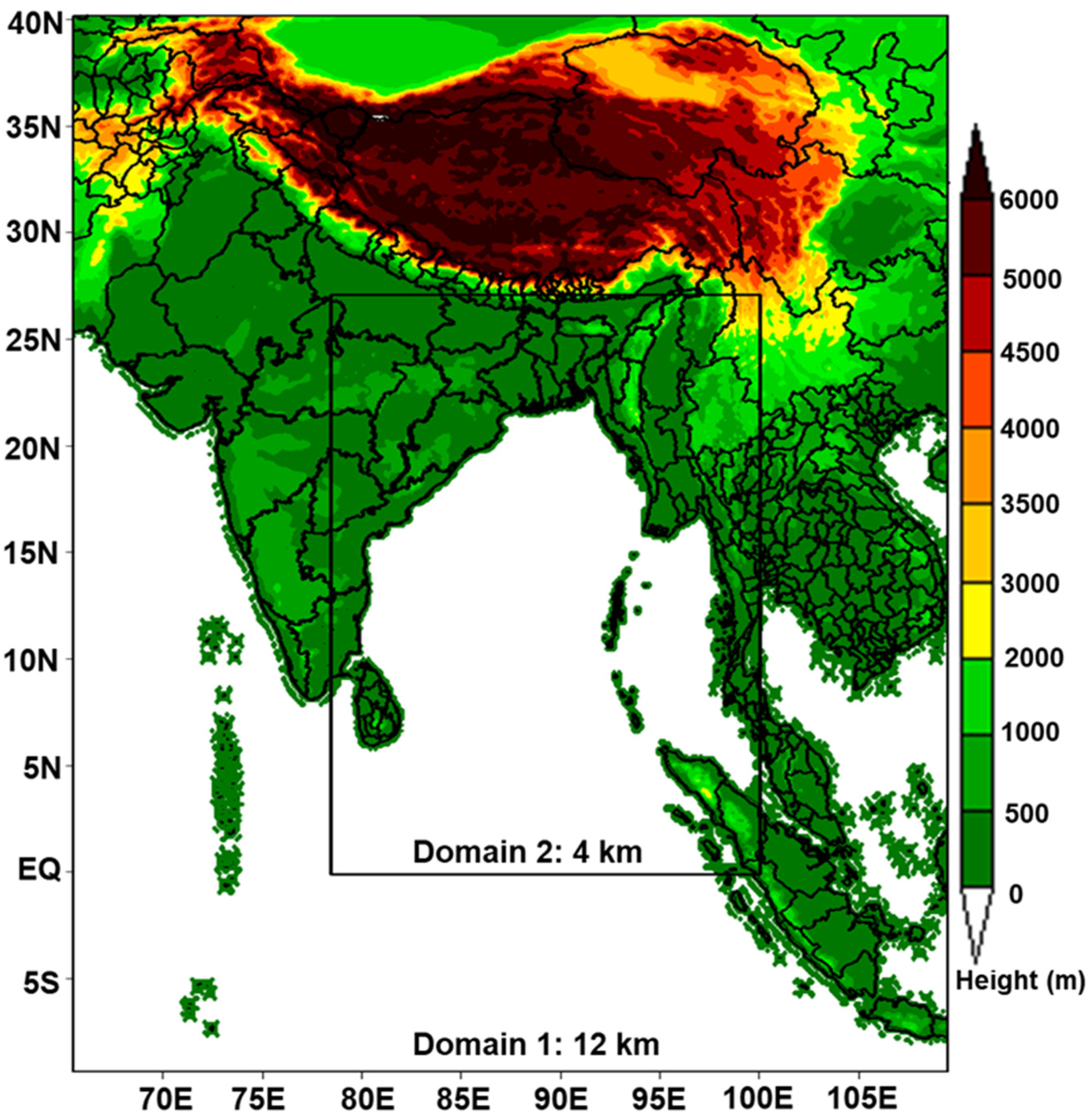
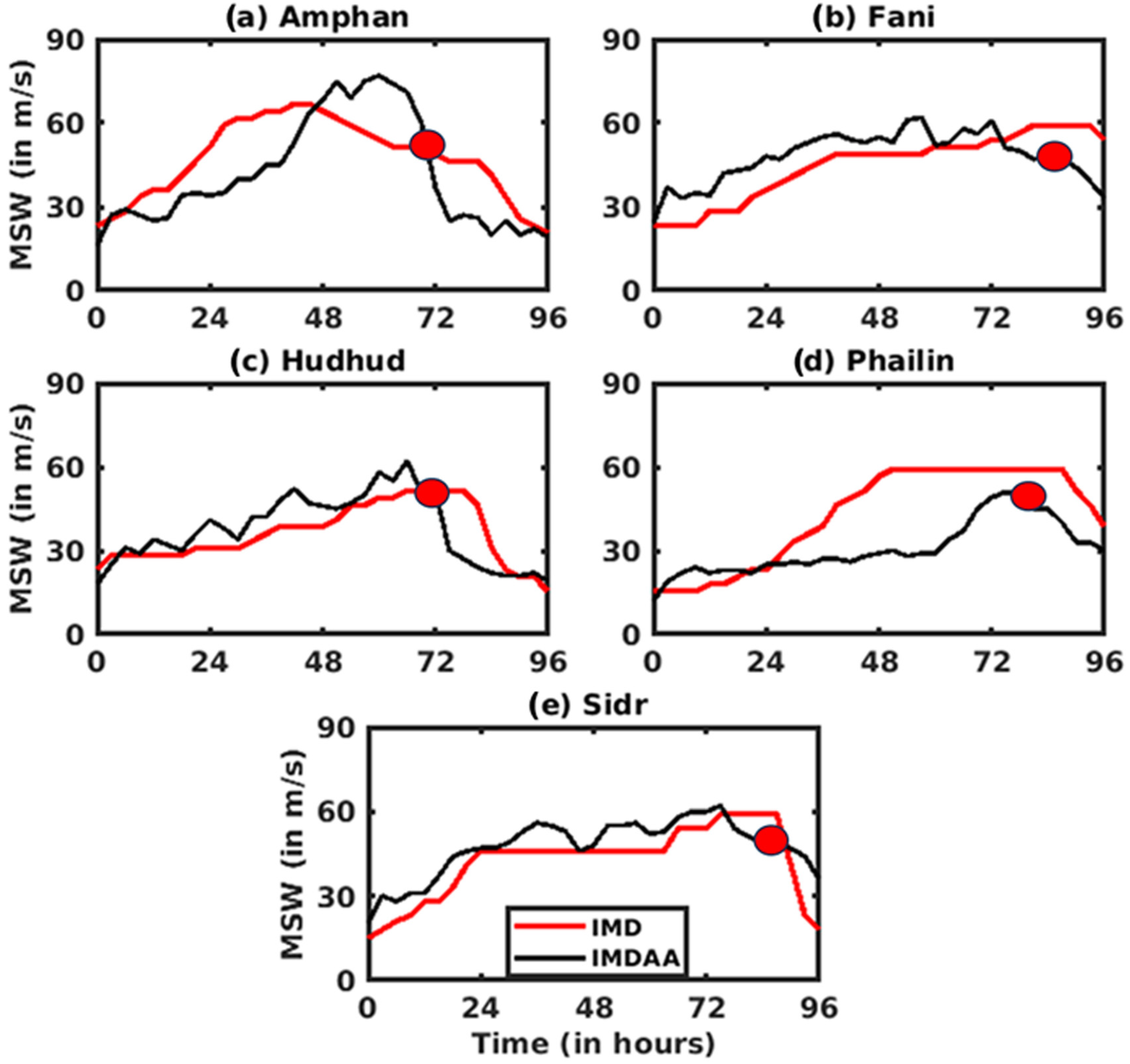
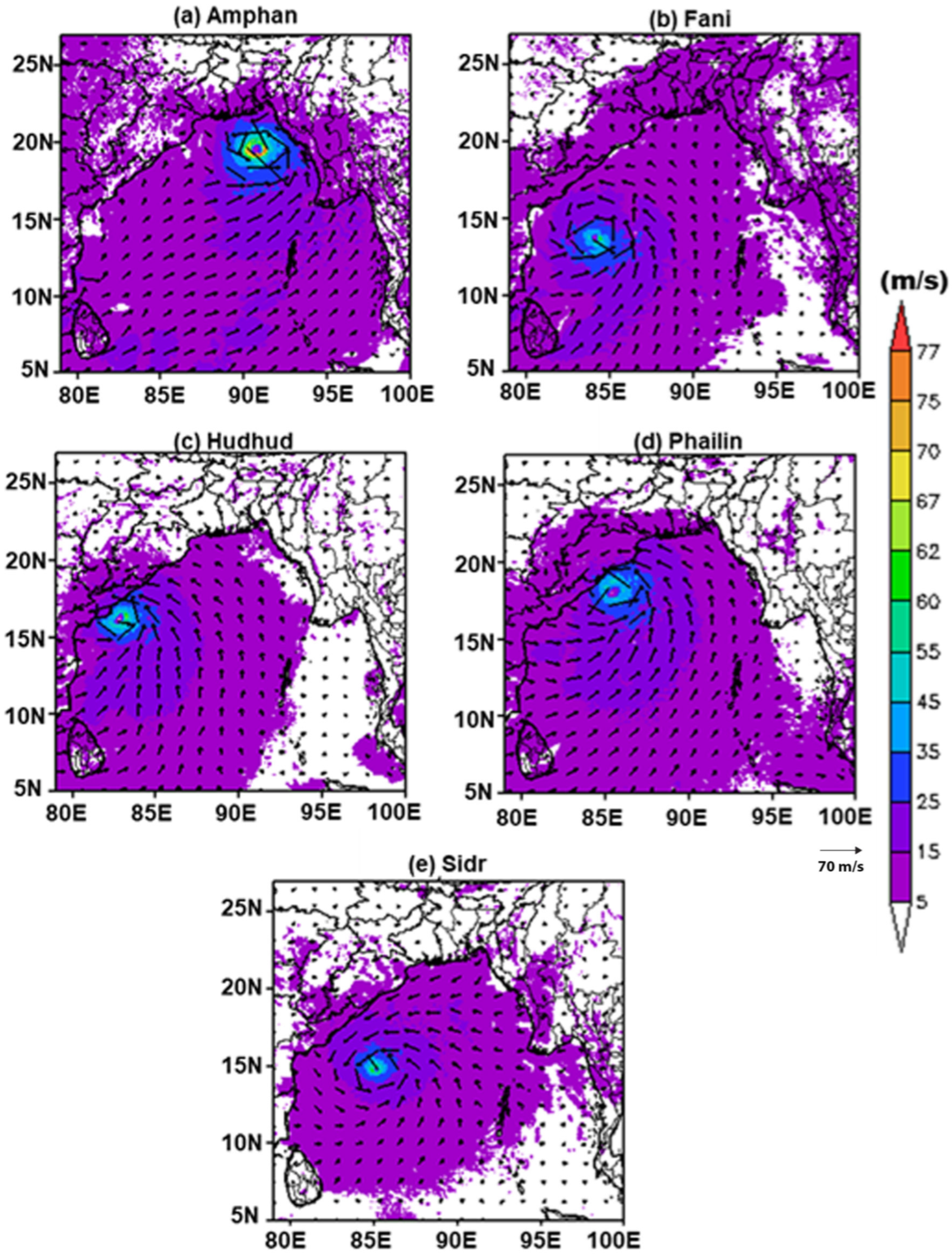
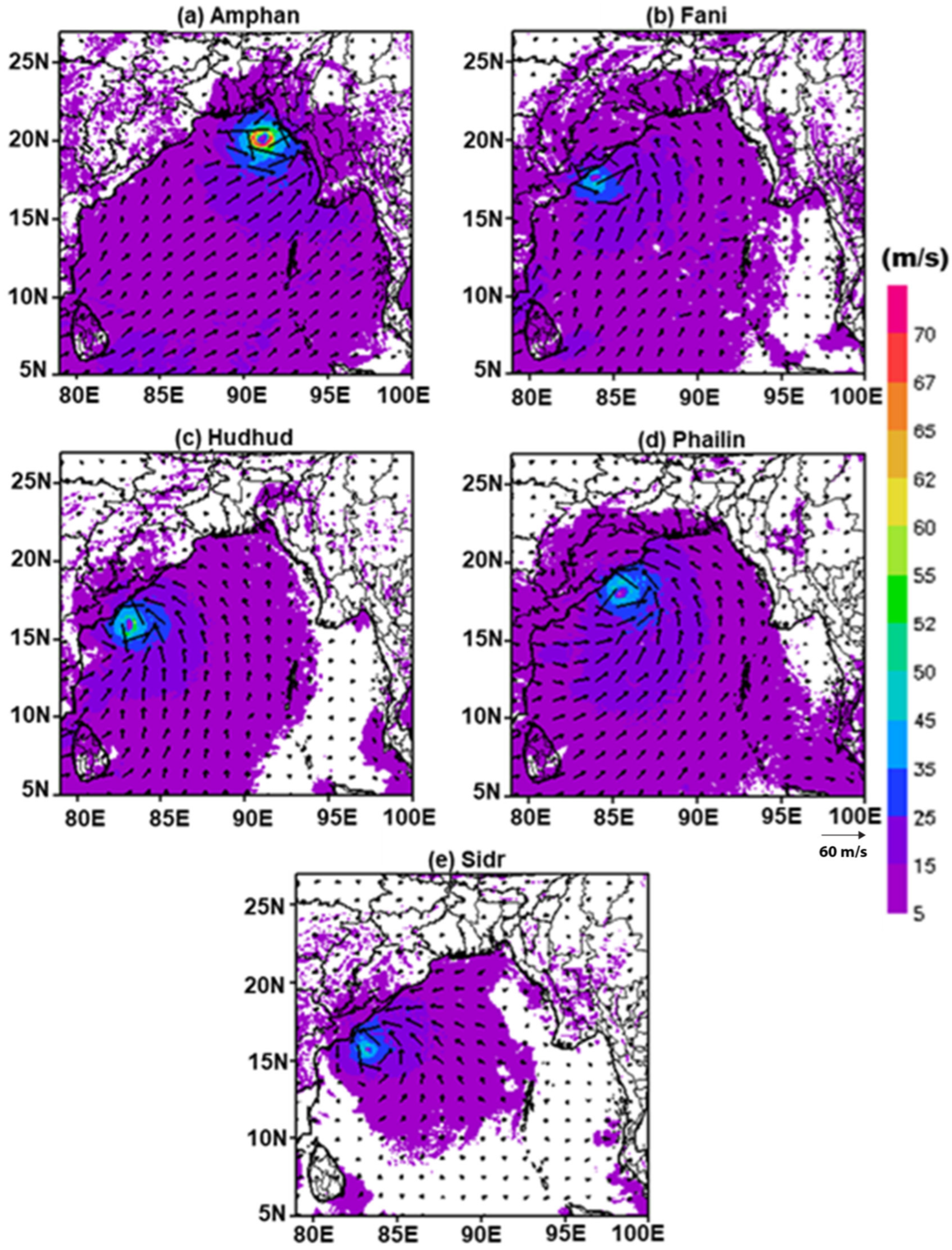
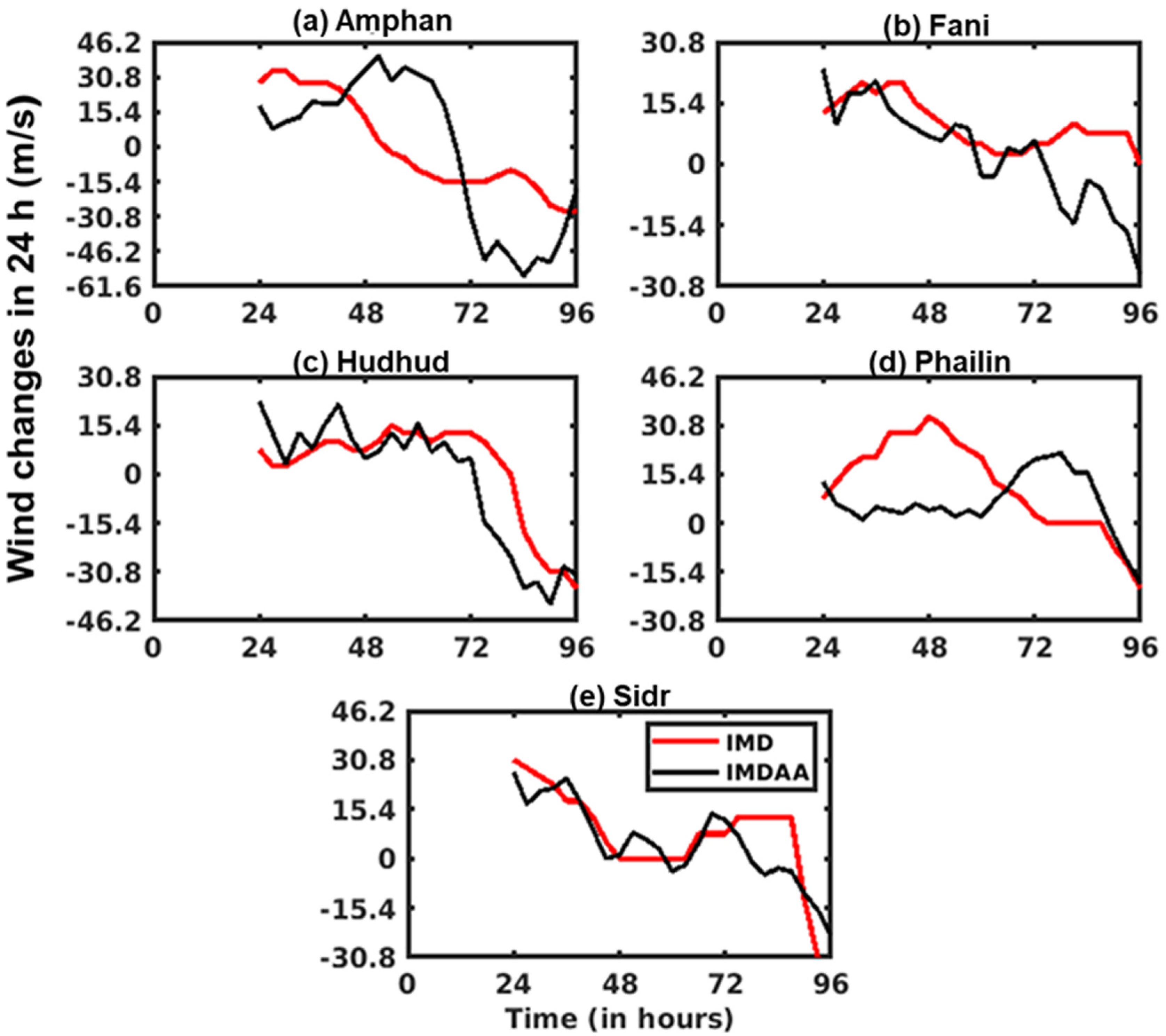
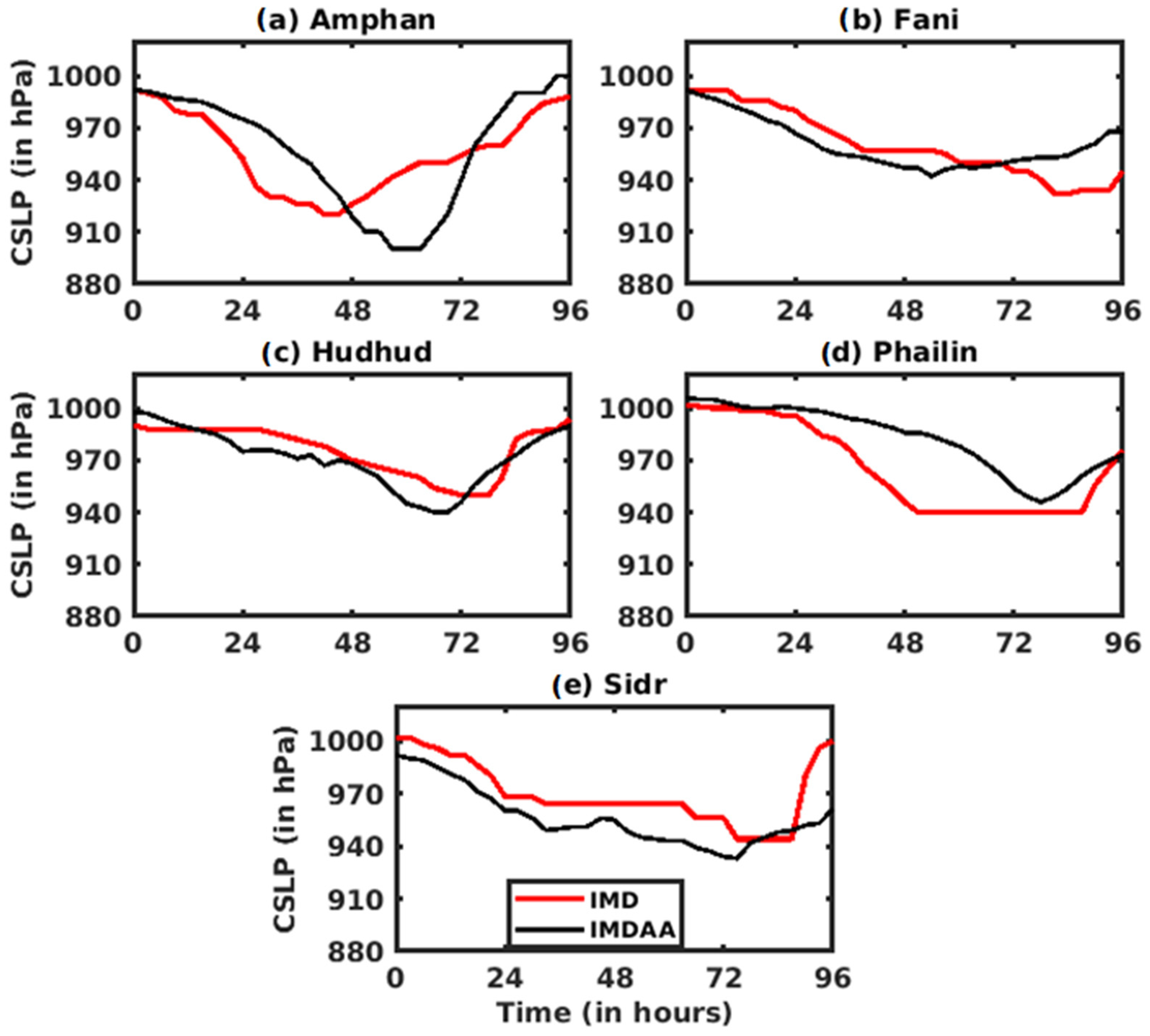
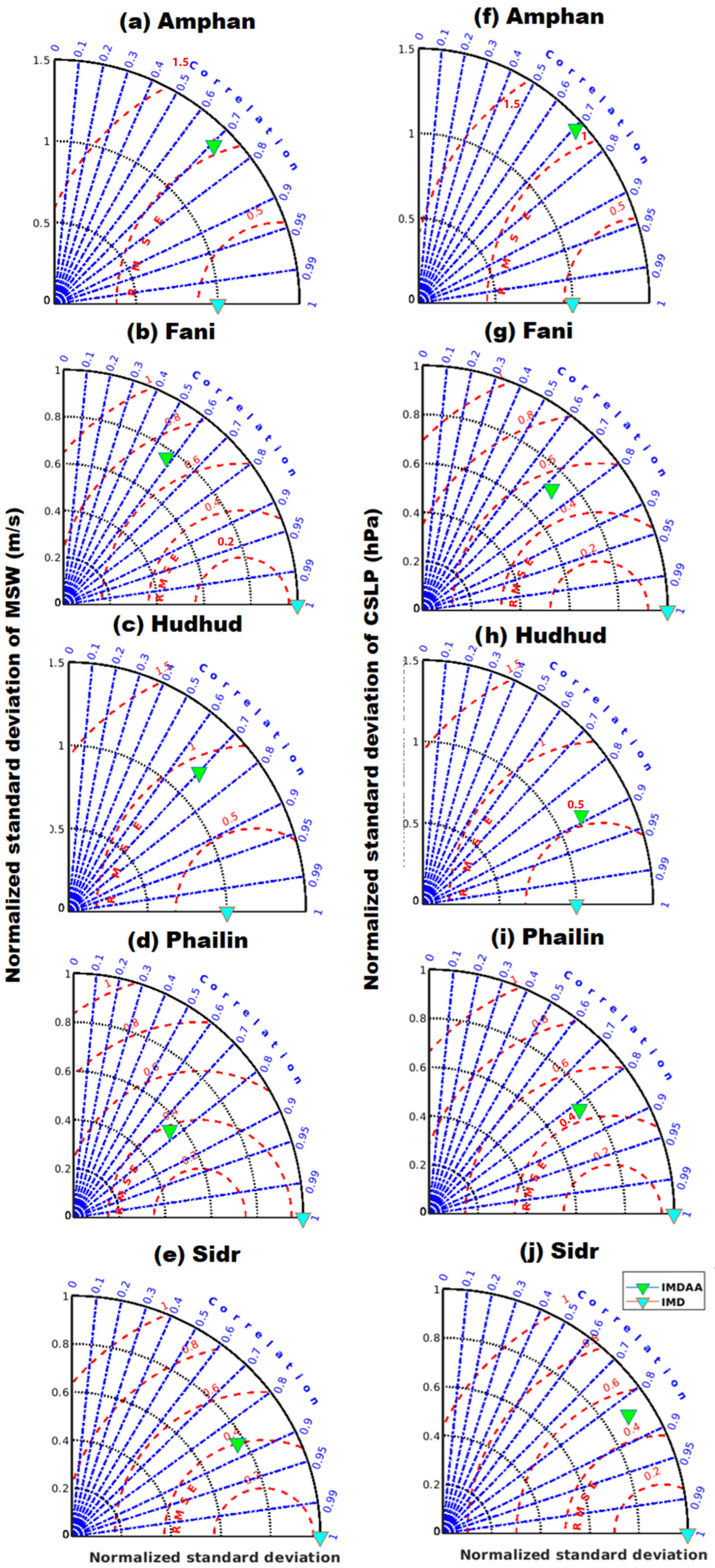
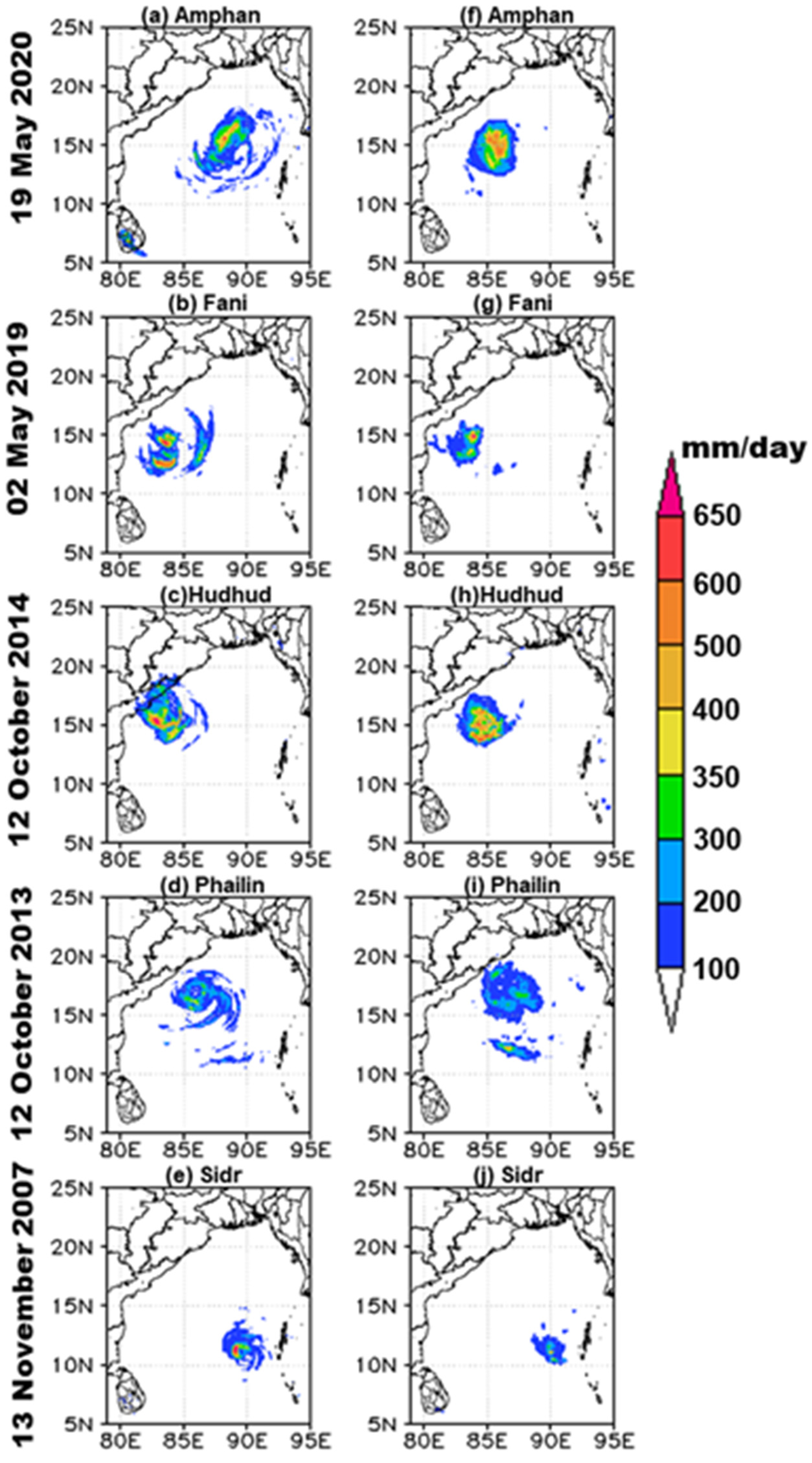
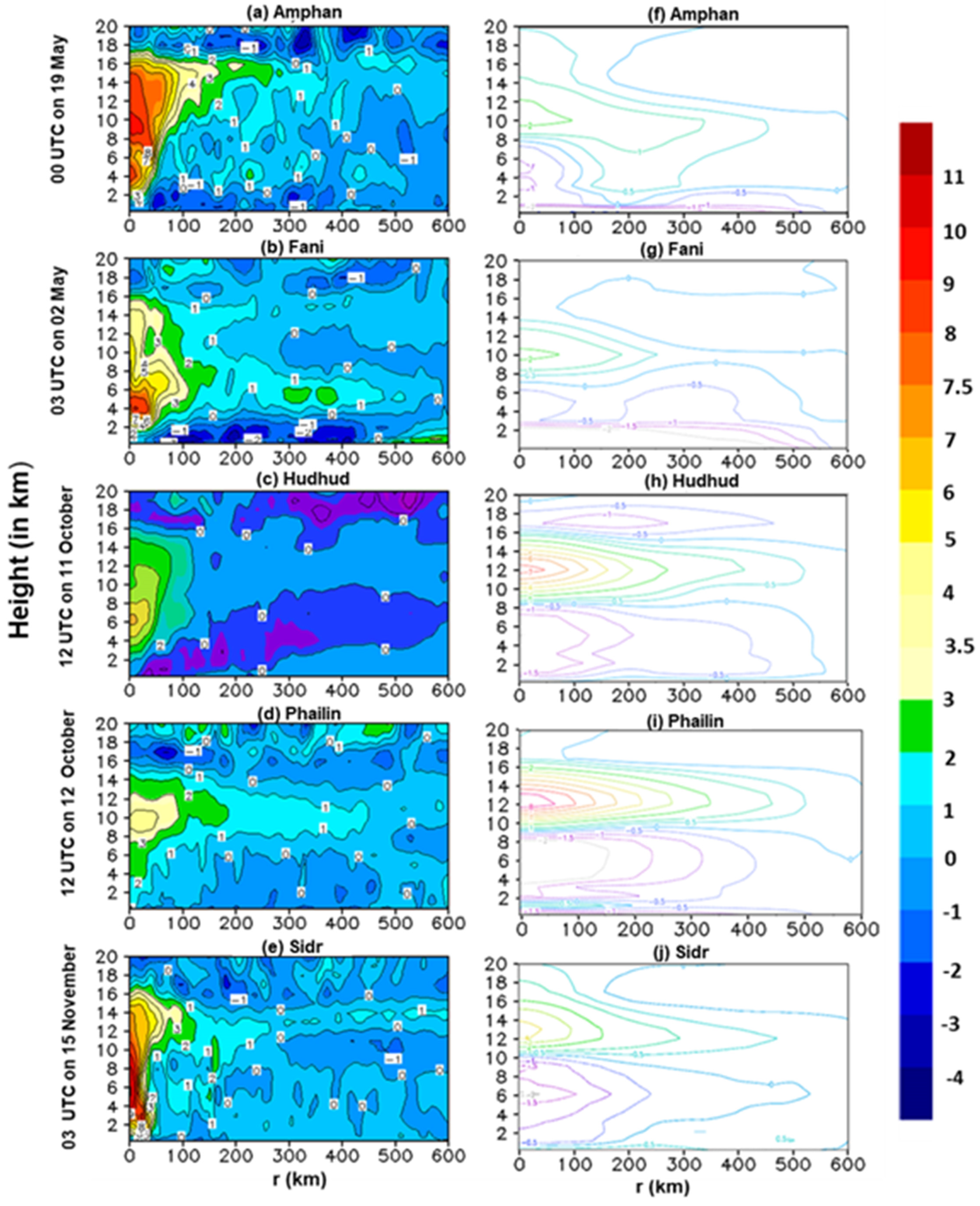
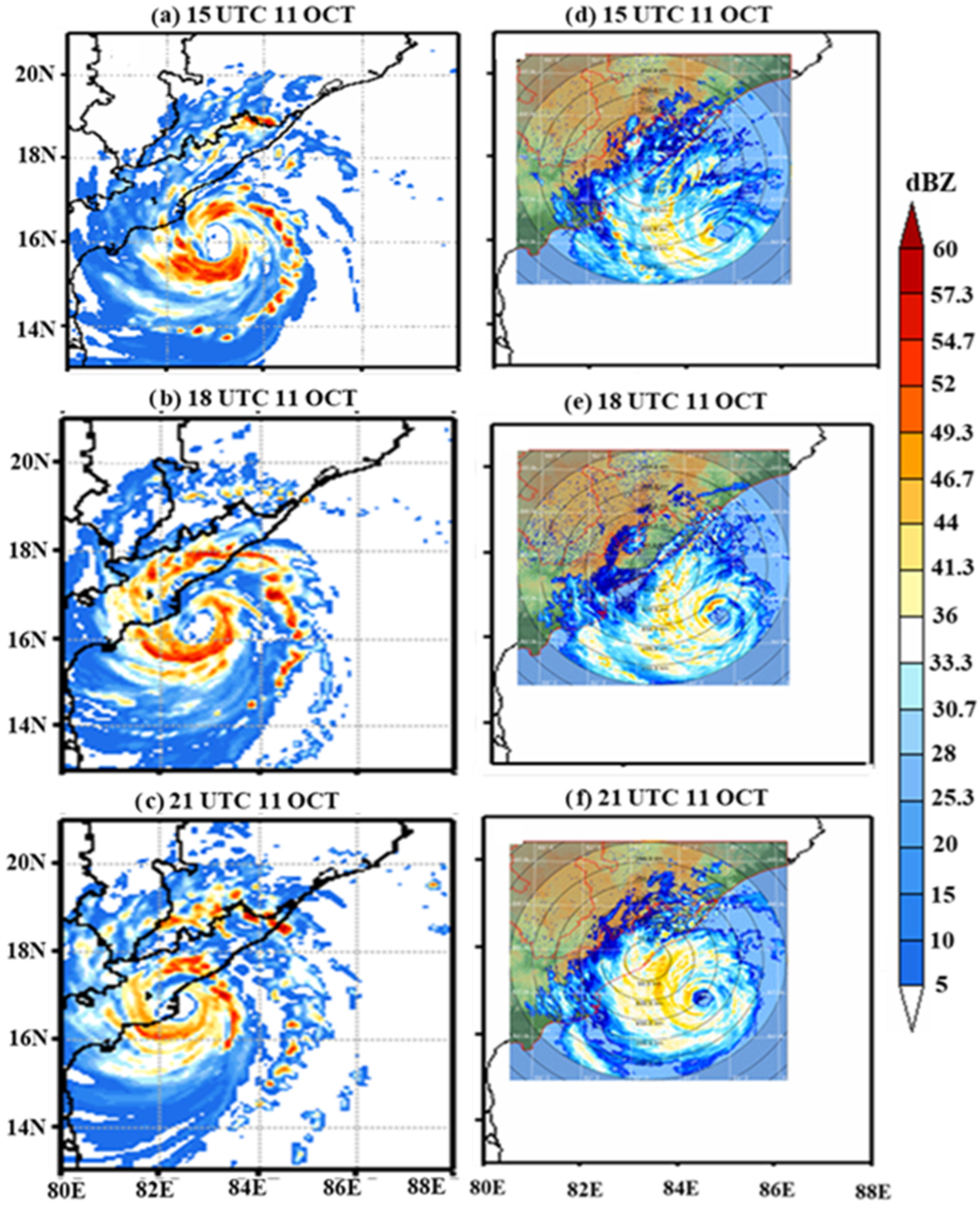
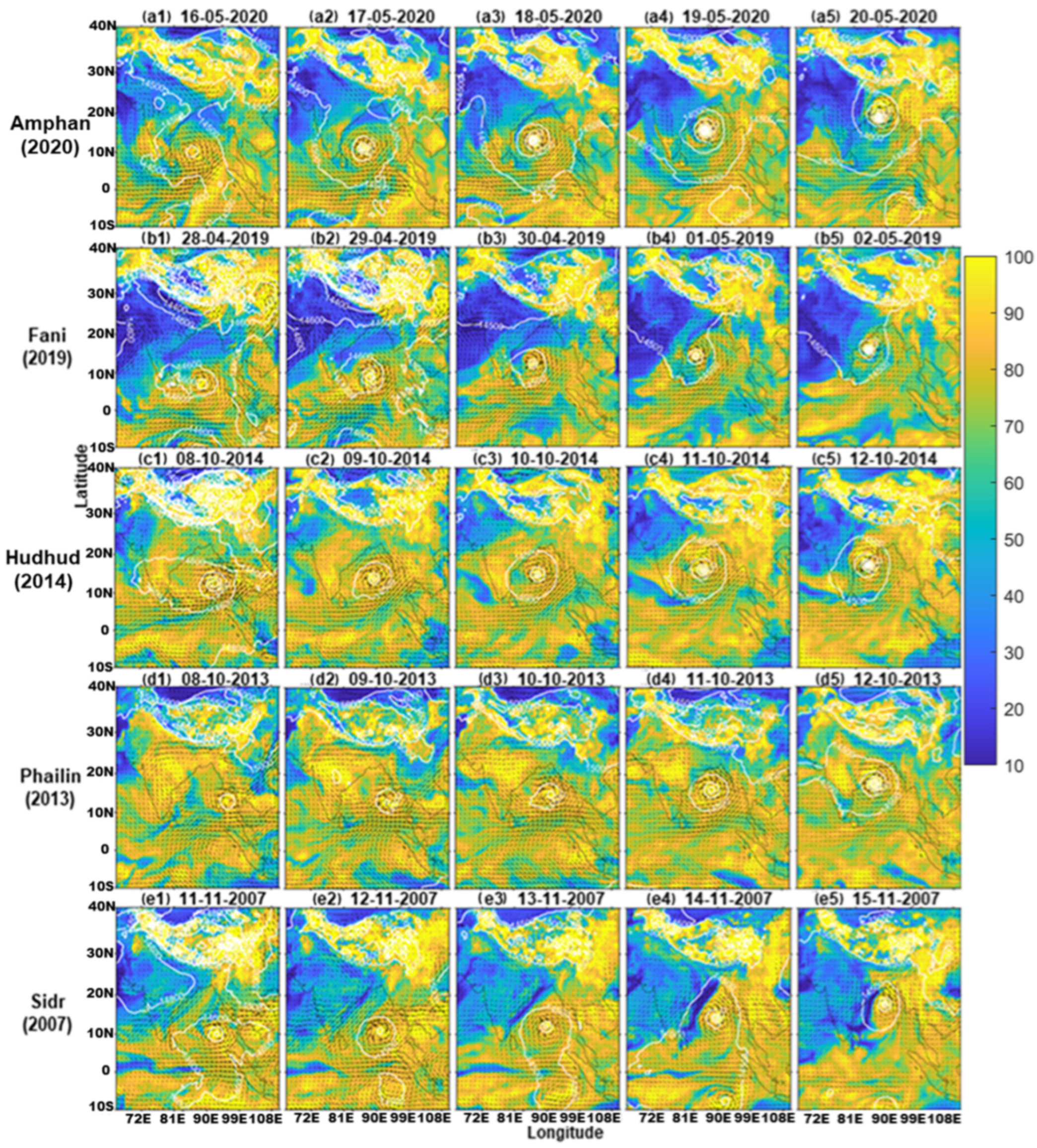
Extremely severe cyclonic storms over the North Indian Ocean increased by approximately 10% during the past 30 years. The climatological characteristics of tropical cyclones for 38 years were assessed over the Bay of Bengal (BoB). A total of 24 ESCSs formed over the BoB, having their genesis in the southeast BoB, and the intensity and duration of these storms have increased in recent times. The Advanced Research version of the Weather Research and Forecasting (ARW) model is utilized to simulate the five extremely severe cyclonic storms (ESCSs) over the BoB during the past two decades using the Indian Monsoon Data Assimilation and Analysis (IMDAA) data. The initial and lateral boundary conditions are derived from the IMDAA datasets with a horizontal resolution of 0.12° × 0.12°. Five ESCSs from the past two decades were considered: Sidr 2007, Phailin 2013, Hudhud 2014, Fani 2019, and Amphan 2020. The model was integrated up to 96 h using double-nested domains of 12 km and 4 km. Model performance was evaluated using the 4 km results, compared with the available observational datasets, including the best-fit data from the India Meteorological Department (IMD), the Tropical Rainfall Measuring Mission (TRMM) satellite, and the Doppler Weather Radar (DWR). The results indicated that IMDAA provided accurate forecasts for Fani, Hudhud, and Phailin regarding the track, intensity, and mean sea level pressure, aligning well with the IMD observational datasets. Statistical evaluation was performed to estimate the model skills using Mean Absolute Error (MAE), the Root Mean Square Error (RMSE), the Probability of Detection (POD), the Brier Score, and the Critical Successive Index (CSI). The calculated mean absolute maximum sustained wind speed errors ranged from 8.4 m/s to 10.6 m/s from day 1 to day 4, while mean track errors ranged from 100 km to 496 km for a day. The results highlighted the prediction of rainfall, maximum reflectivity, and the associated structure of the storms. The predicted 24 h accumulated rainfall is well captured by the model with a high POD (96% for the range of 35.6–64.4 mm/day) and a good correlation (65–97%) for the majority of storms. Similarly, the Brier Score showed a value of 0.01, indicating the high performance of the model forecast for maximum surface winds. The Critical Successive Index was 0.6, indicating the moderate model performance in the prediction of tracks. It is evident from the statistical analysis that the performance of the model is good in forecasting storm structure, intensity and rainfall. However, the IMDAA data have certain limitations in predicting the tracks due to inadequate representation of the large-scale circulations, necessitating improvement.
Keywords: IMDAA; ESCS; WRF; Bay of Bengal; reanalysis IMDAA; ESCS; WRF; Bay of Bengal; reanalysis