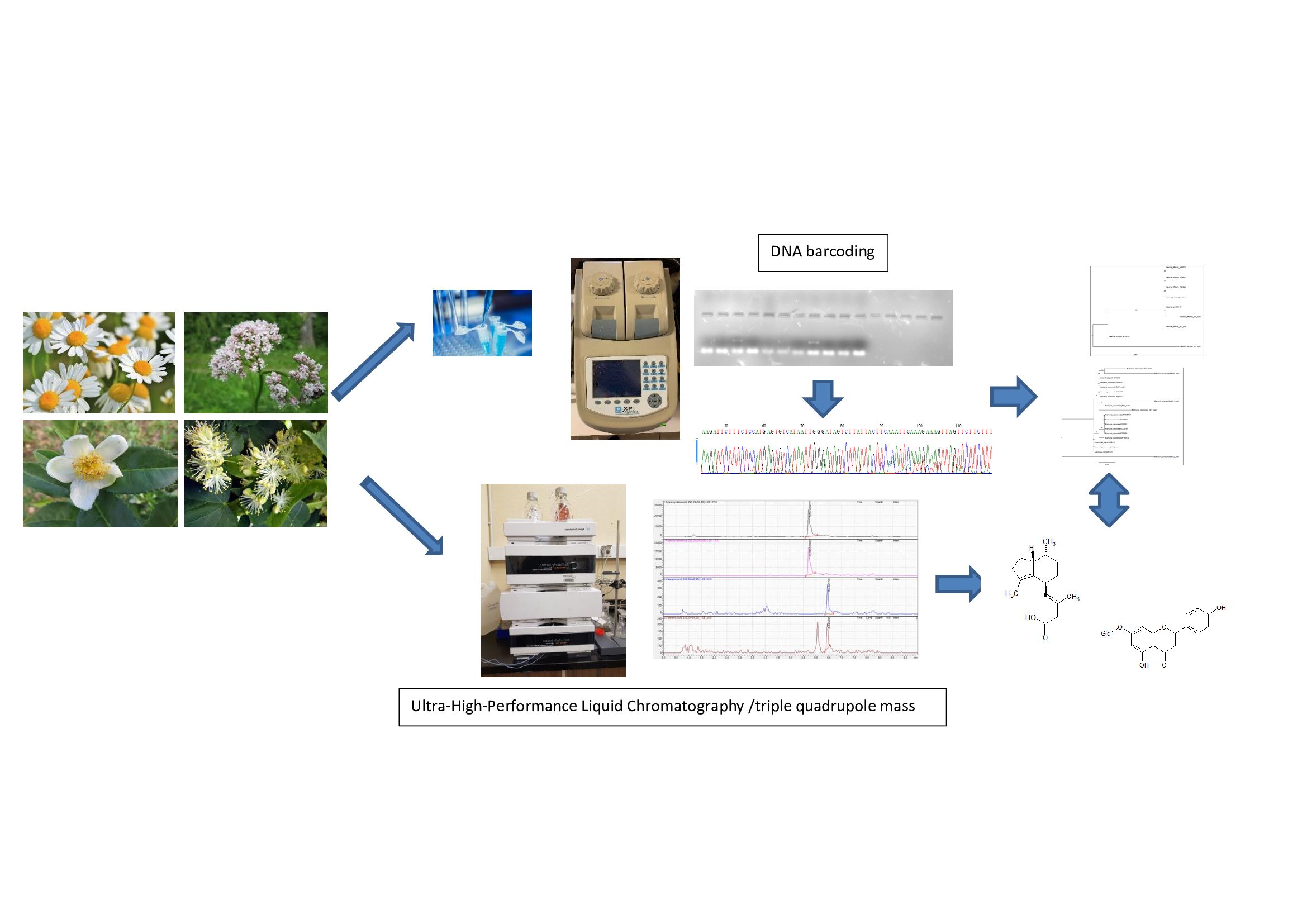
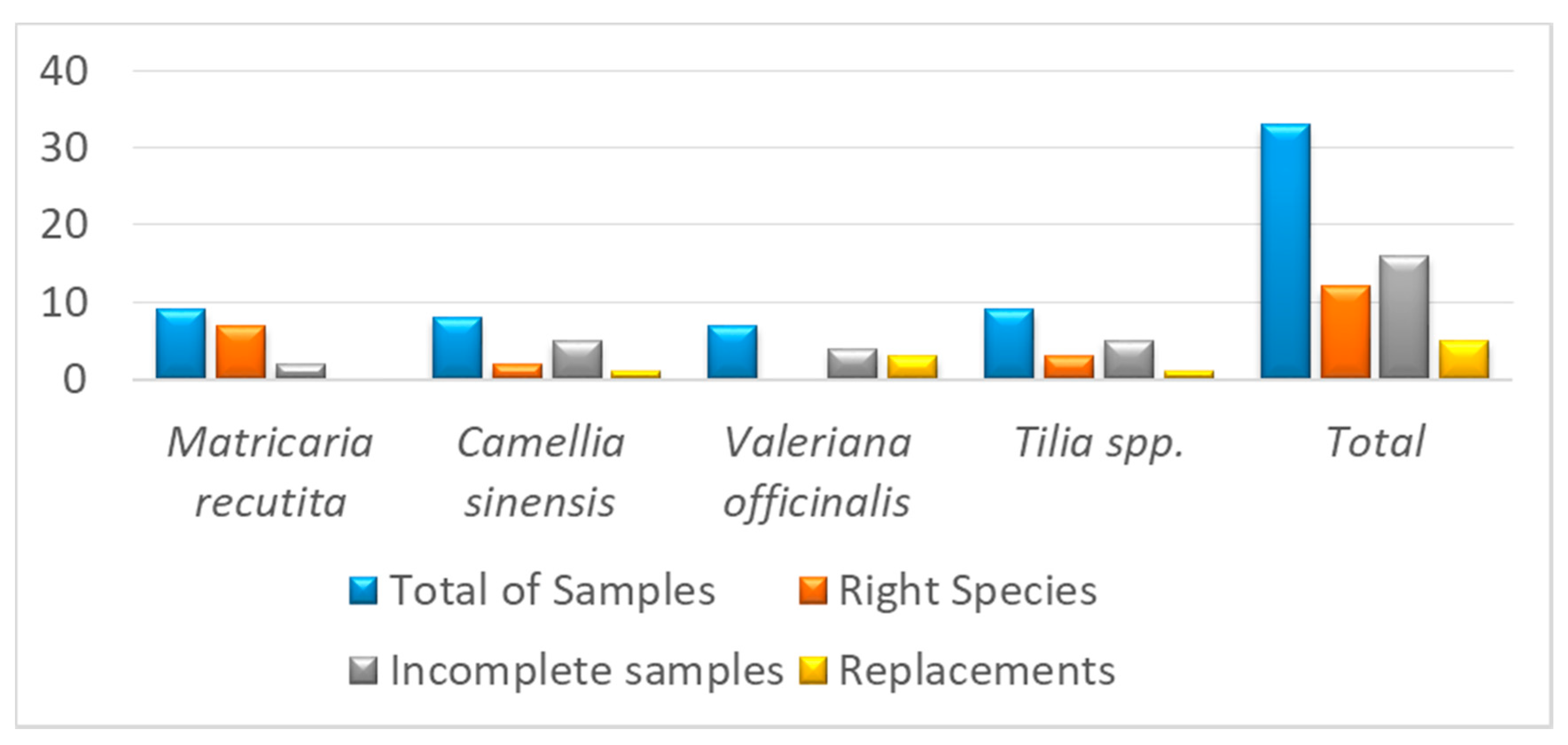
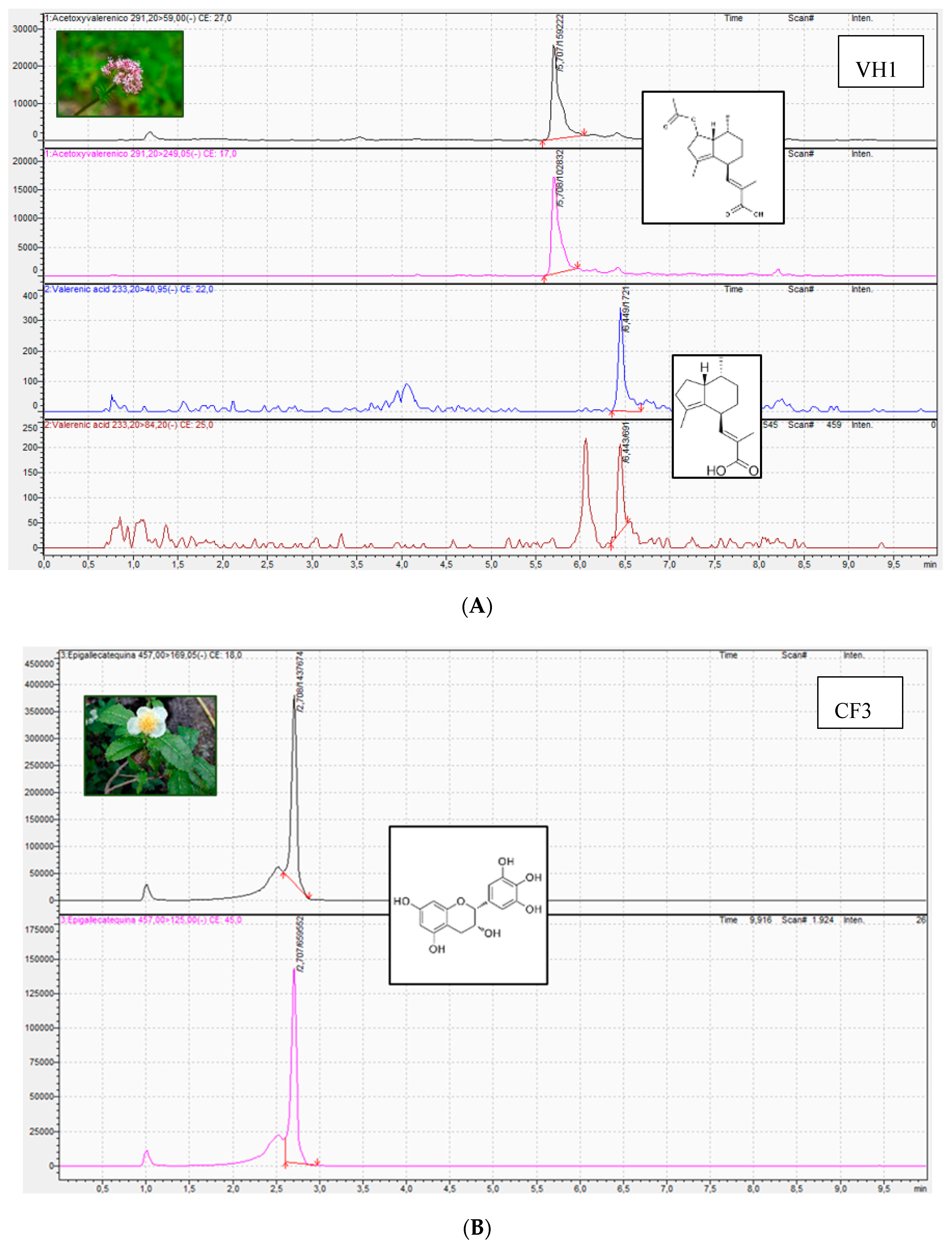
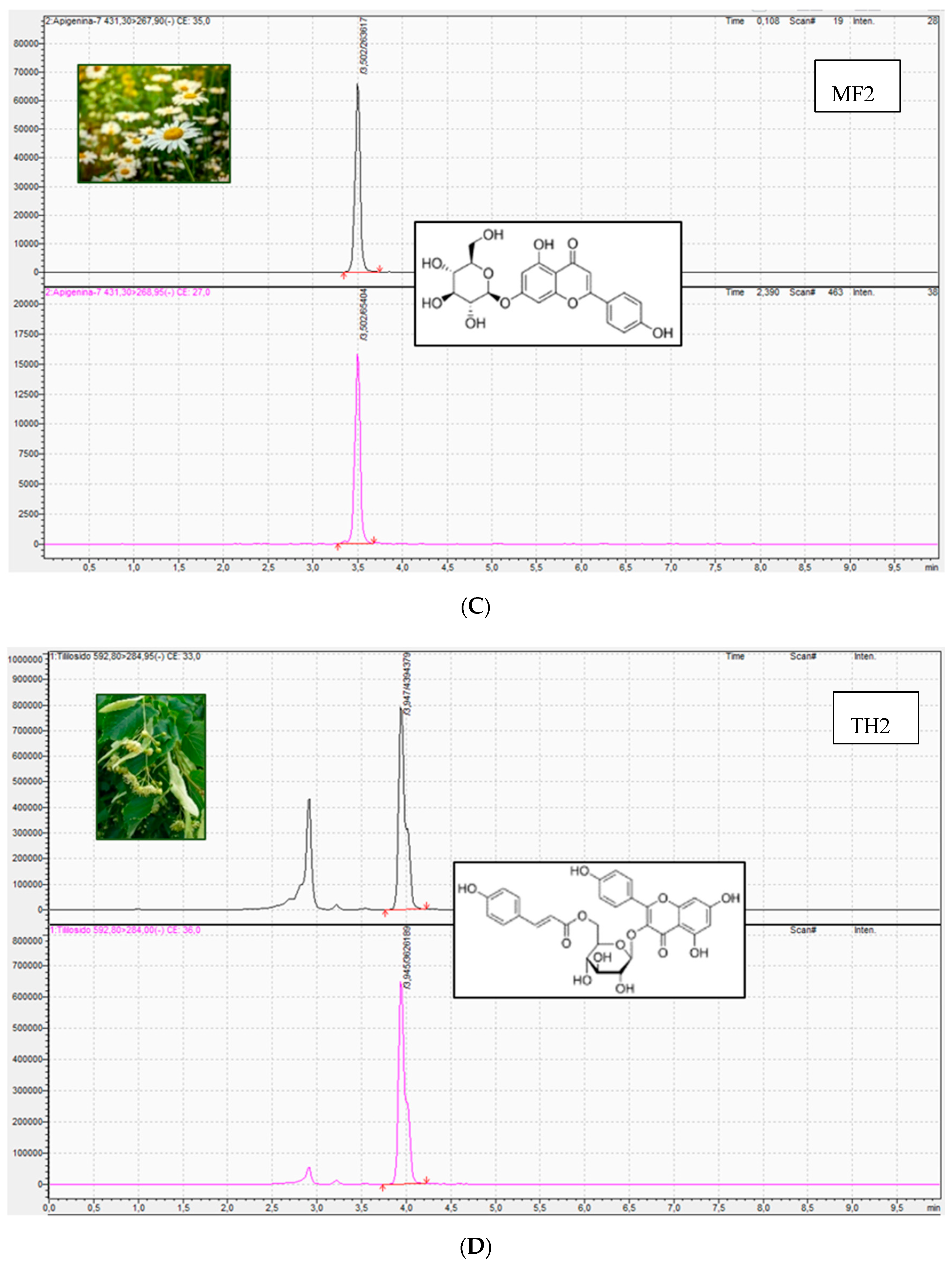
DNA-Based Authentication and Metabolomics Analysis of Medicinal Plants Samples by DNA Barcoding and Ultra-High-Performance Liquid Chromatography/Triple Quadrupole Mass Spectrometry (UHPLC-MS)



Abstract
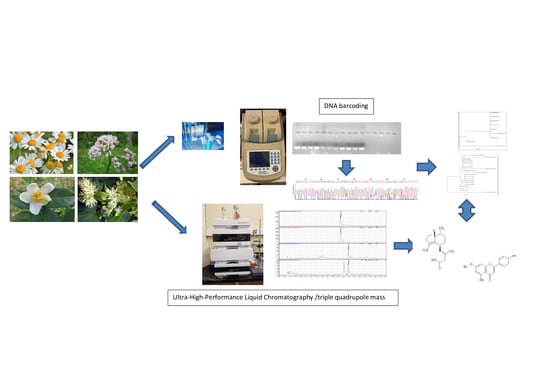
Share and Cite
Sánchez, M.; González-Burgos, E.; Divakar, P.K.; Gómez-Serranillos, M.P. DNA-Based Authentication and Metabolomics Analysis of Medicinal Plants Samples by DNA Barcoding and Ultra-High-Performance Liquid Chromatography/Triple Quadrupole Mass Spectrometry (UHPLC-MS). Plants 2020, 9, 1601. https://doi.org/10.3390/plants9111601
Sánchez M, González-Burgos E, Divakar PK, Gómez-Serranillos MP. DNA-Based Authentication and Metabolomics Analysis of Medicinal Plants Samples by DNA Barcoding and Ultra-High-Performance Liquid Chromatography/Triple Quadrupole Mass Spectrometry (UHPLC-MS). Plants. 2020; 9(11):1601. https://doi.org/10.3390/plants9111601
Chicago/Turabian StyleSánchez, Marta, Elena González-Burgos, Pradeep Kumar Divakar, and M. Pilar Gómez-Serranillos. 2020. "DNA-Based Authentication and Metabolomics Analysis of Medicinal Plants Samples by DNA Barcoding and Ultra-High-Performance Liquid Chromatography/Triple Quadrupole Mass Spectrometry (UHPLC-MS)" Plants 9, no. 11: 1601. https://doi.org/10.3390/plants9111601
APA StyleSánchez, M., González-Burgos, E., Divakar, P. K., & Gómez-Serranillos, M. P. (2020). DNA-Based Authentication and Metabolomics Analysis of Medicinal Plants Samples by DNA Barcoding and Ultra-High-Performance Liquid Chromatography/Triple Quadrupole Mass Spectrometry (UHPLC-MS). Plants, 9(11), 1601. https://doi.org/10.3390/plants9111601