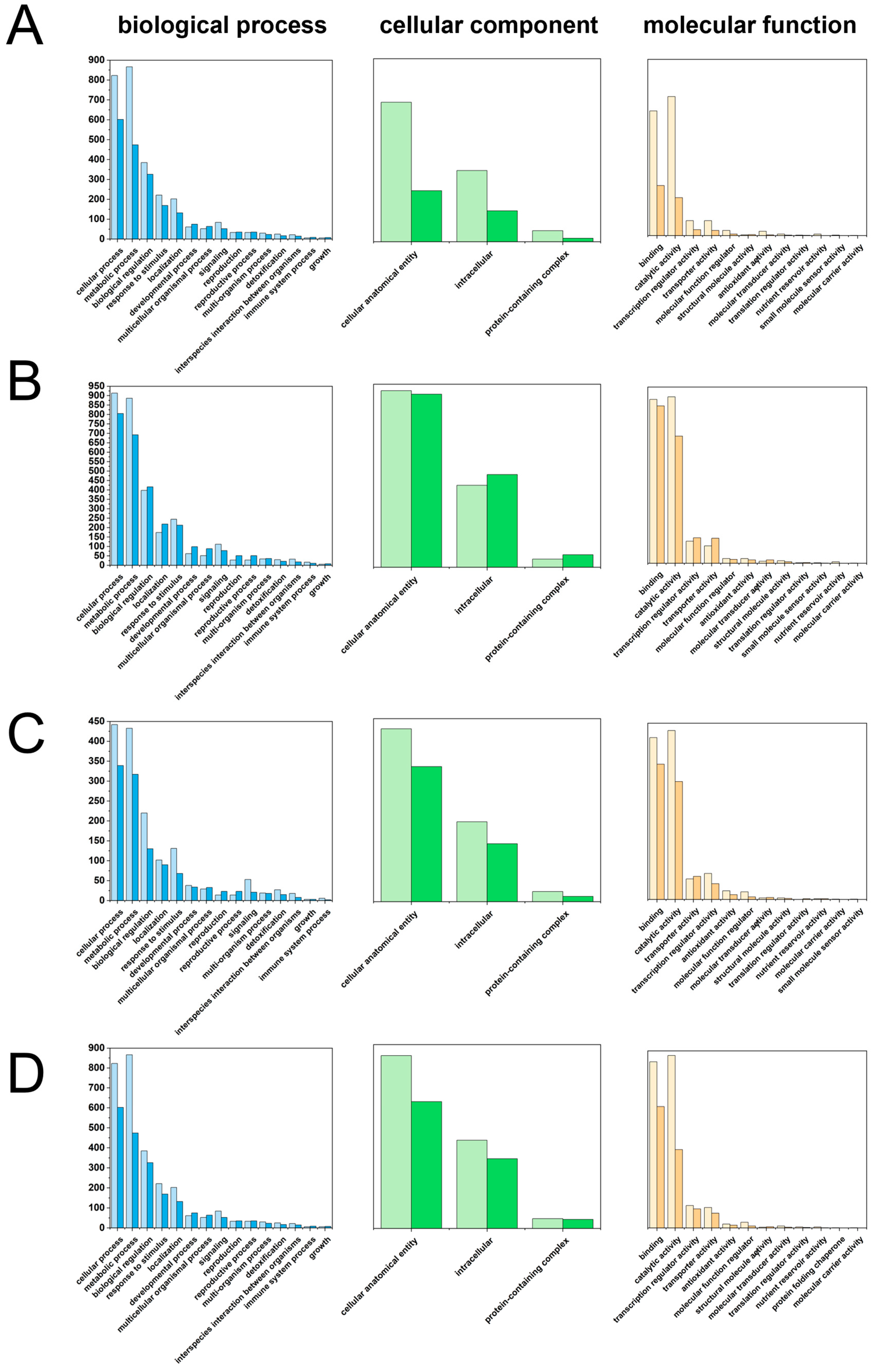
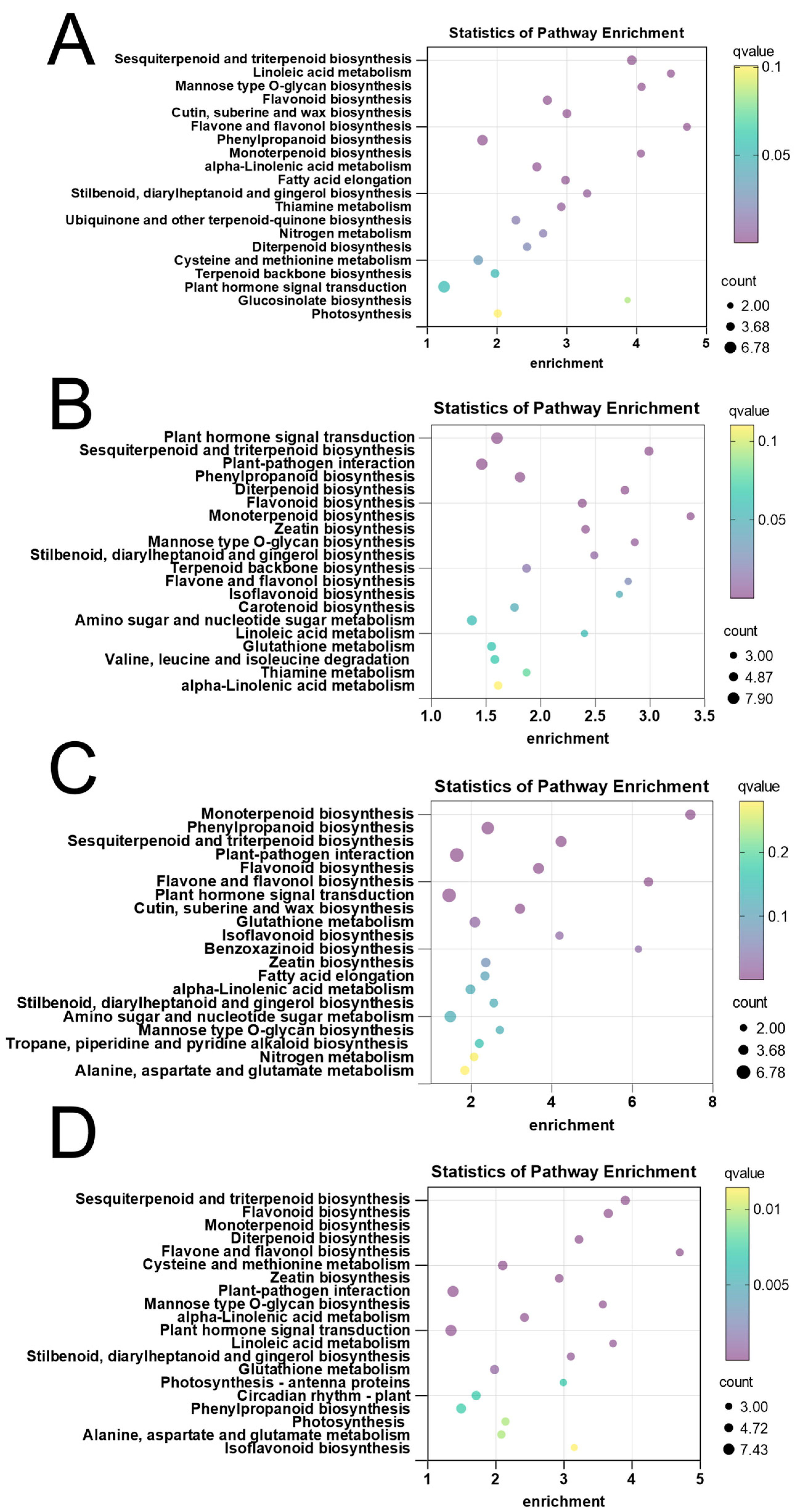
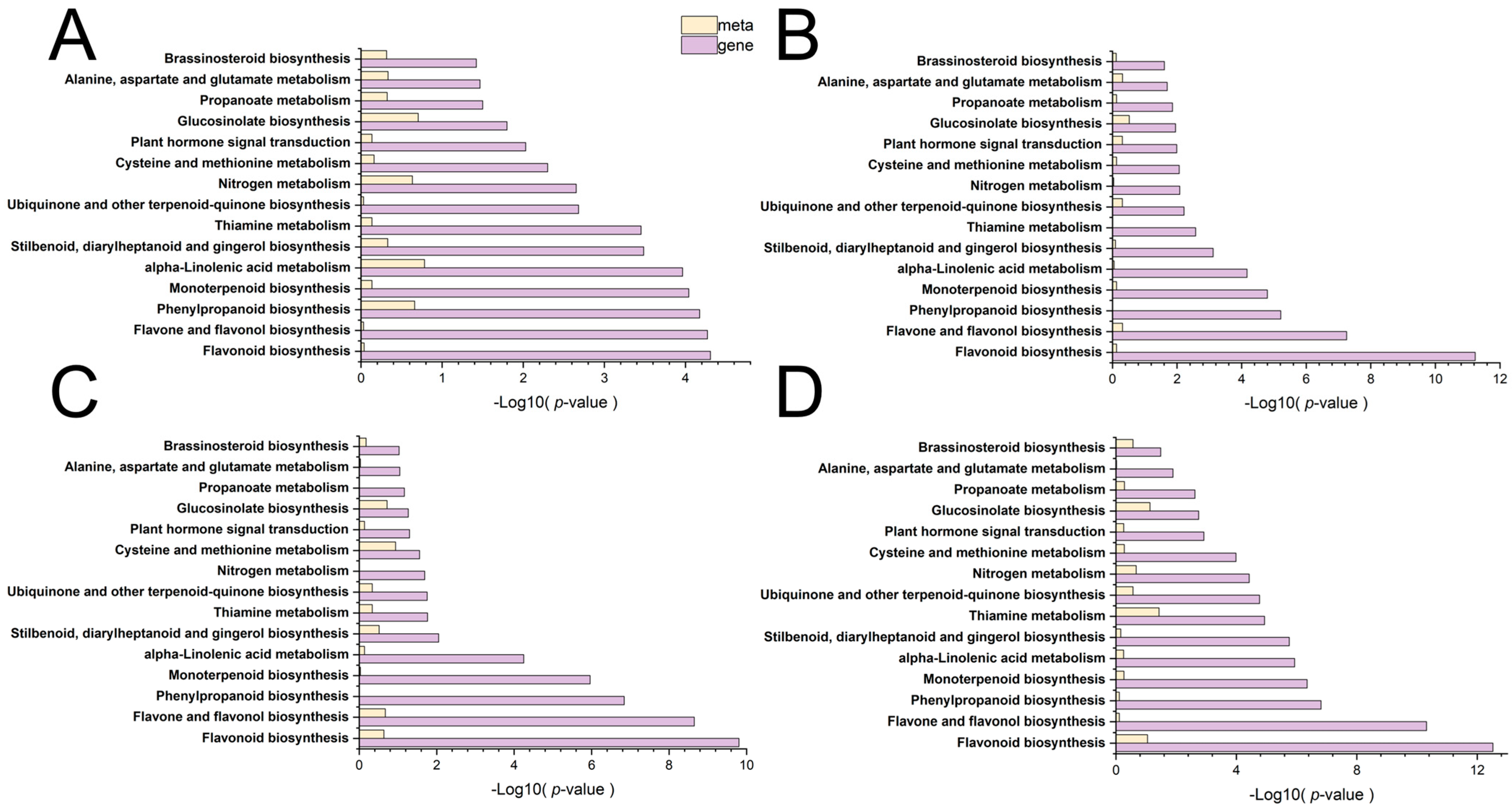
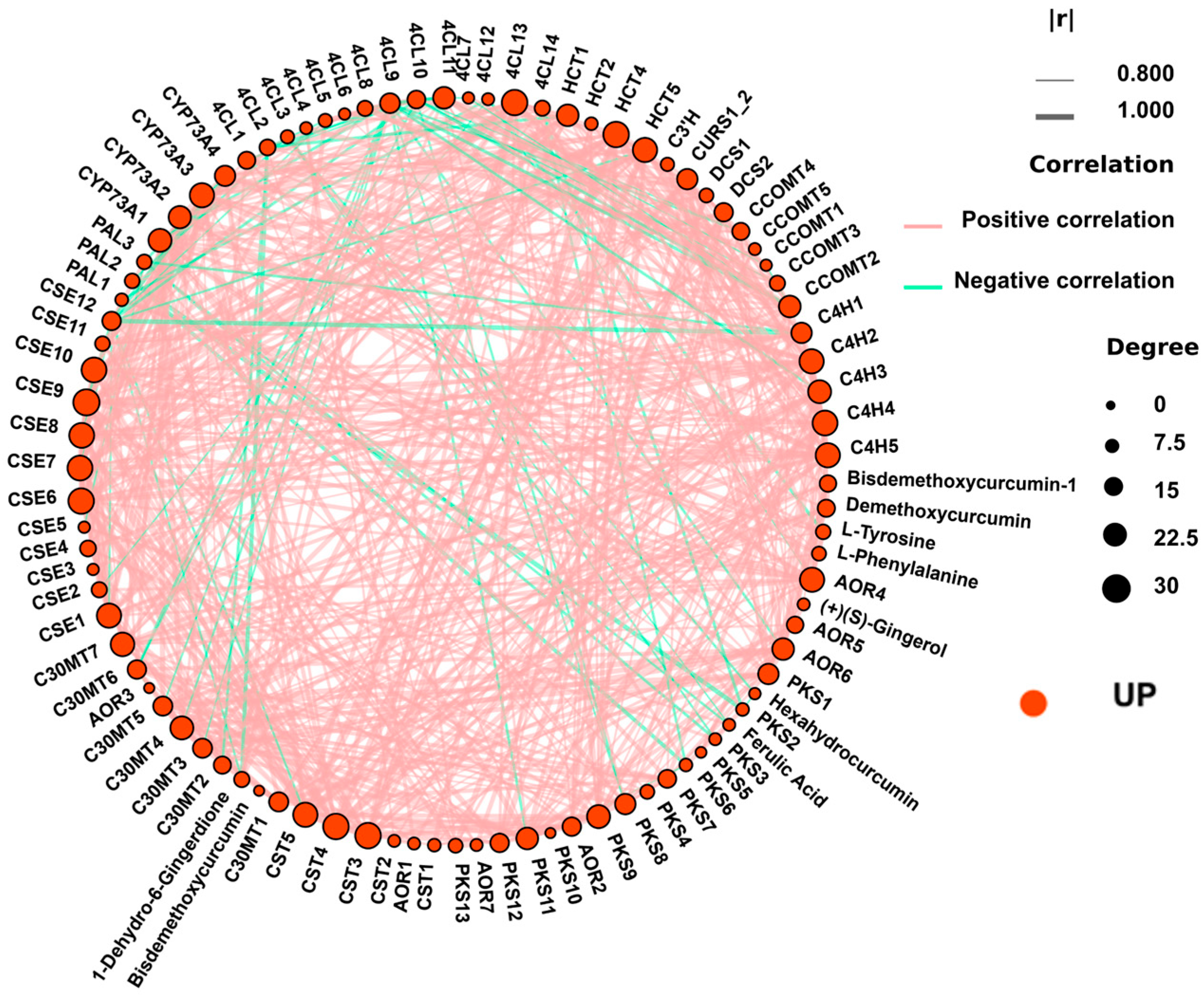
Concentration-Dependent Regulation of Ginger Growth and Quality by Abscisic Acid: Insights from Integrated Metabolomic and Transcriptomic Analyses

 ,
, 
Abstract
1. Introduction
2. Materials and Methods
2.1. Plant Materials and Treatments
2.2. Determination of Agronomic Traits
2.3. Determination Methods for Photosynthetic Parameters and Chlorophyll Content
2.4. Determination Method for Endogenous Hormone Content
2.5. Determination Methods for Ginger Quality Indicators
2.6. Plant Wide-Target Metabolomics Analysis
2.7. Illumina Transcriptome Sequencing and Analysis
2.8. Data Processing
3. Results and Analysis
3.1. Effects of Exogenous ABA on Ginger Growth
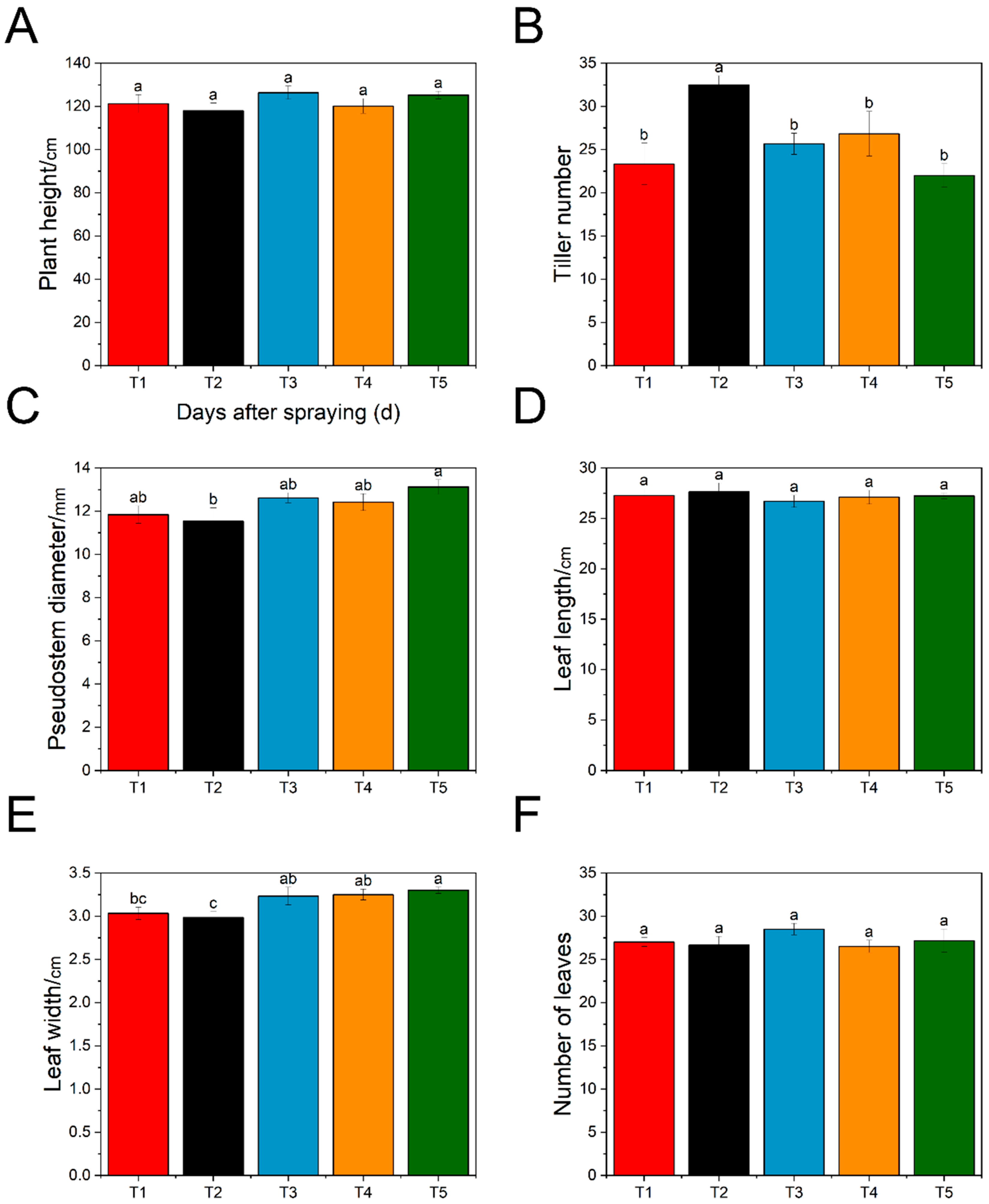
3.1.1. Aboveground Growth Responses to Exogenous ABA
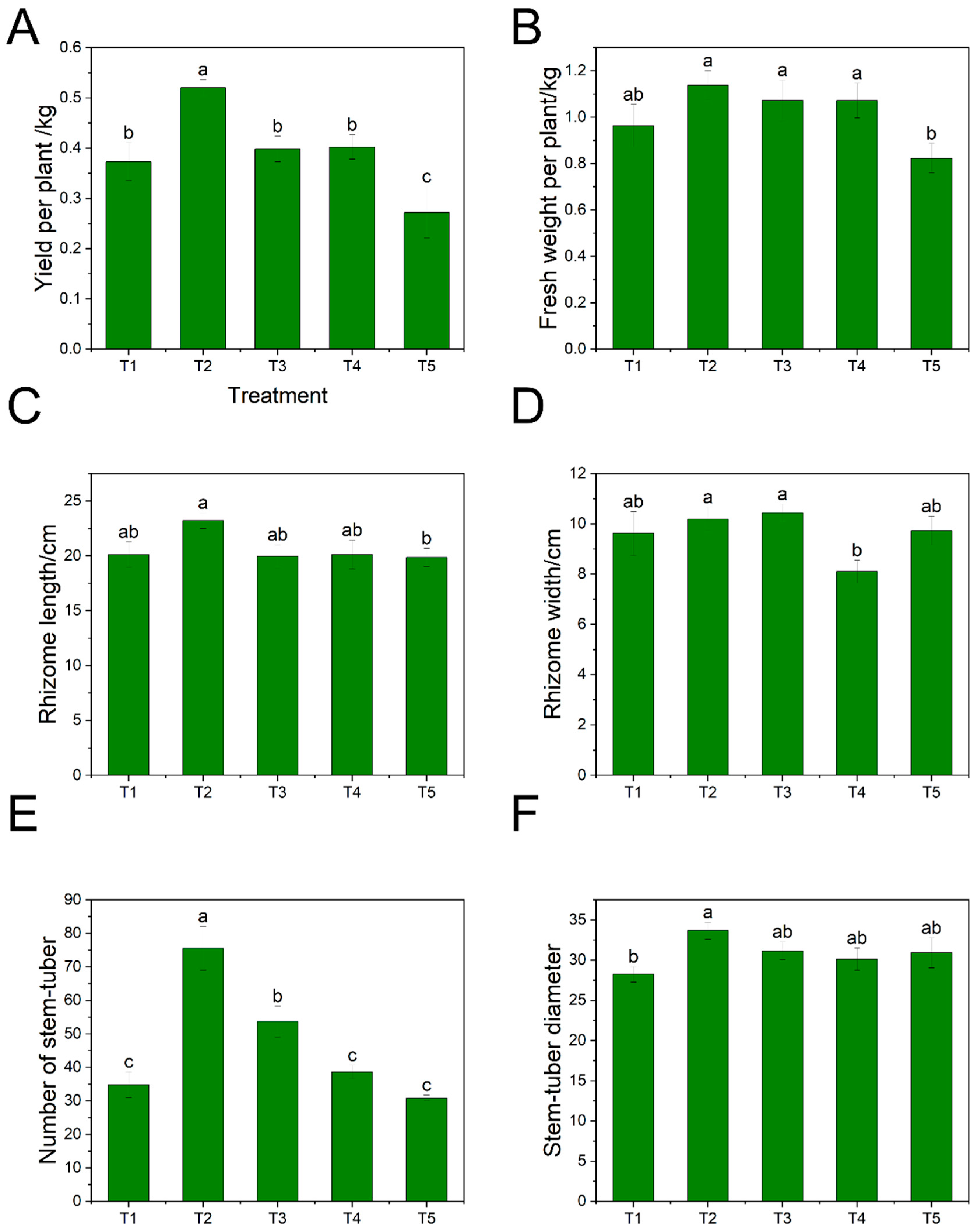
3.1.2. Belowground Rhizome Development in Response to ABA
3.2. Photosynthetic Performance and Chlorophyll Content Are Transiently Modulated by ABA
3.3. Effects of Exogenous ABA on Ginger Quality Components
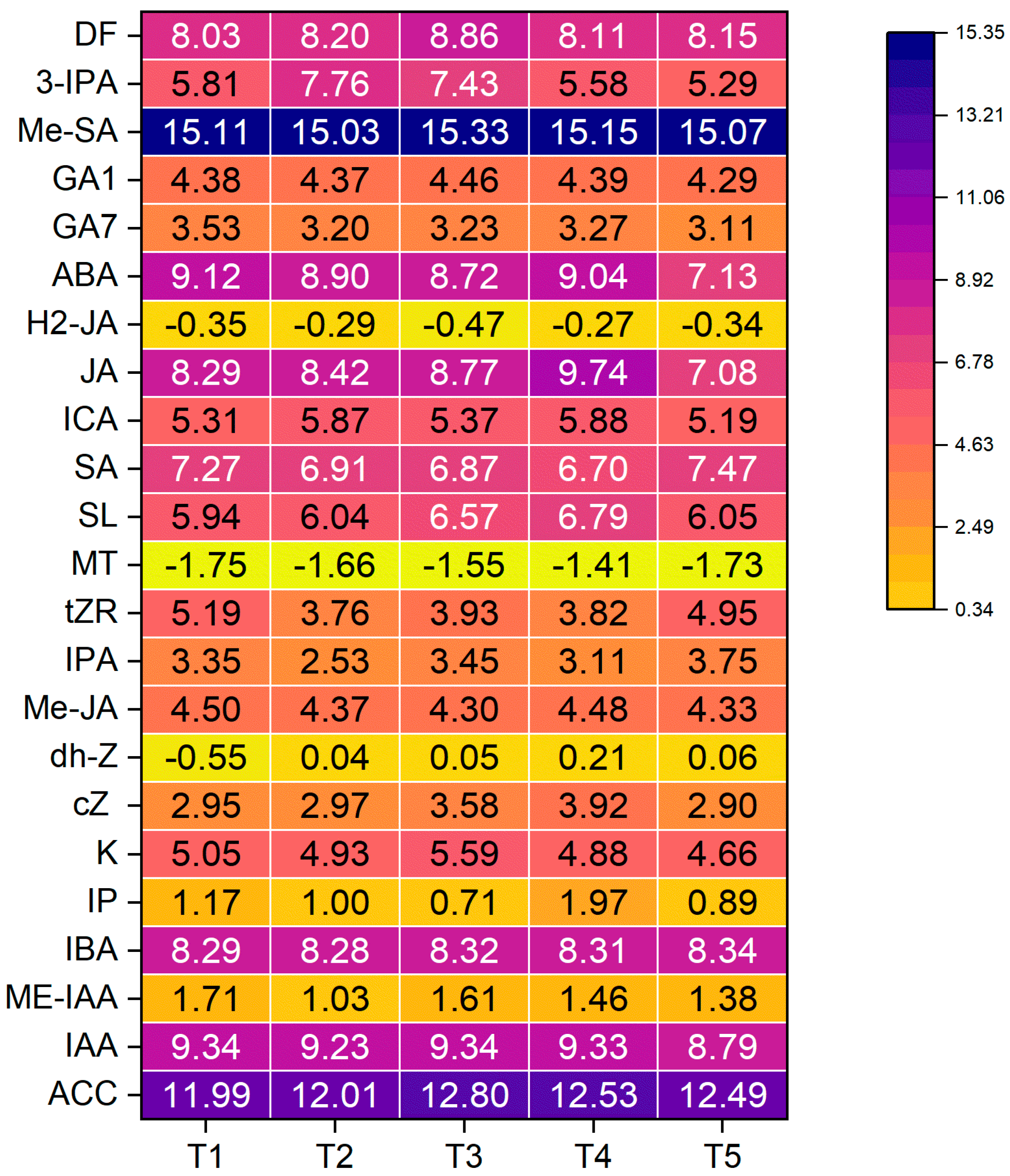
3.4. Effects of Exogenous ABA on Endogenous Hormone Content in Ginger
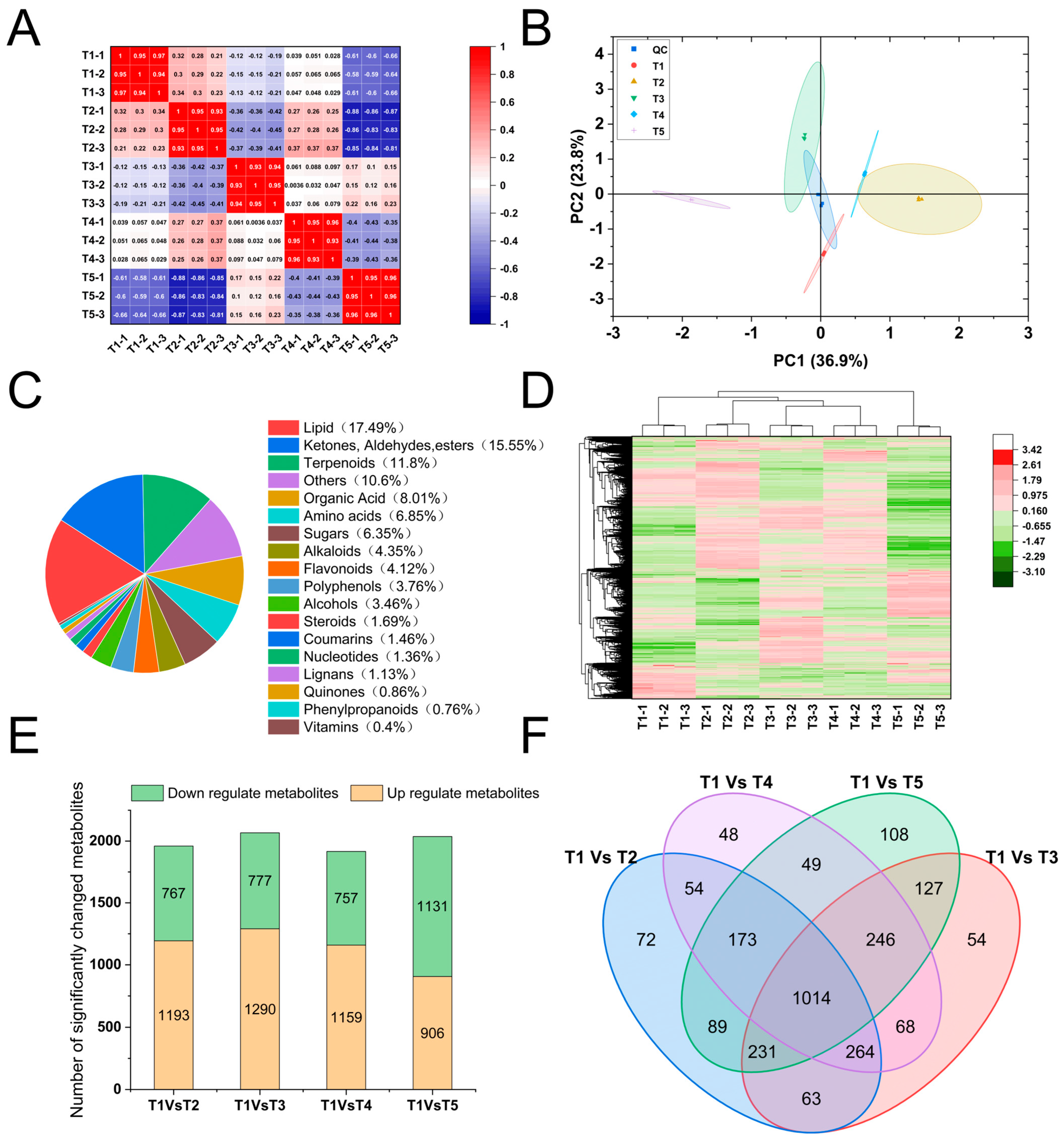
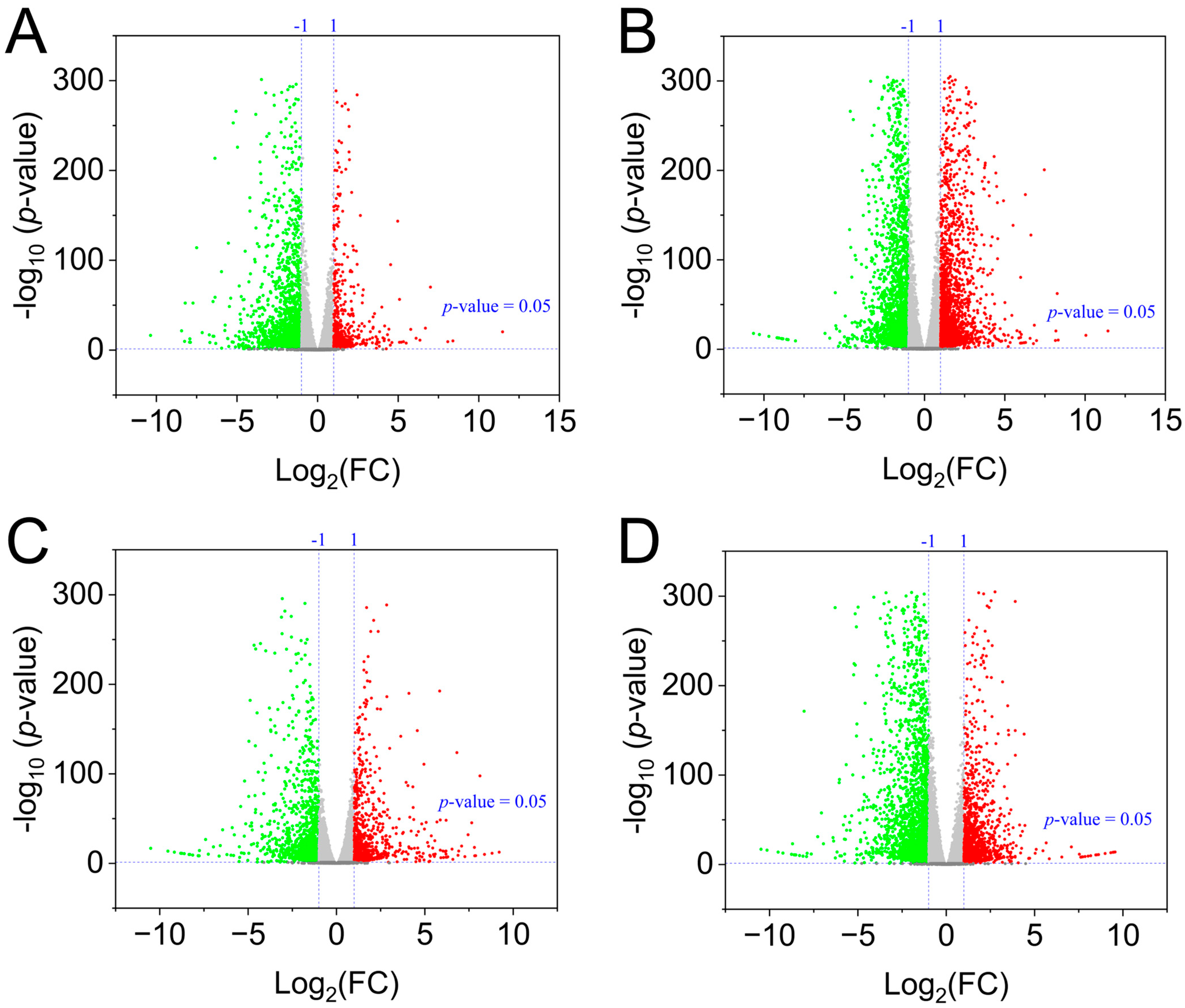
3.5. ABA-Induced Reprogramming of Secondary Metabolism
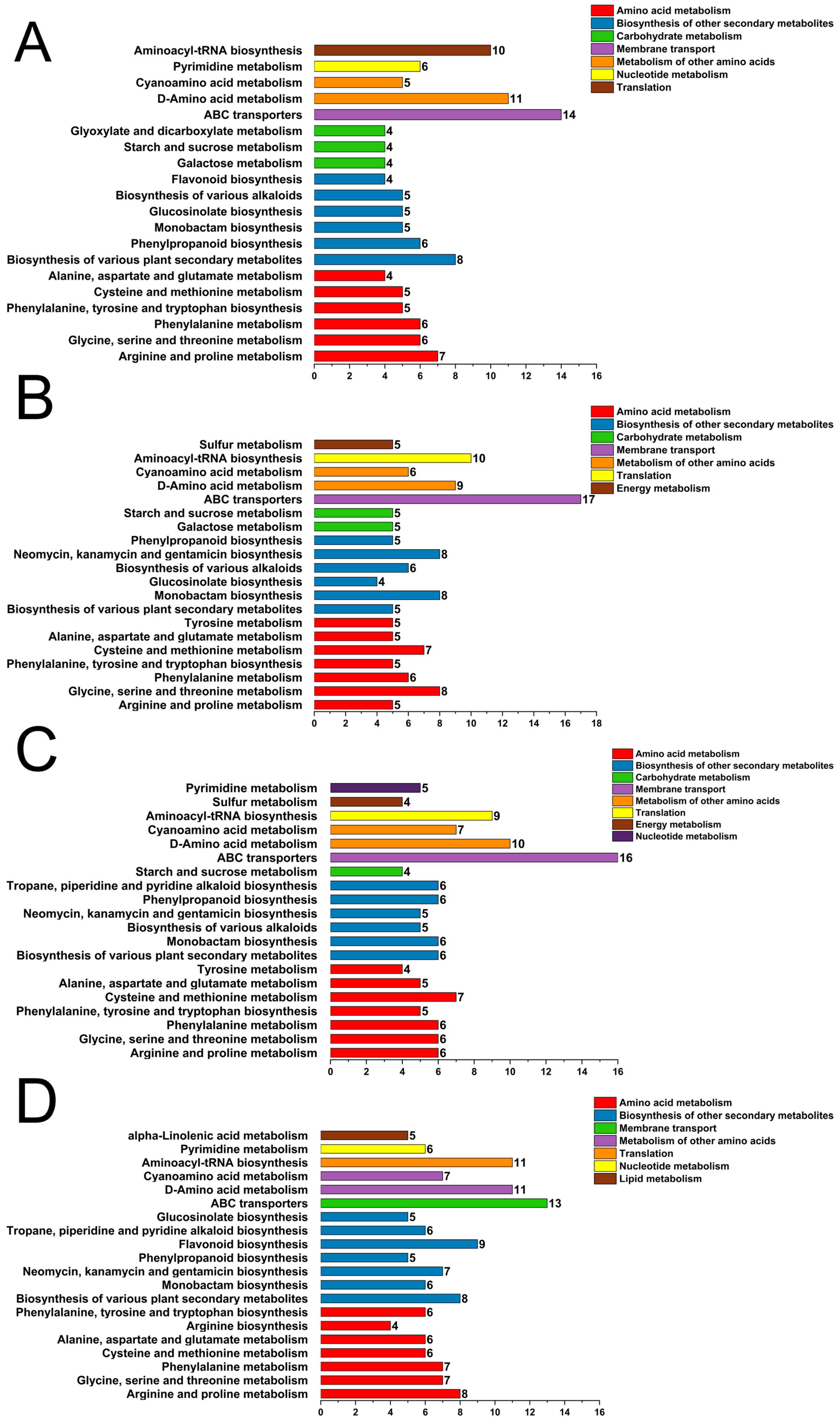
3.6. Transcriptomic Landscape Underpinning Metabolic Reprogramming
3.7. Integrated Analysis Links Transcriptional Changes to Metabolic Outcomes
3.8. A Co-Expressed Gene-Metabolite Network Underlies ABA-Induced Quality Traits
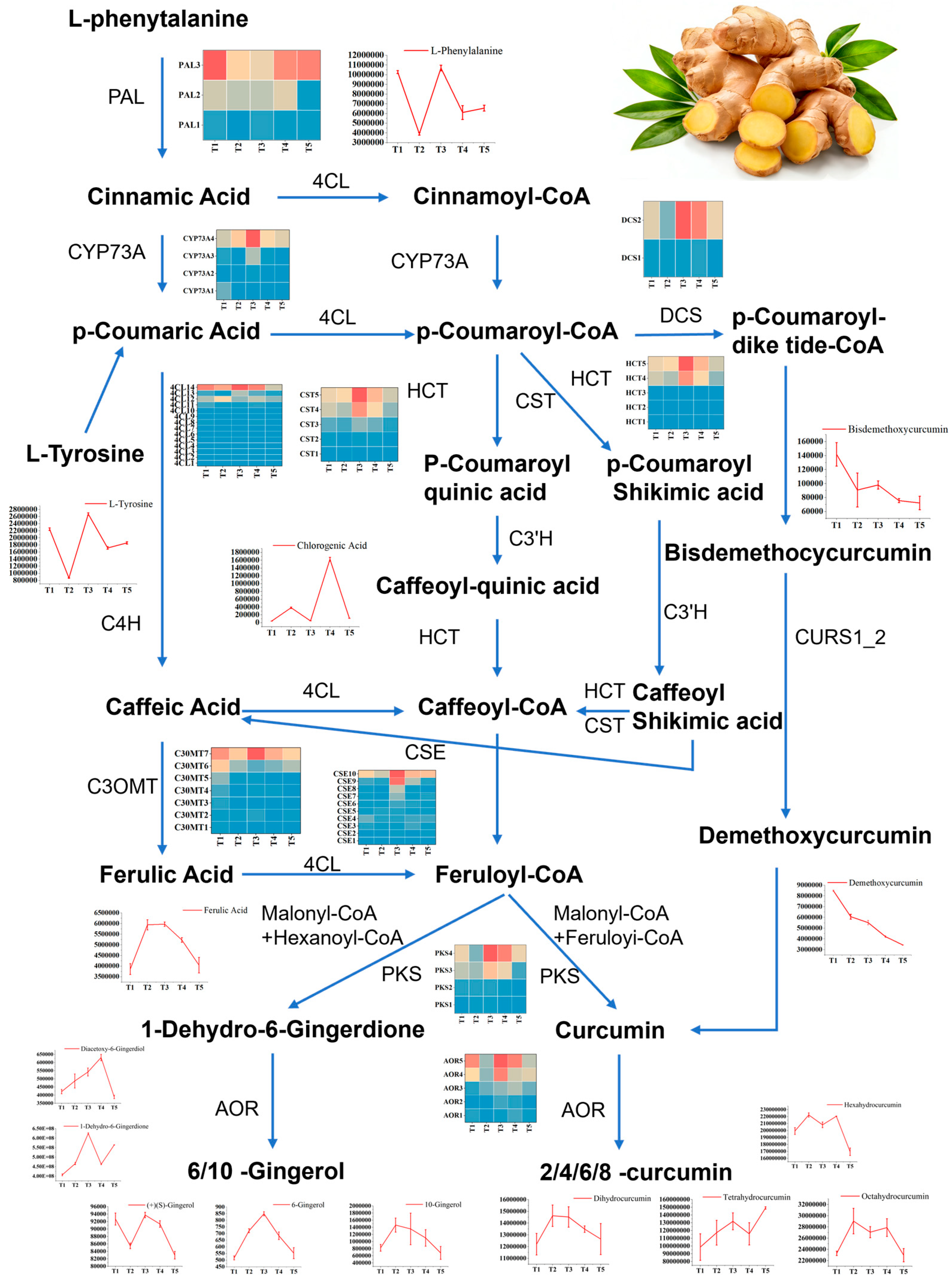
3.9. Reconstruction of the Gingerol Biosynthetic Pathway Reveals a Coordinated Upregulation at Optimal ABA Concentration
3.10. A Working Model for ABA-Mediated Quality Enhancement in Ginger
4. Discussion
4.1. ABA Elicits Concentration-Dependent Effects on Ginger Growth by Modulating Source-Sink Dynamics and Hormonal Homeostasis
4.2. Hormonal Crosstalk Underlies the Concentration-Dependent Actions of Exogenous ABA
4.3. Integrated Omics Reveals a Transcriptional-Metabolic Hub Driving Gingerol Accumulation
4.4. A Working Model and Agricultural Implications
5. Conclusions and Outlook
Supplementary Materials
Author Contributions
Funding
Data Availability Statement
Conflicts of Interest
References
- Everett, T.H. The New York Botanical Garden Illustrated Encyclopedia of Horticulture; Garland Publishing: New York, NY, USA, 1980. [Google Scholar]
- Verma, P.K.; Singh, B.; Sharma, P.; Tukra, S.; Aït-Kaddour, A.; Bhat, Z.F. Mechanistic advances and therapeutic applications of Zingiber officinale Roscoe. Food Chem. Adv. 2025, 8, 101060. [Google Scholar] [CrossRef]
- Semwal, R.B.; Semwal, D.K.; Combrinck, S.; Viljoen, A.M. Gingerols and shogaols: Important nutraceutical principles from ginger. Phytochemistry 2015, 117, 554–568. [Google Scholar] [CrossRef]
- Kiyama, R. Nutritional implications of ginger: Chemistry, biological activities and signaling pathways. J. Nutr. Biochem. 2020, 86, 108486. [Google Scholar] [CrossRef]
- Ballester, P.; Cerdá, B.; Arcusa, R.; García-Muñoz, A.M.; Marhuenda, J.; Zafrilla, P. Antioxidant activity in extracts from Zingiberaceae family: Cardamom, turmeric, and ginger. Molecules 2023, 28, 4024. [Google Scholar] [CrossRef]
- Robinson, J.; Yang, G.; Lashley, W.; Minor, R.C. Mineral nutrient analysis of Ginger (Zingiber officinale Rosc.) cultivars grown under different conditions. J. Biotech Res. 2025, 20, 130–142. [Google Scholar]
- Yang, Z.J.; Guo, Z.H.; Yan, J.; Xie, J. Nutritional components, phytochemical compositions, biological properties, and potential food applications of ginger (Zingiber officinale): A comprehensive review. J. Food Compos. Anal. 2024, 128, 106057. [Google Scholar] [CrossRef]
- Meysami, M.; Rahaie, M.; Ebrahimi, A.; Samiee, F. Four Matrix Metalloproteinase genes involved in murine breast cancer affected by ginger extract. Gene Rep. 2021, 25, 101332. [Google Scholar] [CrossRef]
- Seif, M.; Abd El-Aziz, T.; Sayed, M.; Wang, Z.Z. Zingiber officinale ethanolic extract attenuates oxidative stress, steroidogenic gene expression alterations, and testicular histopathology induced by sodium arsenite in male rats. Environ. Sci. Pollut. R. 2021, 28, 19783–19798. [Google Scholar] [CrossRef] [PubMed]
- Abdullahi, A.; Khairulmazmi, A.; Yasmeen, S.; Ismail, I.S.; Norhayu, A.; Sulaiman, M.R.; Ahmed, O.H.; Ismail, M.R. Phytochemical profiling and antimicrobial activity of ginger (Zingiber officinale) essential oils against important phytopathogens. Arab. J. Chem. 2020, 13, 8012–8025. [Google Scholar] [CrossRef]
- Aryaeian, N.; Shahram, F.; Mahmoudi, M.; Tavakoli, H.; Yousefi, B.; Arablou, T.; Karegar, S.J. The effect of ginger supplementation on some immunity and inflammation intermediate genes expression in patients with active Rheumatoid Arthritis. Gene 2019, 698, 179–185. [Google Scholar] [CrossRef]
- Tozetto, L.M.; Nascimento, R.F.d.; Oliveira, M.H.d.; Van Beik, J.; Canteri, M.H.G. Production and physicochemical characterization of craft beer with ginger (Zingiber officinale). Food Sci. Technol. 2019, 39, 962–970. [Google Scholar] [CrossRef]
- Abral, H.; Ariksa, J.; Mahardika, M.; Handayani, D.; Aminah, I.; Sandrawati, N.; Pratama, A.B.; Fajri, N.; Sapuan, S.; Sapuan, S.M.; et al. Transparent and antimicrobial cellulose film from ginger nanofiber. Food Hydrocolloid 2020, 98, 105266. [Google Scholar] [CrossRef]
- Cui, K.; Wang, J.; Ma, G.P.; Guan, S.; Liang, J.Y.; Fang, L.P.; Ding, R.Y.; Li, T.; Dong, Z.; Wu, X.H.; et al. Residue levels, processing factors and risk assessment of pesticides in ginger from market to table. J. Hazard. Mater. 2024, 470, 134268. [Google Scholar] [CrossRef]
- Dong, H.; Ma, X.N.; Zhang, P.; Wang, H.; Li, X.L.; Liu, J.X.; Bai, L.; Song, C.P. Characterization of Arabidopsis thaliana root-related mutants reveals ABA regulation of plant development and drought resistance. J. Plant Growth Regul. 2020, 39, 1393–1401. [Google Scholar] [CrossRef]
- Li, J.; Zhang, C.L.; Ma, N.; Yu, L.P.; Chao, Y.; Li, L. Effects of ABA on photosynthetic characteristics of pods and yield of Brassica napus. Agric. Sci. Technol. 2012, 13, 760–762. [Google Scholar]
- Ross, G.S.; McWha, J.A. The distribution of abscisic acid in Pisum sativum plants during seed development. J. Plant Physiol. 1990, 136, 137–142. [Google Scholar] [CrossRef]
- Depauw, F.A.; Rogato, A.; Ribera d’Alcalá, M.; Falciatore, A. Exploring the molecular basis of responses to light in marine diatoms. J. Exp. Bot. 2012, 63, 1575–1591. [Google Scholar] [CrossRef] [PubMed]
- Muñiz García, M.N.; Stritzler, M.; Capiati, D.A. Heterologous expression of Arabidopsis ABF4 gene in potato enhances tuberization through ABA-GA crosstalk regulation. Planta 2014, 239, 615–631. [Google Scholar] [CrossRef]
- Saidi, A.; Hajibarat, Z. Phytohormones: Plant switchers in developmental and growth stages in potato. J. Genet. Eng. Biotechnol. 2021, 19, 89. [Google Scholar] [CrossRef]
- Li, J.J.; Liu, B.Y.; Li, X.Y.; Li, D.M.; Han, J.Y.; Zhang, Y.; Ma, C.; Xu, W.P.; Wang, L.; Jiu, S.T. Exogenous abscisic acid mediates berry quality improvement by altered endogenous plant hormones level in “Ruiduhongyu” grapevine. Front. Plant Sci. 2021, 12, 739964. [Google Scholar] [CrossRef]
- Kato, T.; Sakurai, N.; Kuraishi, S. The changes of endogenous abscisic acid in developing grain of two rice cultivars with different grain size. Jpn. J. Crop Sci. 1993, 62, 456–461. [Google Scholar] [CrossRef]
- Haisel, D.; Pospíšilová, J.; Synková, H.; Schnablová, R.; Baťková, P. Effects of abscisic acid or benzyladenine on pigment contents, chlorophyll fluorescence, and chloroplast ultrastructure during water stress and after rehydration. Photosynthetica 2006, 44, 606–614. [Google Scholar] [CrossRef]
- Zhang, X.Y.; Tahir, M.M.; Li, S.H.; Tang, T.; Mao, J.P.; Li, K.; Shao, Y.; Yang, W.W.; Niu, J.X.; Zhang, D. Effect of exogenous abscisic acid (ABA) on the morphology, phytohormones, and related gene expression of developing lateral roots in ‘Qingzhen 1’ apple plants. Plant Cell Tissue Organ Cult. (PCTOC) 2022, 148, 23–34. [Google Scholar] [CrossRef]
- Yang, H.; Han, T.Y.; Wu, Y.Q.; Lyu, L.F.; Wu, W.L.; Li, W.L. Quality analysis and metabolomic profiling of the effects of exogenous abscisic acid on rabbiteye blueberry. Front. Plant Sci. 2023, 14, 1224245. [Google Scholar] [CrossRef]
- Li, X.X.; Zhu, D.W. Descriptors and Data Standard for Ginger (Zingiber officinale Roscoe); China Agriculture Press: Beijing, China, 2006. (In Chinese) [Google Scholar]
- Li, H.; Jiang, D.Z.; Gong, M. Evaluation and screening of agronomic traits of newly introduced ginger varieties in Chongqing. Tillage Cultiv. 2024, 44, 39–44. (In Chinese) [Google Scholar]
- Šimura, J.; Antoniadi, I.; Široká, J.; Tarkowská, D.E.; Strnad, M.; Ljung, K.; Novák, O. Plant hormonomics: Multiple phytohormone profiling by targeted metabolomics. Plant Physiol. 2018, 177, 476–489. [Google Scholar] [CrossRef]
- Wang, J.L.; Zhang, T.; Shen, X.T.; Liu, J.; Zhao, D.L.; Sun, Y.W.; Wang, L.; Liu, Y.J.; Gong, X.Y.; Liu, Y.X. Serum metabolomics for early diagnosis of esophageal squamous cell carcinoma by UHPLC-QTOF/MS. Metabolomics 2016, 12, 116. [Google Scholar] [CrossRef]
- Dunn, W.B.; Broadhurst, D.; Begley, P.; Zelena, E.; Francis-McIntyre, S.; Anderson, N.; Brown, M.; Knowles, J.D.; Halsall, A.; Haselden, J.N. Procedures for large-scale metabolic profiling of serum and plasma using gas chromatography and liquid chromatography coupled to mass spectrometry. Nat. Protoc. 2011, 6, 1060–1083. [Google Scholar] [CrossRef]
- Garcia, A.; Barbas, C. Gas chromatography-mass spectrometry (GC-MS)-based metabolomics. In Metabolic Profiling: Methods and Protocols; Humana Press: Totowa, NJ, USA, 2010; pp. 191–204. [Google Scholar]
- Chong, J.; Xia, J.G. MetaboAnalystR: An R package for flexible and reproducibleanalysis of metabolomics data. Bioinformatics 2018, 34, 4313–4314. [Google Scholar] [CrossRef]
- Liu, X.; Hu, Q.L.; Yan, J.J.; Sun, K.; Liang, Y.; Jia, M.R.; Meng, X.B.; Fang, S.; Wang, Y.Q.; Jing, Y.H. ζ-Carotene isomerase suppresses tillering in rice through the coordinated biosynthesis of strigolactone and abscisic acid. Mol. Plant 2020, 13, 1784–1801. [Google Scholar] [CrossRef] [PubMed]
- Chen, C.L.; Shang, Y.; Yan, G.Y. Effects of exogenous abscisic acid on the growth and physiology of chili pepper seedlings. Anhui Agric. Sci. Bull. 2024, 30, 22–26. (In Chinese) [Google Scholar]
- Li, W.F.; Mao, J.; Su, J.; Li, X.; Dawuda, M.M.; Ma, Z.H.; Zuo, C.W.; An, Z.S.; Chen, B.H. Exogenous ABA and its inhibitor regulate flower bud induction of apple cv.‘Nagafu No. 2′ grafted on different rootstocks. Trees 2021, 35, 609–620. [Google Scholar] [CrossRef]
- Li, C.C.; Wang, H.Q.; Ye, Y.F.; Chen, Y.; Ren, H.Z.; Li, Y.T.; Hao, X.Y.; Wang, X.C.; Cao, H.L.; Yue, C. Study on the regulatory effects of plant hormones on the growth and development of spring tea shoots. J. Tea Sci. 2023, 43, 335–348. (In Chinese) [Google Scholar]
- Yang, X.W.; Zhuang, Z.L.; Zhou, Y.M.; Lei, G.X.; Wan, W.H.; Peng, Y.L. Effects of different exogenous hormones on maize germination and seedling physiological characteristics under low temperature stress. J. Gansu Agric. Univ. 2024, 59, 117–128. (In Chinese) [Google Scholar]
- Li, Z.N. Studies on the Regulation of Exogenous ABA (Abscisic Acid) on Rice Yield and Quality. Master’s Thesis, Southwest Agricultural University, Chongqing, China, 2003. (In Chinese) [Google Scholar]
- Prakash, V.; Singh, V.P.; Tripathi, D.K.; Sharma, S.; Corpas, F.J. Crosstalk between nitric oxide (NO) and abscisic acid (ABA) signalling molecules in higher plants. Environ. Exp. Bot. 2019, 161, 41–49. [Google Scholar] [CrossRef]
- Li, J.H.; Yang, G.D.; Hu, Z.Y.; Hao, Z.Y.; Sun, B.S.; Chen, L.Q.; Wang, X.Y.; Li, W.; Wan, S.M. Effects of exogenous ABA spraying at different stages on carbon metabolism, endogenous hormones, and yield components of Adzuki Bean. Crops 2023, 3, 175–182. (In Chinese) [Google Scholar]
- Gao, J.Z.; Zhao, D.H.; Gao, L.; Su, X.H.; He, X.Q. Effects of cerium nitrate and abscisic acid treatment on seed germination and seedling physiological characteristics of Alfalfa. Acta Prataculturae Sin. 2024, 33, 175–186. (In Chinese) [Google Scholar]
- Humplík, J.F.; Bergougnoux, V.; Van Volkenburgh, E. To stimulate or inhibit? That is the question for the function of abscisic acid. Trends Plant Sci. 2017, 22, 830–841. [Google Scholar] [CrossRef]
- Wang, Y. Effects of Exogenous ABA and GA on Light Energy Utilization and Active Oxygen Metabolism in Ginger Leaves Under Drought Stress. Master’s Thesis, Shandong Agricultural University, Taian, China, 2016. (In Chinese) [Google Scholar]
- Ma, Y.L.; Cao, J.; He, J.H.; Chen, Q.Q.; Li, X.F.; Yang, Y. Molecular mechanism for the regulation of ABA homeostasis during plant development and stress responses. Int. J. Mol. Sci. 2018, 19, 3643. [Google Scholar] [CrossRef]
- Han, T.; Wu, W.; Li, W. Transcriptome analysis revealed the mechanism by which exogenous ABA increases anthocyanins in blueberry fruit during veraison. Front. Plant Sci. 2021, 12, 758215. [Google Scholar] [CrossRef]
- Sun, X.R. Effects of Different Concentrations of Exogenous ABA on Grape Fruit Quality and Its Mechanism Study. Master’s Thesis, Hebei Normal University of Science and Technology, Qinhuangdao, China, 2021. (In Chinese) [Google Scholar]
- Wang, H.J.; Hua, J.J.; Yu, Q.Y.; Li, J.; Wang, J.J.; Deng, Y.L.; Yuan, H.B.; Jiang, Y.W. Widely targeted metabolomic analysis reveals dynamic changes in non-volatile and volatile metabolites during green tea processing. Food Chem. 2021, 363, 130131. [Google Scholar] [CrossRef] [PubMed]
- Jardim-Messeder, D.; da Franca Silva, T.; Fonseca, J.P.; Junior, J.N.; Barzilai, L.; Felix-Cordeiro, T.; Pereira, J.C.; Rodrigues-Ferreira, C.; Bastos, I.; da Silva, T.C. Identification of genes from the general phenylpropanoid and monolignol-specific metabolism in two sugarcane lignin-contrasting genotypes. Mol. Genet. Genom. 2020, 295, 717–739. [Google Scholar] [CrossRef]
- Greule, A.; Stok, J.E.; De Voss, J.J.; Cryle, M.J. Unrivalled diversity: The many roles and reactions of bacterial cytochromes P450 in secondary metabolism. Nat. Prod. Rep. 2018, 35, 757–791. [Google Scholar] [CrossRef]
- Zhu, J.H.; Xia, D.N.; Xu, J.; Guo, D.; Li, H.L.; Wang, Y.; Mei, W.L.; Peng, S.Q. Identification of the bHLH gene family in Dracaena cambodiana reveals candidate genes involved in flavonoid biosynthesis. Ind. Crop. Prod. 2020, 150, 112407. [Google Scholar] [CrossRef]
- Ji, Y.P.; Xiao, J.W.; Shen, Y.L.; Ma, D.M.; Li, Z.Q.; Pu, G.B.; Li, X.; Huang, L.L.; Liu, B.Y.; Ye, H.C. Cloning and characterization of AabHLH1, a bHLH transcription factor that positively regulates artemisinin biosynthesis in Artemisia annua. Plant Cell Physiol. 2014, 55, 1592–1604. [Google Scholar] [CrossRef]
- Zhang, S.; Yang, J.; Li, H.Q.; Chiang, V.L.; Fu, Y. Cooperative regulation of flavonoid and lignin biosynthesis in plants. Crit. Rev. Plant Sci. 2021, 40, 109–126. [Google Scholar] [CrossRef]
- Chen, Z.J.; Zhang, L.; Lv, Y.; Qu, S.Y.; Liu, W.J.; Wang, K.; Gao, S.; Zhu, F.; Cao, B.L.; Xu, K. A genome assembly of ginger (Zingiber officinale Roscoe) provides insights into genome evolution and 6-gingerol biosynthesis. Plant J. 2024, 118, 682–695. [Google Scholar] [CrossRef] [PubMed]
- Vogt, T. Phenylpropanoid biosynthesis. Mol. Plant 2010, 3, 2–20. [Google Scholar] [CrossRef]





| Treatment Group | Days After Treatment | |||
|---|---|---|---|---|
| 1 d (SPAD) | 3 d (SPAD) | 6 d (SPAD) | 9 d (SPAD) | |
| T1 | 39.47 ± 1.86 a | 37.23 ± 0.94 ab | 36.58 ± 1.09 bc | 38.43 ± 1.65 ab |
| T2 | 35.98 ± 1.86 b | 38.25 ± 1.02 a | 36.07 ± 1.58 c | 36.38 ± 1.30 b |
| T3 | 38.87 ± 2.10 a | 37.15 ± 1.13 ab | 40.60 ± 1.68 a | 38.95 ± 1.22 a |
| T4 | 37.38 ± 1.71 ab | 37.80 ± 2.14 a | 37.78 ± 0.52 b | 33.12 ± 2.35 c |
| T5 | 35.25 ± 1.57 b | 36.05 ± 0.64 b | 37.10 ± 1.32 bc | 38.35 ± 1.83 ab |
| Parameters/Indicators | Treatment Group | Days After Treatment | |||
|---|---|---|---|---|---|
| 1 d | 3 d | 6 d | 9 d | ||
| Pn (µmol·m−2·s−1) | T1 | 4.71 ± 1.62 ab | 6.80 ± 0.82 b | 6.68 ± 0.20 ab | 11.49 ± 1.58 a |
| T2 | 6.84 ± 1.34 a | 5.42 ± 0.67 bc | 5.02 ± 0.20 bc | 10.04 ± 1.52 a | |
| T3 | 5.78 ± 1.89 ab | 8.42 ± 0.68 a | 7.49 ± 1.52 a | 11.03 ± 0.64 a | |
| T4 | 3.24 ± 0.53 b | 5.20 ± 0.87 c | 4.23 ± 0.48 c | 9.78 ± 1.66 a | |
| T5 | 3.23 ± 0.56 b | 8.76 ± 0.81 a | 5.18 ± 1.53 bc | 11.47 ± 1.70 a | |
| Gs (mmol·m−2·s−1) | T1 | 22.67 ± 8.32 ab | 14.47 ± 1.65 a | 26.22 ± 2.60 d | 116.73 ± 22.94 a |
| T2 | 33.00 ± 9.68 a | 10.24 ± 1.28 b | 56.35 ± 3.44 a | 111.20 ± 18.40 a | |
| T3 | 22.21 ± 5.21 ab | 10.93 ± 0.41 b | 41.53 ± 1.45 b | 110.67 ± 3.51 a | |
| T4 | 15.54 ± 2.50 b | 6.88 ± 1.09 c | 33.49 ± 0.70 c | 91.27 ± 26.59 a | |
| T5 | 15.96 ± 2.05 b | 8.89 ± 1.56 bc | 5.28 ± 2.69 e | 101.83 ± 23.58 a | |
| Ci (µmol·m−2·s−1) | T1 | 103.43 ± 8.37 b | 279.09 ± 11.78 d | 238.09 ± 25.37 c | 598.69 ± 21.28 a |
| T2 | 140.43 ± 30.05 a | 388.63 ± 61.95 c | 571.53 ± 8.61 a | 599.71 ± 28.18 a | |
| T3 | 121.71 ± 11.66 ab | 334.62 ± 42.84 cd | 387.35 ± 11.25 b | 601.27 ± 17.00 a | |
| T4 | 102.94 ± 4.49 b | 493.38 ± 37.93 b | 514.14 ± 18.79 a | 577.41 ± 30.13 a | |
| T5 | 111.62 ± 6.04 ab | 647.61 ± 31.65 a | 542.60 ± 70.23 a | 569.68 ± 13.46 a | |
| Tr (mmol·m−2·s−1) | T1 | 1.93 ± 0.65 b | 1.21 ± 0.13 a | 1.25 ± 0.18 d | 4.05 ± 0.54 a |
| T2 | 2.92 ± 0.76 a | 0.93 ± 0.11 bc | 2.65 ± 0.12 a | 4.92 ± 0.75 a | |
| T3 | 1.90 ± 0.42 b | 0.96 ± 0.05 b | 2.13 ± 0.13 b | 4.29 ± 0.16 a | |
| T4 | 1.39 ± 0.23 b | 0.62 ± 0.10 d | 1.65 ± 0.03 c | 3.83 ± 0.97 a | |
| T5 | 1.53 ± 0.19 b | 0.74 ± 0.12 cd | 0.51 ± 0.27 e | 3.83 ± 0.62 a | |
| Treatment Group | Crude Fiber (%) | Soluble Sugar (mg/g) | Starch (mg/g) | Lignin (mg/g) | Vitamin C (μg/g) | Soluble Protein (mg/g) | 6-Gingerol Content (μg/g) |
|---|---|---|---|---|---|---|---|
| T1 | 0.02 ± 0 d | 36.48 ± 2.63 d | 42.68 ± 0.64 e | 41.67 ± 2.08 | 56.15 ± 1.99 a | 16.34 ± 0.54 e | 517.17 ± 14.64 c |
| T2 | 0.03 ± 0 c | 41.09 ± 1.26 d | 50.84 ± 0.93 d | 56.68 ± 1.17 | 49.08 ± 2.62 b | 19.47 ± 0.78 d | 721.53 ± 15.41 b |
| T3 | 0.04 ± 0 b | 62.77 ± 3.49 c | 65.67 ± 2.26 c | 80.81 ± 2.22 | 46.63 ± 1.61 bc | 22.78 ± 0.85 c | 849.07 ± 14.87 a |
| T4 | 0.05 ± 0 a | 70.93 ± 5.57 b | 77.57 ± 2.70 b | 119.85 ± 6.70 | 45.24 ± 1.00 c | 27.84 ± 0.88 b | 683.90 ± 28.5 b |
| T5 | 0.05 ± 0 a | 81.42 ± 3.93 a | 111.58 ± 3.92 a | 214.52 ± 13.87 | 45.80± 1.95 bc | 31.98 ± 0.46 a | 553.05 ± 41.77 c |
Disclaimer/Publisher’s Note: The statements, opinions and data contained in all publications are solely those of the individual author(s) and contributor(s) and not of MDPI and/or the editor(s). MDPI and/or the editor(s) disclaim responsibility for any injury to people or property resulting from any ideas, methods, instructions or products referred to in the content. |
© 2026 by the authors. Licensee MDPI, Basel, Switzerland. This article is an open access article distributed under the terms and conditions of the Creative Commons Attribution (CC BY) license.
Share and Cite
Sun, Y.; Li, H.; Feng, Q.; Liu, C.; Li, Y.; Xia, M.; Song, C.; Jiang, L.; Li, H.-L. Concentration-Dependent Regulation of Ginger Growth and Quality by Abscisic Acid: Insights from Integrated Metabolomic and Transcriptomic Analyses. Plants 2026, 15, 1228. https://doi.org/10.3390/plants15081228
Sun Y, Li H, Feng Q, Liu C, Li Y, Xia M, Song C, Jiang L, Li H-L. Concentration-Dependent Regulation of Ginger Growth and Quality by Abscisic Acid: Insights from Integrated Metabolomic and Transcriptomic Analyses. Plants. 2026; 15(8):1228. https://doi.org/10.3390/plants15081228
Chicago/Turabian StyleSun, Yifei, Hui Li, Qinxi Feng, Chenrui Liu, Yunlong Li, Maoqin Xia, Chao Song, Lihui Jiang, and Hong-Lei Li. 2026. "Concentration-Dependent Regulation of Ginger Growth and Quality by Abscisic Acid: Insights from Integrated Metabolomic and Transcriptomic Analyses" Plants 15, no. 8: 1228. https://doi.org/10.3390/plants15081228
APA StyleSun, Y., Li, H., Feng, Q., Liu, C., Li, Y., Xia, M., Song, C., Jiang, L., & Li, H.-L. (2026). Concentration-Dependent Regulation of Ginger Growth and Quality by Abscisic Acid: Insights from Integrated Metabolomic and Transcriptomic Analyses. Plants, 15(8), 1228. https://doi.org/10.3390/plants15081228