Alkaloids from In Vitro Cultured Rhodophiala pratensis Display Neuroprotective Effects in Murine Microglial Cell Models of Inflammation

 , ,
, ,  , , , and
Abstract
1. Introduction
2. Results
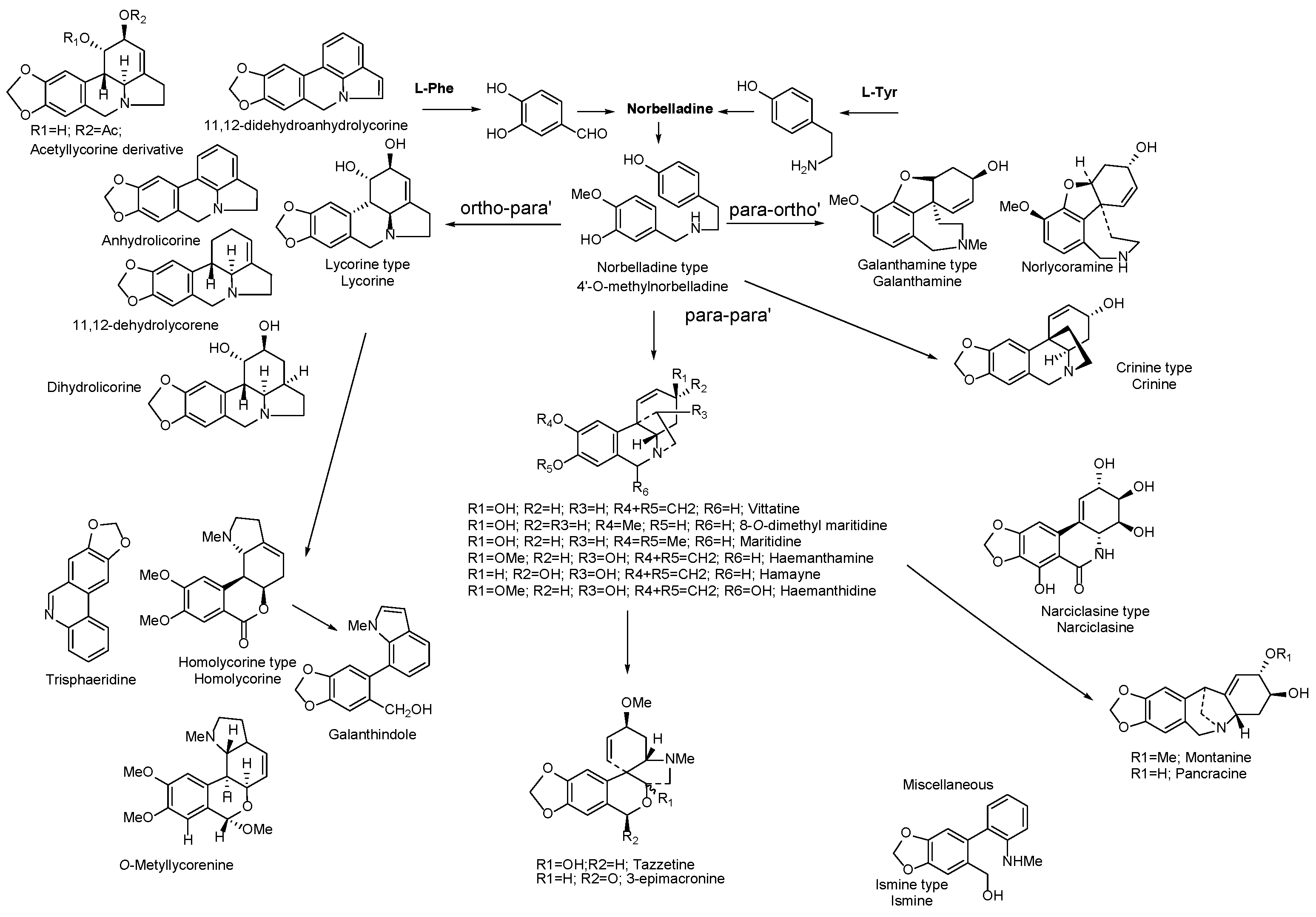
2.1. Alkaloid Profile Analysis of Wild-Type Rhodophiala pratensis and Obtained in In Vitro Culture
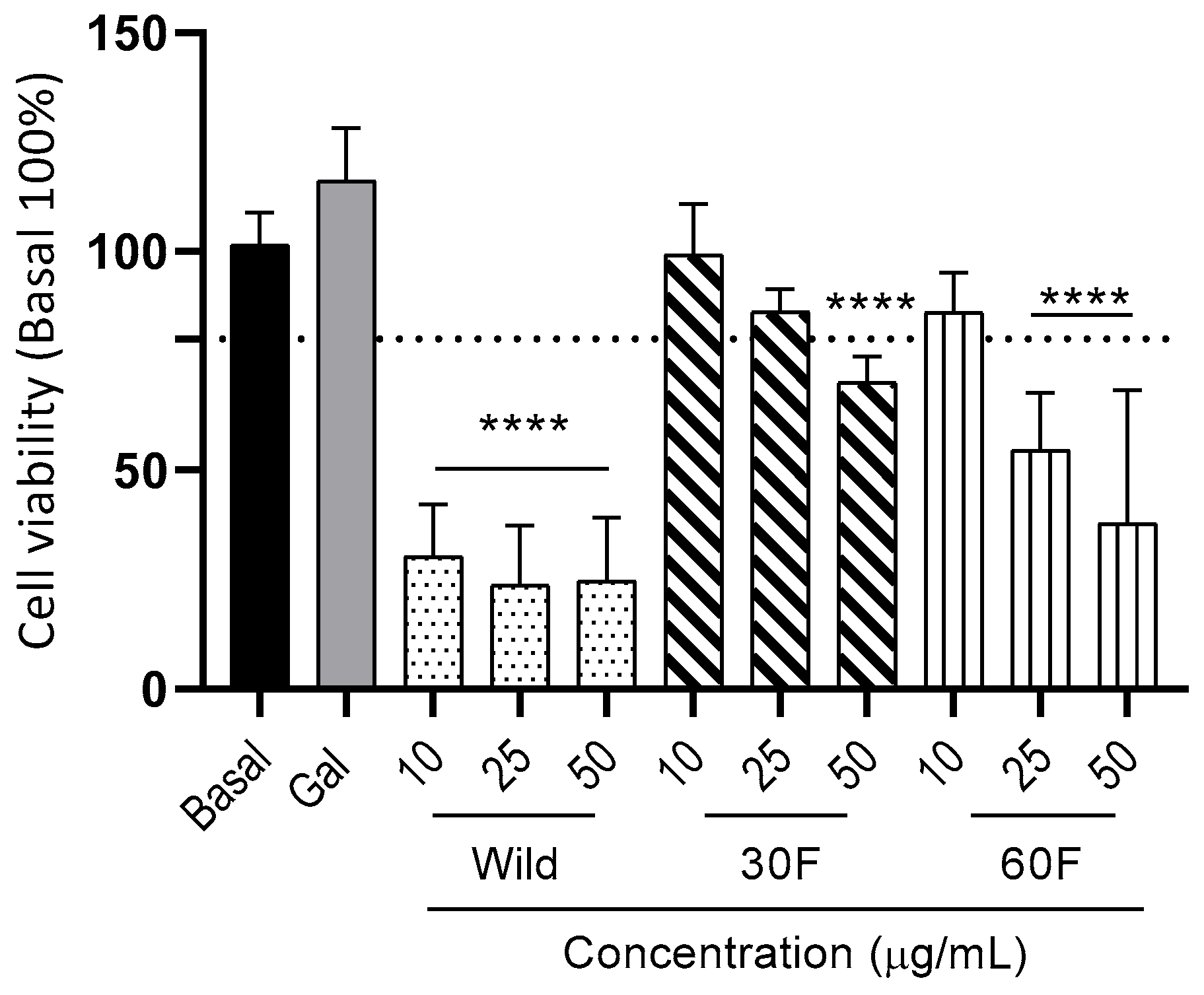
2.2. Cytotoxicity of R. pratensis Alkaloids on Mouse Microglia (IMG Cells)
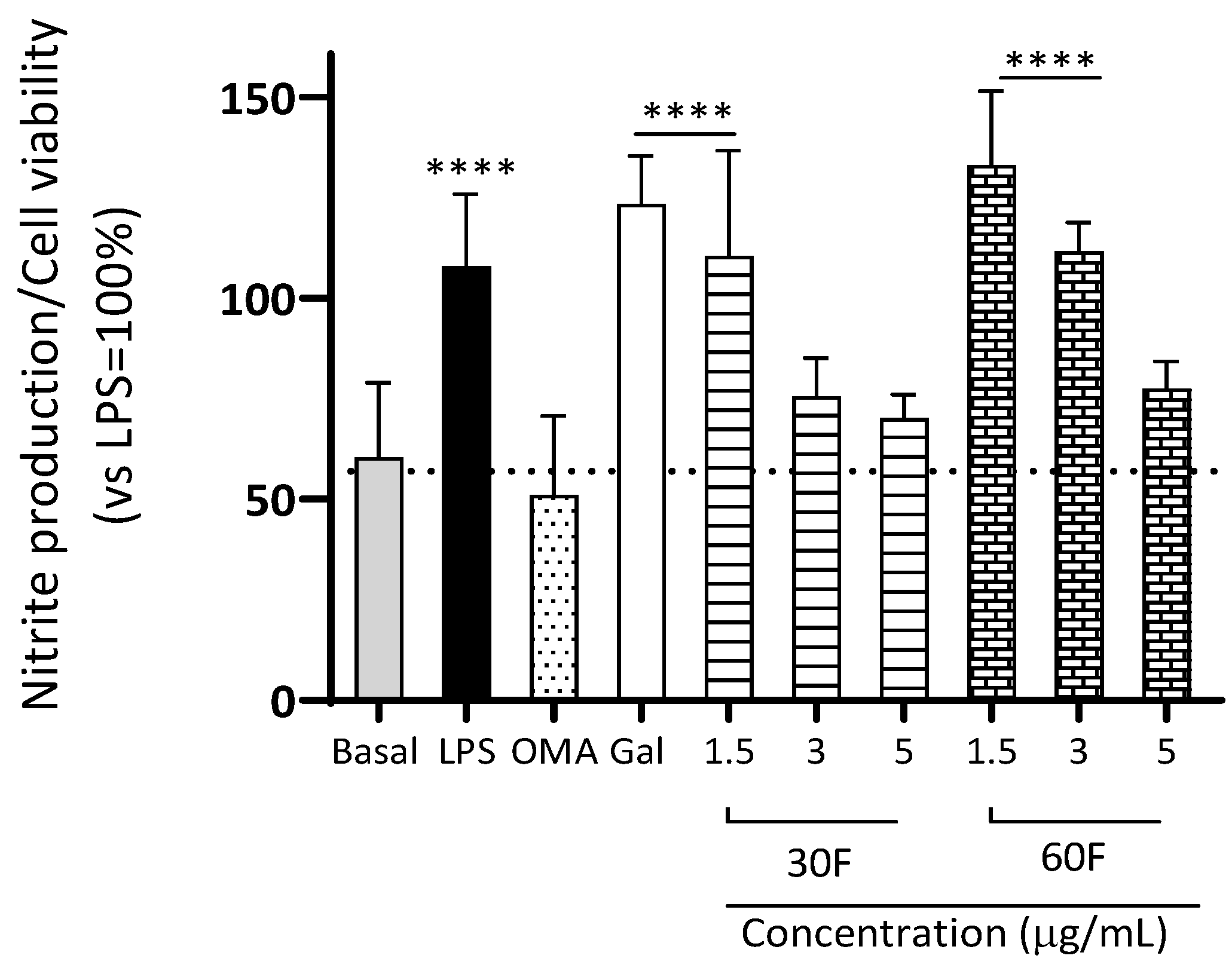
2.3. R. pratensis Alkaloids Protect Mouse Microglia When Exposed to LPS
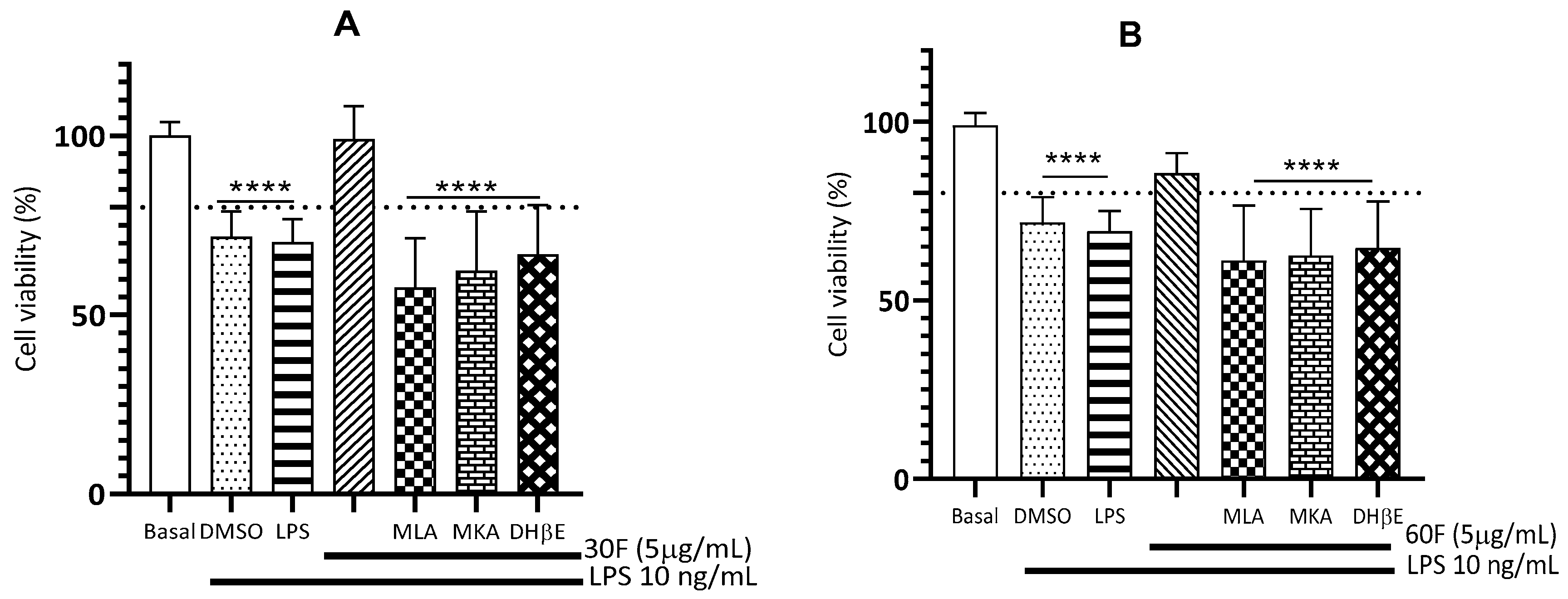
2.4. Nicotinic Receptors α7 and α4β2 Participate in the Defense of Microglia Exposed to LPS
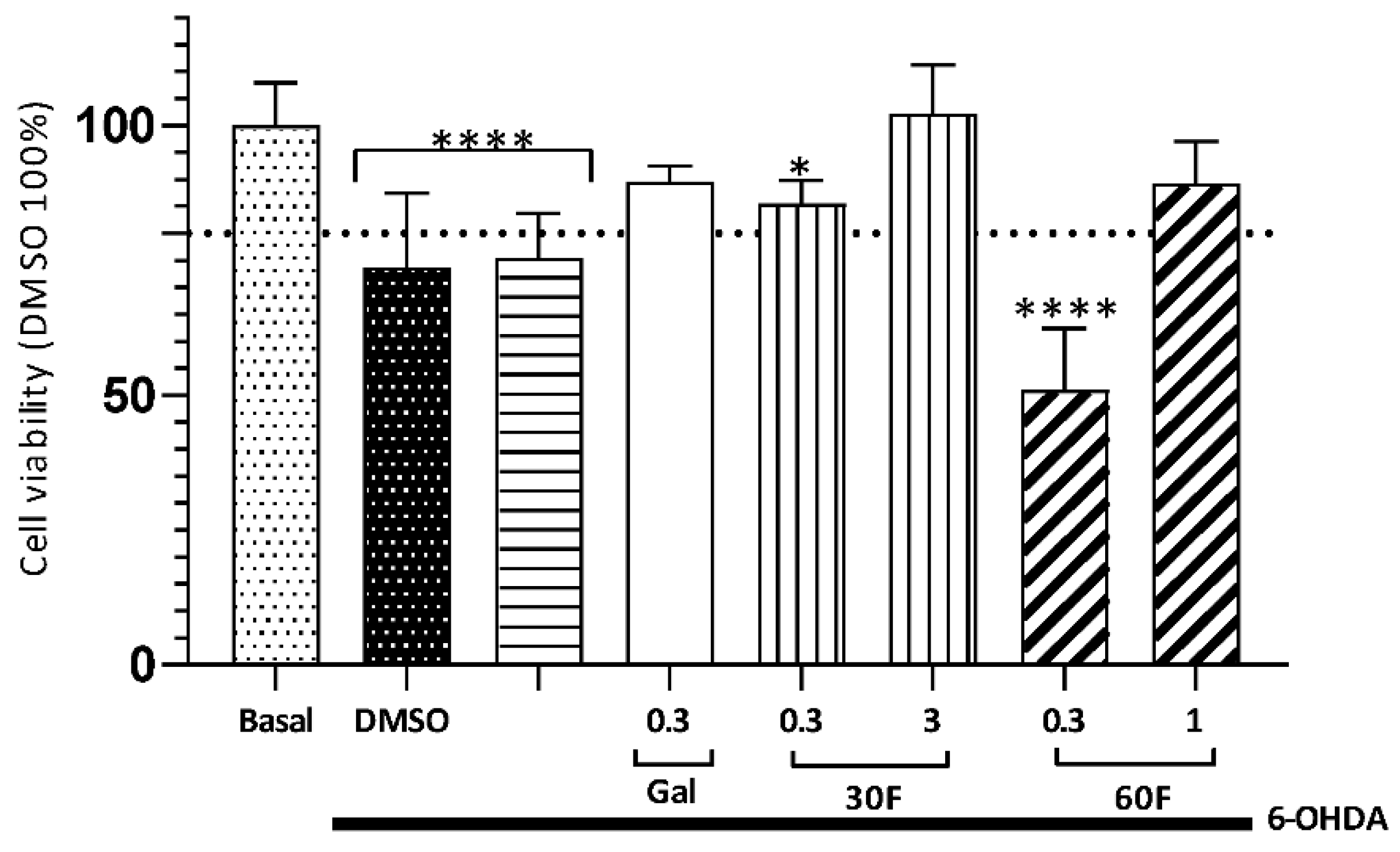
2.5. Neuroprotection Assay Against Death SH-SY5Y Cells Induced by 6-OHDA
2.6. AChE and BuChE Inhibitory Activity
3. Discussion
4. Materials and Methods
4.1. Reagents
4.2. Plant Material and In Vitro Culture
4.3. Extraction and Purification of Alkaloid Extract
4.4. Sample Preparation
4.5. Identification and Quantification of Alkaloids by GC–MS
4.6. Culture of IMG Cell Line and Cell Viability Evaluation by the Colorimetric MTT Assay
4.7. Anti-Inflammatory Activity Measured by the Griess Assay
4.8. Implication of nAChR in Protective Effects in Microglia
4.9. Culture of SH-SY5Y Cell Line and Neuroprotection Against 6-Hydroxydopamine
4.10. AChE and BuChE Inhibition Assay
4.11. Statistical Analysis
Supplementary Materials
Author Contributions
Funding
Data Availability Statement
Conflicts of Interest
Abbreviations
| AAs | Amaryllidaceae alkaloids |
| Aβ | Amyloid beta peptide |
| ACh | Acetylcholine |
| AChE | Acetylcholinesterase |
| AD | Alzheimer’s disease |
| BuChE | Butyrylcholinesterase |
| CNS | Central nervous system |
| nAChR | Nicotinic receptors |
| 6-OHDA | 6-hydroxydopamine |
References
- Chen, W.W.; Zhang, X.; Huang, W.J. Role of Neuroinflammation in Neurodegenerative Diseases (Review). Mol. Med. Rep. 2016, 13, 3391–3396. [Google Scholar] [CrossRef]
- Alzheimer’s Association. Alzheimer’s Disease Facts and Figures. Alzehimer’s Dement. 2023, 19, 1598–1695. [Google Scholar] [CrossRef]
- Giri, P.M.; Banerjee, A.; Ghosal, A.; Layek, B. Neuroinflammation in Neurodegenerative Disorders: Current Knowledge and Therapeutic Implications. Int. J. Mol. Sci. 2024, 25, 3995. [Google Scholar] [CrossRef] [PubMed]
- Kinney, J.W.; Bemiller, S.M.; Murtishaw, A.S.; Leisgang, A.M.; Salazar, A.M.; Lamb, B.T. Inflammation as a Central Mechanism in Alzheimer’s Disease. Alzheimer’s Dement. Transl. Res. Clin. Interv. 2018, 4, 575–590. [Google Scholar] [CrossRef]
- Antignano, I.; Liu, Y.; Offermann, N.; Capasso, M. Aging Microglia. Cell. Mol. Life Sci. 2023, 80, 126. [Google Scholar] [CrossRef]
- Ransohoff, R.M.; Khoury, J. El Microglia in Health and Disease. Cold Spring Harb. Perspect. Biol. 2016, 8, 302–313. [Google Scholar] [CrossRef]
- Lee, Y.B.; Nagai, A.; Kim, S.U. Cytokines, Chemokines, and Cytokine Receptors in Human Microglia. J. Neurosci. Res. 2002, 69, 94–103. [Google Scholar] [CrossRef] [PubMed]
- De Marchi, F.; Munitic, I.; Vidatic, L.; Papic, E.; Racki, V.; Nimac, J.; Jurak, I.; Novotni, G.; Rogelj, B.; Vuletic, V.; et al. Overlapping Neuroimmune Mechanisms and Therapeutic Targets in Neurodegenerative Disorders. Biomedicines 2023, 11, 2793. [Google Scholar] [CrossRef] [PubMed]
- Ajami, B.; Samusik, N.; Wieghofer, P.; Ho, P.P.; Crotti, A.; Bjornson, Z.; Prinz, M.; Fantl, W.J.; Nolan, G.P.; Steinman, L. Single-Cell Mass Cytometry Reveals Distinct Populations of Brain Myeloid Cells in Mouse Neuroinflammation and Neurodegeneration Models. Nat. Neurosci. 2018, 21, 541–551. [Google Scholar] [CrossRef]
- Egea, J.; Buendia, I.; Parada, E.; Navarro, E.; León, R.; Lopez, M.G. Anti-Inflammatory Role of Microglial Alpha7 NAChRs and Its Role in Neuroprotection. Biochem. Pharmacol. 2015, 97, 463–472. [Google Scholar] [CrossRef]
- Le, W.; Wu, J.; Tang, Y. Protective Microglia and Their Regulation in Parkinson’s Disease. Front. Mol. Neurosci. 2016, 9, 89. [Google Scholar] [CrossRef] [PubMed]
- Pavlov, V.A.; Tracey, K.J. The Cholinergic Anti-Inflammatory Pathway. Brain. Behav. Immun. 2005, 19, 493–499. [Google Scholar] [CrossRef] [PubMed]
- Wang, H.; Yu, M.; Ochani, M.; Amella, C.A.; Tanovic, M.; Susarla, S.; Li, J.H.; Wang, H.; Yang, H.; Ullo, L.; et al. Nicotinic Acetylcholine Receptor A7 Subunit Is an Essential Regulator of Inflammatio. Nature 2003, 421, 384–388. [Google Scholar] [CrossRef]
- Rosas-Ballina, M.; Tracey, K.J. Cholinergic Control of Inflammation. J. Intern. Med. 2009, 265, 663–679. [Google Scholar] [CrossRef]
- Jensen, A.A.; Frølund, B.; Liljefors, T.; Krogsgaard-Larsen, P. Neuronal Nicotinic Acetylcholine Receptors: Structural Revelations, Target Identifications, and Therapeutic Inspirations. J. Med. Chem. 2005, 48, 4705–4745. [Google Scholar] [CrossRef] [PubMed]
- Sabri, O.; Meyer, P.M.; Gräf, S.; Hesse, S.; Wilke, S.; Becker, G.A.; Rullmann, M.; Patt, M.; Luthardt, J.; Wagenknecht, G.; et al. Cognitive Correlates of A4β2 Nicotinic Acetylcholine Receptors in Mild Alzheimer’s Dementia. Brain 2018, 141, 1840–1854. [Google Scholar] [CrossRef] [PubMed]
- Williams, D.K.; Wang, J.; Papke, R.L. Positive Allosteric Modulators as an Approach to Nicotinic Acetylcholine Receptor-Targeted Therapeutics: Advantages and Limitations. Biochem. Pharmacol. 2011, 82, 915–930. [Google Scholar] [CrossRef] [PubMed]
- Alzarea, S.; Khan, A.; Ronan, P.J.; Lutfy, K.; Rahman, S. The α-7 Nicotinic Receptor Positive Allosteric Modulator Alleviates Lipopolysaccharide Induced Depressive-like Behavior by Regulating Microglial Function, Trophic Factor, and Chloride Transporters in Mice. Brain Sci. 2024, 14, 290. [Google Scholar] [CrossRef] [PubMed]
- Mitra, S.; Khatri, S.N.; Maulik, M.; Bult-Ito, A.; Schulte, M. Allosterism of Nicotinic Acetylcholine Receptors: Therapeutic Potential for Neuroinflammation Underlying Brain Trauma and Degenerative Disorders. Int. J. Mol. Sci. 2020, 21, 4918. [Google Scholar] [CrossRef]
- Mohamed, T.S.; Jayakar, S.S.; Hamouda, A.K. Orthosteric and Allosteric Ligands of Nicotinic Acetylcholine Receptors for Smoking Cessation. Front. Mol. Neurosci. 2015, 8, 71. [Google Scholar] [CrossRef]
- Takizawa, S.; Ohuchi, K.; Fujimaki, A.; Ito, T.; Murakami, T.; Kurita, H.; Inden, M. Effects of A7 Nicotinic Acetylcholine Receptor Agonist against α-Synuclein-Induced Neurotoxicity. Neurosci. Lett. 2024, 823, 137654. [Google Scholar] [CrossRef] [PubMed]
- del Barrio, L.; Martín-de-Saavedra, M.D.; Romero, A.; Parada, E.; Egea, J.; Avila, J.; McIntosh, J.M.; Wonnacott, S.; López, M.G. Neurotoxicity Induced by Okadaic Acid in the Human Neuroblastoma SH-SY5Y Line Can Be Differentially Prevented by A7 and Β2* Nicotinic Stimulation. Toxicol. Sci. 2011, 123, 193–205. [Google Scholar] [CrossRef] [PubMed]
- Cortes, N.; Posada-Duque, R.A.; Alvarez, R.; Alzate, F.; Berkov, S.; Cardona-Gómez, G.P.; Osorio, E. Neuroprotective Activity and Acetylcholinesterase Inhibition of Five Amaryllidaceae Species: A Comparative Study. Life Sci. 2015, 122, 42–50. [Google Scholar] [CrossRef] [PubMed]
- Trujillo-Chacón, L.M.; Alarcón-Enos, J.E.; Céspedes-Acuña, C.L.; Bustamante, L.; Baeza, M.; López, M.G.; Fernández-Mendívil, C.; Cabezas, F.; Pastene-Navarrete, E.R. Neuroprotective Activity of Isoquinoline Alkaloids from of Chilean Amaryllidaceae Plants against Oxidative Stress-Induced Cytotoxicity on Human Neuroblastoma SH-SY5Y Cells and Mouse Hippocampal Slice Culture. Food Chem. Toxicol. 2019, 132, 110665. [Google Scholar] [CrossRef]
- Ordoñez, W.O.C.; Palomino, N.V.; Varela, P.E.V.; Martínez, I.B.; Alves, L.B.; Giuliatti, S. Alkaloids from Caliphruria subedentata (Amaryllidaceae) as Regulators of AChE, BuChE, NMDA and GSK3 Activity: An In Vitro and In Silico Approach for Mimicking Alzheimer’s Disease. Neurochem. Res. 2025, 50, 116. [Google Scholar] [CrossRef]
- Cortes, N.; Posada-Duque, R.; Cardona-Gómez, G.P.; Bastida, J.; Osorio, E. Chapter 13—Amaryllidaceae Alkaloids and Neuronal Cell Protection. In Pathology; Preedy, V.R., Ed.; Academic Press: Cambridge, MA, USA, 2020; pp. 135–144. [Google Scholar]
- Castillo, W.O.; Aristizabal-Pachon, A.F.; de Lima Montaldi, A.P.; Sakamoto-Hojo, E.T.; Takahashi, C.S. Galantamine Decreases Genotoxicity and Cell Death Induced by β-Amyloid Peptide in SH-SY5Y Cell Line. Neurotoxicology 2016, 57, 291–297. [Google Scholar] [CrossRef]
- Arias, E.; Alés, E.; Gabilan, N.H.; Cano-Abad, M.F.; Villarroya, M.; García, A.G.; López, M.G. Galantamine Prevents Apoptosis Induced by β-Amyloid and Thapsigargin: Involvement of Nicotinic Acetylcholine Receptors. Neuropharmacology 2004, 46, 103–114. [Google Scholar] [CrossRef]
- Arias, E.; Gallego-Sandín, S.; Villarroya, M.; García, A.G.; López, M.G. Unequal Neuroprotection Afforded by the Acetylcholinesterase Inhibitors Galantamine, Donepezil, and Rivastigmine in SHSY5Y Neuroblastoma Cells: Role of Nicotinic Receptors. J. Pharmacol. Exp. Ther. 2005, 315, 1346–1353. [Google Scholar] [CrossRef]
- Egea, J.; Martín-de-Saavedra, M.D.; Parada, E.; Romero, A.; del Barrio, L.; Rosa, A.O.; García, A.G.; López, M.G. Galantamine Elicits Neuroprotection by Inhibiting INOS, NADPH Oxidase and ROS in Hippocampal Slices Stressed with Anoxia/Reoxygenation. Neuropharmacology 2012, 62, 1082–1090. [Google Scholar] [CrossRef] [PubMed]
- Ma, C.; Hong, F.; Yang, S. Amyloidosis in Alzheimer’s Disease: Pathogeny, Etiology, and Related Therapeutic Directions. Molecules 2022, 27, 1210. [Google Scholar] [CrossRef] [PubMed]
- Bartolini, M.; Bertucci, C.; Cavrini, V.; Andrisano, V. β-Amyloid Aggregation Induced by Human Acetylcholinesterase: Inhibition Studies. Biochem. Pharmacol. 2003, 65, 407–416. [Google Scholar] [CrossRef]
- Martins, M.M.; Branco, P.S.; Ferreira, L.M. Enhancing the Therapeutic Effect in Alzheimer’s Disease Drugs: The Role of Polypharmacology and Cholinesterase Inhibitors. ChemistrySelect 2023, 8, e202300461. [Google Scholar] [CrossRef]
- Reis, A.; Magne, K.; Massot, S.; Tallini, L.R.; Scopel, M.; Bastida, J.; Ratet, P.; Zuanazzi, J.A.S. Amaryllidaceae Alkaloids: Identification and Partial Characterization of Montanine Production in Rhodophiala Bifida Plant. Sci. Rep. 2019, 9, 8471. [Google Scholar] [CrossRef]
- Ptak, A.; Morańska, E.; Skrzypek, E.; Warchoł, M.; Spina, R.; Laurain-Mattar, D.; Simlat, M. Carbohydrates Stimulated Amaryllidaceae Alkaloids Biosynthesis in Leucojum aestivum L. Plants Cultured in RITA® Bioreactor. PeerJ 2020, 2020, e8688. [Google Scholar] [CrossRef] [PubMed]
- Correa, D.I.; Navarrete Pastene, E.; Baeza, M.; Bustamante, L.; Alarcón, J. Effect of Plant Growth Regulators on Alkaloid the Production in Cell Cultures of Chilean Amaryllidaceae: Rhodophiala pratensis, Rhodophiala splendens, Rhodophiala advena, and Rhodolirium speciosum. Plant Cell Tissue Organ Cult. 2022, 151, 521–534. [Google Scholar] [CrossRef]
- Yaseen, M.; Ahmad, T.; Sablok, G.; Standardi, A.; Hafiz, I.A. Review: Role of Carbon Sources for In Vitro Plant Growth and Development. Mol. Biol. Rep. 2013, 40, 2837–2849. [Google Scholar] [CrossRef] [PubMed]
- Rolland, F.; Moore, B.; Sheen, J. Sugar Sensing and Signaling in Plants. Plant Cell 2002, 14, 185–205. [Google Scholar] [CrossRef]
- Huang, Z.; Gao, C.; Xu, Y.; Liu, J.; Kang, J.; Ren, Z.; Cui, Q.; Li, D.; Ma, S.; Xia, Y.; et al. Identification and Expression Analysis of Putative Sugar Transporter Gene Family during Bulb Formation in Lilies. Int. J. Mol. Sci. 2024, 25, 3483. [Google Scholar] [CrossRef]
- Dantas, L.A.; Faria, P.S.A.; Dário, B.M.M.; Arantes, A.L.M.; Silva, F.G.; Avila, R.G.; Pereira, P.S.; Neto, A.R. The Impact of Carbon Source on Cell Growth and the Production of Bioactive Compounds in Cell Suspensions of Hancornia speciosa Gomes. Sci. Rep. 2021, 11, 24315. [Google Scholar] [CrossRef]
- Xu, J.; Li, Q.; Yang, L.; Li, X.; Wang, Z.; Zhang, Y. Changes in Carbohydrate Metabolism and Endogenous Hormone Regulation during Bulblet Initiation and Development in Lycoris radiata. BMC Plant Biol. 2020, 20, 180. [Google Scholar] [CrossRef]
- Fathi, M.; Vakili, K.; Yaghoobpoor, S.; Qadirifard, M.S.; Kosari, M.; Naghsh, N.; Asgaritaei, A.; Klegeris, A.; Dehghani, M.; Bahrami, A.; et al. Pre-Clinical Studies Identifying Molecular Pathways of Neuroinflammation in Parkinson’s Disease: A Systematic Review. Front. Aging Neurosci. 2022, 14, 855776. [Google Scholar] [CrossRef] [PubMed]
- Tallini, L.R.; Bastida, J.; Cortes, N.; Osorio, E.H.; Theoduloz, C.; Schmeda-Hirschmann, G. Cholinesterase Inhibition Activity, Alkaloid Profiling and Molecular Docking of Chilean Rhodophiala (Amaryllidaceae). Molecules 2018, 23, 1532. [Google Scholar] [CrossRef] [PubMed]
- Pilotto, F.; Chellapandi, D.M.; Puccio, H. Omaveloxolone: A Groundbreaking Milestone as the First FDA-Approved Drug for Friedreich Ataxia. Trends Mol. Med. 2024, 30, 117–125. [Google Scholar] [CrossRef] [PubMed]
- Kihara, T.; Sawada, H.; Nakamizo, T.; Kanki, R.; Yamashita, H.; Maelicke, A.; Shimohama, S. Galantamine Modulates Nicotinic Receptor and Blocks Aβ-Enhanced Glutamate Toxicity. Biochem. Biophys. Res. Commun. 2004, 325, 976–982. [Google Scholar] [CrossRef]
- Frost, E.D.; Shi, S.X.; Byroju, V.V.; Pitton Rissardo, J.; Donlon, J.; Vigilante, N.; Murray, B.P.; Walker, I.M.; McGarry, A.; Ferraro, T.N.; et al. Galantamine-Memantine Combination in the Treatment of Parkinson’s Disease Dementia. Brain Sci. 2024, 14, 1163. [Google Scholar] [CrossRef]
- Al Mamun, A.; Pidaný, F.; Hulcová, D.; Maříková, J.; Kučera, T.; Schmidt, M.; Catapano, M.C.; Hrabinová, M.; Jun, D.; Múčková, L.; et al. Amaryllidaceae Alkaloids of Norbelladine-type as Inspiration for Development of Highly Selective Butyrylcholinesterase Inhibitors: Synthesis, Biological Activity Evaluation and Docking Studies. Int. J. Mol. Sci. 2021, 22, 8308. [Google Scholar] [CrossRef]
- Liyanage, N.S.; Awwad, F.; Goncalves dos Santos, K.C.; Jayawardena, T.U.; Mérindol, N.; Desgagné-penix, I. Navigating Amaryllidaceae Alkaloids: Bridging Gaps and Charting Biosynthetic Territories—A Comprehensive Review. J. Exp. Bot. 2024, 76, 16–34. [Google Scholar] [CrossRef]
- Bastida, J.; Berkov, S.; Torras, L.; Pigni, N.; De Andradre, J.P.; Martínez, V.; Codina, C.; Viladomat, F. Chemical and Biological Aspects of Amaryllidaceae Alkaloids. In Recent Advances in Pharmaceutical Sciences; Transworld Research Network: Kerala, India, 2011; Volume 661. [Google Scholar]
- Berkov, S.; Osorio, E.; Viladomat, F.; Bastida, J. Chemodiversity, Chemotaxonomy and Chemoecology of Amaryllidaceae Alkaloids. Alkaloids Chem. Biol. 2020, 83, 113–185. [Google Scholar]
- Wawrosch, C.; Zotchev, S.B. Production of Bioactive Plant Secondary Metabolites through In Vitro Technologies—Status and Outlook. Appl. Microbiol. Biotechnol. 2021, 105, 6649–6668. [Google Scholar] [CrossRef]
- da Costa, G.G.P.; Gasca Silva, C.A.; Dutra Gomes, J.V.; Gomes Torres, A.; Imaculada Santos, I.; de Almeida, F.T.C.; William Fagg, C.; Simeoni, L.A.; Silveira, D.; Pereira Goez-Copelan, K.K. Influence of In Vitro Micropropagation on Lycorine Biosynthesis and Anticholinesterase Activity in Hippeastrum goianum. Rev. Bras. Farmacogn. 2019, 29, 262–265. [Google Scholar] [CrossRef]
- Tallini, L.R.; De Andrade, J.P.; Kaiser, M.; Viladomat, F.; Nair, J.J.; Zuanazzi, J.A.S.; Bastida, J. Alkaloid Constituents of the Amaryllidaceae Plant Amaryllis belladonna L. Molecules 2017, 22, 1437. [Google Scholar] [CrossRef] [PubMed]
- Koirala, M.; Karimzadegan, V.; Liyanage, N.S.; Mérindol, N.; Desgagné-Penix, I. Biotechnological Approaches to Optimize the Production of Amaryllidaceae Alkaloids. Biomolecules 2022, 12, 893. [Google Scholar] [CrossRef] [PubMed]
- Ates, M.T.; Yildirim, A.B.; Turker, A.U. Enhancement of Alkaloid Content (Galantamine and Lycorine) and Antioxidant Activities (Enzymatic and Non-Enzymatic) Unders Salt Stress in Summer Snowflake (Leucojum aestivum L.). S. Afr. J. Bot. 2021, 140, 182–188. [Google Scholar] [CrossRef]
- Emamverdian, A.; Ding, Y.; Mokhberdoran, F.; Ramakrishnan, M.; Ahmad, Z.; Xie, Y. Different Physiological and Biochemical Responses of Bamboo to the Addition of TiO2 Nps under Heavy Metal Toxicity. Forests 2021, 12, 759. [Google Scholar] [CrossRef]
- Emamverdian, A.; Ding, Y.; Barker, J.; Liu, G.; Li, Y.; Mokhberdoran, F. Sodium Nitroprusside Improves Bamboo Resistance under Mn and Cr Toxicity with Stimulation of Antioxidants Activity, Relative Water Content, and Metal Translocation and Accumulation. Int. J. Mol. Sci. 2023, 24, 1942. [Google Scholar] [CrossRef]
- Kaur, H.; Chahal, S.; Jha, P.; Lekhak, M.M.; Shekhawat, M.S.; Naidoo, D.; Arencibia, A.D.; Ochatt, S.J.; Kumar, V. Harnessing Plant Biotechnology-Based Strategies for In Vitro Galantamine (GAL) Biosynthesis: A Potent Drug against Alzheimer’s Disease. Plant Cell Tissue Organ Cult. 2022, 149, 81–103. [Google Scholar] [CrossRef]
- Trujillo Chacón, L.M.; Leiva, H.; Zapata Vahos, I.C.; Restrepo, D.C.; Osorio, E. Influence of Plant Growth Regulators on In Vitro Biomass Production and Biosynthesis of Cytotoxic Amaryllidaceae Alkaloids in Caliphuria Tenera Baker. Biocatal. Agric. Biotechnol. 2023, 50, 102670. [Google Scholar] [CrossRef]
- Girard, M.P.; Karimzadegan, V.; Héneault, M.; Cloutier, F.; Bérubé, G.; Berthoux, L.; Mérindol, N.; Desgagné-Penix, I. Chemical Synthesis and Biological Activities of Amaryllidaceae Alkaloid Norbelladine Derivatives and Precursors. Molecules 2022, 27, 5621. [Google Scholar] [CrossRef]
- Park, J.B. Synthesis and Characterization of Norbelladine, a Precursor of Amaryllidaceae Alkaloid, as an Anti-Inflammatory/Anti-COX Compound. Bioorganic Med. Chem. Lett. 2014, 24, 5381–5384. [Google Scholar] [CrossRef]
- Takata, K.; Kitamura, Y.; Saeki, M.; Terada, M.; Kagitani, S.; Kitamura, R.; Fujikawa, Y.; Maelicke, A.; Tomimoto, H.; Taniguchi, T.; et al. Galantamine-Induced Amyloid-β Clearance Mediated via Stimulation of Microglial Nicotinic Acetylcholine Receptors. J. Biol. Chem. 2010, 285, 40180–40191. [Google Scholar] [CrossRef]
- Abdel-Halim, O.B.; Morikawa, T.; Ando, S.; Matsuda, H.; Yoshikawa, M. New Crinine-Type Alkaloids with Inhibitory Effect on Induction of Inducible Nitric Oxide Synthase from Crinum Yemense. J. Nat. Prod. 2004, 67, 1119–1124. [Google Scholar] [CrossRef]
- Zhao, D.; Zhang, L.J.; Huang, T.Q.; Kim, J.; Gu, M.Y.; Yang, H.O. Narciclasine Inhibits LPS-Induced Neuroinflammation by Modulating the Akt/IKK/NF-ΚB and JNK Signaling Pathways. Phytomedicine 2021, 85, 153540. [Google Scholar] [CrossRef]
- Yao, C.; Liu, X.; Tang, Y.; Wang, C.; Duan, C.; Liu, X.; Chen, M.; Zhou, Y.; Tang, E.; Xiang, Y.; et al. Lipopolysaccharide Induces Inflammatory Microglial Activation through CD147-Mediated Matrix Metalloproteinase Expression. Environ. Sci. Pollut. Res. 2023, 30, 35352–35365. [Google Scholar] [CrossRef]
- Jung, H.; Lee, D.; You, H.; Lee, M.; Kim, H.; Cheong, E.; Um, J.W. LPS Induces Microglial Activation and GABAergic Synaptic Deficits in the Hippocampus Accompanied by Prolonged Cognitive Impairment. Sci. Rep. 2023, 13, 6547. [Google Scholar] [CrossRef] [PubMed]
- Qin, Y.-H.; Luo, Y.-B.; Wang, H.-J.; Tian, Y.-S.; Chen, H.; Hou, H.-W. Regulation of LPS-Induced Inammatory Responses in HMC3 Microglia by Nicotine and Its Neuroprotective Effects. Res. Sq. 2023, 1–22. [Google Scholar] [CrossRef]
- Jordan, P.; Costa, A.; Specker, E.; Popp, O.; Volkamer, A.; Piske, R.; Obrusnik, T.; Kleissle, S.; Stuke, K.; Id, A.R.; et al. Small Molecule Inhibiting Microglial Nitric Oxide Release Could Become a Potential Treatment for Neuroinflammation. PLoS ONE 2023, 18, e0278325. [Google Scholar] [CrossRef]
- Liy, P.M.; Puzi, N.N.A.; Jose, S.; Vidyadaran, S. Nitric Oxide Modulation in Neuroinflammation and the Role of Mesenchymal Stem Cells. Exp. Biol. Med. 2021, 246, 2399–2406. [Google Scholar] [CrossRef] [PubMed]
- Kummer, M.P.; Hermes, M.; Delekarte, A.; Hammerschmidt, T.; Kumar, S.; Terwel, D.; Roeber, S.; Jessen, F.; Klockgether, T.; Walter, J.; et al. Nitration of Tyrosine 10 Critically Enhances Amyloid b Aggregation and Plaque Formation. Neuron 2011, 71, 833–844. [Google Scholar] [CrossRef]
- Anaeigoudari, A.; Soukhtanloo, M.; Reisi, P.; Beheshti, F.; Hosseini, M. Inducible Nitric Oxide Inhibitor Aminoguanidine, Ameliorates Deleterious Effects of Lipopolysaccharide on Memory and Long Term Potentiation in Rat. Life Sci. 2016, 158, 22–30. [Google Scholar] [CrossRef]
- Cinelli, M.A.; Do, H.T.; Miley, G.P.; Silverman, R.B. Inducible Nitric Oxide Synthase: Regulation, Structure, and Inhibition. Med. Res. Rev. 2020, 40, 158–189. [Google Scholar] [CrossRef]
- Vassileff, N.; Spiers, J.G.; Bamford, S.E.; Lowe, R.G.T.; Datta, K.K.; Pigram, P.J.; Hill, A.F. Microglial Activation Induces Nitric Oxide Signalling and Alters Protein S-Nitrosylation Patterns in Extracellular Vesicles. J. Extracell. Vesicles 2024, 13, e12455. [Google Scholar] [CrossRef] [PubMed]
- Nathan, C.; Calingasan, N.; Nezezon, J.; Ding, A.; Lucia, M.S.; La Perle, K.; Fuortes, M.; Lin, M.; Ehrt, S.; Nyoun, S.K.; et al. Protection from Alzheimer’s-like Disease in the Mouse by Genetic Ablation of Inducible Nitric Oxide Synthase. J. Exp. Med. 2005, 202, 1163–1169. [Google Scholar] [CrossRef] [PubMed]
- Ioghen, O.C.; Ceafalan, L.C.; Popescu, B.O. SH-SY5Y Cell Line In Vitro Models for Parkinson Disease Research-Old Practice for New Trends. J. Integr. Neurosci. 2023, 22, 20. [Google Scholar] [CrossRef]
- Chen, B.; Zhao, J.; Zhang, R.; Zhang, L.; Zhang, Q.; Yang, H.; An, J. Neuroprotective Effects of Natural Compounds on Neurotoxin-Induced Oxidative Stress and Cell Apoptosis. Nutr. Neurosci. 2022, 25, 1078–1099. [Google Scholar] [CrossRef] [PubMed]
- Meenambal, R.; Kruk, T.; Gurgul, J.; Warszyński, P.; Jantas, D. Neuroprotective Effects of Polyacrylic Acid (PAA) Conjugated Cerium Oxide against Hydrogen Peroxide- and 6-OHDA-Induced SH-SY5Y Cell Damage. Sci. Rep. 2023, 13, 18534. [Google Scholar] [CrossRef] [PubMed]
- Reglodi, D.; Renaud, J.; Tamas, A.; Tizabi, Y.; Socı, S.; Del, E.; Raisman, R. Novel Tactics for Neuroprotection in Parkinson’s Disease: Role of Antibiotics, Polyphenols and Neuropeptides. Prog. Neurobiol. 2015, 155, 120–148. [Google Scholar] [CrossRef]
- Jin, A.; Li, X.; Zhu, Y.Y.; Yu, H.Y.; Pi, H.F.; Zhang, P.; Ruan, H.L. Four New Compounds from the Bulbs of Lycoris Aurea with Neuroprotective Effects against CoCl2 and H2O2-Induced SH-SY5Y Cell Injuries. Arch. Pharm. Res. 2014, 37, 315–323. [Google Scholar] [CrossRef]
- Maelicke, A. Allosteric Modulation of Nicotinic Receptors as a Treatment Strategy for Alzheimer’s Disease. Dement. Geriatr. Cogn. Disord. 2000, 11, 8–11. [Google Scholar] [CrossRef]
- Nikiforuk, A.; Potasiewicz, A.; Kos, T.; Popik, P. The Combination of Memantine and Galantamine Improves Cognition in Rats: The Synergistic Role of the A7 Nicotinic Acetylcholine and NMDA Receptors. Behav. Brain Res. 2016, 313, 214–218. [Google Scholar] [CrossRef]
- Omoruyi, S.I.; Ibrakaw, A.S.; Ekpo, O.E.; Boatwright, J.S.; Cupido, C.N.; Hussein, A.A. Neuroprotective Activities of Crossyne Flava Bulbs and Amaryllidaceae Alkaloids: Implications for Parkinson’s Disease. Molecules 2021, 26, 3990. [Google Scholar] [CrossRef]
- Nair, J.J.; van Staden, J. Anti-Inflammatory Principles of the Plant Family Amaryllidaceae. Planta Med. 2024, 90, 900–937. [Google Scholar] [CrossRef]
- Mesulam, M.; Guillozet, A.; Shaw, P.; Quinn, B. Widely Spread Butyrylcholinesterase Can Hydrolyze Acetylcholine in the Normal and Alzheimer Brain. Neurobiol. Dis. 2002, 9, 88–93. [Google Scholar] [CrossRef]
- Nordberg, A.; Ballard, C.; Bullock, R.; Darreh-Shori, T.; Somogyi, M. A Review of Butyrylcholinesterase as a Therapeutic Target in the Treatment of Alzheimer’s Disease. Prim. Care Companion CNS Disord. 2013, 15, 12r01412. [Google Scholar] [CrossRef]
- Murashige, T.; Skoog, F. A Revised Medium for Rapid Growth and Bio Assays with Tobacco Tissue Cultures. Physiol. Plant. 1962, 15, 473–497. [Google Scholar] [CrossRef]
- Cortes, N.; Alvarez, R.; Osorio, E.H.; Alzate, F.; Berkov, S.; Osorio, E. Alkaloid Metabolite Profiles by GC/MS and Acetylcholinesterase Inhibitory Activities with Binding-Mode Predictions of Five Amaryllidaceae Plants. J. Pharm. Biomed. Anal. 2015, 102, 222–228. [Google Scholar] [CrossRef]
- Correa, D.I.; Pastene-Navarrete, E.; Bustamante, L.; Baeza, M.; Alarcón-Enos, J. Isolation of Three Lycorine Type Alkaloids from Rhodolirium speciosum (Herb.) Ravenna Using PH-Zone-Refinement Centrifugal Partition Chromatography and Their Acetylcholinesterase Inhibitory Activities. Metabolites 2020, 10, 309. [Google Scholar] [CrossRef] [PubMed]
- McNulty, J.; Nair, J.J.; Bastida, J.; Pandey, S.; Griffin, C. Structure Activity Studies on the Crinane Alkaloid Apoptosis-Inducing Pharmacophore. Nat. Prod. Commun. 2009, 4, 483–488. [Google Scholar] [CrossRef] [PubMed]
- De Andrade, J.P.; Guo, Y.; Font-Bardia, M.; Calvet, T.; Dutilh, J.; Viladomat, F.; Codina, C.; Nair, J.J.; Zuanazzi, J.A.S.; Bastida, J. Crinine-Type Alkaloids from Hippeastrum Aulicum and H. Calyptratum. Phytochemistry 2014, 103, 188–195. [Google Scholar] [CrossRef]
- Trujillo-Chacón, L.M.; Pastene-Navarrete, E.R.; Bustamante, L.; Baeza, M.; Alarcón-Enos, J.E.; Cespedes-Acuña, C.L. In Vitro Micropropagation and Alkaloids Analysis by GC–MS of Chilean Amaryllidaceae Plants: Rhodophiala pratensis. Phytochem. Anal. 2019, 31, 46–56. [Google Scholar] [CrossRef] [PubMed]
- Khoshnavay Foumani, M.; Amirshahrokhi, K.; Namjoo, Z.; Niapour, A. Carvedilol Attenuates Inflammatory Reactions of Lipopolysaccharide-Stimulated BV2 Cells and Modulates M1/M2 Polarization of Microglia via Regulating NLRP3, Notch, and PPAR-γ Signaling Pathways. Naunyn-Schmiedeberg’s Arch. Pharmacol. 2024, 397, 4727–4736. [Google Scholar] [CrossRef]
- Marzinzig, M.; Nussler, A.K.; Stadler, J.; Marzinzig, E.; Barthlen, W.; Nussler, N.C.; Beger, H.G.; Morris, S.M.; Brückner, U.B. Improved Methods to Measure End Products of Nitric Oxide in Biological Fluids: Nitrite, Nitrate, and S-Nitrosothiols. Nitric Oxide 1997, 1, 177–189. [Google Scholar] [CrossRef] [PubMed]
- Mosmann, T. Rapid Colorimetric Assay for Cellular Growth and Survival: Application to Proliferation and Cytotoxicity Assays. J. Immunol. Methods 1983, 65, 55–63. [Google Scholar] [CrossRef] [PubMed]
- Ellman, G.L.; Courtney, K.D.; Andres, V.; Featherstone, R.M. A New and Rapid Colorimetric Determination of Acetylcholinesterase Activity. Biochem. Pharmacol. 1961, 7, 88–95. [Google Scholar] [CrossRef] [PubMed]




| Compound | RI * | m/z (Relative Intensity %) | Relative Content (%) | ||
|---|---|---|---|---|---|
| W.T | 30F | 60F | |||
| Ismine | 2274 | 257 (30), 238 (100), 225 (6), 211 (7), 196 (10), 180 (9), 168 (9), 154 (5) | 0.9 | - | - |
| Trisphaeridine | 2279 | 223 (100), 222 (38), 167 (10), 165 (11), 164 (16), 138 (30), 111 (37) | 0.9 | 15.9 | - |
| 4′-O-Methylnorbelladine derivative | 2284 | 166 (36), 137 (100), 122 (8), 94 (6) | - | 6.3 | 51.6 |
| 11-12-dehydrolycorene | 2360 | 253 (50), 252 (100), 224 (13), 166 (12), 152 (8), 139 (11) | 0.1 | - | - |
| Narciclasine-type | 2388 | 281 (1), 259 (2), 250 (2), 225 (2), 157 (1), 147 (18), 129 (100), 112 (23) | - | 4.8 | - |
| Galantamine | 2406 | 287 (77), 286 (100), 244 (30), 230 (17), 216 (53), 174 (59), 128 (18), 115 (36) | - | 2.1 | - |
| Norlycoramine | 2461 | 274 (100), 202 (10), 188 (12), 178 (5) | 0.3 | - | - |
| Vittatine | 2464 | 272 (13), 271 (82), 252 (8), 199 (100), 187 (91), 173 (32), 115 (42) | 6.0 | - | - |
| Homolycorine-type alkaloid | 2476 | 281 (2), 252 (2), 207 (17), 191 (5), 179 (2), 164 (3), 125 (14), 117 (4), 110 (15), 109 (100) | 0.5 | - | - |
| Anhydrolycorine | 2494 | 251 (43), 250 (100), 220 (2), 192 (14), 191 (13), 165 (4), 124 (19) | 1.4 | - | - |
| Galanthindole | 2500 | 281 (100), 264 (14), 263 (18), 262 (22), 252 (16), 204 (12), 191 (21), 132 (27), 107 (27) | 5.0 | - | - |
| 8-O-Demethylmaritidine | 2511 | 273 (60), 230 (21), 201 (100), 189 (62), 174 (20) | 0.6 | - | - |
| Marithidine | 2512 | 287 (50), 270 (8), 268 (5), 258 (7), 244 (28), 215 (100), 203 (56), 196 (7), 167 (5), 128 (25), 115 (28) | 2.3 | - | - |
| O-Methyllycorenine | 2529 | 331 (1), 300 (-), 221 (3), 191 (0.5), 110 (8), 109 (100), 108 (11), 94 (2), 82 (2), 42 (1) | 3.5 | - | - |
| Crinine-type alkaloid | 2540 | 284 (5), 270 (40), 207 (15), 149 (11), 148 (100), 135 (40) | - | - | 8.6 |
| Crinine-type alkaloid | 2580 | 284 (26), 284 (26), 267 (2), 207 (4), 161 (14), 148 (100), 135 (30), 107 (3), 89 (10) | - | 12.9 | 28.9 |
| 11,12-Didehydroanhydrolycorine | 2602 | 249 (59), 248 (100), 190 (29), 163 (11), 123 (18), 95 (53) | 0.7 | - | - |
| Montanine | 2622 | 301 (97), 270 (100), 257 (45), 252 (28), 223 (41), 185 (57), 115 (50) | 10.1 | - | - |
| Haemanthamine | 2640 | 301 (11), 272 (100), 257 (12), 240 (21), 225 (10), 211 (23), 181 (47), 153 (20) | 45.5 | - | - |
| Tazettine | 2649 | 331 (12), 316 (7), 298 (12), 247 (100), 227 (11), 211 (12), 201 (20), 181 (17), 152 (13), 115 (23) | 11.3 | - | - |
| Unknown | 2670 | 299 (14), 267 (1), 164 (38), 163 (7), 151 (2), 207 (14), 137 (100) | - | - | 5.1 |
| Pancracine | 2687 | 287 (100), 270 (25), 243 (34), 223 (33), 199 (51), 185 (67), 115 (51) | 0.3 | - | - |
| Hamayne | 2707 | 287 (5), 258 (100), 242 (9), 212 (11), 211 (16), 186 (22), 181 (23), 153 (12), 128 (21) | 2.0 | - | - |
| Haemanthidine | 2718 | 317 (100), 284 (48), 233 (67), 211 (47), 201 (89), 199 (79), 181 (71), 173 (66), 115 (89), 56 (44) | <0.1 | - | - |
| Lycorine | 2744 | 287 (16), 268 (14), 250 (8), 227 (68), 226 (100), 211 (5), 147 (15) | 4.4 | - | - |
| Dihydrolycorine | 2789 | 289 (15), 288 (97), 272 (28), 254 (40), 214 (25), 200 (2), 187 (22), 162 (15), 147 (46) | 2.1 | - | - |
| 3-Epimacronine | 2810 | 329 (11), 314 (12), 245 (100), 244 (24), 201 (78), 70 (29) | 1.5 | - | - |
| Acetyllycorine derivative | 2892 | 330 (100), 270 (65), 254 (5), 226 (2), 147 (39) | 0.5 | - | - |
| Homolycorine-type alkaloid | 3050 | 327 (5), 281 (34), 253 (20), 207 (100), 191 (17), 177 (11), 158 (26), 125 (7), 109 (18), 81 (48) | - | 8.3 | - |
| Homolycorine-type alkaloid | 3190 | 399 (8), 331 (1), 314 (15), 281 (30), 255 (17), 207 (100), 178 (14), 149 (18), 125 (10), 109 (25), 82 (7), 96 (23) | - | 49.7 | 5.8 |
| Alkaloid-Type | Wild-Type | 30 F | 60F | |||
|---|---|---|---|---|---|---|
| R.C | Number Alkaloids | R.C | Number Alkaloids | R.C | Number Alkaloids | |
| ortho-para’ | 17.7 | 8 | 58.0 | 2 | 5.8 | 1 |
| para-para’ | 81.1 | 12 | 33.6 | 2 | 37.6 | 2 |
| para-ortho’ | 0.3 | 1 | 2.1 | 1 | - | - |
| Miscellaneous | 0.9 | 1 | - | - | - | - |
| Precursor | - | - | 6.3 | 1 | 51.6 | 1 |
| Unknown | - | - | - | - | 5.1 | 1 |
| Sample | IC50 ± SEM (µg/mL) | |
|---|---|---|
| AChE | BuChE | |
| R. pratensis wild-type | 31.1 ± 2.0 a | 16.2 ± 2.8 a |
| 30F | 79.6 ± 1.5 a | 48.1 ± 2.6 a |
| 60F | 31.1 ± 0.6 a | 24.1 ± 0.5 a |
| Galantamine | 0.56 ± 0.01 | 2.0 ± 0.03 |
Disclaimer/Publisher’s Note: The statements, opinions and data contained in all publications are solely those of the individual author(s) and contributor(s) and not of MDPI and/or the editor(s). MDPI and/or the editor(s) disclaim responsibility for any injury to people or property resulting from any ideas, methods, instructions or products referred to in the content. |
© 2026 by the authors. Licensee MDPI, Basel, Switzerland. This article is an open access article distributed under the terms and conditions of the Creative Commons Attribution (CC BY) license.
Share and Cite
Correa-Otero, D.; Fiallos, N.; Gómez-Mediavilla, Á.; López, M.G.; Siguero-Gómez, C.; Bustamante, L.; Alarcón-Enos, J.; Pastene-Navarrete, E. Alkaloids from In Vitro Cultured Rhodophiala pratensis Display Neuroprotective Effects in Murine Microglial Cell Models of Inflammation. Plants 2026, 15, 1186. https://doi.org/10.3390/plants15081186
Correa-Otero D, Fiallos N, Gómez-Mediavilla Á, López MG, Siguero-Gómez C, Bustamante L, Alarcón-Enos J, Pastene-Navarrete E. Alkaloids from In Vitro Cultured Rhodophiala pratensis Display Neuroprotective Effects in Murine Microglial Cell Models of Inflammation. Plants. 2026; 15(8):1186. https://doi.org/10.3390/plants15081186
Chicago/Turabian StyleCorrea-Otero, Diana, Nandis Fiallos, Ángela Gómez-Mediavilla, Manuela G. López, Carlota Siguero-Gómez, Luis Bustamante, Julio Alarcón-Enos, and Edgar Pastene-Navarrete. 2026. "Alkaloids from In Vitro Cultured Rhodophiala pratensis Display Neuroprotective Effects in Murine Microglial Cell Models of Inflammation" Plants 15, no. 8: 1186. https://doi.org/10.3390/plants15081186
APA StyleCorrea-Otero, D., Fiallos, N., Gómez-Mediavilla, Á., López, M. G., Siguero-Gómez, C., Bustamante, L., Alarcón-Enos, J., & Pastene-Navarrete, E. (2026). Alkaloids from In Vitro Cultured Rhodophiala pratensis Display Neuroprotective Effects in Murine Microglial Cell Models of Inflammation. Plants, 15(8), 1186. https://doi.org/10.3390/plants15081186