Article

A New Cyanobacterium, Pseudoaliinostoc murmanicum (Nodulariaceae), from the Russian Arctic Technogenic Habitats


Polar-Alpine Botanic Garden-Institute—Separate Subdivision of Federal Research Centre “Kola Science Centre”, 184209 Apatity, Russia
*
Author to whom correspondence should be addressed.
Plants 2026, 15(8), 1166; https://doi.org/10.3390/plants15081166

Submission received: 11 March 2026 / Revised: 6 April 2026 / Accepted: 7 April 2026 / Published: 9 April 2026
(This article belongs to the Special Issue Taxonomy and Biotechnological Potential of Algae)

Abstract

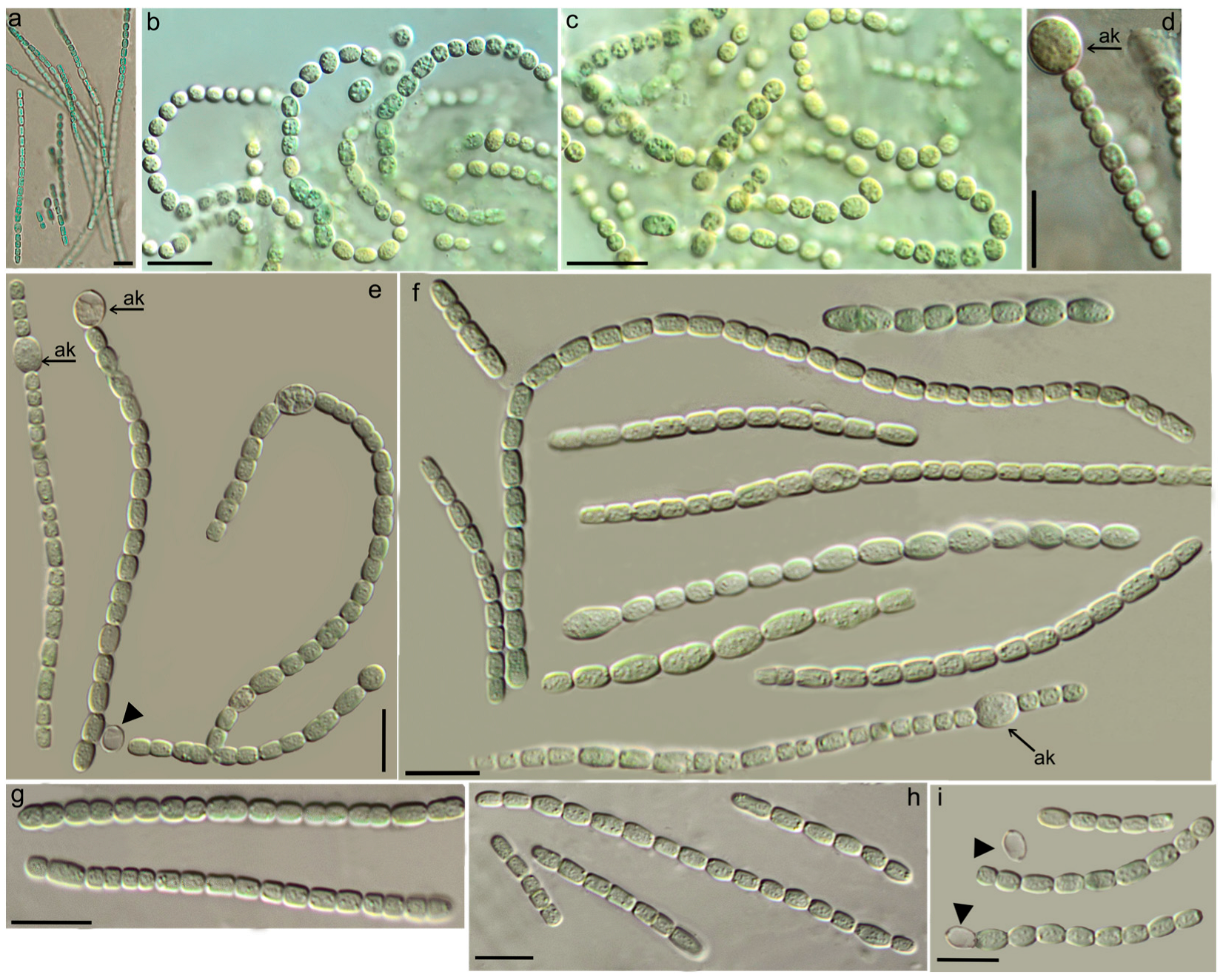
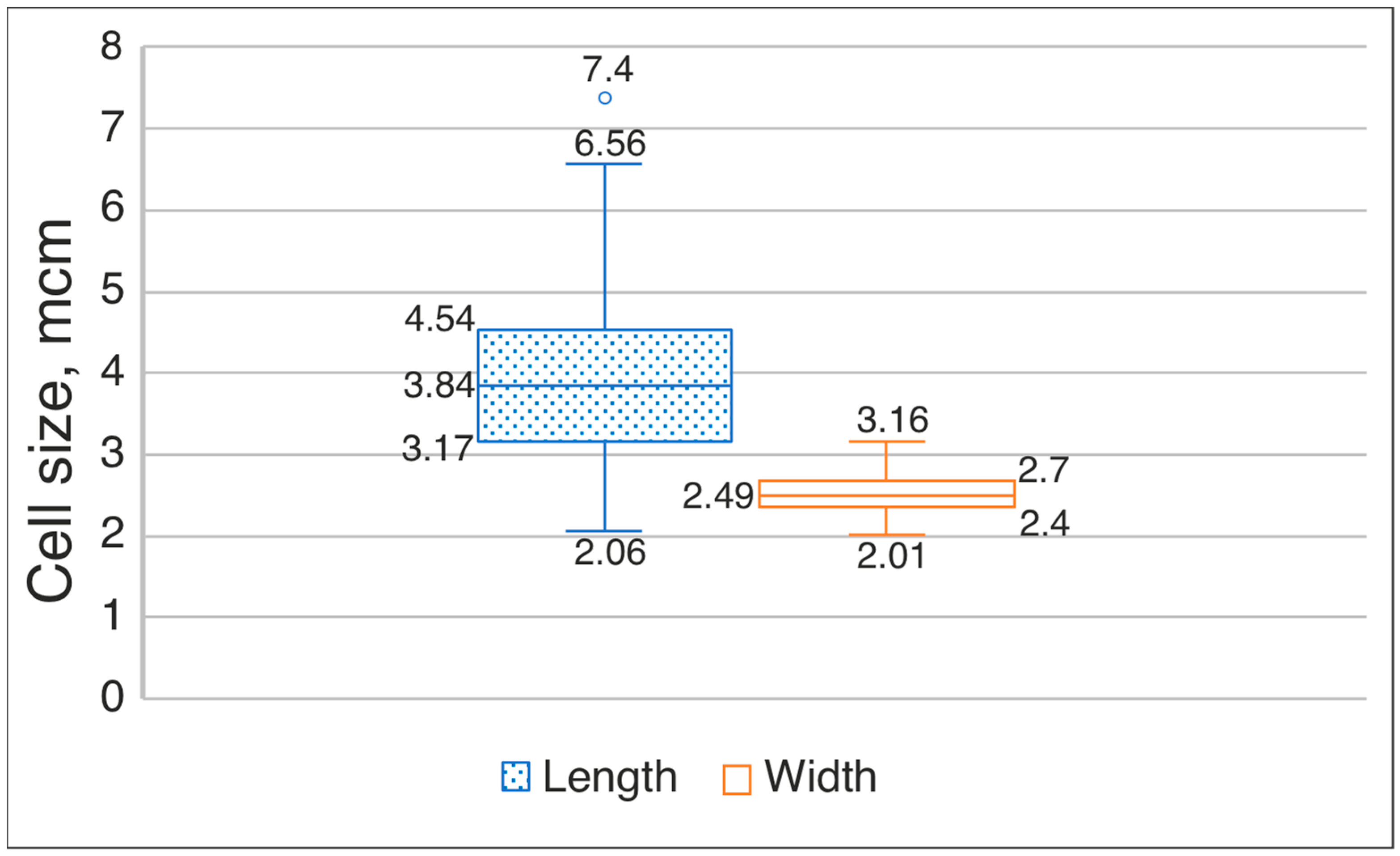
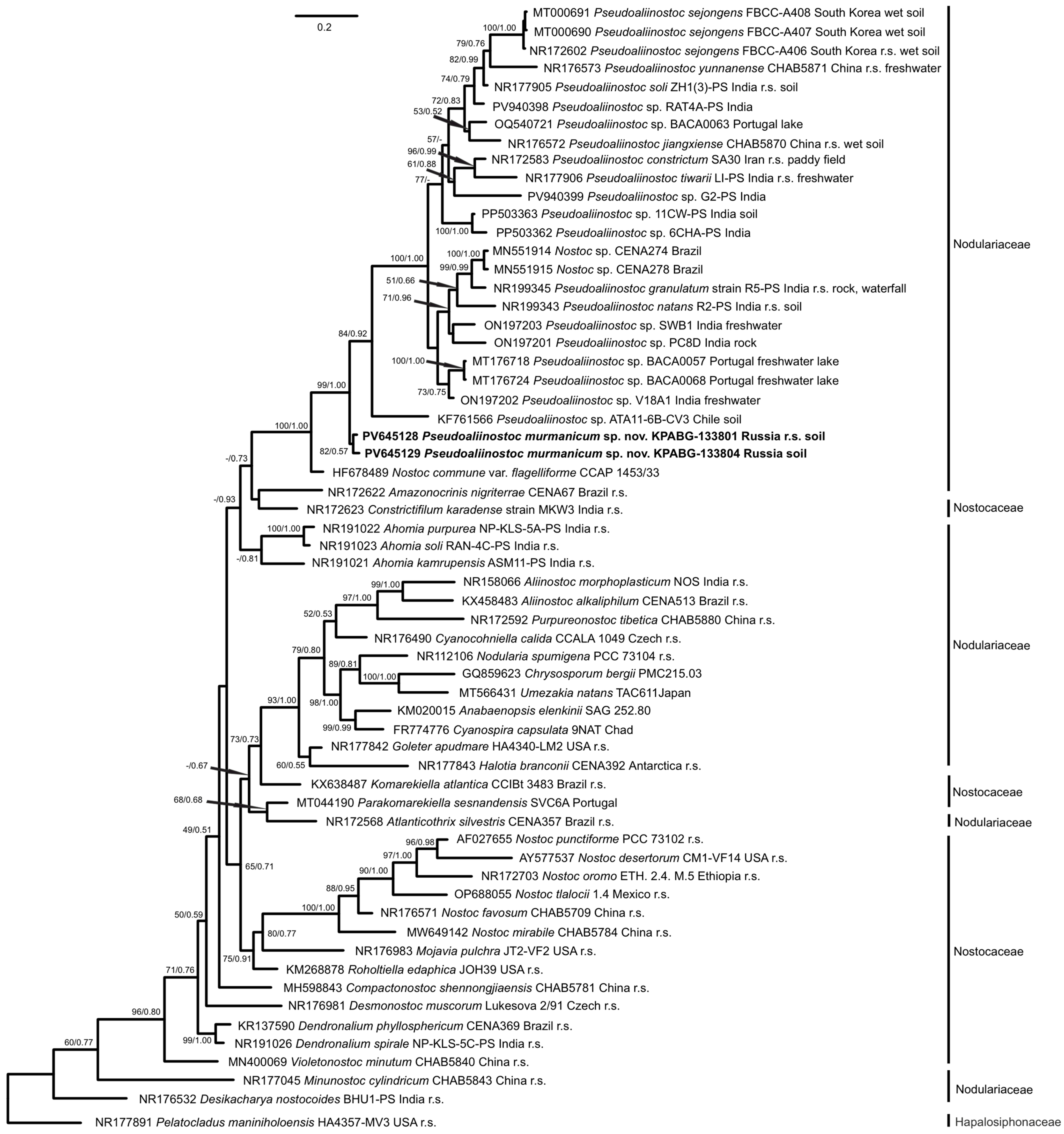
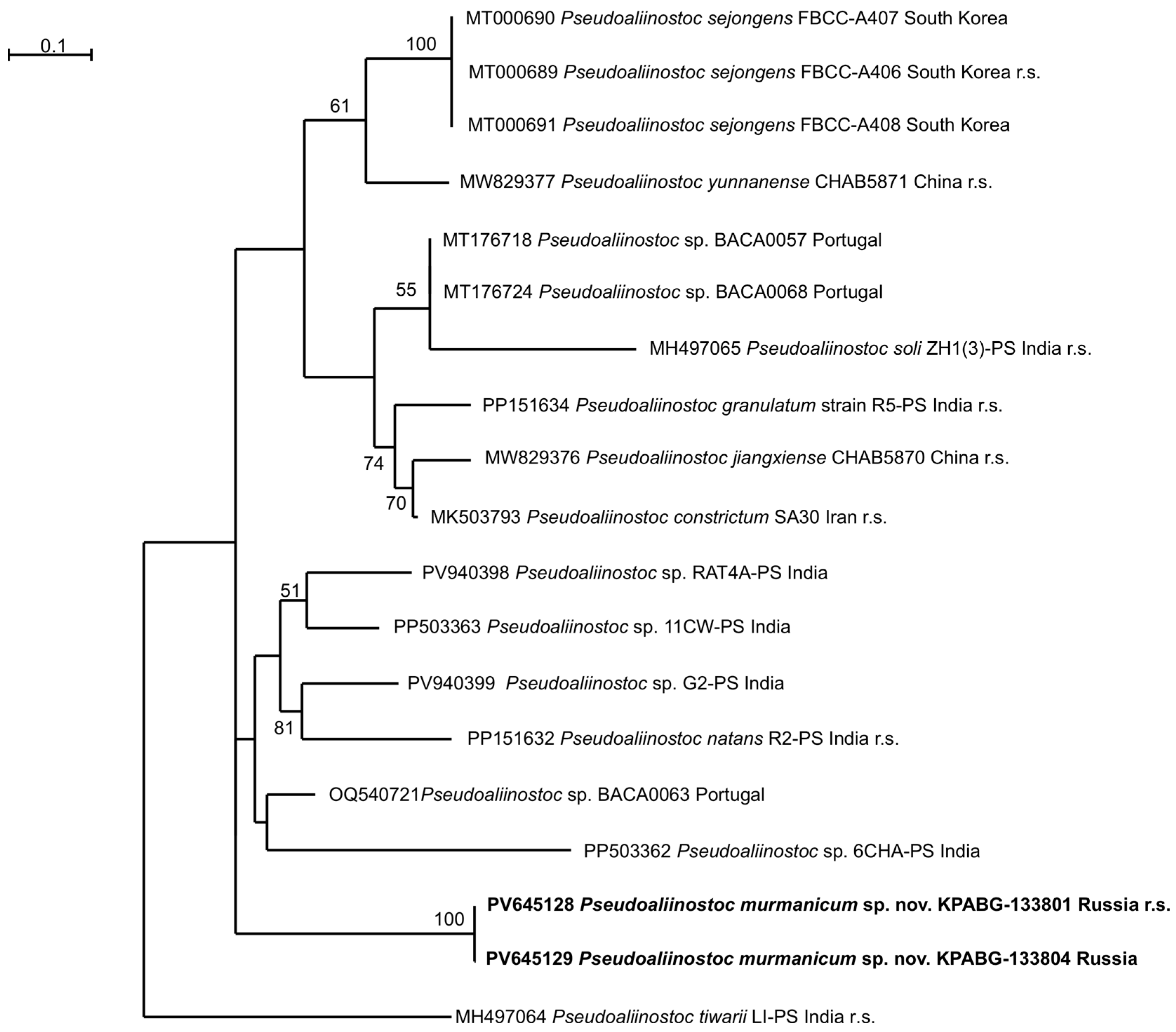
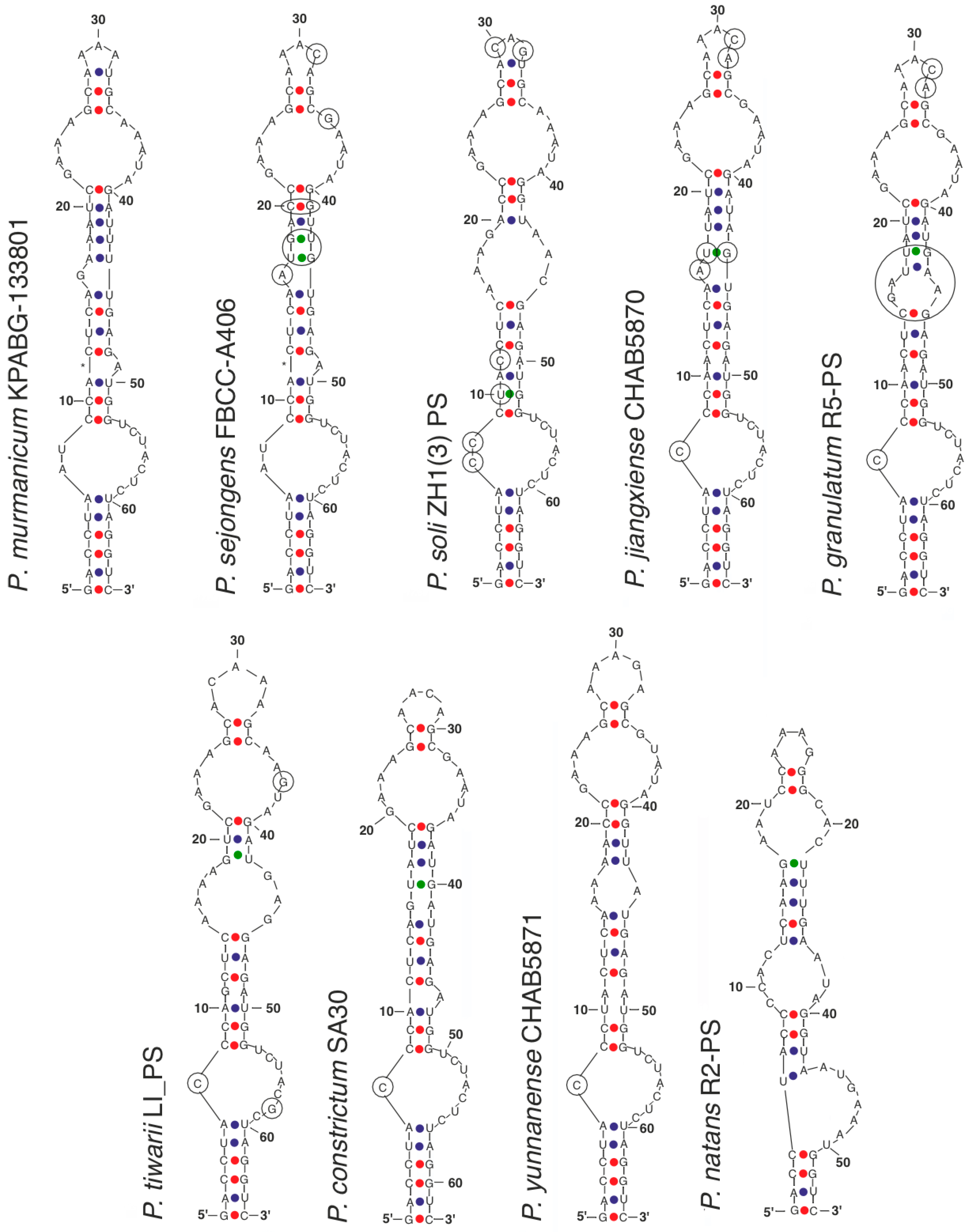
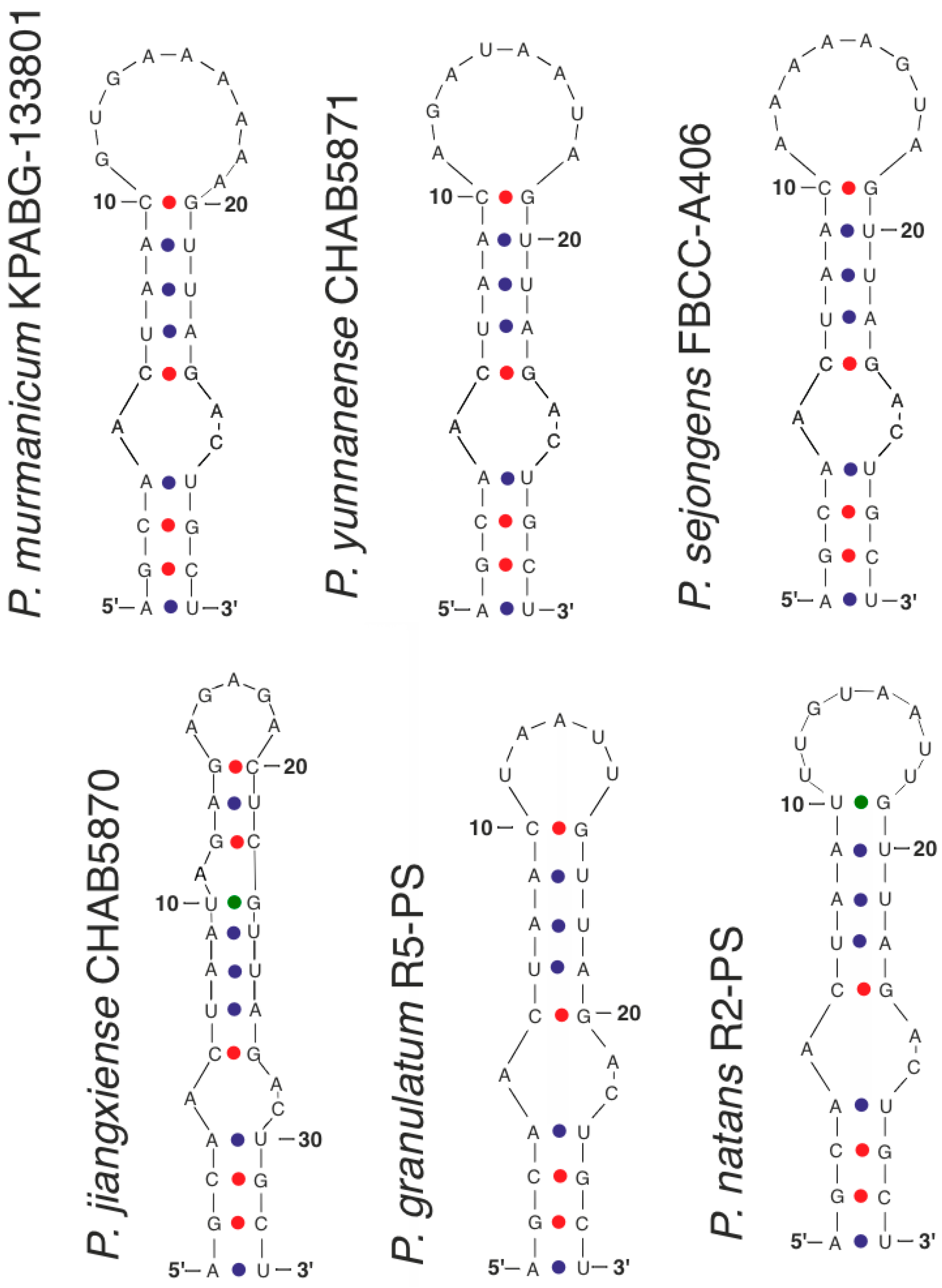
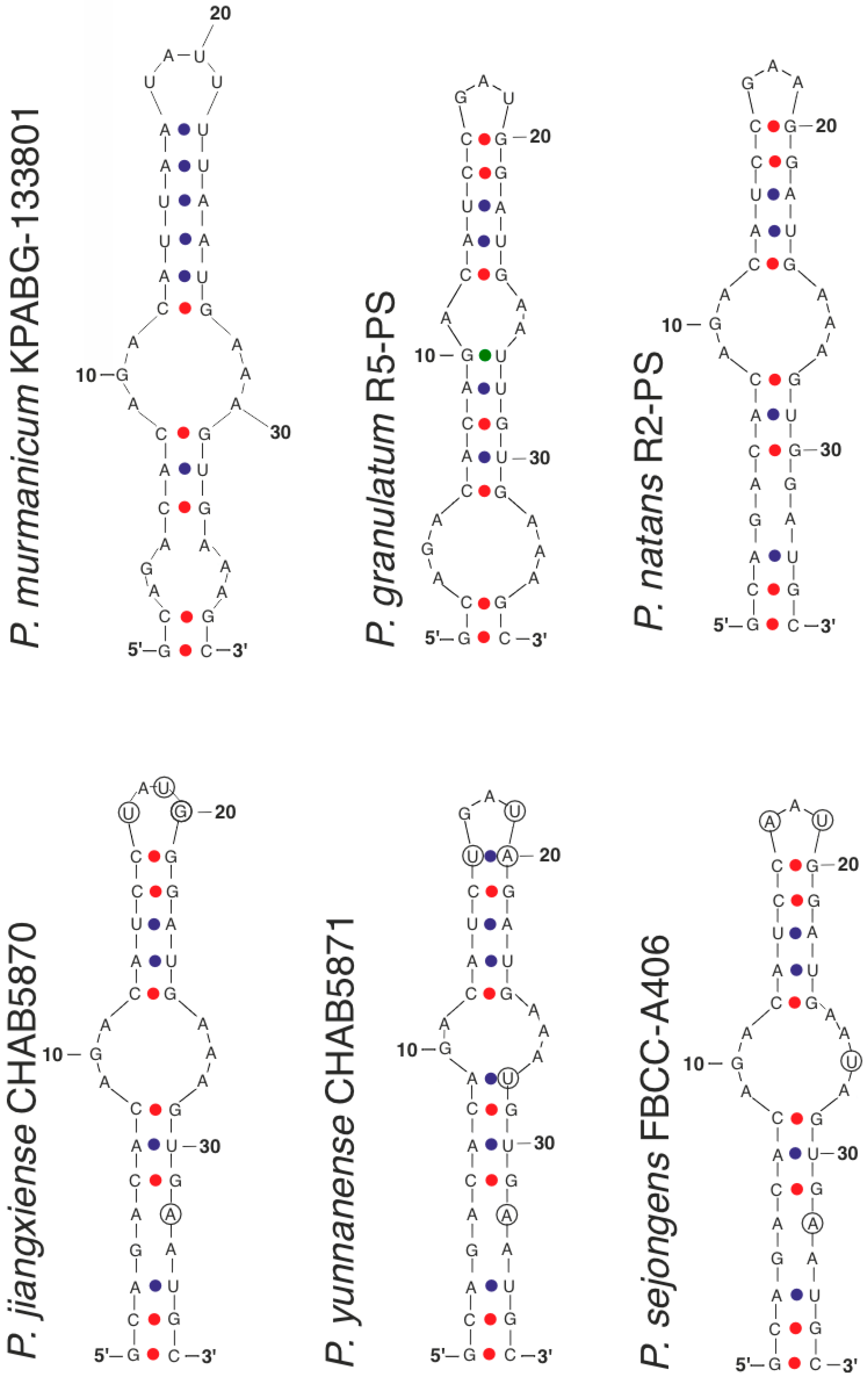
During a study of cyanobacterial colonization on coal ash dumps at the Apatity Thermal Power Plant (Murmansk Region, NW Russia), two strains of Nostoc-like morphotypes were collected, cultivated, and examined using a polyphasic approach. Both strains KPABG–133801 and KPABG–133804 exhibited high similarity in the 16S rRNA gene (99.93%) and identical 16S–23S ITS regions. Phylogenetically, they provided robustly supported affinity to the genus Pseudoaliinostoc, which currently comprises eight species predominantly distributed in Southeast Asia. The similarity of the 16S rRNA gene (95.74–97.25%), the divergence in the 16S–23S ITS rRNA region (18.56–26.28%), and the unique hypothetical secondary structures of conserved helices (D1–D1′, Box–B, V3) strongly suggest that these Arctic strains represent a new species, Pseudoaliinostoc murmanicum, which is described and illustrated in this study. The species forms bright blue-green colonies that gradually turn olive-green with age and is characterized by elongated cells in young trichomes, vegetative cell width of less than 3.2 µm, and the presence of akinetes wider than 3.5 µm.
Keywords: diversity; filamentous cyanobacteria; morphology; molecular phylogeny; polyphasic approach; 16S rRNA gene; 16S–23S ITS rRNA; hypothetical secondary structures diversity; filamentous cyanobacteria; morphology; molecular phylogeny; polyphasic approach; 16S rRNA gene; 16S–23S ITS rRNA; hypothetical secondary structures