


Abstract
As sessile organisms, plants must continuously perceive and integrate external environmental cues with internal developmental signals to optimize growth, reproduction, and survival. Central to this adaptive capacity is the ubiquitin-proteasome system (UPS), the primary pathway for selective protein degradation in eukaryotes. Within the UPS, BTB (Broad-Complex, Tramtrack, and Bric-à-brac) proteins serve as critical substrate adaptors for the Cullin3 (CUL3)-based E3 ubiquitin ligase complex. These proteins play indispensable roles in plant growth, development, hormone signaling, and responses to abiotic stresses. Recent advances have revealed the remarkable functional versatility of BTB proteins, implicating them in the regulation of photomorphogenesis, root architecture, flowering time, stress resilience, and yield-related traits. With 80 BTB-encoding genes in Arabidopsis thaliana and key orthologs identified in major crops—including of rice (Oryza sativa), soybean (Glycine max), and maize (Zea mays)—BTB proteins act as molecular “bridges” that integrate developmental programs with environmental stress signals. This review summarizes the structural features, classification, and multifaceted functions of plant BTB proteins, with an emphasis on their roles in growth regulation, abiotic stress tolerance, light signaling, and agricultural productivity. We further discuss their mechanisms in ubiquitin-dependent proteolysis, transcriptional regulation, and signal integration, offering insights into their potential as targets for engineering climate-resilient crops and advancing sustainable agriculture.
Keywords:
BTB protein; drought stress; heat stress; cold stress; salt stress; light; plant development 1. Introduction
Global climate change has intensified the frequency and severity of abiotic stresses—such as drought, salinity, and extreme temperatures—posing unprecedented challenges to sustainable agriculture [1]. As sessile organisms, plants have evolved sophisticated molecular regulatory networks to sense, integrate, and respond to dynamic environmental fluctuations alongside endogenous developmental cues [2,3,4]. Among these regulatory systems, the ubiquitin-proteasome system (UPS) serves as a central hub for post-translational control, orchestrating the selective degradation of key regulatory proteins to modulate growth and development, hormone signaling, and stress adaptation [5,6].
A pivotal component of the UPS in plants is the Cullin 3 (CUL3)-based E3 ubiquitin ligase complexes, in which BTB (Broad-Complex, Tramtrack, and Bric-à-brac) proteins function as substrate recognition subunits [7,8,9]. Characterized by a conserved ~120-amino-acid BTB/POZ domain, these proteins often harbor additional C- or N-terminal domains—such as MATH, ANK, or TAZ—that confer functional specificity through diverse protein–protein interactions [10,11]. Consequently, BTB proteins occupy central nodes in regulatory networks governing virtually every aspect of plant life.
Recent functional studies have elucidated the pleiotropic roles of BTB proteins throughout the plant life cycle [12,13,14,15]. They precisely regulate photomorphogenesis, root system development, flowering time, and seed maturation by targeting key regulators—such as PIF3—for ubiquitin-mediated degradation [16,17,18,19,20,21]. In stress adaptation, BTB proteins enhance tolerance to drought, salinity, and temperature extremes by modulating abscisic acid (ABA) signaling, reactive oxygen species (ROS) scavenging, and ion homeostasis [22,23,24]. Like other large transcription factor families (e.g., MYB, WRKY), the BTB protein family has undergone extensive expansion and functional diversification across plant lineages [25]. This reflects lineage-specific adaptations [26]. Notably, crop BTB proteins have been linked to agronomic traits such as stress tolerance and yield, with some already explored in breeding programs [27,28,29].
Collectively, these findings position BTB proteins as dynamic integrators—“molecular bridges” that link developmental programs with environmental stress responses. This review provides a systematic overview of the structural architecture, evolutionary classification, and functional diversity of plant BTB proteins. We focus on their mechanistic roles in abiotic stress responses (drought, salinity, heat and cold) and key developmental processes, such as photomorphogenesis, root development, and flowering regulation. Central to this discussion is their role as substrate recognition subunits of the Cullin-RING Ligase 3 (CRL3) complex, illustrating how they integrate environmental signals with hormonal networks via targeted ubiquitination. By synthesizing recent breakthroughs in both model plants and crops, we explore the application potential of BTB proteins as “molecular switches” in future crop breeding for stress resistance and quality improvement. Finally, we outline critical unresolved questions—such as substrate recognition specificity, functional redundancy, and cross-species conservation—to provide a theoretical foundation for breeding climate-smart crops and ensuring global food security.
2. BTBs Proteins in Plants
The BTB (Broad-Complex, Tramtrack, and Bric-à-brac) protein family is ubiquitously distributed across eukaryotes and is defined by the presence of a conserved BTB/POZ domain [30]. In plants, BTB proteins act as pivotal regulators of growth, development, immune defense, and stress responses through their involvement in the ubiquitin-proteasome system (UPS), transcriptional regulation, and signal transduction [31]. The BTB/POZ domain comprises approximately 120 amino acids and adopts a characteristic α/β-fold topology. Structurally, it consists of a cluster of five α-helices (A1–A5) that mediate homodimerization or heterodimerization, a central region of antiparallel β-sheets (B1–B4) that confers structural stability, and an N-terminal extension that interacts with Cullin 3 (CUL3) (Figure 1A). Together, these elements form a unique “bowtie”-shaped conformation that provides the structural basis for substrate recognition and multiprotein complex assembly [10,32,33]. BTB domains typically exist as dimers and serve as scaffolds for higher-order complexes [34].
Figure 1.
Structural characteristics, domain architectures, and phylogenetic analysis of plant BTB proteins. (A) Schematic diagram of the topology of the BTB/POZ domain. The domain typically assumes a characteristic fold consisting of a cluster of α-helices (A1–A5), which drive dimerization, and central β-sheets (B1–B4) that enhance structural stability. Green arrows and pink cylinders indicate β-sheets and α-helices, respectively. (B) Domain architectures of the plant BTB protein family. BTB proteins are classified into distinct subfamilies based on the diverse auxiliary domains (e.g., TAZ, MATH, NPH, ANK, SKP, TPR, and DUF) coupled to the N- or C-terminus of the core BTB domain. Different colors represent distinct auxiliary domains. (C) Phylogenetic tree of BTB proteins from Arabidopsis thaliana and Oryza sativa. The tree was constructed using MEGA11 software based on protein sequences retrieved from the NCBI database. The proteins are clustered into eight major subfamilies (Subfamily I–VIII) according to variations in the N-terminal BTB domain and C-terminal conserved domains, as indicated by the different colored ranges.
Beyond the core domain, plant BTB proteins are flanked by diverse auxiliary domains at their N- or C-termini, giving rise to functionally distinct subfamilies, including BTB-TAZ, MATH-BTB, BTB-NPH, BTB-ANK, BTB-Skp, BTB-DUF, and BTB-TPR [12] (Figure 1B). These auxiliary domains confer distinct functional specificities to the BTB proteins, as summarized in Table 1.
Table 1.
Classification and functions of diverse auxiliary domains in plant BTB proteins.
The plant BTB protein family exhibits not only extensive structural diversity but also striking variation in gene family size across species. Phylogenetic analysis reveals that the Arabidopsis thaliana genome encodes approximately 80 BTB proteins, whereas the monocot Oryza sativa (rice) harbors as many as 149 members [22]. Based on sequence divergence in the N-terminal BTB domain and the identity of C-terminal auxiliary domains, BTB proteins from both species can be broadly classified into eight distinct subfamilies (Figure 1C)—a structural diversity that directly dictates their functional specificity [22]. This pronounced difference in gene number suggests that the BTB gene family underwent extensive gene expansion events during monocot evolution, likely driven by selective pressures associated with developmental complexity and environmental adaptation. Phylogenetic tree reconstruction further reveals that certain BTB proteins from Arabidopsis and rice cluster within shared evolutionary clades, forming orthologous groups that likely originated from a common ancestor and have retained conserved functions. At the same time, rice displays prominent lineage-specific expansion branches, indicating that numerous BTB genes acquired novel or specialized roles following speciation to meet unique physiological and ecological demands.
This evolutionary and structural diversification is reflected in their biological functions. In Arabidopsis, for example, AtBPM proteins (containing MATH and BTB domains) act as substrate adaptors in CRL3 E3 ubiquitin ligase complexes to mediate the degradation of transcription factors involved in photomorphogenesis and hormone signaling [46,47]. By contrast, other BTB proteins function directly as transcriptional regulators, modulating processes such as flowering time and leaf morphogenesis [46,47]. Similarly, rice BTB proteins display high functional versatility, contributing to the regulation of key agronomic traits, including abiotic stress tolerance, drought adaptation, and panicle development [48].
In summary, the plant BTB family has undergone substantial expansion and structural innovation throughout its evolutionary trajectory. The combinatorial diversity of N-terminal BTB domains and C-terminal auxiliary motifs serves as the primary molecular basis for functional differentiation. Whether acting as substrate recognition modules in ubiquitin-mediated proteolysis or directly as transcriptional regulators, BTB proteins are indispensable across nearly all aspects of plant life—from vegetative growth and reproductive development to environmental stress resilience.
3. Functions of BTB Proteins
3.1. Roles in Abiotic Stress Responses
Building upon the extensive structural diversification and evolutionary expansion detailed above, BTB proteins function as the specialized substrate-recruiting modules that confer functional specificity to Cullin-RING Ligase 3 (CRL3) complexes. While Section 2 highlighted their structural architecture, it is their dynamic role within the ubiquitin-proteasome system (UPS) that translates these structural features into precise physiological outputs. Rather than serving merely as static structural bridges between Cullin 3 and substrates, BTB proteins act as dynamic “molecular governors” that orchestrate targeted proteolysis to maintain cellular homeostasis [49,50].
Recent mechanistic advances have revealed that BTB-mediated regulation operates primarily through two sophisticated modes to navigate the intricate balance between plant growth and environmental adaptation [51,52]. First, functioning as rapid signal transducers, BTB proteins modulate the stability of master transcription factors and signaling kinases to swiftly switch gene regulatory networks. Second, they participate in metabolic reconfiguration by targeting key biosynthetic enzymes for degradation, directly altering metabolic fluxes to support survival. This multilayered regulatory capacity positions the BTB family as a central node in the “growth-defense trade-off”, allowing plants to minimize yield penalties while maximizing stress resilience [53].
The following sections will systematically dissect the specific roles of BTB proteins in responding to abiotic challenges (drought, heat, cold, salt) and regulating key developmental transitions.
3.1.1. Role of BTB Proteins in Plant Drought Stress
Drought is a prevalent abiotic stress that induces severe cellular dehydration, reactive oxygen species (ROS) accumulation, and metabolic dysfunction [54]. Furthermore, this stress significantly impairs vegetative growth [55,56,57]. Ultimately, these physiological disruptions cause substantial crop yield losses [58]. To counteract these challenges, plants deploy multifaceted adaptive strategies, including stomatal closure, osmoprotectant accumulation, and the activation of antioxidant and abscisic acid (ABA) signaling systems [59,60,61]. Among the key regulatory components orchestrating these physiological and molecular responses, BTB proteins function as pivotal molecular hubs that directly integrate multiple drought-resistance pathways.
Abscisic acid (ABA) serves as a central phytohormone in drought responses, governing stomatal closure, growth suppression, and the transcriptional activation of drought-responsive genes [62,63]. Accumulating evidence indicates that BTB proteins are integral modulators of ABA signaling. In Arabidopsis thaliana, the AtBTB-A2s proteins act as negative regulators of this pathway by interacting with SnRK2.6 (also known as OST1), a core kinase in ABA signal transduction. This interaction inhibits SnRK2.6 kinase activity, thereby attenuating the expression of downstream drought-responsive genes (e.g., RD29A/B, RAB18, ABI5) and impairing ABA-induced stomatal closure. Consequently, plants exhibit reduced drought tolerance [22]. Elucidating the precise molecular mechanisms by which AtBTB-A2s precisely modulates SnRK2.6 activity under drought conditions remains a critical avenue for future investigation.
BTB proteins actively modulate reactive oxygen species (ROS) homeostasis and secondary metabolism to mitigate drought-induced cellular injury [64]. For example, in apple (Malus domestica), the BTB protein MdBT2 serves as a master repressor that coordinately controls anthocyanin biosynthesis and ROS scavenging [65]. Under non-stress conditions, MdBT2 acts as a substrate adapter for CRL3 complexes to target multiple positive regulators (e.g., MdMYB1, MdMYB9, MdbZIP44, MdERF38, and MdbHLH160) for ubiquitin-mediated degradation. This continuous clearance effectively prevents the unnecessary allocation of metabolic resources to defense responses in the absence of stress [66,67].
Under drought stress, however, ABA signaling is activated and strongly represses MdBT2 expression. The resulting decline in MdBT2 protein levels alleviates repression of its downstream targets, enabling the stabilization and accumulation of transcription factors such as MdbHLH160, MdMYB1, MdMYB9, MdHDZ27, MdbZIP44 and MdERF38. These factors subsequently activate the expression of anthocyanin biosynthetic genes, antioxidant enzyme genes (e.g., MdSOD1 and MdDREB2A-like), and canonical drought-tolerance genes (MdRD29A and MdRD29B). This cascade enhances anthocyanin accumulation and boosts SOD activity, facilitating efficient scavenging of drought-induced ROS and ultimately improving drought tolerance in apple. Through this elegant “derepression” mechanism, MdBT2 functionally couples ABA signaling with the antioxidant defense system [68,69]. Moreover, MdBT2 further fine-tunes drought responses by mediating the ubiquitination and degradation of the transcription factor MdNAC143, a positive regulator of drought-adaptive pathways. By suppressing MdNAC143 activity, MdBT2 adds another layer of negative regulation to the plant’s drought response network [69,70,71,72].
Importantly, the role of BTB proteins in drought tolerance extends beyond ABA and ROS signaling. In sweet potato (Ipomoea batatas), overexpression of the IbBT4 activates multiple genes involved in brassinosteroid (BR) signaling, proline biosynthesis (e.g., P5CS and P5CR), and ROS detoxification (e.g., SOD, GPX, APX, and CAT). Transgenic Arabidopsis lines expressing IbBT4 exhibit markedly enhanced drought tolerance, underscoring the capacity of BTB proteins to serve as integrative nodes that coordinate crosstalk among distinct hormonal and metabolic stress-response pathways [73,74]. Similarly, transcriptomic analyses in soybean (Glycine max) have revealed significant upregulation of multiple GmBTB genes under drought stress, suggesting their functional relevance in crop drought resilience [27].
While modulating stomatal dynamics and drought-responsive gene expression provides a critical defense against water deficit (Figure 2), extreme temperature fluctuations present another formidable challenge wherein BTB proteins similarly orchestrate complex protective mechanisms.
Figure 2.
Proposed working model of BTB proteins regulating drought tolerance in plants. AtBTB-A2s negatively regulate tolerance by inhibiting the kinase SnRK2.6, thereby blocking stomatal closure and drought-responsive gene expression (RD29A/B, RAB18, ABI5). Drought-induced ABA represses MdBT2 expression. This stabilizes downstream transcription factors (e.g., MdbHLH160, MdMYB1, MdMYB9, MdHDZ27, MdbZIP44, MdERF38, MdNAC143), which subsequently activate antioxidant (MdSOD1, MdDREB2A-like) and dehydration-responsive (MdRD29A/B) genes to scavenge ROS. IbBT4 enhances tolerance by activating BR signaling, promoting proline biosynthesis (via P5CS/P5CR) and antioxidant enzyme activities. Solid lines indicate positive regulation or metabolic flows; T-bars indicate negative regulation or inhibition; dotted lines indicate indirect or potential regulation. This schematic represents a proposed working model synthesized from established literature. This figure was drawn using Microsoft PowerPoint.
3.1.2. Role of BTB Proteins in Plant Heat Stress
Driven by global climate change, heat stress severely threatens plant growth and crop yields by inducing protein misfolding and ROS bursts [75,76,77,78]. In addition, elevated temperatures severely impair photosynthetic capacity by inhibiting Rubisco and reducing carbon assimilation [79]. Furthermore, heat destabilizes the thylakoid membrane system to compromise Photosystem II function [80]. Consequently, this environmental constraint causes reproductive failure [81]. To survive elevated temperatures, plants activate multi-layered defense networks centered on maintaining protein homeostasis (proteostasis), primarily through the induction of Heat Shock Proteins (HSPs) and stress-responsive transcriptional cascades [82,83].
Within this framework, BTB proteins, particularly members of the MATH-BTB subfamily (also known as BPM proteins), serve as dynamic and pivotal regulators of thermotolerance. A central mechanism underlying their function as substrate adapters for CRL3 E3 ubiquitin ligases (CRL3) complexes, through which they precisely govern the stability of key transcription factors involved in heat responses. The most well-characterized example is the regulation of DREB2A, a master transcriptional activator of heat shock genes and a positive regulator of thermotolerance. While DREB2A is essential for activating downstream heat-responsive genes, its constitutive overexpression severely compromises plant growth. To balance defense and development, plants employ a sophisticated feedback loop: under non-stress conditions, BPM proteins continuously target DREB2A for ubiquitin-mediated degradation, maintaining its protein abundance at a low level. Upon heat stress, DREB2A transcription is rapidly induced, yet BPM-mediated degradation persists concurrently. This dynamic equilibrium ensures timely activation of thermoprotective genes while preventing the fitness costs associated with an excessive or prolonged DREB2A activity [20,84,85].
Intriguingly, BPM proteins also play intricate roles in acquired thermotolerance and thermomemory—the phenomenon whereby a prior mild heat exposure (“priming”) enhances tolerance to subsequent, more severe stress. Transcriptomic analyses showed that while the classic heat-responsive genes (DREB2A, HSFA3, HSP70, and HSP90) are strongly induced after acute heat treatment, the expression of HSFA2—a key regulator of thermomemory—and the activation of the retrotransposon ONSEN require prior heat priming. Notably, Arabidopsis lines overexpressing BPM1 exhibit suppressed induction of HSFA2 and ONSEN under standard stress. Paradoxically, after heat priming, these same lines exhibit enhanced thermotolerance, accompanied by elevated levels of HSP90 and DREB2A proteins and reduced ROS accumulation. These observations reveal that BPM proteins are not merely negative regulators but function as plastic, context-dependent nodes whose roles shift between the initial stress response and the establishment of acquired tolerance [85].
This regulatory logic further extends to the integration of temperature cues with developmental timing. For instance, under elevated temperatures, the BTB domain-containing protein LFH1 (Late Flowering at High temperature 1) interacts with the floral repressor SVP (SHORT VEGETATIVE PHASE). LFH1 assembles with CUL3A and the E2 conjugating enzyme UBC15 to form the CRL3^LFH1 E3 ligase complex, which promotes the ubiquitination and degradation of SVP. This relieves repression of flowering, thereby accelerating the reproductive transition—a strategic adaptation to avoid heat-induced reproductive failure [68,69,70,71,72,73,74,75,76,77,78,79,80,81,82,83,84,85,86].
Beyond their canonical role in ubiquitin-mediated proteolysis, certain BTB proteins have evolved non-canonical functions that operate independently of protein degradation. A striking example is NPR1 (Nonexpressor of Pathogenesis-Related genes 1) in Arabidopsis. Although best known as a master regulator of the salicylic acid (SA)-mediated immunity, NPR1 also functions as a redox-regulated molecular chaperone under heat stress. In its oligomeric form, NPR1 directly binds to heat-denatured proteins, preventing their irreversible aggregation and thereby preserving proteostasis. This chaperone activity—modulated by the cellular redox environment—highlights the remarkable functional versatility of the BTB protein family [87,88].
In summary, BTB proteins occupy a central position in plant thermotolerance through two complementary mechanisms.
First, the canonical CRL3-mediated pathway, which dynamically controls the abundance of key regulators like DREB2A and SVP, acting as a “molecular governor” to fine-tune the amplitude and duration of heat responses;
Second, the non-canonical molecular chaperone function, exemplified by NPR1, which directly stabilizes denatured proteins and safeguards cellular integrity.
These dual roles underscore the importance of BTB proteins not only in acute stress mitigation but also in long-term adaptive strategies such as thermomemory and developmental plasticity. As such, they present high-value targets for molecular breeding aimed at developing climate-resilient crops. Future research should focus on dissecting the intricate regulatory networks governing BTB-mediated thermomemory and their crosstalk with other abiotic and biotic stress pathways—efforts that will be critical for ensuring global food security in an era of rising temperatures.
3.1.3. Role of BTB Proteins in Plant Cold Stress
Low-temperature stress broadly encompasses both chilling and freezing conditions [89]. This environmental constraint restricts plant geographical distribution by causing membrane rigidification and oxidative damage [90]. Ultimately, these cellular injuries lead to significant reproductive impairment and yield losses [91,92,93,94].
To adapt, plants have evolved sophisticated cold acclimation mechanisms, predominantly centered on the C-repeat Binding Factor (CBF) signaling pathway, which activates cold-regulated (COR) genes to enhance freezing tolerance [95]. Serving as critical adapter factors for CRL3 E3 ubiquitin ligase complexes, BTB proteins play pivotal roles in fine-tuning these cold responses through targeted ubiquitination, as well as transcriptional and epigenetic regulation [96].
In Arabidopsis thaliana, BTB proteins are integral to the perception of prolonged low-temperature signals, such as those experienced during vernalization, and their integration with plant developmental transition—particularly flowering. Specifically, the BTB proteins LRB1 (LIGHT-RESPONSE BTB1) and LRB2 form a CRL3 complex with CUL3A to mediate the degradation of FRIGIDA (FRI), a key activator of the floral repressor FLOWERING LOCUS C (FLC). Clearance of FRI during vernalization is essential for the epigenetic silencing of FLC, thereby enabling plants to flower in spring after overwintering. Intriguingly, the cold-induced transcription factor WRKY34 upregulates CUL3A expression, further accelerating FRI degradation and promoting timely flowering. This mechanism exemplifies how BTB proteins transduce persistent environmental cues (prolonged cold) into stable epigenetic memory and developmental reprogramming [97].
Beyond modulating prolonged cold responses, the predominant function of BTB proteins in acute cold stress is to act as negative regulators that prevent the excessive or untimely activation of the C-repeat Binding Factor (CBF) pathway. This regulatory logic is highly conserved across various crop species. In tomato (Solanum lycopersicum), cold stress induces the expression of the SlBTB19, which specifically interacts with the transcription factor SlWRKY2 and targets it for ubiquitin-mediated degradation. Since SlWRKY2 directly binds to the promoters of CBF1 and CBF3 to activate their transcription, its degradation results in suppression of the CBF signaling cascade. Consequently, SlBTB19-overexpressing plants exhibit hypersensitivity to cold, whereas slbtb19 knockout mutants display enhanced cold tolerance, establishing SlBTB19 as a molecular “brake” on the CBF pathway [98].
Similarly, in apple (Malus domestica), the MdBT2 protein negatively modulates cold tolerance by recognizing and promoting the degradation of the R2R3-MYB transcription factor MdMYB23. This, in turn, indirectly represses the expression of downstream MdCBF1 and MdCBF2 genes. Notably, MdMYB23 also regulates proanthocyanidin biosynthesis, suggesting that MdBT2 coordinates both stress adaptation and secondary metabolism under cold conditions [72].
Additionally, transcriptomic studies in economically important crops such as pepper (Capsicum annuum), cucumber (Cucumis sativus), and potato (Solanum tuberosum) have shown that numerous BTB genes are significantly upregulated under cold stress, implying conserved roles in cold resistance networks. For instance, CaBPM4 in pepper has been implicated in enhancing cold tolerance, potentially by boosting peroxidase (POD) activity and reducing malondialdehyde (MDA) accumulation [99,100,101].
Just as BTB proteins elegantly fine-tune the balance between cold stress resilience and developmental progression (Figure 3), they employ an equally sophisticated regulatory logic to perceive and counteract severe ionic and osmotic imbalances.
Figure 3.
BTB proteins function as central regulators in plant responses to temperature stress. (A) Heat Stress: In Arabidopsis, BPM1 targets the transcriptional activator DREB2A for degradation to prevent growth retardation associated with its constitutive accumulation. Under heat stress, this degradation persists despite the transcriptional induction of DREB2A, establishing a dynamic equilibrium. Although heat-responsive genes (HSFA3, HSP70/90) are strongly induced after heat treatment, BPM1 overexpression suppresses the induction of HSFA2 and ONSEN. LFH1 promotes early flowering by degrading the repressor SVP. Additionally, NPR1 oligomers act as molecular chaperones to prevent protein aggregation. (B) Cold Stress: (1) Flowering: Cold-induced WRKY34 activates the CRL3-LRB1/2 complex to degrade FRIGIDA (FRI), leading to the silencing of FLC to promote vernalization. (2) CBF Pathway: SlBTB19 (tomato) and MdBT2 (apple) negatively regulate cold tolerance by degrading the positive regulators SlWRKY2 and MdMYB23, respectively, thereby attenuating downstream CBF expression. (3) Physiology: CaBPM4 (pepper) enhances cold tolerance by reducing MDA levels and increasing POD activity. Solid lines indicate direct regulation; dashed lines represent indirect associations or physiological outcomes; T-bars indicate inhibition; U denotes ubiquitination. This schematic represents a proposed working model synthesized from established literature. This figure was drawn using Microsoft PowerPoint.
3.1.4. Role of BTB Proteins in Plant Salt Stress
Driven by excessive sodium (Na+) and chloride (Cl−) accumulation, soil salinization imposes a dual challenge of osmotic and ionic stress that disrupts the homeostasis of essential ions like calcium (Ca2+) and potassium (K+) [102,103]. Moreover, this severe ionic imbalance triggers ROS-induced programmed cell death [104,105]. As a result, excessive salinity severely inhibits critical developmental processes across major crops [106,107,108,109]. To mitigate these detrimental impacts, plants deploy multifaceted adaptive strategies, including the regulation of Na+/K+ balance, antioxidant activation, and robust salt-responsive signaling cascades [110].
Within this complex response network, BTB proteins, acting as substrate-recognition subunits of the Cullin3 (CUL3)-based E3 ubiquitin ligase (CRL3) complex, serve as central executors and modulators of salt tolerance. Their roles span both positive activation and negative feedback, enabling precise control over the amplitude, duration, and specificity of salt stress responses. A subset of BTB proteins functions as positive regulators that directly activate defense signaling under saline conditions. A paradigmatic example is AtSIBP1 (Arabidopsis thaliana stress-induced BTB protein 1), whose expression is strongly induced by both salt stress and abscisic acid (ABA). Loss-of-function sibp1 mutants exhibit hypersensitivity to salt, marked by excessive ROS accumulation and reduced survival, whereas AtSIBP1-overexpression confers enhanced salt tolerance. Mechanistically, AtSIBP1 orchestrates a broad transcriptional reprogramming that upregulates genes involved in osmoprotection (RD29A), membrane stabilization (COR15A), and ROS scavenging (APX2) [23].
Similarly, in rice, the OsBTBZ1 gene is preferentially upregulated in salt-tolerant cultivars under saline conditions. Heterologous expression of OsBTBZ1 in Arabidopsis significantly enhances the tolerance to both salt and ABA, while mutation of its Arabidopsis homolog, Atbt3, results in salt hypersensitivity. These findings suggest that OsBTBZ1 likely promotes salt tolerance through an ABA-dependent signaling pathway, reinforcing the conserved role of BTB proteins as positive effectors in stress adaptation [111].
In contrast, another class of BTB proteins acts as “molecular brakes”, tempering stress responses to avoid the fitness costs of chronic defense activation. In rice, this regulatory logic is exemplified by the OsWRKY42–OsCUL1–OsMBTB32 module. Under salt stress, OsMBTB32 suppresses root and shoot growth. However, the transcription factor OsWRKY42 is simultaneously activated and induces OsCUL1 expression. The resulting OsCUL1 protein then interacts with OsMBTB32, effectively neutralizing its inhibitory function. This multi-layered cascade enables fine-tuned modulation of growth-defense trade-offs during salt stress [28].
Strategically exploring this degradation-based regulation offers promising avenues for crop improvement. BPM proteins, a well-characterized MATH-BTB subfamily, recognize specific degron motifs (e.g., PEST and SPOP motifs) in stress-related transcription factors (e.g., HB, MYB, MYC, AP2/ERF), and target them for CRL3-mediated proteolysis. Remarkably, transient expression of a synthetic PEST motif-containing peptide in rapeseed (Brassica napus cv. Westar) competitively saturated BPM substrate-binding sites, thereby stabilizing endogenous transcription factors normally degraded by BPM. This intervention not only enhanced salt tolerance but also increased oil yield, demonstrating the biotechnological potential of modulating BTB-mediated proteostasis for simultaneous stress resilience and agronomic performance [112].
Further underscoring the functional versatility of the BTB family, NPR1 (Nonexpressor of Pathogenesis-Related Genes 1) exemplifies a protein that integrates biotic and abiotic stress responses through spatiotemporally dynamic roles. Containing the BTB-ANK domain, NPR1 homologs are conserved from Arabidopsis to maize (Zea mays) and function as pivotal signaling hubs [34]. During early salt stress, NPR1 is synthesized de novo and translocates into the chloroplast stroma, where it acts as a molecular chaperone and redox sensor, safeguarding the proteostasis of photosynthesis machinery. As ROS levels rise, the oxidative environment triggers NPR’s conformational shift: it depolymerizes into monomers and translocates to the nucleus. There, it resumes its canonical role as a transcriptional co-activator, partnering with TGA transcription factors to induce expression of salt tolerance genes, such as TGA1/2, PR1/2/5, RbcS, CABs and SOD. By shuttling between organelles in response to cellular redox status, NPR1 directly couples physiological state to transcriptional output, achieving seamless integration of protection and regulation [113,114].
Genome-wide analyses further support the broad involvement of BTB proteins in salt adaptation. In potato (Solanum tuberosum), 34 StBTB genes have been identified, with multiple members implicated in salt stress responses. These findings provide a valuable genetic foundation for the molecular breeding of salt-tolerant potato varieties [101].
Although the aforementioned mechanisms highlight the indispensability of BTB proteins in mitigating diverse abiotic constraints such as soil salinization (Figure 4), their regulatory versatility extends equally to the perception and transduction of vital environmental cues like light.
Figure 4.
BTB proteins orchestrate the plant response to salt stress through diverse regulatory modules. Positive regulation by OsBTBZ1 and AtSIBP1: Under salt stress, OsBTBZ1 is upregulated to promote salt tolerance. Similarly, AtSIBP1, induced by salt and ABA, activates the expression of stress-responsive genes (e.g., RD29A, COR15A) and the antioxidant enzyme gene APX2. The latter helps scavenge reactive oxygen species (ROS), thereby alleviating oxidative damage. Spatiotemporal regulation by NPR1: NPR1 acts as a dual-regulator responding to ROS accumulation. Upon stress perception, NPR1 translocates to the chloroplast to maintain protein homeostasis. It also moves into the nucleus to function as a transcriptional co-activator, driving the expression of defense-related genes (TGA1/2, PR1/2/5), photosynthesis-related genes (RbcS, CABs), and the antioxidant gene SOD. Negative regulation and fine-tuning: (1) The OsWRKY42–OsCUL1–OsMBTB32 module in rice: The transcription factor OsWRKY42 activates OsCUL1 expression; the resulting ubiquitin ligase component subsequently degrades the repressor protein OsMBTB32. Since OsMBTB32 negatively regulates plant growth and tolerance, its degradation releases this inhibition. (2) The BPM–CUL3 complex: BPM proteins function as substrate adaptors that mediate the ubiquitin-dependent degradation of key transcription factors (MYB/MYC, HB, AP2/ERF), thereby fine-tuning the salt stress response. Arrows indicate promotion or activation; red lines with flat heads indicate inhibition; U denotes ubiquitination. This schematic represents a proposed working model synthesized from established literature. This figure was drawn using Microsoft PowerPoint.
3.2. Role of BTB Proteins in Plant Light Signal Transduction
Light represents the most critical environmental cue governing the plant life cycle, enabling plants to sense and respond to dynamic changes in their surroundings and to precisely regulate growth and development [115]. Beyond serving as the energy source for photosynthesis, light acts as an informational signal that orchestrates a wide array of processes—including photomorphogenesis, photoperiodic responses, flowering time, and adaptation to variations in light quality (e.g., red, blue, and UV-B) and intensity [116,117]. These responses are mediated by a sophisticated network of photoreceptors that transduce specific light signals into developmental and physiological outputs. For instance, the molecular basis of photoperiod-regulated flowering is well established, with the CONSTANS (CO)–FLOWERING LOCUS T (FT) module serving as a central regulatory hub that promotes floral transition under inductive day lengths [118].
As core substrate-recognition subunits of Cullin3 (CUL3)-based E3 ubiquitin ligase (CRL3) complexes, BTB proteins play multilayered and pivotal roles in plant light signal transduction. By selectively mediating the ubiquitination and degradation of key components within light signaling pathways, they ensure the precision, timing, and amplitude of plant responses to light cues [18,45,119,120].
At the apex of the light signaling hierarchy, BTB proteins directly modulate the activity and stability of the photoreceptors themselves, constituting a fundamental regulatory mode. In blue light signaling, members of the BTB-NPH3/RPT2-like (NRL) family—such as NPH3 (NONPHOTOTROPIC HYPOCOTYL 3) and RPT2 (ROOT PHOTOTROPISM 2)—function as direct interactors of the blue light receptors phototropins (Phot1/Phot2). They regulate diverse physiological outputs, including phototropism, stomatal opening, leaf flattening, chloroplast movement, and auxin transport patterns [14,15,119,121]. Notably, this regulation operates as a light intensity-dependent “dual-mode switch”. Under low-intensity blue light, the CRL3NPH3 complex mediates the mono- or multi-ubiquitination of Phot1. Rather than triggering degradation, this modification acts as an activation signal that promotes clathrin-mediated endocytosis of Phot1 from the plasma membrane to the cytoplasm, thereby initiating downstream phototropic signaling. In contrast, under high-intensity blue light, the complex induces poly-ubiquitination, targeting PHOT1 for 26S proteasome-mediated degradation. This serves as a negative feedback mechanism that attenuates signaling under excessive irradiance, effectively “desensitizing” or “resetting” the system to prevent overactivation [119].
Beyond blue light perception, BTB proteins also critically regulate red/far-red light signaling. The LIGHT-RESPONSE BTB1/2 (LRB1/2) proteins act as substrate adapters for the CRL3LRB complex and specifically recognize phytochrome B (phyB) and phyD, targeting them for ubiquitin-dependent degradation. Through this mechanism, LRB proteins negatively regulate virtually all phyB-mediated processes, including seed germination, shade avoidance, and flowering time. Recent studies have further elucidated a critical role for LRB-mediated phyB degradation in maintaining signaling homeostasis: under continuous red light, the absence of LRB activity leads to the overaccumulation of phyB, which in turn induces intron retention in PIF3 (PHYTOCHROME-INTERACTING FACTOR 3) mRNA, thereby inhibiting PIF3 protein translation. Consequently, LRB proteins not only directly limit photoreceptor abundance but also indirectly safeguard the translational homeostasis of key transcription factors within the light signaling pathway by preventing the overactivation of phyB [16,17,18].
Moreover, emerging evidence indicates that LRBs specifically recognize and interact with photoexcited and phosphorylated CRY2 to mediate its ubiquitin-dependent degradation. Through this mechanism, LRBs negatively regulate CRY2 protein abundance to prevent excessive blue light signaling, thereby modulating photomorphogenesis. This underscores their role as integrative nodes that bridge distinct photoreceptor pathways [122].
In addition to regulating photoreceptors, BTB proteins exert multi-tiered fine-tuning of light responses by governing the stability of downstream signaling components and transcription factors. A compelling example comes from apple (Malus domestica), where MdBT2 acts as a “molecular switch” for light signaling. Under low light conditions, highly expressed MdBT2 functions as a substrate adapter for the E3 ubiquitin ligase complex to mediate the ubiquitin-dependent degradation of the positive transcription factor MdTCP46. This process attenuates MdTCP46-mediated activation of the core transcription factor MdMYB1, thereby repressing the expression of anthocyanin biosynthetic genes. Conversely, high light signaling significantly suppresses MdBT2 transcription and promotes its protein degradation. This relieves the repression on MdTCP46, allowing it to accumulate and synergize with MdMYB1 to efficiently activate anthocyanin biosynthesis, conferring photoprotection under high irradiance [123].
Furthermore, MdBT2 physically interacts with another central E3 ligase, COP1 (CONSTITUTIVELY PHOTOMORPHOGENIC 1), and stabilizes it by inhibiting its auto-ubiquitination. In Arabidopsis, COP1 promotes the degradation of key positive regulators of photomorphogenesis and anthocyanin accumulation, such as HY5 and PAP1/2 [124,125]. In apple, stabilized COP1 more efficiently targets MdMYB1 for degradation, thereby repressing anthocyanin synthesis. Given the strong link between anthocyanin production and photoperiodic cues, this regulatory axis provides a mechanistic foundation for light-controlled pigment accumulation. Within this network, MdBT2 functions not only as a passive adapter but as an active “regulator of regulators”, exemplifying the layered complexity of ubiquitin-mediated control in light signaling [126].
Importantly, BTB proteins are themselves direct targets of light regulation, forming dynamic feedback loops that enhance signaling plasticity [14,18,45,119]. The promoters of numerous BTB genes are enriched in light-responsive elements (LREs), such as the G-box motif, enabling their transcription to be rapidly and reversibly modulated by changes in light quality and intensity. This allows plants to dynamically adjust the intracellular abundance of BTB proteins in accordance with ambient light conditions, thereby more precisely calibrating the overall sensitivity and output of the light signaling network [15,16,17,18,19,20,21,22,23,24,25,26,27,28,29,30,31,32,33,34,35,36,37,38,39,40,41,42,43,44,45,46,47,48,49,50,51,52,53,54,55,56,57,58,59,60,61,62,63,64,65,66,67,68,69,70,71,72,73,74,75,76,77,78,79,80,81,82,83,84,85,86,87,88,89,90,91,92,93,94,95,96,97,98,99,100,101,102,103,104,105,106,107,108,109,110,111,112,113,114,115,116,117,118,119,120,121,122,123,124,125,126,127].
Beyond empowering plants with the flexibility to mount appropriate physiological responses to fluctuating light environments (Figure 5), this multi-layered regulatory capacity enables BTB proteins to act as core decision-makers throughout the entire plant developmental continuum.
Figure 5.
Multilayered regulatory network of BTB proteins in plant light signal transduction. The CRL3-NPH3 complex acts as a dual-mode switch for the blue light receptor Phot1. Under low-intensity blue light (BL), NPH3 mediates the mono/multi-ubiquitination of Phot1, promoting its endocytosis and subsequent phototropic growth. Conversely, under high-intensity BL, NPH3 induces Phot1 poly-ubiquitination and degradation via the 26S proteasome to desensitize the signal. LRB1/2 proteins function as feedback attenuators. They form CRL3 complexes to mediate the ubiquitin-dependent degradation of red light receptors (PhyB/D) and the blue light receptor (CRY2), often in coordination with the signaling hub PIF3, thereby regulating photomorphogenesis. MdBT2 negatively regulates anthocyanin biosynthesis under varying light conditions through two distinct mechanisms: (1) degrading the positive transcription factor MdTCP46, which reduces MdMYB1 expression; and (2) stabilizing the E3 ligase MdCOP1 by inhibiting its auto-ubiquitination. Stabilized MdCOP1 subsequently targets the key activator MdMYB1 (and likely HY5/PAP1/2) for degradation, repressing anthocyanin accumulation. Solid lines indicate direct regulation or conversion; dotted lines represent biological responses or indirect associations; U denotes ubiquitination. This schematic represents a proposed working model synthesized from established literature. This figure was drawn using Microsoft PowerPoint.
3.3. Role of BTB Proteins in Plant Development
The plant life cycle represents a continuous and precisely orchestrated continuum spanning from vegetative growth to reproductive development, governed by an intricate interplay of hormonal signals, photoperiodic cues, and environmental stimuli. As core substrate adapters for Cullin-RING Ligase 3 (CRL3) complexes, BTB proteins exert pivotal regulatory functions throughout the entire plant lifespan by modulating the stability, activity, and signaling dynamics of their target proteins. Their influence spans every critical developmental stage, from seed germination and the establishment of root system architecture to the floral transition, and ultimately to fruit ripening and quality formation.
At key developmental checkpoints—particularly seed germination and flowering time—BTB proteins act as molecular “decision-makers”, ensuring these transitions occur only under optimal internal and environmental conditions. To balance the trade-off between dormancy and germination, Arabidopsis BTB proteins AHT1 (ABA-HYPERSENSITIVE BTB/POZ PROTEIN 1) and BTB-A2s form a sophisticated regulatory network within the ABA signaling pathway. AHT1 expression is induced by ABA and depends on transcriptional activation by core bZIP transcription factors such as ABI5 and AREB1. Paradoxically, AHT1 functions in a negative feedback loop by promoting the ubiquitin-dependent degradation of ABI5, thereby limiting ABI5 accumulation and suppressing the expression of downstream germination-inhibitory genes (e.g., RD29B). This mechanism prevents excessive ABA-mediated inhibition of germination [128]. In parallel, the Arabidopsis BTB-A2s proteins (BTB-A2.1/2.2/2.3) negatively regulate the ABA signaling pathway by targeting the kinase SnRK2.3 for degradation, further attenuating the inhibitory effect of ABA on seed germination [25]. Collectively, these mechanisms ensure that seeds break dormancy and germinate only under favorable conditions, striking a delicate balance between stress resilience and developmental progression. In regulating the floral transition, BTB proteins integrate multiple environmental signals to synchronize flowering with seasonal changes. On one hand, BPM proteins promote flowering by mediating the degradation of floral repressors such as MYB56, thereby relieving repression of the florigen gene FLOWERING LOCUS T (FT) and facilitating floral initiation [19]. On the other hand, during vernalization, the transcription factor WRKY34 binds to the W-box element in the CUL3A promoter to upregulate CUL3A expression. Consequently, the assembled CRL3 complex (involving LRB1/2) targets the central floral regulator FRIGIDA (FRI) for degradation. FRI clearance reduces expression of FLOWERING LOCUS C (FLC), thereby fine-tuning flowering time in response to prolonged cold [97].
In shaping plant architecture, BTB proteins precisely sculpt both below-ground and above-ground structures by modulating hormonal signaling pathways and cell cycle progression. At a fundamental level, the Arabidopsis thaliana protein ABAP1 (Armadillo BTB Arabidopsis Protein 1) unveils how BTB proteins couple cell cycle control with organogenesis. ABAP1 negatively regulates DNA replication via a dual mechanism: First, by physically interacting with components of the pre-replication complex (pre-RC) (e.g., AtORC1a and AtCDT1a/b), it impedes the pre-RC assembly on chromatin, thereby inhibiting mitotic DNA replication. Second, by forming a complex with the transcription factor AtTCP24, it binds to the promoters of AtCDT1a/b to repress their transcription. This dual regulation directly links cell cycle progression with leaf morphogenesis, ensuring proper organ development [129].
Building upon these fundamental developmental controls, BTB proteins also serve as primary negative regulators of root system architecture (RSA) in agricultural crops. In chrysanthemum (Chrysanthemum morifolium), CmBT1 inhibits primary root growth by mediating the degradation of the MADS-box transcription factor CmANR1. Concurrently, this degradation downregulates CmPIN2, a direct transcriptional target of CmANR1, collectively suppressing root development [17]. Furthermore, multiple CmBT family members (e.g., CmBT1 and CmBT5) broadly inhibit the formation of adventitious roots (ARs) and root hairs by modulating nitrate assimilation, amino acid metabolism, and the auxin and jasmonic acid (JA) signaling pathways [130].
In apple (Malus domestica), MdBT2 orchestrates AR development through a dual regulatory mechanism. First, it directly targets the auxin response factor MdARF8 for ubiquitin-mediated degradation, abolishing MdARF8’s ability to activate downstream genes such as MdGH3.1/3.2/3.5/3.6. Simultaneously, MdBT2 stabilizes the auxin repressor MdIAA3, enhancing its heterodimerization with MdARF8 and other MdARFs (e.g., MdARF5/6/7/19), which further represses the expression of AR-related genes. Second, MdBT2 acts as a molecular scaffold, strengthening the interaction between MdIAA3 and MdARF8 and facilitating the assembly of a ternary “MdBT2–MdIAA3–MdARF8” complex. This elegantly integrates the ubiquitin-proteasome system with the canonical TIR1/AFB–AUX/IAA auxin signaling module, synergistically inhibiting adventitious rooting. Collectively, these findings highlight BTB proteins as critical regulators of root development and promising molecular targets for crop root system improvement [131].
In crops, BTB proteins serve as pivotal determinants of key agronomic traits related to fruit yield and quality. In apple, MdBT2 functions as a “dual-faced modulator” of fruit quality. On one hand, it degrades the transcription factor MdMYB73, attenuating its activation of malate accumulation genes (e.g., MdALMT9, MdVHA-A, MdVHP1), thereby reducing fruit acidity [132]. On the other hand, MdBT2 dynamically regulates pigment biosynthesis in response to light intensity through the MdBT2–TCP46–MYB1 module. Under high light, MdBT2 expression is suppressed, leading to stabilization of MdTCP46. Accumulated MdTCP46 enhances the DNA-binding activity of MdMYB1 to promoters of anthocyanin biosynthetic genes (e.g., MdDFR and MdUF3GT), activating the pathway and promoting fruit coloration [123]. Beyond quality traits, BTB proteins also govern fruit defense and postharvest performance. For instance, MdPOB1 in apple targets the disease resistance activator MdPUB29 for degradation, suppressing hydrogen peroxide (H2O2) accumulation and the salicylic acid (SA) signaling pathway, leading to the downregulation of key SA biosynthetic genes (MdEDS1, MdPAD4, MdPAL) and signaling genes (MdNPR1, MdPR1, MdPR5), thereby negatively regulating fruit disease resistance. This illustrates how BTB-mediated proteolysis can influence both biotic stress responses and fruit physiology [133].
In tomato (Solanum lycopersicum), SlBTA2 positively regulates cuticle biosynthesis through a coordinated transcriptional program. Mechanistically, it mediates the ubiquitin-dependent degradation of the transcriptional repressor SlMYB41, thereby relieving the repression of genes involved in cutin biosynthesis (SlLACS2, SlANL2b, SlCYP86A68), wax biosynthesis (SlKCS1, SlCER1-2), and lipid transport (SlABCG11). By orchestrating these pathways, SlBTA2 enhances peel integrity and reduces postharvest water loss, significantly influencing fruit development and shelf life, and offering a promising avenue for future fruit quality improvement [134].
More broadly, BTB proteins function as versatile signaling platforms that integrate diverse endogenous and exogenous cues to coordinate plant growth and development. For instance, ETO1 interacts with CUL3 to form a functional CRL3 complex that regulates ethylene biosynthesis during embryogenesis by targeting ACS5, the key rate-limiting enzyme, for degradation [135]. In Arabidopsis, AtLRB3 (Light-Response BTB protein 3) is implicated in sensing nitric oxide (NO) signals; by modulating the stability of photomorphogenesis regulators (such as phytochromes or other signaling proteins), it potentially integrates photoperiod and NO perception [136]. In apple, MdBT2 further exemplifies this integrative capacity by coupling gibberellin (GA) signaling with nitrogen nutrient status through the degradation of the DELLA protein MdRGL3a, thereby synergistically promoting plant growth [137].
By serving as molecular hubs that bridge genotype with phenotype across virtually every developmental node (Figure 6), BTB proteins enable dynamic adaptation to both internal cues and external fluctuations, establishing the profound functional paradigms synthesized in the following concluding remarks.
Figure 6.
Regulatory networks of BTB proteins orchestrating plant growth and development. (A) Seed germination and flowering time: ABA signaling induces AHT1, which negatively feeds back by degrading ABI5, while BTB-A2s degrade SnRK2.3 to fine-tune germination. For flowering, BPM1 degrades the repressor MYB56, relieving the repression of FT; The CRL3-LRB1/2 complex degrades FRIGIDA (FRI), thereby reducing FLC expression. (B) Shaping plant architecture and organogenesis: In chrysanthemum, CmBT1 inhibit root growth by degrading CmANR1, thereby downregulating CmPIN2. In apple, MdBT2 inhibits adventitious rooting by degrading MdARF8 and stabilizing MdIAA3. In Arabidopsis, ABAP1 negatively regulates DNA replication and leaf development by blocking pre-RC assembly (AtORC1a, AtCDT1a/b) via interaction with AtTCP24. (C) Fruit yield, quality, and defense: In apple, MdBT2 functions as a dual-modulator: it degrades MdMYB73 to reduce fruit acidity, and degrades MdTCP46 to regulate anthocyanin synthesis via MdMYB1. MdPOB1 negatively regulates disease resistance by degrading MdPUB29, which suppresses SA signaling and ROS accumulation. In tomato, SlBTA2 promotes cuticle formation by degrading the repressor SlMYB41, thereby relieving the repression of cutin and wax biosynthesis genes. (D) Integration of diverse signaling pathways: ETO1 targets ACS5 to control ethylene biosynthesis. AtLRB3 is involved in NO signaling by modulating photomorphogenesis regulators. MdBT2 integrates GA and nitrogen signaling by degrading the DELLA protein MdRGL3a to promote plant growth. Solid lines indicate positive regulation/activation; T-bars indicate negative regulation/inhibition; “U” and “26S” denote ubiquitin-proteasome system mediated degradation. This schematic represents a proposed working model synthesized from established literature. This figure was drawn using Microsoft PowerPoint.
4. Concluding Remarks and Future Perspectives
By synthesizing the diverse mechanisms discussed across previous sections, a unified regulatory logic emerges: BTB proteins act as dynamic molecular hubs that seamlessly bridge environmental perception with physiological adaptation and developmental progression. As the pivotal specificity-determining subunits of Cullin-RING Ligase 3 (CRL3) complexes, their biological function extends far beyond acting as static structural bridges. Instead, they dynamically dictate plant phenotypic plasticity. Specifically, the previously fragmented insights from abiotic stress resilience, light signaling, and plant architecture converge into four overarching functional paradigms:
As “Molecular Brakes” and “Accelerators”: By mediating the degradation of either negative or positive regulators within signaling pathways (e.g., CBF activators, SnRK2 kinases in ABA signaling), they precisely initiate, terminate, or calibrate response intensities, ensuring an optimal trade-off between plant growth and defense.
As Modulators of Signal Perception: They directly regulate photoreceptor stability (e.g., phyB, phot1) through mechanisms such as “dual-mode switches” or feedback-driven degradation, dynamically tuning plant sensitivity to the light environment.
As Executors of Developmental Switches: By degrading key regulators (e.g., FRI, ANR1, ABI5), they enforce irreversible transitions at critical life cycle checkpoints (e.g., vernalization, seed germination).
As Integrators of Signaling Pathways: They function as core nexus points that couple distinct signaling pathways (e.g., GA and nitrogen, hormones and stress signals), bridging endogenous developmental programs with external environmental inputs.
Despite substantial advances, several critical questions remain unexplored. First, the molecular basis of substrate recognition specificity among BTB proteins is incompletely understood. In particular, how auxiliary domains (e.g., BACK, TAZ), contribute to target selectivity and binding affinity warrants deeper mechanistic investigation. Second, the expansive nature of the BTB protein family often leads to functional redundancy and complementarity, complicating genetic dissection. Future studies should leverage advanced gene editing technologies (e.g., CRISPR/Cas9) to generate higher-order mutants, enabling the systematic unraveling of their interaction networks and regulatory hierarchies. Third, current research remains heavily focused on model species (Arabidopsis) and a limited set of horticultural crops. Systematic functional characterization of BTB proteins in other economically important fruit and vegetable crops (e.g., grape, citrus, banana, and legumes) is urgently needed. A multidimensional research framework should be established, integrating species-specific developmental traits and agronomic priorities to maximize translational impact. Furthermore, successful regulatory modules identified in model systems—such as those governing drought resistance, salt tolerance, and flowering time—should be rapidly translated to major staple crops (e.g., rice, maize, wheat, and soybean) to validate and optimize their breeding efficacy across diverse genetic backgrounds. Finally, historical breeding efforts have often encountered growth-defense trade-offs, where enhanced stress resistance compromises yield. However, targeted engineering of specific BTB proteins that govern the stability of key transcription factors now offers a promising route to uncouple this antagonism. This strategy holds great potential for developing “smart crops” that combine robust stress resilience with uncompromised productivity [138].
In conclusion, by structurally acting as specific substrate adaptors within CRL3 complexes, BTB proteins function as pivotal regulatory nodes that govern plant environmental adaptability, growth, and development. Furthermore, they serve as strategic molecular hubs linking environmental perception to crop yield formation. Research on BTB proteins has progressively expanded from model systems to major agricultural crops, underscoring their robust regulatory capacity and immense potential for precision breeding. Future endeavors should focus on the fine-scale dissection of their molecular mechanisms and actively facilitate the translation of basic discoveries into field applications. Such efforts will be instrumental in advancing sustainable agriculture and safeguarding global food security.
Author Contributions
Y.Z., J.X. and K.D. wrote the manuscript; Y.Y. and L.W. revised the manuscript. All authors have read and agreed to the published version of the manuscript.
Funding
This work was supported by funds from the National Natural Science Foundation of China (32370328 to L.W.), and the “Guide Plan” of Zhejiang Province (2022R52027 to Y.Y.).
Data Availability Statement
The original contributions presented in this study are included in the article. Further inquiries can be directed to the corresponding authors.
Conflicts of Interest
The authors declare no conflict of interest.
Abbreviations
The following abbreviations are used in this manuscript:
| ABA | Abscisic acid |
| ABAP1 | Armadillo BTB Arabidopsis Protein 1 |
| AHT1 | ABA-HYPERSENSITIVE BTB/POZ PROTEIN 1 |
| ANK | Ankyrin |
| APX | Ascorbate peroxidase |
| AR | Adventitious root |
| ARF | Auxin response factor |
| AtSIBP1 | Arabidopsis thaliana stress-induced BTB protein 1 |
| bHLH | Basic helix-loop-helix |
| bZIP | Basic region leucine zipper |
| BPM | BTB/POZ-MATH |
| BR | Brassinosteroid |
| BTB | Broad-Complex, Tramtrack, and Bric-à-brac |
| CAB | Chlorophyll a/b binding protein |
| CAT | Catalase |
| CBF | C-repeat Binding Factor |
| CO | CONSTANS |
| COP1 | CONSTITUTIVELY PHOTOMORPHOGENIC 1 |
| COR | Cold-regulated |
| CRL3 | Cullin-RING Ligase 3 |
| CRY2 | Cryptochrome 2 |
| CUL3 | Cullin 3 |
| DREB2A | Dehydration-Responsive Element-Binding Protein 2A |
| DUF | Domain of Unknown Function |
| ERF | Ethylene response factor |
| FLC | FLOWERING LOCUS C |
| FRI | FRIGIDA |
| FT | FLOWERING LOCUS T |
| GA | Gibberellin |
| GPX | Glutathione peroxidase |
| HAT | Histone acetyltransferase |
| HSP | Heat Shock Protein |
| IAA | Indole-3-acetic acid/Auxin repressor |
| JA | Jasmonic acid |
| LFH1 | Late Flowering at High temperature 1 |
| LRB | LIGHT-RESPONSE BTB |
| LRE | Light-responsive element |
| MATH | Meprin and TRAF Homology |
| MDA | Malondialdehyde |
| MYB | Myeloblastosis family transcription factor |
| NAC | NAM, ATAF1/2, and CUC2 |
| NO | Nitric oxide |
| NPH3 | NONPHOTOTROPIC HYPOCOTYL 3 |
| NPR1 | NONEXPRESSOR OF PATHOGENESIS-RELATED GENES 1 |
| NRL | NPH3/RPT2-like |
| OST1 | OPEN STOMATA 1 |
| PCD | Programmed cell death |
| PHOT1 | Phototropin 1 |
| phyB/D | Phytochrome B/D |
| PIF3 | PHYTOCHROME-INTERACTING FACTOR 3 |
| POD | Peroxidase |
| POZ | Pox virus and Zinc finger |
| pre-RC | Pre-replication complex |
| RD29A/B | Responsive to Desiccation 29A/B |
| ROS | Reactive oxygen species |
| RPT2 | ROOT PHOTOTROPISM 2 |
| RSA | Root system architecture |
| SA | Salicylic acid |
| SAR | Systemic acquired resistance |
| SCF | Skp1-Cullin-F-box |
| SnRK2.6 | SNF1-related protein kinase 2.6 |
| SOD | Superoxide dismutase |
| SVP | SHORT VEGETATIVE PHASE |
| TAZ | Transcriptional coactivator with PDZ-binding motif |
| TCP | Teosinte branched 1/cycloidea/PCF |
| TGA | TGACG-binding motif |
| TPR | Tetratricopeptide repeat |
| UPS | Ubiquitin-proteasome system |
References
- Zhang, Y.; Xu, J.; Li, R.; Ge, Y.; Li, Y.; Li, R. Plants’ Response to Abiotic Stress: Mechanisms and Strategies. Int. J. Mol. Sci. 2023, 24, 10915. [Google Scholar] [CrossRef] [Scilit]
- Zhang, C.; Zeng, J.; Xie, W.; Liu, C.; Niu, L.; Wang, Y.; Wang, Y.; Shi, M.; Shao, J.; Wang, W.; et al. SPIRRIG is required for BRICK1 stability and salt stress induced root hair developmental plasticity in Arabidopsis. Stress Biol. 2024, 4, 48. [Google Scholar] [CrossRef] [Scilit]
- Jing, R.; Liu, X.; Li, R.; Du, L. Genome-Wide Identification, Characterization, and Expression Analysis of the BTB domain-Containing Protein Gene Family in Poplar. Biochem. Genet. 2026, 64, 1324–1350. [Google Scholar] [CrossRef] [Scilit]
- Lv, M.; Li, J. Molecular Mechanisms of Brassinosteroid-Mediated Responses to Changing Environments in Arabidopsis. Int. J. Mol. Sci. 2020, 21, 2737. [Google Scholar] [CrossRef] [Scilit]
- Suranjika, S.; Barla, P.; Sharma, N.; Dey, N. A review on ubiquitin ligases: Orchestrators of plant resilience in adversity. Plant Sci. 2024, 347, 112180. [Google Scholar] [CrossRef] [Scilit] [PubMed]
- Yan, Y.; Wang, H.; Bi, Y.; Song, F. Rice E3 ubiquitin ligases: From key modulators of host immunity to potential breeding applications. Plant Commun. 2024, 5, 101128. [Google Scholar] [CrossRef] [Scilit]
- Lu, T.; Yan, W.; Liang, Y.; Ding, Y.; Yan, Q.; Li, J. Advances on BTB protein ubiquitination mediated plant development and stress response. Chin. J. Biotechnol. 2024, 40, 63–80. [Google Scholar] [CrossRef] [Scilit]
- Li, J.; Su, X.; Wang, Y.; Yang, W.; Pan, Y.; Su, C.; Zhang, X. Genome-wide identification and expression analysis of the BTB domain-containing protein gene family in tomato. Genes Genom. 2018, 40, 1–15. [Google Scholar] [CrossRef] [Scilit]
- Zhai, F.; Li, J.; Ye, M.; Jin, X. The functions and effects of CUL3-E3 ligases mediated non-degradative ubiquitination. Gene 2022, 832, 146562. [Google Scholar] [CrossRef] [Scilit]
- Stogios, P.J.; Downs, G.S.; Jauhal, J.J.; Nandra, S.K.; Prive, G.G. Sequence and structural analysis of BTB domain proteins. Genome Biol. 2005, 6, R82. [Google Scholar] [CrossRef] [Scilit]
- Zhao, M.; Ge, Y.; Xu, Z.; Ouyang, X.; Jia, Y.; Liu, J.; Zhang, M.; An, Y. A BTB/POZ domain-containing protein negatively regulates plant immunity in Nicotiana benthamiana. Biochem. Biophys. Res. Commun. 2022, 600, 54–59. [Google Scholar] [CrossRef] [Scilit]
- Shalmani, A.; Huang, Y.B.; Chen, Y.B.; Muhammad, I.; Li, B.B.; Ullah, U.; Jing, X.Q.; Bhanbhro, N.; Liu, W.T.; Li, W.Q.; et al. The highly interactive BTB domain targeting other functional domains to diversify the function of BTB proteins in rice growth and development. Int. J. Biol. Macromol. 2021, 192, 1311–1324. [Google Scholar] [CrossRef] [Scilit]
- Yue, J.; Dai, X.; Li, Q.; Wei, M. Genome-Wide Characterization of the BTB Gene Family in Poplar and Expression Analysis in Response to Hormones and Biotic/Abiotic Stresses. Int. J. Mol. Sci. 2024, 25, 9048. [Google Scholar] [CrossRef] [Scilit]
- Verslues, P.E.; Upadhyay-Tiwari, N. Nonphototrophic hypocotyl 3 domain proteins: Traffic directors, hitchhikers, or both? New Phytol. 2024, 244, 1723–1731. [Google Scholar] [CrossRef] [Scilit]
- Li, S.Y.; Gao, H.S.; Li, X.Y.; Liu, Y.H.; Zhao, H.; Qiu, N.W.; Zhang, H.X. Genome-Wide Analysis of NPH3/RPT2-like (NRL) Genes in Grape (Vitis vinifera L.): Their Identification, Characterization, and Different Responses to Light Quality. Horticulturae 2025, 11, 274. [Google Scholar] [CrossRef] [Scilit]
- Dong, J.; Chen, H.; Deng, X.W.; Irish, V.F.; Wei, N. Phytochrome B Induces Intron Retention and Translational Inhibition of PHYTOCHROME-INTERACTING FACTOR3. Plant Physiol. 2020, 182, 159–166. [Google Scholar] [CrossRef] [Scilit]
- Du, L.D.; Guan, Z.J.; Liu, Y.H.; Zhu, H.D.; Sun, Q.; Hu, D.G.; Sun, C.H. The BTB/TAZ domain-containing protein CmBT1-mediated CmANR1 ubiquitination negatively regulates root development in chrysanthemum. J. Integr. Plant Biol. 2024, 66, 285–299. [Google Scholar] [CrossRef] [Scilit]
- Christians, M.J.; Gingerich, D.J.; Hua, Z.; Lauer, T.D.; Vierstra, R.D. The light-response BTB1 and BTB2 proteins assemble nuclear ubiquitin ligases that modify phytochrome B and D signaling in Arabidopsis. Plant Physiol. 2012, 160, 118–134. [Google Scholar] [CrossRef] [Scilit]
- Skiljaica, A.; Lechner, E.; Jagic, M.; Majsec, K.; Malenica, N.; Genschik, P.; Bauer, N. The protein turnover of Arabidopsis BPM1 is involved in regulation of flowering time and abiotic stress response. Plant Mol. Biol. 2020, 102, 359–372. [Google Scholar] [CrossRef] [Scilit]
- Al-Saharin, R.; Mooney, S.; Dissmeyer, N.; Hellmann, H. Using CRL3BPM E3 ligase substrate recognition sites as tools to impact plant development and stress tolerance in Arabidopsis thaliana. Plant Direct 2022, 6, e474. [Google Scholar] [CrossRef] [Scilit]
- Shalmani, A.; Ullah, U.; Tai, L.; Zhang, R.; Jing, X.Q.; Muhammad, I.; Bhanbhro, N.; Liu, W.T.; Li, W.Q.; Chen, K.M. OsBBX19-OsBTB97/OsBBX11 module regulates spikelet development and yield production in rice. Plant Sci. 2023, 334, 111779. [Google Scholar] [CrossRef] [Scilit]
- Cai, G.; Zang, Y.; Wang, Z.; Liu, S.; Wang, G. Arabidopsis BTB-A2s Play a Key Role in Drought Stress. Biology 2024, 13, 561. [Google Scholar] [CrossRef] [Scilit]
- Wan, X.; Peng, L.; Xiong, J.; Li, X.; Wang, J.; Li, X.; Yang, Y. AtSIBP1, a Novel BTB Domain-Containing Protein, Positively Regulates Salt Signaling in Arabidopsis thaliana. Plants 2019, 8, 573. [Google Scholar] [CrossRef] [Scilit]
- Li, Z.; Geng, W.; Tan, M.; Ling, Y.; Zhang, Y.; Zhang, L.; Peng, Y. Differential Responses to Salt Stress in Four White Clover Genotypes Associated With Root Growth, Endogenous Polyamines Metabolism, and Sodium/Potassium Accumulation and Transport. Front. Plant Sci. 2022, 13, 896436. [Google Scholar] [CrossRef] [Scilit]
- Cai, G.; Wang, Y.; Tu, G.; Chen, P.; Luan, S.; Lan, W. Type A2 BTB Members Decrease the ABA Response during Seed Germination by Affecting the Stability of SnRK2.3 in Arabidopsis. Int. J. Mol. Sci. 2020, 21, 3153. [Google Scholar] [CrossRef] [Scilit]
- Gingerich, D.J.; Hanada, K.; Shiu, S.H.; Vierstra, R.D. Large-scale, lineage-specific expansion of a bric-a-brac/tramtrack/broad complex ubiquitin-ligase gene family in rice. Plant Cell 2007, 19, 2329–2348. [Google Scholar] [CrossRef] [Scilit]
- Elsanosi, H.A.; Zhang, J.; Mostafa, S.; Geng, X.; Zhou, G.; Awdelseid, A.H.M.; Song, L. Genome-wide identification, structural and gene expression analysis of BTB gene family in soybean. BMC Plant Biol. 2024, 24, 663. [Google Scholar] [CrossRef] [Scilit]
- Ullah, U.; Mao, W.; Abbas, W.; Alharthi, B.; Bhanbhro, N.; Xiong, M.; Gul, N.; Shalmani, A. OsMBTB32, a MATH-BTB domain-containing protein that interacts with OsCUL1s to regulate salt tolerance in rice. Funct. Integr. Genom. 2023, 23, 139. [Google Scholar] [CrossRef] [Scilit]
- Zhang, C.; Cheng, Q.; Wang, H.; Gao, H.; Fang, X.; Chen, X.; Zhao, M.; Wei, W.; Song, B.; Liu, S.; et al. GmBTB/POZ promotes the ubiquitination and degradation of LHP1 to regulate the response of soybean to Phytophthora sojae. Commun. Biol. 2021, 4, 372. [Google Scholar] [CrossRef] [Scilit]
- Zhang, H.; Ouyang, C. BTB protein family and human breast cancer: Signaling pathways and clinical progress. J. Cancer Res. Clin. Oncol. 2023, 149, 16213–16229. [Google Scholar] [CrossRef] [Scilit]
- Aiana; Katwal, A.; Chauhan, H.; Upadhyay, S.K.; Singh, K. Genome-Wide Identification and Expression Analysis of the Broad-Complex, Tramtrack, and Bric-a-Brac Domain-Containing Protein Gene Family in Potato. Agriculture 2024, 14, 771. [Google Scholar] [CrossRef] [Scilit]
- Read, D.; Butte, M.J.; Dernburg, A.F.; Frasch, M.; Kornberg, T.B. Functional studies of the BTB domain in the Drosophila GAGA and Mod(mdg4) proteins. Nucleic Acids Res. 2000, 28, 3864–3870. [Google Scholar] [CrossRef] [Scilit]
- Perez-Torrado, R.; Yamada, D.; Defossez, P.A. Born to bind: The BTB protein-protein interaction domain. Bioessays 2006, 28, 1194–1202. [Google Scholar] [CrossRef] [Scilit]
- Mance, L.; Bigot, N.; Zhamungui Sanchez, E.; Coste, F.; Martin-Gonzalez, N.; Zentout, S.; Biliskov, M.; Pukalo, Z.; Mishra, A.; Chapuis, C.; et al. Dynamic BTB-domain filaments promote clustering of ZBTB proteins. Mol. Cell 2024, 84, 2490–2510.e9. [Google Scholar] [CrossRef] [Scilit]
- Guan, P.Y.; Sun, L.X.; Yang, R.; Gao, H.Y.; Liu, P.; Zheng, C.C.; Zhang, S.Z. Global evolution and expression analysis of BTB-containing ankyrin repeat genes in plants. Arch. Biol. Sci. 2018, 70, 249–258. [Google Scholar] [CrossRef] [Scilit]
- Raghuraman, P.; Park, S. Molecular simulation reveals that pathogenic mutations in BTB/ANK domains of Arabidopsis thaliana NPR1 circumscribe the EDS1-mediated immune regulation. J. Plant Physiol. 2024, 303, 154345. [Google Scholar] [CrossRef] [Scilit]
- Irigoyen, S.; Ramasamy, M.; Misra, A.; McKnight, T.D.; Mandadi, K.K. A BTB-TAZ protein is required for gene activation by Cauliflower mosaic virus 35S multimerized enhancers. Plant Physiol. 2022, 188, 397–410. [Google Scholar] [CrossRef] [Scilit]
- Jaiswal, N.; Liao, C.J.; Hewavidana, A.I.; Mengiste, T. GCN5-related histone acetyltransferase HOOKLESS2 regulates fungal resistance and growth in tomato. New Phytol. 2025, 246, 1217–1235. [Google Scholar] [CrossRef] [Scilit]
- An, J.P.; Wang, X.F.; Hao, Y.J. BTB/TAZ protein MdBT2 integrates multiple hormonal and environmental signals to regulate anthocyanin biosynthesis in apple. J. Integr. Plant Biol. 2020, 62, 1643–1646. [Google Scholar] [CrossRef] [Scilit]
- Bauer, N.; Skiljaica, A.; Malenica, N.; Razdorov, G.; Klasic, M.; Juranic, M.; Mocibob, M.; Sprunck, S.; Dresselhaus, T.; Leljak Levanic, D. The MATH-BTB Protein TaMAB2 Accumulates in Ubiquitin-Containing Foci and Interacts With the Translation Initiation Machinery in Arabidopsis. Front. Plant Sci. 2019, 10, 1469. [Google Scholar] [CrossRef] [Scilit]
- Julian, J.; Coego, A.; Lozano-Juste, J.; Lechner, E.; Wu, Q.; Zhang, X.; Merilo, E.; Belda-Palazon, B.; Park, S.Y.; Cutler, S.R.; et al. The MATH-BTB BPM3 and BPM5 subunits of Cullin3-RING E3 ubiquitin ligases target PP2CA and other clade A PP2Cs for degradation. Proc. Natl. Acad. Sci. USA 2019, 116, 15725–15734. [Google Scholar] [CrossRef] [Scilit]
- Sharma, M.; Pandey, G.K. Expansion and Function of Repeat Domain Proteins During Stress and Development in Plants. Front. Plant Sci. 2015, 6, 1218. [Google Scholar] [CrossRef] [Scilit]
- Waseem, M.; Aslam, M.M.; Shaheen, I. The DUF221 domain-containing (DDP) genes identification and expression analysis in tomato under abiotic and phytohormone stress. GM Crops Food 2021, 12, 586–599. [Google Scholar] [CrossRef] [Scilit]
- Yao, K.; Zhang, X.; Jian, J.; Ning, Y.; Zhang, C.; Zheng, J.; Wu, D.; Kong, L.; Huang, W.; Liu, S.; et al. Degradation of AtSRC2 by SKP1/BTB/POZ domain effectors in Heterodera schachtii inhibits RBOHF via ROS and enhances infection. New Phytol. 2025, 247, 1855–1874. [Google Scholar] [CrossRef] [Scilit]
- Ban, Z.; Estelle, M. CUL3 E3 ligases in plant development and environmental response. Nat. Plants 2021, 7, 6–16. [Google Scholar] [CrossRef] [Scilit]
- Ha, C.M.; Jun, J.H.; Nam, H.G.; Fletcher, J.C. BLADE-ON-PETIOLE1 encodes a BTB/POZ domain protein required for leaf morphogenesis in Arabidopsis thaliana. Plant Cell Physiol. 2004, 45, 1361–1370. [Google Scholar] [CrossRef] [Scilit]
- Ban, Z.; Hou, Y.J.; Ku, E.; Zhu, Y.; Hu, Y.; Karadanaian, N.; Zhao, Y.; Estelle, M. BTB/POZ-MATH proteins regulate Arabidopsis seedling development by promoting auxin-independent degradation of the Aux/IAA protein IAA10. Plant Physiol. 2025, 198, kiaf155. [Google Scholar] [CrossRef] [Scilit]
- Cheng, M.L.; Lo, S.F.; Hsiao, A.S.; Hong, Y.F.; Yu, S.M.; Ho, T.D. Ectopic Expression of WINDING 1 Leads to Asymmetrical Distribution of Auxin and a Spiral Phenotype in Rice. Plant Cell Physiol. 2017, 58, 1494–1506. [Google Scholar] [CrossRef] [Scilit]
- Al-Saharin, R.; Hellmann, H.; Mooney, S. Plant E3 Ligases and Their Role in Abiotic Stress Response. Cells 2022, 11, 890. [Google Scholar] [CrossRef] [Scilit]
- Petroski, M.D.; Deshaies, R.J. Function and regulation of cullin-RING ubiquitin ligases. Nat. Rev. Mol. Cell Biol. 2005, 6, 9–20. [Google Scholar] [CrossRef] [Scilit]
- Trenner, J.; Monaghan, J.; Saeed, B.; Quint, M.; Shabek, N.; Trujillo, M. Evolution and Functions of Plant U-Box Proteins: From Protein Quality Control to Signaling. Annu. Rev. Plant Biol. 2022, 73, 93–121. [Google Scholar] [CrossRef] [Scilit]
- Sun, Y.; Jarvis, R.P. Chloroplast Proteostasis: Import, Sorting, Ubiquitination, and Proteolysis. Annu. Rev. Plant Biol. 2023, 74, 259–283. [Google Scholar] [CrossRef] [Scilit]
- Karasov, T.L.; Chae, E.; Herman, J.J.; Bergelson, J. Mechanisms to Mitigate the Trade-Off between Growth and Defense. Plant Cell 2017, 29, 666–680. [Google Scholar] [CrossRef] [Scilit]
- Samanta, S.; Seth, C.S.; Roychoudhury, A. The molecular paradigm of reactive oxygen species (ROS) and reactive nitrogen species (RNS) with different phytohormone signaling pathways during drought stress in plants. Plant Physiol. Biochem. 2024, 206, 108259. [Google Scholar] [CrossRef] [Scilit]
- Mira, M.M.; Ibrahim, S.; So, K.; Kowatsch, R.; Duncan, R.W.; Hill, R.D.; Stasolla, C. Specificity in root domain accumulation of Phytoglobin1 and nitric oxide (NO) determines meristematic viability in water-stressed Brassica napus roots. Ann. Bot. 2023, 131, 475–490. [Google Scholar] [CrossRef] [Scilit]
- Zhang, J.; Chen, X.; Song, Y.; Gong, Z. Integrative regulatory mechanisms of stomatal movements under changing climate. J. Integr. Plant Biol. 2024, 66, 368–393. [Google Scholar] [CrossRef] [Scilit]
- Gu, Z.; Hu, C.; Gan, Y.; Zhou, J.; Tian, G.; Gao, L. Role of Microbes in Alleviating Crop Drought Stress: A Review. Plants 2024, 13, 384. [Google Scholar] [CrossRef] [Scilit]
- Li, J.; Li, G.G.; Li, Z.Y.; Li, J.Y.; Xiao, J.K.; Nangia, V.; Liu, Y. Spermidine alleviates drought-induced wheat floret degeneration by mitigating oxidative damage and maintaining energy homeostasis. Crop J. 2024, 12, 1765–1779. [Google Scholar] [CrossRef] [Scilit]
- Mukherjee, A.; Dwivedi, S.; Bhagavatula, L.; Datta, S. Integration of light and ABA signaling pathways to combat drought stress in plants. Plant Cell Rep. 2023, 42, 829–841. [Google Scholar] [CrossRef] [Scilit]
- Hareem, M.; Danish, S.; Pervez, M.; Irshad, U.; Fahad, S.; Dawar, K.; Alharbi, S.A.; Ansari, M.J.; Datta, R. Optimizing chili production in drought stress: Combining Zn-quantum dot biochar and proline for improved growth and yield. Sci. Rep. 2024, 14, 6627. [Google Scholar] [CrossRef] [Scilit]
- Salam, U.; Ullah, S.; Tang, Z.H.; Elateeq, A.A.; Khan, Y.; Khan, J.; Khan, A.; Ali, S. Plant Metabolomics: An Overview of the Role of Primary and Secondary Metabolites against Different Environmental Stress Factors. Life 2023, 13, 706. [Google Scholar] [CrossRef] [Scilit]
- Mercado-Reyes, J.A.; Pereira, T.S.; Manandhar, A.; Rimer, I.M.; McAdam, S.A.M. Extreme drought can deactivate ABA biosynthesis in embolism-resistant species. Plant Cell Environ. 2024, 47, 497–510. [Google Scholar] [CrossRef] [Scilit]
- Soma, F.; Takahashi, F.; Yamaguchi-Shinozaki, K.; Shinozaki, K. Cellular Phosphorylation Signaling and Gene Expression in Drought Stress Responses: ABA-Dependent and ABA-Independent Regulatory Systems. Plants 2021, 10, 756. [Google Scholar] [CrossRef] [Scilit]
- Li, C.; Yu, W.; Xu, J.; Lu, X.; Liu, Y. Anthocyanin Biosynthesis Induced by MYB Transcription Factors in Plants. Int. J. Mol. Sci. 2022, 23, 11701. [Google Scholar] [CrossRef] [Scilit]
- An, J.P.; Wang, X.F.; Li, Y.Y.; Song, L.Q.; Zhao, L.L.; You, C.X.; Hao, Y.J. EIN3-LIKE1, MYB1, and ETHYLENE RESPONSE FACTOR3 Act in a Regulatory Loop That Synergistically Modulates Ethylene Biosynthesis and Anthocyanin Accumulation. Plant Physiol. 2018, 178, 808–823. [Google Scholar] [CrossRef] [Scilit]
- An, J.P.; An, X.H.; Yao, J.F.; Wang, X.N.; You, C.X.; Wang, X.F.; Hao, Y.J. BTB protein MdBT2 inhibits anthocyanin and proanthocyanidin biosynthesis by triggering MdMYB9 degradation in apple. Tree Physiol. 2018, 38, 1578–1587. [Google Scholar] [CrossRef] [Scilit]
- An, J.P.; Yao, J.F.; Xu, R.R.; You, C.X.; Wang, X.F.; Hao, Y.J. Apple bZIP transcription factor MdbZIP44 regulates abscisic acid-promoted anthocyanin accumulation. Plant Cell Environ. 2018, 41, 2678–2692. [Google Scholar] [CrossRef] [Scilit]
- Zhang, Z.; Dong, Y.; Wang, X.; Gao, Y.; Xian, X.; Li, J.; Wang, Y. Protein post-translational modifications (PTMS) unlocking resilience to abiotic stress in horticultural crops: A review. Int. J. Biol. Macromol. 2025, 306, 141772. [Google Scholar] [CrossRef] [Scilit]
- Mao, K.; Yang, J.; Sun, Y.; Guo, X.; Qiu, L.; Mei, Q.; Li, N.; Ma, F. MdbHLH160 is stabilized via reduced MdBT2-mediated degradation to promote MdSOD1 and MdDREB2A-like expression for apple drought tolerance. Plant Physiol. 2024, 194, 1181–1203. [Google Scholar] [CrossRef] [Scilit]
- Zhang, Q.Y.; Ma, C.N.; Gu, K.D.; Wang, J.H.; Yu, J.Q.; Liu, B.; Wang, Y.; He, J.X.; Hu, D.G.; Sun, Q. The BTB-BACK-TAZ domain protein MdBT2 reduces drought resistance by weakening the positive regulatory effect of MdHDZ27 on apple drought tolerance via ubiquitination. Plant J. 2024, 119, 283–299. [Google Scholar] [CrossRef] [Scilit]
- Ji, X.L.; Li, H.L.; Qiao, Z.W.; Zhang, J.C.; Sun, W.J.; Wang, C.K.; Yang, K.; You, C.X.; Hao, Y.J. The BTB-TAZ protein MdBT2 negatively regulates the drought stress response by interacting with the transcription factor MdNAC143 in apple. Plant Sci. 2020, 301, 110689. [Google Scholar] [CrossRef] [Scilit]
- An, J.P.; Li, R.; Qu, F.J.; You, C.X.; Wang, X.F.; Hao, Y.J. R2R3-MYB transcription factor MdMYB23 is involved in the cold tolerance and proanthocyanidin accumulation in apple. Plant J. 2018, 96, 562–577. [Google Scholar] [CrossRef] [Scilit]
- Zhou, Y.; Zhai, H.; He, S.; Zhu, H.; Gao, S.; Xing, S.; Wei, Z.; Zhao, N.; Liu, Q. The Sweetpotato BTB-TAZ Protein Gene, IbBT4, Enhances Drought Tolerance in Transgenic Arabidopsis. Front. Plant Sci. 2020, 11, 877. [Google Scholar] [CrossRef] [Scilit]
- Sahni, S.; Prasad, B.D.; Liu, Q.; Grbic, V.; Sharpe, A.; Singh, S.P.; Krishna, P. Overexpression of the brassinosteroid biosynthetic gene DWF4 in Brassica napus simultaneously increases seed yield and stress tolerance. Sci. Rep. 2016, 6, 28298. [Google Scholar] [CrossRef] [Scilit]
- Kan, Y.; Mu, X.R.; Gao, J.; Lin, H.X.; Lin, Y. The molecular basis of heat stress responses in plants. Mol. Plant 2023, 16, 1612–1634. [Google Scholar] [CrossRef] [Scilit]
- Batra, D.; Ghosh, S.; Meenakshi; Amit; Kumar, Y. Effects of high-temperature stress on crop plants. Res. J. Biotechnol. 2023, 18, 157–172. [Google Scholar] [CrossRef] [Scilit]
- Suzuki, N. Fine Tuning of ROS, Redox and Energy Regulatory Systems Associated with the Functions of Chloroplasts and Mitochondria in Plants under Heat Stress. Int. J. Mol. Sci. 2023, 24, 1356. [Google Scholar] [CrossRef] [Scilit]
- Kumar, A.; Prasad, A.; Sedlarova, M.; Pospisil, P. Malondialdehyde enhances PsbP protein release during heat stress in Arabidopsis. Plant Physiol. Biochem. 2023, 202, 107984. [Google Scholar] [CrossRef] [Scilit]
- Stainbrook, S.C.; Aubuchon, L.N.; Chen, A.; Johnson, E.; Si, A.; Walton, L.; Ahrendt, A.J.; Strenkert, D.; Jez, J.M. C4 grasses employ distinct strategies to acclimate rubisco activase to heat stress. Biosci. Rep. 2024, 44, BSR20240353. [Google Scholar] [CrossRef] [Scilit]
- Annadurai, M.K.K.; Alagarsamy, S.; Karuppasami, K.M.; Ramakrishnan, S.; Subramanian, M.; Venugopal, P.R.B.; Muthurajan, R.; Vellingiri, G.; Dhashnamurthi, V.; Veerasamy, R.; et al. Melatonin Decreases Negative Effects of Combined Drought and High Temperature Stresses through Enhanced Antioxidant Defense System in Tomato Leaves. Horticulturae 2023, 9, 673. [Google Scholar] [CrossRef] [Scilit]
- Fortunato, S.; Lasorella, C.; Dipierro, N.; Vita, F.; de Pinto, M.C. Redox Signaling in Plant Heat Stress Response. Antioxidants 2023, 12, 605. [Google Scholar] [CrossRef] [Scilit] [PubMed]
- Unel, N.M.; Baloglu, M.C.; Altunoglu, Y.C. Comprehensive investigation of cucumber heat shock proteins under abiotic stress conditions: A multi-omics survey. J. Biotechnol. 2023, 374, 49–69. [Google Scholar] [CrossRef] [Scilit]
- Yu, J.; Li, P.; Tu, S.; Feng, N.; Chang, L.; Niu, Q. Integrated Analysis of the Transcriptome and Metabolome of Brassica rapa Revealed Regulatory Mechanism under Heat Stress. Int. J. Mol. Sci. 2023, 24, 13993. [Google Scholar] [CrossRef] [Scilit]
- Vitko, S.; Bauer, N.; Leljak-Levanić, D.; Vidaković-Cifrek, Ž. Effect of moderate heat stress on Arabidopsis thaliana with modified BPMs expression. Acta Bot. Croat. 2022, 81, 140–148. [Google Scholar] [CrossRef] [Scilit]
- Vuković, M.; Kutnjak, M.; Vitko, S.; Tkalec, M.; Vidaković-Cifrek, Ž. Heat Priming Modifies Heat Stress Response in BPM1-Overexpressing Arabidopsis thaliana (L.) Heynh. J. Plant Growth Regul. 2024, 44, 1695–1712. [Google Scholar] [CrossRef] [Scilit]
- Jin, S.; Youn, G.; Kim, S.Y.; Kang, T.; Shin, H.Y.; Jung, J.Y.; Seo, P.J.; Ahn, J.H. The CUL3A-LFH1-UBC15 ubiquitin ligase complex mediates SHORT VEGETATIVE PHASE degradation to accelerate flowering at high ambient temperature. Plant Commun. 2024, 5, 100814. [Google Scholar] [CrossRef] [Scilit]
- Paeng, S.K.; Chi, Y.H.; Kang, C.H.; Chae, H.B.; Lee, E.S.; Park, J.H.; Wi, S.D.; Bae, S.B.; Phan, K.A.T.; Lee, S.Y. Chaperone function of Arabidopsis NPR1. Plant Biotechnol. Rep. 2020, 14, 227–233. [Google Scholar] [CrossRef] [Scilit]
- Jeon, H.W.; Iwakawa, H.; Naramoto, S.; Herrfurth, C.; Gutsche, N.; Schluter, T.; Kyozuka, J.; Miyauchi, S.; Feussner, I.; Zachgo, S.; et al. Contrasting and conserved roles of NPR pathways in diverged land plant lineages. New Phytol. 2024, 243, 2295–2310. [Google Scholar] [CrossRef] [Scilit]
- Zhang, L.; Jiang, G.; Wang, X.; Bai, Y.; Zhang, P.; Liu, J.; Li, L.; Huang, L.; Qin, P. Identifying Core Genes Related to Low-Temperature Stress Resistance in Quinoa Seedlings Based on WGCNA. Int. J. Mol. Sci. 2024, 25, 6885. [Google Scholar] [CrossRef] [Scilit]
- Devireddy, A.R.; Tschaplinski, T.J.; Tuskan, G.A.; Muchero, W.; Chen, J.G. Role of Reactive Oxygen Species and Hormones in Plant Responses to Temperature Changes. Int. J. Mol. Sci. 2021, 22, 8843. [Google Scholar] [CrossRef] [Scilit]
- Gusain, S.; Joshi, S.; Joshi, R. Sensing, signalling, and regulatory mechanism of cold-stress tolerance in plants. Plant Physiol. Biochem. 2023, 197, 107646. [Google Scholar] [CrossRef] [Scilit]
- Miao, Y.N.; Ren, J.L.; Zhang, Y.; Chen, X.M.; Qi, M.F.; Li, T.L.; Zhang, G.X.; Liu, Y.F. Effect of low root-zone temperature on photosynthesis, root structure and mineral element absorption of tomato seedlings. Sci. Hortic. 2023, 315, 111956. [Google Scholar] [CrossRef] [Scilit]
- Li, Y.; Hoch, G. The sensitivity of root water uptake to cold root temperature follows species-specific upper elevational distribution limits of temperate tree species. Plant Cell Environ. 2024, 47, 2192–2205. [Google Scholar] [CrossRef] [Scilit]
- Shi, Y.; Ma, H.; Li, T.; Guo, E.; Zhang, T.; Zhang, X.; Yang, X.; Wang, L.; Jiang, S.; Deng, Y.; et al. Innovative modeling on the effects of low-temperature stress on rice yields. J. Exp. Bot. 2025, 76, 1230–1243. [Google Scholar] [CrossRef] [Scilit]
- Guan, Y.L.; Hwarari, D.; Korboe, H.M.; Ahmad, B.; Cao, Y.W.; Movahedi, A.; Yang, L.M. Low temperature stress-induced perception and molecular signaling pathways in plants. Environ. Exp. Bot. 2023, 207, 105190. [Google Scholar] [CrossRef] [Scilit]
- Chung, S.L.; Lee, S.J.; Lee, J.H. CRL3-Mediated Ubiquitination in Arabidopsis: Roles of BTB Proteins in Diverse Biological Processes. J. Plant Biol. 2025, 68, 469–479. [Google Scholar] [CrossRef] [Scilit]
- Hu, X.; Kong, X.; Wang, C.; Ma, L.; Zhao, J.; Wei, J.; Zhang, X.; Loake, G.J.; Zhang, T.; Huang, J.; et al. Proteasome-mediated degradation of FRIGIDA modulates flowering time in Arabidopsis during vernalization. Plant Cell 2014, 26, 4763–4781. [Google Scholar] [CrossRef] [Scilit]
- Xu, J.; Liu, S.; Hong, J.; Lin, R.; Xia, X.; Yu, J.; Zhou, Y. SlBTB19 interacts with SlWRKY2 to suppress cold tolerance in tomato via the CBF pathway. Plant J. 2024, 120, 1112–1124. [Google Scholar] [CrossRef] [Scilit]
- He, Y.M.; Liu, K.K.; Zhang, H.X.; Cheng, G.X.; Ali, M.; Ul Haq, S.; Wei, A.M.; Gong, Z.H. Contribution of CaBPM4, a BTB Domain-Containing Gene, to the Response of Pepper to Phytophthora capsici Infection and Abiotic Stresses. Agronomy 2019, 9, 417. [Google Scholar] [CrossRef] [Scilit]
- Zhou, Y.; Li, G.H.; Zhang, L.; Xu, J.; Hu, L.F.; Jiang, L.W.; Liu, S.Q. Comprehensive genomic analysis and expression profiling of the BTB and TAZ (BT) genes in cucumber (Cucumis sativus L.). Czech J. Genet. Plant Breed. 2020, 56, 15–23. [Google Scholar] [CrossRef] [Scilit]
- Feng, H.Y.; Lu, Y.F.; Ren, B.; Yang, S.M.; Liu, Y.J.; Lu, L.M.; Li, L.Q. Identification and Expression Analysis of the BTB/POZ Gene Family in Solanum tuberosum. Horticulturae 2024, 10, 543. [Google Scholar] [CrossRef] [Scilit]
- Dzinyela, R.; Alhassan, A.R.; Suglo, P.; Movahedi, A. Advanced study of functional proteins involved in salt stress regulatory pathways in plants. S. Afr. J. Bot. 2023, 159, 425–438. [Google Scholar] [CrossRef] [Scilit]
- Wang, C.F.; Han, G.L.; Yang, Z.R.; Li, Y.X.; Wang, B.S. Plant Salinity Sensors: Current Understanding and Future Directions. Front. Plant Sci. 2022, 13, 859224. [Google Scholar] [CrossRef] [Scilit] [PubMed]
- Zhang, H.; Yu, C.; Zhang, Q.; Qiu, Z.; Zhang, X.; Hou, Y.; Zang, J. Salinity survival: Molecular mechanisms and adaptive strategies in plants. Front. Plant Sci. 2025, 16, 1527952. [Google Scholar] [CrossRef] [Scilit]
- Hasanuzzaman, M.; Raihan, M.R.H.; Masud, A.A.C.; Rahman, K.; Nowroz, F.; Rahman, M.; Nahar, K.; Fujita, M. Regulation of Reactive Oxygen Species and Antioxidant Defense in Plants under Salinity. Int. J. Mol. Sci. 2021, 22, 9326. [Google Scholar] [CrossRef] [Scilit]
- Yu, L.L.; Liu, Y.; Peng, Y.; Zhu, F.; Xu, F. Overexpression of cyanoalanine synthase 1 improves germinability of tobacco seeds under salt stress conditions. Environ. Exp. Bot. 2021, 182, 104332. [Google Scholar] [CrossRef] [Scilit]
- Zhang, Y.; Li, Y.; de Zeeuw, T.; Duijts, K.; Kawa, D.; Lamers, J.; Munzert, K.S.; Li, H.; Zou, Y.; Meyer, A.J.; et al. Root branching under high salinity requires auxin-independent modulation of LATERAL ORGAN BOUNDARY DOMAIN 16 function. Plant Cell 2024, 36, 899–918. [Google Scholar] [CrossRef] [Scilit]
- Wang, X.; Chen, Z.; Sui, N. Sensitivity and responses of chloroplasts to salt stress in plants. Front. Plant Sci. 2024, 15, 1374086. [Google Scholar] [CrossRef] [Scilit]
- Mattioli, R.; Palombi, N.; Funck, D.; Trovato, M. Proline Accumulation in Pollen Grains as Potential Target for Improved Yield Stability Under Salt Stress. Front. Plant Sci. 2020, 11, 582877. [Google Scholar] [CrossRef] [Scilit]
- Chauhan, P.K.; Upadhyay, S.K.; Tripathi, M.; Singh, R.; Krishna, D.; Singh, S.K.; Dwivedi, P. Understanding the salinity stress on plant and developing sustainable management strategies mediated salt-tolerant plant growth-promoting rhizobacteria and CRISPR/Cas9. Biotechnol. Genet. Eng. Rev. 2023, 39, 311–347. [Google Scholar] [CrossRef] [Scilit]
- Saputro, T.B.; Jakada, B.H.; Chutimanukul, P.; Comai, L.; Buaboocha, T.; Chadchawan, S. OsBTBZ1 Confers Salt Stress Tolerance in Arabidopsis thaliana. Int. J. Mol. Sci. 2023, 24, 14483. [Google Scholar] [CrossRef] [Scilit] [PubMed]
- Corbridge, E.; MacGregor, A.; Al-Saharin, R.; Garneau, M.G.; Smalley, S.; Mooney, S.; Roje, S.; Bates, P.D.; Hellmann, H. Brassica napus Plants Gain Improved Salt-Stress Tolerance and Increased Storage Oil Biosynthesis by Interfering with CRL3BPM Activities. Plants 2023, 12, 1085. [Google Scholar] [CrossRef] [Scilit] [PubMed]
- Seo, S.Y.; Wi, S.J.; Park, K.Y. Functional switching of NPR1 between chloroplast and nucleus for adaptive response to salt stress. Sci. Rep. 2020, 10, 4339. [Google Scholar] [CrossRef] [Scilit] [PubMed]
- Seo, S.; Kim, Y.; Park, K. NPR1 Translocation from Chloroplast to Nucleus Activates Plant Tolerance to Salt Stress. Antioxidants 2023, 12, 1118. [Google Scholar] [CrossRef] [Scilit]
- Lv, B.; Zhu, J.; Kong, X.; Ding, Z. Light participates in the auxin-dependent regulation of plant growth. J. Integr. Plant Biol. 2021, 63, 819–822. [Google Scholar] [CrossRef] [Scilit]
- Su, C.; Wang, Y.; Yu, Y.; He, Y.; Wang, L. Coordinative regulation of plants growth and development by light and circadian clock. aBIOTECH 2021, 2, 176–189. [Google Scholar] [CrossRef] [Scilit]
- Chen, L.; Ruan, J.; Li, Y.; Liu, M.; Liu, Y.; Guan, Y.; Mao, Z.; Wang, W.; Yang, H.Q.; Guo, T. ADA2b acts to positively regulate blue light-mediated photomorphogenesis in Arabidopsis. Biochem. Biophys. Res. Commun. 2024, 717, 150050. [Google Scholar] [CrossRef] [Scilit]
- Deng, Q.; Zhang, Y.; Liu, K.; Zheng, G.; Gao, L.; Li, Z.; Huang, M.; Jiang, Y. Transcriptome profiles reveal gene regulation of ginger flowering induced by photoperiod and light quality. Bot. Stud. 2023, 64, 12. [Google Scholar] [CrossRef] [Scilit]
- Roberts, D.; Pedmale, U.V.; Morrow, J.; Sachdev, S.; Lechner, E.; Tang, X.; Zheng, N.; Hannink, M.; Genschik, P.; Liscum, E. Modulation of phototropic responsiveness in Arabidopsis through ubiquitination of phototropin 1 by the CUL3-Ring E3 ubiquitin ligase CRL3(NPH3). Plant Cell 2011, 23, 3627–3640. [Google Scholar] [CrossRef] [Scilit]
- Cheng, Y.; Qin, G.; Dai, X.; Zhao, Y. NPY1, a BTB-NPH3-like protein, plays a critical role in auxin-regulated organogenesis in Arabidopsis. Proc. Natl. Acad. Sci. USA 2007, 104, 18825–18829. [Google Scholar] [CrossRef] [Scilit]
- Suetsugu, N.; Takemiya, A.; Kong, S.G.; Higa, T.; Komatsu, A.; Shimazaki, K.; Kohchi, T.; Wada, M. RPT2/NCH1 subfamily of NPH3-like proteins is essential for the chloroplast accumulation response in land plants. Proc. Natl. Acad. Sci. USA 2016, 113, 10424–10429. [Google Scholar] [CrossRef] [Scilit] [PubMed]
- Chen, Y.; Hu, X.; Liu, S.; Su, T.; Huang, H.; Ren, H.; Gao, Z.; Wang, X.; Lin, D.; Wohlschlegel, J.A.; et al. Regulation of Arabidopsis photoreceptor CRY2 by two distinct E3 ubiquitin ligases. Nat. Commun. 2021, 12, 2155. [Google Scholar] [CrossRef] [Scilit] [PubMed]
- An, J.P.; Liu, Y.J.; Zhang, X.W.; Bi, S.Q.; Wang, X.F.; You, C.X.; Hao, Y.J. Dynamic regulation of anthocyanin biosynthesis at different light intensities by the BT2-TCP46-MYB1 module in apple. J. Exp. Bot. 2020, 71, 3094–3109. [Google Scholar] [CrossRef] [Scilit] [PubMed]
- Holm, M.; Ma, L.G.; Qu, L.J.; Deng, X.W. Two interacting bZIP proteins are direct targets of COP1-mediated control of light-dependent gene expression in Arabidopsis. Genes Dev. 2002, 16, 1247–1259. [Google Scholar] [CrossRef] [Scilit]
- Maier, A.; Schrader, A.; Kokkelink, L.; Falke, C.; Welter, B.; Iniesto, E.; Rubio, V.; Uhrig, J.F.; Hulskamp, M.; Hoecker, U. Light and the E3 ubiquitin ligase COP1/SPA control the protein stability of the MYB transcription factors PAP1 and PAP2 involved in anthocyanin accumulation in Arabidopsis. Plant J. 2013, 74, 638–651. [Google Scholar] [CrossRef] [Scilit]
- Kang, H.; Zhang, T.T.; Li, Y.Y.; Lin-Wang, K.; Espley, R.V.; Du, Y.P.; Guan, Q.M.; Ma, F.W.; Hao, Y.J.; You, C.X.; et al. The apple BTB protein MdBT2 positively regulates MdCOP1 abundance to repress anthocyanin biosynthesis. Plant Physiol. 2022, 190, 305–318. [Google Scholar] [CrossRef] [Scilit]
- Yuan, Q.; Wang, J.; Liu, F.; Dai, X.; Zhu, F.; Zou, X.; Xiong, C. Genome-Wide Identification of the BTB Domain-Containing Protein Gene Family in Pepper (Capsicum annuum L.). Int. J. Mol. Sci. 2025, 26, 3429. [Google Scholar] [CrossRef] [Scilit]
- Kim, H.; Kim, S.H.; Seo, D.H.; Chung, S.; Kim, S.W.; Lee, J.S.; Kim, W.T.; Lee, J.H. ABA-HYPERSENSITIVE BTB/POZ PROTEIN 1 functions as a negative regulator in ABA-mediated inhibition of germination in Arabidopsis. Plant Mol. Biol. 2016, 90, 303–315. [Google Scholar] [CrossRef] [Scilit]
- Masuda, H.P.; Cabral, L.M.; De Veylder, L.; Tanurdzic, M.; de Almeida Engler, J.; Geelen, D.; Inze, D.; Martienssen, R.A.; Ferreira, P.C.; Hemerly, A.S. ABAP1 is a novel plant Armadillo BTB protein involved in DNA replication and transcription. EMBO J. 2008, 27, 2746–2756. [Google Scholar] [CrossRef] [Scilit]
- Du, L.; Guan, Z.; Liu, Y.; Hu, D.; Gao, J.; Sun, C. Scaffold protein BTB/TAZ domain-containing genes (CmBTs) play a negative role in root development of chrysanthemum. Plant Sci. 2024, 341, 111997. [Google Scholar] [CrossRef] [Scilit]
- Ji, X.L.; Li, H.L.; Qiao, Z.W.; Zhang, J.C.; Sun, W.J.; You, C.X.; Hao, Y.J.; Wang, X.F. The BTB protein MdBT2 recruits auxin signaling components to regulate adventitious root formation in apple. Plant Physiol. 2022, 189, 1005–1020. [Google Scholar] [CrossRef] [Scilit]
- Zhang, Q.Y.; Gu, K.D.; Wang, J.H.; Yu, J.Q.; Wang, X.F.; Zhang, S.; You, C.X.; Hu, D.G.; Hao, Y.J. BTB-BACK-TAZ domain protein MdBT2-mediated MdMYB73 ubiquitination negatively regulates malate accumulation and vacuolar acidification in apple. Hortic. Res. 2020, 7, 151. [Google Scholar] [CrossRef] [Scilit] [PubMed]
- Han, P.L.; Wang, C.K.; Liu, X.J.; Dong, Y.H.; Jiang, H.; Hu, D.G.; Hao, Y.J. BTB-BACK Domain E3 Ligase MdPOB1 Suppresses Plant Pathogen Defense against Botryosphaeria dothidea by Ubiquitinating and Degrading MdPUB29 Protein in Apple. Plant Cell Physiol. 2019, 60, 2129–2140. [Google Scholar] [CrossRef] [Scilit] [PubMed]
- Lu, Y.; Li, J.; Cheng, K.; Zhu, G.; Zhu, B.; Fu, D.; Qu, G.; Luo, Y.; Ma, L.; Lin, T.; et al. SlBTA2 is required for cuticle biosynthesis in tomato fruit. Plant J. 2025, 122, e70266. [Google Scholar] [CrossRef] [Scilit] [PubMed]
- Thomann, A.; Lechner, E.; Hansen, M.; Dumbliauskas, E.; Parmentier, Y.; Kieber, J.; Scheres, B.; Genschik, P. Arabidopsis CULLIN3 genes regulate primary root growth and patterning by ethylene-dependent and -independent mechanisms. PLoS Genet. 2009, 5, e1000328. [Google Scholar] [CrossRef] [Scilit]
- Zarban, R.; Vogler, M.; Wong, A.; Eppinger, J.; Al-Babili, S.; Gehring, C. Discovery of a Nitric Oxide-Responsive Protein in Arabidopsis thaliana. Molecules 2019, 24, 2691. [Google Scholar] [CrossRef] [Scilit]
- Ren, Y.R.; Zhao, Q.; Yang, Y.Y.; Zhang, R.; Wang, X.F.; Zhang, T.E.; You, C.X.; Huo, H.Q.; Hao, Y.J. Interaction of BTB-TAZ protein MdBT2 and DELLA protein MdRGL3a regulates nitrate-mediated plant growth. Plant Physiol. 2021, 186, 750–766. [Google Scholar] [CrossRef] [Scilit]
- Chaudhry, A.; Hassan, A.U.; Khan, S.H.; Abbasi, A.; Hina, A.; Khan, M.T.; Abdelsalam, N.R. The changing landscape of agriculture: Role of precision breeding in developing. smart crops. Funct. Integr. Genom. 2023, 23, 167. [Google Scholar] [CrossRef] [Scilit]
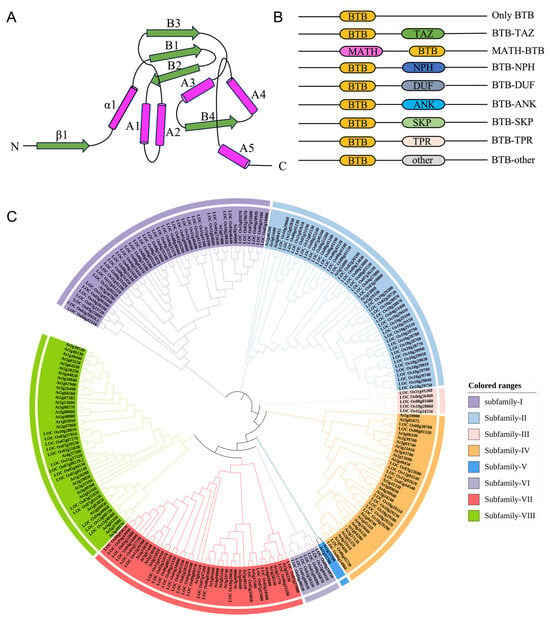
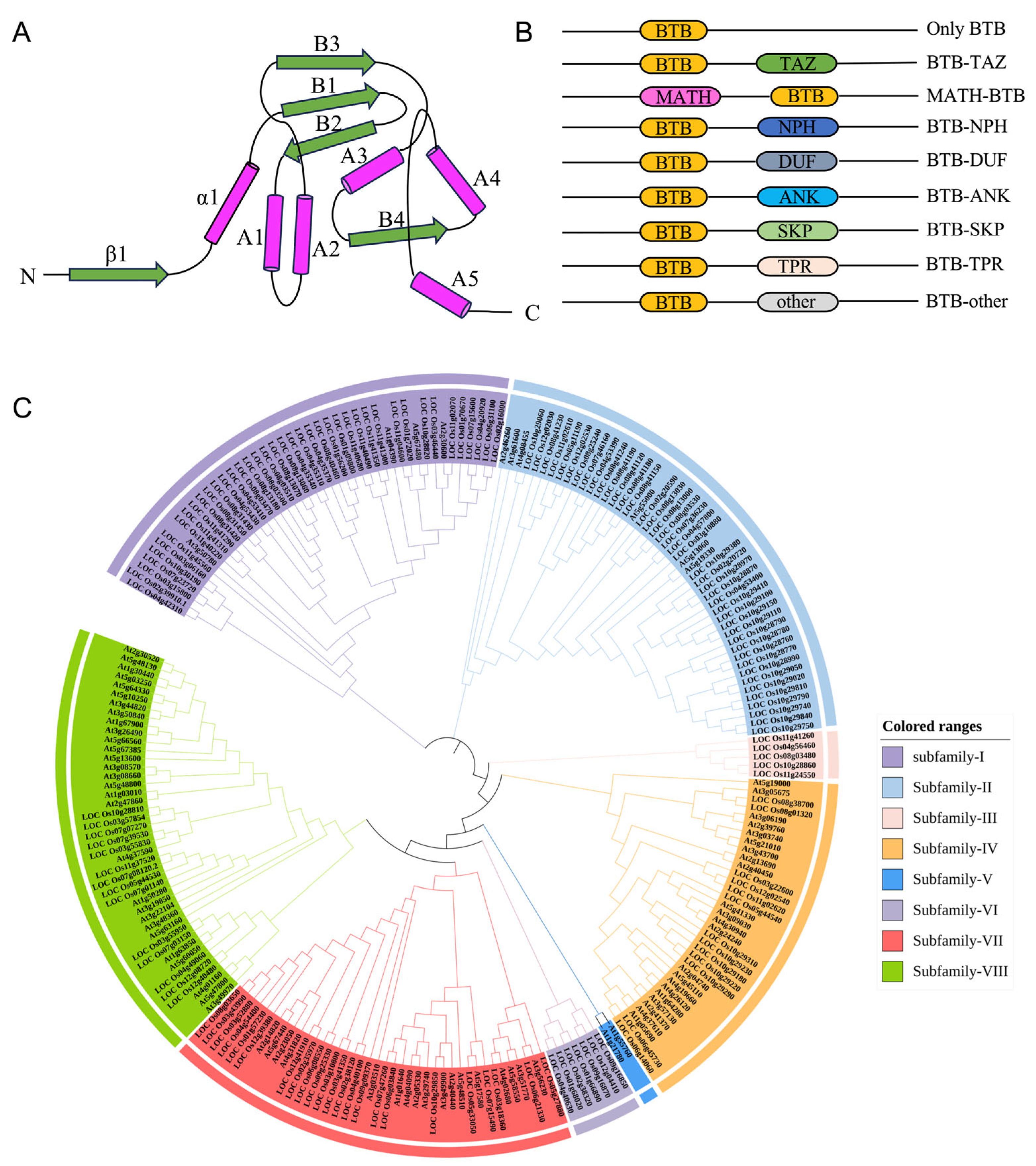
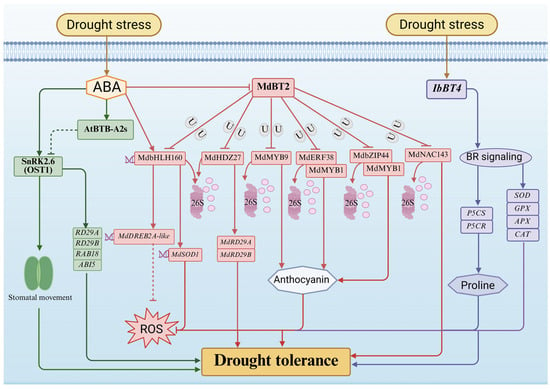
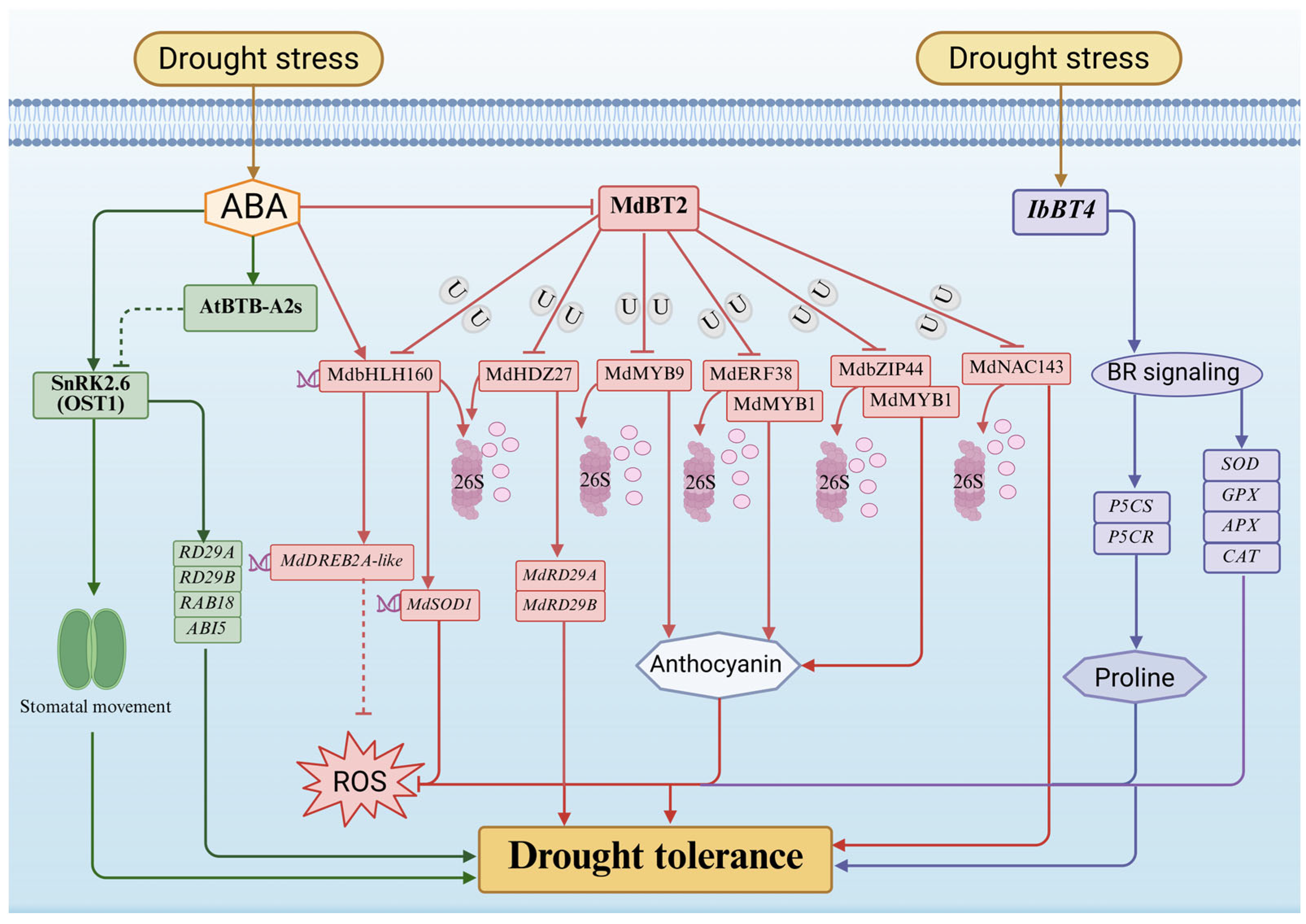
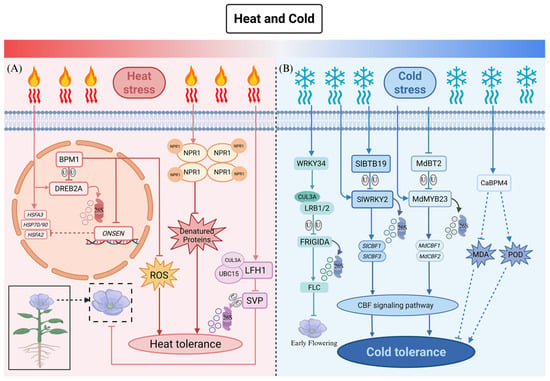
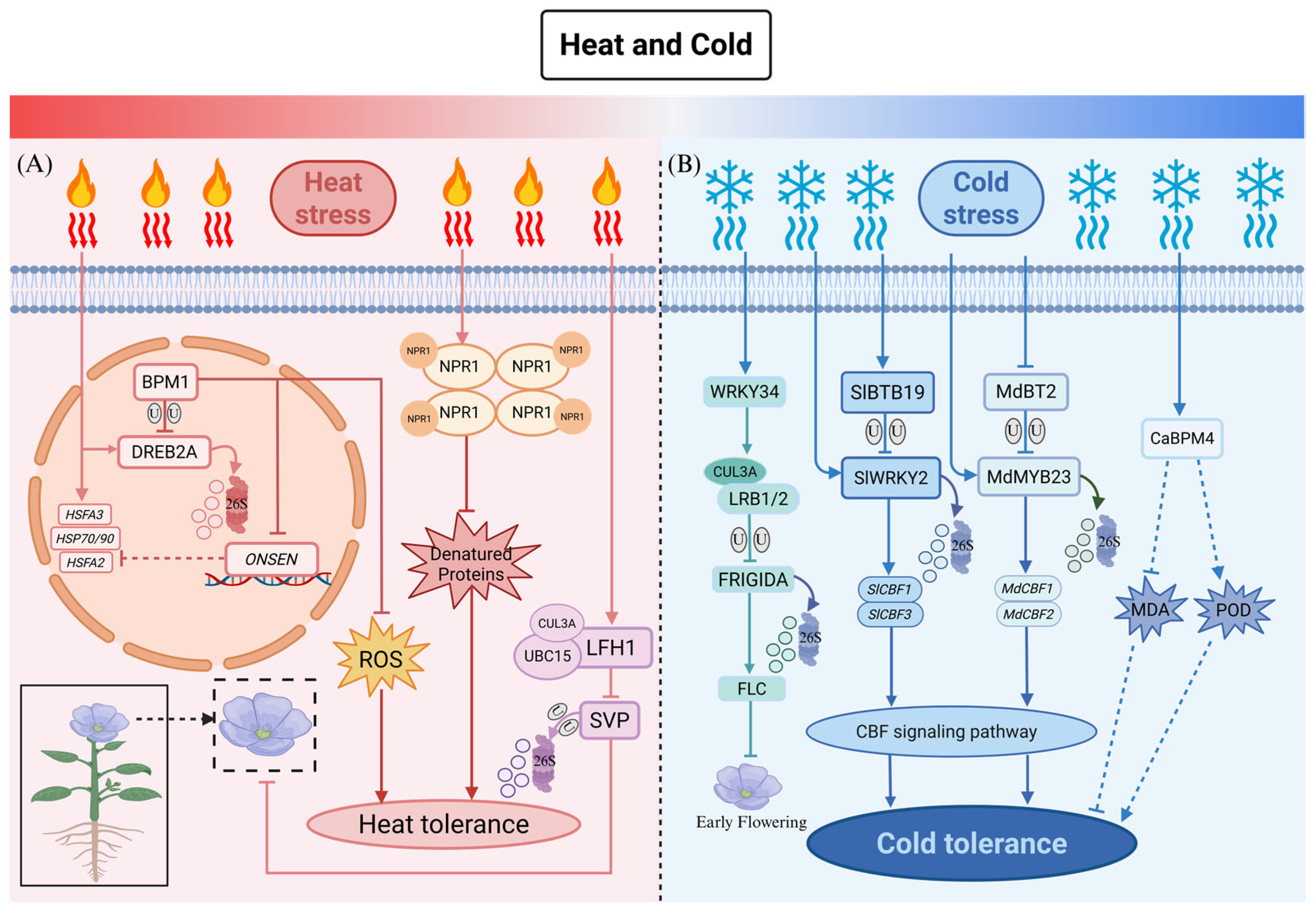
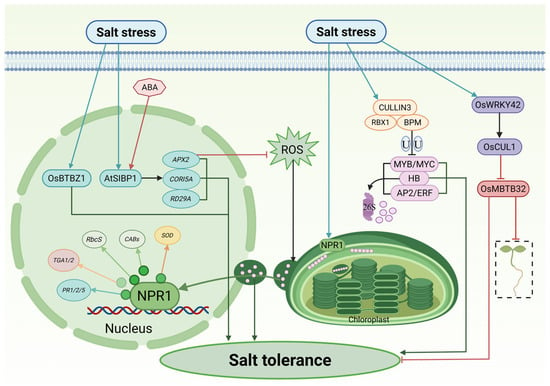
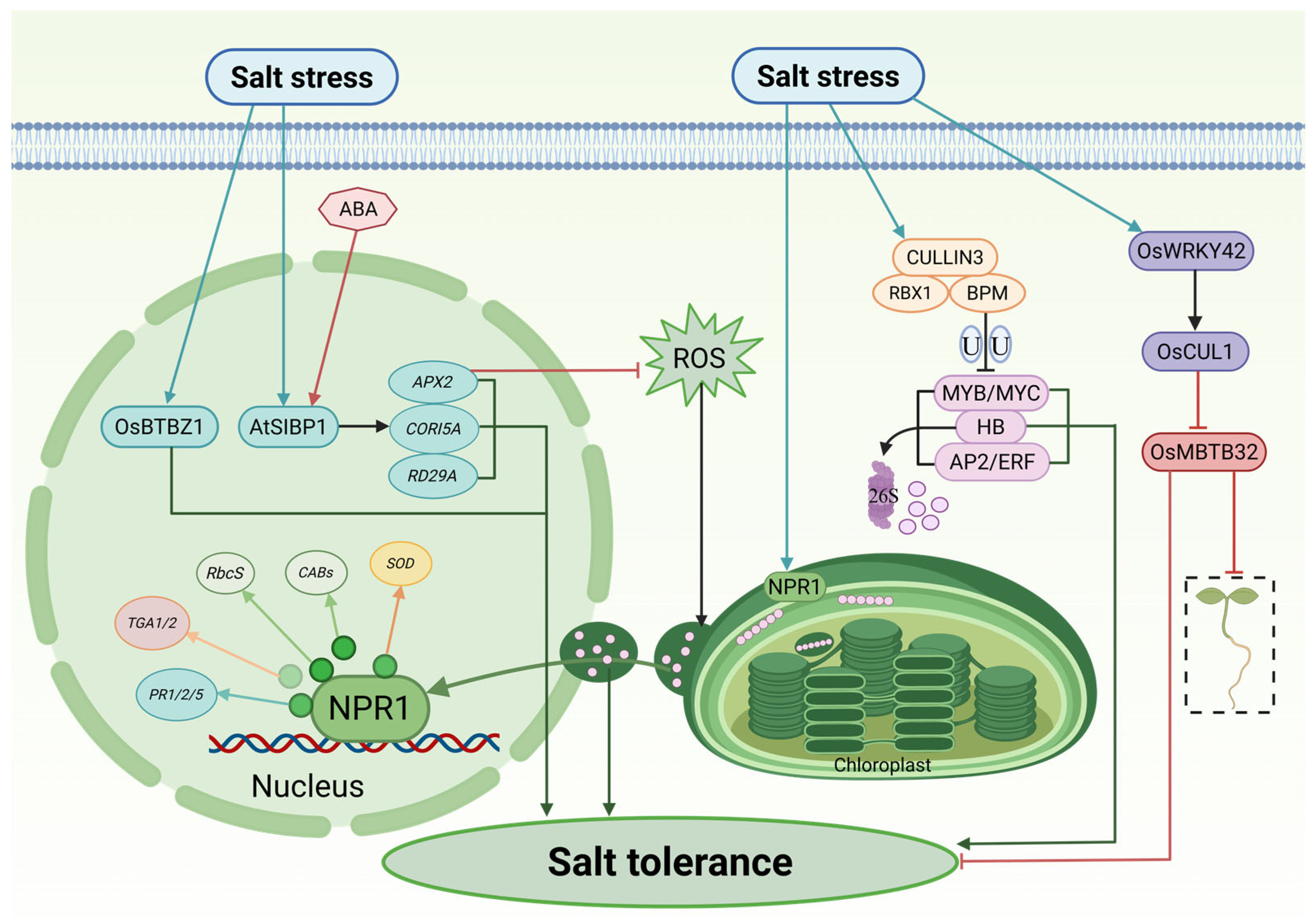
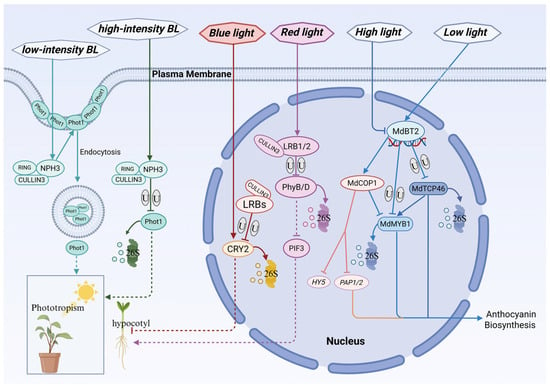
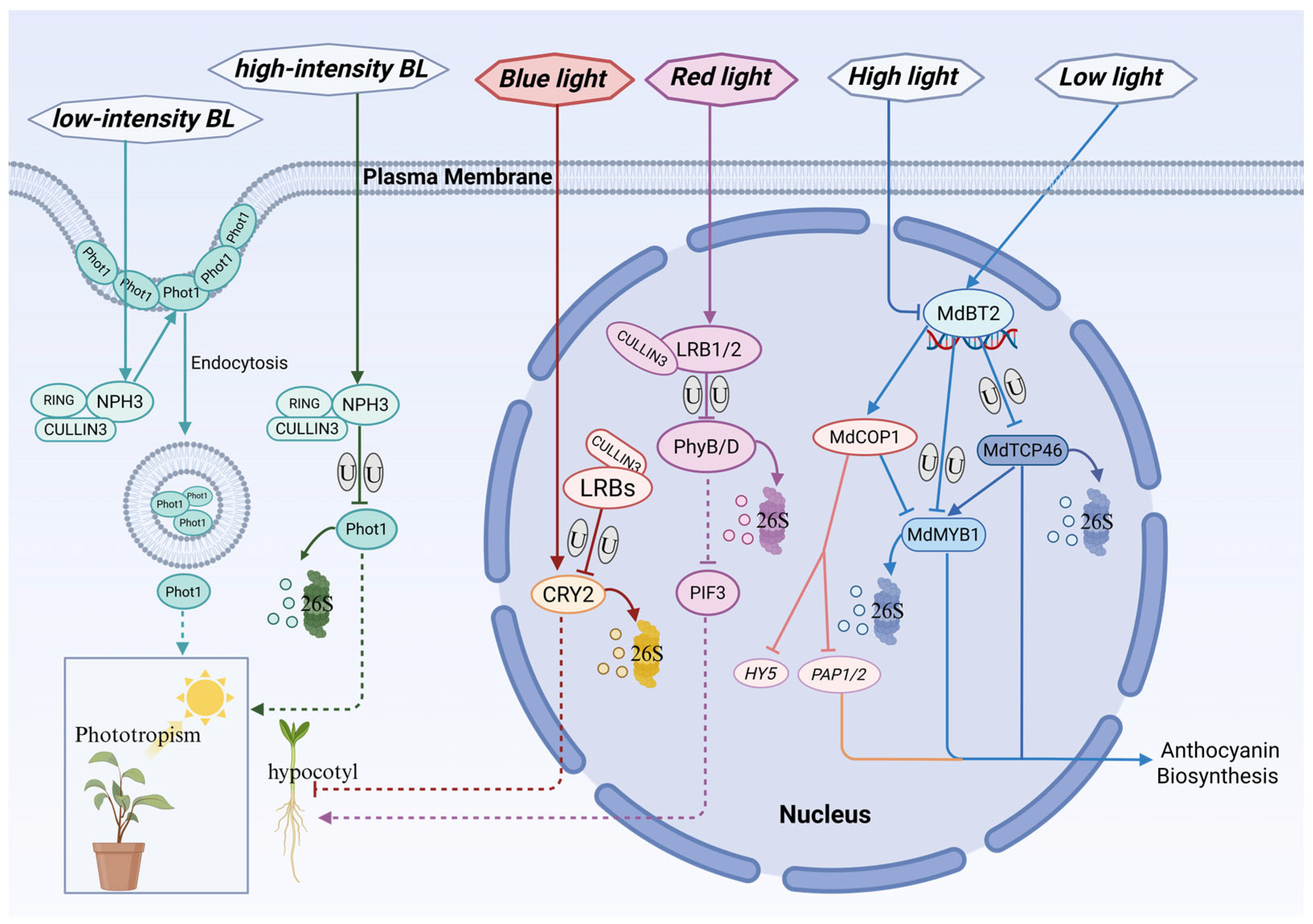
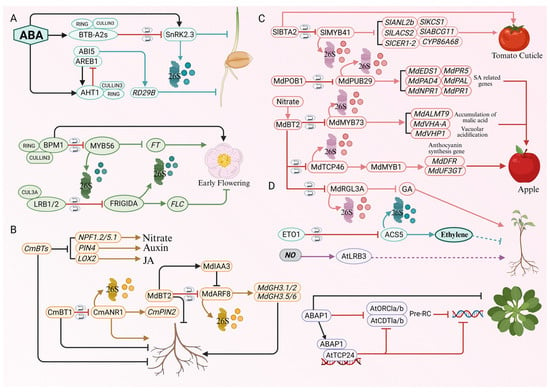
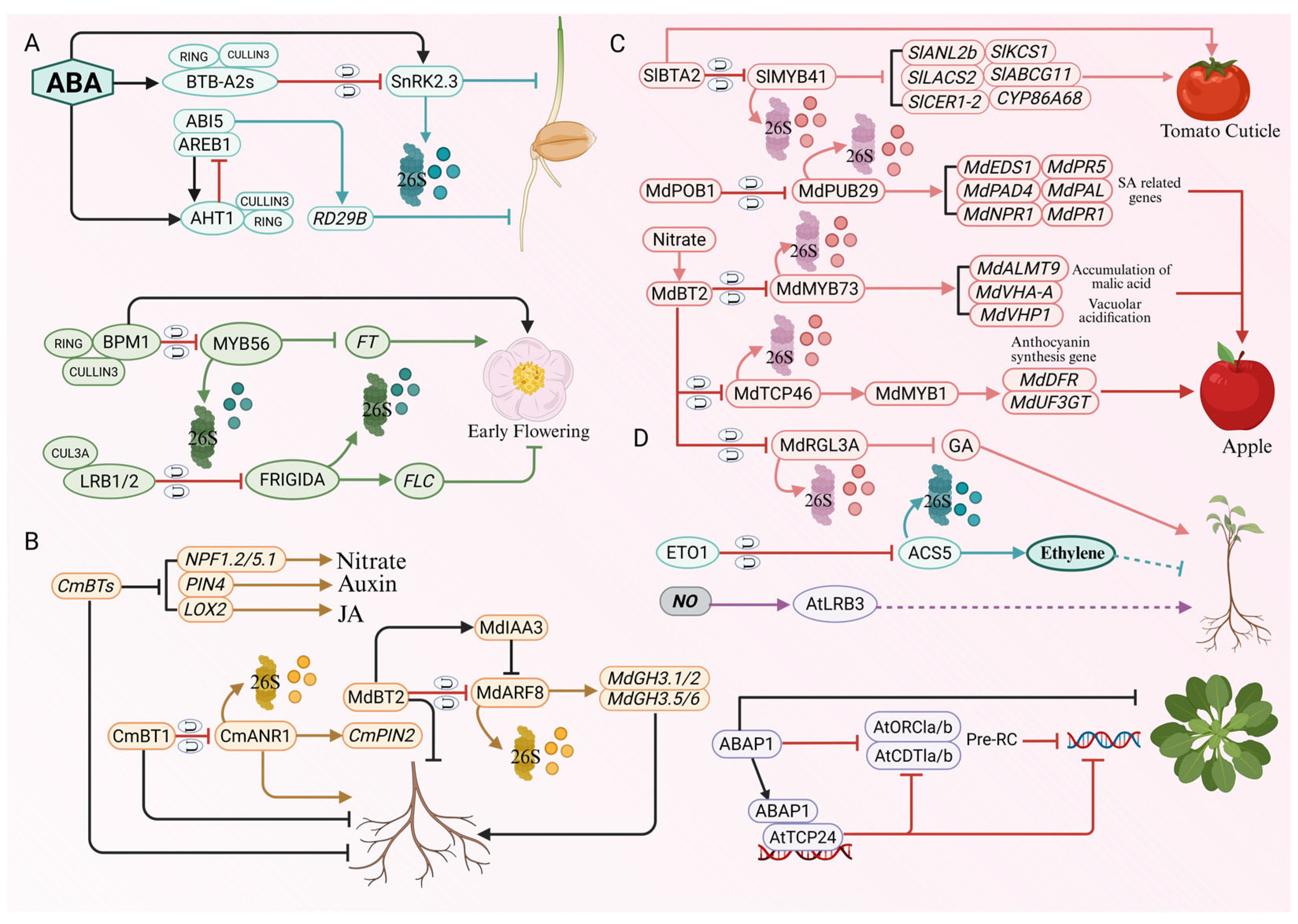

Disclaimer/Publisher’s Note: The statements, opinions and data contained in all publications are solely those of the individual author(s) and contributor(s) and not of MDPI and/or the editor(s). MDPI and/or the editor(s) disclaim responsibility for any injury to people or property resulting from any ideas, methods, instructions or products referred to in the content. |
© 2026 by the authors. Licensee MDPI, Basel, Switzerland. This article is an open access article distributed under the terms and conditions of the Creative Commons Attribution (CC BY) license.