Article

Toxic Mechanism of Norfloxacin on Chlamydomonas reinhardtii by Triggering Programmed Cell Death

1
College of Forestry and Biotechnology, Zhejiang A&F University, Hangzhou 311300, China
2
Zhejiang Provincial Key Laboratory of Forest Aromatic Plants-based Healthcare Functions, Zhejiang A&F University, Hangzhou 311300, China
*
Author to whom correspondence should be addressed.
These authors contributed equally to this work.
Plants 2026, 15(7), 1015; https://doi.org/10.3390/plants15071015

Submission received: 10 March 2026 / Revised: 24 March 2026 / Accepted: 24 March 2026 / Published: 26 March 2026
(This article belongs to the Section Plant Response to Abiotic Stress and Climate Change)

Abstract

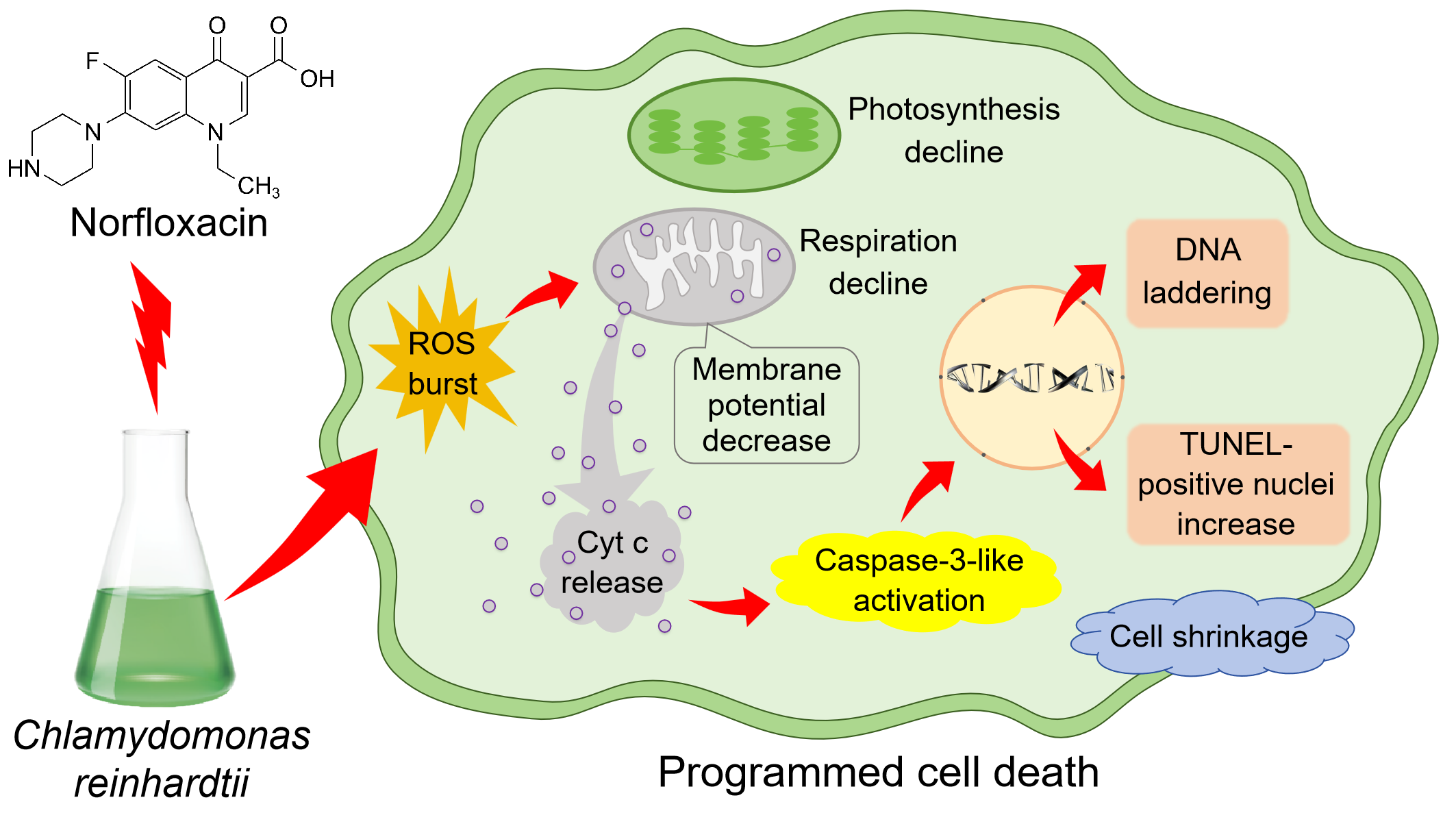
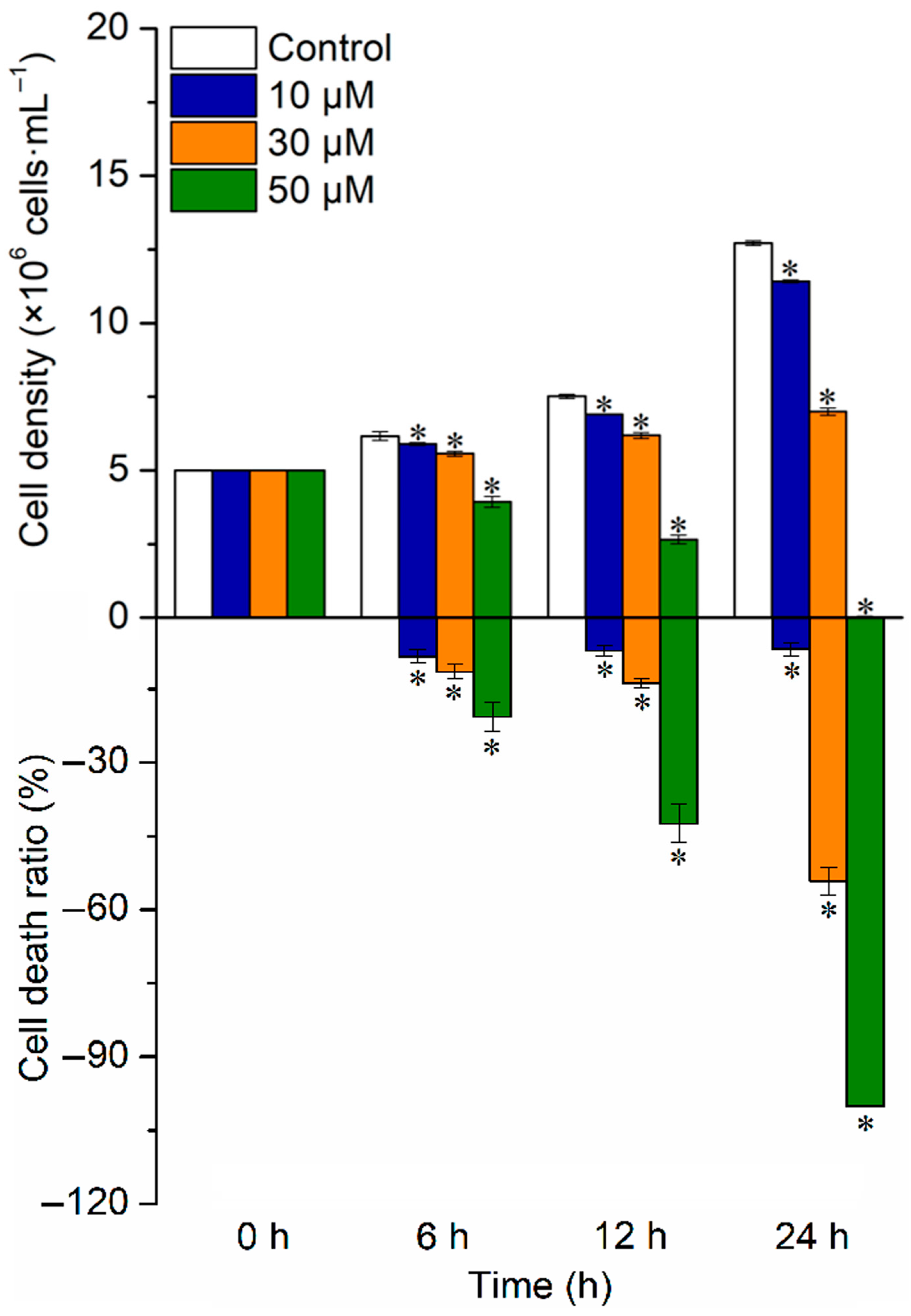
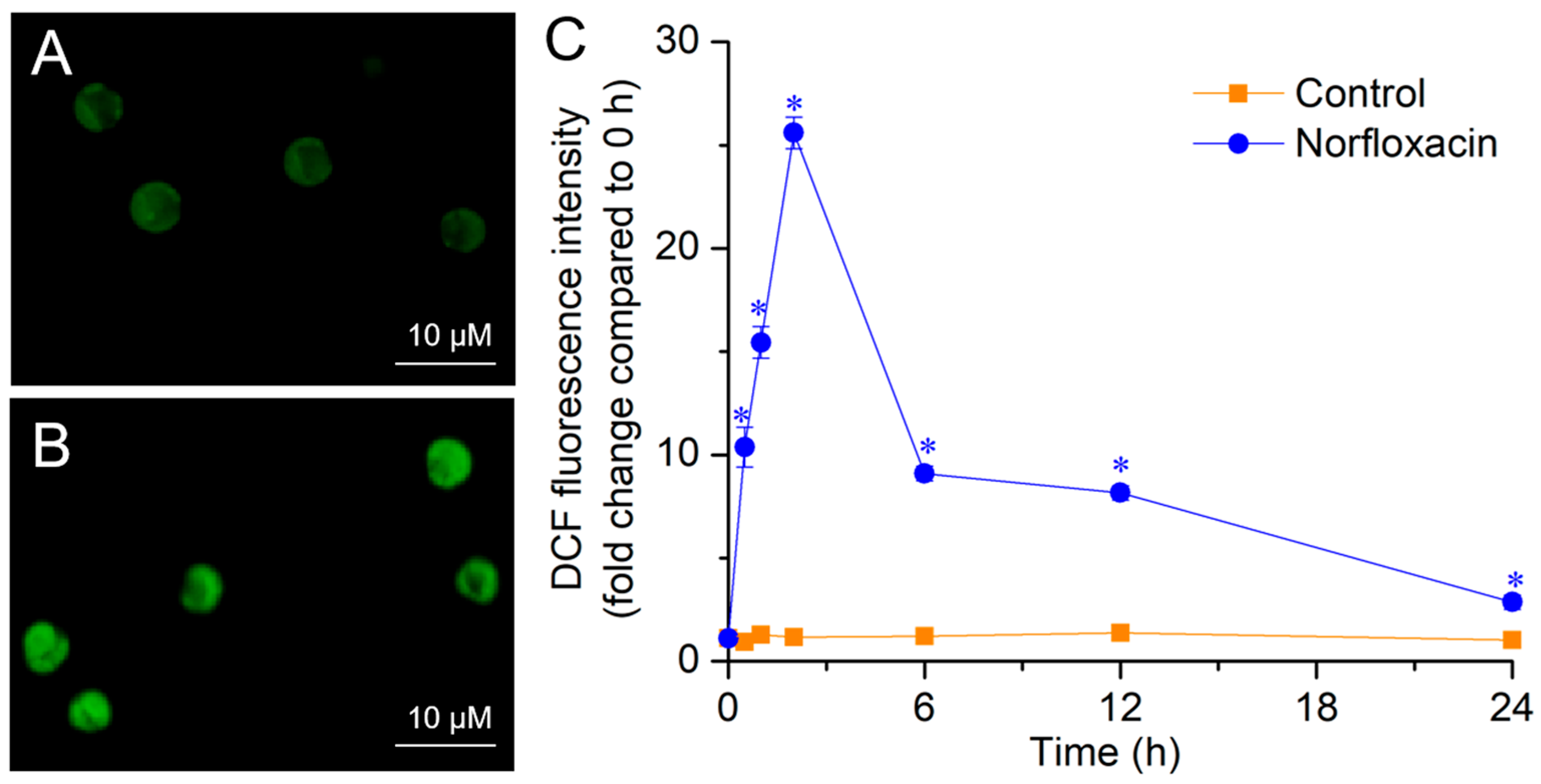
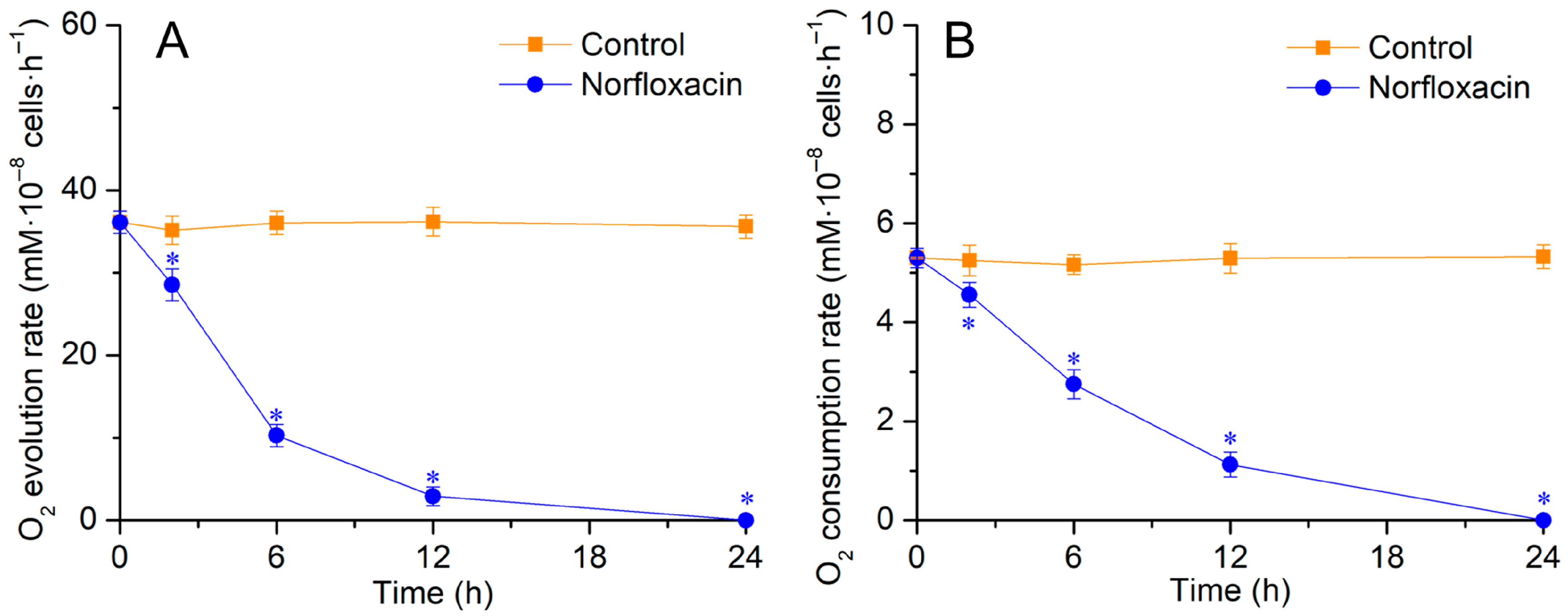
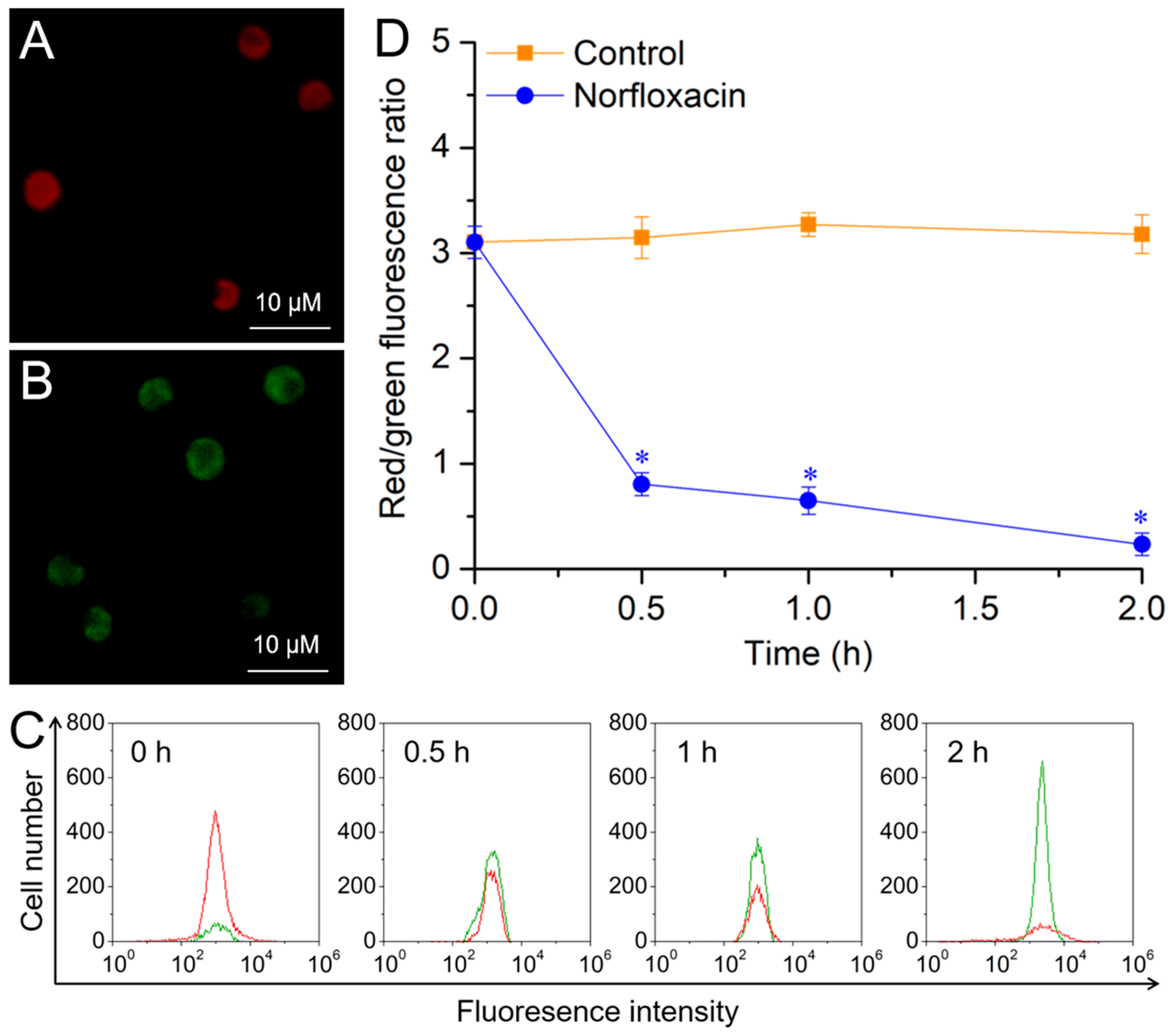
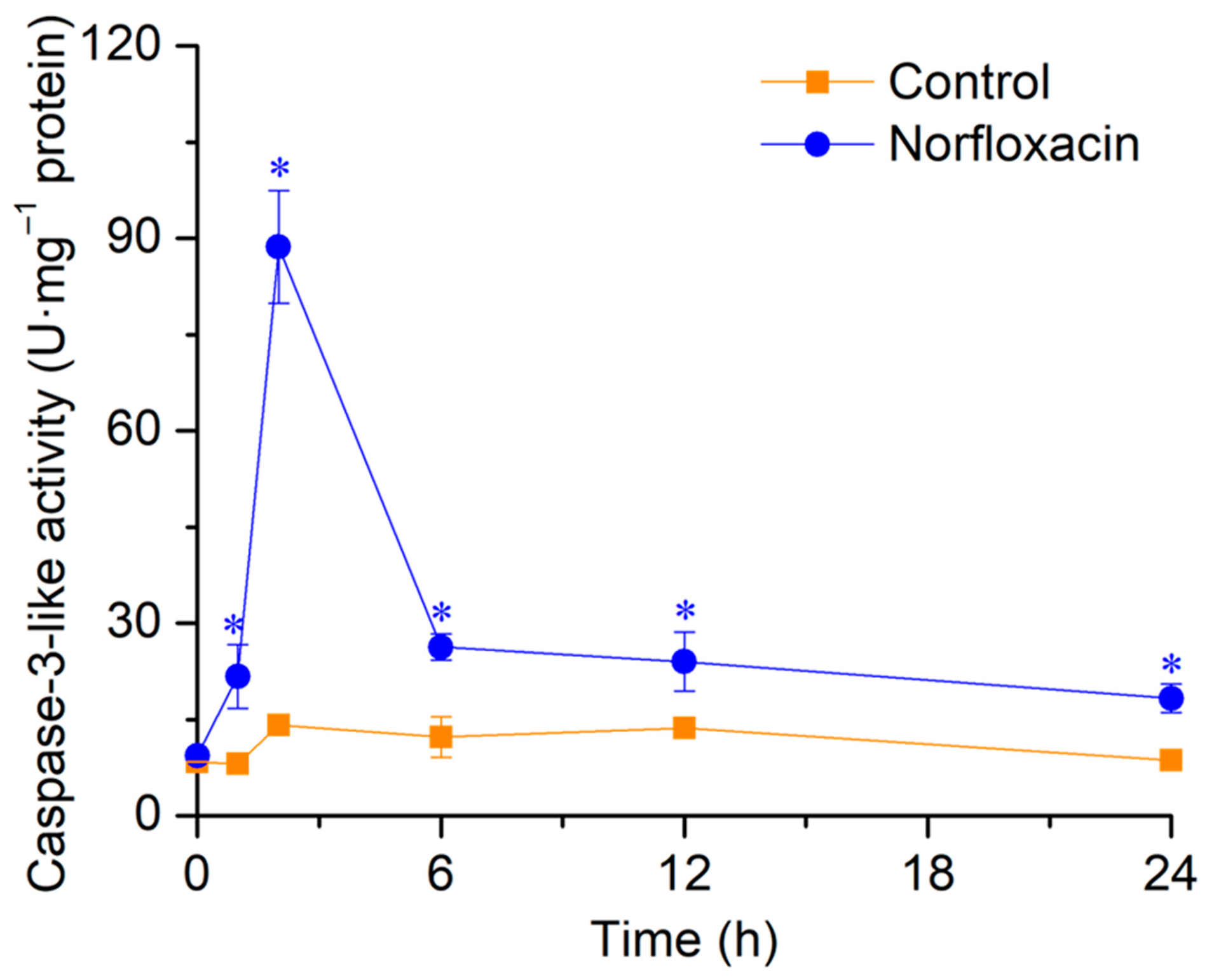
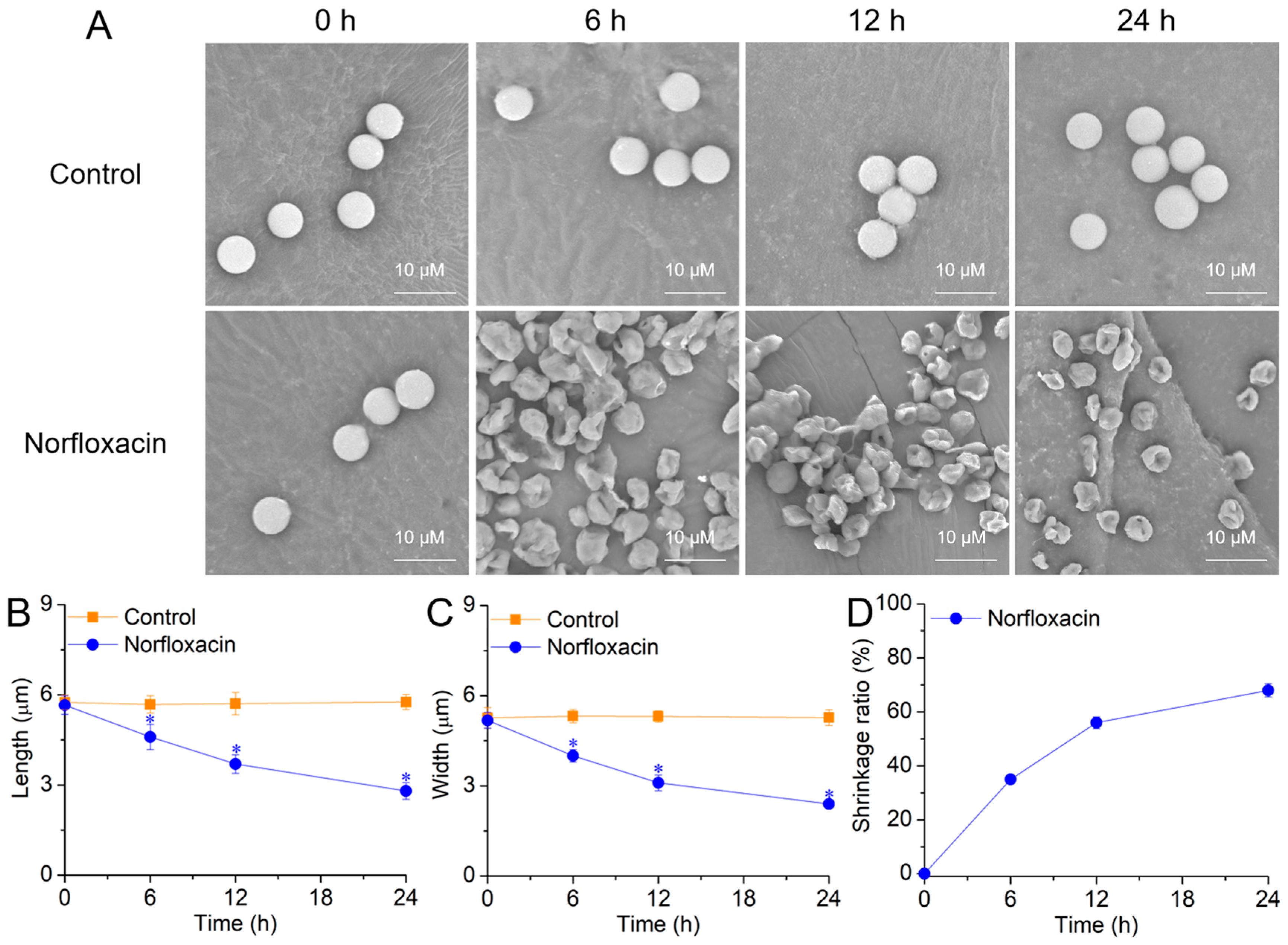
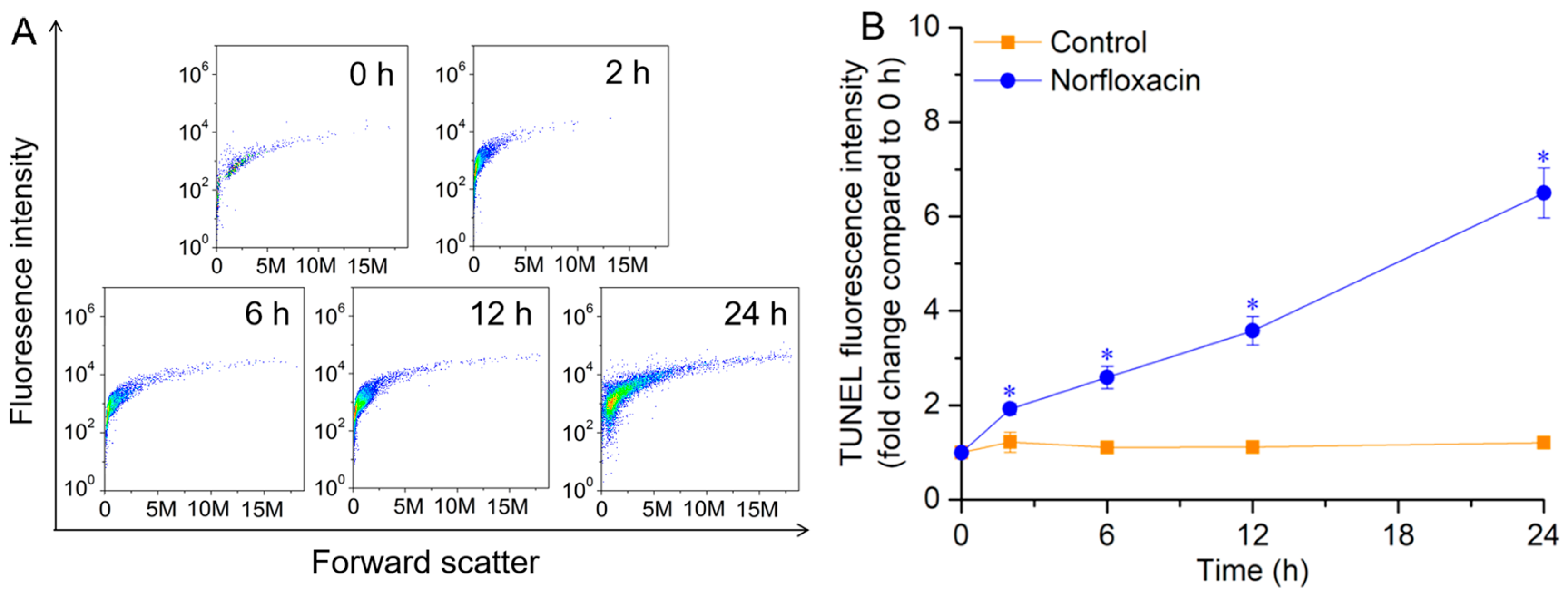
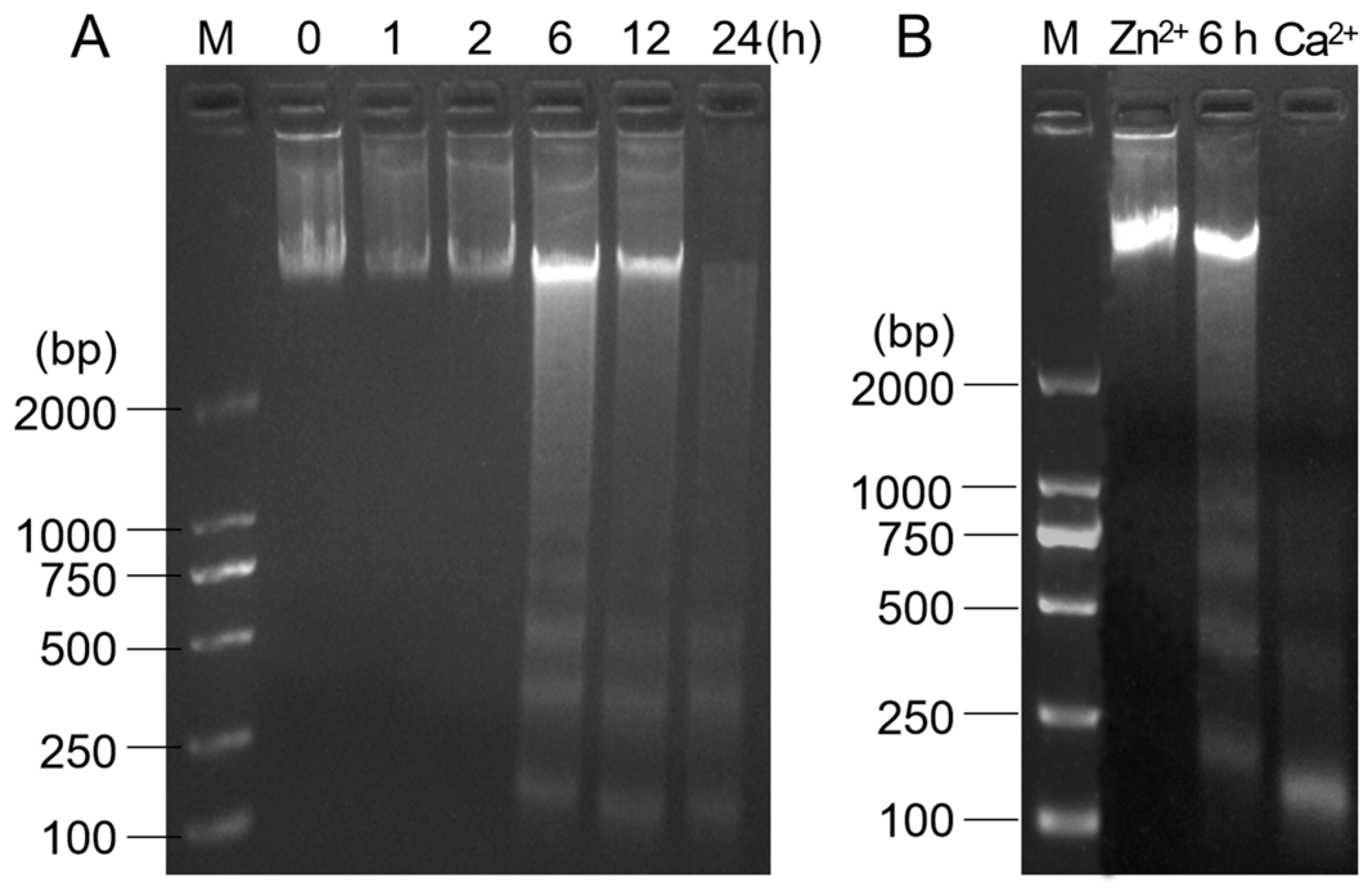
Norfloxacin has been widely found in water bodies and exhibits a strong toxic effect on aquatic organisms. To uncover its toxic mechanism on algae, the cell growth, reactive oxygen species (ROS) levels, physiological activities, mitochondrial membrane potential (MMP), caspase-3-like activity, cell morphology, TUNEL-positive nuclei and DNA ladders were determined in Chlamydomonas reinhardtii in exposure to norfloxacin. With raising norfloxacin concentration, the inhibitory and lethal effects on C. reinhardtii cells gradually enhanced, and the whole of the cells were dead under 50 μM for 24 h. During the cell death, respiratory and photosynthetic rate gradually reduced and disappeared after 24 h, while ROS quickly burst and maintained high levels during the 24 h. The MMP was markedly broken after 0.5 h, while caspase-3-like was activated, with the highest activity at the 2nd h. With prolonging the treatment time, the algal cells showed a gradual shrinking and wrinkling trend, while the numbers and fluorescence intensity of TUNEL-positive nuclei gradually increased. Meanwhile, the DNA was degraded by Ca2+-dependent endonucleases to show ladders after 6 h, and the degradation gradually enhanced during the death process. These characteristics demonstrate that norfloxacin can poison algae by triggering programmed cell death induced by the elevated ROS.
Keywords: cell morphology; Chlamydomonas reinhardtii; mitochondrial membrane potential; norfloxacin; programmed cell death cell morphology; Chlamydomonas reinhardtii; mitochondrial membrane potential; norfloxacin; programmed cell death
Graphical Abstract