Article

Agro-Climatic Variation in Wheat Growth, Yield, and Grain Quality Across South Korea

Department of Bio-Oriental Medicine Resources, Sunchon National University, Suncheon 57922, Republic of Korea
*
Author to whom correspondence should be addressed.
Plants 2026, 15(18), 2852; https://doi.org/10.3390/plants15182852 (registering DOI)

Submission received: 19 August 2026 / Revised: 15 September 2026 / Accepted: 17 September 2026 / Published: 18 September 2026
(This article belongs to the Section Plant Response to Abiotic Stress and Climate Change)

Abstract

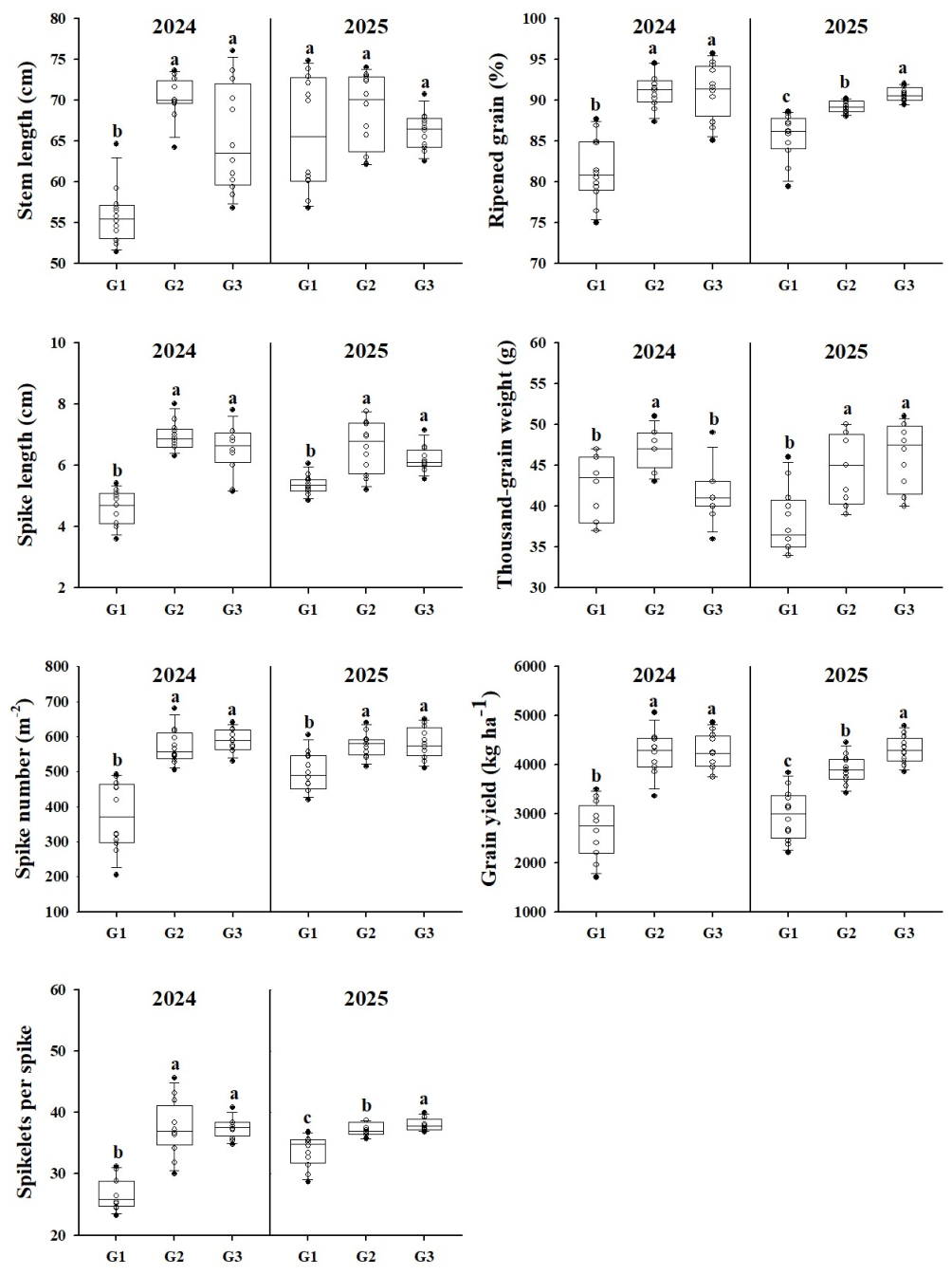
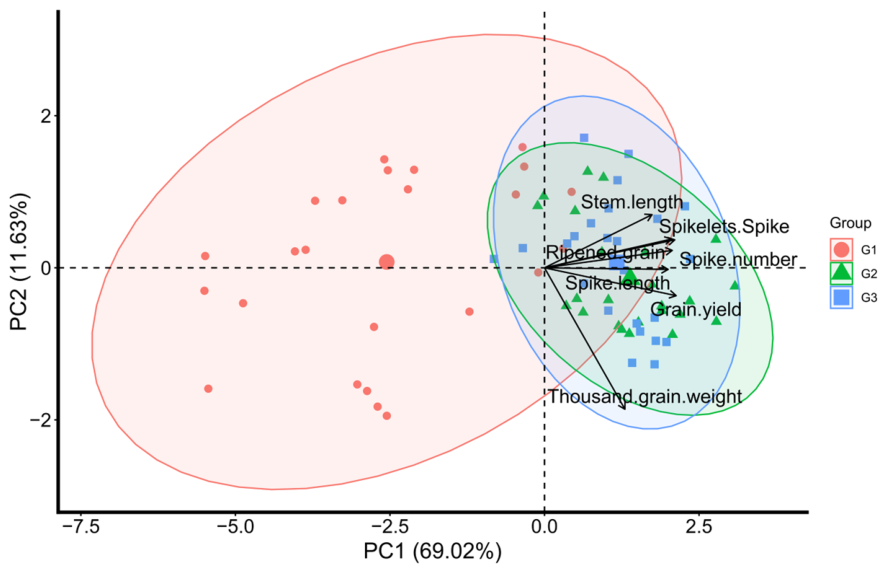
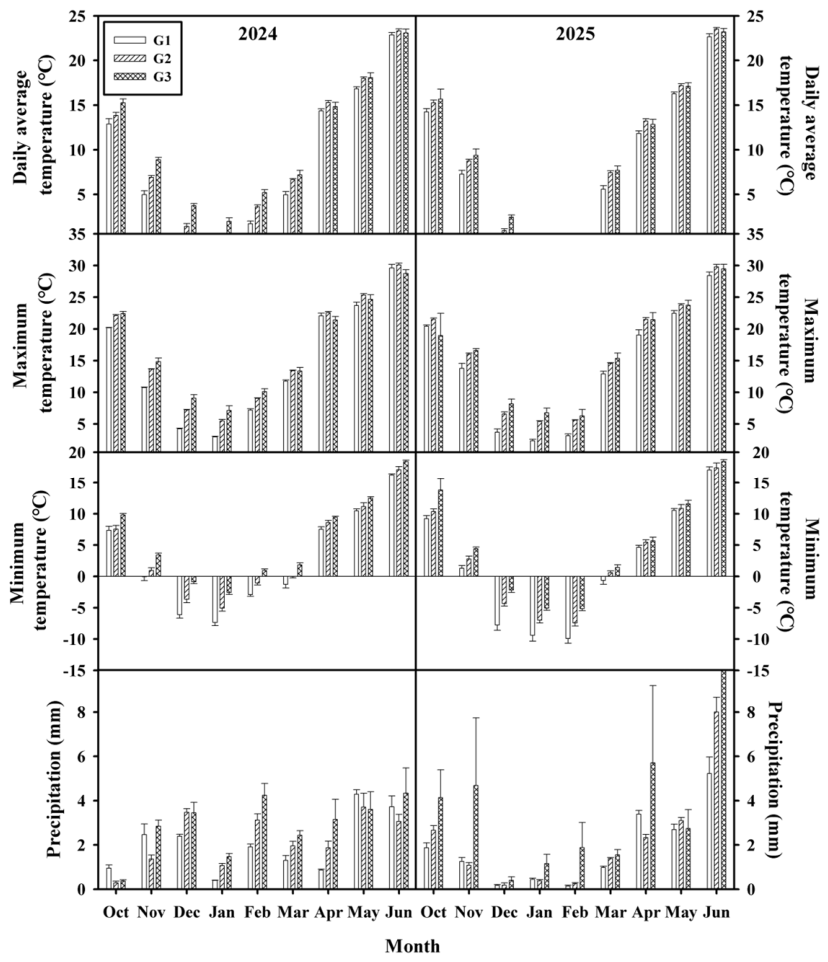
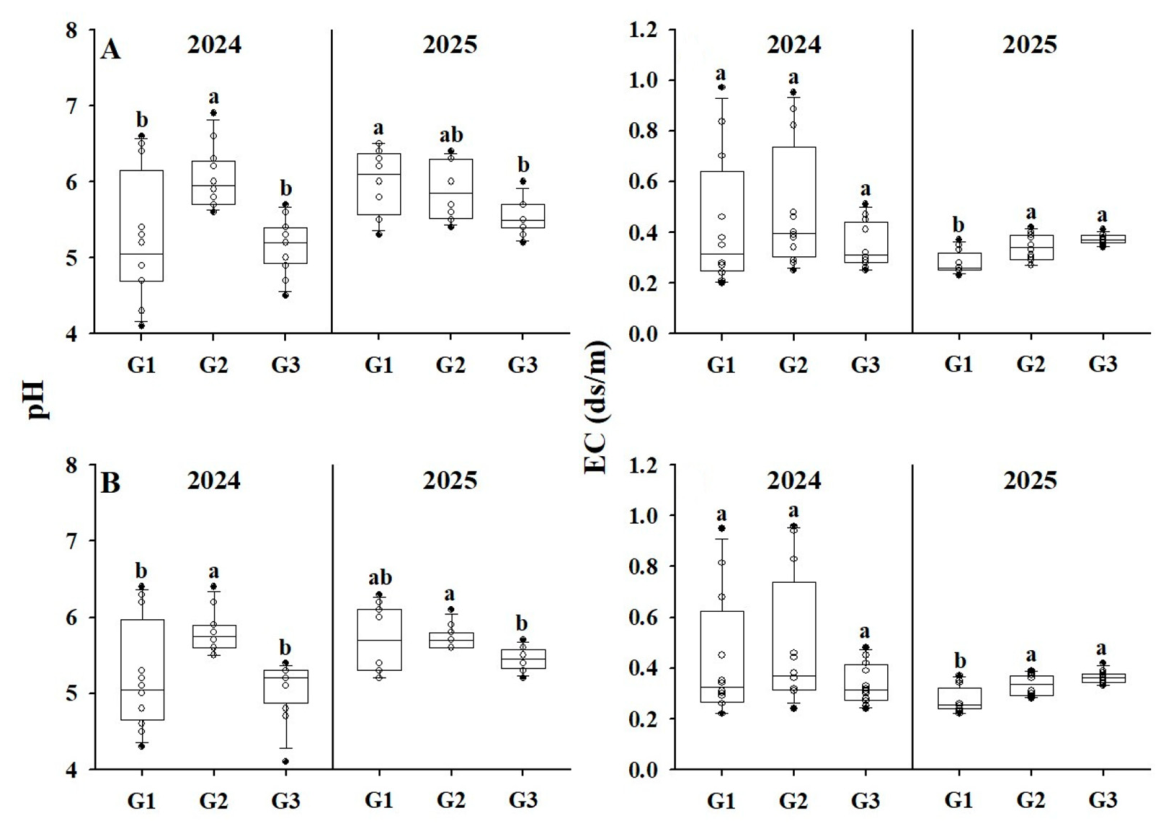
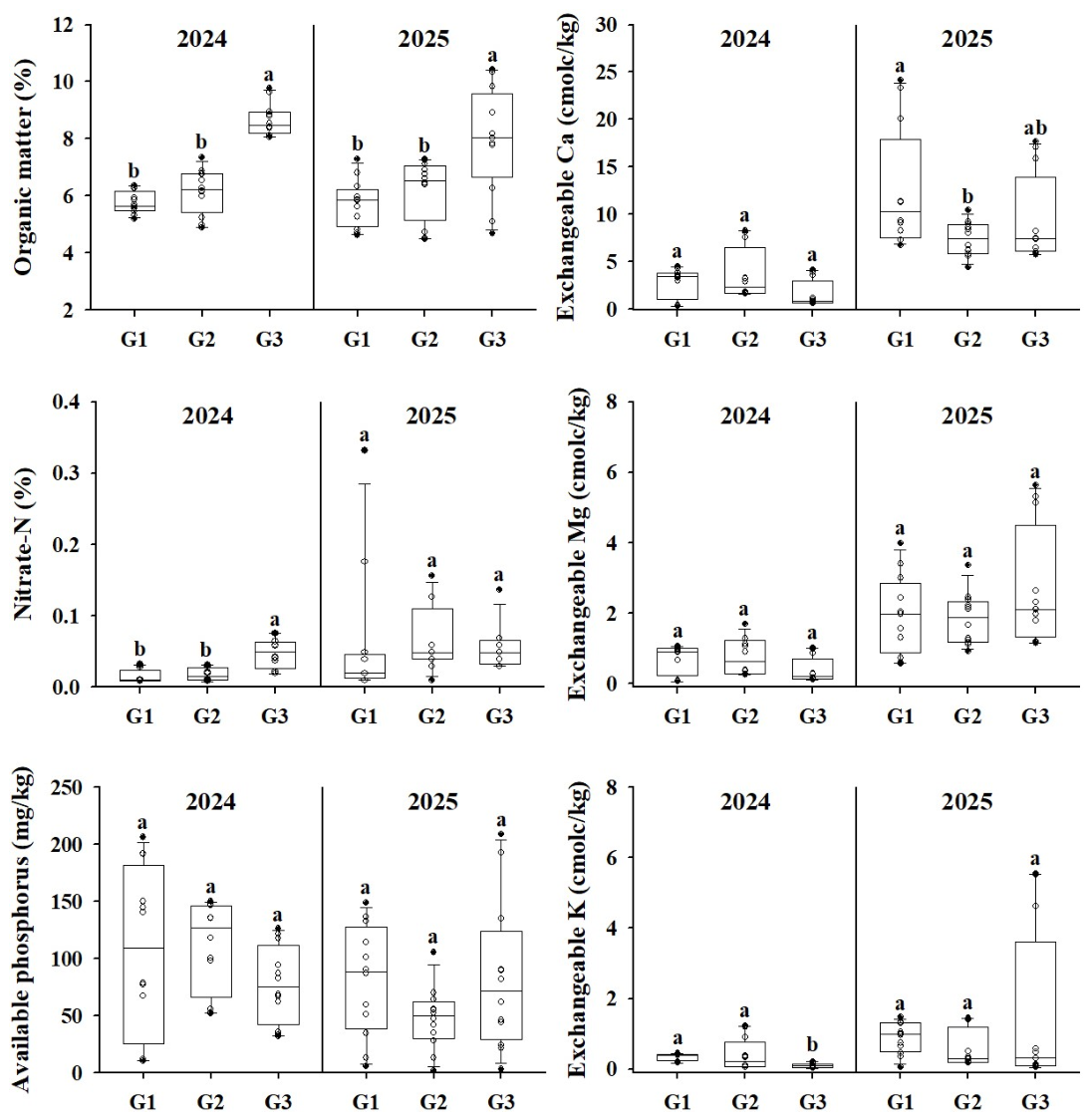
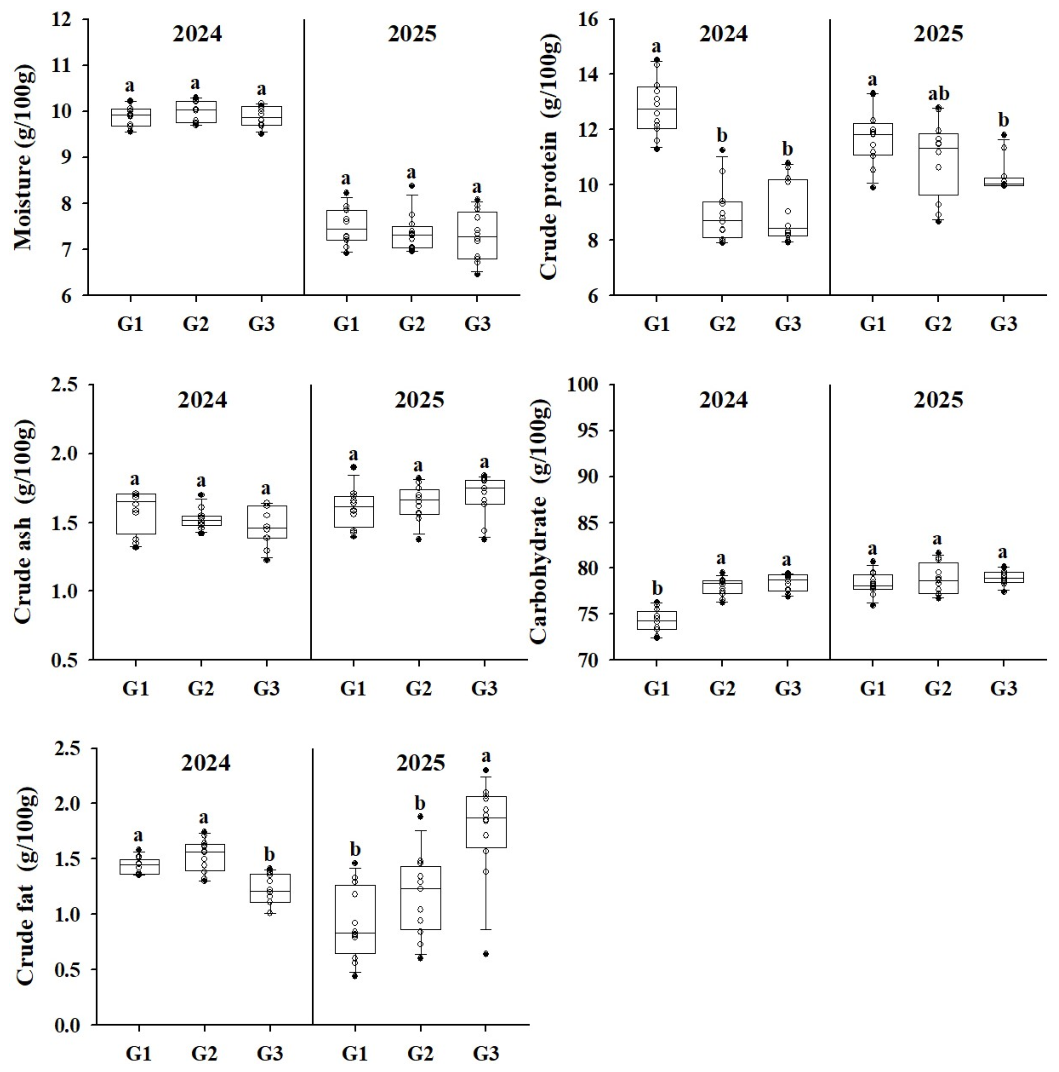
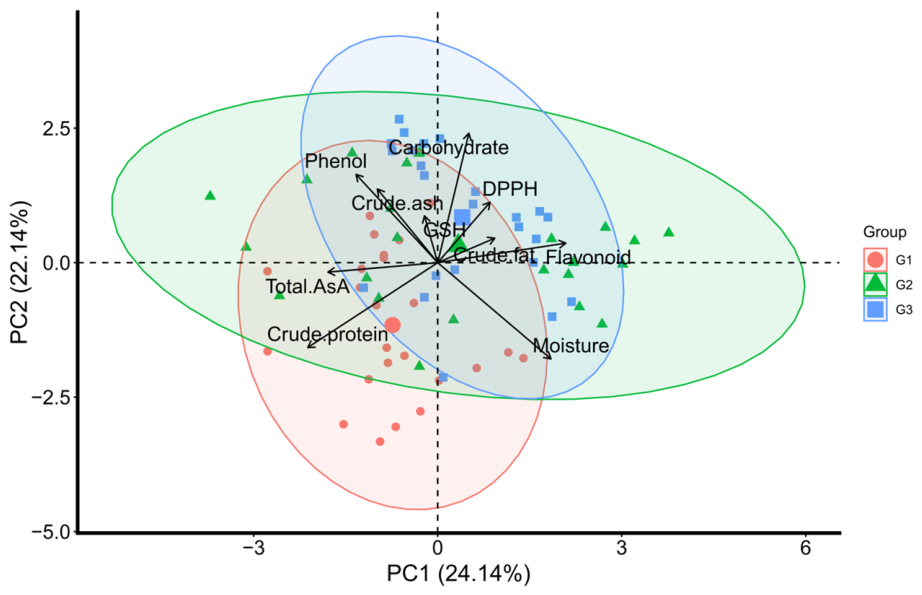
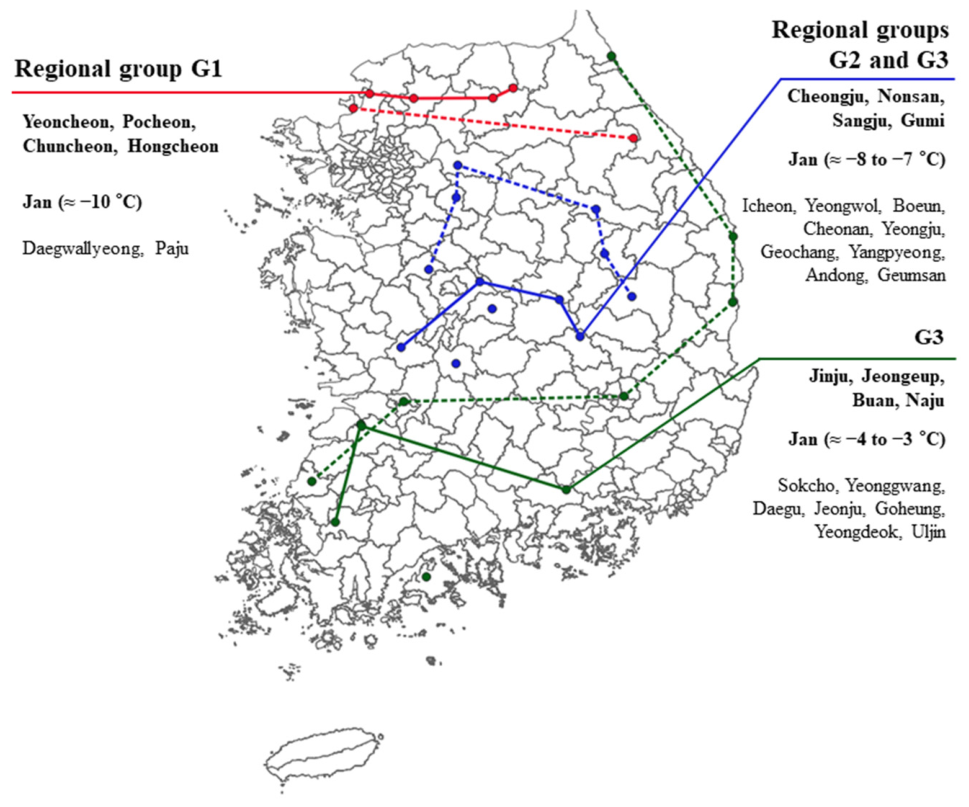
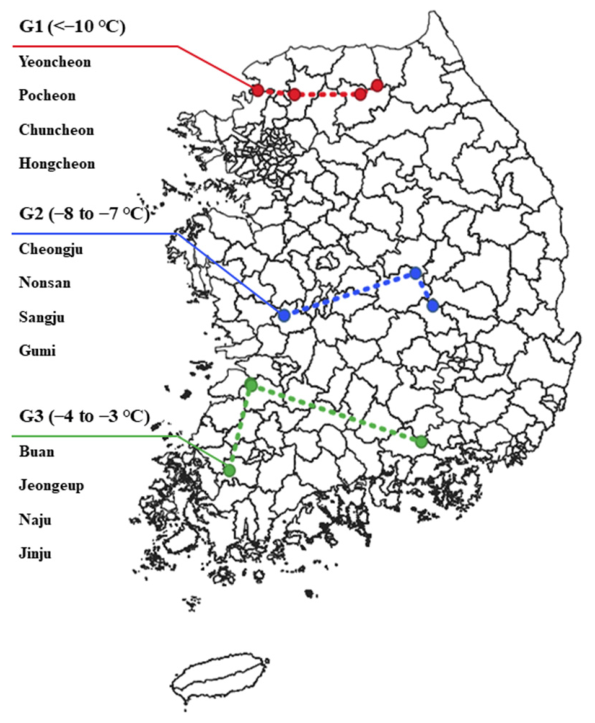
Wheat cultivation has recently expanded into new agro-climatic regions of South Korea owing to increasing concerns about food security and changing climatic conditions. However, comprehensive evaluations of regional cultivation suitability remain limited. This study evaluated regional variations in wheat growth, yield, grain quality, and cultivation suitability across three agro-climatic groups classified primarily by January minimum temperature: G1 (<−10 °C; central inland and high-altitude regions), G2 (−8 to −7 °C; southern inland and plain regions), and G3 (−4 to −3 °C; southern coastal and warmer regions). During the 2024 and 2025 growing seasons, field experiments were conducted, and growth traits, yield components, meteorological data, soil properties, and grain quality were analyzed. Principal component analysis (PCA) was used to examine the relationships among agronomic and grain quality traits. In both years, G3 exhibited superior growth performance, characterized by earlier heading, higher biomass, and greater tiller and spike numbers, resulting in the highest grain yield (4.3 t ha−1), compared with G1 (2.8 t ha−1). The superior growth and yield performance observed in G3 was associated with relatively higher winter temperatures and differences in soil nutrient statuses, although other environmental factors may also have contributed. In contrast, the lower productivity observed in G1 may have been related to colder winter conditions and differences in soil nutrient statuses. G2 demonstrated a balance between productivity and stability. Grain quality traits also exhibited regional variability. PCA further indicated that G3 was associated with productivity-related traits, whereas G1 was associated with crude protein content and grain quality-related characteristics. Overall, regional differences in winter temperature and soil fertility were associated with contrasting patterns of wheat productivity and grain quality. These findings highlight the importance of integrated, region-specific cultivation strategies for optimizing wheat production under changing climatic conditions.
Keywords: agro-climatic regions; cultivation suitability; grain quality; soil fertility; wheat; winter temperature agro-climatic regions; cultivation suitability; grain quality; soil fertility; wheat; winter temperature