Metabolic and Transcriptomic Basis of Quality Divergence in Onions (Allium cepa L.) with Different Bulb Colors

 , ,
, , 
Abstract
1. Introduction
2. Results
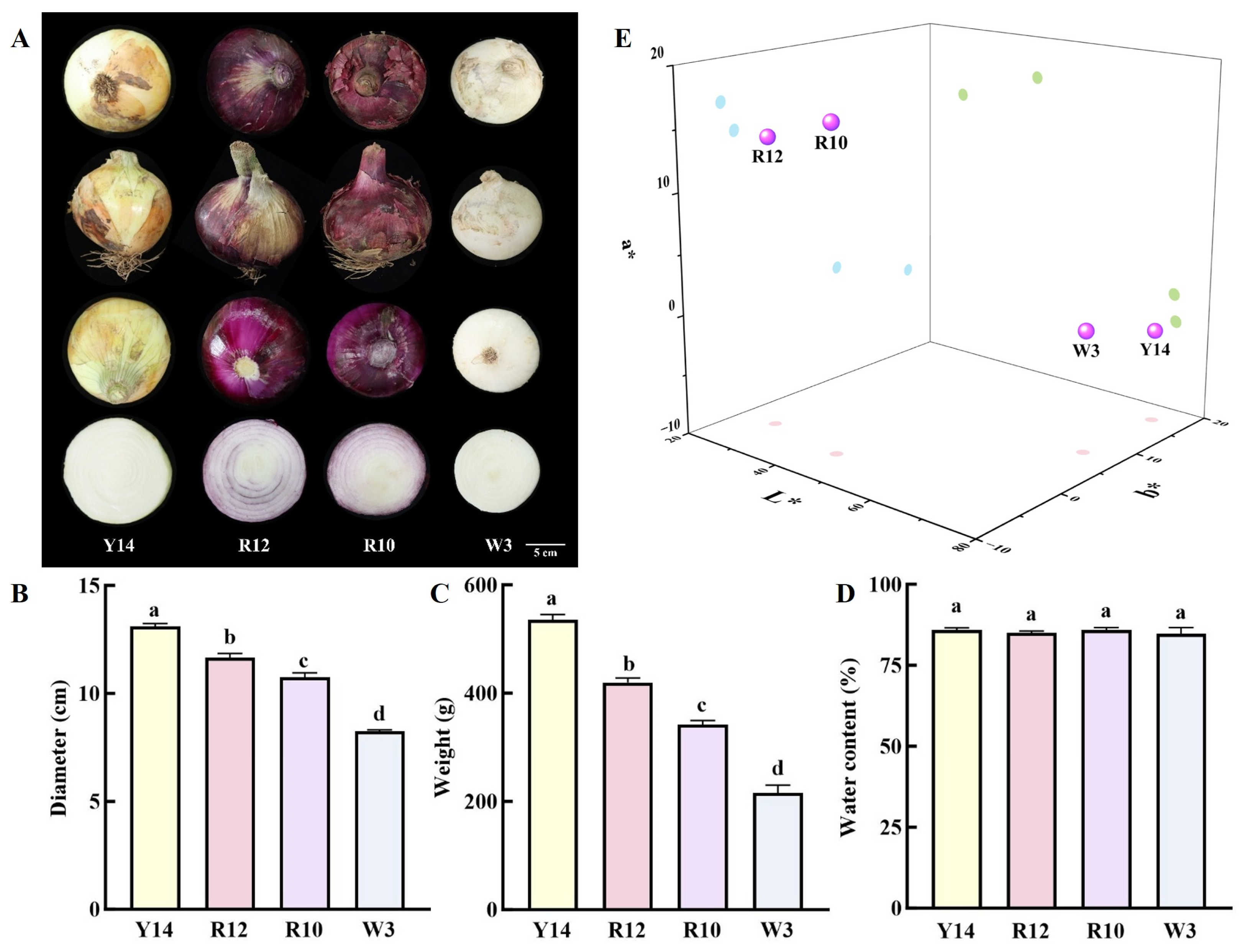
2.1. Yellow Onion Had the Largest Single Bulb Weight, and Red Onions Exhibited More Attractive Appearance
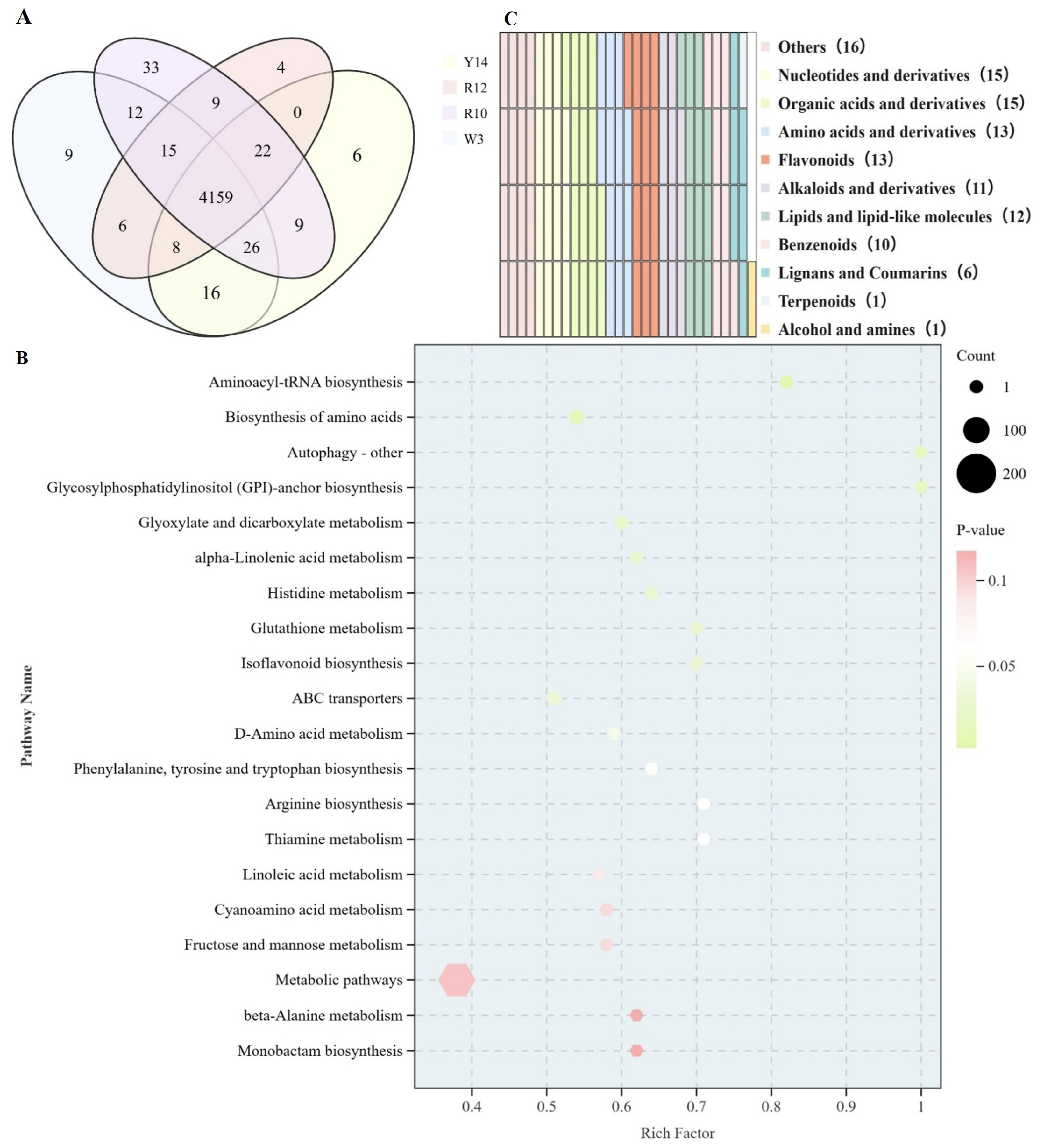
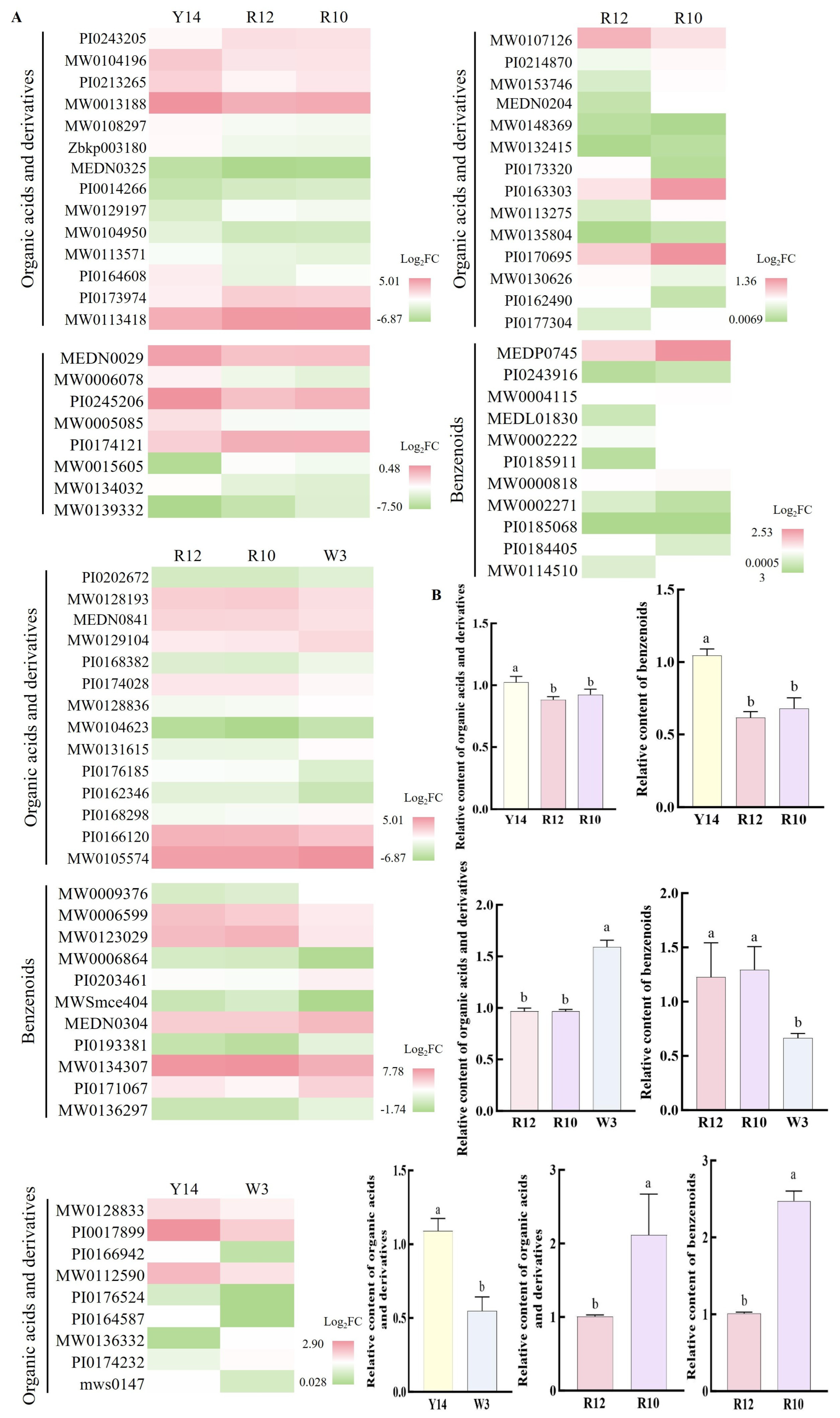
2.2. Organic Acids and Derivatives as Well as Benzenoids Were the Predominant Specific Differential Metabolites Among Four Onion Cultivars with Different Bulb Colors
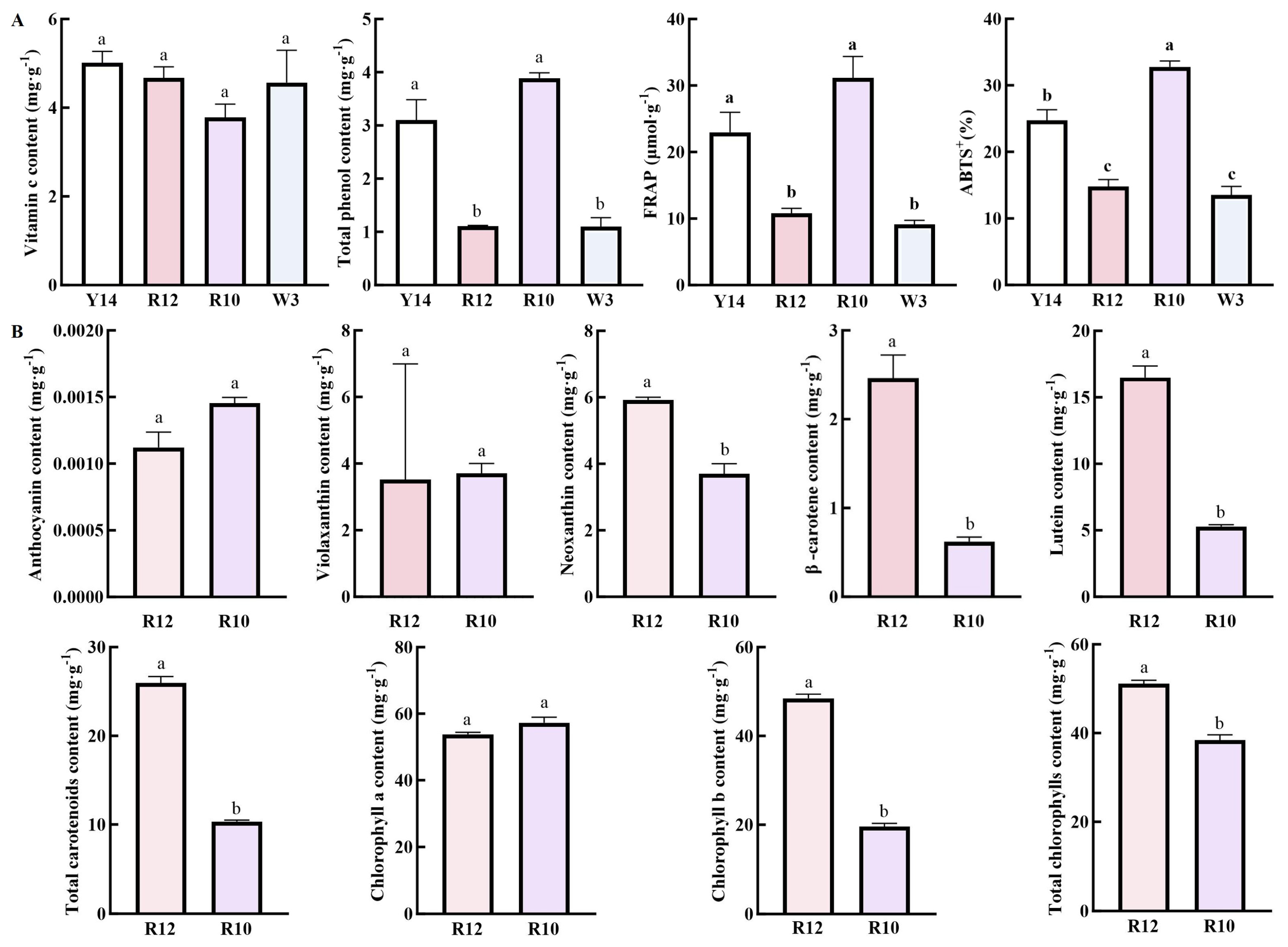
2.3. Red Onion Cultivar R10 Exhibited the Strongest Antioxidant Capacity
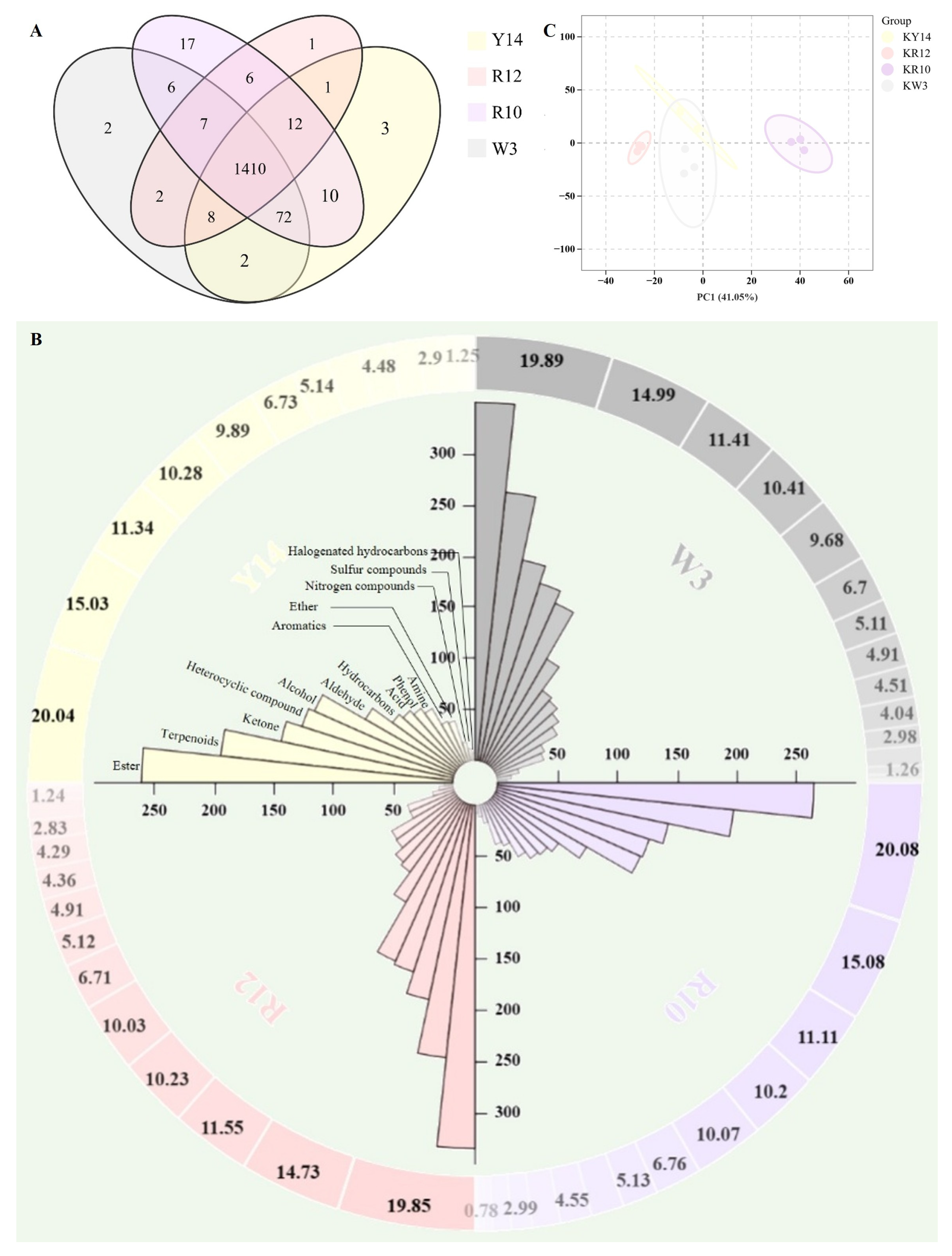
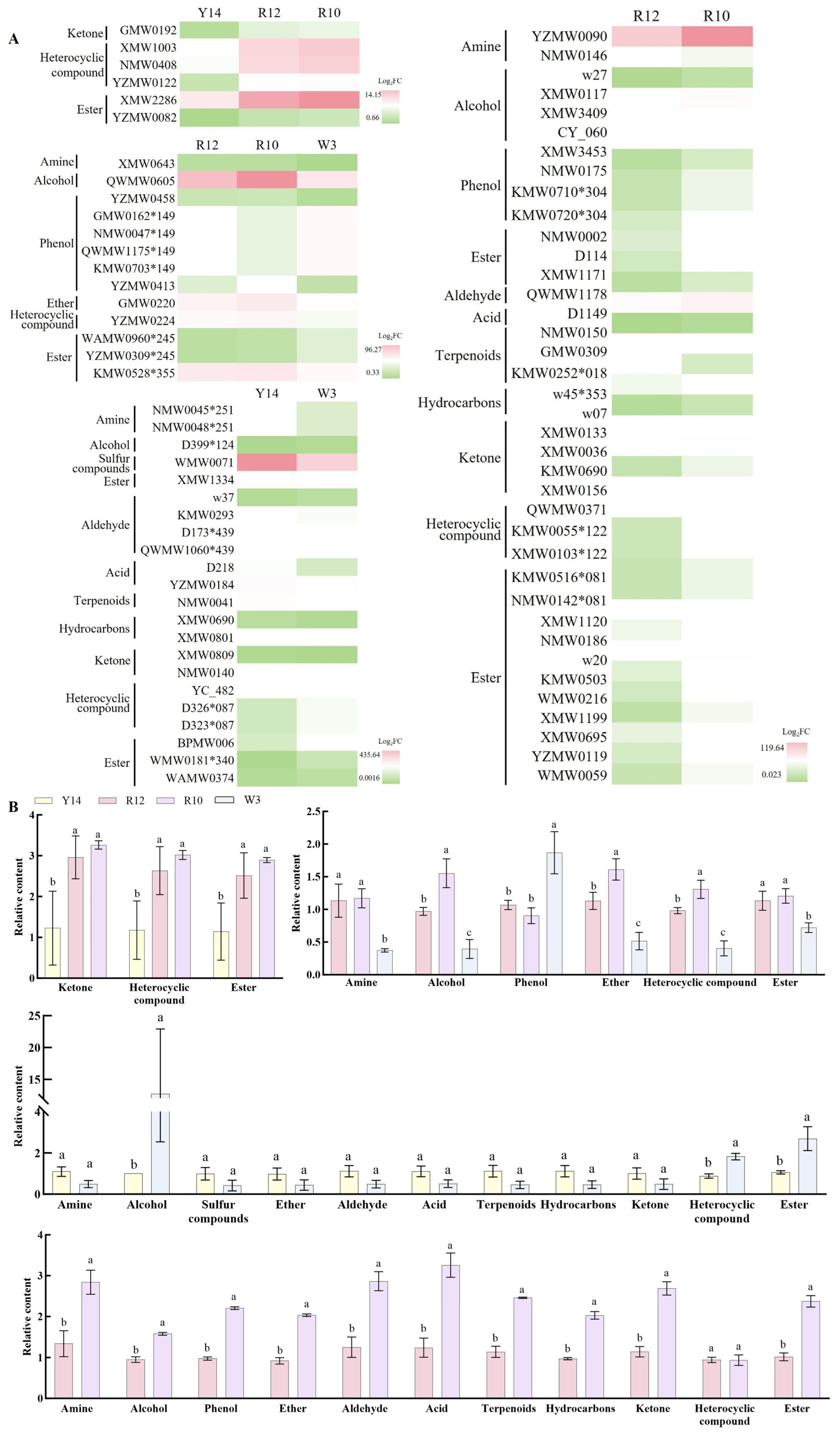
2.4. Red Onion Cultivar R10 Accumulated the Highest Content of Volatile Metabolites
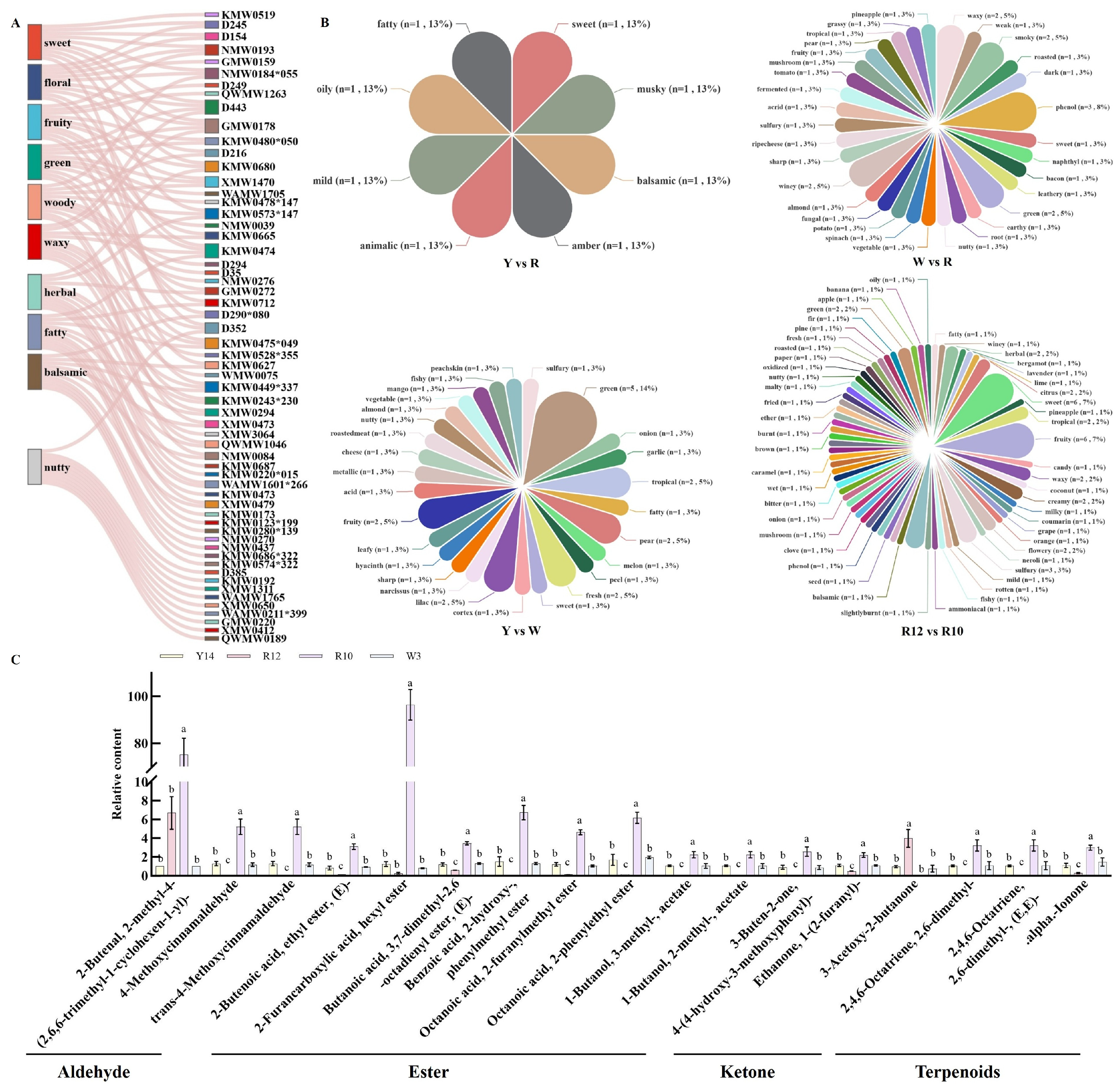
2.5. Red Onion Cultivar R10 Possessed the Most Prominent Sweet Flavor
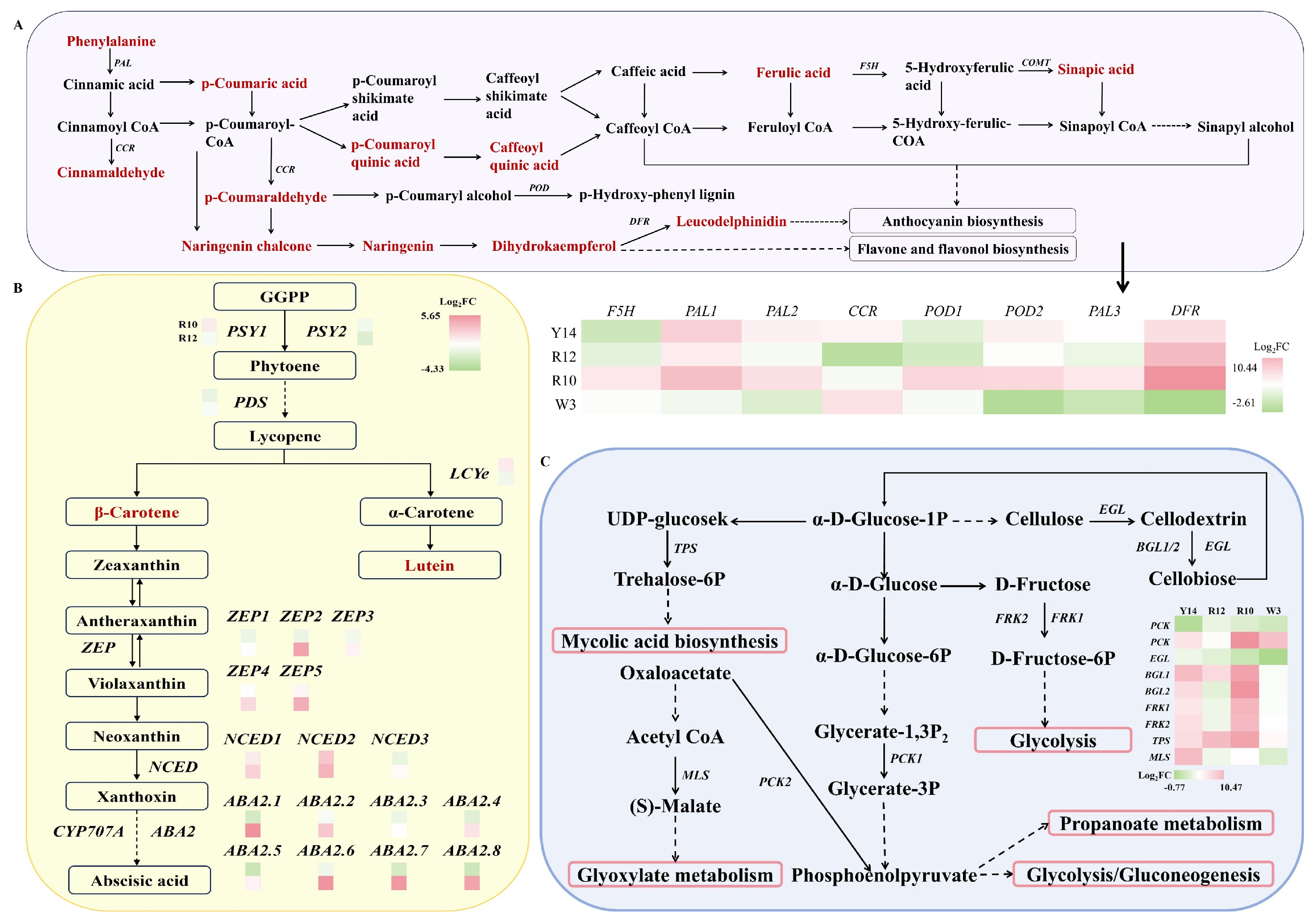
2.6. Red Onion R10 Had the Strongest Phenylpropanoid Biosynthesis Capability, While R10 and R12 Exhibited Superior Anthocyanin and Carotenoid Biosynthesis Capacities, Respectively
3. Discussion
4. Materials and Methods
4.1. Plant Materials
4.2. Measurement of Maximum Bulb Diameter
4.3. Determination of Relative Water Content
4.4. Color Difference Analysis
4.5. Non-Targeted Metabolomic Detection
4.6. Volatile Metabolite Profiling (GC-MS)
4.7. Transcriptome Sequencing and Analysis
4.8. Determination of Ascorbic Acid Content
4.9. Determination of Total Phenol Content
4.10. FRAP Assay
4.11. ABTS Assay
4.12. Determination of Pigments Content
4.13. Data Analysis
5. Conclusions
6. Limitations
Supplementary Materials
Author Contributions
Funding
Data Availability Statement
Conflicts of Interest
References
- Vojnović, Đ.; Pokluda, R.; Maksimović, I.; Červenski, J.; Ilin, S.; Adamović, B.; Popović-Đorđević, J. Optimizing Nitrogen Rate and Biostimulant Application to Improve Onion (Allium cepa L.) Yield and Nutrient Use Efficiency. Phyton-Int. J. Exp. Bot. 2025, 94, 1997–2013. [Google Scholar] [CrossRef]
- Bystrická, J.; Musilová, J.; Vollmannová, A.; Timoracká, M.; Kavalcová, P. Bioactive components of onion (Allium cepa L.)—A Review. Acta Aliment. 2013, 42, 11–22. [Google Scholar]
- Slimestad, R.; Fossen, T.; Vågen, I.M. Onions: A source of unique dietary flavonoids. J. Agric. Food Chem. 2007, 55, 10067–10080. [Google Scholar] [CrossRef] [PubMed]
- Zhao, X.X.; Lin, F.J.; Li, H.; Li, H.B.; Wu, D.T.; Geng, F.; Ma, W.; Wang, Y.; Miao, B.H.; Gan, R.Y. Recent advances in bioactive compounds, health functions, and safety concerns of onion (Allium cepa L.). Front. Nutr. 2021, 8, 669805. [Google Scholar] [CrossRef] [PubMed]
- Akinwotu, K.O.; Adeniran, H.A. Nutritional benefits, post-harvest challenges, and innovative preservation strategies of onions (Allium cepa L.): A comprehensive review. Food Sci. Preserv. 2025, 32, 423–444. [Google Scholar] [CrossRef]
- He, C.; Mkunga, J.J.; Zhang, D.; Choudhary, M.I.; Zhai, W.; Xie, X.; Fei, L.Y.; Shan, C.H.; Yang, X.Q.; Cai, W.C. Characterization of antioxidant qualities and exploration of mechanisms in different colored onions: Insights from metabolomics and systems biology. Food Chem. X 2026, 36, 103955. [Google Scholar] [CrossRef] [PubMed]
- Zhao, L.; Wang, L.; Wang, N.; Gao, X.; Zhang, B.; Zhao, Y.; Wang, N. Cooking Alters the metabolites of onions and their ability to protect nerve cells from lead damage. Foods 2024, 13, 3707. [Google Scholar] [CrossRef] [PubMed]
- Jurgiel-Malecka, G.; Gibczynska, M.; Nawrocka-Pezik, M. Comparison of chemical composition of selected cultivars of white, yellow and red onions. Bulg. J. Agric. Sci. 2015, 21, 736–741. [Google Scholar]
- Ren, F.; Zhou, S. Phenolic Components and Health Beneficial Properties of Onions. Agriculture 2021, 11, 872. [Google Scholar] [CrossRef]
- Bhandari, H.R.; Gorrepati, K.; More, S.J.; Khade, Y.P.; Dutta, R.; Mahajan, V. Towards better processable onions: Determinants and genetic improvement strategies. J. Sci. Food Agric. 2026, 106, 1994–2006. [Google Scholar] [PubMed]
- Cheng, K.; Xiao, J.; He, J.; Yang, R.; Pei, J.; Jin, W.; Abd El-Aty, A.M. Unraveling volatile metabolites in pigmented onion (Allium cepa L.) bulbs through HS-SPME/GC–MS-based metabolomics and machine learning. Front. Nutr. 2025, 12, 1582576. [Google Scholar] [PubMed]
- Zhou, X.; Zhang, J.; Shi, J.; Muhammad, K.U.R.; Liu, H.; Wei, Z.; Wu, F.Z.; Dini-Andreote, F. Volatile-mediated interspecific plant interaction promotes root colonization by beneficial bacteria via induced shifts in root exudation. Microbiome 2024, 12, 207. [Google Scholar] [CrossRef] [PubMed]
- Bastaki, S.M.A.; Ojha, S.; Kalasz, H.; Adeghate, E. Chemical constituents and medicinal properties of allium species. Mol. Cell. Biochem. 2021, 476, 4301–4321. [Google Scholar] [CrossRef] [PubMed]
- Liu, M.; Li, Y.; Chen, H.; He, C.; Sun, L.; Zhang, X.; Xu, Z.; Liu, H. Integrated omics profiles for exploring the potential mechanism underlying aroma formation in the terpenoid-rich aromatic plant Opisthopappus taihangensis and the bioactivity of its leaf essential oil. Agric. Commun. 2024, 2, 100061. [Google Scholar] [CrossRef]
- Luo, Y.; Zhang, L.; Chi, Y.; Wang, C.; Xu, W.; Xu, Z.; Wang, Y.L.; Qu, S. Combined analysis of carotenoid and chlorophyll metabolite and the transcriptome to analyze the peel color formation mechanism in pumpkin (Cucurbita maxima). Veg. Res. 2025, 6, e004. [Google Scholar]
- Yong, Y.; Zhou, Q.; Ding, X.; Cheng, J.; Zhou, C.; Shen, Z.; Zhang, L. Comparative metabolome and transcriptome revealed the CpODO1 transcription factor controlling the varied floral scent traits of three wintersweet cultivars. Hortic. Plant J. 2025, 11, 1669–1683. [Google Scholar] [CrossRef]
- Zheng, H.; Wang, Y.; Ren, M.; Chen, J.; Huang, L.; Zhang, W.; Li, H.; Du, K.; Tao, J. Impact of CPPU and combined CPPU-thidiazuron treatments on fruit quality and volatile compounds in ’Jinling Xiangxin’ grapes. Technol. Hortic. 2025, 5, e035. [Google Scholar] [CrossRef]
- Zhang, J.; Wang, K.; Song, X.; Xie, Y.; Li, X.; Meng, S.; Han, Q.S.; Jia, J.H.; Chen, W.; Yan, L. Integrated transcriptome and metabolome analysis revealed key genes related to astringency in cucumber fruits. Veg. Res. 2025, 5, e029. [Google Scholar] [CrossRef]
- Park, S.K.; Kim, D.H.; Lee, J.Y.; Ha, S.H.; Lim, S.H. Comparative analysis of two flavonol synthases from different-colored onions provides insight into flavonoid biosynthesis. J. Agric. Food Chem. 2017, 65, 5287–5298. [Google Scholar] [CrossRef] [PubMed]
- Yao, H.; Zhong, L.; Luo, J.; Cheng, Y.; Bao, M.; Zhang, F. Molecular mechanisms and research advances of plant hormone regulation in cut flower senescence. Plant Horm. 2025, 1, e020. [Google Scholar] [CrossRef]
- Kiran, P.R.; Aradwad, P.; Kumar, T.V.A.; Nayana, N.P.; Ramya, C.S.; Sahoo, M.; Urhe, B.S.; Yadav, R.; Kar, A.; Mani, I. A comprehensive review on recent advances in postharvest treatment, storage, and quality evaluation of onion (Allium cepa): Current status, and challenges. Future Postharvest Food 2024, 1, 124–157. [Google Scholar] [CrossRef]
- Cheng, A.; Chen, X.; Jin, Q.; Wang, W.; Liu, Y. Comparison of phenolic content and antioxidant capacity of red and yellow onions. Czech J. Food Sci. 2013, 31, 501–508. [Google Scholar] [CrossRef]
- Schwinn, K.E.; Ngo, H.; Kenel, F.; Brummell, D.A.; Albert, N.W.; McCallum, J.A.; Pither-Joyce, M.; Crowhurst, R.N.; Eady, C.; Davies, K.M. The Onion (Allium cepa L.) R2R3-MYB gene MYB1 regulates anthocyanin biosynthesis. Front. Plant Sci. 2016, 7, 1865. [Google Scholar] [PubMed]
- Mahmood, N.; Muazzam, M.A.; Ahmad, M.; Hussain, S.; Javed, W. Phytochemistry of Allium cepa L. (Onion): Its nutritional and pharmacological importance. Sci. Inq. Rev. 2021, 5, 41–49. [Google Scholar] [CrossRef]
- Marefati, N.; Ghorani, V.; Shakeri, F.; Boskabady, M.; Kianian, F.; Rezaee, R.; Boskabady, M.H. A review of anti-inflammatory, antioxidant, and immunomodulatory effects of Allium cepa and its main constituents. Pharm. Biol. 2021, 59, 285–300. [Google Scholar] [CrossRef]
- Hao, Y.C.; Zhang, Z.H.; Luo, E.X.; Yang, J.; Wang, S.C. Plant metabolomics: Applications and challenges in the era of multi-omics big data. aBiotech 2025, 6, 116–132. [Google Scholar] [CrossRef] [PubMed]
- Gorrepati, K.; Kumar, A.; Ahammed Shabeer, T.P.; Khan, Z.; Satpute, P.; Anandhan, S.; Arunachalam, T.; Yalamalle, V.R.; Mahajan, V.; Singh, M. Characterization and evaluation of antioxidant potential of onion peel extract of eight differentially pigmented short-day onion (Allium cepa L.) varieties. Front. Sustain. Food Syst. 2024, 8, 1469635. [Google Scholar] [CrossRef]
- Choe, H.; Kim, G.; Kim, S. Identification of a 982-kb deletion including the DFR-A gene responsible for the lack of anthocyanin in onion (Allium cepa L.) and development of a codominant marker for detection of the deleted DFR-A allele. Mol. Breed. 2026, 46, 12. [Google Scholar] [PubMed]
- Kaur, I.; Chawla, N.; Dhatt, A.S.; Sarao, N.K.; Deka, D. Molecular Regulation of Flavonoid Biosynthesis in Onion (Allium cepa L.) During Developmental Progression and Its Cytotoxic Implications. Russ. J. Plant Physiol. 2026, 73, 118. [Google Scholar] [CrossRef]
- Zhang, C.; Li, L.; Zhang, Y.T.; Liang, Q.N.; Luo, S.; Huang, Z.; Li, H.X.; Escalona, V.H.; Chen, Z.F.; Zhang, F.; et al. BoaCRTISO regulates the color and glossiness of Chinese kale through its effects on pigment, abscisic acid, and cuticular wax biosynthesis. Hortic. Plant J. 2025, 11, 2137–2148. [Google Scholar] [CrossRef]
- Zhou, A.L.; Zhang, Y.T.; Li, L.; Di, H.M.; Bian, J.L.; Ma, J.; Escalona, V.H.; Hong, H.J.; Li, H.X.; Tang, Y.; et al. Effects of combined treatment of light quality and melatonin on health-promoting compounds in Chinese kale sprouts. LWT 2024, 199, 116137. [Google Scholar] [CrossRef]
- Li, H.; Cheng, W.; Yu, X.; Liang, K.; Tang, Y.; Huang, Z.; Li, H.X.; Zhang, F.; Chen, C.K.; Sun, B. Effect of combined light quality and calcium chloride treatments on growth and quality of Chinese Kale Sprouts. Horticulturae 2025, 11, 780. [Google Scholar] [CrossRef]
- Di, H.; Liu, R.; Zhang, Y.; Chen, Z.; Ma, J.; Escalona, V.H.; Liu, D.C.; Huang, H.H.; Huang, Z.; Tang, Y.; et al. Individual and combined treatments of 2, 4-epibrassinolide (EBR) and calcium chloride (CaCl2) maintain the postharvest quality of baby mustard. Postharvest Biol. Technol. 2024, 212, 112901. [Google Scholar]
- Zhang, C.; Liang, Q.; Wang, Y.; Liang, S.; Huang, Z.; Li, H.; Escalona, V.H.; Yao, X.W.; Cheng, W.J.; Chen, Z.F.; et al. BoaBZR1. 1 mediates brassinosteroid-induced carotenoid biosynthesis in Chinese kale. Hortic. Res. 2024, 11, uhae104. [Google Scholar] [PubMed]





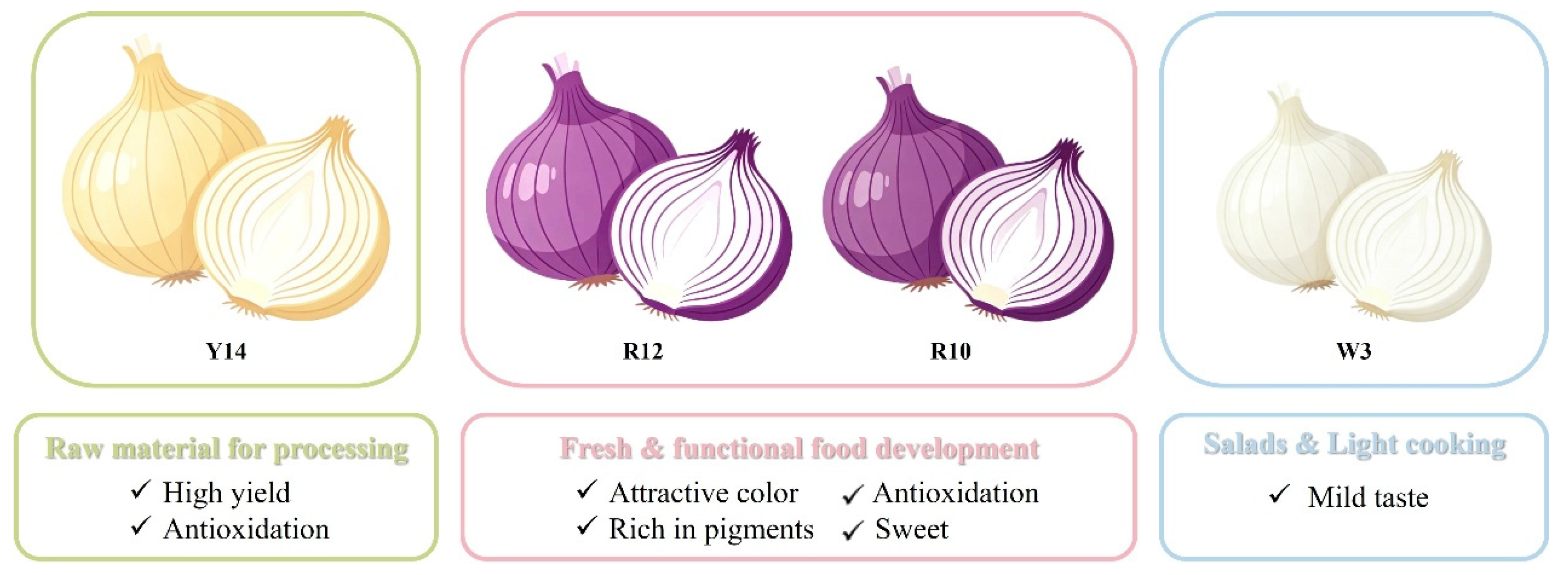
Disclaimer/Publisher’s Note: The statements, opinions and data contained in all publications are solely those of the individual author(s) and contributor(s) and not of MDPI and/or the editor(s). MDPI and/or the editor(s) disclaim responsibility for any injury to people or property resulting from any ideas, methods, instructions or products referred to in the content. |
© 2026 by the authors. Licensee MDPI, Basel, Switzerland. This article is an open access article distributed under the terms and conditions of the Creative Commons Attribution (CC BY) license.
Share and Cite
Shan, C.; Zhang, C.; Yu, X.; Zhang, W.; Yang, L.; Dong, X.; Wu, D.; Sun, B. Metabolic and Transcriptomic Basis of Quality Divergence in Onions (Allium cepa L.) with Different Bulb Colors. Plants 2026, 15, 1949. https://doi.org/10.3390/plants15131949
Shan C, Zhang C, Yu X, Zhang W, Yang L, Dong X, Wu D, Sun B. Metabolic and Transcriptomic Basis of Quality Divergence in Onions (Allium cepa L.) with Different Bulb Colors. Plants. 2026; 15(13):1949. https://doi.org/10.3390/plants15131949
Chicago/Turabian StyleShan, Chenghai, Chenlu Zhang, Xuena Yu, Wenyou Zhang, Lin Yang, Xuan Dong, Deping Wu, and Bo Sun. 2026. "Metabolic and Transcriptomic Basis of Quality Divergence in Onions (Allium cepa L.) with Different Bulb Colors" Plants 15, no. 13: 1949. https://doi.org/10.3390/plants15131949
APA StyleShan, C., Zhang, C., Yu, X., Zhang, W., Yang, L., Dong, X., Wu, D., & Sun, B. (2026). Metabolic and Transcriptomic Basis of Quality Divergence in Onions (Allium cepa L.) with Different Bulb Colors. Plants, 15(13), 1949. https://doi.org/10.3390/plants15131949