Ocimum gratissimum: Chemical Composition, Phytochemical Properties, Antioxidants, and Pharmacological Activities: A Review


Abstract
1. Introduction
Methodology
2. Plant Characteristics
2.1. Roots
2.2. Branches
2.3. Stem
2.4. Flowers
2.5. Leaves
3. Minerals and Nutrition
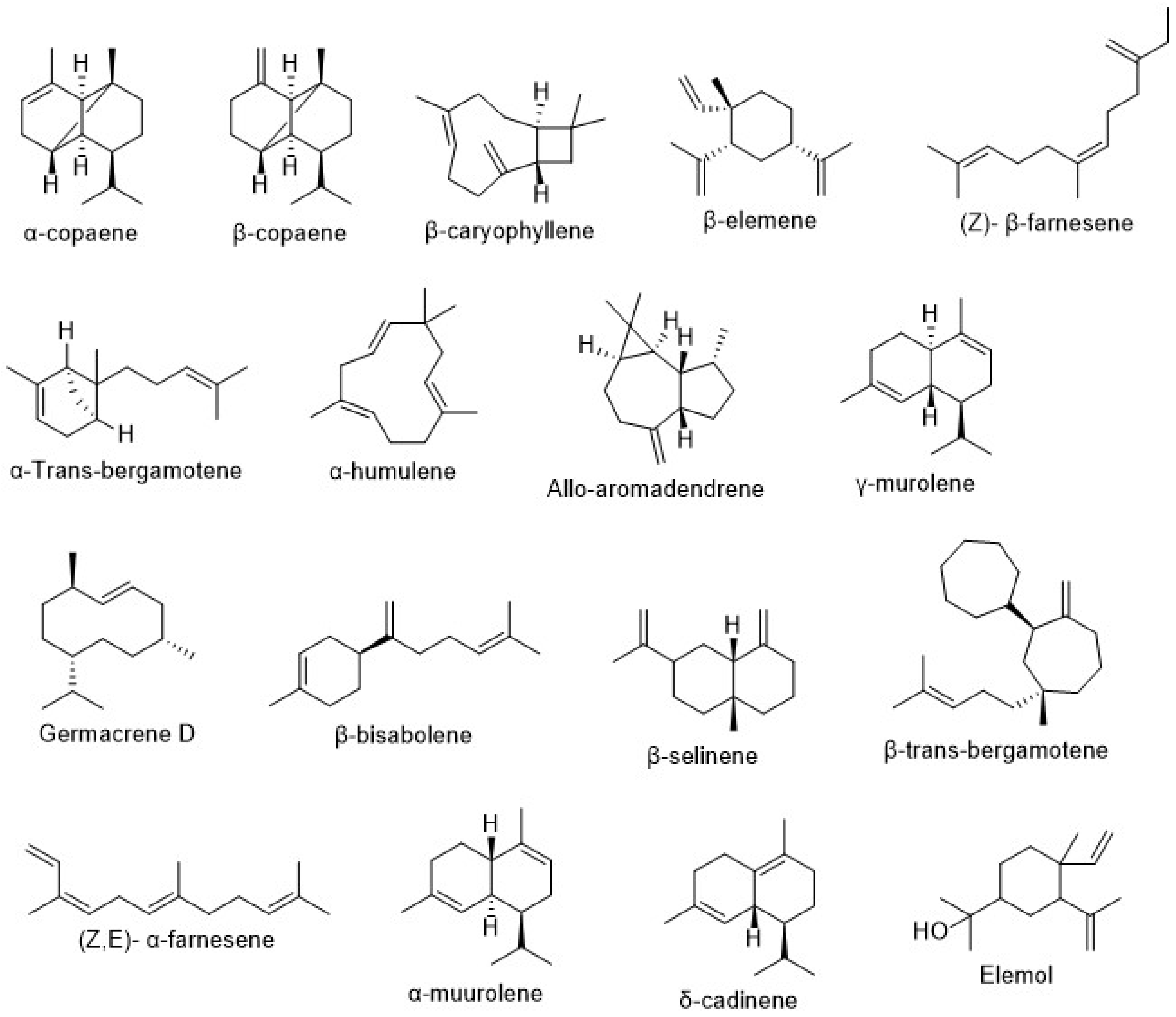
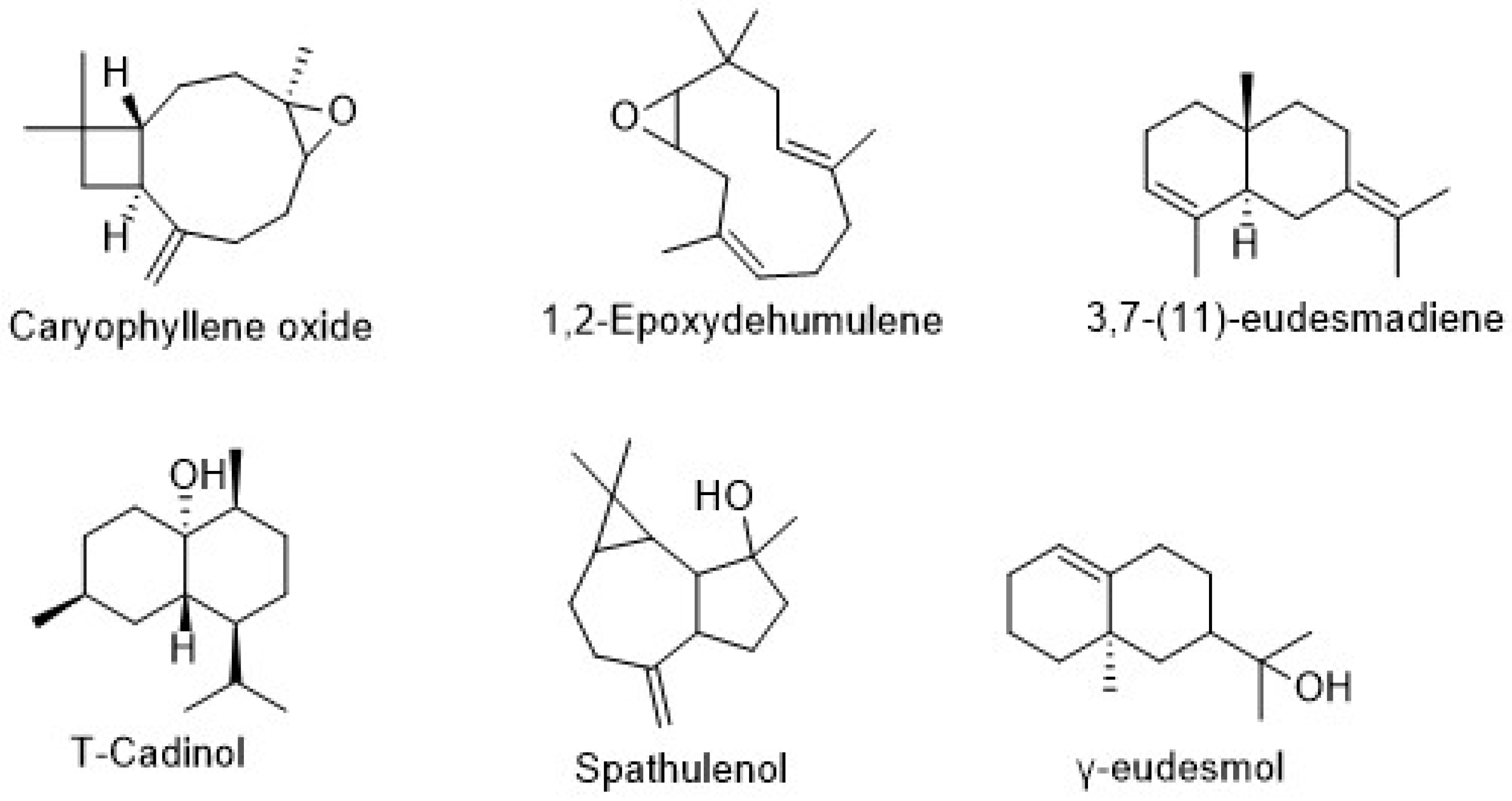
4. Bioactive Compounds of Ocimum gratissimum with Molecular Structures
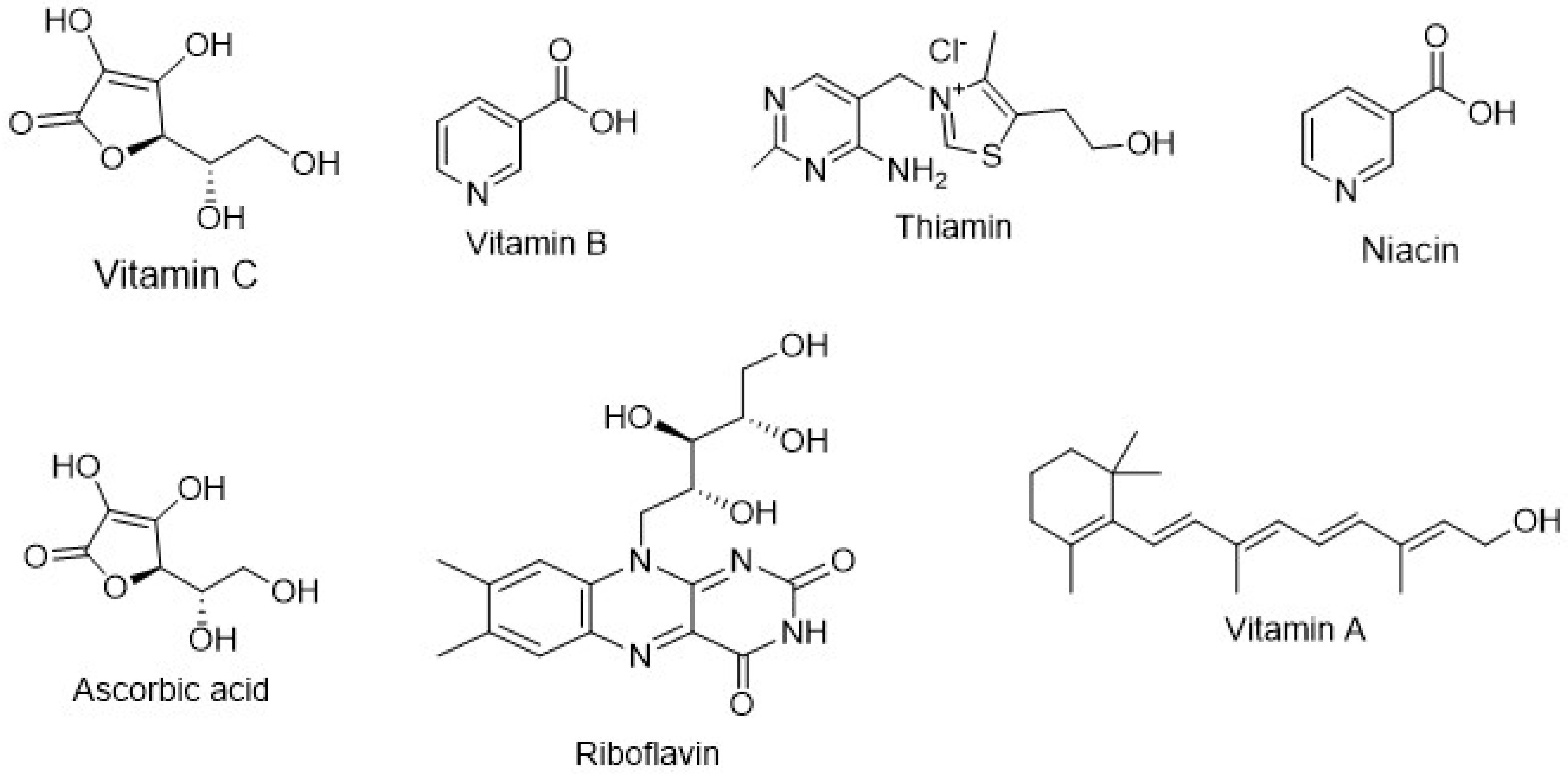
4.1. Vitamins
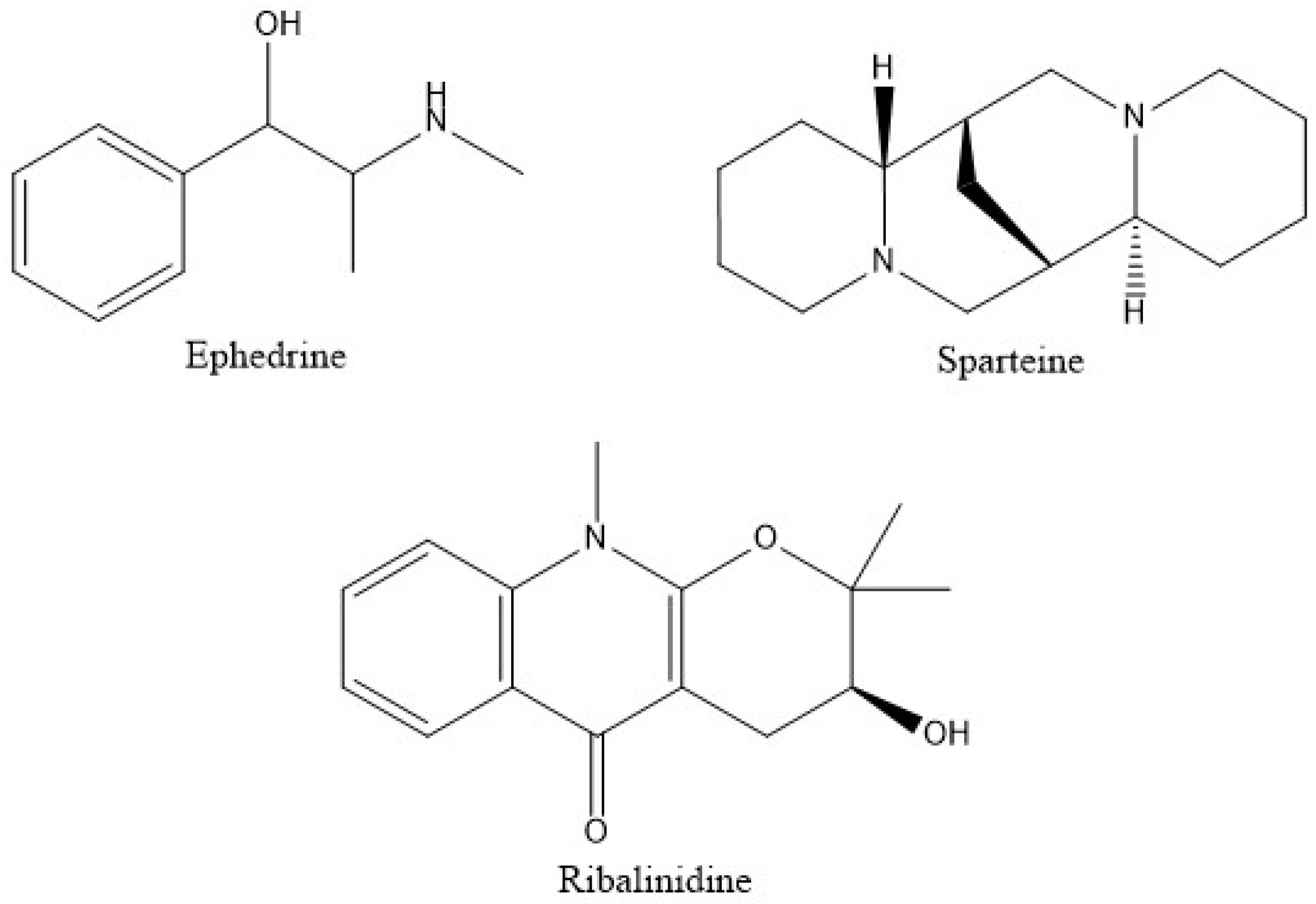
4.2. Alkaloids
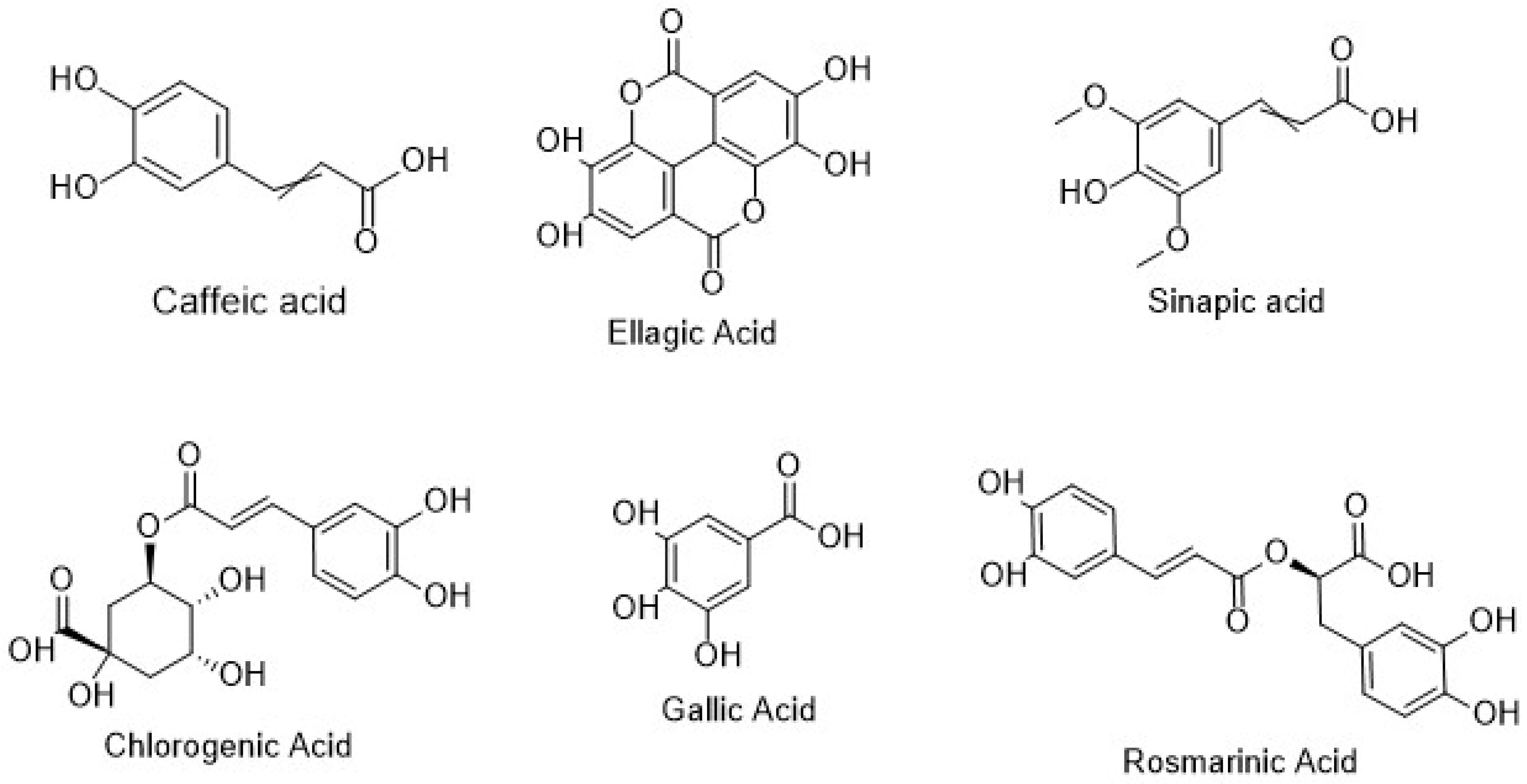
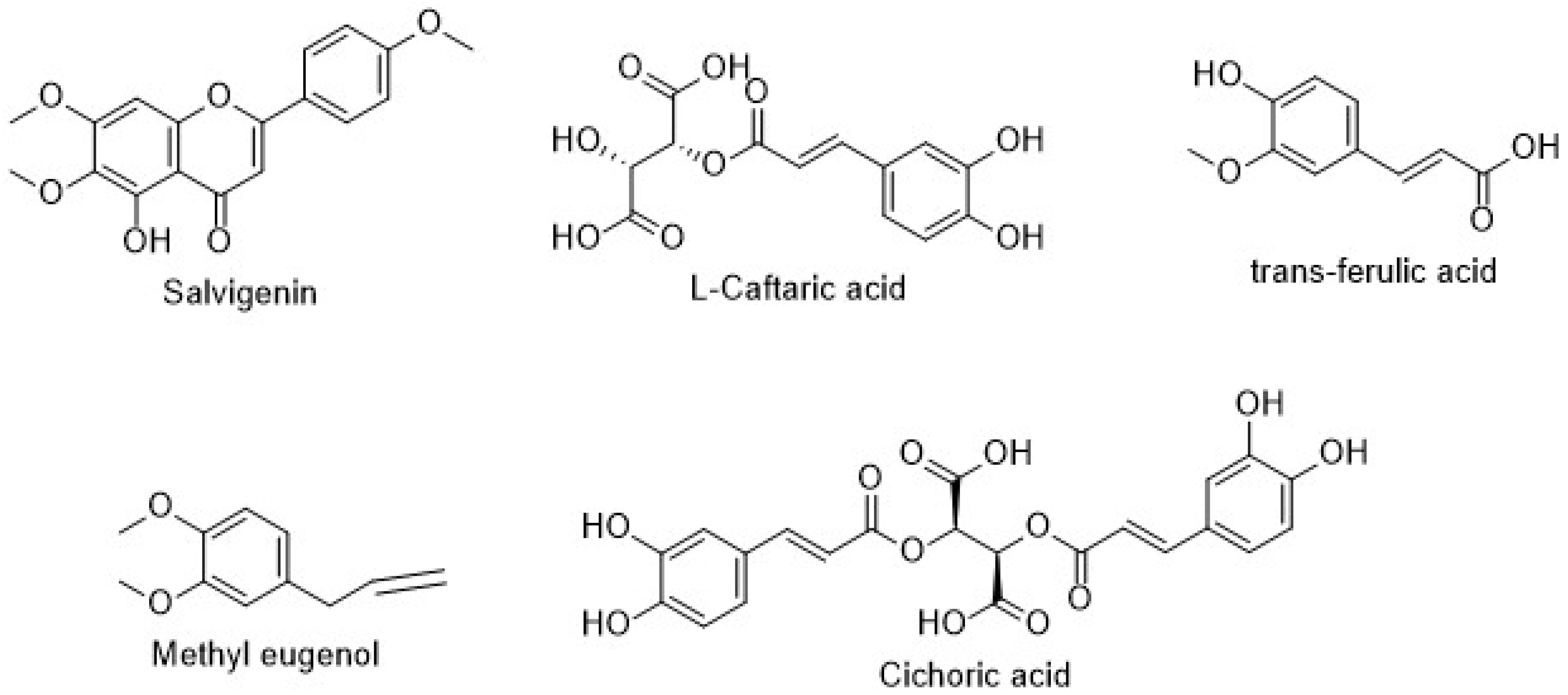
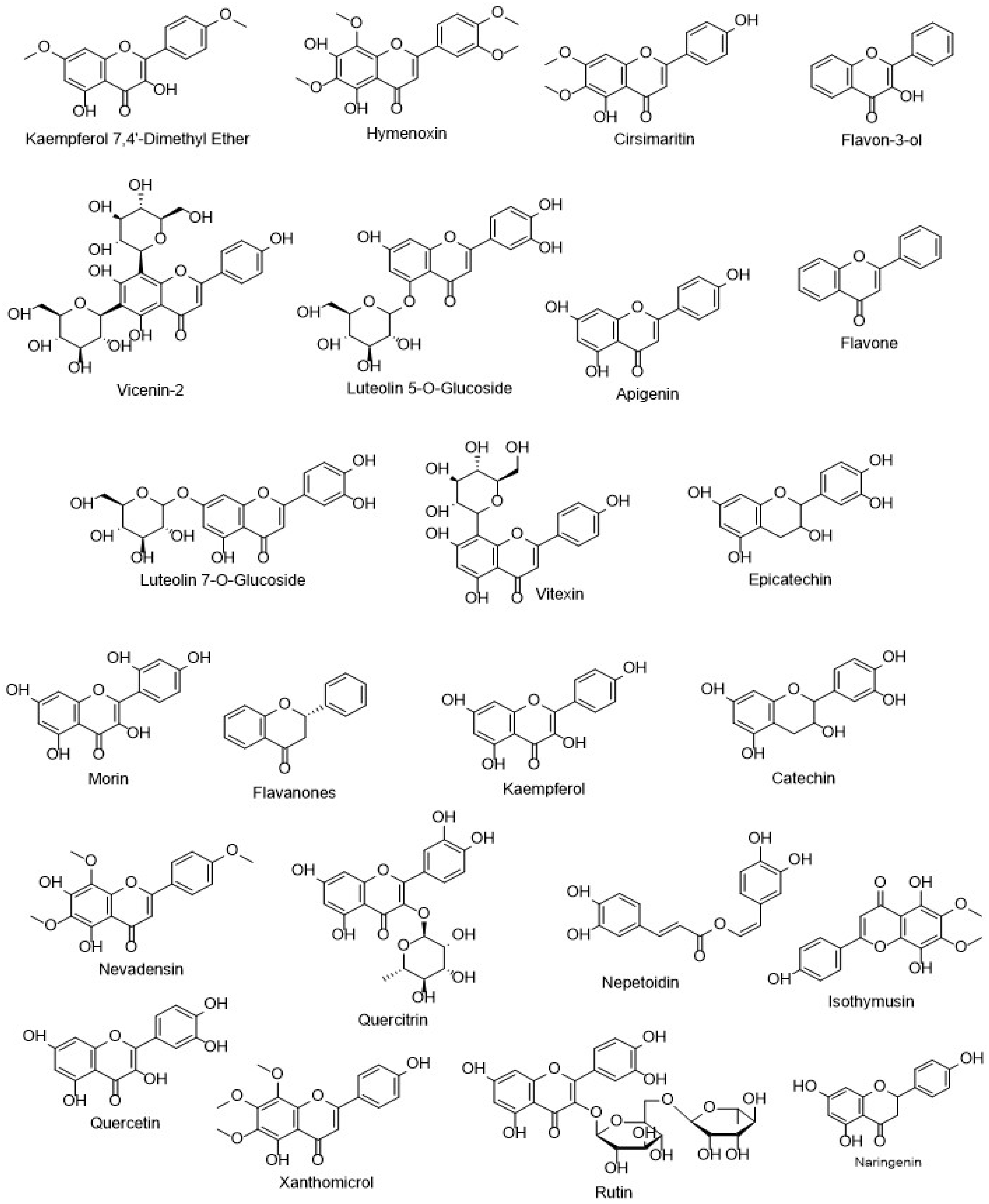
4.3. Polyphenols
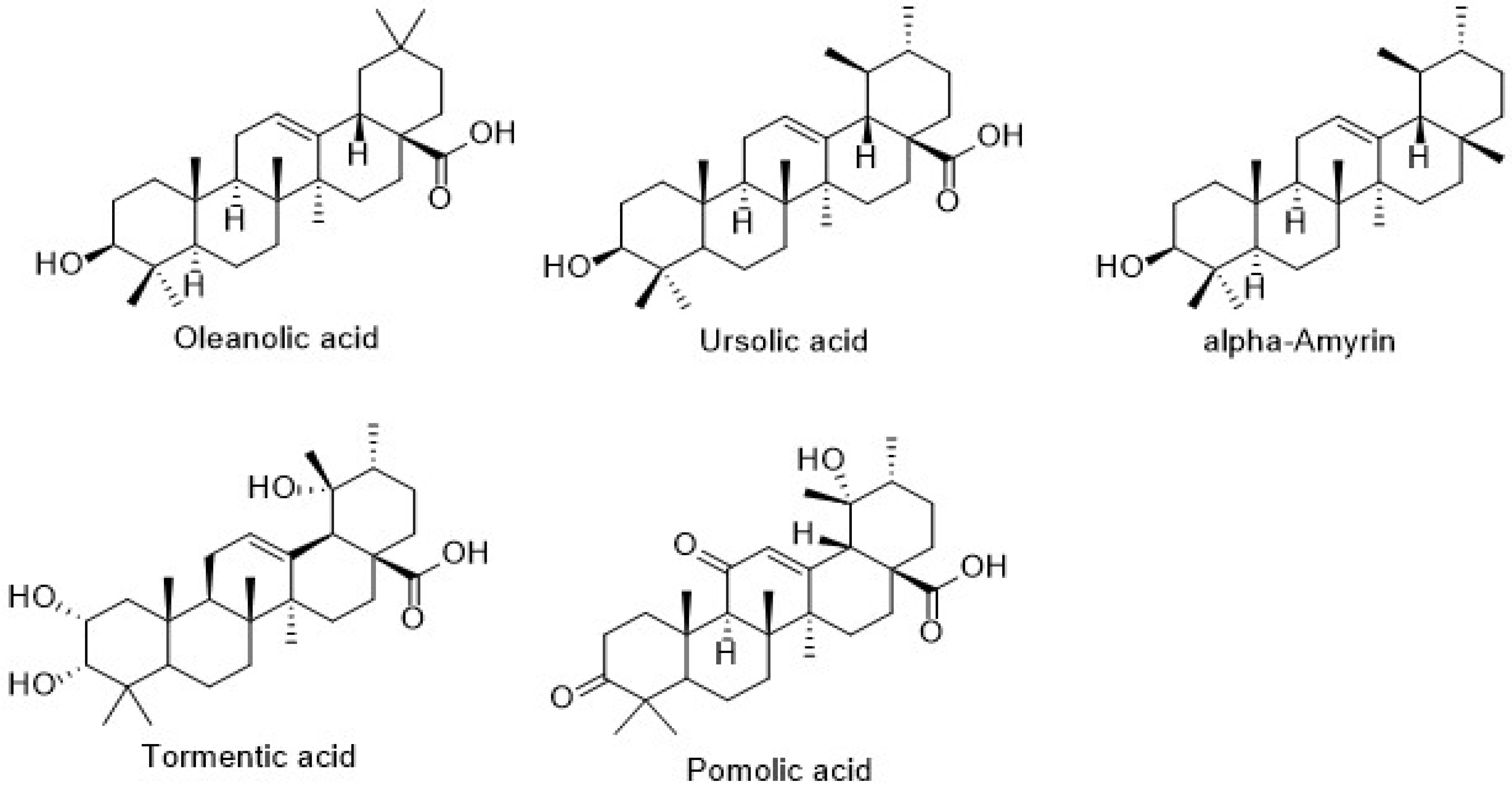
4.4. Triterpenes and Steroids
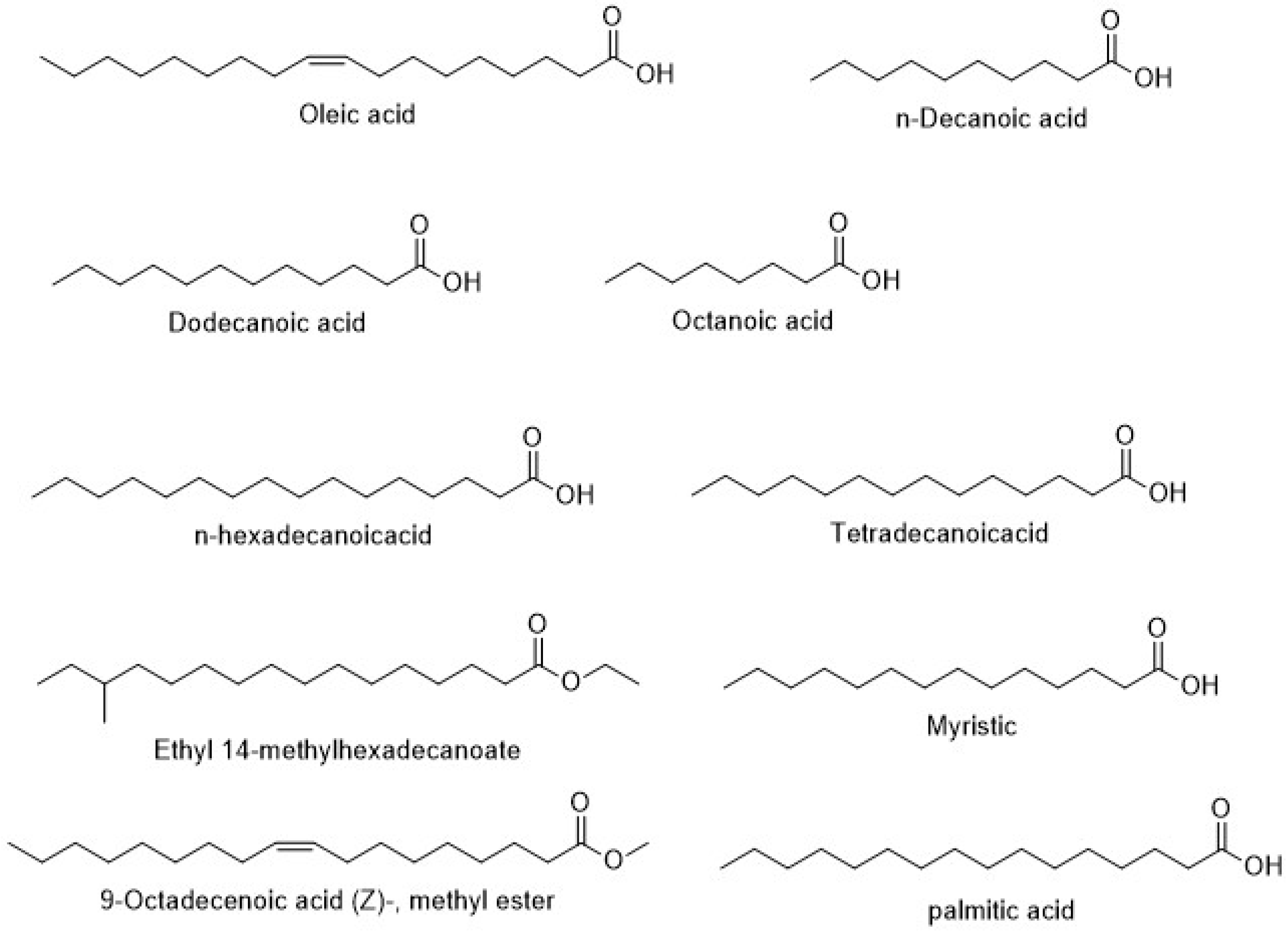
4.5. Fatty Acids and Esthers
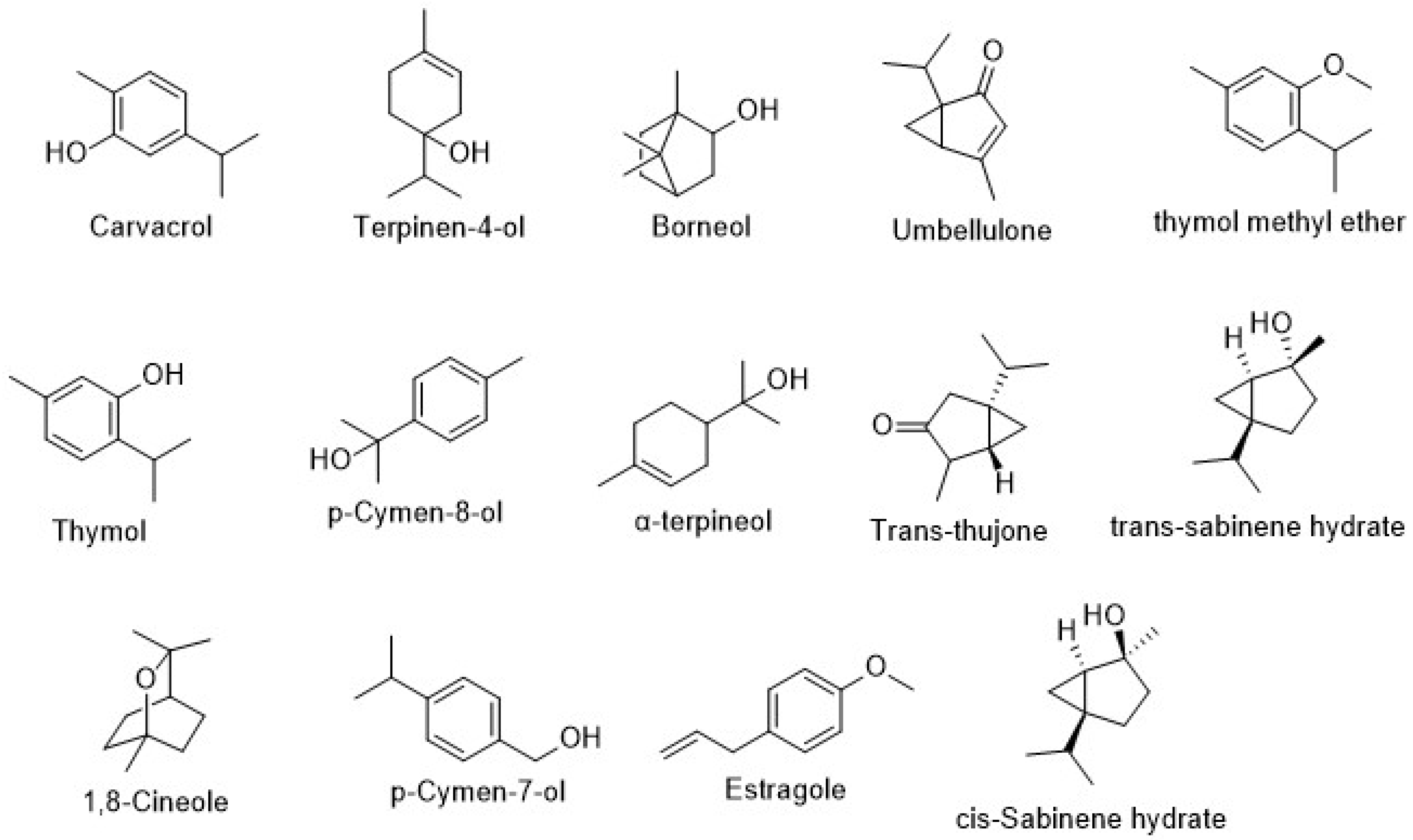
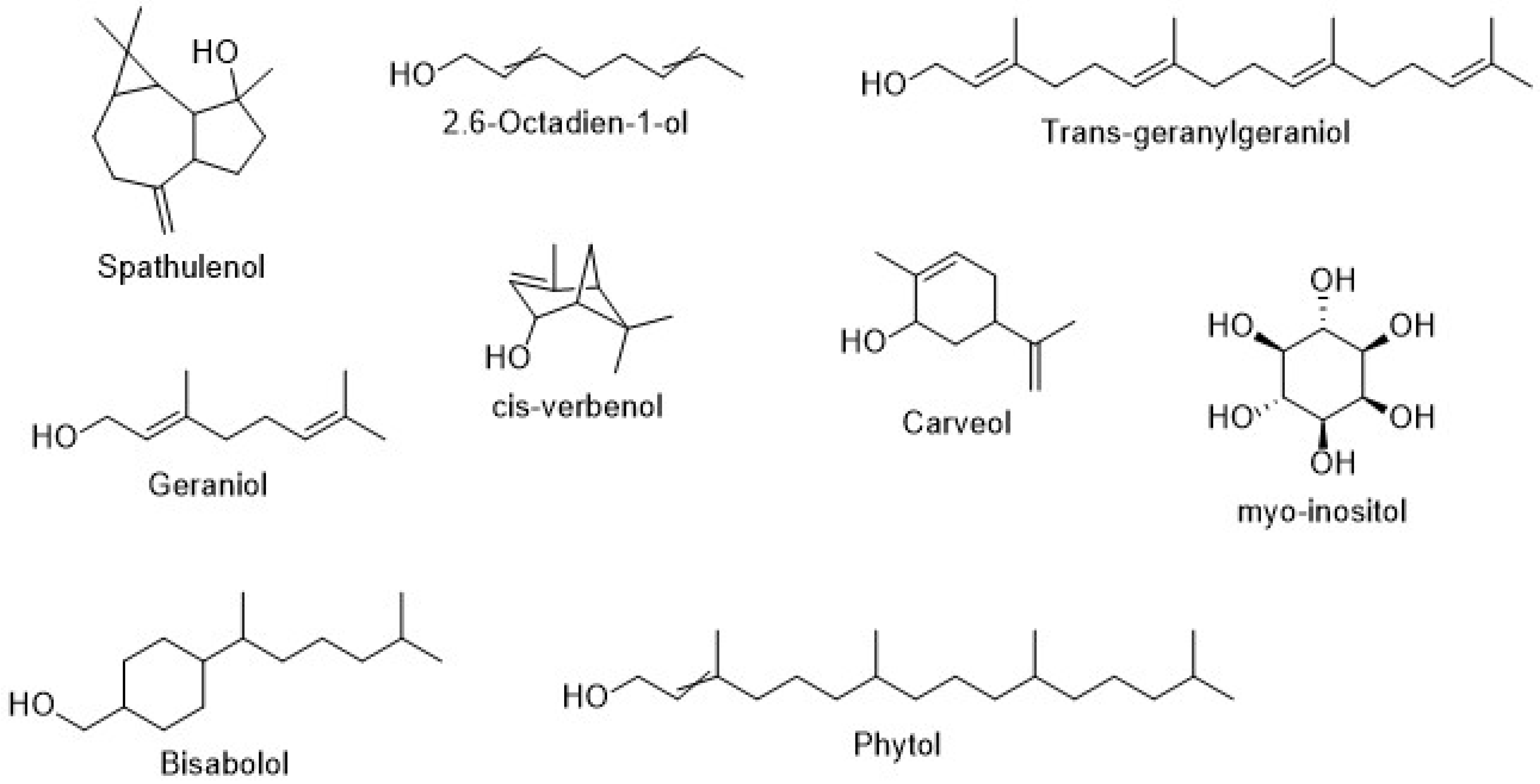
4.6. Alcohols
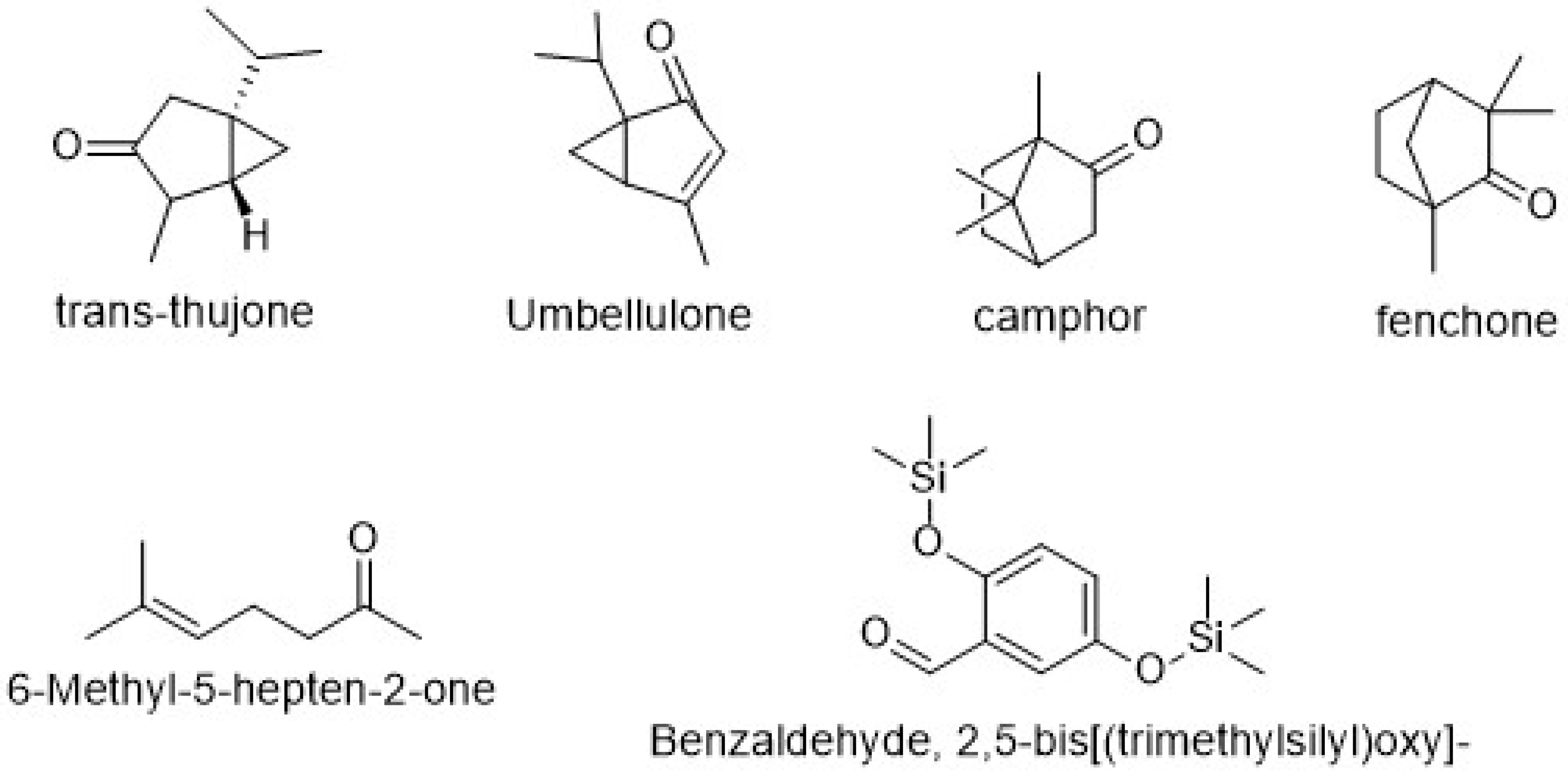
4.7. Ketones and Aldehydes
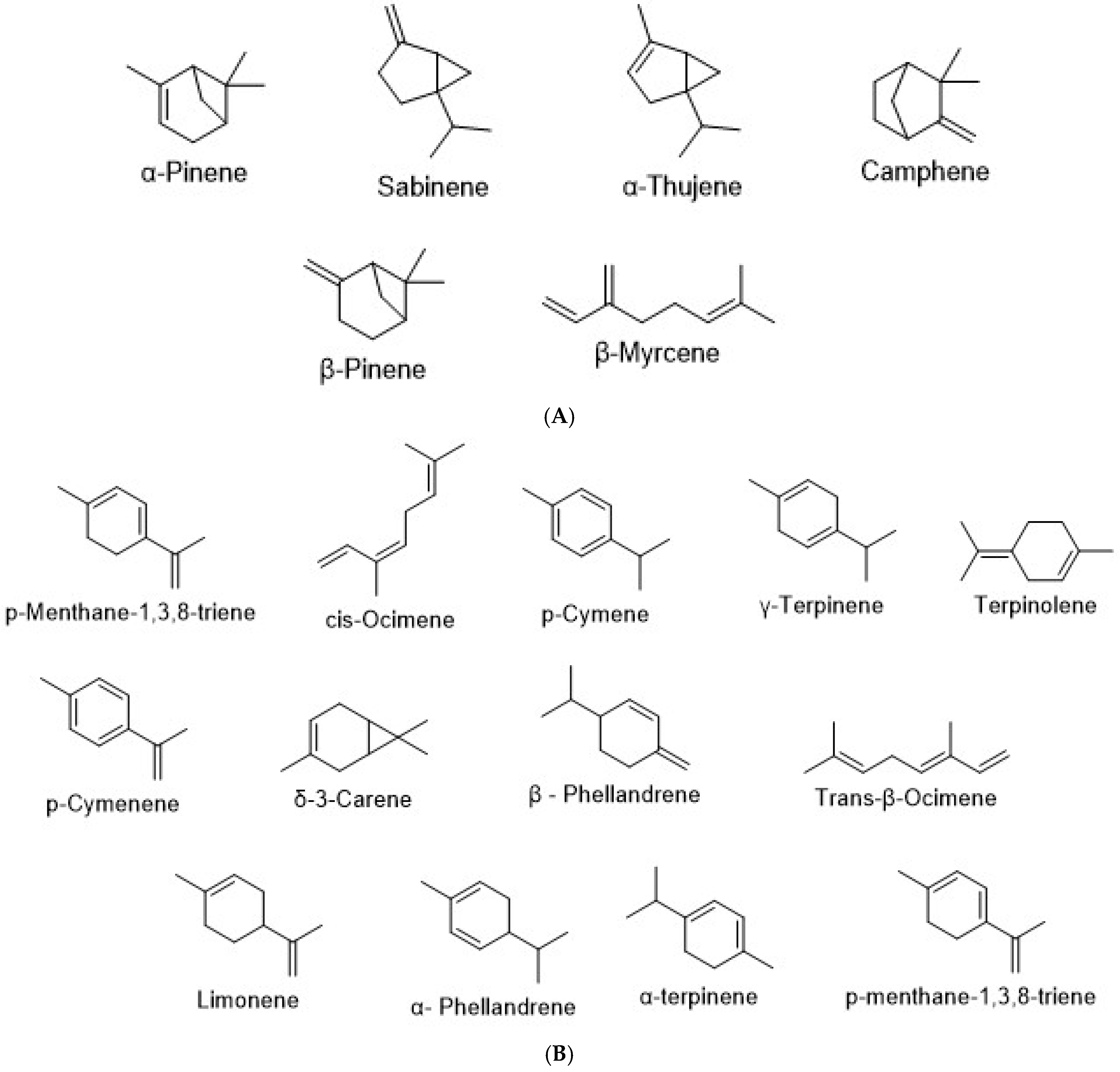
4.8. Oils and Essential Oils
5. Structure–Function Activity Relationship

| Functional Group | Bioactive Constituent | Associated Mechanism | Outcomes | References |
|---|---|---|---|---|
| Phenolic Hydroxyl (-OH) groups | Eugenol and Thymol | Act as hydrogen donors to fight and neutralise free radicals | Potent antioxidant activities. | [105] |
| Hydroxyl-mediated | Eugenol and Luteolin | Changes membrane fatty acids and affects the cytoplasmic membrane and ATP leakage | Potent antibacterial activity | [60,121] |
| Alkyl-Hydroxyl group | Thymol and Carvacrol | Stabilises phenoxy radicals by donating electrons, subsequently increasing electron density | Increased antioxidant potency | [105] |
| Methoxy mediation | Methyl-eugenol and Eugenol | Stabilises free radicals and increases hydrogen-donating potential | Increases antioxidant capacity | [105] |
| Catechol structures group | Luteolin and Apigenin | Mediates and promotes electron donation for free radicals | Enhances neuroprotection and strengthens membrane protection | [122] |
| Beta-sheet binding structure | Rosmarinic acid | Involved in directly binding to the beta sheet structure of amyloid-beta oligomers and fibrils, which inhibits alpha–beta aggregation | Anti-Alzheimer’s effects | [105,123] |
| Phenolic rings | Thymol and Eugenol | Blocks prostaglandin synthesis by binding to the COX | Analgesic and anti-inflammatory effects | [117] |
| Nucleophilic-Cysteines interaction | Rosmarinic acid and Eugenol | Triggers NRF2 release by interacting with nucleophilic cysteine on the KEAP1 protein | Activates redox homeostasis | [123,124] |
| Sesquiterpene structure groups | Caryophyllene | Mediates specific agonist for the CB2 endocannabinoid receptors | Immune modulator and anti-analgesic effects | [121,125] |
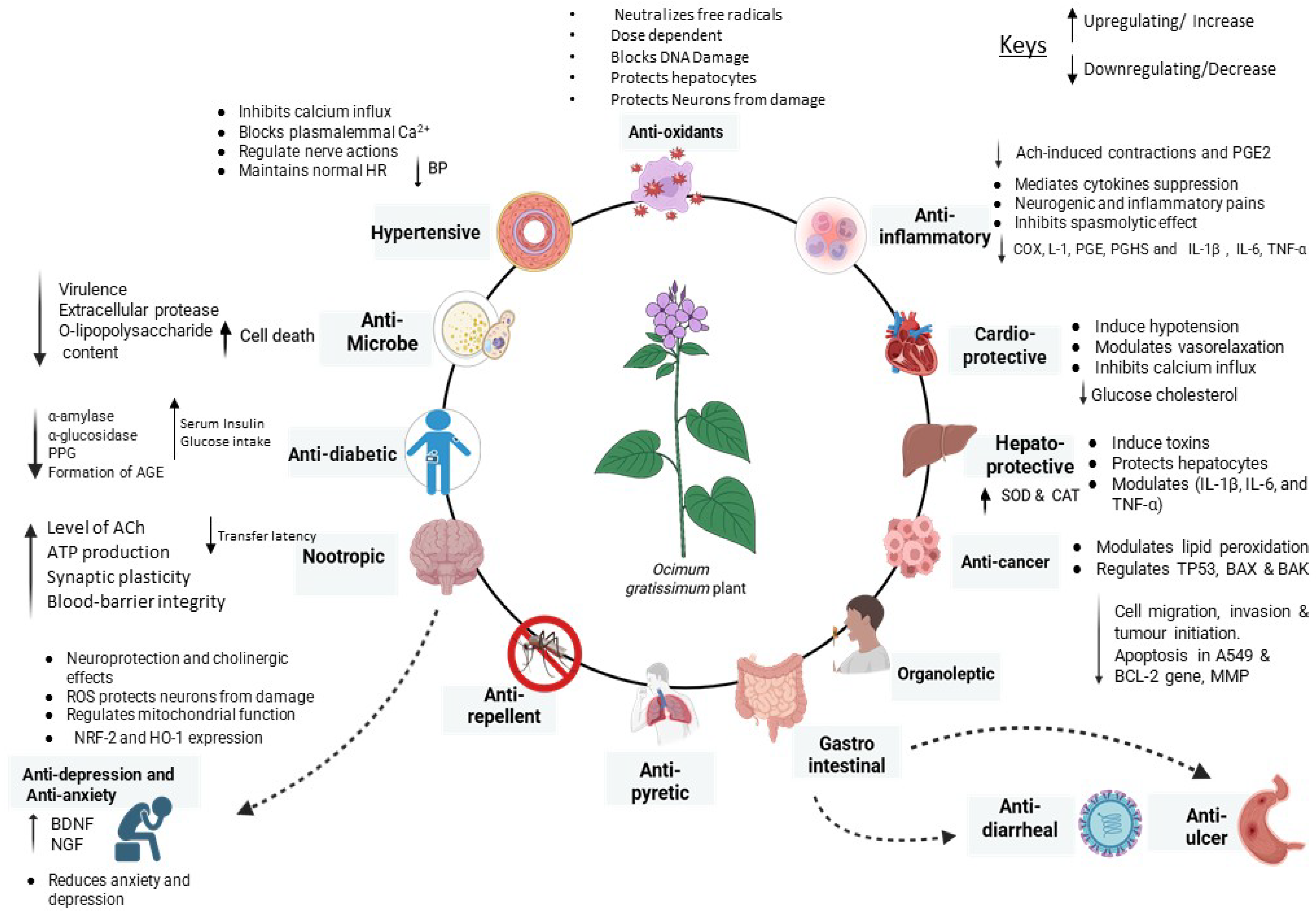
6. Pharmacological Activities
6.1. Pharmacological Mechanisms
6.1.1. Antioxidants
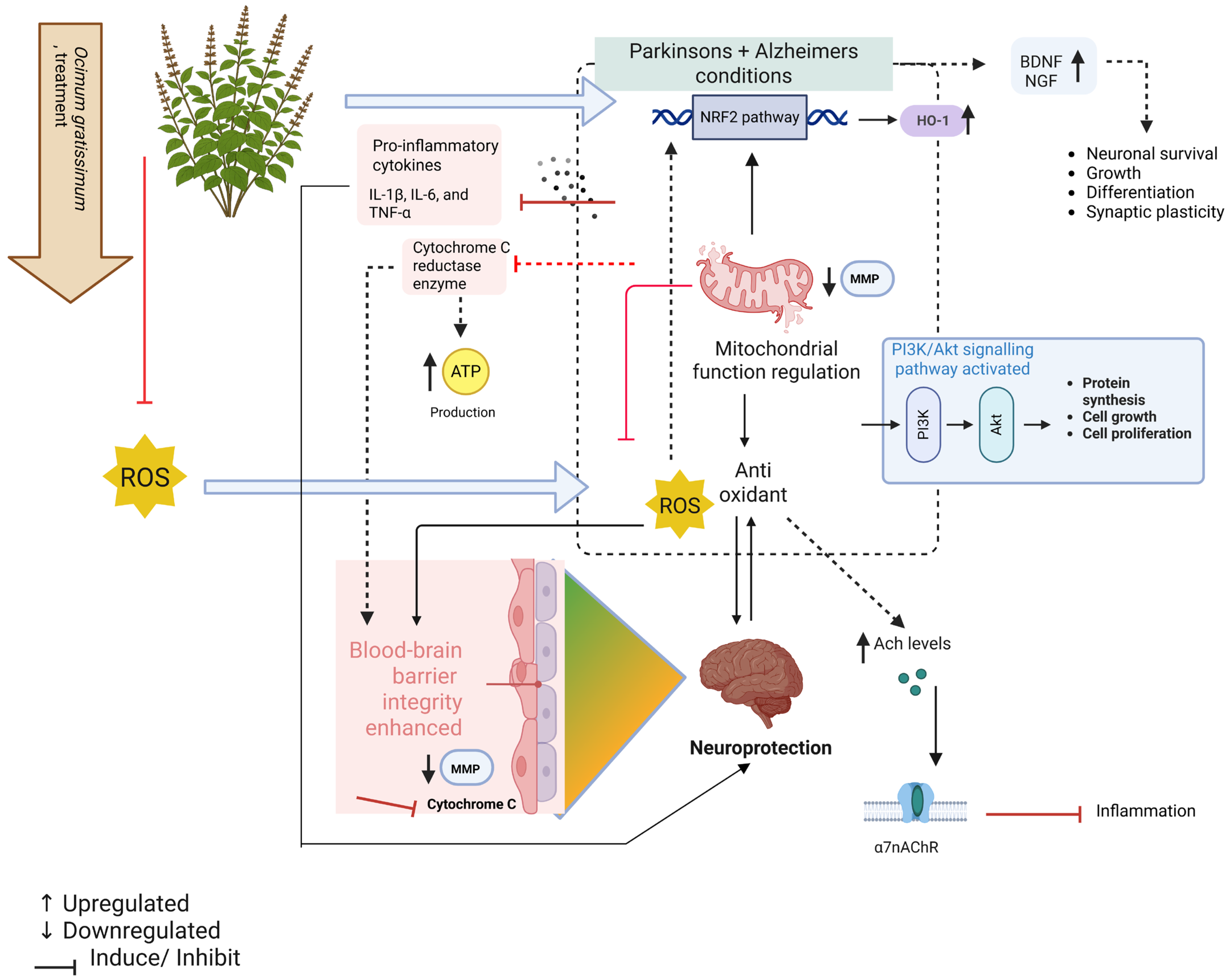
6.1.2. Cognitive and Memory Enhancement Potential: Nootropic Properties
6.1.3. Antimicrobial
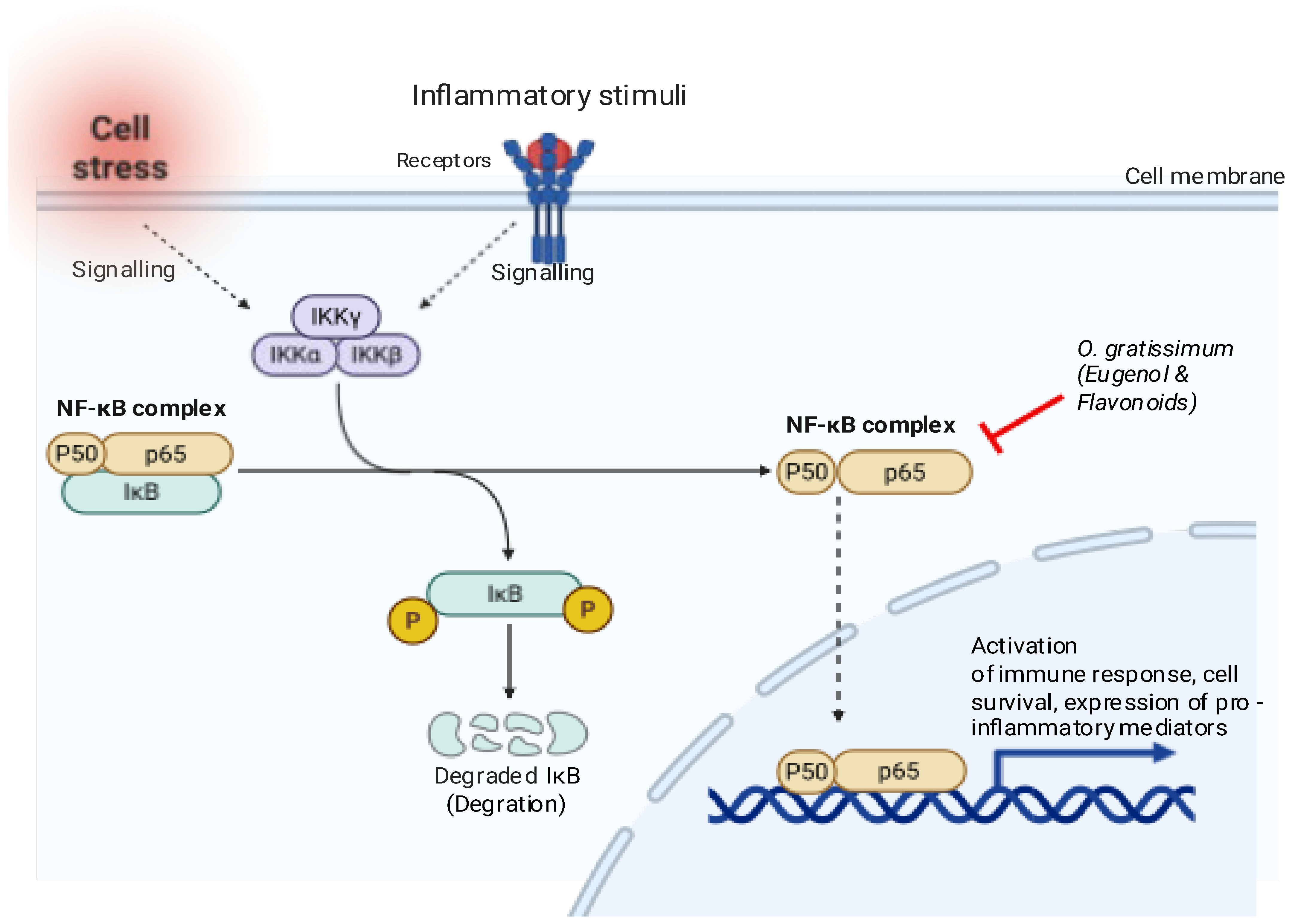
6.1.4. Anti-Inflammatory
6.1.5. Anti-Analgesic
6.1.6. Anticancerous
6.1.7. Anti-Hypertensive and Vasorelaxant
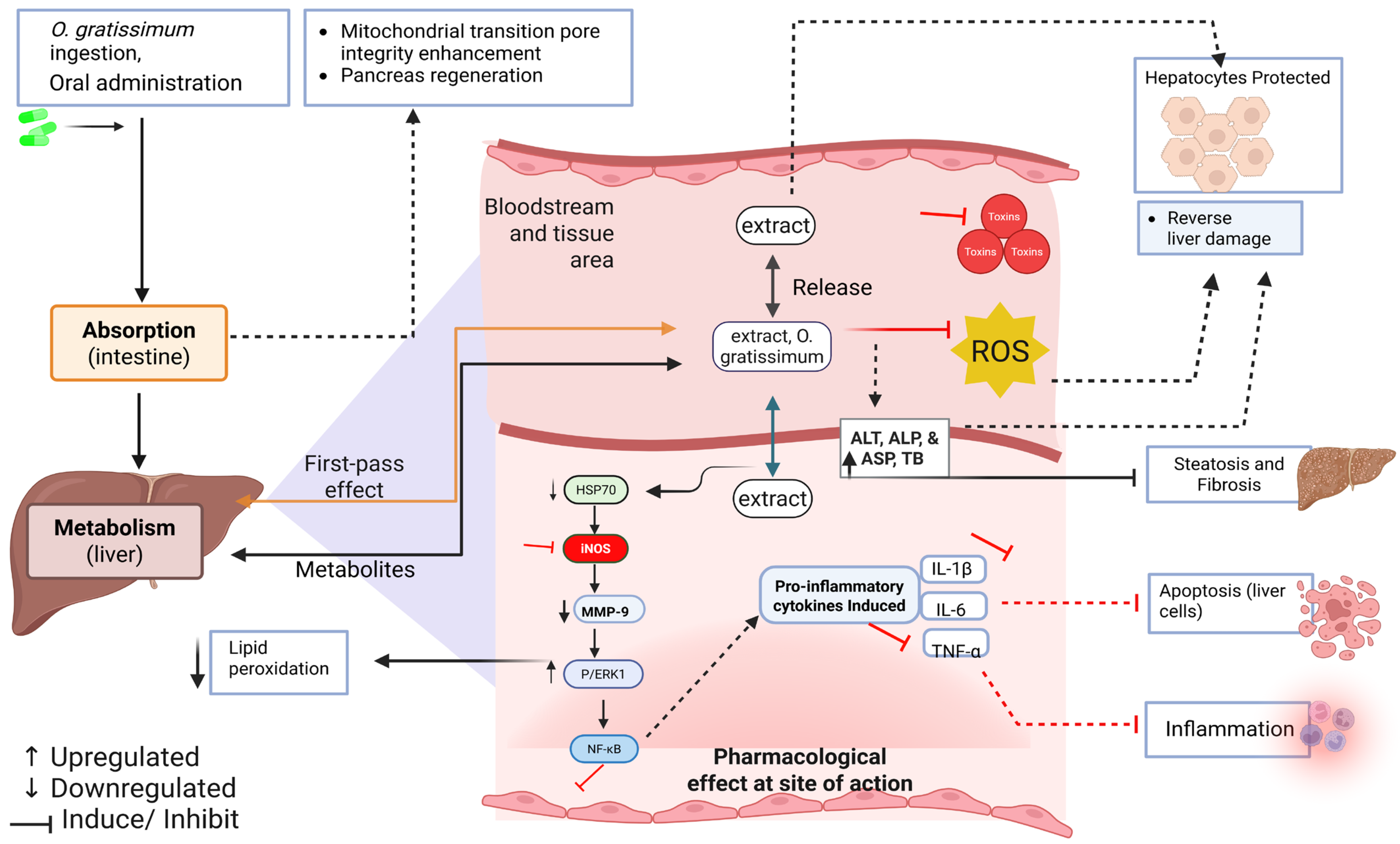
6.1.8. Hepatoprotective
7. Conclusions and Future Studies
Author Contributions
Funding
Data Availability Statement
Conflicts of Interest
References
- du Toit, A.; van der Kooy, F. Artemisia afra, a controversial herbal remedy or a treasure trove of new drugs? J. Ethnopharmacol. 2019, 244, 112127. [Google Scholar] [CrossRef]
- Bhattacharya, R.; Bose, D.; Maqsood, Q.; Gulia, K.; Khan, A. Recent advances on the therapeutic potential with Ocimum species against COVID-19: A review. S. Afr. J. Bot. 2024, 164, 188–199. [Google Scholar] [CrossRef]
- Maphetu, N.; Unuofin, J.O.; Masuku, N.P.; Olisah, C.; Lebelo, S.L. Medicinal uses, pharmacological activities, phytochemistry, and the molecular mechanisms of Punica granatum L. (pomegranate) plant extracts: A review. Biomed. Pharmacother. 2022, 153, 113256. [Google Scholar] [CrossRef]
- Lee, R. Vana Holy Basil Leaf, Ocimum gratissimum. uOttawa. 2023. Available online: https://www.uottawa.ca/research-innovation/jlholmes-mass-spectrometry-facility/chemical-facility/projects/hydrosol-project/rosehip-rosa-canina-vana-holy-basil-leaf-ocimum-gratissimum (accessed on 19 September 2024).
- Ezeorba, T.P.C.; Chukwuma, I.F.; Asomadu, R.O.; Ezeorba, W.F.C.; Uchendu, N.O. Health and therapeutic potentials of Ocimum essential oils: A review on isolation, phytochemistry, biological activities, and future directions. J. Essent. Oil Res. 2024, 36, 271–290. [Google Scholar] [CrossRef]
- Saran, P.L.; Damor, H.I.; Lal, M.; Sarkar, R.; Kalariya, K.A.; Suthar, M.K.; Damor, H.I.; Lal, M. Identification of suitable chemotype of Ocimum gratissimum L. for cost effective eugenol production. Ind. Crops Prod. 2023, 191, 115890. [Google Scholar] [CrossRef]
- Chukwuma, I.F.; Uchendu, N.O.; Asomadu, R.O.; Ezeorba, W.F.C.; Ezeorba, T.P.C. African and Holy Basil—A review of ethnobotany, phytochemistry, and toxicity of their essential oil: Current trends and prospects for antimicrobial/anti-parasitic pharmacology. Arab. J. Chem. 2023, 16, 104870. [Google Scholar] [CrossRef]
- Ademiluyi, A.O.; OAdemiluyi, A.O.; Ogunsuyi, O.B.; Akinduro, J.O.; Aro, O.P.; Oboh, G. Evaluating Water bitter leaf (Struchium sparganophora) and Scent Leaf (Ocimum gratissimum) extracts as sources of nutraceuticals against manganese-induced toxicity in fruit fly model. Drug Chem. Toxicol. 2023, 46, 236–246. [Google Scholar] [CrossRef]
- Ashokkumar, K.; Vellaikumar, S.; Murugan, M.; Dhanya, M.K.; Aiswarya, S.; Nimisha, M. Chemical composition of Ocimum gratissimum essential oil from the South Western Ghats, India. J. Curr. Opin. Crop Sci. 2020, 1, 27–30. [Google Scholar] [CrossRef]
- Ikeotuonye, C.; Uronnachi, E.; Nwakile, C.; Attama, A. Ocimum gratissimum essential oil: A review of extraction methods, phytochemical constituents, pharmacological uses and formulation approaches. J. Curr. Biomed. Res. 2023, 3, 1178–1196. [Google Scholar] [CrossRef]
- Rahman, N.; Borah, B.K.; Nath, T.; Hazarika, S.; Singh, S.; Baruah, A.R. Effective microbiocidal activity of Ocimum sanctum L. and Ocimum gratissimum L. extracts. Ann. Phytomed. Int. J. 2021, 10, 416–425. [Google Scholar] [CrossRef]
- Imosemi, I.O. A Review of the Medicinal Values, Pharmacological Actions, Morphological Effects and Toxicity of Ocimum gratissimum Linn. Eur. J. Pharm. Med. Res. 2020, 7, 29–40. [Google Scholar]
- Chanthavong, V.; Shrestha, B.; Thairat, S.; Srithavaj, T.; Thaweboon, S. Biological properties and active components of Ocimum. Asia-Pac. J. Sci. Technol. 2022, 27, 27. [Google Scholar]
- Kimuni, S.N.; Gitahi, S.M.; Njagi, E.M.; Ngugi, M.P. Antinociceptive potential of methanol leaf extracts of Cissampelos parreira (Linn), lantana camara (linn) and Ocimum gratissimum (african basil). J. Adv. Biotechnol. Exp. Ther. 2021, 4, 349–364. [Google Scholar] [CrossRef]
- Mollel, H.G.; Ndunguru, J.; Sseruwagi, P.; Alicai, T.; Colvin, J.; Navas-Castillo, J.; Fiallo-Olivé, E. African Basil (Ocimum gratissimum) is a reservoir of divergent begomoviruses in Uganda. Plant Dis. 2020, 104, 853–859. [Google Scholar] [CrossRef] [PubMed]
- von Staden, L. Ocimum gratissimum L. subsp. gratissimum. National Assessment: Red List of South African Plants Version. 2016. Available online: https://redlist.sanbi.org/species.php?species=1674-4003 (accessed on 19 September 2024).
- Schutte-Vlok, A.L.; Raimondo, D. Threatened Species Programme|SANBI Red List of South African Plants. National Assessment: Red List of South African Plants 2020.1. 2020. Available online: https://redlist.sanbi.org/species.php?species=1790-1 (accessed on 13 November 2021).
- Loth, C.-R. Recognition, Revitalisation, Regulation, Place Names and Indigenous Languages. In Proceedings of the 5th International Symposium on Place Names 2019; Loth, C.-R., Ed.; Sun Media Bloemfontein (Pty) Ltd.: Clarens, South Africa, 2020; pp. 1–262. [Google Scholar]
- Abu, M.L. A Review of the Efficiency of Ocimum gratissimum as a Vegetable Condiment. Afr. J. Agric. Food Sci. 2024, 7, 219–230. [Google Scholar] [CrossRef]
- Njan, A.A.; Olaleye, E.O.; Afolabi, S.O.; Anoka-Ayembe, I.; Gyebi, G.A.; Nyamngee, A.; Okeke, U.N.; Olaoye, S.O.; Alabi, F.M.; Adeleke, O.P.; et al. Identification of neurotherapeutic constituents in Ocimum gratissimum with cholinesterase and mono amine oxidase inhibitory activities, using GC-MS analysis, in vitro, and in silico approaches. Inform. Med. Unlocked 2023, 39, 101261. [Google Scholar] [CrossRef]
- Ansari, R.A.; Ansari, R.; Ak, A. Phytochemical analysis and hepatoprotective potential of aqueous leaf extract of Ocimum gratissimum (Scent leaf). J. Pharmacogn. Phytochem. 2021, 10, 192–195. [Google Scholar]
- Agunbiade, O.S.; Afolabi, O.B.; Jaiyesimi, K.F.; Adewale, O.B.; Okoh, P.O.; Adewole, E.; Mabayoje, S.O.; Agboola, E.K. Antioxidant capacities, antidiabetic potentials, and mineral compositions of pap aqua and aqueous extracts from Ocimum gratissimum L. J. Herbmed Pharmacol. 2024, 13, 43–51. [Google Scholar] [CrossRef]
- Alvarenga, J.P.; Silva, R.R.; Salgado, O.G.G.; Júnior, P.C.S.; Pavan, J.P.S.; Ávila, R.G.; Camargo, K.C.; Ferraz, V.; das Graças Cardoso, M.; Alvarenga, A.A. Variations in essential oil production and antioxidant system of Ocimum gratissimum after elicitation. J. Appl. Res. Med. Aromat. Plants 2022, 26, 100354. [Google Scholar] [CrossRef]
- Gilles, L.; Antoniotti, S. Chemical and Olfactory Analysis of the Volatile Fraction of Ocimum gratissimum Concrete from Madagascar. Chem. Biodivers. 2023, 20, e202300252. [Google Scholar] [CrossRef]
- Inegbedion, A.; Khadijat, A.I. Medicinal Potential of Ocimum gratissimum (Scent Leaf) and Vernonia Amygdalina Del (Bitter Leaf). Int. J. Innov. Res. Dev. 2022, 11, 90–93. [Google Scholar] [CrossRef]
- Mamita Kalita Devi, N.; Narzary, D. Ocimum gratissimum L. ssp. gratissimum var. macrophyllum Briq. (Lamiaceae: Nepetoideae: Ocimeae) a new record from northeastern India. J. Threat. Taxa 2023, 15, 24086–24091. [Google Scholar] [CrossRef]
- Udi, O.A.; Oyem, J.C.; Ebeye, O.A.; Chris-Ozoko, L.E.; Igbigbi, P.S.; Olannye, D.U. The effects of aqueous extract of Ocimum gratissimum on the cerebellum of male wistar rats challenged by lead acetate. Clin. Nutr. Open Sci. 2022, 44, 28–41. [Google Scholar] [CrossRef]
- Ashokkumar, K.; Pandian, A.; Murugan, M.; Dhanya, M.K.; Vellaikumar, S. Phytochemistry and pharmacological properties of Ocimum gratissimum (L.) extracts and essential oil—A critical review. J. Curr. Opin. Crop Sci. 2021, 2, 138–148. [Google Scholar] [CrossRef]
- Akindoyeni, I.O.A.O.; Oyeleye, I.S.; Ogunruku, O.O.; Oboh, G. Biofortification of scent leaf (Ocimum gratissimum L.) with selenium enhances antiinflammatory cytokines and humoral response in Wistar rats. J. Trace Elem. Miner. 2024, 8, 100128. [Google Scholar] [CrossRef]
- Idris, K.L.; Serdar, S.; Adeboye, S.E. Efficacy Evaluation of Ocimum gratissimum Stem Extract as Mosquito Repellent. Ilorin J. Sci. 2024, 11, 245–250. [Google Scholar]
- Adebesin, I.; Kolapo, K.; Amoka, S.; Olubunmi, O.; Olomoko, C.; Balogun, A.; Ganiyu, L. Phytochemical analysis and antibacterial efficacy of Ocimum gratissimum extracts on multi-drug resistant bacteria. Int. J. Med. Lab. Res. 2023, 8, 23–31. [Google Scholar] [CrossRef]
- Ugbogu, O.C.; Emmanuel, O.; Agi, G.O.; Ibe, C.; Ekweogu, C.N.; Ude, V.C.; Uche, M.E.; Nnanna, R.O.; Ugbogu, E.A. A review on the traditional uses, phytochemistry, and pharmacological activities of clove basil (Ocimum gratissimum L.). Heliyon 2021, 7, e08404. [Google Scholar] [CrossRef] [PubMed]
- Ojewumi, M.E.; Obanla, O.R.; Atauba, D.M. A review on the efficacy of Ocimum gratissimum, Mentha spicata, and Moringa oleifera leaf extracts in repelling mosquito. Beni-Suef Univ. J. Basic Appl. Sci. 2021, 10, 87. [Google Scholar] [CrossRef]
- Induar, S.; Parida, S.; Mohapatra, R. A complete overview of Ocimum Species: King of herbs Sadhni. Afr. J. Biol. Sci. 2024, 6, 2348–2369. [Google Scholar]
- Rahimi, M.; Mortazavi, M.; Mianabadi, A.; Debnath, S. Evaluation of basil (Ocimum basilicum) accessions under different drought conditions based on yield and physio-biochemical traits. BMC Plant Biol. 2023, 23, 523–538. [Google Scholar] [CrossRef]
- Chukwuemeka, C.B.; Orlu, N. Antipyretic and Anti-Inflammatory Effects of Ocimum gratissimum in Male Wistar Rats. S. Asian Res. J. Nat. Prod. 2023, 6, 28–38. [Google Scholar]
- Diyaolu, O.A.; Oluwabusola, E.T.; Attah, A.F.; Olori, E.O.; Fagbemi, A.A.; Preet, G.; Soldatou, S.; Moody, J.O.; Jaspars, M.; Ebel, R. Can Crude Oil Exploration Influence the Phytochemicals and Bioactivity of Medicinal Plants? A Case of Nigerian Vernonia amygdalina and Ocimum gratissimum. Molecules 2022, 27, 8372. [Google Scholar] [CrossRef]
- Pal, M.; Upadhyay, D.; Regassa, M.; Rabuma, T. A comprehensive review on antibacterial activity of Aloe barbadensis and Ocimum gratissimum against selected bacterial pathogens of public health concern. J. Adv. Microbiol. Res. 2024, 5, 88–95. [Google Scholar]
- Sharma, A.D.; Kaur, I.; Angish, S.; Thakur, A.; Sania, S.; Singh, A. Comparative phytochemistry, antioxidant, antidiabetic, and anti-inflammatory activities of traditionally used Ocimum basilicum L. Ocimum gratissimum L., and Ocimum tenuiflorum L. Biotechnologia 2022, 103, 131–376. [Google Scholar] [CrossRef]
- Wang, B.; Wang, Y.; Yuan, X.; Jiang, Y.; Zhu, Y.; Kang, X.; He, J.; Xiao, Y. Comparative transcriptomic analysis provides key genetic resources in clove basil (Ocimum gratissimum) under cadmium stress. Front. Genet. 2023, 14, 1224140. [Google Scholar] [CrossRef] [PubMed]
- Zhakipbekov, K.; Turgumbayeva, A.; Akhelova, S.; Bekmuratova, K.; Blinova, O.; Utegenova, G.; Shertaeva, K.; Sadykov, N.; Tastambek, K.; Saginbazarova, A.; et al. Antimicrobial and Other Pharmacological Properties of Ocimum basilicum, Lamiaceae. Molecules 2024, 29, 388. [Google Scholar] [CrossRef] [PubMed]
- Pandey, V.; Swami, R.K.; Narula, A. Harnessing the Potential of Roots of Traditional Power Plant: Ocimum. Front. Plant Sci. 2021, 12, 765024. [Google Scholar] [CrossRef] [PubMed]
- Chaachouay, N.; Bussmann, R.W.; Elachouri, M. Ocimum basilicum L. Ocimum gratissimum Lam. Lamiaceae. In Ethnobotany of Northern Africa and Levant; Springer: Cham, Switzerland, 2024; pp. 1–16. [Google Scholar]
- Imade, R.O.; Adesina Ayinde, B.; Alam, A. GC-MS Analysis and In Vitro Cytotoxic Effects of Ocimum gratissimum (Lamiaceae) Volatile Oil and Thymol on Cancer Cells. Pharm. Biomed. Res. 2023, 9, 115–124. [Google Scholar] [CrossRef]
- Egwuatu, I.A.; Anyanwu, E.G.; Ozoemena, C.L.; Ozor, C.C.; Ozoemena, O.F.; Obikili, E.N. Immuno-Protective Effect of Aqueous Extract of Ocimum gratissimum Leaf in Cyclophosphamide-Induced Myelotoxicity in Wistar Rat. J. Adv. Med. Med. Res. 2022, 34, 33–43. [Google Scholar] [CrossRef]
- Ugwu, M.N.; Asuk, A.A.; Dasofunjo, K.; Okafor, A.I.; Ujong, U.P. Phytochemical Screening of Methanol Extracts of Prosopis africana Seeds, Ocimum gratissimum and Vernonia amygdalina Leaves. J. Sci. Eng. Technol. 2022, 9, 112–119. [Google Scholar]
- Oyet, G.I.; Chibor, B.S. Potential Uses of Selected Indigenous Spices as Flavorants in Food Cream Formulations. Int. Inst. Acad. Res. Dev. 2024, 10, 81–97. [Google Scholar]
- Aumeeruddy, M.Z.; Mahomoodally, M.F. Global documentation of traditionally used medicinal plants in cancer management: A systematic review. S. Afr. J. Bot. 2021, 138, 424–494. [Google Scholar] [CrossRef]
- Zakariyah, R.F.; Ahmed, R.N.; Ajijolakewu, K.A.; Hamid, A.A. Enhanced Antibacterial Potential of Fractionated Bioactive Compounds Isolated from Endophytic Nigrospora oryzae UILRZ1 in Ocimum gratissimum. J. Trop. Biodivers. Biotechnol. 2025, 10, jtbb12019. [Google Scholar] [CrossRef]
- Akolkar, A.K.; Wankhade, A.; Wagh, N.S. A Review on Ocimum gratissimum. Int. J. Innov. Res. Technol. 2023, 9, 367–374. [Google Scholar]
- Monga, S.; Dhanwal, P.; Kumar, R.; Chhokar, V. Pharmacological and physico-chemical properties of Tulsi (Ocimum gratissimum L.): An updated review. Pharma Innov. J. 2017, 181, 181–186. [Google Scholar]
- Coulibaly, A.; Sawadogo, I.; Toé, M.; Hema, M.D.; Bationo, K.R.; Kiendrebeogo, M.; Nébié, C.R. Composition, Physico-Chemical and Antioxidant Properties of Ocimum gratissimum L. Essential Oil. J. Appl. Biol. Sci. 2023, 17, 486–499. [Google Scholar] [CrossRef]
- Guessan, B.Y.; Kiyinlma, C.; Diénéba, K.-B. Phamacognostic study of Ocimum gratissimum Linn.: Pharmafood plant. J. Pharmacogn. Phytochem. 2014, 2, 74–79. [Google Scholar]
- Fanou, B.A.; Klotoe, J.R.; Fah, L.; Dougnon, V.; Koudokpon, C.H.; Toko, G.; Loko, F. Ethnobotanical survey on plants used in the treatment of candidiasis in traditional markets of southern Benin. BMC Complement. Med. Ther. 2020, 20, 288–306. [Google Scholar] [CrossRef]
- Japhette, D.T.; Yimta, F.; Jonas, K.; Philippe, D.T.J.; Olivier, O.N.M.; Renaud, M.J.; Théophile, D.; Joseph, N.; Matchawe, C. Ethnobotanical survey of anti-hemorrhoidal plants in the Bamboutos division, West region of Cameroon. J. Pharmacogn. Phytochem. 2019, 8, 2287–2292. [Google Scholar]
- Liu, A.; Zhang, Y.C.; Qi, Y.T.; Wang, J.Z.; Wang, D.; Du, S.S. Chemical Characterization and Insecticidal Activities of the Essential Oils from the Different Parts of Ocimum gratissimum var. suave (Willd.) Hook. f. Chem. Biodivers. 2024, 22, e202401218. [Google Scholar] [CrossRef]
- Kumar, A.; Lal, R.K. The consequence of genotype × environment interaction on high essential oil yield and its composition in clove basil (Ocimum gratissimum L.). Acta Ecol. Sin. 2022, 42, 633–640. [Google Scholar] [CrossRef]
- Lun, X.; Jin, M.; Chen, Z.; Cao, Y.; Zhang, X.; Xu, X.; Li, Y.; Wang, H.; Zhang, Z. Flowering Ocimum gratissimum intercropped in tea plantations attracts and reduces Apolygus lucorum populations. Pest. Manag. Sci. 2024, 80, 4841–4852. [Google Scholar] [CrossRef]
- Rawat, R.; Tiwari, V.; Negi, K.S. A Comparative Study of Morphological and Anatomical Structures of Four Ocimum Species in Uttarakhand, India. J. Drug Deliv. Ther. 2016, 6, 1–6. [Google Scholar] [CrossRef]
- Udi, O.A.; Mega Oyovwi, O.; Adetomiwa Adeogun, E.; Oyovwi, M.O.; Adeogun, A.E. Exploring the cognitive-enhancing effects of Ocimum gratissimum: An ethnopharmacological and phytochemical review. Discov. Plants 2025, 2, 58. [Google Scholar] [CrossRef]
- Ganguly, S.; Kumar, J. Morphological analysis depicting different identifying features of Ocimum gratissimum L. Bangladesh J. Plant Taxon. 2025, 32, 231–237. [Google Scholar] [CrossRef]
- Nganteng, D.N.D.; Melong, R.; Mbiekop, E.P.; Maffo, T.; Allémann, É.; Delie, F.; Wafo, P.; Tchaleu, B.N.; Dzoyem, J.P. Chemical constituents and cytotoxic activity of Ocimum gratissimum L. S. Afr. J. Bot. 2022, 150, 330–333. [Google Scholar] [CrossRef]
- Rokonuzzaman, M.; Rahman, A.; Reza, A.; Liza, N.Y.; Okay, S.; Mostofa Jamal, M.A.; Demirtas, I. Comparative Analysis of Chemical Composition and Antibacterial Activities of Essential Oils from Two Ocimum Species. Antiinfect. Agents 2023, 22, 74–84. [Google Scholar] [CrossRef]
- Edo, G.I.; Samuel, P.O.; Ossai, S.; Nwachukwu, S.C.; Okolie, M.C.; Oghenegueke, O.; Asaah, E.U.; Akpoghelie, P.O.; Ugbune, U.; Owheruo, J.O.; et al. Phytochemistry and pharmacological compounds present in scent leaf: A review. Food Chem. Adv. 2023, 3, 100300. [Google Scholar] [CrossRef]
- Mal, S.; Dwivedi, A.R.; Kumar, V.; Kumar, N.; Kumar, B.; Kumar, V. Role of peroxisome proliferator-activated receptor gamma (PPARγ) in different disease states: Recent updates. Curr. Med. Chem. 2021, 28, 3193–3215. [Google Scholar] [CrossRef]
- De Garde, E.I.R.; Pavel, B.R.; Mambeke, M.H.; Arnaud Wilfrid, E.O.; Cyr Jonas, M.; Antoine, A.A. Evaluation of the Effect of the Aqueous Extract of the Recipe Made from the Leaves of Ocimum gratissimum. Linn (Lamiaceae) and Terminalia Superba Steam Bark. Engl (Combreataceae) on Loperamide-Induced Constipation. Int. J. Pharm. Pharm. Sci. 2023, 15, 19–25. [Google Scholar] [CrossRef]
- Okoye, C.I.; Adamu, B.B.; Abubakar, Z.I.; Idris, H.A.; Maidawa, G.L.; Mustapha, F.A.; Ayegba, S.O.; Abdallah, H.Y. Medical and Pharmacological Properties of Ocimum gratissimum (Scent Leaf): A Review. J. Health Metab. Nutr. Stud. 2024, 181. [Google Scholar] [CrossRef]
- Borooah, R.; Das, B.; Dutta Baruah, L.; Alam, S.; Saikia, A.; Das Purkayastha, M. Novel biscuits using whey protein and Ocimum gratissimum to mitigate protein burden: Quality parameters, in vitro protein digestibility, SWOT analysis and implication on public health. Food Humanit. 2024, 3, 100318. [Google Scholar] [CrossRef]
- Akbar, S. Ocimum gratissimum L. (Lamiaceae). In Handbook of 200 Medicinal Plants; Springer: Cham, Switzerland, 2020; pp. 1327–1338. [Google Scholar]
- Usunomena, U.; Eseosa, U. In vitro Medicinal Studies on Ocimum gratissimum Leaves. ARC J. Pharm. Sci. 2016, 2, 1–5. [Google Scholar] [CrossRef]
- Onyebuchi, C.; Kavaz, D. Effect of extraction temperature and solvent type on the bioactive potential of Ocimum gratissimum L. extracts. Sci. Rep. 2020, 10, 21760. [Google Scholar] [CrossRef] [PubMed]
- Lagnika, L.; Avosse, S.I.; Bouraima, F.O.; Sindedji, C.B.; Dakle, M.; Gueret, R.; Fort, L.; Gimbert, Y.; Napporn, T.W.; Zigah, D.; et al. Voltammetric techniques for low-cost on-site routine analysis of thymol in the medicinal plant Ocimum gratissimum. Talanta 2024, 269, 125411. [Google Scholar] [CrossRef] [PubMed]
- Sudan, P.; Sharma, M. Exploration of antifungal potential of extracts of leaves of Ocimum gratissimum against Microsporum gypseum. Res. J. Pharm. Technol. 2022, 15, 4908–4912. [Google Scholar] [CrossRef]
- Alexander, P. Phytochemical Screening and Mineral Composition of the Leaves of Ocimum gratissimum (Scent Leaf). Int. J. Appl. Sci. Biotechnol. 2016, 4, 161–165. [Google Scholar] [CrossRef]
- Igbinosa, E.O.; Uzunuigbe, E.O.; Igbinosa, I.H.; Odjadjare, E.E.; Igiehon, N.O.; Emuedo, O.A. In Vitro Assessment of Antioxidant, Phytochemical and Nutritional Properties of Extracts from the Leaves of Ocimum gratissimum (Linn). Afr. J. Tradit. Complement. Altern. Med. 2013, 10, 292. [Google Scholar] [CrossRef] [PubMed]
- Vissoh, A.C.S.; Klotoé, J.R.; Fah, L.; Agbodjento, E.; Koudokpon, H.; Togbe, E.; Saïdou, S.; Dougnon, V. Knowledge and practices of traditional management of child malnutrition and associated pathologies in Benin. J. Ethnobiol. Ethnomed. 2024, 20, 47–62. [Google Scholar] [CrossRef]
- Mgbemena, N.M.; Amako, N.F. Comparative Analysis of the Phytochemicals, Proximate and Mineral Compositions of Scent Leaf (Ocimum gratissimum) and Bitter Leaf (Vernonia amygdalina) Leaves. Int. J. Biochem. Res. Rev. 2020, 29, 1–9. [Google Scholar] [CrossRef]
- Moneme, E.; Nwaka, A.C.; Ajakpofo, F.O.; Anyanwu, O.R.; Onuegbu, M.E. Evaluation of Nutritional Composition of Ocimum gratissimum Leaf Extract. Int. J. Biochem. Res. Rev. 2024, 33, 415–419. [Google Scholar] [CrossRef]
- Enenebeaku, U.; Ahamefule, K.; Asiwe, E.; Ugenyi, A.; Iheme, P.; Eboh, O.; Iheanacho, G.; Opara, P. Exploring the phytochemistry and in vitro antioxidant potentials of hot water extract of Ocimum gratissimum (Scent Leaf). J. Pharmacogn. Phytochem. 2024, 13, 326–332. [Google Scholar] [CrossRef]
- Liu, S.; Lei, J.; Liu, H.; Chen, T.; Gao, C.; Luo, D.; Liao, Q.; Liu, X.; Chen, J.; Bonnave, M.; et al. Thymol: Properties, synthesis, mechanism of action, and applications. Front. Nutr. 2026, 13, 1774718. [Google Scholar] [CrossRef]
- Jaiswal, R.P.; Chugh, V.; Nagar, S.; Purwar, S.; Azam, A.; Verma, A. Screening of Metabolites and Metabolic Pathways in Five Different Ocimum Species from the Same Origin Using GC-MS. Biochem. Res. Int. 2025, 2025, 7121687. [Google Scholar] [CrossRef]
- Umoh, E.U.; Effiong, E.F. Comparative Phytochemical, Gc-Ms, Proximate, Minerals and Vitamins Composition of Gongronema latifolium and Ocimum gratissimum Leaf Extracts. S. Asian Res. J. Nat. Prod. 2024, 7, 227–240. [Google Scholar]
- Otavi, S.; Bharti, A.; Tekade, M.; Soni, S.; Mullick, P.; Saraf, S.; Saraf, S.; Tekade, R.K. Screening, Extraction, and Purification of Phytopharmaceuticals. In Coresource 4; CRC Press: Boca Raton, FL, USA, 2026; pp. 43–68. [Google Scholar] [CrossRef]
- Ajugwo, G.C.; Chukwura, E.I.; Ilikannu, S.O.; Chidozie, C.P. GC-FID Analysis of Ethanolic Leaf Extracts of Ocimum gratissimum L. Int. J. Res. Publ. Rev. 2024, 5, 1597–1603. [Google Scholar]
- Ogundoju, R.I.; Oladunmoye, M.K.; Babatunde, O.J. GC-MS profiling and antibacterial efficacy of Ocimum gratissimum (Linn.) against bacteria associated with gastroenteritis. Microbes Infect. Dis. 2025, 6, 873–884. [Google Scholar] [CrossRef]
- Zareiyan, F.; Khajehsharifi, H. In-vitro phytochemical analysis of essential oil and methanolic and hydromethanolic extracts of Ocimum gratissimum. J. Plant Biochem. Biotechnol. 2022, 31, 894–906. [Google Scholar] [CrossRef]
- Okwuonua, E.S.; Nnanna, C.E.; Nwankwocha, C.P.; Okoye, I.C. Pesticidal effects of scent leaf (Ocimum gratissimum L.) on maize weevil: Potency of scent leaf on Sitophilus zeamais. J. Biol. Res. 2023, 96, 11246. [Google Scholar] [CrossRef]
- Dambolena, J.S.; Zunino, M.P.; López, A.G.; Rubinstein, H.R.; Zygadlo, J.A.; Mwangi, J.W.; Thoithi, G.N.; Kibwage, I.O.; Mwalukumbi, J.M.; Kariuki, S.T. Essential oils composition of Ocimum basilicum L. and Ocimum gratissimum L. from Kenya and their inhibitory effects on growth and fumonisin production by Fusarium verticillioides. Innov. Food Sci. Emerg. Technol. 2010, 11, 410–414. [Google Scholar] [CrossRef]
- Peng, X.; Zhang, X.; Sharma, G.; Dai, C. Thymol as a Potential Neuroprotective Agent: Mechanisms, Efficacy, and Future Prospects. J. Agric. Food Chem. 2024, 72, 6803–6814. [Google Scholar] [CrossRef]
- Murugesan, R.; Vasuki, K.; Ramadevi, S.; Kaleeswaran, B. Rosmarinic acid: Potential antiviral agent against dengue virus—In silico evaluation. Intell. Pharm. 2024, 2, 528–539. [Google Scholar] [CrossRef]
- Batiha, G.E.S.; Alkazmi, L.M.; Wasef, L.G.; Beshbishy, A.M.; Nadwa, E.H.; Rashwan, E.K. Syzygium aromaticum l. (myrtaceae): Traditional uses, bioactive chemical constituents, pharmacological and toxicological activities. Biomolecules 2020, 10, 202. [Google Scholar] [CrossRef]
- Ojo, O.A.; Ojo, A.B.; Oyinloye, B.E.; Ajiboye, B.O.; Anifowose, O.O.; Akawa, A.; Olaiya, O.E.; Olasehinde, O.R.; Kappo, A.P. Ocimum gratissimum Linn. Leaves reduce the key enzymes activities relevant to erectile dysfunction in isolated penile and testicular tissues of rats. BMC Complement. Altern. Med. 2019, 19, 71. [Google Scholar] [CrossRef] [PubMed]
- Nnenne, S.K.; Ubaoji, K.I.; Ogbodo, U.C.; Enemor, V.H.A.; Oladejo, A.A. Comparative Study on the Nutritional and Antioxidant Components of Fruit Parts of Citrullus lanatus. Eur. J. Nutr. Food Saf. 2020, 12, 39–51. [Google Scholar] [CrossRef]
- Adeniyi, S.A.; Orjiekwe, C.L.; Ehiagbonare, J.E.; Arimah, B.D. Evaluation of chemical composition of the leaves of Ocimum gratissimum and Vernonia amygdalina. Int. J. Biol. Chem. Sci. 2012, 6, 1316–1323. [Google Scholar] [CrossRef][Green Version]
- Dharsono, H.D.A.; Putri, S.A.; Kurnia, D.; Dudi, D.; Satari, M.H. Ocimum Species: A Review on Chemical Constituents and Antibacterial Activity. Molecules 2022, 27, 6350. [Google Scholar] [CrossRef]
- Ekesiobi, A.O.; Iheukwumere, C.M.; Iheukwumere, I.H.; Ejike, C.E.; Ilechukwu, C.C.; Dim, C.N.; Ike, V.E.; Okereke, F.O.; Ochibulu, S.C. Natural Product-Based Therapies: Exploring the Potential of Ocimum gratissimum and Vitamin C Combination against Vibrio cholerae Infections. IPS Interdiscip. J. Biol. Sci. 2025, 4, 119–124. [Google Scholar] [CrossRef]
- Bhavani, T.; Mohan, R.R.; Nyamisha, J.; Krishna, A.G.; Prabhavathi, P.; Raja, R.; Baba, H.; Mohan, R.; Mounica, C. Phytochemical screening & antimicrobial activity of Ocimum gratissimum review. J. Pharmacogn. Phytochem. 2019, 8, 76–79. [Google Scholar]
- Ajayi, A.M.; Martins, D.T.O.; Balogun, S.O.; Oliveira, R.G.; Ascêncio, S.D.; Soares, I.M.; Barbosa, R.D.S.; Ademowo, O.G. Ocimum gratissimum L. leaf flavonoid-rich fraction suppress LPS-induced inflammatory response in RAW 264.7 macrophages and peritonitis in mice. J. Ethnopharmacol. 2017, 204, 169–178. [Google Scholar] [CrossRef]
- Olumide, M.D.; Ajayi, O.A.; Akinboye, O.E. Comparative study of proximate, mineral and phytochemical analysis of the leaves of Ocimum gratissimum, Vernonia amygdalina and Moringa oleifera. J. Med. Plants Res. 2019, 13, 351–356. [Google Scholar] [CrossRef]
- Anandachockalingam, A.; Shanmugam, R.; Ryntathiang, I.; Dharmalingam Jothinathan, M.K. Green Synthesis of Silver Nanoparticles Using Zingiber officinale and Ocimum gratissimum Formulation for Its Anti-inflammatory and Antidiabetic Activity: An In Vitro Study. Cureus 2024, 16, e58098. [Google Scholar] [CrossRef]
- Ullah, S.; Rauf, N.; Hussain, A.; Sheikh, I.A.; Farooq, M. HPLC profile of phenolic acids and flavonoids of Ocimum sanctum and O. basilicum. Int. J. Plant Based Pharm. 2022, 2, 205–209. [Google Scholar] [CrossRef]
- Ajayi, A.B.; Afolabi, B.M.; Ajayi, V.D.; Oyetunji, I.; Atiba, A.; Ehichioya, J.; Ibukun, B. Semen Parameters Associated with Male Infertility in a Sub-Saharan Black Population: The Effect of Age and Body Mass Index. J. Gynecol. Infertil. Cit. 2018, 1, 1–8. [Google Scholar]
- Dzoyem, J.P.; Nganteng, D.N.D.; Melong, R.; Wafo, P.; Ngadjui, B.; Allémann, E.; Delie, F. Bioguided identification of pentacyclic triterpenoids as anti-inflammatory bioactive constituents of Ocimum gratissimum extract. J. Ethnopharmacol. 2021, 268, 113637. [Google Scholar] [CrossRef]
- Ikokide, J.E.; Jaja, F.I.; Ajibade, T.O.; Oyagbemi, A.A.; Oyeyemi, M.O. Phytochemical analysis of polyphenol-rich extract of Ocimum gratissimum leaves by GC–MS, TFC, TPC, TTC, and in vitro antioxidant properties. Discov. Mol. 2025, 2, 24. [Google Scholar] [CrossRef]
- Vasincu, A.; Rusu, R.N.; Ababei, D.C.; Bulea, D.; Arcan, O.D.; Vasincu, I.M.; Beșchea Chiriac, S.; Popescu, I.R.; Bild, W.; Bild, V. The Neuroprotective Potential of Ocimum Plant Species: Seasoning the Mind with Sweet and Holy Basil. Nutrients 2025, 17, 2877. [Google Scholar] [CrossRef]
- Venuprasad, M.P.; Kumar Kandikattu, H.; Razack, S.; Khanum, F. Phytochemical analysis of Ocimum gratissimum by LC-ESI–MS/MS and its antioxidant and anxiolytic effects. S. Afr. J. Bot. 2014, 92, 151–158. [Google Scholar] [CrossRef]
- Chowdhury, T.; Goutam Kumar Basak Deepalakshmi, P.D.; Saha, S.; Mandal, A. Metabolomics using Gas chromatography-mass spectrometry and antibacterial activity of nine Ocimum taxa of Dakshin Dinajpur district, West Bengal, India. J. Appl. Nat. Sci. 2021, 13, 127–136. [Google Scholar] [CrossRef]
- Prince Ogochukwu, A.; Chinedu Paulinus, N.; Ngozi Kalu, A.; Precious Ulonnam, E.; Anthony Cemaluk, C.E.; Enyinna Wisdom, C.; Favour Junior, A.; Anthony Uchenna, O. Efficacy of methanol extract of Ocimum gratissimum in modulating prostate size, antioxidant activity, and histopathology in testosterone induced benign prostate hyperplasia in male albino rats. Univers. J. Pharm. Res. 2025, 10, 25–30. [Google Scholar] [CrossRef]
- Ingole, S.N. Phytochemical analysis of leaf extract of Ocimum americanum L. (Lamiaceae) by GCMS method. World Sci. News 2016, 37, 76–87. [Google Scholar]
- Prabhu, K.S.; Lobo, R.; Shirwaikar, A.A.; Shirwaikar, A. Ocimum gratissimum: A Review of its Chemical, Pharmacological and Ethnomedicinal Properties. Open Complement. Med. J. 2009, 1, 1–15. [Google Scholar] [CrossRef]
- Choudhary, M.; Gehlot, A.; Arya, I.D.; Arya, S. Influence of different auxin treatment on ex vitro rooting in in vitro regenerated micro shoots of Terminalia arjuna (Arjun). J. Pharmacogn. Phytochem. 2018, 7, 3079–3082. [Google Scholar]
- Ijinu, T.P.; Jacob, J.; Sreejith, S.L.; Parvathy, S.; Pushpangadan, P. Phytochemical Constituents and Pharmacology of Ocimum gratissimum L. In Bioactives and Pharmacology of Lamiaceae; Apple Academic Press: Palm Bay, FL, USA, 2023; pp. 367–388. [Google Scholar]
- Weeplian, T.; Somsong, P.; Tayjasanant, T.; Kiravittaya, S. Improving phytochemicals and antioxidant activity of clove basil (Ocimum gratissimum L.) with far-red and UV-A light supplementation in late production stages. Acta Hortic. 2025, 1, 277–284. [Google Scholar]
- Ajayi, R.O. Comparative Gas Chromatograph-Mass Spectrometer and Fourier Transform Infrared Profiling of Essential Oil from Ocimum gratissimum Harvested from Dumpsites in Three Local Government Area in Edo State. Bachelor’s Thesis, University of Benin, Benin City, Nigeria, 2025. [Google Scholar]
- Liu, N.; Li, J.; Liu, J.; Xu, K.; Ren, F.; Yao, X. Study on pyrolysis behavior of agricultural and forestry wastes using thermogravimetric-Fourier transform infrared spectrometer (TG-FTIR). Asia-Pac. J. Chem. Eng. 2024, 19, e3020. [Google Scholar] [CrossRef]
- Ojianwuna, C.C.; Enwemiwe, V.N.; Esiwo, E.; Aghahowa, E.; Ifeta, S.; Edhebe, P.; Oborayiruvbe, E.T. Efficacy of Essential Oils of Ocimum gratissimum and Mesosphaerum suaveolens Against Culex quinquefasciatus. Nat. Prod. Commun. 2024, 19, 1934578X241306949. [Google Scholar] [CrossRef]
- Olaoye, I.F.; Oso, B.J.; Aberuagba, A. Molecular Mechanisms of Anti-Inflammatory Activities of the Extracts of Ocimum gratissimum and Thymus vulgaris. Avicenna J. Med. Biotechnol. 2021, 13, 207. [Google Scholar]
- Tomar, H.; Rawat, A.; Nagarkoti, K.; Prakash, O.; Kumar, R.; Srivastava, R.M.; Rawat, S.; Rawat, D.S. Ocimum gratissimum L. and Ocimum sanctum L.: Comparative compositional analysis of essential oils and in-vitro biological activities with in-silico PASS prediction and ADME/Tox studies. S. Afr. J. Bot. 2023, 157, 360–371. [Google Scholar] [CrossRef]
- Huang, C.C.; Hwang, J.M.; Tsai, J.H.; Chen, J.H.; Lin, H.; Lin, G.J.; Yang, H.L.; Liu, J.Y.; Yang, C.Y.; Ye, J.C. Aqueous Ocimum gratissimum extract induces cell apoptosis in human hepatocellular carcinoma cells. Int. J. Med. Sci. 2020, 17, 338. [Google Scholar]
- Kao, S.H.; Chen, H.M.; Lee, M.J.; Kuo, C.Y.; Tsai, P.L.; Liu, J.Y. Ocimum gratissimum Aqueous Extract Induces Apoptotic Signalling in Lung Adenocarcinoma Cell A549. Evid. Based Complement. Altern. Med. 2010, 2011, 739093. [Google Scholar]
- Hao, P.M.; Quoc, L.P.T. Chemical profile and antimicrobial activity of Ocimum gratissimum L. essential oil from Dak Lak province, Vietnam. J. Plant Biotechnol. 2024, 51, 50–54. [Google Scholar] [CrossRef]
- Pradhan, D.; Biswasroy, P.; Haldar, J.; Cheruvanachari, P.; Dubey, D.; Rai, V.K.; Kar, B.; Kar, D.M.; Rath, G.; Ghosh, G. A comprehensive review on phytochemistry, molecular pharmacology, clinical and translational outfit of Ocimum sanctum L. S. Afr. J. Bot. 2022, 150, 342–360. [Google Scholar] [CrossRef]
- Taguchi, R.; Hatayama, K.; Takahashi, T.; Hayashi, T.; Sato, Y.; Sato, D.; Ohta, K.; Nakano, H.; Seki, C.; Endo, Y.; et al. Structure–activity relations of rosmarinic acid derivatives for the amyloid β aggregation inhibition and antioxidant properties. Eur. J. Med. Chem. 2017, 138, 1066–1075. [Google Scholar] [CrossRef]
- Onobrudu, D.A.; Acha, J.O.; Orororo, O.C.; Enudinisu, G.N.; Onyesom, I. A Study on Toxicity and Antimalarial Efficacy of Ocimum gratissimum, Influence on Lung Antioxidant Defense and Nrf2 Expression in Plasmodium Berghei (Nk65) Infected Mice. Biomed. Pharmacol. J. 2025, 18, 2474–2491. [Google Scholar]
- Usman, M.; Vadnere, G.P.; Jain, S.C.; Patil, D.; Patil, P. Extraction and Identification of Volatile Compounds from Ocimum gratissimum Using Gas Chromatography. J. Drug Deliv. Ther. 2025, 15, 89–95. [Google Scholar] [CrossRef]
- Pandey, A.K.; Tiwari, S.P.; Biswas, D.; Patel, Y.; Jajda, H.M.; Dave, G.S. Evaluation of Phytochemicals, Antioxidant and Anti-inflammatory properties of leaves of Ocimum basilicum L. Res. J. Pharm. Technol. 2023, 16, 1981–1986. [Google Scholar] [CrossRef]
- Remesh, A.V.; Babu, C.S.V. Insights on mitigation, fumigant persistence and oviposition deterrence of Callosobruchus chinensis using Ocimum gratissimum essential oil. Int. Biodeterior. Biodegrad. 2025, 201, 106048. [Google Scholar] [CrossRef]
- Masroor, H.; Shukla, S.; Pandey, S.; Israr, J.; Arshad, M.; Gupta, M. Ocimum gratissimum L. Leaves Extract Protects Osteoblast-Like Cells From Glucose-Induced Stress by Antioxidant Mechanisms and RUNX2 Signaling: A Combined Experimental and Computational Study. ChemistrySelect 2026, 11, e05053. [Google Scholar] [CrossRef]
- Bora, K.S.; Shri, R.; Monga, J. Cerebroprotective effect of Ocimum gratissimum against focal ischemia and reperfusion-induced cerebral injury. Pharm. Biol. 2011, 49, 175–181. [Google Scholar] [CrossRef]
- Onwudiwe, T.C.; Madubuogwu, N.U.; Ogbuagu, E.O.; Azudialu, B.C.; Ogbonna, P.C. Investigating the anticonvulsant potential of ethanol leaf extract of Ocimum gratissimum on experimental-induced convulsions in albino rats. J. Med. Plants Stud. 2025, 13, 18–23. [Google Scholar] [CrossRef]
- Bankole, B.M.; Bodjrenou, S.; Bodecker, J.; Noukpoakou, E.; Chadare, F.J.; Termote, C.; Amoussa Hounkpatin, W. Formulation of children’s nutrient-dense recipes from Adansonia digitata pulp and Ocimum gratissimum leaves in North Benin. NFS J. 2024, 35, 100176. [Google Scholar] [CrossRef]
- Onuoha, C.P.; Etim Iibehe, N.; Oguzie, E.E. Corrosion protection of mild steel in water-in-diesel emulsion using Ocimum gratissimum extract. Vietnam. J. Chem. 2025, 63, 40–48. [Google Scholar] [CrossRef]
- Shoaib, S.; Ansari, M.A.; Fatease, A.; Al Safhi, A.Y.; Hani, U.; Jahan, R.; Alomary, M.N.; Ansari, M.N.; Ahmed, N.; Wahab, S.; et al. Plant-Derived Bioactive Compounds in the Management of Neurodegenerative Disorders: Challenges, Future Directions and Molecular Mechanisms Involved in Neuroprotection. Pharmaceutics 2023, 15, 749. [Google Scholar] [CrossRef] [PubMed]
- Shi, L.; Zhao, W.; Yang, Z.; Subbiah, V.; Suleria, H.A.R. Extraction and characterization of phenolic compounds and their potential antioxidant activities. Environ. Sci. Pollut. Res. 2022, 29, 81112–81129. [Google Scholar] [CrossRef]
- Luther, J. Pharmacological Mechanisms of Medicinal Plants: Unlocking their Therapeutic Potential. J. Pharmacogn. Nat. Prod. 2024, 10, 3–4. [Google Scholar]
- Gava, J.S.; Simões, G.A.; Portes, D.B.; Cruz, J.V.; Maddaleno, A.S.; Vinardell, M.P.; Mitjans, M.; França, H.S.; Fronza, M. Nanoemulsification Enhances the Regenerative and Safety Profile of Ocimum gratissimum Essential Oil In Vitro. ACS Omega 2025, 10, 45596. [Google Scholar] [CrossRef]
- Akanbi, D.A.; Ogboriga, P.O.; Adeniyi, I.A.; Lawal, A.M.; Olusola, M.A.; Oluyemi, P.A.; Onasanwo, S.A. The neuroprotective effects of Ocimum gratissimum-supplemented diet on scopolamine-induced memory impairment in mice model of Alzheimer’s Disease. Phytomedicine Plus 2026, 6, 100979. [Google Scholar] [CrossRef]
- Thalla, S.; Tammu, J.; Thalla, S.R. Nootropic activity of Ocimum gratissimum in Streptozotocin induced Amnesia. Asian J. Res. Chem. 2012, 5, 1437–1439. [Google Scholar]
- Ouyang, X.; Wei, L.; Pan, Y.; Huang, S.; Wang, H.; Begonia, G.B.; Ekunwe, S.I.N. Antioxidant properties and chemical constituents of ethanolic extract and its fractions of Ocimum gratissimum. Med. Chem. Res. 2013, 22, 1124–1130. [Google Scholar] [CrossRef]
- Ajiboye, B.O.; Famusiwa, C.D.; Amuda, M.O.; Afolabi, S.O.; Ayotunde, B.T.; Adejumo, A.A.; Akindele, A.F.I.; Oyinloye, B.E.; Owolabi, O.V.; Genovese, C.; et al. Attenuation of PI3K/AKT signaling pathway by Ocimum gratissimum leaf flavonoid-rich extracts in streptozotocin-induced diabetic male rats. Biochem. Biophys. Rep. 2024, 38, 101735. [Google Scholar] [CrossRef]
- Ujong, U.; Okon, V.; Odom, G.; Igwe, C. The antimicrobial and phytonutrient profile of Ocimum gratissimum. GSC Biol. Pharm. Sci. 2021, 14, 045–050. [Google Scholar] [CrossRef]
- Mehta, S.; Sharma, A.K.; Singh, R.K. Pharmacological activities and molecular mechanisms of pure and crude extract of Andrographis paniculata: An update. Phytomed. Plus 2021, 1, 100085. [Google Scholar] [CrossRef]
- Ajayi, A.M.; Ologe, M.O.; Ben-Azu, B.; Okhale, S.E.; Adzu, B.; Ademowo, O.G. Ocimum gratissimum Linn. Leaf extract inhibits free radical generation and suppressed inflammation in carrageenan-induced inflammation models in rats. J. Basic. Clin. Physiol. Pharmacol. 2017, 28, 531–541. [Google Scholar] [CrossRef]
- Bedi Sahouo, G.; Tonzibo, Z.F.; Boti, B.; Chopard, C.; Mahy, J.P.; N’guessan, Y.T. Anti-inflammatory and analgesic activities: Chemical constituents of essential oils of Ocimum gratissimum, Eucalyptus citriodora and Cymbopogon giganteus inhibited lipoxygenase L-1 and cyclooxygenase of PGHS. Bull. Chem. Soc. Ethiop. 2003, 17, 191–197. [Google Scholar] [CrossRef]
- Habtemariam, S. Anti-Inflammatory Therapeutic Mechanisms of Isothiocyanates: Insights from Sulforaphane. Biomedicines 2024, 12, 1169. [Google Scholar] [CrossRef]
- Freire, C.M.M.; Marques, M.O.M.; Costa, M. Effects of seasonal variation on the central nervous system activity of Ocimum gratissimum L. essential oil. J. Ethnopharmacol. 2006, 105, 161–166. [Google Scholar] [CrossRef]
- Tanko, Y.; Magaji, G.M.; Yerima, M.; Magaji, R.A.; Mohammed, A. Anti-nociceptive and anti-inflammatory activities of aqueous leaves extract of Ocimum gratissimum (Labiate) in rodents. Afr. J. Tradit. Complement. Altern. Med. 2008, 5, 141–146. [Google Scholar] [CrossRef]
- Ferreira, O.O.; Kumar, R.; da Silva, L.R.R.; Mali, S.N.; Tambe, S.; Rosa, U.A.; Costa, L.S.; Lobato, L.G.N.; Botelho, A.D.S.; Karakoti, H.; et al. Phytochemistry, pharmacological insights, and food science applications of natural bioactive compounds from Ocimum species with a focus on essential oils. Food Front. 2025, 6, 2081–2107. [Google Scholar] [CrossRef]
- Rabelo, M.; Souza, E.P.; Soares, P.M.G.; Miranda, A.V.; Matos, F.J.A.; Criddle, D.N. Antinociceptive properties of the essential oil of Ocimum gratissimum L. (Labiatae) in mice. Braz. J. Med. Biol. Res. 2003, 36, 521–524. [Google Scholar] [CrossRef] [PubMed]
- Emeka, U.C.; Chikodi, N.; Mirian, N. Structure-activity relationship of a bioactive compound in Ocimum gratissimum. Int. J. Adv. Eng. Manag. 2021, 3, 1095–1098. [Google Scholar]
- Martemucci, G.; Costagliola, C.; Mariano, M.; D’andrea, L.; Napolitano, P.; D’Alessandro, A.G. Free Radical Properties, Source and Targets, Antioxidant Consumption and Health. Oxygen 2022, 2, 48–78. [Google Scholar] [CrossRef]
- Ogidi, O.I.; Omu, O.; Ezeagba, P.A. Ethno pharmacologically active Components of Brassica Juncea (Brown Mustard) Seeds. Int. J. Pharm. Res. Dev. 2019, 1, 9–13. [Google Scholar] [CrossRef]
- Logesh, R.; Alam, W.; Alsharif, K.F.; Albrakati, A.; Akkol, E.K.; Khan, H. Role of terpenes in regulating leukemia: Mechanistic and clinical updates. Minerva Biotechnol. Biomol. Res. 2024, 36, 130–143. [Google Scholar] [CrossRef]
- Seyed, M.A.; Ayesha, S.; Azmi, N.; Al-Rabae, F.M.; Al-Alawy, A.I.; Al-Zahrani, O.R.; Hawsawi, Y. The neuroprotective attribution of Ocimum basilicum: A review on the prevention and management of neurodegenerative disorders. Future J. Pharm. Sci. 2021, 7, 139. [Google Scholar] [CrossRef]
- Shenoy, T.N.; Abdul Salam, A.A. Therapeutic potential of dietary bioactive compounds against anti-apoptotic Bcl-2 proteins in breast cancer. Crit. Rev. Food Sci. Nutr. 2025, 65, 4915–4940. [Google Scholar] [CrossRef] [PubMed]
- Interaminense, L.F.L.; Jucá, D.M.; Magalhães, P.J.C.; Leal-Cardoso, J.H.; Duarte, G.P.; Lahlou, S. Pharmacological evidence of calcium-channel blockade by essential oil of Ocimum gratissimum and its main constituent, eugenol, in isolated aortic rings from DOCA-salt hypertensive rats. Fundam. Clin. Pharmacol. 2007, 21, 497–506. [Google Scholar] [CrossRef] [PubMed]
- Shaw, H.M.; Wu, J.L.; Wang, M.S. Antihypertensive effects of Ocimum gratissimum extract: Angiotensin-converting enzyme inhibitor in vitro and in vivo investigation. J. Funct. Foods 2017, 35, 68–73. [Google Scholar] [CrossRef]
- Moreno-Domínguez, A.; Colinas, O.; Arias-Mayenco, I.; Cabeza, J.M.; López-Ogayar, J.L.; Chandel, N.S.; Weissmann, N.; Sommer, N.; Pascual, A.; López-Barneo, J. Hif1α-dependent mitochondrial acute O2 sensing and signaling to myocyte Ca2+ channels mediate arterial hypoxic vasodilation. Nat. Commun. 2024, 15, 6649. [Google Scholar] [CrossRef]
- Singh, V.; Kahol, A.; Singh, I.P.; Saraf, I.; Shri, R. Evaluation of anti-amnesic effect of extracts of selected Ocimum species using in-vitro and in-vivo models. J. Ethnopharmacol. 2016, 193, 490–499. [Google Scholar] [CrossRef]
- Mitra, S.; Lami, M.S.; Uddin, T.M.; Das, R.; Islam, F.; Anjum, J.; Hossain, M.J.; Emran, T.B. Prospective multifunctional roles and pharmacological potential of dietary flavonoid narirutin. Biomed. Pharmacother. 2022, 150, 112932. [Google Scholar] [CrossRef] [PubMed]
- Chiu, Y.W.; Chao, P.Y.; Tsai, C.C.; Chiou, H.L.; Liu, Y.C.; Hung, C.C.; Shih, H.C.; Lai, T.J.; Liu, J.Y. Ocimum gratissimum is effective in prevention against liver fibrosis in vivo and in vitro. Am. J. Chin. Med. 2014, 42, 833–852. [Google Scholar] [CrossRef] [PubMed]
- Choubey, V.K.; Gupta, T.; Gogoi, R.; Tamang, R.; Sarma, N.; Begum, T.; Lal, M.; Dutta, D.; Perveen, K.; Khan, F.; et al. Chemical compositions and different biological activity of leaf essential oil of Ocimum americanum L. grown in acidic soil conditions. J. Essent. Oil-Bear. Plants 2023, 26, 1172–1184. [Google Scholar] [CrossRef]






| No. | Pharmacological Activity | Plant Part Used | Extract Compound | Dosage (Experimental Usage) | Type of Study | Methods and Biological Models (Assays) | Findings/Outcomes | References |
|---|---|---|---|---|---|---|---|---|
| 1. | Antibacterial | Leaves | Aqueous, n-Hexane and ethanol | 100 mg/mL | In vivo | Escherichia coli, Salmonella typhi, Proteus vulgaris, Shigella flexneri, Citrobacter freundi, Morganella morganii bacteria were subjected to disc diffusion and agar well diffusion | The ethanol of O. gratissimum exhibited strong inhibition properties against E.coli. | [85] |
| 2. | Antibacterial: Microbial | Leaves | Aqueous and 70% ethanol | 100 mg/mL of extract | In vitro | (Vibrio cholerae strains (C6123, E7919, and R1995); Deoxycholate agar and nutrient agar | Extracts exhibited antibacterial activities against Vibrio strains through the augmentation of Vitamin C of O. gratissimum. Moreover, the ethanolic extract inhibited the Vibrio species better compared to the aqueous extract. | [96] |
| 3. | Antibacterial: Fungal | Leaves and branches | 70% ethanol | 512 µg mL−1 of extract | In vivo | Escherichia coli, Staphylococcus aureus, Klebsiella pneumoniae, Acinetobacter baumannii, Pseudomonas aeruginosa, Enterococcus faecalis, and Proteus mirabilis were subjected to agar well diffusion and Disc diffusion | Fungus, Nigrospora oryzae UILRZ1, extracted from the DNA fragment ITS1 and ITS4 primer pairs, of O. gratissimum leaves and branches, showed increased antibacterial activity against the chosen bacterial species, particularly affecting Staphylococcus aureus. | [49] |
| 4. | Antidiabetic | Leaves | Aqueous | 0–10 mg/mL | In vitro | FRAP, DPPH, and iron chelating | O. gratissimum extracts exhibited higher antioxidants output, FRAP, DPPH, indicating potential to reduce and modulate oxidation agents. | [22] |
| 5. | Anti-inflammation | Leaves | Nitric acid and hydrochloric acid | 2 g of the extract sample | In vivo | Male Wistar rats treated with inclusion of O. gratissimum extracts, conducted an ELISA assay | Wistar rats administered with O. gratissimum extract observed a significant increase in serum immunoglobulins G & M, showing improved signs of anti-inflammatory activities. | [29] |
| 6. | Antioxidants | Leaves | Methanol | 200, 400 and 600 mg/kg of extract | In vivo | Male Wistar rats, induced with benign prostatic hyperplasia and administered with subcutaneous testosterone propionate | Extracts that the Wistar rats were treated with demonstrated effects in increasing catalase activity and declining malondialdehyde levels, demonstrating O. gratissimum extracts’ ability to reduce oxidative stress and improve antioxidant defence mechanisms. | [108] |
| 7. | Antioxidants | Leaves and roots | Aqueous | 200 µL, 40 µL and 160 µL | In vitro | O. gratissimum supplemented to growth nutrition under photosynthetic photon flux density at 150 µmol m−2 s−1 | O. gratissimum exposure to the UV-A radiation enhances antioxidant activities when measured under DPPH, FRAP and oxygen radical absorption capacity. | [113] |
| 8. | Antioxidants | Leaves | Aqueous | 3–21 w/v% | In vitro | DPPH, nitric oxide, reducing power, and total antioxidant capacity | Hot aqueous extract has an impact in increasing the antioxidant properties of O. gratissimum and reducing resistance (p ˂ 0.05). | [79] |
| 9. | Antioxidants | Leaves | Aqueous | 0–2.5 mg/mL | In vitro | Carbohydrate-hydrolysing enzymes inhibitory assays | O. gratissimum extracts demonstrated higher inhibition of α-amylase (IC50: 0.47 mg/mL), and slight inhibition to the α-glucosidase (IC50: 9.09 µg/mL). | [22] |
| 10. | Anti-repellent | Whole plant | essential oils | 1 µL analysed in GC-MS | In vivo | Callosobruchus chinensis subjected to the fumigant bioassay method | Exposure to the O. gratissimum extract demonstrated 100% toxicity and death rate of Callosobruchus chinensis and healthy growth of grains, signifying that O. gratissimum has anti-insectidal properties. | [127] |
| 11. | Anti-repellent | Stem | Ethanol, acetone and aqueous | 2 g of extract | In vivo | Mosquito Larvae subjected to larvicidal bioassay and mosquitocidal bioassay | O. gratissimum ethanol extract repelled 37.5% of mosquitoes and demonstrated 80% larvicidal effects on mosquitoes. | [30] |
| 12. | Anti-repellent: Insecticidal | Whole plant | - | - | In vitro | Apolygus lucorum were subjected to a choice assay | Study results demonstrate that O. gratissimum tea plantation reduced the abundance of insects A. lucorum, and that natural smell of plant flowers acted as repellents to the insects. | [58] |
| 13. | Hypolipidemic | Leaves | Methanol | 200, 400 and 600 mg/kg of extract | In vivo | Male Wistar rats, induced with benign prostatic hyperplasia: Evaluated for total cholesterol using total oxidase, glycerol phosphate oxidase, and low-density lipoprotein cholesterol | O. gratissimum-treated specimen lipid profile reduced triglycerides, lowered levels of density lipoprotein cholesterol and increased levels of high-density lipoprotein cholesterol; these findings demonstrate extract-ability for modulate lipid profiles. | [108] |
| 14. | Nootropic/Cognitive enhancement properties | Leaves | Ethanol | 150–300 mg/kg, p.o | In vivo | Male Wister rats occluded the middle cerebral artery and underwent reperfusion | Study revealed that O. gratissimum ethanol extract has neuroprotective effects by increasing cerebral infarction volume and lipid peroxidation, and decreasing glutathione peroxidase and superoxide dismutase in the brain. | [129] |
| 15. | Anti-convulsant | Leaves | Ethanol | 300 mg/kg | In vivo | Albino rats, | Albino rats treated with O. gratissimum extract showed and were observed to have isoniazid-induced convulsions compared to the control group of Albino rats, which were treated with picrooxin. | [130] |
| 16. | Organoleptic | Leaves | Hexane | - | In vitro | Hydro-distillation method | The sensory evaluation of the study discovered that O. gratissimum concoction spice was significantly preferred due to taste, texture, colour, and flavour, with the acceptability proportion significantly differing from products such as mayonnaise and salad cream. | [47] |
| 17. | Organoleptic | Leaves | - | - | In vitro | Food physio-biochemical analysis | The study found that the acceptability of the O. gratissimum extract protein biscuit had the highest level of sensory satisfaction, with 60–70% of participants replacing wheat flour biscuit with O. gratissimum | [68] |
| 18. | Organoleptic | Leaves | - | - | In vitro | Hedonic test | The study discovered that 50% of participants preferred the O. gratissimum flavoured recipes and sauces compared to other ingredients | [131] |
| 19. | Toxicity/Corrosion | Leaves | Ethanol | 300 mL of 15 g extract | In vitro | Water-in-diesel emulsions, a mild steel engine, and conducting gravimetric and surface probe experiments | O. gratissimum extract demonstrated a 91.5% effectiveness in preventing corrosion of mild steel when used in a water–diesel emulsion. | [132] |
Disclaimer/Publisher’s Note: The statements, opinions and data contained in all publications are solely those of the individual author(s) and contributor(s) and not of MDPI and/or the editor(s). MDPI and/or the editor(s) disclaim responsibility for any injury to people or property resulting from any ideas, methods, instructions or products referred to in the content. |
© 2026 by the authors. Licensee MDPI, Basel, Switzerland. This article is an open access article distributed under the terms and conditions of the Creative Commons Attribution (CC BY) license.
Share and Cite
Maphetu, N.; Unuofin, J.O.; Oladipo, A.O.; Lebelo, S.L. Ocimum gratissimum: Chemical Composition, Phytochemical Properties, Antioxidants, and Pharmacological Activities: A Review. Plants 2026, 15, 1662. https://doi.org/10.3390/plants15111662
Maphetu N, Unuofin JO, Oladipo AO, Lebelo SL. Ocimum gratissimum: Chemical Composition, Phytochemical Properties, Antioxidants, and Pharmacological Activities: A Review. Plants. 2026; 15(11):1662. https://doi.org/10.3390/plants15111662
Chicago/Turabian StyleMaphetu, Nhlanhla, Jeremiah O. Unuofin, Adewale O. Oladipo, and Sogolo L. Lebelo. 2026. "Ocimum gratissimum: Chemical Composition, Phytochemical Properties, Antioxidants, and Pharmacological Activities: A Review" Plants 15, no. 11: 1662. https://doi.org/10.3390/plants15111662
APA StyleMaphetu, N., Unuofin, J. O., Oladipo, A. O., & Lebelo, S. L. (2026). Ocimum gratissimum: Chemical Composition, Phytochemical Properties, Antioxidants, and Pharmacological Activities: A Review. Plants, 15(11), 1662. https://doi.org/10.3390/plants15111662