Article

Chemical Profile and In Vitro Protective Effects of Minthostachys verticillata (Griseb.) Epling Aqueous Extract in Intestinal Inflammatory Environments


by
Angeles Gloria Rodríguez-Basso
1,2,
Héctor Juan Prado
2,3,4,*,
María Cristina Matulewicz
5,
Karen Perelmuter
6,
Romina Pagotto
6,
Hernán Bach
7,
Susana Beatriz Gorzalczany
1,2 and
Mariela Bollati-Fogolín
6
1
Universidad de Buenos Aires, Facultad de Farmacia y Bioquímica, Cátedra de Farmacología, Junín 956, Buenos Aires C1113AAD, Argentina
2
Universidad de Buenos Aires, Instituto de Tecnología Farmacéutica y Biofarmacia (InTecFyB), Junín 956, Buenos Aires C1113AAD, Argentina
3
Consejo Nacional de Investigaciones Científicas y Técnicas (CONICET), Godoy Cruz 2290, Buenos Aires C1425FQB, Argentina
4
Universidad de Buenos Aires, Facultad de Farmacia y Bioquímica, Cátedra de Tecnología Farmacéutica II, Junín 956, Buenos Aires C1113AAD, Argentina
5
Universidad de Buenos Aires, Facultad de Agronomía, Cátedra de Química de Biomoléculas, CIHIDECAR-CONICET-UBA, Av. San Martín 4453, Buenos Aires C1417DSE, Argentina
6
Cell Biology Unit, Institut Pasteur de Montevideo, Mataojo 2020, Montevideo 11400, Uruguay
7
Universidad de Buenos Aires, Facultad de Farmacia y Bioquímica, Cátedra de Farmacobotánica y Museo de Farmacobotánica, Junín 956, Buenos Aires C1113AAD, Argentina
*
Author to whom correspondence should be addressed.
Plants 2026, 15(1), 69; https://doi.org/10.3390/plants15010069

Submission received: 12 December 2025 / Revised: 20 December 2025 / Accepted: 20 December 2025 / Published: 25 December 2025
(This article belongs to the Special Issue Biological Activities of Plant Extracts, 2nd Edition)

Abstract

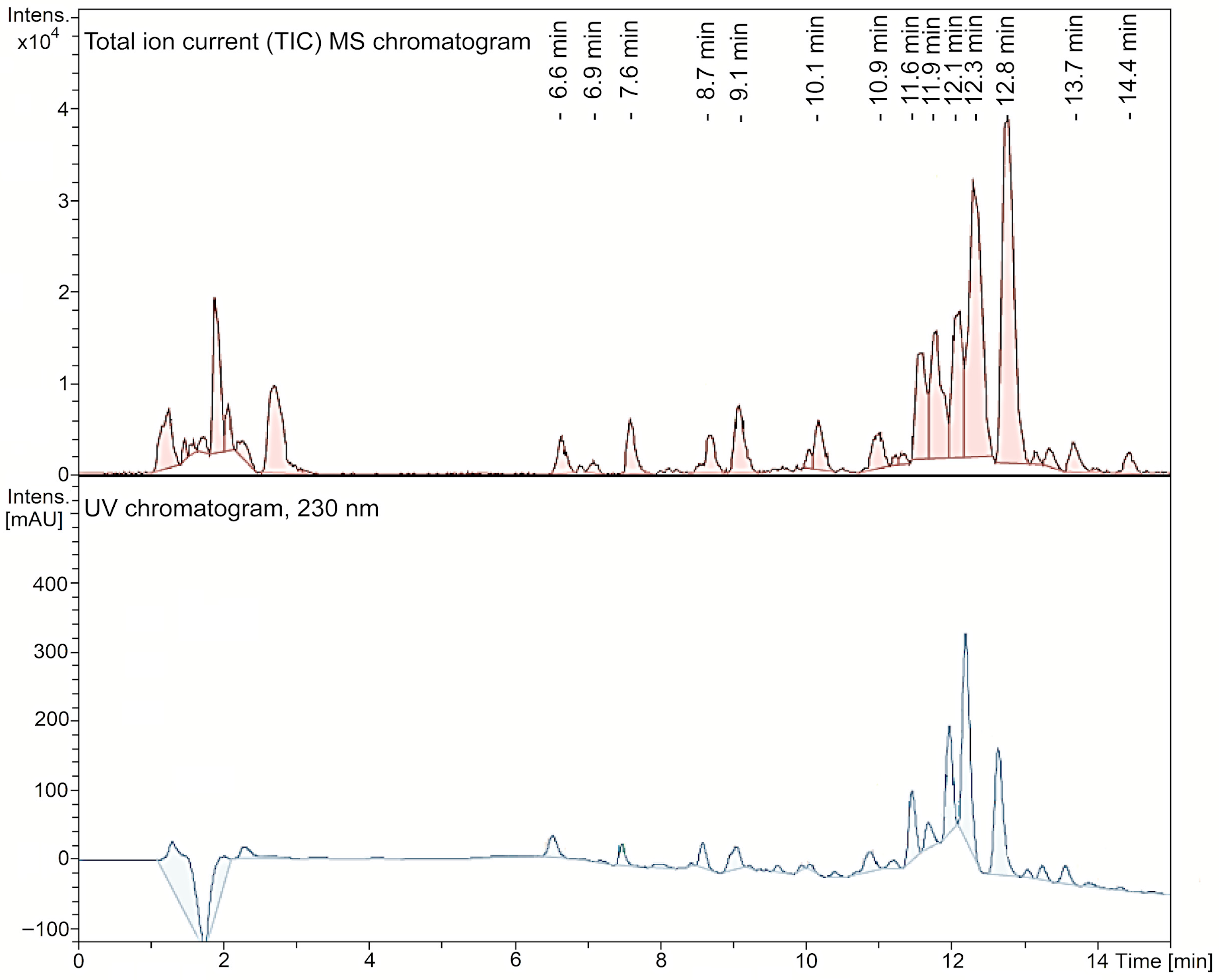
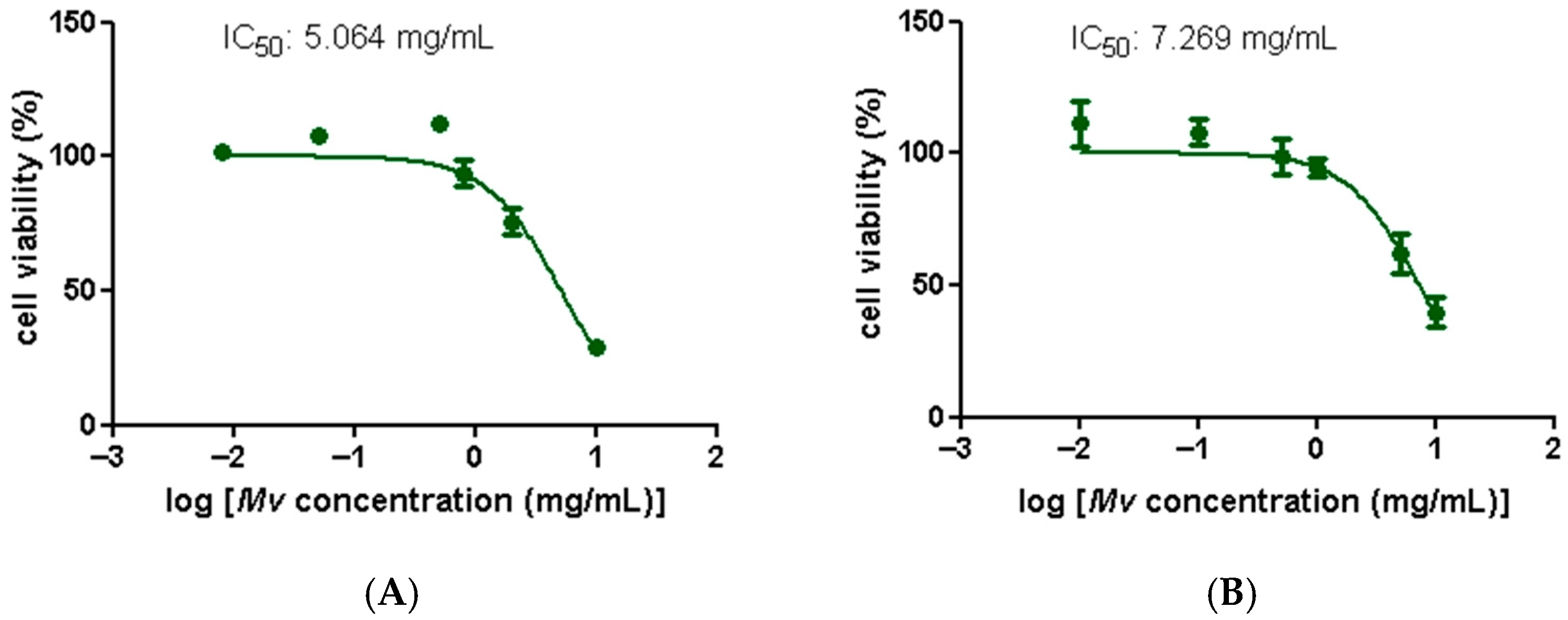
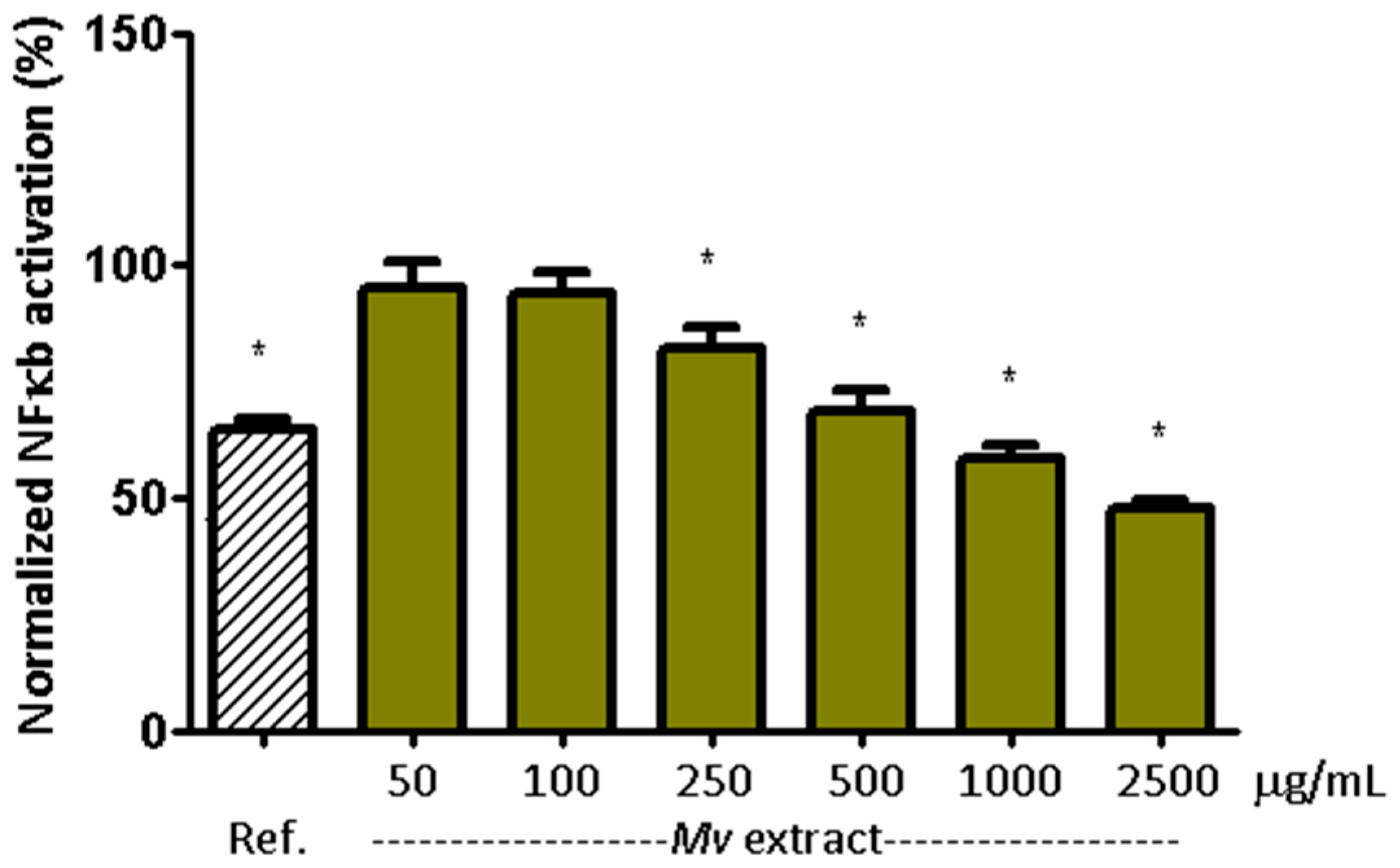
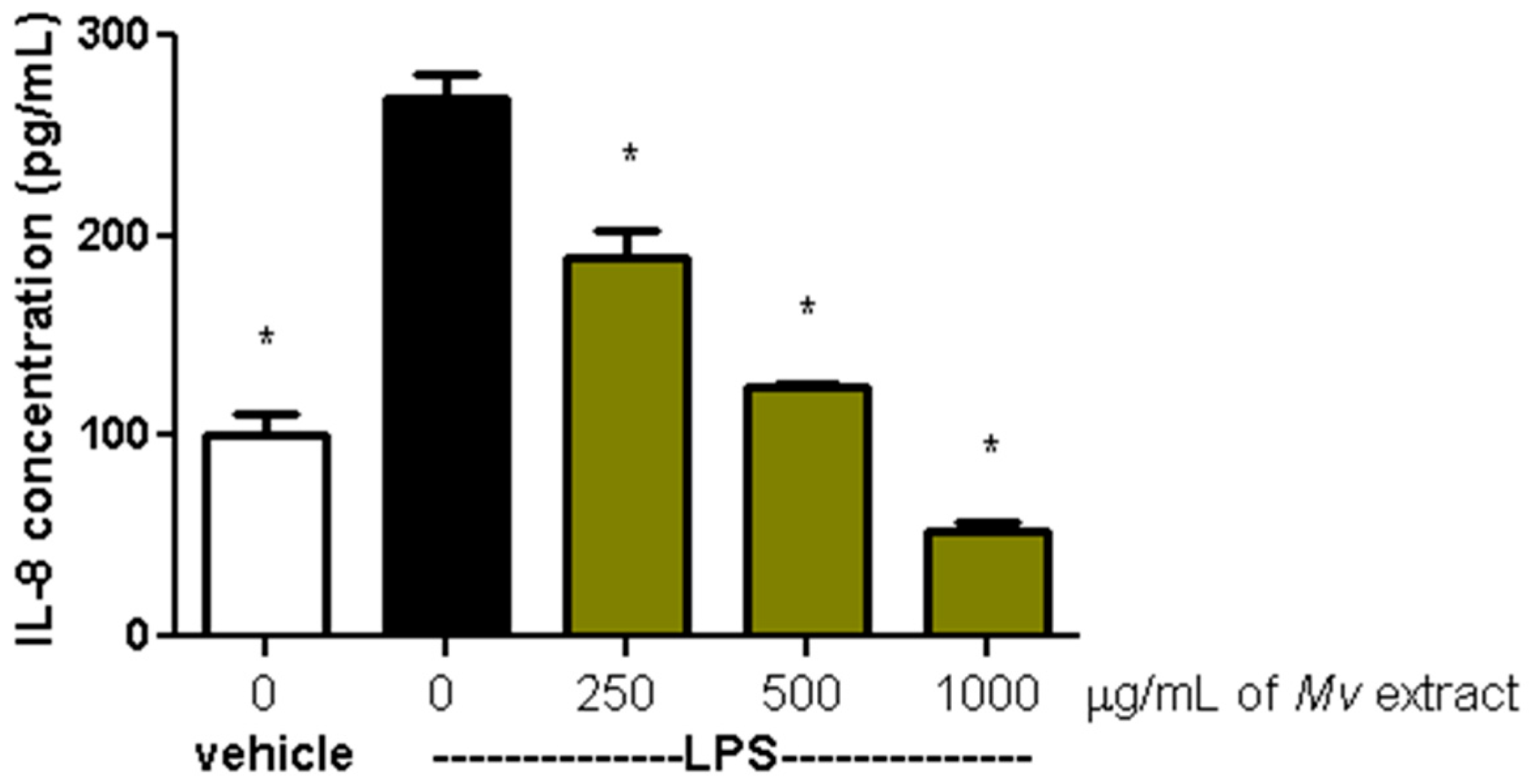
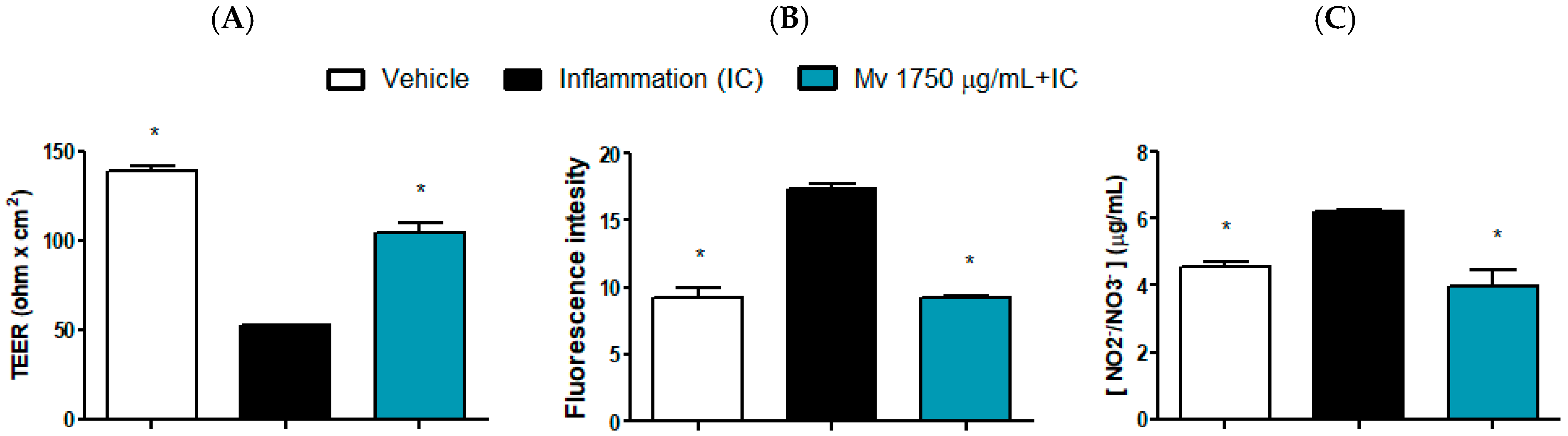
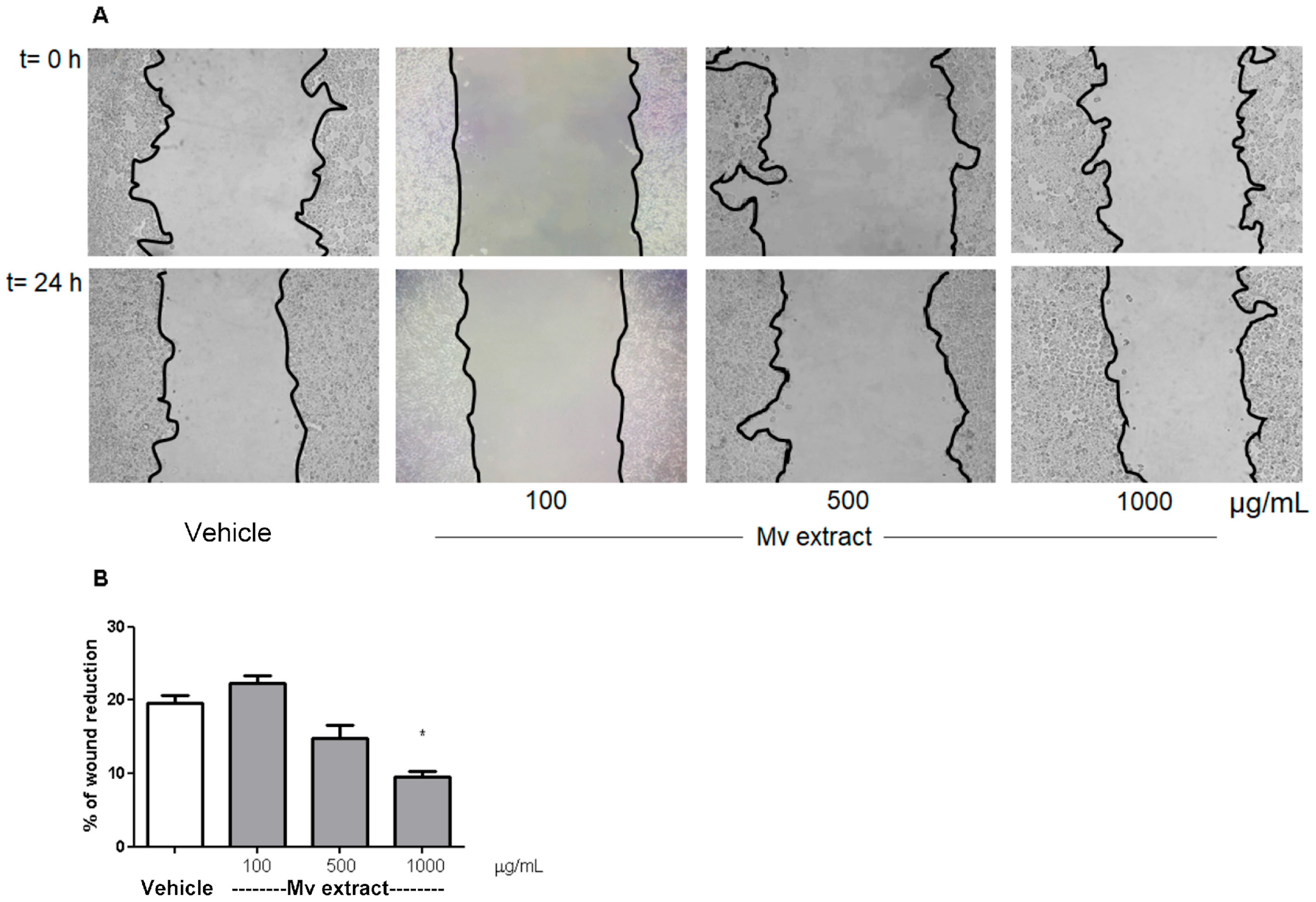
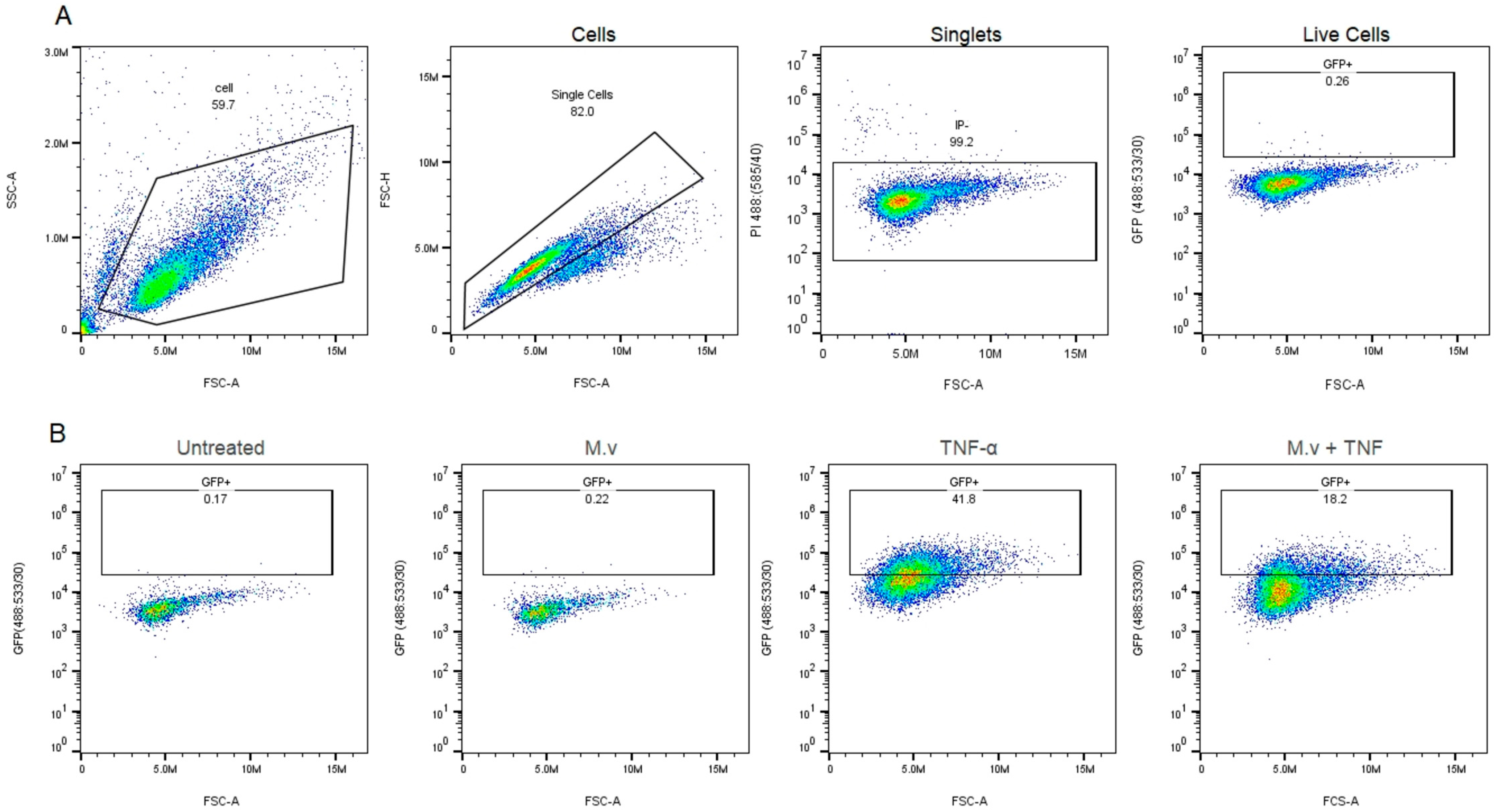
Minthostachys verticillata (Griseb.) Epling, commonly known as peperina, is an aromatic species endemic to Argentina and traditionally used for gastrointestinal ailments. Despite its extensive folkloric use and inclusion in the Argentine Pharmacopoeia, its aqueous extract (the most commonly consumed preparation) has been described in terms of major phytochemical groups, and, currently, no studies have investigated its effects on key intestinal epithelial mechanisms. This plant is also employed in the production of beverages and herbal blends, and its massive consumption highlights the importance of its scientific study. Here, the aqueous extract of M. verticillata was characterized by liquid chromatography–tandem mass spectrometry, leading to the identification of fourteen polyphenolic compounds. In intestinal cell models, the extract displayed high IC50 values, supporting its safety, and exhibited concentration-dependent bioactivity. In HT-29 cells, it modulated NF-κB activation induced by TNF-α and reduced LPS-stimulated IL-8 production. Pretreatment of Caco-2 monolayers prevented the decrease in transepithelial electrical resistance, increased FITC–dextran permeability, and nitric oxide production triggered by an inflammatory cocktail. Additionally, the extract inhibited HT-29 cell migration. These results demonstrate that M. verticillata aqueous extract exerts anti-inflammatory, barrier-protective, and anti-migratory effects in vitro, providing novel insights into how its polyphenolic composition may underlie these biological activities, supporting its traditional use and potential applications in intestinal health.
Keywords: Minthostachys verticillata; phytochemical characterization; polyphenols; intestinal barrier; intestinal inflammation Minthostachys verticillata; phytochemical characterization; polyphenols; intestinal barrier; intestinal inflammation