Article

Identification of Indigenous Thai Phlegmariurus Genotypic Population by Integrating Morphological and Molecular Studies


by
Nusanisa Chedao
1,2,3,
Avinash Chandra Pandey
4 and
Potjamarn Suraninpong
2,3,5,*
1
Faculty of Agriculture, Princess of Naradhiwas University, Narathiwat 96000, Thailand
2
Center of Excellence on Agricultural Biotechnology: (AG-BIO/MHESI), Bangkok 10900, Thailand
3
School of Agricultural Technology and Food Industry, Walailak University, Nakhon Si Thammarat 80161, Thailand
4
Barley R&D Division, Barmalt Malting India Private Limited, Kotputli 303108, Rajasthan, India
5
Herbology Research Center, Walailak University, Nakhon Si Thammarat 80160, Thailand
*
Author to whom correspondence should be addressed.
Plants 2025, 14(9), 1400; https://doi.org/10.3390/plants14091400

Submission received: 6 March 2025 / Revised: 30 April 2025 / Accepted: 4 May 2025 / Published: 7 May 2025
(This article belongs to the Special Issue Genetic Diversity and Population Structure of Plants)

Abstract

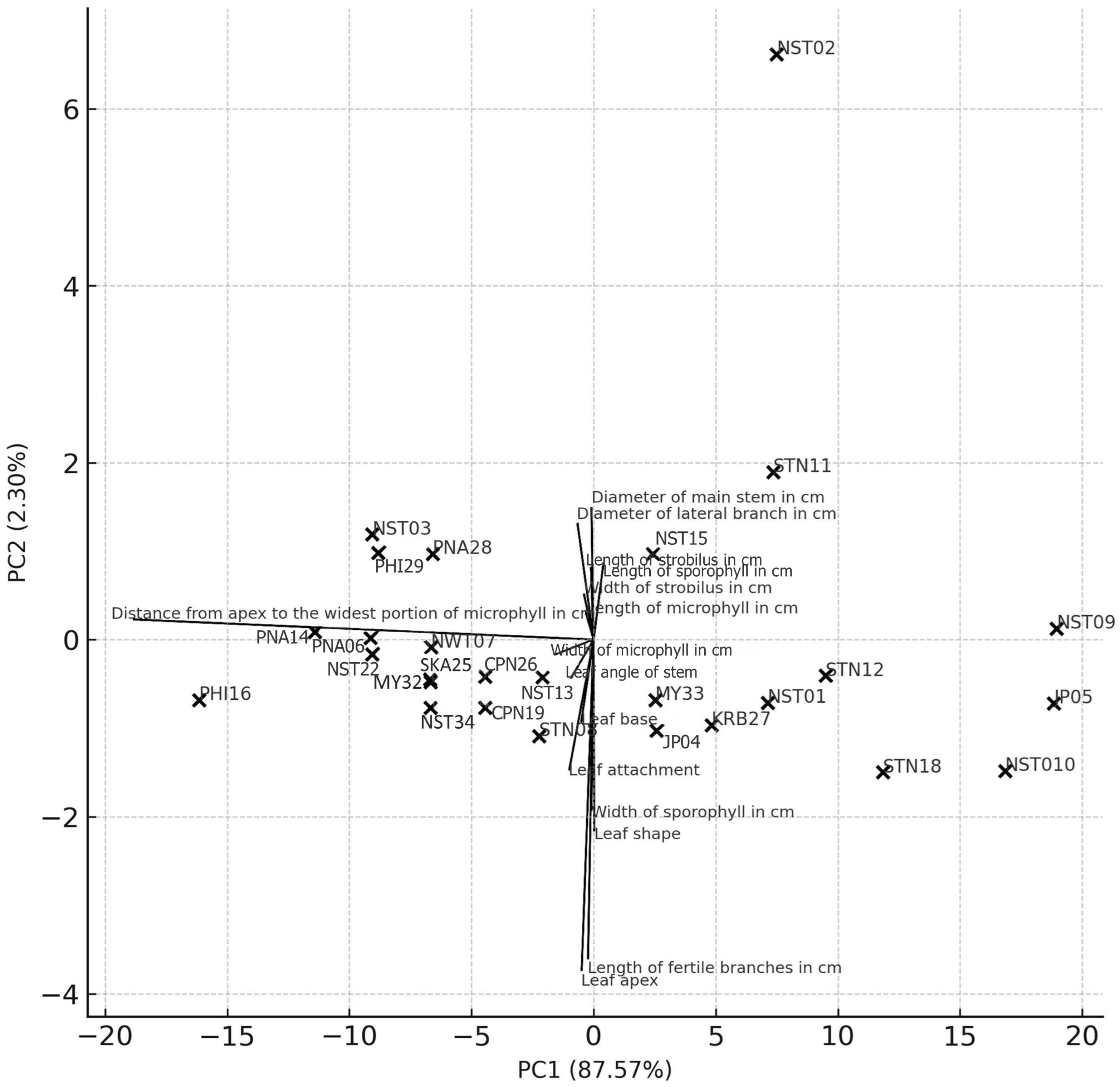
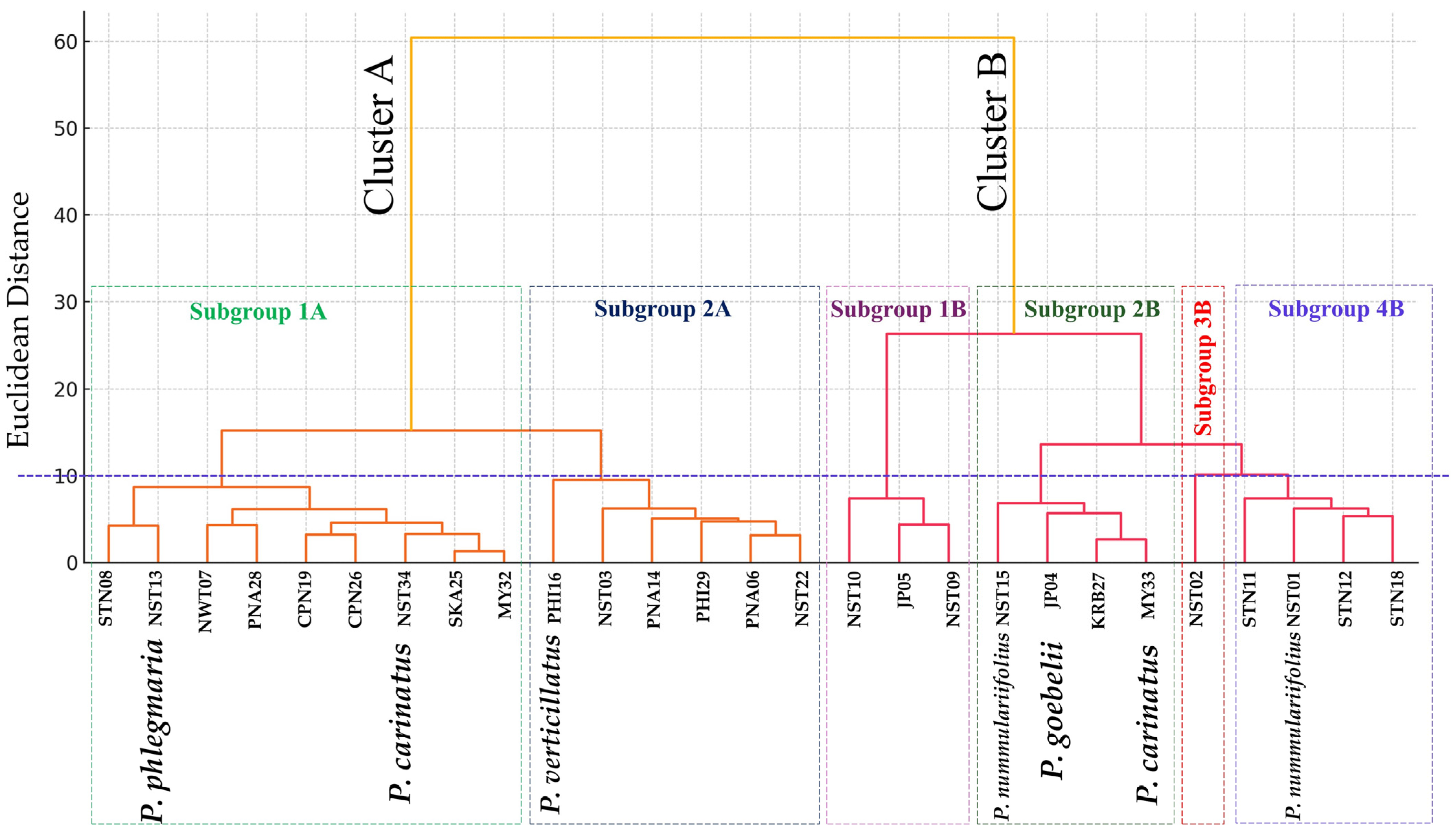
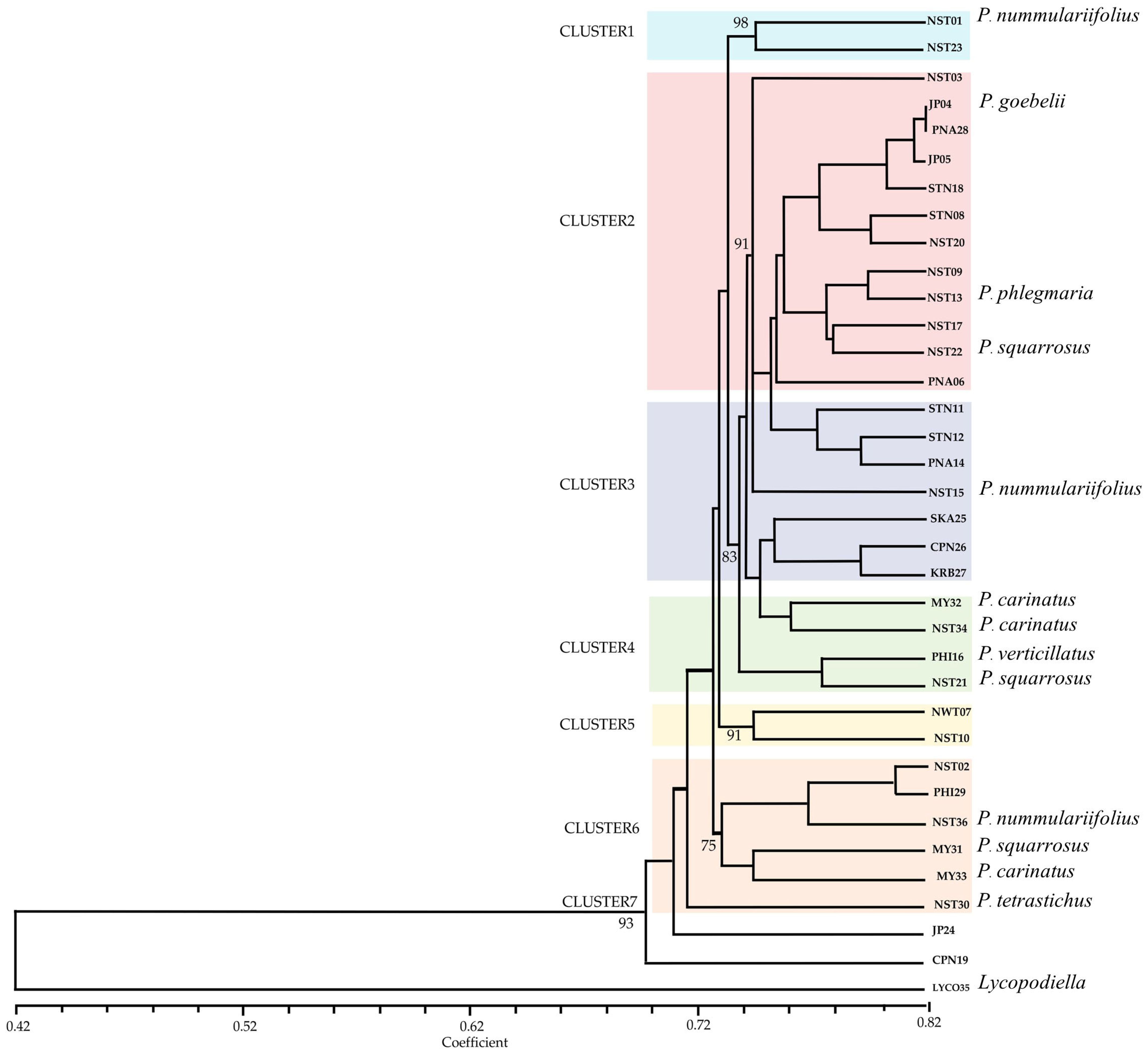
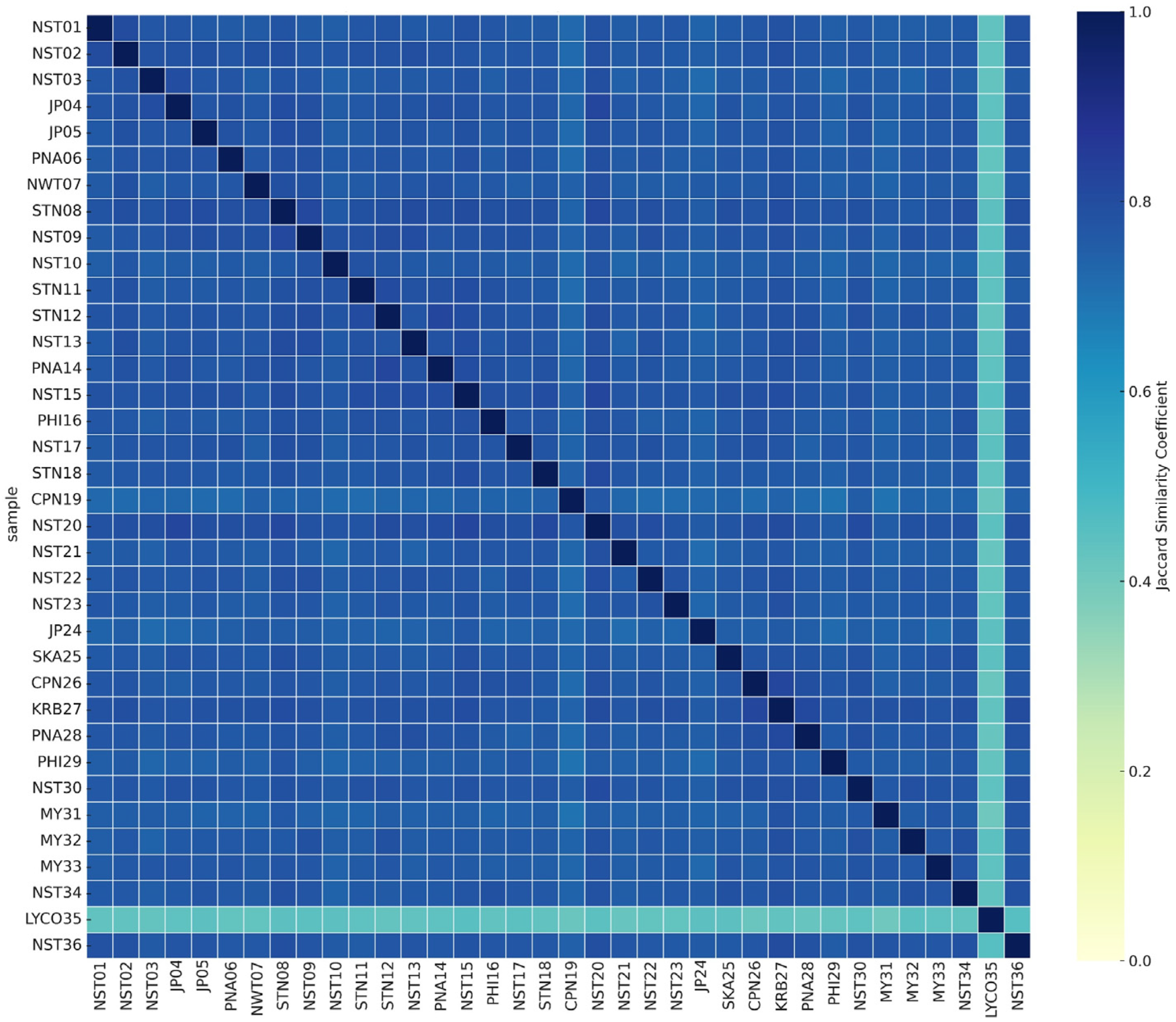
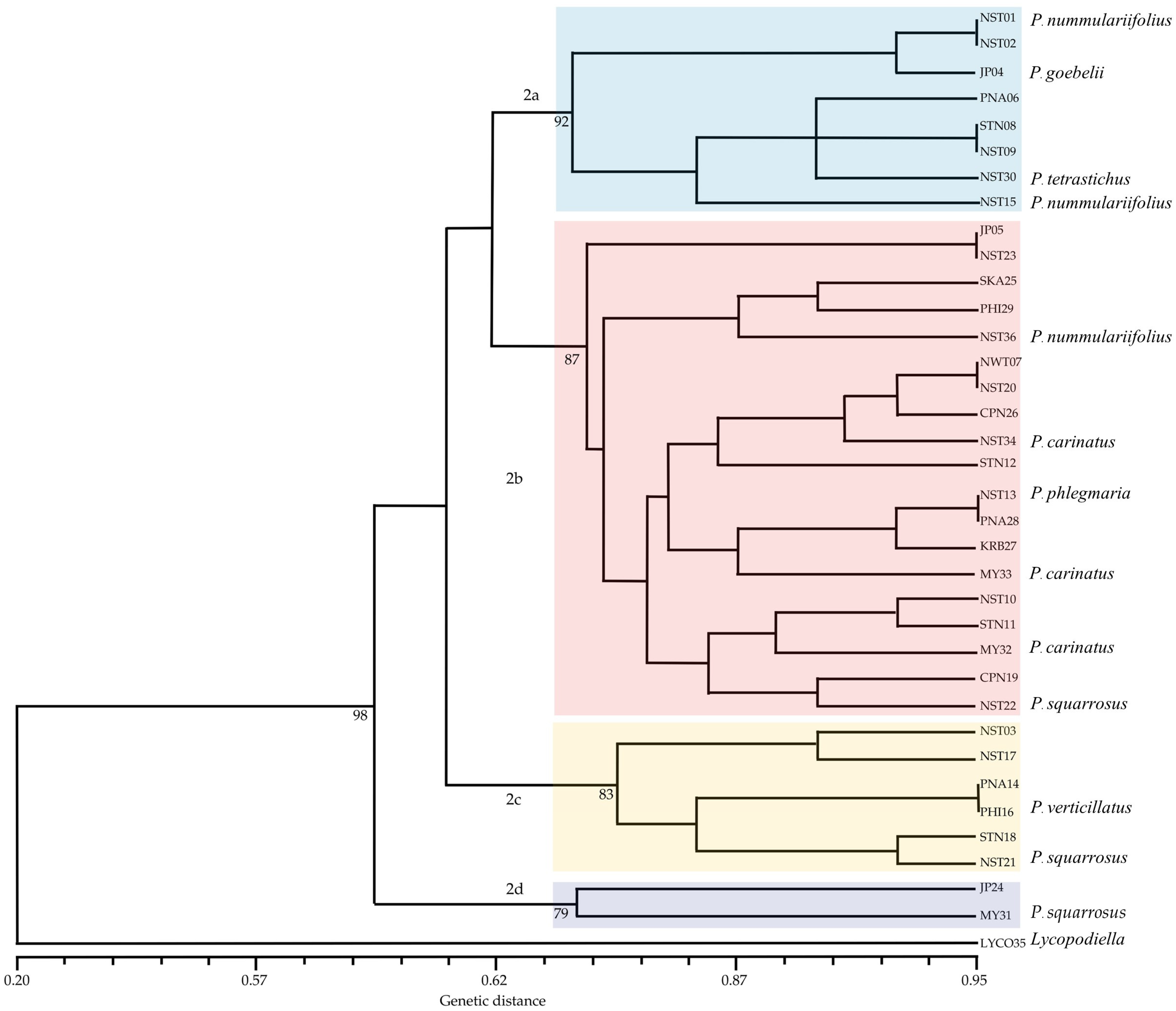
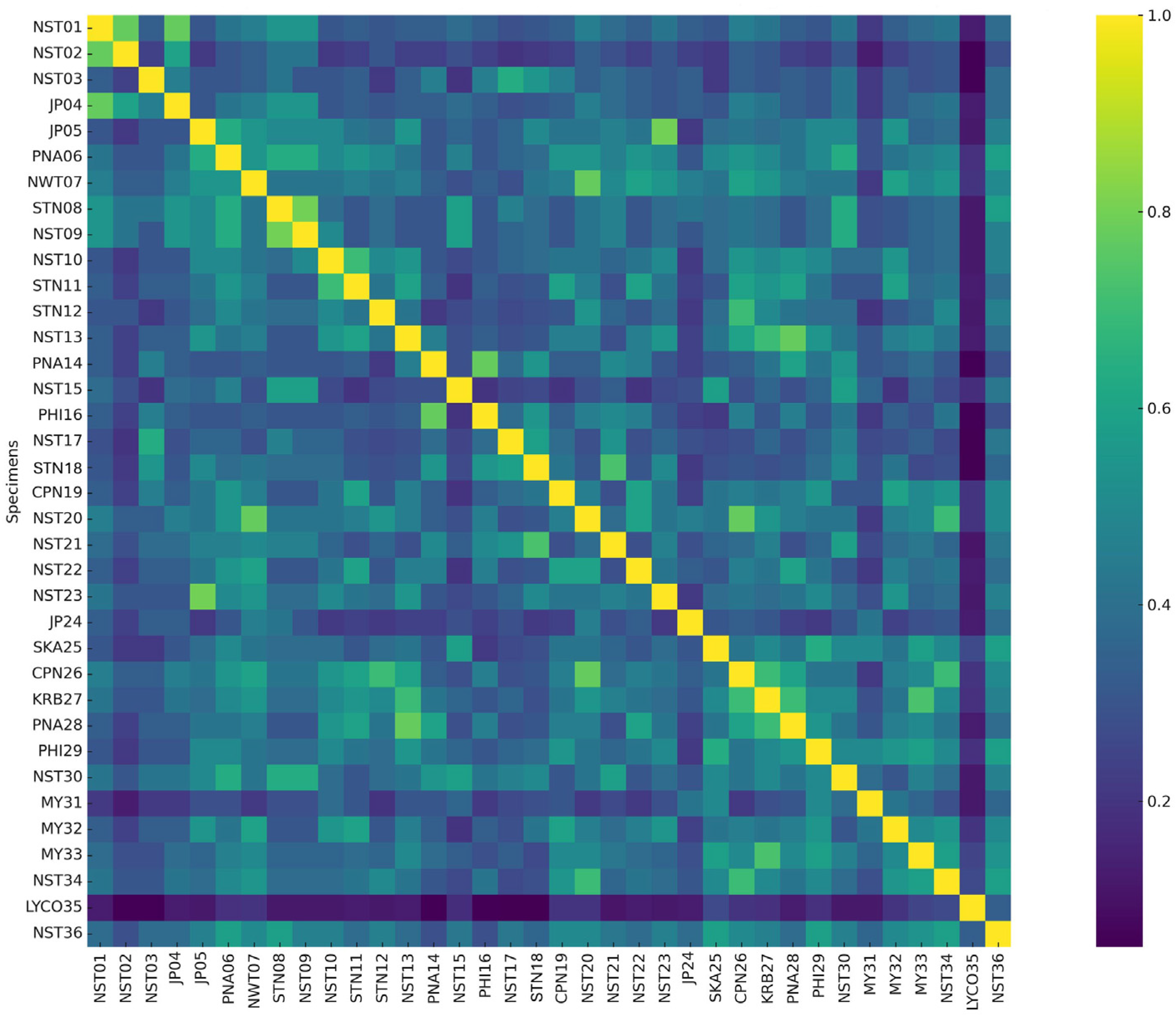
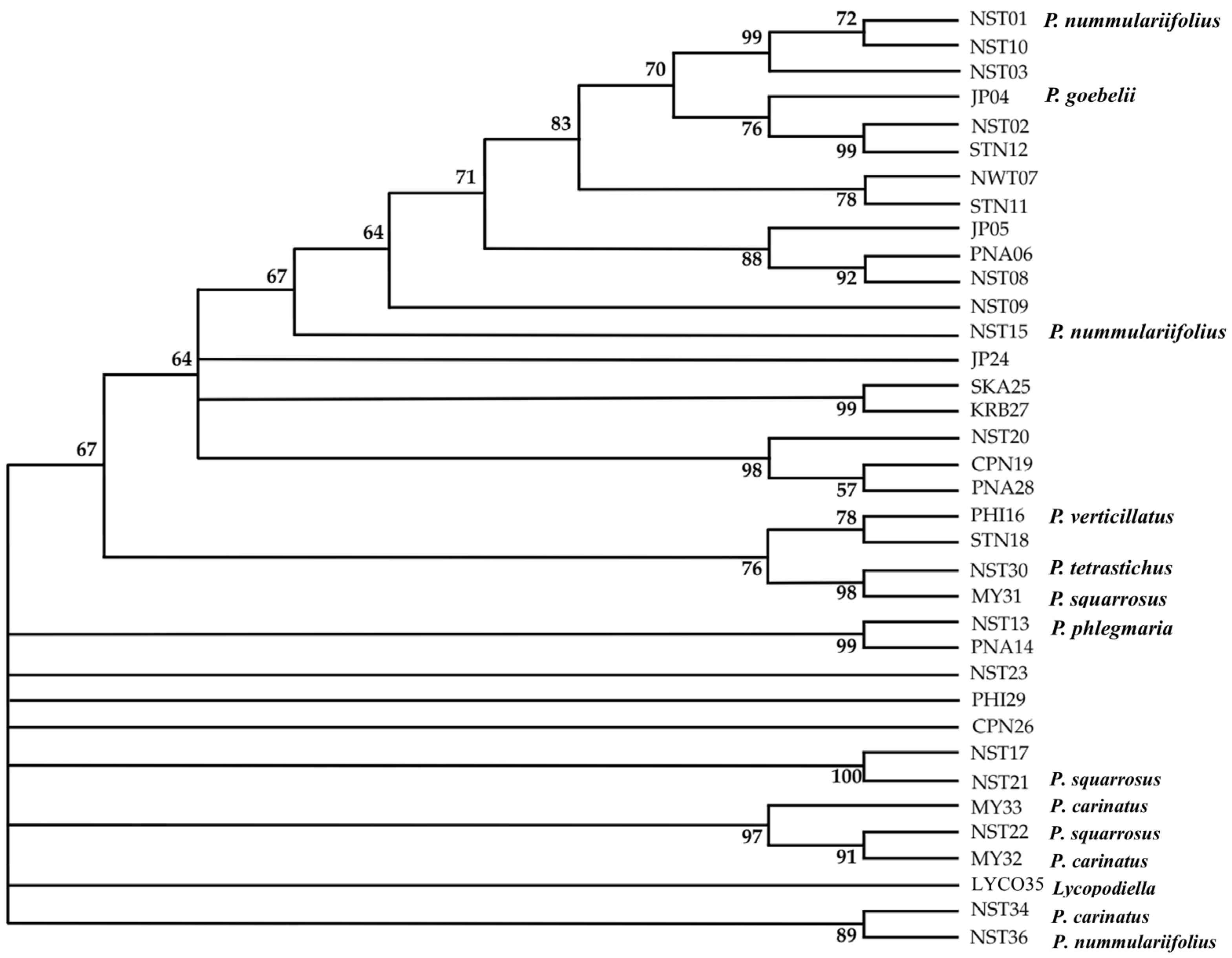
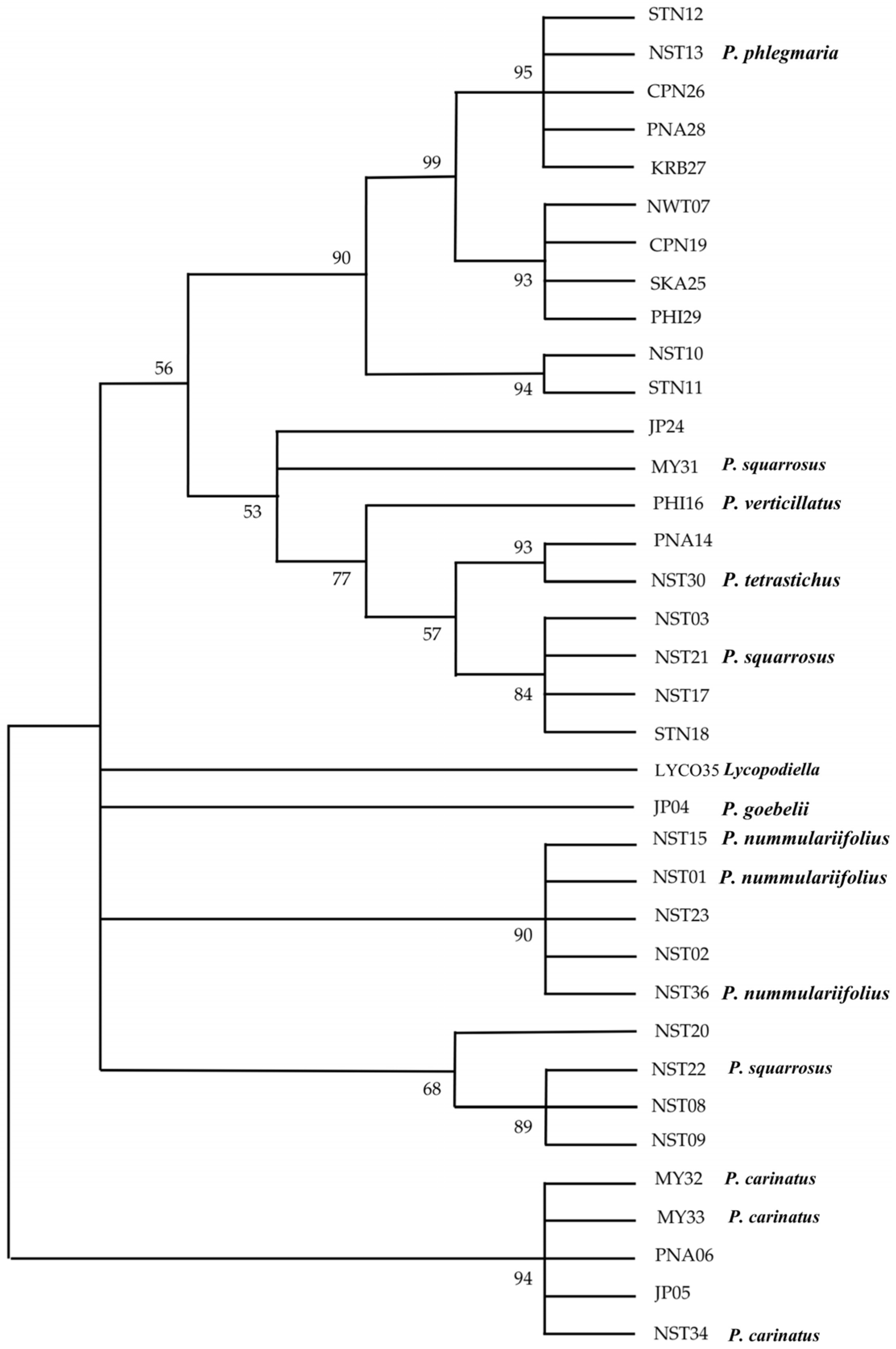
Phlegmariurus, a diverse genus within the Lycopodiaceae family, has wide diversity in tropical regions, including Thailand. Accurate species delimitation in the tropical clubmoss genus Phlegmariurus is challenged by high morphological plasticity and genetic complexity. This study applied an integrative multilocus approach combining morphometric analysis of 27 complete specimens, 35 Phlegmariurus and one Lycopodiella accessions for AFLP genotyping (926 loci; PIC 0.32), SSR profiling (44 loci; PIC 0.57; expected heterozygosity 0.35), and chloroplast barcoding using rbcL (1308 bp; bootstrap 89–99%) and the psbA-trnH intergenic spacer (308 bp; bootstrap ≥ 94%). A total of 13 were identified as belonging to seven known species, including P. nummulariifolius (NST01, NST15, NST36), P. goebelii (JP04), P. phlegmaria (NST13), P. verticillatus (PHI16), P. squarrosus (NST21, NST22, MY31), P. tetrastichus (NST30), and P. carinatus (MY32, MY33, NST34). Morphological clustering and molecular markers consistently distinguished Phlegmariurus accessions from the Lycopodiella outgroup. Additionally, 19 previously unclassified Phlegmariurus accessions were successfully identified as belonging to the species P. nummulariifolius (NST23), P. goebelii (NST03, JP05, STN12, PNA14, SKA25, CPN26, KRB27, PNA28), P. phlegmaria (NWT07, STN08, NST09, NST10, PHI29), P. squarrosus (NST17), and P. carinatus (PNA06, STN18, CPN19, JP24). Moreover, this study identified three novel lineages (NST02, STN11, NST20) with strong support across datasets. The combination of broad genomic coverage (AFLP), fine-scale allelic resolution (SSR), deep-branch backbone (rbcL), and terminal-branch discrimination (psbA-trnH) yields a robust framework for species identification. These results define clear operational units for conservation prioritization and establish a foundation for marker-assisted development of ornamental Phlegmariurus cultivars.
Keywords: lycopodiceae; Phlegmariurus; AFLP; SSR; rbcL; psbA-trnH lycopodiceae; Phlegmariurus; AFLP; SSR; rbcL; psbA-trnH