


Abstract
Combining leaf gas exchange with chlorophyll fluorescence, this study quantified the effects of soil water content (SWC) on mesophyll conductance (gm) and biochemical parameters in 8-year-old pear trees across three soil textures [clay (CS), sandy (SS), loam (LS)], each subjected to three irrigation levels (100%FI, 75%FI, 50%FI). Results showed that SWC differed significantly, with CS > LS > SS, and that the difference in SWC in loam soil was the most obvious among different irrigation levels. The leaf water content (LWC) of SS was higher than that of LS and CS, and SS50%FI showed 7.53% and 13.30% greater LWC compared to LS50%FI and CS50%FI, respectively. Specific leaf area (SLA) peaked at CS75%FI and SS100%FI. Soil texture and irrigation level had significant interactive effects on gm, the product of light absorption coefficient and light energy partitioning ratio (α·β), leaf apparent CO2 compensation point, dark respiration rate under light, and photosynthetic biochemical parameters. Differences in the values of α·β among the nine treatments were significant and the maximum values in the three soil textures were 0.660 (LS75%FI), 0.366 (SS100%FI) and 0.462 (CS50%FI), respectively. The most sensitive treatment of gm, responding to photosynthetically active radiation (PAR), was SS100%FI and the maximal gm under saturated PAR reached 0.271 molCO2·m−2·s−1, increasing 2.2-fold and 8.8-fold compared to that of SS75%FI and SS50%FI, respectively. An underestimation of 26.4% to an overestimation of 30.3% for gm and an underestimation of 28.8% to an overestimation of 15.5% were observed for biochemical parameters if the empirical value (0.425) of α·β was adopted. Our findings indicated that the maximum leaf gm could be obtained at 75%FI for loam soil, 100% FI for sandy soil, and 50% FI for clay soil, respectively.
1. Introduction
The mesophyll conductance (gm) of plant leaves is defined as the conductance of CO2 diffusing from the substomatal cavity of the leaf into the chloroplast. It numerically equals the reciprocal of the mesophyll cell resistance to CO2 diffusion [1]. Net photosynthetic rate (An), most frequently adopted by existing studies on leaf photosynthesis of horticultural plants (such as fruit trees), is calculated as the difference between ambient atmospheric CO2 concentration and the concentration after CO2 is absorbed by the leaf [2,3]. Importantly, leaf photosynthetic capacity cannot be precisely evaluated using An due to variations in concentration, regardless of whether CO2 enters the stomata [4]. Leaf gm depends on the CO2 concentration at the carboxylation site in the chloroplast (Cc) by directly affecting mesophyll intracellular CO2 diffusion. Thus, gm is significantly related to the photosynthetic efficiency and potential of leaves [5,6]. Obviously, gm plays a crucial role in evaluating the leaf photosynthetic capacity of fruit trees accurately.
Numerous published reports on the photosynthetic physiology of fruit trees have neglected leaf gm by assuming that intercellular CO2 concentration (Ci) equals Cc [7,8,9,10]. However, this will lead to system deviations in the parameters estimated from the photosynthesis biochemical model if gm is not taken into account [11]. Some studies considering gm substituted the ratio of An to Ci for the equivalent of gm [12,13]. There are also some studies that adopted empirical values for important parameters used for calculating gm, such as the ratio of incident light absorbed by the leaf (α), where the ratios of light energy partitioned between photosystem I (PSI) and photosystem II (PSII) (β) are taken as 0.85 and 0.5, respectively [14,15]. Nevertheless, a growing disagreement among scholars has arisen regarding the use of empirical values for α and β. Theoretically, α and β are related to calibration methods (such as An/Ci or An/PPFD curves), species, and environmental conditions [16], but experimental evidence remains scarce to date.
Soil water condition is a crucial limiting factor impacting leaf photosynthesis in plants [17,18,19]. Soil water content (SWC) determines the efficiency of photosynthetic carbon assimilation by regulating stomatal (gs) and mesophyll (gm) conductance. Studies have shown that when the soil relative water content fell below a critical threshold (such as 52% for cassava), SWC became the primary limiting factor for gs. Reduction in leaf photosynthetic productivity fundamentally results from the decreased Cc induced by the decline of stomatal and mesophyll conductance of leaves when plants are suffering from water stress [17,20,21]. The variation in gm may be related to leaf structural characteristics (such as mesophyll thickness and chloroplast distribution), which need to be verified through anatomical measurements in future studies. Soil texture is a crucial attribute of soil, closely related to its moisture retention and thus its water content. Soil texture affects soil moisture availability by regulating soil pore structure (determining water retention and permeability) and hydraulic properties (such as water holding capacity and water conductivity), thereby affecting crop growth and water management strategies in production [22,23,24]. Sandy soil has a high proportion of macropores but a low water-holding capacity. Clay soil has abundant fine pores and a strong water-holding capacity, while loam soil has both good water retention and permeability. Soil texture is also a key regulatory factor in determining water availability in the soil. Its influence is not only reflected in SWC, but also in the water availability environment it shapes—the effect of changes in SWC on gm. Previous studies have demonstrated that drought stress can negatively impact plant growth [25,26,27]. However, there is still a lack of systematic research on how soil texture regulates gm by altering SWC. In theory, soil texture may have a significant impact on gm by affecting SWC, nutrient availability, gas exchange, and other soil processes [28]. However, up to now, little attention has been paid to the effects of soil water content under different types of soil texture on leaf gm, especially the relevant key parameters. Previous studies on gm quantification under drought or salt stress have mainly focused on herbaceous plants and ornamental trees (Cotinus coggygria) [29,30,31], while few have examined fruit trees—especially pear trees—which have significant economic value. In addition, most studies ignore the interaction between soil texture and water content and rarely quantify changes in α·β across different soil conditions. This study focused on pear trees to explore the combined effects of soil texture and irrigation levels on gm and photosynthetic biochemical parameters, and to verify the limitations of empirical α·β values in photosynthetic research of fruit trees.
At present, the pear cultivation area in China is 1.0003 million hectares (accounting for 68% of the world’s total cultivation area), and is mainly distributed in the Bohai Bay, the Loess Plateau, and the middle and lower reaches of the Yangtze River. These production areas involve terrain types such as plains, mountains, hilly areas, and river beaches, so the soil textures are extremely complex. At the same time, its photosynthetic capacity is highly sensitive to soil water content, which directly affects fruit yield and quality. Therefore, it is an urgent problem to study and establish high-quality, high-yield, and water-saving technologies for pear trees, especially those suitable for different site conditions (e.g., different soil textures). In addition, the pear tree is a typical temperate woody fruit tree with perennial, deep roots and seasonal physiological characteristics. Its leaf structure and photosynthetic apparatus are similar to those of other important Rosaceae fruit trees (such as apples and peaches) and many woody crops. Therefore, the regulation of the interaction between soil textures and water management on mesophyll conductance revealed in pear trees may also be applicable to other fruit tree species with similar growth habits and leaf structure.
Accordingly, the present study was conducted to quantify the effects of soil water content (achieved through application of different irrigation levels) on leaf gm and relevant parameters of pear trees across various soil textures, based on measurements of gas exchange and chlorophyll fluorescence. It can serve as a theoretical basis for the accurate prediction of plant photosynthetic capacity responses to different soil water conditions and provide guidance for water-saving irrigation in orchards covering a wider range of soil conditions.
2. Results
2.1. Changes in Dynamics of Soil Water Content
Soil water contents (SWC) of the three soil textures differed significantly, even when the same irrigation levels were applied (Figure 1). The averaged SWC of CS100%FI, LS100%FI, and SS100%FI during the experimental period (May and June in 2023) were 25.53%, 19.07% and 12.52%, respectively. The differences in SWC among the three soil textures decreased with the reduction of irrigation level; however, the averaged value of SWC still manifested as CS75%FI > LS75%FI > SS75%FI. When the irrigation level was reduced to 50% FI, the averaged SWC of the three soil textures in sequence (from high to low) was 16.37% (CS50%FI), 15.26% (LS50%FI), and 7.43% (SS50%FI), respectively.
Figure 1.
Changes in soil water content in the root layer of pear trees (mean value of 0~40 cm below the ground surface) of 9 treatments during the experimental period (May and June 2023).
For the same soil textures, SWC decreased as irrigation levels decreased (Figure 1). The difference of SWC in loam soil (LS) was the most significant among different irrigation levels, and the SWC ranges in LS100%FI, LS75%FI, and LS50%FI were 14.03~25.45%, 13.39~24.08% and 12.44~24.33%, respectively. The SWC ranges of three irrigation levels in clay soil (CS) (CS100%FI, CS75%FI, and CS50%FI) during the experimental period were 20.56~26.77%, 13.17~21.87% and 14.02~22.82%, respectively. For sandy soil (SS), the SWC ranges of the three irrigation levels were 7.91~18.71% (SS100%FI), 5.62~15.39% (SS75%FI), and 5.25~14.30% (SS50%FI), respectively.
2.2. Changes in Leaf Water Content and Specific Leaf Area
As shown in Figure 2, there were significant differences in the leaf water content (LWC) and specific leaf area (SLA) of pear trees under different treatments. For an irrigation level of 50%FI, the LWC in SS was higher than that in LS and CS, increasing by 7.53% and 13.30%, respectively. This suggests that under low SWC, pear trees in sandy soil exhibit a superior ability to maintain leaf hydration. For an irrigation level of 75%FI, the LWC of LS and CS was significantly lower than that of SS, with reductions of 7.17% and 9.92%, respectively. When the irrigation level was set to 100%FI, the LWC among the three soil textures was ranked as follows: SS > LS > CS. The LWC varied significantly among different irrigation levels within the same soil textures. The peak LWC in LS and SS was observed in the 75%FI treatment. The LWC of LS was highest under the LS75%FI treatment, with no significant difference between the 100%FI and 75%FI treatments, whereas the 50%FI treatment significantly decreased it (p < 0.05). For SS, the decreasing order was SS75%FI > SS100%FI> SS50%FI. In CS, the LWC increased with increasing irrigation, following the hierarchy: CS100%FI > CS75%FI > CS50%FI (Figure 2A).
Figure 2.
Differences in leaf water content (LWC) (A) and specific leaf area (SLA) (B) among 9 treatments. Note: Different capital letters indicate that there were significant differences between different soil textures under the same irrigation level (p < 0.05). Different lowercase letters indicate significant differences in the same irrigation level across different soil textures (p < 0.05).
Different soil textures significantly influenced the SLA under the same irrigation levels (Figure 2B). At an irrigation level of 50% FI, the SLA of LS and SS were significantly higher than that of CS, by 21.63% and 16.33%, respectively. As the irrigation level increased to 75% FI, the SLA values for the different soil textures were ranked as follows: CS75%FI > LS75%FI > SS75%FI. When an irrigation level of 100%FI was applied, the SLA of SS surpassed that of both CS and LS. The SLA varied significantly among different irrigation levels within the same soil textures. The SLA of LS decreased as the irrigation levels increased (Figure 2B). The SLA of sandy soil was highest under the SS100%FI and lowest under the SS75%FI. In the case of clay soil, the SLA at CS100%FI and CS75%FI did not differ significantly; however, both were significantly higher than that at CS50%FI, with increments of 12.57% and 18.61%, respectively.
2.3. Responses of gm and the Related Parameters to Interactions of Soil Texture and Irrigation Level
Soil texture and irrigation level significantly influenced leaf CO2 diffusion conductance and related parameters (p < 0.05) according to two-way ANOVA (Table 1). Significant interactive effects of soil textures and irrigation levels were observed on gm, α·β, Ci*, Rd, Vcmax, Jmax and Vtpu (p < 0.001, p = 0.0159, p < 0.001, p < 0.001, p < 0.001, p < 0.001, and p < 0.001, respectively). Irrigation levels significantly affected gm, α·β, Ci*, and Rd, while soil textures significantly affected gm, Ci*, Rd, Vcmax, and Jmax. These interactive effects suggest that both soil textures and irrigation levels jointly regulate the CO2 diffusion pathway and biochemical processes within the leaf, likely through modifications to mesophyll anatomy and chloroplast organization.
Table 1.
Results (F and p value) of two-way ANOVA on the effects of soil textures and irrigation levels on gm and related parameters. Significance at p < 0.05 is presented in bold.
2.4. The Difference of α·β Value Under Different SWC
The product of the light absorption coefficient and the light energy partitioning ratio (α·β) was significantly influenced by soil water conditions. For an irrigation level of 50%FI, the α·β value of CS was significantly higher than that of LS and SS (increased by 55.4% and 1.73-fold, respectively) (Figure 3). As the irrigation level increased to 75%FI, the α·β values for the three soil textures differed significantly, with LS 65.7% higher than CS and CS 25.7% higher than SS. When the irrigation level was set to 100%FI, the α·β values between SS and CS were not significantly different. In contrast, both were significantly lower than LS (decreased by 35.3% and 50.4%, respectively).
Figure 3.
Differences in the product of the light absorption coefficient and the light energy partitioning ratio (α·β) among 9 treatments. Note: Different capital letters indicate that there were significant differences between different soil textures at the same irrigation level (p < 0.05). Different lowercase letters indicate significant differences in the same irrigation level across different soil textures (p < 0.05).
The divergences in α·β values across the three soil textures also differed with irrigation treatments (Figure 3). For LS, the highest α·β value of leaves responded to 75%FI, and the difference among the three irrigation levels was LS75%FI > LS100%FI > LS50%FI. The α·β values of leaves in SS increased with increasing irrigation levels, and the α·β values for SS50%FI, SS75%FI, and SS100%FI were 0.169, 0.317, and 0.366, respectively. In contrast, the α·β values of leaves in CS decreased with increasing irrigation levels, and the differences among the three irrigation levels were significant, with the maximum at CS50%FI, the medium at CS75%FI, and the minimum at CS100%FI. The significant changes in the α·β value indicated that the absorption and partitioning of light energy by the photosynthetic apparatus were not fixed, but dynamically regulated by the plant’s water status, which was a direct consequence of the SWC.
2.5. The Differences of Ci* and Rd Under Different SWC
The leaf apparent CO2 compensation point (Ci*) and dark respiration rate under light (Rd) varied significantly with SWC conditions (Figure 4). For the 50%FI irrigation level, leaf Ci* of SS and LS treatment (65.5 and 61.0 μmol·mol−1, respectively) was significantly higher than that of CS (39.3 μmol·mol−1). When it came to the irrigation level of 75%FI, the Ci* of leaves in SS (52.7 μmol·mol−1) was significantly higher than that in LS (45.8 μmol·mol−1), and the latter was significantly higher than that in CS (41.9 μmol·mol−1). At an irrigation level of 100%FI, the Ci* of leaves in SS (44.2 μmol·mol−1) was remarkably lower than that of LS (53.6 μmol·mol−1) and CS (50.2 μmol·mol−1). The Ci* across different irrigation levels under the same soil texture conditions also showed significant differences (p < 0.05). The lowest leaf Ci* in LS responded to the medium irrigation level (LS75%FI), which was 14.6% and 25.0% lower than LS100%FI and LS50%FI, respectively. The Ci* of leaves in SS decreased monotonically as the irrigation levels increased, and that of SS100%FI was 16.0% and 32.4% lower than that of SS75%FI and SS50%FI, respectively. On the contrary, the Ci* of leaves in CS increased progressively with the added irrigation levels, and the leaf Ci* of CS100%FI was 19.8% and 27.8% higher than that of CS75%FI and CS50%FI, respectively.
Figure 4.
Differences in apparent CO2 compensation point (Ci*) (A) and dark respiration rate under light (Rd) (B) among 9 treatments. Note: Different capital letters indicate that there were significant differences between different soil textures at the same irrigation level (p < 0.05). Different lowercase letters indicate significant differences in the same irrigation level across different soil textures (p < 0.05).
The minimum (0.10 μmol·m−2·s−1), medium (0.56 μmol·m−2·s−1), and maximum (0.85 μmol·m−2·s−1) of leaf Rd in LS responded to irrigation levels of 75% FI, 100%FI, and 50%FI, respectively (Figure 4). The Rd value of leaves in SS decreased constantly with the increase in irrigation levels, and those of SS50%FI, SS75%FI, and SS100%FI were 0.66, 0.19, and 0.04 μmol·m−2·s−1, respectively. Conversely, in CS, leaf Rd increased in proportion to the increments in irrigation level, with 0.40 μmol·m−2·s−1 of CS50%FI, 0.53 μmol·m−2·s−1 of CS75%FI, and 0.67 μmol·m−2·s−1 of CS100%FI. Rd values showed more significant differences among the three soil textures at the same irrigation levels. The leaf Rd in CS100%FI and LS100%FI were 14.5-fold and 11.9-fold higher, respectively, compared to SS100%FI, which was a significant difference. Under an irrigation level of 75%FI, the leaf Rd in CS was significantly higher than that in SS (increased by 1.8-fold), while that in SS was significantly higher than in LS (increased by 92.2%). When the irrigation level decreased to 50% FI, the highest and lowest leaf Rd, respectively, responded to LS (27.7% higher than SS50%FI, p < 0.05) and CS (39.1% lower than SS50%FI).
2.6. Responsive Characteristics of gm to PAR Under Different SWC
With the increase in photosynthetically active radiation (PAR), mesophyll conductance (gm) in all treatments increased initially, exhibiting a linear response, followed by a decreasing response. Then, the gm reached its peak at the saturated PAR intensity (1500 μmol·m−2·s−1) (Figure 5). Leaf gm in the sandy soil texture, combined with an irrigation level of 100% FI, was the most sensitive to the increase in PAR. The maximum gm at the saturated PAR (gm-max) reached 0.271 molCO2·m−2·s−1, which was 2.2-fold and 8.7-fold higher than that of SS75%FI and SS50%FI, respectively (p < 0.01). This indicated that sufficient irrigation in sandy soil can enhance the ability of leaves to utilize light energy, which is very important for compensating for the lack of soil water retention and maintaining photosynthetic efficiency. For the LS texture, the most sensitive gm to PAR responded to the 75% FI irrigation level, and the gm-max (0.115 molCO2·m−2·s−1) of LS75%FI was 51.3% and 3.1-fold significantly higher than that of LS100%FI and LS50%FI, respectively. Leaf gm in CS decreased with the increase of irrigation level, and gm-max (0.077 molCO2·m−2·s−1) of CS50%FI was 48.1% higher than that of CS75%FI significantly, while gm-max of CS75%FI was 3.7-fold higher than that of CS100%FI (p < 0.05). These differences in response patterns indicated that the SWC environment, determined by soil texture, profoundly affected the construction of the CO2 transport pathway and its plasticity in response to changes in the leaf light environment.
Figure 5.
Differences in responses of mesophyll conductance (gm) of pear leaves to photosynthetically active radiation (PAR) among 9 treatments.
2.7. Effects of Quantifying Values of α·β on gm and Photosynthetic Biochemical Parameters
The values of the calculated maximum gm at the saturated PAR (gm′-max and gm-max), respectively, using the empirical value (0.425) and the quantified value (data derived from Figure 3) of α·β under different SWC are shown in Table 2. Compared to gm-max, gm′-max was significantly overestimated (30.3% in LS75%FI) in the LS texture. Additionally, gm′-max was generally underestimated in the SS texture, ranging from 8.8% (SS50%FI) to 26.4% (p < 0.05, SS100%FI). Accordingly, the widely adopted α·β’s empirical value has previously exerted a significant influence on the values of leaf gm under different SWC, and our data demonstrated that the estimated deviation ranged from an underestimation of 26.4% (SS100%FI) to an overestimation of 30.3% (LS75%FI).
Table 2.
Differences in maximum mesophyll conductance under saturated PAR (1500 μmol·m−2·s−1), respectively, using the empirical α·β value (0.425) (gm′-max) and quantified α·β value (data from Figure 3) (gm-max) of different treatments.
The values of the maximum Rubisco-limited rate of carboxylation (Vcmax-Ci, Vcmax-Cc′, and Vcmax-Cc), maximum rate of electron transport (Jmax-Ci, Jmax-Cc′, and Jmax-Cc), and rate of triose-phosphate utilization (Vtpu-Ci, Vtpu-Cc′, and Vtpu-Cc) curve-fitted, respectively, from An-Ci curves (gm was not taken into account), An-Cc′ curves (empirical α·β for calculating gm), and An-Cc curves (quantified α·β for calculating gm) of nine treatments are listed in Table 3. The three photosynthetic biochemical parameters curve-fitted using different methods under different SWC conditions showed that those of LS75%FI, SS100%FI, and CS50%FI were significantly higher than those of other irrigation levels within the same texture. Compared with Vcmax-Cc, Jmax-Cc, and Vtpu-Cc, neglecting gm led to deviations in the estimated parameters. It ranged respectively from underestimation of 11.7% (CS50%FI) to overestimation of 5.8% (LS75%FI) for Vcmax-Ci, from an underestimation of 7.6% (CS50%FI) to an overestimation of 3.2% (LS75%FI) for Jmax-Ci and a consistent overestimation ranging from 11.1% (SS100%FI) to 46.2% (LS75%FI) for Vtpu-Ci under the condition of no water stress (treatments LS75%FI, SS100%FI and CS50%FI). Furthermore, the deviations, under drought or excessive soil moisture conditions (the other six treatments), increased significantly and resulted in the underestimation of 21.3% (in CS)~the overestimation of 10.2% (in SS) for Vcmax-Ci, the underestimation of 20.8% (in CS)~the overestimation of 15.0% (in SS) for Jmax-Ci and the unified overestimation of 27.7% (in CS)~53.1% (in SS) for Vtpu-Ci, respectively.
Table 3.
Maximum Rubisco-limited rate of carboxylation (Vcmax), maximum rate of electron transport (Jmax), and rate of triose-phosphate utilization (Vtpu), derived from An-Ci curves, An-Cc′ curves (empirical α·β), and An-Cc curves (quantified α·β) of different treatments (μmol·m−2·s−1), respectively.
Although gm was considered, our data showed that using the existing parametric values (α·β = 0.425) caused Vcmax-Cc′, Jmax-Cc′, and Vtpu-Cc′ to fall into an underestimation of 6.4% (LS75%FI) up to an overestimation of 0.9% (CS50%FI), an underestimation of 5.7% (LS75%FI) up to an overestimation of 3.0% (CS50%FI), and an underestimation of 4.7% (SS100%FI) up to an overestimation of 15.5% (LS75%FI) compared to Vcmax-Cc, Jmax-Cc, and Vtpu-Cc, respectively, when out of water stress (i.e., LS75%FI, SS100%FI and CS50%FI). When encountering water stress events (drought or excessive soil moisture), however, Vcmax-Cc′, Jmax-Cc′, and Vtpu-Cc′ were underestimated by 7.7% (in LS)~22.2% (in CS), 2.2% (in SS)~28.8% (in CS), and 2.9% (in SS)~12.5% (in CS), respectively.
3. Discussion
3.1. Effects of Different Irrigation Levels on Soil Water Content Under Different Soil Textures
The physical properties of soil, such as texture and porosity, depend on the composition of different particle types, which in turn affect soil water retention, conductivity, and thus the availability of soil water [23]. The clay particles and silt particles in the soil had a larger specific surface area than the sand particles. Therefore, a higher clay content increased the retention capacity and availability of soil water, while a higher sand content weakened it [23,32]. Accordingly, soil water retention was significantly positively correlated with the content of clay and silt, while it was negatively correlated with sand content, thereby demonstrating a sequence (from high to low) of clay soil, loam soil, and sandy soil according to water retention capacity [33]. The results of Yang et al. [34] also supported the notion that soil texture is a significant factor in determining changes in soil moisture, with clay content exhibiting a positive correlation and sand content exhibiting a negative correlation with soil water content (SWC). Three types of soil texture (CS, SS and LS) were used in the present study, and the percentage of clay particles and silt particles in CS (75.29%) was 3.0-fold and 1.0-fold higher than that in SS (24.76%) and LS (74.73%), respectively. Thus, the water retention capacity of CS was significantly higher than that of SS. Therefore, the averaged SWC in CS during the experimental period was 85.4%, 92.4%, and 1.8-fold higher than that in SS under the irrigation levels of 100%FI, 75%FI, and 50%FI, respectively (Figure 1). Additionally, the kinetics of water conduction were also measured in this study. The data demonstrated that the diffusive and migratory characteristics of soil water in CS, SS, and LS were significantly different (Figure S1). For loam soil, SWC was lower in the shallow layer (0–20 cm) and higher in the deep layer (60–70 cm) before irrigation. SWC in the 0–20 cm soil layer increased significantly, and that in the 60–70 cm soil layer increased slightly 2 h after irrigation. SWC in the 30–40 cm soil layer began to increase at 4 h after irrigation; SWC in the 50–70 cm soil layer increased, while SWC in the 0–20 cm soil layer decreased to the level close to that at 24 h after irrigation. For sandy soil, lower SWC was in the shallow layer (0–20 cm) before irrigation. SWC in the 20–40 cm soil layer increased significantly 2 h after irrigation. Water infiltrated into the 40–70 cm soil layer, and the water points at the depth of 70 cm were obviously dense 4 h after irrigation. The water distribution of each soil layer tends to be uniform; the deep layer (70 cm) still maintains a high SWC, and the surface layer (0–20 cm) is concentrated again at 24 h after irrigation.
For clay soil, a lower SWC was found in the shallow layer (0–20 cm), a higher SWC in the deep layer (30–40 cm), and a small distribution of SWC in the 60–70 cm deep layer before irrigation. SWC in a 30–40 cm soil layer decreased gradually 2 h after irrigation. The water extends to the deep layer (50–70 cm) 4 h after irrigation. SWC in the 50–70 cm soil layer increased slightly 24 h after irrigation. Before irrigation, the spatial heterogeneity of the initial water distribution was dominated by texture differences (CS water holding capacity > LS > SS). At 2–4 h after irrigation, the water infiltration rate showed SS > LS > CS, consistent with soil permeability, as the macropore structure of SS accelerated water discharge, whereas the micropores of CS blocked water migration through capillary action (Figure S1). After 24 h of irrigation, the SS water distribution returned to the pre-irrigation state, and this irrigation level had the least effect on the vertical distribution. The water distribution of LS was the most uniform, and the higher the irrigation level, the higher the water content, resulting in LS100%FI > LS75%FI > LS50%FI. Due to the strong water-holding capacity of CS, water was retained in the surface layer (20–40 cm), and thus, deep migration was weak.
Soil texture’s regulation of SWC is a core intermediary pathway that affects plant photosynthetic parameters. The differences in water-holding characteristics across textures result in a heterogeneous water environment under the same irrigation strategy, which in turn leads to differential responses in leaf physiological and biochemical parameters (see Section 2.3 and Section 2.6 results).
3.2. Responses of Leaf Water Content (LWC) and Specific Leaf Area (SLA) to Soil Water Content Under Different Soil Textures
Specific leaf area (SLA) and leaf water content (LWC) are critical physiological indicators that reflect plants’ water status and resource allocation strategies [35,36,37]. Previous studies have reported that water stress leads to a significant decrease in both SLA and LWC [38,39,40]. Hang et al. [41] found that the LWC and SLA of five garden shrubs in South China were significantly reduced under drought conditions. Our study demonstrated that under low SWC conditions (50%FI), SLA decreased by 5.35% and 6.24%, and LWC decreased by 15.69% and 11.17%, respectively, compared to the higher SWC conditions of the 75%FI and 100%FI treatments (Figure 2). In line with previous findings, clay soil exhibits strong water retention but poor air permeability. When low SWC conditions occur, plants adapt to the imbalance between water supply and demand by reducing SLA and LWC (reducing water consumption). This strategy effectively minimizes water loss through transpiration and enhances drought resistance [42,43].
In a study examining the functional traits and environmental adaptation characteristics of Ammopiptanthus mongolicus, Li et al. [44] highlighted that specific SLA was closely linked to soil texture and moisture conditions. Regression analysis indicated a positive correlation between SLA and sand particle content in soil, suggesting that SLA was more likely to reach elevated levels in SS. The present study further revealed that LWC peaked at 75%FI, while SLA reached its maximum under the high SWC conditions of 100%FI in SS. This finding suggests that the low water retention capacity of sandy soil prompts plants to optimize leaf water storage under moderate moisture conditions [45]. Conversely, photosynthetic tissue, characterized by high SLA, is preferentially developed under high moisture conditions to mitigate nutrient limitations [46]. In LS, SLA exhibited an opposite trend to the typical drought response model (i.e., the more abundant water, the higher SLA) [47]. With increasing irrigation levels, SLA decreased continuously, and LWC at 75%FI was slightly higher than at 100%FI. This may be related to the water-holding and breathing balance characteristics of LS, and plants adopt thick-leaf defense strategies when water is sufficient. These findings demonstrated that soil texture affected the water status and resource allocation strategy of pear leaves by altering water availability, and plants adapted to different SWC environments resulting from soil-irrigation combinations by adjusting LWC and SLA, thereby providing a theoretical basis for understanding the water adaptation mechanism of fruit trees under different soil water conditions.
3.3. Responses of Parameter (α·β) and Mesophyll Conductance (gm) to Soil Water Content Under Different Soil Textures
The light absorption coefficient of plant leaves (α) and the light energy partitioning ratio between PSI and PSII (β) are crucial parameters for calculating mesophyll conductance (gm). α reflects the efficiency of the leaf capturing incident light, and β reflects the equilibrium state of electron transfer between the two photosynthesis systems. Nevertheless, existing reports used the empirical values of α (0.85) and β (0.5), and the product (α·β) was treated as a constant (0.425) [6]. Tian et al. [15] used a Miniature Leaf Spectrometer (CI-710) to measure nine mangrove plants and observed that the α values ranged from 0.88 to 0.92. However, the β value of 0.5 was still employed, so the α·β values varied from 0.44 to 0.46 in their study. However, the present study showed that not only were the α·β values significantly influenced by soil moisture conditions (soil texture and soil water content), but also that the range of α·β values was much wider than in existing published values. The α·β values in LS, SS, and CS were in the range of 0.297~0.660, 0.169~0.366, and 0.280~0.462, respectively (Figure 3), and the α·β values reached the peak under LS75%FI, SS100%FI, and CS50%FI treatments, which reflected the optimal state of light energy capture and distribution under non-stress conditions. Under low SWC conditions (such as SS50%FI and LS50%FI), the α·β values decreased significantly (0.169 and 0.297, respectively). This may be because the low SWC in SS and LS caused leaf dehydration, which in turn damaged the thylakoid membrane to reduce light absorption efficiency (α) and disrupted the energy distribution balance between PSI and PSII (β). For clay, excessive irrigation (CS100%FI) would lead to poor soil ventilation, inhibition of root respiration and nutrient absorption, and even damage to chloroplast function, thereby reducing the α·β value (0.280). The existing literature reported that the α value varied slightly [15,48], indicating significant heterogeneity in β across species and ecological environments. Yin et al. [49] pointed out that accurately estimating α·β is essential for applying C3 plants (Triticum aestivum) photosynthesis models, and that the widely used empirical value of 0.425 is not a constant; instead, it varies with leaf physiological status, particularly leaf nitrogen content. Martins et al. [16] further showed that, even within a single species, different calibration approaches, such as those based on An/Ci or An/PPFD curves, can produce markedly different α·β values (0.36–0.64). They attributed these discrepancies primarily to differences in calibration data types rather than to species identity or specific leaf area. In our study, α·β values ranged from 0.169 to 0.660 across soil textures and irrigation levels, exceeding the variability previously reported in the literature. This indicates that α·β is influenced not only by species characteristics and calibration methodology but is also highly sensitive to the effective water availability in the rhizosphere, which is jointly determined by soil texture and irrigation regime. Our study further showed that quantifying the values of α·β was critical for the accurate calculation of gm. The previously used empirical value (0.425) caused gm to fall into a deviation from an underestimation of 26.4% (SS100%FI) to an overestimation of 30.3% (LS75%FI) (Table 3).
Mesophyll conductance (gm) is the rate-limiting step of CO2 diffusion in leaves, which is different from gs, which regulates the entry of CO2 into leaves. gm controls the diffusion process of CO2 from the stomatal cavity to the chloroplast carboxylation site (Cc) [6]. Its biological significance is to determine the actual CO2 concentration available to Rubisco (the photosynthetic core enzyme), which directly affects carbon assimilation efficiency. Some authors argue that the leaf gm of plants grown under drought or salt stress is significantly lower than that of plants without unfavorable conditions [17,29,30]. Li et al. [31] reported that the mesophyll diffusion conductance of Cotinus coggygria seedlings was 25.3% higher under moderate stress (55~65% of Field Capacity) and 103.0% higher under severe stress (35~45% of FC), compared to the control (75~80% of FC). Their results also demonstrated that the effects of drought stress on leaf gm of the seedlings were aggravated with stress duration, and gm in the later stage of stress was 81.0% lower than that in the middle stage. Li et al. [50] designed five gradients of soil moisture (maintained at 40%, 50%, 60%, 70% and 80% of FC, respectively) in a potting experiment and observed that the stomatal conductance, mesophyll conductance, and the total conductance for CO2 transport of cucumber leaves decreased linearly with the reduction of soil water content. As the aggravation of soil water stress progressed, they concluded that the contribution of stomatal and mesophyll resistance to photosynthetic suppression increased progressively. The study by Flexas et al. [17] on grape plants showed that severe drought stress could reduce leaf gm from 0.22 molCO2·m−2·s−1 to 0.02 molCO2·m−2·s−1 (i.e., a decrease of more than 90%). Our experimental results showed that the gm-max values of leaves in sandy soil, loam soil, and clay soil without water stress (SS100%FI, LS75%FI, and CS50%FI) were 5.5-fold, 2.0-fold, and 3.4-fold higher (on average) than those of leaves in SS, LS, and CS under stress conditions, respectively. Therefore, it provided powerful evidence that mesophyll conductance was significantly different across soil textures and soil moisture conditions. In addition, the significant interaction between soil texture and irrigation on gm (Table 1) was due to the combined regulation of leaf water status and cell structure. SS needs sufficient irrigation (100%FI) to maintain cell turgor, LS benefits from moderate irrigation (75%FI) to balance cell structure and gas exchange, and CS tolerates low irrigation (50%FI), which can help avoid anaerobic stress and excessive diffusion resistance.
Estimation deviation caused by the use of empirical α·β values will directly lead to misjudgments of plant water status and will thus affect the evaluation of irrigation strategies. For example, overestimating gm under 75%FI in LS may mask its actual water diffusion limitation and be misleading in suggesting that additional irrigation is not needed; underestimating gm under 100%FI in SS will weaken the correct evaluation of the importance of adequate irrigation for soil moisture conservation. Therefore, the quantitative α·β value serves as a basis for accurately evaluating leaf photosynthetic capacity and avoiding misattribution of key photosynthetic parameters.
In summary, this study shows that the core biological significance of the gm difference across treatments is that it directly determines the supply of CO2 to Rubisco carboxylation sites, and this difference is primarily driven by SWC conditions. The decrease in gm indicates that the diffusion resistance of CO2 from intercellular pores to chloroplasts increases, leading to a lower CO2 concentration (Cc) at carboxylation sites. This not only limits Rubisco’s carboxylation efficiency but may also exacerbate photorespiration, thereby fundamentally restricting the photosynthetic potential of leaves. The highest gm values observed in SS100%FI, LS75%FI, and CS50%FI indicate that in these specific soil–water combinations, the CO2 transport path inside the pear leaves is the most unimpeded, and the mesophyll diffusion limitation of carbon assimilation is the smallest, thereby laying a physiological foundation for its maximum photosynthetic capacity. Our results strongly suggest that gm is a sensitive and key physiological hub linking SWC with leaf photosynthetic and biochemical functions.
3.4. Responses of the Relationship Between gm and PAR to Soil Water Content Under Different Soil Textures
An impressive body of literature has documented the response of gm to light intensity under well-watered conditions [13,51]. Meng et al. [8] used an extended Farquhar model to explore the photosynthetic characteristics of nine tree species in northern subtropical regions and observed that leaf gm of the trees decreased by 60.14% on average when PAR decreased from 1200 μmol·m−2·s−1 to 200 μmol·m−2·s−1. They claimed that the limited photosynthetic capacity of plants under low light intensity was due to the decreased gm and Vtpu. Hassiotou et al. [52] also reported that the leaf gm of sclerophyllous plants under a light intensity of 1500 μmol·m−2·s−1 was approximately 22% higher than that under 500 μmol·m−2·s−1. Our data showed that the responses of leaf gm to PAR under different SWC followed a rapid increase in weak light (PAR < 200 μmol·m−2·s−1), and then increased slowly in the PAR range of 200~800 μmol·m−2·s−1, finally stabilizing under higher light intensity (800 μmol·m−2·s−1 < PAR < 1500 μmol·m−2·s−1). Among the nine combinations of different soil textures and irrigation levels, the present study further demonstrated that leaf gm of SS100%FI was the most sensitive to the increase in PAR, and the gm-max reached 0.271 molCO2·m−2·s−1 at saturated PAR (1500 μmol·m−2·s−1), while the lowest level of gm-max decreased to 0.011 molCO2·m−2·s−1 under soil water stress (CS100%FI) (Figure 3). Accordingly, it can be safely concluded that the intensity of gm responded to PAR differed significantly under both different soil textures and soil moisture conditions. Accordingly, it can be safely concluded that the intensity of gm responded to PAR differed significantly under both different soil textures and soil moisture conditions.
3.5. Response of Photosynthetic Biochemical Parameters to Soil Water Content Under Different Soil Textures
A considerable majority of existing reports on the response of leaf photosynthetic rate to CO2 concentration failed to account for mesophyll cell resistance (i.e., assuming Ci = Cc) [8,10], leading to deviations in estimates of leaf photosynthetic capacity. A classic example is Sun et al.’s [53] study, which found that by measuring and comparing nearly 130 C3 plants, the sensitivity of the three photosynthetic biochemical parameters to the changing gm was Vcmax > Jmax > Vtpu, while the degree of underestimation of them could reach 75%, 60%, and 40% without accounting for gm. Wang et al. [54] found that the estimated leaf An of alfalfa plants was higher under higher salt stress (80 mmol·L−1·NaCl) than in lower concentrations (40 mmol·L−1) of NaCl if gm was ignored. Meanwhile, researchers have also observed that accounting for gm improves the estimation accuracy of leaf photosynthetic rate, with an increment of 0.81 to 0.93 in the coefficient of determination and a reduction in the mean absolute error from 27.5% to 24.3%.
The three key photosynthetic biochemical parameters (Vcmax, Jmax and Vtpu) reflected the maximum rate of Rubisco carboxylation, the maximum rate of electron transport, and the triose-phosphate utilization rate, respectively. This study showed that the values of Vcmax, Jmax, and Vtpu in the LS75%FI, SS100%FI, and CS50%FI treatments were the highest (Table 3), indicating the optimal carbon assimilation ability. The present study demonstrated that neglecting gm led to estimation deviations of −11.7% to 5.8% (negative and positive values represent underestimation and overestimation, respectively, as below), −7.6% to 3.2% and 11.1% to 46.2% for Vcmax, Jmax, and Vtpu, respectively, in the absence of water stress. The estimation deviation further increased to −21.3~10.2%, −20.8~15.0%, and 27.7~53.1% respectively, under drought or excessive soil-moisture conditions. Although gm was considered, it was observed that using the existing empirical value resulted in estimation deviations of −6.4% to 0.9% (Vcmax), −5.7% to 3.0% (Jmax), and −4.7% to 15.5% (Vtpu) without water stress. In comparison, they were generally underestimated, resulting in unacceptable deviations of −22.2%, −28.8%, and −12.5% during water-stress events. Accordingly, quantifying key parameters under different edaphic conditions (e.g., varying soil water content, or SWC) is crucial for the accurate estimation of mesophyll conductance and photosynthetic biochemical parameters, and for the reliable evaluation of plant photosynthesis. It also provides an important theoretical basis for formulating accurate orchard irrigation strategies for different soil textures to achieve water savings and increased efficiency.
3.6. Physiological Mechanism of Soil Moisture Affecting Mesophyll Conductance and Photosynthetic Parameters
The differences in gm and photosynthetic biochemical parameters observed under different soil textures and irrigation levels can be attributed to several physiological and structural mechanisms. First, SWC directly affects leaf turgor and cell wall elasticity, and then influences the porosity of the mesophyll air gap, which is the key determinant of CO2 diffusion resistance [5]. Under low SWC conditions, mesophyll cells usually undergo structural changes. Second, the differential response across soil textures highlights the role of soil hydraulic characteristics in regulating the resulting SWC and, consequently, plant water status. The low water-holding capacity of sand results in rapid decreases in SWC, leading to early pore closure and reduced gm to conserve water. In contrast, clay has a longer water retention time, but this may lead to hypoxia under high irrigation, damaging mitochondrial ATP supply for respiration and photosynthetic processes. Loams have balanced water retention and air permeability, as observed in this study, allowing gm to reach its best state under moderate irrigation (75%FI).
In addition, the product of light energy capture and utilization efficiency, α·β, varied widely across different SWCs, indicating that plants adjust their photosynthetic apparatus in response to soil-water availability. This plasticity helps optimize light energy utilization under stress, while underscoring the risk of using a fixed empirical α·β value in the model. These adaptation mechanisms not only explain differences in optimal irrigation levels across soil textures (LS75%FI, SS100%FI, CS50%FI) but also underscore the need to develop soil-specific water management strategies in orchard systems.
This study also has some limitations. First, the experiment was carried out under pot conditions. Although soil moisture was strictly controlled, it differed from the complex, changeable field environment. Second, the experimental materials used in this study were 5-year-old pear trees, and extrapolating the results to other tree ages or varieties requires careful verification. In addition, the experiment was conducted only during the growing season (May–June) and did not assess responses to water stress throughout the annual cycle, especially during key water-demanding stages such as fruit expansion. Future research can further examine the effects of soil texture, irrigation amount, and fertilization at different growth stages, and explore the interactions between physiological indicators, such as gm and final fruit yield and quality, thereby constructing a more comprehensive water and fertilizer management model for pear orchards.
Ecologically, the differential responses of gm and photosynthetic parameters to soil texture and irrigation level reflect the adaptation strategy of pear trees to a heterogeneous soil moisture environment. Pear trees are widely distributed across different soil types (plains, mountains, and river beaches) in China, and they can adjust gm, α·β, and biochemical parameters in response to soil water availability. For example, in SS orchards (such as floodplain areas), it is recommended to use sufficient irrigation (100%FI) to maintain high gm and photosynthetic efficiency, and to make up for the lack of soil-water retention. For LS orchards (the most common soil type in the main pear-producing areas), moderate irrigation (75%FI) is the optimal choice, as it can balance CO2 diffusion, light energy utilization, and biochemical capacity, while achieving the dual goals of high yield and water savings. For CS orchards (e.g., poorly drained mountains), low irrigation (50%FI) should be used to avoid soil water accumulation and anaerobic stress, meanwhile improving soil structure to increase permeability and gm. In addition, the plasticity of photosynthetic regulation across different soil-irrigation combinations enables pear trees to cope with the variability of soil moisture conditions across ecological regions and also provides guidance for efficient water-saving irrigation, extensive cultivation, and high yield in pear orchards.
4. Materials and Methods
4.1. Experimental Site and Meteorological Conditions
The experiments were conducted at the Pear Research Site of the Institute of Forestry & Pomology, Beijing Academy of Agriculture & Forestry Sciences, Beijing, China (40.13° N, 116.65° E) from mid-May to mid-June in 2023. The site was 40 m above sea level and is characterized by a typical continental monsoon climate with annual mean precipitation of 550 mm, mean temperature of 10 °C, and total sunshine hours of 2792.3 h. Accumulated global solar radiation and total precipitation was 847,435 W/m2 and 69.6 mm respectively (Figure 6A), and averaged value of daily maximum, minimum and mean air temperature as well as mean relative humidity was 36.3 °C, 1.1 °C, 21.4 °C (Figure 6B), and 57.6% (Figure 6C), respectively, at the experimental site during the experiments (from 1 May to 30 June 2023) (Figure 6).
Figure 6.
Daily global solar irradiation, total precipitation, and maximum, minimum, and mean value of air temperature and relative humidity at the experimental site from 1 May to 30 June 2023. (A) The cumulative total solar radiation and total precipitation were; (B) Daily maximum, minimum temperature, average temperature; (C) The average relative humidity.
4.2. Experimental Design and Materials
In the spring of 2018, 36 potted containers (cube-shaped with a side length of 1.2 m) were placed 0.2 m above the ground and arranged into three rows (12 in each row) along the north–south direction with a row spacing of 4.00 m (Figure 7A). Three types of soil texture, i.e., clay soil (CS), sandy soil (SS), and loam soil (LS), were filled (1.584 m3/pot) in three rows of containers (one row corresponded to one type). The percentages of clay, silt, and sand in CS, SS, and LS, along with their field capacities (v/v), are listed in Table 4. Five-year-old ‘Huangguan’ pear trees with uniform height, crown width, and growth vigor were chosen as experimental materials, and one of them was planted at the center of each container; thus, the experimental trees had a density of 1.20 m (plant) × 4.00 m (row). Two rows of drip irrigation pipes were arranged on both sides of the tree line at a distance of 0.30 m from the tree line, and one electromagnetic valve was installed at the north end of each drip irrigation pipe. In each potted container, four drippers were installed on the drip irrigation pipe, with each dripper located 0.30 m from the tree intersection, perpendicular to the drip irrigation pipe. To measure soil water content, four 1.0 m long soil profile moisture probes were set 0.9 m below the ground and located, respectively, two under the dripper and two 0.15 m away from the dripper, in a vertical direction relative to the drip irrigation pipe, in each potted container. The positions of drip irrigation pipes, drippers, and soil profile moisture probes in each potted container are shown in Figure 7B.
Figure 7.
Field layout showing all experimental treatments (A) and fixed positions of drip irrigation pipes, drippers, and soil profile moisture probes in each potted container (B).
Table 4.
Percentages of clay, silt, and sand in different types of soil textures used in this study.
4.3. Experimental Treatment and Irrigation
Three irrigation levels (100% (CK), 75% and 50% of full irrigation) for each of the three soil textures (CS, SS, and LS) were conducted in late March 2023. Therefore, a total of nine treatments were set up in this experiment, which were denoted as CS100%FI(CK), CS75%FI, CS50%FI, SS100%FI(CK), SS75%FI, SS50%FI, LS100%FI(CK), LS75%FI, and LS50%FI, with four replicates (i.e., four potted containers) for each treatment. All treatments were irrigated when the 100% field irrigation (FI) reached the lower limit of irrigation (soil water content reached 85% of field capacity), and irrigation ceased when the FI reached the upper limit of irrigation (SWC reached 100% field capacity). The irrigation duration can be calculated by the irrigation level (converted based on the parameters such as FC and soil volume) and the rate of water flow from the dripper. Accordingly, different irrigation levels were applied based on varying water flow rates (100%FI, 75%FI, and 50%FI were 4 L/h, 3 L/h, and 2 L/h, respectively), while the same irrigation duration was maintained. In every spring season before germination (usually in late March), sufficient and the same amount of nitrogen-phosphorus-potassium compound fertilizers and micro fertilizers were applied to each potted container to ensure the normal growth of the tree (i.e., the nutrient was not a limiting factor for tree growth). Other management measures were the same as those used for commercial production.
4.4. Measurements
4.4.1. Soil Water Content (SWC)
During the experimental period (from May to June 2023), the water content of nine treatments in the 0~0.4 m soil layer (i.e., the root layer of pear trees, divided into four layers of 0~0.1 m, 0.1~0.2 m, 0.2~0.3 m, and 0.3~0.4 m, respectively, the averaged value for the analysis) was measured every 2 days using an HD2 portable soil moisture measuring instrument (IMKO Co., Ltd., Ettlingen, Germany). It was kept consistent in all cultivation pools. Each treatment (texture and irrigation combination) was repeated three times, and each cultivation pool was repeated once. Before the experiment, the instrument was calibrated using the drying method: for the three soils—clay, sand, and loam—the soil samples with different water contents in the 0~90 cm soil layer were collected using the soil drilling method, and the soil volumetric water content of the corresponding soil layer was measured using HD2. By comparing the measured HD2 values with the actual water content determined by drying at 105 °C for 24 h, calibration curves for the three soil textures were established, and soil-type corrections were applied accordingly.
4.4.2. Leaf Water Content (LWC) and Specific Leaf Area (SLA)
From mid-May to mid-June 2023, three trees were selected for each treatment, and three mature, healthy, and intact leaves were randomly chosen on 1-year-old shoots from each tree to measure their fresh weight. A leaf area meter (YMJ-C type, ZHE JIANG TOP INSTRUMENT Co., Ltd., Wenzhou, China) was used to scan and record the leaf area piece by piece. The leaves were then placed in an envelope and subsequently dried in an oven at 105 °C for 30 min. After this initial drying, the leaves were further dried to a constant weight at 80 °C, and the dry weight was measured to determine the water content of the leaf samples.
Leaf water content (LWC) = (Leaf fresh weight − Leaf dry weight)/Leaf fresh weight × 100%
Specific leaf area (SLA) = Leaf area/Leaf dry weight
4.4.3. Mesophyll Conductance (gm)
In this study, gas exchange combined with chlorophyll fluorescence was used to determine mesophyll conductance (gm). Using the Farquhar model [55] and the quantum yield of photosystem II (PSII) based on chlorophyll fluorescence measurement [56], gm is expressed as:
where gm is mesophyll conductance (molCO2·m−2·s−1), An is net photosynthetic rate (μmolCO2·m−2·s−1), Ci is intercellular CO2 concentration (µmol·mol−1), Γ* is CO2 compensation point of dark respiration under light (μmol·mol−1), Jf is rate of electron transfer (μmol·m−2·s−1), and Rd is dark respiration rate under light (μmol·m−2·s−1). Equation (2) [57] and Equation (3) [56] can calculate Γ* and Jf:
where Ci* is apparent CO2 compensation point (μmol·mol−1).
where α is the light absorption coefficient of leaves, β is the light energy partitioning ratio between PSI and PSII, ΦPSII the is photochemical efficiency of PSII, and PAR is photosynthetically active radiation (μmol·m−2·s−1).
Γ* = Ci* + Rd/gm,
Jf = α·β·PAR·ΦPSII,
Combing Equations (1)–(3), gm can be expressed as (after converting Γ* to Ci*):
To quantify the effect of soil water content on mesophyll conductance, the parameters ΦPSII, α·β, Ci*, and Rd were measured under different soil water conditions as follows.
4.4.4. Response Curves of ΦPSII to PAR
Measurements were conducted from 08:30 am to 11:30 pm on clear days from mid-May to mid-June 2023. For each tree in the potted container, one newly fully expanded, exposed, non-senescing, and healthy leaf (the 6th to 9th leaf counting from the tip) at growing shoots on the external of the canopy on the east side was randomly selected for measurements. Each leaf was measured only once (i.e., each treatment [texture and irrigation combination] was repeated three times; a total of 27 leaves were measured). The same as was performed below. The response curves of ΦPSII to PAR were measured using an open gas exchange system (LI-6400XT, LI-COR Biosciences Inc., Lincoln, NE, USA) equipped with an integrated fluorescence chamber head (LI-6400-40). During measurements, PAR was set in a decreasing series (1600, 1400, 1200, 1000, 800, 600, 400, 200, 100, 80, 60, 40, 20, and 0 μmol·m−2·s−1). At the same time, CO2 concentration in the sample chamber (Cs), temperature, and air humidity within the leaf chamber were adjusted to 400 μmol·mol−1 (controlled by CO2 injection system), (25 ± 1) °C, and 60% ± 5%, respectively. The recorded Fm′ (maximum fluorescence yield under saturated pulse-activated light) and Fs (steady-state fluorescence yield under pulsed-activated light) were used to calculate ΦPSII (ΦPSII = (Fm′ − Fs)/Fm′).
4.4.5. Product of Light Absorption Coefficient and Light Energy Partitioning Ratio (α·β)
For the product of light absorption coefficient and light energy distribution ratio (α·β), the Valentini method [58] was used to determine the light response curve of the leaves under normal (21% O2) and low (2% O2) oxygen conditions. Under normal oxygen conditions (21% O2), the relative humidity in the leaf chamber was (400 ± 20) μmol·mol−1, and the flow rate was set to 300 μmol·mol−1. For the measurement under low oxygen conditions (2% O2), a mixed gas containing 2% O2 and 400 ± 20 μmol·mol−1 CO2 was supplied using a pure N2 steel bottle. The flow rate was set to 300 μmol·mol−1, and the outlet of the mixed gas of pure N2 steel bottle and CO2 was connected to the inlet of the air buffer bottle. The photochemical efficiency of photosystem II (ΦPSII) and the CO2 assimilation efficiency (ΦCO2) of the leaves were measured, respectively. By linear-fitting ΦCO2 versus ΦPSII, the slope of the fitted line was approximately equal to the value of α·β [49].
4.4.6. Apparent CO2 Compensation Point (Ci*) and Dark Respiration Rate Under Light (Rd)
This study employed the widely used approach, modified by Sun et al. [7] and based on Laisk’s method [59], to measure Ci* and Rd. Under three low light intensities (PAR was set as 150, 100 and 50 μmol·m−2·s−1, respectively), the An-Ci response curves of the measured leaves of each treatment were measured under low CO2 concentration (Cs was set as 150, 120, 90, 70 and 50 µmol·mol−1, respectively) using LI-6400XT with its standard 6-cm2 leaf chamber and red-blue LED light source (LI-6400-02B). During measurements, the temperature and air humidity within the leaf chamber were adjusted to the same conditions as mentioned above. By linear-fitting An versus Ci, the three fitted lines intersected to form a triangular area. The intercepts of barycenter (i.e., the intersection of the three middle lines) of the triangle area at X-axis and Y-axis were approximately to the Ci* value and the Rd value, respectively.
4.4.7. An-Ci and An-Cc Response Curves and Determination of Photosynthetic Biochemical Parameter
For the measurements of An-Ci response curves, PAR was set as 1500 μmol·m−2·s−1 (saturated PAR derived from light response curves), and Cs was sequentially set at 400, 300, 200, 100, 400, 600, 800, 1000, 1200, 1500, and 2000 μmol·mol−1. The temperature and air humidity within the leaf chamber were adjusted to the same conditions as mentioned above during measurements. According to the law of gas diffusion in leaves and the definition of gm, the CO2 concentration at the carboxylation site in the chloroplast (Cc) can be calculated (Cc = Ci-An/gm). Thus, the An-Cc response curves can be plotted. The An-Ci and An-Cc response curves were created to determine photosynthetic biochemical parameters, including the maximum Rubisco-limited rate of carboxylation (Vcmax), the maximum rate of electron transport under light saturation (Jmax), and the rate of triose-phosphate utilization (Vtpu), based on the FvCB model [60].
4.5. Data Processing and Statistical Analyses
Calculation, plotting, and linear regressions were performed using Origin 2023. Non-linear fitting was conducted using the GAUSS method in PROC NWM LIN of SAS 9.4 (SAS Institute Inc., Cary, NC, USA). Statistical analysis of treatment differences was performed using SPSS software (Windows version 22.0; SPSS, Chicago, IL, USA). A two-way ANOVA was used to analyze the effects of soil texture and irrigation amount on photosynthetic parameters. Before the analysis, the Shapiro–Wilk test was used to assess normality, and the Levene test was used to assess homogeneity of variance. All data met the assumptions of variance analysis. The post hoc test was performed using the least significant difference (LSD) method at the significance level of p < 0.05. Each combination of soil texture–irrigation levels contained four replicates (four trees were randomly selected, and one leaf was measured for each tree, n = 3); the total sample size was 27 trees. All measurements were performed on these independent individuals. To avoid false repetition, a repeated-measures ANOVA was used to analyze soil water content data collected at different time points, with time as the intra-group factor and treatment as the inter-group factor.
5. Conclusions
Mesophyll conductance (gm) and its key parameters, such as the product of light absorption coefficient and light energy partitioning ratio (α·β), apparent CO2 compensation point (Ci*), and dark respiration rate under light (Rd) of pear trees, showed significant divergences in responses to the changing soil water content at different textures. Using the existing empirical α·β value caused estimation deviations of −26.4% to 30.3% for gm, and underestimations of 22.2%, 28.8%, and 12.5% for Vcmax, Jmax, and Vtpu, respectively, under water stress conditions. The maximum leaf gm could be obtained at 75%FI for loam soil, 100%FI for sandy soil, and 50%FI for clay soil, respectively. However, determining the optimal irrigation level across different soil textures to guide pear production will require the study and integration of the effects of various soil water contents on pear tree yield and fruit quality in the future.
Supplementary Materials
The following supporting information can be downloaded at: https://www.mdpi.com/article/10.3390/plants14243784/s1.
Author Contributions
L.L.; Conceptualization, Data curation, Formal analysis, Writing–original draft. P.W.; Formal analysis, Visualization, Software, Writing–original draft. Z.L. (Zhenxu Liang); Data curation, Validation, Software. M.S.; Investigation, Methodology, Formal analysis. Y.Z.; Formal analysis, Resources, Investigation. H.W.; Data curation, Methodology, Resources, Investigation. K.Z.; Investigation, Methodology, Supervision. L.Y.; Validation, Visualization, Investigation, Funding acquisition. S.L.; Resources, Supervision, Writing—review & editing, Funding acquisition. Z.L. (Zhiqiang Li); Formal analysis, Validation, Supervision, Writing—review and editing. All authors have read and agreed to the published version of the manuscript.
Funding
This study was supported by the Science and Technology Innovation Capacity Building Program of Beijing Academy of Agriculture and Forestry Sciences (KJCX20240407 and KJCX20210437), the Industry Technology System Building Program of Shanxi Province Modern Agriculture (2025CYJSTX07-13), and the Agricultural Sci-Tech Innovation Program of Shanxi Agricultural University (CXGC2023030).
Data Availability Statement
The original contributions presented in this study are included in the article/supplementary material. Further inquiries can be directed to the corresponding author.
Conflicts of Interest
The authors declare no conflicts of interest.
References
- Flexas, J.; Ribas-Carbo, M.; Diaz-Espejo, A.; Galmés, J.; Medrano, H. Mesophyll conductance to CO2: Current knowledge and prospects. Plant Cell Environ. 2008, 31, 602–621. [Google Scholar] [CrossRef] [Scilit]
- Zhang, X.Y.; Huang, Z.Y.; Su, X.H.; Siu, A.; Song, Y.P.; Zhang, D.Q.; Fang, Q. Machine learning models for net photosynthetic rate prediction using poplar leaf phenotype data. PLoS ONE 2020, 15, e0228645. [Google Scholar] [CrossRef] [Scilit]
- Hou, B.P.; Wang, J.Q.; Li, F.Q.; Shi, J.; Gao, J.; Shen, D.Y.; Li, K.Y. Hyperspectral estimation modeling of photosynthetic rate in cotton canopy using chlorophyll data. Agric. Res. Arid. Areas 2025, 43, 203–212. [Google Scholar] [CrossRef]
- Hasper, T.B.; Dusenge, M.E.; Breuer, F.; Uwizeye, F.K.; Wallin, G.; Uddling, J. Stomatal CO2 responsiveness and photosynthetic capacity of tropical woody species about taxonomy and functional traits. Oecologia 2017, 184, 43–57. [Google Scholar] [CrossRef] [Scilit]
- Flexas, J.; Barbour, M.M.; Brendel, O.; Cabrera, H.M.; Carriquí, M.; Díaz-Espejo, A.; Douthe, C.; Dreyer, E.; Ferrio, J.P.; Gago, J.; et al. Mesophyll diffusion conductance to CO2: An unappreciated central player in photosynthesis. Plant Sci. 2012, 193–194, 70–84. [Google Scholar] [CrossRef] [Scilit] [PubMed]
- Zhu, K.; Yuan, F.H.; Guan, D.X.; Wu, J.B.; Wang, A.Z. Measuring and calculating methods of plant mesophyll conductance: A review. Chin. J. Appl. Ecol. 2019, 30, 1772–1782. [Google Scholar] [CrossRef]
- Sun, Y.; Gu, L.; Dickinson, R.E.; Pallardy, S.G.; Baker, J.; Cao, Y.; DaMatta, F.M.; Dong, X.; Ellsworth, D.; van Goethem, D. Asymmetrical effects of mesophyll conductance on fundamental photosynthetic parameters and their relationships estimated from leaf gas exchange measurements. Plant Cell Environ. 2014, 37, 978–994. [Google Scholar] [CrossRef] [Scilit] [PubMed]
- Meng, J.L.; Zhou, B.Z.; Cao, Y.H.; Yang, L.J. Limiting states of photosynthesis of common tree species in the north-subtropical forest based on the improved Farquhar model. J. Trop. Subtrop. Bot. 2016, 24, 359–366. [Google Scholar] [CrossRef]
- Lin, L.; Li, Z.Q.; Yu, L.; Wang, H.N.; Niu, Z.M. Photosynthetic responses to the interaction of light intensity and CO2 concentration and photoinhibition characteristics of two apple canopy shapes. Acta Hortic. Sin. 2020, 47, 2073–2085. [Google Scholar] [CrossRef]
- Lin, L.; Niu, Z.M.; Jiang, C.D.; Yu, L.; Wang, H.N.; Qiao, M.Y. Influences of open-central canopy on photosynthetic parameters and fruit quality of apples (Malus domestica) in the Loess Plateau of China. Hortic. Plant J. 2022, 8, 133–142. [Google Scholar] [CrossRef] [Scilit]
- Ethier, G.; Livingston, N. On the need to incorporate sensitivity to CO2 transfer conductance into the Farquhar-von Caemmerer-Berry leaf photosynthesis model. Plant Cell Environ. 2004, 27, 137–153. [Google Scholar] [CrossRef] [Scilit]
- Xu, C.; Liu, X.L.; Li, Q.; Ling, F.L.; Wu, Z.H.; Zhang, Z.A. Effect of salt stress on photosynthesis and chlorophyll fluorescence characteristics of rice leaves for nitrogen levels. Chin. Bull. Bot. 2018, 53, 185–195. [Google Scholar] [CrossRef]
- Liu, J.; Hu, X.T.; Wang, W.E.; Ran, H.; Fang, S.L.; Yang, X. Effects of light intensity and photoperiod on photosynthetic characteristics and chlorophyll fluorescence of hydroponic lettuce. Southwest China J. Agric. Sci. 2019, 32, 1784–1790. [Google Scholar] [CrossRef]
- Laisk, A.; Loreto, F. Determining photosynthetic parameters from leaf CO2 exchange and chlorophyll fluorescence (Ribulose-1,5-bisphosphate carboxylase/oxygenase specificity factor, dark respiration in the light, excitation distribution between photosystems, alternative electron transport rate, and mesophyll diffusion resistance. Plant Physiol. 1996, 110, 903–912. [Google Scholar] [CrossRef] [Scilit]
- Tian, S.Q.; Zhu, S.D.; Zhu, J.J.; Shen, Z.H.; Cao, K.F. Impact of leaf morphological and anatomical traits on mesophyll conductance and leaf hydraulic conductance in mangrove plants. Plant Sci. J. 2016, 34, 909–919. [Google Scholar] [CrossRef]
- Martins, S.C.; Galmés, J.; Molins, A.; DaMatta, F.M. Improving the estimation of mesophyll conductance to CO2: On the role of electron transport rate correction and respiration. J. Exp. Bot. 2013, 64, 3285–3298. [Google Scholar] [CrossRef] [Scilit]
- Keenan, T.; Sabate, S.; Gracia, C. Soil water and coupled photosynthesis-conductance models: Bridging the gap between conflicting reports on the relative roles of stomatal, mesophyll conductance, and biochemical limitations to photosynthesis. Agric. For. Meteorol. 2010, 150, 443–453. [Google Scholar] [CrossRef] [Scilit]
- Wang, R.R.; Xia, J.B.; Yang, J.H.; Zhao, Y.Y.; Liu, J.T.; Sun, J.K. Comparison of light response models of photosynthesis in leaves of Periploca sepium under drought stress in a sand habitat formed from seashells. Chin. J. Plant Ecol. 2013, 37, 111–121. [Google Scholar] [CrossRef] [Scilit]
- Zuo, Y.M.; Chen, Q.B.; Deng, Q.Q.; Tang, J.; Luo, H.W.; Wu, T.K.; Yang, Z.F. Effects of soil moisture, light, and air humidity on stomatal conductance of cassava (Manihot esculenta Crantz). Chin. J. Ecol. 2011, 30, 689–693. [Google Scholar] [CrossRef]
- Cui, X.Y.; Song, J.F.; Zhang, Y.H. Some photosynthetic characteristics of Fraxinus Mandshurica seedlings grown under different soil water potentials. Acta Phytoecol. Sin. 2004, 28, 794–802. [Google Scholar] [CrossRef] [Scilit]
- Campos, H.; Trejo, C.; Peña-Valdivia, C.B.; García-Nava, R.; Conde-Martínez, F.V.; Cruz-Ortega, M.R. Stomatal and nonstomatal limitations of bell pepper (Capsicum annuum L.) plants under water stress and rewatering: Delayed restoration of photosynthesis during recovery. Environ. Exp. Bot. 2014, 98, 56–64. [Google Scholar] [CrossRef] [Scilit]
- Wosten, J.H.M.; Pachepsky, Y.A.; Rawls, W.J. Pedotransfer functions: Bridging the gap between available basic soil data and missing soil hydraulic characteristics. J. Hydrol. 2001, 251, 123–150. [Google Scholar] [CrossRef] [Scilit]
- Li, H.; Yan, F.C.; Jiao, J.Y.; Tang, B.Z.; Zhang, Y.F. Soil water availability and holding capacity of different vegetation types in the hilly-gullied region of the Loess Plateau. Acta Ecol. Sin. 2018, 38, 3889–3898. [Google Scholar] [CrossRef] [Scilit]
- Kool, D.; Tong, B.; Tian, Z.; Heitman, J.L.; Sauer, T.J.; Horton, R. Soil water retention and hydraulic conductivity dynamics following tillage. Soil. Tillage Res. 2019, 193, 95–100. [Google Scholar] [CrossRef] [Scilit]
- Han, J.M.; Lei, Z.Y.; Zhang, Y.J.; Yi, X.P.; Zhang, W.F.; Zhang, Y.L. Drought-introduced variability of mesophyll conductance in Gossypium and its relationship with leaf anatomy. Physiol. Plant 2019, 166, 873–887. [Google Scholar] [CrossRef] [Scilit]
- Alonso-Forn, D.; Peguero-Pina, J.J.; Ferrio, J.P.; Mencuccini, M.; Mendoza-Herrer, Ó.; Sancho-Knapik, D.; Gil-Pelegrín, E. Contrasting functional strategies following severe drought in two Mediterranean oaks with different leaf habits: Quercus faginea and Quercus ilex subsp. rotundifolia. Tree Physiol. 2021, 43, 371–387. [Google Scholar] [CrossRef] [Scilit]
- Zou, J.; Hu, W.; Li, Y.X.; Zhu, H.H.; He, J.Q.; Wang, Y.H.; Meng, Y.L.; Chen, B.L.; Zhao, W.Q.; Wang, S.S.; et al. Leaf anatomical alterations reduce cotton’s mesophyll conductance under dynamic drought stress conditions. Plant J. 2022, 111, 391–405. [Google Scholar] [CrossRef] [Scilit]
- Wang, L.; Zhang, T.; Ding, S.Y. Effect of Short-term Drought and Rewatering During the Blooming Stage on Soybean Photosynthesis and Yield. Chin. Bull. Bot. 2009, 44, 185–190. [Google Scholar] [CrossRef]
- Perez-Martin, A.; Michelazzo, C.; Torres-Ruiz, J.M.; Flexas, J.; Fernández, J.E.; Sebastiani, L.; Diaz-Espejo, A. Regulation of photosynthesis and stomatal and mesophyll conductance under water stress and recovery in olive trees: Correlation with gene expression of carbonic anhydrase and aquaporins. J. Exp. Bot. 2014, 65, 3143–3156. [Google Scholar] [CrossRef] [Scilit]
- Chen, T.W.; Kahlen, K.; Stützel, H. Disentangling the contributions of osmotic and ionic effects of salinity on stomatal, mesophyll, biochemical, and light limitations to photosynthesis. Plant Cell Environ. 2015, 38, 1528–1542. [Google Scholar] [CrossRef] [Scilit]
- Li, J.H.; Qi, X.H.; Xu, C.Y.; Wang, C.; Liu, H.X.; Sun, P. Short-term responses of leaf gas exchange characteristics to drought stress of Cotinus coggygria seedlings. Sci. Silvae Sin. 2015, 51, 29–41. [Google Scholar] [CrossRef]
- Zheng, C.D.; Cheng, Y.; Zhang, M.M. Effect of Soil Texture on Soil Physical Properties and Regulations. J. Arid Land Resour. Environ. 2014, 28, 174–178. [Google Scholar] [CrossRef]
- Liu, Z.P.; Ma, D.H.; Hu, W.; Li, X.L. Land use dependent variation of soil water infiltration characteristics and their scale-specific controls. Soil Tillage Res. 2018, 178, 139–149. [Google Scholar] [CrossRef] [Scilit]
- Yang, M.; Zhao, X.N.; Gao, X.D.; Yang, S.W. Deep soil moisture use of planted forests in the Loess Plateau. Res. Soil Water Conserv. 2019, 26, 100–106. (In Chinese) [Google Scholar] [CrossRef]
- Májeková, M.; Martínková, J.; Hájek, T. Grassland plants show no relationship between leaf drought tolerance and soil moisture affinity, but rapidly adjust to changes in soil moisture. Funct. Ecol. 2019, 33, 774–785. [Google Scholar] [CrossRef] [Scilit]
- Wei, H.X.; Dong, Q.Z.; Zhou, Z.K.; Zhang, Z.G. Leaf traits of the main plant species under different habitat conditions in the Mu Us Sandy Land. J. Arid Land Resour. Environ. 2022, 36, 172–177. [Google Scholar] [CrossRef]
- Zununjan, Z.; Turghan, M.A.; Sattar, M.; Kasim, N.; Emin, B.; Abliz, A. Combining the fractional order derivative and machine learning for leaf water content estimation of spring wheat using hyperspectral indices. Plant Methods 2024, 20, 97. [Google Scholar] [CrossRef] [Scilit]
- Wellstein, C.; Poschlod, P.; Gohlke, A.; Chelli, S.; Campetella, G.; Rosbakh, S.; Canullo, R.; Kreyling, J.; Jentsch, A.; Beierkuhnlein, C. Effects of extreme drought on specific leaf area of grassland species: A meta-analysis of experimental studies in temperate and sub-Mediterranean systems. Glob. Change Biol. 2017, 23, 2473–2481. [Google Scholar] [CrossRef] [Scilit]
- Zhang, Q.H.; Xiang, F.Y.; Zeng, X.G.; Han, Y.C.; Guo, C.; Gu, Y.C.; Chen, F.Y. Physiological Response of Different Strawberry Cultivars Under Drought Stress and Evaluation of Drought Resistance. North. Hortic. 2018, 2, 30–37. [Google Scholar] [CrossRef]
- Yang, N.; Zhang, Z.T.; Zhang, J.R.; Yang, X.F.; Liu, H.; Chen, J.Y.; Shi, L.S. Accurate estimation of winter-wheat leaf water content using continuous wavelet transform-based hyperspectral combined with thermal infrared on a UAV platform. Eur. J. Agron. 2025, 168, 127624. [Google Scholar] [CrossRef] [Scilit]
- Hang, X.Z.; Weng, S.F.; Yuan, Z. Relationships between leaf traits of 5 plantscape shrubs and their responses to the environment in southern China. J. Northwest For. Univ. 2014, 29, 243–247. [Google Scholar] [CrossRef]
- Galmés, J.; Ochogavía, J.M.; Gago, J.; Roldán, E.J.; Cifre, J.; Conesa, M.À. Leaf responses to drought stress in Mediterranean accessions of Solanum lycopersicum: Anatomical adaptations to gas exchange parameters. Plant Cell Environ. 2013, 36, 920–935. [Google Scholar] [CrossRef] [Scilit] [PubMed]
- Tian, J.X.; Wei, L.P.; He, N.P.; Xu, L.; Chen, Z.; Hou, J.H. Vertical variation of leaf functional traits in temperate forest canopies in China. Acta Ecol. Sin. 2018, 38, 8383–8391. [Google Scholar] [CrossRef]
- Li, L.; Ding, J.; Tian, Y.Y.; Yang, H.Y.; Feng, J.C.; Shi, S. Functional traits and environmental adaptive characteristics of Ammopiptanthus mongolicus. Guihaia 2025, 45, 80–94. [Google Scholar] [CrossRef]
- Wang, Z.Q.; Huang, H.; Wang, H.; Peñuelas, J.; Sardans, J.; Niinemets, Ü.; Wright, I.J. Leaf water content contributes to global leaf trait relationships. Nat. Commun. 2022, 13, 5525. [Google Scholar] [CrossRef] [Scilit]
- Gong, H.D.; Gao, J. Soil and climatic drivers of plant SLA (specific leaf area). Glob. Ecol. Conserv. 2019, 20, e00696. [Google Scholar] [CrossRef] [Scilit]
- Zhu, J.Y.; Yu, Q.; Liu, Y.P.; Qin, G.M.; Li, J.H.; Xu, C.Y.; He, W.J. Response of plant functional traits and leaf economics spectrum to urban thermal environment. J. Beijing For. Univ. 2018, 40, 72–81. [Google Scholar] [CrossRef]
- Morera, O.F.; Stokes, S.M. Coefficient α as a Measure of Test Score Reliability: Review of 3 Popular Misconceptions. Am. J. Public Health 2016, 106, 458–461. [Google Scholar] [CrossRef] [Scilit]
- Yin, X.; Struik, P.C.; Romero, P.; Harbinson, J.; Evers, J.B.; van der Putten, P.E.; Vos, J. Using combined measurements of gas exchange and chlorophyll fluorescence to estimate parameters of a biochemical C photosynthesis model: A critical appraisal and a new integrated approach applied to leaves in a wheat (Triticum aestivum) canopy. Plant Cell Environ. 2009, 32, 448–464. [Google Scholar] [CrossRef] [Scilit]
- Li, Y.; Liu, Y.P.; Zhang, K.F.; Li, J.; Zhang, D.L. Effect of soil water stress on photosynthetic CO2 uptake and transport of cucumber in a greenhouse. J. Irrig. Drain. 2018, 37, 23–28. [Google Scholar] [CrossRef]
- Douthe, C.; Dreyer, E.; Brendel, O.; Warren, C.R. Is mesophyll conductance to CO2 in leaves of three Eucalyptus species sensitive to short-term changes of irradiance under ambient as well as low O2? Funct. Plant Biol. 2012, 39, 435–448. [Google Scholar] [CrossRef] [Scilit] [PubMed]
- Hassiotou, F.; Ludwig, M.; Renton, M.; Veneklaas, E.J.; Evans, J.R. Influence of leaf dry mass per area, CO2, and irradiance on mesophyll conductance in sclerophylls. J. Exp. Bot. 2009, 60, 2303–2314. [Google Scholar] [CrossRef] [Scilit]
- Sun, J.W.; Guan, D.X.; Wu, J.B.; Jing, Y.L.; Yuan, F.H.; Wang, A.Z.; Jin, C.J. Day and night respiration of three tree species in a temperate forest of northeastern China. iFor. Biogeosci. For. 2015, 8, 25–32. [Google Scholar] [CrossRef] [Scilit]
- Wang, W.J.; Ma, D.M.; Cai, J.J.; Huang, T.; Ma, Q.L.; Zhao, L.J.; Zhang, Y. Photosynthetic characteristics of alfalfa seedlings under salt stress based on the FvCB model. Chin. J. Eco-Agric. 2021, 29, 540–548. [Google Scholar] [CrossRef]
- Farquhar, G.D.; von Caemmerer, S.; Berry, J.A. A biochemical model of photosynthetic CO2 assimilation in leaves of C3 species. Planta 1980, 149, 78–90. [Google Scholar] [CrossRef] [Scilit]
- Genty, B.; Briantais, J.M.; Baker, N.R. The relationship between the quantum yield of photosynthetic electron transport and quenching of chlorophyll fluorescence. Biochim. Biophys. Acta 1989, 990, 87–92. [Google Scholar] [CrossRef] [Scilit]
- Peisker, M.; Apel, H. Inhibition by light of CO2 evolution from dark respiration: Comparison of two gas exchange methods. Photosynth. Res. 2001, 70, 291–298. [Google Scholar] [CrossRef] [Scilit] [PubMed]
- Valentini, R.; Mugnozza, G.S.; De Angelis, P.; Matteucci, G. Coupling water sources and carbon metabolism of natural vegetation at integrated time and space scales. Agric. For. Meteorol. 1995, 73, 297–306. [Google Scholar] [CrossRef] [Scilit]
- Laisk, A.K. Kinetics of Photosynthesis and Photorespiration in C3 Plants; Nauka Publishing: Moscow, Russia, 1977. [Google Scholar]
- Von Caemmerer, S. Biochemical Models of Leaf Photosynthesis; Commonwealth Scientific and Industrial Research Organization: Clayton, Australia, 2000. [Google Scholar] [CrossRef] [Scilit]
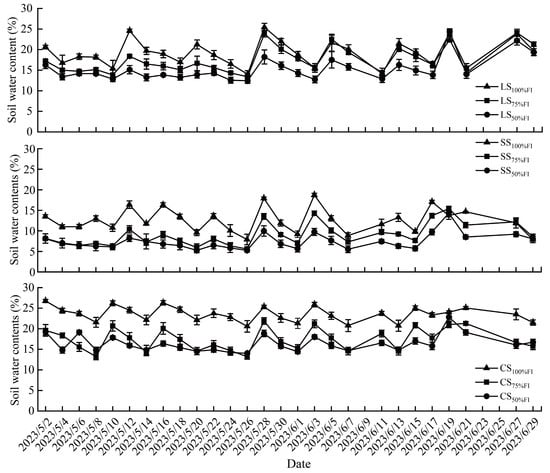
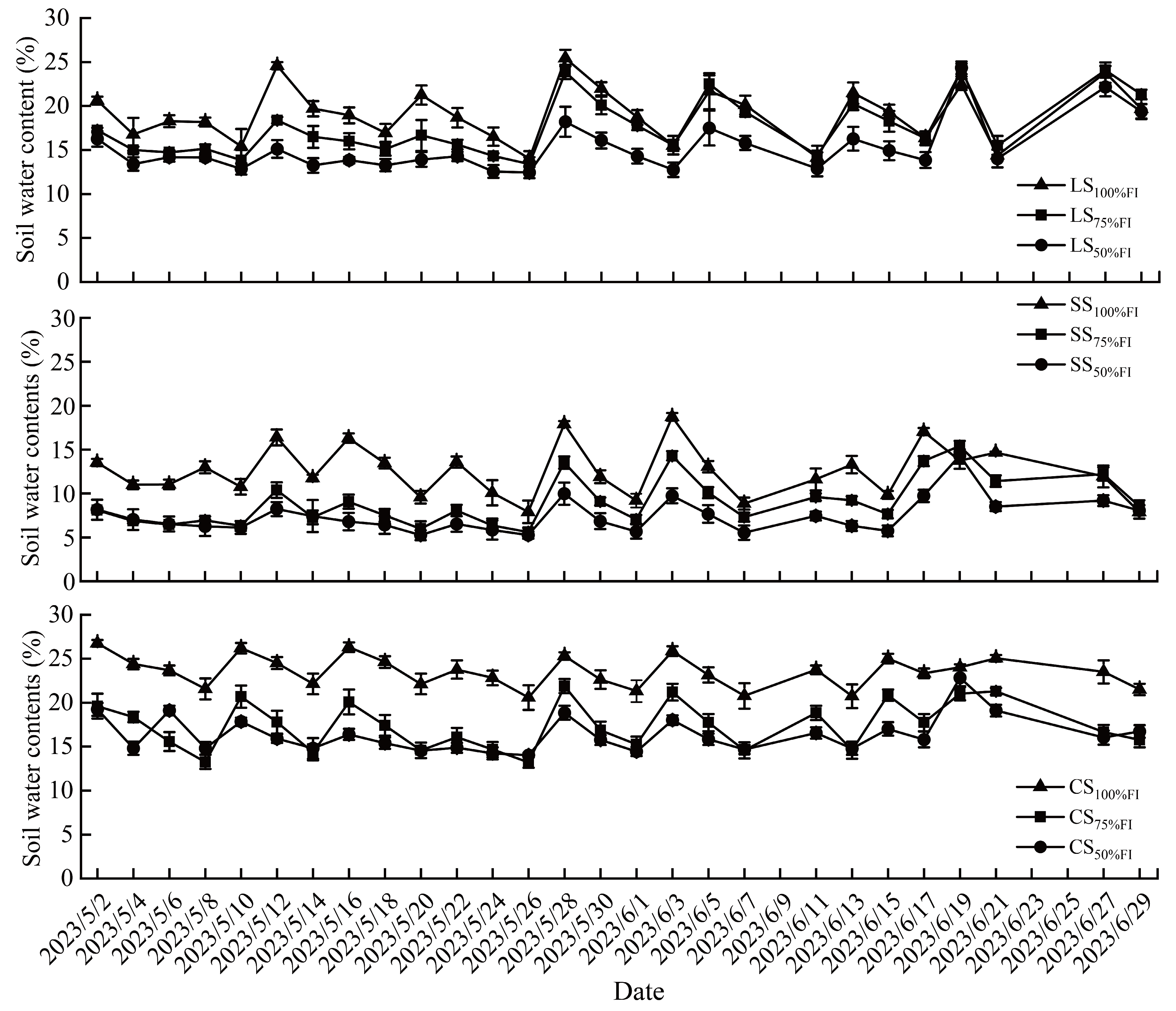
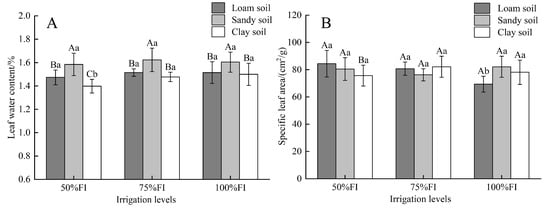
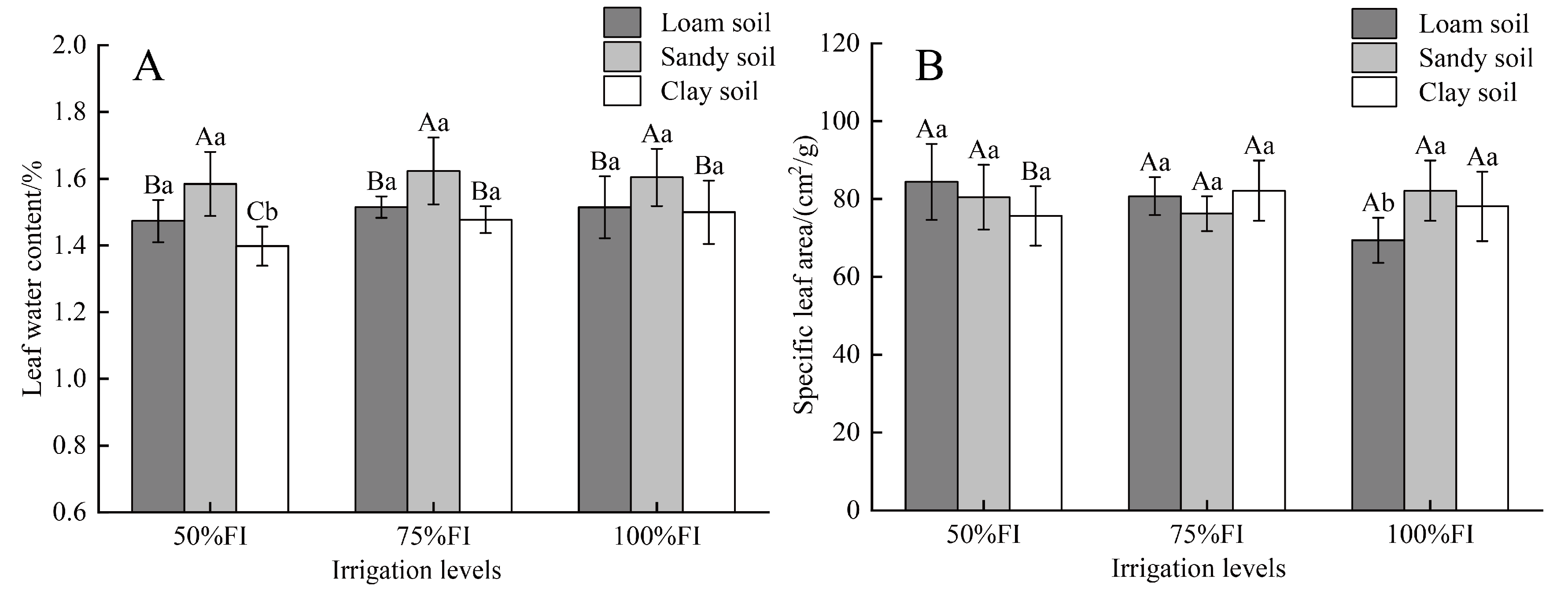
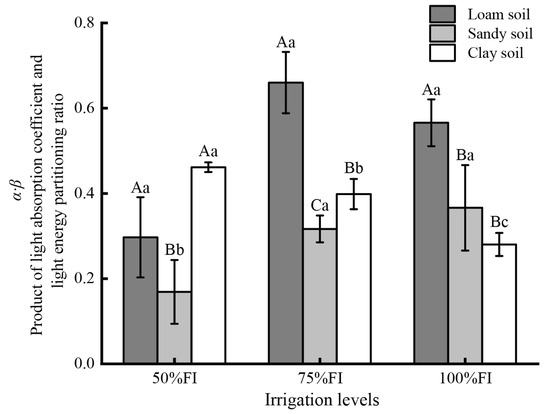
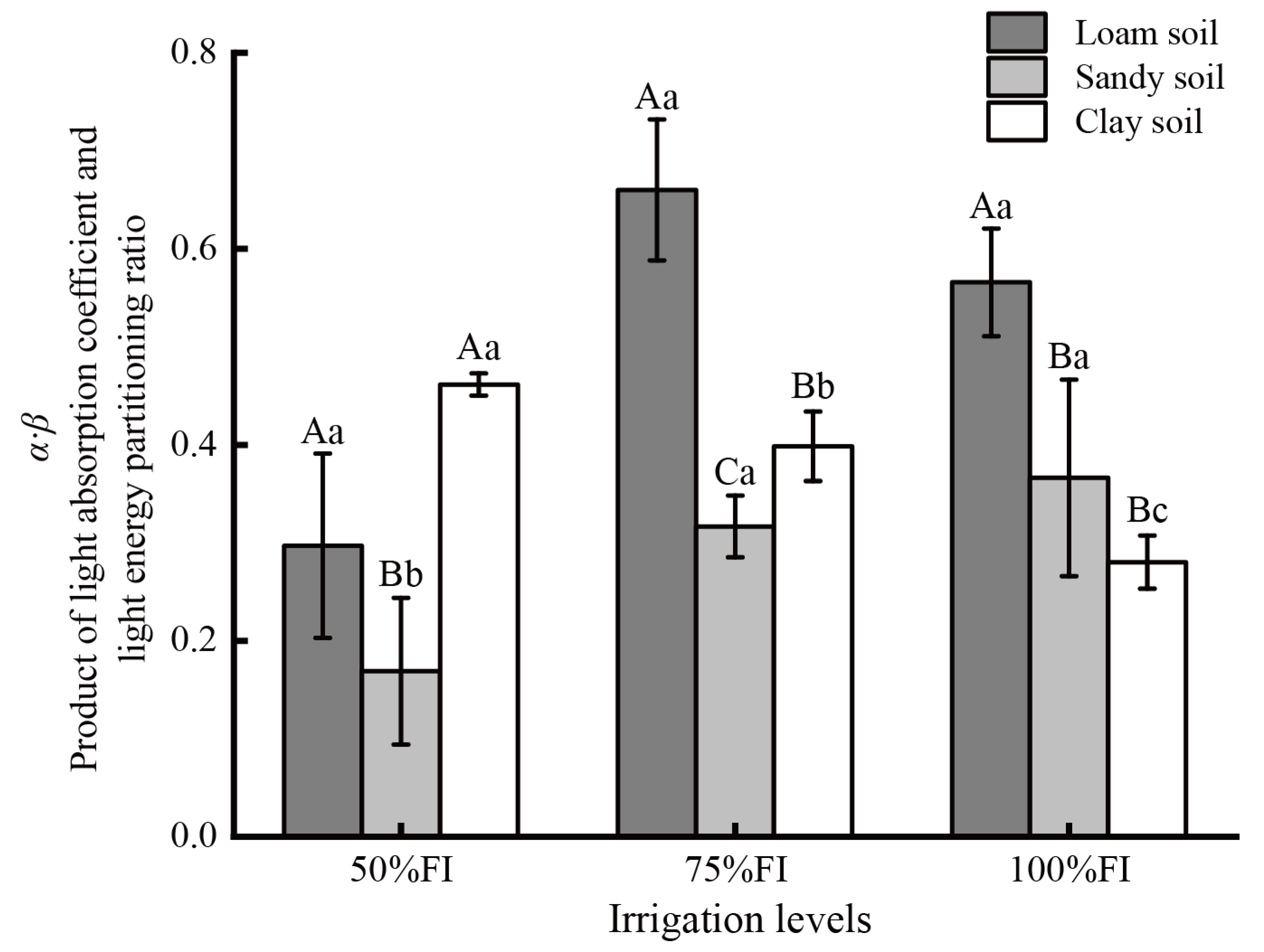
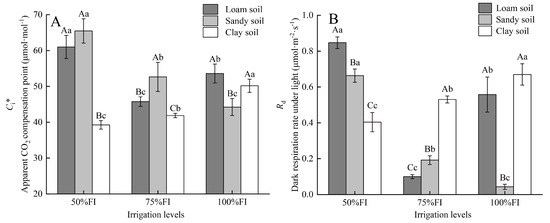
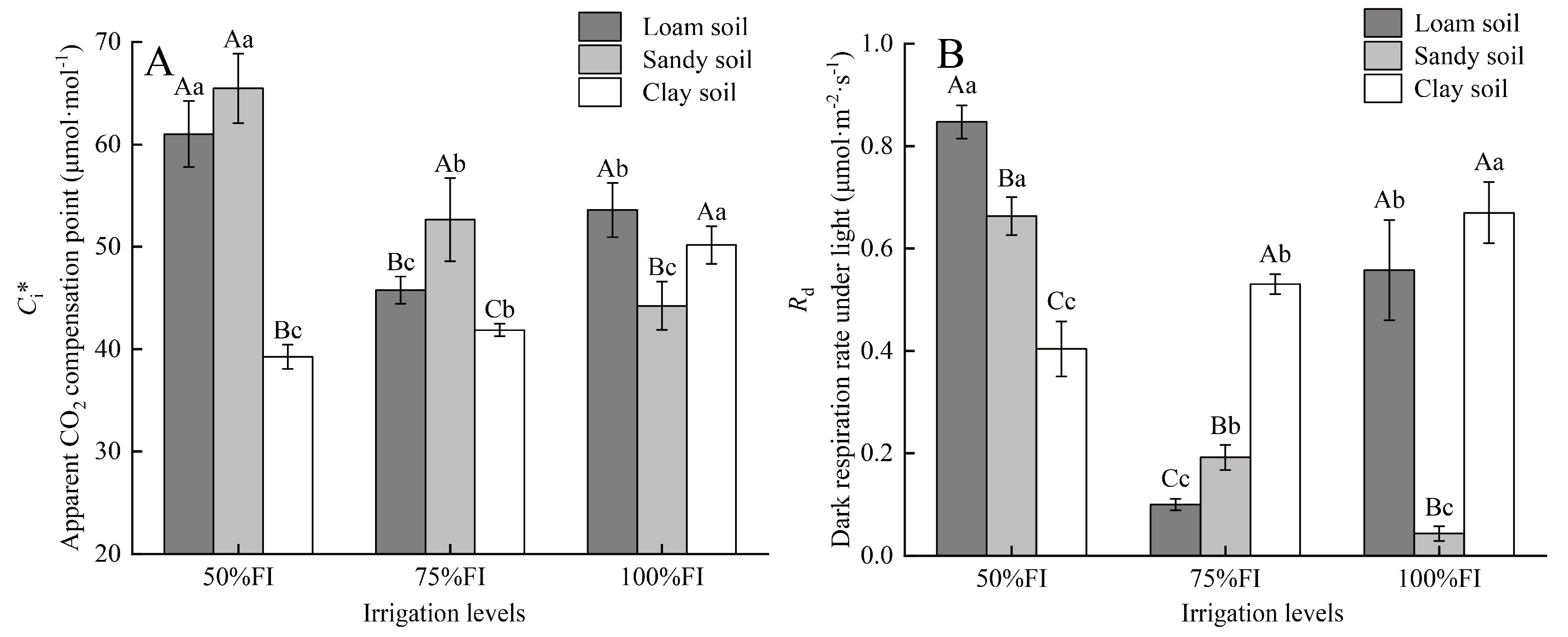
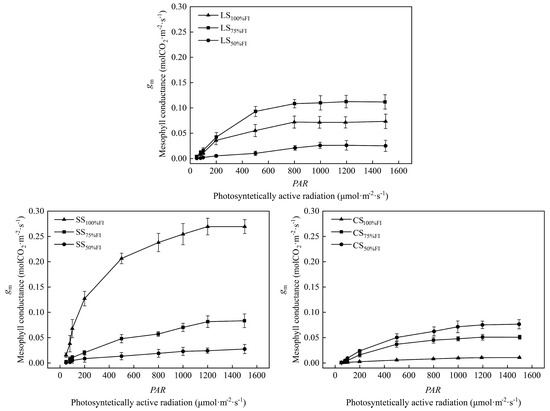
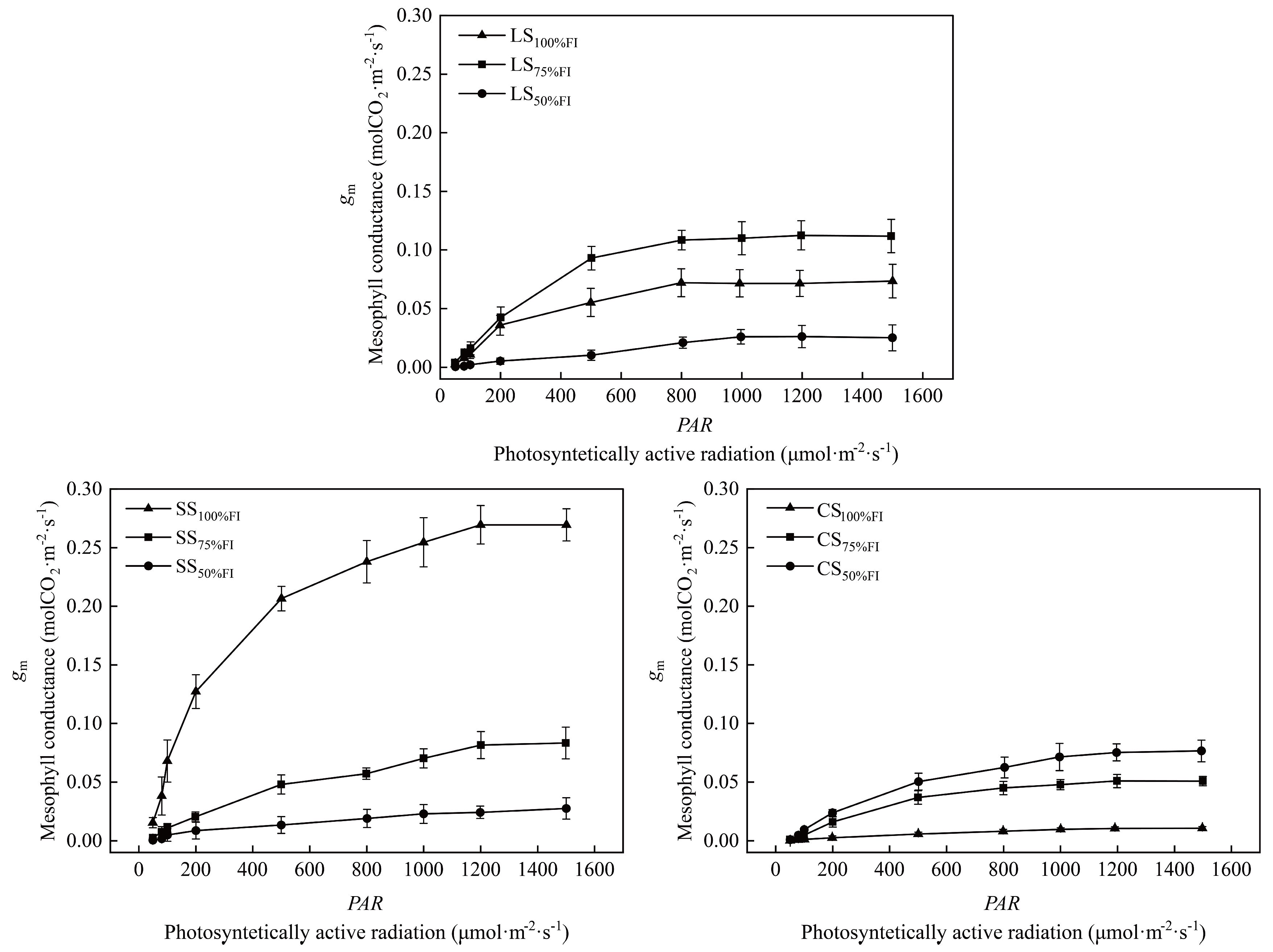
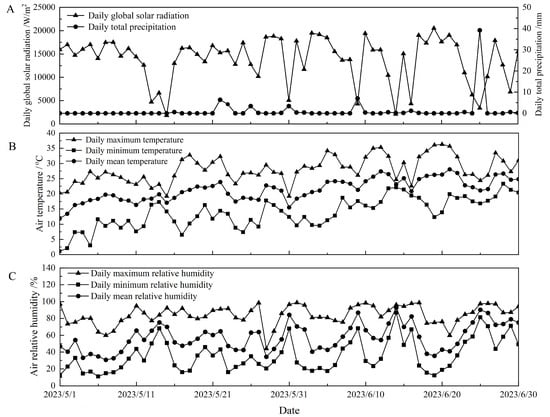
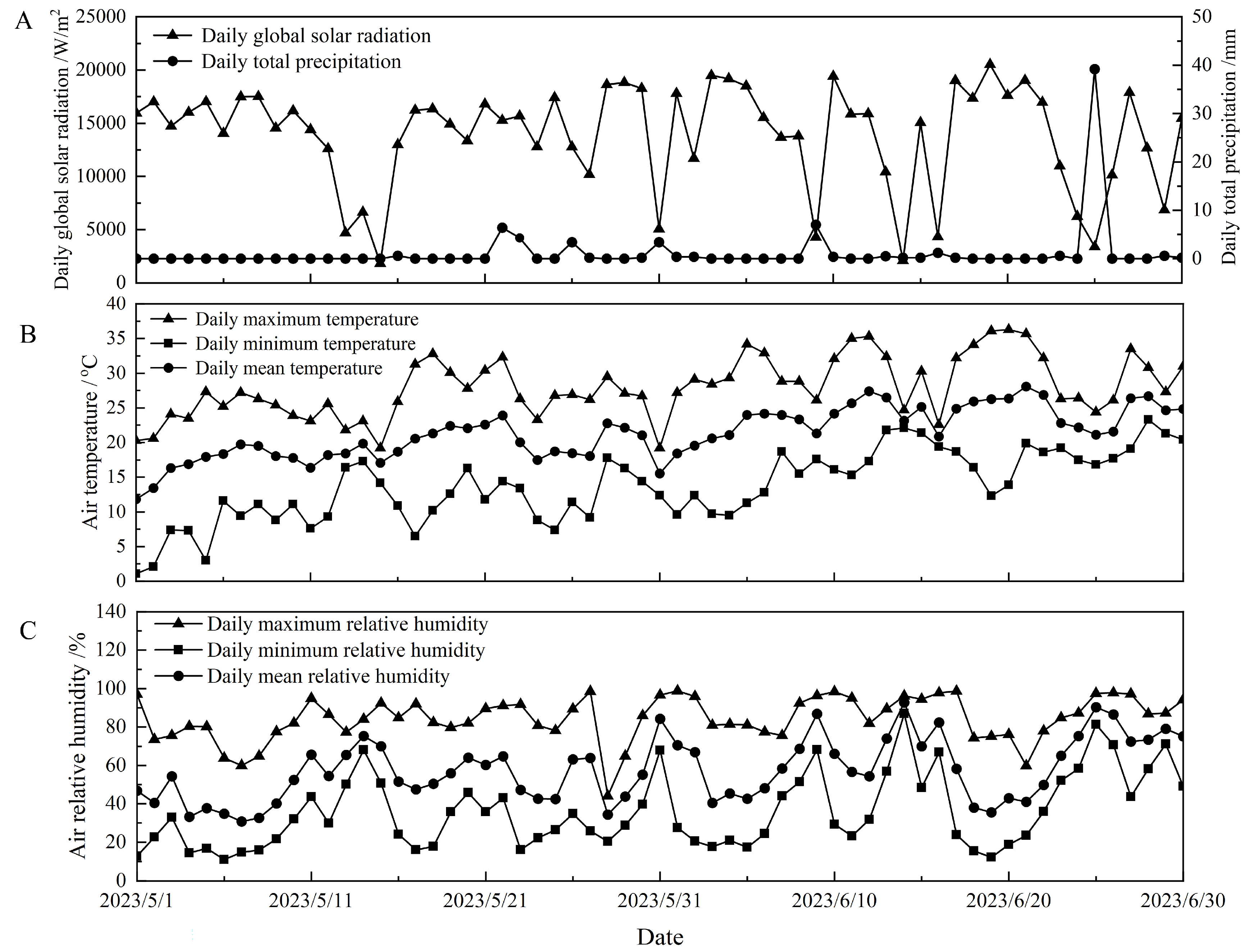
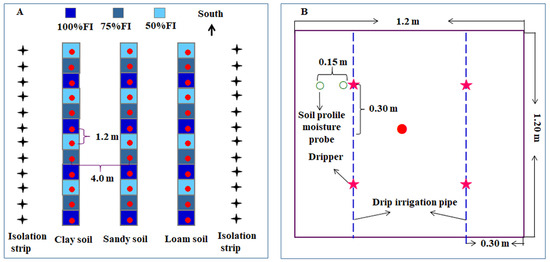
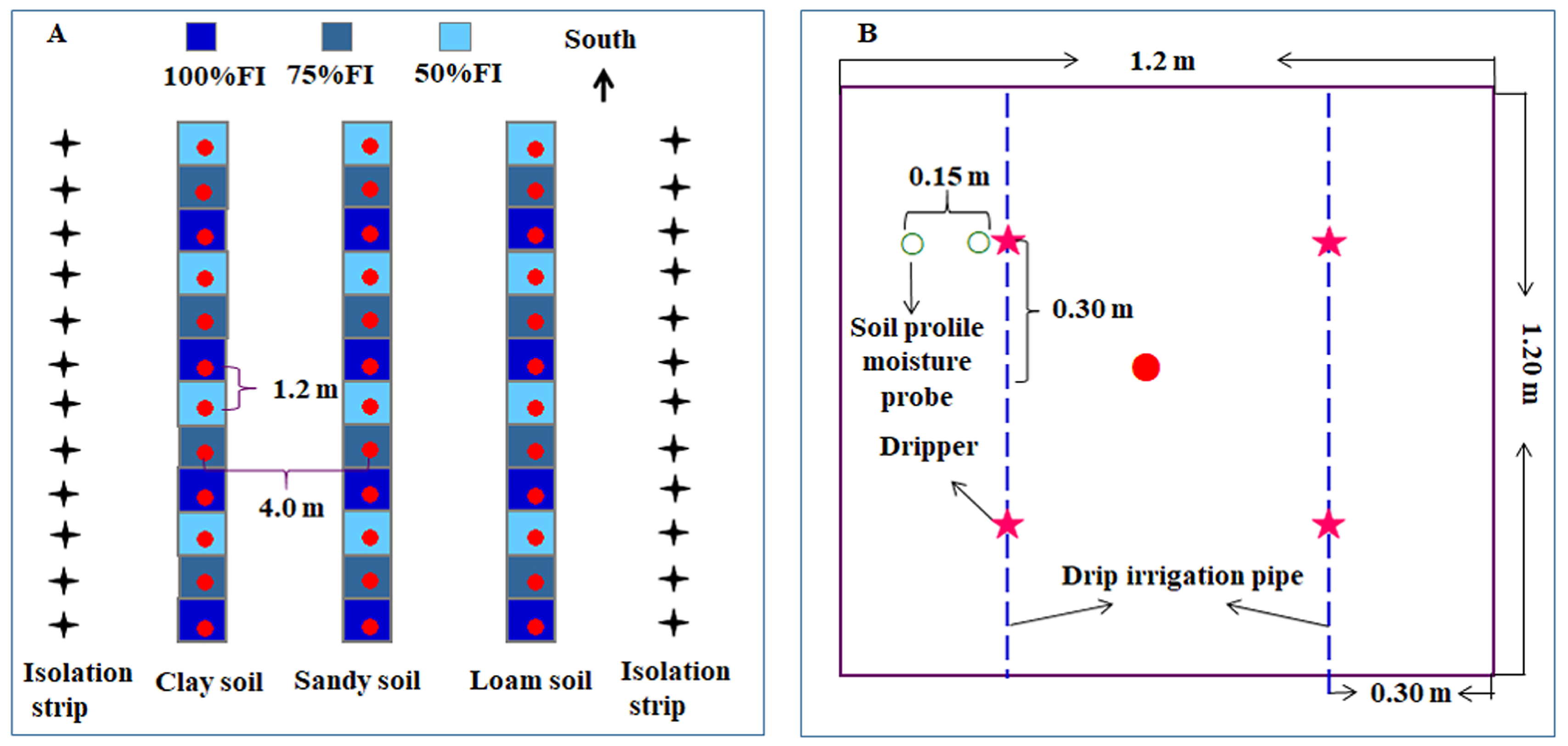

Disclaimer/Publisher’s Note: The statements, opinions and data contained in all publications are solely those of the individual author(s) and contributor(s) and not of MDPI and/or the editor(s). MDPI and/or the editor(s) disclaim responsibility for any injury to people or property resulting from any ideas, methods, instructions or products referred to in the content. |
© 2025 by the authors. Licensee MDPI, Basel, Switzerland. This article is an open access article distributed under the terms and conditions of the Creative Commons Attribution (CC BY) license (https://creativecommons.org/licenses/by/4.0/).