Article

Tomato Mutants Reveal Root and Shoot Strigolactone Involvement in Branching and Broomrape Resistance


1
Department of Genetics, Alexander Silberman Institute of Life Sciences, The Hebrew University of Jerusalem, Jerusalem 9190401, Israel
2
Robert H. Smith Institute of Plant Sciences and Genetics, The Hebrew University of Jerusalem, Rehovot 7610001, Israel
*
Author to whom correspondence should be addressed.
These authors contributed equally to this work.
Plants 2024, 13(11), 1554; https://doi.org/10.3390/plants13111554

Submission received: 25 April 2024 / Revised: 29 May 2024 / Accepted: 3 June 2024 / Published: 4 June 2024
(This article belongs to the Section Crop Physiology and Crop Production)

Abstract

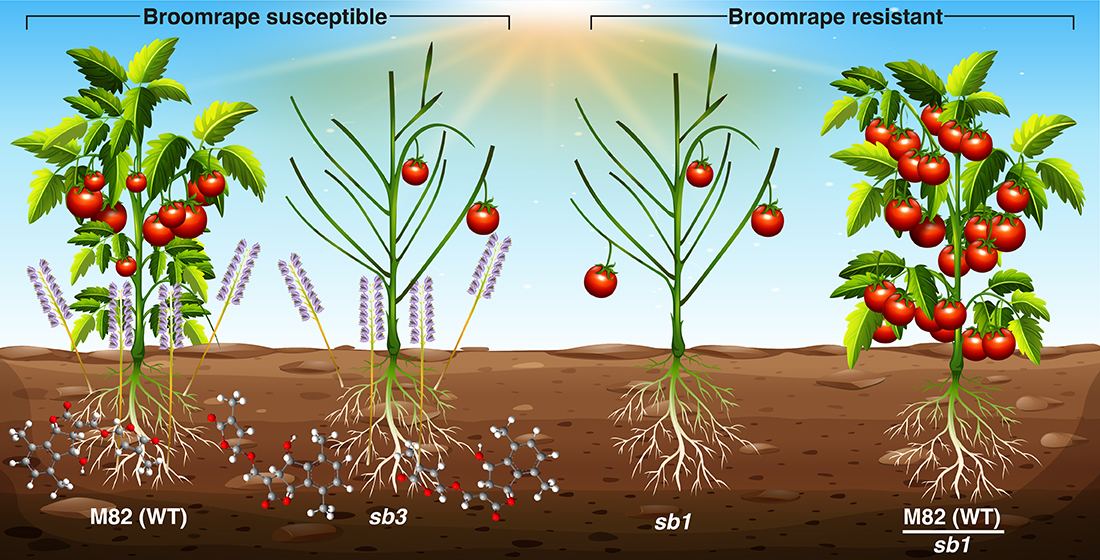
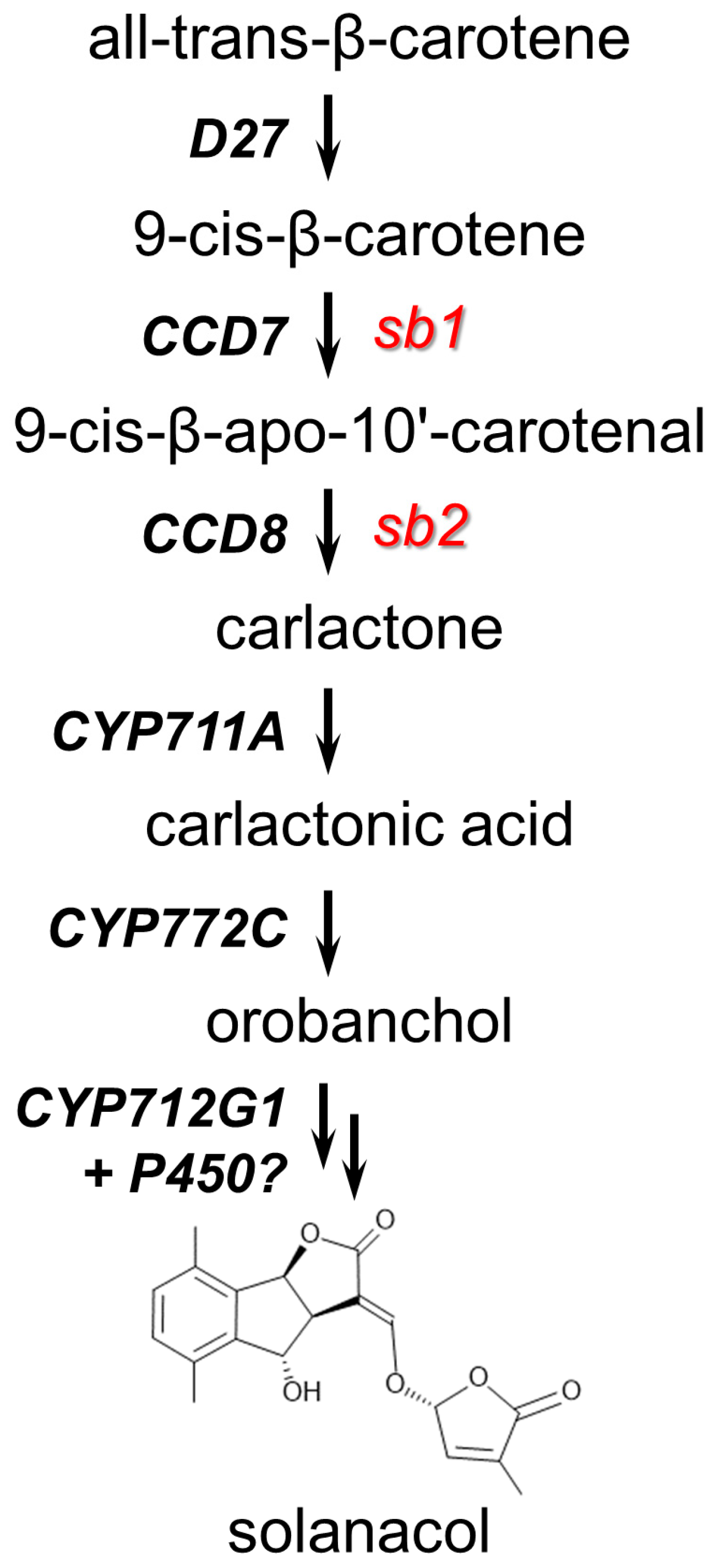
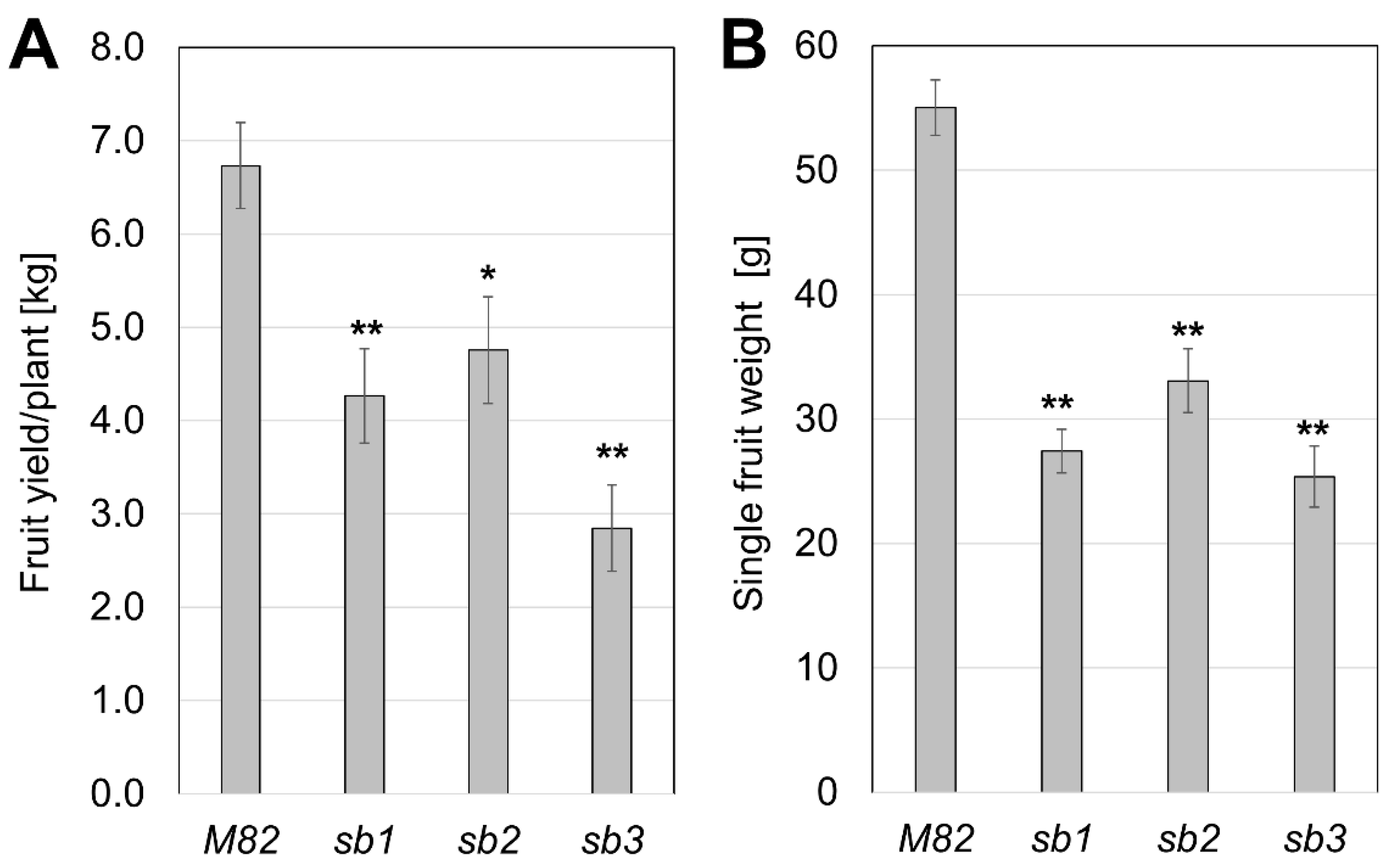
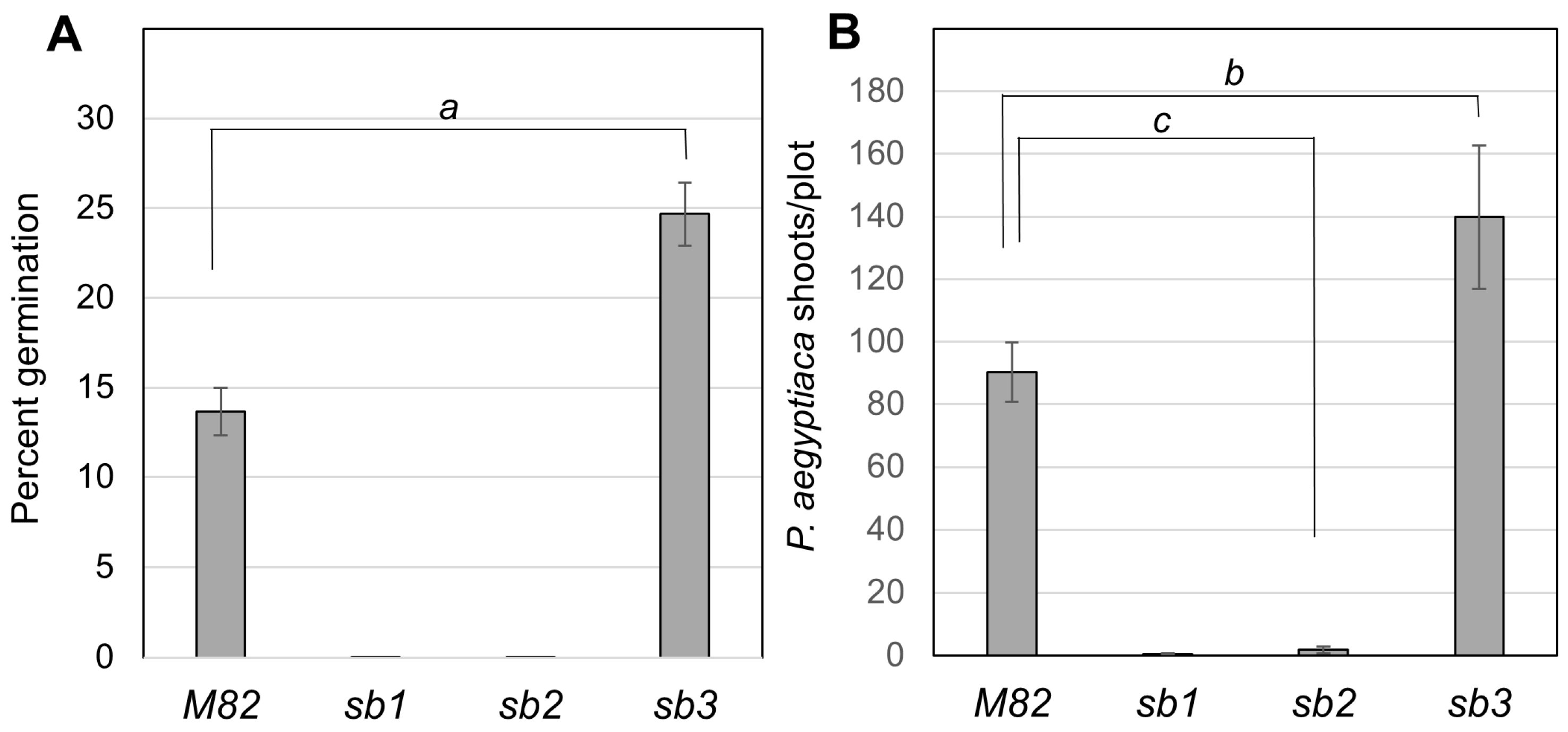
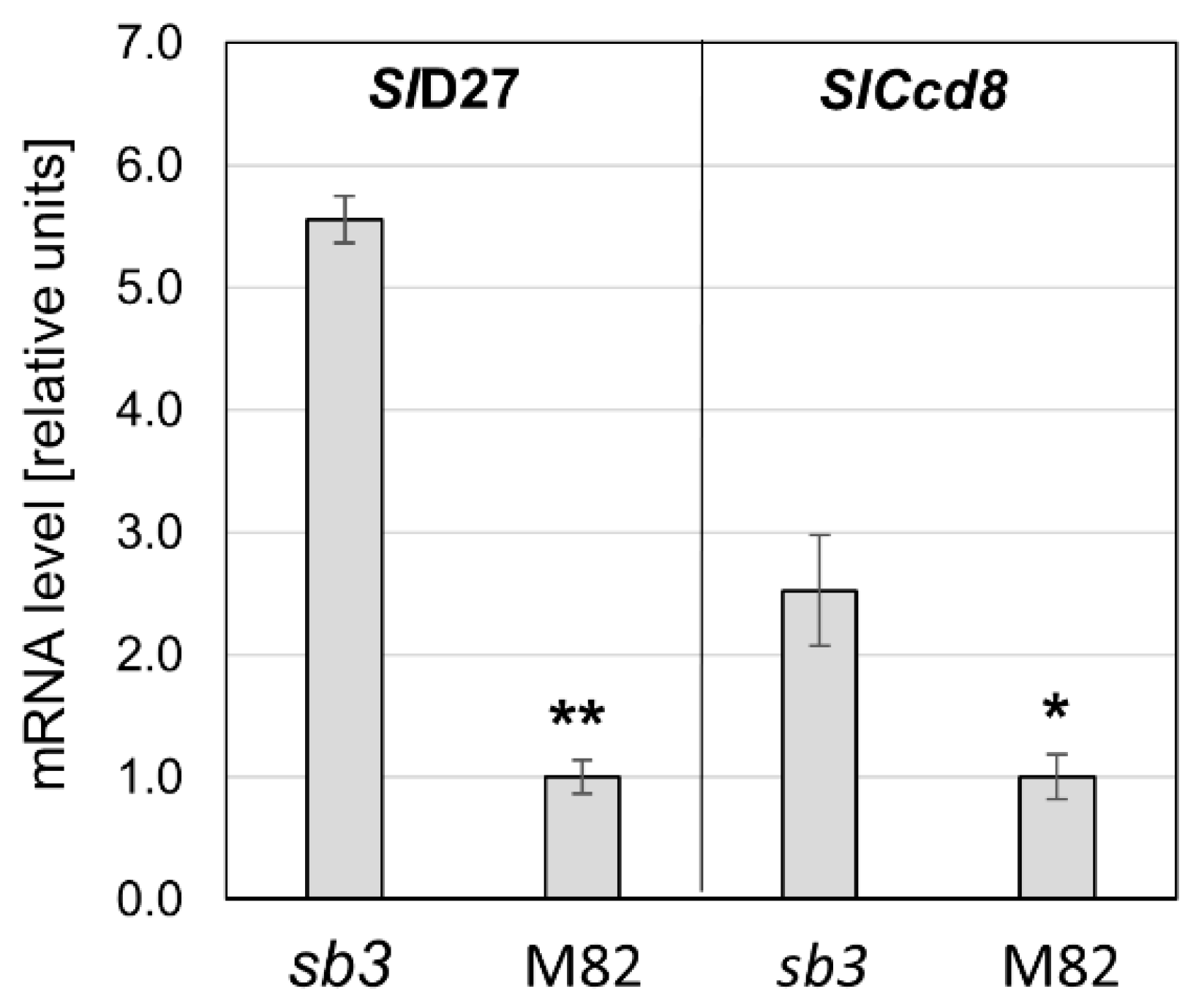
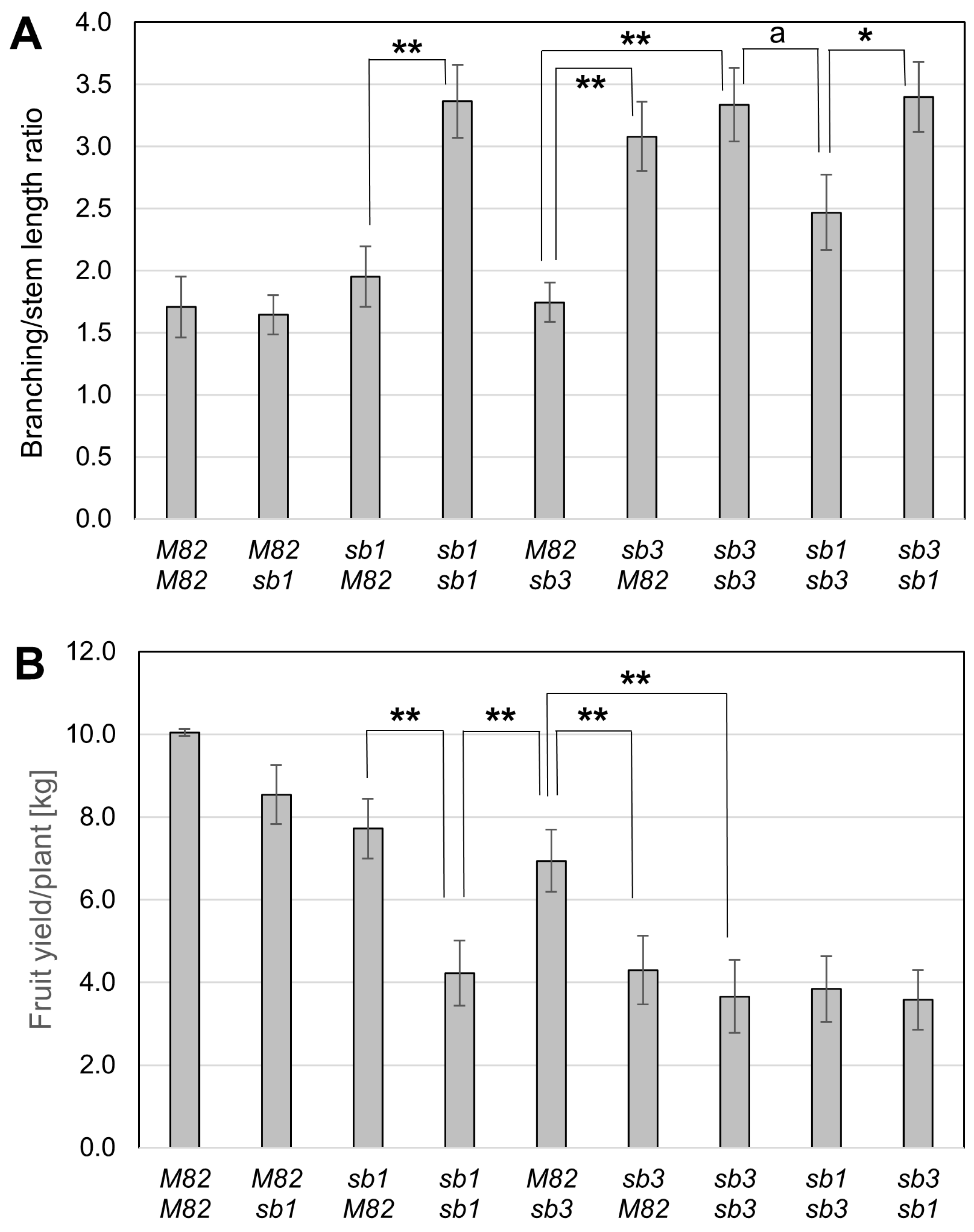
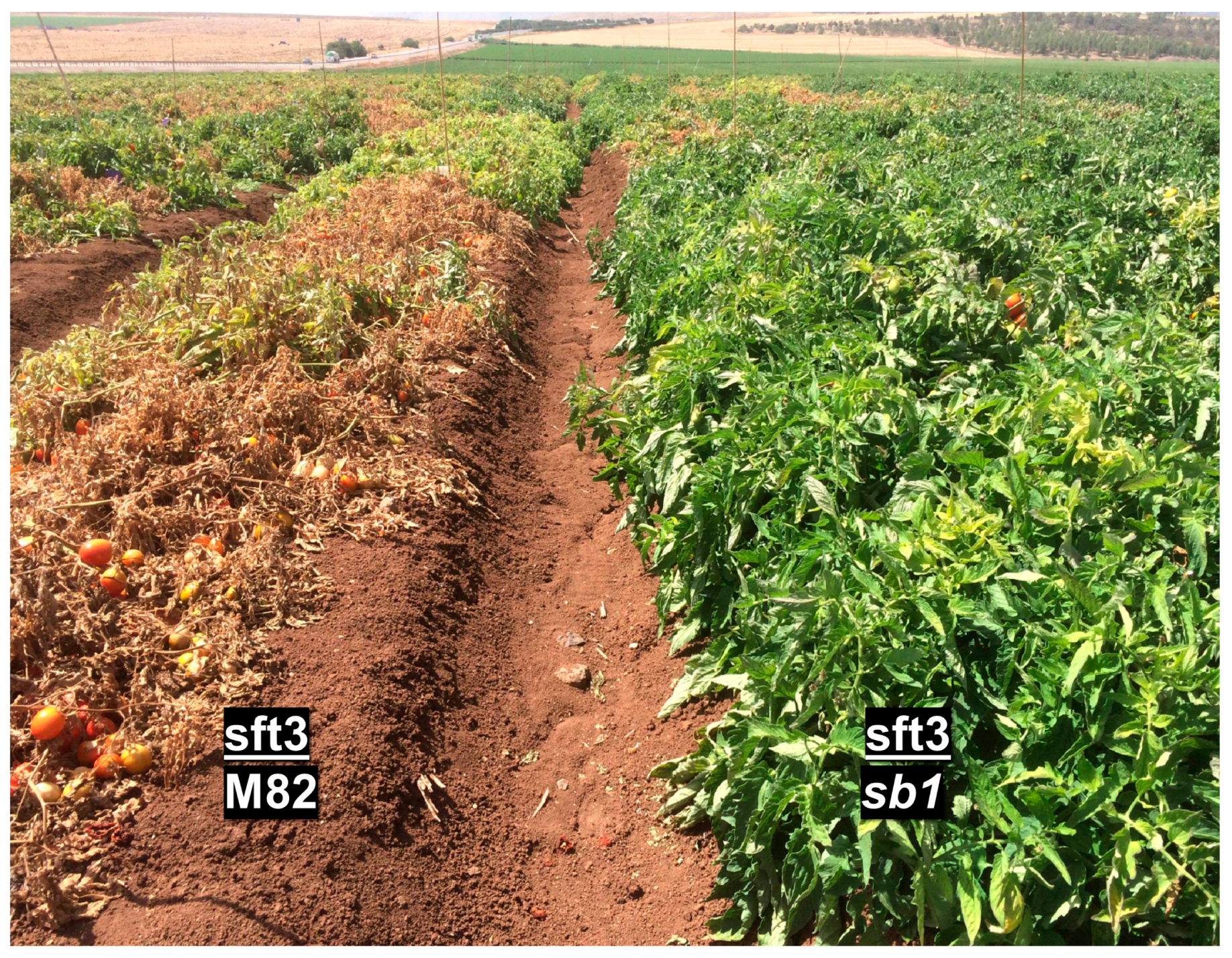
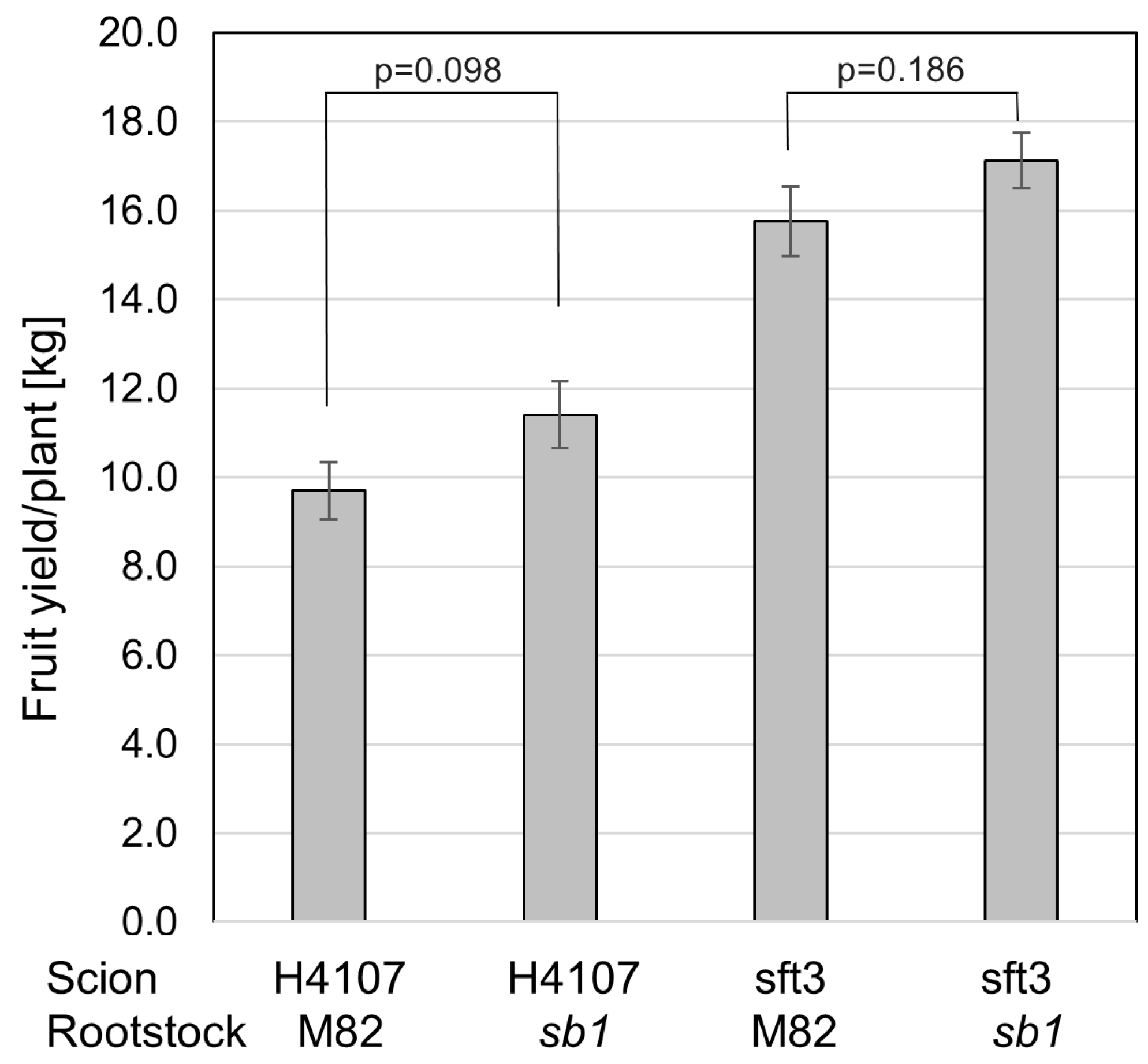
The phytohormones strigolactones (SLs) control root and shoot branching and are exuded from roots into the rhizosphere to stimulate interaction with mycorrhizal fungi. The exuded SLs serve as signaling molecules for the germination of parasitic plants. The broomrape Phelipanche aegyptiaca is a widespread noxious weed in various crop plants, including tomato (Solanum lycopersicum). We have isolated three mutants that impair SL functioning in the tomato variety M82: SHOOT BRANCHING 1 (sb1) and SHOOT BRANCHING 2 (sb2), which abolish SL biosynthesis, and SHOOT BRANCHING 3 (sb3), which impairs SL perception. The over-branching phenotype of the sb mutants resulted in a severe yield loss. The isogenic property of the mutations in a determinate growth variety enabled the quantitative evaluation of the contribution of SL to yield under field conditions. As expected, the mutants sb1 and sb2 were completely resistant to infection by P. aegyptiaca due to the lack of SL in the roots. In contrast, sb3 was more susceptible to P. aegyptiaca than the wild-type M82. The SL concentration in roots of the sb3 was two-fold higher than in the wild type due to the upregulation of the transcription of SL biosynthesis genes. This phenomenon suggests that the steady-state level of root SLs is regulated by a feedback mechanism that involves the SL signaling pathway. Surprisingly, grafting wild-type varieties on sb1 and sb2 rootstocks eliminated the branching phenotype and yield loss, indicating that SL synthesized in the shoots is sufficient to control shoot branching. Moreover, commercial tomato varieties grafted on sb1 were protected from P. aegyptiaca infection without significant yield loss, offering a practical solution to the broomrape crisis.
Keywords: strigolactone; tomato; mutations; Phelipanche aegyptiaca; parasitic plants strigolactone; tomato; mutations; Phelipanche aegyptiaca; parasitic plants
Graphical Abstract