Article

Spatial Distribution of Pinus koraiensis Trees and Community-Level Spatial Associations in Broad-Leaved Korean Pine Mixed Forests in Northeastern China


1
Center for Ecological Research, Northeast Forestry University, Harbin 150040, China
2
Key Laboratory of Sustainable Forest Ecosystem Management-Ministry of Education, Northeast Forestry University, Harbin 150040, China
3
Northeast Asia Biodiversity Research Center, Northeast Forestry University, Harbin 150040, China
4
CAS Key Laboratory of Forest Ecology and Management, Institute of Applied Ecology, Chinese Academy of Sciences, Shenyang 110164, China
5
Heilongjiang Forestry Engineering and Environment Institute, Harbin 150040, China
6
Key Laboratory of Forest Ecology and Forestry Ecological Engineering of Heilongjiang Province, Harbin 150040, China
*
Author to whom correspondence should be addressed.
Plants 2023, 12(16), 2906; https://doi.org/10.3390/plants12162906

Submission received: 16 June 2023 / Revised: 28 July 2023 / Accepted: 4 August 2023 / Published: 9 August 2023
(This article belongs to the Collection Forest Environment and Ecology)

Abstract

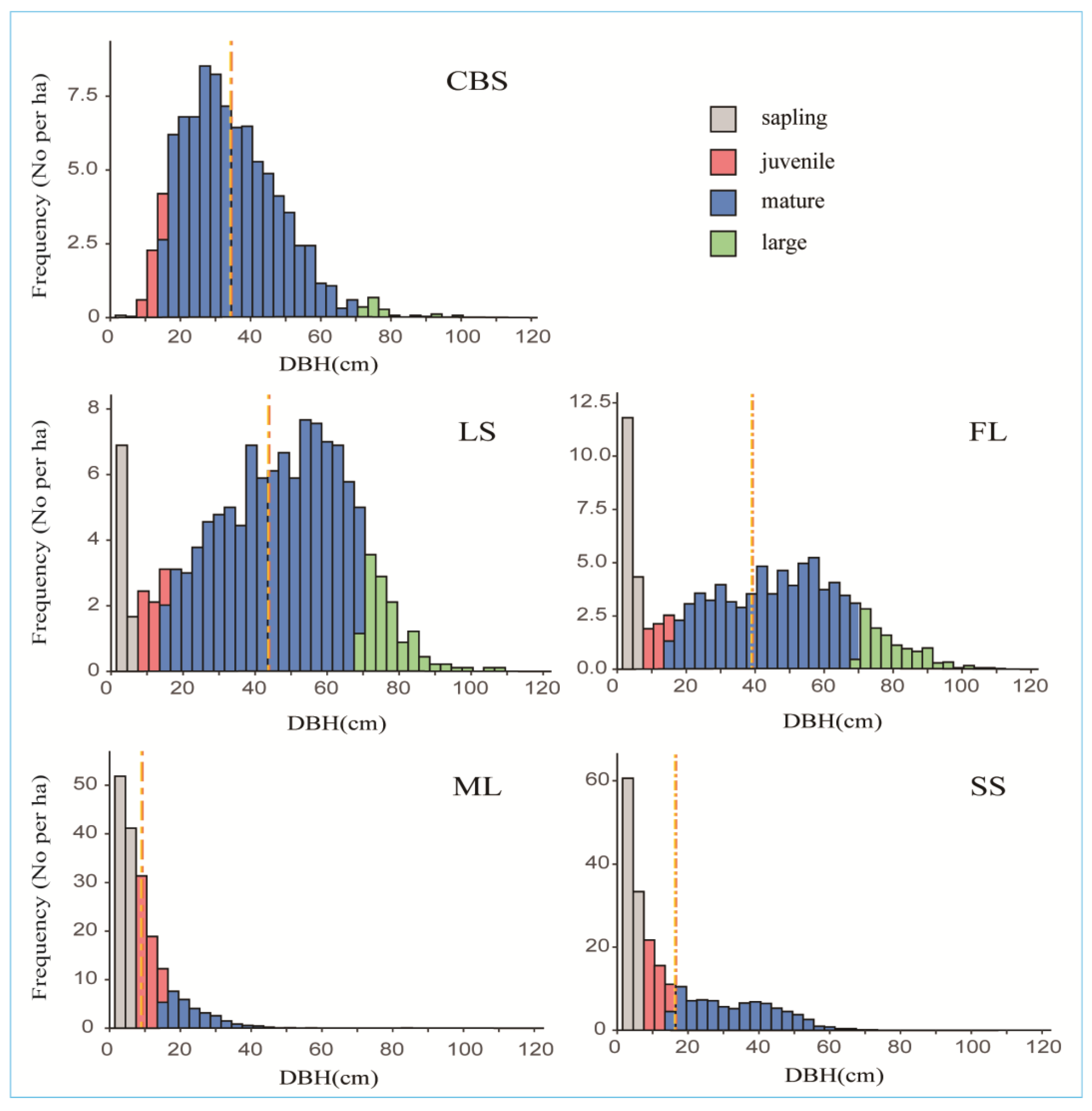
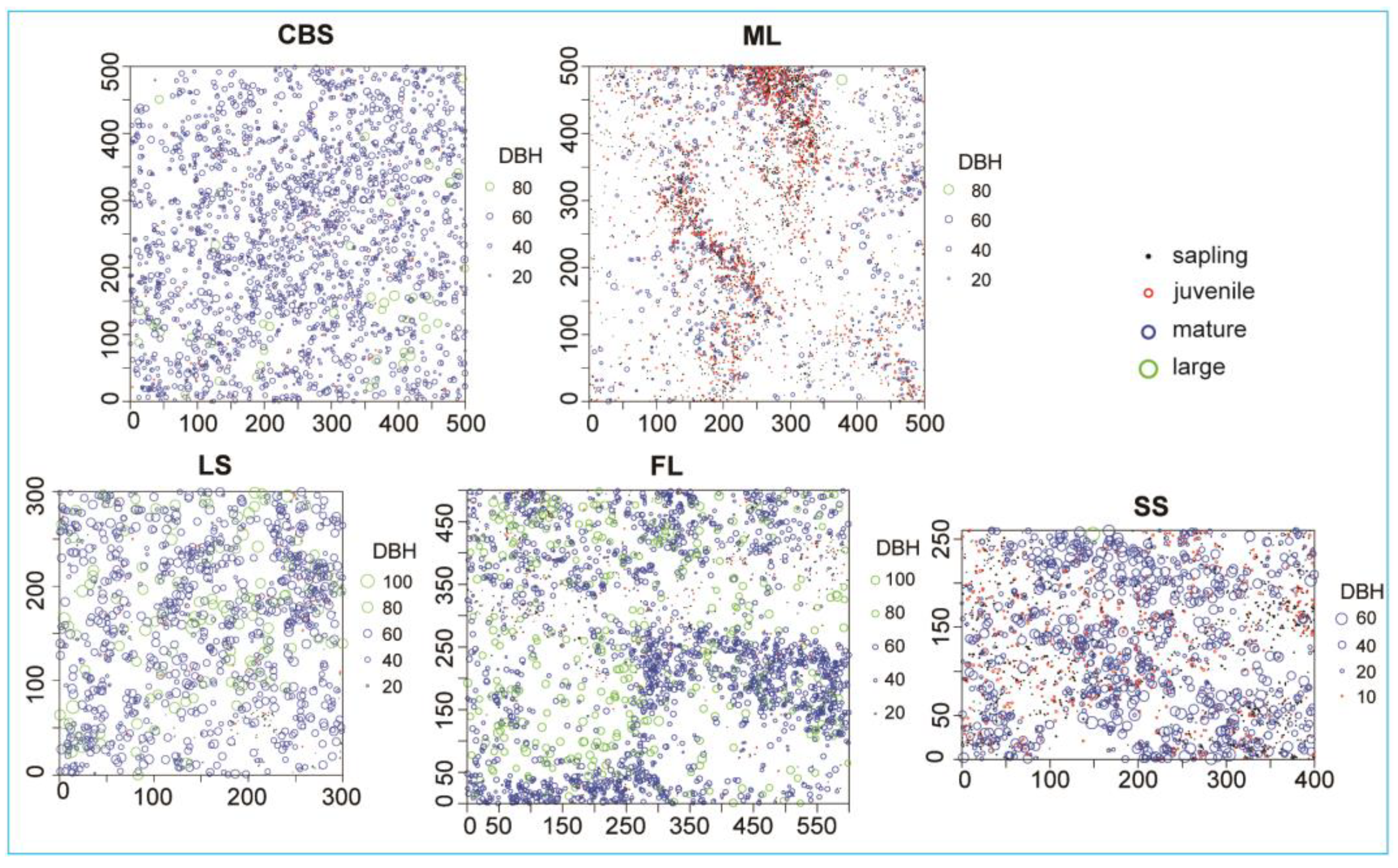
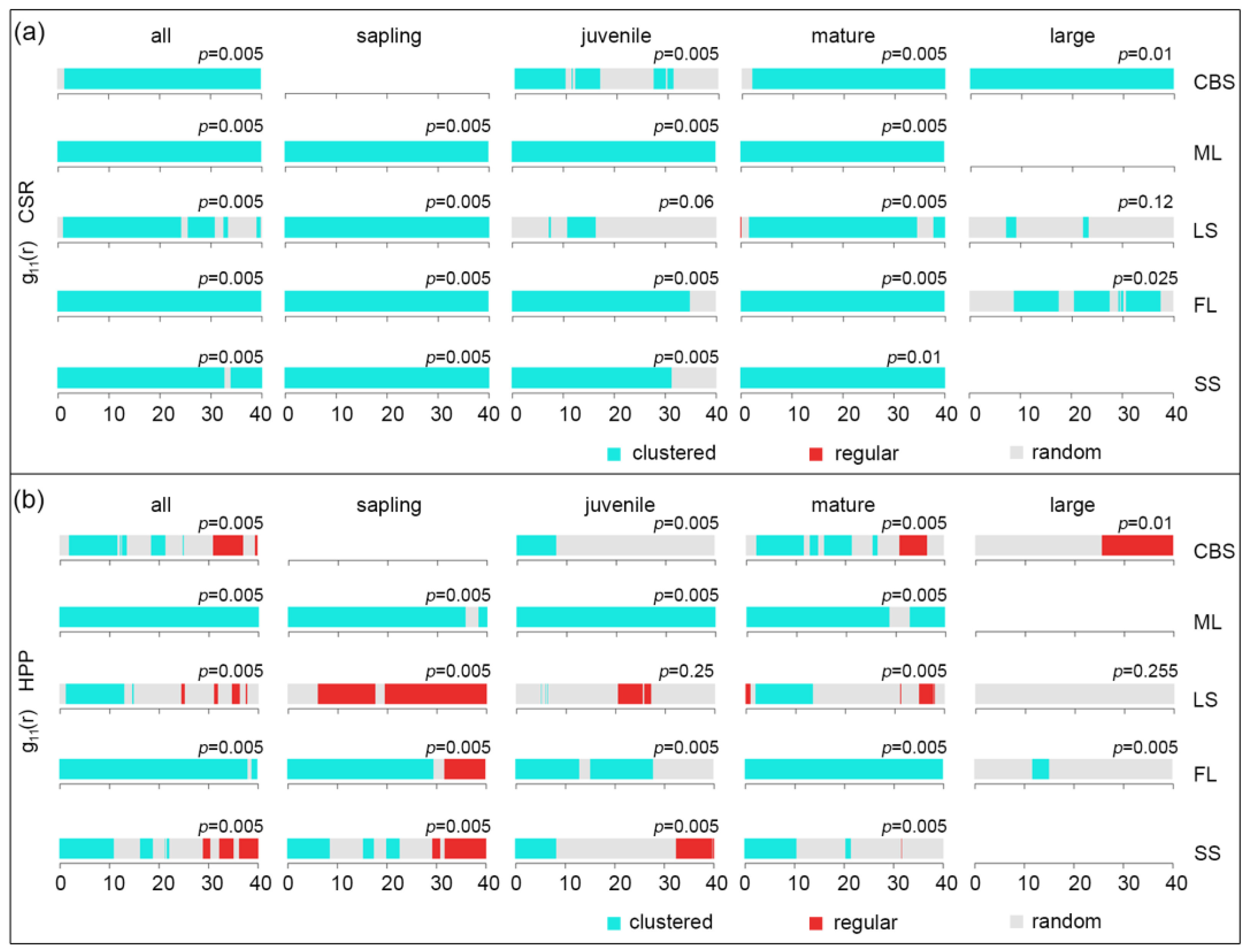
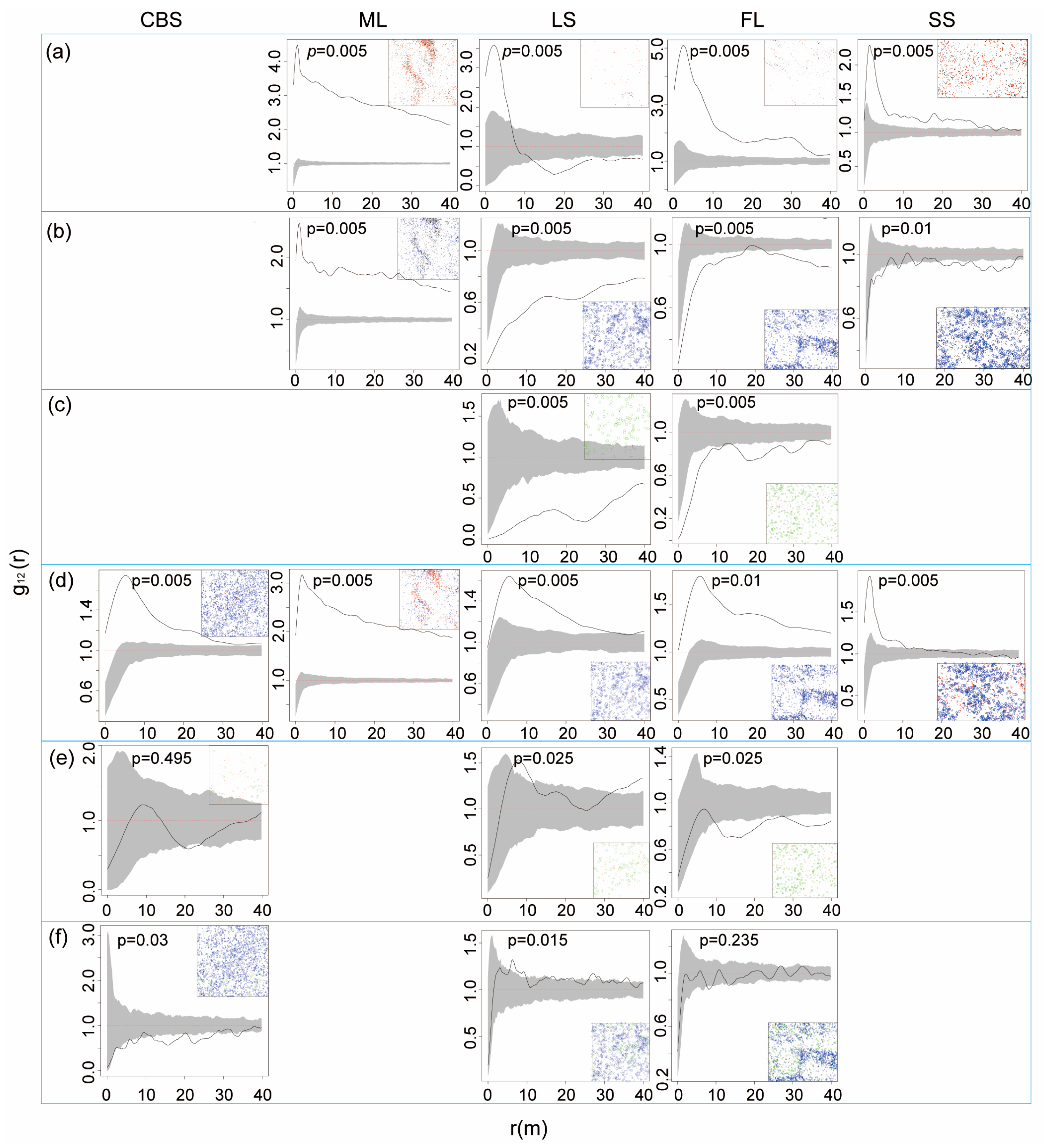
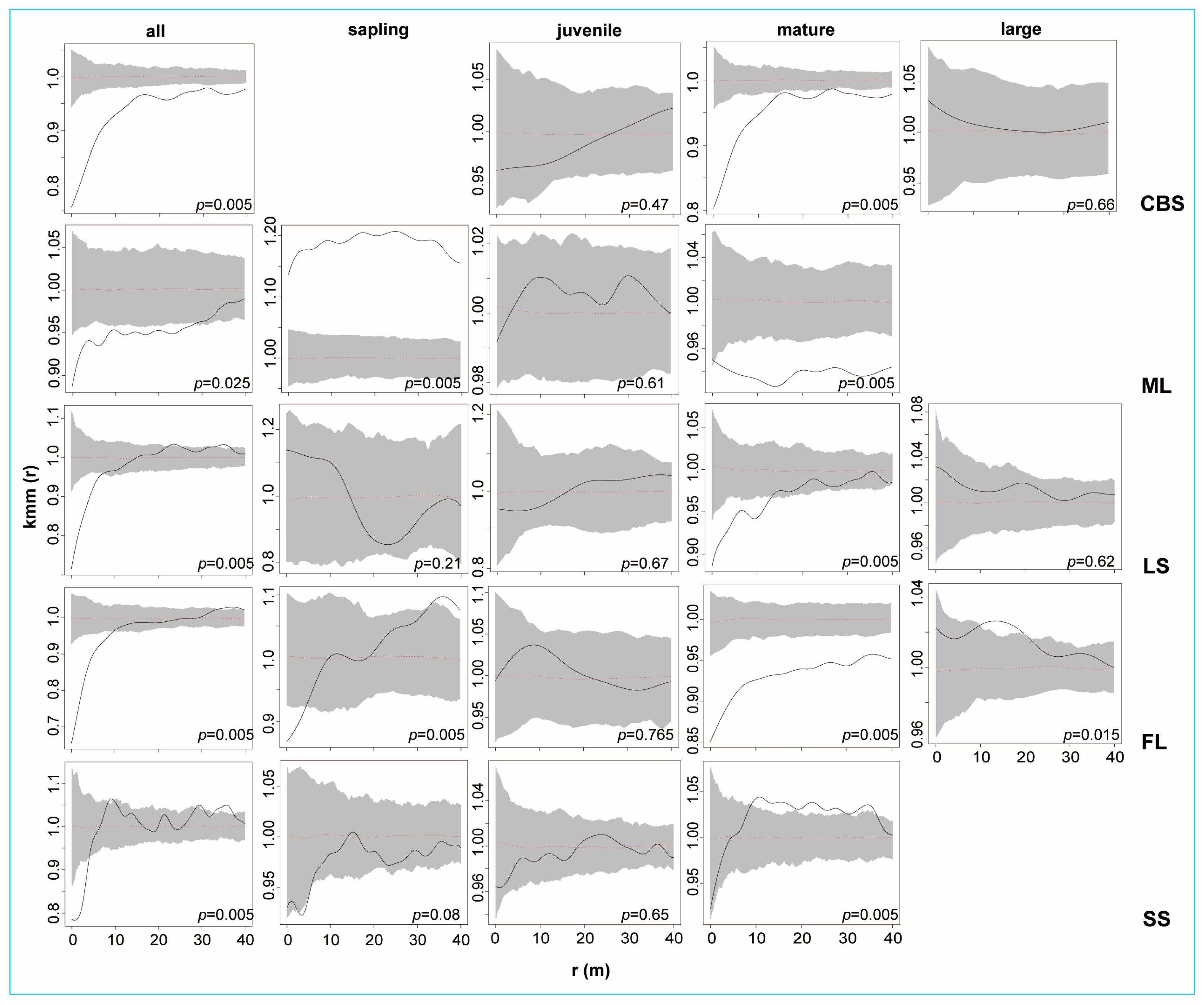
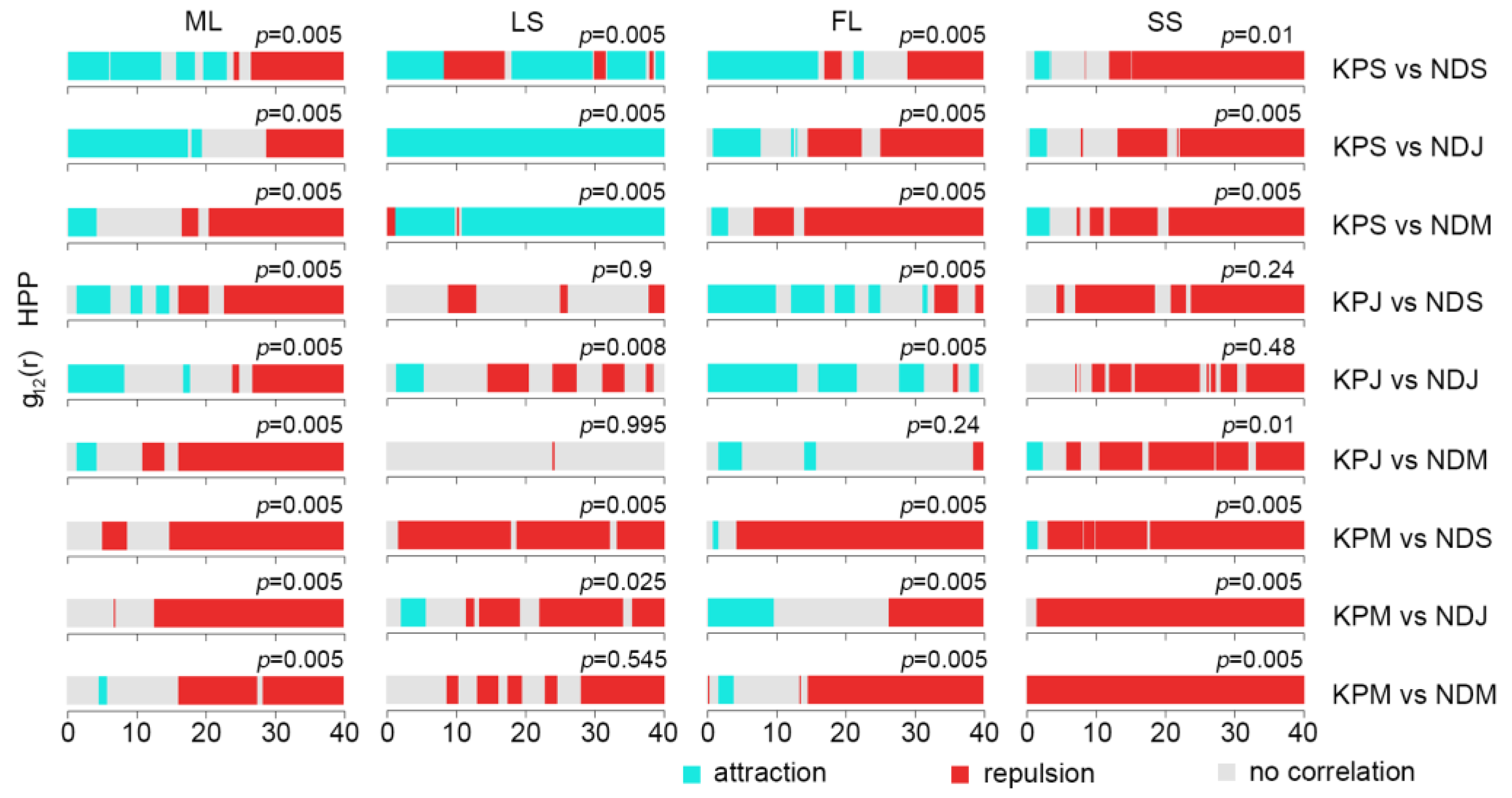
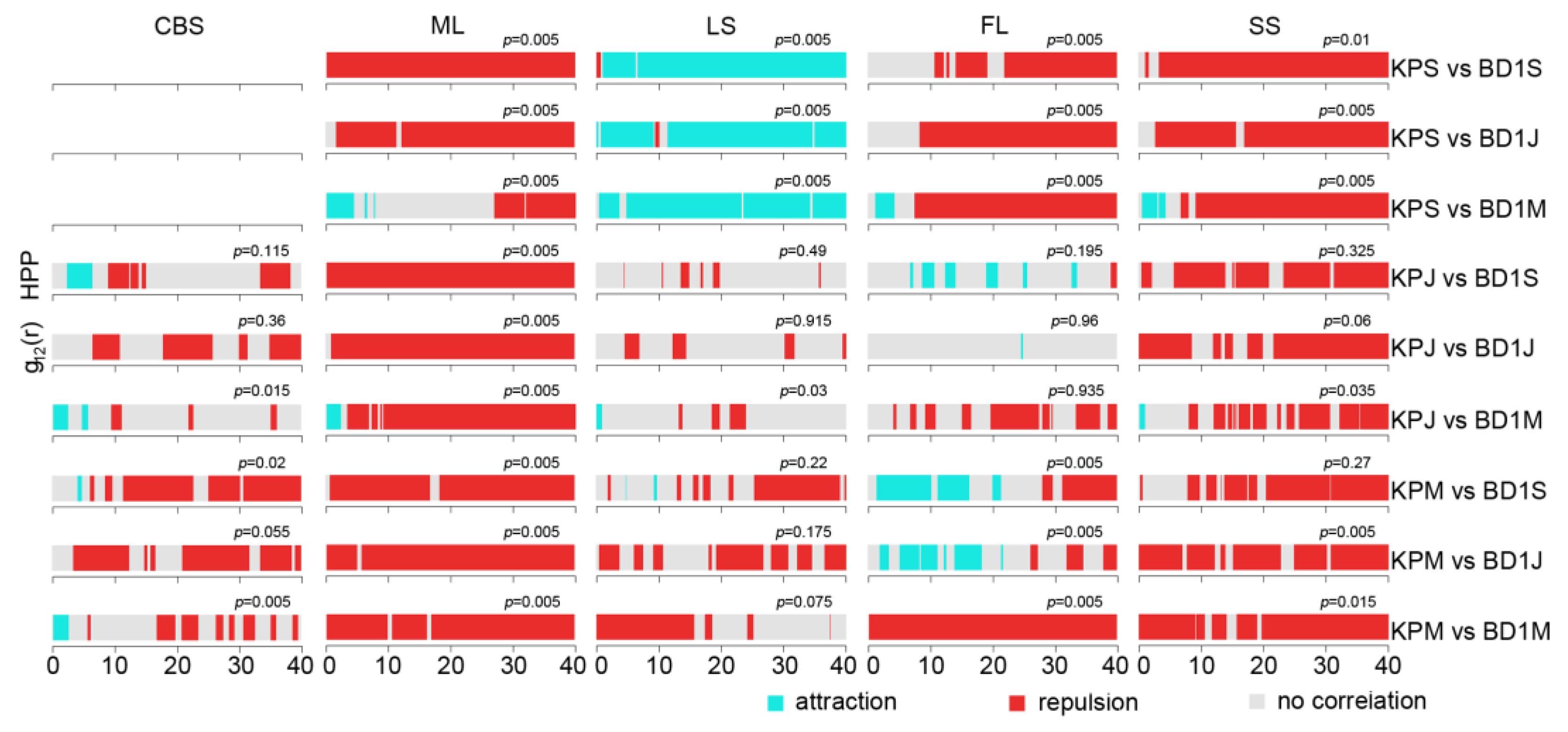
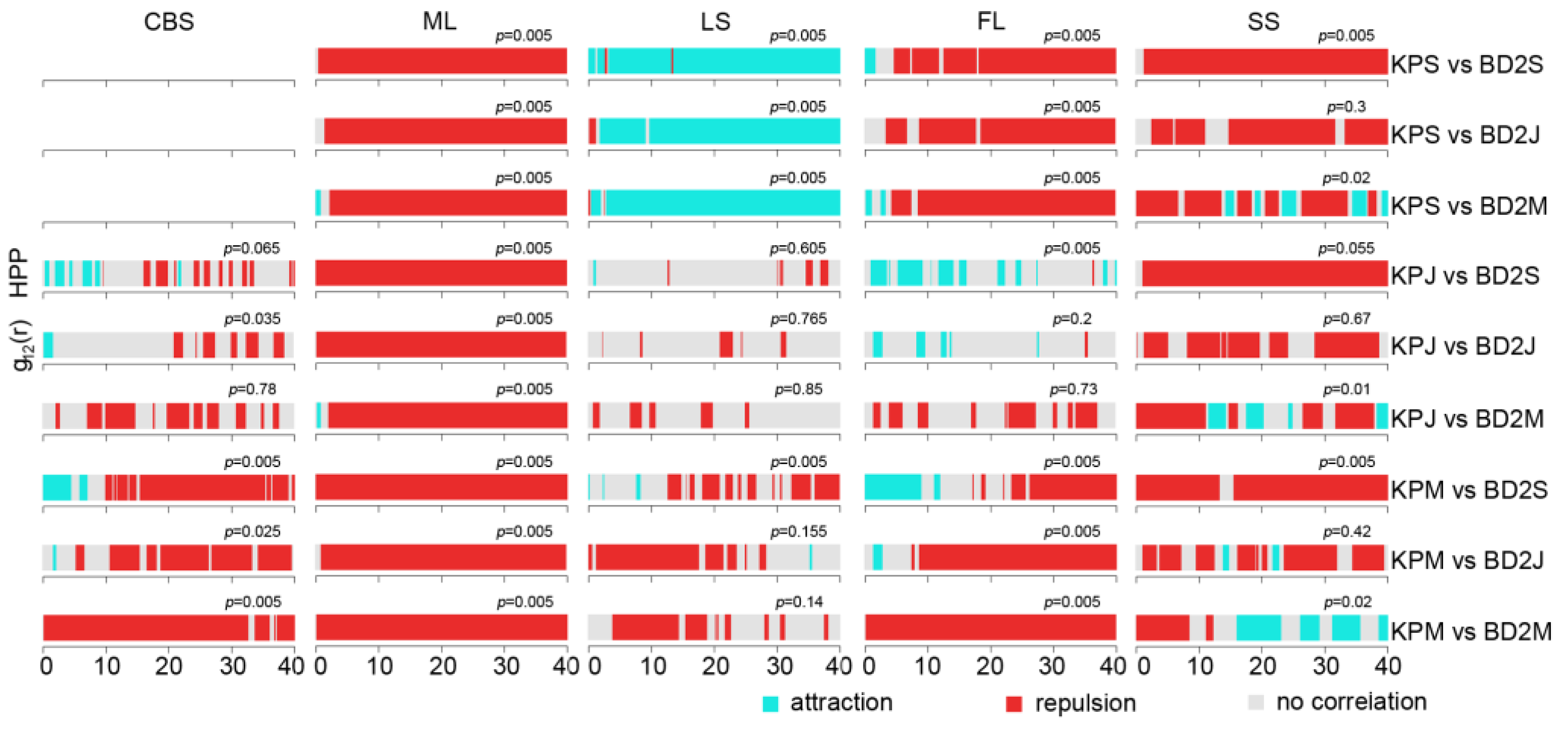
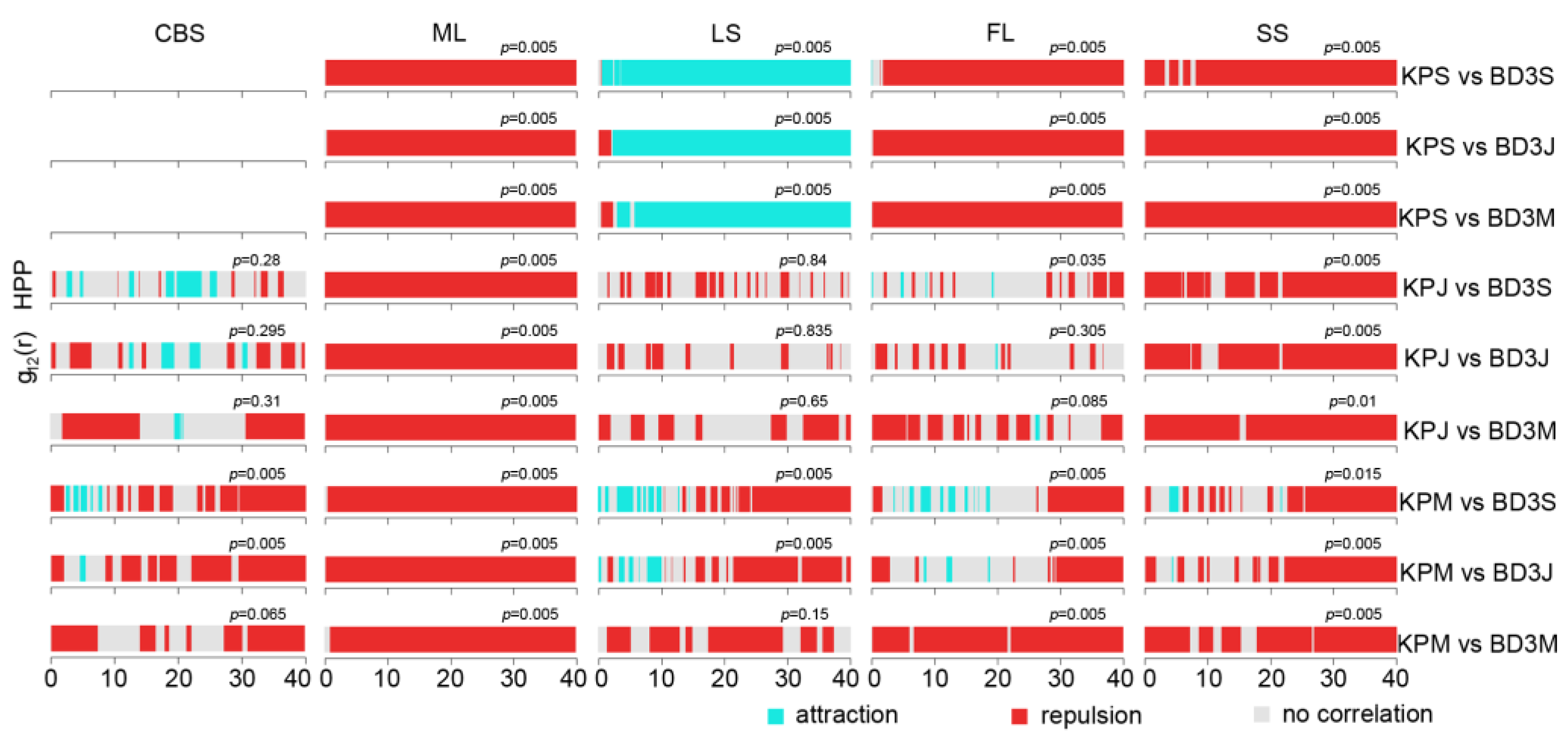
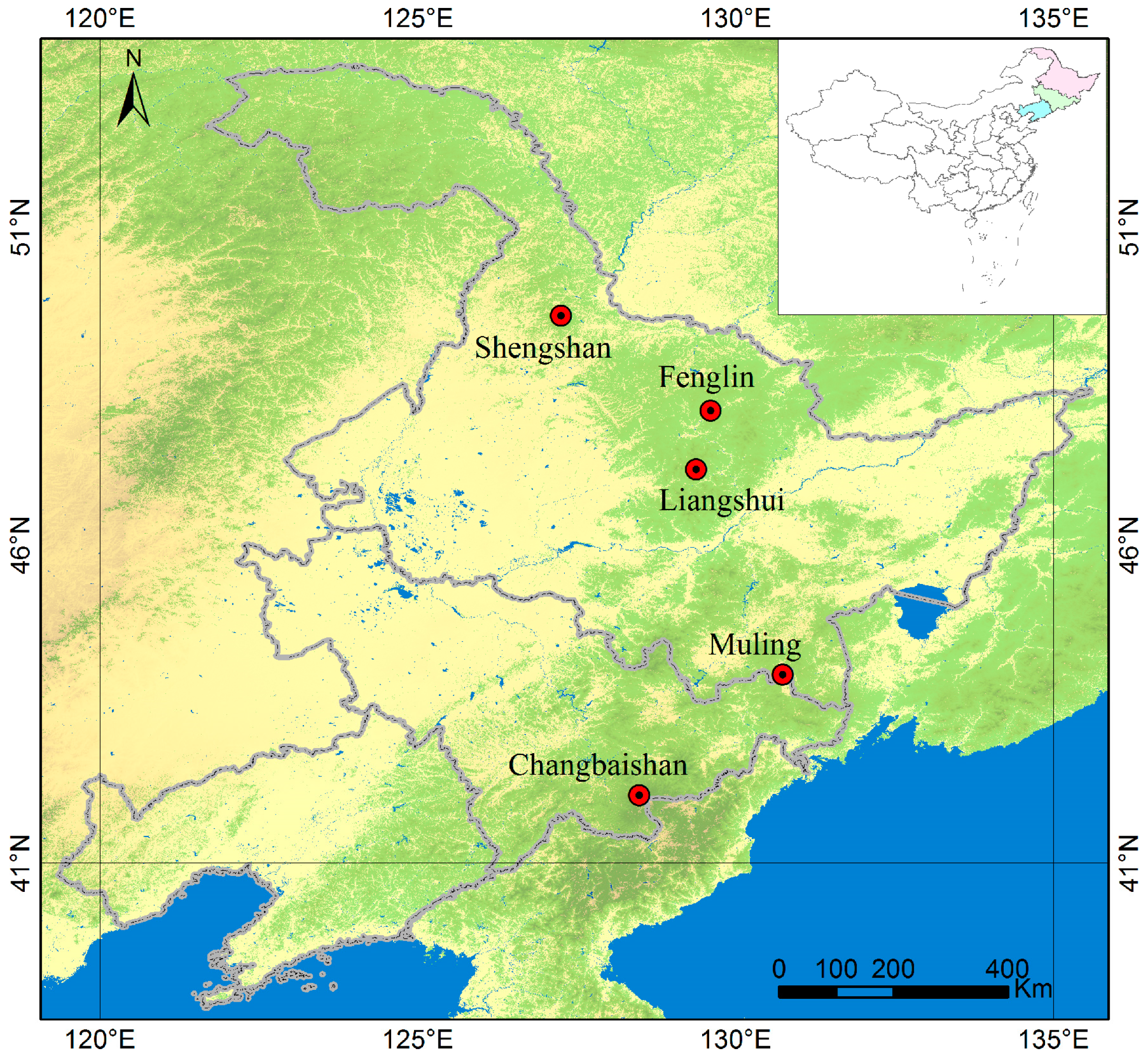
Investigating the spatial distributions and associations of tree populations provides better insights into the dynamics and processes that shape the forest community. Korean pine (Pinus koraiensis) is one of the most important tree species in broad-leaved Korean pine mixed forests (BKMFs), and little is known about the spatial point patterns of and associations between Korean pine and community-level woody species groups such as coniferous and deciduous trees in different developmental stages. This study investigated the spatial patterns of Korean pine (KP) trees and then analyzed how the spatial associations between KP trees and other tree species at the community level vary in different BKMFs. Extensive data collected from five relatively large sample plots, covering a substantial area within the natural distribution range of KP in northeastern China, were utilized. Uni- and bivariate pair correlation functions and mark correlation functions were applied to analyze spatial distribution patterns and spatial associations. The DBH (diameter at breast height) histogram of KP trees in northeastern China revealed that the regeneration process was very poor in the Changbai Mountain (CBS) plot, while the other four plots exhibited moderate or expanding population structures. KP trees were significantly aggregated at scales up to 10 m under the HPP null model, and the aggregation scales decreased with the increase in size classes. Positive or negative spatial associations were observed among different life stages of KP trees in different plots. The life history stages of the coniferous tree group showed positive spatial associations with KP saplings and juvenile trees at small scales, and spatial independence or negative correlations with larger KP trees at greater scales. All broad-leaved tree groups (canopy, middle, and understory layers) exhibited only slightly positive associations with KP trees at small scales, and dominant negative associations were observed at most scales. Our results demonstrate that mature KP trees have strong importance in the spatial patterns of KP populations, and site heterogeneity, limited seed dispersal, and interspecific competition characterize the spatial patterns of KP trees and community-level spatial associations with respect to KP trees, which can serve as a theoretical basis for the management and restoration of BKMFs in northeastern China.
Keywords: spatial point pattern; Korean pine; pair correlation function; mark correlation function; broad-leaved Korean pine mixed forest spatial point pattern; Korean pine; pair correlation function; mark correlation function; broad-leaved Korean pine mixed forest