Article

Biodiesel Production from the Marine Alga Nannochloropsis oceanica Grown on Yeast Wastewater and the Effect on Its Biochemical Composition and Gene Expression


by
Hoda H. Senousy
1,*,
Mostafa M. El-Sheekh
2,
Hanan M. Khairy
3,
Heba S. El-Sayed
3,
Ghada Abd-Elmonsef Mahmoud
4 and
Amal A. Hamed
1
1
Botany and Microbiology Department, Faculty of Science, Cairo University, Giza 12613, Egypt
2
Botany Department, Faculty of Science, Tanta University, Tanta 31527, Egypt
3
National Institute of Oceanography and Fisheries (NIOF), Cairo 11516, Egypt
4
Botany and Microbiology Department, Faculty of Science, Assuit University, Assuit 71516, Egypt
*
Author to whom correspondence should be addressed.
Plants 2023, 12(16), 2898; https://doi.org/10.3390/plants12162898

Submission received: 13 July 2023 / Revised: 24 July 2023 / Accepted: 5 August 2023 / Published: 8 August 2023
(This article belongs to the Special Issue Bioactive Compounds from Marine Plants and Related Sources)

Abstract

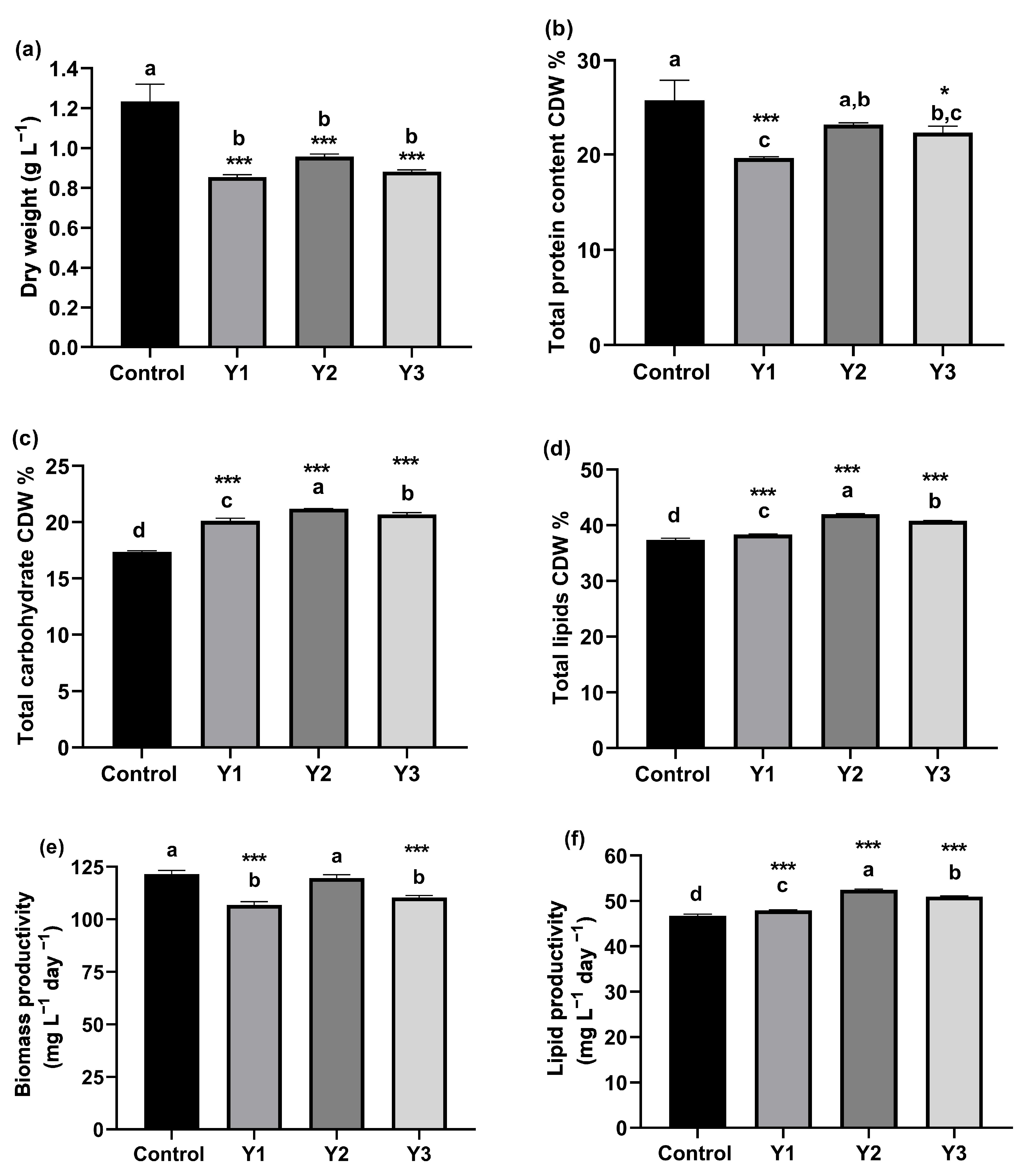
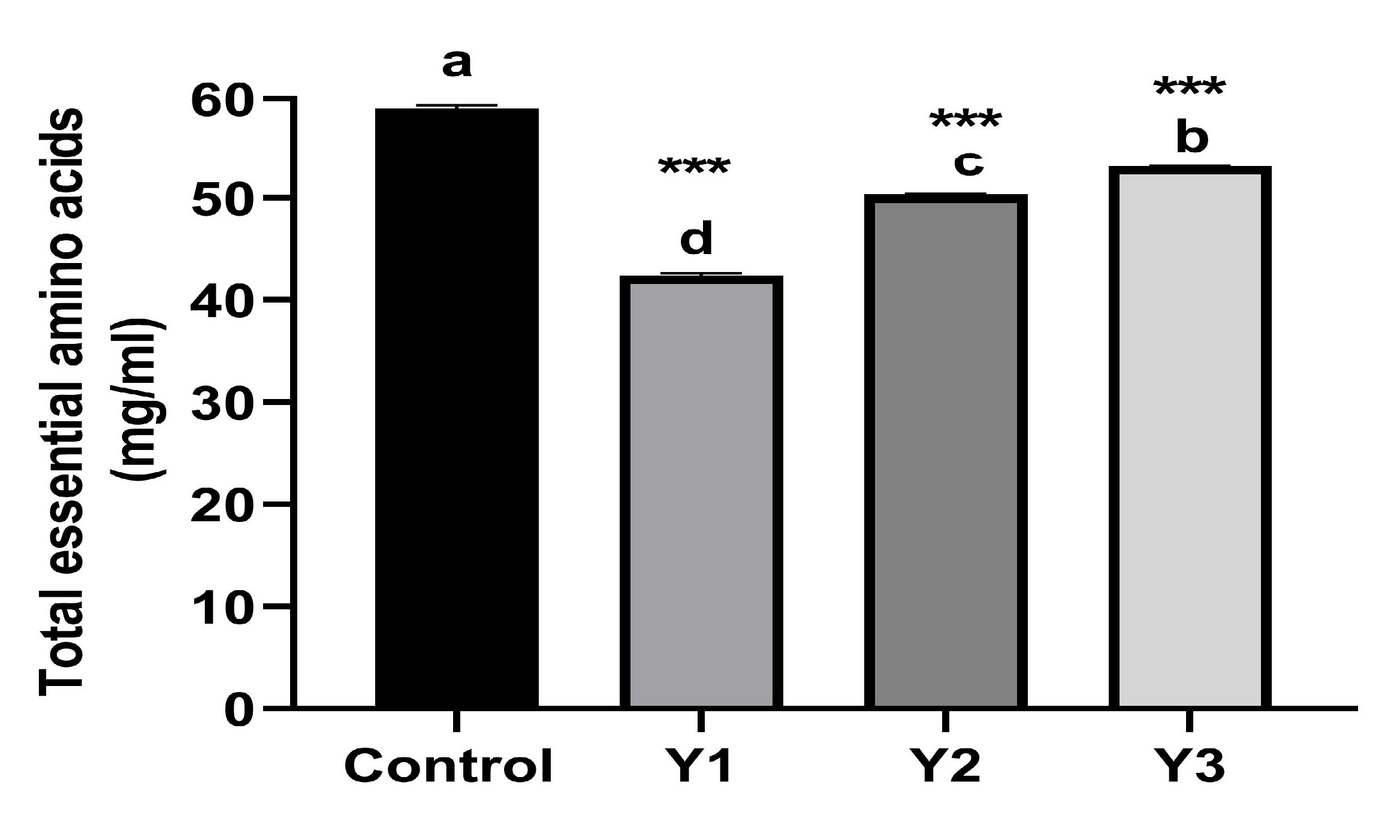
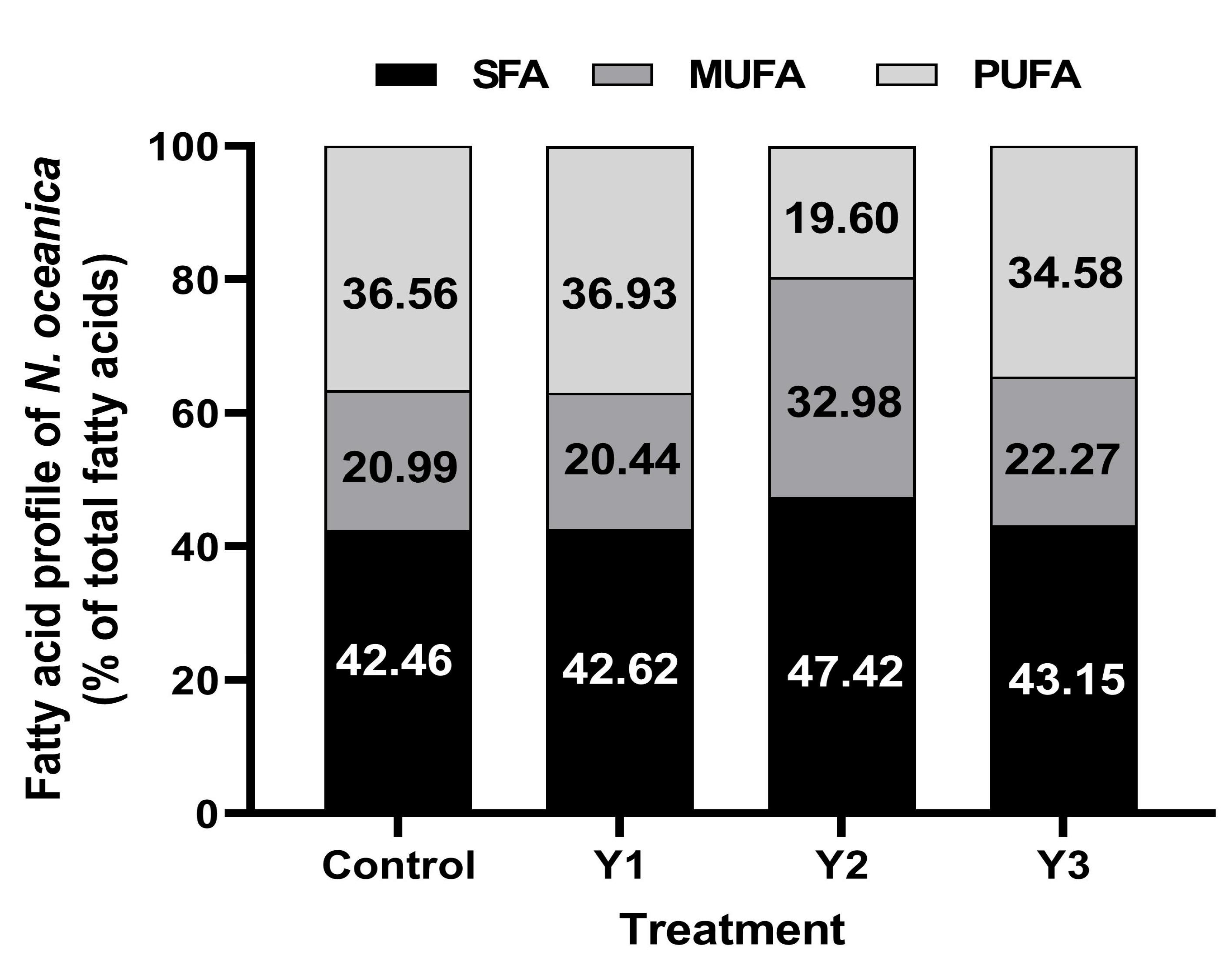
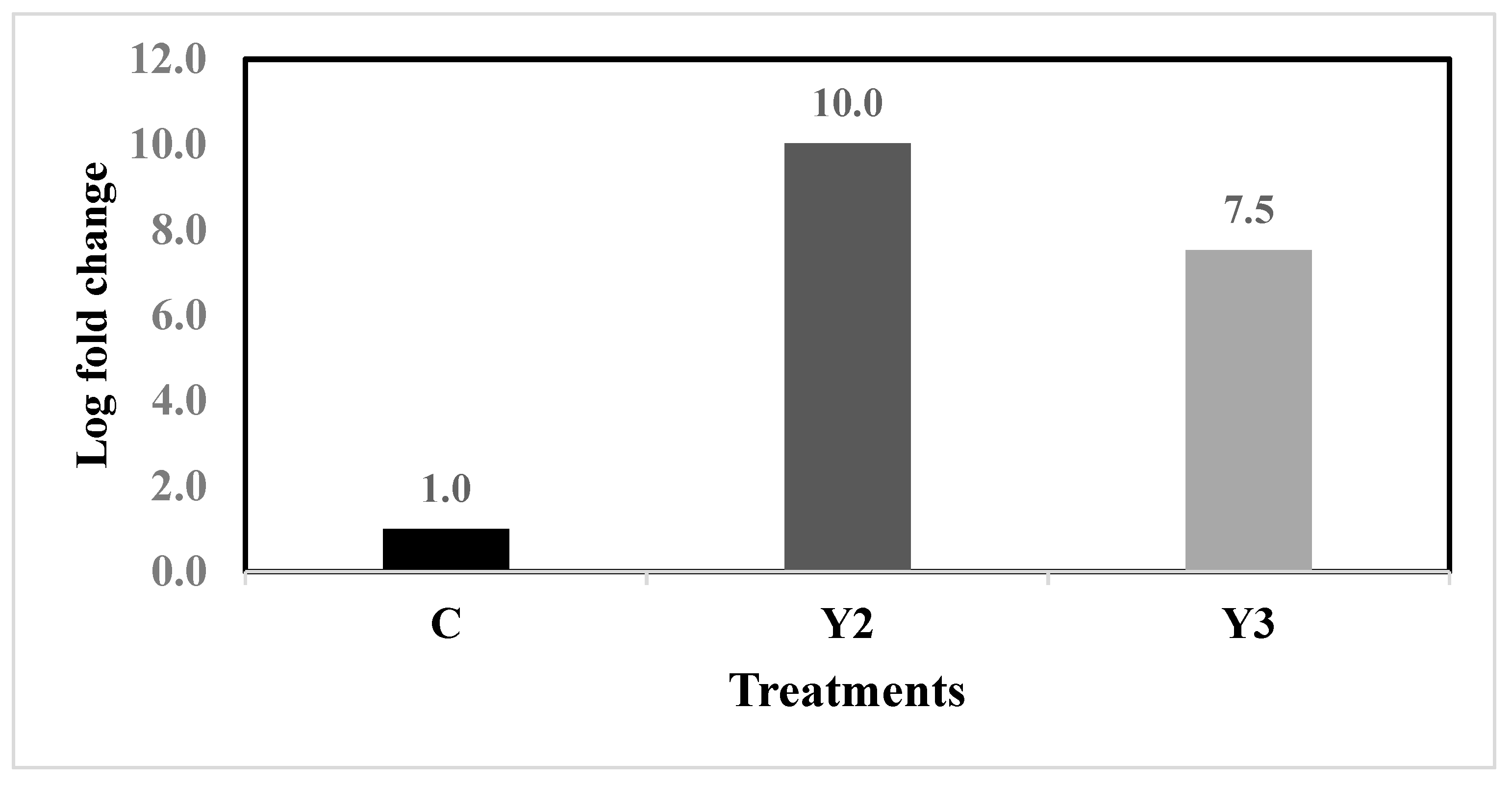
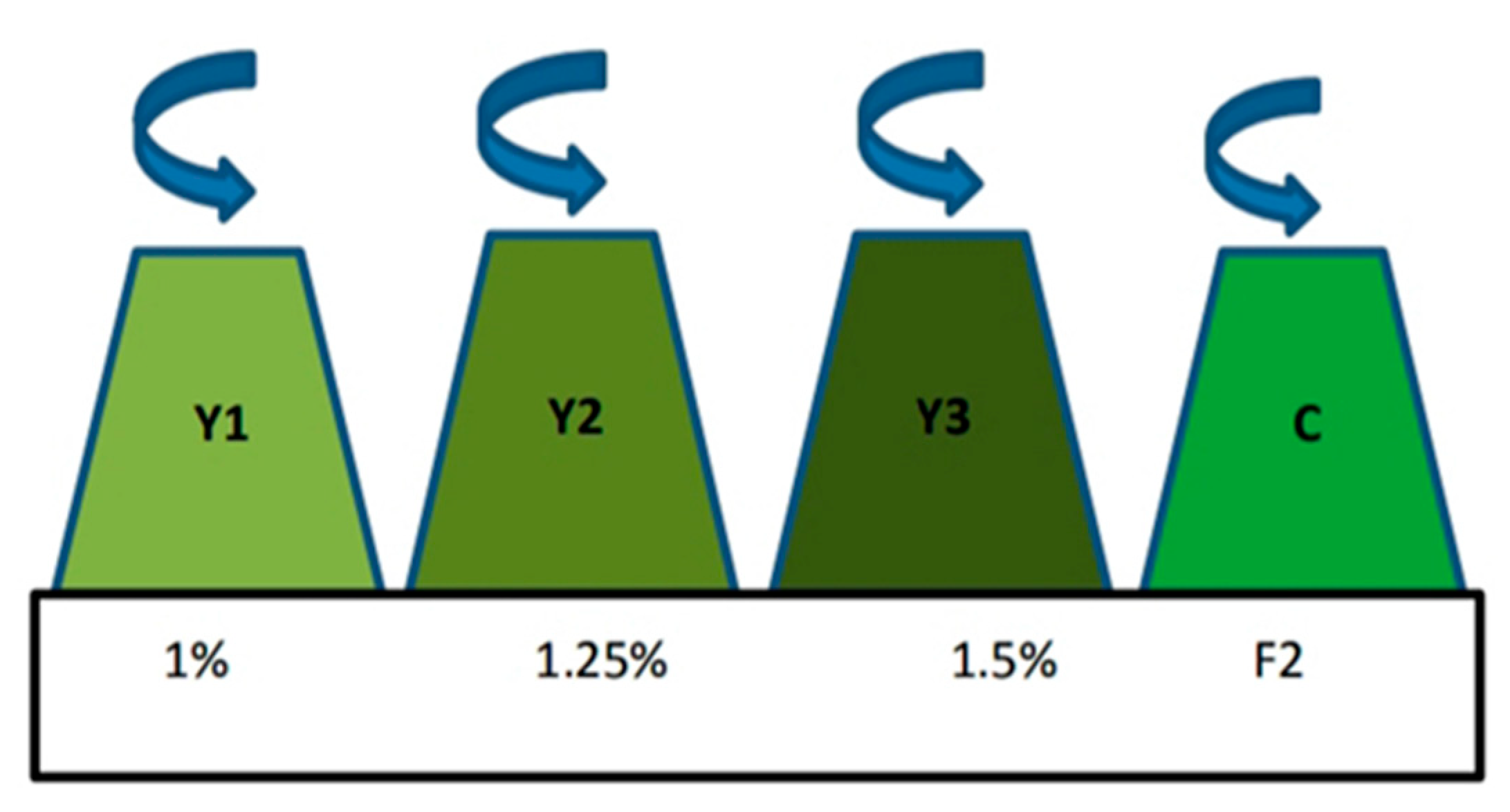
Microalgae-based biodiesel synthesis is currently not commercially viable due to the high costs of culture realizations and low lipid yields. The main objective of the current study was to determine the possibility of growing Nannochloropsis oceanica on Saccharomyces cerevisiae yeast wastewater for biodiesel generation at an economical rate. N. oceanica was grown in Guillard F/2 synthetic medium and three dilutions of yeast wastewater (1, 1.25, and 1.5%). Biodiesel properties, in addition to carbohydrate, protein, lipid, dry weight, biomass, lipid productivity, amino acids, and fatty acid methyl ester (FAMEs) content, were analyzed and the quality of the produced biodiesel is assessed. The data revealed the response of N. oceanica to nitrogen-deficiency in the three dilutions of yeast wastewater. N. oceanica in Y2 (1.25%) yeast wastewater dilution exhibited the highest total carbohydrate and lipid percentages (21.19% and 41.97%, respectively), and the highest lipid productivity (52.46 mg L−1 day −1) under nitrogen deficiency in yeast wastewater. The fatty acids profile shows that N. oceanica cultivated in Y2 (1.25%) wastewater dilution provides a significant level of TSFA (47.42%) and can be used as a feedstock for biodiesel synthesis. In addition, N. oceanica responded to nitrogen shortage in wastewater dilutions by upregulating the gene encoding delta-9 fatty acid desaturase (Δ9FAD). As a result, the oleic and palmitoleic acid levels increased in the fatty acid profile of Y2 yeast wastewater dilution, highlighting the increased activity of Δ9FAD enzyme in transforming stearic acid and palmitic acid into oleic acid and palmitoleic acid. This study proved that the Y2 (1.25%) yeast wastewater dilution can be utilized as a growth medium for improving the quantity of specific fatty acids and lipid productivity in N. oceanica that affect biodiesel quality to satisfy global biodiesel requirements.
Keywords: Nannochloropsis oceanica; yeast wastewater; biodiesel production; N deficiency; N/P ratio; lipid; carbohydrate; Δ9FAD gene expression Nannochloropsis oceanica; yeast wastewater; biodiesel production; N deficiency; N/P ratio; lipid; carbohydrate; Δ9FAD gene expression