Morphology, Anatomy and Secondary Metabolites Investigations of Premna odorata Blanco and Evaluation of Its Anti-Tuberculosis Activity Using In Vitro and In Silico Studies




Abstract
1. Introduction
2. Results and Discussion
2.1. Botanical Investigations
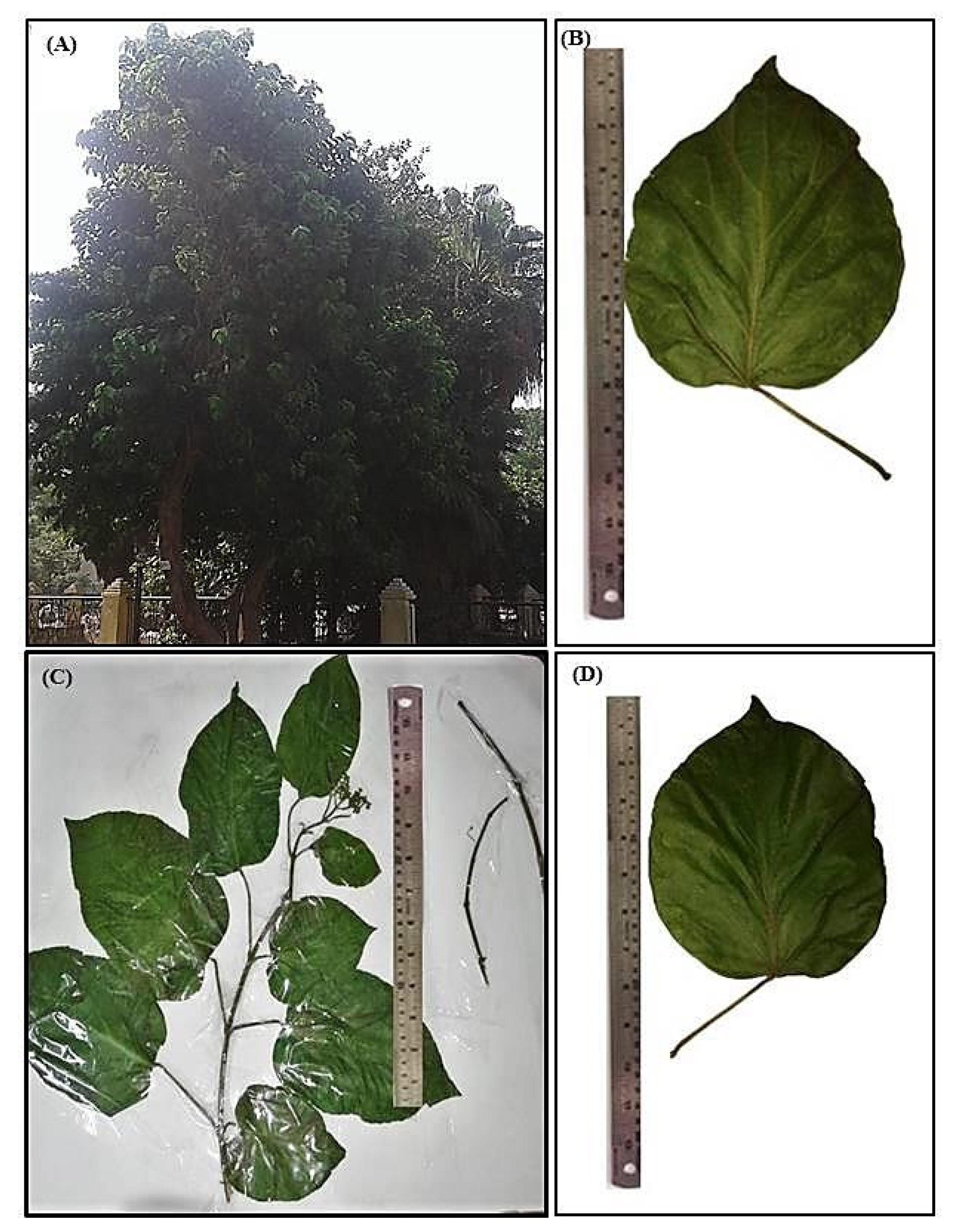
2.1.1. Macromorphological Characterization
Leaf
Stem
2.1.2. Micromorphological Characterization
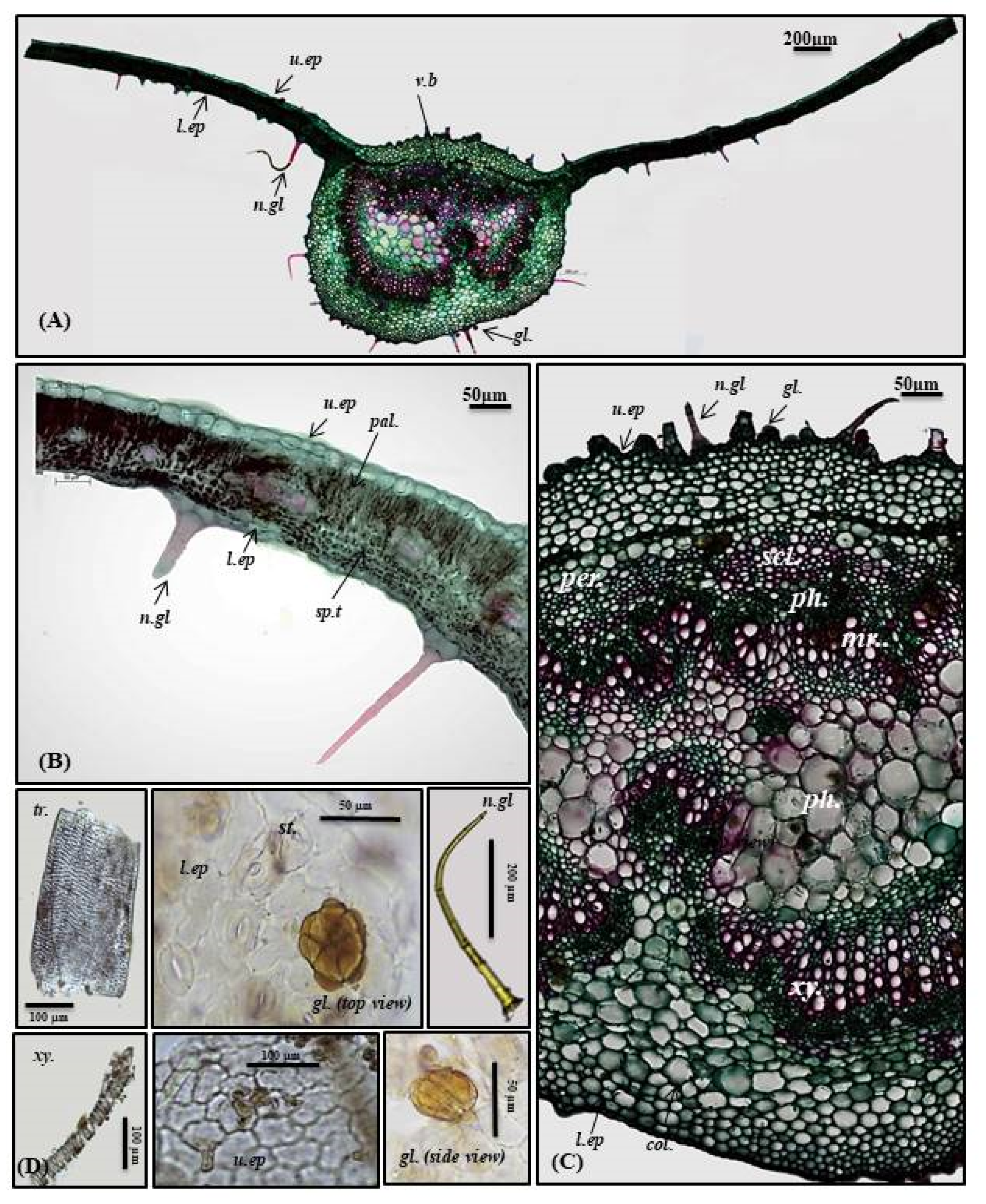
Leaf
Petiole
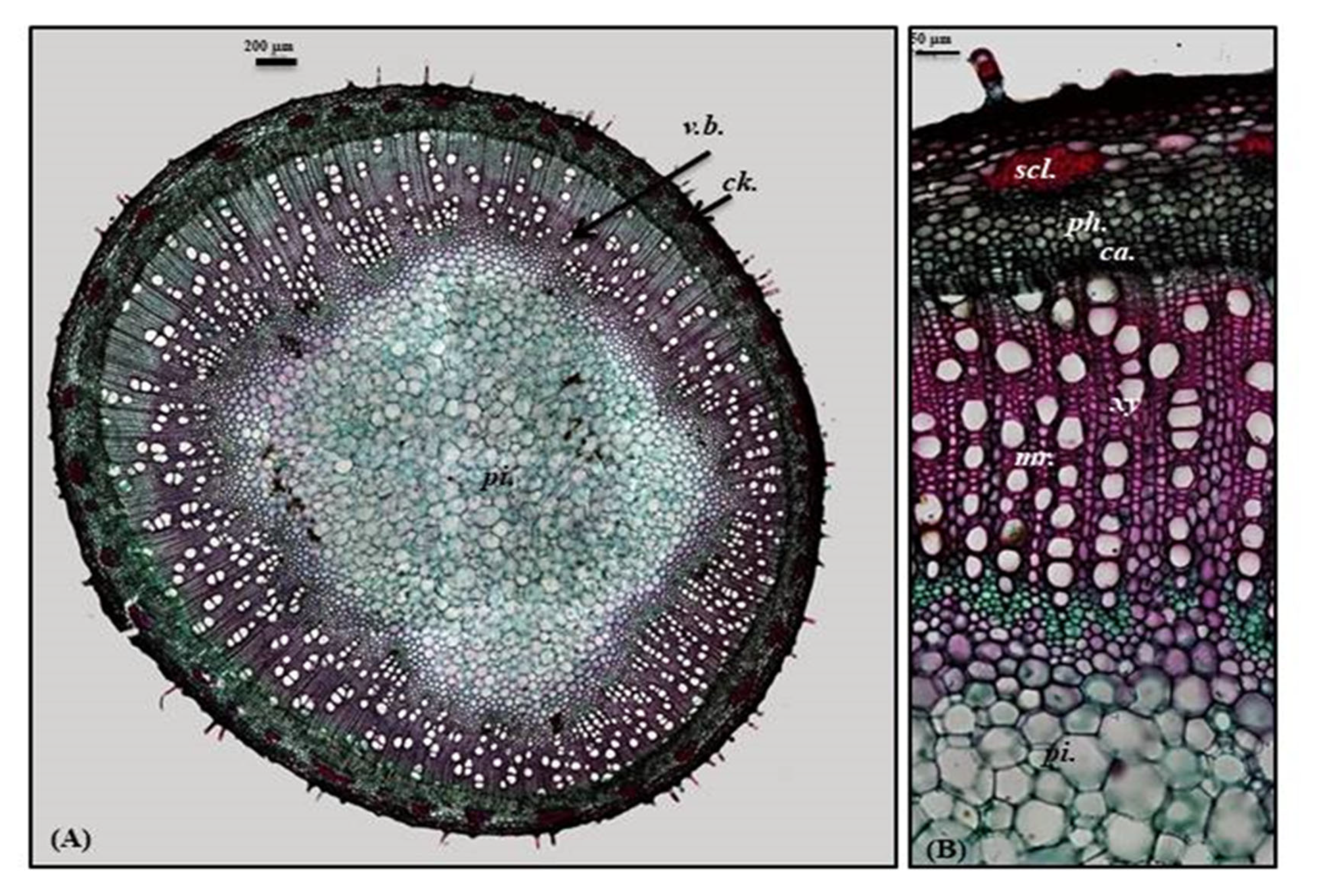
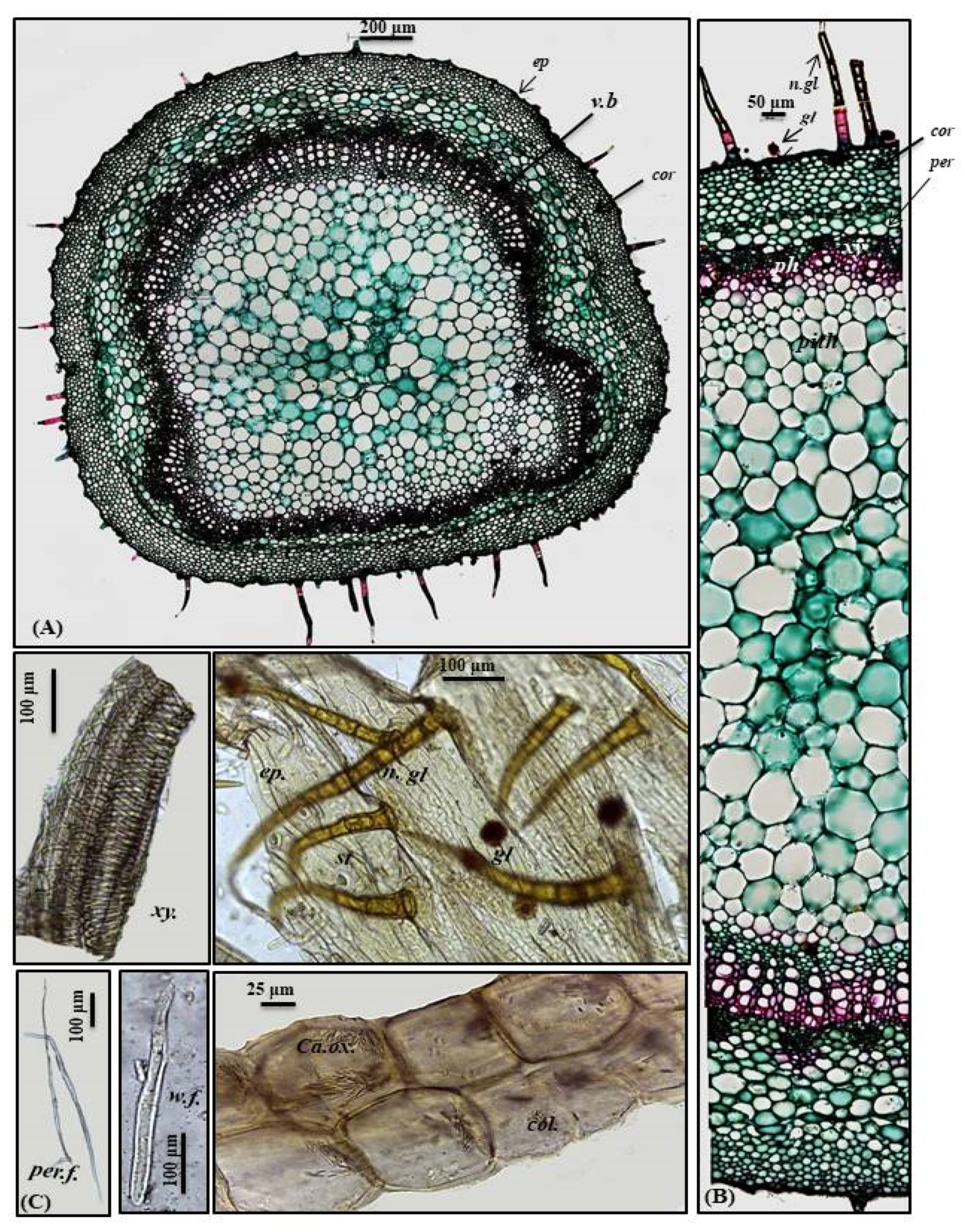
Stem
2.2. Metabolic Profiling of the Leaves n-Hexane Fraction Using GC/MS Analysis

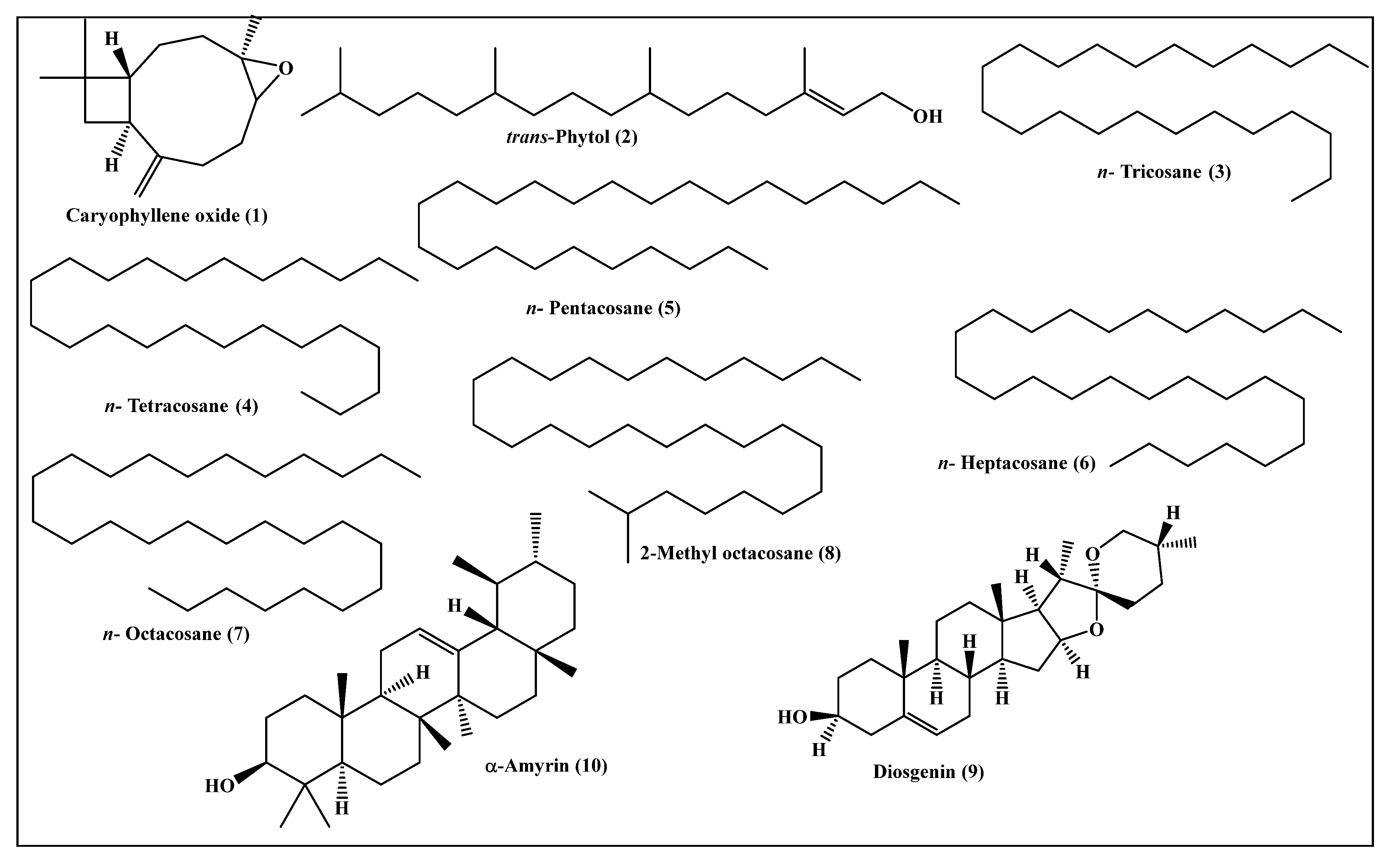
| Heading | Compound | RI | Content [%] | Identification Method | |
| Exp. | Pub. | ||||
| 1 | Caryophyllene oxide | 1576 | 1576 [10] | 7.96 | MS, RI |
| 2 | trans-Phytol | 2096 | 2101 [11] | 24.06 | MS, RI |
| 3 | n-Tricosane | 2280 | 2300 [12] | 3.15 | MS, RI |
| 4 | n-Tetracosane | 2404 | 2400 [12] | 3.20 | MS, RI |
| 5 | n-Pentacosane | 2455 | 2500 [12] | 9.69 | MS, RI |
| 6 | n-Heptacosane | 2669 | 2700 [12] | 4.49 | MS, RI |
| 7 | n-Octacosane | 2798 | 2800 [12] | 15.28 | MS, RI |
| 8 | 2-Methyl octacosane | 2854 | 2857 [13] | 2.53 | MS, RI |
| 9 | Diosgenin | 3276 | 3220 [14] | 9.28 | MS, RI |
| 10 | α-Amyrin | 3384 | 3382 [15] | 13.37 | MS, RI |
| Total identified | 93.01 | ||||
2.3. Evaluation of the Anti-Tuberculous Activity of the Leaves n-Hexane Fraction
2.4. In Silico Molecular Modeling Study
2.5. ADME/TOPKAT Prediction
3. Materials and Methods
3.1. Plant Material
3.2. Morphological and Anatomical Investigations of the Leaves, Petioles and Stems
3.3. Preparation of the Leaves n-Hexane Fraction
3.4. Metabolic Profiling of the Leaves n-Hexane Fraction Using GC/MS Analysis
3.5. Evaluation of the Anti-Tuberculous Activity of the Leaves n-Hexane Fraction
3.6. In Silico Molecular Modeling Study
3.7. ADME/TOPKAT Prediction
4. Conclusions
Author Contributions
Funding
Institutional Review Board Statement
Informed Consent Statement
Data Availability Statement
Acknowledgments
Conflicts of Interest
References
- Munir, A.A. A taxonomic revision of the genus Premna L. (Verbenaceae) in Australia. J. Adel. Bot. Gard. 1984, 7, 1–43. [Google Scholar]
- Harley, R.; Atkins, S.; Budanstev, A.; Cantino, P.; Conn, B.; Grayer, R.; Harley, M.; De Tok, R.; Krestovskaja, T.; Morales, R. Flowering plants, dicotyledons. Fam. Genera Vasc. Plants. 2004, 6, 167–275. [Google Scholar]
- Dianita, R.; Jantan, I. Ethnomedicinal uses, phytochemistry and pharmacological aspects of the genus Premna: A review. Pharm. Biol. 2017, 55, 1715–1739. [Google Scholar] [CrossRef] [Scilit]
- de Kok, R. The genus Premna l. (Lamiaceae) in the Flora Malesiana area. Kew Bull. 2013, 68, 55–84. [Google Scholar] [CrossRef] [Scilit]
- Altyar, A.E.; Ashour, M.L.; Youssef, F.S. Premna odorata: Seasonal metabolic variation in the essential oil composition of its leaf and verification of its anti-ageing potential via in vitro assays and molecular modelling. Biomolecules 2020, 10, 879. [Google Scholar] [CrossRef] [Scilit]
- Pinzon, L.C.; Uy, M.M.; Sze, K.H.; Wang, M.; Chu, I.K. Isolation and characterization of antimicrobial, anti-inflammatory and chemopreventive flavones from Premna odorata Blanco. J. Med. Plants Res. 2011, 5, 2729–2735. [Google Scholar]
- Abdulrahaman, A.; Oladele, F. Stomata, trichomes and epidermal cells as diagnostic features in six species of genus Ocimum L. (Lamiaceae). Nig. J. Bot. 2005, 18, 214–223. [Google Scholar]
- Kowalski, R.; Kowalska, G.; Jankowska, M.; Nawrocka, A.; Kałwa, K.; Pankiewicz, U.; Włodarczyk-Stasiak, M. Secretory structures and essential oil composition of selected industrial species of Lamiaceae. Acta Sci. Pol. Hort.Cul. 2019, 18, 53–69. [Google Scholar] [CrossRef] [Scilit]
- Babu, K.; Dharishini, M.P.; Austin, A. Anatomical and thin layer chromatographic identification of root, root-bark, and leaf of Premna serratifolia L. Int. J. Pharmacog. 2018, 5, 302–307. [Google Scholar]
- Yusuf, M.; Begum, J.; Mondello, L.; d’Alcontres, I.S. Studies on the essential oil bearing plants of Bangladesh. Part VI. Composition of the oil of Ocimum gratissimum L. Flavour Fragr. J. 1998, 13, 163–166. [Google Scholar]
- Pino, J.A.; Marbot, R. Volatile flavor constituents of acerola (Malpighia emarginata DC.) fruit. J. Agric. Food Chem. 2001, 49, 5880–5882. [Google Scholar] [CrossRef] [Scilit] [PubMed]
- Korany, D.A.; Ayoub, I.M.; Labib, R.M.; El-Ahmady, S.H.; Singab, A.N.B. The impact of seasonal variation on the volatile profile of leaves and stems of Brownea grandiceps (Jacq.) with evaluation of their anti-mycobacterial and anti-inflammatory activities. South Afr. J. Bot. 2021, 142, 88–95. [Google Scholar] [CrossRef] [Scilit]
- Steinmetz, I.; Schmolz, E.; Ruther, J. Cuticular lipids as trail pheromone in a social wasp. Proc. R. Soc. London. Ser. B Biol. Sci. 2003, 270, 385–391. [Google Scholar] [CrossRef] [Scilit] [PubMed]
- Van Gelder, W.; Jonker, H.; Huizing, H.; Scheffer, J. Capillary gas chromatography of steroidal alkaloids from solanaceae: Retention indices and simultaneous flame ionization/nitrogen-specific detection. J. Chromatogr. A 1988, 442, 133–145. [Google Scholar] [CrossRef] [Scilit]
- Todua, N. Retention Data. NIST Mass Spectrometry Data Center. 2011.
- Lirio, S.B.; Macabeo, A.P.; Paragas, E.M.; Knorn, M.; Kohls, P.; Franzblau, S.G.; Wang, Y.; Aguinaldo, M.A. Antitubercular constituents from Premna odorata Blanco. J. Ethnopharmacol. 2014, 154, 471–474. [Google Scholar] [CrossRef] [Scilit] [PubMed]
- Elmaidomy, A.H.; Hassan, H.M.; Amin, E.; Mohamed, W.; Hetta, M.H. Premna odorata volatile oil as a new Mycobacterium tuberculosis growth inhibitor for the control of tuberculosis disease. Eur. J. Med. Plants 2017, 21, 1–11. [Google Scholar] [CrossRef] [Scilit]
- Waleed, A.M.; Samah, S.A.; Mona, F.S.; Abeer, H.E.; Hossam, M.H.; Elham, A.; Mona, H.H. Immunomodulatory effect of Premna odorata volatile oils in Mycobacterium tuberculosis by inhibiting TLR4/NF-κB pathway. J. Herb. Pharmacol. 2019, 8, 1–7. [Google Scholar]
- Somoskovi, A.; Parsons, L.M.; Salfinger, M. The molecular basis of resistance to isoniazid, rifampin, and pyrazinamide in Mycobacterium tuberculosis. Res. Res. 2001, 2, 1–5. [Google Scholar]
- Saludes, J.P.; Garson, M.J.; Franzblau, S.G.; Aguinaldo, A.M. Antitubercular constituents from the hexane fraction of Morinda citrifolia Linn. (Rubiaceae). Phytother. Res. 2002, 16, 683–685. [Google Scholar] [CrossRef] [Scilit]
- Rajab, M.S.; Cantrell, C.L.; Franzblau, S.G.; Fischer, N.H. Antimycobacterial activity of (E)-phytol and derivatives: A preliminary structure-activity study. Planta Med. 1998, 64, 2–4. [Google Scholar] [CrossRef] [Scilit]
- Wang, P.; Pradhan, K.; Zhong, X.-b.; Ma, X. Isoniazid metabolism and hepatotoxicity. Acta Pharm. Sinica B 2016, 6, 384–392. [Google Scholar] [CrossRef] [Scilit]
- Bürgin, H.; Schmid, B.; Zbinden, G. Assessment of DNA damage in germ cells of male rabbits treated with isoniazid and procarbazine. Toxicology 1979, 12, 251–257. [Google Scholar] [CrossRef] [Scilit]
- Röhrborn, G.; Propping, P.; Buselmaier, W. Mutagenic activity of isoniazid and hydrazine in mammalian test systems. Mutat. Res.Fund. Mol. Mech. Mut. 1972, 16, 189–194. [Google Scholar] [CrossRef] [Scilit]
- Milad, R.; Youssef, F.S.; Ashour, M.L.; Singab, A.N. Botanical and genetic characteristics of Eremophila maculata and Eremophila purpurascens (Scrophulariaceae). World J. Pharm. Res. 2013, 2, 2711–2736. [Google Scholar]
- Youssef, F.S.; Ashour, M.L.; Wink, M. Morphological, anatomical, genetical and high performance thin layer chromatography profiling of Buddleia indica (Scrophulariaceae). Flora 2018, 246, 83–95. [Google Scholar] [CrossRef] [Scilit]
- Thabet, A.A.; Youssef, F.S.; Korinek, M.; Chang, F.-R.; Wu, Y.-C.; Chen, B.-H.; El-Shazly, M.; Singab, A.N.B.; Hwang, T.-L. Study of the anti-allergic and anti-inflammatory activity of Brachychiton rupestris and Brachychiton discolor leaves (Malvaceae) using in vitro models. BMC Complement. Alt. Med. 2018, 18, 299. [Google Scholar] [CrossRef] [Scilit] [PubMed]
- Ayoub, I.M.; Youssef, F.S.; El-Shazly, M.; Ashour, M.L.; Singab, A.N.B.; Wink, M. Volatile constituents of Dietes bicolor (Iridaceae) and their antimicrobial activity. Z. Naturforsch. C 2015, 70, 217–225. [Google Scholar] [CrossRef] [Scilit] [PubMed]
- Youssef, F.S.; Hamoud, R.; Ashour, M.L.; Singab, A.N.; Wink, M. Volatile oils from the aerial parts of Eremophila maculata and their antimicrobial activity. Chem. Biodivers. 2014, 11, 831–841. [Google Scholar] [CrossRef] [Scilit] [PubMed]
- Mamadalieva, N.Z.; Youssef, F.S.; Ashour, M.L.; Sasmakov, S.A.; Tiezzi, A.; Azimova, S.S. Chemical composition, antimicrobial and antioxidant activities of the essential oils of three Uzbek Lamiaceae species. Nat. Prod. Res. 2019, 33, 2394–2397. [Google Scholar] [CrossRef] [Scilit] [PubMed]
- Gamal El-Din, M.I.; Youssef, F.S.; Ashour, M.L.; Eldahshan, O.A.; Singab, A.N.B. Comparative Analysis of Volatile constituents of Pachira aquatica Aubl. and Pachira glabra Pasq., their anti-mycobacterial and anti-helicobacter pylori activities and their metabolic discrimination using chemometrics. J. Ess. Oil Bear. Plants 2018, 21, 1550–1567. [Google Scholar] [CrossRef] [Scilit]
- Youssef, F.S.; Altyar, A.E.; Omar, A.M.; Ashour, M.L. Phytoconstituents, in vitro anti-infective activity of Buddleja indica Lam., and in silico evaluation of its SARS-CoV-2 inhibitory potential. Front. Pharmacol. 2021, 12, 298. [Google Scholar] [CrossRef] [Scilit] [PubMed]
- Thabet, A.A.; Youssef, F.S.; El-Shazly, M.; El-Beshbishy, H.A.; Singab, A.N.B. Validation of the antihyperglycaemic and hepatoprotective activity of the flavonoid rich fraction of Brachychiton rupestris using in vivo experimental models and molecular modelling. Food Chem. Toxicol. 2018, 114, 302–310. [Google Scholar] [CrossRef] [Scilit] [PubMed]
- Talaat, A.N.; Ebada, S.S.; Labib, R.M.; Esmat, A.; Youssef, F.S.; Singab, A.N.B. Verification of the anti-inflammatory activity of the polyphenolic-rich fraction of Araucaria bidwillii Hook. using phytohaemagglutinin-stimulated human peripheral blood mononuclear cells and virtual screening. J. Ethnopharmacol. 2018, 226, 44–47. [Google Scholar] [CrossRef] [Scilit]
- Labib, R.; Youssef, F.; Ashour, M.; Abdel-Daim, M.; Ross, S. Chemical composition of Pinus roxburghii bark volatile oil and validation of its anti-inflammatory activity using molecular modelling and bleomycin-induced inflammation in Albino mice. Molecules 2017, 22, 1384. [Google Scholar] [CrossRef] [Scilit]
- Mollica, A.; Zengin, G.; Durdagi, S.; Ekhteiari Salmas, R.; Macedonio, G.; Stefanucci, A.; Dimmito, M.P.; Novellino, E. Combinatorial peptide library screening for discovery of diverse α-glucosidase inhibitors using molecular dynamics simulations and binary QSAR models. J. Biomol. Str. Dyn. 2019, 37, 726–740. [Google Scholar] [CrossRef] [Scilit]

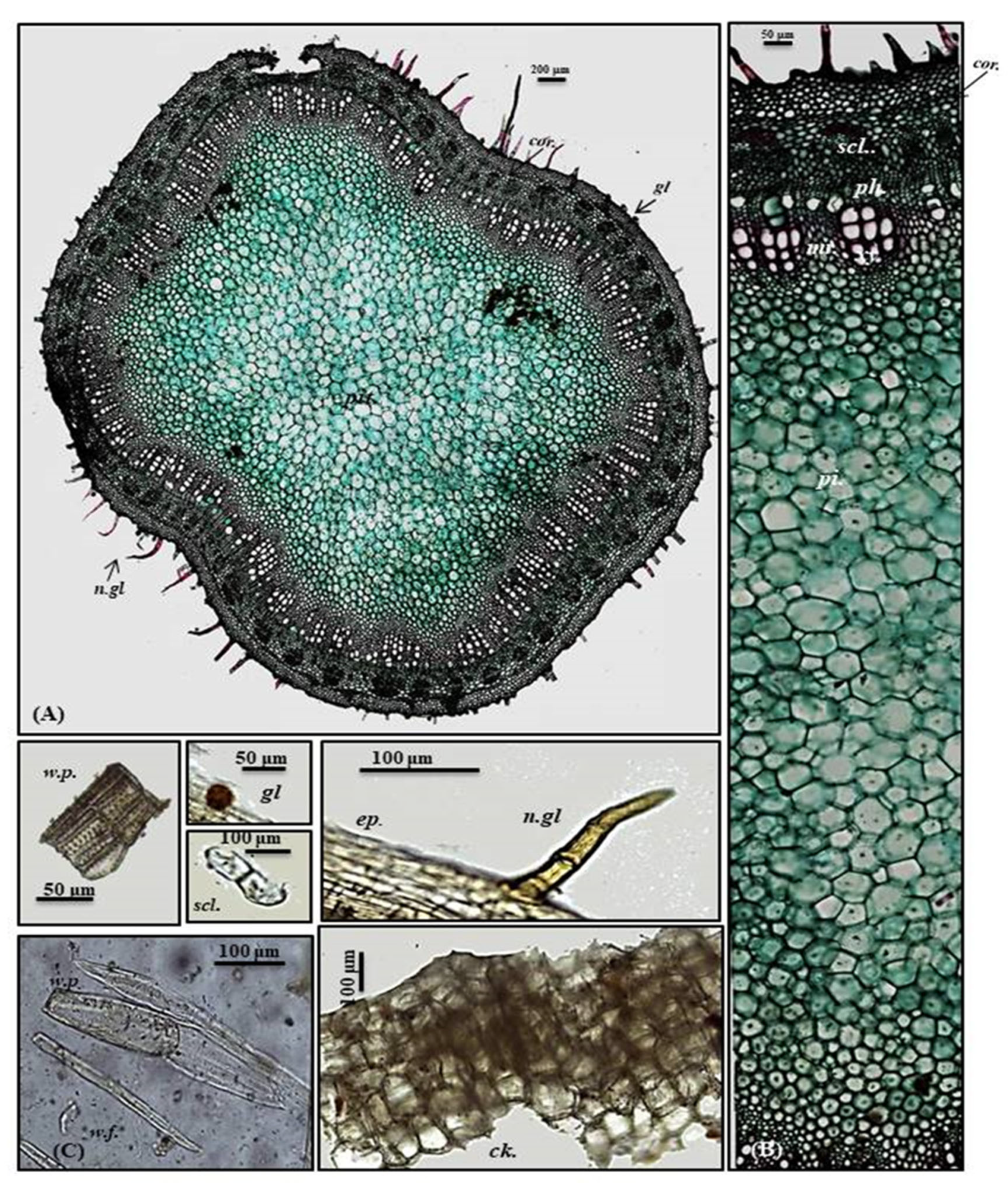

| Item | Length | Width | Height | Diameter |
|---|---|---|---|---|
| Leaf | ||||
| Upper epidermis | 71.50–66.8–62.20 | 8.80–10.20–11.00 | 6.40–10.70–15.00 | |
| Lower epidermis | 30.45–40.18–49.90 | 45.60–10.10–14.60 | 5.20–5.50–6.80 | |
| Palisade cells | 20.30–25.47–30.64 | 5.60–6.80–7.20 | 15.40–16.67–17.80 | |
| Stomata | 21.45–25.50–29.55 | 13.90–16.50–19.10 | ||
| Non-glandular trichome | 250.56–400.34–550.23 | 47.60–50.79–53.98 | ||
| Glandular (Peltate trichome) | 39.60–42.86–46.12 | 30.59–35.70–40.81 | ||
| Xylem vessels | 19.89–22.11–24.33 | |||
| Petiole | ||||
| Epidermis | 25.00–37.50–50.02 | 6.50–10.40–14.32 | 4.90–5.50–6.10 | |
| Stomata | 20.45–25.50–30.55 | 14.90–16.50–18.10 | ||
| Non-glandular trichome | 300.45–375.52–450.60 | 46.60–51.79–56.99 | ||
| Glandular (Peltate trichome) | 48.60–50.86–53.12 | 23.59–25.70–27.81 | ||
| Xylem vessels | 28.89–34.61–40.33 | |||
| Wood fibers | 350.50–375.60–400.70 | 22.59–25.30–28.00 | ||
| Pericyclic fibers | 640.44–684.70–708.95 | 7.73–10.42 -13.11 | ||
| Young and old stem branch | ||||
| Epidermis | 25.76 –30.58–35.4 | 8.14–10.70–13.26 | 4.00–4.50–5.00 | |
| Cork cells | 48.68–49.61–50.54 | 48.68–49.61–50.54 | ||
| Non-glandular trichome | 157.50–167.52–177.54 | 18.40–21.69–24.98 | ||
| Glandular (Peltate trichome) | 47.60–49.86–52.12 | 22.39–25.30–28.21 | ||
| Xylem vessels | 27.89–35.61–41.33 | |||
| Wood fibers | 320.50–375.40–430.30 | 23.59–26.30–29.00 | ||
| Wood parenchyma | 200.00–210.00–220.00 | 22.00–25.50–29.00 |
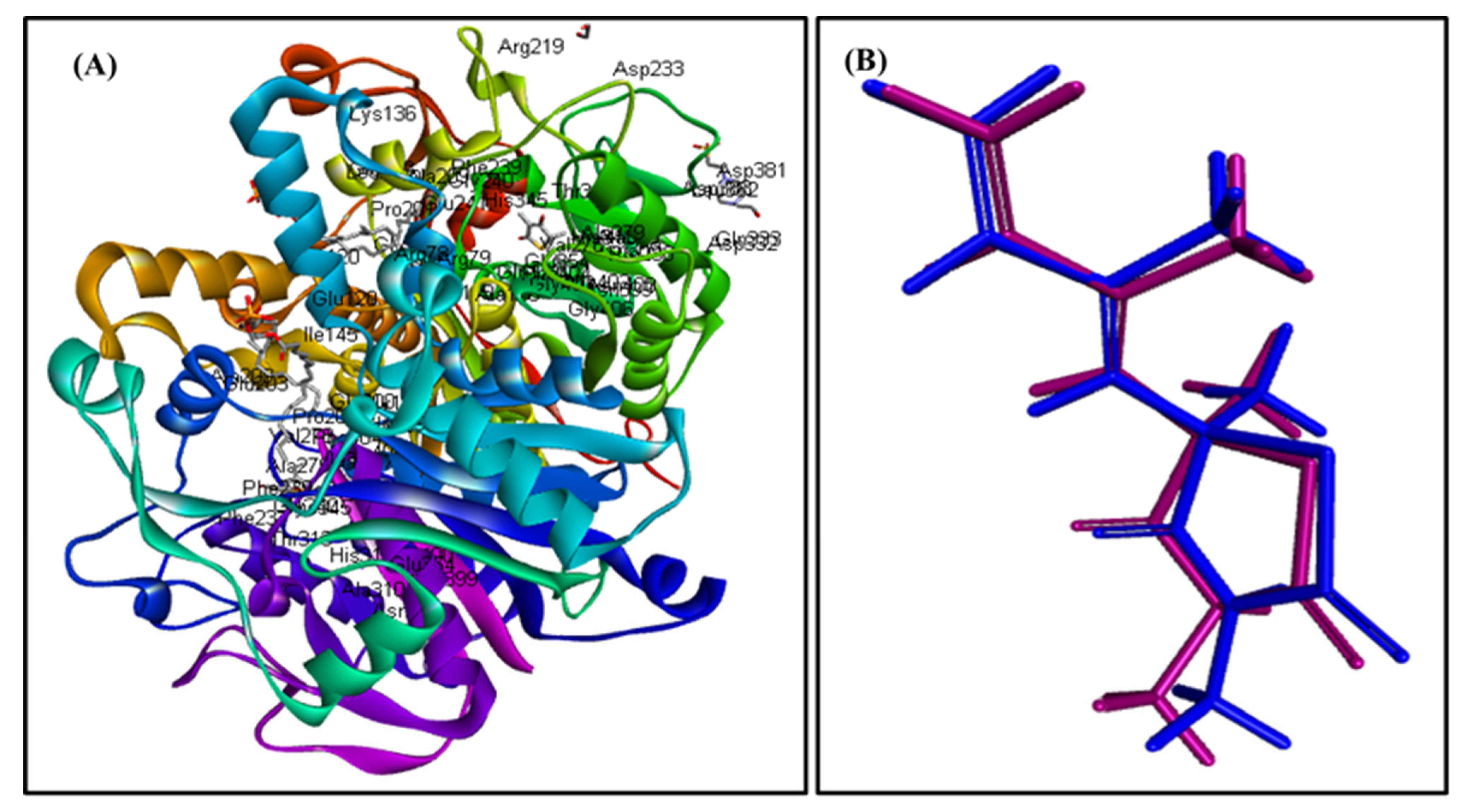
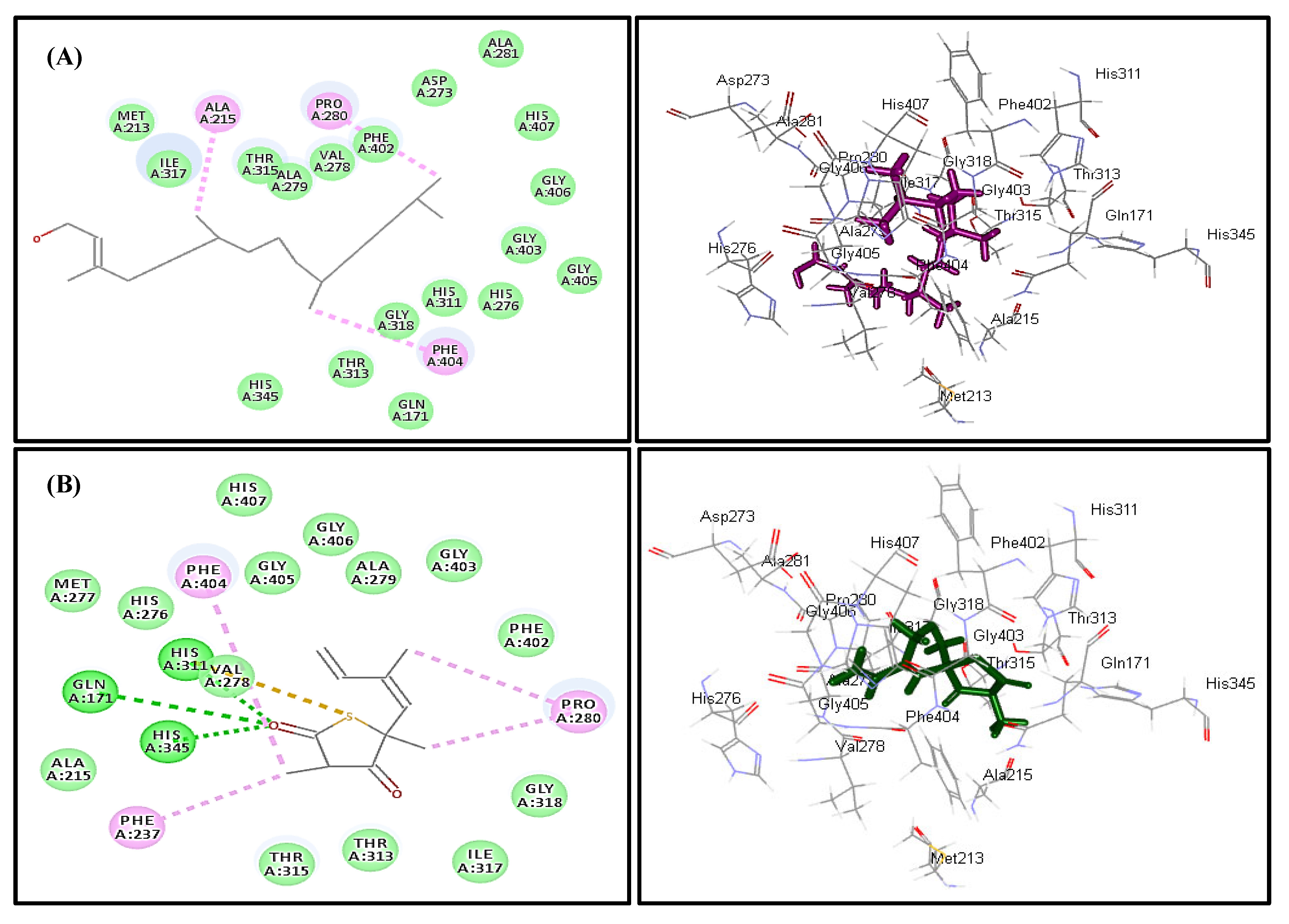
| Compound | MTB C171Q Receptor KasA Inhibitor (4C6X) | Number of Formed Hydrogen and π-Bonds with the Amino Acid Residues |
|---|---|---|
| Caryophyllene oxide (1) | 8.04 | 5; Phe404, Thr313, Ile317, Ala279, Val278 |
| trans-Phytol (2) | −15.57 | 3; Phe404, Pro280, Ala215 |
| n-Tricosane (3) | FD | - |
| n-Tetracosane (4) | FD | - |
| n-Pentacosane (5) | FD | - |
| n-Heptacosane (6) | FD | - |
| n-Octacosane (7) | FD | - |
| 2-Methyl octacosane (8) | FD | - |
| Diosgenin (9) | 173.96 | 6; Phe237, Met213, Pro280, Ala215, Phe402, His311 |
| α-Amyrin (10) | FD | - |
| Isoniazid | −21.47 | 4; Asp319, Gln322, His311, Pro280 |
| Co-crystalized ligand (Thiolactomycin) | −13.03 | 6; Gln171, His345, His311, Val278, Phe404, Pro208 |
| Compounds | trans-Phytol | Thiolactomycin | Isoniazid |
|---|---|---|---|
| ADMET parameters | |||
| Absorption Level | 3 | 0 | 0 |
| Solubility Level | 2 | 3 | 4 |
| BBB Level | 4 | 3 | 1 |
| PPB Level | True | True | False |
| CPY2D6 | NI | NI | NI |
| Hepatotoxic | Non-toxic | Non-toxic | Toxic |
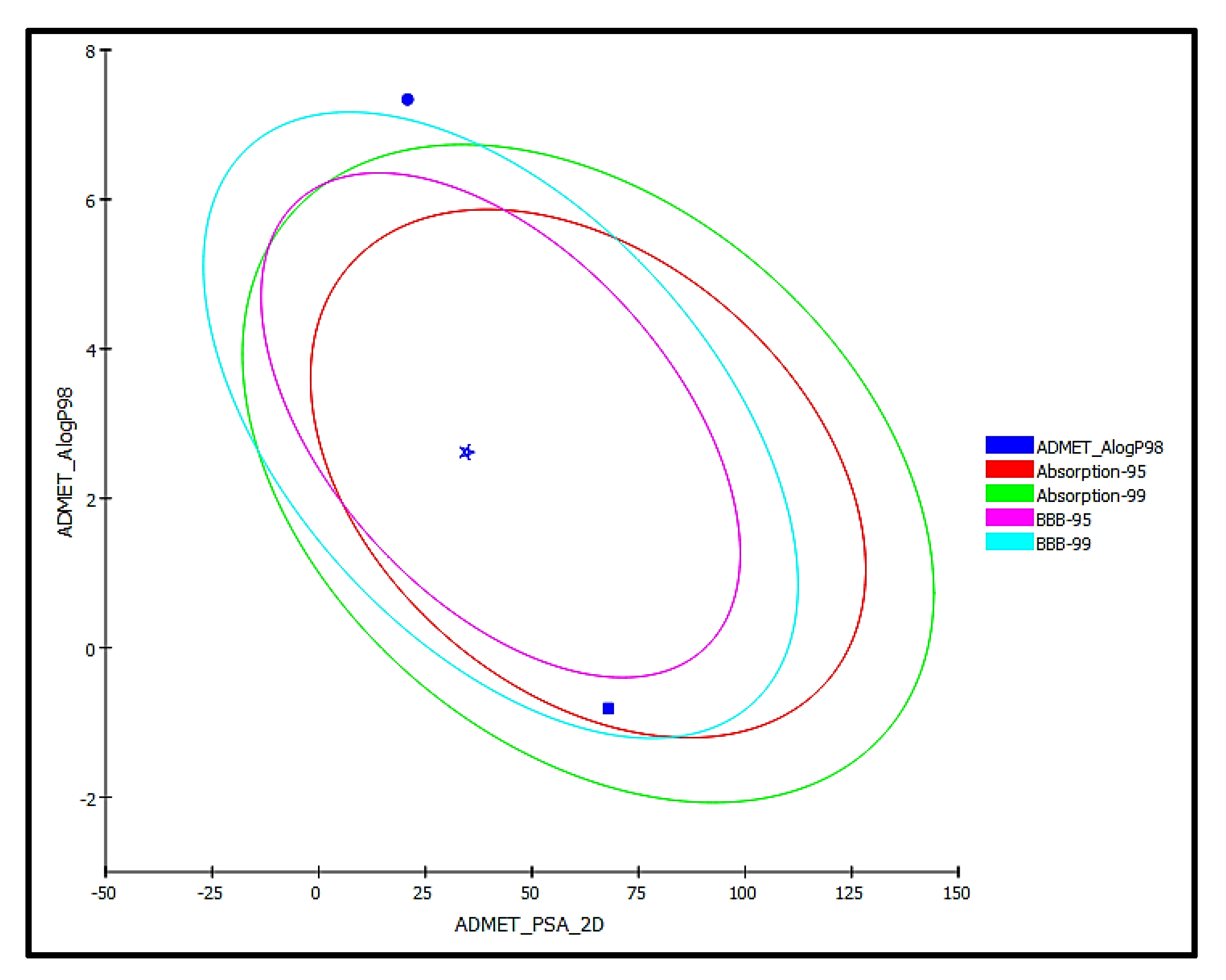
| PSA-2D | 20.82 | 34.60 | 67.91 |
| Alog p98 | 7.3 | 2.62 | −0.81 |
| TOPKAT parameters | |||
| Ames prediction | Non-mutagen | Non-mutagen | Mutagen |
| Rat oral LD50 (g/kg·bw) | 9.43 | 0.20 | 0.48 |
| Rat female FDA | Non-carcinogen | Non-carcinogen | Carcinogen |
| Rat Male FDA | Non-carcinogen | Carcinogen | Non-carcinogen |
| Skin irritancy | Moderate | Moderate | None |
| Ocular irritancy | None | Mild | Mild |
Publisher’s Note: MDPI stays neutral with regard to jurisdictional claims in published maps and institutional affiliations. |
© 2021 by the authors. Licensee MDPI, Basel, Switzerland. This article is an open access article distributed under the terms and conditions of the Creative Commons Attribution (CC BY) license (https://creativecommons.org/licenses/by/4.0/).
Share and Cite
Youssef, F.S.; Ovidi, E.; Musayeib, N.M.A.; Ashour, M.L. Morphology, Anatomy and Secondary Metabolites Investigations of Premna odorata Blanco and Evaluation of Its Anti-Tuberculosis Activity Using In Vitro and In Silico Studies. Plants 2021, 10, 1953. https://doi.org/10.3390/plants10091953
Youssef FS, Ovidi E, Musayeib NMA, Ashour ML. Morphology, Anatomy and Secondary Metabolites Investigations of Premna odorata Blanco and Evaluation of Its Anti-Tuberculosis Activity Using In Vitro and In Silico Studies. Plants. 2021; 10(9):1953. https://doi.org/10.3390/plants10091953
Chicago/Turabian StyleYoussef, Fadia S., Elisa Ovidi, Nawal M. Al Musayeib, and Mohamed L. Ashour. 2021. "Morphology, Anatomy and Secondary Metabolites Investigations of Premna odorata Blanco and Evaluation of Its Anti-Tuberculosis Activity Using In Vitro and In Silico Studies" Plants 10, no. 9: 1953. https://doi.org/10.3390/plants10091953
APA StyleYoussef, F. S., Ovidi, E., Musayeib, N. M. A., & Ashour, M. L. (2021). Morphology, Anatomy and Secondary Metabolites Investigations of Premna odorata Blanco and Evaluation of Its Anti-Tuberculosis Activity Using In Vitro and In Silico Studies. Plants, 10(9), 1953. https://doi.org/10.3390/plants10091953