


Abstract
Crowdsensing data serves as a crucial resource for supporting spatiotemporal applications and services. However, its inherent heterogeneity and quality uncertainty present significant challenges for data usability assessment: the evaluation methods are difficult to standardize due to the diverse types of data; assessment dimensions are predominantly confined to internal quality attributes; and a comprehensive framework for data usability evaluation remains lacking. To address these challenges, this study proposes an innovative, multi-layered usability assessment framework applicable to six major categories of crowdsensing data: specialized spatial data, Internet of Things (IoT) sensing data, trajectory data, geographic semantic web, scientific literature, and web texts. Building upon a systematic review of existing research on data quality and usability, our framework conducts a comprehensive evaluation of data efficiency, effectiveness, and satisfaction from dual perspectives—data sources and content. We present a complete system comprising primary and secondary indicators and elaborate on their computation and aggregation methods. Indicator weights are determined through the Analytic Hierarchy Process (AHP) and expert consultations, with sensitivity analysis performed to validate the robustness of the framework. The practical applicability of the framework is demonstrated through a case study of constructing a spatiotemporal knowledge graph, where we assess all six types of data. The results indicate that the framework generates distinguishable usability scores and provides actionable insights for improvement. This framework offers a universal standard for selecting high-quality data in complex decision-making scenarios and facilitates the development of reliable spatiotemporal knowledge services.
1. Introduction
Spatiotemporal information [1,2], derived from real-world perception and human activities [3], has become a foundational resource for high-quality development and intelligent decision-making. The proliferation of the Internet of Things (IoT) and ubiquitous sensing technologies has led to crowdsensing data, which collects large-scale, multi-source, and multi-type spatiotemporal information across geographic space, the natural environment, traffic navigation, and human activities [4,5]. Over time, crowdsensing data have become a fundamental resource for empowering high-quality national and local development with spatiotemporal information [6]. Crowdsensing data, gathered through various sensing devices, sensors, smart terminals, or participants, offer broad coverage at low cost but are inherently heterogeneous and uncertain in the big data era.
Current research on data usability remains fragmented, with evaluation methods often limited to specific data types (e.g., geospatial vs. trajectory data), impeding unified assessment in integrated applications, such as spatiotemporal knowledge graphs. Moreover, most frameworks emphasize intrinsic data quality (e.g., accuracy, completeness) while neglecting extrinsic usability dimensions essential for decision support, such as accessibility, cost-effectiveness, and user satisfaction [7,8]. There is also a lack of structured methodologies to quantify how intrinsic quality translates into contextual usability.
To address these gaps, this paper proposes a novel, multi-layered usability assessment framework for heterogeneous crowdsensing data. The main contributions are:
- Unified, Cross-Category Evaluation Framework: We break down methodological barriers by establishing a consistent indicator system applicable to six major crowdsensing data categories: specialized spatial data, IoT sensing data, trajectory data, geographic semantic web, scientific literature, and web texts. This enables comparable usability scoring across diverse data types in a unified application scenario, which prior work lacks.
- Comprehensive Usability Dimensions: The framework integrates the ISO-defined usability dimensions of efficiency, effectiveness, and satisfaction. It operationalizes these through a dual-perspective structure evaluating both data source (e.g., authority, accessibility) and data content (e.g., richness, accuracy), capturing intrinsic state and extrinsic utility.
- Transparent and Operational Methodology: We provide a complete system with primary and secondary indicators, detailed computation methods, and a weighted aggregation mechanism. Indicator weights are derived using the Analytic Hierarchy Process (AHP) and expert consultation, with sensitivity analysis validating robustness. A case study on spatiotemporal knowledge graph construction illustrates practical applicability for data selection and improvement.
This framework provides a standardized, quantitative tool for selecting high-quality crowdsensing data in complex decision-making scenarios, facilitating the development of more reliable spatiotemporal knowledge services.
2. Related Work
2.1. Data Quality and Usability
Data quality refers to the degree to which the data is suited for the intended purpose [9,10], and is a multi-dimensional concept [11]. It includes both the subjective perceptions of the individuals involved with the data, and the objective measurements based on the data itself. Subjective assessments reflect the needs and experiences of stakeholders. Objective assessments can be either task-independent metrics that reflect states of the data, or task-dependent metrics constrained and influenced by specific application contexts [12]. Data quality typically encompasses dimensions such as accuracy, completeness, consistency, timeliness, and reliability [13].
Usability was originally derived from the manufacturing and production domain, referring mainly to the ease of use and acceptability of a product or system for users to complete designated tasks [14]. Drawing upon the ISO 9241-11 standard [15], we define data usability as “the extent to which data can be used by specified users to achieve specified goals with effectiveness, efficiency, and satisfaction in a specified context of use.” This concept extends beyond intrinsic quality to encompass the fitness for use. For data, usability refers to the appropriateness and acceptability of data for users to complete tasks in specific application contexts. It requires data to not only meet quality requirements, but also be easily accessible, understandable, and usable to accomplish the intended tasks. For example, data must be technically accessible and align with the requirements of decision-making contexts.
Data quality has often been associated with the “fitness for use” principle from the outset of research, which refers to the subjectivity and context dependency [16]. Data quality assessment primarily focuses on the intrinsic attributes of data, such as accuracy and consistency [17,18], while data usability assessment emphasizes the applicability and operability of data in specific application scenarios. In essence, data usability builds upon data quality, extending it to practical considerations such as accessibility, relevance, and user experience. Thus, the key distinction lies in their focus: data quality is concerned with the intrinsic state of the data itself, whereas data usability is concerned with its extrinsic value and practical application from a user’s perspective within a specific context.
Data quality directly impacts its usability. Quality characteristics such as accuracy, completeness, and consistency determine whether data can effectively support practical applications. However, even if data performs well in terms of quality, its usability will be questioned if it fails to meet user needs or support decision-making in practice effectively. Therefore, data quality and usability are not merely two independent evaluation processes; they are interdependent. Data quality provides the foundational support for usability, while data usability extends the concept of quality, validating the practical utility and effectiveness of the data.
With the advent of the big data era, data quality assessment has gradually integrated with data usability evaluation, offering a more comprehensive analytical framework to ensure that data achieves the desired outcomes in complex application environments. Our framework, structured around the ISO-defined dimensions of effectiveness, efficiency, and satisfaction, is designed to capture this comprehensive view.
2.2. Research on Data Usability
With the increasing data complexity and diverse application scenarios, the research on data usability has evolved beyond traditional quality metrics to encompass user-centered fitness-for-use, integrating technical, contextual, privacy, and security aspects. To establish a solid theoretical foundation for our framework, this section reviews existing studies categorized by three dominant methodological paradigms: spatial analytical methods, IoT and sensing technologies, and artificial intelligence (AI) techniques.
2.2.1. Spatial Analytical Methods
In Geographic Information Science (GIS), usability research has shifted from pure quality assessment to contextual suitability. Early work proposed multidimensional metrics emphasizing user-centered concepts [4,7]. With the rise of open spatiotemporal data and crowdsourced platforms like Volunteered Geographic Information (VGI) [19] and OpenStreetMap (OSM) [8,20], quality uncertainties from heterogeneous contributors have driven multidimensional frameworks combining quantitative and qualitative criteria [21,22,23].
Research in this field has largely established two dominant paradigms. The first is an indirect evaluation based on provenance and trustworthiness, inferring credibility from edit histories, contributor credibility models [24,25], or participatory assessments [26,27]. The core idea here is to convert the uncertainty in data quality into a quantifiable issue regarding the reliability of sources. The second is a direct evaluation based on authoritative comparison, which assesses location accuracy and completeness by spatially overlaying data [26,27,28,29,30]. This method offers objective, interpretable results but depends on benchmark availability and quality. These approaches highlight that, without full production control, trust can be built through provenance or gold-standard comparisons—a principle reinforced in geographic citizen science, where map usability directly influences participation and output quality [31].
Overall, spatial analytical methods provide structured, interpretable frameworks, balancing between inferring trust from provenance and validating against authoritative sources, though constrained by the availability of high-quality benchmarks.
2.2.2. IoT and Sensing Technology Methods
The integration of IoT and sensing technologies has led to an explosion in the volume and variety of sensing data [32,33,34] and trajectory data [35,36,37]. This is particularly relevant to mobile crowdsensing, where data is often collected via pervasive but heterogeneous and low-cost devices. Evaluation methods illustrate a significant shift from traditional error metrics to perceptual utility and fitness for use. However, the basic quality assessment methods, comparing data against benchmark datasets [38,39] to analyze quality through discrepancies with true values [35,36,37], are costly or impractical, especially for large-scale crowdsensed datasets.
For complex sensing data [40,41], such as videos [38,39], point clouds, and trajectories, “usability” encompasses not only numerical accuracy but also adherence to human cognitive norms [42]. For instance, trajectory data should be highly consistent with human visual perception [35,36,37], leading to the development of perceptually validated metrics for crowd trajectory data. The visual quality of point cloud data should also align with human visual perception characteristics [43]. The core evaluation criteria are no longer limited to how closely data approximates “truth” but rather how well it aligns with “user perception” or “downstream model requirements.”
The contextual dependence is evident in domains [44] like environmental monitoring, where highlighting the extreme importance of data reliability and usability in supporting critical decision-making [45,46]. Thus, methods for IoT and sensing data prioritize contextual fitness and perceptual validity, moving beyond pure accuracy metrics, yet they face challenges in establishing universal benchmarks and managing the inherent noise of crowdsourced sensing streams.
2.2.3. Artificial Intelligence (AI) Techniques
Artificial intelligence (AI) technologies are driving a profound revolution in usability assessment methods. On one hand, data fusion and machine learning correction methods address noise in low-cost sensor data, enhancing reliability cost-effectively [32,33]. On the other hand, research focus has shifted from evaluating the “data itself” to assessing the “quality of datasets used for training machine learning models.” Some studies assert that dataset quality evaluation serves as a preliminary control over model performance, thereby influencing ultimate usability [47]. This is crucial for crowdsensing data, where label noise and bias are prevalent.
Furthermore, AI techniques, particularly Natural Language Processing (NLP), have become indispensable for assessing the usability of unstructured or semi-structured crowdsensed data, such as scientific literature and web texts. They enable the automated evaluation of dimensions like information credibility, thematic relevance, and spatiotemporal information extraction, which are central to the usability of textual sources [48,49].
In the realms of knowledge graphs and semantic data, evaluation dimensions have transcended traditional accuracy metrics to encompass deeper attributes such as semantic richness, logical consistency, and pattern coverage [50,51], leveraging AI for more nuanced quality assessments. In the AI era, data evaluation has transitioned from “static quality” assessment to evaluating its logical coherence as a “knowledge carrier” and its applicability as “fuel for models.”
In contemporary data applications, interoperability, security, and usability are viewed as interrelated and indispensable core attributes [52]. Systematic explorations of privacy and security concerns within software and data usability examine the challenges of incorporating security dimensions into comprehensive usability evaluation frameworks [53]. AI and emerging techniques offer powerful tools for enhancing and assessing data usability, such as enabling sophisticated noise handling, bias detection, and privacy preservation [54,55].
As shown in Table 1, our system summarizes the key dimensions, specific indicators, applicable data categories, and commonly used evaluation methods from previous research. Significant progress has been made in defining core data attributes in these studies. However, these advancements are fragmented across different data types, with a notable lack of a unified framework capable of integrating diverse indicators and suitable for cross-category usability evaluation. This deficiency hinders consistent evaluation of heterogeneous, multi-source data in integrated applications, such as spatiotemporal knowledge graphs.
Table 1.
A synthesis of data quality and usability assessment metrics from existing literature.
2.3. Limitations and Contributions
Research on data usability assessment across various domains has provided a wealth of methodologies and profound insights [67,68,69,70]. However, when considering the integrated use of heterogeneous crowdsensing data in complex applications (e.g., spatiotemporal knowledge graphs), three significant limitations persist in the current literature.
First, there is a notable methodological isolation among different data types. Although comprehensive quality frameworks exist for individual data types (e.g., for Linked Data [71] and Volunteered Geographic Information [72]), these paradigms remain incompatible [73,74,75]. This methodological fragmentation obstructs the unified assessment of data usability across diverse types in application contexts.
Second, existing frameworks frequently exhibit indicator incompleteness. While classic dimensions like accuracy and credibility have been explored, other dimensions, such as authority and timeliness, have also received some investigation [76]. However, these still tend to adopt a “data user” perspective. They have often failed to fully capture its value in real-world decision-making processes.
Third, there is a lack of structured approaches that integrate data quality and usability. Most frameworks do not clearly delineate the interactions between quality attributes (such as accuracy and completeness) and usability, resulting in a gap in understanding how quality metrics quantitatively transform into usability scores under specific application constraints.
To address these challenges, this study proposes an integrated usability assessment framework specifically designed for heterogeneous crowdsensing data. This study makes the following key contributions:
- Cross-Domain Unified Assessment Framework: We bridge the methodological isolation by establishing a multi-layered, multi-granular indicator system that coordinates evaluation standards across six categories of crowdsensing data. This system enables consistent and comparable evaluation of usability for different data types within a unified application context.
- Comprehensive Usability Dimensions: Our framework integrates a broad range of usability dimensions. It provides a structured synthesis that integrates both traditional quality and decision-centric usability dimensions, and emphasizes usability relevant to decision support and practical applications. This reflects both the intrinsic data quality and its extrinsic utility.
- Integrated Quality and Usability Evaluation Framework: Our framework explicitly captures the transition from data quality assessment to usability evaluation. By dividing the assessment into the dual aspects of “data content” (intrinsic quality) and “data source” (contextual factors), and by integrating usability criteria such as accessibility and understandability into the calculation process, the framework provides a structured and operational workflow for deriving usability scores.
This integrated assessment framework provides a standardized tool for selecting heterogeneous crowdsensing data in complex decision-making scenarios, facilitating the construction of high-quality spatiotemporal knowledge services and supporting more reliable data-driven decisions.
3. Assessment Objects and Basic Idea
3.1. Basic Idea
The assessment of data usability is the process of evaluating the acceptable or appropriate degree of data science usage, which is conducted using either qualitative or quantitative methods. Data, users, and applications are the three fundamental elements in constructing a usability assessment framework [77,78]. Crowdsensing data is the assessment object, focusing on the spatiotemporal attributes. Users are the primary agents whose needs dictate requirements beyond intrinsic quality, such as accessibility and source of authority. Applications refer to specific scenarios and goals of data usage.
Figure 1 presents a conceptual model illustrating these relationships. Data quality is a necessary but insufficient condition for usability. While high-quality data are essential for usability, other factors, such as user needs and application requirements, must also be evaluated to ensure the overall usability of the data.
Figure 1.
The conceptual model.
The framework is guided by the ISO 9241-11 standard, which defines usability through three core dimensions: efficiency, effectiveness, and satisfaction [7,15,79]. These dimensions directly translate the fundamental elements into measurable concepts. Specifically, efficiency translates to the resources required from the user to acquire and use the data. Effectiveness translates to the accuracy and completeness with which the data supports goal achievement in the application. Satisfaction refers to the degree of acceptance and value perceived by the user regarding the data within the application context. The framework considers how both data quality and usability influence the user experience in real-world applications of crowdsensing data.
To operationalize three core dimensions into measurable criteria, our assessment framework is structured around two essential aspects: data source (origins and acquisition channels, affecting initial trust and access effort) and data content (structural characteristics and latent information, determining applicability and value). The application of the ISO 9241-11 standard’s three usability dimensions to our framework is not only conceptually aligned but also operationalized through specific evaluation indicators. This operational logic is detailed in Figure 2.
Figure 2.
The basic idea of crowdsensing data usability assessment.
- Efficiency is assessed via accessibility, which gauges the ease and feasibility of obtaining data. For the data content, it is measured by information richness and resolution, reflecting the resources consumed to extract sufficient value from the data.
- Effectiveness is evaluated through authority, accuracy, and timeliness, which reflect the trustworthiness and intrinsic quality.
- Satisfaction is inferred from user engagement, response efficiency, impact, and reliability, which measure user acceptance and trust.
This structured approach allows us to deconstruct the abstract concept of usability into a concrete set of assessable indicators. The subsequent sections will detail the specific indicators for each category of crowdsensing data based on this conceptual framework.
3.2. Assessment Objects
The usability evaluation framework focuses on crowdsensing data containing rich spatiotemporal information, characterized by multiple sources, diverse types, and significant differences in data structure, presentation forms, and information content. It primarily includes six categories:
Specialized spatial data are commonly obtained from geography and surveys using specific information acquisition technologies. It represents the shape, size, location, and other characteristics of spatial entities, such as vectors and map data. Examples include administrative boundary datasets, digital elevation models (DEMs), and land-use/land-cover (LULC) maps. These data often serve as the foundational geospatial framework in applications like urban planning and environmental monitoring.
IoT sensing data refer to the state data of the spatiotemporal information of the environment collected through sensing devices, aggregated, and integrated via the IoT. This includes monitoring videos, photos, and geological monitoring data, such as measurements of subsidence and deformation, and meteorological data, such as rainfall and temperature. For instance, hourly readings from a national air quality monitoring network or real-time video feeds from traffic cameras are typical IoT sensing data used in environmental analysis and smart city operations.
Trajectory data refers to data obtained by sampling the movement process of one or more moving objects in a spatiotemporal space. The key information includes the location, sampling time, speed, and direction at each sample point [80,81,82]. The trajectory data generally includes data on vehicle activity, human movement, animal migration, and natural phenomenon trajectories. Examples include GPS tracks from shared bicycles, mobile phone signaling data, or ship automatic identification system (AIS) records.
Geographic semantic webs (GSW) organize concepts, attributes, and relationship models within a geographic domain using intelligent web technology. GSW are composed of structured, machine-readable knowledge graphs, where entities and their relationships are explicitly defined using formal ontologies (e.g., RDF, OWL), which are the focus of the evaluation. Prominent examples include GeoNames, Wikidata-Geo, and the OSM Semantic Network, which link places with rich attributes and relationships.
Scientific literature comprises textual materials published based on systematic research and experiments, such as academic journal articles, conference papers, technical reports, and patents. Such literature forms the foundation for knowledge accumulation and academic discourse within specific domains. This study focuses on evaluating the usability of scientific literature, analyzing its textual content to assess information quality, dissemination efficiency, and reliability, rather than directly evaluating the data contained within the literature. For example, a review article on climate change impacts or a dataset description paper in a scientific journal would fall into this category.
Web texts refer to the text on web pages found on various websites that contain spatiotemporal descriptions and geographic variations. Web text is a significant type of textual data on the Internet. Web texts can be categorized into two types: professional-generated content (PGC) and user-generated content (UGC) [83,84,85]. PGC refers to official publications, such as online encyclopedia entries (e.g., Baidu Baike, Wikipedia), news from media outlets, and government documents. In contrast, UGC refers to content produced by individuals, including posts, comments, and reviews on social media platforms (e.g., Weibo, Facebook). These texts often contain implicit spatiotemporal cues like location check-ins or event dates.
These six categories encompass a comprehensive range of spatiotemporal data types applied typically in spatiotemporal information services. The data sources include both professional datasets and crowdsourced data. The data is presented in structured, semi-structured, or unstructured formats, including numerical and textual information. These datasets contain rich explicit or implicit spatiotemporal information. This paper focuses on conducting usability evaluations of these six categories of crowdsensing data and the implicit spatiotemporal information.
4. Analyses of Usability Assessment Framework
4.1. Indicators
This study proposes a hierarchical indicator system with two levels: primary indicators outline broad evaluation dimensions, and secondary indicators specify measurable quantities with defined acquisition and calculation methods. The latter is a component of the former.
The framework covers the six data categories defined in Section 3.2, with a total of 14 primary and 99 secondary indicators. It employs a hierarchical, modular design, where each category uses a tailored subset of indicators to ensure comprehensive coverage and application-specific flexibility. Table 2 summarizes the primary indicators for each category, structured around the dual aspects of data source and data content.
Table 2.
Primary indicators of crowdsensing data usability assessment.
The proposed indicators include both generic and specific types. Generic indicators apply to all six data categories, addressing common user concerns, and are derived from established core dimensions (Section 2.3). They enable cross-category comparability. For example, authority is a primary generic indicator for data source, but its secondary indicators manifest differently per category (e.g., entity nature for spatial data, journal impact factor for scientific literature).
Specific indicators are tailored to individual data categories, justified by the data’s organizational structure, characteristics, and domain-specific requirements. Their selection is justified by a detailed analysis of the data’s organizational structure, the characteristics of the data structure, and domain-specific requirements. Examples include spatiotemporal resolution for sensing data and impact for web texts. Introducing these indicators represents a key innovation, ensuring comprehensive, fit-for-purpose evaluation.
To enhance practical guidance, each secondary indicator is categorized as “Core” or “Optional” in the following subsections. Core indicators are essential for most scenarios; optional indicators address specific attributes or advanced analyses for flexible selection based on application needs.
4.1.1. Specialized Spatial Data Indicators
The indicators for specialized spatial data are grounded in authoritative geospatial standards (e.g., ISO 19157, GB/T 18316, GB/T 24356) [56,57,58], focusing on data conformity and accuracy. And indicators are extended with usability dimensions from the AGILE usability framework and spatiotemporal data reliability research [17].
Intrinsic quality indicators are designed to enhance the evaluation of the fundamental quality of spatial data, including spatial resolution, temporal resolution, timeliness, completeness, and accuracy and reliability. Spatial and temporal resolution reflect the detail level and richness of the spatiotemporal information. Timeliness is assessed by the publish date of data, which indicates the degree to which information is delivered promptly. Completeness is evaluated by the schema and records completeness. Accuracy and reliability evaluate compliance with application accuracy and precision requirements.
Extrinsic usability indicators emphasize the practical applicability of the data, including authority, accessibility, and spatiotemporal information richness. Authority reflects the credibility and the user engagement of the data source. Accessibility refers to the feasibility and convenience for users to obtain data, including the stability and cost to acquire the data. Spatiotemporal information richness is measured by attribute type diversity, data value richness, observational dimension, temporal range, and spatial range. Attribute type diversity assesses the structural variety of the data schema. A dataset with rich types typically supports more comprehensive and multi-dimensional analysis. For datasets where richness derives from multiple dimensions of the same data type (e.g., multi-band remote sensing imagery), this is complemented by the observational dimension metric. Data value richness refers to the extent of variability within the values of each attribute.
The indicators and their value acquisition methods are listed in Table 3.
Table 3.
Indicators and acquisition methods of specialized spatial data usability assessment.
4.1.2. Internet of Things Sensing Data Indicators
IoT sensing data indicators are informed by principles of usability for scientific and environmental data [19,62,63,88] and consider the data’s unique production chain involving sensing instruments and transmission networks.
Intrinsic quality indicators focus on core attributes, including spatial resolution, temporal resolution, timeliness, completeness, and accuracy & reliability. Spatial resolution is ideally defined by the sensor’s sampling footprint or positional accuracy. In practice, for sparse networks or unspecified deployments, it may be inferred from the characteristic distance between sensing points or conservatively estimated based on application requirements. The temporal resolution is typically obtained from the sensor’s sampling configuration or metadata. When not explicitly stated, it can be derived from the statistical mode of the observed time intervals between consecutive records. Timeliness is critical for real-time applications. Completeness is evaluated by the missing ratio of recorded results. Accuracy & reliability are measured based on the anomalous records proportion, measurement errors, and temporal errors. In high-precision ground truth absence, practical assessment relies on proxy indicators such as manufacturer-specified sensor accuracy, calibration records, internal consistency checks (for measurement errors), and network latency or timestamp coherence logs (for temporal errors).
Extrinsic usability indicators, derived from usability principles for scientific data, include authority, accessibility, and spatiotemporal information richness. Authority and accessibility are conceptually aligned with their definitions for specialized spatial data. Based on the characteristics of IoT data, spatiotemporal information richness is operationalized through secondary indicators: sensor component (reflecting the diversity of sensing sources), data value richness, temporal range, and spatial range.
The indicators and their value-acquisition methods are listed in Table 4.
Table 4.
Indicators and acquisition methods of IoT sensing data usability assessment.
4.1.3. Trajectory Data Indicators
Trajectory data indicators are based on established research and standards (e.g., CH/T 6003-2016, CH/T 6004-2016) [64,65], including the quality control of the measurement process and data. The assessment considers influences from the collection process (equipment, sampling frequency, and storage).
Intrinsic quality indicators encompass spatial resolution, temporal resolution, timeliness, completeness, and accuracy and reliability. Spatial resolution is described by sampling point density, and temporal resolution by the sampling interval. These are crucial for data efficiency. For applications requiring real-time data (e.g., navigation), timeliness is a critical efficiency metric. Completeness is measured by the loss rate against the theoretical sampling interval. For data without a predefined interval, this metric is handled per the method for missing data. Accuracy and reliability are assessed by positioning accuracy, typically calculated as the proportion of anomalous points identified by drift detection algorithms (e.g., Kalman filter).
Extrinsic usability indicators include authority, accessibility, mobile entity, and spatiotemporal information richness. Authority and accessibility are conceptually aligned with prior categories. Mobile entity is a key effectiveness indicator. The type of mobile entities (e.g., pedestrian, car, ship) directly determines movement patterns and sampling capabilities. Spatiotemporal information richness includes semantic richness (diversity of high-level semantic attributes like transportation mode and activity type), temporal range, and spatial range.
The indicators and their value acquisition methods are listed in Table 5.
Table 5.
Indicators and acquisition methods of trajectory data usability assessment.
4.1.4. Geographic Semantic Web Indicators
The quality assessment of the geospatial semantic web is an integrated field that integrates standards from three primary dimensions: geospatial information, semantic web, and data quality. The assessment indicators for the geographic semantic web are proposed based on the standards for geospatial information (e.g., ISO 19157, ISO 19115, GB/T 42986.1-2023) [58,89,90] and linked data quality frameworks [59,60,75,91,92].
Intrinsic quality indicators include timeliness, completeness, and accuracy and reliability. Timeliness is evaluated using the most recent update date. Completeness is assessed from two perspectives: data instance completeness (loss rate of mandatory attribute values) and schema completeness (coverage of target domain concepts). Target domain concepts are the core entity types essential for describing the geographic phenomena within the evaluation scope. In general-purpose evaluation, the concepts are derived by extracting geographic entity classes (e.g., gn:Feature) from established cross-domain knowledge graph schemas like GeoNames and Wikidata-Geo, offering a comprehensive, community-vetted foundation. In a domain-specific application (e.g., land survey, emergency response), this baseline is superseded or refined by concepts from relevant national standards, industry classifications, or official regulatory schemas, such as the geographic feature classification in GB/T 13923 [93]. Accuracy and reliability are evaluated on two levels: semantic accuracy (correctness of factual content, e.g., by detecting abnormal triples) and logical consistency (adherence to predefined logical constraints, e.g., absence of property value conflicts).
Extrinsic usability indicators include spatiotemporal information richness, authority, and accessibility. Spatiotemporal information richness is operationalized through entity count (the scale), proportion of spatiotemporal tuples, attribute type diversity, structural richness (denseness of the semantic network), and temporal/spatial range. Authority reflects the trustworthiness of the GSW’s sources (entity nature, user count). Accessibility is assessed by query response efficiency and update release frequency.
The indicators and their value acquisition methods are listed in Table 6.
Table 6.
Indicators and acquisition methods of geographic semantic web usability assessment.
4.1.5. Scientific Literature Indicators
Unlike the structured data mentioned earlier, scientific literature is typically presented as multimodal, semi-structured, and complex textual data. The assessment of scientific literature usability presents a unique challenge, as its ‘data’ is the published knowledge itself, rather than a direct measurement of phenomena. Therefore, the quality of scientific literature should be evaluated in terms of academic impact, reliability, and reproducibility. In practice, the evaluation often relies on proxies that signal credibility and impact.
Intrinsic quality indicators are designed to reflect the quality of the publication, including spatiotemporal information richness, impact, openness, and timeliness. Spatiotemporal information richness assesses applicability to user objectives via subject richness (diversity of key terms), proportion of spatiotemporal information, and temporal/spatial range. The evaluation of indicators involves textual content, which relies on the Natural Language Processing (NLP) techniques (e.g., Named Entity Recognition (NER) models). Impact includes download count (immediate interest), citation count (community endorsement over time), and social impact (e.g., altmetrics score, Douban score). For academic journals and their articles, indicators such as the journal impact factor (JIF) and citation frequency are widely recognized and easily accessible proxies for journal prestige in academic practice [94], although these indicators for assessing literature quality are controversial [95]. For academic books, the ideal metrics are library holding counts and media mention rates, often extremely difficult to obtain systematically. Therefore, in our framework, we employ more readily accessible proxies, such as the Douban score. Openness refers to adherence to open science practices, specifically whether data/code within the publication provides accessible links, improving reproducibility and dissemination [96,97]. Timeliness depends on the publication date, with newer publications generally holding higher value in fast-evolving fields.
Extrinsic indicators analyze the publishing platform, including authority and accessibility. Authority serves as a proxy for academic impact and user trust. For journals, the Journal Impact Factor (JIF) is a widely recognized, quantifiable proxy for prestige, despite its controversies. For publishers, the nature/level of the institution serves a comparable role. When selecting scientific literature, users typically prioritize sources from high-prestige journals, as this influences their initial judgments regarding the authority and credibility of the literature sources. Total downloads and citations of the platform reflect academic engagement. Accessibility evaluates the ease of access, including the acquisition method (e.g., open access status) and publication frequency.
The indicators and their value acquisition methods are listed in Table 7.
Table 7.
Indicators and acquisition methods of scientific literature usability assessment.
4.1.6. Web Texts Indicators
Web texts, as the primary textual data on the Internet, are characterized by volume, velocity, informality, and interactivity. The quality assessment focuses on dimensions such as accuracy, timeliness, and credibility, involving perspectives from information content, user relationships, and data sources [48,49]. In the specific implementation of indicators, we divide texts into two categories: PGC and UGC. There could be different evaluation methods for different types of texts.
Intrinsic quality indicators include accuracy and reliability, impact, timeliness, information density, the spatiotemporal information existence, and spatiotemporal information granularity. Accuracy and reliability measure publisher credibility through publisher identity and follower count. Information published by verified official accounts is generally accorded higher reliability. Impact reflects dissemination level and interactivity via clicks, shares, likes, and comments. Timeliness is important for rapidly changing internet information, including publication time and valid status (e.g., for policies).
Given the sparsity and noise of web texts, information density (effective general information per unit text) is essential, and relies on simple pre-extraction of text. From a spatiotemporal perspective, web texts are social perception records attached to spatiotemporal signals with different confidence levels. Its quality assessment needs to consider the existence and explicitness. Spatiotemporal information existence measures whether any time/space information is present, using API or NER models, and determines its suitability for spatial-temporal analysis. Spatiotemporal information granularity assesses the detail level of time and space, determining support for fine-grained analysis. The level of detail is categorized as high granularity, medium granularity, or low granularity (or ultra-low granularity).
Extrinsic indicators provide an initial source evaluation of the website platform, including authority, accessibility, and spatiotemporal information richness. Authority is assessed by website type (e.g., .gov, .edu), daily average page views (PV), and daily average user visits (UV), reflecting user engagement. Accessibility is measured by update frequency, response time, and domain duration, indicating service continuity and stability. Industry research often uses 20 years of operation as a threshold for authoritative sites. Based on WebArchive data, which shows such sites have 30% higher content authenticity and 45% greater data continuity, a scoring gradient is applied: sites accrue 5 points per year, capping at 100 points for 20 years to denote established authority. Spatiotemporal information richness includes the proportion of spatiotemporal information and its spatial/temporal range. For PGC (e.g., news, policies), ranges refer to applicable regions/periods or event locations/times. For UGC, they are represented by location tags and timestamps.
The indicators and their value acquisition methods are listed in Table 8.
Table 8.
Indicators and acquisition methods of web texts’ usability assessment.
4.2. Methods
In the previous discussion, crowdsensing data was categorized into six types, each corresponding to a specific set of assessment indicators. The usability assessment indicators for each type were organized into two levels: the first level consists of several primary indicators (), and each primary indicator includes multiple secondary indicators (). Taking specialized spatial data as an example, Figure 3 illustrates the structure of usability assessment indicators, with orange denoting data sources, blue representing data content, solid boxes indicating primary indicators, and dotted boxes indicating secondary indicators. This study provides detailed definitions of the indicators and related descriptions in the previous section. The following research methods are discussed from two perspectives, indicator calculation and indicator synthesis, considering the computational requirements involved in the usability assessment process.
Figure 3.
The structure of usability assessment indicators.
4.2.1. Indicator Calculation Methods
The indicators calculation transforms multi-source heterogeneous raw data into standardized measurable values, forming the basis for comprehensive assessment. This study adopts the following four types of calculation methods based on the core mathematical and logical connotations of the indicators (details of the calculation methods for each data indicator can be found in Table 3, Table 4, Table 5, Table 6, Table 7 and Table 8).
- Judgment-based Methods;
Judgment-based methods rely on logical reasoning or rule matching to map qualitative information or data states to discrete rating levels, suitable for determining compliance or category type. It depends on the domain knowledge to establish judgment rules, with a simple and highly interpretable calculation process.
Binary judgment assigns 100 for compliance and 0 otherwise, determining whether the data state meets preset requirements. This method originates from the concept of “consistency” in international geographic information standards (e.g., ISO 19157). It is used for rigid constraints like spatiotemporal range, accuracy errors, data openness, or validity status.
Multi-level judgment maps qualitative descriptions to quantitative scores based on preset grading standards and rules, which are based on domain research and industry consensus. It is used by indicators, such as entity nature, data acquisition method, release frequency, mobile entity, spatiotemporal information existence/granularity, and publisher nature. For example, the entity nature of the data provider is scored as: government agencies = 100, professional institutions = 100, business organizations = 70, academic/public teams = 50, individuals/unlabeled = 25. The government agencies are entities with official designations with terms such as bureau, ministry, or .gov domain suffix. The professional institutions are recognized national or international professional bodies, or research academies, typically identified via inclusion in authoritative official registries. The business organizations are commercial entities indicated by .com or .co domain suffixes, or keywords like Inc., Ltd., or company. The academic or public teams are groups affiliated with .edu/.org domains or public collaborations. The individual/unlabeled are sources lacking a clear institutional affiliation. The formula is as follows:
- 2.
- Statistical Methods;
Statistical methods are based on probability theory and mathematical statistics, extracting quantitative characteristics from data value distributions. The core concepts include counting, proportion, and distribution measurements, suitable for measuring intrinsic state attributes.
Ratios and proportions quantify data status by calculating the proportion of defects or specific components, which is a common method for measuring completeness and error rates in standards such as ISO 19157 [58]. For example, the accuracy and reliability of IoT sensing data is described by the anomaly ratio:
Distribution measurement uses information entropy to measure the diversity and uncertainty of data values. A higher entropy value indicates that the data values are more evenly distributed and unpredictable, implying richer information. Applicable indicators include the diversity of data patterns, calculated based on the frequency of occurrence of each data type. For example, the attribute type diversity of specialized spatial data. The formula for entropy is as follows, where H(T) represents the entropy of attribute type T, p(t) is the probability of attribute type t, m is the count of all attribute type T, and H′(T) is the standardization entropy.
Another type of indicator focuses on the richness of internal data values. The average entropy of each attribute’s values reflects the overall information content of the data. For discrete attributes (including categorical and discrete numerical values), entropy is computed directly on the observed values. For continuous numerical attributes, the values are first discretized into bins using equal-width binning, with the number of bins determined by Sturges’ rule (, where N is the number of distinct values), to enable probability estimation. For example, the data value richness of IoT sensing data. The formula for this is as follows, where H(X) is the entropy of the value of attribute X, p(x) is the probability of a specific value x of attribute X, and m is the count of possible values of attribute X. F represents the average standardization entropy of all attributes X.
- 3.
- Transformation Methods;
Transformation methods map and transform raw data using mathematical functions to eliminate dimensional differences, adjust scales, and simulate patterns. It is suitable for situations where raw data exhibit large differences in dimensionality and numerical ranges, necessitating mapping them to a unified, dimensionless scoring range. The key parameters within these methods (e.g., scaling factors in logarithmic functions) were calibrated based on statistical benchmarking from representative datasets, ensuring scientific validity and cross-dataset comparability.
Logarithmic scaling uses logarithmic functions to non-linearly transform raw scale indicators to simulate the diminishing marginal utility pattern, which aligns better with human cognition. Indicators suitable for this method usually present extreme skewness (e.g., power-law distribution) in their absolute scale values. For instance, the user count and download counts of data sources, as represented in the formula:
For certain indicators that model growth with saturation, such as daily average page views and daily average user visits for websites, a log-logistic function is employed. This sigmoidal model effectively maps the logarithmically transformed raw data into a saturated scoring range (0–100). The calculation follows the formula:
Exponential decay models simulate the decrease in data value over time, and are mainly used to calculate data timeliness. The formula is as follows, taking the timeliness of trajectory data as an example. is the time difference between the current time and the data’s publish time. When the application is real-time, the unit of is hours, and the default value of is 0.1. When the application is general, the unit of is daily, and the default value of is 0.01.
Additionally, there is a specialized indicator for website response timeliness, focusing on the satisfaction of user experience with page response speed. According to research by Google, a website response time of 10 s is the threshold for user attention and patience. Based on this, the linear decay model is used to quantify this indicator. The specific formula is as follows:
Using the concept of z-scores in statistics, the relative position of raw data within a dataset is calculated. Standardization eliminates the influence of overall distribution, reflecting the “relative quality” of individual data in the population, making it especially suitable for indicators such as citation counts or download counts that show significant variation within a discipline. The specific formula is as follows:
- 4.
- Algorithmic Model Methods;
Algorithmic model methods rely on specialized algorithmic models to extract features or perform complex judgments from raw data. These methods are designed to solve problems that traditional statistical methods cannot directly handle, such as semantic understanding, pattern recognition, and deep anomaly detection. The use of these models represents a necessary and optimized practice for specific technical tasks, drawing on validated tools from computer science.
For trajectory data, the calculation of positioning accuracy relies on drift detection algorithms (e.g., Kalman filters) to identify anomalous points. The response efficiency of the GSW is measured through standardized query tests to obtain the average response time. To assess the semantic accuracy of a GSW, the Isolation Forest algorithm is utilized for its efficiency and linear time complexity in detecting anomalous tuples within the knowledge graph. For scientific literature and web texts, spatiotemporal words are recognized by NER in the calculation of the proportion of spatiotemporal knowledge. Furthermore, for text data’s spatiotemporal extents, a binary judgment is made by evaluating whether the identified spatiotemporal information or words are relevant to the target application’s spatiotemporal scope.
- 5.
- Handling Calculation Issues;
In practical applications, the following critical issues must be noted during the calculation process.
Unified Quantification of Indicators.
This study addresses the quantification of indicators through the methods discussed above. Qualitative descriptions are transformed into quantitative values based on rule-based assignments, while the raw objective data of quantitative indicators are converted into evaluation values through various calculations. However, the value ranges of different indicators may vary significantly. For instance, the range of “response time” for a website typically spans from 0 to 10 s, whereas “daily average user visits” is usually measured in tens of thousands. Therefore, the diverse secondary indicators are mapped to a unified interval of [0, 100]. The normalization methods include Min-Max normalization, standardization, and other methods (as described in the previous section).
Semantic Differences in Indicator Value Trends.
The framework mandates that a higher score always indicates better quality. For indicators where the raw value is negatively correlated with quality (e.g., accuracy and reliability, response time), mathematical transformations (e.g., subtraction from 1, decay functions) are applied to invert the trend direction prior to integration. This approach eliminates integration bias caused by semantic differences, ensuring that indicators align in terms of trends.
Handling Missing Data in Indicators.
Practical evaluation must contend with missing values. To ensure the scientific validity and robustness of the evaluation results, data missing for different reasons are treated distinctly.
If an indicator is logically inapplicable to a specific data instance, it is excluded, and its weight is proportionally redistributed among other secondary indicators within the same primary category. For example, evaluating “spatial resolution” in vector data or assessing “temporal resolution” in user-uploaded trajectory data. If there are n secondary indicators under a primary indicator, and the k-th indicator is missing with weight wk, the new weight for the other indicators wi′ is calculated as:
This method prevents assigning a value of zero to an attribute that logically does not exist, ensuring the practical applicability and fairness of the evaluation.
If an indicator is logically applicable but its value is missing, statistical imputation methods are used. Specifically, for numerical indicators, methods like mean, median, or regression interpolation are employed, while for categorical indicators, mode interpolation is applied. Interpolation retains the maximum amount of information and statistical power in the dataset, mitigating potential biases during the analysis.
For binary-judgment indicators with missing metadata, a tiered strategy is proposed: first attempting inference from available data content (e.g., inferring a coordinate system from data values); if impossible, assigning a conservative default score (e.g., 50) to signify “unverified,” accompanied by an uncertainty flag to maintain transparency. The choice of strategy depends on the indicator’s criticality and the application’s risk tolerance.
4.2.2. Indicator Synthesis Methods
Indicator synthesis methods consolidate the unified quantified scores of various fundamental indicators, generating a comprehensive usability assessment. The weighted evaluation method used in this study is a widely adopted multi-criteria decision-making technique [98,99]. This method is computationally simple, easy to understand, and provides an intuitive representation of how each indicator influences the final evaluation result, thus enhancing interpretability. The weighted evaluation method accounts for the diversity between indicators while avoiding biases that may arise from simple summation. Furthermore, the indicator hierarchy in the proposed evaluation framework aligns well with the layered weighting and aggregation process of the weighted evaluation method, making it suitable for implementation.
Based on the indicator structure presented in this study, the comprehensive assessment results were calculated through weighted aggregation at each level after determining the weights for each indicator. In addition, the computation of the weighted evaluation requires assigning a weight () to each indicator to determine its relative importance (as detailed in Section 4.2.3). The following formulas were used for the calculations. Formula (15) describes the calculation of primary indicators . In this formula, is the score for each secondary indicator associated with the primary indicator , and denotes the weight corresponding to the secondary indicator. Formula (16) describes the calculation of the overall assessment result , where is the score for each primary indicator calculated using Formula (15), and denotes the weight corresponding to the primary indicator. The scores are aggregated to assess this category of data.
To facilitate intuitive interpretation and decision-making, the continuous usability score Q is mapped to a discrete usability grade. When 90 ≤ ≤ 100, the usability level is classified as “Excellent”; when 70 ≤ < 90, it is “Moderate”; when 60 ≤ < 70, it is “Fair”; when 30 ≤ < 60, it is “Poor”; and when 0 ≤ < 30, it is “Very Poor.”
This scoring scheme is based on common practices used in educational scoring and system evaluation scales, which are widely understood and accepted [100,101]. The thresholds, particularly the critical scores of 60 for “Pass/Fail” (representing “Fair” and “Poor”) and 90 for “Excellent,” are designed to provide clear and actionable benchmarks for data selection and filtering. While these thresholds are based on conventional practices, their practical effectiveness and sensitivity are further validated through sensitivity analysis in Section 6.2.
4.2.3. Weight Determination
The determination of indicator weights is a critical step to ensure the composite evaluation accurately reflects their relative importance in the application context. Following the “Application-Oriented” principle, the weights were designed to mirror the significance of each indicator within its specific application context, such as constructing a spatiotemporal knowledge graph.
In weight determination, several alternative approaches (e.g., entropy method, Bayesian weighting) exist but rely heavily on the availability, scale, and distribution of the underlying data. Given the heterogeneous nature of crowdsensing data, the indicators vary greatly in terms of nature, scale, and semantic meaning. Hence, purely data-driven approaches are not suitable for uniform application across all indicators. Furthermore, some indicators are difficult to quantify or lack sufficient historical data for reliable estimation. Therefore, we employed the AHP combined with the Delphi method for expert consultation. This hybrid approach integrates expert knowledge to systematically analyze heterogeneous indicators, providing a weight scheme that balances theoretical rigor with practical applicability.
The combination of the AHP and the Delphi method incorporates both quantitative calculations and subjective judgments, achieving a scientifically rigorous and objective decision-making process [102,103]. AHP effectively converts qualitative expert assessments of indicator importance into quantitative weights, while consistency checks verify the logical coherence of judgments, reducing subjective arbitrariness.
The evaluation aims to measure the applicability of crowdsensing data for spatiotemporal knowledge graph construction. Based on the evaluation framework, a hierarchical model was built: the primary indicators form the criterion layer, serving as the foundational factors for achieving the evaluation objectives; and the secondary indicators constitute the sub-criterion layer, providing specific quantitative measures.
Ten experts, all holding senior professional titles (≥10 years of experience) in geographic information science, data quality, or related fields, were invited. Their collective expertise comprehensively covers all six data categories assessed by the framework. The panel comprised three GIS researchers from Geographic Information Science from research institutions, three senior engineers from the National Quality Inspection and Testing Center for Surveying and Mapping Products, two researchers from the Moganshan Geospatial Information Laboratory, and two university professors in surveying engineering. During the consultation, experts first reviewed the indicator system for theoretical soundness, then judged the relative importance of indicators within the hierarchical model using a 1–9 scale method, following the classic two-round Delphi procedure with feedback. The resulting judgment matrices were aggregated, and the final weight assignments showed low standard deviations (primarily 0.02–0.18), indicating high expert consensus on the weighting scheme.
To avoid inconsistencies resulting from misjudgments, we conducted rigorous consistency checks on the judgment matrices at each level. First, the Consistency Index (CI) was calculated using Formula (17). Then, the Consistency Ratio (CR) was obtained by comparing the CI with the Random Index (RI). The specific formulas are as follows:
where λmax is the maximum eigenvalue of the judgment matrix; n is the number of evaluation criteria; and RI is the random consistency index, which can be obtained from Table 9 based on the matrix order.
Table 9.
Random Consistency Index (RI) Table.
A CR value of less than 0.1 was adopted as the threshold for acceptable consistency. In this study, the CR values of all judgment matrices were found to be less than 0.1, indicating that the expert judgments were logically consistent and the results valid. For instance, the primary indicator matrix for specialized spatial data is presented in Table 10, with a CR value of 0.0276. This matrix is employed to determine the relative importance of the eight primary indicators under the “specialized spatial data” category. The geometric mean of the expert judgments was taken to form a comprehensive judgment matrix, and the normalized weights were calculated using the eigenvalue method. Ultimately, the weight scheme for this framework was derived (details in Table 11).
Table 10.
The specialized spatial data primary indicator matrix.
Table 11.
A reference scheme for the weight of Indicators.
5. Application
To systematically validate the effectiveness of the proposed framework in a real-world scenario, this study conducted usability evaluation cases on six categories of crowdsensing data, based on the project “Collaborative Spatiotemporal Knowledge Graph and Knowledge Services”. It should be emphasized that the presented case study serves primarily as a proof-of-concept demonstration of the framework’s operability and its capacity to generate differentiated, interpretable assessments. Its goal is to illustrate practical utility, not to provide statistical inference, which would require evaluation on a large, homogeneous dataset—a valuable direction for future work. The cases were centered on the core application scenario of constructing a spatiotemporal knowledge graph to serve land use planning in the Qinling region of Shaanxi Province. Six representative real-world datasets were selected as evaluation objects (details in Table 12). Given the small number of heterogeneous datasets, formal statistical significance tests are not applicable; instead, the practical discriminability and categorical separation are emphasized. The cases aimed to test whether the framework can achieve unified measurement across different data types and accurately identify the core strengths and key weaknesses of each data type in supporting knowledge graph construction. The evaluation process strictly followed the indicator system and calculation methods established in Chapter 4. The full information of the indicator is provided in Supplementary Tables S1–S6.
Table 12.
Data Usability Assessment Results.
To deeply reveal the intrinsic characteristics of different data types, we created radar charts (Figure 4) of the evaluation results based on the primary indicators for each category. These charts clearly show the differentiated performance of various data types across key dimensions. For example, specialized spatial data performed outstandingly in the “Authority” and “Accuracy” dimensions, while the geographic semantic web held a clear disadvantage in the “Timeliness” dimension. The intuitive comparison provided by the radar charts serves as a powerful supplement to the comprehensive scores, making the strengths and weaknesses of the data immediately apparent.
Figure 4.
Radar chart of primary indicators for the six datasets. (a) 2023 County-level Administrative Division Data; (b) 2023 Hourly National Air Quality Station Monitoring Data; (c) Shanghai Mobike Shared Bicycle Trajectory Data (August 2016); (d) Entity Linking Dataset from OpenStreetMap and Wikidata (China Region); (e) 2023 China County Statistical Yearbook; (f) Baidu Baike Webpages for County-level Administrative Divisions in China.
The comprehensive quantitative evaluation results (summarized in Table 12) indicate that the framework effectively generates distinguishable and practically meaningful usability scores. The analysis reveals distinct data profiles. Specialized spatial data is ideal for the knowledge graph’s spatial base layer due to its high authority and accuracy. IoT sensing data is highly suitable for environmental monitoring, given its high spatiotemporal resolution and low error rate. Web texts serve as a crucial semantic source, characterized by reliable information and explicit spatiotemporal tags. In contrast, the geographic semantic web and scientific literature are constrained by timeliness and unstructured content, respectively, despite their value. Trajectory data received the lowest score, primarily due to a critical spatiotemporal mismatch with the application context. It underscores that the framework effectively captures the critical dimension of “fitness-for-use,” a core aspect of usability that transcends intrinsic data quality. This outcome validates the framework’s design premise: to evaluate data not in a vacuum, but within a specific application context.
This case study successfully verifies the practical value of the proposed evaluation framework. The results not only provide clear prioritization for data selection in spatiotemporal knowledge graph construction but also, through visual charts, indicate precise directions for subsequent data preprocessing and targeted enhancement. This framework elevates data selection from qualitative, experience-based decision-making to a systematic, quantitative evidence-based analysis process, significantly enhancing the scientific nature of data resource management and utilization.
6. Discussion
6.1. Applicability and Considerations
The proposed framework provides a standardized, multi-layered methodology for assessing the usability of heterogeneous crowdsensing data, ensuring broad applicability across domains such as natural resource management and smart city development. Its core design integrates the ISO-defined dimensions of efficiency, effectiveness, and satisfaction, facilitating comprehensive evaluation across diverse data types and application scenarios.
A key strength of the framework is its inherent customizability, which supports its role as a “meta-framework” or template. On the one hand, by considering the specific data requirements of the users and applications in the target domain, the assessment criteria can be further expanded. For example, in scenarios with higher privacy protection demands, an indicator for “privacy protection intensity” can be added. On the other hand, the framework supports the customization of indicators and weights based on different application contexts. For instance, in scenarios focused on near-real-time availability evaluation, the framework should emphasize metrics that can be rapidly computed and reflect the real-time nature of the data, such as timeliness and response efficiency. Through such extensions and adaptations, the framework not only meets existing needs, but can also be flexibly adjusted to accommodate evolving application scenarios. Therefore, this framework is not just a specific evaluation tool, but also a “meta-framework” or “template.”
In implementing any usability assessment, the balance between data usability and security presents a critical consideration. This evaluation framework primarily promotes secure and trustworthy data usage by indirectly assessing the sources and acquisition processes of the data. The “authority” metric favors data from regulated sources, such as government agencies and professional organizations. The “accessibility” metric for data acquisition methods that require applications, approvals, or usage agreements may score lower than fully open data, but this “inconvenience” serves as an important security control mechanism, ensuring traceability and compliance in data usage. Therefore, high-availability data, as evaluated by this framework, also tends to be data that is more likely to adhere to basic security and ethical standards. Future research could explore incorporating the strength of privacy protection as an explicit, quantifiable evaluation metric.
Despite its practical applicability, the framework has certain limitations. The framework lacks research on other scientific data standards and non-Chinese/English languages, which may limit its applicability in different cultural and technological environments. This limitation is especially prominent in global applications, and in the future, more international experts could be invited to further refine the framework to ensure its global applicability. Furthermore, usability assessments must simultaneously balance comprehensiveness, security, and feasibility. Users are encouraged to judiciously select and adjust indicators and weights based on their specific resource constraints and application goals, ensuring the assessment process itself remains efficient and actionable.
6.2. Sensitivity Analysis of Weights
A sensitivity analysis was conducted to assess the robustness of the proposed evaluation framework against potential subjectivity in expert-assigned weights. In this study, we employed the widely used One-at-a-time (OAT) method, where, under constant conditions, the weights of specific indicators were perturbed one at a time, and the changes in the output results were observed [104].
We selected representative core primary indicators from six categories of data for testing. These include “Authority” and “Accuracy & Reliability” for specialized spatial data and IoT sensing data, “Spatial Resolution” and “Temporal Resolution” for trajectory data, “Spatiotemporal Information Richness” for the geographic semantic web, “Attention” for scientific literature, and “Timeliness” for web texts. For each selected indicator, perturbations of ±10% and ±20% were applied to its original weight to simulate potential reasonable deviations in expert opinions. When the weight of an indicator was increased or decreased, the weights of other indicators within the same level were proportionally adjusted to ensure the total weight remained 1. Under each weight perturbation scenario, the comprehensive usability score (Q) of the dataset was recalculated. The Mean Absolute Percentage Change (MAPC) was used as a quantitative measure of stability, with the following formula:
where n is the number of test datasets, and and represent the usability scores before and after the weight perturbation, respectively.
Additionally, we evaluated the validity and sensitivity of the ranking thresholds based on the changes in rankings. The robustness of the evaluation framework was analyzed from both qualitative and quantitative perspectives.
The results of the sensitivity test for key indicator weights are shown in Figure 5. Across all tested datasets and perturbation scenarios, the MAPC in usability scores was consistently below 1%. Crucially, not a single perturbation altered the final usability ranking or grade classification of any dataset. This strongly demonstrates that, although the determination of weights incorporates subjective expert judgments, the evaluation framework proposed in this study is not sensitive to minor changes in weights and exhibits good robustness. This significantly strengthens the credibility and practical reliability of the assessment results.
Figure 5.
Results of Indicator Weight Sensitivity Analysis.
7. Conclusions and Perspectives
To address the challenges of standardizing usability assessment for heterogeneous crowdsensing data and bridging the gap between intrinsic quality and contextual usability, this study proposed a novel, multi-layered evaluation framework. The framework establishes a unified metric system applicable across six major data categories, breaking methodological silos. The evaluation dimensions are expanded from the static intrinsic data quality to encompass comprehensive usability, including efficiency, effectiveness, and satisfaction, better aligning with the practical needs of decision-making scenarios. Through a dual-perspective structure of “data source” and “data content,” we clarify the conversion path from quality fundamentals to usability ratings.
The framework’s scientific rigor and practicality were validated through sensitivity analysis, which confirmed the robustness of evaluation results against weight variations, and a case study involving six real-world datasets. The case study demonstrated the framework’s capacity to generate distinguishable usability scores and actionable insights, successfully highlighting the differentiated performance profiles of various data types.
This framework elevates data selection and evaluation from qualitative, experience-based decision-making to a systematic, explainable scientific process based on quantitative evidence. Its evaluation results not only provide a reliable data foundation and preprocessing guidance for building high-quality spatiotemporal knowledge services but also offer an actionable, structured theoretical model for the complex concept of data usability, which holds reference value for fields such as geographic information science.
We acknowledge certain limitations, which point to valuable future research directions: (1) enhancing the framework’s global applicability by validating and refining the weight set with a more internationally diverse expert panel; (2) conducting task-based downstream validation (e.g., comparing knowledge graph construction performance using datasets of different usability scores); and (3) explicitly integrating indicators for data security and privacy protection to enable a comprehensive assessment of “secure usability.” Through continuous refinement, we envision this framework providing core methodological support for reliable, efficient, and responsible data utilization in an increasingly complex data environment.
Supplementary Materials
The following supporting information can be downloaded at: https://www.mdpi.com/article/10.3390/ijgi15010029/s1, Table S1. The assessment process of 2023 County-level Administrative Division Data; Table S2. The assessment process of 2023 Hourly National Air Quality Station Monitoring Data; Table S3. The assessment process of Shanghai Mobike Shared Bicycle Trajectory Data (August 2016); Table S4. The assessment process of Entity Linking Dataset from OpenStreetMap and Wikidata (China Region); Table S5. The assessment process of 2023 China County Statistical Yearbook; Table S6. The assessment process of Baidu Baike Webpages for County-level Administrative Divisions in China (Total: 3215).
Author Contributions
Conceptualization, Ying Chen, He Zhang, and Jing Shen; methodology, Ying Chen, Jing Shen, He Zhang, and Jixian Zhang; software, Ying Chen and Yahang Li; validation, Ying Chen, He Zhang, and Jing Shen; formal analysis, Jing Shen and He Zhang; investigation, Ying Chen and Jing Shen; resources, He Zhang and Jixian Zhang; data curation, Ying Chen and Yahang Li; writing—original draft, Ying Chen, Jing Shen, and He Zhang; writing—review and editing, Ying Chen; visualization, Ying Chen; supervision, Jixian Zhang; project administration, He Zhang and Jixian Zhang; funding acquisition, He Zhang and Jixian Zhang. All authors have read and agreed to the published version of the manuscript.
Funding
This research was funded by the National Key Research and Development Program of China, grant number 2022YFB3904202; The Key Technologies for Precise Extraction of Aerospatial Information in 3D Spatiotemporal Scenarios and Application Demonstration: Grant No. 2025C01073 and the Geospatial Change Remote Sensing Intelligent Extraction Technology Platform and Application Project: Grant No. 2024ZRBSHZ154.
Data Availability Statement
Data is contained within the article or Supplementary Material. The original data generated in this study, which are the usability assessment scores and ratings for the six categories of crowdsensing data, are fully contained within this article (Figures and Tables) and the Supplementary Material (Supplementary Tables S1–S6).
Conflicts of Interest
The authors declare no conflicts of interest.
Abbreviations
The following abbreviations are used in this manuscript:
| IoT | Internet of Things |
| GSW | Geographic semantic web |
| AHP | Analytic Hierarchy Process |
| OAT | One-at-a-time |
| CR | Consistency ratios |
| MAPC | Mean Absolute Percentage Change |
| JIF | Journal impact factor |
| NLP | Natural Language Processing |
| PGC | professional-generated content |
| UGC | user-generated content |
| NER | named entity recognition |
References
- Liu, W.; Chen, J. The basic connotation and empowerment mechanism of spatio-temporal information. Acta Geogr. Sin. 2024, 79, 1099–1114. [Google Scholar]
- Chen, J.; Wang, Y.; Wu, H.; Liu, W. Basic issues and development directions of high-quality development empowered by spatio-temporal information. J. Spatio-Temporal Inf. 2023, 30, 1–11. [Google Scholar]
- Chen, J.; Wu, H.; Liu, W.; Shan, W.; Zhang, J.; Zhao, P. Technical Connotation and Research Agenda of Natural Resources Spatiotemporal Information. Acta Geod. Cartogr. Sin. 2022, 51, 1130–1140. [Google Scholar]
- Chen, H.; Sun, Q.; Xu, L.; Yang, J.; Cheng, M.; Ma, J.; Wang, J. Application of multi-source vector spatial data usability in the data Production. Bull. Surv. Mapp. 2021, 316–320. [Google Scholar]
- Ganti, R.K.; Ye, F.; Lei, H. Mobile crowdsensing: Current state and future challenges. IEEE Commun. Mag. 2011, 49, 32–39. [Google Scholar] [CrossRef] [Scilit]
- Byabazaire, J.; O’Hare, G.; Delaney, D. Data quality and trust: Review of challenges and opportunities for data sharing in IoT. Electronics 2020, 9, 2083. [Google Scholar] [CrossRef] [Scilit]
- Li, Z. Concerns with Spatial Data: From Quality to Usability. Geomat. World 2006, 4, 14–17+27. [Google Scholar]
- Nikiforova, A.; McBride, K. Open government data portal usability: A user-centred usability analysis of 41 open government data portals. Telemat. Inform. 2021, 58, 101539. [Google Scholar] [CrossRef] [Scilit]
- Jack, E.O. Data Quality: The Accuracy Dimension; Elsevier: Amsterdam, The Netherlands, 2003. [Google Scholar]
- Hassenstein, M.J.; Vanella, P. Data quality—Concepts and problems. Encyclopedia 2022, 2, 498–510. [Google Scholar] [CrossRef] [Scilit]
- Mohammed, S.; Ehrlinger, L.; Harmouch, H.; Naumann, F.; Srivastava, D. The five facets of data quality assessment. ACM SIGMOD Rec. 2025, 54, 18–27. [Google Scholar] [CrossRef] [Scilit]
- Pipino, L.L.; Lee, Y.W.; Wang, R.Y. Data quality assessment. Commun. ACM 2002, 45, 211–218. [Google Scholar] [CrossRef] [Scilit]
- Reda, O.; Benabdellah, N.C.; Zellou, A. A systematic literature review on data quality assessment. Bull. Electr. Eng. Inform. 2023, 12, 3736–3757. [Google Scholar]
- Bevana, N.; Kirakowskib, J.; Maissela, J. What Is Usability? In Proceedings of the 4th International Conference on HCI, Stuttgart, Germany, 1–6 September 1991. [Google Scholar]
- EN ISO 9241-11:2018; Ergonomics of Human-System Interaction—Part 11: Usability: Definitions and Concepts. International Organization for Standardization: Geneva, Switzerland, 2018.
- Ehrlinger, L.; Wöß, W. A survey of data quality measurement and monitoring tools. Front. Big Data 2022, 5, 850611. [Google Scholar] [CrossRef] [Scilit] [PubMed]
- Shi, W.; Zhang, P.; Chen, J. Reliable Spatiotemporal Data Analysis; Science Press: Beijing, China, 2021. [Google Scholar]
- Yu, Y.-L.; Zhuo, L.; Meng, R.; Zhan, S.-Y.; Wang, S.-F. Methodology progress and challenges on assessing the appropriateness of real-world data. Chin. J. Epidemiol. 2022, 43, 578–585. [Google Scholar]
- Ansari, B.; Barati, M.; Martin, E.G. Enhancing the usability and usefulness of open government data: A comprehensive review of the state of open government data visualization research. Gov. Inf. Q. 2022, 39, 101657. [Google Scholar] [CrossRef] [Scilit]
- Sboui, T.; Aissi, S. Enhancing DSS Exploitation Based on VGI Quality Assessment: Conceptual Framework and Experimental Evaluation. Systems 2023, 11, 393. [Google Scholar] [CrossRef] [Scilit]
- Huang, Z.; Lu, F.; Qiu, P.; Peng, P. A Quality Assessment Framework for Implicit Geographic Information from Web Texts. J. Geo-Inf. Sci. 2023, 25, 1121–1134. [Google Scholar]
- Máchová, R.; Hub, M.; Lnenicka, M. Usability evaluation of open data portals. Aslib J. Inf. Manag. 2018, 70, 252–268. [Google Scholar] [CrossRef] [Scilit]
- Aziz, N.S.; Sulaiman, N.S.; Hassan, W.N.I.T.M.; Zakaria, N.L.; Yaacob, A. A review of website measurement for website usability evaluation. J. Phys. Conf. Ser. 2021, 1874, 012045. [Google Scholar]
- Zhang, D.; Ge, Y.; Stein, A.; Zhang, W.B. Ranking of VGI contributor reputation using an evaluation-based weighted pagerank. Trans. GIS 2021, 25, 1439–1459. [Google Scholar] [CrossRef] [Scilit]
- Quarati, A.; De Martino, M.; Rosim, S. Geospatial open data usage and metadata quality. ISPRS Int. J. Geo-Inf. 2021, 10, 30. [Google Scholar] [CrossRef] [Scilit]
- Yeow, L.W.; Low, R.; Tan, Y.X.; Cheah, L. Point-of-Interest (POI) data validation methods: An urban case study. ISPRS Int. J. Geo-Inf. 2021, 10, 735. [Google Scholar] [CrossRef] [Scilit]
- Foody, G.; Long, G.; Schultz, M.; Olteanu-Raimond, A.-M. Assuring the quality of VGI on land use and land cover: Experiences and learnings from the LandSense project. Geo-Spat. Inf. Sci. 2024, 27, 16–37. [Google Scholar] [CrossRef] [Scilit]
- Li, Y.; Cai, Z.; Xie, C.; Wang, M. A Case Study in Usability Evaluation method of Open Geospatial Data. J. Geomat. 2017, 42, 83–87. [Google Scholar]
- Han, C.; Lu, B.; Zheng, J.; Yu, D.; Zheng, S. Research on multiscale OpenStreetMap in China: Data quality assessment with EWM-TOPSIS and GDP modeling. Geo-Spat. Inf. Sci. 2025, 28, 1316–1340. [Google Scholar] [CrossRef] [Scilit]
- Wu, H.; Lin, A.; Clarke, K.C.; Shi, W.; Cardenas-Tristan, A.; Tu, Z. A comprehensive quality assessment framework for linear features from Volunteered Geographic Information. Int. J. Geogr. Inf. Sci. 2021, 35, 1826–1847. [Google Scholar] [CrossRef] [Scilit]
- Skarlatidou, A.; Moreu, M.; Haklay, M. The utilization of maps in geographic citizen science: A preliminary analysis of usability and user experience issues and opportunities. Ann. Am. Assoc. Geogr. 2025, 115, 316–333. [Google Scholar] [CrossRef] [Scilit]
- Teh, H.Y.; Kempa-Liehr, A.W.; Wang, K.I.-K. Sensor data quality: A systematic review. J. Big Data 2020, 7, 11. [Google Scholar] [CrossRef] [Scilit]
- Okafor, N.U.; Alghorani, Y.; Delaney, D.T. Improving data quality of low-cost IoT sensors in environmental monitoring networks using data fusion and machine learning approach. ICT Express 2020, 6, 220–228. [Google Scholar] [CrossRef] [Scilit]
- Zamri, N.A.; Jaya, M.I.; Yaakob, S.S.; Amnur, H.; Kasim, S. Multidimensional Indicator for Data Quality Assessment in Wireless Sensor Networks: Challenges and Opportunities. Int. J. Adv. Sci. Eng. Inf. Technol. 2024, 14, 1663–1672. [Google Scholar] [CrossRef] [Scilit]
- Zheng, X.; Yu, D.; Xie, C.; Wang, Z. Outlier detection of crowdsourcing trajectory data based on spatial and temporal characterization. Mathematics 2023, 11, 620. [Google Scholar] [CrossRef] [Scilit]
- Daniel, B.C.; Marques, R.; Hoyet, L.; Pettré, J.; Blat, J. A perceptually-validated metric for crowd trajectory quality evaluation. Proc. ACM Comput. Graph. Interact. Tech. 2021, 4, 1–18. [Google Scholar] [CrossRef] [Scilit]
- Punzo, V.; Borzacchiello, M.T.; Ciuffo, B. On the assessment of vehicle trajectory data accuracy and application to the Next Generation SIMulation (NGSIM) program data. Transp. Res. Part C Emerg. Technol. 2011, 19, 1243–1262. [Google Scholar] [CrossRef] [Scilit]
- Fang, Y.; Li, Z.; Yan, J.; Sui, X.; Liu, H. Study of spatio-temporal modeling in video quality assessment. IEEE Trans. Image Process. 2023, 32, 2693–2702. [Google Scholar] [CrossRef] [Scilit]
- Tu, Z.; Wang, Y.; Birkbeck, N.; Adsumilli, B.; Bovik, A.C. UGC-VQA: Benchmarking blind video quality assessment for user generated content. IEEE Trans. Image Process. 2021, 30, 4449–4464. [Google Scholar] [CrossRef] [Scilit]
- Chang, J.G.; Kraatz, S.; Oh, Y.; Gao, F.; Anderson, M. Quality Assessment of Dual-Polarization C-Band SAR Data Influenced by Precipitation Based on Normalized Polarimetric Radar Vegetation Index. Remote Sens. 2025, 17, 2343. [Google Scholar] [CrossRef] [Scilit]
- Liang, W.; Kang, L.; Ren, S. Towards Comprehensive Characterization of GaoFen-3: Polarimetric Radar Performance and Data Quality Assessment. Remote Sens. 2025, 17, 3016. [Google Scholar] [CrossRef] [Scilit]
- Wang, H.; Wang, Y. Evaluation of the Accuracy and Trend Consistency of Hourly Surface Solar Radiation Datasets of ERA5, MERRA-2, SARAH-E, CERES, and Solcast over China. Remote Sens. 2025, 17, 1317. [Google Scholar] [CrossRef] [Scilit]
- Tious, A.; Vigier, T.; Ricordel, V. New challenges in point cloud visual quality assessment: A systematic review. Front. Signal Process. 2024, 4, 1420060. [Google Scholar] [CrossRef] [Scilit]
- Fadlallah, H.; Kilany, R.; Dhayne, H.; El Haddad, R.; Haque, R.; Taher, Y.; Jaber, A. Context-aware big data quality assessment: A scoping review. ACM J. Data Inf. Qual. 2023, 15, 1–33. [Google Scholar] [CrossRef] [Scilit]
- Kenney, M.A.; Gerst, M.D.; Read, E. The usability gap in water resources open data and actionable science initiatives. JAWRA J. Am. Water Resour. Assoc. 2024, 60, 1–8. [Google Scholar] [CrossRef] [Scilit]
- Wait, A.D. The importance of data reliability and usability when assessing impacts of marine mineral oil spills. Toxics 2021, 9, 302. [Google Scholar] [CrossRef] [Scilit]
- Gong, Y.; Liu, G.; Xue, Y.; Li, R.; Meng, L. A survey on dataset quality in machine learning. Inf. Softw. Technol. 2023, 162, 107268. [Google Scholar] [CrossRef] [Scilit]
- Morales-Vargas, A.; Pedraza, R.; Codina, L. Website quality in digital media: Literature review on general evaluation methods and indicators and reliability attributes. Rev. Lat. Comun. 2022, 80, 39–63. [Google Scholar]
- Zhu, Z.; Bernhard, D.; Gurevych, I. A Multi-Dimensional Model for Assessing the Quality of Answers in Social Q&A Sites; ICIQ: Tarragona, Spain, 2009; pp. 264–265. [Google Scholar]
- Patel, A.; Debnath, N.C.; Bhusan, B. Data Science with Semantic Technologies: Theory, Practice and Application; John Wiley & Sons: Hoboken, NJ, USA, 2022. [Google Scholar]
- Xue, B.; Zou, L. Knowledge graph quality management: A comprehensive survey. IEEE Trans. Knowl. Data Eng. 2023, 35, 4969–4988. [Google Scholar] [CrossRef] [Scilit]
- Masinde, J.M.; Sanya, O. Analysis of interoperability, security and usability of digital repositories in Kenyan Institutions of Higher Learning. Data Inf. Manag. 2022, 6, 100011. [Google Scholar] [CrossRef] [Scilit]
- Gujar, P. Data Privacy and Security Concerns in Software and Data Usability. In Data Usability in the Enterprise: How Usability Leads to Optimal Digital Experiences; Apress: Berkeley, CA, USA, 2025; pp. 289–307. [Google Scholar]
- Zhang, S.; Su, Y.; Huang, S.; Liu, H.; Zhang, K.; Li, S. Towards Enhanced Privacy and Usability in Trajectory Synthesis. In Proceedings of the 2024 4th International Symposium on Artificial Intelligence and Intelligent Manufacturing (AIIM), Chengdu, China, 20–22 December 2024; IEEE: New York, NY, USA, 2024; pp. 836–842. [Google Scholar]
- Lee, S.; Kim, Y.; Cho, S. Searchable blockchain-based healthcare information exchange system to enhance privacy preserving and data usability. Sensors 2024, 24, 1582. [Google Scholar] [CrossRef] [Scilit]
- GB/T 18316-2008; Specifications for Inspection and Acceptance of Quality of Digital Surveying and Mapping Achievements. National Standardization Administration: Beijing, China, 2008.
- GB/T 24356-2023; Specifications for Quality Inspection and Acceptance of Surveying and Mapping Products. National Standardization Administration: Beijing, China, 2023.
- ISO 19157:2013; Geographic Information—Data Quality. International Organization for Standardization: Geneva, Switzerland, 2013.
- Wang, X.; Chen, L.; Ban, T.; Usman, M.; Guan, Y.; Liu, S.; Wu, T.; Chen, H. Knowledge graph quality control: A survey. Fundam. Res. 2021, 1, 607–626. [Google Scholar] [CrossRef] [Scilit]
- Ban, T.; Wang, X.; Chen, L.; Wu, X.; Chen, Q.; Chen, H. Quality evaluation of triples in knowledge graph by incorporating internal with external consistency. IEEE Trans. Neural Netw. Learn. Syst. 2024, 35, 1980–1992. [Google Scholar] [CrossRef] [Scilit]
- GB/T 41443-2022; Specification for Geographic Information Data for Emergency. National Standardization Administration: Beijing, China, 2022.
- Dosemagen, S.; Williams, E. Data Usability: The Forgotten Segment of Environmental Data Workflows. Front. Clim. 2022, 4, 785269. [Google Scholar] [CrossRef] [Scilit]
- Shen, Z.; Zhang, X.; Zheng, X. From FAIR to PARIS: Improving the Usability of Scientific Data in the Open Collaborative Environment. Big Data Res. 2023, 9, 172–188. [Google Scholar]
- CH/T 6003-2016; Data Specifications for Vehicle-Bome Mobile Mapping. Administration of Surveying, Mapping and Geoinformation: Beijing, China, 2016.
- CH/T 6004-2016; Technology Specifications for Vehicle-Bome Mobile Mapping. Administration of Surveying, Mapping and Geoinformation: Beijing, China, 2016.
- Ministry of Natural Resources of the People’s Republic of China. Natural Resource Standard System; Ministry of Natural Resources of the People’s Republic of China: Beijing, China, 2022.
- Sboui, T.; Aissi, S. A Risk-Based Approach for Enhancing the Fitness of Use of VGI. IEEE Access 2022, 10, 90995–91005. [Google Scholar] [CrossRef] [Scilit]
- Nikiforova, A. Definition and Evaluation of Data Quality: User-Oriented Data Object-Driven Approach to Data Quality Assessment. Balt. J. Mod. Comput. 2020, 8, 391–432. [Google Scholar] [CrossRef] [Scilit]
- Fogliaroni, P.; D’Antonio, F.; Clementini, E. Data trustworthiness and user reputation as indicators of VGI quality. Geo-Spat. Inf. Sci. 2018, 21, 213–233. [Google Scholar] [CrossRef] [Scilit]
- Nasir, M. Crowdsourcing: A Framework for Usability Evaluation. Ph.D. Thesis, Riphah International University, Islamabad, Pakistan, 2022. [Google Scholar]
- Färber, M.; Bartscherer, F.; Menne, C.; Rettinger, A. Linked Data Quality of DBpedia, Freebase, OpenCyc, Wikidata, and YAGO. Semant. Web 2017, 9, 77–129. [Google Scholar] [CrossRef] [Scilit]
- Senaratne, H.; Mobasheri, A.; Ali, A.L.; Capineri, C.; Haklay, M. A review of volunteered geographic information quality assessment methods. Int. J. Geogr. Inf. Sci. 2017, 31, 139–167. [Google Scholar] [CrossRef] [Scilit]
- Vetrò, A.; Canova, L.; Torchiano, M.; Minotas, C.O.; Iemma, R.; Morando, F. Open data quality measurement framework: Definition and application to Open Government Data. Gov. Inf. Q. 2016, 33, 325–337. [Google Scholar] [CrossRef] [Scilit]
- Safarov, I.; Meijer, A.; Grimmelikhuijsen, S. Utilization of open government data: A systematic literature review of types, conditions, effects and users. Inf. Polity 2017, 22, 1–24. [Google Scholar] [CrossRef] [Scilit]
- Wang, S.; Qiu, P.; Zhu, Y.; Yang, J.; Peng, P.; Bai, Y.; Li, G.; Dai, G.; Qi, Y. Review, framework, and future perspectives of Geographic Knowledge Graph (GeoKG) quality assessment. Geo-Spat. Inf. Sci. 2025, 28, 1701–1721. [Google Scholar] [CrossRef] [Scilit]
- Sadiq, S.; Indulska, M. Open data: Quality over quantity. Int. J. Inf. Manag. 2017, 37, 150–154. [Google Scholar] [CrossRef] [Scilit]
- Zhang, J.; Walji, M.F. TURF: Toward a unified framework of EHR usability. J. Biomed. Inform. 2011, 44, 1056–1067. [Google Scholar] [CrossRef] [Scilit]
- Jochems, W.; Van Merrienboer, J.; Koper, R. Integrated e-Learning: Implications for Pedagogy, Technology and Organization. In Integrated e-Learning; RoutledgeFalmer: London, UK, 2004. [Google Scholar]
- Dieber, J.; Kirrane, S. A novel model usability evaluation framework (MUsE) for explainable artificial intelligence. Inf. Fusion 2022, 81, 143–153. [Google Scholar] [CrossRef] [Scilit]
- Gao, H.; An, H.; Lin, W.; Yu, X.; Qiu, J. Trajectory Tracking of Variable Centroid Objects Based on Fusion of Vision and Force Perception. IEEE Trans. Cybern. 2023, 53, 7957–7965. [Google Scholar] [CrossRef] [Scilit] [PubMed]
- Mingyang, Z.; Pentti, K.; Mashrura, M.; Jinfen, Z.; Spyros, H. A machine learning method for the prediction of ship motion trajectories in real operational conditions. Ocean Eng. 2023, 283, 114905. [Google Scholar] [CrossRef] [Scilit]
- Wang, S.; Bao, Z.; Culpepper, J.S.; Cong, G. A Survey on Trajectory Data Management, Analytics, and Learning. ACM Comput. Surv. (CSUR) 2021, 54, 1–36. [Google Scholar] [CrossRef] [Scilit]
- Huang, X.; Li, C.; Bentaleb, A.; Zimmermann, R.; Zhai, G. XGC-VQA: A Unified Video Quality Assessment Model for User, Professionally, and Occupationally-Generated Content. In Proceedings of the 2023 IEEE International Conference on Multimedia and Expo Workshops (ICMEW), Brisbane, Australia, 10–14 July 2023; IEEE: Brisbane, Australia, 2023; pp. 434–439. [Google Scholar]
- Qian, Y.; Ling, H.; Meng, X.; Jiang, Y.; Chai, Y.; Liu, Y. Voice of the Professional: Acquiring competitive intelligence from large-scale professional generated contents. J. Bus. Res. 2024, 180, 114719. [Google Scholar] [CrossRef] [Scilit]
- Li, G.; Chen, B.; Zhu, L.; He, Q.; Fan, H.; Wang, S. PUGCQ: A Large Scale Dataset for Quality Assessment of Professional User-Generated Content. In Proceedings of the 29th ACM International Conference on Multimedia, Association for Computing Machinery: Virtual Event, Chengdu, China, 20–24 October 2021; pp. 3728–3736. [Google Scholar]
- GB 21139-2007; Basic Requirements for Standard Data of Fundamental Geographic Information. National Standardization Administration: Beijing, China, 2007.
- GB/T 37119-2018; Specifications for Collecting and Processing Volunteered Geographic Information. National Standardization Administration: Beijing, China, 2018.
- Wang, J.; Liu, Y.; Li, P.; Lin, Z.; Sindakis, S.; Aggarwal, S. Overview of data quality: Examining the dimensions, antecedents, and impacts of data quality. J. Knowl. Econ. 2024, 15, 1159–1178. [Google Scholar]
- ISO 19115; Geographic Information—Metadata. Geneva, Switzerland. International Organization for Standardization: Geneva, Switzerland, 2014.
- GB/T 42986.1-2023; Geographic Information–Metadata–Part 1: Framework for Developing Metadata. National Standardization Administration: Beijing, China, 2023.
- Debattista, J.; Auer, S.; Lange, C. Luzzu—A methodology and framework for linked data quality assessment. J. Data Inf. Qual. (JDIQ) 2016, 8, 1–32. [Google Scholar]
- Bizer, C.; Heath, T.; Berners-Lee, T. Linked data-the story so far. In Linking the World’s Information: Essays on Tim Berners-Lee’s Invention of the World Wide Web; ACM Books: New York, NY, USA, 2023; pp. 115–143. [Google Scholar]
- GB/T 13923-2022; Classification and Codes for Fundamental Geographic Information Feature. National Standardization Administration: Beijing, China, 2022.
- Garfield, E. The history and meaning of the journal impact factor. JAMA 2006, 295, 90–93. [Google Scholar] [CrossRef] [Scilit]
- Diana, H.; Paul, W.; Ludo, W.; Rijcke, S.; Bibliometrics, R.I. The Leiden Manifesto for research metrics. Nature 2015, 520, 9–11. [Google Scholar] [CrossRef] [Scilit]
- Pandita, R.; Singh, S. A study of distribution and growth of open access research journals across the world. Publ. Res. Q. 2022, 38, 131–149. [Google Scholar] [CrossRef] [Scilit]
- Huang, C.-K.; Neylon, C.; Montgomery, L.; Hosking, R.; Diprose, J.P.; Handcock, R.N.; Wilson, K. Open access research outputs receive more diverse citations. Scientometrics 2024, 129, 825–845. [Google Scholar] [CrossRef] [Scilit]
- Ayan, B.; Abacıoğlu, S.; Basilio, M.P. A comprehensive review of the novel weighting methods for multi-criteria decision-making. Information 2023, 14, 285. [Google Scholar] [CrossRef] [Scilit]
- Azhar, N.A.; Radzi, N.A.; Wan Ahmad, W.S.H.M. Multi-criteria decision making: A systematic review. Recent Adv. Electr. Electron. Eng. 2021, 14, 779–801. [Google Scholar]
- Asamoah, N.A.B.; Turner, R.C.; Lo, W.-J.; Crawford, B.L.; McClelland, S.; Jozkowski, K.N. Evaluating item response format and content using partial credit trees in scale development. J. Surv. Stat. Methodol. 2025, 13, 280–305. [Google Scholar]
- Banditwattanawong, T.; Jankasem, A.M.P.; Masdisornchote, M. Hybrid data analytic technique for grading fairness. Data Technol. Appl. 2023, 57, 18–31. [Google Scholar]
- Tavana, M.; Soltanifar, M.; Santos-Arteaga, F.J. Analytical hierarchy process: Revolution and evolution. Ann. Oper. Res. 2023, 326, 879–907. [Google Scholar] [CrossRef] [Scilit]
- Kim, J.; Kim, C.; Kim, G.; Kim, I.; Abbas, Q.; Lee, J. Probabilistic tunnel collapse risk evaluation model using analytical hierarchy process (AHP) and Delphi survey technique. Tunn. Undergr. Space Technol. 2022, 120, 104262. [Google Scholar] [CrossRef] [Scilit]
- Kennedy, D.; Dagon, K.; Lawrence, D.M.; Fisher, R.A.; Sanderson, B.M.; Collier, N.; Hoffman, F.M.; Koven, C.D.; Levis, S.; Oleson, K.W. One-at-a-time parameter perturbation ensemble of the community land model, version 5.1. J. Adv. Model. Earth Syst. 2025, 17, e2024MS004715. [Google Scholar]
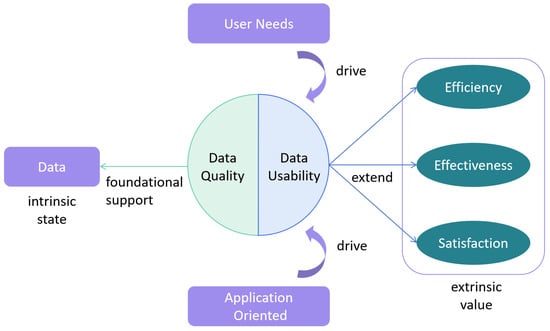
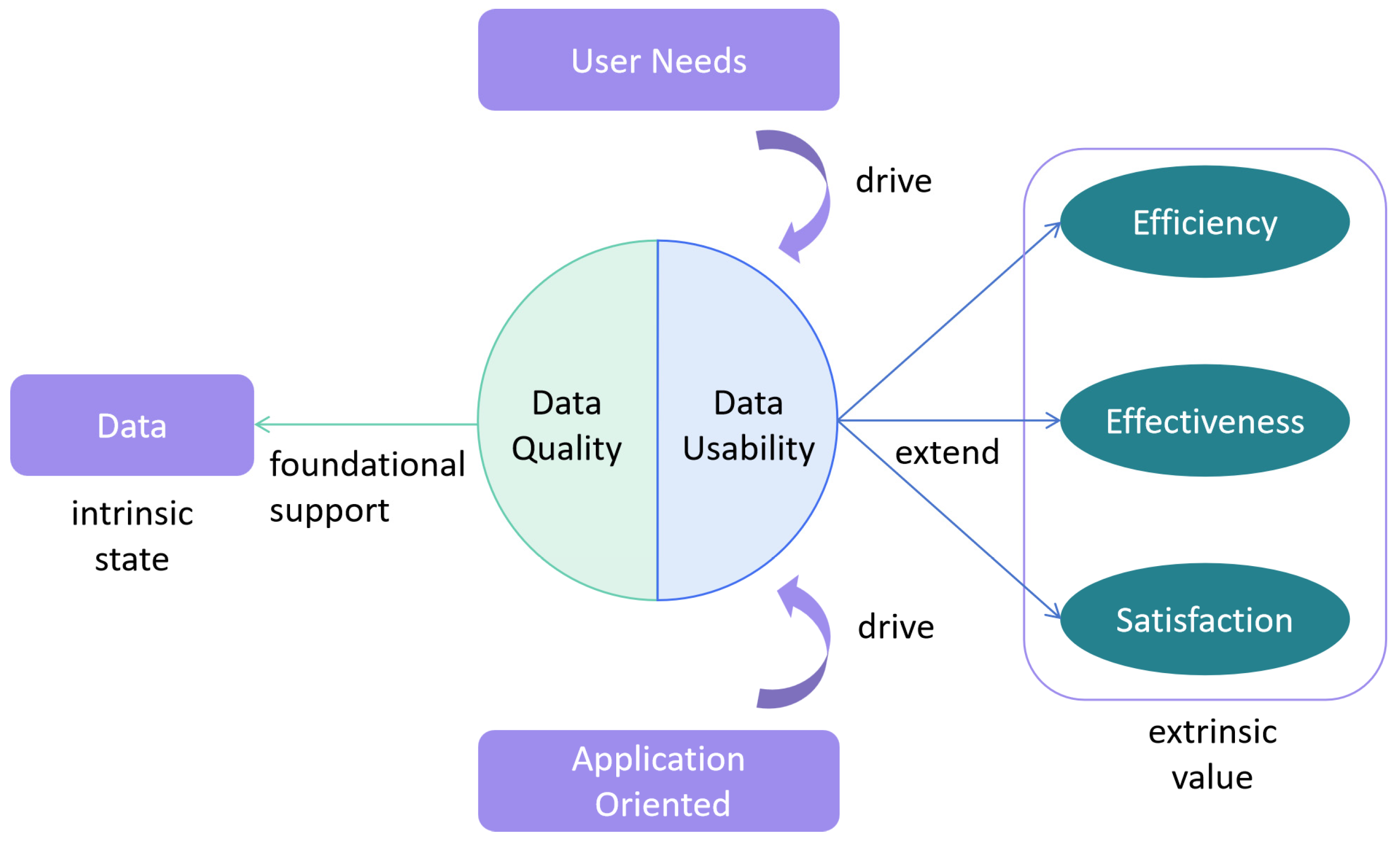
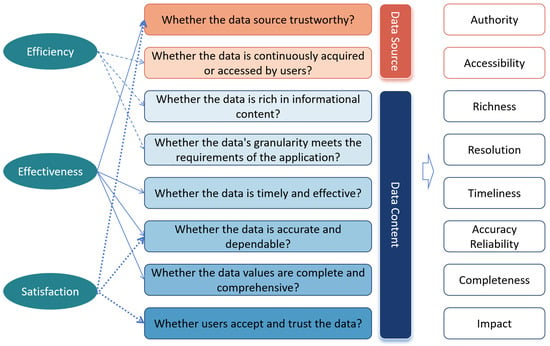
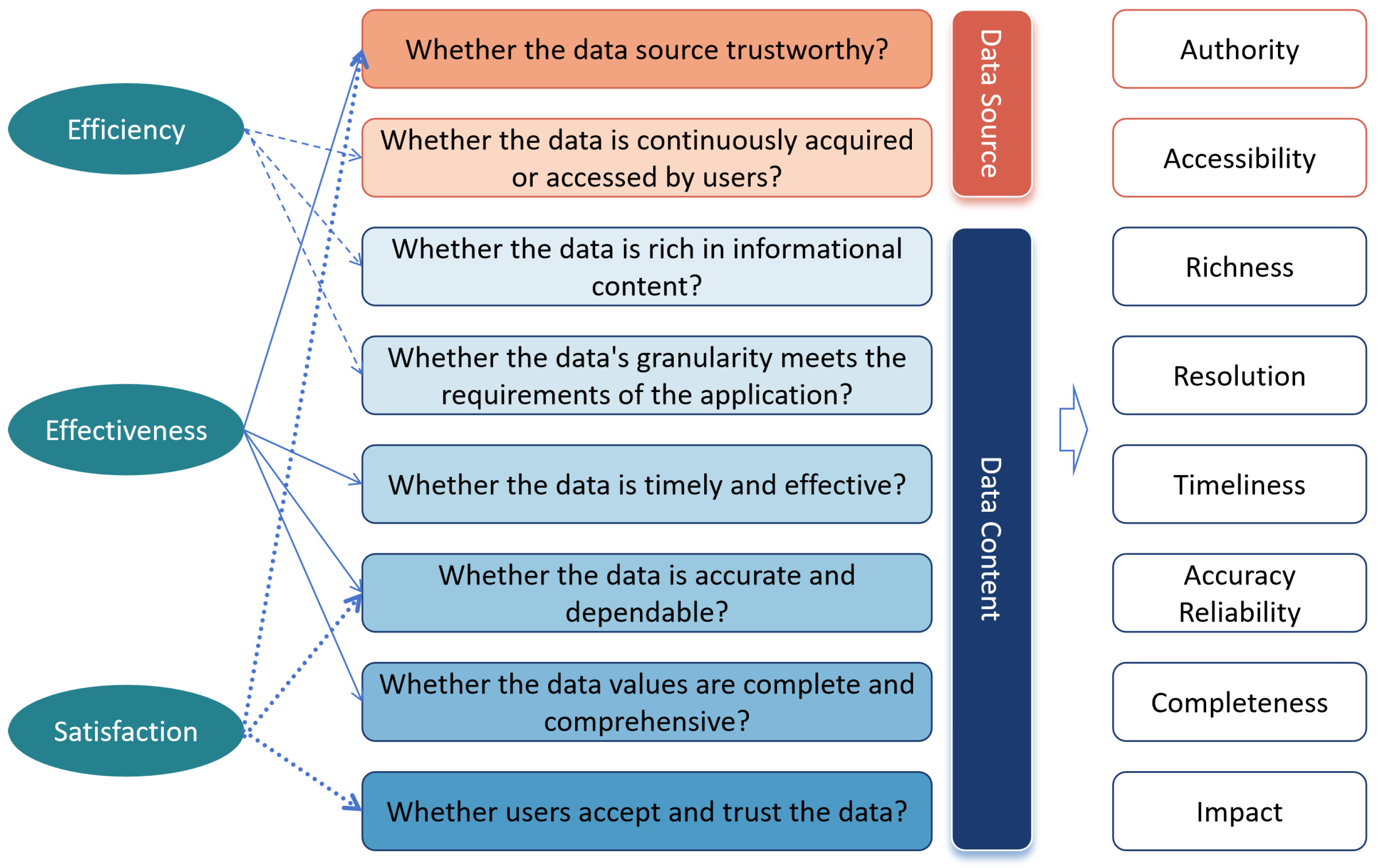
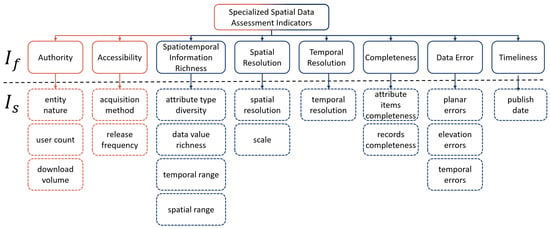
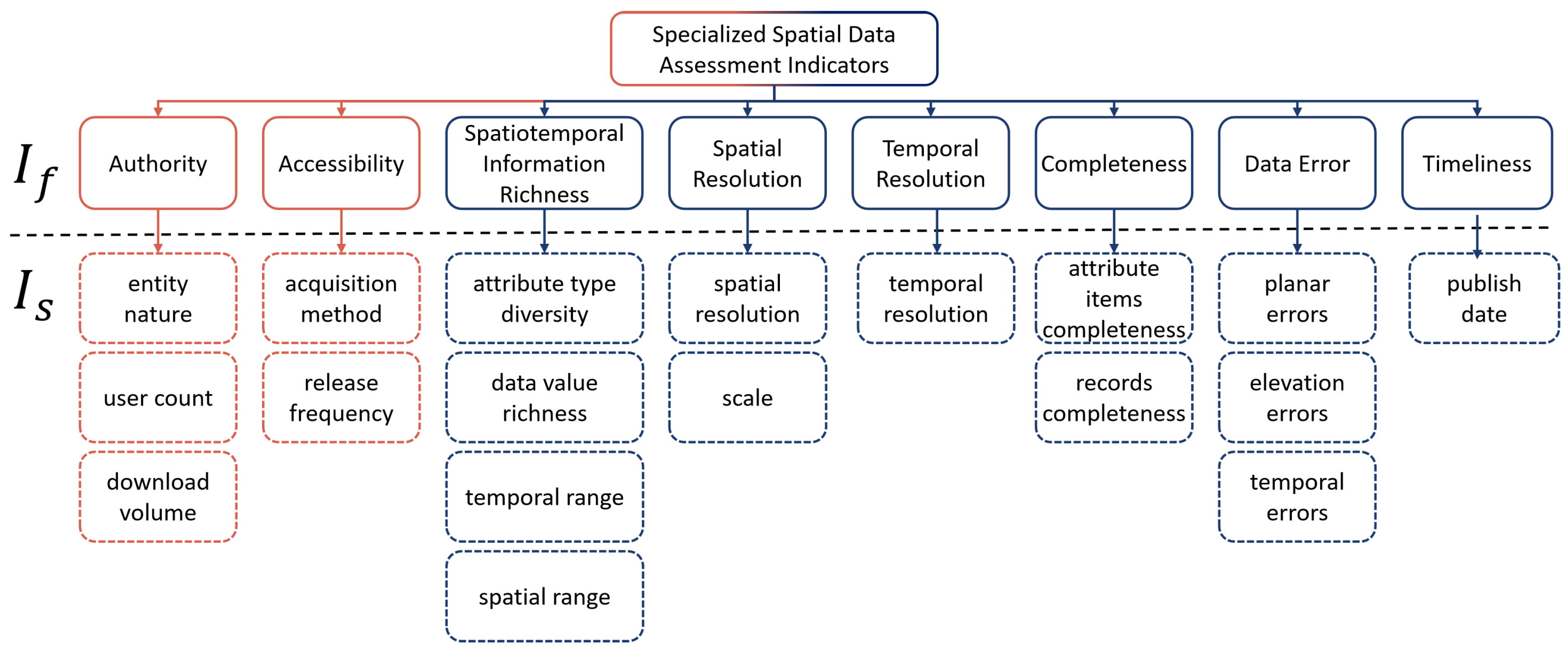
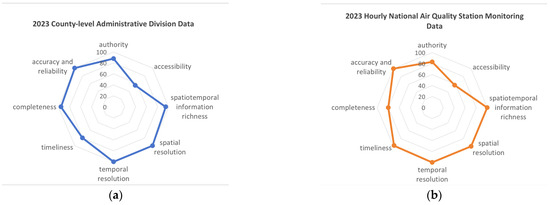
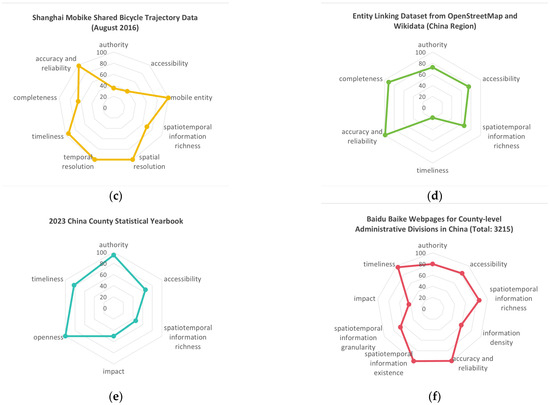
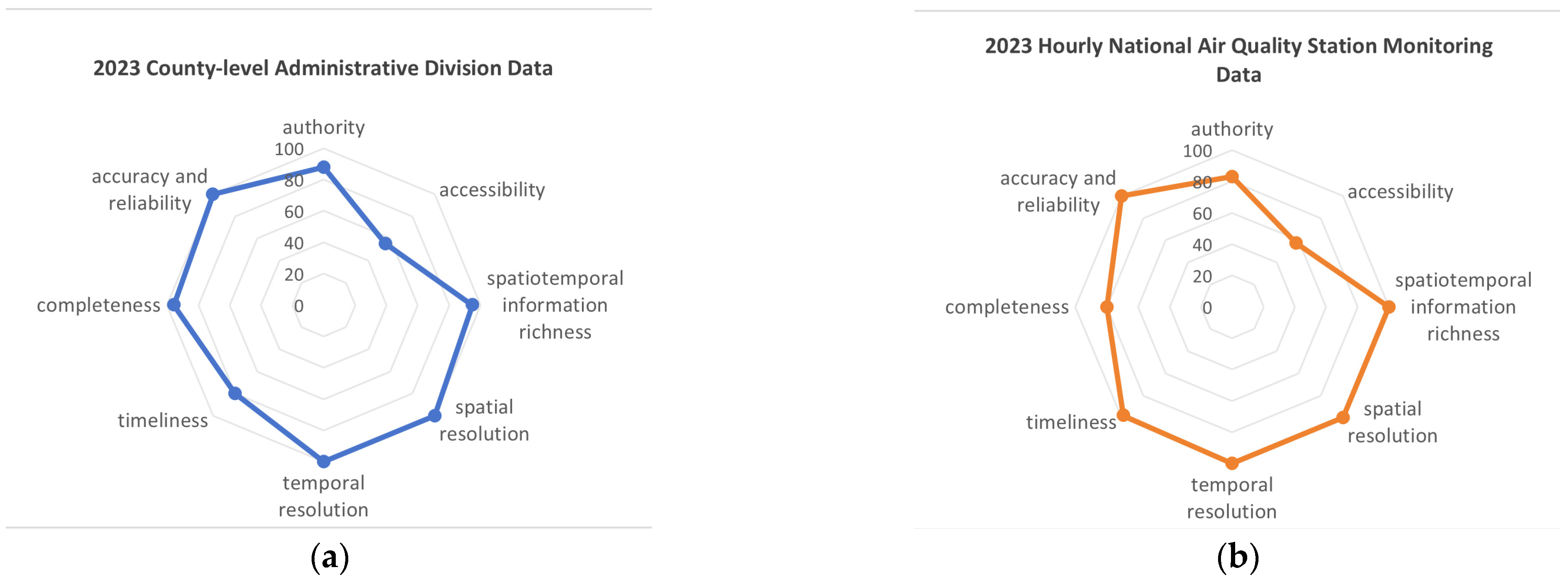
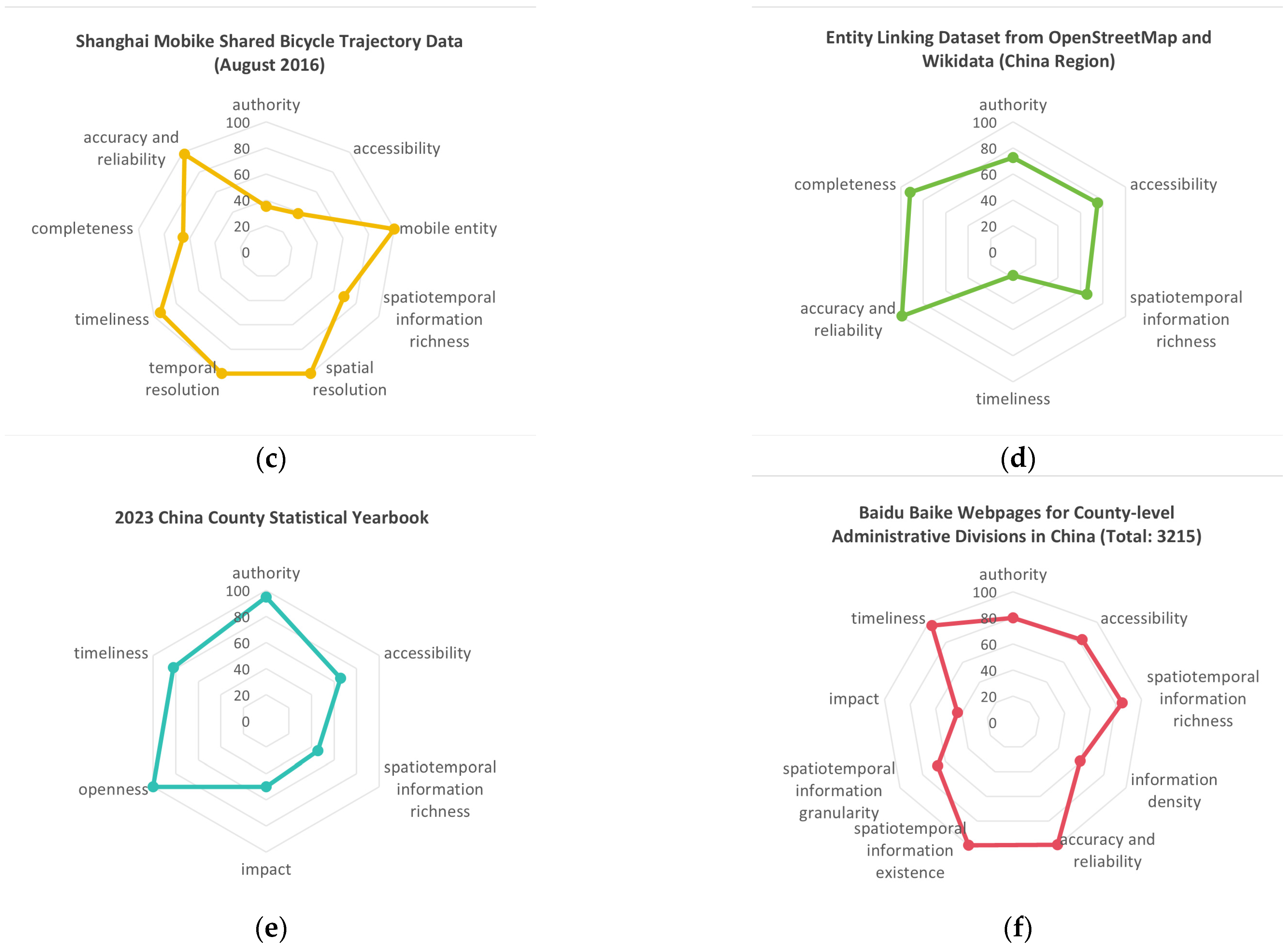
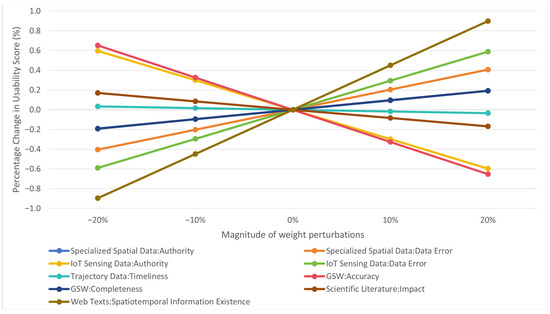
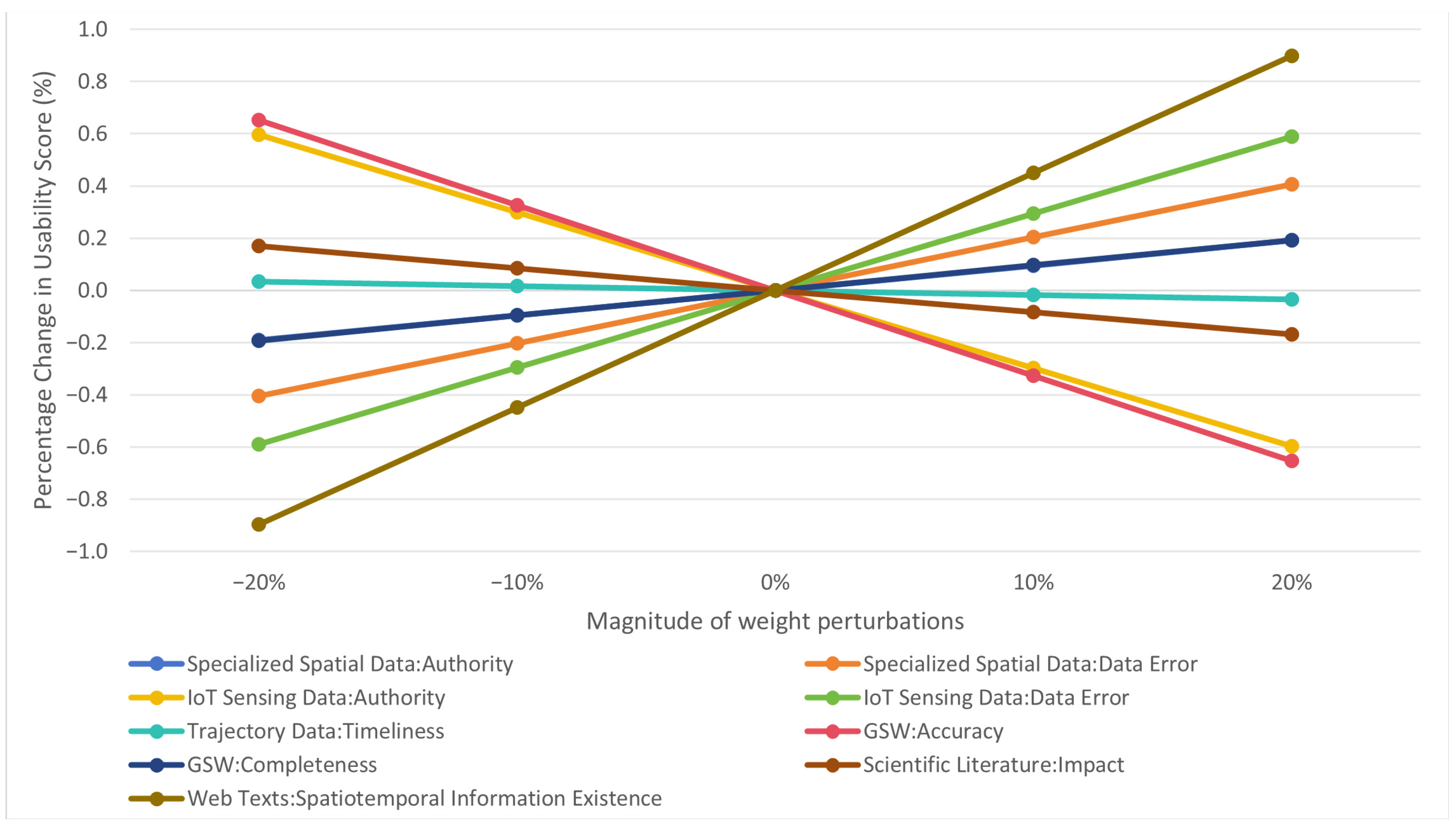

Disclaimer/Publisher’s Note: The statements, opinions and data contained in all publications are solely those of the individual author(s) and contributor(s) and not of MDPI and/or the editor(s). MDPI and/or the editor(s) disclaim responsibility for any injury to people or property resulting from any ideas, methods, instructions or products referred to in the content. |
© 2026 by the authors. Published by MDPI on behalf of the International Society for Photogrammetry and Remote Sensing. Licensee MDPI, Basel, Switzerland. This article is an open access article distributed under the terms and conditions of the Creative Commons Attribution (CC BY) license.