
Article

Towards the Determination of Safe Operating Envelopes for Autonomous UAS in Offshore Inspection Missions

1
Department of Mechanical, Materials and Aerospace Engineering, Faculty of Science and Engineering, School of Engineering, University of Liverpool, Liverpool L69 3BX, UK
2
Faculty of Engineering and Technology, School of Computer Science and Mathematics, Liverpool John Moores University, Liverpool L2 2QP, UK
3
Department of Computer Science, Faculty of Science and Engineering, School of Engineering, University of Manchester, Manchester M13 9PL, UK
*
Author to whom correspondence should be addressed.
Robotics 2021, 10(3), 97; https://doi.org/10.3390/robotics10030097

Submission received: 20 May 2021 / Revised: 15 July 2021 / Accepted: 21 July 2021 / Published: 28 July 2021
(This article belongs to the Special Issue Advances in Robots for Hazardous Environments in the UK)

Abstract

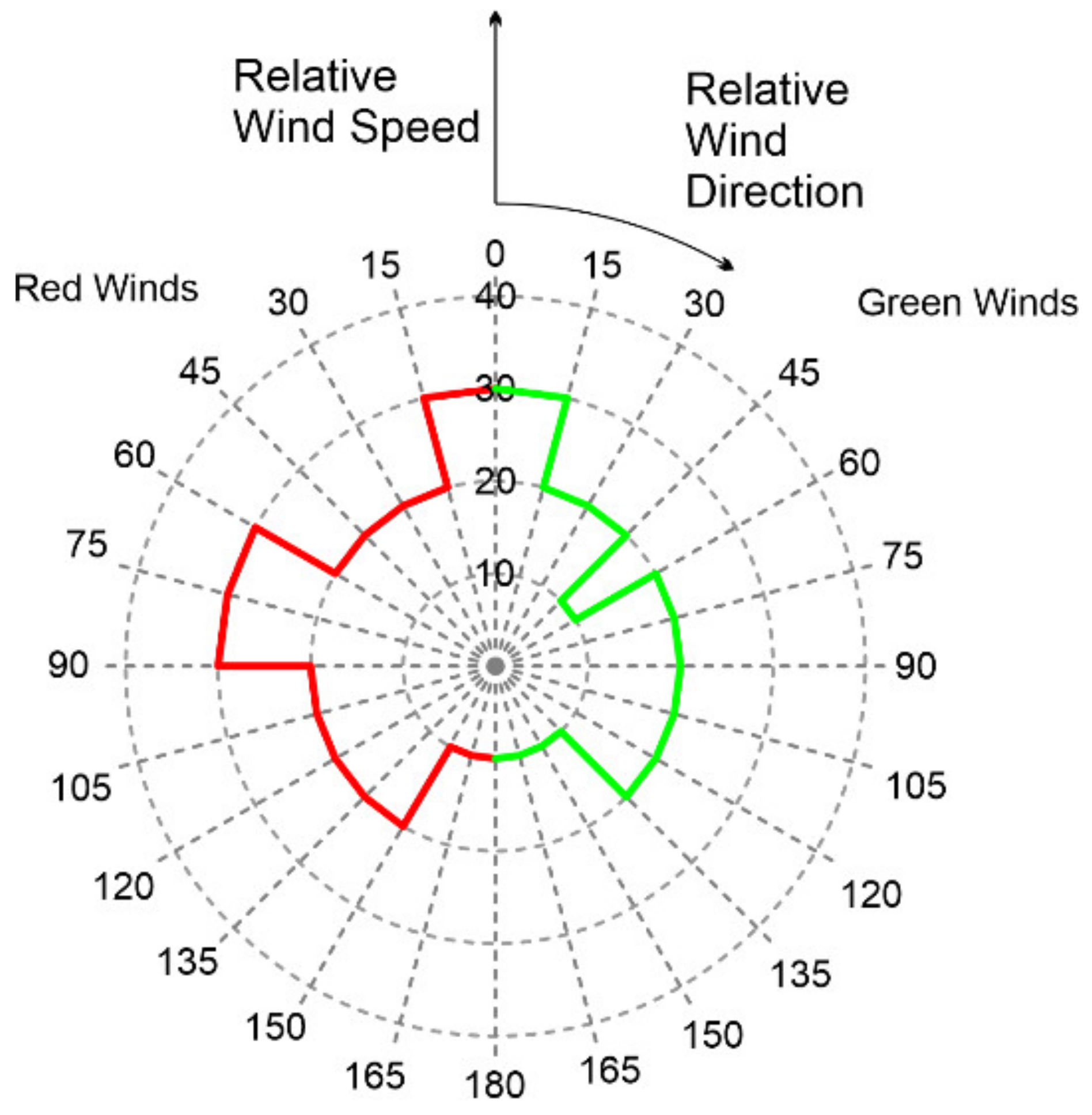
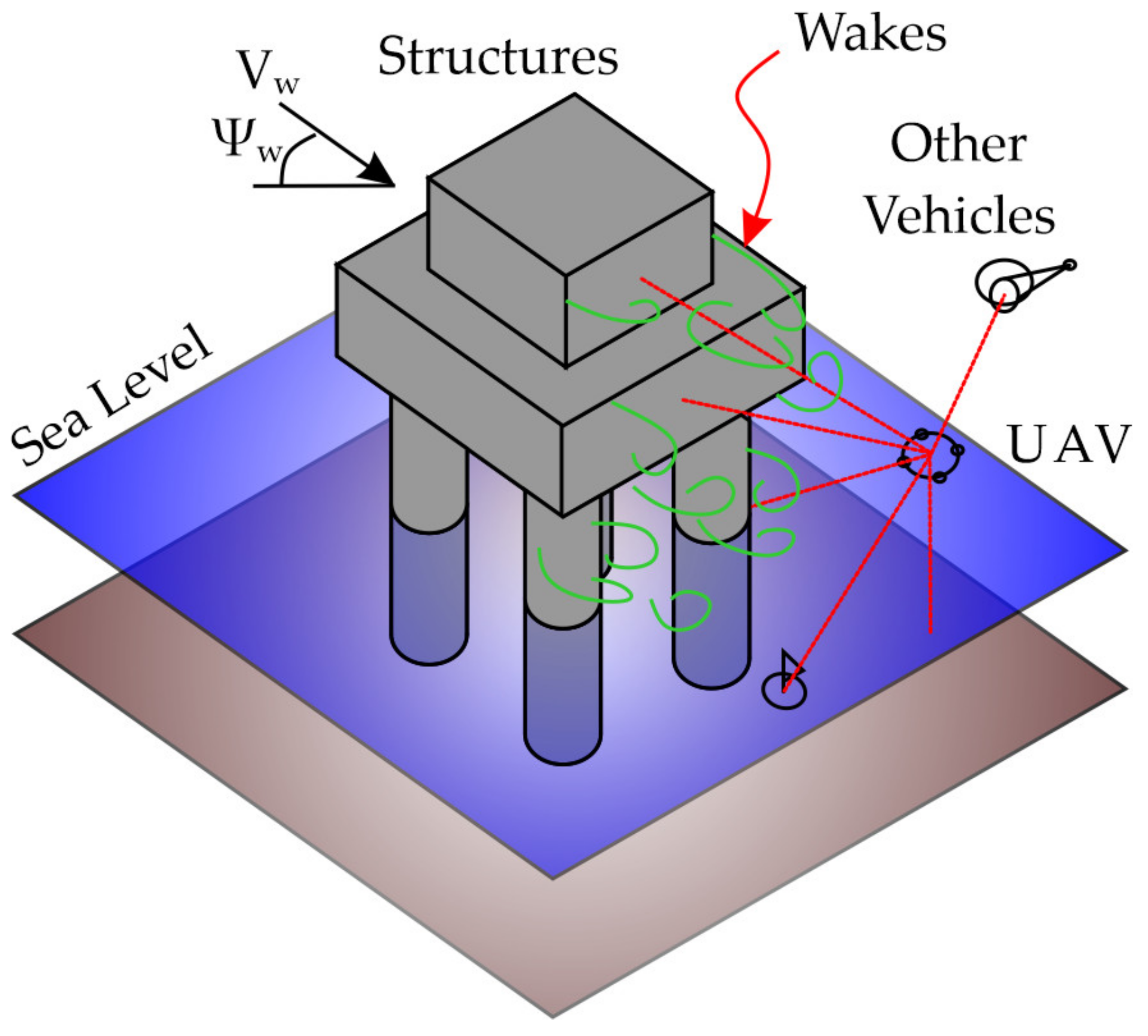
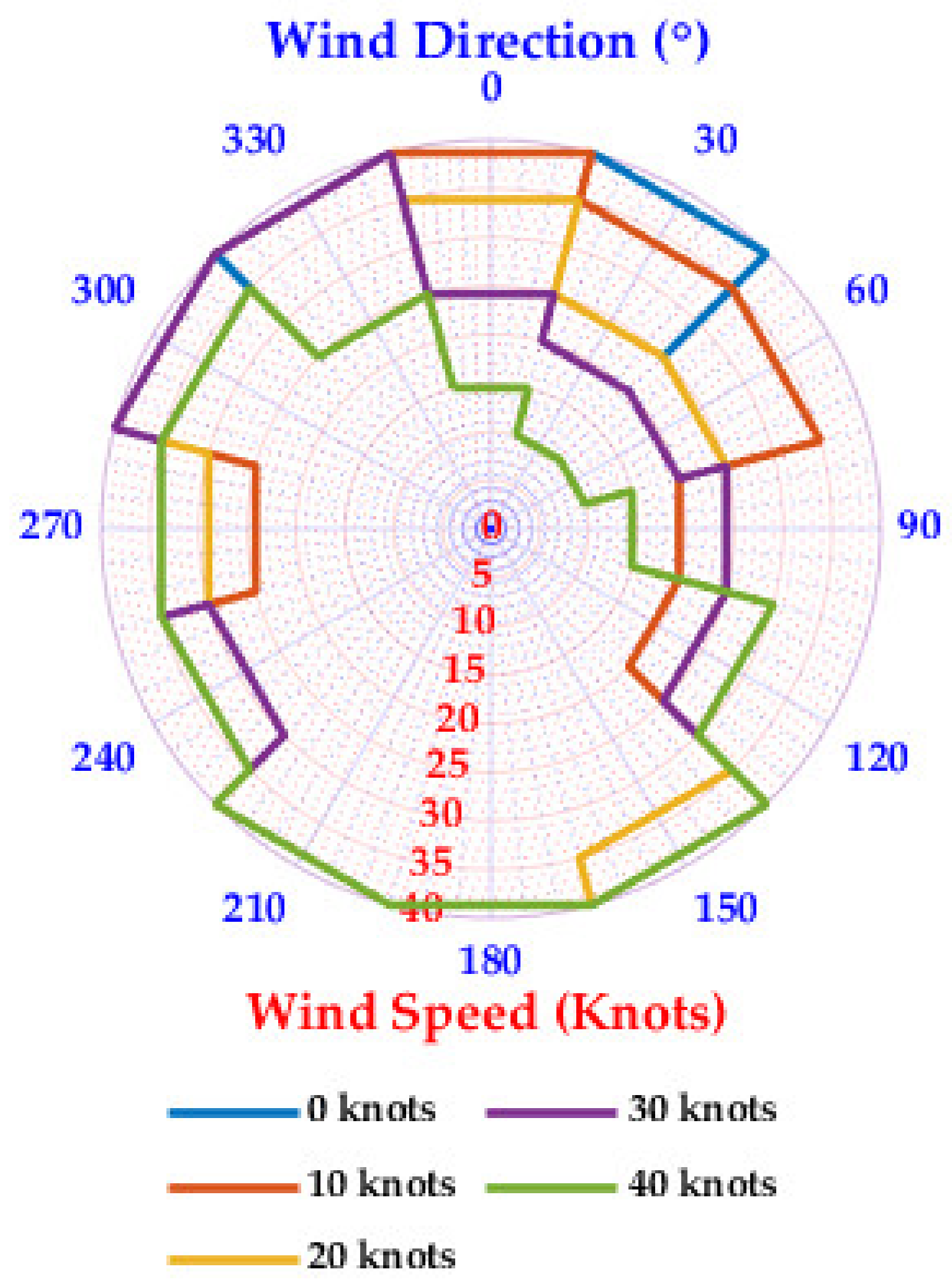
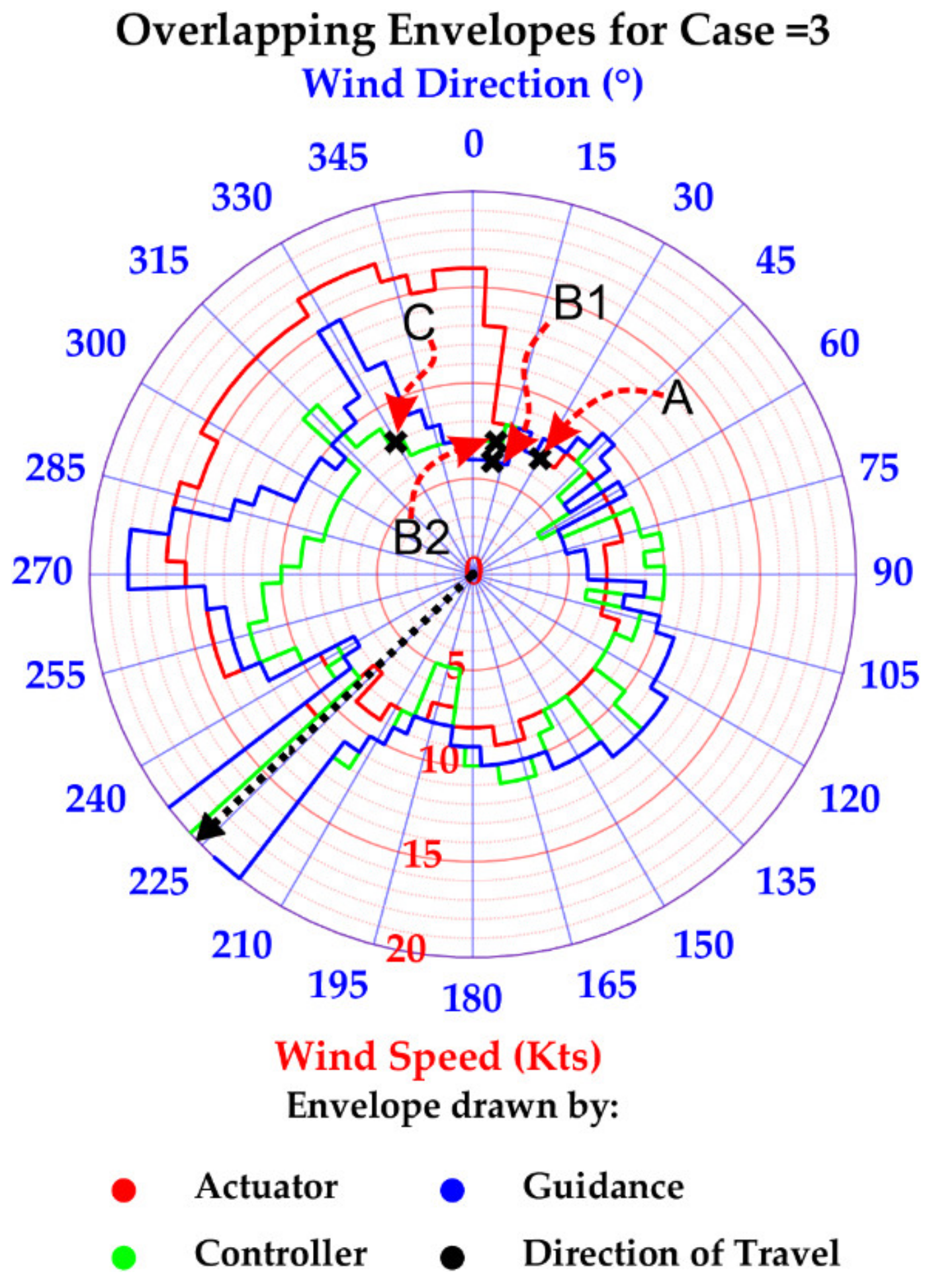
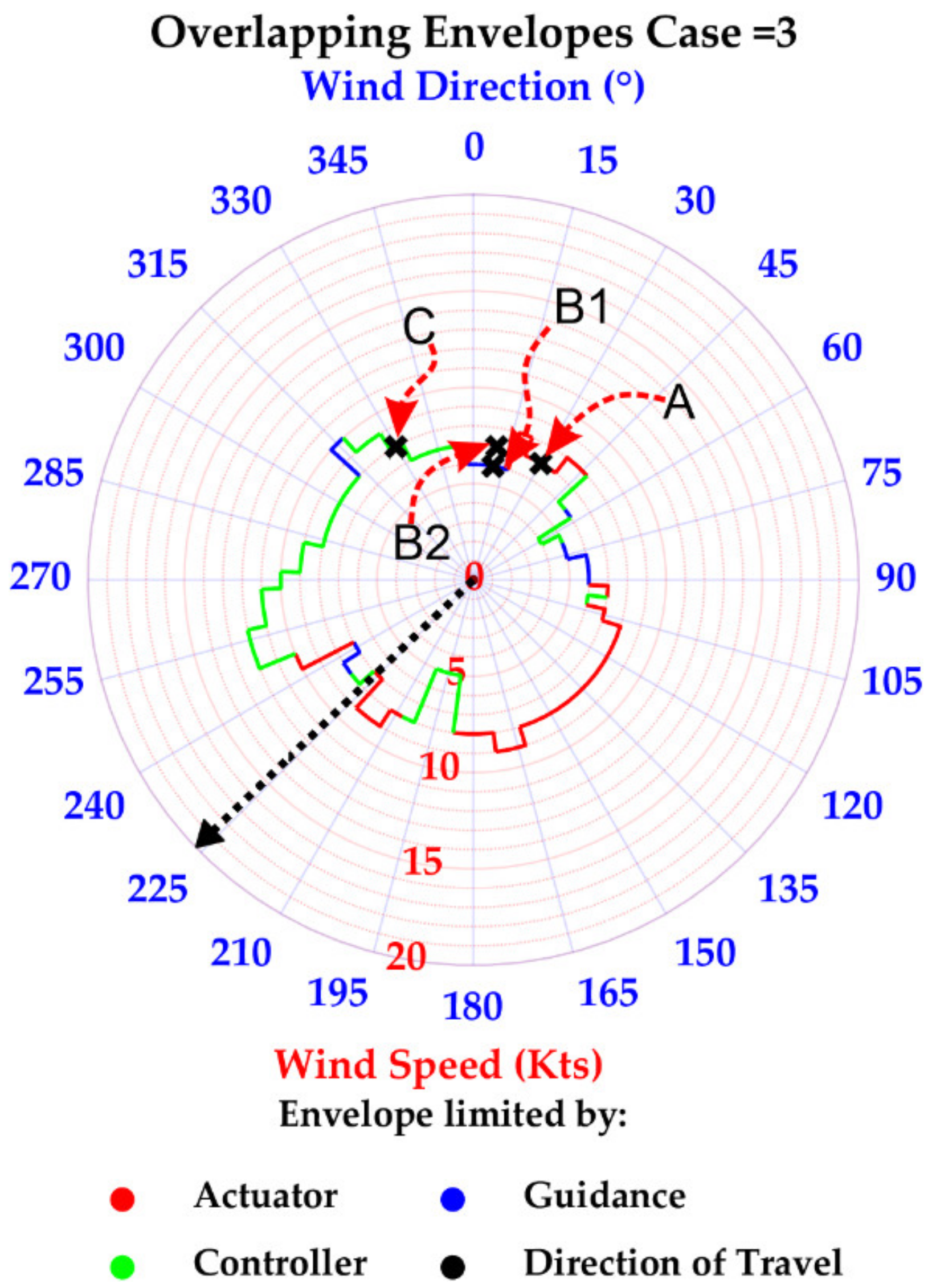
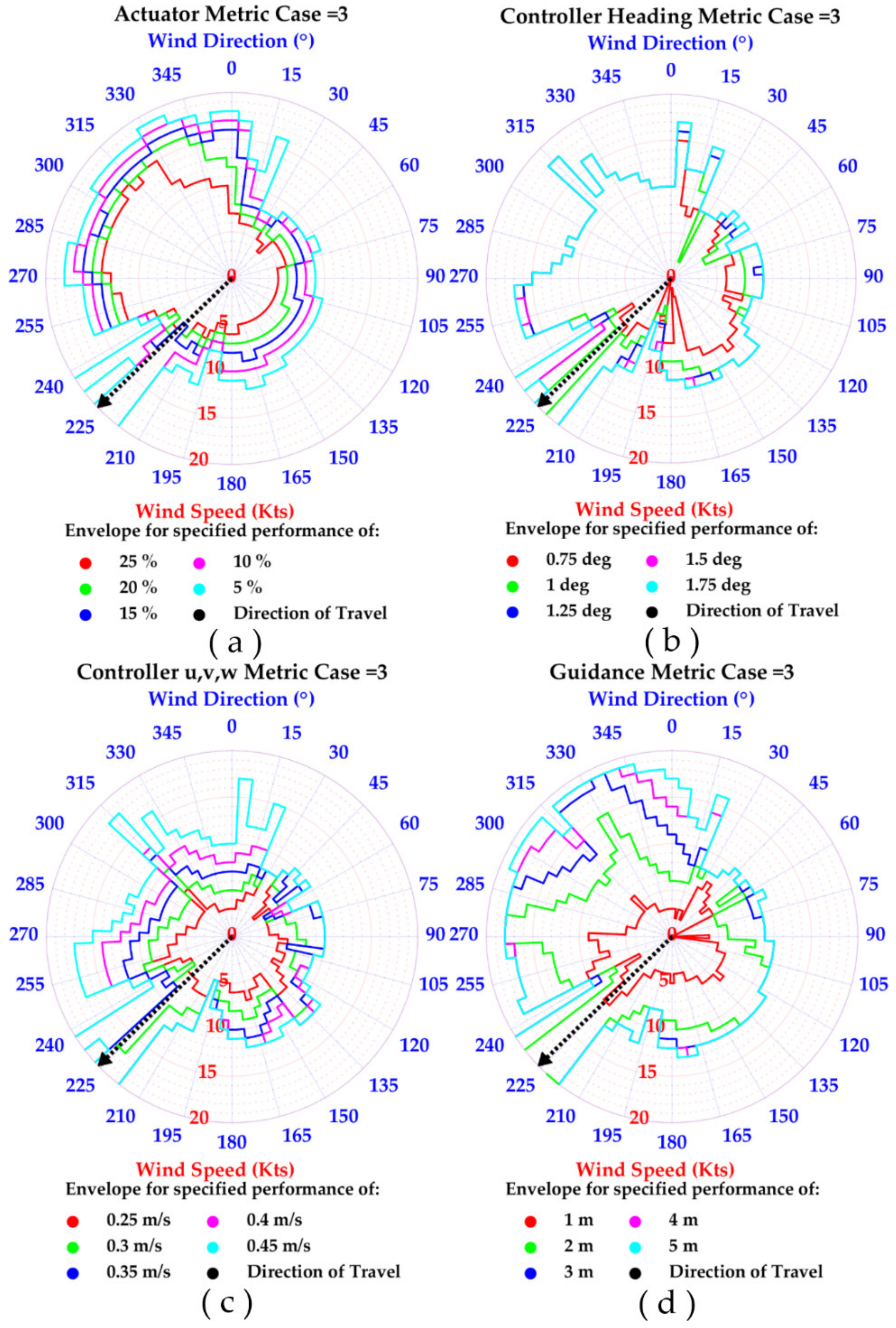
A drive to reduce costs, carbon emissions, and the number of required personnel in the offshore energy industry has led to proposals for the increased use of autonomous/robotic systems for many maintenance tasks. There are questions over how such missions can be shown to be safe. A corollary exists in the manned aviation world for helicopter–ship operations where a test pilot attempts to operate from a ship under a range of wind conditions and provides subjective feedback on the level of difficulty encountered. This defines the ship–helicopter operating limit envelope (SHOL). Due to the cost of creating a SHOL there has been considerable research activity to demonstrate that much of this process can be performed virtually. Unmanned vehicles, however, have no test pilot to provide feedback. This paper therefore explores the possibility of adapting manned simulation techniques to the unmanned world to demonstrate that a mission is safe. Through flight modelling and simulation techniques it is shown that operating envelopes can be created for an oil rig inspection task and that, by using variable performance specifications, these can be tailored to suit the level of acceptable risk. The operating envelopes produced provide condensed and intelligible information regarding the environmental conditions under which the UAS can perform the task.
Keywords: aerial robots/UAV; inspection robots; hazardous environments; autonomous systems; navigation and exploration; oil and gas robots; modelling and simulation; validation and verification aerial robots/UAV; inspection robots; hazardous environments; autonomous systems; navigation and exploration; oil and gas robots; modelling and simulation; validation and verification