Article

Impeding Biofilm-Forming Mediated Methicillin-Resistant Staphylococcus aureus and Virulence Genes Using a Biosynthesized Silver Nanoparticles–Antibiotic Combination


1
Clinical Laboratory Science Department, Applied Medical Science College, University of Ha’il, Hail 2440, Saudi Arabia
2
Botany and Microbiology Department, Faculty of Science, Al-Azhar University, Cairo 11884, Egypt
3
Basic Sciences Department, First Year of Health and Medical Colleges, University of Ha’il, Hail 2440, Saudi Arabia
*
Author to whom correspondence should be addressed.
Biomolecules 2025, 15(2), 266; https://doi.org/10.3390/biom15020266
Submission received: 25 December 2024 / Revised: 1 February 2025 / Accepted: 5 February 2025 / Published: 11 February 2025
(This article belongs to the Section Molecular Biology)

Abstract

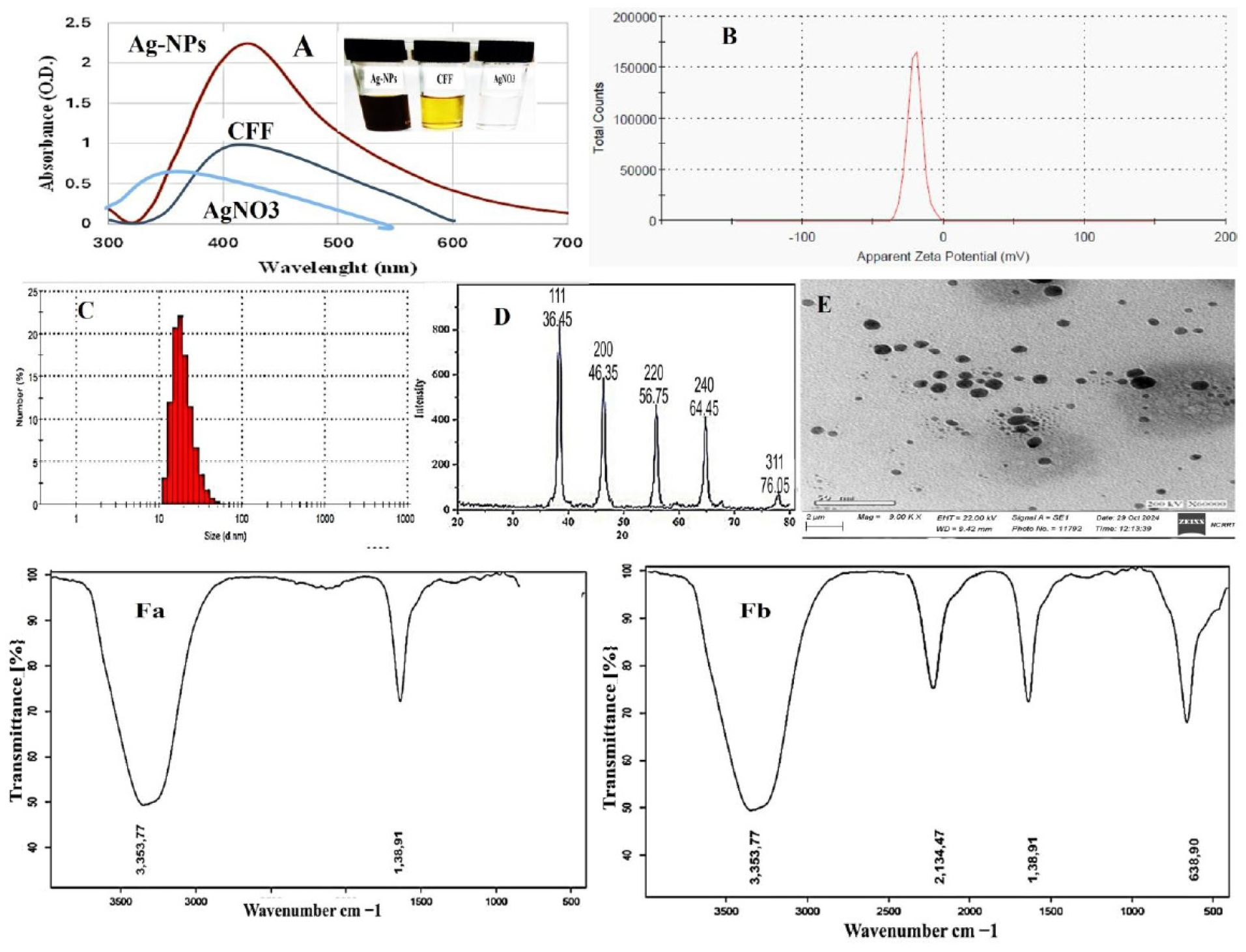
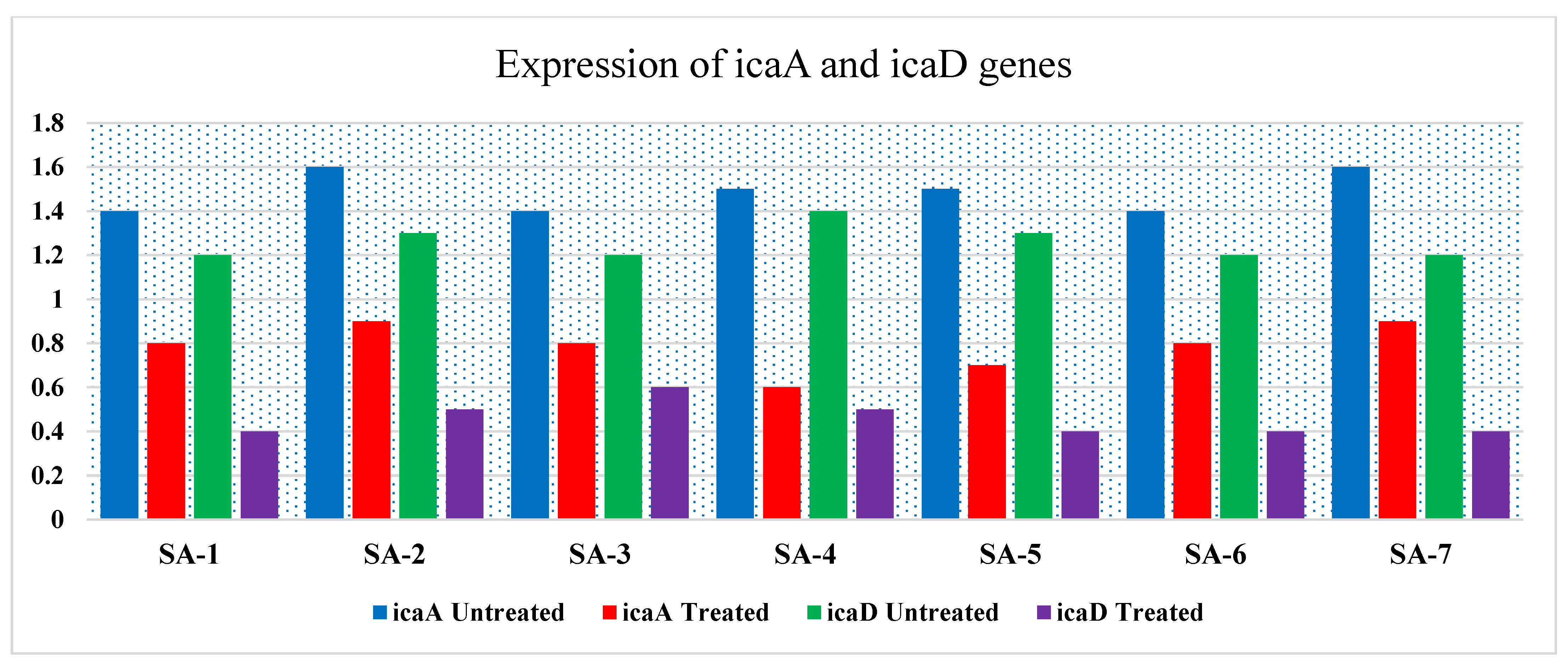
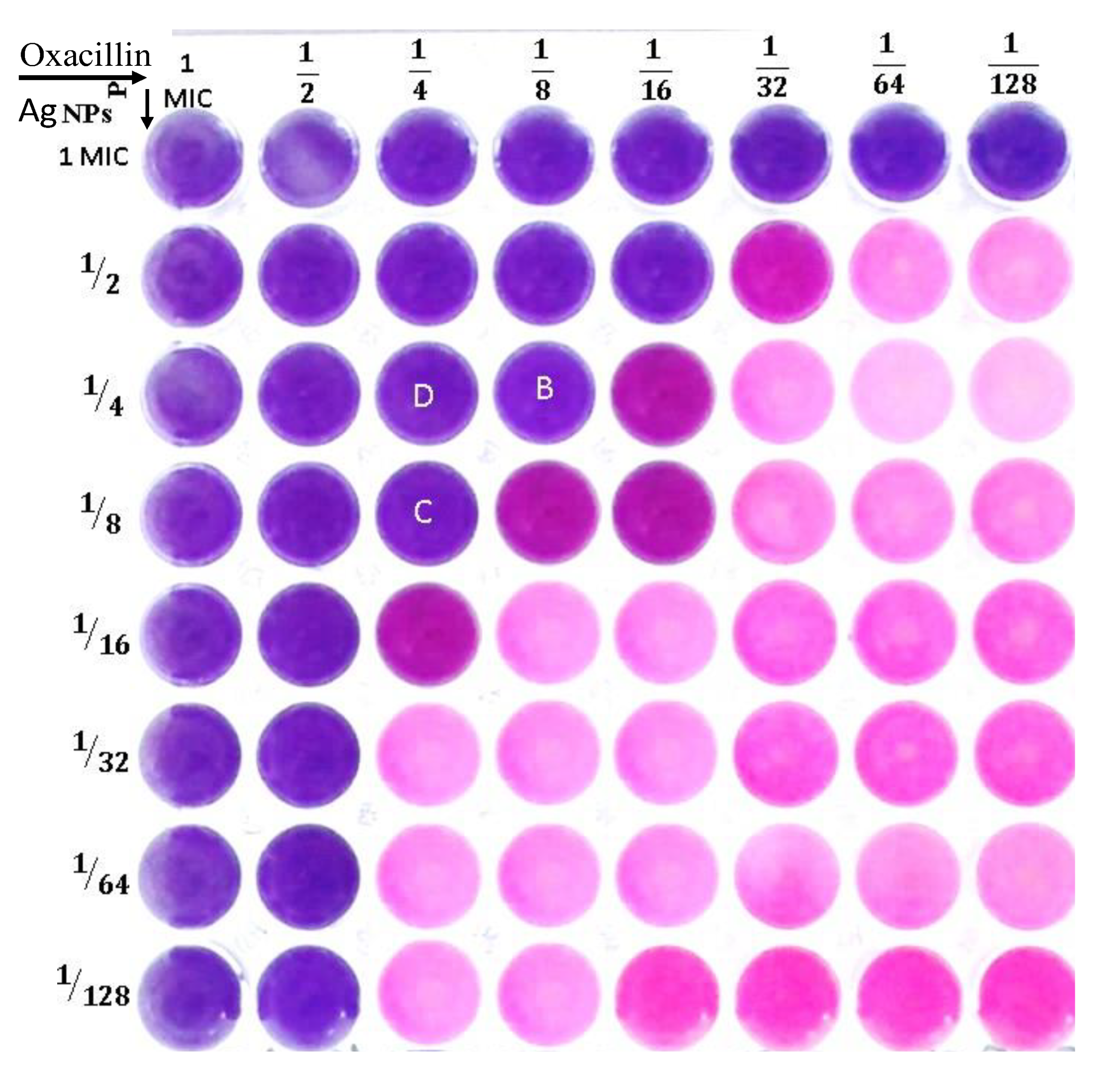
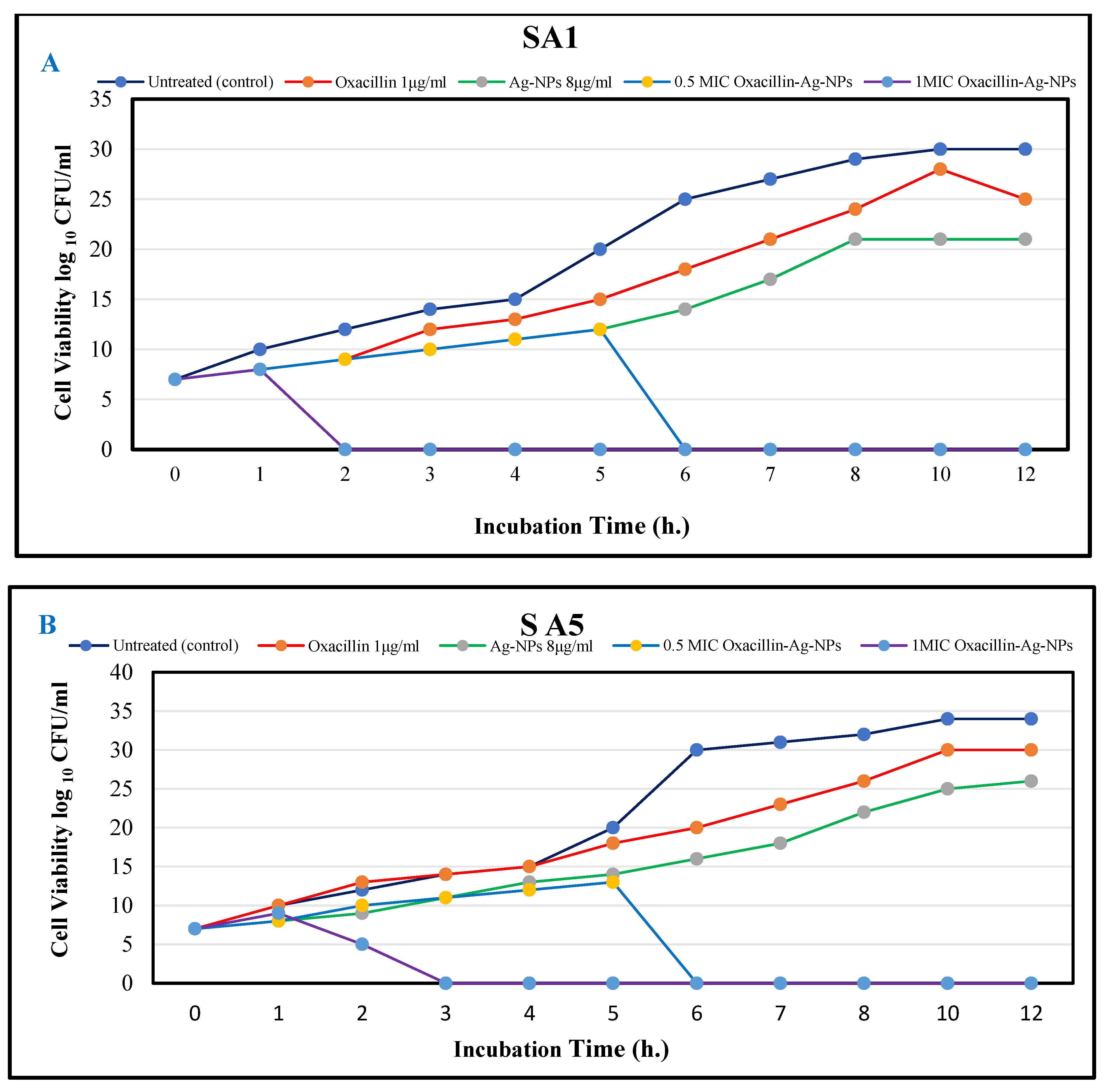
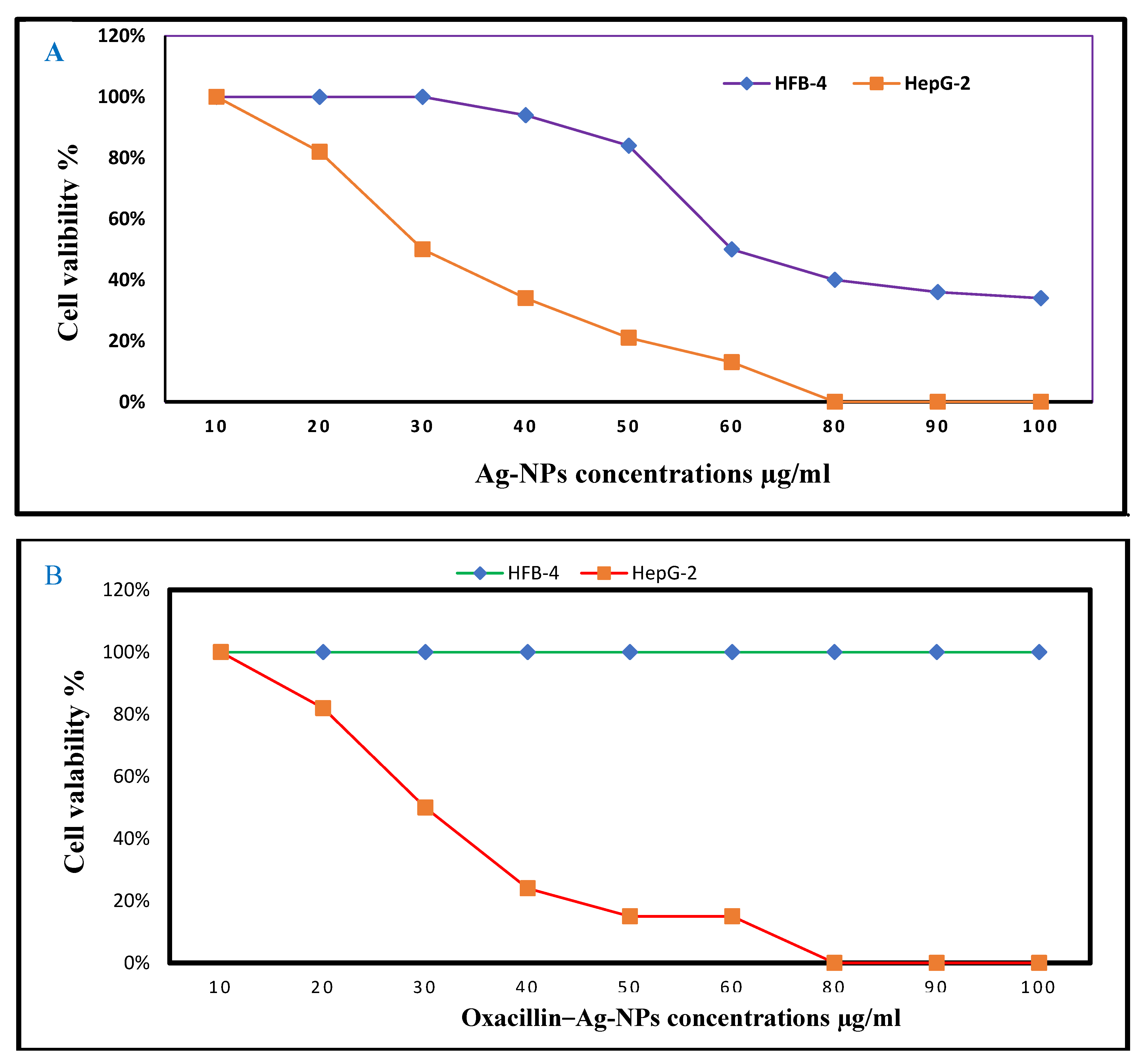
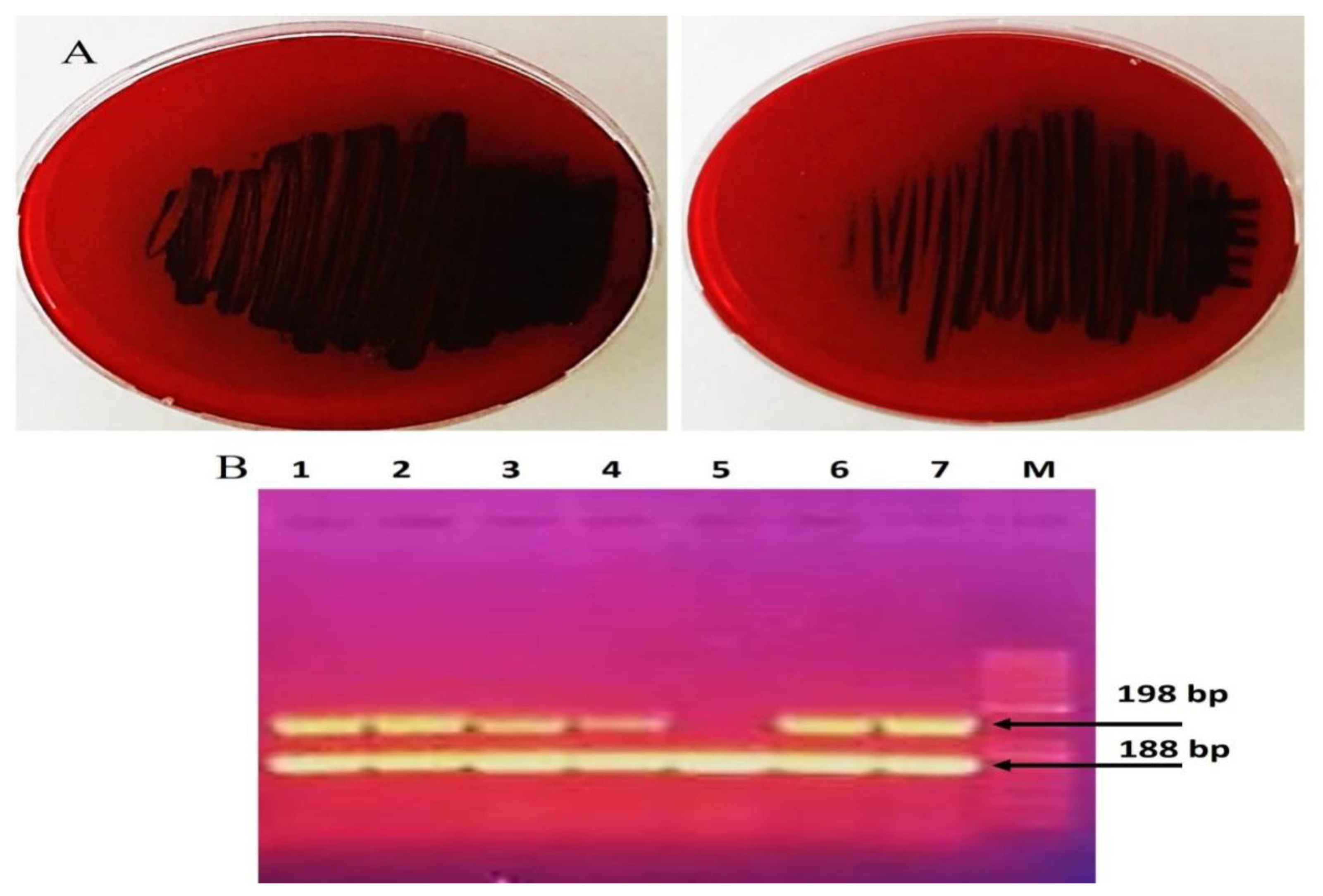
Methicillin-resistant Staphylococcus aureus (MRSA) continues to represent a significant clinical challenge, characterized by consistently elevated rates of morbidity and mortality. Care regimen success is still difficult and necessitates assessing new antibiotics as well as supplemental services, including source control and searching for alternative approaches to combating it. Hence, we propose to synthesize silver nanoparticles (Ag-NPs) by employing a cell-free filter (CFF) of Streptomyces sp. to augment antibiotic activity and combat biofilm-forming MRSA. Seven bacterial isolates from clinical samples were identified, antibiotics were profiled with Vitek-2, and the phenotypic detecting of biofilm with Congo red medium and microplate assay was carried out. The PCR technique was used for detecting genes (icaA and icaD) coded in biofilm forming. The characterization of Ag-NPs was performed using several analytical methods, such as UV spectroscopy, dynamic light scattering (DLS), zeta potential measurement, transmission electron microscopy (TEM), X-ray diffraction (XRD), and Fourier transform infrared spectroscopy (FTIR). The antibacterial properties of Ag-NPs and oxacillin–Ag-NPs were assessed against standard strains and clinical isolates by employing the agar well diffusion technique and the microdilution assay. The biogenic synthesis Ag-NPs resulted in uniformly spherical particles, with an average size of 20 nm. These Ag-NPs demonstrated significant activity against biofilm-forming MRSA, with minimum inhibitory concentrations (MICs) ranging from 12 to 15 μg/mL. Additionally, Ag-NPs completely impede biofilm formation by MRSA at sublethal doses of 0.75 MICs. The expression levels of the icaA and icaD genes were reduced by 1.9- to 2.2- and 2.4- to 2.8-fold, respectively. A significant synergistic effect was noted when Ag-NPs were used in combination with oxacillin, leading to reduced MICs of 1.87 μg/mL for oxacillin and 4.0 μg/mL for Ag-NPs against MRSA. The FICi of 0.375 further validated the synergistic relationship between oxacillin and Ag-NPs at the concentrations of 1.87 and 4 μg/mL. Findings from the time-kill test demonstrated the highest reduction in log10 (CFU)/mL of the initial MRSA inoculum after 12-hour exposure. The cytotoxicity analysis of Ag-NPs revealed no significant cytotoxic effects on the human skin cell line HFB-4 at low concentrations, with IC50 values of 61.40 µg/mL for HFB-4 and 34.2 µg/mL for HepG-2. Comparable with oxacillin–Ag-NPs, Ag-NPs showed no cytotoxic effects on HFB-4 at different concentrations and exhibited an IC50 value of 31.2 against HepG-2-cells. In conclusion, the biosynthesis of Ag-NPs has demonstrated effective antibacterial activity against MRSA and has completely hindered biofilm formation, suggesting a valuable alternative for clinical applications.
Keywords: MRSA; Ag-NPs; antibiotics; biofilm; genes; synergistic effects; checkerboard assay; time-kill assay; cytotoxicity MRSA; Ag-NPs; antibiotics; biofilm; genes; synergistic effects; checkerboard assay; time-kill assay; cytotoxicity