Review

Glycotherapy: A New Paradigm in Breast Cancer Research
by
Dipak K. Banerjee
1,*,
Arelis Seijo Lebrón
1 and
Krishna Baksi
2
1
Department of Biochemistry, School of Medicine, University of Puerto Rico, Medical Sciences Campus, San Juan, PR 00936-5067, USA
2
Department of Anatomy and Cell Biology, School of Medicine, Universidad Central del Caribe, Bayamon, PR 00960-3001, USA
*
Author to whom correspondence should be addressed.
Biomolecules 2022, 12(4), 487; https://doi.org/10.3390/biom12040487
Submission received: 11 January 2022 / Revised: 8 March 2022 / Accepted: 14 March 2022 / Published: 23 March 2022
(This article belongs to the Special Issue Glycosylation—The Most Diverse Post-Translational Modification)

Abstract

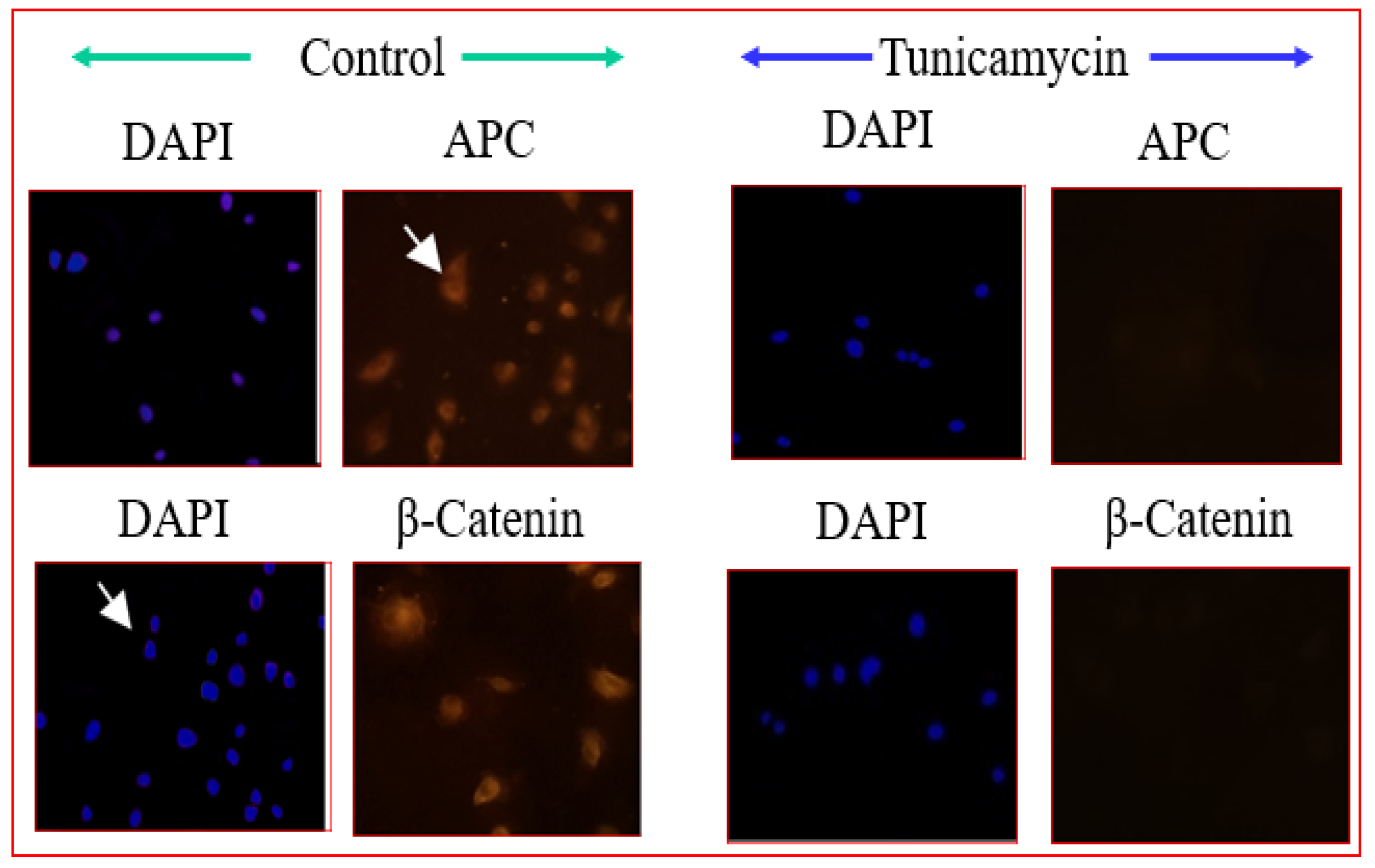
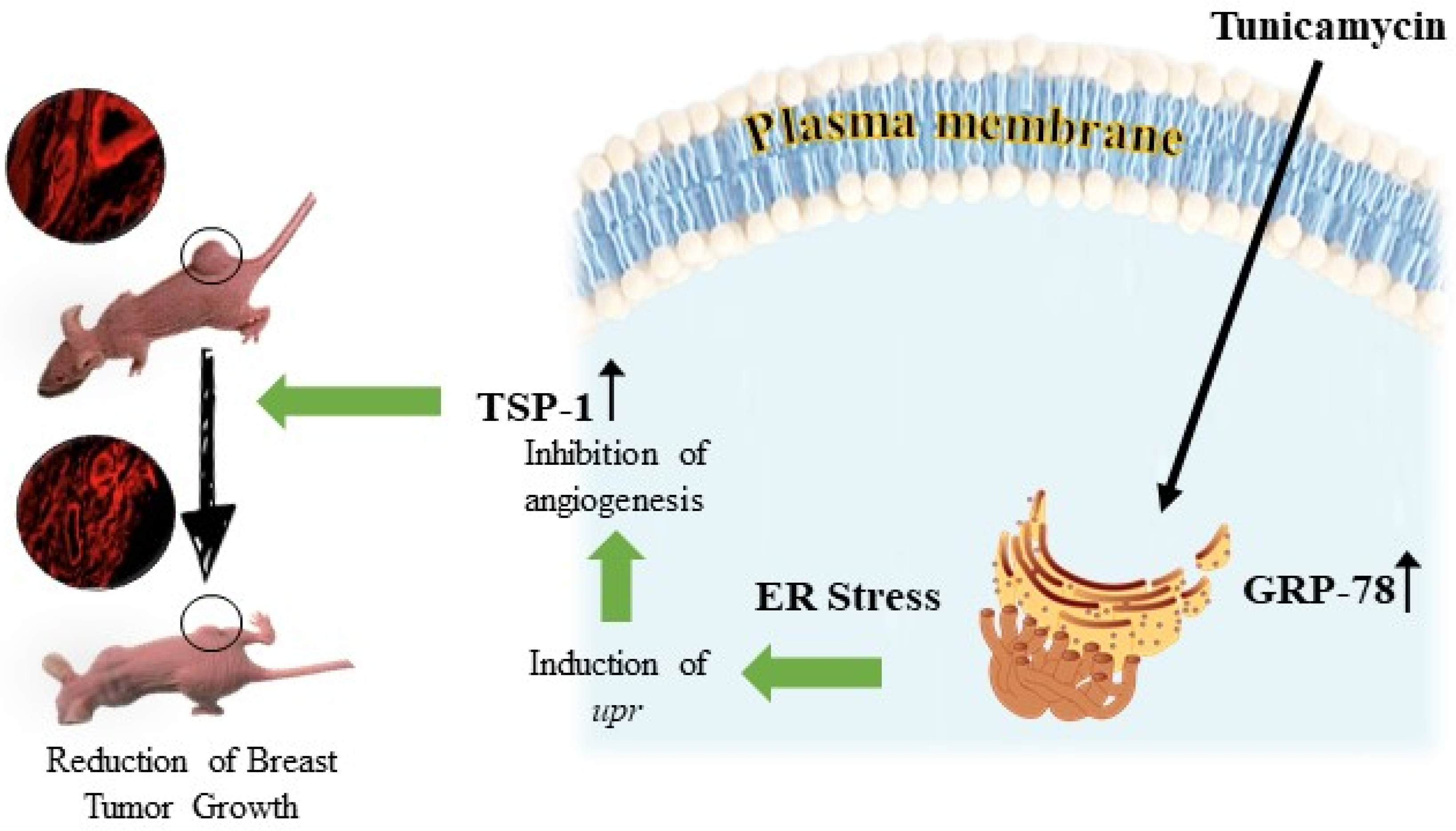
Breast cancer is an ancient disease recognized first by the Egyptians as early as 1600 BC. The first cancer-causing gene in a chicken tumor virus was found in 1970. The United States signed the National Cancer Act in 1971, authorizing federal funding for cancer research. Irrespective of multi-disciplinary approaches, diverting a great deal of public and private resources, breast cancer remains at the forefront of human diseases, affecting as many as one in eight women during their lifetime. Because of overarching challenges and changes in the breast cancer landscape, five-year disease-free survival is no longer considered adequate. The absence of a cure, and the presence of drug resistance, severe side effects, and destruction of the patient’s quality of life, as well as the fact that therapy is often expensive, making it unaffordable to many, have created anxiety among patients, families, and friends. One of the reasons for the failure of cancer therapeutics is that the approaches do not consider cancer holistically. Characteristically, all breast cancer cells and their microenvironmental capillary endothelial cells express asparagine-linked (N-linked) glycoproteins with diverse structures. We tested a small biological molecule, Tunicamycin, that blocks a specific step of the protein N-glycosylation pathway in the endoplasmic reticulum (ER), i.e., the catalytic activity of N-acetylglusosaminyl 1-phosphate transferase (GPT). The outcome was overwhelmingly exciting. Tunicamycin quantitatively inhibits angiogenesis in vitro and in vivo, and inhibits the breast tumor progression of multiple subtypes in pre-clinical mouse models with “zero” toxicity. Mechanistic details support ER stress-induced unfolded protein response (upr) signaling as the cause for the apoptotic death of both cancer and the microvascular endothelial cells. Additionally, it interferes with Wnt signaling. We therefore conclude that Tunicamycin can be expected to supersede the current therapeutics to become a glycotherapy for treating breast cancer of all subtypes.
Keywords: breast cancer; angiogenesis; glycotherapy; asparagine-linked glycoprotein; tunicamycin; N-acetylglucosaminyl 1-phosphate transferase; ER stress; unfolded protein response; upr breast cancer; angiogenesis; glycotherapy; asparagine-linked glycoprotein; tunicamycin; N-acetylglucosaminyl 1-phosphate transferase; ER stress; unfolded protein response; upr