Review

The Gut–Lung Microbiome Crosstalk and Pulmonary Disease

College of Pharmacy and Health Sciences, Western New England University, Springfield, MA 01119, USA
*
Authors to whom correspondence should be addressed.
Biomolecules 2026, 16(6), 833; https://doi.org/10.3390/biom16060833
Submission received: 12 May 2026 / Revised: 1 June 2026 / Accepted: 2 June 2026 / Published: 4 June 2026
(This article belongs to the Section Molecular Medicine)

Abstract

Both the gut and the lungs possess a microbiome, a community of commensal bacteria, archaea, fungi, and viruses that perform important housekeeping functions in those organs. The colonic microbiome primarily ferments indigestible dietary fibers into essential short-chain fatty acids, synthesizes essential vitamins, regulates the mucosal immune system, and forms a protective barrier against pathogenic colonization. The lung microbiome maintains respiratory health primarily by regulating mucosal immunity, providing a physical barrier against invading pathogens, and producing beneficial metabolites. Several colonic microbiota metabolites, including the short-chain fatty acids acetate, propionate, and butyrate, together with the tryptophan metabolites indole-3-acetate and indole-3-propionate, secondary bile acids, and the polyamines spermidine and putrescine, are transported to the lungs via the gut–lung axis. These colonic microbiota biomolecules suppress lung inflammation, strengthen immune homeostasis, and reduce the severity of respiratory diseases. In contrast, lung microorganisms and their metabolites can travel to the gut via the gut–lung axis, influencing intestinal immune responses and potentially leading to an imbalance of gut microorganisms or dysbiosis. This means that respiratory diseases may lead to digestive issues, intestinal inflammation and chronic diseases. Here, we have reviewed this crosstalk and its impact on the principal pulmonary diseases: asthma, chronic obstructive pulmonary disease, cystic fibrosis, bronchogenic carcinoma, COVID-19, interstitial lung diseases, pneumonia, and tuberculosis. It is concluded that the gut microbiome plays a significant part in lung health and disease. Diet, tobacco smoking and electronic cigarette vaping all impact both the gut and lung microbiomes.

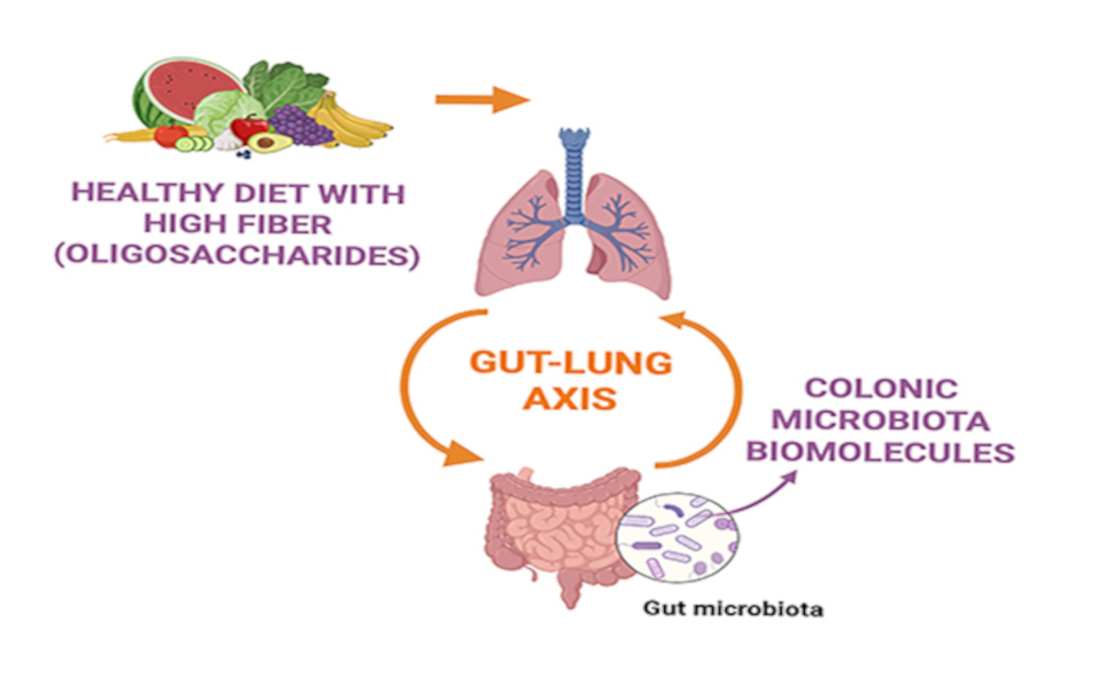
Graphical Abstract

1. Introduction

That human fecal excrement might contain living organisms was first proposed in 1681 by Antoni van Leeuwenhoek. He examined his own feces using a homemade single-lens microscope and observed tiny motile organisms, which he called “animalcules” (small animals) [1,2]. He also observed his animalcules in scrapings of his own unbrushed teeth, his nose, and in water to which had been added peppercorns [3,4]. These were perhaps both the discovery of bacteria and the first evidence for an intestinal microbiota [2]. The Human Microbiome Project Consortium analyzed 4788 specimens from 242 screened and phenotyped adults. Men were sampled at 15 body habitats and women at 18 [5]. Two methodologies were employed to determine the taxa present in the stool samples produced by each of the 242 subjects. The first was 16S rRNA gene amplicon analysis, and the second was whole genome shotgun analysis. The former we have previously discussed in detail [6] and is specific for bacteria and archaea only. The latter can characterize bacteria, archaea, fungi, viruses, and protists, such as algae and amoebae. While 16S rRNA gene sequencing is targeted and can resolve down to the genus level, shotgun metagenomics has a higher resolution and can yield information regarding species and even strain [7].
The purpose of this review is to describe the gut and lung microbiomes, then illuminate the crosstalk between them, emphasizing the important roles that the gut microbiota play in the pathogenesis and potential therapies of common pulmonary diseases.

2. The Gut Microbiome

Five phyla mainly comprise the organisms of the human intestinal microbiota, although these proportions vary from study to study [6]. In one report [8], the proportions were Bacillota (formerly Firmicutes) (79%—Ruminococcus, Clostridium, Eubacteria), Bacteroidota (formerly Bacterioidetes) (17%—Porphyromonas, Prevotella), Pseudomonadota (formerly Proteobacteria) (1%), Actinomycetota (formerly Actinobacteria) (Bifidobacterium) (2.5%) and Verrucomicrobiota (0.1%). Another estimate used 9 million unique gut bacterial genes [9] from 13 bacterial phyla, with Bacillota and Bacteroidota comprising 64.9% and 30.4%, respectively, with the remaining 11 phyla occupying 4.7% (Pseudomonadota, 1.6%; Verrucomicrobiota, 1.5%; Actinomycetota, 1.4%; Others, 0.2%). These estimates were all based upon the analysis of feces. The human gut has an estimated surface area of 200 m2, the same size as a tennis court, and this provides a major surface to be colonized by the microbiota [10]. Accordingly, biopsies of the gastrointestinal mucosa were taken by endoscopy from a single healthy human subject (female, age 54) at the following sites: proximal jejunum, distal ileum, ascending colon, and rectum. 16S rRNA sequencing was made of a total of 347 clone libraries from the mucosal biopsies. The six bacterial phyla Bacillota, Bacteroidota, Pseudomonadota, Actinomycetota, Verrucomicrobiota, and Fusobacteriota (formerly Fusobacteria) were quantitated [11]. The jejunum had the least bacterial diversity and the ascending colon the greatest. Streptococcus sequences dominated the jejunum samples, while the distal ileum, ascending colon and rectum samples were all dominated by Bacteroidota, together with Clostridium clusters XIVa and IV [11]. It has been estimated that the human gut microbiome consists of at least 1800 genera and ~15,000–36,000 species of bacteria [12]. Older estimates put the number of species at 500–1000 [13].
The microbiota pattern is highly variable between individuals, and the following conditions strongly influence the bacterial community: diet, infection, medication, genetics, and age [14]. There is a gradient of bacteria across the gastrointestinal tract (GIT), from 101 cells/g in the stomach, 103 cells/g in the duodenum, 104 cells/g in the jejunum, 107 cells/g in the ileum, and 1012 cells/g in the colon [10]. One might reasonably ask, “Where do these bacteria come from?” Colonization of the human gut begins immediately after birth but differs considerably between vaginal delivery and C-section delivery. In the former case, the neonate develops a microbiota similar to that of the mother’s vagina [15], including bacteria such as Limosilactobacillus reuteri and L. rhamnosus. In the latter case, the neonatal microbiota comprises bacteria found in hospitals and on the mother’s skin. These infants lack early colonization of Bacteroides spp. and Bifidobacterium spp., showing higher levels of opportunistic pathogens like Enterococcus spp. and Klebsiella spp. [16]. Bacteroides spp. do not appear until 6 to 18 months of age. There was also evidence for mother-to-child transmission of rectal rather than vaginal bacteria [17].
The principal functions of the gut microbiota are manifold: (i) digestion of dietary fibers and complex carbohydrates that the host is unable to break down, (ii) generation of the short-chain fatty acids (SCFAs) acetate, propionate, butyrate, valerate, lactate, isobutyrate and isovalerate, which provide energy to the host and reduce inflammation, (iii) synthesis of vitamins K, B1, B2, B3, B5, B6, B7, B9, and B12 [18], (iv) strengthening of the intestinal barrier to protect against pathogens, and (v) regulation of the immune system [19]. Perturbation of this symbiosis leads to a condition known as dysbiosis, an imbalance in the microbial communities (bacteria, archaea, fungi, viruses) living in the gut, where beneficial microbes decrease while harmful ones increase [20]. This disruption compromises the immune system and digestive health, often causing symptoms like bloating, constipation, diarrhea, and fatigue, and is linked to chronic diseases [21].
We have discussed in detail the phenomenon of atopobiotic bacteria, especially with respect to the urinary, blood, and hepatic microbiomes [22]. These organisms have been described as viable but not culturable (VBNC) bacteria [23].

3. The Lung Microbiome

The healthy lung was traditionally considered sterile, but this notion has been challenged by emerging molecular approaches that enable comprehensive examination of microbial communities [24]. The first characterization of the microbial communities inhabiting the airways was reported in 2010 [25]. The bronchial tree was not sterile but rather contained an average of 2000 bacterial genomes per cm2 surface sampled. Pathogenic Pseudomonadota, in particular Haemophilus spp., were much more frequent in the bronchi of adult asthmatics or patients with COPD than in controls. Children with asthma had elevated Pseudomonadota and diminished Bacteroidota, in particular, Prevotella spp. This pulmonary microbiome was clearly perturbed in asthma [25]. In contrast to other organ systems, the respiratory tract harbored a homogenous microbiota that decreased in biomass from the upper to the lower respiratory tract. One investigator stated that the healthy lung does not contain a consistent, distinct microbiome but instead contains low levels of bacterial sequences largely indistinguishable from upper respiratory flora [24]. However, this viewpoint is not universally shared. Others report that the lung microbiota of healthy individuals mainly comprises the genera Streptococcus (Bacillota), Fusobacterium (Fusobacteriota), Haemophilus (Pseudomonadota), Bacteroides (Bacteroidota), Pseudomonas (Pseudomonadota), Prevotella (Bacteroidota), and Neisseria (Pseudomonadota) [26].

The Origin of the Lung Microbiome

It has been stated, “The principles of respiratory microbiology are being re-evaluated and re-written, starting with the debunked myth of lung sterility” [27]. The main contributors to the lung microbiome are oropharyngeal bacteria (such as Prevotella, Veillonella, and Streptococcus). Other sources include inhalation of environmental microbes (air contains 10–1000 bacterial cells per liter [28]) and potentially the gut microbiome, which influences pulmonary immunity. Microaspiration of oral secretions from oropharyngeal and nasopharyngeal source communities, which occurs even in healthy individuals (particularly during sleep), is the primary driver of bacterial influx [29,30]. Microbial clearance from the respiratory tract is mediated by mucociliary transport, tussive mechanisms—prevalent even in healthy populations—and a tiered immunological response that transitions from immediate, non-specific innate mechanisms to highly targeted adaptive defenses [31]. The entire respiratory tract, from the nose and mouth down to the alveoli, functions as a cohesive ecosystem. Within this system, various physiological gradients and specific niches control how the microbiome moves, settles, and grows. In a healthy state, the lungs are continuously exposed to bacteria, yet it has been claimed that these microbes typically remain only temporarily rather than establishing permanent colonies [32].
Research indicates the lung microbiome significantly influences brain autoimmunity through a connection known as the lung–brain axis [33,34] and may be involved in the pathogenesis of multiple sclerosis [34,35]. In all other regards, the lung microbiome plays a part in various lung diseases [36], as will be discussed below.

4. Gut–Lung Microbiome Crosstalk

The gut–lung axis is a highly coordinated, bidirectional communication network driven by gut microbiota-originated metabolites such as SCFAs, tryptophan metabolites, and polyamines. The regulation of these metabolites involves upstream mechanisms (production, processing, and barrier transport within the gut) and downstream mechanisms (systemic transport, immune cell reprogramming, and targeted pulmonary signaling) [37].
The gastrointestinal and respiratory systems share a common embryological origin, the endodermal primitive gut tube that forms during the first three weeks of embryogenesis [38]. As essential components of the common mucosal immune system (CMIS), both the lungs and intestines function as expansive, high-surface-area barriers designed to defend against environmental pathogens through innate and adaptive immunity. Mounting evidence suggests a bidirectional relationship, the lung-gut axis, wherein, for example, intestinal disturbances influence respiratory infections, and respiratory diseases lead to gastrointestinal complications [39,40]. As stated above, the gut microbiota produces copious amounts of SCFAs, and these can reach the lungs via the circulation. SCFAs, primarily acetate, propionate, and butyrate produced by the gut microbiota, operate as key mediators in the gut–lung axis to suppress lung inflammation, strengthen immune homeostasis, and reduce the severity of respiratory diseases. They reduce airway inflammation, inhibit harmful histone deacetylase activity, and can even induce lung tumor cell death [41,42,43,44]. The SCFAs enter the bloodstream and bind to G-protein coupled receptors (like GPR41/GPR43) on immune cells. In the bone marrow, SCFAs alter hematopoiesis, shifting dendritic cell precursors toward a phenotype that limits Th2-mediated allergic responses in the lungs [45,46].
It is axiomatic that a high intake of dietary fiber leads to a greater production of SCFAs by the gut microbiota and therefore a higher potential delivery of SCFAs to the lung. The initial premise was investigated in a comparison of the fecal bacteria of European children with children from rural Burkina Faso, whose diet is exceptionally high in fiber [47]. It was reported that significant differences were found in gut microbiota between the two groups. Burkina Faso children showed a significant enrichment in Bacteroidota (Bacteroidetes) and depletion in Bacillota (Firmicutes), with an exclusive abundance of bacteria from the genera Prevotella and Xylanibacter, known to contain a collection of bacterial genes for cellulose and xylan hydrolysis, which were completely absent in the European children [47]. Moreover, the African children had increased levels of the SCFAs propionate and butyrate, which were at least four times higher than those of the European children. These features were linked to the low occurrence of allergies and autoimmune diseases in this Burkina Faso rural population [47].
SCFAs are not the only gut microbiota metabolites that may influence lung health. Evidence is emerging that secondary bile acids, which are produced from primary bile acids by the gut microbiota [6], may also modify pulmonary processes. Specifically, isolithocholic acid was found to be the most prominent immunomodulator in the lung. The findings establish microbiota-derived bile acids as systemic immunometabolic modulators [48]. These observations are in contradistinction to an earlier study concluding that bile acid signaling was a leading trigger for the development of chronic respiratory disease [49]. Additionally, tryptophan metabolites produced by gut microbiota, such as indole-3-propionic acid and indole-3-acetic acid, function as anti-inflammatory signals that protect the lungs by activating the aryl hydrocarbon receptor. These metabolites reduce excessive inflammation and mitigate acute lung injury and allergic airway hyperreactivity by modulating immune cells such as macrophages and T-cells [50,51,52,53].
A pertinent question is what happens to the lungs during gut microbiota dysbiosis. Gut microbiota dysbiosis disrupts the gut–lung axis, leading to increased pulmonary inflammation and reduced immune tolerance. Reduced production of protective SCFAs by gut microbes allows pro-inflammatory signals to travel via the bloodstream, increasing airway hyperresponsiveness and lung tissue damage [54,55,56].
In summary, SCFAs, in particular propionate and butyrate, together with certain secondary bile acids and tryptophan metabolites, all produced by the gut microbiota, have beneficial effects on pulmonary health via the gut–lung axis. The upstream processing and downstream signaling of the major groups of gut microbiota metabolites are shown in Table 1.
By corollary, what effect does perturbation of the lung microbiota have on the gut? Lung microorganisms and their metabolites can travel to the gut via the bloodstream, influencing intestinal immune responses and potentially leading to gut dysbiosis. This means that respiratory diseases may lead to intestinal inflammation. As a primary cause of global morbidity and mortality, respiratory infections of bacterial and viral origin represent a significant public health challenge. Over the last decade, research has increasingly highlighted the role of the lung microbiota in pulmonary disease; however, the specific pathways through which these microbial communities affect the intestinal environment remain to be fully elucidated [62]. The current understanding of the immune crosstalk between the respiratory and gastrointestinal tracts focuses on the mechanisms of immune cell recruitment and migration during respiratory infections [63]. In summary, the immune crosstalk between the respiratory and gastrointestinal tracts is a bidirectional communication network part of the CMIS. It facilitates the migration of immune cells and signals, allowing gut microbiota metabolites to regulate lung immunity and enabling respiratory infections to alter gut microbiota composition. The gut–lung axis and the impact of dietary fuels on the generation of biomolecules by the colonic microbiota is shown in Figure 1.

5. Gut–Lung Microbiome Crosstalk and Pulmonary Disease

The gut–lung axis significantly influences various respiratory conditions. Gut microbiota dysbiosis directly affects immune responses, altering disease severity in asthma, chronic obstructive pulmonary disease (COPD), cystic fibrosis (CF), and lung infections such as pneumonia and COVID-19 [64]. Gut microbiota metabolites, particularly SCFAs, tryptophan catabolites, and secondary bile acids, regulate pulmonary immunity through G-protein-coupled receptors, histone deacetylase inhibition, and aryl hydrocarbon receptor signaling [65]. The principal fungi in the gut microbiome are Candida, Aspergillus and Wallemia, comprising about 0.1% of the microbiota and commonly referred to as the mycobiome [66]. Recent research is now revealing how, in addition to gut bacteria, gut fungi may influence lung immunity in conditions such as asthma, lung cancer, and various respiratory infections [66].

5.1. Asthma

Asthma affects an estimated 260–360 million people globally, making it a major noncommunicable disease and the most common chronic disease among children. While age-standardized rates have declined since 1990, the absolute burden is rising due to population growth, with ~436,000 deaths in 2021. Principal causes of this heterogeneous disease include genetics, environmental allergens, air pollution, smoking, and rising obesity rates [67,68,69,70]. The gut–lung axis modulates immune responses in the lungs, significantly impacting asthma development and severity. A balanced gut microbiome produces metabolites that reduce airway inflammation (see above), whereas gut dysbiosis, an imbalance from poor diet or antibiotics, promotes Th2 inflammation, increasing asthma risk [71]. This occurs by dysbiotic bacteria altering microbial metabolism, often increasing toxic metabolites like trimethylamine N-oxide (TMAO), which drives CD4+ T-cell differentiation toward a Th2 phenotype, resulting in elevated immunoglobulin E (IgE) and chronic inflammation [72]. Dysbiosis is linked to a wide range of conditions both inside and outside the digestive tract. These include inflammatory bowel disease, infections, food allergies, asthma, diabetes, obesity, multiple sclerosis, autism, gum disease, and colorectal cancer [73]. Many of these are recognized as comorbidities that can exacerbate asthma, make it harder to control, or trigger severe attacks. These conditions often act through shared systemic inflammation, immune system dysregulation [74]. In essence, the many conditions that provoke gut dysbiosis can aggravate asthma via the gut–lung axis.
Intestinal fungi are among the most powerful drivers of the T-helper 2 (Th2) immune responses that dominate allergic asthma. Fungi within the gut microbiome appear to have an effect on asthma development. Fungal dysbiosis in the gut microbiome is associated with bacterial dysbiosis and later asthma development [75,76]. Moreover, an overgrowth of specific gut fungi (such as Candida or Rhodotorula) during infancy strongly correlates with a high risk of developing childhood asthma.
The gut virome, predominantly comprising bacteriophages, acts as an upstream controller of asthma by constantly shaping the gut’s bacterial landscape and antiviral readiness [77]. By regulating gut bacterial populations, specific phages influence the production of protective metabolites (like SCFAs) and modulate the immune system’s maturation, thereby reducing or heightening asthma and allergy risk. According to Barnett et al. (2019), “The role of the virome in the gut microbiome and its effect on asthma remains to be discovered” [78].

5.2. Chronic Obstructive Pulmonary Disease (COPD)

Chronic obstructive pulmonary disease (COPD) is the fourth leading cause of death worldwide, causing 3.5 million deaths in 2021, approximately 5% of all global deaths. Tobacco smoking accounts for over 70% of COPD cases in high-income countries. In low- and middle-income countries, tobacco smoking accounts for 30–40% of COPD cases, with household air pollution a major risk factor [79]. COPD is driven by inflammation, leading to permanent lung damage through conditions such as chronic bronchitis and emphysema. Recent research points to high levels of IL-1-like cytokines in the lungs of COPD patients, suggesting that a protein complex called the inflammasome plays a key role. Most studies have specifically focused on the NLRP3 (NLR family pyrin domain containing protein 3) inflammasome, a signaling hub that activates the enzyme caspase-1 to produce and release the inflammatory cytokines, typically IL-1β and IL-18 [80].
Substantial evidence confirms that patients with COPD are frequently deficient in antioxidants, vitamins, and fiber micronutrients required to maintain eubiosis of the gut microbiota. The unhealthy Western-style diet is associated with an increased risk of COPD and an accelerated decline of pulmonary function. Intake of fruit, vegetables, dietary fiber, vitamins C, D, and E, polyphenols, such as curcumin, and β-carotene were individually associated with lower COPD risk, whereas consumption of processed meat was associated with higher COPD risk [81,82,83,84].
Recently, a prospective, multicenter, longitudinal and controlled study of 60 stable COPD patients and 30 controls was reported. The authors conducted 16S rRNA sequencing in oropharyngeal swabs, sputum, bronchoalveolar lavage fluid and stool. The gut and airway microbiomes were highly dissimilar both in patients and controls. In stable patients with COPD, both throughout the airways and in stool, co-existing bacterial taxa were associated with pertinent clinical traits (such as airflow limitation severity and exacerbations). Further research was recommended on the role of microbiome dysbiosis in COPD pathogenesis [85].
While fungi comprise a small fraction of the gut microbiome, distinct shifts in their composition correlate closely with COPD severity [86]. In severe COPD, the mycobiome rewires microbial networks, fostering a strong, harmful interaction between Candida and pathogenic bacteria [86]. Imbalances in gut fungi can promote the release of pro-inflammatory cytokines into the bloodstream, exacerbating chronic airway inflammation [66].
Studies show a significantly lower richness and diversity of the gut virome in patients with COPD compared to healthy individuals [87]. Viral populations responsible for regulating pathogenic bacteria decline in COPD, leading to weakened viral-bacterial interactions and decreased bacterial susceptibility [87]. Specific viral species (such as Clostridium phage and Myoviridae) have been shown to correlate positively with pulmonary ventilation functions, suggesting that the virome could act as a future diagnostic biomarker for COPD [87].

5.3. Cystic Fibrosis

Cystic fibrosis (CF) is the most common inherited autosomal recessive disease in the Caucasian population. The disease affects multiple organ systems and can have a wide variety of clinical presentations. More than 2000 mutations of the recessive CFTR (cystic fibrosis transmembrane conductance regulator) gene can cause cystic fibrosis. Different mutations affect how much CFTR protein the cells make and how well the protein works. With the most common gene mutation, part of the CFTR gene is missing. The mutation makes a CFTR protein that cannot stay in the correct shape. Some CFTR mutations cause cells to make hardly any CFTR protein at all. Normally, the CFTR protein controls how salt and water move in and out of cells. In people who have CF, the faulty CFTR protein causes mucus to become thick and sticky because it contains less water. In addition, the sweat glands make extra-salty sweat [88]. A total of 162,428 (144,606–186,620) people are estimated to be living with CF across 94 countries [89].
In the gastrointestinal (GI) tract, CFTR dysfunction results in low intestinal pH due to decreased bicarbonate secretion, thick and congealed mucus, a lack of endogenous pancreatic enzymes, and reduced gut motility. These abnormalities, combined with antibiotic therapies, drive GI inflammation and generate dysbiosis [90,91]. A microbial imbalance develops, characterized by a higher amount of pro-inflammatory microbiota, such as Escherichia and Enterococcus, than immunomodulatory genera, such as Bacteroides and Bifidobacterium. The abundance of Enterobacteriaceae that comprises over 30 genera and more than 100 species, particularly Escherichia coli, has been shown to be 10-times higher in CF compared to healthy controls [92].
The gut microbiome can have a modulating effect on immune function. For example, Bacteroides fragilis modulates Th1/Th2 balance, and segmented filamentous bacteria directly stimulate Th17 cell differentiation, whereas Clostridium spp. induce Treg production. Moreover, metabolites such as SCFAs are involved in promoting recruitment, as well as maturation of immune cells, which provide protection against an inflammatory response [92]. In CF, therefore, there are direct effects of the genetic defect on the lungs and gut, together with other organs. In addition, these effects may be amplified through the gut–lung axis.
In CF, gut dysbiosis driven by CFTR dysfunction alters the mycobiome and virome, leading to reduced microbial diversity. This imbalance exacerbates intestinal inflammation, aggravates malabsorption, and negatively impacts distal organs via the gut–lung axis, worsening respiratory health and pulmonary exacerbations [93]. Fungal overgrowth constantly stimulates pattern recognition receptors (e.g., Dectin-1) on host immune cells. This provokes a chronic, low-grade systemic inflammatory response, worsening the malnutrition and GI issues often seen in CF [94].

5.4. Bronchogenic Carcinoma

Primary lung cancer is the leading cause of cancer cases and deaths worldwide, with an estimated 2.5 million new cases and 1.8 million deaths in 2022. More than 1.3 million cases in men and nearly 500,000 lung cancer cases in women are preventable, with the majority attributable to tobacco smoking (60–70%), followed by air pollution and occupational exposure [95]. Non-small-cell lung cancer (NSCLC) accounts for over 85% of cases [96]. The example of lung cancer is atypical, with three microbiomes to be considered, those residing in the airways, in the gut, and in the tumor itself [97].
In the gut microbiome, the production of SCFAs such as butyrate can influence lung tumors via the gut–lung axis by reducing inflammation in the tumor microenvironment, which inhibits tumor progression [98]. Cross-sectional studies reported that fecal diminution of butyrate producers, such as Faecalibacterium prausnitzii or enhancement of Fusobacterium spp., was linked to NSCLC [99]. The commonest polyamines produced by the gut microbiota are putrescene and spermidine (see Figure 1), which are synthesized from arginine, methionine, and ornithine by a large number of bacterial species, especially those of the Bacteroides genus [100]. Polyamines can inhibit immune cell function in the lungs, and this can also inhibit tumor progression [101]. Accordingly, lesser abundance of Bacteroides and Faecalibacterium was associated with higher risk of NSCLC, mediated by reduced CD8+ T-cell infiltration [102], that allowed tumor progression [103]. Therefore, the gut microbiome can either inhibit or enhance lung cancer development.
The lung microbiome comprises mainly Bacteroidota (Bacteroidetes), Bacillota (Firmicutes), Pseudomonadota (Proteobacteria), and Actinomycetota (Actinobacteria). Several lung microbiome genera have been investigated in relation to the initiation and progression of bronchogenic carcinoma. These included Pseudomonas, Streptococcus, Prevotella, Fusobacterium, Veillonella, Porphyromonas, Haemophilus, Acinetobacter, Acidovorax, which have been reported as having a marked presence, together with several other bacterial genera, in lung cancer patients. While these bacteria may promote the growth of lung cancers, others, for example Neisseria, may retard lung tumor growth [104]. Therefore, the lung microbiome may also inhibit or enhance lung cancer development.
Lung tumors contain a unique and distinct microbiome, a community of bacteria, fungi, and viruses that is different from healthy lung tissue. These microorganisms reside inside cancer and immune cells, shaping the tumor microenvironment to promote tumor progression and affect immune response. The tumor microenvironment represents a multifaceted ecosystem characterized by the cohabitation of malignant cells with a heterogeneous population of immune infiltrates, including macrophages, granulocytes, mast cells, NK cells, dendritic cells, and lymphocytes, as well as stromal and endothelial components. Intricate intercellular signaling within this niche modulates a dynamic equilibrium that can either facilitate oncogenic progression and metastasis or exert tumor-suppressive effects [105]. While this area of research is in its infancy, it promises to significantly advance our comprehension of oncogenesis and tumor progression.
Gut fungi interact with immune cells (such as dendritic cells and macrophages) via pattern-recognition receptors like Dectin-1. This can either promote a healthy, tumor-suppressing immune response or create an immunosuppressive environment that fosters tumor growth [106].
Specific components of the virome can trigger robust immune responses, though viral dysbiosis can accelerate chronic inflammation, which is a known driver of lung cancer initiation [107].

5.5. Coronvirus Disease COVID-19

Coronavirus disease (COVID-19) is an infectious respiratory disease caused by the severe acute respiratory syndrome coronavirus 2 (SARS-CoV-2) virus, which emerged in late 2019. COVID-19 resulted in over 6 million deaths worldwide in less than four years. The virus spreads primarily through airborne particles when an infected person breathes, talks, or coughs, often causing symptoms like fever, cough, fatigue, and loss of taste or smell 2–14 days after exposure. While many experience mild illness, it can cause severe pneumonia, organ failure, or death [108]. The cumulative number of global reported COVID-19 cases was, at the time of writing, 779,201,796, 103 million of which were in the United States of America [109].
The gut microbiome significantly influences COVID-19 severity and recovery by regulating immune responses via the gut–lung axis. COVID-19 causes gut dysbiosis, a reduction in beneficial bacteria (e.g., Faecalibacterium prausnitzii) and an increase in opportunistic pathogens, which correlates with higher disease severity, systemic inflammation, and persistent “Long COVID” symptoms. The protein that mediates SARS-CoV-2 host cell entry is ACE2, which is highly expressed on the membrane of gastrointestinal cells. Subsequently, infection can lead to gut microbiota dysbiosis, which is associated with inflammation and other systemic infections and diseases [110]. Importantly, pathobionts can escape the gut into the systemic circulation during dysbiosis, potentially leading to dangerous secondary infections during COVID-19 [111].
The lung microbiome plays a critical role in COVID-19 severity by regulating local immune responses; dysbiosis often correlates with higher disease severity. COVID-19 infection alters the lung microbial composition, reducing beneficial bacteria and increasing opportunistic pathogens (like Streptococcus and Staphylococcus) associated with poorer clinical outcomes and longer ICU stays. Changes in the lung microbiota often involve an increase in oral opportunistic pathogens (like Capnocytophaga and Veillonella) in the lungs, likely facilitated by infection-related changes or mechanical ventilation [112]. Reduced levels of beneficial, SCFA-producing bacteria in the lung microbiome were associated with heightened inflammation and worse outcomes [113].
The gut mycobiome and virome undergo severe, persistent dysbiosis during COVID-19. This imbalance, marked by an overgrowth of fungal pathogens and altered viral populations, impairs gut barrier integrity and drives systemic inflammation, exacerbating disease severity [114]. Unlike healthy subjects, the gut mycobiome in COVID-19 patients is unstable and can remain altered even after the viral infection is cleared from the respiratory tract [114,115].
COVID-19 infection is linked to a prolonged imbalance in the gut virome, including alterations in both bacteriophages and eukaryotic viruses [114]. An imbalanced virome can impair the gut–lung axis where gut microbes modulate systemic T-cell and interferon responses. This disruption compromises the host’s antiviral immunity and contributes to hyper-inflammatory states [116,117].

5.6. Interstitial Lung Disease

Interstitial lung disease (ILD) is an umbrella term for over 200 chronic respiratory conditions causing progressive inflammation and irreversible scarring (fibrosis) of lung tissue, which stiffens lungs and hinders oxygen absorption. Primary symptoms include persistent dry cough, shortness of breath, and fatigue. While often caused by environmental exposures or autoimmune diseases, the most aggressive form, idiopathic pulmonary fibrosis, has no known cause and a poor prognosis if untreated [118]. The global prevalence of ILD is approximately 58 per 100,000 people based on 2019 Global Burden of Disease data, with estimated ranges varying from 6.3 to 71 per 100,000 individuals. Prevalence increases with age and is generally higher in males, with cases more than doubling between 1990 and 2019 due to population aging [119].
Gut microbiome dysbiosis drives systemic inflammation and worsens lung fibrosis. Studies show that reduced microbial diversity and an increase in pro-inflammatory bacteria in the gut correlate with higher disease severity and poorer outcomes in ILD patients [120]. Regarding the lung microbiome, in idiopathic pulmonary fibrosis, 16S rRNA sequencing of bronchoalveolar lavage fluid revealed increased bacterial burdens in lungs, enriched for pathogenic genera like Haemophilus, Streptococcus, Neisseria, and Veillonella spp. [121].
Fungal species such as Candida and Aspergillus in the gut are closely monitored by the immune system. If these fungal communities overgrow, they release antigens that can provoke and sustain aberrant Th17 immune responses, which accelerate lung tissue scarring [66].
The gut virome is essential for training the host’s innate immune defense. However, viral dysbiosis in the gut can compromise this balance. Furthermore, systemic viral infections can travel to and severely exacerbate existing lung diseases, often triggering acute respiratory deteriorations in patients with idiopathic pulmonary fibrosis or other fibrotic ILDs [122].

5.7. Pneumonia

Pneumonia is an infection that inflames the alveoli in one or both lungs, causing them to fill with fluid or pus. It is caused by bacteria, viruses, or fungi, leading to symptoms like cough, fever, chills, and breathing difficulties. It can range from mild to life-threatening, particularly in older adults, children, and those with weakened immune systems [123]. Pneumonia is a leading infectious cause of death globally, causing approximately 2.5 million deaths in 2023. It heavily impacts vulnerable populations, with over 600,000 deaths in children under five annually. Pneumonia is most prevalent in South Asia and sub-Saharan Africa, representing a major global health burden. Major pathogens causing pneumonia deaths in children under five include Streptococcus pneumoniae (197,000), Klebsiella pneumoniae (75,000), Pseudomonas aeruginosa (46,000), E. coli (33,000), Staphylococcus aureus (31,000), Respiratory syncytial virus (RSV) (27,000), and Influenza virus (25,000) [124].
Both the gut and lung microbiomes significantly affect pneumonia susceptibility, severity, and recovery. A healthy lung microbiome helps protect against pathogens, while dysbiosis can increase susceptibility to infection, drive inflammation, and correlate with worse outcomes in pneumonia patients [125].
The gut mycobiome and virome interact with the gut–lung axis, profoundly impacting pneumonia severity and host resistance. Through immune-modulating metabolites and cross-kingdom interactions, these communities influence whether the lungs can effectively clear respiratory infections [66,126]. Commensal gut fungi act as a low-level “vaccine.” They stimulate the immune system to produce circulating anti-fungal antibodies, which prime alveolar macrophages and help protect the lungs from systemic fungal infections. Similarly, balanced gut phages help regulate overall mucosal immunity [127].
Severe pneumonia, particularly in the ICU, alters both the lung and gut virome. An influx of specific bacteriophages in the respiratory tract and compromised intestinal barriers can lead to a convergence that precedes secondary hospital-acquired pneumonia [62,126].

5.8. Tuberculosis (TB)

Tuberculosis (TB) is a contagious infection caused by Mycobacterium tuberculosis bacteria, primarily attacking the lungs. Spread through air via coughs or sneezes, it exists as active TB disease (symptomatic) or latent TB infection (inactive). It is curable with antibiotics but can be fatal if untreated. About a quarter of the global population is estimated to have been infected with TB bacteria. In general, people with TB infection do not feel sick and are not contagious. About 5–10% of people infected with TB will eventually get symptoms and develop TB disease. Babies and children are at higher risk of developing the disease if they are infected. TB is usually treated with antibiotics and can be fatal without treatment. In certain countries, the Bacille Calmette-Guérin (BCG) vaccine is given to babies or small children to prevent TB. The vaccine prevents deaths from TB and protects children from serious forms of TB [128].
The human microbiome, particularly in the gut and lungs, plays a crucial role in TB susceptibility, progression, and treatment. TB infection and treatment often cause significant dysbiosis, while a healthy microbiota helps modulate the immune response against Mycobacterium tuberculosis [129,130]. It is believed that the crosstalk between the host immune system and gut and lung microbiomes could provide new insights into TB pathogenesis [131].
Active TB is associated with an increased proportion of certain fungal species and a decreased fungal-to-bacterial ratio. Opportunistic pathogens often expand in the gut, leading to prevalent gastrointestinal symptoms like bloating and nausea [132].
During TB, alterations in the phageome directly reduce beneficial commensal bacteria [133]. Because antituberculosis therapy profoundly disrupts the microbial community, individuals recovering from TB may have compromised gut microbiomes, which correlates with an increased chance of TB recrudescence or re-infection [134,135].

5.9. Summary

Acute and chronic, infectious and noninfectious, pulmonary diseases are affected by both the gut and lung microbiomes [136,137,138]. This also includes the mycobiome and the virome, as we have discussed. Although the organisms residing in the lungs are of immediate interest with respect to lung diseases, paradoxically, the intestinal microbiota may be of even greater importance in a wide range of respiratory diseases, as we have discussed above.

6. Effect of Diet, Smoking and Vaping on the Gut and Lung Microbiomes

Diet is a well-studied variable with respect to the gut microbiome. We have reviewed this subject extensively in relation to longevity [139,140,141,142]. A healthy diet acts as the primary fuel source for the gut microbiota, directly shaping its composition, diversity, and function. Consuming high-fiber, plant-based foods (fruits, vegetables, whole grains) promotes a diverse, beneficial microbiome that produces health-boosting metabolites, such as SCFAs, while low-fiber, processed foods diminish diversity and cause inflammation [143,144]. This is illustrated in Figure 1.
Lifestyle factors have long been investigated with respect to pulmonary diseases. That cigarette smoking might be associated with lung cancer was first reported in 1931 by an insurance company statistician called Frederick Hoffman. His series of 27 patients with lung cancer comprised 18 (67%) who were heavy smokers [145]. In the intervening century, the first reports emerged in 1950 that claimed a causal relationship between tobacco smoking and lung cancer [146,147], culminating in the Surgeon General’s Report of 1964, which reviewed over 7000 studies over a period of 14 months and with the assistance of 150 consultants [148]. A detailed account of the landmark papers (1929–2023) has been given [149]. Despite the tens of thousands of scientific reports on tobacco smoking and lung diseases, only a handful of papers have emerged regarding the effects of tobacco smoking on the lung microbiome [150,151,152].
Smoking disrupts the gut microbiome, causing dysbiosis, which increases the risk of inflammatory diseases like Crohn’s disease. It reduces beneficial bacteria, alters SCFA production, increases fecal pH, and can increase the growth of mouth-related bacteria in the gut, such as Streptococcus [153]. Furthermore, Prevotella spp. appear significantly increased in smokers and former smokers but not in electronic cigarette users, with a progressive increase in Desulfovibrio with the number of pack-years of cigarettes smoked and an increase in Alphaproteobacteria in current versus never smokers. The authors concluded, “Maintaining the balance of intestinal microbiota represents a new possibility for therapeutic approaches to smoking-related diseases. Further research is needed in this direction” [154].
The effect of electronic cigarette use on the microbiome has been investigated. Electronic cigarettes (e-cigarettes, electronic nicotine delivery systems [ENDS]) are battery-powered devices, including vapes, pens, and pods, that heat a liquid, usually containing nicotine, propylene glycol, glycerin, and flavorings, into an inhalable aerosol. While often marketed for smoking cessation, they are not FDA-approved for this purpose. They are generally considered less toxic than conventional cigarettes [155]. E-cigarettes disrupt the human microbiome by altering bacterial composition, reducing microbial diversity, and promoting an environment that fosters inflammation and opportunistic pathogens. Vaping impacts the oral, nasal, and gut microbiomes, potentially increasing the risk of respiratory infections, periodontal disease, and gut barrier dysfunction [156,157,158]. In the oral microbiome, Porphyromonas and Veillonella spp. were significantly elevated in vapers [156], and in another study, Veillonella and Haemophilus spp. were prominent [159]. Regarding the gut microbiome, the effect of vaping constituents on the gut barrier was investigated using human and murine gut-derived organoids in culture, which made sweeping conclusions based upon these in vitro models [160].
E-cigarettes significantly alter the lung microbiome by reducing bacterial diversity and increasing the abundance of potential pathogens, leading to heightened inflammation and decreased resistance to respiratory infections. Vaping disrupts the delicate balance of microbial ecosystems in the airways, causing effects similar to tobacco smoking, including higher concentrations of pathogens like Staphylococcus aureus [161].
At the time of publication [162], six percent of Americans, including 3 million high school students, used e-cigarettes. The first human study on the effects of e-cigarette exposure on the oral microbiome was reported by these investigators, who compared e-cigarette users with cigarette smokers and never smokers. E-cigarette use was associated with higher levels of Gram-negative facultative bacteria, while cigarette smoking was selectively enriched for Gram-negative anaerobes. Candidatus Saccharibacteria oral taxon TM7x and species belonging to the genera Abiotrophia, Aggregatibacter, Eikenella, Granulicatella, Cardiobacterium, Hemophilus, Johnsenella, Kingella, Lachoanaerobaculum, Lautropia, Leptotrichia, Mogibacterium, Ottowia, Parvimonas, Peptostreptococcus, Rothia, Rhodobacter, Selenomonas, and Veillonella demonstrated significantly greater abundance in ENDS users when compared to both never smokers and smokers. The discovery of a distinct core microbiome in e-cigarette users, significantly different from both smokers and nonsmokers, indicated that e-cigarette aerosol exerted a unique influence on the oral microbial environment compared to conventional tobacco smoke [162]. Several investigators have established a relationship between respiratory diseases and perturbations of the oral microbiome [163,164,165,166].
In summary, the gut and lung microbiomes are both significantly affected by diet, tobacco smoking and vaping.

7. Microbiome-Targeted Treatments

Restoring microbial equilibrium through targeted therapies offers a highly promising new approach for lung diseases that are influenced by gut dysbiosis [37].

7.1. Probiotics

We have previously discussed the origin of probiotics [6], live beneficial microorganisms, such as Bifidobacterium and Lactobacillus spp., that are consumed in various dietary forms or as supplements in order to promote eubiosis in the gut microbiota [167]. By introducing beneficial bacteria, probiotics help calibrate immune response, reduce systemic inflammation, and protect against respiratory infections [168,169]. Probiotic genera like Lactobacillus produce SCFAs that enter the gut–lung axis, helping to lessen allergic airway inflammation in conditions like asthma and COPD [170]. Extensive research has demonstrated their potential. In particular, in mouse models, the depletion or absence of segmented filamentous bacteria leads to impaired immune responses and worsened outcomes following respiratory infections [171]. Moreover, Lactobacillus interventions significantly reduce pulmonary inflammation in COPD models via SCFA-driven pathways along the gut–lung axis [172]. Administration of probiotics therefore provides a potential strategy for future adjuvant therapy.

7.2. Fecal Microbiota Transplantation (FMT)

FMT has historically been utilized as a highly effective treatment for recurrent Clostridioides difficile infection. It works by transferring healthy, screened donor stool into the patient’s colon, restoring the gut’s natural microbial balance and preventing the return of Clostridioides difficile [173]. Recent clinical trials and animal models demonstrate that FMT can significantly suppress lung inflammation, rebalance immune cells, and restore metabolic pathways in chronic and acute respiratory conditions. FMT suppresses the inflammatory Toll-like receptor 4 (TLR4) pathway, reduces cell death in lung tissues, and repairs alveolar damage [174]. FMT is proving to be a critical tool in managing multi-drug-resistant severe pneumonia and associated lung injury. Case reports note that severe pneumonia patients given healthy donor microbiota show reduced tracheal secretions, negative sputum cultures, and cleared lung CT scans. Mechanistically, FMT suppresses dangerous opportunistic pathogens (like Klebsiella pneumoniae) and rebalances the regulatory Treg/Th17 balance to heal severe, infection-driven lung damage [175,176].

7.3. CRISPR-Cas Systems

The use of CRISPR-Cas systems to modify the gut microbiota represents a cutting-edge therapeutic paradigm for treating lung diseases via the gut–lung axis. Rather than relying on traditional, non-specific probiotics or FMT, CRISPR-Cas technology allows for the precise, sequence-specific editing of the intestinal microbiome [37,177]. CRISPR/Cas9 or Cas12a tools can be engineered into common gut commensals, such as Bacteroides or Lactobacillus spp., to upregulate or insert metabolic pathways that amplify SCFA synthesis [178]. These last authors concluded, “We envision that CRISPR/Cas-based genome editing tools for Bacteroides will greatly facilitate mechanistic studies of the gut commensal and the development of engineered live biotherapeutics.”

8. Conclusions

It is now clear that the intestinal microbiome plays a key role in managing the biochemistry and immunology of the lung. Not only does the gut microbiota exert influence over the pathogenesis of lung diseases, but it offers unique avenues for their treatment or prevention through the use of probiotics, fecal microbiota transplantation, and CRISPR-Cas technologies. These new vistas have gained increasing promise at a time when antibiotic resistance and the paucity of novel antibiotic developments are a reality.

Author Contributions

Both authors contributed equally to the writing of this manuscript. All authors have read and agreed to the published version of the manuscript.

Funding

This research received no external funding.

Institutional Review Board Statement

Not applicable.

Informed Consent Statement

Not applicable.

Data Availability Statement

No new data were created or analyzed in this study.

Conflicts of Interest

The authors declare no conflicts of interest.

Abbreviations

The following abbreviations are used in this manuscript: SCFAs, short-chain fatty acids; COPD, chronic obstructive pulmonary disease; CMIS, common mucosal immune system; TMAO, trimethylamine N-oxide; CFTR, cystic fibrosis transmembrane conductance regulator; NSCLC, non-small-cell lung cancer; SARS-CoV-2, severe acute respiratory syndrome coronavirus 2; ILD, interstitial lung disease; TB, tuberculosis.

References

  1. Robertson, L.A. The vanishing link between animalcules and disease before the 19th century. FEMS Microbiol. Lett. 2022, 369, fnac022. [Google Scholar] [CrossRef]
  2. Farre-Maduell, E.; Casals-Pascual, C. The origins of gut microbiome research in Europe: From Escherich to Nissle. Hum. Microbiome J. 2019, 14, 100065. [Google Scholar] [CrossRef]
  3. Van Leeuwenhoek, A. Observations, communicated to the publisher by Mr. Antony van Leeuwenhoek in a Dutch letter of the 9th of Octob. 1676. Here English’d: Concerning little animals by him observed in rain-well-sea and snow water; as also in water wherein pepper had lain infused. Phil. Trans. R. Soc. Lond. 1676, 12, 821–831. [Google Scholar]
  4. Van Leeuwenhoek, A. An abstract of a letter from Mr Anthony van Leevvenhoeck at Delft, dated 17 September 1683. Containing some microscopical observations, about animals in the scurf of the teeth, the substance call’d worms in the nose, the cuticula consisting of scales. Philos. Trans. R. Soc. Lond. 1684, 14, 568–574. [Google Scholar]
  5. The Human Microbiome Project Consortium. Structure, function and diversity of the healthy human microbiome. Nature 2012, 486, 207–214. [Google Scholar] [CrossRef]
  6. Beyoglu, D.; Idle, J.R. The gut microbiota—A vehicle for the prevention and treatment of hepatocellular carcinoma. Biochem. Pharmacol. 2022, 204, 115225. [Google Scholar] [CrossRef]
  7. Durazzi, F.; Sala, C.; Castellani, G.; Manfreda, G.; Remondini, D.; De Cesare, A. Comparison between 16S rRNA and shotgun sequencing data for the taxonomic characterization of the gut microbiota. Sci. Rep. 2021, 11, 3030. [Google Scholar] [CrossRef]
  8. Moszak, M.; Szulinska, M.; Bogdanski, P. You Are What You Eat-The Relationship between Diet, Microbiota, and Metabolic Disorders—A Review. Nutrients 2020, 12, 1096. [Google Scholar] [CrossRef]
  9. Yang, X.; Xie, L.; Li, Y.; Wei, C. More than 9,000,000 unique genes in human gut bacterial community: Estimating gene numbers inside a human body. PLoS ONE 2009, 4, e6074. [Google Scholar] [CrossRef]
  10. Sekirov, I.; Russell, S.L.; Antunes, L.C.; Finlay, B.B. Gut microbiota in health and disease. Physiol. Rev. 2010, 90, 859–904. [Google Scholar] [CrossRef] [PubMed]
  11. Wang, M.; Ahrne, S.; Jeppsson, B.; Molin, G. Comparison of bacterial diversity along the human intestinal tract by direct cloning and sequencing of 16S rRNA genes. FEMS Microbiol. Ecol. 2005, 54, 219–231. [Google Scholar] [CrossRef]
  12. Frank, D.N.; St Amand, A.L.; Feldman, R.A.; Boedeker, E.C.; Harpaz, N.; Pace, N.R. Molecular-phylogenetic characterization of microbial community imbalances in human inflammatory bowel diseases. Proc. Natl. Acad. Sci. USA 2007, 104, 13780–13785. [Google Scholar] [CrossRef]
  13. Xu, J.; Gordon, J.I. Honor thy symbionts. Proc. Natl. Acad. Sci. USA 2003, 100, 10452–10459. [Google Scholar] [CrossRef] [PubMed]
  14. Dieterich, W.; Schink, M.; Zopf, Y. Microbiota in the Gastrointestinal Tract. Med. Sci. 2018, 6, 116. [Google Scholar] [CrossRef]
  15. Mandar, R.; Mikelsaar, M. Transmission of mother’s microflora to the newborn at birth. Biol. Neonate. 1996, 69, 30–35. [Google Scholar] [CrossRef]
  16. Zhang, C.; Li, L.; Jin, B.; Xu, X.; Zuo, X.; Li, Y.; Li, Z. The Effects of Delivery Mode on the Gut Microbiota and Health: State of Art. Front. Microbiol. 2021, 12, 724449. [Google Scholar] [CrossRef] [PubMed]
  17. Mitchell, C.M.; Mazzoni, C.; Hogstrom, L.; Bryant, A.; Bergerat, A.; Cher, A.; Pochan, S.; Herman, P.; Carrigan, M.; Sharp, K.; et al. Delivery Mode Affects Stability of Early Infant Gut Microbiota. Cell Rep. Med. 2020, 1, 100156. [Google Scholar] [CrossRef]
  18. LeBlanc, J.G.; Milani, C.; de Giori, G.S.; Sesma, F.; van Sinderen, D.; Ventura, M. Bacteria as vitamin suppliers to their host: A gut microbiota perspective. Curr. Opin. Biotechnol. 2013, 24, 160–168. [Google Scholar] [CrossRef] [PubMed]
  19. Colella, M.; Charitos, I.A.; Ballini, A.; Cafiero, C.; Topi, S.; Palmirotta, R.; Santacroce, L. Microbiota revolution: How gut microbes regulate our lives. World J. Gastroenterol. 2023, 29, 4368–4383. [Google Scholar] [CrossRef] [PubMed]
  20. Shen, Y.; Fan, N.; Ma, S.X.; Cheng, X.; Yang, X.; Wang, G. Gut Microbiota Dysbiosis: Pathogenesis, Diseases, Prevention, and Therapy. MedComm 2025, 6, e70168. [Google Scholar] [CrossRef]
  21. DeGruttola, A.K.; Low, D.; Mizoguchi, A.; Mizoguchi, E. Current Understanding of Dysbiosis in Disease in Human and Animal Models. Inflamm. Bowel. Dis. 2016, 22, 1137–1150. [Google Scholar] [CrossRef]
  22. Beyoglu, D.; Idle, J.R. The Microbiome and Metabolic Dysfunction-Associated Steatotic Liver Disease. Int. J. Mol. Sci. 2025, 26, 2882. [Google Scholar] [CrossRef]
  23. Rivers, B.; Steck, T.R. Viable but nonculturable uropathogenic bacteria are present in the mouse urinary tract following urinary tract infection and antibiotic therapy. Urol. Res. 2001, 29, 60–66. [Google Scholar] [CrossRef]
  24. Charlson, E.S.; Bittinger, K.; Haas, A.R.; Fitzgerald, A.S.; Frank, I.; Yadav, A.; Bushman, F.D.; Collman, R.G. Topographical continuity of bacterial populations in the healthy human respiratory tract. Am. J. Respir. Crit. Care Med. 2011, 184, 957–963. [Google Scholar] [CrossRef]
  25. Hilty, M.; Burke, C.; Pedro, H.; Cardenas, P.; Bush, A.; Bossley, C.; Davies, J.; Ervine, A.; Poulter, L.; Pachter, L.; et al. Disordered microbial communities in asthmatic airways. PLoS ONE 2010, 5, e8578. [Google Scholar] [CrossRef]
  26. Zhou, J.; Hou, W.; Zhong, H.; Liu, D. Lung microbiota: Implications and interactions in chronic pulmonary diseases. Front. Cell. Infect. Microbiol. 2024, 14, 1401448. [Google Scholar] [CrossRef]
  27. Dickson, R.P.; Huffnagle, G.B. The Lung Microbiome: New Principles for Respiratory Bacteriology in Health and Disease. PLoS Pathog. 2015, 11, e1004923. [Google Scholar] [CrossRef] [PubMed]
  28. Bowers, R.M.; McLetchie, S.; Knight, R.; Fierer, N. Spatial variability in airborne bacterial communities across land-use types and their relationship to the bacterial communities of potential source environments. ISME J. 2011, 5, 601–612. [Google Scholar] [CrossRef]
  29. Bassis, C.M.; Erb-Downward, J.R.; Dickson, R.P.; Freeman, C.M.; Schmidt, T.M.; Young, V.B.; Beck, J.M.; Curtis, J.L.; Huffnagle, G.B. Analysis of the upper respiratory tract microbiotas as the source of the lung and gastric microbiotas in healthy individuals. mBio 2015, 6, e00037. [Google Scholar] [CrossRef] [PubMed]
  30. Lipinksi, J.H.; Ranjan, P.; Dickson, R.P.; O’Dwyer, D.N. The Lung Microbiome. J. Immunol. 2024, 212, 1269–1275. [Google Scholar] [CrossRef]
  31. Greeley, M.A. Immunopathology of the Respiratory System. In Immunopathology in Toxicology and Drug Development. Molecular and Integrative Toxicology; Parker, G., Ed.; Humana Press: Cham, Switzerland, 2017; pp. 419–453. [Google Scholar]
  32. Huffnagle, G.B.; Dickson, R.P. The bacterial microbiota in inflammatory lung diseases. Clin. Immunol. 2015, 159, 177–182. [Google Scholar] [CrossRef] [PubMed]
  33. Chen, J.; Li, T.; Ye, C.; Zhong, J.; Huang, J.D.; Ke, Y.; Sun, H. The Lung Microbiome: A New Frontier for Lung and Brain Disease. Int. J. Mol. Sci. 2023, 24, 2170. [Google Scholar] [CrossRef]
  34. Hosang, L.; Canals, R.C.; van der Flier, F.J.; Hollensteiner, J.; Daniel, R.; Flugel, A.; Odoardi, F. The lung microbiome regulates brain autoimmunity. Nature 2022, 603, 138–144. [Google Scholar] [CrossRef]
  35. Montague-Cardoso, K. Lung microbiota and MS. Nat. Neurosci. 2022, 25, 404. [Google Scholar] [CrossRef]
  36. Li, R.; Li, J.; Zhou, X. Lung microbiome: New insights into the pathogenesis of respiratory diseases. Signal Transduct. Target. Ther. 2024, 9, 19. [Google Scholar] [CrossRef]
  37. Liu, J.; Hong, W.; Sun, Z.; Zhang, S.; Xue, C.; Dong, N. The gut-lung axis: Effects and mechanisms of gut microbiota on pulmonary diseases. Front. Immunol. 2025, 16, 1693964. [Google Scholar] [CrossRef]
  38. Nowotschin, S.; Hadjantonakis, A.K.; Campbell, K. The endoderm: A divergent cell lineage with many commonalities. Development 2019, 146, dev150920. [Google Scholar] [CrossRef] [PubMed]
  39. Du, B.; Fu, Y.; Han, Y.; Sun, Q.; Xu, J.; Yang, Y.; Rong, R. The lung-gut crosstalk in respiratory and inflammatory bowel disease. Front. Cell. Infect. Microbiol. 2023, 13, 1218565. [Google Scholar] [CrossRef]
  40. Zhou, X.; Wu, Y.; Zhu, Z.; Lu, C.; Zhang, C.; Zeng, L.; Xie, F.; Zhang, L.; Zhou, F. Mucosal immune response in biology, disease prevention and treatment. Signal Transduct. Target. Ther. 2025, 10, 7. [Google Scholar] [CrossRef]
  41. Verma, A.; Bhagchandani, T.; Rai, A.; Nikita; Sardarni, U.K.; Bhavesh, N.S.; Gulati, S.; Malik, R.; Tandon, R. Short-Chain Fatty Acid (SCFA) as a Connecting Link between Microbiota and Gut-Lung Axis—A Potential Therapeutic Intervention to Improve Lung Health. ACS Omega 2024, 9, 14648–14671. [Google Scholar] [CrossRef] [PubMed]
  42. Ashique, S.; De Rubis, G.; Sirohi, E.; Mishra, N.; Rihan, M.; Garg, A.; Reyes, R.J.; Manandhar, B.; Bhatt, S.; Jha, N.K.; et al. Short Chain Fatty Acids: Fundamental mediators of the gut-lung axis and their involvement in pulmonary diseases. Chem. Biol. Interact. 2022, 368, 110231. [Google Scholar] [CrossRef] [PubMed]
  43. Bishoyi, A.K.; Al-Hasnaawei, S.; Salem, K.H.; Ganesan, S.; Shankhyan, A.; Nanda, A.; Sinha, A.; Ray, S.; Nathiya, D.; Hammady, F.J. Gut microbiome metabolites in lung cancer: The emerging importance of short-chain fatty acids. Int. Immunopharmacol. 2026, 168, 115821. [Google Scholar] [CrossRef]
  44. Hildebrand, C.B.; Lichatz, R.; Pich, A.; Muhlfeld, C.; Woltemate, S.; Vital, M.; Brandenberger, C. Short-chain fatty acids improve inflamm-aging and acute lung injury in old mice. Am. J. Physiol. Lung Cell Mol. Physiol. 2023, 324, L480–L492. [Google Scholar] [CrossRef]
  45. Wang, C.; Zhai, C.; Hu, S.; Lu, Y. Microbiome-immune crosstalk in allergic rhinitis: Lung and intestinal microbiota mechanisms. Front. Microbiol. 2025, 16, 1697226. [Google Scholar] [CrossRef]
  46. Lv, J.; Zhang, Y.; Liu, S.; Wang, R.; Zhao, J. Gut-lung axis in allergic asthma: Microbiota-driven immune dysregulation and therapeutic strategies. Front. Pharmacol. 2025, 16, 1617546. [Google Scholar] [CrossRef]
  47. De Filippo, C.; Cavalieri, D.; Di Paola, M.; Ramazzotti, M.; Poullet, J.B.; Massart, S.; Collini, S.; Pieraccini, G.; Lionetti, P. Impact of diet in shaping gut microbiota revealed by a comparative study in children from Europe and rural Africa. Proc. Natl. Acad. Sci. USA 2010, 107, 14691–14696. [Google Scholar] [CrossRef]
  48. Wolska, M.; Rodriguez-Viso, P.; Swiatkowska, A.; Bulanda, E.; Wypych, T.P. A microbiota-dependent bile acid reprograms alveolar macrophages to control lung inflammation. Signal Transduct. Target. Ther. 2026, 11, 35. [Google Scholar] [CrossRef]
  49. Reen, F.J.; Flynn, S.; Woods, D.F.; Dunphy, N.; Chroinin, M.N.; Mullane, D.; Stick, S.; Adams, C.; O’Gara, F. Bile signalling promotes chronic respiratory infections and antibiotic tolerance. Sci. Rep. 2016, 6, 29768. [Google Scholar] [CrossRef]
  50. Chaki, T.; Maruyama, D.; Doan, T.N.; Xiaoli, T.; Prakash, A. Dietary tryptophan mitigates lung ischemia-reperfusion injury via microbiota-derived indole-3-propionate and aryl hydrocarbon receptor signaling. bioRxiv 2026. [Google Scholar] [CrossRef]
  51. Yang, J.; He, Y.; Ai, Q.; Liu, C.; Ruan, Q.; Shi, Y. Lung-Gut Microbiota and Tryptophan Metabolites Changes in Neonatal Acute Respiratory Distress Syndrome. J. Inflamm. Res. 2024, 17, 3013–3029. [Google Scholar] [CrossRef]
  52. Wang, H.; He, Y.; Dang, D.; Zhao, Y.; Zhao, J.; Lu, W. Gut Microbiota-Derived Tryptophan Metabolites Alleviate Allergic Asthma Inflammation in Ovalbumin-Induced Mice. Foods 2024, 13, 1336. [Google Scholar] [CrossRef]
  53. Wu, Y.; Li, Y.; Luo, Y.; Zhou, Y.; Wen, J.; Chen, L.; Liang, X.; Wu, T.; Tan, C.; Liu, Y. Gut microbiome and metabolites: The potential key roles in pulmonary fibrosis. Front. Microbiol. 2022, 13, 943791. [Google Scholar] [CrossRef]
  54. Liu, C.; Dan, L.; Wang, X.; Chen, L.; Yuan, X. Gut microbiota impact on lung diseases: A mini review of clinical evidence. Infect. Immun. 2026, 94, e0043025. [Google Scholar] [CrossRef]
  55. Pan, J.; Zhang, Y.; Qiu, S.; Peng, S.; Kang, H.; Tung, T.H.; Shen, B. Gut microbiome dysbiosis in chronic lung disease: A systematic review and meta-analysis. Front. Cell Infect. Microbiol. 2025, 15, 1554846. [Google Scholar] [CrossRef]
  56. Zhou, A.; Lei, Y.; Tang, L.; Hu, S.; Yang, M.; Wu, L.; Yang, S.; Tang, B. Gut Microbiota: The Emerging Link to Lung Homeostasis and Disease. J. Bacteriol. 2021, 203, 10–1128. [Google Scholar] [CrossRef]
  57. Miquel, S.; Martin, R.; Bridonneau, C.; Robert, V.; Sokol, H.; Bermudez-Humaran, L.G.; Thomas, M.; Langella, P. Ecology and metabolism of the beneficial intestinal commensal bacterium Faecalibacterium prausnitzii. Gut Microbes 2014, 5, 146–151. [Google Scholar] [CrossRef]
  58. Trompette, A.; Gollwitzer, E.S.; Yadava, K.; Sichelstiel, A.K.; Sprenger, N.; Ngom-Bru, C.; Blanchard, C.; Junt, T.; Nicod, L.P.; Harris, N.L.; et al. Gut microbiota metabolism of dietary fiber influences allergic airway disease and hematopoiesis. Nat. Med. 2014, 20, 159–166. [Google Scholar] [CrossRef] [PubMed]
  59. Wen, Y. Gut microbiota–derived tryptophan metabolites: Molecular mechanisms, nutritional strategies and implications for swine health. Front. Vet. Sci. 2026, 13, 1807477. [Google Scholar] [CrossRef]
  60. Kurihara, S. Polyamine metabolism and transport in gut microbes. Biosci. Biotechnol. Biochem. 2022, 86, 957–966. [Google Scholar] [CrossRef]
  61. McCubbrey, A.L.; McManus, S.A.; McClendon, J.D.; Thomas, S.M.; Chatwin, H.B.; Reisz, J.A.; D’Alessandro, A.; Mould, K.J.; Bratton, D.L.; Henson, P.M.; et al. Polyamine import and accumulation causes immunomodulation in macrophages engulfing apoptotic cells. Cell Rep. 2022, 38, 110222. [Google Scholar] [CrossRef]
  62. Marrella, V.; Nicchiotti, F.; Cassani, B. Microbiota and Immunity during Respiratory Infections: Lung and Gut Affair. Int. J. Mol. Sci. 2024, 25, 4051. [Google Scholar] [CrossRef] [PubMed]
  63. Zhao, M.; Zhou, L.; Wang, S. Immune crosstalk between respiratory and intestinal mucosal tissues in respiratory infections. Mucosal Immunol. 2025, 18, 501–508. [Google Scholar] [CrossRef]
  64. Zhang, D.; Li, S.; Wang, N.; Tan, H.Y.; Zhang, Z.; Feng, Y. The Cross-Talk Between Gut Microbiota and Lungs in Common Lung Diseases. Front. Microbiol. 2020, 11, 301. [Google Scholar] [CrossRef] [PubMed]
  65. Ni, F.X.; Wang, H.X.; Hu, J.; Chen, P.S.; Xu, P.; Chen, H.H.; Jiang, Z.B.; Huang, D.H. The gut-lung axis in COPD: Immunomodulatory roles of gut microbiota and novel therapeutic strategies. Front. Immunol. 2026, 17, 1733726. [Google Scholar] [CrossRef]
  66. Sey, E.A.; Warris, A. The gut-lung axis: The impact of the gut mycobiome on pulmonary diseases and infections. Oxf. Open Immunol. 2024, 5, iqae008. [Google Scholar] [CrossRef]
  67. WHO. Asthma. Available online: https://www.who.int/news-room/fact-sheets/detail/asthma (accessed on 30 April 2026).
  68. American Lung Association. Asthma Causes & Risk Factors. Available online: https://www.lung.org/lung-health-diseases/lung-disease-lookup/asthma/learn-about-asthma/what-causes-asthma (accessed on 30 April 2026).
  69. Wang, Z.; Liu, Y.; Li, Y.; Wang, Q.; Liu, J. Global burden of asthma attributable to high body mass index in older adults 1990-2021 and prediction to 2050: An analysis of Global Burden of Disease Study 2021. World Allergy Organ J. 2025, 18, 101040. [Google Scholar] [CrossRef]
  70. Zhang, X.; Wang, W.; Wang, W.; Wang, Z.; Xu, A.; Xue, Z. An analysis of the global burden of childhood and adolescent asthma attributable to high BMI: 1990–2021. Front. Pediatr. 2025, 13, 1646693. [Google Scholar] [CrossRef]
  71. Song, X.L.; Liang, J.; Lin, S.Z.; Xie, Y.W.; Ke, C.H.; Ao, D.; Lu, J.; Chen, X.M.; He, Y.Z.; Liu, X.H.; et al. Gut-lung axis and asthma: A historical review on mechanism and future perspective. Clin. Transl. Allergy 2024, 14, e12356. [Google Scholar] [CrossRef] [PubMed]
  72. Zeng, M.Y.; Inohara, N.; Nunez, G. Mechanisms of inflammation-driven bacterial dysbiosis in the gut. Mucosal Immunol. 2017, 10, 18–26. [Google Scholar] [CrossRef] [PubMed]
  73. Xie, H.; Yu, S.; Tang, M.; Xun, Y.; Shen, Q.; Wu, G. Gut microbiota dysbiosis in inflammatory bowel disease: Interaction with intestinal barriers and microbiota-targeted treatment options. Front. Cell Infect. Microbiol. 2025, 15, 1608025. [Google Scholar] [CrossRef] [PubMed]
  74. Xie, J.; Yu, J. Gut microbiota dysbiosis and the gut-lung axis: Links to asthma and its common comorbidities. PeerJ 2026, 14, e20960. [Google Scholar] [CrossRef]
  75. Arrieta, M.C.; Arevalo, A.; Stiemsma, L.; Dimitriu, P.; Chico, M.E.; Loor, S.; Vaca, M.; Boutin, R.C.T.; Morien, E.; Jin, M.; et al. Associations between infant fungal and bacterial dysbiosis and childhood atopic wheeze in a nonindustrialized setting. J. Allergy Clin. Immunol. 2018, 142, 424–434 e410. [Google Scholar] [CrossRef]
  76. Campbell, C.D.; Gleeson, M.; Sulaiman, I. The role of the respiratory microbiome in asthma. Front. Allergy 2023, 4, 1120999. [Google Scholar] [CrossRef]
  77. Leal Rodriguez, C.; Shah, S.A.; Rasmussen, M.A.; Thorsen, J.; Boulund, U.; Pedersen, C.T.; Castro-Mejia, J.L.; Poulsen, C.E.; Poulsen, C.S.; Deng, L.; et al. The infant gut virome is associated with preschool asthma risk independently of bacteria. Nat. Med. 2024, 30, 138–148. [Google Scholar] [CrossRef] [PubMed]
  78. Barnett, D.J.M.; Mommers, M.; Penders, J.; Arts, I.C.W.; Thijs, C. Intestinal archaea inversely associated with childhood asthma. J. Allergy Clin. Immunol. 2019, 143, 2305–2307. [Google Scholar] [CrossRef] [PubMed]
  79. WHO. Chronic Obstructive Pulmonary Disease (COPD). Available online: https://www.who.int/news-room/fact-sheets/detail/chronic-obstructive-pulmonary-disease-(copd) (accessed on 1 May 2026).
  80. Pinzon-Fernandez, M.V.; Saavedra-Torres, J.S.; Lopez Garzon, N.A.; Pachon-Bueno, J.S.; Tamayo-Giraldo, F.J.; Rojas Gomez, M.C.; Arias-Intriago, M.; Gaibor-Pazmino, A.; Lopez-Cortes, A.; Izquierdo-Condoy, J.S. NLRP3 and beyond: Inflammasomes as central cellular hub and emerging therapeutic target in inflammation and disease. Front. Immunol. 2025, 16, 1624770. [Google Scholar] [CrossRef] [PubMed]
  81. Onur, T.; Nurhan, S.; Ayse, T.P.; Ozer, O.; Nevin, F.; Mehmet, K.; Hayat, O.; Arzu, M. Evaluation of micronutrients in stable COPD patients. Asia Pac. J. Clin. Nutr. 2025, 34, 724–729. [Google Scholar] [CrossRef]
  82. van Iersel, L.E.J.; Beijers, R.; Gosker, H.R.; Schols, A. Nutrition as a modifiable factor in the onset and progression of pulmonary function impairment in COPD: A systematic review. Nutr. Rev. 2022, 80, 1434–1444. [Google Scholar] [CrossRef]
  83. Lakshmanan, A.P.; Mingione, A.; Pivari, F.; Dogliotti, E.; Brasacchio, C.; Murugesan, S.; Cusi, D.; Lazzaroni, M.; Soldati, L.; Terranegra, A. Modulation of gut microbiota: The effects of a fruits and vegetables supplement. Front. Nutr. 2022, 9, 930883. [Google Scholar] [CrossRef]
  84. Benslimane, A.; El Kinany, K.; Huybrechts, I.; Hatime, Z.; Deoula, M.M.S.; Benjelloun, M.C.; El Biaz, M.; Nejjari, C.; El Rhazi, K. The assessment of Chronic Obstructive Pulmonary Disease (COPD) and its relation to the Mediterranean diet in Moroccan adults—BOLD study. Med. Res. Arch. 2022, 10, 1–13. [Google Scholar] [CrossRef]
  85. Viglino, J.; Perea, L.; Garcia-Nunez, M.; Rodrigo-Troyano, A.; Torrego, A.; Dominguez-Alvarez, M.; Villar, J.; Carrizosa, X.; Quero, S.; Gabaldon, T.; et al. Characterisation of the gut-lung axis microbiome in clinically stable patients with chronic obstructive pulmonary disease. EBioMedicine 2026, 123, 106099. [Google Scholar] [CrossRef]
  86. Szklenarik, G.; Dora, D.; Szincsak, S.; Acquah, C.K.; Biswas, A.; Horvath, M.; Galffy, G.; Lohinai, Z. The gut mycobiome and inter-kingdom microbial networks are linked to COPD severity in lung cancer patients. Sci. Rep. 2026. online ahead of print. [Google Scholar] [CrossRef]
  87. Liu, Y.; Huang, Q.; Zhuang, Z.; Yang, H.; Gou, X.; Xu, T.; Liu, K.; Wang, J.; Liu, B.; Gao, P.; et al. Gut virome alterations in patients with chronic obstructive pulmonary disease. Microbiol. Spectr. 2024, 12, e0428723. [Google Scholar] [CrossRef]
  88. NHLBI. Cystic Fibrosis. Available online: https://www.nhlbi.nih.gov/health/cystic-fibrosis/causes (accessed on 1 May 2026).
  89. Guo, J.; Garratt, A.; Hill, A. Worldwide rates of diagnosis and effective treatment for cystic fibrosis. J. Cyst. Fibros. 2022, 21, 456–462. [Google Scholar] [CrossRef]
  90. Tam, R.Y.; van Dorst, J.M.; McKay, I.; Coffey, M.; Ooi, C.Y. Intestinal Inflammation and Alterations in the Gut Microbiota in Cystic Fibrosis: A Review of the Current Evidence, Pathophysiology and Future Directions. J. Clin. Med. 2022, 11, 649. [Google Scholar] [CrossRef] [PubMed]
  91. van Dorst, J.M.; Tam, R.Y.; Ooi, C.Y. What Do We Know about the Microbiome in Cystic Fibrosis? Is There a Role for Probiotics and Prebiotics? Nutrients 2022, 14, 480. [Google Scholar] [CrossRef]
  92. Testa, I.; Crescenzi, O.; Esposito, S. Gut Dysbiosis in Children with Cystic Fibrosis: Development, Features and the Role of Gut-Lung Axis on Disease Progression. Microorganisms 2022, 11, 9. [Google Scholar] [CrossRef]
  93. Burke, D.G.; Fouhy, F.; Harrison, M.J.; Rea, M.C.; Cotter, P.D.; O’Sullivan, O.; Stanton, C.; Hill, C.; Shanahan, F.; Plant, B.J.; et al. The altered gut microbiota in adults with cystic fibrosis. BMC Microbiol. 2017, 17, 58. [Google Scholar] [CrossRef] [PubMed]
  94. Buttar, J.; Kon, E.; Lee, A.; Kaur, G.; Lunken, G. Effect of diet on the gut mycobiome and potential implications in inflammatory bowel disease. Gut Microbes 2024, 16, 2399360. [Google Scholar] [CrossRef] [PubMed]
  95. WHO. Lung Cancer. Available online: https://www.who.int/news-room/fact-sheets/detail/lung-cancer (accessed on 1 May 2026).
  96. Bray, F.; Laversanne, M.; Sung, H.; Ferlay, J.; Siegel, R.L.; Soerjomataram, I.; Jemal, A. Global cancer statistics 2022: GLOBOCAN estimates of incidence and mortality worldwide for 36 cancers in 185 countries. CA Cancer J. Clin. 2024, 74, 229–263. [Google Scholar] [CrossRef]
  97. Wong-Rolle, A.; Wei, H.K.; Zhao, C.; Jin, C. Unexpected guests in the tumor microenvironment: Microbiome in cancer. Protein Cell 2021, 12, 426–435. [Google Scholar] [CrossRef]
  98. Li, X.; Shang, S.; Wu, M.; Song, Q.; Chen, D. Gut microbial metabolites in lung cancer development and immunotherapy: Novel insights into gut-lung axis. Cancer Lett. 2024, 598, 217096. [Google Scholar] [CrossRef]
  99. Liu, L.; Yang, L.; Zhang, H.; Li, H.; Shang, T.; Liu, L. Lung cancer and the Gut-microbiota-lung Axis: Emerging evidence and potential clinical implications. Front. Med. 2025, 12, 1655780. [Google Scholar] [CrossRef]
  100. Tofalo, R.; Cocchi, S.; Suzzi, G. Polyamines and Gut Microbiota. Front. Nutr. 2019, 6, 16. [Google Scholar] [CrossRef]
  101. Xiao, X.; Wang, Y.; Yin, T.; Wang, Q.; Feng, Y.; Ren, H.; Li, J.; Cheng, L. The Dynamic Gut Microbiota: Monitoring Alterations During Lung Cancer Progression for Diagnosis and Precision Medicine. Int. J. Mol. Sci. 2026, 27, 1905. [Google Scholar] [CrossRef]
  102. Chen, J.; Yu, X.; Wu, X.; Chai, K.; Wang, S. Causal relationships between gut microbiota, immune cell, and Non-small cell lung cancer: A two-step, two-sample Mendelian randomization study. J. Cancer 2024, 15, 1890–1897. [Google Scholar] [CrossRef]
  103. Khilwani, R.; Singh, S. Dual signaling cascade regulating gut-lung axis in Interleukin-6/Interleukin-17 for NSCLC immuno pathogenesis. Front. Immunol. 2025, 16, 1649517. [Google Scholar] [CrossRef]
  104. Bou Zerdan, M.; Kassab, J.; Meouchy, P.; Haroun, E.; Nehme, R.; Bou Zerdan, M.; Fahed, G.; Petrosino, M.; Dutta, D.; Graziano, S. The Lung Microbiota and Lung Cancer: A Growing Relationship. Cancers 2022, 14, 4813. [Google Scholar] [CrossRef] [PubMed]
  105. Souza, V.G.P.; Forder, A.; Pewarchuk, M.E.; Telkar, N.; de Araujo, R.P.; Stewart, G.L.; Vieira, J.; Reis, P.P.; Lam, W.L. The Complex Role of the Microbiome in Non-Small Cell Lung Cancer Development and Progression. Cells 2023, 12, 2801. [Google Scholar] [CrossRef] [PubMed]
  106. Enaud, R.; Vandenborght, L.E.; Coron, N.; Bazin, T.; Prevel, R.; Schaeverbeke, T.; Berger, P.; Fayon, M.; Lamireau, T.; Delhaes, L. The Mycobiome: A Neglected Component in the Microbiota-Gut-Brain Axis. Microorganisms 2018, 6, 22. [Google Scholar] [CrossRef] [PubMed]
  107. Yan, C.; Chen, Y.; Tian, Y.; Hu, S.; Wang, H.; Zhang, X.; Chu, Q.; Huang, S.; Sun, W. The emerging role of microbiota in lung cancer: A new perspective on lung cancer development and treatment. Cell. Oncol. 2025, 48, 1267–1298. [Google Scholar] [CrossRef]
  108. WHO. Coronavirus Disease (COVID-19). Available online: https://www.who.int/health-topics/coronavirus (accessed on 3 May 2026).
  109. WHO. WHO COVID-19 Dashboard. Available online: https://data.who.int/dashboards/covid19/cases (accessed on 3 May 2026).
  110. Pedraza, A.; Bonnice, S.; Won, M.N.; Kesselman, M.M.; Demory Beckler, M. Impact of COVID-19 on the Gut Microbiome: A Review. Cureus 2025, 17, e91470. [Google Scholar] [CrossRef]
  111. Bernard-Raichon, L.; Venzon, M.; Klein, J.; Axelrad, J.E.; Zhang, C.; Sullivan, A.P.; Hussey, G.A.; Casanovas-Massana, A.; Noval, M.G.; Valero-Jimenez, A.M.; et al. Gut microbiome dysbiosis in antibiotic-treated COVID-19 patients is associated with microbial translocation and bacteremia. Nat. Commun. 2022, 13, 5926. [Google Scholar] [CrossRef]
  112. Bao, L.; Zhang, C.; Dong, J.; Zhao, L.; Li, Y.; Sun, J. Oral Microbiome and SARS-CoV-2: Beware of Lung Co-infection. Front. Microbiol. 2020, 11, 1840. [Google Scholar] [CrossRef]
  113. Bustos, I.G.; Wiscovitch-Russo, R.; Singh, H.; Sievers, B.L.; Matsuoka, M.; Freire, M.; Tan, G.S.; Cala, M.P.; Guerrero, J.L.; Martin-Loeches, I.; et al. Major alteration of lung microbiome and the host responses in critically ill COVID-19 patients with high viral load. Sci. Rep. 2024, 14, 27637. [Google Scholar] [CrossRef]
  114. Zuo, T.; Wu, X.; Wen, W.; Lan, P. Gut Microbiome Alterations in COVID-19. Genom. Proteom. Bioinform. 2021, 19, 679–688. [Google Scholar] [CrossRef]
  115. Martin Gimenez, V.M.; Modrego, J.; Gomez-Garre, D.; Manucha, W.; de Las Heras, N. Gut Microbiota Dysbiosis in COVID-19: Modulation and Approaches for Prevention and Therapy. Int. J. Mol. Sci. 2023, 24, 12249. [Google Scholar] [CrossRef]
  116. Gavkare, A.M.; Nanaware, N.L.; Sonar, M.N.; Dhotre, S.V.; Mumbre, S.S.; Nagoba, B.S. Gut microbiome and viral infections: A hidden nexus for immune protection. World J. Virol. 2025, 14, 111912. [Google Scholar] [CrossRef]
  117. Zhang, F.; Lau, R.I.; Liu, Q.; Su, Q.; Chan, F.K.L.; Ng, S.C. Gut microbiota in COVID-19: Key microbial changes, potential mechanisms and clinical applications. Nat. Rev. Gastroenterol. Hepatol. 2023, 20, 323–337. [Google Scholar] [CrossRef]
  118. ALA. Interstitial Lung Disease (ILD). Available online: https://www.lung.org/lung-health-diseases/lung-disease-lookup/interstitial-lung-disease (accessed on 1 May 2026).
  119. Spagnolo, P.; Guler, S.A.; Chaudhuri, N.; Udwadia, Z.; Sese, L.; Kaul, B.; Enghelmayer, J.I.; Valenzuela, C.; Malhotra, A.; Ryerson, C.J.; et al. Global epidemiology and burden of interstitial lung disease. Lancet Respir. Med. 2025, 13, 739–755. [Google Scholar] [CrossRef]
  120. Chioma, O.S.; Hesse, L.E.; Chapman, A.; Drake, W.P. Role of the Microbiome in Interstitial Lung Diseases. Front Med. 2021, 8, 595522. [Google Scholar] [CrossRef]
  121. Molyneaux, P.L.; Cox, M.J.; Willis-Owen, S.A.; Mallia, P.; Russell, K.E.; Russell, A.M.; Murphy, E.; Johnston, S.L.; Schwartz, D.A.; Wells, A.U.; et al. The role of bacteria in the pathogenesis and progression of idiopathic pulmonary fibrosis. Am. J. Respir. Crit. Care Med. 2014, 190, 906–913. [Google Scholar] [CrossRef]
  122. Sencio, V.; Machado, M.G.; Trottein, F. The lung-gut axis during viral respiratory infections: The impact of gut dysbiosis on secondary disease outcomes. Mucosal Immunol. 2021, 14, 296–304. [Google Scholar] [CrossRef]
  123. NHLBI. Pneumonia. Available online: https://www.nhlbi.nih.gov/health/pneumonia (accessed on 1 May 2026).
  124. GOLD. Pneumonia Remains Leading Cause of Child Mortality. Available online: https://goldcopd.org/pneumonia-remains-leading-cause-of-child-mortality/ (accessed on 1 May 2026).
  125. Wolff, N.S.; Jacobs, M.C.; Wiersinga, W.J.; Hugenholtz, F. Pulmonary and intestinal microbiota dynamics during Gram-negative pneumonia-derived sepsis. Intensive Care Med. Exp. 2021, 9, 35. [Google Scholar] [CrossRef]
  126. Anani, H.; Destras, G.; Bulteau, S.; Castain, L.; Semanas, Q.; Burfin, G.; Petrier, M.; Martin, F.P.; Poulain, C.; Dickson, R.P.; et al. Lung virome convergence precedes hospital-acquired pneumonia in intubated critically ill patients. Cell Rep. Med. 2025, 6, 102289. [Google Scholar] [CrossRef]
  127. Doron, I.; Leonardi, I.; Li, X.V.; Fiers, W.D.; Semon, A.; Bialt-DeCelie, M.; Migaud, M.; Gao, I.H.; Lin, W.Y.; Kusakabe, T.; et al. Human gut mycobiota tune immunity via CARD9-dependent induction of anti-fungal IgG antibodies. Cell 2021, 184, 1017–1031 e1014. [Google Scholar] [CrossRef]
  128. WHO. Tuberculosis. Available online: https://www.who.int/news-room/fact-sheets/detail/tuberculosis (accessed on 4 May 2026).
  129. Naidoo, C.C.; Nyawo, G.R.; Wu, B.G.; Walzl, G.; Warren, R.M.; Segal, L.N.; Theron, G. The microbiome and tuberculosis: State of the art, potential applications, and defining the clinical research agenda. Lancet Respir. Med. 2019, 7, 892–906. [Google Scholar] [CrossRef]
  130. Wood, M.R.; Yu, E.A.; Mehta, S. The Human Microbiome in the Fight Against Tuberculosis. Am. J. Trop. Med. Hyg. 2017, 96, 1274–1284. [Google Scholar] [CrossRef]
  131. Perumal, R.; Somboro, A.M.; Tulsi, J.; Ngcapu, S.; Naidoo, K. The gut and lung microbiome across the TB disease spectrum. Front. Microbiol. 2025, 16, 1643900. [Google Scholar] [CrossRef]
  132. Han, M.; Wang, X.; Zhang, J.; Su, L.; Ishaq, H.M.; Li, D.; Cui, J.; Zhao, H.; Yang, F. Gut bacterial and fungal dysbiosis in tuberculosis patients. BMC Microbiol. 2024, 24, 141. [Google Scholar] [CrossRef]
  133. Jafari, E.; Azizian, R.; Tabasi, M.; Banakar, M.; Bagheri Lankarani, K. Human Gut Bacteriophageome: Insights Into Drug Resistance Mechanisms in Tuberculosis. Interdiscip. Perspect. Infect. Dis. 2025, 2025, 8811027. [Google Scholar] [CrossRef]
  134. Diallo, D.; Somboro, A.M.; Diabate, S.; Baya, B.; Kone, A.; Sarro, Y.S.; Kone, B.; Diarra, B.; Diallo, S.; Diakite, M.; et al. Antituberculosis Therapy and Gut Microbiota: Review of Potential Host Microbiota Directed-Therapies. Front. Cell Infect. Microbiol. 2021, 11, 673100. [Google Scholar] [CrossRef]
  135. Eribo, O.A.; du Plessis, N.; Ozturk, M.; Guler, R.; Walzl, G.; Chegou, N.N. The gut microbiome in tuberculosis susceptibility and treatment response: Guilty or not guilty? Cell Mol. Life Sci. 2020, 77, 1497–1509. [Google Scholar] [CrossRef]
  136. Belizario, J.; Garay-Malpartida, M.; Faintuch, J. Lung microbiome and origins of the respiratory diseases. Curr. Res. Immunol. 2023, 4, 100065. [Google Scholar] [CrossRef]
  137. Natalini, J.G.; Singh, S.; Segal, L.N. The dynamic lung microbiome in health and disease. Nat. Rev. Microbiol. 2023, 21, 222–235. [Google Scholar] [CrossRef]
  138. Shukla, S.D.; Budden, K.F.; Neal, R.; Hansbro, P.M. Microbiome effects on immunity, health and disease in the lung. Clin. Transl. Immunol. 2017, 6, e133. [Google Scholar] [CrossRef]
  139. Beyoglu, D.; Idle, J.R. Molecular signatures of the gut microbiota that affect longevity. Biochem. Pharmacol. 2026. under review. [Google Scholar]
  140. Beyoglu, D.; Park, E.J.; Quinones-Lombrana, A.; Dave, A.; Parande, F.; Pezzuto, J.M.; Idle, J.R. Addition of grapes to both a standard and a high-fat Western pattern diet modifies hepatic and urinary metabolite profiles in the mouse. Food Funct. 2022, 13, 8489–8499. [Google Scholar] [CrossRef]
  141. Dave, A.; Park, E.J.; Kumar, A.; Parande, F.; Beyoglu, D.; Idle, J.R.; Pezzuto, J.M. Consumption of Grapes Modulates Gene Expression, Reduces Non-Alcoholic Fatty Liver Disease, and Extends Longevity in Female C57BL/6J Mice Provided with a High-Fat Western-Pattern Diet. Foods 2022, 11, 1984. [Google Scholar] [CrossRef]
  142. Dave, A.; Beyoglu, D.; Park, E.J.; Idle, J.R.; Pezzuto, J.M. Influence of grape consumption on the human microbiome. Sci. Rep. 2023, 13, 7706. [Google Scholar] [CrossRef]
  143. Ross, F.C.; Patangia, D.; Grimaud, G.; Lavelle, A.; Dempsey, E.M.; Ross, R.P.; Stanton, C. The interplay between diet and the gut microbiome: Implications for health and disease. Nat. Rev. Microbiol. 2024, 22, 671–686. [Google Scholar] [CrossRef]
  144. Zhang, P. Influence of Foods and Nutrition on the Gut Microbiome and Implications for Intestinal Health. Int. J. Mol. Sci. 2022, 23, 9588. [Google Scholar] [CrossRef]
  145. Hoffman, F.L. Cancer and Smoking Habits. Ann. Surg. 1931, 93, 50–67. [Google Scholar] [CrossRef]
  146. Doll, R.; Hill, A.B. Smoking and carcinoma of the lung; preliminary report. Br. Med. J. 1950, 2, 739–748. [Google Scholar] [CrossRef]
  147. Wynder, E.L.; Graham, E.A. Tobacco smoking as a possible etiologic factor in bronchiogenic carcinoma; A study of 684 proved cases. J. Am. Med. Assoc. 1950, 143, 329–336. [Google Scholar] [CrossRef]
  148. PHS. Smoking and Health: Report of the Advisory Committee to the Surgeon General of the Public Health Service; United States Public Health Service: Washington, DC, USA, 1964.
  149. Galev, G.; Nagoti, S.; Sansano, I.; Armstrong, S.M.; Herman, M.; Mukhopadhyay, S. Smoking and the lung: Landmark papers (1929–2023). J. Diagn. Acad. Pathol. 2024, 1, 3–12. [Google Scholar] [CrossRef]
  150. Lira-Lucio, J.A.; Falfan-Valencia, R.; Ramirez-Venegas, A.; Buendia-Roldan, I.; Rojas-Serrano, J.; Mejia, M.; Perez-Rubio, G. Lung Microbiome Participation in Local Immune Response Regulation in Respiratory Diseases. Microorganisms 2020, 8, 1059. [Google Scholar] [CrossRef]
  151. Morales-Gonzalez, F.; Lira-Lucio, J.A.; Falfan-Valencia, R.; Marquez-Garcia, J.E.; Abarca-Rojano, E.; Ramirez-Venegas, A.; Sansores, R.H.; Garcia-Gomez, L.; Hernandez-Perez, A.; Perez-Rubio, G. Characterization of the lung microbiome and inflammatory cytokine levels in women exposed to environmental risk factors: A pilot study. Immun. Inflamm. Dis. 2023, 11, e825. [Google Scholar] [CrossRef]
  152. Yi, J.; Xiang, J.; Tang, J. Exploring the microbiome: Uncovering the link with lung cancer and implications for diagnosis and treatment. Chin. Med. J. Pulm. Crit. Care Med. 2023, 1, 161–170. [Google Scholar] [CrossRef]
  153. Gui, X.; Yang, Z.; Li, M.D. Effect of Cigarette Smoke on Gut Microbiota: State of Knowledge. Front. Physiol. 2021, 12, 673341. [Google Scholar] [CrossRef]
  154. Antinozzi, M.; Giffi, M.; Sini, N.; Galle, F.; Valeriani, F.; De Vito, C.; Liguori, G.; Romano Spica, V.; Cattaruzza, M.S. Cigarette Smoking and Human Gut Microbiota in Healthy Adults: A Systematic Review. Biomedicines 2022, 10, 510. [Google Scholar] [CrossRef]
  155. Baldassarri, S.R. Electronic Cigarettes: Past, Present, and Future: What Clinicians Need to Know. Clin. Chest Med. 2020, 41, 797–807. [Google Scholar] [CrossRef]
  156. Pushalkar, S.; Paul, B.; Li, Q.; Yang, J.; Vasconcelos, R.; Makwana, S.; Gonzalez, J.M.; Shah, S.; Xie, C.; Janal, M.N.; et al. Electronic Cigarette Aerosol Modulates the Oral Microbiome and Increases Risk of Infection. iScience 2020, 23, 100884. [Google Scholar] [CrossRef]
  157. Maan, M.; Pillai, J.; Mohamed, D.A.; Jalaleddine, N.; Abuzayeda, M.; Khamis, A.H.; Dutta, M.; Moharamzadeh, K. The Effects of Electronic Cigarettes on Oral Microbiome and Metabolome in 3D Tissue-Engineered Models. Int. Dent. J. 2025, 75, 2239–2252. [Google Scholar] [CrossRef]
  158. Yang, I.; He, X.; Jeon, J.; Claussen, H.; Arthur, R.; Cushenan, P.; Weaver, S.R.; Luo, R.; Black, M.; Shannahan, J.; et al. The impact of vaping behavior on functional changes within the subgingival microbiome. Sci. Rep. 2025, 15, 34374. [Google Scholar] [CrossRef] [PubMed]
  159. Chopyk, J.; Bojanowski, C.M.; Shin, J.; Moshensky, A.; Fuentes, A.L.; Bonde, S.S.; Chuki, D.; Pride, D.T.; Crotty Alexander, L.E. Compositional Differences in the Oral Microbiome of E-cigarette Users. Front. Microbiol. 2021, 12, 599664. [Google Scholar] [CrossRef]
  160. Sharma, A.; Lee, J.; Fonseca, A.G.; Moshensky, A.; Kothari, T.; Sayed, I.M.; Ibeawuchi, S.R.; Pranadinata, R.F.; Ear, J.; Sahoo, D.; et al. E-cigarettes compromise the gut barrier and trigger inflammation. iScience 2021, 24, 102035. [Google Scholar] [CrossRef]
  161. Welch, H.A.; Spaeth, W.L.; Zhang, M.; Carrillo, G.; King, M.D. The effect of vaping on the human lung microbiota. Inhal. Toxicol. 2026, 38, 46–57. [Google Scholar] [CrossRef] [PubMed]
  162. Ganesan, S.M.; Dabdoub, S.M.; Nagaraja, H.N.; Scott, M.L.; Pamulapati, S.; Berman, M.L.; Shields, P.G.; Wewers, M.E.; Kumar, P.S. Adverse effects of electronic cigarettes on the disease-naive oral microbiome. Sci. Adv. 2020, 6, eaaz0108. [Google Scholar] [CrossRef] [PubMed]
  163. Mithradas, N.; Sudhakar, U.; Shanmugapriya, K.; Jeddy, N.; Ram, S. The oral-lung microbiome dysbiosis: Unravelling its role in implications for chronic obstructive pulmonary disease (COPD) pathogenesis. J. Oral. Maxillofac. Pathol. 2024, 28, 619–625. [Google Scholar] [CrossRef]
  164. Liu, X.; Shi, F.; Zeng, J.; Bi, J.; Mo, C.; Chai, Y.; Wu, B.; Xu, S. Oral microbiota and respiratory diseases: Advances and perspectives. Clin. Microbiol. Rev. 2025, 38, e0015024. [Google Scholar] [CrossRef]
  165. Pathak, J.L.; Yan, Y.; Zhang, Q.; Wang, L.; Ge, L. The role of oral microbiome in respiratory health and diseases. Respir. Med. 2021, 185, 106475. [Google Scholar] [CrossRef]
  166. Zhou, M.; Liu, Y.; Yin, X.; Gong, J.; Li, J. The role of oral microbiota in lung carcinogenesis through the oral-lung axis: A comprehensive review of mechanisms and therapeutic potential. Discov. Oncol. 2025, 16, 1651. [Google Scholar] [CrossRef]
  167. O’Toole, P.W.; Cooney, J.C. Probiotic bacteria influence the composition and function of the intestinal microbiota. Interdiscip. Perspect. Infect. Dis. 2008, 2008, 175285. [Google Scholar] [CrossRef]
  168. Shahbazi, R.; Yasavoli-Sharahi, H.; Alsadi, N.; Ismail, N.; Matar, C. Probiotics in Treatment of Viral Respiratory Infections and Neuroinflammatory Disorders. Molecules 2020, 25, 4891. [Google Scholar] [CrossRef]
  169. Verma, B.; Kumar, N.; Ashique, S.; Debnath, B.; Garg, A.; Mishra, N.; Mojgani, N.; Kaurav, M.; Gupta, M.; Bhowmick, M.; et al. Probiotics: An adjuvant treatment strategy for chronic respiratory diseases. Respir. Med. 2025, 247, 108268. [Google Scholar] [CrossRef] [PubMed]
  170. Cui, J.; Hong, Y.; Liu, W.H.; Zhao, W.; Nan, X.; Shang, X.; Li, Y.; Feng, H.; Jiang, Q.; Hung, W.L.; et al. Prophylactic treatment of Lacticaseibacillus paracasei K56 ameliorates asthma by regulating short-chain fatty acid production and Treg differentiation. Food Sci. Hum. Well 2025, 14, 9250036. [Google Scholar] [CrossRef]
  171. Cavalcanti, R.F.P.; Gadelha, F.A.; Paiva Ferreira, L.K.D.; Paiva Ferreira, L.A.M.; Junior, J.V.C.; de Araujo Batista, R.S.; Lins, T.B.; de Souza, F.S.; Alves, A.F.; Batista, L.M.; et al. Oral administration of Lacticaseibacillus paracasei attenuates combined allergic rhinitis and asthma syndrome (CARAS) in mice model: Relevance of short-chain fatty acids on gut-airway axis. J. Funct. Foods 2024, 115, 106109. [Google Scholar] [CrossRef]
  172. Shen, H.T.; Fang, Y.T.; Tsai, W.H.; Chou, C.H.; Huang, M.S.; Yeh, Y.T.; Wu, J.T.; Huang, C.H.; Wang, B.Y.; Chang, W.W. A Lactobacillus Combination Ameliorates Lung Inflammation in an Elastase/LPS-induced Mouse Model of Chronic Obstructive Pulmonary Disease. Probiotics Antimicrob. Proteins 2025, 17, 3416–3428. [Google Scholar] [CrossRef]
  173. Rao, K.; Safdar, N. Fecal microbiota transplantation for the treatment of Clostridium difficile infection. J. Hosp. Med. 2016, 11, 56–61. [Google Scholar] [CrossRef]
  174. Ziaka, M. Targeting Gut-Lung Crosstalk in Acute Respiratory Distress Syndrome: Exploring the Therapeutic Potential of Fecal Microbiota Transplantation. Pathogens 2025, 14, 1206. [Google Scholar] [CrossRef]
  175. Zhuang, L.; You, Y.; Zeng, S.; Yu, Z.; Wang, H.; Chen, M.; Wen, W. Fecal microbiota transplantation in severe pneumonia: A case report on overcoming pan-drug resistant Klebsiella pneumoniae infection. Front Med. 2024, 11, 1451751. [Google Scholar] [CrossRef]
  176. Sun, Q.; Gao, J.; Zhao, X.; Wang, T.; Pan, W.; Yu, J. The gut-lung axis in severe pneumonia-related lung injury: Mechanisms and therapeutic strategies. Front. Immunol. 2025, 16, 1700534. [Google Scholar] [CrossRef] [PubMed]
  177. Rahmati, R.; Zarimeidani, F.; Ghanbari Boroujeni, M.R.; Sadighbathi, S.; Kashaniasl, Z.; Saleh, M.; Alipourfard, I. CRISPR-Assisted Probiotic and In Situ Engineering of Gut Microbiota: A Prospect to Modification of Metabolic Disorders. Probiotics Antimicrob. Proteins 2026, 18, 1570–1586. [Google Scholar] [CrossRef]
  178. Zheng, L.; Tan, Y.; Hu, Y.; Shen, J.; Qu, Z.; Chen, X.; Ho, C.L.; Leung, E.L.; Zhao, W.; Dai, L. CRISPR/Cas-Based Genome Editing for Human Gut Commensal Bacteroides Species. ACS Synth. Biol. 2022, 11, 464–472. [Google Scholar] [CrossRef]
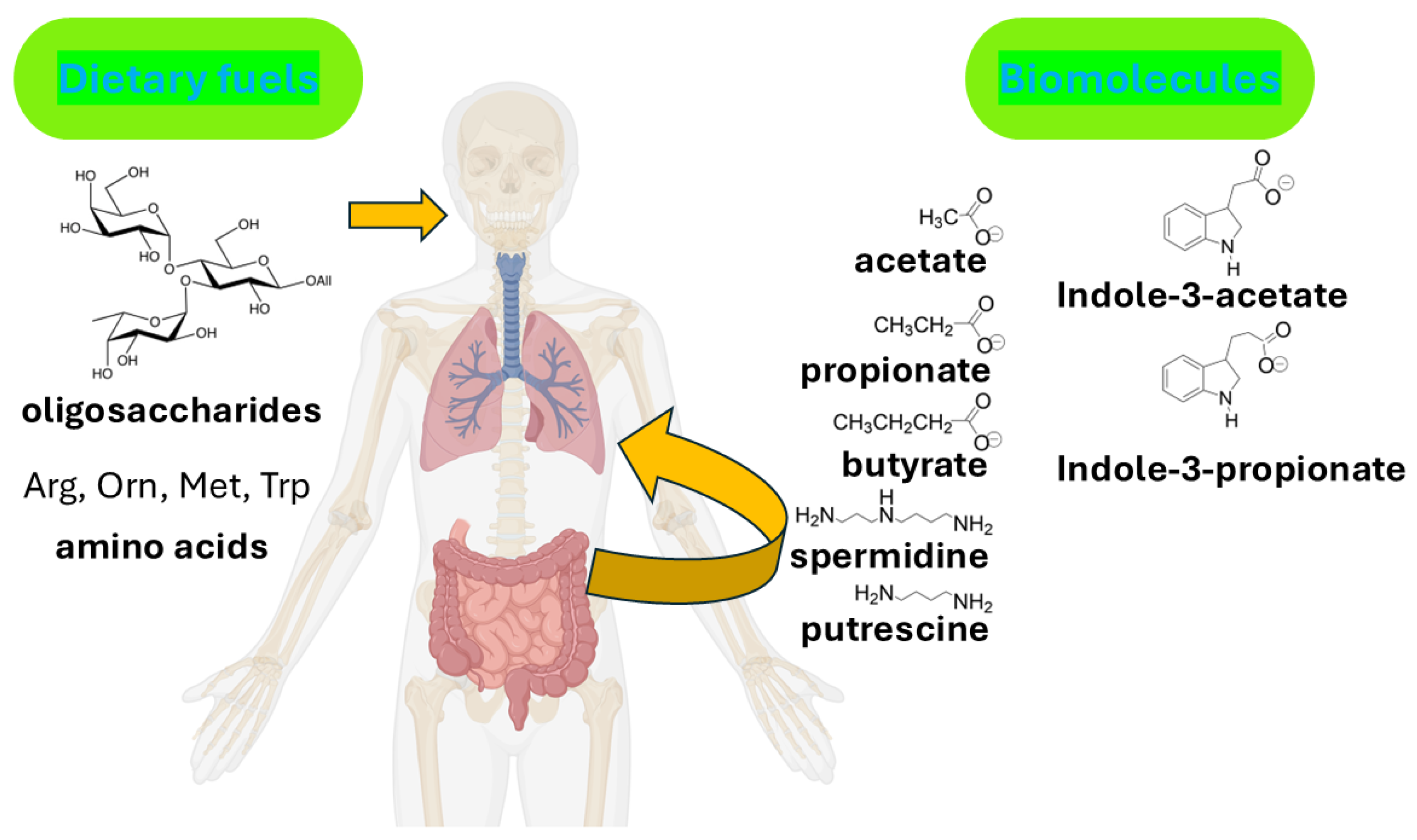
Figure 1. The colonic microbiota generation of biomolecules from dietary fuels and transport to the lungs by the gut–lung axis.
Biomolecules 16 00833 g001
Table 1. The upstream processing and downstream signaling of the major groups of gut microbiota metabolites that enter the gut–lung axis.
Gut Microbiota
Metabolite Group
Upstream ProcessingDownstream SignalingRefs.
Short-chain fatty acids (SCFAs)Production: Fermentation of dietary fiber by anaerobic commensals, e.g., Bacteroides and Faecalibacterium prausnitzii.
Transport: Passive diffusion or active transport by SLC5A8 across the gut epithelial barrier.
Immune: In bone marrow, SCFAs reprogram immune progenitor cells, making dendritic cells and macrophages less reactive to harmless allergens.
In lungs: SCFAs bind to GPR41 and GPR43 on epithelial cells, suppressing allergic airway inflammation and reducing tissue damage.
[57,58]
Tryptophan metabolites (Trpms)Production: Tryptophanase in, e.g., Lactobacillus spp. converts tryptophan into indoles.
Transport: Passive diffusion across the gut epithelial barrier.
Immune: Trpms bind to AhR on immune cells.
In lungs: Trpms bind to AhR on lung epithelial cells leading to ↑ survival of intraepithelial lymphocytes, ↑ protective IL-22, and tightening of the alveolar epithelial barrier to prevent pathogen invasion.
[59]
PolyaminesProduction: Synthesized from Arg and Orn by Escherichia coli and Bacteroides spp.
Transport: Actively transported across the gut epithelial barrier.
Immune: Block activation of NF-κB in alveolar macrophages.
In lungs: Downregulates production of pro-inflammatory cytokines TNFα and IL-6.
[60,61]
Disclaimer/Publisher’s Note: The statements, opinions and data contained in all publications are solely those of the individual author(s) and contributor(s) and not of MDPI and/or the editor(s). MDPI and/or the editor(s) disclaim responsibility for any injury to people or property resulting from any ideas, methods, instructions or products referred to in the content.