Zeaxanthin Modulates Early Metabolic and Inflammatory Responses in db/db Mice: Associations with Intestinal Lipid Handling and Gut Microbiome Remodeling

 , , , , , , , ,
  , and
, and 
Abstract
1. Introduction
2. Methods
2.1. Animals and Diets
2.2. Sample Collection and Assessment of Clinical Parameters
2.3. Quantitative Real-Time PCR
2.4. Immunoblotting
2.5. Immunohistochemistry for Ileal NPC1L1 and Aminopeptidase N (APN)
2.6. Cecal Microbial DNA Extraction and 16s rRNA Gene Sequencing
2.7. Statistical Analysis and Microbiome Sequencing Bioinformatics
3. Results
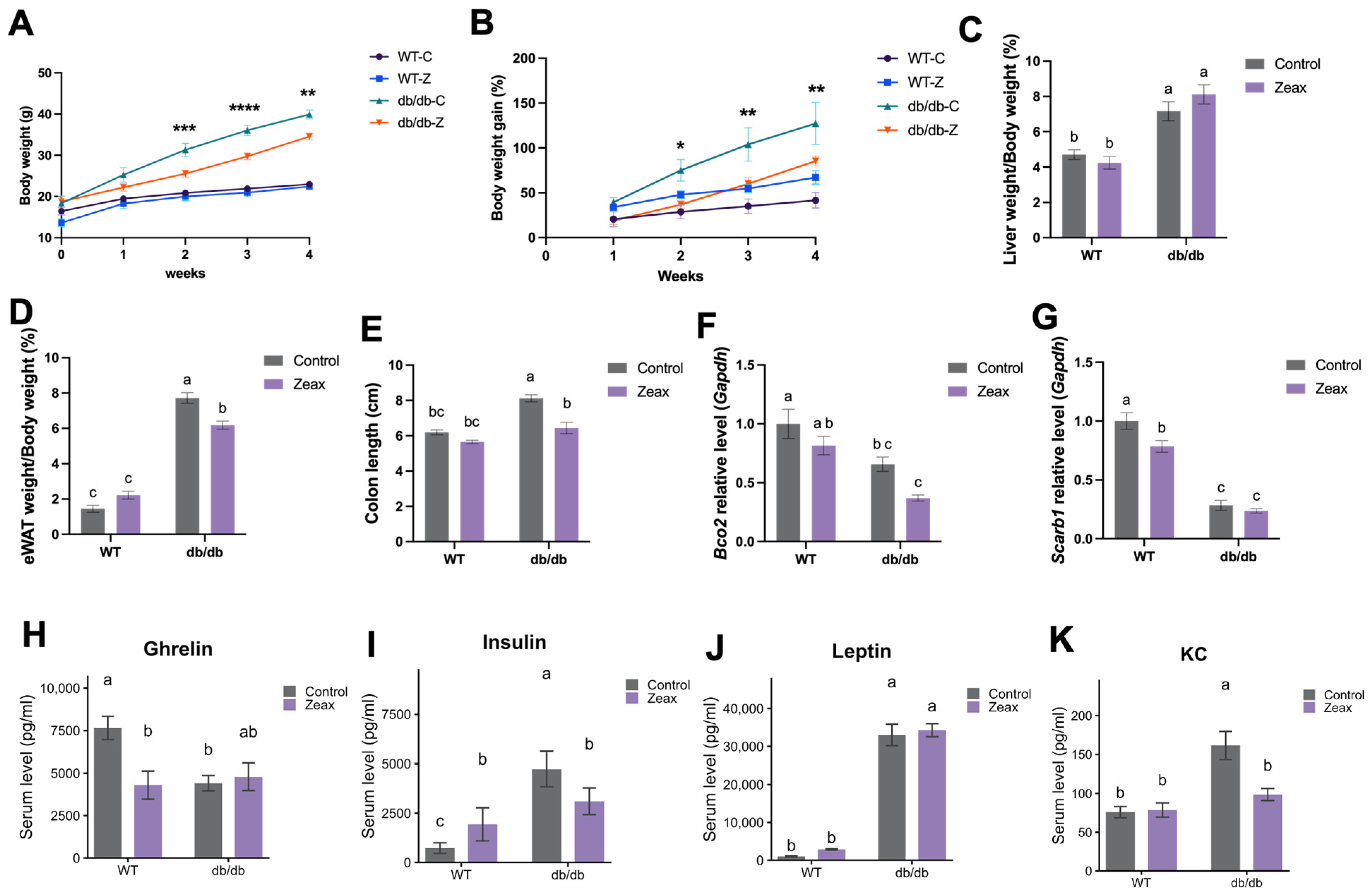
3.1. Zeaxanthin Intervention Improves Metabolic Phenotype in db/db Mice
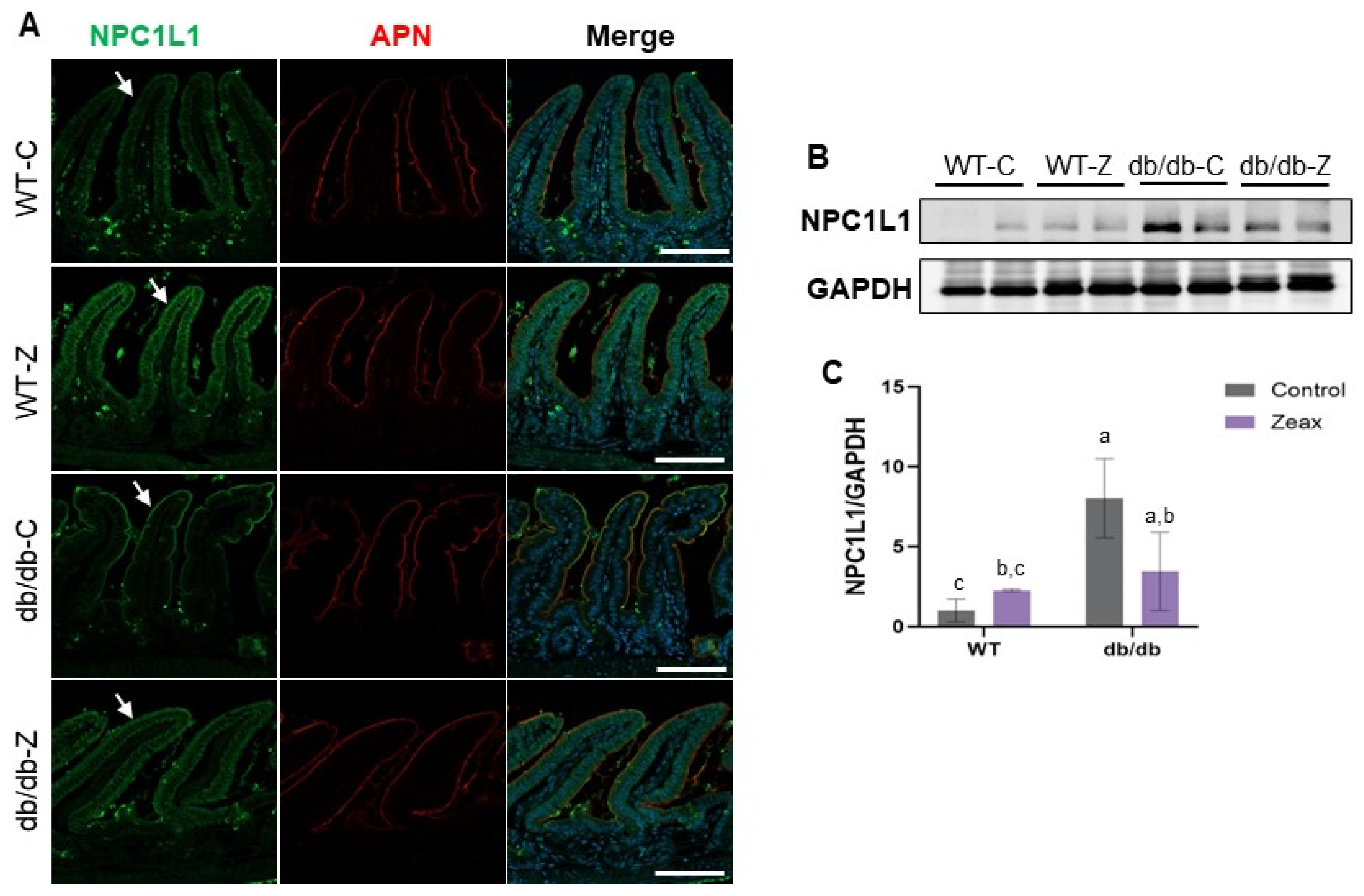
3.2. Zeaxanthin Modulates Brush Border Membrane Localization of NPC1L1
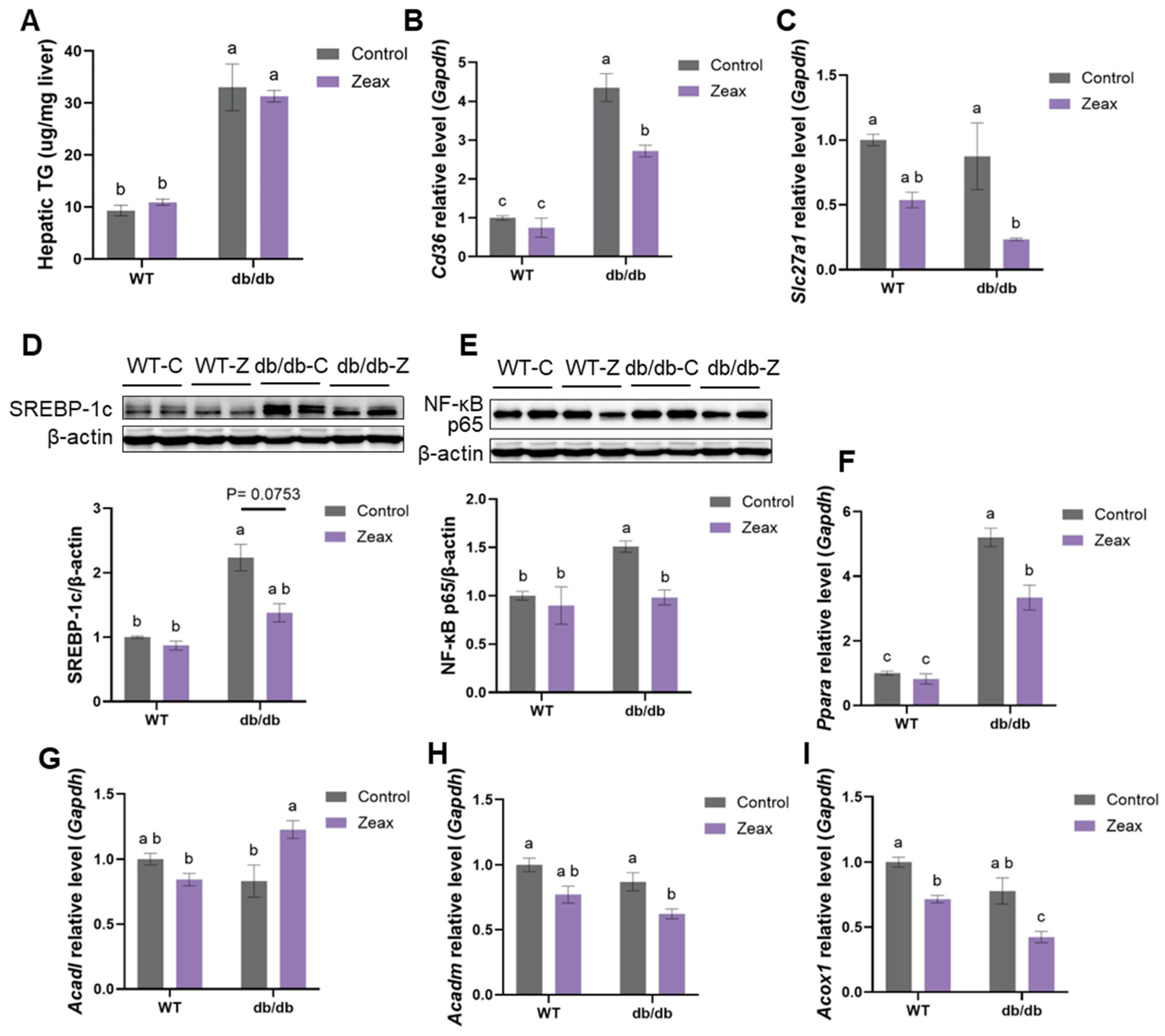
3.3. Zeaxanthin Modulates Hepatic Lipid Uptake, Oxidation-Related Gene Expression, and Lipogenic Signaling in db/db Mice
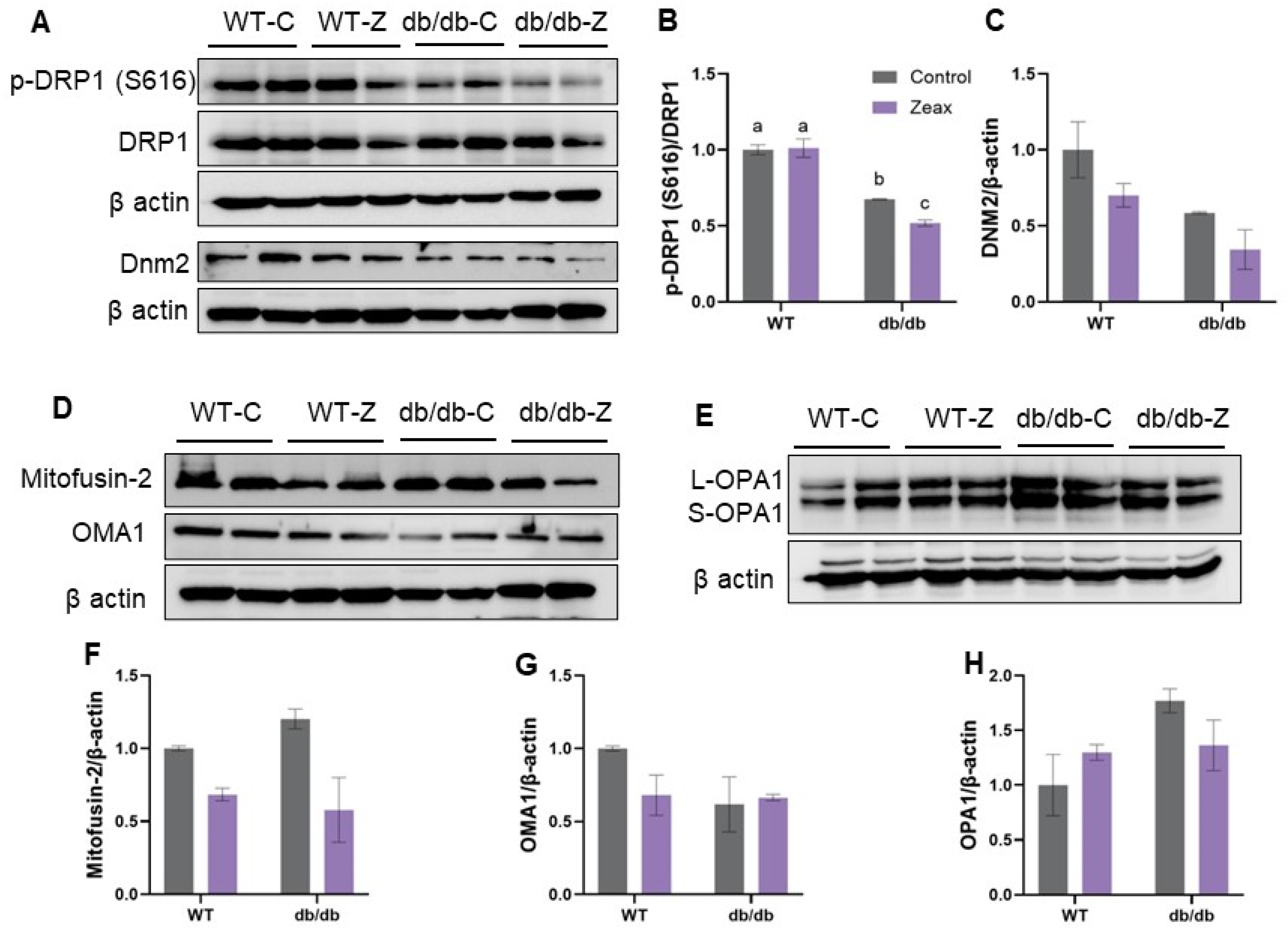
3.4. Zeaxanthin Exerts Limited Effects on Mitochondrial Dynamics in db/db Mice
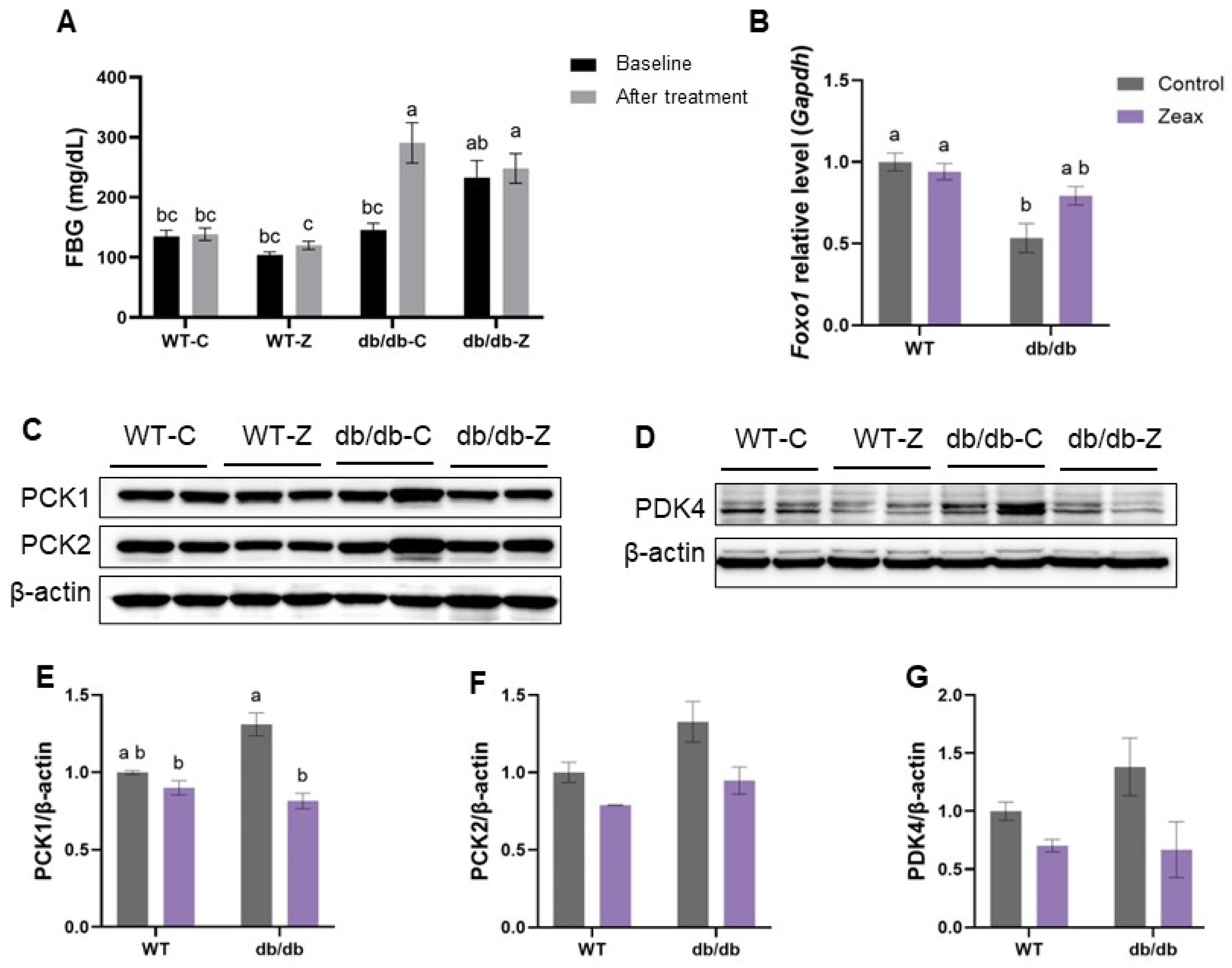
3.5. Zeaxanthin Selectively Modulates Hepatic Glucose Regulatory Pathways in db/db Mice
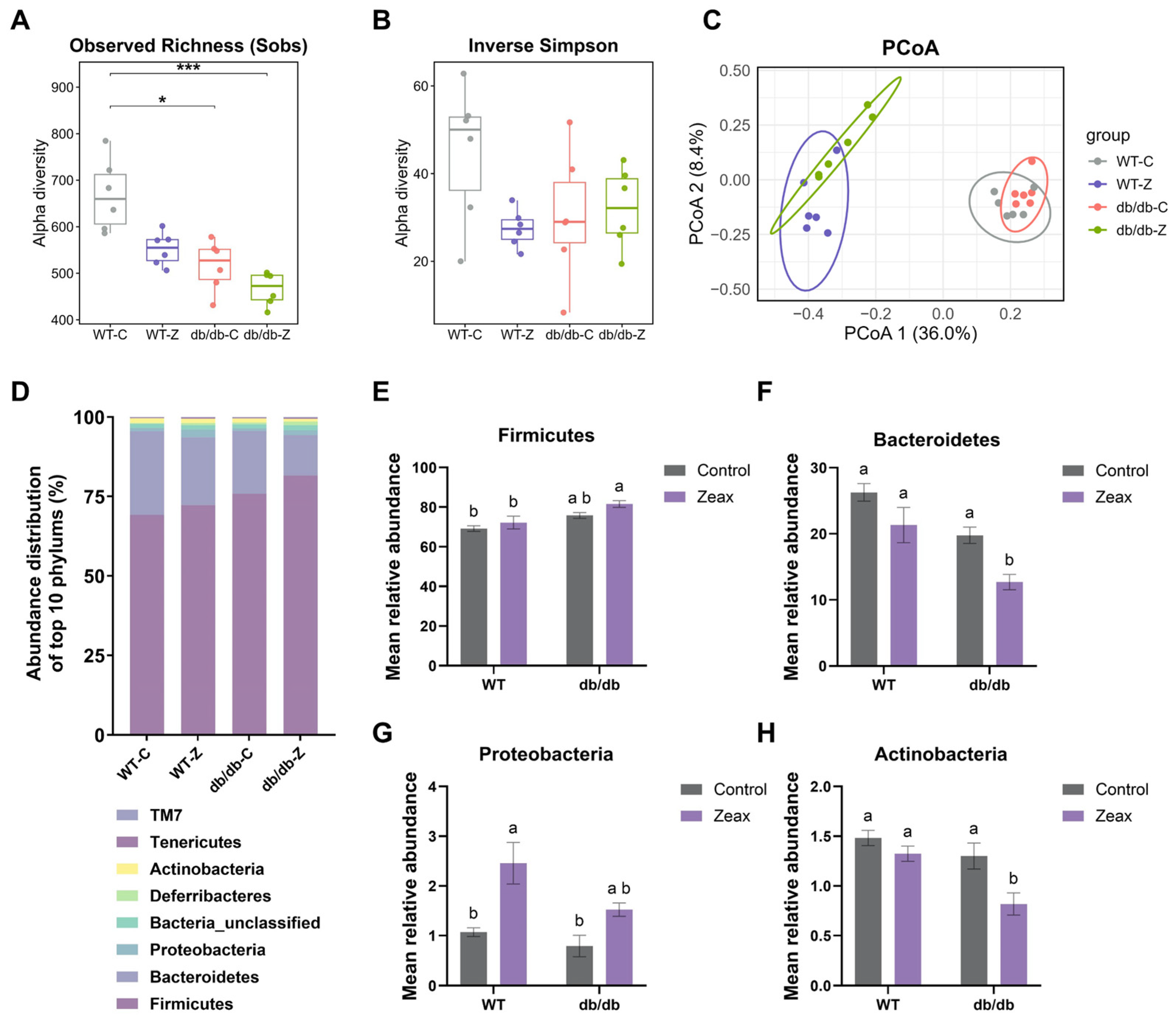
3.6. Zeaxanthin Modifies Gut Microbiome Diversity and Phylum-Level Composition in db/db Mice
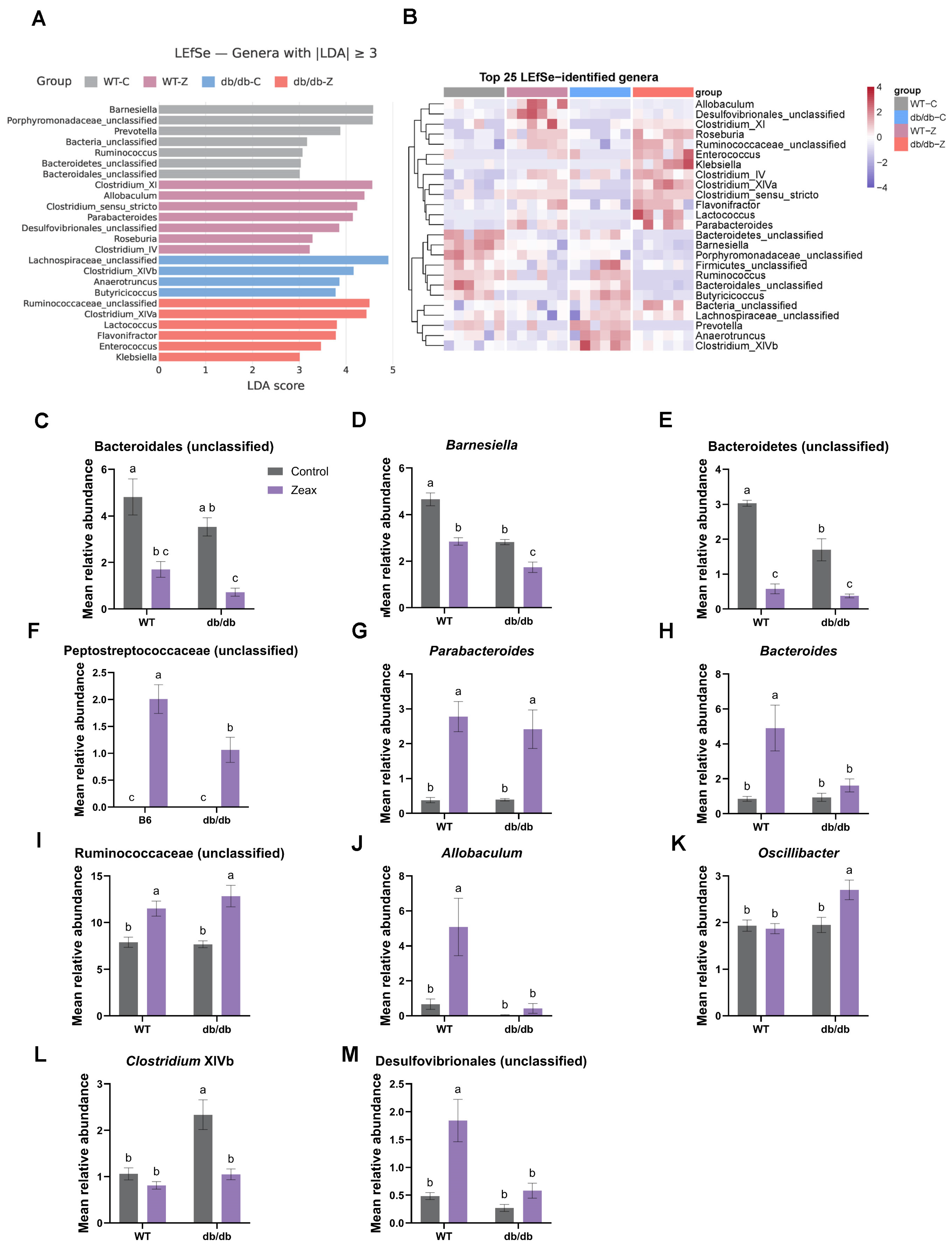
3.7. Zeaxanthin Selectively Reshapes Gut Microbial Genera in db/db Mice
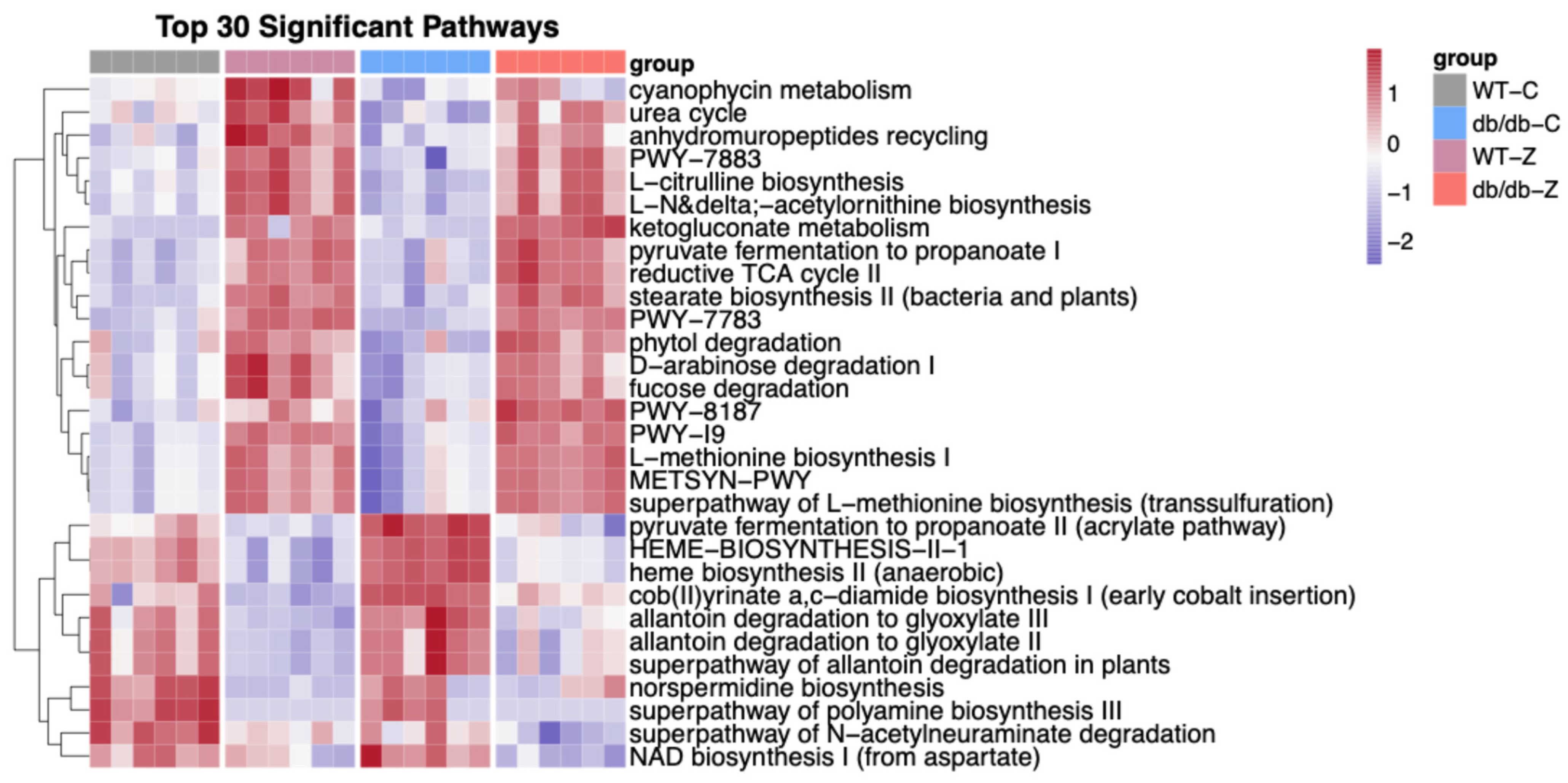
3.8. Zeaxanthin Reshapes Predicted Microbiome Metabolic Pathways in db/db Mice
4. Discussion
4.1. Integrated Regulation of Intestinal Lipid Uptake and Hepatic Inflammatory and Metabolic Programming During Early T2DM Progression
4.2. Influence of Early-Life Co-Housing and Genetic Context on Microbiome Separation
4.3. Zeaxanthin-Driven Microbiome Restructuring and Predicted Functional Consequences During Early Metabolic Dysfunction
4.4. Relevance to Human Nutrition, Dosage Considerations, and Metabolic Context
4.5. Study Limitations and Future Directions
5. Conclusions
Supplementary Materials
Author Contributions
Funding
Institutional Review Board Statement
Informed Consent Statement
Data Availability Statement
Conflicts of Interest
Abbreviations
References
- Li, H.; Isomaa, B.; Taskinen, M.R.; Groop, L.; Tuomi, T. Consequences of a family history of type 1 and type 2 diabetes on the phenotype of patients with type 2 diabetes. Diabetes Care 2000, 23, 589–594. [Google Scholar] [CrossRef] [PubMed]
- Ramtahal, R.; Khan, C.; Maharaj-Khan, K.; Nallamothu, S.; Hinds, A.; Dhanoo, A.; Yeh, H.-C.; Hill-Briggs, F.; Lazo, M. Prevalence of self-reported sleep duration and sleep habits in type 2 diabetes patients in South Trinidad. J. Epidemiol. Glob. Health 2015, 5, S35. [Google Scholar] [CrossRef]
- Linkeviciute-Ulinskiene, D.; Kaceniene, A.; Dulskas, A.; Patasius, A.; Zabuliene, L.; Smailyte, G. Increased Mortality Risk in People with Type 2 Diabetes Mellitus in Lithuania. Int. J. Environ. Res. Public Health 2020, 17, 6870. [Google Scholar] [CrossRef] [PubMed]
- Wolpert, H.A.; Anderson, B.J. Management of diabetes: Are doctors framing the benefits from the wrong perspective? BMJ 2001, 323, 994–996. [Google Scholar] [CrossRef]
- Rudkowska, I. Functional foods for health: Focus on diabetes. Maturitas 2009, 62, 263–269. [Google Scholar] [CrossRef]
- Bahadoran, Z.; Mirmiran, P.; Azizi, F. Potential Efficacy of Broccoli Sprouts as a Unique Supplement for Management of Type 2 Diabetes and Its Complications. J. Med. Food 2013, 16, 375–382. [Google Scholar] [CrossRef]
- Billsten, H.H.; Bhosale, P.; Yemelyanov, A.; Bernstein, P.S.; Polívka, T. Photophysical Properties of Xanthophylls in Carotenoproteins from Human Retina. Photochem. Photobiol. 2003, 78, 138. [Google Scholar] [CrossRef]
- Bahadoran, Z.; Mirmiran, P.; Azizi, F. Dietary polyphenols as potential nutraceuticals in management of diabetes: A review. J. Diabetes Metab. Disord. 2013, 12, 43. [Google Scholar] [CrossRef]
- Maoka, T. Carotenoids as natural functional pigments. J. Nat. Med. 2020, 74, 1–16. [Google Scholar] [CrossRef] [PubMed]
- Wu, L.; Lyu, Y.; Srinivasagan, R.; Wu, J.; Ojo, B.; Tang, M.; El-Rassi, G.D.; Metzinger, K.; Smith, B.J.; Lucas, E.A.; et al. Astaxanthin-shifted gut microbiota is associated with inflammation and metabolic homeostasis in mice. J. Nutr. 2020, 150, 2687–2698. [Google Scholar] [CrossRef] [PubMed]
- Yu, H.; Wark, L.; Ji, H.; Willard, L.; Jaing, Y.; Han, J.; He, H.; Ortiz, E.; Zhang, Y.; Medeiros, D.M.; et al. Dietary wolfberry upregulates carotenoid metabolic genes and enhances mitochondrial biogenesis in the retina of db/db diabetic mice. Mol. Nutr. Food Res. 2013, 57, 1158–1169. [Google Scholar] [CrossRef]
- Tang, L.; Zhang, Y.; Jiang, Y.; Willard, L.; Ortiz, E.; Wark, L.; Medeiros, D.; Lin, D. Dietary wolfberry ameliorates retinal structure abnormalities in db/db mice at the early stage of diabetes. Exp. Biol. Med. 2011, 236, 1051–1063. [Google Scholar] [CrossRef]
- Krinsky, N.I.; Johnson, E.J. Carotenoid actions and their relation to health and disease. Mol. Asp. Med. 2005, 26, 459–516. [Google Scholar] [CrossRef]
- Handelman, G.J.; Max Snodderly, D.; Adler, A.J.; Russett, M.D.; Dratz, E.A. Measurement of carotenoids in human and monkey retinas. In Methods in Enzymology; Academic Press: Cambridge, MA, USA, 1992; pp. 220–230. [Google Scholar] [CrossRef]
- Guo, Y.; Huang, J.; Luo, Y.; Wang, Y.; Li, D.; Liu, Y. Dual-functional nanoengineered carrier for controlled release and enhanced intestinal translocation: Modulating lipid transporters to boost fucoxanthin anti-obesity efficacy. Int. J. Biol. Macromol. 2025, 330, 148091. [Google Scholar] [CrossRef]
- von Lintig, J.; Moon, J.; Lee, J.; Ramkumar, S. Carotenoid metabolism at the intestinal barrier. Biochim. Biophys. Acta (BBA)-Mol. Cell Biol. Lipids 2020, 1865, 158580. [Google Scholar] [CrossRef] [PubMed]
- During, A.; Dawson, H.D.; Harrison, E.H. Carotenoid Transport Is Decreased and Expression of the Lipid Transporters SR-BI, NPC1L1, and ABCA1 Is Downregulated in Caco-2 Cells Treated with Ezetimibe. J. Nutr. 2005, 135, 2305–2312. [Google Scholar] [CrossRef] [PubMed]
- Sato, Y.; Suzuki, R.; Kobayashi, M.; Itagaki, S.; Hirano, T.; Noda, T.; Mizuno, S.; Sugawara, M.; Iseki, K. Involvement of Cholesterol Membrane Transporter Niemann-Pick C1-Like 1 in the Intestinal Absorption of Lutein. J. Pharm. Pharm. Sci. 2012, 15, 256. [Google Scholar] [CrossRef]
- Liu, H.; Liu, J.; Liu, Z.; Wang, Q.; Liu, J.; Feng, D.; Zou, J. Lycopene Reduces Cholesterol Absorption and Prevents Atherosclerosis in ApoE–/– Mice by Downregulating HNF-1α and NPC1L1 Expression. J. Agric. Food Chem. 2021, 69, 10114–10120. [Google Scholar] [CrossRef]
- Liu, M.; Liu, H.; Xie, J.; Xu, Q.; Pan, C.; Wang, J.; Wu, X.; Sanabil, S.; Zheng, M.; Liu, J.; et al. Anti-obesity effects of zeaxanthin on 3T3-L1 preadipocyte and high fat induced obese mice. Food Funct. 2017, 8, 3327–3338. [Google Scholar] [CrossRef]
- Kowluru, R.A.; Menon, B.; Gierhart, D.L. Beneficial Effect of Zeaxanthin on Retinal Metabolic Abnormalities in Diabetic Rats. Investig. Ophthalmol. Vis. Sci. 2008, 49, 1645. [Google Scholar] [CrossRef] [PubMed]
- Kou, L.; Du, M.; Zhang, C.; Dai, Z.; Li, X.; Zhang, B. The Hypoglycemic, Hypolipidemic, and Anti-Diabetic Nephritic Activities of Zeaxanthin in Diet-Streptozotocin-Induced Diabetic Sprague Dawley Rats. Appl. Biochem. Biotechnol. 2017, 182, 944–955. [Google Scholar] [CrossRef] [PubMed]
- Barnes, A.S. The epidemic of obesity and diabetes: Trends and treatments. Tex. Heart Inst. J. 2011, 38, 142–144. [Google Scholar] [PubMed] [PubMed Central]
- Lin, D.; Medeiros, D.M. The microbiome as a major function of the gastrointestinal tract and its implication in micronutrient metabolism and chronic diseases. Nutr. Res. 2023, 112, 30–45. [Google Scholar] [CrossRef] [PubMed]
- Lyu, Y.; Wu, L.; Wang, F.; Shen, X.; Lin, D. Carotenoid supplementation and retinoic acid in immunoglobulin A regulation of the gut microbiota dysbiosis. Exp. Biol. Med. 2018, 243, 613–620. [Google Scholar] [CrossRef]
- Bufka, J.; Vaňková, L.; Sýkora, J.; Křížková, V. Exploring carotenoids: Metabolism, antioxidants, and impacts on human health. J. Funct. Foods 2024, 118, 106284. [Google Scholar] [CrossRef]
- Lee, C.M.; Boileau, A.C.; Boileau, T.W.M.; Williams, A.W.; Swanson, K.S.; Heintz, K.A.; Erdman, J.W. Review of Animal Models in Carotenoid Research. J. Nutr. 1999, 129, 2271–2277. [Google Scholar] [CrossRef] [PubMed]
- Burke, S.J.; Batdorf, H.M.; Burk, D.H.; Noland, R.C.; Eder, A.E.; Boulos, M.S.; Karlstad, M.D.; Collier, J.J. db/db Mice Exhibit Features of Human Type 2 Diabetes That Are Not Present in Weight-Matched C57BL/6J Mice Fed a Western Diet. J. Diabetes Res. 2017, 2017, 8503754. [Google Scholar] [CrossRef]
- Wang, B.; Chandrasekera, P.; Pippin, J. Leptin- and Leptin Receptor-Deficient Rodent Models: Relevance for Human Type 2 Diabetes. Curr. Diabetes Rev. 2014, 10, 131–145. [Google Scholar] [CrossRef]
- Le Bras, A. Reducing cage effects in mouse microbiome studies. Lab. Anim. 2022, 51, 185. [Google Scholar] [CrossRef]
- Wu, L.; Lu, P.; Guo, X.; Song, K.; Lyu, Y.; Bothwell, J.; Wu, J.; Hawkins, O.; Clarke, S.L.; Lucas, E.A.; et al. β-carotene oxygenase 2 deficiency-triggered mitochondrial oxidative stress promotes low-grade inflammation and metabolic dysfunction. Free Radic. Biol. Med. 2021, 164, 271–284. [Google Scholar] [CrossRef]
- Guo, X.; Wu, L.; Lyu, Y.; Chowanadisai, W.; Clarke, S.L.; Lucas, E.A.; Smith, B.J.; He, H.; Wang, W.; Medeiros, D.M.; et al. Ablation of β,β-carotene-9′,10′-oxygenase 2 remodels the hypothalamic metabolome leading to metabolic disorders in mice. J. Nutr. Biochem. 2017, 46, 74–82. [Google Scholar] [CrossRef]
- Wu, L.; Guo, X.; Hartson, S.D.; Davis, M.A.; He, H.; Medeiros, D.M.; Wang, W.; Clarke, S.L.; Lucas, E.A.; Smith, B.J.; et al. Lack of β, β-carotene-9′, 10′-oxygenase 2 leads to hepatic mitochondrial dysfunction and cellular oxidative stress in mice. Mol. Nutr. Food Res. 2017, 61, 1600576. [Google Scholar] [CrossRef]
- Wang, Y.; Lin, D.; Wang, X.; Zhu, W.; Ye, J.; Li, G.; Ma, Z.; Deng, X. The impact of a novel peach gum-derived polysaccharide on postprandial blood glucose control in streptozotocin-induced diabetic mice. Int. J. Biol. Macromol. 2017, 98, 379–386. [Google Scholar] [CrossRef]
- Ko, H.; Kim, C.J.; Choi, S.; Noh, J.; Kim, S.W.; Lee, J.; Byun, S.; Lee, H.; Park, J.C.; Park, H.E.; et al. Commensal microbe-derived butyrate enhances T follicular helper cell function to boost mucosal vaccine efficacy. Microbiome 2026, 14, 37. [Google Scholar] [CrossRef] [PubMed]
- Palczewski, G.; Amengual, J.; Hoppel, C.L.; Von Lintig, J. Evidence for compartmentalization of mammalian carotenoid metabolism. FASEB J. 2014, 28, 4457–4469. [Google Scholar] [CrossRef]
- Cifarelli, V.; Appak-Baskoy, S.; Peche, V.S.; Kluzak, A.; Shew, T.; Narendran, R.; Pietka, K.M.; Cella, M.; Walls, C.W.; Czepielewski, R.; et al. Visceral obesity and insulin resistance associate with CD36 deletion in lymphatic endothelial cells. Nat. Commun. 2021, 12, 3350. [Google Scholar] [CrossRef]
- Schneider, H.; Staudacher, S.; Poppelreuther, M.; Stremmel, W.; Ehehalt, R.; Füllekrug, J. Protein mediated fatty acid uptake: Synergy between CD36/FAT-facilitated transport and acyl-CoA synthetase-driven metabolism. Arch. Biochem. Biophys. 2014, 546, 8–18. [Google Scholar] [CrossRef] [PubMed]
- Pohl, J.; Ring, A.; Korkmaz, Ü.; Ehehalt, R.; Stremmel, W. FAT/CD36-mediated Long-Chain Fatty Acid Uptake in Adipocytes Requires Plasma Membrane Rafts. Mol. Biol. Cell 2005, 16, 24–31. [Google Scholar] [CrossRef] [PubMed]
- Yang, W.; Ling, X.; He, S.; Cui, H.; Yang, Z.; An, H.; Wang, L.; Zou, P.; Chen, Q.; Liu, J.; et al. PPARα/ACOX1 as a novel target for hepatic lipid metabolism disorders induced by per- and polyfluoroalkyl substances: An integrated approach. Environ. Int. 2023, 178, 108138. [Google Scholar] [CrossRef]
- Chen, X.; Mazur, A.; Xu, W.; Risher, W.C.; Denning, K.L.; Lu, Y. PPARα regulates acyl-CoA oxidase 1 (ACOX1) but not catalase. Biochem. Biophys. Res. Commun. 2025, 777, 152247. [Google Scholar] [CrossRef]
- Luther, R.J.; Almodovar, A.J.O.; Fullerton, R.; Wood, P.A. Acadl-SNP based genotyping assay for long-chain acyl-CoA dehydrogenase deficient mice. Mol. Genet. Metab. 2012, 106, 62–67. [Google Scholar] [CrossRef][Green Version]
- Vluggens, A.; Andreoletti, P.; Viswakarma, N.; Jia, Y.; Matsumoto, K.; Kulik, W.; Khan, M.; Huang, J.; Guo, D.; Yu, S.; et al. Functional significance of the two ACOX1 isoforms and their crosstalks with PPARα and RXRα. Lab. Investig. 2010, 90, 696–708. [Google Scholar] [CrossRef]
- Ke, B.; Zhao, Z.; Ye, X.; Gao, Z.; Manganiello, V.; Wu, B.; Ye, J. Inactivation of NF-κB p65 (RelA) in Liver Improves Insulin Sensitivity and Inhibits cAMP/PKA Pathway. Diabetes 2015, 64, 3355–3362. [Google Scholar] [CrossRef]
- Pavelich, L.; Arroum, T.; Pham, L.; Komnenov, D.; Stemmer, P.M.; Lax, R.; Saada, A.; Weksler-Zangen, S.; Hüttemann, M. Integrative Proteomic and Bioenergetic Profiling Reveals Diet- and Strain-Specific Mitochondrial Dysfunction in Cohen Diabetic Rat Hearts. Antioxidants 2026, 15, 248. [Google Scholar] [CrossRef]
- Han, H.; Tan, J.; Wang, R.; Wan, H.; He, Y.; Yan, X.; Guo, J.; Gao, Q.; Li, J.; Shang, S.; et al. PINK 1 phosphorylates Drp1S616 to regulate mitophagy-independent mitochondrial dynamics. EMBO Rep. 2020, 21, e48686. [Google Scholar] [CrossRef]
- Rodríguez, A.G.; Rodríguez, J.Z.; Barreto, A.; Sanabria-Barrera, S.; Iglesias, J.; Morales, L. Impact of Acute High Glucose on Mitochondrial Function in a Model of Endothelial Cells: Role of PDGF-C. Int. J. Mol. Sci. 2023, 24, 4394. [Google Scholar] [CrossRef]
- Ye, Q.; Liu, Y.; Zhang, G.; Deng, H.; Wang, X.; Tuo, L.; Chen, C.; Pan, X.; Wu, K.; Fan, J.; et al. Deficiency of gluconeogenic enzyme PCK1 promotes metabolic-associated fatty liver disease through PI3K/AKT/PDGF axis activation in male mice. Nat. Commun. 2023, 14, 1402. [Google Scholar] [CrossRef] [PubMed]
- GómEz-Valadés, A.G.; MénDez-Lucas, A.; Vidal-Alabró, A.; Blasco, F.X.; Chillon, M.; Bartrons, R.; BermúdEz, J.; Perales, J.C. Pck1 Gene Silencing in the Liver Improves Glycemia Control, Insulin Sensitivity, and Dyslipidemia in db/db Mice. Diabetes 2008, 57, 2199–2210. [Google Scholar] [CrossRef] [PubMed]
- Caruso, R.; Ono, M.; Bunker, M.E.; Núñez, G.; Inohara, N. Dynamic and Asymmetric Changes of the Microbial Communities after Cohousing in Laboratory Mice. Cell Rep. 2019, 27, 3401–3412.e3. [Google Scholar] [CrossRef] [PubMed]
- Robertson, S.J.; Lemire, P.; Maughan, H.; Goethel, A.; Turpin, W.; Bedrani, L.; Guttman, D.S.; Croitoru, K.; Girardin, S.E.; Philpott, D.J. Comparison of Co-housing and Littermate Methods for Microbiota Standardization in Mouse Models. Cell Rep. 2019, 27, 1910–1919.e2. [Google Scholar] [CrossRef]
- Sun, X.; Zhou, X.; He, W.; Sun, W.; Xu, Z. Co-Housing and Fecal Microbiota Transplantation: Technical Support for TCM Herbal Treatment of Extra-Intestinal Diseases Based on Gut Microbial Ecosystem Remodeling. Drug Des. Dev. Ther. 2023, 17, 3803–3831. [Google Scholar] [CrossRef]
- Yamada, T.; Palm, N.W. A host-centric view of the microbiota metabolome. Immunity 2025, 58, 2940–2956. [Google Scholar] [CrossRef]
- Hanski, E.; Raulo, A.; Knowles, S.C.L. Early-life gut microbiota assembly patterns are conserved between laboratory and wild mice. Commun. Biol. 2024, 7, 1456. [Google Scholar] [CrossRef]
- Wang, Y.; Huang, B.; Wei, X.; Guan, Y.; Li, L.; Zheng, Y.; Sun, W. Gut microbiota metabolic reprogramming drives the development of metabolic diseases in the host. Gut Microbes 2026, 18, 2644681. [Google Scholar] [CrossRef]
- Parker, A.; Romano, S.; Ansorge, R.; Aboelnour, A.; Le Gall, G.; Savva, G.M.; Pontifex, M.G.; Telatin, A.; Baker, D.; Jones, E.; et al. Fecal microbiota transfer between young and aged mice reverses hallmarks of the aging gut, eye, and brain. Microbiome 2022, 10, 68. [Google Scholar] [CrossRef]
- Bui, T.N.Y.; Paul, A.; Guleria, S.; O’Sullivan, J.M.; Toldi, G. Short-chain fatty acids—A key link between the gut microbiome and T-lymphocytes in neonates? Pediatr. Res. 2026, 99, 1698–1706. [Google Scholar] [CrossRef]
- Bhattacharjee, D.; Millman, L.C.; Seesengood, M.L.; Martineau, L.M.; Seekatz, A.M. Genomic insights into the functional and metabolic versatility of gut microbiome Anaerostipes species. Microb. Genom. 2026, 12, 001617. [Google Scholar] [CrossRef] [PubMed]
- Jin, Z.; Liu, M.; Zhao, H.; Xie, J.; Yin, W.; Zheng, M.; Cai, D.; Liu, H.; Liu, J. Effects of Zeaxanthin on the Insulin Resistance and Gut Microbiota of High-Fat-Diet-Induced Obese Mice. Foods 2024, 13, 3388. [Google Scholar] [CrossRef]
- Narla, A.V.; Hwa, T.; Murugan, A. Dynamic coexistence driven by physiological transitions in microbial communities. Proc. Natl. Acad. Sci. USA 2025, 122, e2405527122. [Google Scholar] [CrossRef] [PubMed]
- Qin, J.; Li, R.; Raes, J.; Arumugam, M.; Burgdorf, K.S.; Manichanh, C.; Nielsen, T.; Pons, N.; Levenez, F.; Yamada, T.; et al. A human gut microbial gene catalogue established by metagenomic sequencing. Nature 2010, 464, 59–65. [Google Scholar] [CrossRef] [PubMed]
- Ma, Z.; Zuo, T.; Frey, N.; Rangrez, A.Y. A systematic framework for understanding the microbiome in human health and disease: From basic principles to clinical translation. Signal Transduct. Target. Ther. 2024, 9, 237. [Google Scholar] [CrossRef]
- Raes, E.J.; Karsh, K.; Sow, S.L.S.; Ostrowski, M.; Brown, M.V.; van de Kamp, J.; Franco-Santos, R.M.; Bodrossy, L.; Waite, A.M. Metabolic pathways inferred from a bacterial marker gene illuminate ecological changes across South Pacific frontal boundaries. Nat. Commun. 2021, 12, 2213. [Google Scholar] [CrossRef]
- Suzuki, K.; Ito, Y.; Inoue, T.; Hamajima, N. Inverse association of serum carotenoids with prevalence of metabolic syndrome among Japanese. Clin. Nutr. 2011, 30, 369–375. [Google Scholar] [CrossRef]
- Mummidi, S.; Farook, V.S.; Reddivari, L.; Hernandez-Ruiz, J.; Diaz-Badillo, A.; Fowler, S.P.; Resendez, R.G.; Akhtar, F.; Lehman, D.M.; Jenkinson, C.P.; et al. Serum carotenoids and Pediatric Metabolic Index predict insulin sensitivity in Mexican American children. Sci. Rep. 2021, 11, 871. [Google Scholar] [CrossRef] [PubMed]
- Wilson, L.M.; Tharmarajah, S.; Jia, Y.; Semba, R.D.; Schaumberg, D.A.; Robinson, K.A. The Effect of Lutein/Zeaxanthin Intake on Human Macular Pigment Optical Density: A Systematic Review and Meta-Analysis. Adv. Nutr. 2021, 12, 2244–2254. [Google Scholar] [CrossRef] [PubMed]
- Mapelli-Brahm, P.; Margier, M.; Desmarchelier, C.; Halimi, C.; Nowicki, M.; Borel, P.; Meléndez-Martínez, A.J.; Reboul, E. Comparison of the bioavailability and intestinal absorption sites of phytoene, phytofluene, lycopene and β-carotene. Food Chem. 2019, 300, 125232. [Google Scholar] [CrossRef]
- Murillo, A.G.; Fernandez, M.L. Potential of Dietary Non-Provitamin A Carotenoids in the Prevention and Treatment of Diabetic Microvascular Complications. Adv. Nutr. 2016, 7, 14–24. [Google Scholar] [CrossRef] [PubMed]
- Wang, M.Y.; Grayburn, P.; Chen, S.; Ravazzola, M.; Orci, L.; Unger, R.H. Adipogenic capacity and the susceptibility to type 2 diabetes and metabolic syndrome. Proc. Natl. Acad. Sci. USA 2008, 105, 6139–6144. [Google Scholar] [CrossRef]





| Ingredient | Control Diet | Zeaxanthin Diet (0.02%) |
|---|---|---|
| gm | gm | |
| Zeaxanthin (5%, in triglycerides) | 0 | 4.3 |
| Casein | 200 | 200 |
| L-Cystine | 3 | 3 |
| Corn Starch | 390.5 | 390.5 |
| Maltodextrin 10 | 110 | 110 |
| Dextrose | 150 | 150 |
| Cellulose, BW200 | 100 | 100 |
| Soybean Oil | 70 | 65.7 |
| Mineral Mix S10026 | 10 | 10 |
| DiCalcium Phosphate | 13 | 13 |
| Calcium Carbonate | 5.5 | 5.5 |
| Potassium Citrate, 1 H2O | 16.5 | 16.5 |
| Vitamin Mix V10001 | 10 | 10 |
| Choline Bitartrate | 2 | 2 |
| FD&C Yellow Dye #5 | 0.025 | 0 |
| FD&C Red Dye #40 | 0.025 | 0 |
| FD&C Blue Dye #1 | 0 | 0.05 |
| Total | 1080.550 | 1076.55 |
| Gene | Forward | Reverse |
|---|---|---|
| CD36 | 5′-gga act gtg ggc tca ttg c-3′ | 5′-cat gag aat gcc tcc aaa cac-3′ |
| FATP1 | 5′-ccg tat cct cac gca tgt gt-3′ | 5′-ctc cat cgt gtc ctc att gac-3′ |
| PPARα | 5′-cgt acg gca atg gct tta tc-3′ | 5′-aac ggc ttc ctc agg ttc tt-3′ |
| LCAD | 5′-tca atg gaa gca agg tgt tca-3′ | 5′-gcc acg acg atc acg aga t-3′ |
| MCAD | 5′-gat gcc atc acc ctc gtg taa c-3′ | 5′-aag ccc ttt tcc cct gaa g-3′ |
| ACOX1 | 5′-aag aac tcc aga taa ttg gca cct a-3′ | 5′-ttt cca agc ctc gaa gat gag-3′ |
| FOXO1 | 5′-tca tgg atg gag ata cct tgg a-3′ | 5′-ctt gac act gtg tgg gaa gct t-3′ |
| GAPDH | 5′-caa ggt cat cca tga caa ctt tg-3′ | 5′-ggc cat cca cag tct tct gg-3′ |
Disclaimer/Publisher’s Note: The statements, opinions and data contained in all publications are solely those of the individual author(s) and contributor(s) and not of MDPI and/or the editor(s). MDPI and/or the editor(s) disclaim responsibility for any injury to people or property resulting from any ideas, methods, instructions or products referred to in the content. |
© 2026 by the authors. Licensee MDPI, Basel, Switzerland. This article is an open access article distributed under the terms and conditions of the Creative Commons Attribution (CC BY) license.
Share and Cite
Tang, Y.; Lu, P.; Chen, H.; Wong, S.; Salahuddin, M.; Hasan, M.; Alake, S.E.; Kim, Y.; Montgomery, M.; Chowanadisai, W.; et al. Zeaxanthin Modulates Early Metabolic and Inflammatory Responses in db/db Mice: Associations with Intestinal Lipid Handling and Gut Microbiome Remodeling. Biomolecules 2026, 16, 818. https://doi.org/10.3390/biom16060818
Tang Y, Lu P, Chen H, Wong S, Salahuddin M, Hasan M, Alake SE, Kim Y, Montgomery M, Chowanadisai W, et al. Zeaxanthin Modulates Early Metabolic and Inflammatory Responses in db/db Mice: Associations with Intestinal Lipid Handling and Gut Microbiome Remodeling. Biomolecules. 2026; 16(6):818. https://doi.org/10.3390/biom16060818
Chicago/Turabian StyleTang, Yashu, Peiran Lu, Huimin Chen, Siauyen Wong, Md Salahuddin, Mehedi Hasan, Sanmi E. Alake, Yoo Kim, McKale Montgomery, Winyoo Chowanadisai, and et al. 2026. "Zeaxanthin Modulates Early Metabolic and Inflammatory Responses in db/db Mice: Associations with Intestinal Lipid Handling and Gut Microbiome Remodeling" Biomolecules 16, no. 6: 818. https://doi.org/10.3390/biom16060818
APA StyleTang, Y., Lu, P., Chen, H., Wong, S., Salahuddin, M., Hasan, M., Alake, S. E., Kim, Y., Montgomery, M., Chowanadisai, W., Smith, B. J., Clarke, S. L., Lucas, E. A., Shen, C.-L., Tang, M., & Lin, D. (2026). Zeaxanthin Modulates Early Metabolic and Inflammatory Responses in db/db Mice: Associations with Intestinal Lipid Handling and Gut Microbiome Remodeling. Biomolecules, 16(6), 818. https://doi.org/10.3390/biom16060818