Hepatocyte-Specific Deletion of Betaine-Homocysteine Methyltransferase Disrupts Methionine Metabolism and Promotes the Spontaneous Development of Hepatic Steatosis

 , , , , , ,
  , and
, and 
Abstract
1. Introduction
2. Materials and Methods
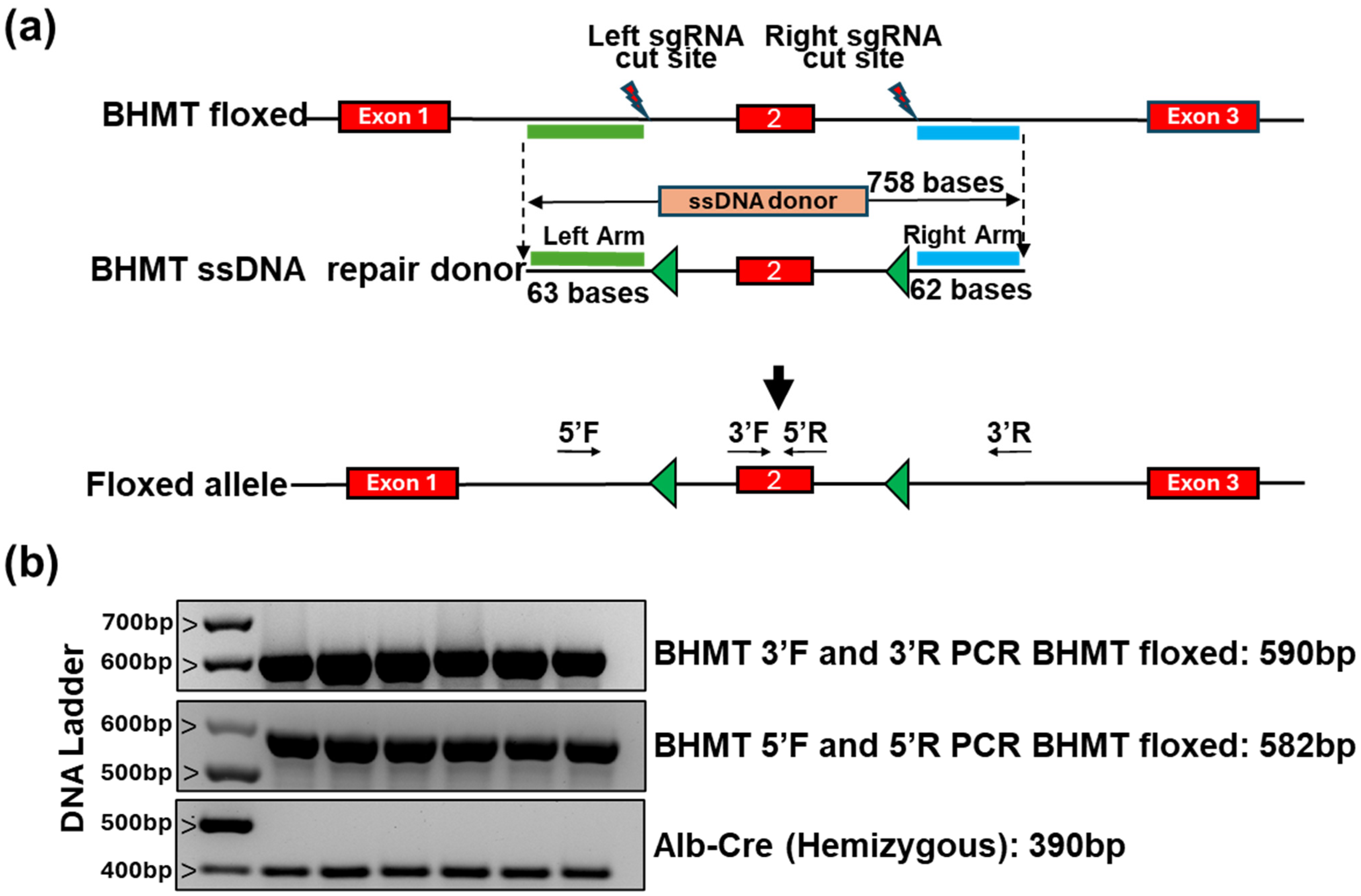
2.1. Generation of BHMT Floxed and LKO Mice
2.2. Animals
2.3. Histopathological Examination
2.4. Serum Markers of Liver Injury
2.5. Analysis of Liver BHMT Activity and SAM and SAH Levels
2.6. Triglycerides and Non-Esterified Fatty Acid (NEFA) Levels
2.7. Hepatic Reactive Oxygen Species (ROS) and Lipid Peroxidation
2.8. Lysosomal and Proteasomal Enzyme Activity
2.9. Gene Expression
2.10. Protein Expression
2.11. Immunofluorescence Staining
2.12. Statistical Analysis
3. Results
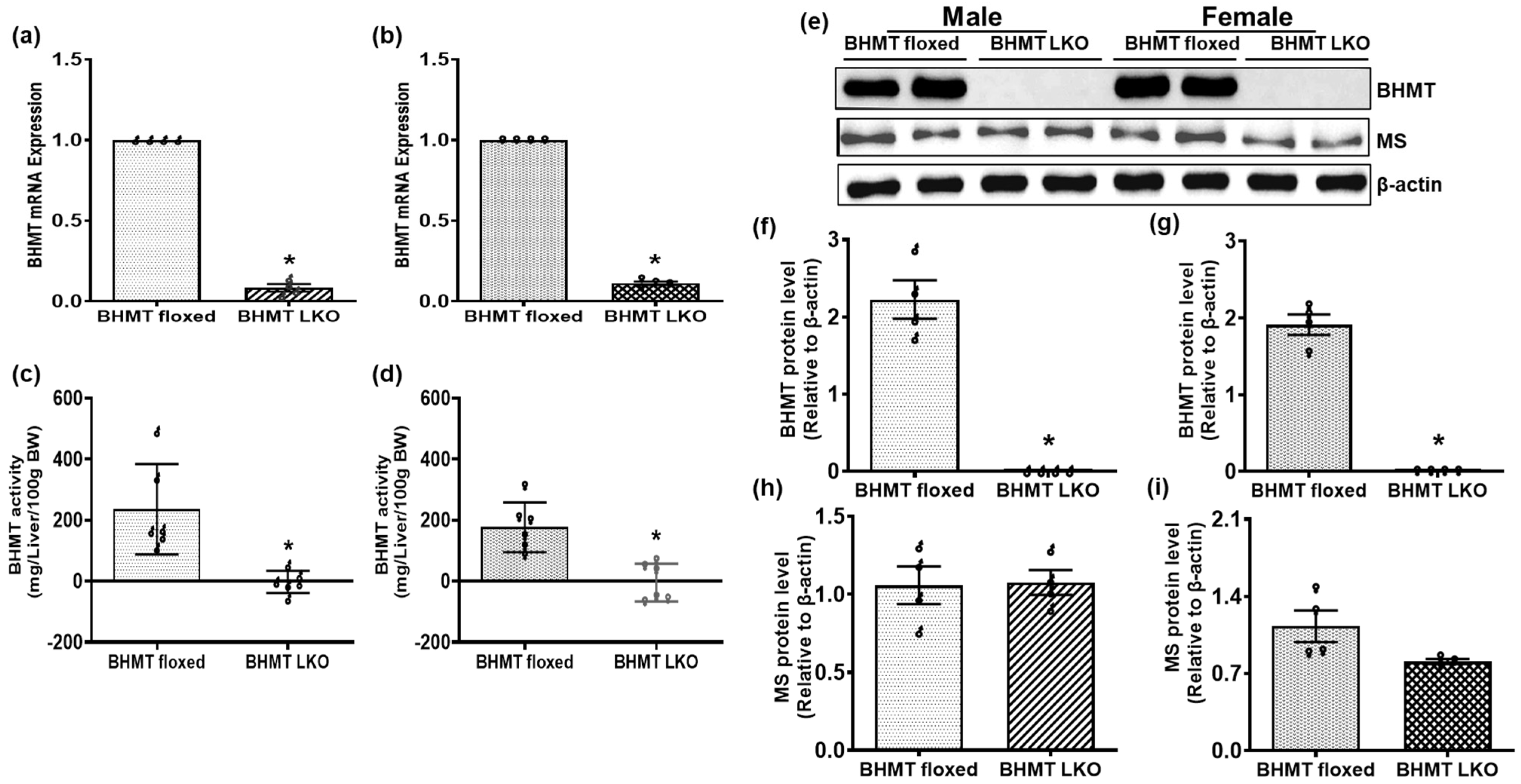
3.1. BHMT LKO Phenotype
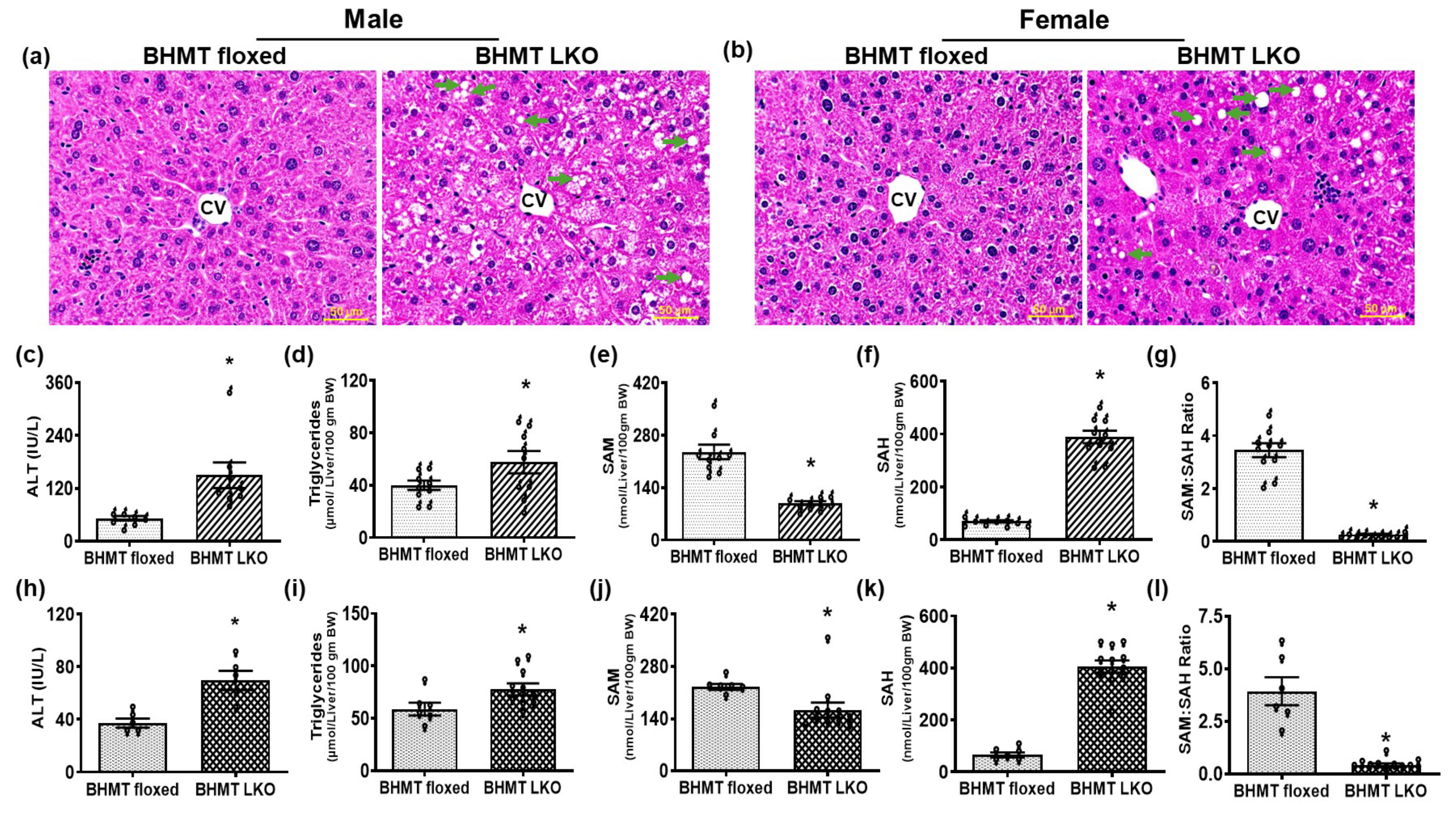
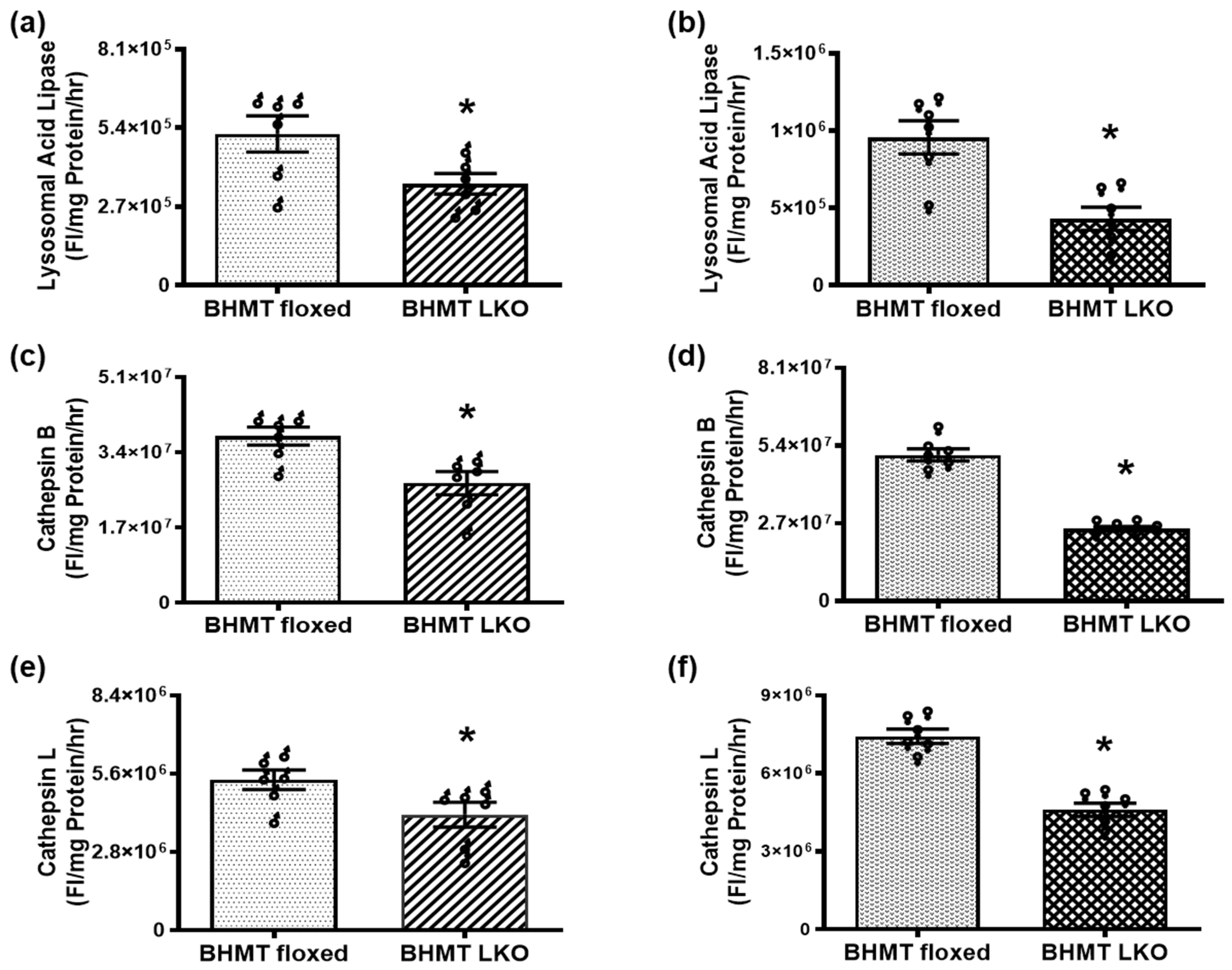
3.2. Hepatocyte-Specific Deletion of BHMT Promotes the Spontaneous Development of Liver Steatosis Compared to Age-Matched BHMT Floxed Mice
3.3. Hepatocyte-Specific Deletion of BHMT Promotes Liver Dysfunction
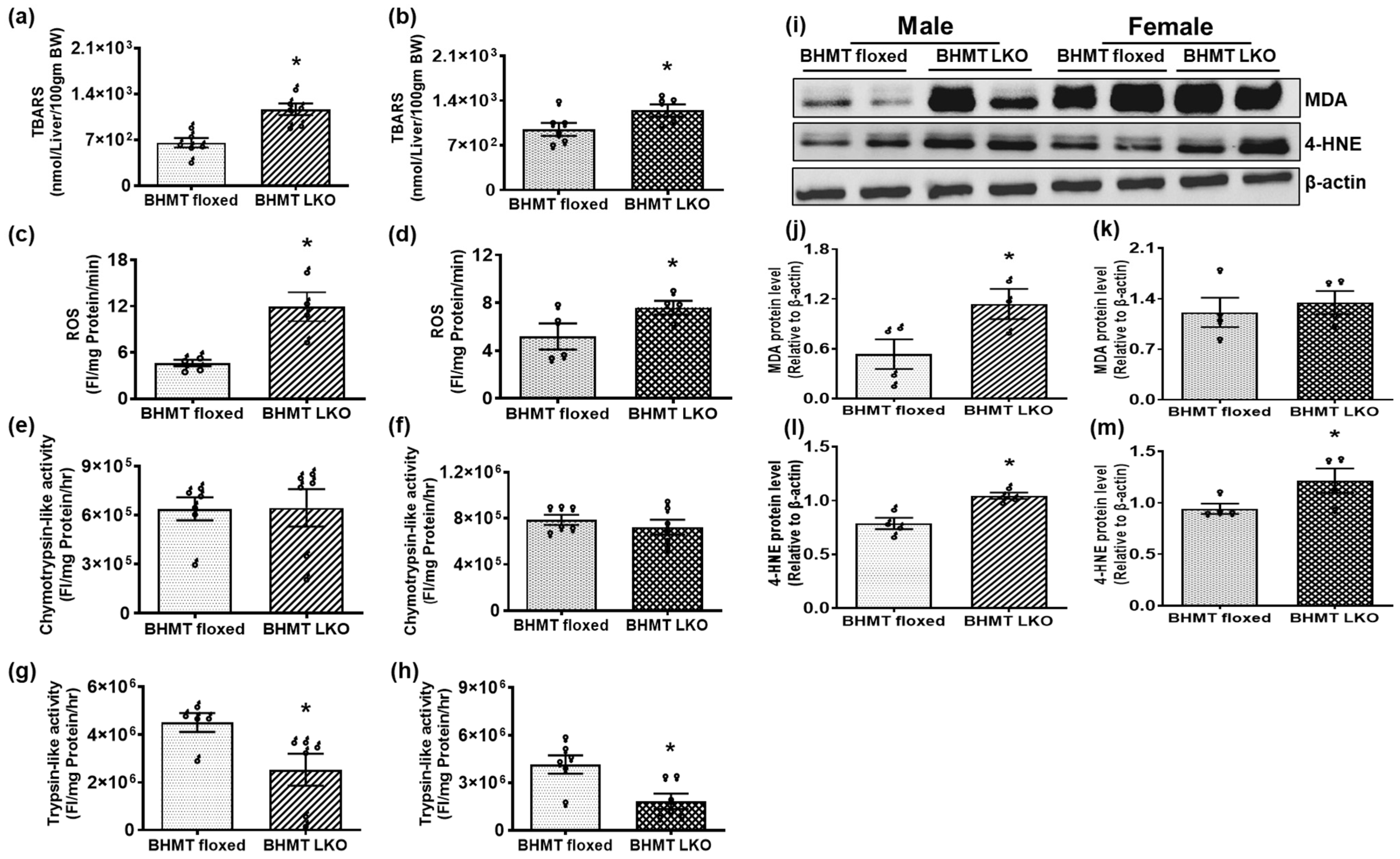
3.4. Mice with Hepatocyte-Specific Deletion of BHMT Exhibit Higher Oxidative Stress Compared to BHMT Floxed Mice
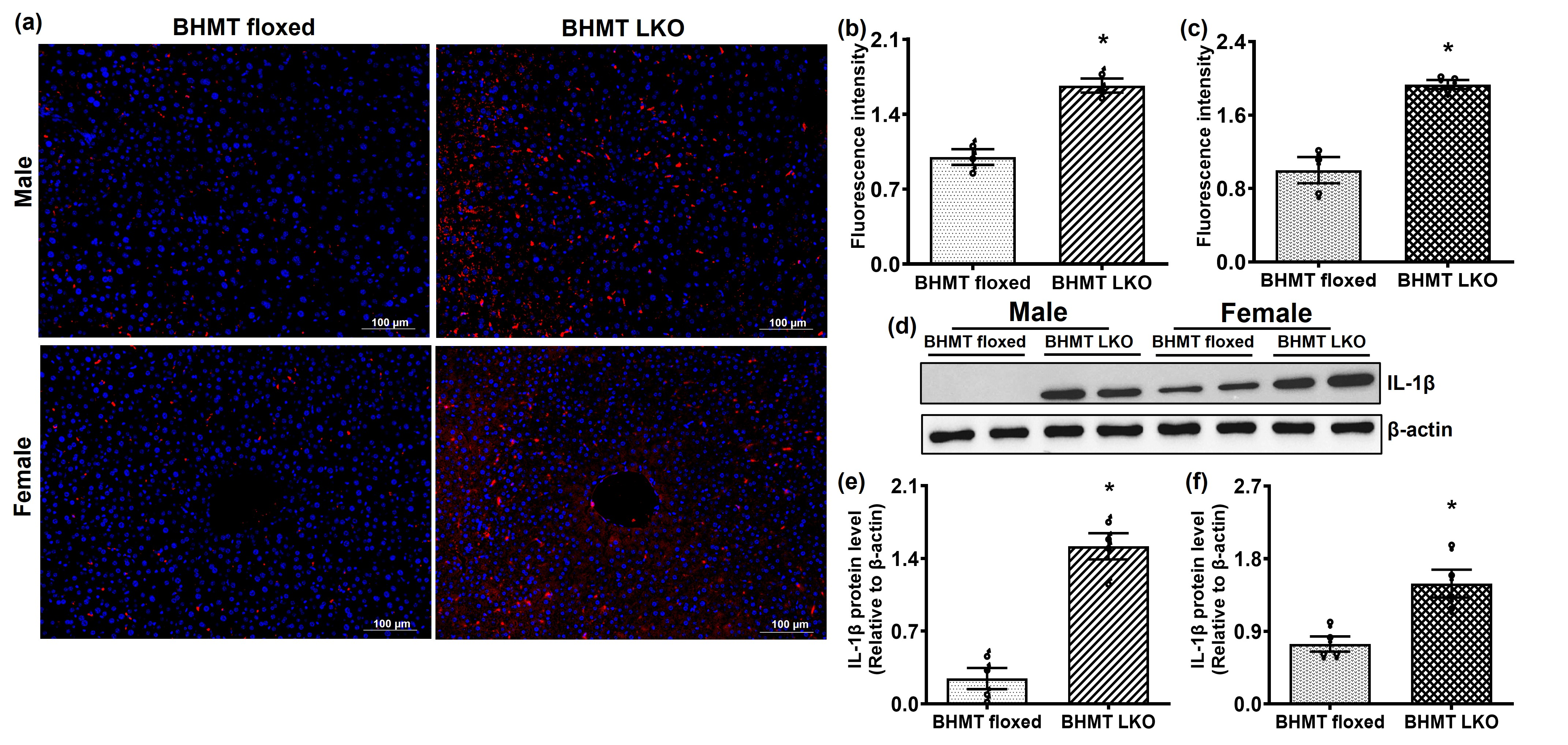
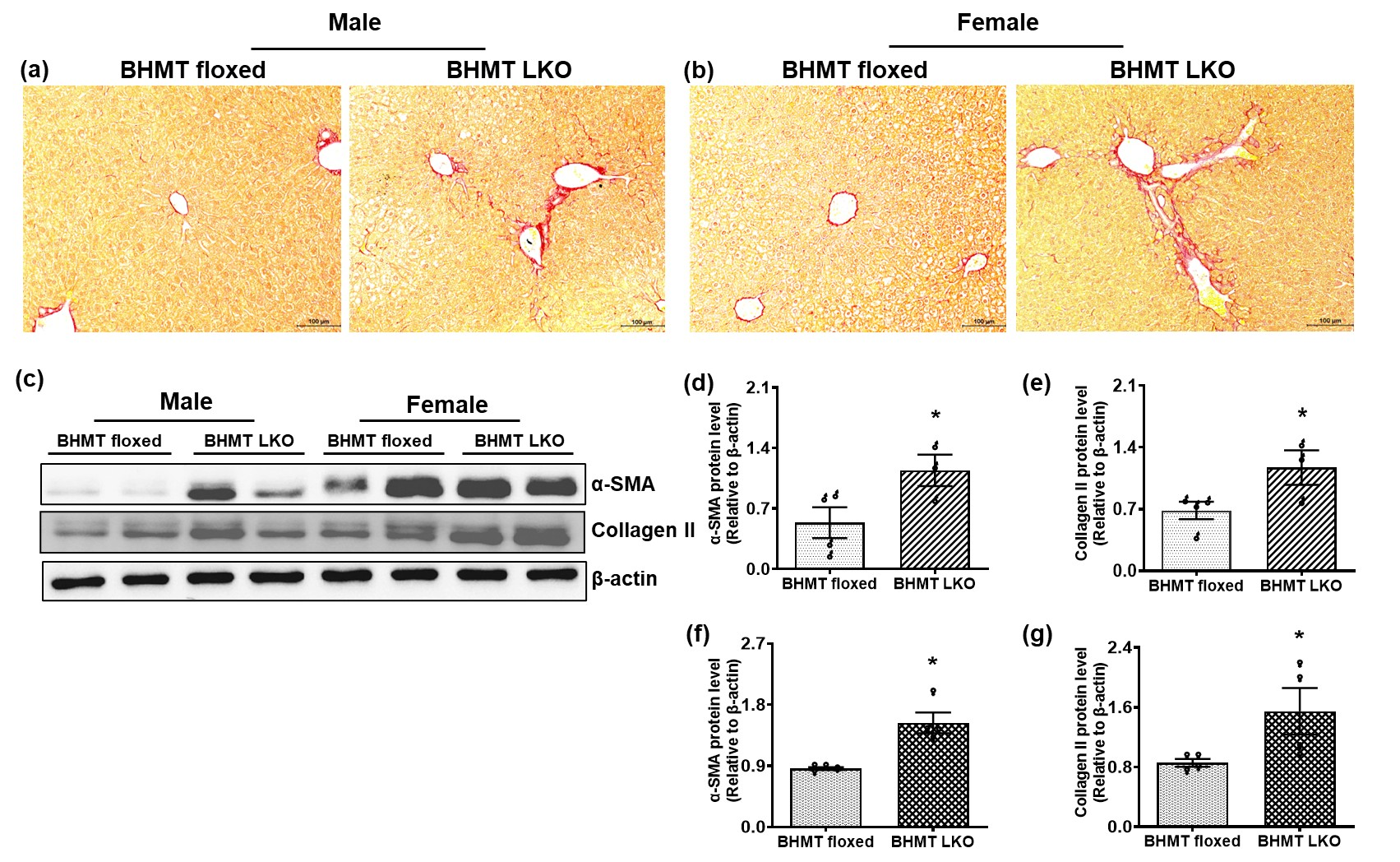
3.5. Hepatocyte-Specific Deletion of BHMT Promotes Early Inflammatory and Fibrotic Changes in the Liver
4. Discussion
5. Conclusions
Supplementary Materials
Author Contributions
Funding
Institutional Review Board Statement
Informed Consent Statement
Data Availability Statement
Conflicts of Interest
Correction Statement
Abbreviations
| 4-HNE | 4-hydroxynonenal |
| AAALAC | American Association for Accreditation of Laboratory Animal Care |
| BHMT | betaine-homocysteine methyltransferase |
| BHMT LKO | Liver-specific BHMT knockout |
| ALD | alcohol-associated liver disease |
| CD36 | cluster of differentiation 36 |
| CD68 | cluster of differentiation 68 |
| CIDEC | cell death-inducing DFFA-like effector C |
| DCF | dichlorofluorescein |
| DCFH-DA | 2′7′-dichlorodihydrofluorescein diacetate |
| H&E | hematoxylin and eosin |
| IL-1β | interleukin 1β |
| IACUC | Institutional Animal Care and Use Committee |
| LAL | lysosomal acid lipase |
| MASLD | metabolic dysfunction-associated liver disease |
| MDA | malondialdehyde |
| NEFA | nonesterified fatty acid |
| SAH | S-adenosylhomocysteine |
| SAM | S-adenosylmethionine |
| α-SMA | α-smooth muscle actin |
| TBARS | thiobarbituric acid-reactive substances |
| UNMC-TSF | University of Nebraska Medical Center—Tissue Sciences Facility |
References
- Gan, C.; Yuan, Y.; Shen, H.; Gao, J.; Kong, X.; Che, Z.; Guo, Y.; Wang, H.; Dong, E.; Xiao, J. Liver diseases: Epidemiology, causes, trends and predictions. Signal Transduct. Target. Ther. 2025, 10, 33. [Google Scholar] [CrossRef]
- Trefts, E.; Gannon, M.; Wasserman, D.H. The liver. Curr. Biol. 2017, 27, R1147–R1151. [Google Scholar] [CrossRef] [PubMed]
- Mato, J.M.; Martinez-Chantar, M.L.; Lu, S.C. Methionine metabolism and liver disease. Annu. Rev. Nutr. 2008, 28, 273–293. [Google Scholar] [CrossRef] [PubMed]
- Froese, D.S.; Fowler, B.; Baumgartner, M.R. Vitamin B12, folate, and the methionine remethylation cycle-biochemistry, pathways, and regulation. J. Inherit. Metab. Dis. 2019, 42, 673–685. [Google Scholar] [CrossRef] [PubMed]
- Sunden, S.L.; Renduchintala, M.S.; Park, E.I.; Miklasz, S.D.; Garrow, T.A. Betaine-homocysteine methyltransferase expression in porcine and human tissues and chromosomal localization of the human gene. Arch. Biochem. Biophys. 1997, 345, 171–174. [Google Scholar] [CrossRef]
- Rao, P.V.; Garrow, T.A.; John, F.; Garland, D.; Millian, N.S.; Zigler, J.S., Jr. Betaine-homocysteine methyltransferase is a developmentally regulated enzyme crystallin in rhesus monkey lens. J. Biol. Chem. 1998, 273, 30669–30674. [Google Scholar] [CrossRef]
- Finkelstein, J.D.; Martin, J.J. Methionine metabolism in mammals. Distribution of homocysteine between competing pathways. J. Biol. Chem. 1984, 259, 9508–9513. [Google Scholar] [CrossRef]
- Szegedi, S.S.; Castro, C.C.; Koutmos, M.; Garrow, T.A. Betaine-homocysteine S-methyltransferase-2 is an S-methylmethionine-homocysteine methyltransferase. J. Biol. Chem. 2008, 283, 8939–8945. [Google Scholar] [CrossRef]
- Feng, Q.; Kalari, K.; Fridley, B.L.; Jenkins, G.; Ji, Y.; Abo, R.; Hebbring, S.; Zhang, J.; Nye, M.D.; Leeder, J.S.; et al. Betaine-homocysteine methyltransferase: Human liver genotype-phenotype correlation. Mol. Genet. Metab. 2011, 102, 126–133. [Google Scholar] [CrossRef]
- Kharbanda, K.K. Alcoholic liver disease and methionine metabolism. Semin. Liver Dis. 2009, 29, 155–165. [Google Scholar] [CrossRef]
- Kharbanda, K.K.; Mailliard, M.E.; Baldwin, C.R.; Beckenhauer, H.C.; Sorrell, M.F.; Tuma, D.J. Betaine attenuates alcoholic steatosis by restoring phosphatidylcholine generation via the phosphatidylethanolamine methyltransferase pathway. J. Hepatol. 2007, 46, 314–321. [Google Scholar] [CrossRef]
- Barak, A.J.; Baker, H.; Tuma, D.J. Influence of Ethanol on In-Vivo Levels of Hepatic Methylators Betaine and N5- Methyltetrahydrofolate in the Rat. IRCS Med. Sci. 1981, 9, 527–528. [Google Scholar]
- Barak, A.J.; Beckenhauer, H.C.; Tuma, D.J.; Donohue, T.M. Adaptive increase in betaine-homocysteine methyltransferase activity maintains hepatic S-adenosylmethionine levels in ethanol-treated rats. IRCS Med. Sci. 1984, 12, 866–867. [Google Scholar]
- Kathirvel, E.; Morgan, K.; Nandgiri, G.; Sandoval, B.C.; Caudill, M.A.; Bottiglieri, T.; French, S.W.; Morgan, T.R. Betaine improves nonalcoholic fatty liver and associated hepatic insulin resistance: A potential mechanism for hepatoprotection by betaine. Am. J. Physiol. Gastrointest. Liver Physiol. 2010, 299, G1068–G1077. [Google Scholar] [CrossRef]
- Mukherjee, S.; Bernard, T.; Kharbanda, K.; Barak, A.J.; Sorrell, M.F.; Tuma, D.J. Impact of betaine on hepatic fibrosis and homocysteine in non-alcoholic steatohepatitis-A prospective cohort study. Open Transl. J. 2011, 3, 1–4. [Google Scholar]
- Song, Z.; Deaciuc, I.; Zhou, Z.; Song, M.; Chen, T.; Hill, D.; McClain, C.J. Involvement of AMP-activated protein kinase in beneficial effects of betaine on high-sucrose diet-induced hepatic steatosis. Am. J. Physiol. Gastrointest. Liver Physiol. 2007, 293, G894–G902. [Google Scholar] [CrossRef]
- Sookoian, S.; Puri, P.; Castano, G.O.; Scian, R.; Mirshahi, F.; Sanyal, A.J.; Pirola, C.J. Nonalcoholic Steatohepatitis is associated with a state of betaine-insufficiency. Liver Int. 2017, 37, 611–619. [Google Scholar] [CrossRef]
- Wang, Z.; Yao, T.; Pini, M.; Zhou, Z.; Fantuzzi, G.; Song, Z. Betaine improved adipose tissue function in mice fed a high-fat diet: A mechanism for hepatoprotective effect of betaine in nonalcoholic fatty liver disease. Am. J. Physiol. Gastrointest. Liver Physiol. 2010, 298, G634–G642. [Google Scholar] [CrossRef]
- Lim, A.S.; Cruz, S.N.; Uddin, A.A.; Malysheva, O.; Caudill, M.A.; Alonso, C.; Montilla, A.; Karsdal, M.A.; Leeming, D.J.; Mayorca-Guiliani, A.E.; et al. Pilot trials of oral betaine in participants with metabolic dysfunction-associated steatotic liver disease and elevated alanine aminotransferase. Hepatology 2025, Epub ahead of printing. [Google Scholar] [CrossRef]
- Teng, Y.W.; Mehedint, M.G.; Garrow, T.A.; Zeisel, S.H. Deletion of betaine-homocysteine S-methyltransferase in mice perturbs choline and 1-carbon metabolism, resulting in fatty liver and hepatocellular carcinomas. J. Biol. Chem. 2011, 286, 36258–36267. [Google Scholar] [CrossRef]
- Liu, X.; Shi, J.; Wu, M.; Gao, J.; Zhang, Y.; Guo, W.; Zhang, S. Betaine-homocysteine methyltransferase attenuates liver ischemia-reperfusion injury by targeting TAK1. FASEB J. 2025, 39, e70349. [Google Scholar] [CrossRef]
- Zhang, Y.T.; Yang, X.M.; Jin, Q.S.; Chen, J.Y.; Zhu, N.B.; Ju, Y.; Lin, Z.Y.; Zhi, Y.; Dong, Y.N.; Li, C.M.; et al. Betaine-homocysteine methyltransferase protects against acetaminophen-induced acute liver failure via BACH1-SCD1-oleic acid axis. Acta Pharmacol. Sin. 2026, 47, 119–134. [Google Scholar] [CrossRef]
- Ji, C.; Shinohara, M.; Vance, D.; Than, T.A.; Ookhtens, M.; Chan, C.; Kaplowitz, N. Effect of transgenic extrahepatic expression of betainehomocysteine methyltransferase on alcohol or homocysteine-induced fatty liver. Alcohol. Clin. Exp. Res. 2008, 32, 1049–1058. [Google Scholar] [CrossRef] [PubMed]
- Arumugam, M.K.; Paal, M.C.; Donohue, T.M., Jr.; Ganesan, M.; Osna, N.A.; Kharbanda, K.K. Beneficial Effects of Betaine: A Comprehensive Review. Biology 2021, 10, 456. [Google Scholar] [CrossRef] [PubMed]
- Perumal, S.K.; Arumugam, M.K.; Osna, N.A.; Rasineni, K.; Kharbanda, K.K. Betaine regulates the gut-liver axis: A therapeutic approach for chronic liver diseases. Front. Nutr. 2025, 12, 1478542. [Google Scholar] [CrossRef] [PubMed]
- Szabo, G. Gut-liver axis in alcoholic liver disease. Gastroenterology 2015, 148, 30–36. [Google Scholar] [CrossRef]
- Wang, Z.G.; Dou, X.B.; Zhou, Z.X.; Song, Z.Y. Adipose tissue-liver axis in alcoholic liver disease. World J. Gastrointest. Pathophysiol. 2016, 7, 17–26. [Google Scholar] [CrossRef]
- Dou, X.; Xia, Y.; Chen, J.; Qian, Y.; Li, S.; Zhang, X.; Song, Z. Rectification of impaired adipose tissue methylation status and lipolytic response contributes to hepatoprotective effect of betaine in a mouse model of alcoholic liver disease. Br. J. Pharmacol. 2014, 171, 4073–4086. [Google Scholar] [CrossRef]
- Thomes, P.G.; Osna, N.A.; Bligh, S.M.; Tuma, D.J.; Kharbanda, K.K. Role of defective methylation reactions in ethanol-induced dysregulation of intestinal barrier integrity. Biochem. Pharmacol. 2015, 96, 30–38. [Google Scholar] [CrossRef]
- Rasineni, K.; Rajamanickam, R.; Perumal, S.K.; Osna, N.A.; Kharbanda, K.K. Betaine supplementation prevents ethanol-induced disruption of intestinal tight junction integrity and liver inflammation in rats. Biochem. Biophys. Res. Commun. 2025, 794, 152997. [Google Scholar] [CrossRef]
- Quadros, R.M.; Miura, H.; Harms, D.W.; Akatsuka, H.; Sato, T.; Aida, T.; Redder, R.; Richardson, G.P.; Inagaki, Y.; Sakai, D.; et al. Easi-CRISPR: A robust method for one-step generation of mice carrying conditional and insertion alleles using long ssDNA donors and CRISPR ribonucleoproteins. Genome Biol. 2017, 18, 92. [Google Scholar] [CrossRef] [PubMed]
- Miura, H.; Quadros, R.M.; Gurumurthy, C.B.; Ohtsuka, M. Easi-CRISPR for creating knock-in and conditional knockout mouse models using long ssDNA donors. Nat. Protoc. 2018, 13, 195–215. [Google Scholar] [CrossRef] [PubMed]
- Harms, D.W.; Quadros, R.M.; Seruggia, D.; Ohtsuka, M.; Takahashi, G.; Montoliu, L.; Gurumurthy, C.B. Mouse genome editing using the CRISPR/Cas system. Curr. Protoc. Hum. Genet. 2014, 83, 15.7.1–15.7.27. [Google Scholar] [CrossRef] [PubMed]
- Ericson, L.E.; Harper, A.E. Effect of diet on the Betaine-Homocysteine Transmethylase Activity Of Rat Liver I Amino Acids and Proteins. J. Biol. Chem. 1956, 219, 49–58. [Google Scholar] [CrossRef]
- Folch, J.; Lees, M.; Sloane Stanley, G.H. A simple method for the isolation and purification of total lipides from animal tissues. J. Biol. Chem. 1957, 226, 497–509. [Google Scholar] [CrossRef]
- Rodrigues Siqueira, I.; Fochesatto, C.; da Silva Torres, I.L.; Dalmaz, C.; Alexandre Netto, C. Aging affects oxidative state in hippocampus, hypothalamus and adrenal glands of Wistar rats. Life Sci. 2005, 78, 271–278. [Google Scholar] [CrossRef]
- Bradford, M.M. A rapid and sensitive method for the quantitation of microgram quantities of protein utilizing the principle of protein-dye binding. Anal. Biochem. 1976, 72, 248–254. [Google Scholar] [CrossRef]
- Mihara, M.; Uchiyama, M. Determination of malonaldehyde precursor in tissues by thiobarbituric acid test. Anal. Biochem. 1978, 86, 271–278. [Google Scholar] [CrossRef]
- Arumugam, M.K.; Chava, S.; Perumal, S.K.; Paal, M.C.; Rasineni, K.; Ganesan, M.; Donohue, T.M., Jr.; Osna, N.A.; Kharbanda, K.K. Acute ethanol-induced liver injury is prevented by betaine administration. Front. Physiol. 2022, 13, 940148. [Google Scholar] [CrossRef]
- Perumal, S.K.; Day, L.Z.; Arumugam, M.K.; Chava, S.; Kumar, V.; Osna, N.A.; Jacobs, J.; Rasineni, K.; Kharbanda, K.K. Lipid droplet-associated proteins in alcohol-associated fatty liver disease: A proteomic approach. Alcohol Clin. Exp. Res. 2024, 48, 2010–2021. [Google Scholar] [CrossRef]
- Teng, Y.W.; Ellis, J.M.; Coleman, R.A.; Zeisel, S.H. Mouse betaine-homocysteine S-methyltransferase deficiency reduces body fat via increasing energy expenditure and impairing lipid synthesis and enhancing glucose oxidation in white adipose tissue. J. Biol. Chem. 2012, 287, 16187–16198. [Google Scholar] [CrossRef] [PubMed]
- Warrier, M.; Paules, E.M.; Silva-Gomez, J.; Friday, W.B.; Bramlett, F.; Kim, H.; Zhang, K.; Trujillo-Gonzalez, I. Homocysteine-induced endoplasmic reticulum stress activates FGF21 and is associated with browning and atrophy of white adipose tissue in Bhmt knockout mice. Heliyon 2023, 9, e13216. [Google Scholar] [CrossRef] [PubMed]
- Pellanda, H.; Namour, F.; Fofou-Caillierez, M.; Bressenot, A.; Alberto, J.M.; Chery, C.; Ayav, A.; Bronowicki, J.P.; Gueant, J.L.; Forges, T. A splicing variant leads to complete loss of function of betaine-homocysteine methyltransferase (BHMT) gene in hepatocellular carcinoma. Int. J. Biochem. Cell Biol. 2012, 44, 385–392. [Google Scholar] [CrossRef] [PubMed]
- Gibson, T.M.; Brennan, P.; Han, S.; Karami, S.; Zaridze, D.; Janout, V.; Kollarova, H.; Bencko, V.; Navratilova, M.; Szeszenia-Dabrowska, N.; et al. Comprehensive evaluation of one-carbon metabolism pathway gene variants and renal cell cancer risk. PLoS ONE 2011, 6, e26165. [Google Scholar] [CrossRef]
- Li, F.; Feng, Q.; Lee, C.; Wang, S.; Pelleymounter, L.L.; Moon, I.; Eckloff, B.W.; Wieben, E.D.; Schaid, D.J.; Yee, V.; et al. Human betaine-homocysteine methyltransferase (BHMT) and BHMT2: Common gene sequence variation and functional characterization. Mol. Genet. Metab. 2008, 94, 326–335. [Google Scholar] [CrossRef]
- Han, H.K.; Mukherjee, S.; Park, S.Y.; Lee, J.H.; Lee, E.H.; Kim, S.; Lee, Y.H.; Song, D.K.; Lee, S.; Bae, J.H.; et al. Regulation of Betaine Homocysteine Methyltransferase by Liver Receptor Homolog-1 in the Methionine Cycle. Mol. Cell. Biol. 2024, 44, 245–258. [Google Scholar] [CrossRef]
- Ji, C.; Kaplowitz, N. Betaine decreases hyperhomocysteinemia, endoplasmic reticulum stress, and liver injury in alcohol-fed mice. Gastroenterology 2003, 124, 1488–1499. [Google Scholar] [CrossRef]
- Kharbanda, K.K.; Todero, S.L.; Ward, B.W.; Cannella, J.J., III; Tuma, D.J. Betaine administration corrects ethanol-induced defective VLDL secretion. Mol. Cell. Biochem. 2009, 327, 75–78. [Google Scholar] [CrossRef]
- Arumugam, M.K.; Talawar, S.; Listenberger, L.; Donohue, T.M., Jr.; Osna, N.A.; Kharbanda, K.K. Role of elevated intracellular S-adenosylhomocysteine in the pathogenesis of alcohol-related liver disease. Cells 2020, 9, 1526. [Google Scholar] [CrossRef]
- Arumugam, M.K.; Perumal, S.K.; Rasineni, K.; Donohue, T.M., Jr.; Osna, N.A.; Kharbanda, K.K. Lipidomic analysis of liver lipid droplets after chronic alcohol consumption with and without betaine supplementation. Biology 2023, 12, 462. [Google Scholar] [CrossRef]
- Steneberg, P.; Sykaras, A.G.; Backlund, F.; Straseviciene, J.; Soderstrom, I.; Edlund, H. Hyperinsulinemia Enhances Hepatic Expression of the Fatty Acid Transporter Cd36 and Provokes Hepatosteatosis and Hepatic Insulin Resistance. J. Biol. Chem. 2015, 290, 19034–19043. [Google Scholar] [CrossRef]
- Matsusue, K.; Kusakabe, T.; Noguchi, T.; Takiguchi, S.; Suzuki, T.; Yamano, S.; Gonzalez, F.J. Hepatic steatosis in leptin-deficient mice is promoted by the PPARγ target gene Fsp27. Cell Metab. 2008, 7, 302–311. [Google Scholar] [CrossRef] [PubMed]
- Donohue, T.M., Jr.; Osna, N.A.; Kharbanda, K.K.; Thomes, P.G. Lysosomal and proteasome dysfunction in alcohol-induced liver injury. Liver Res. 2019, 3, 191–205. [Google Scholar] [CrossRef]
- Schulze, R.J.; Krueger, E.W.; Weller, S.G.; Johnson, K.M.; Casey, C.A.; Schott, M.B.; McNiven, M.A. Direct lysosome-based autophagy of lipid droplets in hepatocytes. Proc. Natl. Acad. Sci. USA 2020, 117, 32443–32452. [Google Scholar] [CrossRef] [PubMed]
- Li, F.; Zhang, H. Lysosomal Acid Lipase in Lipid Metabolism and Beyond. Arter. Thromb. Vasc. Biol. 2019, 39, 850–856. [Google Scholar] [CrossRef]
- Yadati, T.; Houben, T.; Bitorina, A.; Shiri-Sverdlov, R. The Ins and Outs of Cathepsins: Physiological Function and Role in Disease Management. Cells 2020, 9, 1679. [Google Scholar] [CrossRef]
- Bradic, I.; Liesinger, L.; Kuentzel, K.B.; Vujic, N.; Trauner, M.; Birner-Gruenberger, R.; Kratky, D. Metabolic changes and propensity for inflammation, fibrosis, and cancer in livers of mice lacking lysosomal acid lipase. J. Lipid Res. 2023, 64, 100427. [Google Scholar] [CrossRef]
- Xu, M.J.; Cai, Y.; Wang, H.; Altamirano, J.; Chang, B.; Bertola, A.; Odena, G.; Lu, J.; Tanaka, N.; Matsusue, K.; et al. Fat-Specific Protein 27/CIDEC Promotes Development of Alcoholic Steatohepatitis in Mice and Humans. Gastroenterology 2015, 149, 1030–1041.e6. [Google Scholar] [CrossRef]
- Donohue, T.M., Jr.; Kharbanda, K.K.; Casey, C.A.; Nanji, A.A. Decreased proteasome activity is associated with increased severity of liver pathology and oxidative stress in experimental alcoholic liver disease. Alcohol. Clin. Exp. Res. 2004, 28, 1257–1263. [Google Scholar] [CrossRef]
- Osna, N.A.; White, R.L.; Krutik, V.M.; Wang, T.; Weinman, S.A.; Donohue, T.M., Jr. Proteasome activation by hepatitis C core protein is reversed by ethanol-induced oxidative stress. Gastroenterology 2008, 134, 2144–2152. [Google Scholar] [CrossRef]
- Osna, N.A.; White, R.L.; Donohue, T.M., Jr.; Beard, M.R.; Tuma, D.J.; Kharbanda, K.K. Impaired methylation as a novel mechanism for proteasome suppression in liver cells. Biochem. Biophys. Res. Commun. 2010, 391, 1291–1296. [Google Scholar] [CrossRef]
- Sagar, P.; Perumal, S.K.; Rajamanickam, R.; Bellamkonda, R.; Mahalingam, S.; Osna, N.A.; Rasineni, K.; Kharbanda, K.K. Aging promotes spontaneous liver injury: Insights from metabolic, inflammatory, and fibrotic pathways in C57Bl/6 mice. Biomolecules 2025, 15, 1727. [Google Scholar] [CrossRef]
- Goetzke, C.C.; Ebstein, F.; Kallinich, T. Role of Proteasomes in Inflammation. J. Clin. Med. 2021, 10, 1783. [Google Scholar] [CrossRef]
- Tsuchida, T.; Friedman, S.L. Mechanisms of hepatic stellate cell activation. Nat. Rev. Gastroenterol. Hepatol. 2017, 14, 397–411. [Google Scholar] [CrossRef]
- Hoffmann, C.; Djerir, N.E.H.; Danckaert, A.; Fernandes, J.; Roux, P.; Charrueau, C.; Lachages, A.M.; Charlotte, F.; Brocheriou, I.; Clement, K.; et al. Hepatic stellate cell hypertrophy is associated with metabolic liver fibrosis. Sci. Rep. 2020, 10, 3850. [Google Scholar] [CrossRef]




Disclaimer/Publisher’s Note: The statements, opinions and data contained in all publications are solely those of the individual author(s) and contributor(s) and not of MDPI and/or the editor(s). MDPI and/or the editor(s) disclaim responsibility for any injury to people or property resulting from any ideas, methods, instructions or products referred to in the content. |
© 2026 by the authors. Licensee MDPI, Basel, Switzerland. This article is an open access article distributed under the terms and conditions of the Creative Commons Attribution (CC BY) license.
Share and Cite
Rajamanickam, R.; Perumal, S.K.; Bellamkonda, R.; Mahalingam, S.; Fisher, K.W.; Quadros, R.; Gurumurthy, C.B.; Arumugam, M.K.; Rasineni, K.; Kharbanda, K.K. Hepatocyte-Specific Deletion of Betaine-Homocysteine Methyltransferase Disrupts Methionine Metabolism and Promotes the Spontaneous Development of Hepatic Steatosis. Biomolecules 2026, 16, 606. https://doi.org/10.3390/biom16040606
Rajamanickam R, Perumal SK, Bellamkonda R, Mahalingam S, Fisher KW, Quadros R, Gurumurthy CB, Arumugam MK, Rasineni K, Kharbanda KK. Hepatocyte-Specific Deletion of Betaine-Homocysteine Methyltransferase Disrupts Methionine Metabolism and Promotes the Spontaneous Development of Hepatic Steatosis. Biomolecules. 2026; 16(4):606. https://doi.org/10.3390/biom16040606
Chicago/Turabian StyleRajamanickam, Ramachandran, Sathish Kumar Perumal, Ramesh Bellamkonda, Sundararajan Mahalingam, Kurt W. Fisher, Rolen Quadros, Channabasavaiah B. Gurumurthy, Madan Kumar Arumugam, Karuna Rasineni, and Kusum K. Kharbanda. 2026. "Hepatocyte-Specific Deletion of Betaine-Homocysteine Methyltransferase Disrupts Methionine Metabolism and Promotes the Spontaneous Development of Hepatic Steatosis" Biomolecules 16, no. 4: 606. https://doi.org/10.3390/biom16040606
APA StyleRajamanickam, R., Perumal, S. K., Bellamkonda, R., Mahalingam, S., Fisher, K. W., Quadros, R., Gurumurthy, C. B., Arumugam, M. K., Rasineni, K., & Kharbanda, K. K. (2026). Hepatocyte-Specific Deletion of Betaine-Homocysteine Methyltransferase Disrupts Methionine Metabolism and Promotes the Spontaneous Development of Hepatic Steatosis. Biomolecules, 16(4), 606. https://doi.org/10.3390/biom16040606